分类: world

  • The US deported a gay asylum-seeker to a third country where homosexuality is illegal

    The US deported a gay asylum-seeker to a third country where homosexuality is illegal

    In a controversial move that has drawn sharp criticism from immigration advocates, the Trump administration has deported a Moroccan woman with a valid US immigration protection order to Cameroon—a country where she had no connections and where homosexuality remains criminalized.

    Farah, a 21-year-old gay woman who fled Morocco after facing violent persecution from her family, endured a harrowing journey through six countries before reaching the US border in early 2025. Despite receiving a judicial protection order in August that explicitly prohibited her deportation to Morocco due to life-threatening risks, Immigration and Customs Enforcement (ICE) officials transported her to Cameroon just three days before her scheduled release hearing.

    Her case represents one of dozens confirmed instances where migrants with legal protection from US immigration judges have been deported to third countries under the administration’s “third-country agreements” with African nations. According to legal representatives, all nine deportees on the January flight to Cameroon possessed similar protection orders.

    Legal experts have condemned the practice as a dangerous loophole that violates both US immigration laws and international treaties. Alma David, an immigration lawyer with Novo Legal Group, stated: “By deporting them to Cameroon, and giving them no opportunity to contest being sent to a country whose government hoped to quietly send them back to the very countries where they face grave danger, the US not only violated their due process rights but our own immigration laws.”

    The Department of Homeland Security defended the actions, asserting: “We are applying the law as written. If a judge finds an illegal alien has no right to be in this country, we are going to remove them. Period.”

    Currently, at least seven African nations—including Cameroon, South Sudan, Rwanda, Uganda, Eswatini, Ghana, and Equatorial Guinea—have entered into agreements with the US to accept deported third-country nationals. Senate Foreign Relations Committee documents reveal the administration has spent approximately $40 million to deport about 300 migrants to countries other than their own.

    Farah, now back in Morocco and living in hiding, expressed her disillusionment: “What was done to me was unfair. A normal deportation would have been fair, but to go through so much and lose so much, only to be deported in such a way, is cruel.”

  • After 4 years of war by Russia in Ukraine, peace is still elusive despite a US push for a settlement

    After 4 years of war by Russia in Ukraine, peace is still elusive despite a US push for a settlement

    Russia’s full-scale invasion of Ukraine has now exceeded a sobering historical benchmark, surpassing the 1,418-day duration of Moscow’s World War II campaign against Nazi Germany. Unlike the Red Army’s decisive push to Berlin eight decades ago, today’s conflict has devolved into a grueling stalemate with minimal territorial gains despite catastrophic human costs.

    Current estimates indicate nearly two million soldiers dead, wounded, or missing from both sides in Europe’s most devastating conflict since WWII. NATO Secretary-General Mark Rutte recently characterized Moscow’s advance as moving at “the speed of a garden snail,” with Russian troops gaining merely 50 kilometers in the Donetsk region over two years of brutal fighting.

    The warfare has transformed into a peculiar blend of high-tech drone operations and World War I-style trench combat. Drones have become decisive instruments, creating a 50-kilometer kill zone along the 1,200-kilometer front line that prevents troop concentrations and complicates supply movements. Small infantry groups now attempt infiltrations through towns flattened by Russian artillery and glide bombs.

    President Vladimir Putin maintains maximalist demands in U.S.-mediated peace talks, insisting Ukraine withdraw forces from four illegally annexed regions and abandon NATO aspirations. Meanwhile, Ukraine has conducted audacious long-range attacks, including drone strikes on Russian oil refineries and the sinking of several Black Sea warships.

    The conflict has expanded beyond the battlefield, with Russia targeting Ukraine’s energy infrastructure to create widespread blackouts, while Ukraine retaliates with strikes deep inside Russian territory. Economic strains are mounting on both nations, with Western sanctions slowing Russia’s growth though defense production continues unabated.

    Mediation efforts face significant hurdles due to incompatible demands: Putin seeks comprehensive peace agreement rather than ceasefire, while President Volodymyr Zelenskyy requires security guarantees before considering elections or referendums. With the White House reportedly setting a June deadline for resolution and both leaders courting favor with former President Trump, the path to settlement remains elusive amid continued military operations and entrenched diplomatic positions.

  • Islamic State calls for attacks on Syrian government

    Islamic State calls for attacks on Syrian government

    In a significant escalation of rhetoric, the Islamic State (IS) group has issued its first official audio statement in two years, directly calling for intensified attacks against the Syrian government and national army. The message, delivered by spokesperson Abu Huzaifa al-Ansari through the group’s official media channels, marks a strategic shift in the organization’s priorities.

    The recording explicitly identifies the overthrow of President Ahmed al-Sharaa’s administration as the group’s primary objective, characterizing his leadership as ‘apostate and secular rule.’ This declaration comes amid growing tensions following Syria’s recent alignment with international counter-terrorism efforts.

    President al-Sharaa, formerly known as Abu Mohammed al-Jolani of the al-Qaeda-linked al-Nusra Front, has undergone a remarkable political transformation. After ousting longtime leader Bashar al-Assad in December 2024, he assumed the interim presidency in January 2025. His journey from leading al-Qaeda’s Syrian branch—which historically fought against IS—to his current position as a conventional political leader represents one of the most dramatic political evolutions in the region.

    The timing of IS’s message appears directly linked to Syria’s November participation in the US-led global coalition against the terrorist organization. During his historic visit to Washington, al-Sharaa formalized Syria’s cooperation with the 90-member coalition, including attendance at recent meetings in Riyadh, Saudi Arabia. The IS spokesperson condemned this alignment, accusing Western ‘crusaders’ of being Syria’s true rulers and vowing perpetual conflict in Damascus.

    Independent researcher Cagatay Cebe, who specializes in jihadist movements, interprets the statement as an official declaration of strategic regrouping within Syria. ‘After its territorial losses in 2019, the organization preferred to maintain a low profile in Syria while strengthening its branches across different continents,’ Cebe explained to Middle East Eye. He noted that the group previously avoided claiming responsibility for attacks in government-held areas but changed tactics following al-Sharaa’s Washington visit.

    The audio statement also celebrated IS’s operational successes across Africa while urging followers to mobilize in regions where the group maintains influence. Shortly after its release, IS claimed responsibility for an attack in Raqqa that killed two alleged Syrian army members, followed by another claimed operation in Deir al-Zor that resulted in one casualty and one injury among internal security forces.

    According to a recent UN Office of Counter-Terrorism report, IS has already attempted five failed assassinations targeting President al-Sharaa and two senior cabinet ministers. The group, which once controlled vast territories across Syria and Iraq before its territorial defeat in 2017-2019, appears to be repositioning itself for a renewed campaign centered in Syria, potentially transferring forces from Iraq according to analyst assessments.

  • Brazil, India ink critical minerals deal as leaders meet

    Brazil, India ink critical minerals deal as leaders meet

    In a significant move to reshape global supply chains, India and Brazil have formalized a comprehensive partnership on critical minerals and rare earths during President Luiz Inacio Lula da Silva’s state visit to New Delhi. The agreement, announced following high-level talks between Prime Minister Narendra Modi and President Lula, represents a strategic alignment between two major Global South economies seeking to reduce dependence on China’s near-monopoly in these essential resources.

    The partnership encompasses multiple dimensions including mineral exploration, processing technologies, and sustainable extraction methods. Brazil, possessing the world’s second-largest reserves of critical minerals, offers substantial resource access, while India brings growing technological capabilities and manufacturing demand. The collaboration extends beyond minerals to include nine additional agreements covering digital cooperation, health initiatives, and entrepreneurial development.

    Prime Minister Modi emphasized the agreement as “a major step toward building resilient supply chains” that reflects deepening trust between the nations. President Lula characterized the partnership as “pioneering” with renewable energy and critical minerals at its core. The deal complements India’s recent supply chain engagements with the United States, France, and the European Union, creating a diversified network of resource access.

    Bilateral trade between the countries reached $15 billion in 2025, with Brazil serving as India’s largest trading partner in Latin America. Both leaders committed to expanding this exchange beyond $20 billion within five years, leveraging complementarities in agricultural products, industrial raw materials, and advanced manufacturing. The defense sector was also highlighted as an area of growing cooperation, described by Modi as a “win-win partnership.”

    The timing of the agreement reflects broader geopolitical realignments, with both nations seeking to strengthen South-South cooperation while maintaining strategic autonomy. As Modi noted, “When India and Brazil work together, the voice of Global South becomes stronger and more confident.” The partnership signals a new phase in South-South cooperation that could potentially reshape global trade patterns in critical resources.

  • At least 3 dead as migrant boat capsizes off Greek island

    At least 3 dead as migrant boat capsizes off Greek island

    A deadly maritime incident unfolded off the coast of Crete on Friday when an overloaded migrant vessel capsized during rescue operations, resulting in at least three confirmed fatalities. The tragedy occurred as a commercial ship, dispatched by the Greek Search and Rescue Center, attempted to evacuate passengers from the precarious wooden boat.

    According to eyewitness accounts from survivors, approximately 50 people were aboard the distressed vessel when the rescue operation commenced. As migrants attempted to transfer to the commercial ship using ladders, a sudden shift in weight distribution caused the fragile craft to overturn, plunging all occupants into the open waters.

    The Hellenic Coast Guard launched an extensive search mission involving four patrol boats, aerial surveillance aircraft, and two vessels from the European Border and Coast Guard Agency (Frontex). Twenty individuals, including four minors, were successfully rescued from the waters. Most survivors identified as Egyptian and Sudanese nationals, reflecting ongoing migration patterns from North Africa.

    Simultaneously, authorities detected a second migrant vessel carrying approximately forty people in the same vicinity, prompting additional rescue efforts. This incident highlights the continuing shift in migration routes from traditional Aegean passages to the more dangerous Libya-Crete corridor.

    Official data from the UN High Commissioner for Refugees reveals that 16,770 asylum seekers reached Crete in 2025, with 107 recorded deaths or disappearances in Greek waters during the same period. In response to mounting arrivals, the Greek government implemented a three-month suspension of asylum application processing last summer, particularly targeting migrants arriving from Libyan departure points.

    This latest tragedy underscores the persistent humanitarian challenges facing Mediterranean migration routes and the extreme risks vulnerable populations undertake seeking European refuge.

  • Hezbollah says it has ‘no choice’ but to defend itself after deadly Israeli strikes

    Hezbollah says it has ‘no choice’ but to defend itself after deadly Israeli strikes

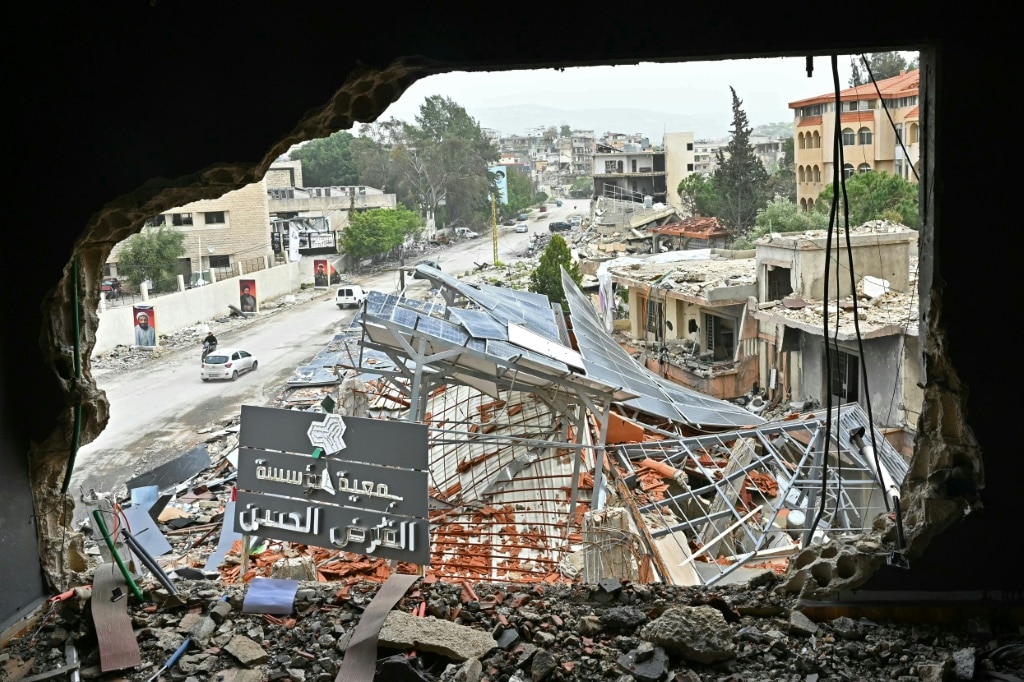
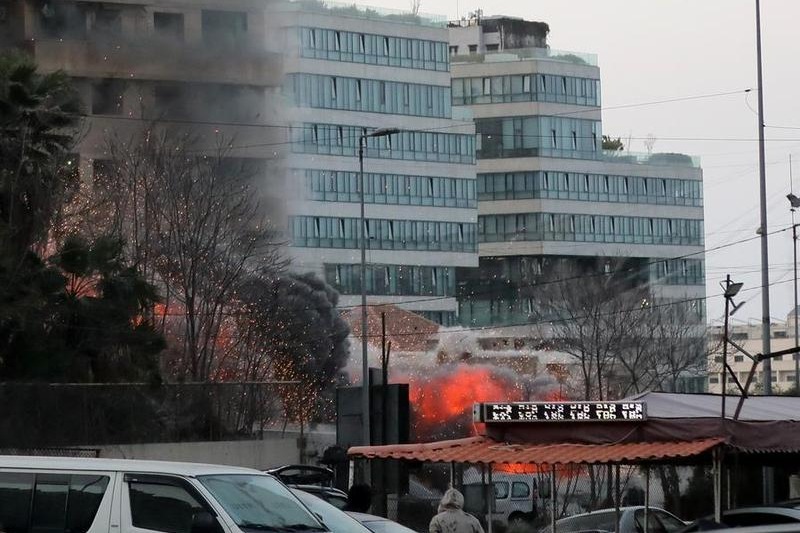
    Hezbollah has declared it possesses ‘no remaining alternatives’ but to engage in self-defense following Israel’s most lethal aerial assault in weeks on eastern Lebanon. The Friday strikes targeted the Bekaa Valley, resulting in a minimum of ten fatalities—including a high-ranking Hezbollah military official—and wounding twenty-four individuals, among them three children. This offensive represents a direct violation of the November 2024 ceasefire agreement.

    In a televised address on Hezbollah’s Al-Manar network, Mahmoud Qamati, deputy chairman of the group’s political council, condemned the operation as ‘a new massacre and a new aggression.’ He posed the rhetorical question, ‘What option do we have left to defend ourselves and our country? What option do we have other than resistance?’

    This escalation coincides with intelligence reports from Al Arabiya and Al Hadath indicating Hezbollah has intensified its strategic planning sessions. These meetings are reportedly focused on formulating a response to a potential military confrontation between the United States and Iran. According to sources, Iranian commanders from the Islamic Revolutionary Guard Corps (IRGC) have now assumed administrative oversight, effectively supplanting elements of the Lebanese leadership.

    While some Iranian military advisors have been stationed in Lebanon for several months, additional personnel have recently arrived as U.S.-Iran tensions have worsened. Several high-level discussions have specifically concentrated on Hezbollah’s missile capabilities in the Bekaa Valley—the precise unit struck by Israeli forces. The Iranian commanders are now directing efforts to rebuild Hezbollah’s operational capacity while preparing for what they perceive as an inevitable broader conflict with Israel.

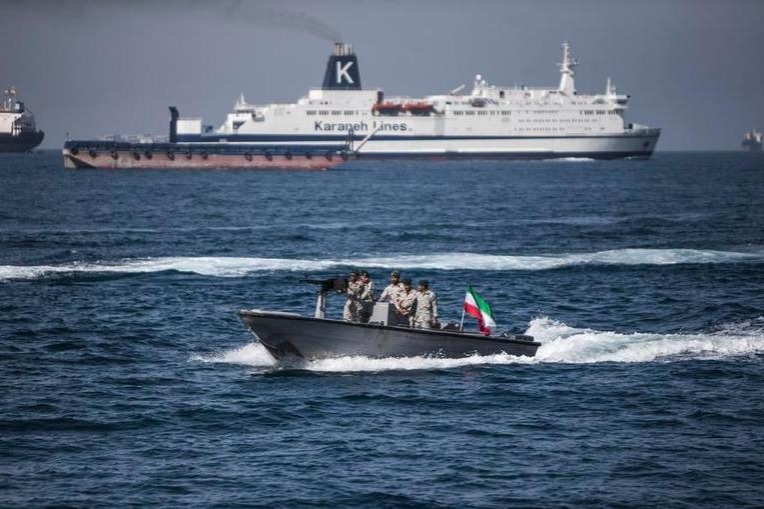
    Concurrently, The New York Times reports the Pentagon has relocated hundreds of U.S. troops from bases in Qatar and Bahrain. This repositioning accompanies a substantial deployment of military assets to the region, including warships, fighter jets, bombers, drones, surveillance aircraft, and advanced air-defense systems. These movements suggest Washington is preparing for a prolonged engagement potentially exceeding the duration of last year’s 12-day conflict.

    Katherine Thompson of the Cato Institute, a former senior Defense Department official, observed, ‘This looks like positioning for a much longer conflict.’ She noted the Pentagon appears to be ‘anticipating an Iranian response that could pose a significant risk to American bases in the region,’ while expressing concerns about the sustainability of prolonged force protection alongside continued support for Israel. Another U.S. military official confirmed two aircraft carriers remain strategically positioned at a distance from Iran to safeguard American installations.

  • Philippines arrests 3 Chinese nationals for overstaying, use of false identity

    Philippines arrests 3 Chinese nationals for overstaying, use of false identity

    Philippine immigration authorities have detained three Chinese citizens in a targeted enforcement operation for significant violations of immigration statutes. The arrests occurred during a raid conducted at a residential condominium in Barangay Tambo, following intelligence reports connecting the individuals to suspected unlawful activities in the region.

    The primary individual apprehended, identified as Fang Li, initially entered the Philippines under temporary visitor status in 2022. Investigation revealed her failure to regularize her immigration status by applying for a mandatory visa extension following her most recent arrival. Authorities further uncovered that she was allegedly utilizing identification documents belonging to another Chinese national, constituting identity fraud.

    A second detainee, Chen Youliang, was already subject to an active Blacklist Order and an existing Order to Leave due to previous breaches of his visa conditions. At the time of apprehension, he could not produce a valid passport or any legal immigration documentation.

    The third individual, Xu Yuxiang, was taken into custody after verification confirmed the expiration of his visa extension, rendering his presence in the country unlawful.

    All three individuals currently remain in the custody of the Philippines Bureau of Immigration (BI) while facing formal deportation proceedings. BI Commissioner Joel Anthony Viado issued a stern warning that foreign nationals attempting to circumvent Philippine immigration laws through aliases, fraudulent identities, or expired visas will face apprehension and subsequent deportation.

    This enforcement action follows a larger deportation operation in November, wherein 23 Chinese nationals were expelled for involvement in illegal Philippine Offshore Gaming Operations (POGO) and associated cyberfraud schemes. Those individuals were found to have violated multiple immigration laws and were reportedly wanted for criminal activities in their home country.

  • Saudi apprehends over 19,000 illegal residents in one week

    Saudi apprehends over 19,000 illegal residents in one week

    Saudi authorities have launched a significant nationwide operation targeting violations of residency, labor, and border security regulations, resulting in the apprehension of 19,101 individuals during a single week of intensified enforcement actions from February 12-18, 2026.

    The comprehensive crackdown, coordinated through joint security campaigns, revealed distinct categories of violations: 12,153 individuals were detained for residency regulation breaches, 2,845 for labor law violations, and 4,103 for border security infractions. Additionally, security forces intercepted 1,663 persons attempting illegal border entry into the Kingdom.

    Demographic analysis of those apprehended indicates Yemeni nationals constituted 54% of the total, followed by Ethiopian citizens at 45%, with various other nationalities comprising the remaining 1%. The operation also identified 31 individuals attempting to exit the Kingdom through unauthorized channels.

    The Saudi Ministry of Interior emphasized that enforcement extends beyond direct violators to include those facilitating illegal activities. Authorities detained 28 persons implicated in transporting, harboring, employing, or concealing individuals violating residency, labor, and border security protocols.

    Significant enforcement measures have been implemented, including the deportation of 14,893 violators, while 1,389 individuals were directed to finalize their travel arrangements. Furthermore, 15,585 persons were instructed to obtain proper travel documentation.

    Saudi legislation imposes severe penalties for border security violations, including potential 15-year imprisonment terms and fines reaching one million Saudi riyals for those facilitating illegal entry, transportation, shelter, or assistance to violators. The government also mandates confiscation of vehicles and properties used to shelter unauthorized individuals.

    The Ministry characterized these violations as “major crimes warranting arrest and representing breaches of honor and trust,” while encouraging public reporting through designated emergency numbers (911 in major regions, 999 and 996 elsewhere) with guaranteed confidentiality and protection for informants.

  • Hezbollah says eight members killed in Israel’s Friday strikes on Lebanon

    Hezbollah says eight members killed in Israel’s Friday strikes on Lebanon

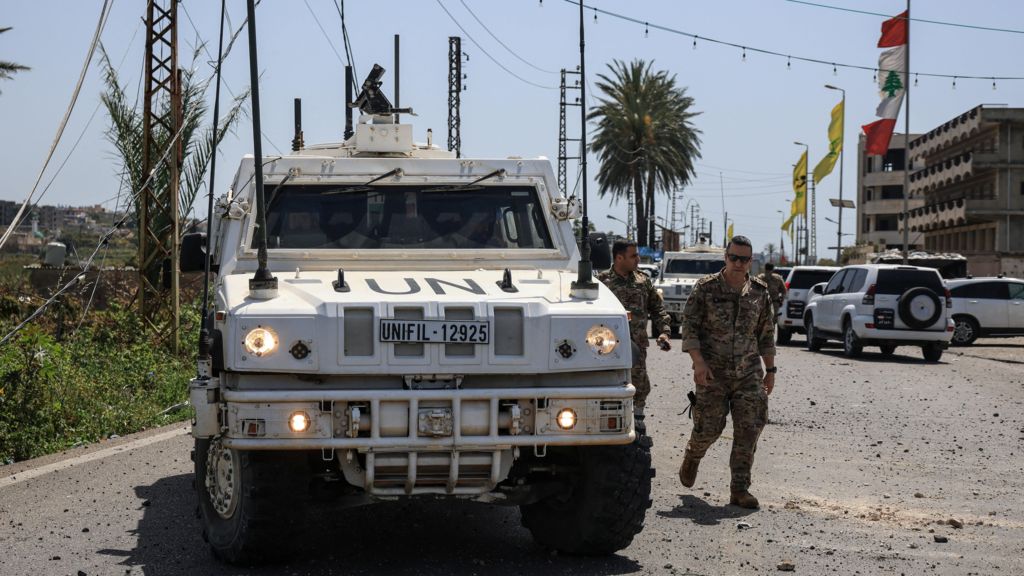
    Israeli military operations in Lebanon resulted in significant casualties among Hezbollah ranks on Friday, with eight members of the militant group confirmed dead according to an anonymous official. The strikes targeted a Hezbollah meeting in the eastern Bekaa Valley, notably distant from the typical conflict zones near the Israeli border.

    The Israeli Defense Forces stated they specifically targeted ‘several terrorists of Hezbollah’s missile array’ across three separate command centers in the Baalbek area. These attacks occurred shortly after separate Israeli operations against Hamas targets in southern Lebanon, where two people were killed at the country’s largest Palestinian refugee camp.

    Lebanese President Joseph Aoun strongly condemned the attacks as ‘a blatant act of aggression’ that undermines diplomatic efforts toward regional stability. The violence comes at a delicate time, with the United States and Iran experiencing heightened tensions over Tehran’s nuclear program and President Donald Trump threatening military action.

    The strikes have complicated Lebanon’s delicate political landscape, where the government recently announced the army would begin implementing the second phase of its plan to disarm Hezbollah in southern Lebanon. Hezbollah lawmaker Rami Abu Hamdan responded by demanding Beirut suspend meetings of the multinational ceasefire committee until Israel ceases its attacks.

    An AFP correspondent in eastern Lebanon documented extensive damage in residential areas, with bulldozers clearing debris in Bednayel and a heavily damaged building between Riyak and Ali al-Nahri where the Hezbollah members were reportedly meeting. The health ministry confirmed 10 fatalities in the east and two in the south, all in areas where Hezbollah maintains significant influence.

    Despite a November 2024 ceasefire agreement intended to halt hostilities, Israel has maintained regular strikes against Hezbollah targets while occasionally targeting Hamas operations in Lebanon. Israel maintains that Lebanon’s progress on disarming Hezbollah has been insufficient and accuses the group of continued rearmament since the last major conflict.

  • 8 dead, over 20,000 families evacuated following heavy rains in Mindanao

    8 dead, over 20,000 families evacuated following heavy rains in Mindanao

    Southern Philippines is confronting a severe humanitarian crisis following days of torrential rainfall triggered by a shearline weather phenomenon. The eastern seaboard of Mindanao island endured intense precipitation, resulting in catastrophic flooding and multiple landslides that have claimed eight lives and forced the evacuation of more than 20,000 families across multiple regions.

    According to official reports from the Office of Civil Defense XI (OCD XI), the casualties include seven individuals who perished in separate landslide incidents occurring in Mati City, Davao Oriental and Monkayo, Davao de Oro. An additional miner lost his life in Pantukan town within the same province, bringing the total death toll to eight.

    The scale of displacement is substantial, with approximately 33 communities across Davao and Caraga regions experiencing destructive landslides. Massive flooding has inundated 47 barangays (villages) throughout the provinces of Davao Oriental, Davao de Oro, and Davao del Norte, with additional impacts reported in Surigao del Norte, Surigao del Sur, Dinagat Islands, and Agusan del Sur.

    The meteorological trigger for this disaster has been identified as a shearline system—a convergence of warm easterly winds originating from the Pacific Ocean colliding with colder northeasterly winds from East Asia. This atmospheric collision produced extraordinary rainfall amounts, with the Hinatuan weather station in Surigao del Sur recording 277 millimeters of precipitation within a 24-hour period.

    Infrastructure has suffered significant damage, with numerous roads and bridges rendered impassable due to powerful floodwaters. Hundreds of families have been compelled to evacuate their homes, with many establishing temporary shelters along roadways. The agricultural sector has likewise sustained considerable losses, including approximately 200 hectares of rice fields submerged in Davao Oriental alone.

    With rainfall subsiding by Saturday, relief operations have commenced under the direction of OCD XI director Ednar Dayanghirang. The Department of Social Work and Development XI is currently distributing over 135,000 family food packs throughout the affected Davao region to address immediate humanitarian needs.