分类: world

  • Saudi apprehends over 19,000 illegal residents in one week

    Saudi apprehends over 19,000 illegal residents in one week

    Saudi authorities have launched a significant nationwide operation targeting violations of residency, labor, and border security regulations, resulting in the apprehension of 19,101 individuals during a single week of intensified enforcement actions from February 12-18, 2026.

    The comprehensive crackdown, coordinated through joint security campaigns, revealed distinct categories of violations: 12,153 individuals were detained for residency regulation breaches, 2,845 for labor law violations, and 4,103 for border security infractions. Additionally, security forces intercepted 1,663 persons attempting illegal border entry into the Kingdom.

    Demographic analysis of those apprehended indicates Yemeni nationals constituted 54% of the total, followed by Ethiopian citizens at 45%, with various other nationalities comprising the remaining 1%. The operation also identified 31 individuals attempting to exit the Kingdom through unauthorized channels.

    The Saudi Ministry of Interior emphasized that enforcement extends beyond direct violators to include those facilitating illegal activities. Authorities detained 28 persons implicated in transporting, harboring, employing, or concealing individuals violating residency, labor, and border security protocols.

    Significant enforcement measures have been implemented, including the deportation of 14,893 violators, while 1,389 individuals were directed to finalize their travel arrangements. Furthermore, 15,585 persons were instructed to obtain proper travel documentation.

    Saudi legislation imposes severe penalties for border security violations, including potential 15-year imprisonment terms and fines reaching one million Saudi riyals for those facilitating illegal entry, transportation, shelter, or assistance to violators. The government also mandates confiscation of vehicles and properties used to shelter unauthorized individuals.

    The Ministry characterized these violations as “major crimes warranting arrest and representing breaches of honor and trust,” while encouraging public reporting through designated emergency numbers (911 in major regions, 999 and 996 elsewhere) with guaranteed confidentiality and protection for informants.

  • Hezbollah says eight members killed in Israel’s Friday strikes on Lebanon

    Hezbollah says eight members killed in Israel’s Friday strikes on Lebanon

    Israeli military operations in Lebanon resulted in significant casualties among Hezbollah ranks on Friday, with eight members of the militant group confirmed dead according to an anonymous official. The strikes targeted a Hezbollah meeting in the eastern Bekaa Valley, notably distant from the typical conflict zones near the Israeli border.

    The Israeli Defense Forces stated they specifically targeted ‘several terrorists of Hezbollah’s missile array’ across three separate command centers in the Baalbek area. These attacks occurred shortly after separate Israeli operations against Hamas targets in southern Lebanon, where two people were killed at the country’s largest Palestinian refugee camp.

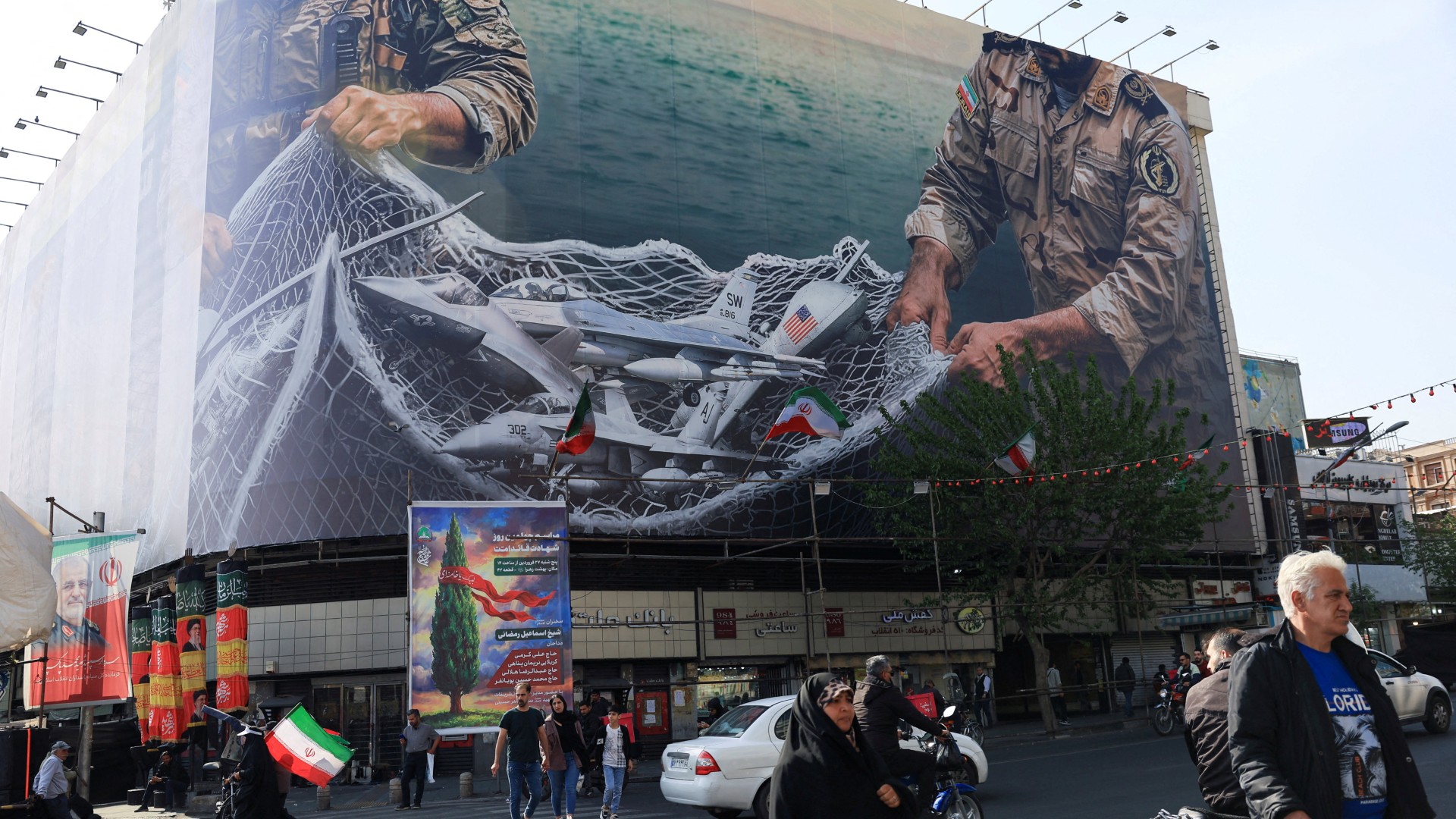
    Lebanese President Joseph Aoun strongly condemned the attacks as ‘a blatant act of aggression’ that undermines diplomatic efforts toward regional stability. The violence comes at a delicate time, with the United States and Iran experiencing heightened tensions over Tehran’s nuclear program and President Donald Trump threatening military action.

    The strikes have complicated Lebanon’s delicate political landscape, where the government recently announced the army would begin implementing the second phase of its plan to disarm Hezbollah in southern Lebanon. Hezbollah lawmaker Rami Abu Hamdan responded by demanding Beirut suspend meetings of the multinational ceasefire committee until Israel ceases its attacks.

    An AFP correspondent in eastern Lebanon documented extensive damage in residential areas, with bulldozers clearing debris in Bednayel and a heavily damaged building between Riyak and Ali al-Nahri where the Hezbollah members were reportedly meeting. The health ministry confirmed 10 fatalities in the east and two in the south, all in areas where Hezbollah maintains significant influence.

    Despite a November 2024 ceasefire agreement intended to halt hostilities, Israel has maintained regular strikes against Hezbollah targets while occasionally targeting Hamas operations in Lebanon. Israel maintains that Lebanon’s progress on disarming Hezbollah has been insufficient and accuses the group of continued rearmament since the last major conflict.

  • 8 dead, over 20,000 families evacuated following heavy rains in Mindanao

    8 dead, over 20,000 families evacuated following heavy rains in Mindanao

    Southern Philippines is confronting a severe humanitarian crisis following days of torrential rainfall triggered by a shearline weather phenomenon. The eastern seaboard of Mindanao island endured intense precipitation, resulting in catastrophic flooding and multiple landslides that have claimed eight lives and forced the evacuation of more than 20,000 families across multiple regions.

    According to official reports from the Office of Civil Defense XI (OCD XI), the casualties include seven individuals who perished in separate landslide incidents occurring in Mati City, Davao Oriental and Monkayo, Davao de Oro. An additional miner lost his life in Pantukan town within the same province, bringing the total death toll to eight.

    The scale of displacement is substantial, with approximately 33 communities across Davao and Caraga regions experiencing destructive landslides. Massive flooding has inundated 47 barangays (villages) throughout the provinces of Davao Oriental, Davao de Oro, and Davao del Norte, with additional impacts reported in Surigao del Norte, Surigao del Sur, Dinagat Islands, and Agusan del Sur.

    The meteorological trigger for this disaster has been identified as a shearline system—a convergence of warm easterly winds originating from the Pacific Ocean colliding with colder northeasterly winds from East Asia. This atmospheric collision produced extraordinary rainfall amounts, with the Hinatuan weather station in Surigao del Sur recording 277 millimeters of precipitation within a 24-hour period.

    Infrastructure has suffered significant damage, with numerous roads and bridges rendered impassable due to powerful floodwaters. Hundreds of families have been compelled to evacuate their homes, with many establishing temporary shelters along roadways. The agricultural sector has likewise sustained considerable losses, including approximately 200 hectares of rice fields submerged in Davao Oriental alone.

    With rainfall subsiding by Saturday, relief operations have commenced under the direction of OCD XI director Ednar Dayanghirang. The Department of Social Work and Development XI is currently distributing over 135,000 family food packs throughout the affected Davao region to address immediate humanitarian needs.

  • Serbia, Sweden urge citizens to quit Iran as Trump mulls strike

    Serbia, Sweden urge citizens to quit Iran as Trump mulls strike

    Amid escalating geopolitical tensions, the governments of Serbia and Sweden have issued urgent advisories calling for the immediate departure of their citizens from Iranian territory. This development follows heightened military rhetoric from former US President Donald Trump, who has openly contemplated limited strikes against Iran’s nuclear infrastructure.

    The Serbian Foreign Ministry formally updated its travel advisory late Friday, explicitly stating: “Due to the deteriorating security situation, citizens of the Republic of Serbia are not recommended to travel to Iran in the coming period. All those who are in Iran are recommended to leave the country as soon as possible.” This warning represents a continuation of diplomatic concerns initially raised in mid-January, when Tehran initiated severe crackdowns against widespread protest movements.

    Concurrently, Swedish Foreign Minister Maria Malmer Stenergard utilized social media platform X to disseminate a “strong appeal addressed to Swedish citizens who are in Iran to leave,” signaling coordinated European concern regarding regional stability.

    These security alerts emerge against a complex diplomatic backdrop. Iranian officials expressed optimism on Friday regarding potential rapid negotiations with the United States concerning their controversial nuclear program, which has historically fueled animosity between the nations. However, Trump’s administration has simultaneously orchestrated significant naval reinforcements throughout the Middle East, explicitly designed to intensify pressure on Tehran. The former president confirmed he is “considering” targeted military action should diplomatic efforts prove unsuccessful.

    The convergence of nuclear negotiations, military posturing, and civilian evacuations creates a volatile international scenario, with global observers monitoring whether diplomatic channels can prevail over escalating confrontation.

  • Lebanon: Israeli strike kills at least 10, including Hezbollah leader

    Lebanon: Israeli strike kills at least 10, including Hezbollah leader

    Israeli military operations in eastern Lebanon resulted in significant casualties on Friday, claiming at least ten lives and wounding two dozen individuals, including three children. The assault, which represents a clear breach of the November 2024 ceasefire accord, targeted areas east and south of the country, according to official statements from the Lebanese Ministry of Health.

    Among the deceased was Muhammad Hassan Yaghi, a military leader within Hezbollah’s ranks, whose death was confirmed by the group on Saturday following strikes in the Bekaa Valley. Local media assessments suggest the death toll may be higher, estimating at least a dozen fatalities with over thirty people injured across various locations in Lebanon. Search and rescue missions remain active at the impacted sites as reported by Lebanon’s National News Agency (NNA).

    The offensive drew sharp condemnation from Lebanese and Palestinian leadership. Lebanese President Joseph Aoun cautioned that persistent Israeli violations are sabotaging diplomatic initiatives aimed at fostering regional stability. Meanwhile, Hamas strongly denounced the targeting of the Ein el-Hilweh refugee camp near Sidon, the largest Palestinian refugee settlement in Lebanon, where preliminary reports indicate at least two fatalities.

    In an official statement released Friday, Hamas rejected Israel’s justification that it was targeting a terrorist operations center as ‘a flimsy pretext that does not stand up to scrutiny.’ The group characterized the attack as ‘another crime against the Palestinian people and a violation of Lebanese sovereignty,’ emphasizing that targeting a densely populated civilian refugee camp constitutes a dangerous escalation and blatant disregard for international laws.

    This incident marks the latest development in Israel’s expanding military campaign beyond Gaza, where continuous bombardment has created a severe humanitarian crisis despite an October truce agreement. Although Israel and Hezbollah agreed to a ceasefire in November 2024, Israeli strikes have persisted almost daily, resulting in over 370 fatalities since the agreement took effect.

    The ongoing violence continues despite Lebanon’s implementation of disarmament initiatives. In January, the Lebanese army completed the initial phase of a government-led plan to disarm Hezbollah fighters in border regions, part of broader efforts to strengthen state authority and reduce armed activity along the frontier. Authorities have additionally supervised the transfer of weapons from various Palestinian factions in refugee camps to Lebanese security institutions throughout the past year as part of this same initiative to limit non-state armed groups’ presence.

  • Blast alert near Delhi’s Red Fort as intelligence sources warn of possible terror threat

    Blast alert near Delhi’s Red Fort as intelligence sources warn of possible terror threat

    Indian authorities have implemented enhanced security protocols across New Delhi’s critical religious and heritage sites following credible intelligence indicating potential terrorist activity. The alert specifically identifies prominent temples in the historic Chandni Chowk district and the iconic Red Fort complex as possible targets for improvised explosive device (IED) attacks.

    Security personnel have been deployed in substantial numbers throughout these sensitive areas while intelligence agencies work to verify the authenticity of the threat. The intelligence warning suggests that an unidentified terrorist organization has compiled a target list focusing on India’s religious landmarks.

    This security escalation occurs against the backdrop of the devastating November 2025 vehicle explosion near the Red Fort Metro Station, which resulted in twelve fatalities and multiple vehicle fires. The National Investigation Agency (NIA) continues its probe into that incident, with a special court recently granting a 45-day extension to complete the investigation. Seven individuals remain in judicial custody until March 13 in connection with the previous attack.

    The current security measures encompass increased surveillance, vehicle checks, and heightened patrols around crowded public spaces and religious establishments throughout the capital city. Officials emphasize that while the intelligence is being thoroughly assessed, precautionary measures are necessary to ensure public safety.

  • Ramadan in ruins: Gaza’s Palestinians mark third holy month amid grief and displacement

    Ramadan in ruins: Gaza’s Palestinians mark third holy month amid grief and displacement

    The commencement of Ramadan has offered minimal respite for Palestinians in Gaza, where a fragile ceasefire masks persistent suffering and profound loss. While international leaders gathered in Washington to discuss reconstruction pledges through President Trump’s Board of Peace initiative, Gaza’s residents describe an atmosphere saturated with grief, displacement, and intermittent violence—conditions strikingly similar to the two wartime Ramadans that preceded it.

    The current ceasefire, reminiscent of a collapsed January agreement breached by Israel last year, leaves many uncertain about future stability. Families of the more than 72,000 Palestinians killed since October 2023 now confront Ramadan amidst shattered communities and absent loved ones.

    Ziad Dhair, displaced from northern Gaza and sheltering in Nuseirat refugee camp, encapsulates the prevailing sentiment: ‘There is no real difference between Ramadan now and Ramadan during the war. The only difference is that some of the killing and bloodshed has stopped.’ For Dhair, the holy month is defined by absence—’We have lost the gatherings of the people we love.’

    Despite reduced large-scale operations, violence persists. Two Palestinians were killed and four injured during Ramadan’s initial days, adding to the 603 fatalities and 1,618 injuries recorded since the October ceasefire. Most casualties occur near the Israeli-enforced ‘Yellow Line’—a military buffer zone now controlling 58% of Gaza—where access remains restricted despite ceasefire provisions.

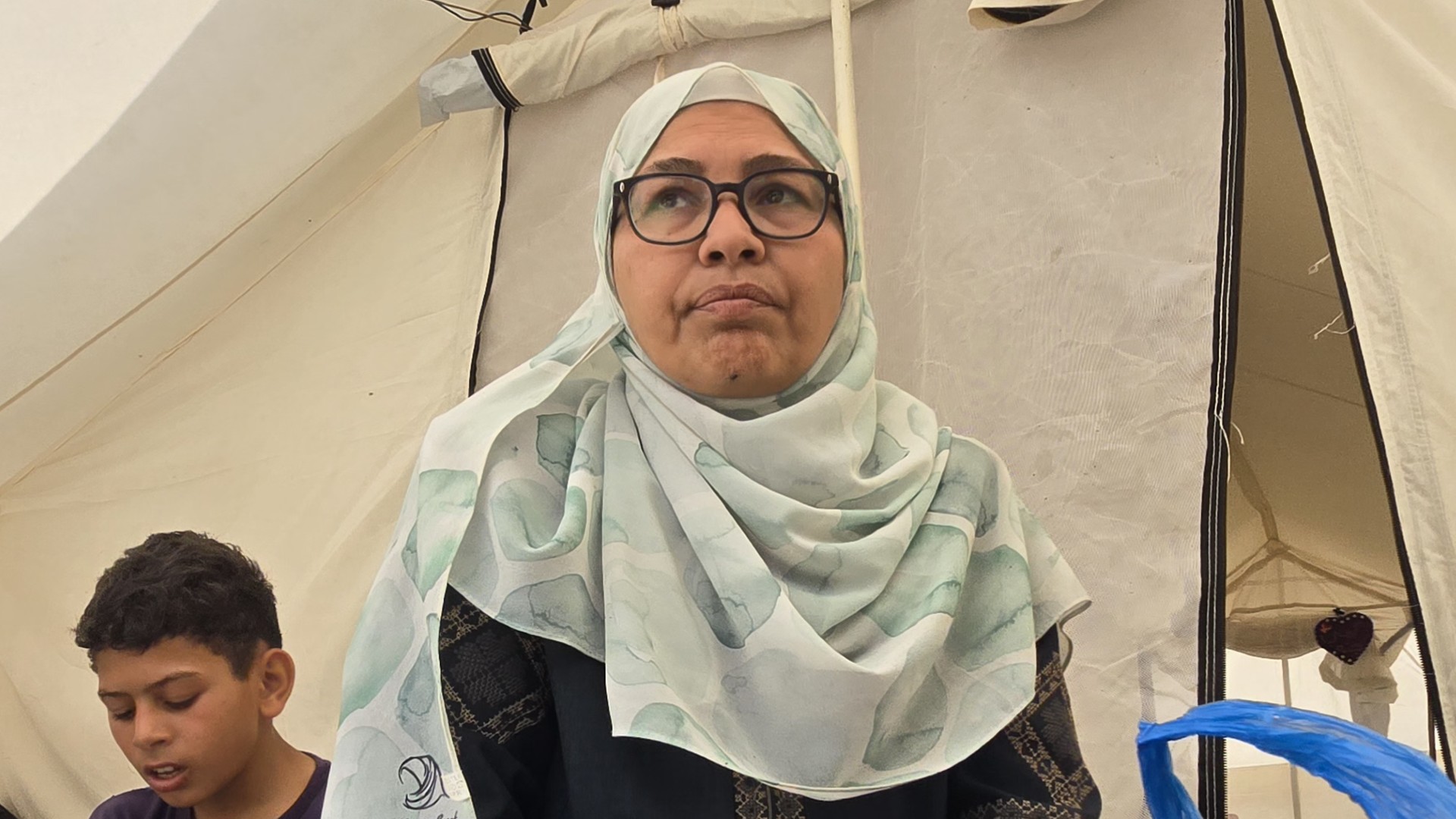
    The human cost extends beyond casualties. Umm Mohammed Abu Qamar, forcibly displaced from Jabalia refugee camp after two Ramadans in her damaged home, now observes the holy month in a central Gaza tent. ‘I miss my home, I miss Jabalia. I long to return and smell its soil,’ she mourns, while grieving two sisters and two sons-in-law killed in Israeli attacks.

    Fouad Hijazi of Gaza City describes tearful Ramadan preparations, remembering 20 lost friends and relatives. His experience reflects broader economic collapse: although markets are restocked, widespread unemployment and inflation render goods unattainable for most. ‘We see them but cannot buy them for our children,’ Hijazi explains, noting dependence on charity kitchens that provide cold meals requiring firewood reheating.

    This energy crisis persists despite ceasefire agreements promising 1,500 gas trucks by January; only 307 arrived, covering 20% of needs. Consequently, firewood remains the primary cooking fuel, maintaining wartime conditions.

    Ultimately, Gaza’s Ramadan embodies paradoxical suffering: reduced bombardment without safety, available goods without accessibility, and ceasefire without freedom. As Dhair summarizes, ‘The war cannot have stopped when I am still unable to even see the rubble of my home.’

  • Divers recover bodies of seven Chinese tourists from bottom of Lake Baikal

    Divers recover bodies of seven Chinese tourists from bottom of Lake Baikal

    A devastating incident on Siberia’s Lake Baikal has resulted in the deaths of seven Chinese tourists and their Russian driver after their minibus plunged through the ice into the frigid waters below. The tragedy occurred Friday when the vehicle encountered a three-meter-wide fissure in the ice covering the world’s deepest lake.

    Regional Governor Igor Kobzev confirmed recovery efforts involving divers who worked at depths of 18 meters (59 feet) using specialized underwater camera equipment to locate the victims. One Chinese tourist miraculously survived the accident, managing to escape the submerged vehicle.

    Lake Baikal, renowned as both a UNESCO World Heritage Site and the planet’s deepest freshwater lake reaching depths of 1,642 meters (5,387 feet), transforms into a treacherous landscape during winter months. Despite official warnings, independent travelers continue to risk crossing the unstable frozen surface.

    The victims included a 14-year-old child, all of whom were traveling independently without official tour operators. Governor Kobzev issued stern warnings following the incident, emphasizing that venturing onto Baikal’s ice remains “mortally dangerous” during current conditions.

    Russian authorities have launched a criminal investigation to determine the exact circumstances leading to the tragedy. This incident marks the latest in a series of fatal accidents on the frozen lake, including a January incident that claimed the life of another Chinese tourist.

    Disturbingly, despite this recent tragedy, rescue teams were forced to respond to two additional incidents over the weekend, saving six people trapped in their vehicles on the unstable ice, highlighting ongoing safety concerns regarding unauthorized ice travel.

  • USS Gerald R Ford enters Mediterranean: What to know about world’s largest carrier

    USS Gerald R Ford enters Mediterranean: What to know about world’s largest carrier

    The USS Gerald R. Ford, the United States’ newest and most advanced aircraft carrier, has entered the Mediterranean Sea through the Strait of Gibraltar as of Friday. This strategic deployment significantly enhances American military presence in a region experiencing substantial force buildup ahead of potential operations against Iran.

    Accompanied by three destroyer escorts, the nuclear-powered carrier brings the total number of US warships in the Middle East to 17 vessels once fully positioned. The Ford’s arrival marks the second carrier deployment to the region, joining the USS Abraham Lincoln and its accompanying guided-missile destroyers that arrived in January.

    This deployment follows the Pentagon’s February 13th announcement redirecting the carrier from Caribbean operations to the Middle East. President Donald Trump had previously indicated he would consider sending additional carrier support if diplomatic efforts with Iran remained unresolved.

    The Gerald R. Ford represents the pinnacle of naval technology, capable of carrying over 75 military aircraft including F/A-18 Super Hornets and E-2 Hawkeye early warning aircraft. The vessel features advanced radar systems for superior air traffic control and navigation capabilities. Its supporting fleet includes the Ticonderoga-class cruiser USS Normandy and Arleigh Burke-class destroyers USS Thomas Hudner, USS Ramage, USS Carney, and USS Roosevelt—all equipped for comprehensive surface-to-air, surface-to-surface, and anti-submarine warfare operations.

    According to operational records, the carrier has been continuously at sea since June 2025, having been abruptly redirected from planned European operations to the Caribbean in November before its current Middle Eastern assignment. While typical carrier deployments last nine months, extensions frequently occur during periods of heightened military activity.

    US Central Command confirmed the strike group’s deployment is intended to ‘promote regional security and stability’ amid escalating tensions. The military buildup follows Iran’s intensified crackdown on mass protests earlier this year, though President Trump has since stepped back from direct military action while maintaining that all options remain available.

  • USS Gerald R. Ford enters Mediterranean: A look at US military assets in region

    USS Gerald R. Ford enters Mediterranean: A look at US military assets in region

    In a significant escalation of military presence, the USS Gerald R. Ford—the world’s largest aircraft carrier—has entered the Mediterranean Sea through the Strait of Gibraltar. This deployment substantially enhances American strategic capabilities in a region experiencing unprecedented military mobilization ahead of potential confrontations with Iran.

    The naval reinforcement brings total US warship deployments in the Middle East to 17 vessels, including two aircraft carriers simultaneously operating in the region—an uncommon show of naval strength. The Ford carrier strike group joins the existing USS Abraham Lincoln and its accompanying fleet of nine destroyers and three littoral combat ships already positioned in the area.

    Beyond naval assets, the United States has deployed advanced aerial capabilities to the region. Open-source intelligence and flight tracking data confirm the presence of F-22 Raptor and F-35 Lightning stealth fighter jets, alongside F-15 and F-16 warplanes, supported by KC-135 aerial refueling aircraft essential for sustained operations.

    The military buildup extends to enhanced land-based air defense systems throughout the Middle East, complementing the sea-based defense capabilities provided by guided-missile destroyers. This multi-layered approach addresses potential vulnerabilities at US military installations across the region, where tens of thousands of personnel remain stationed.

    The strategic deployment occurs amidst heightened tensions following previous exchanges, including Iran’s missile launch toward a US base in Qatar in June 2025—which was successfully intercepted by air defense systems—in retaliation for American strikes on Iranian nuclear facilities.