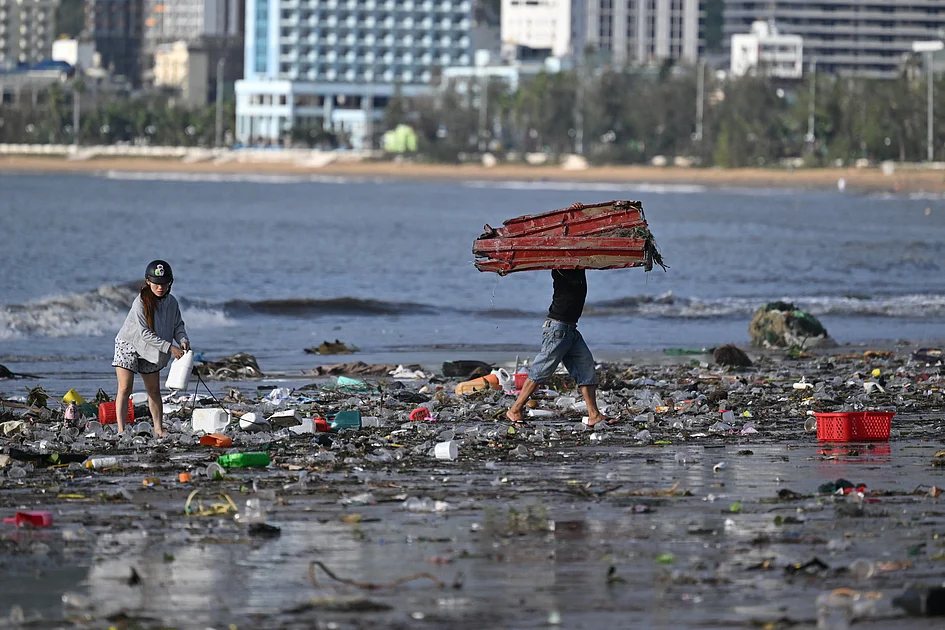
Typhoon Kalmaegi has wreaked havoc across the Philippines and Vietnam, claiming at least 188 lives and causing extensive damage. In the Philippines, officials reported 135 people missing and 96 injured, while Vietnam faced significant destruction in its coastal regions. The storm, which made landfall in central Vietnam late Thursday, uprooted trees, damaged homes, and caused widespread power outages. Although it weakened as it moved inland, authorities warned of continued heavy rainfall, with up to 200 millimeters expected in central provinces from Thanh Hoa to Quang Tri. In Vietnam, state media confirmed one fatality in Dak Lak province due to a collapsed house, while social media images depicted scenes of devastation, including flooded homes, torn-off roofs, and streets strewn with debris. The Philippine government mobilized over 268,000 soldiers for search-and-rescue operations and issued flood warnings for low-lying areas, which could impact agriculture in the Central Highlands, a key coffee-growing region. Kalmaegi is the 13th typhoon to form in the South China Sea this year, highlighting the vulnerability of Vietnam and the Philippines, both located along the Pacific typhoon belt. As the region braces for another impending typhoon, the Philippines’ civil aviation regulator has heightened alert levels for airport operations and area centers.
分类: world
-
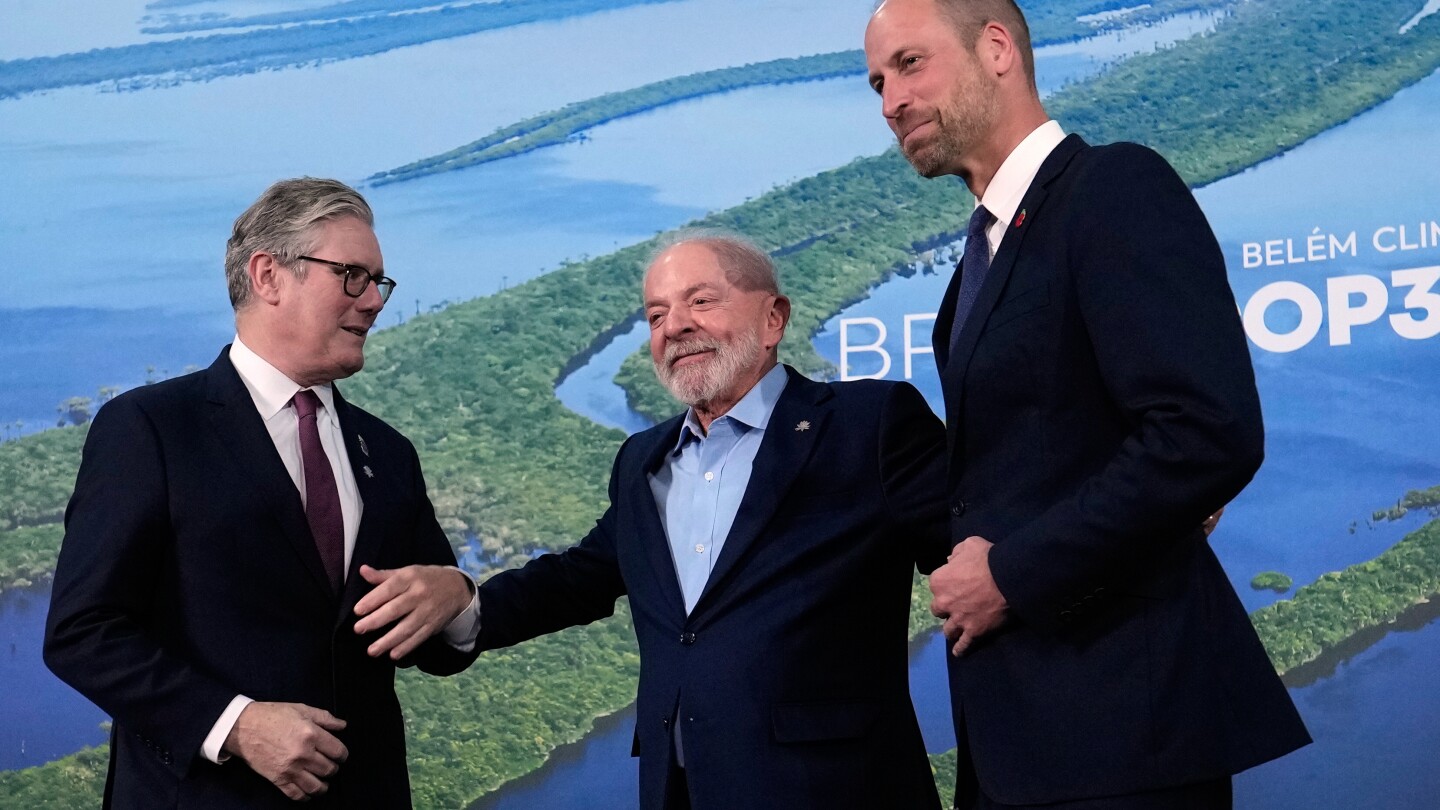
World leaders gather for second day in Brazil, seeking solutions to confront global warming
As global leaders convened for the second day of the COP30 climate summit in Belem, Brazil, President Luiz Inácio Lula da Silva unveiled a groundbreaking initiative aimed at safeguarding the world’s tropical forests. The proposed Tropical Forests Forever Facility seeks to incentivize 74 developing nations to preserve their forests by offering financial rewards funded through interest-bearing loans from wealthier countries and commercial investors. This innovative approach aims to make forest conservation more economically viable than deforestation, which currently benefits industries like cattle ranching, mining, and illegal logging. Belem, the summit’s host city, holds symbolic significance as part of the Amazon rainforest, a critical regulator of the global climate. The fund’s structure allocates 20% of its resources to Indigenous communities, who have historically been stewards of these lands. Norway led the charge with a $3 billion pledge, followed by other nations, bringing total commitments to $5.5 billion. However, the absence of leaders from the world’s top polluters—China, the United States, and India—highlighted ongoing geopolitical divisions. U.N. Secretary-General António Guterres criticized global powers for prioritizing fossil fuel interests over public welfare, warning that exceeding the 1.5°C warming threshold would result in catastrophic consequences. The summit underscored the urgent need for collective action to combat climate change while addressing economic and social inequities.
-
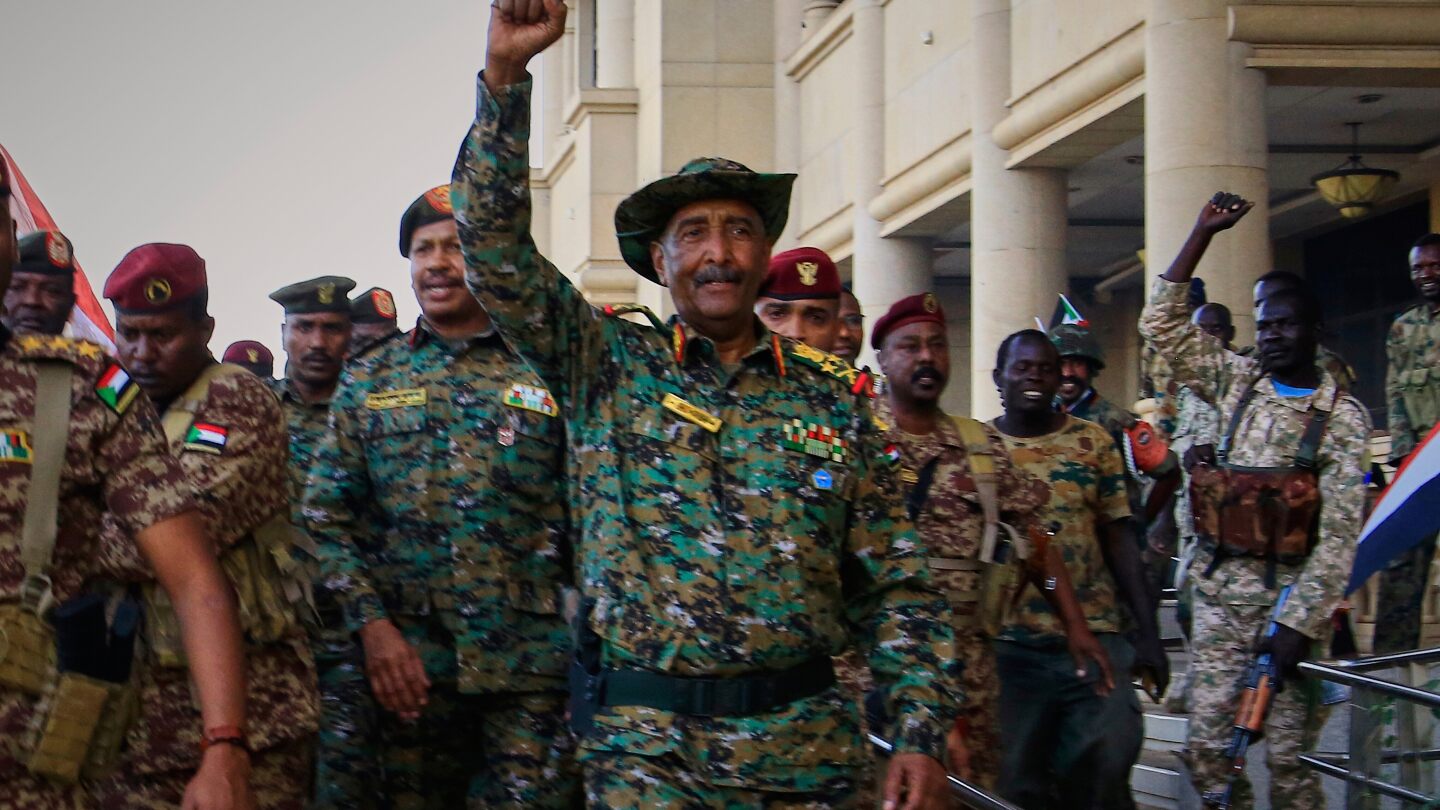
Sudanese army intercepts RSF drones targeting 2 cities
The Sudanese military successfully intercepted a series of drone attacks launched by the Rapid Support Forces (RSF) overnight in two northeastern cities, a senior army official disclosed on Friday. Speaking anonymously to discuss sensitive matters, the official revealed that 15 drones targeted Atbara in River Nile province, north of the capital, Khartoum. While no casualties were reported, local residents confirmed hearing explosions. A smaller-scale drone assault was also thwarted in Omdurman, Khartoum’s sister city. These strikes occurred just a day after the RSF announced its acceptance of a U.S.-proposed humanitarian truce mediated by the Quad, a coalition of international mediators. However, the Sudanese army emphasized that it would only agree to a ceasefire if the RSF withdraws from civilian areas and disarms, as stipulated in previous peace agreements. The conflict between the RSF and the military, which erupted in 2023 following a breakdown in their alliance during Sudan’s democratic transition, has claimed at least 40,000 lives and displaced 12 million people, according to the World Health Organization. Aid agencies warn that the actual death toll could be significantly higher, with over 24 million people facing acute food insecurity. Meanwhile, the U.N. Human Rights Council has scheduled an emergency session on November 14 to address the escalating violence in Sudan, particularly in the Darfur region. UNICEF reported that over 81,000 people have fled el-Fasher since late October, with widespread shortages of essential supplies and rampant violence against civilians, especially women and children.
-
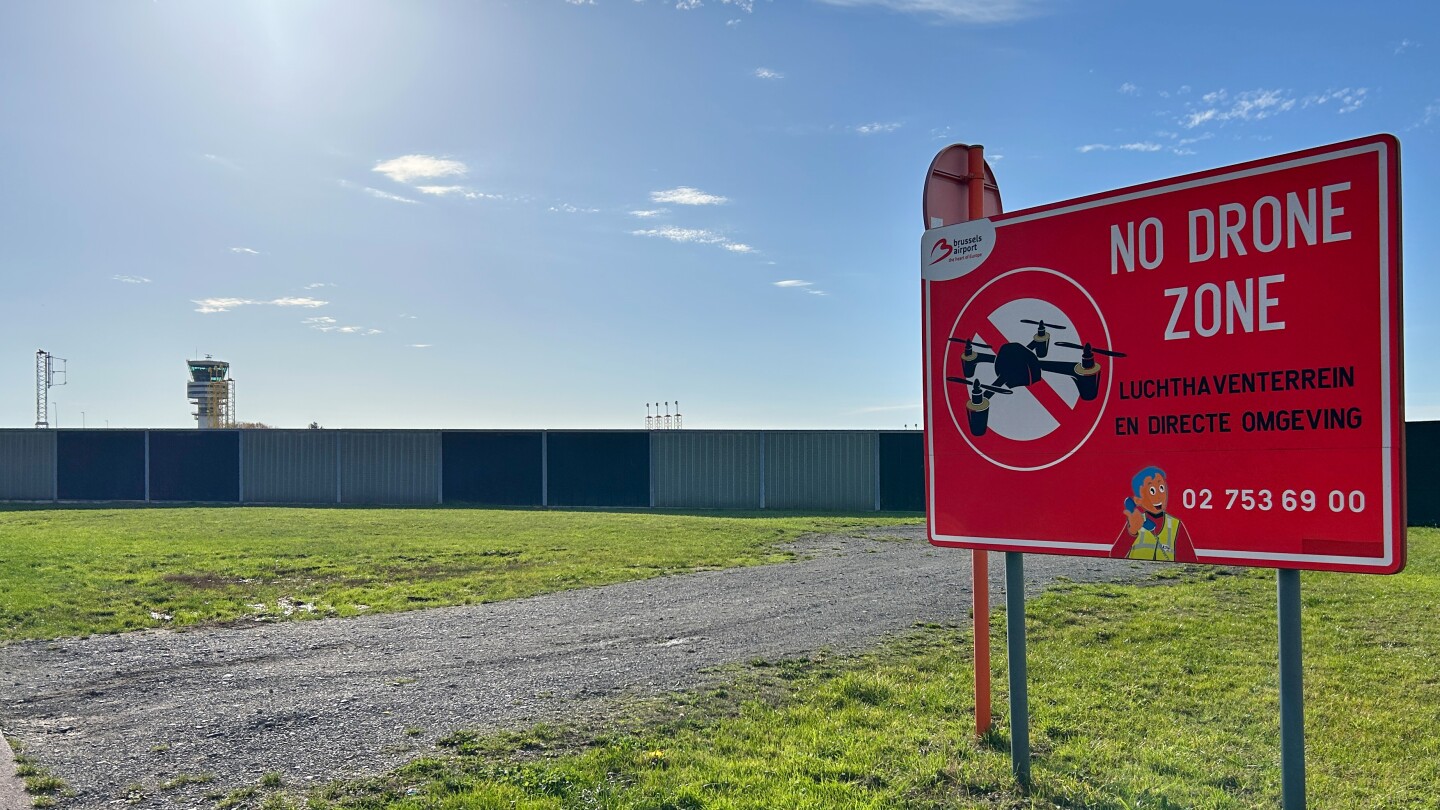
Drone sightings halt flights at major European cargo airport in Belgium
Belgium’s airspace has been thrust into turmoil following a series of drone sightings that disrupted operations at two major airports. Liege Airport, one of Europe’s largest cargo hubs, experienced multiple flight suspensions between Thursday evening and Friday morning due to unauthorized drone activity. This incident follows a similar disruption at Brussels Airport, Belgium’s primary international gateway, which was temporarily shut down on Wednesday after drone sightings the previous night. The closure marked the first time Brussels Airport had been forced to halt operations due to drones.
-
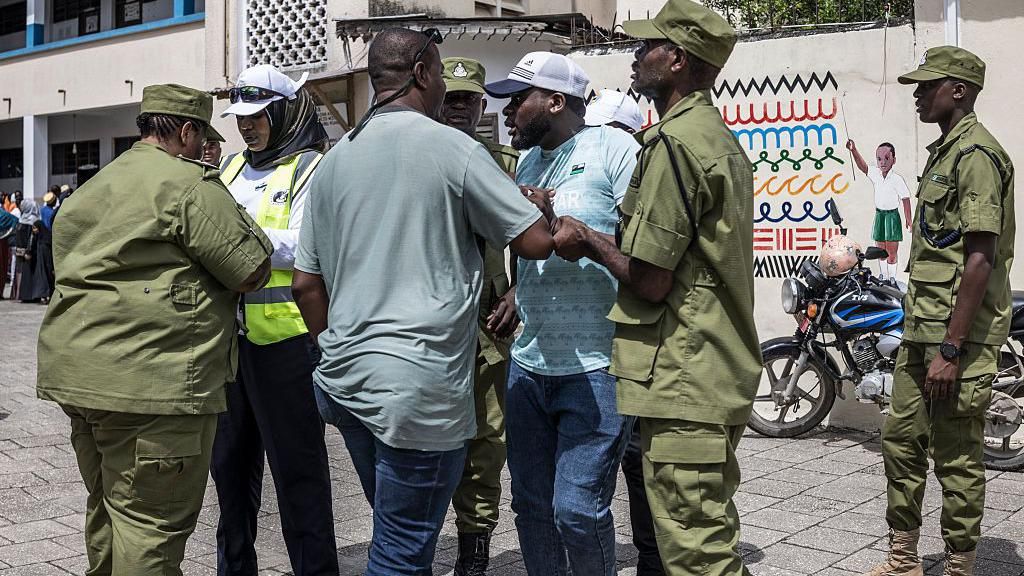
Kenya demands safety for its citizens after Tanzania’s post-poll crackdown
The safety of Kenyans in Tanzania has become a pressing concern following reports of targeted harassment and violence in the aftermath of Tanzania’s disputed election. Kenyan Foreign Minister Musalia Mudavadi has formally raised the issue with Tanzanian authorities, emphasizing the need to protect the rights and dignity of Kenyan nationals. Tanzanian President Samia Suluhu Hassan, who secured 98% of the vote in the contested election, has blamed foreigners for inciting unrest, a claim that has intensified scrutiny on Kenyans living in Tanzania. Mudavadi confirmed that formal complaints have been submitted, urging resolution through diplomatic channels. However, concerns persist as reports emerge of Kenyans being killed, injured, or detained by Tanzanian security forces. Kenyan human rights activist Hussein Khalid has accused Tanzanian authorities of using Kenyans as scapegoats for police atrocities. The Tanzanian government has dismissed allegations of excessive force, claiming that foreign agitators entered the country illegally to cause chaos. Meanwhile, Kenyan families are increasingly anxious about their relatives in Tanzania, with some fleeing the country amid warnings against employing undocumented workers. The election, criticized by observers for falling short of democratic standards, has deepened political tensions between the two East African neighbors, which have a history of diplomatic friction. President Samia, Tanzania’s first female leader, initially garnered praise for easing political repression but has since faced criticism for narrowing political freedoms. The situation underscores the fragility of regional relations and the urgent need for accountability and protection of vulnerable communities.
-
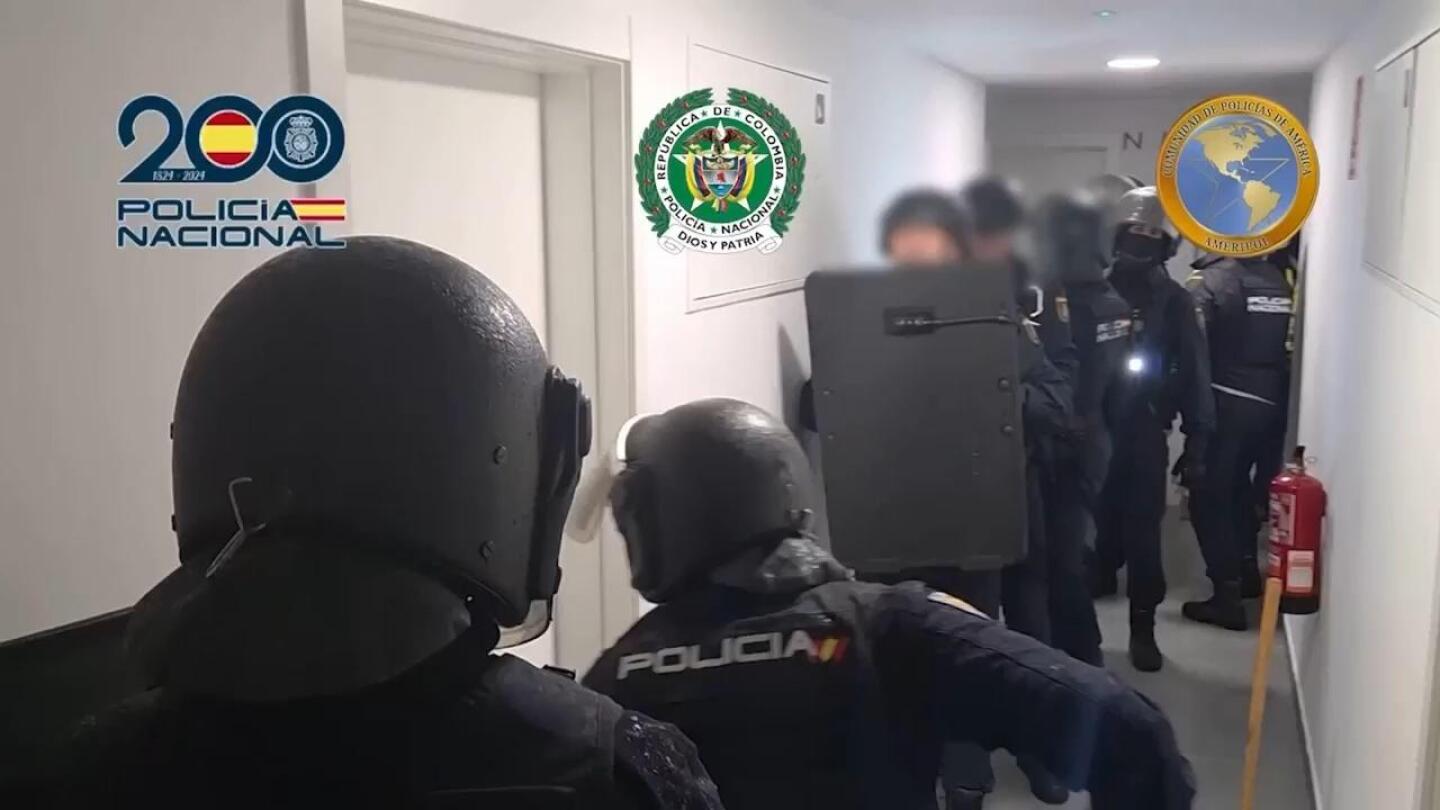
Spanish police arrest 13 suspected members of Venezuela’s Tren de Aragua gang
In a significant operation targeting organized crime, Spanish authorities announced on Friday the arrest of 13 suspected members of the Venezuelan Tren de Aragua gang. The arrests were carried out across five cities—Barcelona, Madrid, Girona, A Coruña, and Valencia—marking the first such operation in Spain to dismantle a suspected cell of this notorious gang. The U.S. government had designated Tren de Aragua as a foreign terrorist organization in February, highlighting its growing influence in international drug trafficking and organized crime. Spanish police also dismantled two drug laboratories used to produce tusi, a potent mixture of cocaine, MDMA, and ketamine, and seized significant quantities of synthetic drugs and cocaine. The operation followed an investigation initiated last year after the brother of the gang’s leader, known as ‘Niño Guerrero,’ was arrested in Barcelona under an international warrant issued by Venezuelan authorities. Tren de Aragua, which originated in a lawless Venezuelan prison over a decade ago, has expanded its reach amid the mass migration of Venezuelans fleeing economic turmoil, establishing a presence in Latin America, the U.S., and Spain. The gang has also been a focal point of the Trump administration’s military strikes against suspected drug vessels in the Caribbean and its domestic immigration crackdown. This latest operation underscores the global efforts to combat the gang’s criminal activities and its ties to international drug trafficking networks.
-
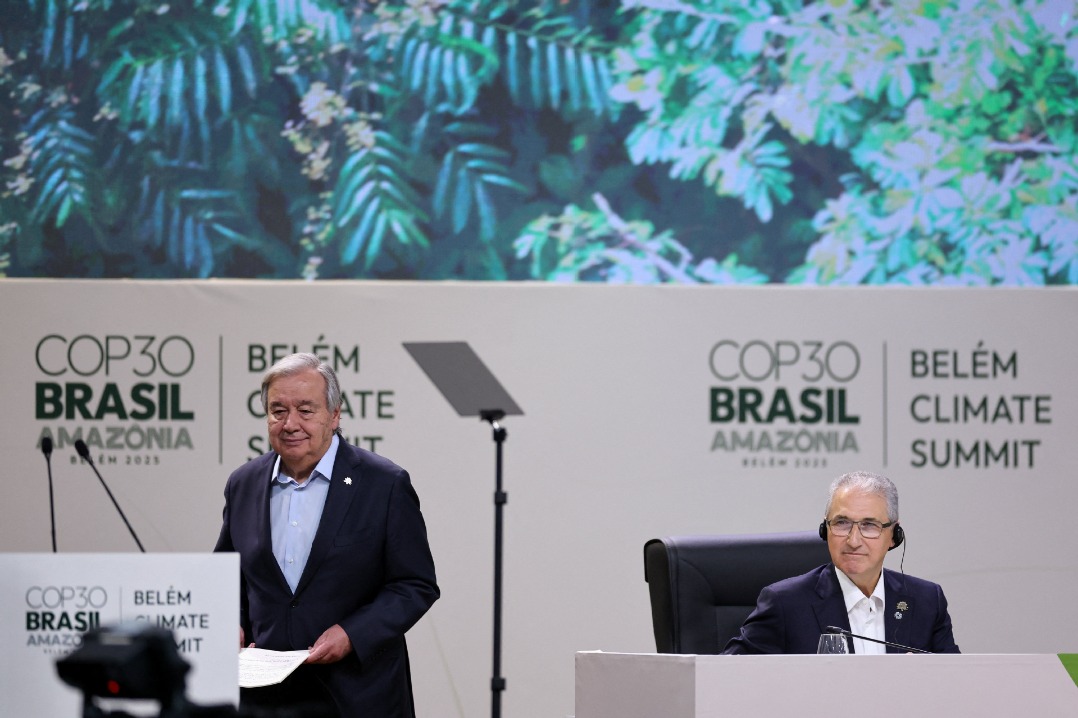
UN chief urges immediate, decisive actions against climate change
In a powerful address at the World Leaders Climate Action Summit in Belem, Brazil, United Nations Secretary-General Antonio Guterres called for immediate and decisive global efforts to tackle the escalating climate crisis. Speaking ahead of the 30th United Nations Climate Change Conference (COP30), Guterres emphasized the urgent need for a paradigm shift to address the failure to meet the 1.5-degree Celsius target set by the 2015 Paris Agreement. He warned of severe ecological and socioeconomic consequences if global warming continues unchecked. Guterres urged leaders to act swiftly and collaboratively, stating that rapid and large-scale action could minimize the overshoot and bring temperatures back to safe levels by the end of the century. He also highlighted the transformative potential of clean energy, noting that nearly all new power capacity in 2024 came from renewable sources. The two-day summit, which began on November 6, 2025, brought together global leaders to discuss pressing climate challenges and commitments.
-
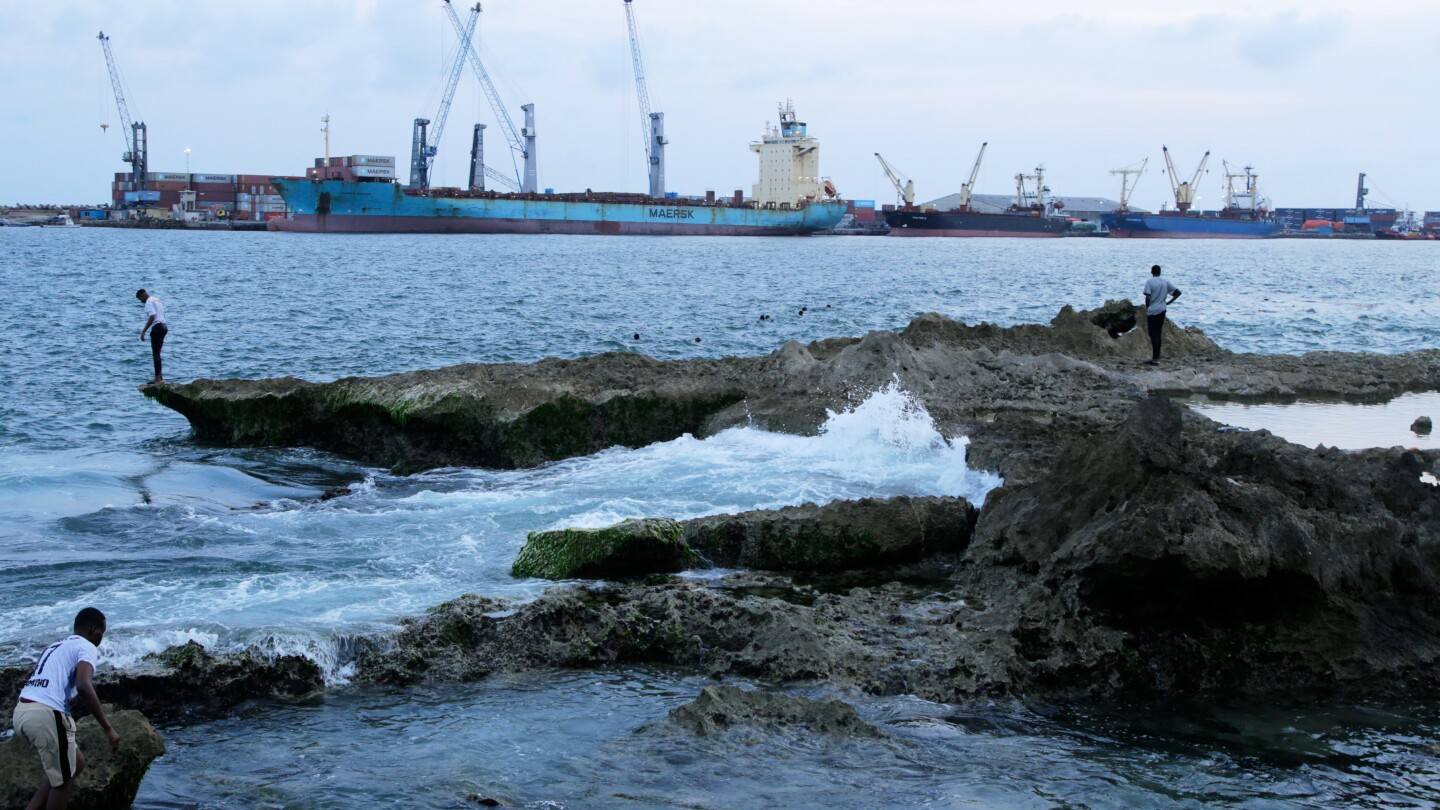
EU naval force races to ship seized by pirates off the coast of Somalia
In a dramatic maritime incident off the coast of Somalia, a Malta-flagged tanker, the Hellas Aphrodite, was seized by pirates on Thursday, prompting a swift response from the European Union’s naval force. The vessel, carrying gasoline from India to South Africa, was attacked with machine guns and rocket-propelled grenades, forcing its 24-member crew to seek refuge in a secure citadel aboard the ship. The EU’s Operation Atalanta, an anti-piracy coalition, confirmed that its assets were en route to the scene, located over 1,000 kilometers (620 miles) off the Somali coast, and prepared to take necessary action. Simultaneously, the British military’s United Kingdom Maritime Trade Operations center reported another attempted pirate approach in the same area on Friday, involving a small vessel with three individuals believed to be part of the same pirate group. This latest hijacking marks the first commercial ship seized by Somali pirates since May 2024, reigniting concerns over maritime security in the region. Somali piracy, which peaked in 2011 with 237 attacks, had significantly declined due to international naval patrols and Somalia’s strengthening governance. However, recent instability, including Yemen’s Houthi rebel activities in the Red Sea, has contributed to a resurgence of pirate attacks. Local fisherman Osman Abdi from Mogadishu expressed fears that such incidents would stigmatize Somali fishermen, associating them with piracy and instilling widespread fear.
-
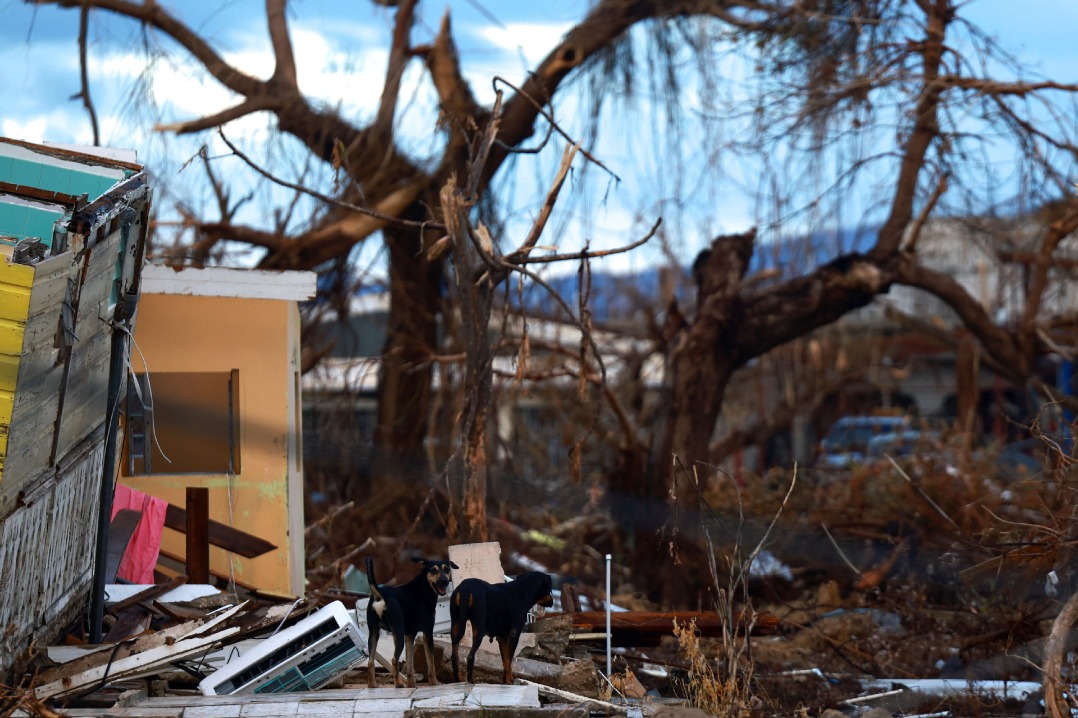
Hurricane Melissa causes damage in Jamaica equivalent to 30% of GDP: UN official
Jamaica is reeling from the catastrophic impact of Hurricane Melissa, with damages estimated to be equivalent to 30% of the nation’s GDP, according to a UN Development Programme (UNDP) official. Kishan Khoday, UNDP resident representative for the region, revealed during a video conference that initial assessments indicate the financial toll is expected to rise. The Category 5 storm, which struck last week, has left western Jamaica in ruins, generating nearly 5 million metric tonnes of debris. The human cost is equally staggering, with 32 confirmed fatalities and approximately 1.5 million people affected. In response, the UNDP has allocated $400,000 for immediate assessment and recovery efforts, while the UN World Food Programme is airlifting food supplies from Barbados to support over 6,000 households for a week. The scale of the disaster underscores the urgent need for international aid and long-term recovery strategies.
-
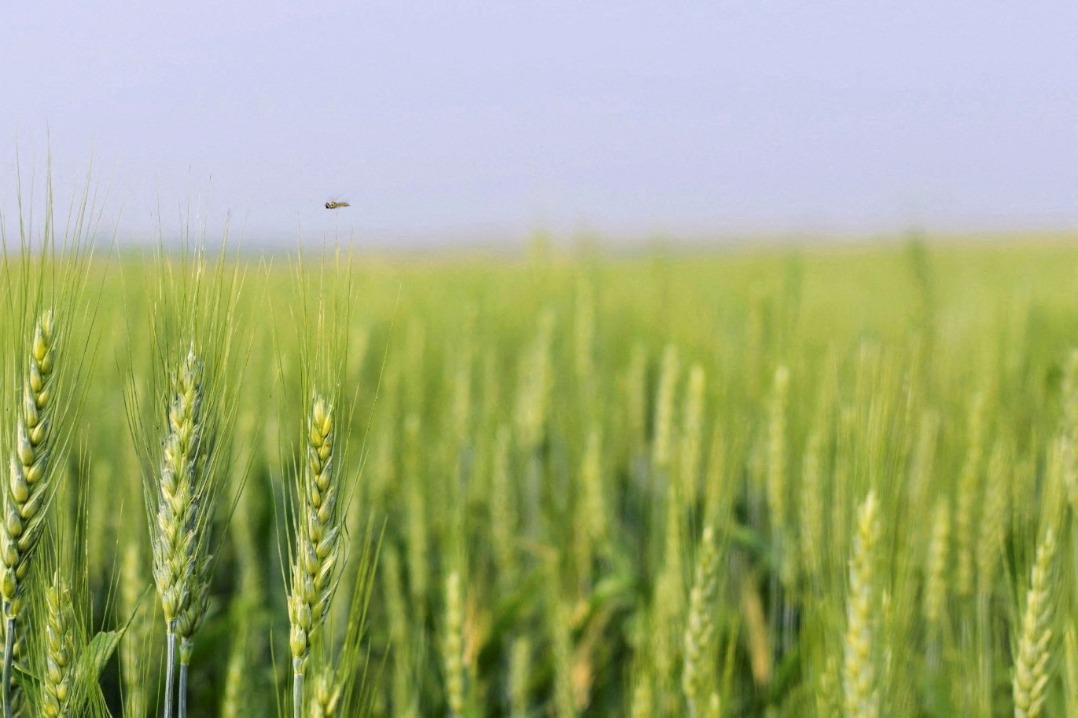
Kazakhstan sends 1st wheat shipment to Armenia via Azerbaijan in 30 years
In a landmark development, Kazakhstan has successfully dispatched its first wheat shipment to Armenia via Azerbaijan in over 30 years. This historic move was facilitated by recent agreements between the leaders of Kazakhstan and Azerbaijan, which reopened transit routes through Azerbaijani territory. The shipment, consisting of 15 rail wagons, crossed the Azerbaijani border on Thursday and is en route to Dalarik railway station in Armenia, where it is expected to arrive within days. The initiative marks a significant step in enhancing regional trade and logistics connectivity in the South Caucasus. According to Kazakhstan’s Ministry of Agriculture, this new transit route not only expands the export potential of Kazakh grain but also strengthens economic and trade cooperation among neighboring countries. The resumption of this trade corridor underscores the growing diplomatic and economic ties in the region, paving the way for future collaborative ventures.