分类: world

  • Why did only two Iranian football players stay in Australia?

    Why did only two Iranian football players stay in Australia?

    In a revealing post-tournament development, Australia’s offer of humanitarian visas to seven members of Iran’s national football team has resulted in just two players choosing to remain in the country. The decision-making process, as detailed by BBC correspondent Katy Watson, highlights the complex considerations facing athletes from nations with strained international relations.

    The Australian government extended the humanitarian protection following the team’s participation in recent international matches, creating a potential pathway for players seeking political asylum or refuge from persecution. Despite this opportunity, the majority of the squad ultimately returned to Iran, underscoring the powerful personal and professional ties that compel athletes to maintain their homeland connections.

    This incident occurs against a backdrop of heightened geopolitical tensions and follows patterns of defection concerns involving Iranian athletes abroad. The relatively low uptake of Australia’s visa offer suggests either improved conditions for athletes within Iran or the significant personal sacrifices involved in permanent relocation. Sports analysts note that such decisions frequently involve weighing family security, career prospects, and national loyalty against political circumstances.

    The two players who remained join a growing diaspora of Iranian athletes who have sought international protection in recent years, though their identities and specific reasons for staying remain protected for privacy and security reasons. Australian immigration authorities have maintained strict confidentiality regarding individual cases, citing standard procedures for humanitarian visa recipients.

  • Hundreds of migrants are vanishing in the Mediterranean. Authorities are withholding information

    Hundreds of migrants are vanishing in the Mediterranean. Authorities are withholding information

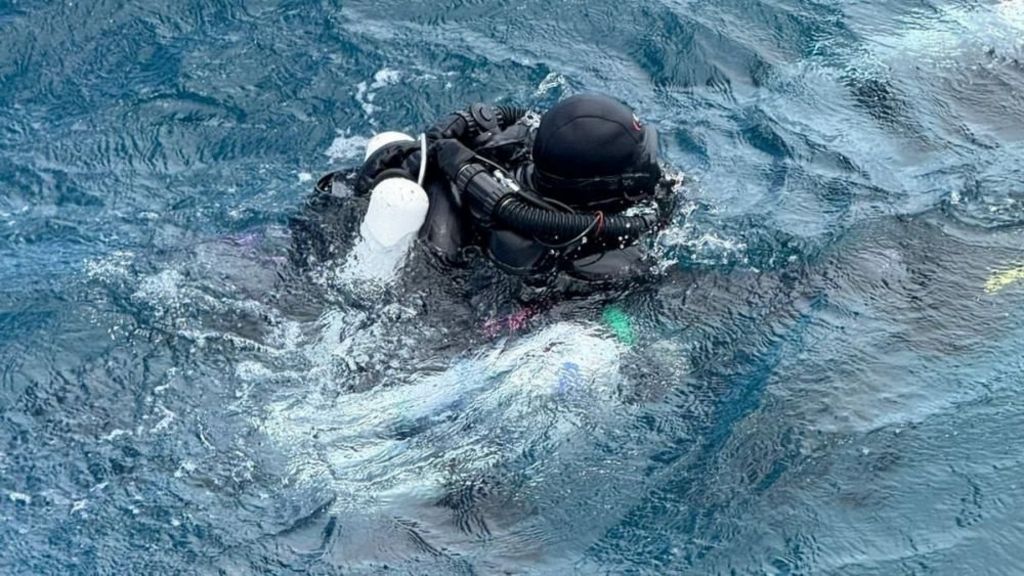
    A humanitarian catastrophe is unfolding across the Mediterranean Sea as migrants attempting to reach European shores vanish in record numbers through what aid organizations term ‘invisible shipwrecks.’ Government authorities in Italy, Tunisia, and Malta have systematically restricted information flow regarding migrant rescues and maritime disasters along the world’s deadliest migration route.

    The first quarter of 2026 has witnessed an unprecedented death toll, with the United Nations’ International Organization for Migration confirming at least 682 missing persons as of March 16—the deadliest opening period ever recorded. However, human rights groups assert the actual figure is substantially higher due to systematic underreporting and verification challenges.

    This information vacuum intensified following Cyclone Harry’s devastating impact in late January, which generated 9-meter waves and 100 kph winds across the central Mediterranean. Despite reports from Refugees in Libya indicating over 1,000 missing migrants after the storm, national authorities have neither confirmed nor denied these allegations.

    Julia Black, who leads IOM’s Missing Migrants Project, revealed the organization has created a secondary dataset for unverifiable cases due to the escalating information gap. ‘Last year, at least 1,500 reported missing persons could not be confirmed,’ Black stated, noting that 2026 has already produced over 400 such cases.

    The Associated Press conducted multiple inquiries with Italian, Tunisian, and Maltese authorities regarding their rescue policies and information disclosure practices. None provided substantive responses.

    Matteo Villa, migration researcher at the Italian Institute for International Political Studies, characterized the situation as ‘a strategy of silence’ designed to suppress public awareness. This opacity extends to Tunisia, which ceased sharing interception data in 2024 after previously publicizing numbers under a EU migration control agreement.

    The human impact is devastating for families awaiting news. ‘Europe should know that these people who got drowned in the sea have family members, have dreams, have passions,’ expressed Josephus Thomas, a Sierra Leonean migrant community leader in Tunisia.

    While Frontex, the EU border surveillance agency, reported spotting eight migrant vessels during the cyclone period, the fate of two boats carrying approximately 160 people remains unknown. Only one survivor has been confirmed from the Cyclone Harry period—a man rescued by merchant vessels who reported traveling with 50 others.

  • European leaders warn against Israeli ground incursion into Lebanon

    European leaders warn against Israeli ground incursion into Lebanon

    In a significant diplomatic move, the heads of state from Canada, France, Germany, Italy, and the United Kingdom have jointly called for Israel to refrain from launching a comprehensive ground invasion into Lebanese territory. This collective appeal comes amid escalating hostilities that resumed in southern Lebanon two weeks prior.

    The five-nation coalition expressed profound alarm regarding the cross-border attacks, emphasizing the critical need for all involved parties to return to diplomatic negotiations. They articulated grave concerns about the potential humanitarian fallout, stating that a major Israeli ground operation would likely precipitate catastrophic human suffering and potentially ignite a prolonged regional conflict.

    Official statistics from Lebanon’s disaster management authority reveal the conflict has already displaced approximately one million people within the country. The human cost stands at 886 fatalities and 2,141 injuries among Lebanese citizens.

    The current cycle of violence began when Hezbollah initiated missile strikes against Israel following Israel’s joint military engagement with the United States against Iranian interests on February 28. Although a truce negotiated by the Trump administration in November 2024 had previously governed the border area, this agreement had reportedly been violated hundreds of times prior to the recent escalation.

    Israeli officials maintain their operations specifically target Hezbollah weapon storage facilities and high-ranking operatives deemed imminent threats. However, the Western leaders’ statement unequivocally condemned all attacks directed at civilian populations, essential infrastructure, medical personnel, and UN peacekeeping forces in Lebanon.

    The joint declaration specifically called for Hezbollah to cease its attacks on Israel and complete disarmament, while simultaneously urging the Lebanese government to enforce weapons prohibitions against the group. Hezbollah leadership has consistently rejected disarmament demands, citing ongoing security threats from Israel along their shared border. The militia organization, with decades of Iranian support, remains a deeply entrenched military force within Lebanon’s political landscape.

  • Iran war pushes importers into energy triage as they conserve power and curb soaring prices

    Iran war pushes importers into energy triage as they conserve power and curb soaring prices

    The escalating military confrontation with Iran has triggered a severe global energy crisis, forcing nations worldwide into difficult triage decisions regarding fuel allocation and consumption. This supply shock has exposed critical vulnerabilities in energy-importing economies, particularly across Asia where governments are implementing emergency measures to manage dwindling resources.

    Asia faces disproportionate exposure to the crisis due to its heavy reliance on imported fuels, much of which traditionally transits through the now-disrupted Strait of Hormuz. This critical maritime corridor, located offshore from Iran, typically facilitates approximately one-fifth of global crude oil and liquefied natural gas trade. The blockage has compelled regional governments to enact conservation measures, compete for scarce supplies, and implement price controls—all while navigating difficult trade-offs between economic activity and energy security.

    Southeast Asian nations have adopted particularly stringent conservation approaches. The Philippines transitioned to a four-day workweek for government employees to reduce energy consumption by 20%, alongside mandating elevated office temperature settings and computer shutdowns during breaks. Vietnam encouraged remote work arrangements, while Thailand’s Prime Minister advocated for stair usage over elevators in conservation efforts.

    Energy analysts warn these measures inevitably impact economic productivity. Linh Nguyen of Control Risks consultancy noted that ‘even relatively modest constraints on energy use can create a drag on industrial activity,’ particularly affecting energy-intensive export industries like Vietnam’s manufacturing sector.

    The crisis extends beyond Asia to fuel-importing economies across Africa and other regions as global competition for limited supplies intensifies. Putra Adhiguna of the Energy Shift Institute in Jakarta emphasized that ‘the situation is common across the board—there is no easy decision for the short term.’

    East Asian economic powers are deploying strategic reserves to maintain industrial operations. Japan initiated the release of approximately 45 days’ worth of oil from its substantial reserves—a system established after the 1970s oil crises—while South Korea committed to releasing 22.46 million barrels through the International Energy Agency’s coordinated effort. However, energy experts caution that reserve depletion constitutes merely a temporary buffer rather than a sustainable solution.

    Populous nations face particularly complex challenges in balancing household needs against commercial demands. India prioritized liquefied petroleum gas (LPG) allocations for residential cooking over commercial establishments, forcing restaurants to modify menus and operating hours. Similar dilemmas confront Indonesia and Thailand, where subsidy programs strain national budgets while attempting to shield consumers from price spikes.

    The European Union is addressing the crisis through accelerated clean energy transition strategies, seeking to reduce consumption and enhance energy security across member states. European Commissioner for Energy Dan Jørgensen confirmed officials are ‘working on immediate measures to help businesses and our most vulnerable citizens’ amid sharply elevated prices.

    As the conflict persists, analysts warn that energy rationing and difficult prioritization decisions will likely expand globally, with renewable energy and diversified supply chains emerging as critical long-term solutions to enhance energy security.

  • Millions without electricity as Cuba’s power grid collapses

    Millions without electricity as Cuba’s power grid collapses

    Cuba’s national electricity system experienced a catastrophic failure on Monday, plunging millions of citizens into darkness in the latest and most severe power crisis to hit the island nation. According to UNE, Cuba’s grid operator, restoration efforts are gradually underway across provinces and urban centers, though complete recovery remains uncertain.

    The collapse represents the culmination of years of deteriorating energy infrastructure and chronic fuel shortages that have now reached critical levels. These systemic problems have been dramatically worsened by recent US sanctions that have effectively strangled Cuba’s oil supply chain. The situation has become particularly dire since January, when American authorities captured Venezuelan President Nicolas Maduro and subsequently intensified pressure on Cuba by intercepting multiple oil shipments destined for the island.

    President Donald Trump escalated tensions further during a White House press briefing, stating he believed he would have the ‘honour of taking Cuba’ and remarking that the nation’s weakened state meant he ‘could do anything I want with it.’ These comments follow his previous threats of a ‘friendly takeover’ of the Caribbean nation, which has maintained strained relations with the US since the 1959 revolution that brought Fidel Castro to power.

    The current energy crisis has deep roots in Cuba’s dependence on imported fuel, with Venezuela previously supplying approximately 35,000 barrels daily—accounting for nearly half of Cuba’s consumption. With no oil shipments reaching Cuban shores for three months, according to President Miguel Diaz-Canel, the country’s power grid has buckled under the strain.

    This energy catastrophe has triggered widespread social unrest, with protesters recently storming a Communist Party building in Moron following rallies against soaring food prices and persistent blackouts. Havana residents express grim resignation, with one telling Reuters that the latest outage ‘didn’t surprise’ her, adding ‘We’re getting used to living like this.’

    Despite the tensions, diplomatic channels remain partially open, with President Diaz-Canel confirming last week that preliminary talks with the Trump administration were underway to resolve bilateral differences.

  • Sri Lanka declares Wednesdays off as Asian countries try to conserve fuel

    Sri Lanka declares Wednesdays off as Asian countries try to conserve fuel

    Sri Lanka has instituted a mandatory four-day work week, designating every Wednesday as a public holiday in a drastic effort to conserve fuel reserves. This emergency measure comes as the island nation faces severe shortages following the escalation of military conflict between the US-Israel alliance and Iran, which has disrupted critical oil shipments through the Strait of Hormuz.

    President Anura Kumara Dissanayake emphasized the gravity of the situation, stating, “We must prepare for the worst, but hope for the best” during emergency deliberations with government officials. The Wednesday closure was strategically selected to prevent three consecutive non-working days while maximizing fuel conservation.

    The energy crisis has triggered a chain reaction of austerity measures across Asia, the world’s largest oil-importing region that received nearly 90% of the strait’s oil and gas shipments last year. Thailand has launched campaigns promoting short-sleeved attire to reduce air conditioning dependency, while Myanmar has implemented alternate-day driving restrictions based on license plate numbers. Bangladesh has rescheduled academic calendars and introduced nationwide planned blackouts, and the Philippines has mandated work-from-home arrangements while banning non-essential public sector travel.

    Sri Lanka’s measures extend beyond the four-day week, reintroducing a National Fuel Pass system that rations purchases to 15 liters for private vehicles and 5 liters for motorcycles. This system previously helped navigate the country’s devastating 2022 economic crisis when foreign reserves depleted completely. Current oil prices have surged to approximately $100 per barrel since hostilities began in the Gulf, compounding existing economic pressures.

    The government has exempted essential services including healthcare and immigration from the shortened work week, though educational institutions will adhere to the new schedule. Despite these efforts, public dissatisfaction simmers over what many citizens perceive as inadequate fuel allocations amid the growing crisis.

  • ‘Fire came from the sky and burned them’ – life on the brink of civil war in South Sudan

    ‘Fire came from the sky and burned them’ – life on the brink of civil war in South Sudan

    South Sudan, the world’s youngest nation, faces a catastrophic return to full-scale civil war as intensified military operations in Jonglei state trigger mass displacement and civilian casualties. The conflict between government forces loyal to President Salva Kiir and opposition factions aligned with suspended First Vice-President Riek Machar has created a devastating humanitarian crisis.

    Recent fighting has displaced over 280,000 people, including Nyawan Koang, a 30-year-old mother of five who endured a two-day trek to reach the relative safety of Duk village after losing both parents in an airstrike. ‘Fire came from the sky and burned them,’ she recounted, describing how her family became trapped between warring factions.

    The current violence stems from the collapse of a fragile 2018 peace agreement that ended a civil war claiming nearly 400,000 lives. The situation deteriorated dramatically when President Kiir suspended Machar—who now faces charges of murder, treason, and crimes against humanity—and dismissed several senior government figures, including Machar’s wife, Interior Minister Angelina Teny.

    Military operations have intensified as government forces attempt to reclaim territory from the Sudan People’s Liberation Army in Opposition (SPLA-IO), which has been bolstered by White Army militants. Both sides stand accused of committing atrocities against civilians, with the UN documenting 189 civilian deaths in January alone from indiscriminate attacks, aerial bombardments, and targeted killings.

    Despite government claims of responsible conduct, evidence suggests deliberate targeting of non-combatants. In one admitted incident, government soldiers executed more than 20 civilians at close range in Ayod county during late February. Army spokesman Maj Gen Lul Ruai Koang confirmed soldiers and commanders involved have been detained and face court-martial proceedings.

    The conflict exacerbates an already dire humanitarian situation. According to the World Food Programme, 60% of Jonglei’s two million residents face acute hunger, while nationwide, 10 million South Sudanese require food assistance. Relief efforts face monumental challenges due to insecurity, inadequate infrastructure, and seasonal flooding that renders 80% of the country inaccessible during extended rainy periods.

    With peace agreements crumbling and regional instability spilling across borders—over one million refugees have fled from Sudan’s civil war—observers fear South Sudan’s fragile stability may completely collapse, dashing hopes for lasting peace in the war-weary nation.

  • Migrant workers bear brunt of Iran attacks in Gulf

    Migrant workers bear brunt of Iran attacks in Gulf

    The escalating military conflict between Iran and Gulf states has disproportionately impacted migrant worker communities, revealing a stark vulnerability within the region’s socio-economic structure. Since late February, Tehran has launched successive missile and drone attacks against Gulf countries in retaliation for US-Israeli operations, creating a dangerous environment for the area’s substantial foreign labor force.

    Among the civilian casualties documented by international agencies, a significant majority represent migrant workers from South Asian nations. These individuals typically fill essential but low-wage positions in Gulf economies, often lacking the resources or flexibility to evacuate during security crises. The human toll includes figures like Bangladeshi delivery driver Ahmad Ali, whose three-decade tenure in the UAE ended abruptly when missile debris struck his vehicle during routine water deliveries.

    The financial realities binding migrant workers to these danger zones are particularly cruel. Many have incurred substantial debt to secure their positions through recruitment agents, while simultaneously supporting entire families through remittances. This economic dependency creates an impossible choice between personal safety and financial survival.

    Current conditions in affected areas continue to generate psychological distress among resident workers. Frequent air defense interceptions and explosion sounds have become normalized background events, with workers developing various coping mechanisms. As Indian engineer Binoy noted from Mohammed Bin Zayed City, ‘We know they are interceptions, but it is still worrying.’ Similarly, healthcare workers like Filipino nurse Jane describe employing emotional detachment strategies while maintaining professional responsibilities amid the violence.

    The situation highlights concerning disparities in crisis response capabilities, with wealthier residents able to relocate while migrant communities remain exposed. This developing humanitarian aspect of the geopolitical conflict underscores the need for enhanced protective measures for vulnerable populations caught in cross-border military exchanges.

  • Multiple suicide bombers hit Nigeria’s Maiduguri city after years of calm

    Multiple suicide bombers hit Nigeria’s Maiduguri city after years of calm

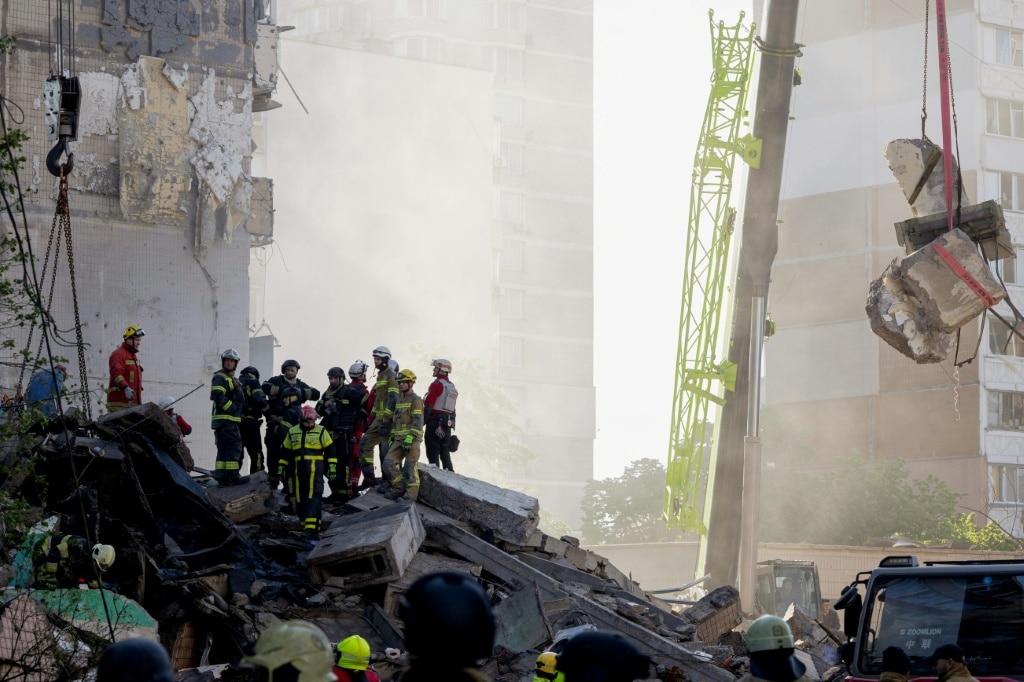
    The northeastern Nigerian city of Maiduguri faced a devastating return to violence on Monday evening as multiple suspected suicide bombings ruptured years of relative calm. The coordinated assaults targeted key civilian locations including the city’s main market, the University of Maiduguri Teaching Hospital, and areas near the post office, marking a significant escalation in the region’s security situation.

    Emergency services scrambled to respond as hospitals received dozens of wounded victims following the explosions. An AFP correspondent at a city medical facility observed multiple bodies covered with sheets on hospital sidewalks, though official casualty figures remained unconfirmed as authorities worked to assess the full impact.

    The attacks occurred against the backdrop of heightened regional tensions, coming just hours after jihadist militants launched separate assaults on a military post in the Ajilari Cross district and in the Damboa local government area south of the city. According to police spokesman Nahum Kenneth Daso, security forces successfully repelled these earlier incursions, with no civilian or military casualties reported from those engagements.

    Borno State Governor Babagana Zulum condemned the bombings as ‘barbaric,’ suggesting the surge in violence connects directly to intensified military operations in the Sambisa forest—a known jihadist stronghold. The simultaneous attacks demonstrate the persistent threat posed by Boko Haram and the Islamic State West Africa Province (ISWAP), whose 16-year insurgency has claimed over 40,000 lives and displaced approximately two million people.

    The timing appears particularly significant as residents prepare to celebrate Eid al-Fitr, marking the end of Ramadan. Media aide Dauda Iliya emphasized the need for ‘increased vigilance’ during this period of heightened vulnerability.

    This devastating breach of security represents the most serious attack on Maiduguri since 2021, when mortar fire killed ten people. The city had experienced a period of relative stability in recent years as the conflict had largely shifted to rural areas, making Monday’s events particularly shocking to residents who had grown accustomed to peace.

    The violence occurs amidst increased international engagement, with the United States recently deploying technical and training support to Nigerian forces. However, the persistent security challenges underscore the complex nature of counterinsurgency operations in the region.

  • The Gulf’s expat El Dorado faces a costly recovery after the war

    The Gulf’s expat El Dorado faces a costly recovery after the war

    The gleaming metropolises of Dubai, Abu Dhabi, and Doha have long represented humanity’s closest approximation to extraterrestrial colonization—self-contained ecosystems sustained through imported labor, materials, and residents. Now, these Gulf artificialities face their most severe survival test as the escalating US-Israel-Iran conflict transforms their perceived invulnerability into profound vulnerability.

    While the United Arab Emirates, Qatar, Bahrain, and Kuwait possess distinct national identities, their demographic realities reveal extraordinary dependency on transient populations. In the UAE, Emirati citizens constitute barely 10% of the 11-million population, with expatriates and migrant workers comprising the overwhelming majority. This structural fragility becomes critical during security crises, as mobile populations can rapidly repatriate to India, Bangladesh, Philippines, or Western nations, potentially triggering economic collapse.

    The immediate casualties of this geopolitical turmoil are tourism and aviation sectors—industries built on perceptions of safety and luxury. Travelers possess abundant alternatives and will likely avoid war zones indefinitely. Historical parallels suggest prolonged recovery periods: Egypt required nearly a decade to restore tourism numbers after the 2011-14 revolutions, further delayed by pandemic complications.

    Beyond tourism, the conflict jeopardizes emerging economic diversification initiatives. Data centers designed to attract AI companies and financial services dependent on expatriate wealth now face existential threats. While hydrocarbon industries may benefit from elevated oil prices, security and insurance costs for critical infrastructure—including desalination plants and energy facilities—will skyrocket amid missile and drone attack risks.

    The region’s fundamental advantages—strategic East-West positioning, tax benefits, and discreet financial environments—retain long-term value. Dubai has historically succeeded as an offshore haven for global wealth, transitioning from European criminal hideouts to legitimate international business hub. Yet post-conflict reputation rehabilitation will demand massive investment and time, with the allure of sun-drenched security likely diminished for years.

    Ultimately, the Gulf’s artificial economies face not extinction but transformation. Their recovery trajectory will depend on conflict duration, security restoration effectiveness, and their ability to reinvent themselves amidst fundamentally altered global perceptions of regional stability.