
For more than a century, the Delhi Gymkhana Club has stood as more than just an exclusive recreational space in the heart of India’s capital. Tucked away on 27.3 acres of prime central land along Safdarjung Road, a stone’s throw from the prime minister’s official residence, this cream-coloured colonial-era clubhouse has long been a quiet hub where retired generals, senior bureaucrats, and old-money business families cut informal deals over whisky sodas and grilled kebabs. For generations, its reputation for grandeur and exclusivity has stretched far beyond its locked gates, even to the majority of Delhi residents who have never crossed its threshold. Today, that storied, slow-moving world faces an uncertain future after India’s federal government, which owns the land the 113-year-old institution sits on, issued an eviction order demanding the club vacate the premises by June 5. The government justifies the move, noting the site is a “highly sensitive and strategic” zone, and that the land is required for new defence infrastructure and critical public security projects. The lease termination, the government added, is effective immediately. Club members have formally challenged the order in India’s court system, with the first hearing scheduled for Tuesday. The eviction notice, which comes after years of heightened scrutiny of elite closed institutions by Prime Minister Narendra Modi’s administration, has reignited fierce public debates across the country over inherited privilege, urban heritage preservation, and public land use. It has also sparked an unexpected wave of public nostalgia, with many Delhi residents expressing quiet affection for a space they long claimed to resent. Joining the Gymkhana Club has always been notoriously difficult, with exclusivity enforced more through strict gatekeeping than prohibitive membership costs. Prospective members must be nominated and seconded by existing members before a managing committee votes on their approval. For decades, the process has heavily favored senior civil servants and military officers, leaving only a small fraction of openings for applicants from other backgrounds. Critics argue this closed system has entrenched social inequality, even as it has made Gymkhana membership one of the most sought-after status symbols in Delhi. Still, for many Delhiites, the club represents a rare unchanging fragment of the capital’s elite colonial and post-independence past, preserved through small, beloved rituals: liveried waiters circulating at dusk, gin and lime served on wide shaded verandas, elderly retired officials and diplomats lingering for hours under the shade of ancient neem trees. “It is one of the few structures in Delhi that has remained untouched while the city outside changed completely,” a senior Delhi-based journalist, who never held a club membership, told the BBC. “But now I feel like stepping in once.” Founded in 1913 as the Imperial Delhi Gymkhana Club, the institution was born alongside the construction of New Delhi, after the British colonial government shifted India’s capital from Calcutta (now Kolkata) to Delhi. It first operated out of Coronation Grounds in the Civil Lines neighborhood, serving exclusively British colonial administrators and military officers, before being allocated its current Safdarjung Road site in 1928. The existing clubhouse, designed in the 1930s by celebrated British architect Robert Tor Russell — who also designed New Delhi’s iconic Connaught Place commercial district — embodies the classic colonial architecture of early central Delhi, with deep verandas, lofty high ceilings, and pale facades opening onto sprawling tree-lined lawns. Inside the club’s walls, time has long moved at a different pace: crisp white tennis attire drying under the afternoon sun, quiet bridge games drifting through rooms that still hold faint traces of cigarette smoke and talcum powder, elderly members turning through newspapers under slow-turning vintage ceiling fans. Intimate layers of history are woven into every corner of the space. In its early decades, a small number of Westernized Indian Civil Service officers — among the only Indians granted access to elite colonial social circles — learned ballroom dancing and British social etiquette at the club as they navigated the unwritten rules of imperial society. In 1947, as the British Indian Army was split between the newly independent nations of India and Pakistan, officers from regiments marked for separation gathered at the club for one final round of farewell drinks before the border split them apart forever. That enduring image of shared camaraderie amid historic change helps explain why the prospect of the club’s closure has stirred such deep emotion across Delhi. As historian Narayani Gupta once noted, cities are layered entities, and each generation leaves its indelible mark on the spaces it occupies. Places like the Gymkhana become living repositories of collective memory, holding traces of every era that passed through their gates. In the final decades of British rule and the early years of independence, the club remained tightly intertwined with the capital’s political life. Speaking at the institution’s 2013 centenary celebrations, then-Indian President Pranab Mukherjee recalled that Mahatma Gandhi and Lord Irwin, the Viceroy of India at the time, held a critical private meeting at the club that ultimately led to the landmark Gandhi-Irwin Pact. After independence in 1947, the club dropped “Imperial” from its official name, but much of its old-world atmosphere remained intact: strict formal dress codes, worn vintage carpets, pre-dinner drinks, and long-tenured waiters who served multiple generations of the same families. Over the decades, the Delhi Gymkhana Club also became synonymous with a particular brand of inherited elite privilege in the capital. Its notoriously multi-decade waiting lists entered Delhi folklore, while critics framed it as a symbol of power shaped by nepotism, personal networks, and family legacy rather than merit. A retired Indian Police Service officer told the BBC it took 18 years from his application to secure membership. “When I applied, I was fascinated by the idea,” he said. “By the time I became one, I was totally indifferent and rarely visited it.” For Ghazal Tansir, a Delhi-based doctor who hosted her 2019 wedding reception at the club through a relative’s membership, it remains “a preserved, undisturbed little nook of memories.” The club’s longstanding exclusivity drew increasing government scrutiny after Modi’s Bharatiya Janata Party (BJP) took power in 2014, campaigning on a promise to shift power away from Delhi’s entrenched English-speaking elite. After government inspections in 2016 and 2019, the Ministry of Corporate Affairs filed a case with a national tribunal in 2020, alleging the club had committed financial irregularities and violated longstanding membership rules. Two years later, the tribunal dissolved the club’s elected governing committee and allowed the government to appoint its own administrators to run the institution, a decision that drew sharp pushback from club members. The latest eviction order has once again split public and expert opinion across India. Kiran Bedi, a former top Indian police officer who once ran as the BJP’s chief ministerial candidate for Delhi, called the eviction “unfortunate and tragic,” framing the Gymkhana as an irreplaceable part of the capital’s sporting and institutional heritage. Historian Swapna Liddle acknowledged the club’s elitist colonial origins, but argued that reform, not closure, would have been a better path forward. “Instead of just saying ‘let it not exist’, you [the government] could have asked how it could be changed and made meaningful for more people,” she said. Other observers take a harder line against the institution. Veteran journalist Prabhu Chawla has criticized clubs like the Gymkhana as exclusionary entities that occupy heavily subsidized public land for the benefit of a tiny elite. Former diplomat KC Singh pushed back on that critique, noting that for much of the club’s history, it provided affordable recreational space for civil servants and military officers who earned modest government salaries. BJP spokesperson RP Singh rejected claims that the government is unfairly targeting the historic club. “It is a property leased by the government,” he told the BBC. “Everything has happened according to the rule book and relevant laws.” Beneath the legal and political disagreements, however, runs a deep undercurrent of emotional response, tied to collective memory and the loss of historic space in a city that is constantly remaking itself. For decades, Delhi has undergone rapid transformation, and nearly every long-term resident can point to a list of beloved lost landmarks: the iconic Regal Cinema, the historic old Coffee House, the legendary Urdu book markets of Daryaganj, the open winter evenings at India Gate before widespread security barricades reshaped the central city. Through all that churn, a small handful of spaces managed to outlast the change. The Gymkhana Club was one of those rare constants. It survived British colonial rule, the bloodshed of Partition, the turbulence of independence, and Delhi’s transformation into a sprawling 32 million-person megacity. If the club ultimately loses its legal challenge and is forced to leave its historic home, Delhi will still have no shortage of newer private clubs, luxury hotels, and trendy restaurants. But as many observers point out, the capital will lose something far less tangible: one of the last remaining spaces where the old, slow, layered version of Delhi still feels alive.
分类: world
-

Brazilian government commits $617.5M to Amazon ecological investment
SAO PAULO – In a bold move to advance sustainable development in the world’s largest tropical rainforest, the Brazilian government announced Monday a 3.1 billion reais ($617.5 million) commitment to drive ecological investment across the Amazon region. This injection of public funds expands Eco Invest, a federal sustainable finance program first unveiled during Brazil’s hosting of the COP30 United Nations climate summit last year.
The allocated resources are earmarked for private and cooperative enterprises that align with three core priorities: scaling sustainable tourism, upgrading critical regional infrastructure, and growing the Amazon’s bioeconomy – an economic framework centered on sustainable use of native natural resources that keeps standing forest intact.
Eco Invest operates on an innovative blended finance model: Brazil’s National Treasury provides low-interest loans to participating commercial banks at an annual rate of just 1%. In exchange, partner banks are required to mobilize at least four times the public loan amount in private sector investment, with foreign investors required to make up no less than 60% of that private capital. In the latest round of Eco Invest funding auctions, eight commercial banks pledged an additional 10.1 billion reais ($2 billion) in private capital alongside the government’s new 3.1 billion reais commitment. To date, the program has amassed a combined 140 billion reais ($28 billion) in public and private resourcesto invest across the region.
Carina Pimenta, national secretary for bioeconomy at Brazil’s Ministry of Environment and Climate Change, outlined the on-the-ground impact of the new funding. She explained that the low-cost credit will support small producer cooperatives harvesting native Amazon goods such as acai berries and Brazil nuts, while also financing sustainable tourism infrastructure in protected conservation areas.
Stretching across nine Brazilian states, the Amazon rainforest, which more than 60% lies within Brazil’s borders, is a critical global climate regulator, absorbing millions of tons of carbon annually and stabilizing global weather patterns. Much of the Brazilian Amazon is located in the country’s poorest regions, where historically high perceived risk and large upfront project costs have deterred private investors from backing sustainable ventures. Launched in 2024 under President Luiz Inácio Lula da Silva’s administration, Eco Invest was designed to de-risk these projects through public credit guarantees, opening the door for private capital to flow into forest-positive economic activity.
Brazil’s Environment Minister João Paulo Capobianco emphasized that the program is central to Brazil’s goal of reaching net-zero carbon emissions by 2050. By creating tangible financial incentives for non-extractive, deforestation-free economic activity in the Amazon, Eco Invest offers a viable alternative to the region’s historical reliance on forest-clearing for agricultural expansion. Capobianco noted that since Lula took office in 2023, Brazil has successfully cut Amazon deforestation rates without sacrificing overall agricultural productivity, proving that climate action and economic growth can coexist.
Monday’s investment announcement comes on the heels of a troubling week for Brazil’s environmental agenda. Last week, Brazil’s lower house of Congress – which holds a conservative majority closely aligned with powerful national agribusiness interests – fast-tracked a package of bills that roll back key environmental protections. One controversial provision would restrict the use of satellite monitoring, a core enforcement tool that Brazil’s environmental enforcement agency IBAMA credits with driving a roughly 50% drop in Amazon deforestation since 2023, to penalize illegal deforestation.
While the rollback bills still require approval from the Senate and a signature from President Lula to become law, they have sparked widespread alarm among environmental advocates. On Monday, the Climate Observatory, a leading coalition of Brazilian environmental non-governmental organizations, issued a statement warning that the measures weaken oversight, territorial protection, and national environmental governance. By eroding these systems, the network argued, the bills will undermine Brazil’s ability to mitigate and adapt to the social, economic, and climate impacts of global warming.
Addressing growing concerns about policy inconsistency, Capobianco reaffirmed the federal government’s unwavering commitment to meeting Brazil’s international climate pledges, despite the congressional pushback. “We will show that Brazil remains on a path of controlling and reducing deforestation,” he stated.
This coverage of climate and environmental issues from The Associated Press receives financial support from multiple private foundations, with AP retaining full editorial control over all content.
-
Russia threatens more Kyiv strikes and tells foreign nationals to leave
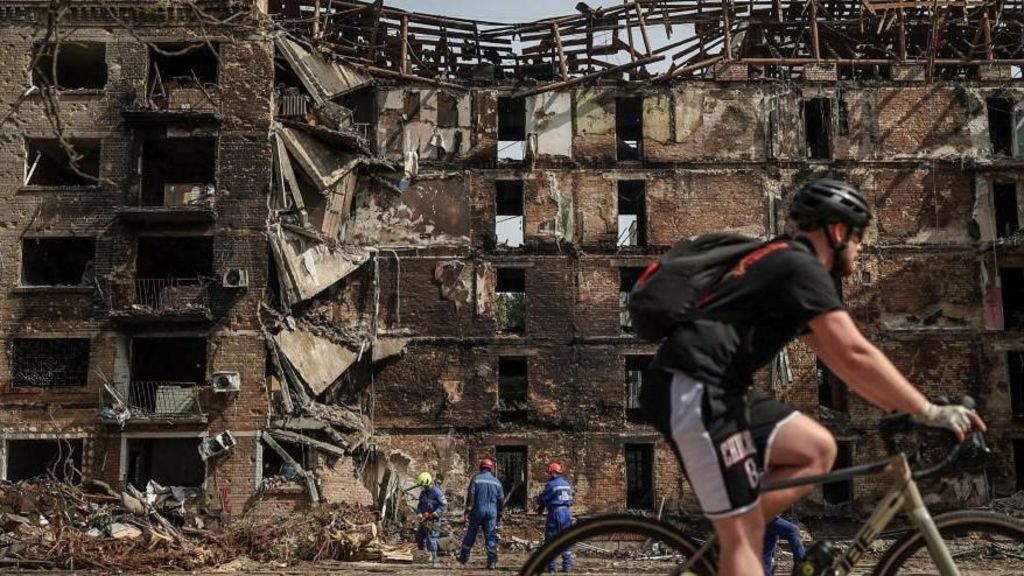
Just days after one of the largest aerial assaults on Ukraine’s capital since the full-scale invasion began, Russia has issued a explicit threat of a new wave of coordinated, systematic attacks targeting Kyiv. In an official statement released by the Russian foreign ministry, Moscow confirmed that upcoming strikes will focus on what it labels “decision-making centres and command posts” in the capital, alongside facilities Ukraine uses to manufacture unmanned aerial vehicles. The statement also urged all foreign nationals and diplomatic staff to evacuate Kyiv “as soon as possible”, and warned local Ukrainian residents to avoid moving near administrative and military infrastructure across the city.
The large-scale barrage carried out by Russian forces on Saturday night left four people dead and approximately 100 others injured across Kyiv and surrounding regions, Ukrainian President Volodymyr Zelensky confirmed. Moscow has framed both this weekend’s attack and the coming new strikes as retaliation for what it claims was a deliberate Ukrainian strike on a student dormitory in the Russian-occupied eastern Ukrainian town of Starobilsk last Friday. Russian officials allege that 21 people were killed in that incident. Ukraine’s military has pushed back against this narrative, confirming it targeted an elite Russian military drone unit operating in the area and maintains no civilian facilities were intentionally targeted in the strike.
This latest round of violence comes after a series of escalating attacks on Kyiv that began earlier this May, when a temporary ceasefire timed to coincide with Moscow’s annual Victory Day military parade expired. Within days of the ceasefire ending, Russian strikes on a Kyiv residential apartment block killed 24 people, including three children. The assault carried out overnight Saturday marked one of the most intense large-scale aerial attacks on the capital since the start of the full-scale invasion.
Footage shared by Kyiv residents on social media platforms captured sustained explosions lighting up the night sky across the capital, with multiple blasts reported that shook buildings across wide areas of the city. Dozens of ballistic and cruise missiles, alongside hundreds of attack drones, were launched against Kyiv in the assault. Russian forces also fired a nuclear-capable Oreshnik hypersonic missile targeting the area of Bila Tserkva, a city located roughly 90 kilometers south of the Ukrainian capital.
The attack left a trail of destruction across both cultural and civilian sites in Kyiv. The Chernobyl Museum, located in the city’s historic central district, and the National Art Museum of Ukraine both suffered significant damage. Multiple residential buildings, a public market and a large commercial shopping centre in Kyiv’s Lukanivka neighborhood were completely destroyed.
Analysts and political observers broadly view Russia’s public call for foreign nationals to evacuate Kyiv as a deliberate tactic of psychological warfare designed to sow panic and instability among the capital’s population. Large-scale strikes on Kyiv have been a consistent feature of Russian military strategy since Moscow launched its full-scale invasion of Ukraine in February 2022.
After four and a half years of continuous full-scale war, Ukraine has built out a sophisticated, multi-layered air defense network that now intercepts the vast majority of Russian drones and missiles. However, Russia often launches attacks with such large volumes of projectiles that Ukrainian defenses are periodically overwhelmed, allowing a significant number of weapons to reach their targets. Ukraine’s air defense capabilities also remain heavily reliant on military support from Western allies, a vulnerability that Ukrainian leadership has repeatedly highlighted. Back in March, Zelensky warned that Ukraine faced a critical deficit of air defense weapons due to shifting defense resource priorities driven by conflicts involving the U.S. and Israel.
-
Iran’s Jews: From ancient roots to the modern day
In March 2015, as then-US President Barack Obama prepared to finalize a landmark nuclear deal with Iran, Israeli Prime Minister Benjamin Netanyahu delivered a high-stakes address to a joint session of the US Congress. Seeking to sway lawmakers against the agreement by framing Iran as an existential threat to the Jewish people and the state of Israel, Netanyahu made a notable factual error when he misrepresented the Biblical story of Esther, claiming that ancient Jews living in Persian-ruled territory were targeted for death by a Persian viceroy. The actual account holds that it was Haman, an Amalekite court official, who plotted the extermination of Iranian Jews, a scheme foiled by Queen Esther and her cousin Mordecai, after which Persian King Ahasuerus ordered Haman’s execution and spared the Jewish community.
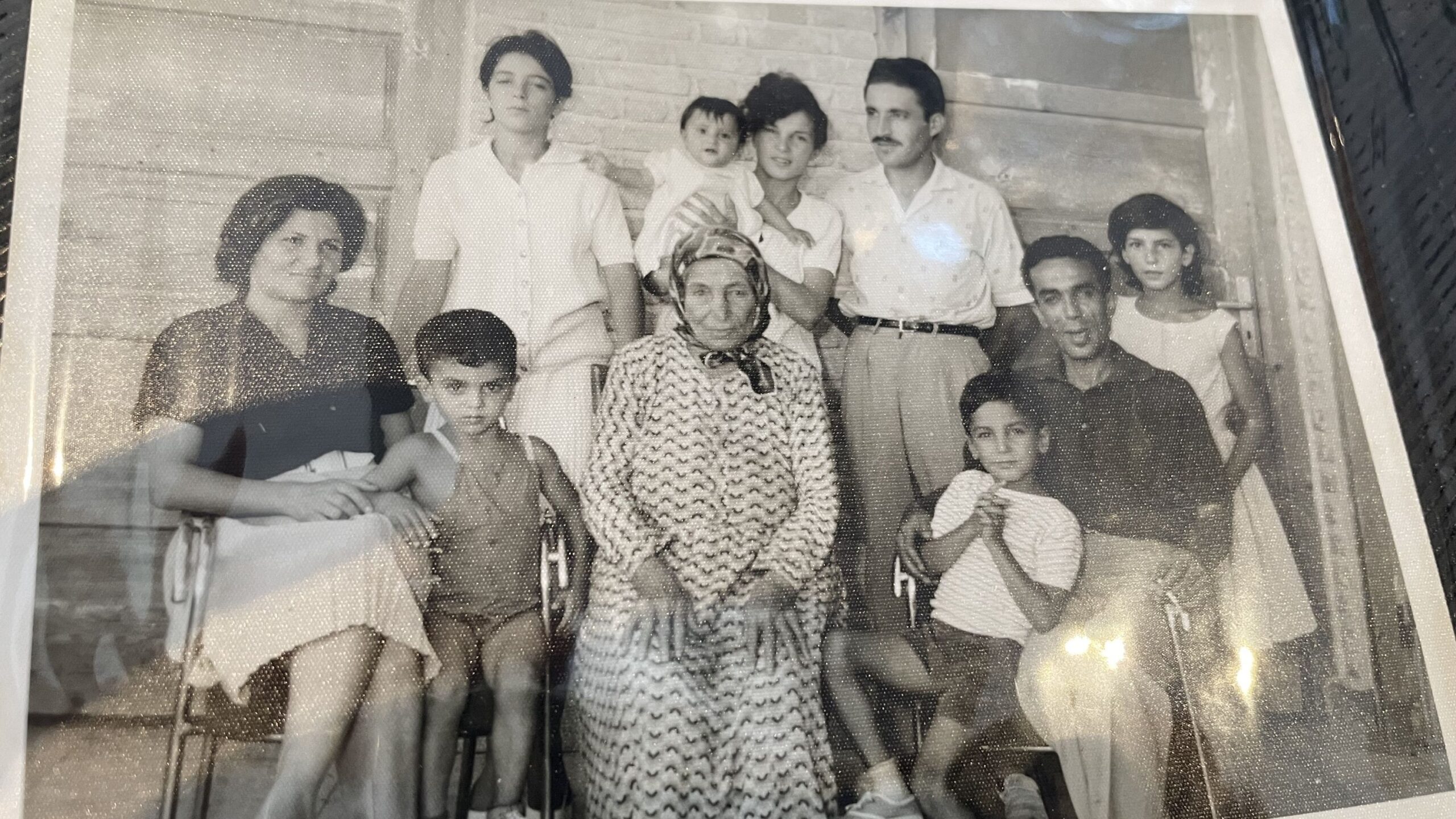
Far less widely reported in Western discourse is the deep, continuous history of Jewish life in Iran that stretches back nearly three millennia. Today, the tomb of Esther and Mordecai stands in the western Iranian city of Hamedan, a site that has drawn Jewish pilgrims for centuries and was designated a national heritage site by the Iranian government under then-President Mahmoud Ahmadinejad in 2008. This long-standing presence challenges the pervasive Western narrative that frames Iran as a uniformly antisemitic nation, scholars and community members emphasize.
“Compared to many countries in the region and certainly in the West, Iran has not had a history of anti-Jewish sentiment,” explains Farhang Jahanpour, former dean of the Faculty of Languages at the University of Isfahan. “Most Iranian Jews regard Iran as their home and have a strong feeling of affinity for Iranian culture, literature, music and cooking.”
For Etan Mabourakh, a member of a centuries-old Iranian Jewish family that left the country during the reign of Shah Mohammad Reza Pahlavi, this cultural connection remains vivid decades after his family’s departure. “There’s a deep pride for Iranian Jews in our cultural heritage, and distinct traditions that we hold on to,” he says. “My father’s side hail from Hamedan, and we have a Hamedani cookbook with traditional Jewish recipes that I still cook dishes from to this day – on Passover we still practice the Jewish Iranian tradition of beating each other with scallions when we sing Dyenu. These traditions are a real source of pride for us.”
Jews first arrived in what is now Iran following the Babylonian exile of the 6th and 7th centuries BCE, when they were displaced from the ancient kingdom of Judea by King Nebuchadnezzar II. Initial settlements centered in what is now Isfahan, before communities spread across the Iranian plateau. Biblical accounts themselves reference deep ties between ancient Jews and Persian rulers, with many holy sites associated with Jewish prophets still standing across the country today. “The Hebrew Bible speaks very highly of ancient Persians and reveals very close Jewish connections with ancient Iran and its kings,” Jahanpour notes.
After the advent of Islam in Iran in the 7th century, the Jewish population continued to grow, drawn in large part by opportunities along regional trade routes. “We have testimonies of Jews from the period when Islam came to Iran that they were actually very pleased to see the Muslim army coming,” says Lior Sternfeld, a professor of History and Jewish Studies at Pennsylvania State University. “The message of Islam and the recognition of the people of the book was quite liberating for Iranian religious minorities. They believed it might bring positive change to their status and protections.”
Between the arrival of Islam and the establishment of Shia Islam as Iran’s state religion in 1501, the community experienced periods of both stability and intermittent repression. By the 17th century, Jews were formally recognized as a protected and tolerated minority under Iranian law. A major milestone came with the 1906 Constitutional Revolution under the Qajar dynasty, which established Iran’s first parliament and granted Jews a guaranteed parliamentary seat, formally placing them on equal legal footing with Muslim citizens. This progress followed years of targeted violence, including a 1839 pogrom in the northeastern city of Mashhad that forced Jews to choose between conversion to Islam and exile.
Under the Pahlavi dynasty, which took power in 1925, Iran’s new legal protections for Jews drew Jewish migrants from across the region and Europe. In the 1930s, prominent Jewish professionals and intellectuals fleeing Nazi Germany’s race-based purges arrived in Iran, followed by hundreds more Jewish refugees who fled the 1941 Farhud pogrom in Iraq that killed more than 500 Jews. By the mid-20th century, Iran’s Jewish community was a diverse tapestry of Persian, Kurdish, Iraqi, Mountain, and Ashkenazi Jews, with Ashkenazi refugees establishing a still-operational synagogue in Tehran.
During World War II and the Holocaust, Iran hosted as many as 300,000 Polish refugees, between 5,000 and 20,000 of whom were Jewish, who settled in camps on the outskirts of Tehran, Isfahan, and Ahvaz. While the decision to accept the refugees was driven by British occupying forces and created significant food shortages for local Iranians, Sternfeld notes that contemporary accounts consistently highlight the widespread hospitality ordinary Iranians extended to the displaced Jewish arrivals. Around 780 orphaned Jewish refugees, known as the Children of Tehran, were eventually resettled in Mandatory Palestine.
By the 1940s, Iran’s Jewish community had become integral to the Pahlavi Shah’s national development project, taking prominent roles in government bureaucracy, trade, and science, and rising to become a core part of Iran’s urban middle and upper classes. By the late 1940s, the community numbered around 100,000 and continued to grow over the next three decades. When Israel was established in 1948, only a small minority of Iranian Jews – between 17,000 and 20,000 between 1949 and 1953 – chose to emigrate, and migration effectively halted by the 1960s. For decades, Iran maintained close diplomatic ties with Israel, supplied the Jewish state with oil, and in return received military training from the Israeli army for the Shah’s brutal secret police force, Savak.
Life for Jews under the Shah was not without tension, however. “The generation that came of age during Mohammed Reza’s time no longer carried the burden of Jewish persecution on their shoulders and they became much more Iranian,” Sternfeld explains. “They went to universities, became involved in political activism and they shared the grievances of their fellow Iranians about the shah’s dictatorship. They were also over-represented in opposition movements, and the shah didn’t cut slack for Jews in these groups, so many ended up being in exile or prison.”
Mabourakh’s own family was forced to flee Iran for the US and Israel during the Shah’s rule due to their political activism. “They were treated like second-class citizens,” he says, adding that modern glorification of the Pahlavi dynasty does not align with his family’s experience. “Reza Pahlavi has been reframed as this figure to bring Iran back to greatness, but the more you read about the brutal oppression of the Savak under his father, the more you realise it’s no better than what exists today.”
After the 1979 Islamic Revolution that ousted the Shah, the execution of prominent Jewish businessman Habib Elghanian, a figure linked to the former regime, sparked widespread fear among Iran’s Jewish community. Community leaders traveled to the holy city of Qom just days after the execution to meet with Supreme Leader Ruhollah Khomeini to clarify the status of Jews under the new Islamic Republic. The meeting resulted in a landmark fatwa that formally drew a distinction between Iranian Jews and Zionism, stating that Iranian Jews are full members of the Iranian nation, while Zionism is a separate political movement opposed to religious teachings. Under the edict, Iranian Jews are guaranteed full protection as a religious minority.
Despite this guarantee, mass emigration resumed after the revolution, with nearly half of Iran’s Jewish community leaving over the course of the 1980s. Unusually, only a minority of emigrants settled in Israel; roughly 70 percent relocated to the Los Angeles area in the United States. For the community that remained, experiences have varied across successive administrations: former President Hassan Rouhani, who held office from 2013 to 2021, enacted progressive reforms including legislation protecting Jewish inheritance rights and allowing Jewish students to be absent from school on Shabbat, the Jewish sabbath.
Today, Iran is home to between 10,000 and 15,000 Jews, the third largest Jewish population in the Middle East after Israel and Turkey. Most reside in Tehran, with sizeable communities in Shiraz and Isfahan. Though the community is a fraction of its mid-20th century peak, it remains an integrated part of Iranian society, with 60 operational synagogues, Jewish schools, kosher food outlets, and other communal institutions, granting Iranian Jews a comparatively high degree of religious autonomy. While community members cannot publicly express support for Israel, they maintain a nuanced relationship with the Jewish state, drawing a distinction between its religious significance to Judaism and its political status relative to Iran. “They make the separation between Israel as a holy place and Iran as their political homeland,” Sternfeld says.
Most recently, after an Israeli air strike on Tehran damaged the Rafi-Nia synagogue last month, Iran’s Jewish community publicly condemned the attack, reaffirming their loyalty to the Iranian state. “The Zionist regime with its brutal ambitions has not only attacked the Muslim community but also the Jewish community,” said Homayoun Sameh, the Jewish representative to Iran’s parliament. Rabbi Younes Hamami Lalehzar, a leading Iranian Jewish community leader, added: “Beyond being an inhumane and terrorist act, this clearly shows that all the claims made by the Israeli regime about defending Jews are nothing more than a shameful lie.”
Mabourakh, who works with the National Iranian American Council, echoed that condemnation, noting that the Iranian government’s response to the attack revealed a respect for Jewish life that is rarely acknowledged in Western media. “I felt disgusted that the synagogue had been blown up in a war that my tax dollars are funding. The fact that so much infrastructure has been targeted – these are war crimes and we should call them out,” he says. “The Jewish community asked the rescue mission not to use heavy machinery to clear the rubble, to avoid damaging Torah scrolls and other items, so the teams used their hands to retrieve them. I think there is a genuine respect from Iranian authorities towards people of the book, and this is not communicated in the West.”
-
Malaysia prepares ICJ case against Israel over ‘torture’ of Gaza flotilla activists
Amid growing global outrage over Israel’s interception of a Gaza-bound humanitarian flotilla in international waters, Malaysia has formally announced plans to bring a legal case against Israel before the International Court of Justice (ICJ) over documented abuses of detained activists, including multiple Malaysian citizens.
Local Malaysian media outlets confirm that government legal teams are currently compiling evidence and witness testimonies, with the official filing expected once evidence gathering is completed. The legal push follows last week’s controversial seizure of the 430-person Global Sumud Flotilla (GSF), a mission launched to deliver urgently needed humanitarian aid to Gaza, where Israel’s ongoing military campaign and blockade since 2023 has crippled access to basic necessities including food, clean water, medical supplies and electricity.
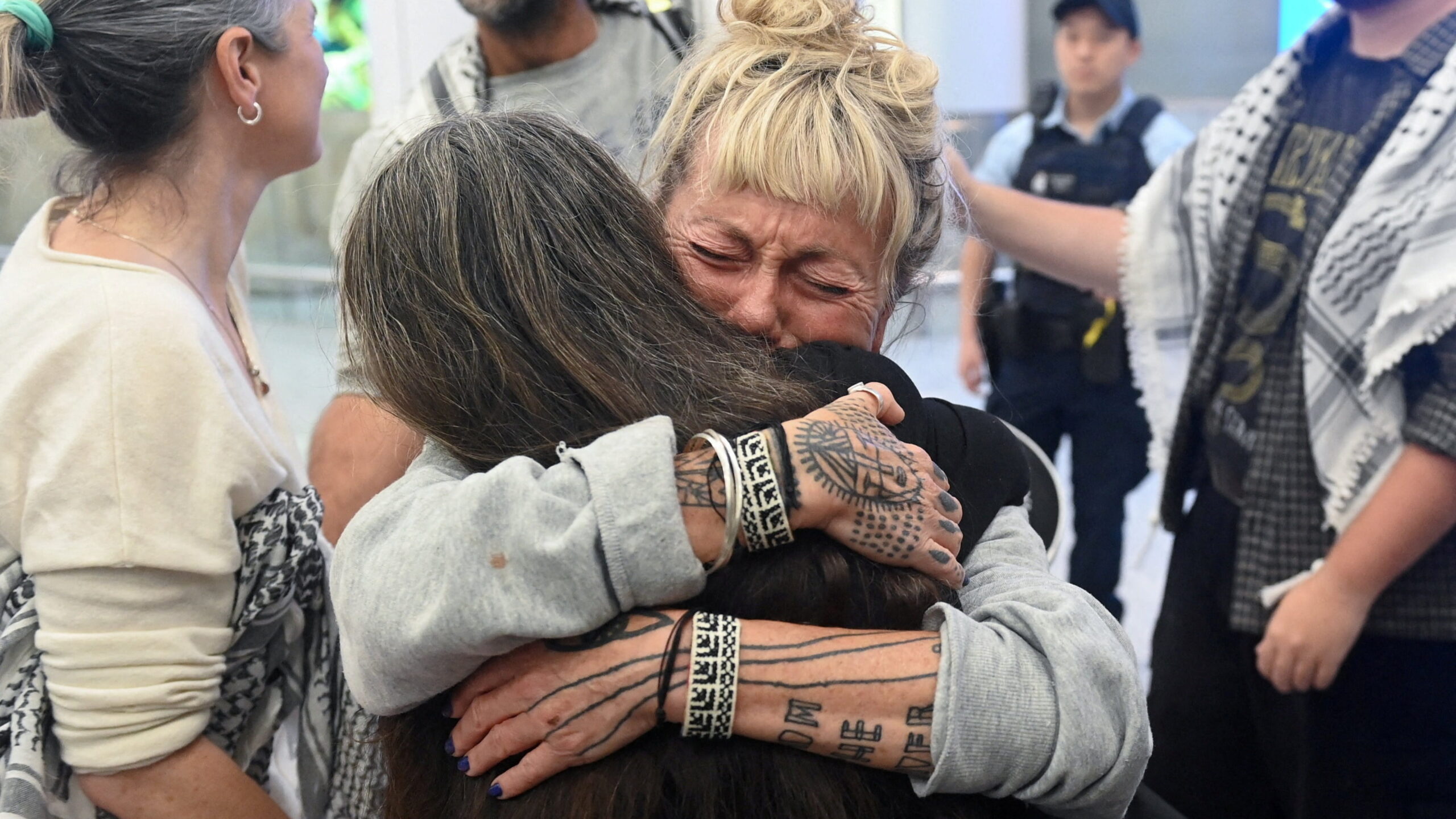
At a welcome ceremony for repatriated Malaysian activists held at Kuala Lumpur International Airport on Monday, ruling party MP Amirudin Shari reaffirmed the government’s dual commitment to pursuing both legal accountability and diplomatic pressure to secure full independence for Gaza. “We will not remain silent, we will not stop,” Amirudin stated, noting that aid mission participants were subjected to kidnapping and systematic abuse while in Israeli custody. Beyond legal and diplomatic action, he added that Malaysia would organize nationwide outreach, host international pro-Palestine conferences, and move forward with preparations for additional future aid missions to Gaza.
Amirudin also shared firsthand observations of the harm inflicted on detained activists: “I saw quite a lot of injuries to the head, to the ribs, to the legs, to the genital areas as well.”
Multiple accounts from detainees and rights organizations have detailed severe mistreatment of the captured activists. Detainees report being shot with rubber bullets immediately after boarding, beaten, bound, stunned with tasers, sexually assaulted, and injected with unlabeled sedatives during their detention. Adalah, the Israeli Legal Centre for Arab Minority Rights, has confirmed that detainees also endured electric shocks as well as sustained physical and psychological abuse.
Viral videos circulated online last week further inflamed global public anger, showing Israeli National Security Minister Itamar Ben Gvir personally overseeing the mistreatment of activists. The footage captures Ben Gvir waving an Israeli flag and taunting handcuffed activists as Israeli prison personnel forced them to kneel on the ground. Following their detention, most activists, including the GSF group that eventually traveled to the United Kingdom via Istanbul, have been deported to their home countries.
Malaysia’s planned ICJ filing marks the latest formal international response to Israel’s interception of the flotilla, a move widely condemned by legal experts, human rights organizations and governments across the globe as a violation of international law, given the seizure took place in open international waters.
-
Pope Leo says AI must be ‘disarmed’ in first major teaching
In a historic, wide-ranging address marking the first major teaching document of his papacy, Pope Leo has delivered a urgent call to rein in unregulated artificial intelligence, warning that unchecked advancement of the technology risks creating what he terms “new digital slaveries” while issuing one of the Vatican’s most comprehensive apologies ever for the Catholic Church’s historical role in the transatlantic slave trade.
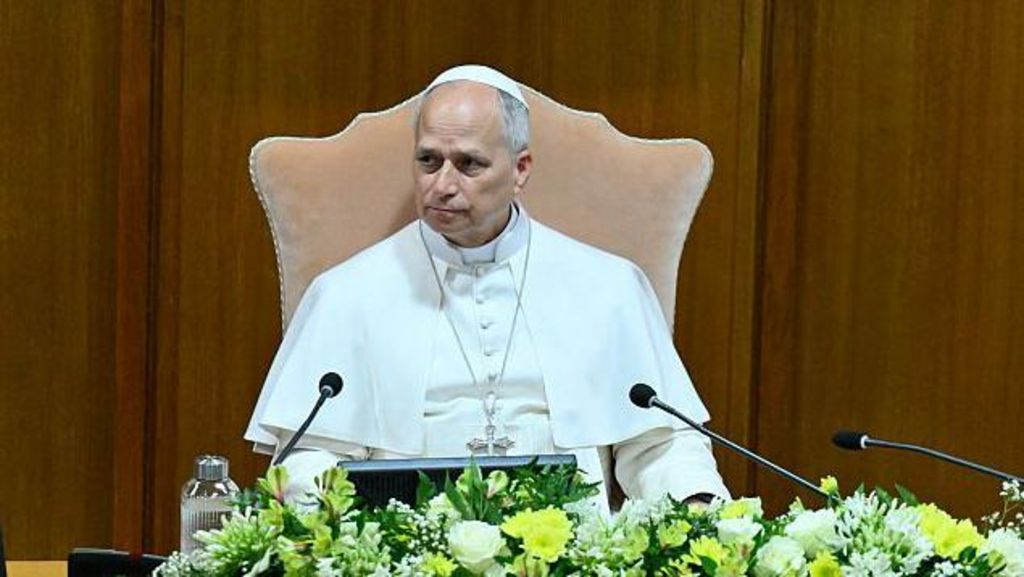
Titled *Magnifica Humanitas* (“Magnificent Humanity”), the encyclical — a formal papal document that, in modern times, functions as a global moral message rather than solely a communication to Catholic bishops — was presented personally by Pope Leo at the Vatican, in an unusual break from tradition. He was joined by leading AI sector figures including Christopher Olah, co-founder of major U.S. AI developer Anthropic.
In the text, Pope Francis defended his sharp, uncompromising language, noting: “The word is strong, I know, but deliberately chosen because this moment needs words capable of attracting attention.” He frames modern AI risks through a direct parallel to historical chattel slavery, arguing that the world is currently at the same kind of moral crossroads humanity faced centuries ago, when the exploitation of marginalized people was normalized and accepted by global institutions.
He draws explicit connections between historical exploitation and emerging digital harms, warning that both the supply chains that build AI hardware and the real-world applications of advanced algorithms risk normalizing a new wave of dehumanizing exploitation. He also coined the term “digital colonialism,” linking the extractive abuses of 19th-century colonial rule to modern unregulated tech development that exploits vulnerable communities and nations.
Alongside his warnings about AI-driven exploitation, Pope Leo issued a formal apology for the Church’s complicity in slavery. “It was impossible not to feel deep sorrow when contemplating the immense suffering and humiliation endured by so many,” he wrote, adding that he “sincerely asked for pardon” in the name of the entire Catholic Church. The apology is one of the most sweeping the Vatican has ever issued on the topic of historical slavery.
The encyclical addresses multiple specific risks posed by advancing AI, going beyond exploitation to condemn the development of AI-augmented weaponry. “No algorithm can make war morally acceptable,” Pope Leo wrote, arguing that reducing human control over weapons not only fails to erase the “intrinsic inhumanity” of war, but also lowers the threshold for armed conflict by making violence less personal and turning civilian casualties into abstract data points. He explicitly warned against the rise of a global AI arms race.
Pope Leo also criticized the use of AI in political systems, particularly the spread of AI-generated deepfake images and videos that manipulate public perception and expose audiences to biased, misleading content that erodes trust in democratic processes. Echoing past remarks, he compared the current need for AI guardrails to the protections that had to be put in place to protect human dignity during the Industrial Revolution, noting that both the Church and global society were far too slow to condemn the historical scourge of slavery — a mistake he argues must not be repeated with AI.
In a special direct appeal to AI developers worldwide, the Pope emphasized that creators of the technology carry unique moral and spiritual responsibility: “Developers bear a particular ethical and spiritual responsibility, for every design choice reflects a vision of humanity.”
Olah, the Anthropic co-founder, echoed the Pope’s framing during the post-presentation remarks, acknowledging that the questions raised by AI extend far beyond the technical research community. “Every AI lab including his operated ‘inside a set of incentives and constraints that can sometimes conflict with doing the right thing’,” Olah said, adding that “the questions raised by AI are bigger than the AI research community, not just in their implications, but also in their nature.”
To advance the recommendations laid out in the encyclical, Pope Leo has convened a special commission to continue work on AI governance and ethical standards. Still, observers have raised questions about how much impact the papal message will have amid the breakneck pace of global AI development. Analysts point to the 2015 encyclical *Laudato Si* from the late Pope Francis, which called for urgent action on climate change, only for Pope Francis to publicly express disappointment at global inaction on the issue eight years later. Many wonder that, despite his passionate call for AI regulation today, Pope Leo may be forced to issue a similar frustrated warning in years to come.
-
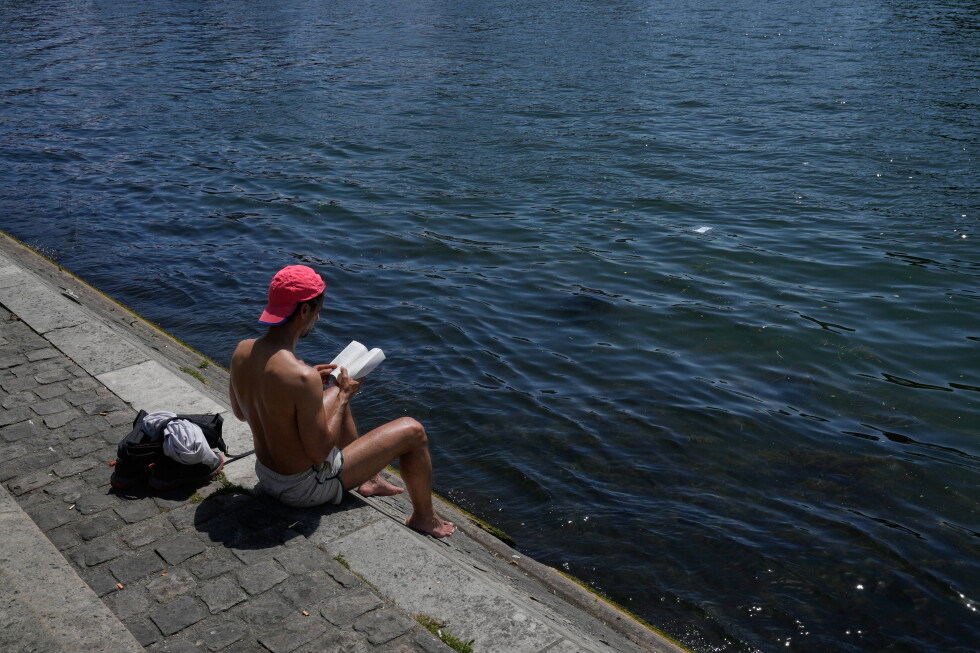
Parts of Europe swelter in record May heat as deaths at amateur sports events spur warnings
An unseasonal, record-shattering heat wave has swept across Western Europe this May, triggering urgent public health warnings from national authorities following two confirmed fatalities linked to extreme heat during amateur sports competitions in France.
The fatal incidents, both occurring on Sunday, have underscored the growing risks of out-of-season extreme heat as climate change amplifies the frequency of abnormal weather events. French Sports Minister Marina Ferrari released an official statement mourning the death of a 53-year-old male runner who collapsed from a cardiac arrest mid-race in Paris’ 20th arrondissement. First responders were unable to resuscitate the athlete, per local French newspaper Le Parisien. While a formal cause of death has not been finalized, Ferrari highlighted a probable connection to the extreme ongoing heat.
“The events that took place during Sunday’s running races serve as a critical reminder that sporting activity in extreme heat demands the highest level of vigilance,” Ferrari wrote in a post on X, formerly Twitter. “My deepest condolences go out to the family and loved ones of the runner who lost their life in Paris, as well as to all those who required emergency medical care during Sunday’s events.”
A second heat-related fatality was reported in the southeastern French city of Lyon on Monday, per local outlet Actu Lyon. A female participant in another Sunday sporting event died after suffering severe heat stroke during competition.
National meteorological service Meteo France confirmed that this May’s heat wave has broken long-standing monthly temperature records, with thermometers climbing above 30 degrees Celsius (86 degrees Fahrenheit) across most of the country, with the unseasonal heat expected to persist through the rest of the week.
Across the English Channel, the United Kingdom also joined the list of nations facing record-breaking early heat. London’s Heathrow Airport registered a high of 33.5 degrees Celsius (92.3 degrees Fahrenheit) on Monday, beating the country’s previous May temperature record of 32.8 degrees Celsius (91.4 Fahrenheit) — a mark that was first set in 1922 and later matched in 1944. The record high prompted national officials to declare an official heat wave across multiple regions of the UK, as both local residents and holiday travelers crowded into beaches, public parks and shaded spaces to find relief from the sweltering conditions.
The U.K. Health Security Agency has issued its first amber heat health alert of 2024, warning the public of elevated risks of heat-related deaths, particularly for vulnerable groups including elderly people, during the hottest peak hours of the day.
Climate scientists have repeatedly warned that extreme, often deadly weather events are growing more frequent as global average temperatures rise from anthropogenic climate change. Unprecedented heat surges that hit outside the typical summer season, and in regions unaccustomed to early extreme heat, are putting increasingly large numbers of people at risk of preventable heat-related illness and death.
-

Three arrested over burglaries against high-profile athletes
A multi-national criminal investigation into a years-long burglary spree that targeted the homes of top athletes across the United States and Argentina has resulted in the arrest of three suspects by Chilean law enforcement, officials confirmed this week.
The coordinated criminal operation, which unfolded between 2024 and 2025, counted Travis Kelce—All-Pro tight end for the Kansas City Chiefs and fiancé of global pop superstar Taylor Swift—among its high-profile victims. When Kelce was out of town for a Chiefs game on October 7, 2024, the gang broke into his home and stole $20,000 in cash. Other well-known athletes targeted in separate break-ins include Dallas Cowboys defensive lineman Linval Joseph and Milwaukee Bucks forward Bobby Portis, in addition to retired tennis legend and 2009 US Open champion Juan Martín del Potro, whose Argentine property was hit earlier this year.
The investigation breakthrough came last week, when Chilean police took two suspects into custody for the break-in at del Potro’s residence. Evidence collected during that arrest led investigators to a third accomplice, who was apprehended by officers on Saturday. To date, Chilean law enforcement has not released any details on the suspects’ genders, and has also declined to publicly disclose the full list of athletes targeted by the ring.
Chilean Interpol Commissioner Enrique Gutierrez announced in a video statement acquired by AFP that all three suspects are expected to be extradited to face trial in the jurisdictions where they committed the crimes. “These individuals will face justice in the United States or Argentina,” Gutierrez said, adding that the suspects had no prior notable criminal history within Chile, as the group had specialized exclusively in carrying out cross-border robberies outside of the country.
Investigative details released by authorities show the gang followed a deliberate, systematic pattern to carry out their burglaries: members first “cased” target properties to map out layout and security systems, then cross-referenced public property records, professional team schedules, and public social media posts from athletes and their families to confirm when homeowners would be away from their residences for extended periods.
The string of targeted break-ins prompted the U.S. National Football League to issue an official security memo to all league personnel warning athletes to increase precautionary measures for their personal properties as early as last year. The memo explicitly noted that criminals were leveraging open source information to identify empty homes, often timing raids to coincide with game days when players are guaranteed to be traveling or out of town. In February of 2024, seven additional men were charged in connection with the same broader burglary conspiracy, marking earlier progress in the ongoing investigation.
As of this reporting, the BBC has reached out to both Chilean Interpol and the U.S. Federal Bureau of Investigation for additional comment on the case and the upcoming extradition process.
-
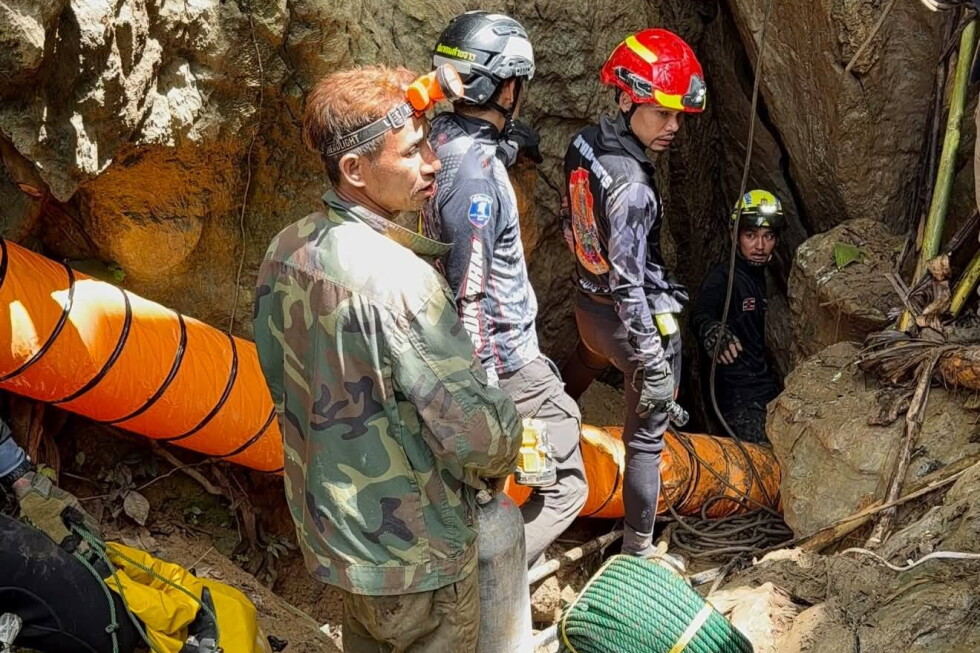
Rescuers race to reach 7 trapped in a Laos cave after flash floods block exit
BANGKOK – A cross-border rescue operation is in a critical, time-sensitive phase in central Laos, where seven villagers have remained cut off inside a flooded cave system for nearly a week after a flash flood cut off their only escape route.
The group of local prospectors entered the remote cave in Xaisomboun province on May 19, drawn by deposits of gold that have long drawn informal miners to the narrow, confined underground space. According to rescue teams from both Laos and Thailand that are participating in the emergency response, unseasonably heavy rainfall hit the region shortly after the group entered, triggering sudden flash flooding that sealed the cave’s exit before all could exit.
Bounkham Luanglath, head of Laos’ Rescue Volunteer for People, shared details with the Associated Press on Monday, confirming that one member of the party managed to scramble out of the cave ahead of the flood blockage. That survivor immediately alerted local officials to the crisis, launching the ongoing search effort. As of Monday, however, there has been no contact with the seven trapped people, and their condition and whereabouts inside the cave remain unconfirmed.
Luanglath noted that informal gold seekers have long accessed this particular cave despite repeated public safety warnings from local authorities, who have long flagged the site’s risk of sudden flooding during the rainy season.
Thai rescue specialists, including specialized cave divers, deployed to the remote site on Sunday to support the under-resourced Laotian operation. Divers have begun the dangerous work of navigating the murky, flooded passageways of the cave, slowly advancing toward the chamber where rescuers believe the trapped group may be sheltering.
Laos’ Ministry of Foreign Affairs has declined to offer any official comment on the incident. The Southeast Asian country, a one-party communist state with no registered formal political opposition, maintains strict controls over the flow of public information about emergencies and local incidents.
-
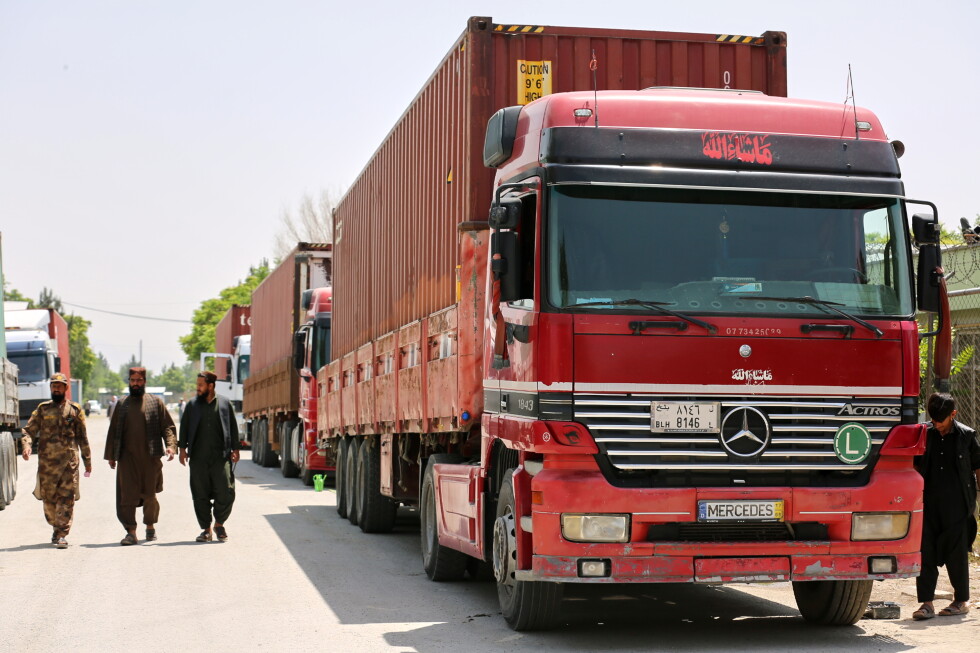
Strait of Hormuz closure chokes trade and aid for Afghanistan
Landlocked Afghanistan, a country already grappling with decades of instability and widespread food insecurity, now faces a cascading logistical catastrophe after two of its primary trade routes were simultaneously knocked offline by overlapping regional conflicts. What began as a border dispute with neighboring Pakistan that closed key crossing points late last year quickly pushed Afghan traders and aid organizations to shift their supply chains to a second alternative: routing goods through Iran’s major Indian Ocean port of Bandar Abbas, located on the strategic Strait of Hormuz. That workaround, however, became unsustainable almost immediately after the outbreak of war in the region left hundreds of commercial vessels stranded in the strait and thousands of crew members trapped aboard, cutting off this critical alternate corridor even as thousands of Afghanistan-bound containers remained stuck at Pakistan’s Karachi shipping hub. For already vulnerable Afghans and strained local businesses, the loss of both major trade arteries has been nothing short of devastating.
The United Nations World Food Programme (WFP), which runs life-saving nutrition interventions across Afghanistan serving acutely malnourished women and children, has borne the brunt of the disrupted supply chains. Most of the organization’s critical nutritional supplements and fortified high-energy biscuits for school-aged children were sourced from Pakistan, but after the Pakistan border closure in October, WFP was forced to reroute incoming supplies via sea through Dubai and Iran. Today, that second route is effectively inaccessible amid heightened tensions: Tehran controls access to the Strait of Hormuz, while U.S. blockades have shut down operations at Iranian ports. By mid-April, WFP’s stockpiles of life-sustaining nutritional supplements had been completely exhausted, leaving health clinics with no aid to distribute to at-risk patients.
“At a time when malnutrition is already at near-record levels, weakened and desperate mothers and children are being turned away from health clinics, as we have no food to give them,” stated John Aylieff, WFP’s country director for Afghanistan. The crisis comes on top of a pre-existing funding shortfall that has stretched the organization’s operations thin: WFP has only received 8% of its required annual funding for its Afghanistan operations this year. “On top of a funding crisis, conflict in the Middle East and the closure of the border with Pakistan are choking WFP’s operations — blocking supply routes, driving up costs and straining markets at the worst possible time,” Aylieff added in emailed comments.
With both southern and southwestern trade routes closed, WFP has been forced to redirect all incoming shipments overland through Central Asia, a far longer and more costly route that lies thousands of kilometers from major ocean ports. Aylieff confirmed that overall transportation costs have tripled, while the per-unit cost of nutritional supplements for vulnerable mothers and children has jumped by 35%. One ongoing shipment of fortified high-energy biscuits, originally bound for Afghanistan from the United Arab Emirates, illustrates the scale of the logistical nightmare: what was supposed to be a short journey through Dubai, Iran and into Afghanistan has turned into a three-month-long circuitous trip across Saudi Arabia, Jordan, Syria, Turkey, Georgia, Azerbaijan, across the Caspian Sea, and finally into Afghanistan via Turkmenistan. The shipment is still in transit after three months.
Private Afghan businesses are facing similarly catastrophic pressures, with many small and medium enterprises on the brink of collapse. Lutfullah Akbari, who operates a small construction equipment import company in Kabul, said his incoming shipment of Chinese-manufactured equipment is stuck on a stranded vessel unable to transit the Strait of Hormuz, while logistics costs have surged past what his business can absorb. “I have nothing else to use to continue my business here,” Akbari said, noting that he is considering abandoning his cargo entirely if the strait does not reopen soon. “The Iran-U.S. war has had a huge impact on my business. Other traders have rerouted shipments through Central Asia, but it is longer and more expensive. The logistics company now wants more than the value of our goods and the capital we had invested in them. We can’t afford it. Even if I bring them here, I’ll have to sell them all at a loss. I can’t afford to lose twice.”
Logistics industry leaders confirm that cost increases have upended nearly every segment of Afghanistan’s import and export market. Gul Meer Amini, logistics director at Kabul-based freight firm Etifaq Bamyan International Transport and Trade Forwarding, which handles both commercial and humanitarian cargo, said container rental rates have more than doubled since the outbreak of war in the Strait of Hormuz. Pre-conflict rates hovered between $3,000 and $3,600 per container; today, rates top $7,000, with some shipments reaching over $11,000. “The impact is reaching all traders,” Amini said.
For smaller retail traders, the price hikes are even more staggering. Mohammad Murtaza Ishaqzai, a Kabul-based electronics retailer, said pre-war delivery costs for Chinese goods shipped through Iran ran between $1,100 and $1,500 per shipment. Today, that same shipment costs more than $15,000 — a tenfold increase. “We can’t export and we can’t import,” Ishaqzai said, appealing to the Taliban-led Afghan government to resolve its ongoing border dispute with Pakistan to reopen the original southern trade route. “If the situation continues, our business will be finished.”
Afghan government officials have sought to downplay broader inflationary impacts, noting that the country has shifted the majority of its trade volume to alternate routes through Central Asia to mitigate damage. Abdul Salam Jawad, spokesperson for Afghanistan’s Commerce and Trade Ministry, said overall national price increases have been held to roughly 3% thanks to continued imports from Central Asia, Russia and China. “The problem we faced was the restrictions on our imported goods and containers coming from other countries via Iran,” Jawad explained. “We are waiting for a solution to be found in the Strait of Hormuz so that we can export normally.”
Khan Jan Alokozai, senior adviser to Afghanistan’s Chamber of Commerce and Investment, confirmed that more than 60% of the country’s total trade now flows through Central Asia, softening the overall blow of the two closed routes. Key supplies including food and petroleum products are currently arriving via Central Asia and Russia, while a growing share of trade is routed through Turkey before moving by rail through either Iran or Azerbaijan into Afghanistan, Alokozai said. Even with these adjustments, however, the humanitarian and economic damage from the collapsed southern routes continues to mount for the country’s most vulnerable populations and struggling small businesses.
(Reporting by Becatoros in Athens, Greece)