分类: world

  • UK’s nuclear-powered sub travels into Gulf

    UK’s nuclear-powered sub travels into Gulf

    In a significant military escalation, the United Kingdom has deployed its nuclear-powered submarine HMS Anson to the Arabian Sea amid rising tensions with Iran. The vessel, armed with Tomahawk cruise missiles, reportedly traveled approximately 9,000 kilometers from its previous deployment near Australia to position itself strategically in the volatile region.

    The deployment comes as Western nations express growing concern over Iran’s targeting of the critically important Strait of Hormuz shipping lane. Although the UK Ministry of Defence has maintained its policy of not commenting on submarine operations, this movement appears to support Britain’s recent decision to permit American forces to utilize UK air bases for strikes against Iranian installations threatening the vital waterway.

    This policy shift followed revelations that Iran had attempted missile attacks on the joint UK-US military facility on the Chagos Islands in the Indian Ocean. According to reports from The Wall Street Journal and CNN, two missiles were launched toward Diego Garcia island, with one being successfully intercepted and the other failing mid-flight.

    British Foreign Secretary Yvette Cooper emphasized the government’s cautious approach, stating to the BBC that while defensive measures would be taken to protect national interests, the UK sought to avoid direct involvement in offensive operations. “We will provide defensive support against these reckless Iranian threats, but we have not been—and we continue not to be—involved in offensive action,” she asserted, adding that Britain does not wish to be drawn into a broader regional conflict.

    The situation has prompted coordinated international response, with leaders from Britain, France, Germany, Italy, the Netherlands, and Japan issuing a joint statement expressing their readiness to ensure safe passage through the Strait of Hormuz. This collective effort aims to stabilize global energy markets after recent conflicts caused fuel prices to surge dramatically.

    Adding to the tension, US President Donald Trump issued a stark ultimatum at 23:44 London time on Saturday, threatening to “obliterate” Iranian power plants unless the Strait of Hormuz is reopened to all vessels within 48 hours. Meanwhile, Israeli claims regarding Iran’s capability to target European cities have been met with skepticism by British officials, who questioned the feasibility of such scenarios.

  • US threat adds fuel to Mideast fire

    US threat adds fuel to Mideast fire

    The Middle East conflict entered a perilous new phase as US President Donald Trump issued a 48-hour ultimatum threatening to destroy Iran’s power plants unless the Strait of Hormuz is fully reopened. The dramatic threat, delivered via social media on Saturday, represents a stark reversal from previous statements about de-escalating hostilities.

    Iran responded swiftly with a counter-threat through Ebrahim Zolfaghari, spokesman for Iran’s Khatam al-Anbiya Central Headquarters, warning that any attack on Iranian energy facilities would trigger retaliatory strikes against US and Israeli infrastructure targets. The semiofficial Tasnim News Agency reported that energy, information technology, and desalination facilities would be prioritized in such retaliation.

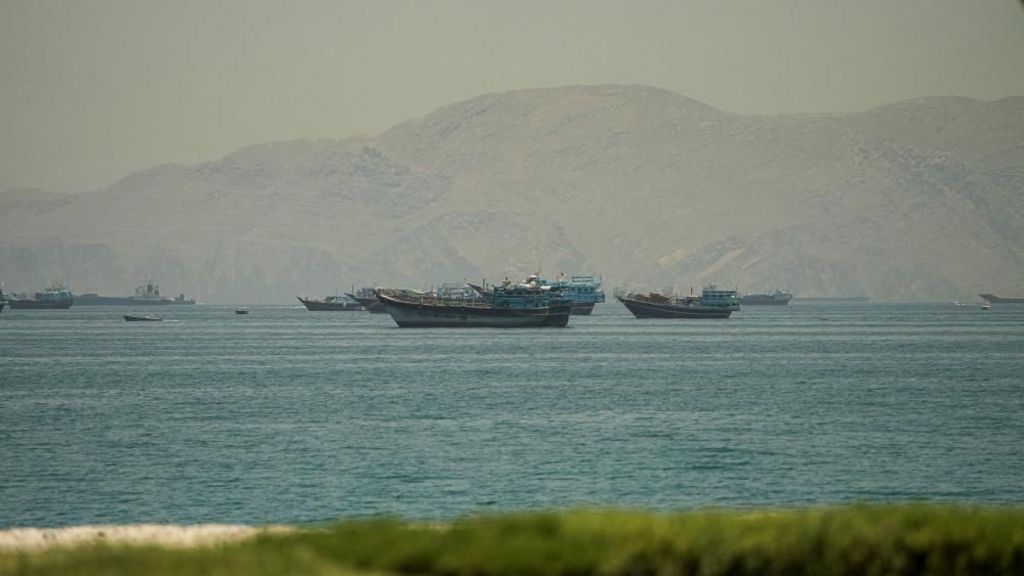
    The strategic Strait of Hormuz, connecting the Persian Gulf to the Indian Ocean, remains effectively closed to commercial shipping due to ongoing attacks and threats. This critical waterway normally handles approximately one-fifth of global oil shipments, and its closure has already impacted global energy markets and food prices worldwide.

    Despite the hostilities, Iran’s representative to the International Maritime Organization, Ali Mousavi, indicated that ships could transit the strait with prior coordination with Iranian authorities, excluding vessels from “enemy” nations. Mousavi emphasized Tehran’s commitment to diplomatic solutions while maintaining that respect for Iran’s territorial integrity remains paramount.

    The conflict has intensified militarily with US-Israeli strikes targeting multiple Iranian locations including Tehran, Karaj, Isfahan, and the nuclear facility at Natanz. Pirhossein Kolivand of the Iranian Red Crescent Society reported that over 80,000 civilian locations, including schools and medical centers, have been damaged since hostilities began.

    International concern mounted as IAEA Director General Rafael Grossi reiterated calls for military restraint to prevent potential nuclear accidents. The UN nuclear agency confirmed bombing damage at Iran’s Natanz enrichment facility—the fourth such attack on nuclear sites since the conflict began—though no radiation leaks were detected.

    The human toll continued to rise with nearly 200 injuries reported from Iranian strikes on southern Israeli cities. Israel responded by closing schools and banning large gatherings in affected regions while Prime Minister Benjamin Netanyahu vowed continued strikes against “enemies on all fronts.

    Diplomatic relations further deteriorated as Saudi Arabia declared Iranian military officials and embassy staff personae non gratae, ordering their expulsion within 24 hours. The Saudi Foreign Ministry cited repeated violations of sovereignty and international agreements in its decision.

  • Work begins to connect Kenya, Uganda via rail

    Work begins to connect Kenya, Uganda via rail

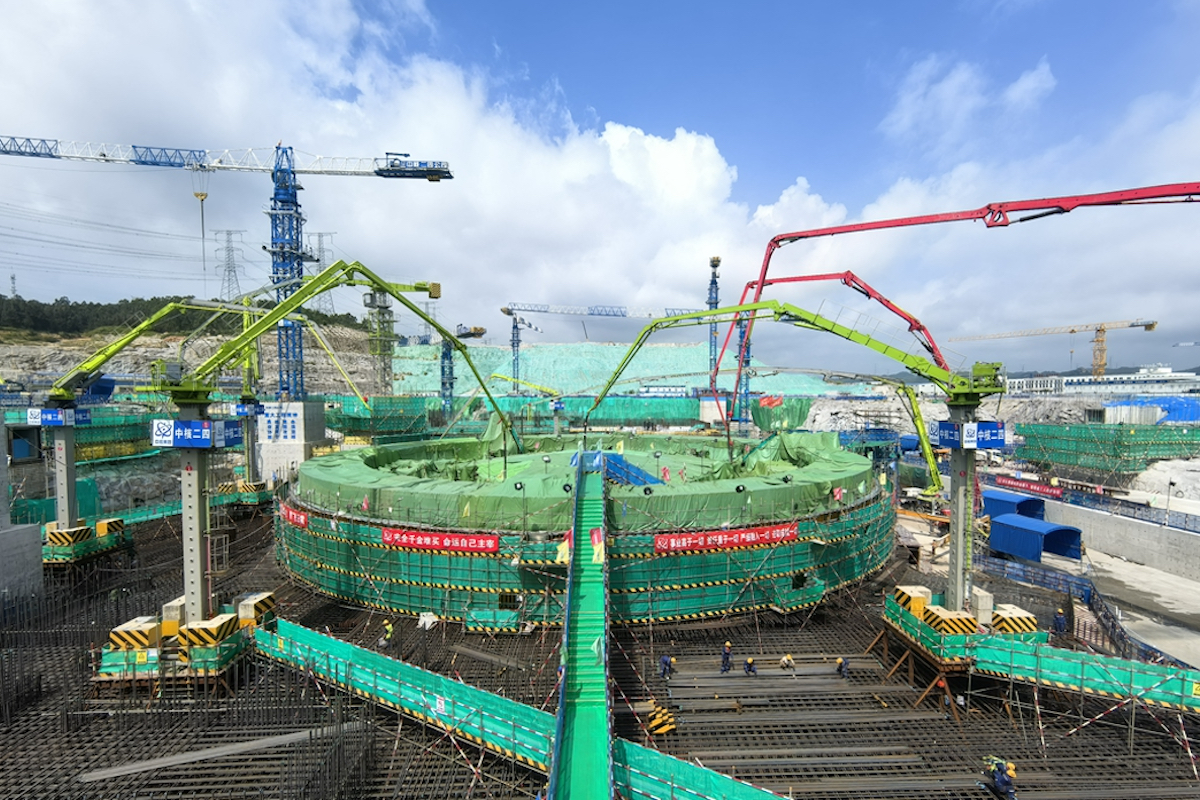
    In a landmark event for East African infrastructure development, Kenyan President William Ruto and Ugandan President Yoweri Museveni have officially launched construction on the critical Standard Gauge Railway (SGR) connecting their nations. The ceremony in Kisumu, Kenya, marks the commencement of the 107-kilometer Kisumu-Malaba segment that will complete the nearly 1,000-kilometer rail corridor stretching from Mombasa’s Indian Ocean port to the Ugandan border.

    The project, stalled for six years due to funding challenges, represents a significant revival of regional integration ambitions. President Museveni emphasized the strategic importance for landlocked Uganda, stating: ‘Transport is very critical for us. Rail transport is essential for heavy cargo over long distances.’ He further highlighted that the railway would extend benefits beyond the two nations to Rwanda, South Sudan, and the Democratic Republic of the Congo.

    President Ruto framed the project as transformative for East Africa’s economic geography, drawing parallels with the historic Uganda Railway built over a century ago that connected Mombasa to inland East Africa and spurred the development of cities like Nairobi. ‘Infrastructure development does not just connect places; it often creates them,’ Ruto declared. ‘It determines where opportunity lives, where investment flows and where prosperity takes root.’

    The SGR extension continues Kenya’s infrastructure partnership with China, with Chinese contractors having built the Mombasa-Nairobi and Nairobi-Naivasha sections using primarily Chinese financing. Song Hailiang, Chairman of China Communications Construction Company, identified the project as a key Belt and Road initiative, committing to ‘high standards of quality and efficiency’ in its construction.

    Since its initial launch in 2017, the SGR has already transported over 15 million passengers and 45 million metric tons of freight, reducing logistics costs and alleviating highway congestion. The new extension is expected to further stimulate economic activity along the corridor through the development of industrial parks, logistics hubs, and enhanced agricultural trade access.

  • Middle East crisis poses risk to fertilizer supply

    Middle East crisis poses risk to fertilizer supply

    The escalating Middle East conflict has triggered a severe fertilizer supply crisis that now threatens food security across Asia, as geopolitical tensions disrupting energy markets simultaneously constrict global supplies of essential crop nutrients.

    As a critical global fertilizer exporter accounting for approximately 30% of international trade, the Middle East’s production capacity has been severely compromised. The region’s fertilizer manufacturing relies heavily on liquefied natural gas as primary feedstock, creating an inextricable link between energy and agricultural inputs.

    The strategic Strait of Hormuz, typically a vital maritime corridor for seaborne fertilizer shipments, remains effectively closed amid ongoing military operations between the United States, Israel, and Iran now entering their fourth week of sustained conflict.

    This supply chain disruption has precipitated dramatic price surges in fertilizer markets. Middle East granular urea reached $665 per metric ton recently, representing a nearly 40% increase from the $485 per ton traded just weeks earlier in late February.

    Urea’s critical role in rice and wheat cultivation makes these price spikes particularly concerning for Asia-Pacific nations, where both crops constitute dietary staples. Agricultural experts warn that cost-prohibitive fertilizer prices will likely force farmers to reduce application rates, potentially diminishing crop yields and triggering broader food inflation.

    Marie Annette Galvez-Dacul, Executive Director of the Center for Food and Agri Business at the University of Asia and the Pacific in Manila, emphasized the cascading effects: “As fertilizer becomes more expensive, farmers may use less of it, which can lower crop yields. This can lead to higher food prices and make food less affordable, even if supply remains physically available.”

    While the Philippines—the world’s largest rice importer—has assured citizens of stable rice supplies with approximately 400,000 tons in government warehouses, the situation remains precarious. Agriculture Secretary Francisco Tiu Laurel Jr. confirmed sufficient agricultural product supplies for at least 90 days, but longer-term concerns persist.

    Research fellow Elyssa Kaur Ludher of Singapore’s ISEAS-Yusof Ishak Institute highlighted the vulnerability of major rice-exporting nations: “Key rice exporters in India, Vietnam and Thailand are dependent on imported fertilizers from Gulf countries. If rice production in these countries decreases, it will limit the supply of tradable rice.”

    The inherent fragility of global rice markets—where only 10% of production enters international trade—makes the situation particularly volatile. Ludher cautioned that “such shortages have triggered food-item export bans in the past,” noting that such measures “destabilize markets and further push up prices,” potentially exacerbating global food insecurity.

    Unlike immediate fuel price spikes, fertilizer’s impact on food prices operates with a delayed effect. Experts estimate the price shock will require one to two months to influence planting decisions, with full manifestation in grocery stores taking three to nine months.

    The International Rice Research Institute in the Philippines identifies higher fertilizer prices as the “bigger medium-term risk” for global rice trade, noting production cuts at three Indian fertilizer plants due to LNG shortages.

    Paul Teng, Senior Fellow at ISEAS-Yusof Ishak Institute, noted that Southeast Asian farmers had largely secured fertilizers before the conflict erupted for current planting cycles. However, he warned that persistent supply constraints would inevitably affect both rice supply and prices across the region, potentially forcing farmers to reduce fertilizer usage and consequently diminish outputs of rice, vegetables, palm oil, and cacao.

  • Mideast war threatens energy crisis worse than 1970s oil shocks

    Mideast war threatens energy crisis worse than 1970s oil shocks

    The International Energy Agency (IEA) has issued a dire warning that the ongoing Middle East conflict could trigger an energy crisis surpassing the combined severity of both 1970s oil shocks. IEA Executive Director Fatih Birol stated that the world is already losing more daily oil output than during historic supply disruptions, compounded by natural gas market collapses.

    Tensions escalated as U.S. President Donald Trump delivered a 48-hour ultimatum to Iran, demanding reopening of the Strait of Hormuz—a critical waterway handling 20% of global crude shipments—under threat of destroying Iranian power plants. Tehran responded defiantly, with Parliament Speaker Mohammad Bagher Ghalibaf warning that regional infrastructure would face “irreversible destruction” if the U.S. acted.

    The conflict has already damaged at least 40 energy facilities across oil- and gas-exporting regions, driving oil prices above $100 per barrel. Iran has selectively permitted friendly nations’ vessels through the strait while blocking those from countries participating in “aggression” against it.

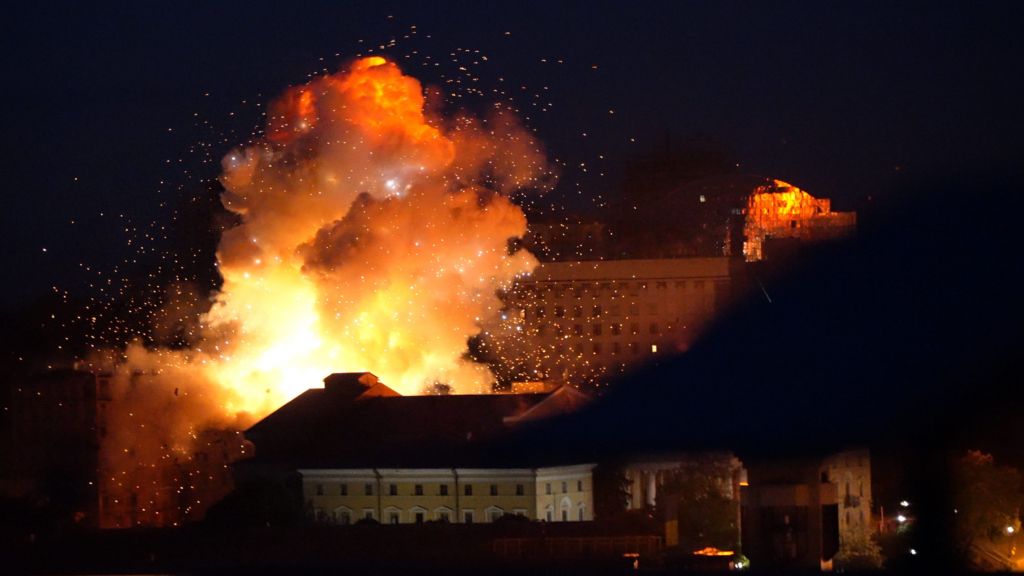
    Military operations intensified with Israeli airstrikes targeting Tehran, creating massive smoke plumes visible to journalists. Israel expanded its ground campaign against Hezbollah in Lebanon, where violence has claimed over 1,000 lives and displaced more than one million people. Lebanese President Joseph Aoun condemned Israel’s bridge destruction operations as a “dangerous escalation” potentially preceding ground invasion.

    The humanitarian toll continues rising, with Iranian missiles striking near Dimona—close to Israel’s suspected nuclear facility—injuring dozens of civilians who believed themselves secure. Conflicting reports emerge regarding casualties and nuclear site attacks, with Tehran claiming retaliation for strikes on its Natanz facility while Israel denies awareness of such operations.

    Global economic repercussions are already materializing, with Cambodian energy suppliers halting liquefied petroleum gas sales due to war-related disruptions. Financial markets reacted strongly to the escalating threats, with oil prices climbing and stocks tumbling amid fears of prolonged regional warfare.

  • Plane, fire truck collide on runway at New York’s LaGuardia Airport

    Plane, fire truck collide on runway at New York’s LaGuardia Airport

    A significant ground collision between an Air Canada Express aircraft and an emergency response vehicle has resulted in the complete shutdown of New York’s LaGuardia Airport. The incident occurred late Sunday evening when Jazz Aviation Flight AC8646, operating as a regional partner for Air Canada, struck a Port Authority fire truck during its landing sequence on Runway 4 at approximately 11:40 PM local time (0340 GMT Monday).

    The CRJ-900 aircraft, carrying 72 passengers and 4 crew members from Montreal, collided with the emergency vehicle that was reportedly responding to a separate incident on the active runway. Aviation authorities immediately implemented a ground stop, suspending all flight operations indefinitely due to what officials described as a ‘high probability of extended operational disruption.’

    Visual documentation from the scene revealed substantial damage to the aircraft’s nose section and cockpit area, with multiple emergency vehicles surrounding the immobilized plane. While authorities have not yet released official injury reports for either the aircraft occupants or fire crew personnel, full emergency protocols were activated immediately following the impact.

    The Federal Aviation Administration has launched a comprehensive investigation into the unusual runway incident. The airport’s closure comes amid existing operational challenges, including adverse weather conditions and previously reported security screening delays due to federal funding-related staffing shortages.

    LaGuardia, which recently completed an $8 billion infrastructure modernization program, serves as New York’s third-busiest aviation facility, handling approximately 33.5 million passengers annually. This incident marks the latest in a series of concerning aviation safety occurrences across United States airports, raising questions about ground operation protocols and runway safety management systems.

  • International Energy Agency head says global economy faces ‘major, major threat’ because of Iran war

    International Energy Agency head says global economy faces ‘major, major threat’ because of Iran war

    WELLINGTON, New Zealand — The escalating Middle Eastern conflict has triggered alarm bells at the highest levels of global energy governance, with International Energy Agency Executive Director Fatih Birol issuing a stark warning about its potentially devastating economic consequences. Speaking at Australia’s National Press Club in Canberra on Monday, Birol characterized the Iran-Israel hostilities as a “major, major threat” to the worldwide economy that could leave no nation untouched if current trajectories persist. The crisis has already inflicted severe damage on approximately 40 energy installations across nine regional countries, according to the agency’s assessment. Birol’s sobering analysis suggests the combined impact has surpassed both the oil shocks of the 1970s and the natural gas market disruptions following Russia’s invasion of Ukraine. The warning comes amid intensified military actions, with Israel launching fresh strikes against Iranian targets and Tehran threatening retaliatory attacks against Gulf power plants. Meanwhile, former U.S. President Donald Trump escalated tensions by issuing a 48-hour ultimatum via social media demanding Iran open the strategically vital Strait of Hormuz to all vessels or face the “obliteration” of its energy infrastructure. Birol confirmed the IEA is actively consulting with European and Asian governments regarding potential coordinated releases of strategic oil reserves to stabilize markets, emphasizing the agency stands ready to act if market conditions deteriorate further.

  • 50 years after Argentina’s bloody coup, families still search for and bury the disappeared

    50 years after Argentina’s bloody coup, families still search for and bury the disappeared

    In a solemn ceremony in Argentina’s Tucumán province, relatives of Eduardo Ramos and Alicia Cerrotta finally laid their remains to rest, closing a half-century search for truth. The couple—a 21-year-old journalist-poet and 27-year-old psychologist—were among the thousands forcibly disappeared during the nation’s brutal military dictatorship that began with the 1976 coup.

    The military junta led by Jorge Rafael Videla systematically eliminated perceived dissidents through abduction, torture, and clandestine executions. Victims were frequently disposed of via ‘death flights’ (dumping sedated prisoners into rivers) or in mass graves like the Pozo de Vargas—a 40-meter-deep well where Eduardo and Alicia’s remains were eventually discovered among 149 other victims.

    Their identification in 2011 launched a painstaking forensic process by the Argentine Forensic Anthropology Team, which has identified 121 sets of remains from the site through bone fragment analysis. The Ramos family waited additional years for more complete skeletal reconstruction before burial.

    This search for justice has faced persistent obstacles: military denial, societal silence, and recently, budget cuts to human rights programs under President Javier Milei’s austerity measures. His administration downgraded the Human Rights Secretariat and dismissed archival research teams, further complicating efforts to locate the estimated 30,000 disappeared.

    As families continue seeking closure, the mausoleum in Tafi Viejo cemetery stands partially empty—a physical testament to Argentina’s unfinished reckoning with state terrorism and the enduring quest for truth.

  • ‘Wouldn’t say yes’: Energy boss’ brutal call as Aussies face wfh, carpooling amid Iran crisis

    ‘Wouldn’t say yes’: Energy boss’ brutal call as Aussies face wfh, carpooling amid Iran crisis

    The head of the International Energy Agency (IEA) has issued a stark warning about the severity of the global fuel crisis triggered by the Middle East conflict, drawing direct comparisons to the economic shocks of the 1970s while stopping short of endorsing immediate COVID-style restrictions.

    During his address at the National Press Club in Canberra on Monday, IEA Executive Director Dr. Fatih Birol revealed the conflict has already removed 11 million barrels of oil daily from global markets – equivalent to more than two major 1970s oil crises combined. The situation is further exacerbated by natural gas shortages approaching double those experienced after Russia’s invasion of Ukraine.

    When questioned about whether Australian households are prepared for potential fuel conservation measures reminiscent of pandemic restrictions, Dr. Birol responded cautiously: “I definitely wouldn’t say yes. But households need to be better informed about the magnitude of the challenge we are facing.”

    The energy expert emphasized that while peaceful resolution remains the optimal outcome, market normalization would require significant time even if hostilities ceased immediately. He identified the effective closure of the Strait of Hormuz – transit route for one-fifth of global oil shipments – as particularly severe.

    The IEA has already coordinated the largest-ever release of strategic petroleum reserves among member nations, totaling 400 million barrels. While this provided temporary price relief, Dr. Birol confirmed additional releases remain under consideration based on ongoing market assessment.

    Rather than mandating specific measures, Dr. Birol emphasized governmental responsibility in determining appropriate responses: “Governments need to expect to take measures to protect their economies, their citizens, their businesses. The primary responsibility lies with governments, with help from industry and citizens.”

    The agency recommends practical conservation strategies including increased telecommuting, carpooling arrangements, and reduced air travel to alleviate demand pressures during what Dr. Birol characterized as an unprecedented convergence of energy market disruptions.

  • Cuba starts to restore power after new blackout

    Cuba starts to restore power after new blackout

    Cuba’s fragile electrical infrastructure succumbed to its second nationwide blackout within a week on Sunday, plunging nearly 10 million citizens into darkness before authorities initiated gradual restoration efforts. The island’s aging power grid, crippled by decades of underinvestment and recently intensified by a de facto US oil embargo, continues to deteriorate amid growing geopolitical tensions.

    By Sunday afternoon, two-thirds of Havana had regained electricity according to local providers, while the state-owned Electric Union of Cuba reported reconnection progress stretching from Pinar del Rio in the west to Santiago de Cuba in the east. Two provinces remained offline as technicians battled systemic vulnerabilities that have triggered seven nationwide blackouts since January 2024.

    The crisis unfolds against escalating diplomatic friction with the United States. President Donald Trump’s administration imposed stringent oil restrictions in January while openly speculating about ‘taking’ the Caribbean nation. Cuban Deputy Foreign Minister Carlos Fernandez de Cossio, in a pre-blackout interview with NBC’s Meet the Press, revealed military preparations for potential aggression while maintaining Havana’s willingness for diplomatic engagement—though explicitly excluding discussions about political system changes.

    Daily life has become increasingly unbearable for ordinary Cubans. Nurse Alina Quinones, 48, described the impossibility of contacting relatives without internet or phone service, while 79-year-old retiree Francisco Gonzalez recounted sleepless nights waiting for power restoration. These hardships compound existing shortages of food, medicine, and basic commodities, sparking rare acts of civil disobedience including nocturnal pot-banging protests and last weekend’s vandalism of a Communist Party provincial office.

    The energy crisis intensified dramatically after Venezuela—Cuba’s primary oil supplier—faced its own political turmoil in January. No fuel shipments have reached Cuban shores since January 9, crippling not only power generation but also public transportation and the vital tourism industry. Although international aid convoys have begun delivering medical supplies, food, and solar panels, authorities emphasize that conventional fuel remains urgently needed for decades-old thermoelectric plants.

    Fernandez de Cossio characterized the situation as ‘very severe’ while expressing hope that ‘this boycott cannot be sustained forever.’ The latest blackout originated from a generating unit failure at an aging thermoelectric facility, triggering catastrophic domino effects across the fragile grid system.