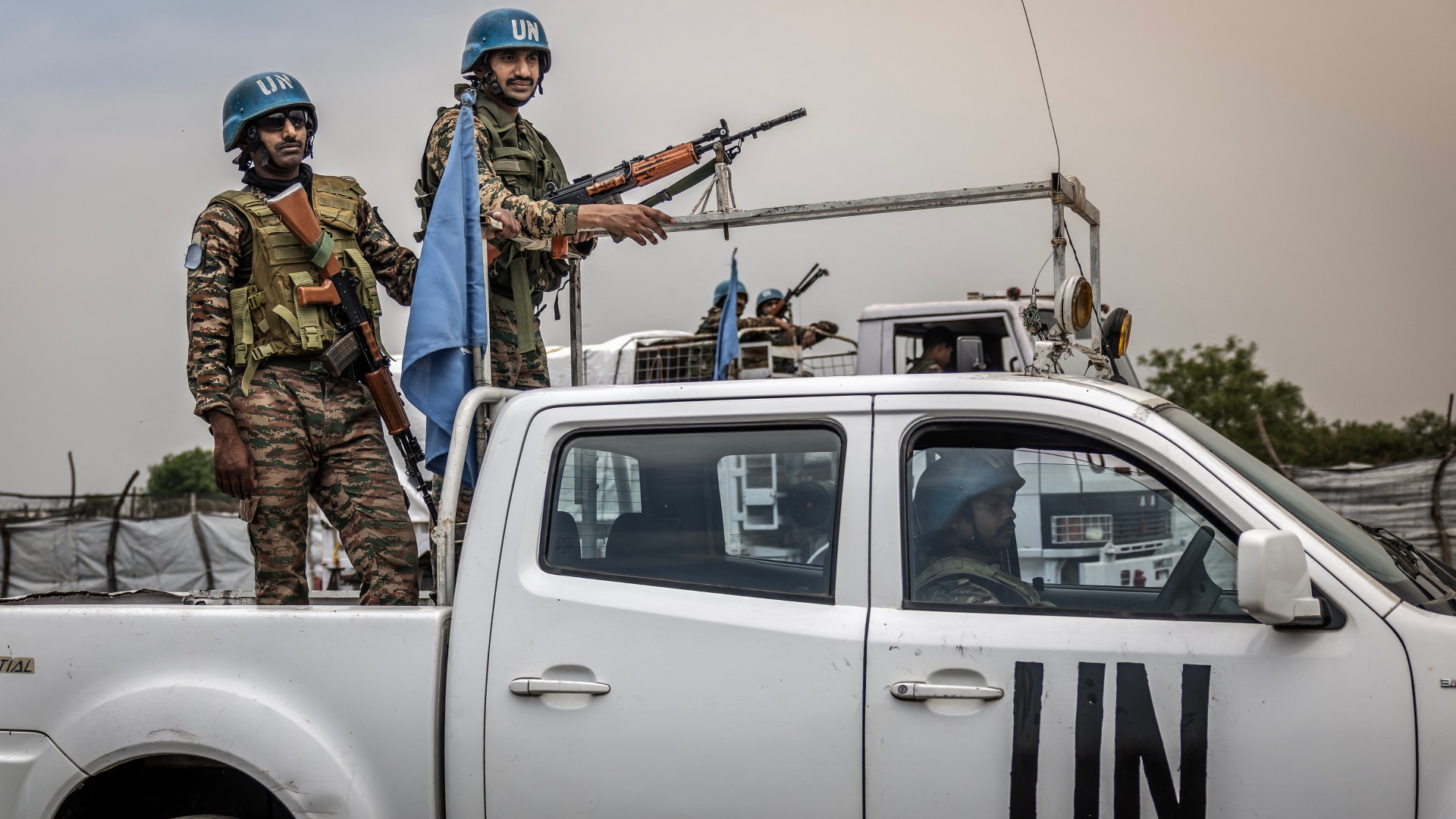
A new report from the Stockholm International Peace Research Institute (SIPRI) has revealed that UN peacekeeping operations have fallen to their lowest resource and deployment level in a quarter-century, driven by delayed and reduced mandatory contributions from major donor nations, with the United States at the center of the trend. The findings, released ahead of the International Day of UN Peacekeepers observed Friday, paint a stark picture of eroding support for multilateral conflict management amid growing geopolitical polarization.
分类: world
-
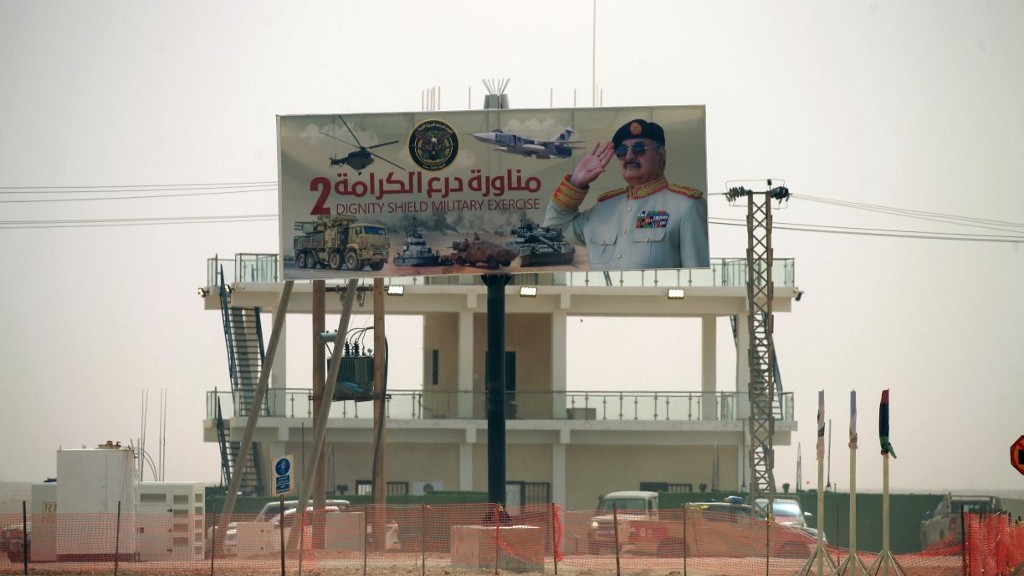
How a Gaza-bound aid convoy unravelled attempting to enter Haftar-controlled eastern Libya
Last week, international headlines focused on Israeli forces intercepting a sea-bound pro-Palestinian aid flotilla heading to Gaza. What gained less immediate attention, however, was a parallel disruption 2,000 kilometers to the west, where a land-based wing of the same Global Sumud solidarity movement saw its journey to the besieged enclave collapse into detention and chaos.
More than 200 activists with the Global Sumud Convoy pushed into the 5+5 security zone outside the Libyan city of Sirte, a buffer zone established under the country’s 2020 ceasefire agreement that has remained a contested flashpoint. The group’s goal was simple: negotiate safe passage through eastern Libya to Egypt’s Rafah crossing, the primary entry point for aid into blockaded Gaza.
After days of camping in the zone, armed forces arrived at the encampment and broke up the convoy. Most participants were forcibly escorted back to the capital Tripoli under armed guard, but 10 international activists from Spain, Poland, the United States, Argentina, Uruguay, Portugal, Tunisia and Italy were taken into custody and remain held by Libyan authorities.
Speaking to Middle East Eye from her home in Johannesburg, South Africa, activist Jessica Breakey, who returned after the dismantling, described the group’s reluctance to leave their detained comrades behind. “We just didn’t want to leave without them,” she said. “It was always like we were in this together, like this convoy was moving together – and I think the worst part about the camp being dismantled and us having to go back was that we were going back without them.”
Libya has been fractured along political and geographic lines since the 2011 NATO-backed overthrow of former ruler Muammar Gaddafi. Eastern Libya is controlled by the Libyan Arab Armed Forces (LAAF) led by commander Khalifa Haftar, backed by Egypt and the United Arab Emirates, while a UN-supported unity government governs the western half of the country, including Tripoli.
The Global Sumud Convoy, launched by North African activists and later joined by hundreds of international participants, set out from Mauritania with a clear mission: deliver tangible, practical aid to Gaza that would go beyond the largely symbolic impact of previous sea-based flotillas. The convoy carried seven ambulances, 10 aid trucks, 20 mobile homes, and a team of medical professionals, engineers, educators and legal observers. Its progress across North Africa was largely uneventful until it reached the Sirte security zone.
Negotiations for onward passage hit a breaking point on Sunday, when the convoy’s negotiating team was arrested. The following day, security forces arrived at the camp, forced the remaining activists onto buses at gunpoint, and even fired tear gas into a nearby mosque where some activists had taken shelter. It remains unclear which authority the security forces were directly affiliated with.
Breakey noted that the treatment in Sirte stood in sharp contrast to the warm welcome and widespread public support the convoy received from Libyan civilians on its journey from Tripoli westward. She also criticized the Libyan Red Crescent, which had publicly expressed support for the convoy but failed to attend planned negotiations with Haftar’s representatives, effectively going “missing in action” as the crisis unfolded. “It’s crazy looking back at a time when we actually were very, very hopeful,” she added.
Shortly after the raid, the eastern Libyan government’s foreign ministry announced new restrictions barring non-Libyan and non-Egyptian travelers from moving onward to Egypt. The ministry defended its actions, saying it handled the situation “within the framework of legal and humanitarian responsibility,” and claimed all detainees “are receiving the necessary care and medical and humanitarian follow-up.” It also reaffirmed Libya’s formal support for the Palestinian cause, but stressed that “respect for national sovereignty and the legal regulations governing the movement of individuals across borders is non-negotiable.”
Human rights monitors have repeatedly documented widespread abuses in areas controlled by Haftar’s LAAF. Amnesty International reports that the LAAF and its affiliated armed groups severely restrict freedom of expression and association, targeting anyone perceived as a critic or opponent of Haftar. “Libyans, as well as refugees and migrants, detained by LAAF, which exercises government-like functions in areas under its control, risk torture and other ill-treatment, as well as prolonged detention amid flagrant due process violations,” explained Sara Hashash, Amnesty International’s deputy director for the Middle East and North Africa.
Despite repeated reassurances from eastern Libyan officials, friends and fellow activists have grown increasingly anxious about the conditions and extended detention of the 10 activists. The coinciding timing of Eid al-Adha has reportedly slowed diplomatic progress and limited contact with detainees.
On Thursday, Italy’s consul general in Benghazi confirmed he had visited the two Italian detainees held at a police barracks in eastern Libya. Following the visit, eastern Libyan authorities agreed to minor improvements to detention conditions, allowing access to showers, clean clothes and better accommodation, but have not released any information about possible deportation or release procedures.
Not all criticism of the incident has come from outside the convoy: some participating activists say the mission suffered from fatal planning flaws from its start. Felipe, a 29-year-old Chilean-Palestinian activist with experience on previous sea-based aid flotillas, argues the convoy’s leadership bore partial responsibility for the outcome.
During a two-week wait in Tripoli, Felipe said it became clear that organizers had made no contingency plans for detentions or a confrontation with the LAAF. “If we were not able to go through east Libya, we should not have kept pressuring them because we were going to shift the narrative from Israel to Libya,” he said. “We were waiting in the desert for nine days doing nothing.”
He added that leadership sidelined critical voices ahead of the push into the security zone. “The day before [the raid], when they decided to go to the [eastern Libyan] border, I was not invited to the meeting because I was being critical. Their plan was basically to have a permanent camp or to do a hunger strike on the border,” he explained. Felipe added that the group was camped at an abandoned, bullet-riddled gas station that was once used by the Islamic State group, and many participants did not grasp the severity of their location or the risks. After the arrests, he argued, the convoy should have retreated to the western city of Misrata, as it had no resources or leverage to secure the detainees’ release. The entire experience, he said, left him disillusioned with land-based aid efforts: “Our people risked their lives to end the siege on Gaza… we came here and we risked our lives for nothing.”
Analysts and rights advocates warn the incident could mark the end of any future land-based aid convoys attempting to cross Libya to reach Gaza. In recent years, Haftar has repeatedly signaled his interest in building diplomatic and economic ties with Israel, including through reported secret visits to meet Israeli officials, though it is unclear whether this influenced the LAAF’s handling of the convoy.
Estelle Allemann, a legal researcher at the Mena Rights Group, called the new restrictions imposed by eastern Libyan authorities “a deeply troubling attempt to weaponise border control against humanitarian solidarity with Palestinians.” She added, “Restricting the movement of aid convoy activists under the guise of travel policy raises serious concerns about the criminalisation of civilian support for Gaza, and would fit a broader regional pattern of suppressing pro-Palestinian activism.”
Middle East Eye attempted to contact the eastern Libyan foreign ministry for additional comment, but had not received a response by the time of publication. In a formal statement released Thursday, the Maghreb Sumud Organisation, one of the convoy’s lead organizers, issued a clarification of recent events. It confirmed that all non-detained participants have been instructed to return to their home countries, with only a small team of senior officials remaining in Libya to continue diplomatic and legal efforts to secure the release of the 10 detainees and coordinate the delivery of the planned aid. The group emphasized that the Global Sumud Convoy was never intended as an act of confrontation, but rather an independent, civilian humanitarian initiative to show moral solidarity with Gazans facing ongoing siege, widespread starvation, and total humanitarian collapse.
-
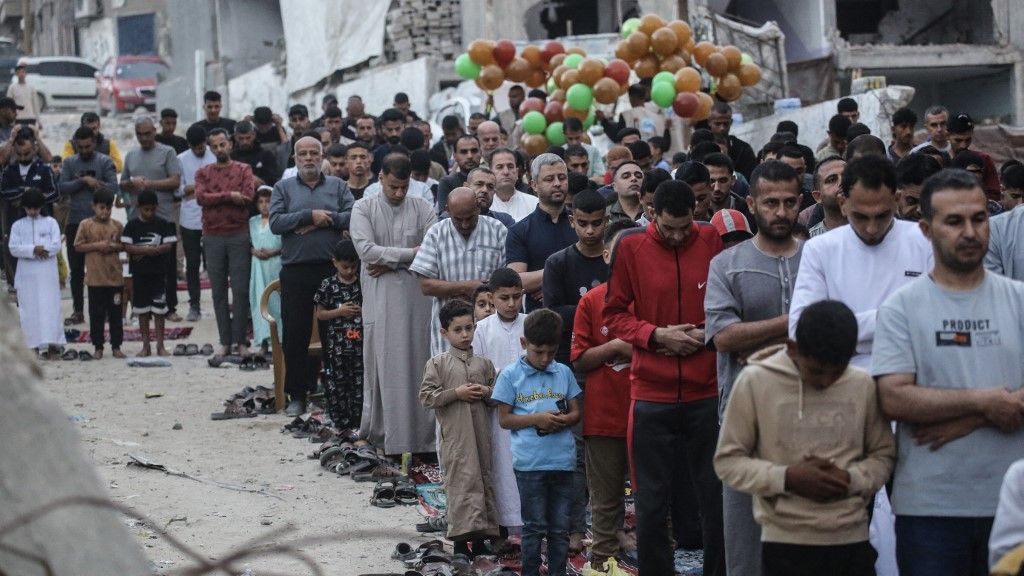
Strikes rock Gaza on Eid al-Adha as Israeli ceasefire violations top 3,000
Even as Palestinian residents of the blockaded Gaza Strip gathered to mark the holy Islamic holiday of Eid al-Adha, Israeli military operations did not pause, with local authorities documenting thousands of breaches of a months-old nominal truce.
The most high-profile strike of the holiday period hit a multi-story residential building in Gaza City’s al-Rimal neighborhood, carried out overnight Tuesday into Wednesday. Al Jazeera reports that as of initial casualty counts, six people have been confirmed dead in the attack.
Israeli military officials have confirmed the strike targeted Mohammed Odeh, the recently appointed leader of Hamas’s armed wing, who stepped into the role in mid-May following the death of his predecessor Izz al-Din al-Haddad. The killing of Odeh has not received official confirmation from Hamas as of Wednesday, but an anonymous Hamas source speaking to Agence France-Presse confirmed that Odeh’s wife and two children were also killed in the air raid, and that a formal funeral procession would be held Wednesday afternoon in central Gaza City.
The targeted strike is just one of thousands of truce violations that have occurred since a tentative ceasefire agreement first took effect in October, according to data from the Gaza Government Media Office. The office’s official statement released Wednesday pegs total confirmed violations at 3,005, with actions ranging from large-scale aerial bombings and deliberate strikes on civilian infrastructure to widespread home demolitions, repeated ground incursions into residential neighborhoods and ongoing small-arms fire against civilian populations.
Since the truce was signed, the ongoing Israeli operations have left a devastating toll on Gaza’s civilian population: more than 910 non-combatant Palestinians have been killed, another 2,747 have suffered injuries, and 82 additional people have been detained or abducted by Israeli forces during incursions into the enclave.
Compounding the humanitarian crisis, Israeli border restrictions have continued to block the vast majority of humanitarian aid from entering Gaza, with more than 64 percent of all scheduled relief shipments denied entry as of this week. The blocked shipments include critical lifesaving supplies: food, clean drinking water, pharmaceutical products, fuel for medical generators and other basic necessities that Gaza’s population already suffers acute shortages of.
Local media reports, citing sources in Gaza’s overstretched health system, note that more than 12 additional people have been killed across the enclave in Israeli strikes over the 24-hour period ending Wednesday morning. Beyond the al-Rimal strike, Israeli forces launched new operations at dawn Wednesday: airstrikes hit areas east of the Jabalia refugee camp in northern Gaza, while artillery shelling was reported in the southern Gaza city of Khan Younis.
This reporting is part of independent coverage from Middle East Eye, which specializes in on-the-ground reporting and analysis of the Middle East and North Africa region.
-

Defected Sudanese RSF commander Savannah performs Hajj in Mecca
Weeks after publicly breaking ranks with Sudan’s Rapid Support Forces — the paramilitary group widely accused of perpetrating genocide in the country’s Darfur region — a top defector has appeared in new footage performing the Islamic Hajj pilgrimage at Mecca’s Grand Mosque, triggering fierce divided debate across Sudanese digital communities.
Circulated publicly by Al Jazeera on Tuesday, the video shows Ali Rizqallah, better known by his battlefield alias Savannah, standing at the Kaaba, Islam’s holiest site. He presses his palms against the structure’s iconic black kiswa cloth, offering public prayers for his war-ravaged homeland as thousands of fellow pilgrims circle the site behind him. In the audio recording of the clip, Savannah calls on God to grant unity to Sudanese forces, halt ongoing bloodshed, end the two-year civil war, lift the nation’s crippling crisis, and bring judgment against what he terms “every tyrant”.
Savannah’s defection from the RSF was first announced in a formal video statement on May 11. Just four days after that announcement, he reemerged in Sudan’s capital Khartoum, where he pledged to take up arms alongside the Sudanese Armed Forces (SAF) against his former comrades in the conflict zones of Kordofan and Darfur. Before his split from the group, Savannah stood among the RSF’s most powerful and high-profile field commanders. He led multiple operations that allowed the paramilitary force to seize key strategic territories across North Darfur and West Kordofan, including the critical town of al-Nahud, and has been linked to the recruitment of foreign fighters from neighboring Chad and Niger.
A former leader of an independent armed movement, Savannah was first integrated into the SAF with the rank of brigadier general under a 2013 peace deal with the government of longtime dictator Omar al-Bashir. He was stripped of that rank by a military court in 2021, following Bashir’s ouster from power, and only joined the RSF when the current civil war broke out in mid-April 2023. During a May 16 press conference in Khartoum, Savannah framed his initial decision to align with the RSF as one born of coercion, not ideology. He claimed he had no other option amid widespread intimidation and retaliatory campaigns targeting the families of anyone who refused to fight alongside the group, saying “I and my family were among the victims of the militia, like the rest of the Sudanese”. He has also stated he is willing to face legal accountability for any accusations brought against him.
In that same press briefing, Savannah alleged that dozens of field and tribal commanders are still being forced to fight for the RSF against their will, with the group holding their families hostage to guarantee compliance. He added that the RSF has carried out internal purges, executing several of its own commanders in recent days — naming Abdullah Hussein and senior adviser Hamid Ali as recent casualties, with additional killings documented across West Darfur. He also claimed that senior RSF figures, including operations chief Othman Mohammed Hamid (better known as Othman Amaliyat), have been placed under house arrest by the group’s leadership. Savannah predicted that a wave of large-scale defections will hit the RSF in the near future, and confirmed that he and his allied fighters are fully prepared to work toward dismantling the paramilitary organization entirely. He also noted that large stockpiles of weapons continue to flow into RSF-held territories in Darfur, though he declined to name the supplier. International observers have already documented substantial evidence pointing to the United Arab Emirates as the primary source of weapons, equipment and even Colombian mercenaries supporting the RSF.
Savannah is the fourth senior RSF commander to defect to the SAF since October 2024, following high-profile exits by Abu Aqla Keikel, Major-General al-Nour Ahmed Adam (known as al-Qubba), and field commander Bashara al-Huwaira.
The footage of his Hajj pilgrimage has split public opinion among Sudanese social media users. Some commentators have interpreted the act as a public gesture of repentance for his time with the RSF, while others have rejected any religious act as insufficient to atone for the paramilitary group’s well-documented atrocities. In a direct public message to Savannah, Sudanese journalist Sabah Ahmed wrote that the rights of RSF victims cannot be erased by performing Hajj or touching the Kaaba’s coverings, saying simply “Our rights against you have not been forgiven.”
The RSF has faced mounting international condemnation and legal consequences over atrocities committed primarily in Darfur, particularly after the group captured the North Darfur capital el-Fasher in October 2025 following a 500-day siege. The UN Security Council has already sanctioned four senior RSF commanders, with UN investigators concluding that the group’s actions carry “the hallmarks of genocide”. The United States formally recognized the RSF’s actions as genocide in January 2025, and imposed sanctions on RSF leader Mohamed Hamdan Dagalo, widely known as Hemedti. The International Criminal Court based in The Hague is currently conducting investigations into alleged war crimes and crimes against humanity committed by commanders from both the RSF and SAF since the conflict began. To date, Savannah has not been personally sanctioned by any international body.
Sudan’s civil war, which has continued unabated since April 2023, has spawned what the United Nations describes as the world’s worst current humanitarian crisis. Clashes between the SAF and RSF have killed hundreds of thousands of people, displaced nearly 13 million more, and left more than 40 percent of Sudan’s population facing acute life-threatening food insecurity.
-
5 things to know about the protests challenging Bolivia’s new president
Six months ago, Bolivia’s new centrist President Rodrigo Paz stepped into office carrying high hopes from a nation weary of 20 years of near-constant socialist rule and reeling from the worst economic downturn it had seen in a generation. His early moves quickly delivered visible improvements: long queues that had become a daily fixture at gas stations disappeared after he negotiated new fuel import deals, the nation’s persistently depreciating local currency gained value on the black market, and investors reacted positively to his campaign pledges to cut ballooning budget deficits. After years of Bolivian diplomatic isolation on the global stage, Paz also moved to repair fractured ties with the United States and key regional powers, drawing dozens of international delegations to his inauguration and filling Bolivians with a new sense of national pride.
Today, that early optimism has curdled into deep uncertainty and public dread as widespread violent protests have engulfed Paz’s administration, a key ally of the U.S. under former President Donald Trump. Protesters have deployed dynamite to blockade major urban centers, cutting off supplies of food, fuel, and critical medical care to thousands of residents. Even Indigenous and rural Bolivians, who once backed Paz’s promises to upend the existing political order while protecting longstanding social welfare programs, are now joining calls for his immediate resignation. As the crisis deepens, Paz has secured congressional approval for legislation that clears the way for a national state of emergency. Below are five key factors shaping the unrest roiling the South American nation.
### Disillusionment Among Former Supporters
Paz’s ascent to power relied on the support of defectors from the long-ruling Movement Toward Socialism (MAS) party, who backed him over more hardline conservative opponents. Today, many of these voters say they have been abandoned by the new administration. Within weeks of taking office, Paz struck governing deals with right-wing parties in congress and sidelined his populist vice president, who was widely credited with delivering the grassroots support that won him the election. Notably, Paz appointed no members of Bolivia’s Indigenous majority—who make up more than half the country’s population—to top cabinet or government posts. He backed an agribusiness-focused land reform bill that Indigenous leaders warned would open the door to mass evictions of small family farmers, and he eliminated longstanding fuel subsidies, sending gasoline prices soaring by nearly 90%. Many motorists have also reported that imported fuel is contaminated and has damaged their vehicles.Paz has attempted to blunt public anger, which has been amplified by global price pressures tied to geopolitical conflict, by offering direct cash transfers to low-income households, approving a 20% increase to the national minimum wage, and repealing the controversial land reform bill. But his refusal to meet union demands for further salary hikes has left the national labor movement infuriated and more determined than ever to push for his ouster.
### A Historic Siege Tactic With a Track Record of Toppling Governments
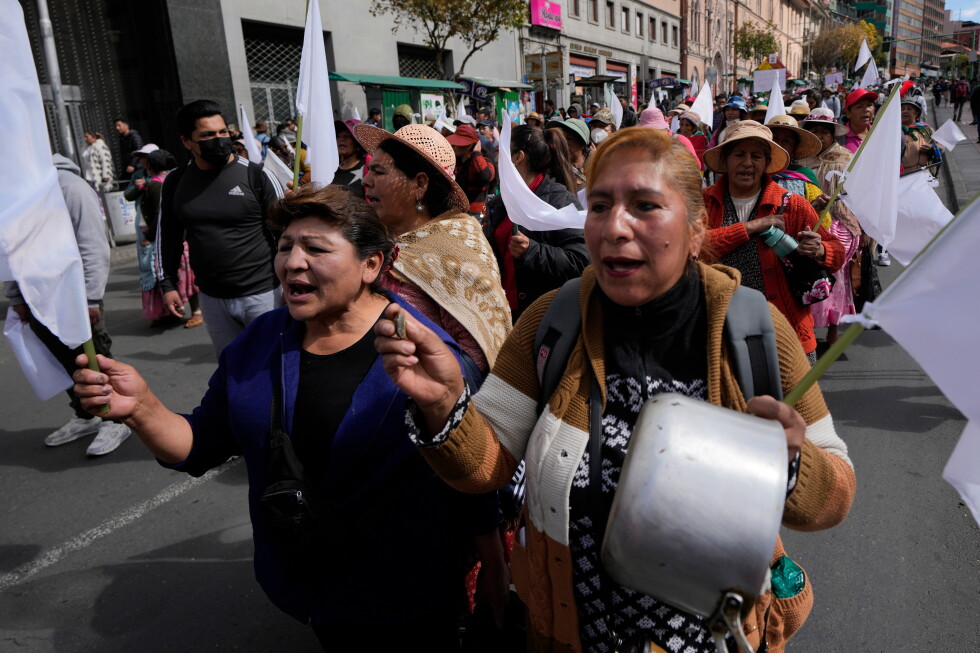
Bolivia’s unique geography turns road blockades into an extraordinarily powerful political weapon. Blockades on the mountain roads leading to La Paz, the country’s administrative seat of government, can completely cut off more than 1.6 million local residents—over 13% of Bolivia’s total population. The strategy of laying siege to the capital was first popularized during an 18th-century rebellion against Spanish colonial rule and has long been a go-to tactic for Indigenous movements demanding political change.In 2003 and again in 2005, mass blockades of La Paz organized by Indigenous and social movements protesting plans to sell the country’s natural gas reserves to foreign firms toppled two consecutive pro-Western governments, clearing the path for MAS leader Evo Morales to rise to the presidency. Now, the blockades choking La Paz have entered their fourth week. Thousands of trucks carrying food and critical supplies, including medical oxygen for hospitals, remain stuck on blocked highways. Beef, eggs, and fresh fruit have all but vanished from grocery store shelves, and the military has been forced to fly in subsidized chicken to prevent a total food collapse. At least four people have already died due to delays in accessing emergency medical care, and hospitals have been forced to ration remaining supplies exclusively to critical cases. Business owners and transport workers who oppose the blockades are increasingly pressuring Paz to clear the roads by any means necessary, holding mass marches through downtown La Paz where they banged pots and chanted demands for immediate action.
### Mounting Pressure For a Crackdown
Bolivian security forces have already used tear gas to disperse protesters and arrested more than 120 movement leaders, but Paz has so far refused calls to deploy the military to break the blockades by force. He has argued that the deaths of protesters at the hands of state security would only escalate tensions, and has repeatedly framed dialogue as the only viable path out of the crisis. “There should not be any deaths in Bolivia,” Paz said Wednesday during the formation of a new advisory council to incorporate underrepresented social groups into economic policy. “What we need is dialogue. For the love of our country, let’s talk.”Paz has already made a series of concessions to defuse tensions: he has offered performance bonuses to public school teachers, reached tentative agreements with protesting mining groups, cut his own presidential salary in half, fired his unpopular labor minister, and appointed an Indigenous lawyer to fill the vacant post. Still, calls for a 60-day state of emergency that would put the military in charge of restoring public order continue to grow. Late Tuesday, congress passed legislation lifting constitutional restrictions on the military’s role in quelling domestic unrest, giving Paz the legal authority to declare the emergency measure. Paz has described the step as an option of last resort.
### Ex-President Evo Morales Awaits A Political Comeback
Former President Evo Morales, Bolivia’s first Indigenous head of state who ruled the country for 14 years before being ousted in 2019, is now calling for early national elections to end the crisis. “Paz only has two paths left: a suicidal decision like militarization or … an election in the next 90 days,” Morales wrote on the social platform X.Morales has been in hiding for nearly two years in Bolivia’s central Chapare coca-growing region, evading an arrest warrant on human trafficking charges stemming from allegations he had a sexual relationship with a 15-year-old girl. Morales has repeatedly denied the accusations, framing them as a politically motivated hit job by his rivals. Many of the unions and Indigenous groups leading the current protests against Paz are aligned with Morales, whose 2019 attempt to stay in power beyond constitutional term limits alienated much of his once-massive base and led to his ouster. Last week, Morales’ most loyal supporters—seasoned protesters from the region’s coca-growing unions—officially joined the protest movement, marching across the Andes to La Paz to demand Paz resign. Paz’s administration has accused Morales of secretly funding the demonstrations, a claim Morales has denied.
### Global Responses Lay Bare Regional Political Fault Lines
Right-wing, Trump-aligned administrations that have recently won power across Latin America—including governments in Argentina, Chile, Honduras, and Costa Rica—have publicly pledged their support for Paz and labeled the protests a destabilizing threat to democratic order. In response, Colombian President Gustavo Petro, one of the region’s few remaining leftist heads of state, has publicly defended the demonstrations, calling them a “struggle for Latin American dignity” and a justified response to “geopolitical arrogance.” In retaliation for Petro’s comments, Bolivia expelled Colombia’s top ambassador to the country.The United States has taken a hard line against the protests, characterizing the unrest as a coup attempt against a democratic ally. “We will not allow criminals and drug traffickers to overthrow democratically elected leaders in our hemisphere,” U.S. Secretary of State Marco Rubio said last week. The U.S. Embassy in La Paz announced it would close Wednesday and Thursday due to the ongoing unrest, citing safety concerns for diplomatic staff.
Reporting for this article was contributed by DeBre from Buenos Aires, Argentina.
-
‘They stole our sheep, killed my son’: Israeli settlers, soldiers attack and loot West Bank villages
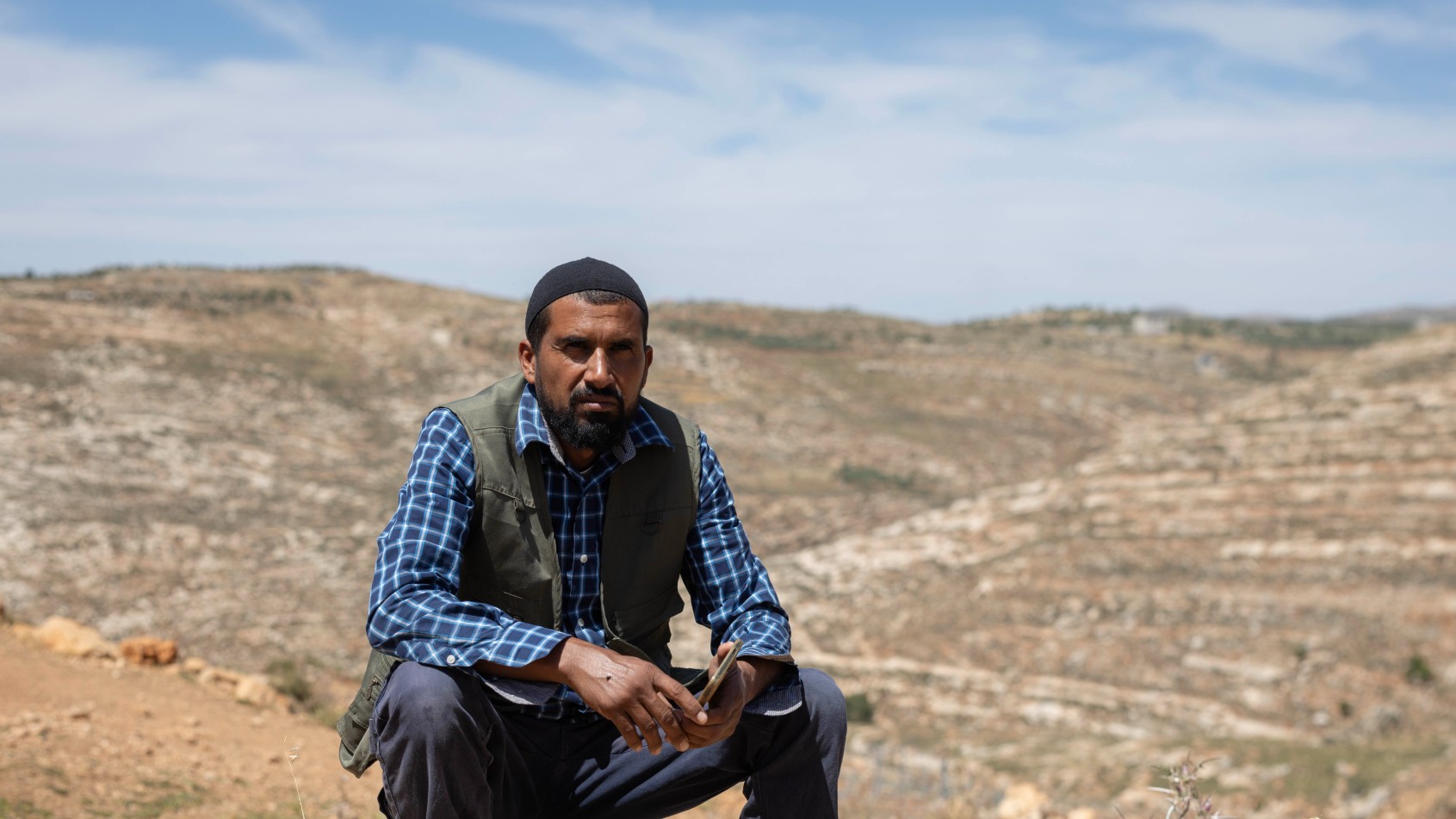
Deep in the occupied West Bank, north of Ramallah in the small village of Jiljilya, Ali Kaabneh stands on the exact patch of ground where his 16-year-old son Yousef was shot and killed last Wednesday, during a joint raid by Israeli settlers and soldiers that left a once-thriving Bedouin community displaced and its livelihood stolen. In an interview with Middle East Eye, Kaabneh laid bare the devastating human cost of what he calls a deliberate campaign of state-backed displacement and plunder targeting Palestinian communities in the occupied territories.
The raid was launched in response to unconfirmed claims that 120 sheep had been stolen from an illegal Israeli settler outpost called Tzur Levavi Farm, run by the Maguri family. The outpost sits in Jabal al-Batin, a section of Area A – the part of the occupied West Bank that is nominally under the full civil and security control of the Palestinian Authority, under the terms of the Oslo Accords. All Israeli settlements and outposts in the occupied West Bank are classified as illegal under international law, and this particular outpost was built on private Palestinian land belonging to the nearby villages of Sinjil and al-Mazra’a ash-Sharqiya.
Within hours of the theft report, dozens of settlers backed by uniformed Israeli soldiers launched a large-scale incursion into the three neighboring Palestinian villages of Sinjil, Jiljilya and Abwein. The armed group systematically entered local sheep pens, emptying them of livestock and seizing a total of 900 sheep from local residents. The operation was openly coordinated between Israeli security forces and settler participants, according to reporting from Israel National News (Arutz 7), a media outlet closely aligned with the Israeli settler movement. The outlet confirmed the seizure was only possible through direct collaboration between security search forces and settler civilian volunteers.
As the raid unfolded, the Israeli military deployed drones to track fleeing Palestinian herders and set up roadblocks across the entire region to guarantee unimpeded movement for the settlers and their stolen flock. Members of the Kaabneh clan, who maintained a small herding community in the wadi between Sinjil and Jiljilya, spotted the advancing group and attempted to flee with their flock toward the built-up center of Jiljilya. Military forces tracked the group via aerial surveillance, surrounded them, confiscated all their sheep, and took four Kaabneh family members into custody – including Ali Kaabneh, Yousef’s father. All four detainees were released later the same day, after no evidence linking them to the earlier sheep theft from the outpost was found.
Kaabneh, who was in detention when his son was killed, described the peaceful resistance his family offered to the theft. “We were at home working with the sheep. The settlers came under army protection,” he said. “We did not attack them, we did nothing. We moved the sheep about two kilometres away, and the army located them using drones.” Today, a circle of stones marks the spot where Yousef fell, and faint bloodstains still mark the dry earth just a few dozen meters from the main road where the stolen flock was driven away.
In a harrowing account of his son’s killing, Kaabneh said the 16-year-old was unarmed and posed no threat to the heavily armed soldiers. “The army killed my son deliberately. They shot him in the chest and he died on the spot,” he said. “He was 16 years old – what was his crime? He wanted his sheep back, and they responded by shooting him. What danger did he pose to them? He had nothing in his hands, he was unarmed. They could have arrested him, but instead they shot him. Like any child, he wanted to build a home in the future and get married. But here, during the day we worked, and at night we stood guard in shifts, without sleeping.”
Cell phone footage filmed by the family captures the moments before the shooting: several Israeli soldiers stand opposite an alley where Kaabneh and other family members gathered to protest the theft as the stolen flock passed, before multiple gunshots ring out. One of the bullets struck Yousef. Ali Kaabneh was arrested just moments after filming, and only learned of his son’s death when he was released from custody four hours later.
Fawaz Kaabneh, another local resident who had 200 sheep stolen during the raid and was also detained, said the rapid release of all detainees makes clear the allegations against them were baseless. “We were afraid they would reach the houses, so we went out. We were shocked by the number of settlers. They seized me and handed me over to the army, and from there I was transferred to the police. They took me to Sha’ar Binyamin. I told them the sheep were mine,” he said. After being questioned and released that night, Fawaz filed a formal complaint with Israeli police; in the days after the raid, the military returned roughly four dozen sheep to the village.
Iyad Ghafar, a Sinjil-based local activist who documented the entire raid, provided a step-by-step reconstruction of the coordinated operation. At 11:06 a.m., he filmed an armed settler drawing a pistol and charging toward him as he documented the stolen flock. Six minutes later, Yousef Kaabneh was shot dead by soldiers. Additional footage captured by Ghafar shows masked settlers throwing stones at Palestinian residents during the incursion. Ghafar confirmed all the stolen sheep were driven directly to the Maguri outpost, which is built inside former Palestinian agricultural structures in Area A. It is the same site where Israeli soldiers and settlers killed two young Palestinian men defending their land just last July. One of those victims was Saif al-Din Musallat, a 20-year-old U.S. citizen, who died from injuries sustained during severe beatings by the group, according to the Palestinian Ministry of Health.
Ghafar emphasized the full coordination between soldiers and settlers throughout the incursion. “It began on the edge of Sinjil, and afterwards they started attacking Jiljilya. We managed to get there in time, and I filmed the settlers and the army, and where they came from. The settlers chased us. One of them drew a weapon and came straight towards us. We got into the car and drove away. The military patrol stopped and started shooting at us – we almost died. It was a joint operation by the army and the settlers, acting together at the same time. Together they entered homes, together they chased the shepherds, together they took the flock,” he said.
Before last week’s raid, around 20 Palestinian families – roughly 200 people, all of whom are refugees originally displaced from land east of Ramallah in 1948 – lived in the small community between Jiljilya and Sinjil. Today, every last resident has fled the area, leaving behind empty sheep pens and intact tents filled with mattresses, clothing, and baby cots, abandoned in the rush to escape. Residents only returned briefly this week to collect personal belongings and rescue dogs that were left behind during the evacuation.
The Kaabneh family’s story is a stark example of the ongoing pattern of displacement and dispossession facing Palestinian communities across the occupied West Bank, rights observers note. The clan has been repeatedly displaced by settler violence backed by the Israeli military over the past three years. Originally expelled from their traditional land between the Negev and Masafer Yatta in the 1948 Nakba, the family lived in Mu’arrajat Centre near the Taybeh junction until the outbreak of Israel’s war on Gaza in October 2023, when settlers and soldiers forced them to leave. Some members relocated to the outskirts of Lubban ash-Sharqiya, while others moved to the al-Batin area – where the Tzur Levavi outpost was built a year later, shortly after soldiers killed Musallat and 20-year-old Mohammad Razek Hussein al-Shalabi. The family was forced to flee again.
Ali Kaabneh and other remaining family members settled near Route 60 on the outskirts of Lubban ash-Sharqiya, but were attacked again just weeks before the Jiljilya raid. On April 6, settlers burned two cars and a tent that family members were sleeping in, injured one relative with a club, and spray-painted the far-right “Price Tag” and “Zionist Revenge” slogans on the remains of the camp. The attack was launched as retaliation for the evacuation of another illegal outpost, Ora Yisrael, built in Wadi Salfit deep inside Area B – dozens of kilometers away from the Kaabneh camp. The clan moved to their Jiljilya compound after that attack, believing that since the area is formally under Palestinian Authority control, it would be safer.
“We moved from Mu’arrajat to Lubban ash-Sharqiya. We were attacked there on 6 April, so we moved here. This is under Palestinian Authority control, so we thought it would be safer, but there is no safe place,” Ali Kaabneh said. The repeated targeting of displaced Bedouin families after relocation is not a new pattern: in April 2025, settlers who built an illegal outpost near Sinjil attacked another group of displaced residents from Wadi as-Siq, burning their vehicles and residential tents.
In conflicting official statements issued after the incident, Israeli military spokespersons attempted to downplay the military’s role in the raid. A spokesperson acknowledged the Tzur Levavi outpost is located inside Area A, but claimed soldiers only entered the area “to remove the civilians” – not to support or protect the settler operation. “Upon arriving at the scene, [Israeli army] and Border Police forces acted to remove all Israeli civilians from the village, prevent friction in the area, and recover the livestock,” the spokesperson said, adding that forces had arrested several suspects in the initial sheep theft from the outpost. The statement does not explain how forces allowed settlers to leave the area with 900 Palestinian sheep if the goal of the operation was to prevent theft and friction.
In a later update, the Israeli army acknowledged that “some of the Israelis who entered the village took animals belonging to local residents” and confirmed that approximately 40 sheep had been returned to the village, adding that “the entire incident remains under review and is still being investigated.” Israeli police, for their part, said all detained suspects were questioned and released with conditions, and that a counter-complaint filed by Palestinian residents is currently under examination “with the aim of establishing the truth.”
The incident has underscored growing international concerns over rising settler violence and state-backed land grabs in the occupied West Bank, as settlements and outposts continue to expand into Palestinian territory formally designated for Palestinian self-governance under the Oslo Accords.
-
Watch: Moment rescuers find five people trapped in Laos cave
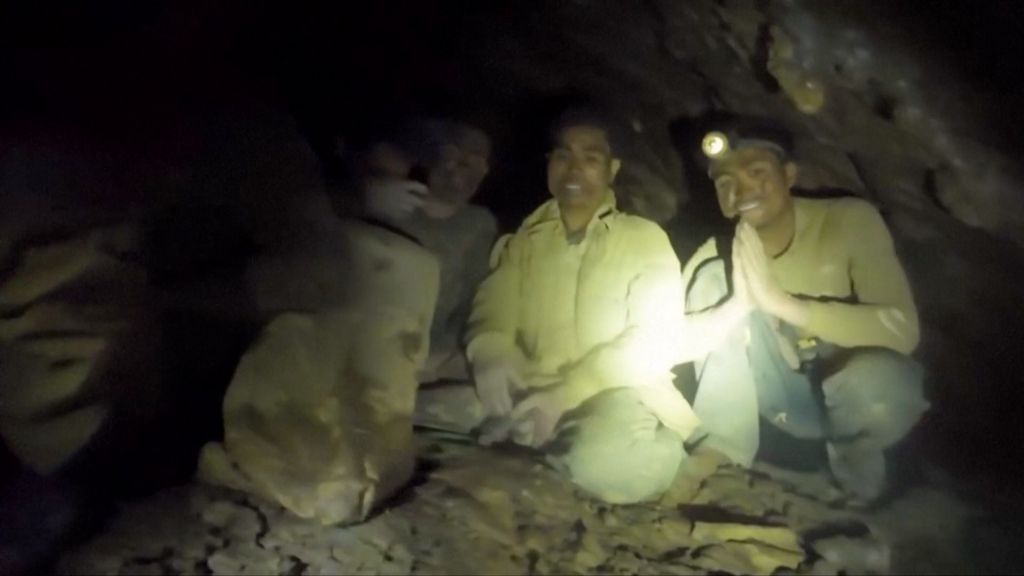
A week-long nightmare of entrapment has ended in a moment of joy and relief for five villagers in Laos, as rescue teams located the group alive deep inside a waterlogged cave system.
The five had been cut off from the outside world when rising floodwaters sealed off the cave’s entrance last week, leaving families and emergency crews bracing for the worst outcome after days of relentless rescue efforts. Dramatic footage captured the exact second that search teams made contact with the trapped group, a moment that has already been shared widely across regional media.
Flood-related cave entrapments are a recurring risk in Laos’ rugged, cave-rich northern terrain during the annual monsoon season, when sudden heavy rains can rapidly fill underground passages with rushing water. In this case, steady search operations combined with a stroke of good fortune allowed rescuers to reach the group before conditions turned fatal.
Local authorities have not yet released full details on the health of the five survivors, or how they managed to sustain themselves through seven days trapped in the dark, flooded cave. But the confirmation of their survival has already been celebrated as an unexpected miracle by communities across the region, and relief efforts are now focused on extracting the group to safety and providing urgent medical care.
-
Desperation forces Yemenis to risk lives smuggling qat to Saudi Arabia
For millions of young Yemenis trapped in more than a decade of civil conflict and systemic economic collapse, the promise of a stable future lies almost exclusively across the northern border in Saudi Arabia. As one of the only accessible destinations for steady work, the neighboring kingdom has become a beacon of hope for those fleeing violence and poverty – but the $2,500 price tag for a legal visa and sponsorship puts this path out of reach for nearly all Yemeni households.
Ahmed, a 35-year-old chef and father of two young children, was one of millions who dreamed of legal work in Saudi Arabia to support his family. Unable to scrape together the funds for official entry, he made the fateful choice to cross the border illegally by the end of 2024, finding casual work in a restaurant in Jazan province. Twice, Saudi authorities caught and deported him back to Yemen, leaving him with no legal way to earn the income his family needed to survive. That’s when he turned to the only viable option he had left: joining qat smuggling networks.
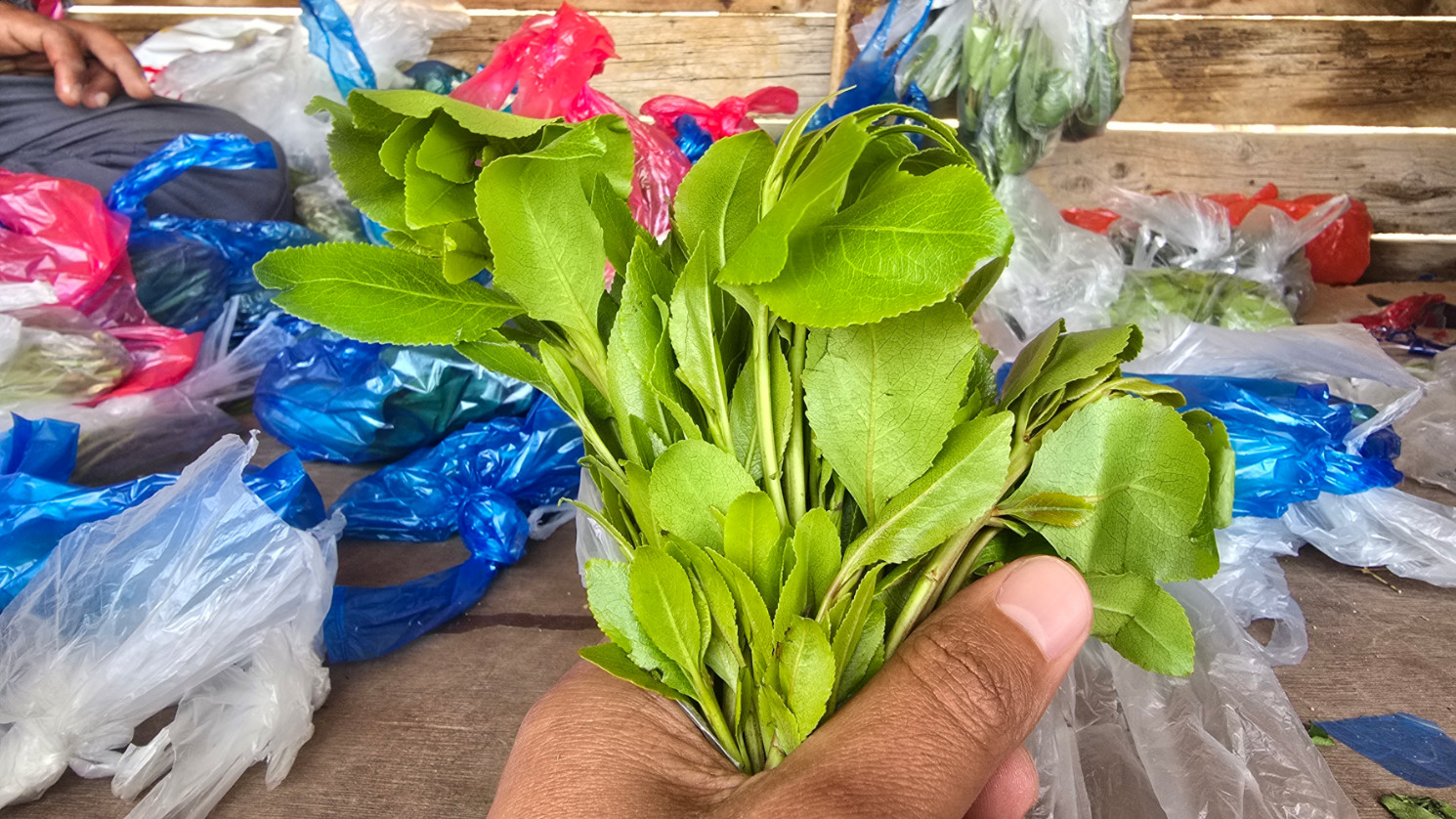
On his first illegal crossing, Ahmed had already traveled alongside qat smugglers, witnessing firsthand the deadly risks that come with moving the controlled stimulant across the border. Qat is classified as an illegal narcotic in Saudi Arabia, with punishments ranging from a mandatory minimum five-year prison sentence and a $5,300 fine to permanent deportation. For repeat offenders, sentences can stretch to 25 years, and under the kingdom’s anti-narcotics laws, capital punishment is a possible penalty in serious trafficking cases. Despite knowing the dangers – including accounts of smugglers being shot dead by border guards – success stories from fellow villagers convinced him the risk was worth taking.
For four months, Ahmed successfully made smuggling runs across the border, returning home with enough money to lift his family out of extreme poverty. For two months, they lived without the constant hunger and uncertainty that defined most Yemeni households, and Ahmed planned a second four-month stint to earn enough for a permanent home. He promised his two young children new bicycles on his return, and asked his wife Wafa to begin searching for a house. But just two weeks into his second trip, Wafa received the devastating news: Ahmed had been shot dead by Saudi border guards while attempting to cross.
Two months on, Wafa still has not told her children – both under the age of 10 – that their father is dead. She hides the trauma to protect them, telling them he is still working in Saudi Arabia and plans to bring their bicycles home soon. “It is too difficult to tell a child that their father was killed while simply trying to provide for their needs,” she told Middle East Eye. Now, the family faces eviction from their small rental home, as there is no one left to earn an income. “The days spent with my husband when we only had one meal a day were infinitely better than these days without him,” Wafa said. “Having the whole family gathered together under one roof is something you cannot truly appreciate until you lose someone you love.”
Ahmed’s tragic story is far from an isolated case: it reflects a nationwide humanitarian catastrophe unfolding across Yemen. According to the United Nations Office for the Coordination of Humanitarian Affairs (OCHA), by 2026 more than 22.3 million Yemenis – over half the country’s total population – will require life-saving humanitarian assistance and protection. More than 10 years of war, cascading economic collapse, crippling funding shortages for aid programs, and repeated climate-driven disasters have left millions without consistent access to food, healthcare, and clean drinking water. According to 2022 Saudi census data, more than 1.8 million Yemenis already live legally in Saudi Arabia, marking the Yemeni community as the kingdom’s fourth-largest immigrant population.
Khalid, a 45-year-old Yemeni who turned to qat smuggling one year ago, understands the deadly gamble better than most. Like Ahmed, he had no other viable path to a living wage: the only two lines of work that offer meaningful income in today’s Yemen are joining one of the warring factions or smuggling qat. He chose smuggling. “I thought deeply about whether to join the fighting or smuggle qat, as these are the only two jobs that I can do and they offer a good income. I decided to go with smuggling,” he explained.
Khalid describes the smuggling trek across the rugged border highlands as a “death journey” that demands extreme physical stamina. Smugglers often walk more than 20 kilometers carrying up to 40 kilograms of qat on their backs, a feat that only the most fit can complete. As a low-level courier for a large smuggling ring, Khalid earns 5,000 Saudi riyals (around $1,330) per successful run – a sum that no legal, civilian job in Yemen can match for ordinary laborers. When spotted by Saudi border guards, smugglers are ordered to halt; those who run face deadly gunfire. “Many Yemenis have been arrested and face severe penalties in Saudi Arabia, so I prefer to run. For me, it was either make it across or die,” he said. He recalled one incident in which 10 smugglers came under fire, and only six made it to safety, with the fates of the other four unknown.
Khalid counts himself among the extremely lucky: after one year of smuggling, he earned enough to open a small grocery store in Lahij and build a home for his family, and he has left smuggling behind for good. “One year was enough for me to achieve my dreams of owning a home and a grocery shop. Now, I will focus on running this business together with my sons,” he said. “I don’t want my sons to ever do the same job. I encourage them to grow this grocery business and make it their future.” Even so, he recognizes why so many other Yemenis take the same risk he did: “If I hadn’t been desperate to provide for my family, I would never have risked my life, but I was forced to.”
Economic analyst Sameer al-Dhobhani explains that the surge in qat smuggling is a direct symptom of Yemen’s collapsed economy and decades of stalled job growth. “The civil service has almost paused employing new university graduates since 2011, the economic situation has collapsed and the population is growing. All of these factors have forced Yemenis to seek out jobs that are hazardous or illegal,” he said. Qat smuggling across the border is not a new trade, but al-Dhobhani notes it has exploded in popularity over the course of the war: for young Yemenis, the risks of smuggling often compare favorably to the near-certain death of frontline fighting, and the pay is far better than any legitimate work.
“Qat smuggling is one of the grim consequences of the war, as some people have broken the barrier of fear and no longer hesitate to take on dangerous work,” al-Dhobhani said. “However, we must not lose sight of the root cause, which is the catastrophic economic situation and the severe lack of legitimate job opportunities. If safe, legal, and well-paid jobs were available, Yemenis would not risk their lives smuggling qat. It is desperation, he said, that drives them to it.”
Al-Dhobhani warns that the crisis will only worsen until Yemeni authorities prioritize economic recovery and job creation for young people. “Since 2015, every day has been worse than the last for Yemenis. They will not stop taking these dangerous jobs until the government takes this issue seriously and begins implementing solutions to revive the economy and provide the youth with civilian jobs,” he said. For Wafa and her children, that solution has come too late – a reminder that for millions of Yemenis, the search for a better future too often ends in tragedy on the border.
-
Ghana begins repatriating citizens from South Africa due to anti-immigration tensions
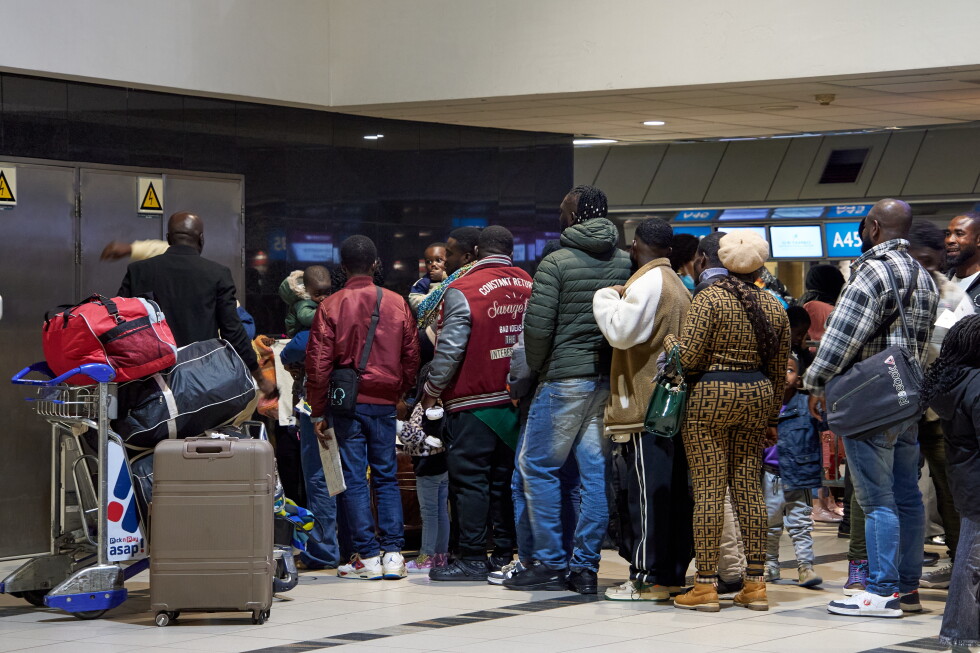
On Wednesday, the first contingent of roughly 300 Ghanaian nationals departed Johannesburg for their home country, marking the launch of a voluntary repatriation program organized by Ghana’s government in response to escalating anti-immigration tensions across South Africa.
At Johannesburg’s OR Tambo International Airport, traveling Ghanaians and their families gathered with packed luggage, as Ghanaian consular staff and South African law enforcement worked in tandem to coordinate check-in and departure procedures. This repatriation effort comes on the heels of renewed demonstrations targeting illegal immigration in multiple regions of South Africa, where deep-seated public frustration over persistently high unemployment, rising violent crime, and unequal access to basic public services has stoked resentment toward foreign-born residents.
Benjamin Quashie, Ghana’s High Commissioner to South Africa, confirmed to reporters on-site that more people seeking evacuation arrived at the airport than had pre-registered for the first flight. He added that these additional applicants would have their registration processed in time for the next scheduled repatriation flight, set to depart for Ghana this coming Sunday.
Diplomatic friction between the two African nations began when Ghana summoned South Africa’s ambassador to Accra to protest reported targeted attacks on Ghanaian citizens living in South Africa, shortly before the evacuation initiative was formally announced.
According to Loren Landau, a migration scholar and political analyst at the University of the Witwatersrand in Johannesburg, the repatriation program carries more symbolic weight than it does practical protection for the small number of citizens being evacuated. He explained that the move is fundamentally a diplomatic signal from Ghana to South Africa that the current wave of anti-immigrant hostility is politically unacceptable, rather than a large-scale emergency rescue effort.
Some of the Ghanaian citizens on Wednesday’s flight had previously been held at South Africa’s Lindela Repatriation Centre for immigration violations. In total, more than 800 Ghanaians have registered with the Ghana High Commission in Pretoria to take part in the evacuation program, after weeks of anti-immigrant protests left many foreign-born residents feeling increasingly unsafe.
Ghanaian authorities have emphasized that the entire repatriation operation is being conducted in close coordination with South African government officials, launched out of urgent concerns for the personal safety and well-being of Ghanaian migrants in the country. For its part, the South African government has formally condemned all acts of violence against foreign nationals, while simultaneously acknowledging that public anxiety over unregulated illegal immigration is a legitimate domestic concern.
The unrest has also drawn pushback from other African nations: Nigeria has publicly criticized the treatment of its own citizens residing in South Africa, and confirmed it is evaluating its own potential evacuation program for Nigerian nationals.
-
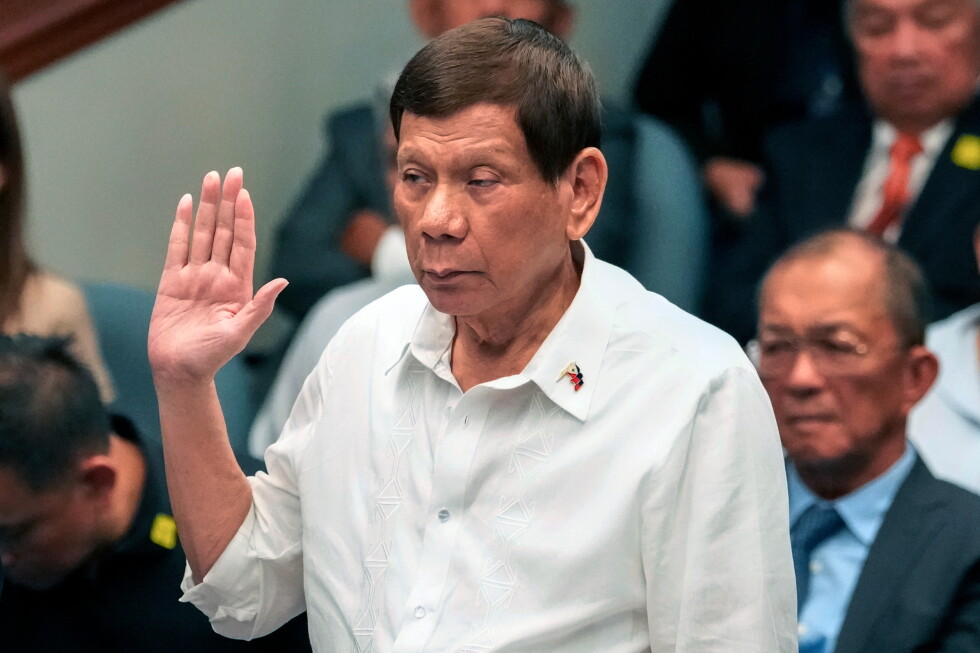
ICC trial for ex-Philippine President Duterte to start in November
THE HAGUE, Netherlands – The International Criminal Court (ICC) has officially scheduled the long-awaited trial of former Philippine President Rodrigo Duterte to begin on November 30, judicial officials confirmed Wednesday. The landmark proceeding centers on allegations that Duterte oversaw systematic mass killings linked to his notorious nationwide anti-drug crackdown, a campaign that launched decades ago when he served as mayor of Davao City and expanded across the country during his presidential term from 2016 to 2022.
ICC prosecutors hold Duterte directly responsible for dozens of documented extrajudicial murders, part of a broader crackdown that has sparked global outrage over widespread human rights violations. Presiding Judge Joanna Korner emphasized that moving forward with the trial without delay is a top priority for the court, rejecting a request from the court registry to postpone the start date over reported shortages of qualified translators. Korner has directed court administrative staff to prioritize securing qualified interpretation services for Philippine languages, most notably Tagalog, to meet the court’s procedural obligations despite the official working languages of the ICC being English and French.
Duterte, who was taken into custody in the Philippines last year before being transferred to the ICC’s headquarters in The Hague, has repeatedly and unequivocally denied all charges leveled against him. The former leader has exercised his right to skip in-person court appearances for preliminary hearings, and judges only recently confirmed he is medically fit to proceed with trial, after an earlier preliminary hearing was delayed to address health concerns about the 79-year-old ex-president.
The scale of fatalities linked to Duterte’s anti-drug initiative remains heavily contested. Official data from the Philippine national police puts the confirmed death toll at just over 6,000, but leading international and local human rights organizations allege the actual number of extrajudicial killings could be as high as 30,000, with most victims being low-level drug users and small-time dealers. The case marks one of the highest-profile trials of a former head of state before the ICC in recent years.
In a related development that unfolded earlier this month, the ICC unsealed an existing arrest warrant for Ronald Marapon dela Rosa, who served as Philippine national police chief during Duterte’s presidency and was a key architect and enforcer of the anti-drug crackdown. Following an armed standoff at the Philippine Senate building that left multiple people injured, dela Rosa has gone into hiding. Philippine national authorities have launched a nationwide manhunt for the former police chief and have publicly pledged to detain him and transfer him to The Hague to face charges once he is apprehended.