分类: world

  • UN designates African slave trade as ‘gravest crime against humanity’

    UN designates African slave trade as ‘gravest crime against humanity’

    The United Nations General Assembly has officially designated the transatlantic African slave trade as “the gravest crime against humanity” through a landmark resolution adopted on Wednesday. The historic declaration received overwhelming support with 123 nations voting in favor, while facing opposition from three countries and 52 abstentions.

    The resolution, championed by Ghanaian President John Mahama—a prominent advocate for slavery reparations within the African Union—moves beyond symbolic recognition to call for concrete restorative justice measures from nations involved in the slave trade. Despite its non-binding nature, the measure explicitly addresses the enduring legacy of slavery through persistent racial discrimination and neo-colonial structures in contemporary society.

    UN Secretary-General Antonio Guterres characterized the transatlantic slave trade as a fundamental assault on human dignity that “struck at the core of personhood, broke up families, and devastated communities.” He further condemned the racist ideological framework constructed to justify the institution, describing it as “turning prejudice into a pseudoscience.”

    The United States, Israel, and Argentina stood in opposition to the resolution, with American ambassador Dan Negrea calling the text “highly problematic” and rejecting the concept of legal reparations for historical wrongs that weren’t illegal under international law at the time. European nations, including Britain and EU member states, abstained from the vote, with French representative Sylvain Fournel expressing concern that the resolution “risks pitting historical tragedies against each other.”

    Ghanaian officials dismissed these criticisms, with Foreign Minister Samuel Okudzeto Ablakwa emphasizing that the resolution doesn’t seek to rank human suffering but rather acknowledge specific historical crimes. He called for formal apologies from European nations and the United States, the return of looted artifacts to Africa, and potential compensation mechanisms for affected communities as pathways toward restorative justice.

  • Zimbabwe says 15 of its citizens killed after fraudulent recruitment into Russia-Ukraine war

    Zimbabwe says 15 of its citizens killed after fraudulent recruitment into Russia-Ukraine war

    Zimbabwe has confirmed the deaths of 15 citizens who were fraudulently recruited into Russia’s military operations in Ukraine, exposing a disturbing pattern of exploitation targeting multiple African nations. Information Minister Zhemu Soda disclosed in Harare that diplomatic channels are being activated to repatriate 66 surviving Zimbabweans still trapped in the conflict zone.

    The recruitment scheme, operating through deceptive employment agencies, has preyed on vulnerable populations across Africa including South Africa, Kenya, and Nigeria. These operations primarily leverage social media platforms to advertise fraudulent job opportunities with attractive salaries and safe working conditions. Instead, recruits find themselves stripped of travel documents and coerced into active combat roles with minimal training.

    Minister Soda detailed the grim reality: “Victims receive little to no training and are placed in life-threatening situations. When injured, killed, or captured, the recruiters vanish, leaving families with no information or support. The promised remuneration is typically never paid.”

    Despite Zimbabwe’s traditionally close relations with Russia, the government is now working to secure the return of survivors and repatriate the remains of those killed. This development follows similar reports across the continent where citizens have been lured into the four-year conflict that has claimed nearly two million lives according to the Center for Strategic and International Studies.

    In South Africa, authorities questioned 11 returning recruits in February, confirming two fatalities. Kenyan intelligence reports indicate approximately 1,000 citizens may have been recruited, with dozens injured or missing and at least one confirmed death. Ukrainian officials estimate over 1,700 Africans may have been recruited to fight for Russia.

    Associated Press investigations in 2024 revealed recruitment networks targeting workers in Africa and Asia through social media ads and private agencies, offering civilian jobs that later transformed into involuntary military contracts. Recruits consistently report passport confiscation and forced combat deployment with inadequate training.

  • Colombia investigates military plane crash that killed 69 as doctors identify victims

    Colombia investigates military plane crash that killed 69 as doctors identify victims

    Colombian forensic teams are undertaking the painstaking process of identifying the remains of 69 security force members killed in a devastating military aircraft crash in the country’s southwestern region. The Hercules C-130 transport plane, donated by the United States in 2020, crashed just moments after takeoff from Puerto Leguízamo Airport at approximately 9:40 a.m. local time on Monday.

    The aircraft, with tail number FAC 1016, went down approximately 1.8 kilometers (1.1 miles) from the runway, erupting in flames and sending black smoke billowing into the sky. Local civilians were first to respond to the disaster, with some using motorcycles to transport injured personnel to medical facilities before emergency services arrived.

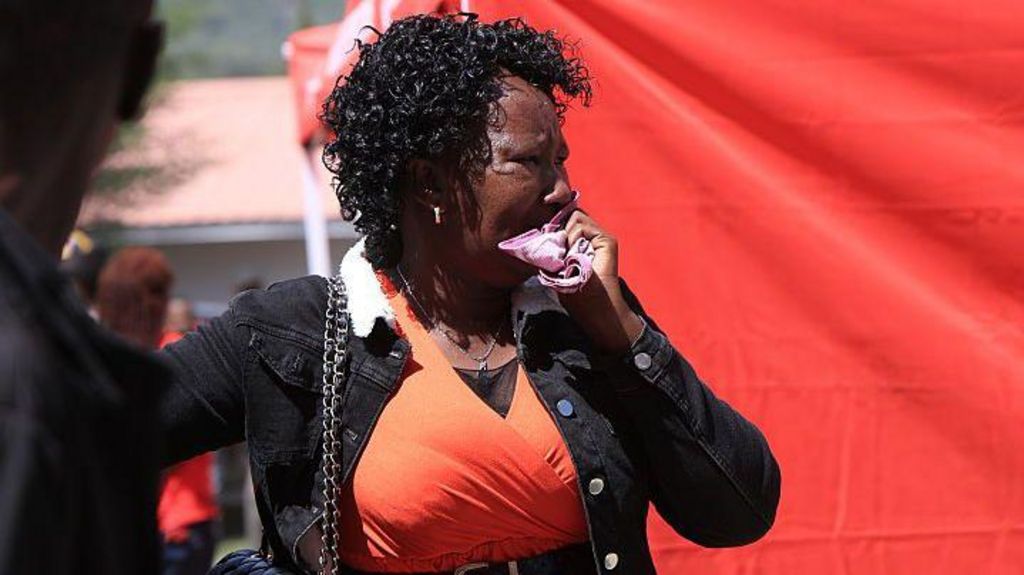
    Among the grieving families is Alfridis Julio, who anxiously awaits confirmation about his 19-year-old son, Kaleth Julio Severiche, who was traveling home on leave when the tragedy occurred. ‘My head is spinning. I don’t know what to do but wait,’ Julio expressed to reporters outside the forensic institute in Bogotá, where all victims’ bodies have been transported for formal identification.

    The Colombian Defense Ministry has confirmed the fatalities include 67 armed forces members and two national police officers, resolving earlier conflicting reports about the death toll. The aircraft had undergone comprehensive maintenance in 2023, including engine inspections and component replacements, according to military records.

    The Colombian Air Force has launched a full investigation into the catastrophe, with aviation experts expected to analyze data from the aircraft’s two onboard recorders containing critical flight information and cockpit voice recordings. No timeline has been established for the investigation’s conclusion.

  • UN calls for reparations to remedy the ‘historical wrongs’ of trafficking enslaved Africans

    UN calls for reparations to remedy the ‘historical wrongs’ of trafficking enslaved Africans

    In a historic move underscoring global recognition of historical injustices, the United Nations General Assembly has overwhelmingly endorsed a groundbreaking resolution characterizing the transatlantic trafficking of enslaved Africans as “the most severe crime perpetrated against humanity.” The measure, adopted with 123 votes in favor, encountered opposition from only three member states—Argentina, Israel, and the United States—while 52 nations abstained from voting.

    The comprehensive resolution advocates for concrete reparatory measures to address the enduring legacy of slavery, emphasizing that such actions represent “essential steps toward rectifying historical grievances.” It further demands the immediate and unconditional restitution of cultural artifacts—including artworks, monuments, museum collections, documents, and national archives—to their countries of origin without financial compensation.

    Ghanaian President John Dramani Mahama, a principal architect of the initiative, addressed the assembly prior to the vote, stating: “On this day, we unite in profound solidarity to affirm historical truth and pursue a pathway toward healing and restorative justice. This resolution stands as a bulwark against collective amnesia.”

    Although General Assembly resolutions lack legal binding force unlike Security Council mandates, they serve as significant barometers of international consensus. The United Kingdom’s acting UN Ambassador James Kariuki acknowledged the imperative to confront slavery’s “devastating consequences and persistent impacts,” highlighting contemporary manifestations including racial discrimination, xenophobia, and modern slavery through human trafficking and forced labor.

    The resolution explicitly condemns racialized chattel enslavement and the transatlantic slave trade as unprecedented atrocities while establishing frameworks for member states to engage in dialogues concerning reparatory justice. These encompass formal apologies, restitution mechanisms, compensation programs, rehabilitation initiatives, and legal reforms to combat systemic discrimination.

    Additionally, the measure encourages voluntary contributions to educational programs about the slave trade and promotes collaboration between UN agencies, the African Union, the Caribbean Community, and the Organization of American States to advance reparatory justice and reconciliation efforts worldwide.

  • Four arrested in Germany after  Channel smuggling gang raids

    Four arrested in Germany after Channel smuggling gang raids

    In a significant multinational law enforcement operation, authorities have successfully dismantled a sophisticated criminal network supplying equipment for illegal English Channel crossings. The operation, spearheaded by the UK’s National Crime Agency (NCA) and Belgian Federal Police with support from German, French, Dutch, Europol, and Eurojust authorities, resulted in the arrest of four Syrian nationals in Germany believed to be key figures in the organized crime group.

    The investigation commenced in March 2025 after the NCA received intelligence regarding suspicious shipments of tire inner tubes destined for Italy. These inner tubes, frequently used by smugglers as substitutes for proper life jackets, were subsequently transported to multiple storage facilities in Germany controlled by the criminal organization.

    According to Europol, the network operated by assembling ‘go kits’ in Germany—complete packages containing inflatable boats, pumps, engines, and inner tubes—each valued at over €10,000 on the black market. These kits were then purchased and shipped to the French coast for deployment.

    Between April and December 2025, law enforcement agencies successfully intercepted seven vehicles in Belgium transporting these kits toward France, with additional interceptions occurring in France, Germany, and the Netherlands. The coordinated effort culminated in Wednesday’s raids across 12 locations in western Germany, involving over 450 officers who seized 11 boats, engines, life vests, weapons, gold bars, electronic devices, and nearly €60,000 in cash.

    In total, 21 individuals have been arrested in connection with the network. The four primary suspects now face extradition to Belgium, where they will be prosecuted for people smuggling and participation in an organized crime group. Belgian authorities confirmed the arrests were made under their request, meaning Germany’s recent anti-smuggling legislation from December did not apply in this case.

    Investigators estimate the confiscated equipment could have facilitated the transport of approximately 1,000 migrants across the Channel, generating estimated profits of around €100,000 per successful boat crossing for the criminal network.

  • Militants in northern Nigeria kill 10 security forces and 1 resident, officials say

    Militants in northern Nigeria kill 10 security forces and 1 resident, officials say

    ABUJA, Nigeria — In a devastating assault highlighting Nigeria’s persistent security challenges, armed militants killed nine soldiers, one police officer, and a civilian in a carefully orchestrated ambush in Kebbi state. The attack occurred Tuesday evening in the village of Giron Masa within the Shanga council area as security forces were mobilizing to respond to intelligence warnings about an impending militant operation.

    Yahaya Sarki, spokesman for the Kebbi state government, confirmed the assault and shared photographic evidence showing multiple military vehicles burned beyond recognition along a dusty roadway flanked by dense forestation. Several additional soldiers sustained serious injuries during the engagement.

    Kebbi Governor Nasir Idris visited hospitalized casualties following the incident, characterizing the attack as a significant loss for the state. He pledged full government support for the families of deceased personnel, stating authorities would ‘do everything to assist the families’ of those killed in service.

    The ambush represents the latest eruption of violence in Nigeria’s chronically unstable northwestern region, where extremist groups frequently exploit limited state presence to target security outposts and isolated communities. While no organization immediately claimed responsibility, local sources pointed toward the Islamic State Sahel Province (ISSP), known domestically as Lakurawa. This faction has demonstrated increased lethality in border regions adjoining Niger Republic.

    Lakurawa’s expanding operational capacity prompted a targeted U.S. military strike in December, conducted collaboratively with Nigerian forces. This intervention followed international concerns regarding religiously-motivated violence in the region. Nigerian military analysts note Lakurawa established stronger footholds in border communities following Niger’s 2023 military coup, which significantly deteriorated diplomatic and security cooperation between the neighboring nations.

  • UN experts demands release of Gaza doctor Abu Safiya after ‘severe torture’

    UN experts demands release of Gaza doctor Abu Safiya after ‘severe torture’

    United Nations human rights experts have issued an urgent appeal to Israeli authorities demanding the immediate release of Dr. Hussam Abu Safiya, a prominent Palestinian physician reportedly enduring severe torture and deteriorating health in detention.

    Special Rapporteurs Tlaleng Mofokeng (right to health) and Ben Saul (counterterrorism and human rights) revealed on Tuesday that the former director of Kamal Adwan Hospital in northern Gaza faces ‘cruel and degrading treatment’ that has left him in dire physical condition. The medical professional, abducted from Gaza in late December 2024, has allegedly been systematically denied critical medical examinations and essential treatments despite suffering from severe scabies and cardiac complications.

    According to documentation from Physicians for Human Rights Israel (PHRI), Dr. Abu Safiya has experienced dramatic weight loss of approximately 25 kilograms since his arrest. The experts emphasized that his detention conditions appear ‘flagrantly arbitrary’ and violate the Nelson Mandela Rules—international standards unanimously adopted by the UN General Assembly in 2015 governing humane treatment of detainees.

    The case highlights broader concerns about Israel’s treatment of Palestinian detainees since October 2023, with rights groups documenting systematic abuses including starvation, medical neglect, physical violence, and unprecedented use of mass solitary confinement. Particularly alarming is the targeting of healthcare workers, with scores of medical professionals reportedly seized while performing their duties in hospitals.

    Despite his civilian status, Israeli authorities have classified Dr. Abu Safiya as an ‘unlawful combatant’ under controversial legislation that rights groups describe as a flagrant violation of international law. This designation allows detention without formal indictment, court order, or access to legal representation.

    The UN experts condemned this legal framework as violating fundamental human rights and humanitarian law, stating that ‘as Israel’s prisoner, Dr. Abu Safiya has suffered arbitrary deprivation of liberty and erosion of his right to health.’ They urged the international community to pressure Israel to release all detained medical workers and ensure their access to appropriate care, noting that violence against healthcare professionals continues despite ceasefire declarations in Gaza.

  • NGO praises China’s green governance

    NGO praises China’s green governance

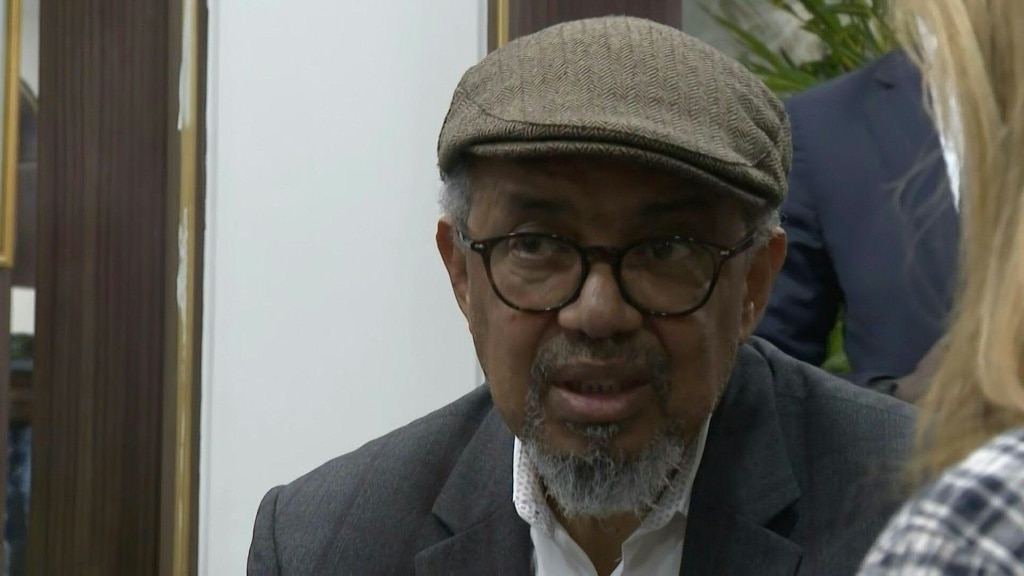
    BANGKOK – China’s comprehensive environmental governance framework, particularly its successful integration of air quality management with carbon emission reduction strategies, has drawn significant international recognition. In an exclusive discussion with China Daily, Bjarne Pedersen, Executive Director of the international non-governmental organization Clean Air Asia, emphasized the nation’s remarkable progress in combating atmospheric pollution.

    Pedersen highlighted China’s distinctive dual-path methodology that synchronizes policy implementation with technological innovation to meet ambitious environmental targets. This coordinated approach has yielded substantial improvements in air quality across Chinese urban centers, establishing a replicable model for other Asian nations confronting similar ecological challenges.

    China’s recently unveiled development blueprint presents innovative solutions through its integrated pollution control and carbon neutrality framework. This strategic combination addresses both immediate public health concerns related to air quality and long-term climate objectives, representing a holistic environmental management paradigm.

    The Clean Air Asia executive director’s endorsement underscores a growing international consensus regarding China’s transformation into a global leader in environmental governance. This recognition comes as developing economies throughout Asia seek practical, scalable solutions to balance economic growth with environmental sustainability.

    China’s experience demonstrates that systematic policy coordination coupled with technological advancement can effectively address complex environmental issues, offering valuable insights for regional cooperation on ecological challenges.

  • Nazi-era weapons maker Volkswagen eyes return to arms production, this time with Israel

    Nazi-era weapons maker Volkswagen eyes return to arms production, this time with Israel

    In a significant strategic realignment, German automotive giant Volkswagen is reportedly in advanced discussions to transform one of its manufacturing facilities into a production center for Israeli missile defense technology. According to Financial Times reports, the company has engaged with Rafael Advanced Defence Systems regarding the potential conversion of its Osnabruck plant from vehicle assembly to manufacturing critical components for Israel’s Iron Dome defense system.

    This contemplated transition emerges against the backdrop of mounting competitive pressures within Germany’s automotive sector, particularly from Chinese electric vehicle manufacturers. The proposed collaboration would see the factory producing essential Iron Dome elements including launch platforms, power units, and specialized transport vehicles for missile systems, with production potentially commencing within 12-18 months with minimal additional investment.

    The development occurs within a complex geopolitical context. Germany has substantially increased its military expenditures and strengthened defense partnerships with Israel, recently approving a $3.1 billion acquisition of Israel’s Arrow 3 missile defense system following a previous $3.5 billion agreement. These contracts collectively represent Israel’s largest arms sales to date, totaling over $6.6 billion.

    This industrial shift carries historical resonance, as Volkswagen previously converted its manufacturing capabilities during World War II to produce weapons for Nazi Germany. The current proposal reflects a broader trend of German industry moving toward military production with governmental support.

    The potential partnership unfolds amid increasing international scrutiny of Israel’s military actions in Gaza, with the International Criminal Court seeking arrest warrants for Israeli Prime Minister Benjamin Netanyahu and former Defense Minister Yoav Gallant for alleged war crimes. Germany currently supplies approximately 30% of Israel’s imported weapons, second only to the United States at nearly 60%, while the International Court of Justice has recognized a plausible risk of genocide in Gaza, creating legal obligations for states regarding support for Israeli operations.

  • Estonia and Latvia say territories hit by stray Ukrainian drones

    Estonia and Latvia say territories hit by stray Ukrainian drones

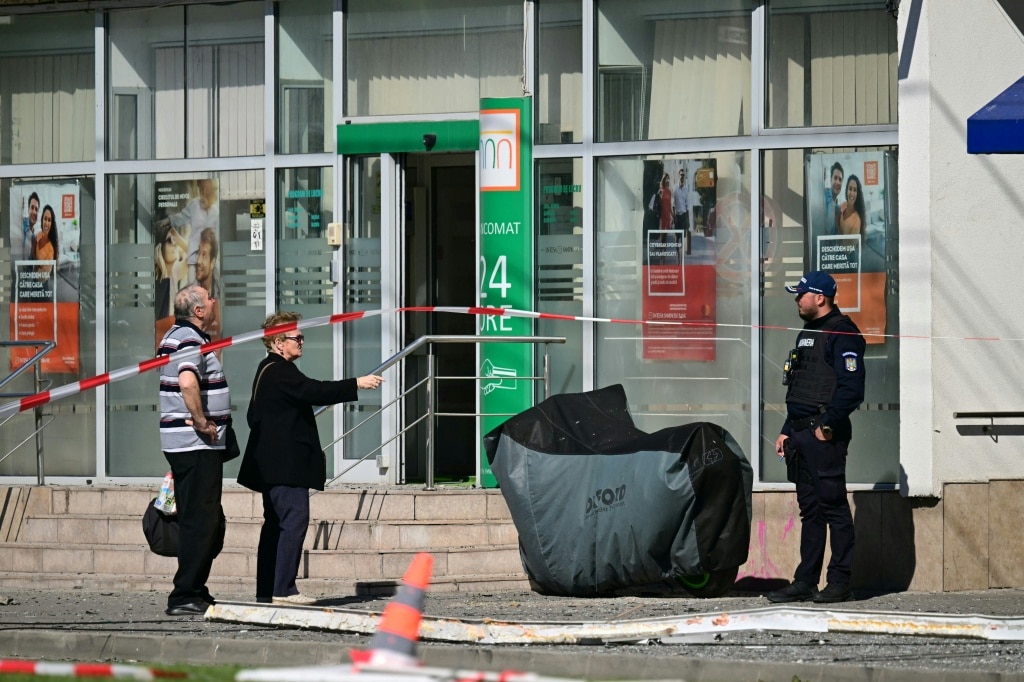
    In a significant security development, Estonian and Latvian authorities confirmed that Ukrainian drones inadvertently entered their airspace from Russian territory overnight, resulting in two separate incidents with minimal damage.

    According to official statements from Tallinn and Riga, one drone struck the chimney of the Auvere power plant in northeastern Estonia, causing what was described as ‘light damage.’ Simultaneously, another drone exploded in Latvia’s southern Kraslava region. Both nations reported no casualties or major infrastructure damage from these incidents.

    The occurrences coincided with Ukraine’s substantial drone offensive targeting the Russian port of Ust-Luga on the Baltic Sea, located approximately 25 kilometers from the Estonian border. Estonian Prime Minister Kristen Michal detailed that the Ukrainian operation against Ust-Luga occurred in three waves between 03:00 and 08:00 local time, prompting Baltic air patrol activation and public emergency notifications warning citizens of ‘drone threat.’

    Estonian Security Police Chief Margo Palloson characterized the incident as involving ‘a Ukrainian drone that deviated from its course, possibly affected in Russian airspace.’ This assessment was echoed by Latvian officials, with Prime Minister Edgars Rinkevics confirming the drone’s Ukrainian origin.

    Latvian Defense Minister Andris Spruds curtailed his official visit to Ukraine to address the security situation, while Joint Staff Deputy Chief Egils Lescinskis suggested the drone had ‘most likely veered off course or was affected by electromagnetic warfare measures.’ Lescinskis acknowledged the inherent security challenges, stating nobody could ‘feel completely safe when military operations are taking place in neighbouring countries.’

    Officials refrained from assigning blame to Ukraine, instead contextualizing the events within Russia’s broader aggression. Palloson warned that Estonia should anticipate ‘more such incidents,’ with Prime Minister Michal adding it was ‘pointless to create the illusion that we can build a wall on the border with Russia.’

    The incident follows a similar occurrence in Lithuania earlier this week, where a Ukrainian attack drone crashed near the Belarusian border. Lithuanian authorities confirmed the drone was part of operations against Russia and indicated they would discuss airspace security protocols with Ukrainian counterparts.

    The broader context reveals intensified drone warfare, with Ukraine launching nearly 400 drones toward multiple Russian regions overnight, including the Moscow area. This escalation comes as Russia launched its largest 24-hour drone assault on Ukraine, firing 948 drones that resulted in numerous casualties.