The United Nations General Assembly has officially designated the transatlantic African slave trade as “the gravest crime against humanity” through a landmark resolution adopted on Wednesday. The historic declaration received overwhelming support with 123 nations voting in favor, while facing opposition from three countries and 52 abstentions.
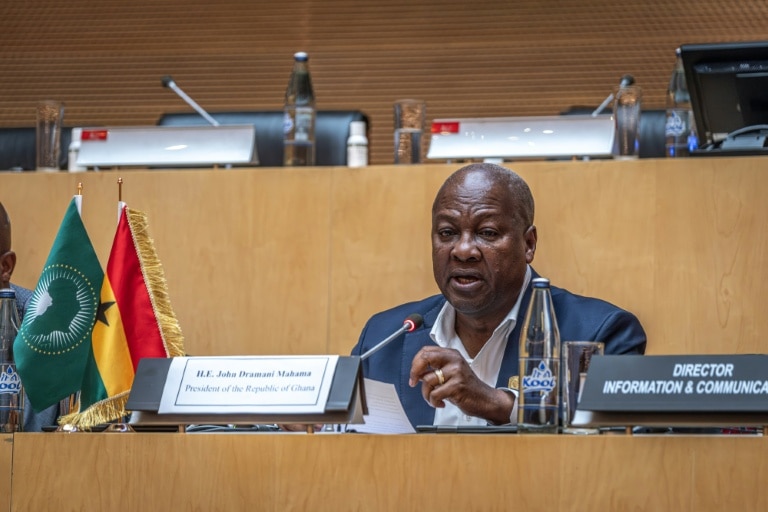
The resolution, championed by Ghanaian President John Mahama—a prominent advocate for slavery reparations within the African Union—moves beyond symbolic recognition to call for concrete restorative justice measures from nations involved in the slave trade. Despite its non-binding nature, the measure explicitly addresses the enduring legacy of slavery through persistent racial discrimination and neo-colonial structures in contemporary society.
UN Secretary-General Antonio Guterres characterized the transatlantic slave trade as a fundamental assault on human dignity that “struck at the core of personhood, broke up families, and devastated communities.” He further condemned the racist ideological framework constructed to justify the institution, describing it as “turning prejudice into a pseudoscience.”
The United States, Israel, and Argentina stood in opposition to the resolution, with American ambassador Dan Negrea calling the text “highly problematic” and rejecting the concept of legal reparations for historical wrongs that weren’t illegal under international law at the time. European nations, including Britain and EU member states, abstained from the vote, with French representative Sylvain Fournel expressing concern that the resolution “risks pitting historical tragedies against each other.”
Ghanaian officials dismissed these criticisms, with Foreign Minister Samuel Okudzeto Ablakwa emphasizing that the resolution doesn’t seek to rank human suffering but rather acknowledge specific historical crimes. He called for formal apologies from European nations and the United States, the return of looted artifacts to Africa, and potential compensation mechanisms for affected communities as pathways toward restorative justice.