分类: world

  • On Azerbaijani President’s instructions, Ministry of Emergency Situations sends humanitarian aid to Iran

    On Azerbaijani President’s instructions, Ministry of Emergency Situations sends humanitarian aid to Iran

    In a significant demonstration of regional solidarity, the Republic of Azerbaijan has mobilized substantial humanitarian assistance for the people of Iran pursuant to direct instructions from President Ilham Aliyev. The comprehensive aid package, meticulously coordinated by Azerbaijan’s Ministry of Emergency Situations, comprises approximately 30 metric tons of essential supplies destined for neighboring Iran.

    The relief consignment includes critical food staples and medical provisions, with detailed allocations featuring 10 tons of flour, 6 tons of rice, 2.4 tons of sugar, over 4 tons of potable water, and approximately 600 kilograms of tea. Additionally, the shipment contains nearly 2 tons of vital pharmaceuticals and medical equipment to address healthcare needs.

    Emil Hasanzade, Director of the Reserves Control Department at Azerbaijan’s State Reserves Agency, confirmed that the humanitarian convoy has already commenced its journey toward Iranian territory. The assistance initiative originated from a March 8 telephone discussion between President Aliyev and Iranian President Masoud Pezeshkian, during which the Azerbaijani leader pledged support for Iran’s current requirements.

    To ensure the seamless delivery of these critical supplies, authorized representatives from Azerbaijan’s Cabinet of Ministers—Niyazi Rahimov and Gurban Sadigov—are personally accompanying the aid convoy to its destination in the Iranian border city of Astara. This diplomatic gesture underscores the continuing cooperation between the two neighboring nations despite regional complexities.

  • West warned against blocking reforms to global economic institutions

    West warned against blocking reforms to global economic institutions

    At the Boao Forum for Asia 2026, prominent scholar Kishore Mahbubani issued a stark warning to Western nations regarding their resistance to reforming global economic institutions. The founding dean of the Lee Kuan Ywan Yew School of Public Policy at the National University of Singapore characterized Western obstruction as a “grave strategic error” that contradicts both global economic realities and the West’s own long-term interests.

    Mahbubani framed the current moment as a historical turning point, marking “the end of a 200-year cycle” of Western domination in world history and signaling Asia’s remarkable return to global prominence. He emphasized that this fundamental shift requires corresponding changes in global economic governance structures that extend beyond short-term political pressures.

    The academic highlighted striking statistical evidence demonstrating the disconnect between economic reality and institutional representation. While China’s economy has grown to match the entire European Union’s economic output—a dramatic reversal from 2000 when the EU’s GNP was six times larger—voting power within the International Monetary Fund remains heavily skewed. The EU maintains approximately 26-27% of IMF voting shares compared to China’s mere 6%.

    Mahbubani noted that despite this imbalance, China and other Global South nations have taken a constructive approach by seeking to reform existing institutions rather than dismantling them. He observed that the major frameworks of global governance—including the IMF, World Bank, and WTO—were originally conceived and established by Western powers based on Western conceptual foundations.

    The scholar made the case that accommodating greater representation for emerging economies actually serves Western interests by preserving the relevance and legitimacy of these institutions. He contrasted this with the more disruptive alternative where rising powers might choose to reject existing frameworks entirely and establish competing systems.

    Mahbubani concluded with an appeal for Western policymakers to recognize the strategic wisdom in embracing institutional evolution, suggesting that allowing greater Global South participation ultimately strengthens rather than weakens the international economic order.

  • South Sudan and Mauritius impose electricity curbs as Iran war triggers fuel fears in Africa

    South Sudan and Mauritius impose electricity curbs as Iran war triggers fuel fears in Africa

    Multiple African nations are implementing emergency energy conservation measures as the ongoing conflict between Iran and the US-Israel alliance creates widespread fuel shortages across the continent. The petroleum supply disruption has triggered a chain reaction of power rationing, price surges, and distribution challenges from East to Southern Africa.

    In South Sudan, the capital city Juba has initiated rotational daily power cuts through its main electricity distributor Jedco. The company announced strategic rationing to manage dwindling energy reserves, citing the Iran conflict as the primary cause. Despite possessing substantial oil reserves, South Sudan exports most crude oil while importing refined products, leaving 96% of its oil-dependent electricity generation vulnerable to global supply disruptions.

    The island nation of Mauritius faces an even more critical situation, declaring an energy emergency after a scheduled oil shipment failed to arrive. With only 21 days of fuel reserves remaining, Energy Minister Patrick Assirvaden secured alternative supplies from Singapore at significantly higher costs, with deliveries expected in early April.

    Zimbabwe has responded to the crisis by increasing ethanol blending in petrol from 5% to 20% to extend fuel supplies. The government additionally plans to eliminate certain fuel import taxes to combat a 40% price surge within weeks. Street vendors like Nicole Mazarura in Harare report devastating impacts, with transport costs doubling while their ability to raise prices remains constrained.

    Kenya experiences supply shortages at approximately 20% of petrol stations, with petroleum associations attributing the situation to panic buying and depleted inventories. Vivo Energy Kenya confirmed temporary stock-outs at some Shell-branded stations despite government denials of systemic shortages and accusations of retailer hoarding.

    Neighboring Uganda has issued assurances regarding fuel adequacy while warning distributors against price manipulation. South African officials maintain that immediate supplies remain stable but acknowledge that prolonged conflict could affect future availability and pricing across the region.

  • War in the Middle East: latest developments

    War in the Middle East: latest developments

    The ongoing Middle East conflict has entered a critical phase with significant developments across multiple fronts. US President Donald Trump declared military operations against Iran are “extremely ahead of schedule,” suggesting the campaign is progressing faster than the original four-to-six week timeline anticipated just 26 days into the conflict.

    Regional tensions intensified as Yemen’s Iran-backed Houthi movement leader Abdul Malik al-Houthi issued a stark warning of potential military involvement. “As the people of Yemen, we repay loyalty with loyalty,” al-Houthi stated, indicating readiness to join hostilities if battlefield developments require intervention.

    Diplomatic channels show activity with Iran reportedly responding to a 15-point US peace proposal through unnamed intermediaries, though details remain undisclosed. Meanwhile, Gulf Cooperation Council Secretary General Jasem AlBudaiwi emphasized the necessity of involving GCC countries in any US-Iran negotiations, particularly citing Iran’s alleged demands for financial payments from vessels crossing the strategic Strait of Hormuz.

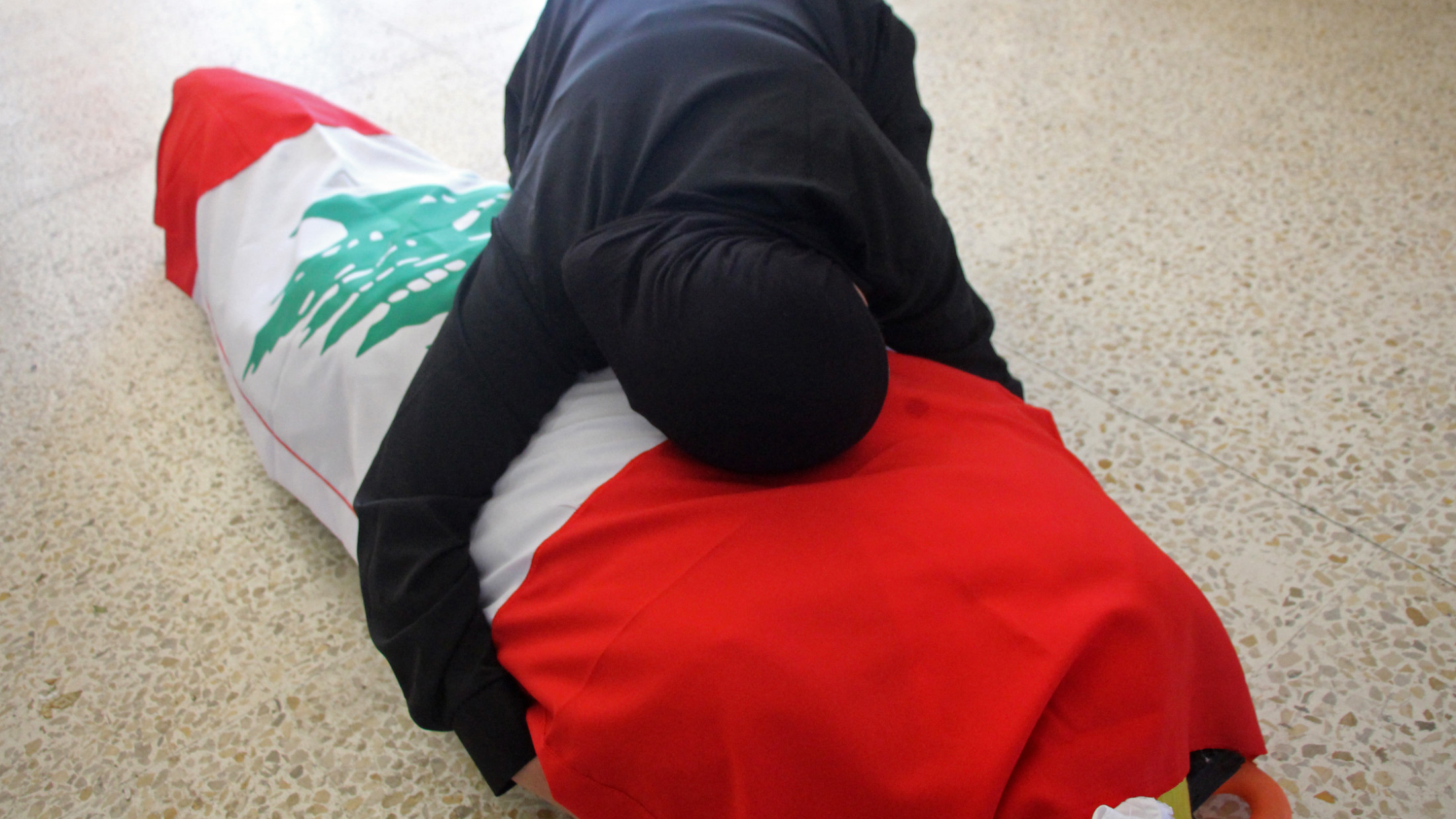
    The conflict’s regional spillover continued with Israeli strikes in Lebanon killing at least five people, while Hezbollah militants launched new attacks on Israel. The Israeli military confirmed the death of a soldier in southern Lebanon, bringing their total casualties to three since Hezbollah’s involvement began.

    International accusations emerged as the European Union’s top diplomat Kaja Kallas claimed Russia provides intelligence support to Iran “to kill Americans” and assists with drone technology. The Kremlin denied reports of impending drone shipments to Iran, dismissing them as media lies.

    Casualties mounted with two fatalities reported in Abu Dhabi from falling debris after air defenses intercepted a ballistic missile, while six people sustained minor injuries from missile attacks in Israel. In a significant development, Israeli Defense Minister Israel Katz announced the killing of Alireza Tangsiri, commander of the Iranian Revolutionary Guards’ navy, along with other senior officers.

    President Trump maintained aggressive rhetoric, asserting NATO nations have “done absolutely nothing” regarding Iran and warning Tehran to “get serious soon” in negotiations. Canadian Foreign Minister Anita Anand revealed diplomatic efforts with G7 members and regional countries to advocate for de-escalation and reopening the Strait of Hormuz.

  • Afghans hold second mass funeral for victims of an airstrike that hit a Kabul drug treatment center

    Afghans hold second mass funeral for victims of an airstrike that hit a Kabul drug treatment center

    KABUL, Afghanistan — Afghanistan conducted its second mass burial ceremony on Thursday for victims of a devastating airstrike that targeted a drug rehabilitation facility in Kabul earlier this month. Sixty coffins were lowered into individual graves within a massive excavation prepared by bulldozers at the capital’s cemetery.

    The March 16 strike on the 2,000-bed Omid Addiction Treatment Hospital has sparked international concern amid escalating hostilities between Pakistan and Afghanistan. Afghan health officials now report the death toll has reached 411, with 263 wounded, according to Health Ministry spokesman Sharafat Zaman. The United Nations continues to verify casualty figures while Pakistan maintains it targeted an ammunition depot, not civilian facilities.

    The conflict originated in February with repeated cross-border clashes and airstrikes within Afghan territory. Pakistan alleges Afghanistan provides sanctuary to militant groups conducting operations inside Pakistan, particularly the Pakistani Taliban (TTP). Although distinct from Afghanistan’s ruling Taliban, the TTP maintains close ties with the Kabul government, which denies providing safe havens.

    The situation intensified last month when Pakistan declared open warfare with Afghanistan, raising alarms within the international community about potential resurgence of al-Qaida and Islamic State elements in the region.

    A temporary ceasefire mediated by Saudi Arabia, Turkey, and Qatar during Eid al-Fitr provided brief respite, but hostilities resumed this week. Afghan officials report renewed fighting on Wednesday resulted in at least two civilian deaths in eastern Afghanistan.

    Meanwhile, the TTP announced it has resumed attacks inside Pakistan after observing its own three-day Eid ceasefire.

    The Omid hospital represented a cornerstone of the Taliban government’s efforts to combat widespread drug addiction stemming from Afghanistan’s opium production and decades of conflict. Located near Kabul’s international airport and adjacent to the former NATO base Camp Phoenix, the facility suffered intense fires that left many victims unrecognizable.

  • Army commander convicted of Guinea stadium massacre dies in prison

    Army commander convicted of Guinea stadium massacre dies in prison

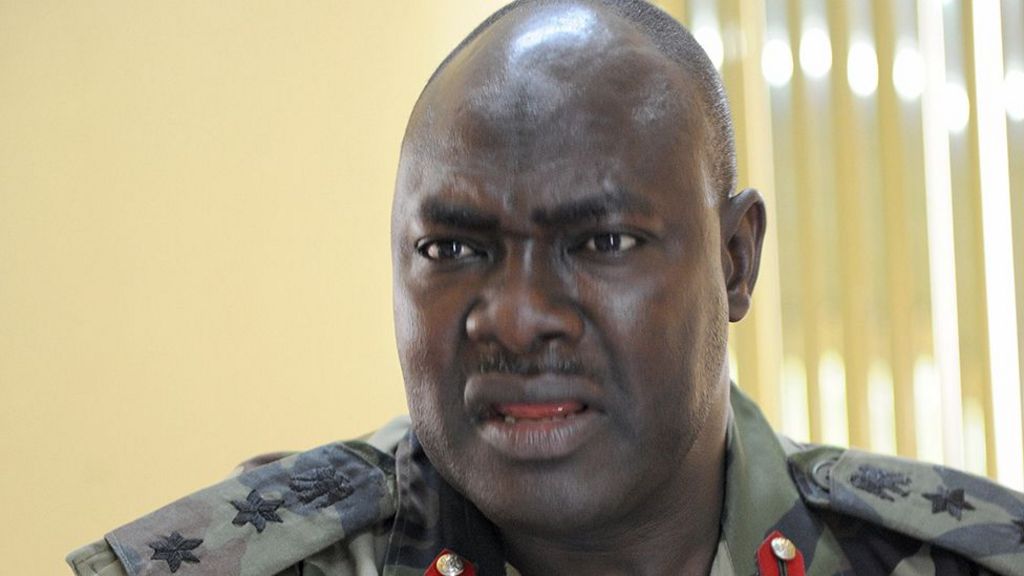
    Aboubacar Sidiki Diakité, a central military commander convicted for crimes against humanity during Guinea’s 2009 stadium massacre, has died while serving his prison sentence. The controversial figure, widely known by his alias Toumba, passed away early Wednesday at Samory Touré Military Hospital in Conakry following a medical emergency characterized by gastric complications including severe abdominal pain and constipation.

    Diakité was serving a decade-long sentence for his role in one of Guinea’s most traumatic historical episodes, where security forces under his command opened fire on tens of thousands of pro-democracy protesters gathered at a Conakry stadium on September 28, 2009. The brutal crackdown resulted in over 150 fatalities and the documented rape of at least 109 women during the demonstration against military rule.

    Despite incarceration, Diakité remained politically active, forming a political party and attempting to launch a presidential campaign that was ultimately blocked by Guinea’s Supreme Court due to his criminal status. As commander of the presidential guard, he had been a key ally to former military ruler Moussa Dadis Camara, who himself was convicted and sentenced to 20 years imprisonment for crimes against humanity in 2024, though controversially pardoned for health reasons less than a year into his term by current leader Mamady Doumbouya.

    Diakité’s complex history includes fleeing Guinea after being accused of attempting to assassinate Camara shortly after the massacre, living under assumed identity in Senegal until his 2016 arrest and subsequent extradition. His death has sparked mixed reactions across Guinea, where the 2009 violence remains a politically sensitive subject with many victims still awaiting comprehensive justice.

    Political analysts describe his passing as symbolizing ‘the end of an era,’ noting that crucial testimony about the stadium events may have died with him. The incident underscores persistent tensions within Guinea’s political landscape, where former military figures maintain influence and accountability for historical abuses remains inconsistently addressed despite the country’s formal return to civilian governance.

  • China’s ocean-floor push blurs the line between mining and war

    China’s ocean-floor push blurs the line between mining and war

    China is accelerating a comprehensive deep-sea exploration initiative across the Pacific, Indian, and Arctic Oceans that combines scientific research with strategic military preparation, according to recent intelligence assessments. Dozens of state-linked research vessels have conducted extensive seabed surveys near critical maritime zones including Taiwan, Guam, the Philippines, and key international chokepoints.

    These missions, documented by multiple international news organizations, involve sophisticated mapping of underwater terrain, deployment of sensor arrays, and collection of hydrographic data on temperature, salinity, and acoustic conditions. Analysis of vessel movements reveals concerning patterns including frequent disabling of tracking systems and operations beyond licensed zones, suggesting military-civil fusion objectives under China’s strategic MCF doctrine.

    Senior U.S. naval commanders testified before Congress that China is developing an ‘Underwater Great Wall’—a layered surveillance architecture integrating fixed sensors, unmanned systems, and data networks. Vice Admiral Richard Seif stated this system aims to contest U.S. submarine advantages through detailed bathymetric knowledge and seabed sensing capabilities. Rear Admiral Mike Brookes added that environmental data collection directly enhances sonar performance and enables persistent detection in strategic waterways.

    The strategic implications extend beyond military preparedness. China currently holds five of the International Seabed Authority’s 31 exploration contracts, positioning itself as a leader in the emerging deep-sea mining industry. This expansion aligns with China’s dominance in rare earth elements, controlling 60% of global supply and 85% of processing capacity. According to RAND Corporation analysis, China’s seabed mining activities focus on securing critical mineral supply chains and establishing early influence in this developing sector.

    Particular concern centers on Taiwan’s vulnerability, as the island relies almost entirely on undersea internet cables. Experts warn China’s detailed seabed knowledge could enable selective cable disruption, potentially creating a ‘digital quarantine’ that cuts bandwidth by 99% during conflict scenarios. Additionally, China’s nuclear submarine expansion benefits from extensive hydrographic mapping, enabling operations beyond the First Island Chain into the broader Pacific and Indian Oceans.

    This integrated approach represents a fundamental shift in undersea competition, blurring boundaries between commercial exploration and military preparation while creating new dependencies in critical mineral supply chains.

  • Zimbabwe says 15 nationals killed after being lured to fight for Russia

    Zimbabwe says 15 nationals killed after being lured to fight for Russia

    African governments are escalating diplomatic efforts to address the systematic recruitment of their citizens by Russian military forces for the Ukraine conflict. Zimbabwe has officially confirmed the deaths of 15 nationals on Ukrainian battlefields, with over 60 others currently stranded in combat zones, marking the first acknowledgment of such involvement.

    According to Zimbabwean Information Minister Zhemu Soda, shadow recruitment agencies have been exploiting social media platforms to lure individuals with false promises of lucrative employment opportunities abroad. Minister Soda characterized the operation as “a sophisticated scheme of deception, exploitation, and human trafficking” that has resulted in significant loss of life.

    The Zimbabwean government has initiated formal discussions with Russian authorities regarding the repatriation of deceased citizens and the safe return of surviving combatants. Officials have issued urgent warnings to citizens to verify overseas job offers through official channels, noting that recruiters typically disappear when recruits become casualties, leaving families without support or information.

    This phenomenon extends beyond Zimbabwe, affecting multiple African nations including Kenya, Ghana, and South Africa. Ukrainian intelligence assessments indicate over 1,700 individuals from 36 African countries have been recruited to fight for Russian forces.

    Kenya recently negotiated an agreement with Moscow to cease deployment of its 252 illegally conscripted citizens following diplomatic interventions. Ghana reported 55 citizen fatalities among approximately 272 individuals recruited since the conflict’s inception in 2022. South Africa successfully repatriated 17 citizens who were allegedly deceived into joining the conflict last month.

  • Israel strikes Iran as Tehran rejects US talks overture

    Israel strikes Iran as Tehran rejects US talks overture

    Tensions in the Middle East reached new heights on Thursday as Israeli forces conducted extensive military operations against multiple Iranian targets. The offensive, described by the Israeli military as “wide-scale strikes targeting infrastructure,” hit locations in central cities including Isfahan and Shiraz, along with southern Bandar Abbas, northwestern Tabriz, and northeastern Mashhad—a region previously largely unaffected by the conflict.

    This escalation comes amid diplomatic tensions after Iran’s Foreign Minister Abbas Araghchi explicitly rejected negotiations with the Trump administration, stating on national television that Tehran’s current policy remains “the continuation of resistance.” While acknowledging message exchanges through “friendly countries,” Araghchi emphasized that “no negotiations have taken place.”

    The conflict, which began with joint US-Israeli attacks on February 28, has expanded dramatically across the region. Iran maintained its retaliatory measures against Israel, with medical officials reporting six people lightly wounded from missile attacks in central Israel. Meanwhile, the Gulf region witnessed fresh violence as debris from an intercepted Iranian ballistic missile killed two people near Abu Dhabi. Saudi Arabia reported intercepting at least 18 drones, while Kuwait confirmed additional missile and drone attacks.

    Economic implications continued to concern global markets, particularly regarding Tehran’s partial blockade of the Strait of Hormuz—a critical passageway for approximately 20% of the world’s oil and gas. Although crude prices had declined recently as the Trump administration appeared to step back from regime change objectives, Thursday’s developments caused renewed market volatility.

    Diplomatic efforts faced additional complications as details emerged of a purported 15-point US peace plan reportedly communicated through Pakistan. However, Iran’s state-controlled media indicated Tehran had “responded negatively” and instead presented its own five conditions for ending hostilities, including guarantees against resumed attacks and compensation for damages.

    President Trump maintained at a Wednesday dinner with lawmakers that Tehran desired negotiations but feared acknowledging them publicly. “They’re afraid to say it because they figure they’ll be killed by their own people,” he stated, adding, “They’re also afraid they’ll be killed by us.”

    The conflict has drawn in additional regional actors, with Hezbollah launching over 80 attacks against Israel on Wednesday—the largest daily number in the current conflict—and targeting Israeli forces in nine border towns. Israeli Prime Minister Benjamin Netanyahu claimed the military had “created a genuine security zone” in southern Lebanon, where an Israeli soldier was killed in fighting on Thursday.

  • In one of country’s poorest states, Venezuelans hope for post-Maduro boom

    In one of country’s poorest states, Venezuelans hope for post-Maduro boom

    In the sweltering heat of Guaca, a Venezuelan fishing town, residents cluster around rusted propane canisters—the first gas delivery since December. This scene encapsulates the daily struggles in Sucre, one of Venezuela’s most impoverished states, where basic necessities like cooking fuel, running water, and gasoline remain scarce despite the country’s vast oil reserves.

    The recent arrest of Nicolás Maduro in January and subsequent restoration of U.S. relations with interim leader Delcy Rodríguez has sparked discussions of foreign investment in Caracas. However, in remote Sucre—hundreds of kilometers from the capital—these developments feel distant. For ordinary Venezuelans, the pressing question is whether promised American oil investments will translate into tangible improvements in their lives.

    In Cumaná, Sucre’s capital, residents have endured two weeks without running water. While state officials blame a pipeline damaged in last month’s earthquake, locals maintain that water shortages have persisted for years due to chronic underinvestment. Some resort to collecting water from polluted streams, highlighting the infrastructure collapse.

    The fishing industry—Sucre’s economic backbone—exemplifies the economic devastation. Fisherman Pablo Marín explains the cruel economics: “In Ecuador, catching 100kg of fish earns $500 enough to cover fuel with money left over. Here, you must catch another 100kg just to break even.” Hyperinflation has rendered the bolivar nearly worthless, forcing businesses to dollarize while wages remain in local currency.

    Yurmari Martínez, a local fisherwoman, recalls Sucre being “a place with potential” two decades ago when processing plants and diverse industries thrived. Today, fuel shortages, nationalizations, and decaying infrastructure have hollowed out the economy. This degradation has even eroded educational aspirations—Martínez’s 23-year-old son abandoned university, convinced that “no qualification can lead anywhere” in contemporary Venezuela.

    Amidst this despair, Shell’s recently approved “Dragon” natural gas project—located between Venezuela and Trinidad and Tobago—represents a glimmer of hope. U.S. Secretary of the Interior Doug Burgum’s visit earlier this month culminated in signed development agreements. While the gas will be processed in Trinidad for export, Shell claims Venezuelans will benefit.

    However, experts urge tempered expectations. Christopher Sabatini of Chatham House warns that such projects typically create limited local jobs and short-term cash injections without generating broader development. “Companies come in, extract the resources, oftentimes with foreign equipment and engineers, then ship it,” he notes, emphasizing that lasting benefits require effective government revenue reinvestment.

    The U.S. now oversees much of Venezuela’s oil revenue—an “unprecedented” situation according to Sabatini—raising questions about fund allocation. Even with proper management, Sabatini stresses that rebuilding infrastructure, electricity, and housing “can’t be turned around simply in months.”

    Omar Zambrano, chief economist at Anova Policy Research, cites 1990s evidence showing oil investment reduced poverty and improved education when the industry welcomed private companies. But after “25 years of degradation of the country’s institutional, productive, and social fabric” under Hugo Chávez and Maduro, conditions for successful implementation are far less favorable.

    This degradation manifests starkly in Güiria, three hours east of Guaca along potholed roads with no mobile service. Here, the U.S.’s aggressive anti-narcotics campaign—which claims to target “narco-terrorists”—has left dozens dead in boat strikes. Locals insist many victims were not cartel members but poverty-driven individuals seeking survival.

    Diannys, a mother of five whose husband died in an October strike, acknowledges the moral complexity: “People take the wrong path out of necessity… risking their lives to give their family a better future.” An anonymous resident who lost his brother echoes this sentiment, revealing his brother—a fisherman and farmer—was recruited by traffickers offering $10,000 for a sea journey. “I earn $10 weekly, enough for three meals,” he explains, contextualizing the temptation.

    As Venezuela navigates its political transition two months after Maduro’s ousting, Sucre’s residents remain cautiously skeptical. While foreign investment promises economic revival, years of broken promises and institutional decay have forged resilient pragmatism. The path forward requires not just extracting resources but rebuilding the very fabric of Venezuelan society—a task far more complex than signing oil deals.