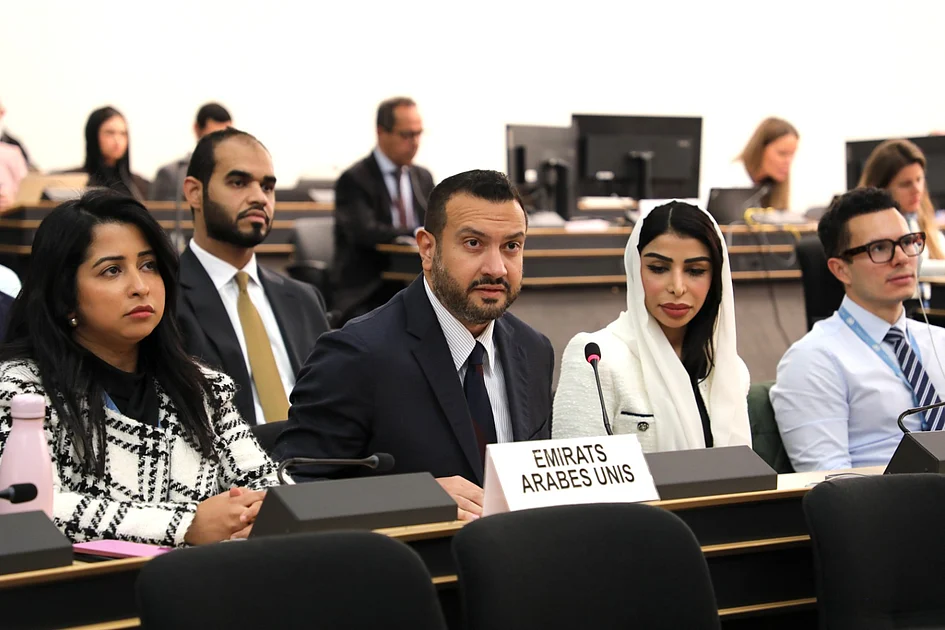
The United Arab Emirates (UAE) has issued a strong call for accountability regarding the atrocities committed in Sudan, emphasizing the need for justice without exception. This comes in the wake of harrowing reports from women fleeing Al Fasher, who have recounted incidents of killings, systematic rape, and civilian casualties from drone strikes and street shootings. The UAE’s Permanent Representative to the United Nations, Jamal Al Musharakh, made this appeal during a special session of the UN Human Rights Council on Friday, November 14, 2025. He urged warring parties to cease obstructing humanitarian access and stressed the international community’s role in ensuring accountability for these crimes. The conflict, which erupted in 2023 between the Sudanese Armed Forces (SAF) and the Rapid Support Forces (RSF), has intensified with the fall of Al Fasher to the RSF on October 26, 2025, solidifying their control over the Darfur region. The UN is considering a fact-finding mission to investigate mass killings during the city’s capture. Al Musharakh reiterated the Quad’s recent statement, which calls for an immediate humanitarian truce, a permanent ceasefire, and a transition to a civilian-led government. The Quad, comprising the UAE, Egypt, Saudi Arabia, and the United States, has been instrumental in addressing the crisis. Since the conflict began, the UAE has provided significant support to Sudan, including $3.9 billion in humanitarian aid between 2014 and 2025, 122 cargo planes delivering essential supplies, and the establishment of field hospitals in Chad and South Sudan. The UAE’s efforts have directly assisted over 650,000 people within Sudan and delivered 100,000 food baskets to affected regions.
分类: world
-
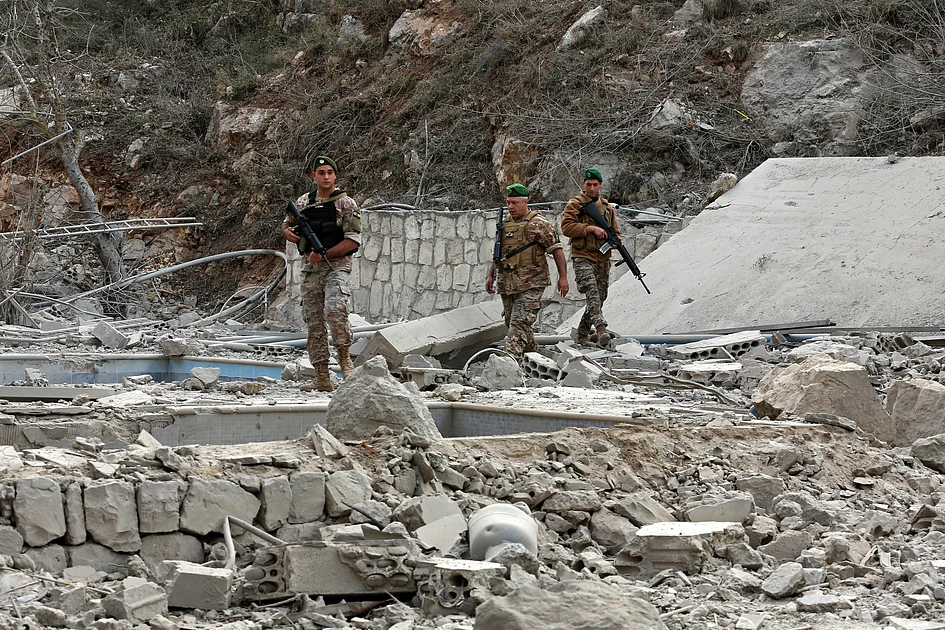
Israel denies accusations after UN forces say it built walls inside Lebanon
The United Nations Interim Force in Lebanon (UNIFIL) has accused Israel of constructing walls inside Lebanese territory near the UN-demarcated Blue Line, the de facto border between the two nations. UNIFIL stated that the walls, built by the Israel Defense Forces (IDF), encroached on Lebanese sovereignty and rendered over 4,000 square meters of land inaccessible to Lebanese citizens. The UN peacekeeping force confirmed the violations through surveys conducted in October and November 2025. Israel, however, denied the allegations, asserting that the wall was part of a broader security plan initiated in 2022 and did not cross the Blue Line. The IDF emphasized that the construction was aimed at reinforcing the northern border following lessons learned from recent conflicts. The dispute arises amidst ongoing tensions between Israel and the Lebanese militant group Hezbollah, despite a truce brokered in November 2024. UNIFIL has urged Israel to respect the Blue Line and withdraw from Lebanese territory, citing violations of UN Security Council Resolution 1701, which ended the 2006 conflict between Israel and Hezbollah. The resolution also underpinned the 2024 ceasefire, which sought to halt over a year of hostilities. UNIFIL has formally advised the IDF of its findings and requested the removal of the walls.
-
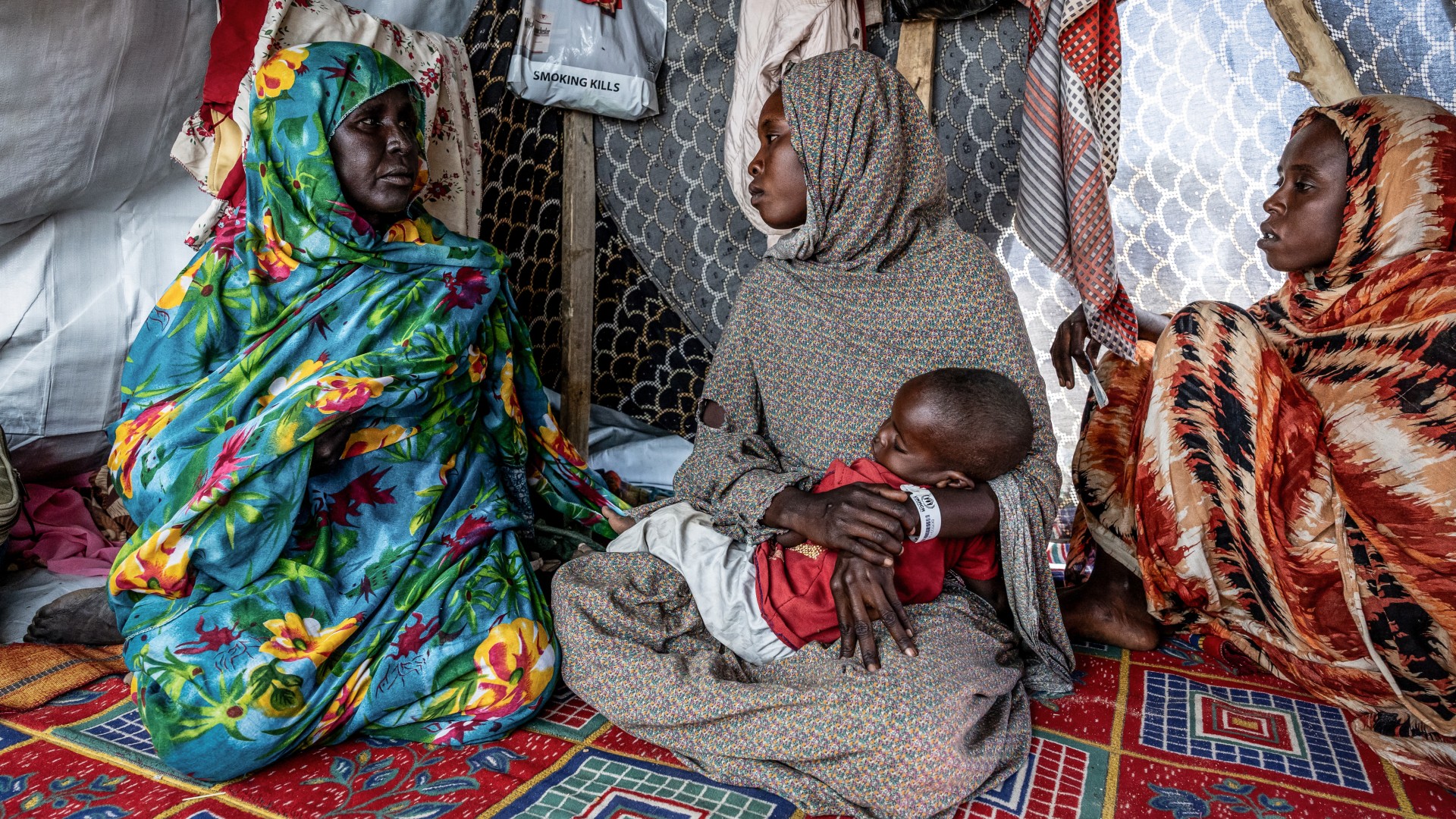
‘Worryingly’ few civilians from Sudan’s el-Fasher making it to Chad, says aid chief
The humanitarian crisis in Sudan has taken a grim turn as only a small number of civilians fleeing the recently seized city of el-Fasher have reached eastern Chad, despite its proximity. Charlotte Slente, Secretary-General of the Danish Refugee Council (DRC), highlighted this alarming trend during her recent visit to the region. She reported that despite el-Fasher being less than 300 kilometers from Chad, only around 50 people are entering daily through the border town of Adre, with a total of 200 to 500 crossing all Chad-Sudan borders daily. The DRC described these numbers as “deeply worrying,” especially given the dire situation in el-Fasher, where 90,000 of its 260,000 civilians have fled. The low influx is attributed to the city’s prolonged siege and the perilous journey to safety. Slente shared harrowing accounts from refugees, including a young Sudanese couple who lost family members and endured extreme violence during their escape. The Rapid Support Forces (RSF), responsible for the city’s capture, have been accused of mass killings, sexual violence, and other atrocities, further complicating the humanitarian response. Chad, already hosting over 882,000 Sudanese refugees, is preparing for an additional 90,000 arrivals. Despite its limited resources, Chad’s government is allocating land for new refugee settlements. Slente criticized the international community for its inaction, warning that without concerted diplomatic pressure, more mass atrocities could occur. The conflict, rooted in tensions between the Sudanese Armed Forces and the RSF, has displaced millions and claimed tens of thousands of lives, with no end in sight.
-
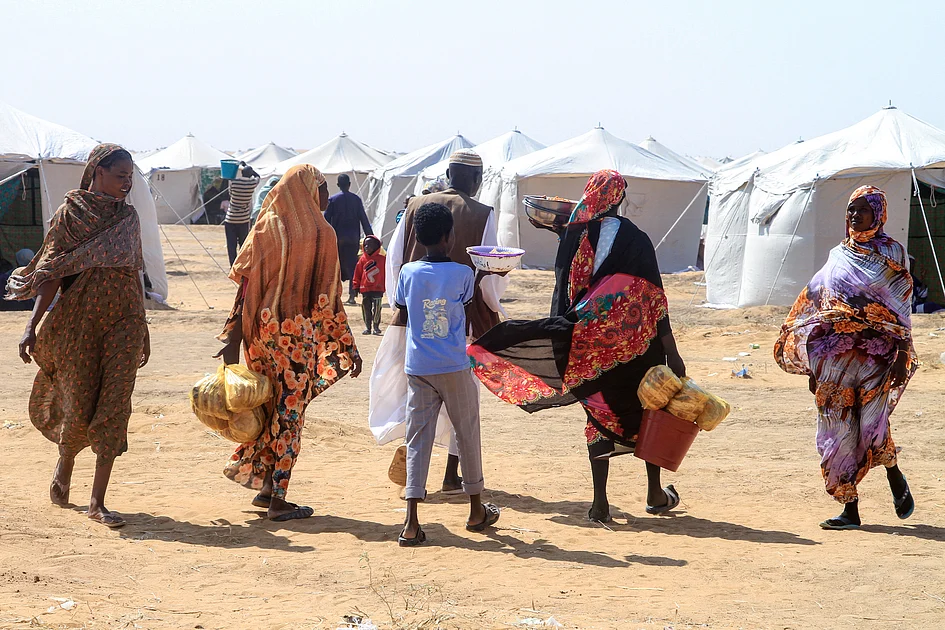
UN rights council orders probe of ‘atrocities’ in Sudan’s El-Fasher
The UN Human Rights Council has mandated an urgent investigation into alleged atrocities in Sudan’s El-Fasher, aiming to identify and hold perpetrators accountable. The resolution, adopted unanimously during a special session, responds to escalating violence and warnings of potential genocide in the region. UN rights chief Volker Turk highlighted the severity of the crisis, stating that ‘bloodstains on the ground in El-Fasher have been photographed from space.’ The conflict, which began in April 2023 between Sudan’s army and the paramilitary Rapid Support Forces (RSF), has resulted in tens of thousands of deaths and displaced nearly 12 million people, creating one of the world’s worst humanitarian crises. Recent reports from El-Fasher detail executions, sexual violence, looting, and abductions, with nearly 100,000 residents fleeing the area in the past two weeks. British ambassador Kumar Iyer described the violence as a ‘coordinated campaign against civilians,’ citing credible reports of targeted killings and systematic abuses. The resolution broadens the scope of the UN’s independent fact-finding mission, despite objections from Sudan and other nations. The UAE denied allegations of supporting the RSF, while its ambassador criticized both the RSF and the Sudanese army for indiscriminate attacks. The International Criminal Court is reportedly monitoring the situation closely, with concerns that the violence could spread to the Kordofan region. The UN emphasized the need for accountability to break the cycle of impunity and prevent further atrocities.
-
Libyan Haftar forces ‘key fuel supplier’ to Sudan’s RSF on behalf of UAE
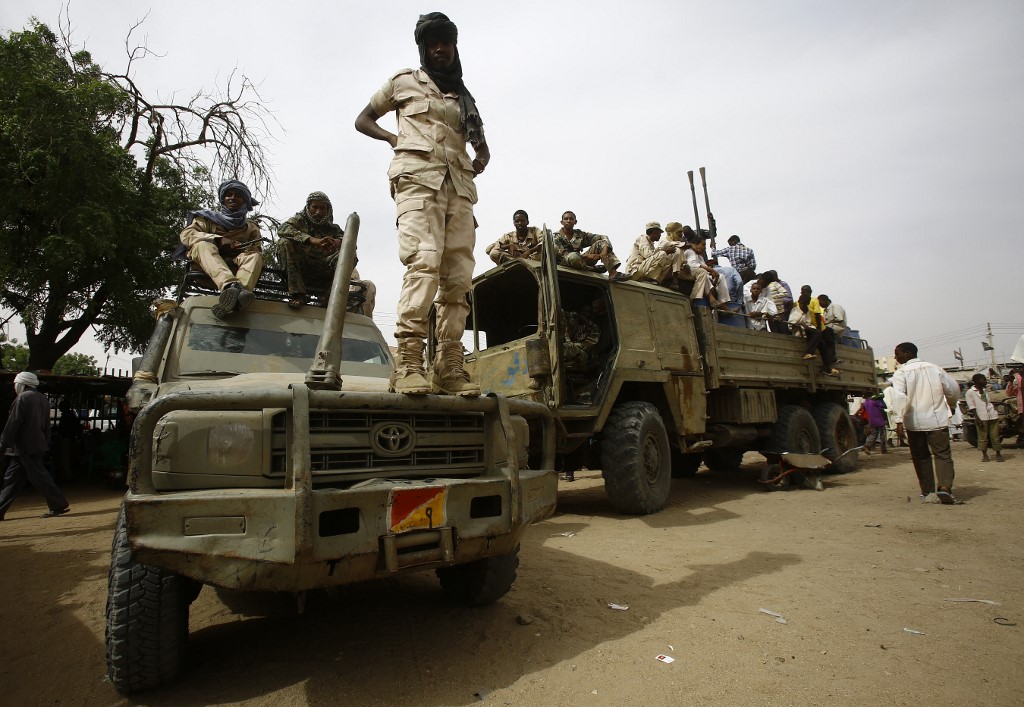
Libyan commander Khalifa Haftar’s forces have been clandestinely supplying smuggled fuel to Sudan’s Rapid Support Forces (RSF) at the behest of the United Arab Emirates (UAE), according to a report by the US-based watchdog, The Sentry. This illicit activity, which has escalated into a national crisis for Libya, costing the country approximately $6.7 billion annually, is also exacerbating the deadly conflict in Sudan between the Sudanese army and the RSF. The report highlights how Haftar’s loyalty to the UAE has made him a key enabler of the RSF’s operations, particularly in the Darfur region, where the paramilitary group has been accused of systematic atrocities, including murder and sexual violence against civilians. The RSF’s mobility and tactical operations in Darfur are heavily reliant on the persistent flow of diesel and gasoline provided by Haftar’s forces. Additionally, the Haftar family has strengthened its strategic control in southeastern Libya through this illegal trade. The report also implicates Russia as a beneficiary of Libya’s fuel smuggling, which supports Moscow’s military activities in sub-Saharan Africa. Fuel smuggling, a long-standing issue in Libya, has surged since the current government took office in 2021, with more than half of the imported fuel being siphoned off by criminal networks. This has led to severe economic consequences for Libya, including a $20 billion loss in revenue, exacerbating fiscal imbalance, currency depreciation, and inflation. Despite pledges to reform fuel subsidies, the surge in smuggling persists, undermining Libya’s legitimate economy and further entrenching the power of its incumbent rulers.
-
Freed British-Egyptian activist Alaa Abd el-Fattah barred from flying to the UK
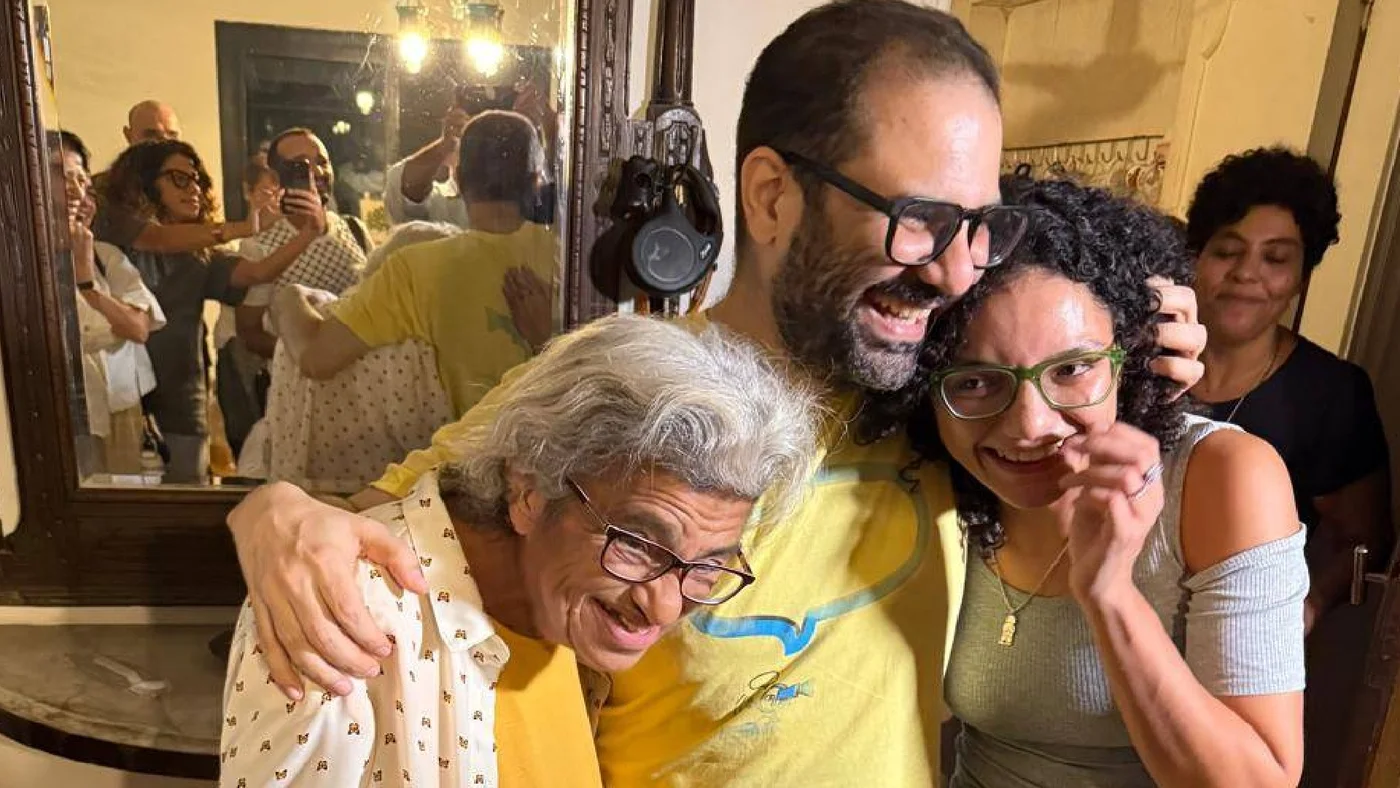
British-Egyptian activist Alaa Abd el-Fattah, recently pardoned and released from prison, was reportedly stopped at Egyptian passport control while attempting to travel to the UK, according to his family. Abd el-Fattah, a prominent figure in the 2011 Arab Spring uprising, had been imprisoned for nearly a decade following President Abdel Fattah el-Sisi’s military coup in 2013. He was pardoned on September 22 and released from Wadi al-Natrun prison. Abd el-Fattah was scheduled to fly to the UK with his sister, Sanaa Seif, to attend the Magnitsky Human Rights Awards in London, where he and his mother, Laila Soueif, were honored with the Courage Under Fire award for their relentless fight for his freedom. Seif accepted the award on their behalf, expressing her wish for Abd el-Fattah to reunite with his 13-year-old son, Khaled, who lives in Brighton, UK. The Free Alaa campaign noted that UK Prime Minister Keir Starmer had pledged to secure Abd el-Fattah’s release and reunite him with his family. Despite his release, Abd el-Fattah’s travel plans remain uncertain as he faces obstacles at Egyptian passport control.
-
Twenty-five states funnelled oil to Israel during genocide: Report
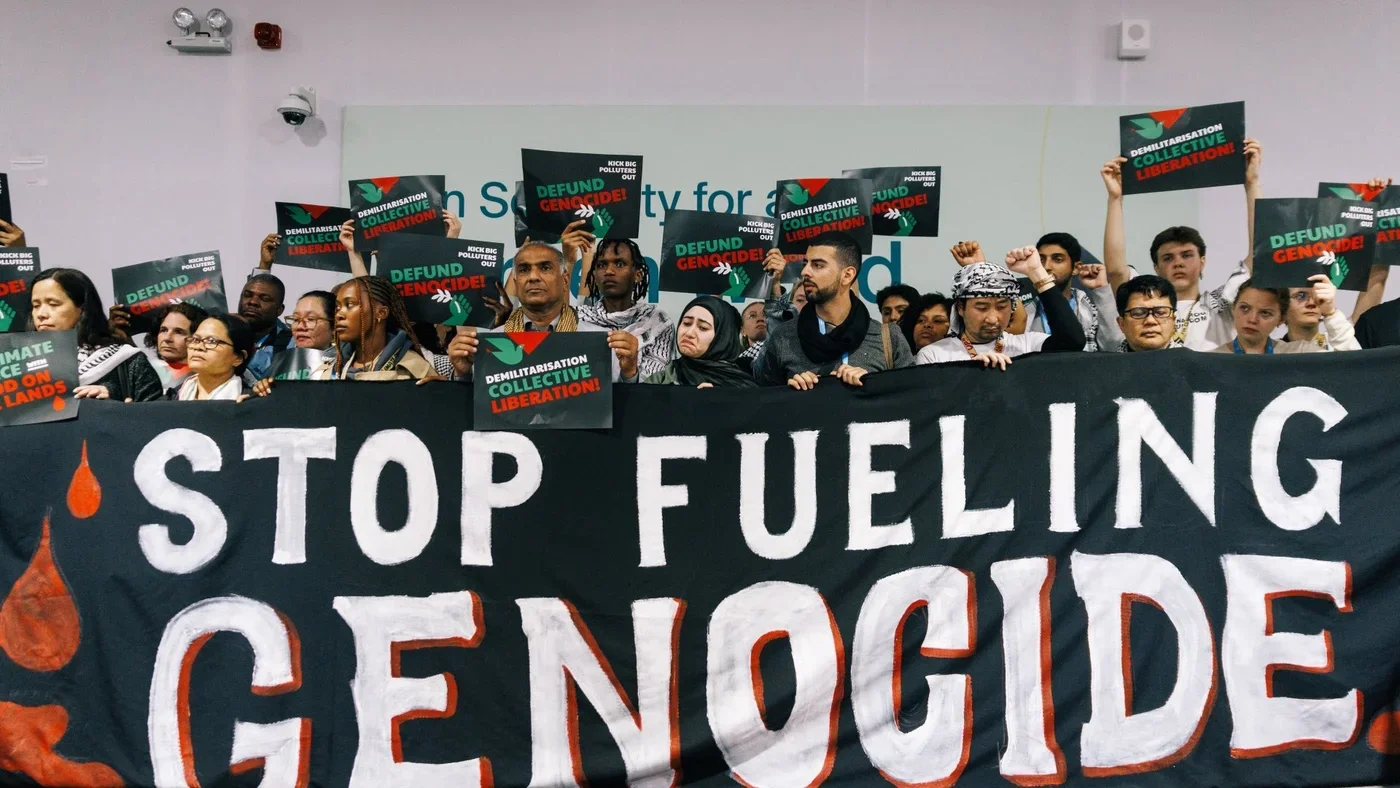
A recent report by Oil Change International has unveiled that 25 countries supplied Israel with crude oil and refined petroleum products during its two-year military operations in Gaza. Between November 1, 2023, and October 1, 2025, a total of 323 shipments, carrying nearly 21.2 million tonnes of fuel, were tracked. Among these, 171 shipments transported 17.9 million tonnes of crude oil, with 70% originating from Azerbaijan and Kazakhstan. Azeri crude is routed through the Baku-Tbilisi-Ceyhan (BTC) pipeline to Turkey, while Kazakh crude is exported via the Caspian Pipeline Consortium (CPC) to Russia’s Black Sea coast. Despite being listed under Turkey and Russia as countries of origin, the crude is identified as Azeri BTC and Kazakh CPC, respectively. Shipments from Africa and Brazil were also recorded, though Brazilian exports to Israel reportedly ceased in 2025, possibly redirected to refineries in Italy. Additionally, 17 countries supplied 152 shipments of refined petroleum products, with 45% coming from Russia. Notably, the U.S. contributed nine shipments of JP-8 jet fuel and two diesel shipments. The report raises legal and ethical questions, particularly in light of the International Court of Justice’s (ICJ) interim order on preventing genocide. Dr. Irene Pietropaoli, in a legal opinion, emphasized that states risk complicity in genocide under the Genocide Convention by continuing fuel exports to Israel. In September 2025, the UN’s Independent International Commission urged member states to halt arms and fuel transfers to Israel, citing potential use in military operations involving genocide.
-
Protesters in Pikachu costumes demand Japan end fossil fuel financing at UN climate conference
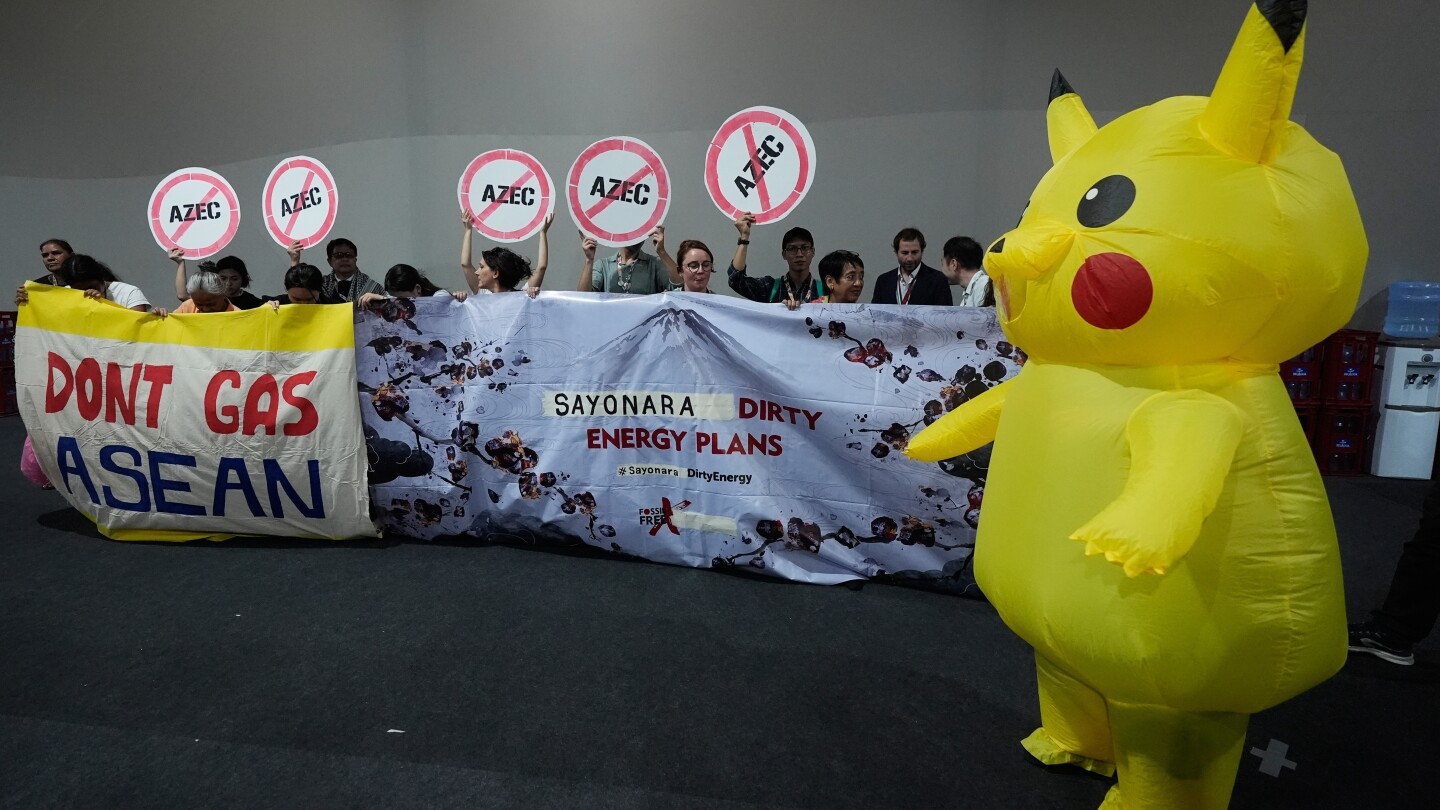
In a striking demonstration at the United Nations climate conference (COP30) in Belem, Brazil, activists donned Pokemon costumes to protest Japan’s continued financing of coal and natural gas projects in Southeast Asia and other Global South regions. The protest, organized by environmental groups including Friends of the Earth Japan, coincided with the conference’s energy-focused thematic day. Activists accused Japan of undermining Asia’s transition to renewable energy by funding fossil fuel developments in countries like Thailand, Malaysia, Indonesia, and the Philippines. Hiroki Osada, a representative of Friends of the Earth Japan, emphasized the importance of Global South voices in pressuring Japan to halt such investments. The Japan Bank for International Cooperation, a key player in Japan’s overseas aid, has reportedly financed $6.4 billion in coal projects and $874 million in gas projects from 2016 to 2024, according to a study by the Center for Energy, Ecology and Development. The protest featured life-sized inflatable Pikachu costumes, with activists chanting slogans like “Only Pokemon, no fossil fuels” and “Sayonara fossil fuels.” The event highlighted the growing frustration with Japan’s fossil fuel agenda, which activists argue is incompatible with global climate goals. The demonstration was part of a series of anti-fossil fuel actions at COP30, including a “Kick Out the Suits” event targeting fossil fuel lobbyists and a planned “funeral for fossil fuels” march. Brazilian President Luiz Inácio Lula da Silva has called for a clear roadmap to phase out fossil fuels, a sentiment echoed by several countries. However, environmental groups like Greenpeace International stress the need for actionable outcomes rather than symbolic pledges.
-
Mali suspends French TV channels over alleged false reports
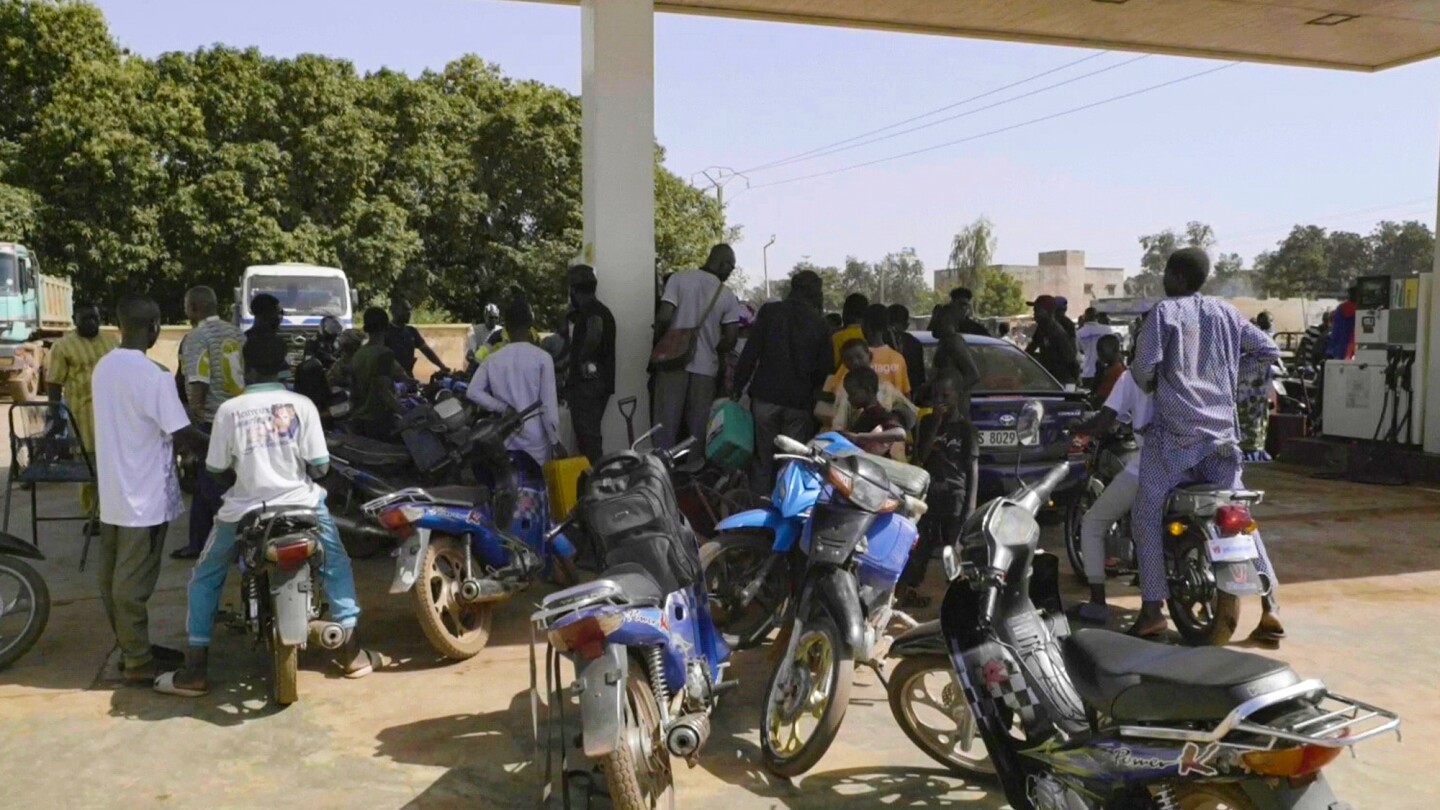
In a significant move, Mali’s ruling military junta has suspended the operations of two prominent French television channels, TF1 and LCI, accusing them of disseminating unverified and false information regarding a fuel blockade imposed by the al-Qaida-linked militant group Jama’at Nusrat al-Islam wal-Muslimin (JNIM). The decision was announced by Mali’s High Authority for Communication in a letter dated November 13, which was made public on Friday. The regulatory body cited a broadcast from November 9 as the basis for its action, disputing claims that the junta had banned fuel sales, that the regions of Kayes and Nioro were under complete blockade, and that terrorists were nearing the capital, Bamako. The letter stated that the channels’ services would be removed from distribution packages until further notice. Since September, JNIM has enforced a fuel blockade in Mali, exacerbating the country’s security and economic challenges. The resulting fuel shortages have led to long queues at gas stations and heightened instability. In response, several Western embassies, including those of the United States and France, have advised their citizens to leave the country. Mali, along with neighboring Niger and Burkina Faso, has been under military rule following coups in recent years, with leaders promising improved security. However, analysts note that the security situation in the Sahel region has deteriorated significantly, with record levels of attacks and civilian casualties attributed to both Islamic militants and government forces.
-
British journalist Sami Hamdi reunited with family after release from Ice detention
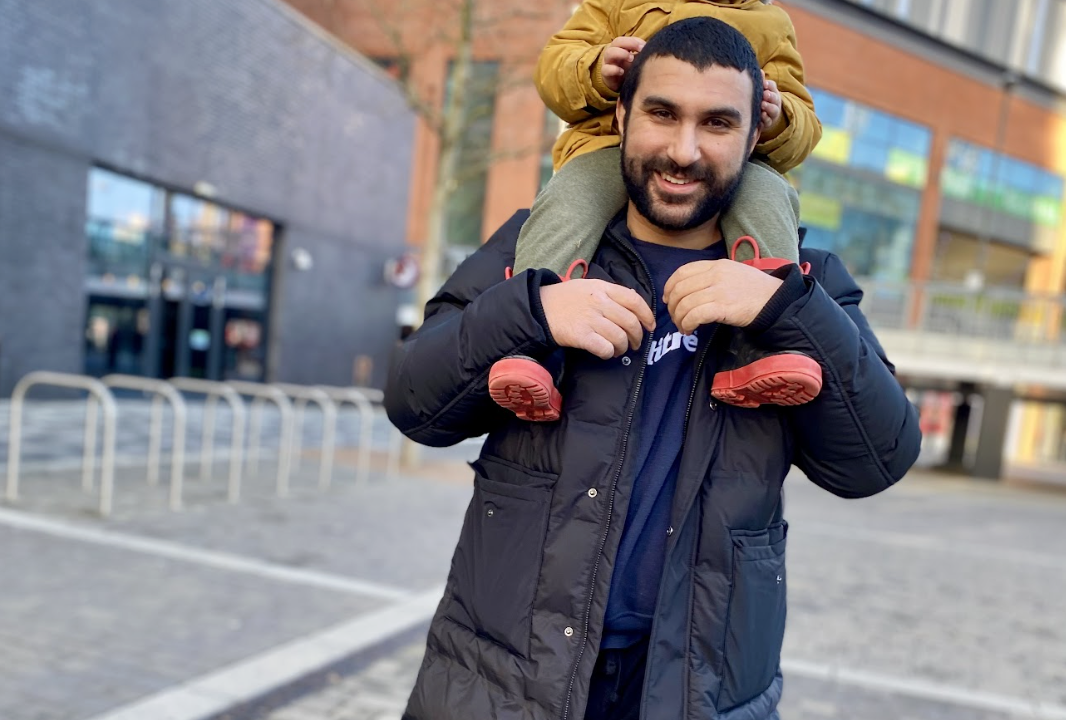
British journalist and political commentator Sami Hamdi has been reunited with his family following his release from U.S. Immigration and Customs Enforcement (ICE) detention. Hamdi arrived in London on Thursday, three weeks after being detained by ICE agents during a speaking tour in the United States. The detention occurred despite Hamdi entering the U.S. on a valid visitor visa on October 19. His visa was abruptly revoked on October 24 without prior notice, according to Zahraa Billo, executive director of the San Francisco Bay Area chapter of the Council on American-Islamic Relations (CAIR-SFBA).
Hamdi was accused of overstaying his visa on October 26 while at San Francisco International Airport. He was subsequently transferred to the Golden State Annex in McFarland, California, where he was held in a cell with approximately 80 other detainees. Hamdi reported being denied medical care for severe abdominal pain until his condition gained media attention.
During a hearing on Monday, Hamdi and the U.S. government reached an agreement for his voluntary departure from the country. Upon his return to London, Hamdi stated, ‘What they want is to ensure that people like us don’t go to America. And we will defy them and we will exert our constitutional rights and speak truth against hatred.’
Hamdi’s detention is part of a broader pattern of ICE targeting individuals, particularly those involved in pro-Palestinian activism. Earlier this year, Tufts University student Rumeysa Ozturk, Columbia University graduate Mahmoud Khalil, and Georgetown University postdoctoral scholar Badar Khan Suri were all detained by ICE without criminal charges. Columbia University students Yunseo Chung and Ranjani Srinivasan were also targeted, with Srinivasan leaving the U.S. voluntarily after her student visa was revoked.
Hamdi’s case has sparked concerns about freedom of speech and the treatment of activists in the U.S. He alleged that the U.S. government is ‘trying to curb freedom of speech because there’s a concern among the extremist Israeli lobby that American public opinion is shifting.’ His detention highlights ongoing tensions surrounding activism and immigration enforcement in the United States.