分类: world

  • Kuwait detaining journalist Ahmed Shihab-Elbin after social media posts

    Kuwait detaining journalist Ahmed Shihab-Elbin after social media posts

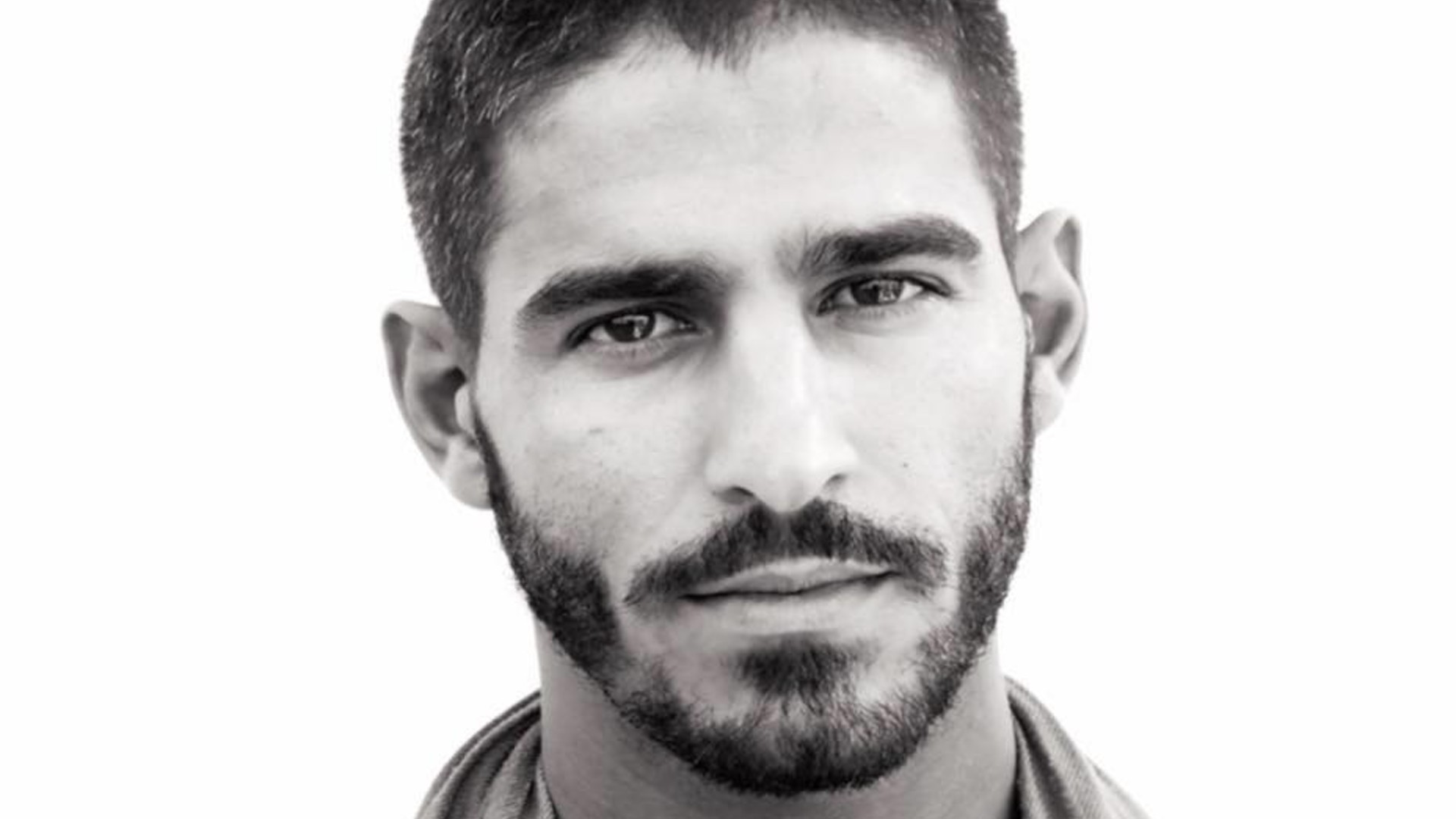
    More than 30 days have passed since award-winning international journalist Ahmed Shihab-Eldin was taken into custody by Kuwaiti authorities, rights campaigners have confirmed, in a case that has drawn renewed scrutiny of growing restrictions on press freedom across the Gulf region amid escalating Middle East tensions tied to the US-Israeli war on Iran.

    The 41-year-old, a dual American-Kuwaiti citizen, was apprehended on March 2 during a routine trip to Kuwait to visit family members. Since his arrest, he has been held in arbitrary detention, with his legal team granted only extremely limited access to meet with him, leaving his legal status uncertain more than a month on.

    While official charges have not been formally clarified by Kuwaiti officials, the Committee to Protect Journalists (CPJ) has confirmed that the arrest followed a series of social media posts Shihab-Eldin published related to the ongoing US-Israeli war on Iran. Among the shared content was publicly available footage of a United States fighter jet crashing at a US air base located within Kuwait’s borders. CPJ has stressed that all material the journalist shared was already accessible to the general public, and he did not publish any restricted or unapproved content.

    The press freedom organization notes that the most likely charges Kuwaiti authorities will bring against Shihab-Eldin are spreading false information, endangering national security, and misusing a personal mobile device—offenses that CPJ says are routinely weaponized by Kuwaiti authorities against independent reporters and critical voices.

    Shihab-Eldin’s decades-long journalistic career includes bylines at some of the world’s most prominent news outlets, including *The New York Times*, Al Jazeera English, and PBS. His work focusing on human rights and conflict in the Middle East has earned him multiple major industry awards, including a British Journalism Award and an Amnesty International Human Rights Defender Award.

    His detention is not an isolated incident, CPJ emphasizes, but part of a sweeping regional crackdown on online expression that has accelerated since the outbreak of the US-Israeli war on Iran. Like other Gulf states, Kuwait has enacted increasingly strict controls on digital speech amid rising regional tensions, in a move officials frame as an effort to limit unapproved reporting on attacks targeting the country’s infrastructure.

    On the same day of Shihab-Eldin’s arrest, Kuwait’s Ministry of Interior released an official public statement urging citizens to avoid “photographing or publishing any clips or information related to missiles or relevant locations,” and confirmed that multiple people had already been taken into custody on charges of “spreading false news.”

    Weeks after the arrest, Kuwait’s legislature introduced a new bill that would hand down maximum 10-year prison sentences to anyone found guilty of “disseminating news, publishing statements, or spreading false rumors related to military entities” with the alleged intent of eroding public confidence in state security institutions.

    Data from the Gulf Centre for Human Rights (GCHR) shows that dozens of people across the region have been arbitrarily detained since the war began, all for the act of “peacefully expressing their opinions on social media.” The rights organization reports that most of these detainees are held in unrecorded facilities run by state security forces for days at a time, with no access to contact their families or meet with legal representation.

    “Governments in the region are exploiting the current war to intensify their systematic repression, targeting and suppressing all public freedoms, including the right to free expression both online and offline,” the GCHR said in a statement.

    Rights group HuMena has confirmed that Shihab-Eldin is not the only high-profile detainee held in Kuwait in recent weeks; other prominent detainees include activists Farrah Alsaqqaf and Suad Al-Munayes.

    Sara Qudah, CPJ’s Middle East representative, called Shihab-Eldin’s detention “emblematic” of a accelerating trend across Gulf states, where “national security is used as a convenient pretext to crack down on independent journalism and fundamental freedom of speech.”

    This report was compiled based on original independent reporting from Middle East Eye, which provides unfiltered coverage of the Middle East, North Africa, and surrounding regions.
  • In Algeria, Pope calls on authorities ‘not to dominate, but serve the people’

    In Algeria, Pope calls on authorities ‘not to dominate, but serve the people’

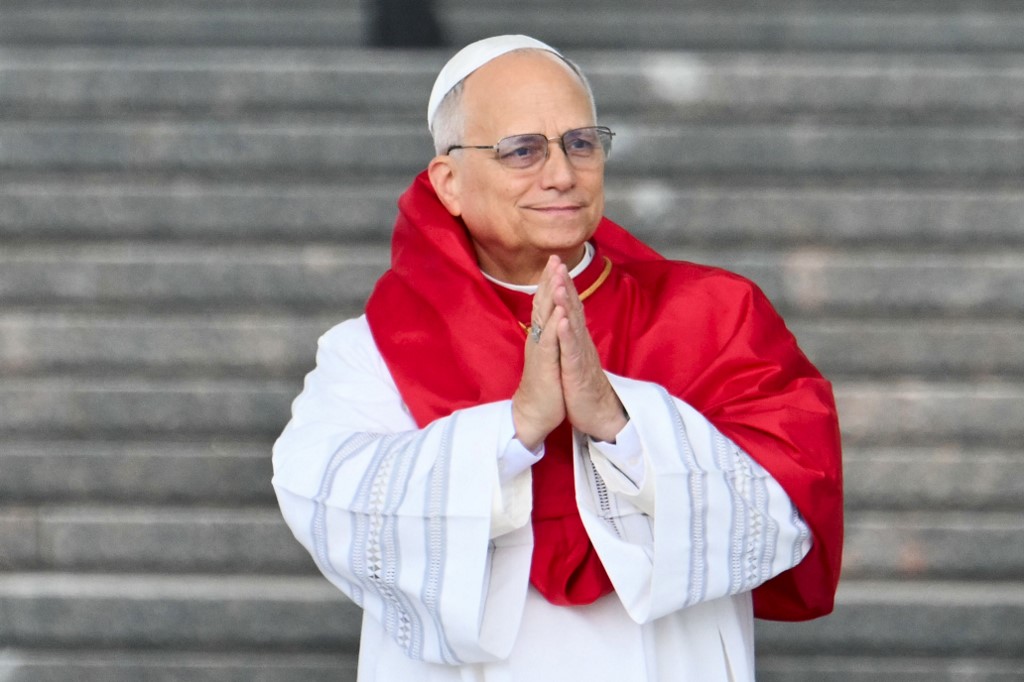
    On a historic Monday that marked the first papal visit to Algeria in modern history, Pope Leo XIV wove together spiritual reflection and bold political messaging, blending calls for domestic reform with a global rebuke of exploitative power dynamics. The American-born pontiff, who traces his religious roots to the Augustinian Order founded on the teachings of the North African-born Christian thinker Saint Augustine, made history as the first leader of the Catholic Church to set foot on Algerian soil, the birthplace of his order’s namesake.

    The landmark day was not without shadow: two major events dominated headlines alongside the visit: a high-profile public clash with U.S. President Donald Trump over the pontiff’s opposition to the war on Iran, and a failed double suicide bombing just 50 kilometers outside the capital Algiers that marked the first major extremist attack in the country since 2012.

    Beginning his itinerary in the capital Algiers, where he was welcomed with full official honors, Pope Leo XIV first offered prayers at the iconic Martyrs’ Monument, a memorial honoring the thousands who died during Algeria’s 1954–1962 war of independence from French colonial rule. Standing at the site that carries deep national and diplomatic resonance, amid ongoing tensions that continue to strain Franco-Algerian diplomatic relations, he framed lasting peace as a project rooted in reconciliation. “Peace is only possible through forgiveness,” he told assembled guests. “The true struggle for liberation will only be definitively won when peace of hearts has been achieved.”

    Moving from the memorial to a formal address before Algeria’s top political leadership, including President Abdelmadjid Tebboune, and the international diplomatic corps, the pontiff turned his attention to domestic political reform. Three leading global non-governmental organizations, including Human Rights Watch, had publicly called on Pope Leo XIV in the days leading up to the visit to raise human rights concerns with Algerian officials, who have faced sustained accusations from rights defenders of cracking down on opposition since the 2019 Hirak pro-democracy movement that forced longtime authoritarian leader Abdelaziz Bouteflika from power. Rights groups document widespread arrests, detentions and convictions of activists, journalists and government critics in the years since the movement.

    In his address, Pope Leo XIV urged Algerian authorities to embrace greater political openness and empower a free civil society, particularly for the country’s large youth population. “The true strength of a country lies in the cooperation of everyone in achieving the common good. The authorities are called upon not to dominate, but to serve the people and their development,” he said. “I therefore urge those of you who hold authority in this country not to fear this prospect and to promote a vibrant, dynamic and free civil society, in which young people, in particular, are recognised as having the capacity to contribute to broadening the horizon of hope for all.”

    The pontiff also used the platform to deliver a veiled rebuke of global power politics, condemning “ongoing violations of international law and neo-colonial tendencies” in an implicit critique of Western foreign policy in the Middle East. The comment came amid an intensifying public feud with Trump, who has launched repeated attacks on Pope Leo XIV over his increasingly vocal opposition to the U.S.-Israeli war on Iran. On the Sunday before the visit, Trump publicly stated he was “not a fan of Pope Leo” and falsely claimed the pontiff supported nuclear proliferation. On Monday, the U.S. president doubled down, refusing to walk back his comments and labeling the pontiff “weak.”

    Speaking to reporters on his flight from Rome to Algiers, Pope Leo XIV pushed back on the conflict without escalating it, saying he had “no intention of entering into a debate” with Trump and was not “afraid” of his administration. “The Church has a moral duty to speak out very clearly against war,” he said. “I don’t think the message of the Gospel should be distorted as some are doing.”

    As the pontiff delivered his address in Algiers, news broke of a coordinated attack in Blida, a city located roughly 50 kilometers south of the capital. Two suicide bombers detonated their explosive devices, killing themselves: one outside the city’s central police station, and another roughly 500 meters from the first site. Four additional unexploded bombs targeting police and public spaces were successfully defused by security forces, and an unconfirmed number of civilians were injured in the incident. Algerian authorities had not issued an official statement on the attack as of Monday evening. Security analysts noted that the heavy security deployment around the pope’s visit in Algiers likely pushed attackers to shift their target to the neighboring city.

    Despite the unrest, the visit proceeded as scheduled, with Pope Leo XIV traveling to Annaba, the site of ancient Hippo where Saint Augustine served as bishop, for scheduled events on Tuesday. In his welcoming remarks on Monday, Tebboune expressed Algeria’s “immense pride” in hosting the pontiff on the land of Saint Augustine, whom he called “your spiritual father and one of the most luminous minds in the history of human thought.” Catholics make up less than 0.01% of Algeria’s population, where Sunni Islam is the official state religion, with most Catholic residents being European expatriates or sub-Saharan African students. Tebboune also praised the pope’s “courageous stance” against Israel’s military campaign in Gaza and the humanitarian suffering unfolding across the Gulf region.

    The Algeria stop is the first leg of Pope Leo XIV’s inaugural multi-nation trip to Africa, which will continue with visits to Cameroon, Angola and Equatorial Guinea before the pontiff returns to Rome on April 23.

  • Calls for diplomacy grow amid Hormuz blockade

    Calls for diplomacy grow amid Hormuz blockade

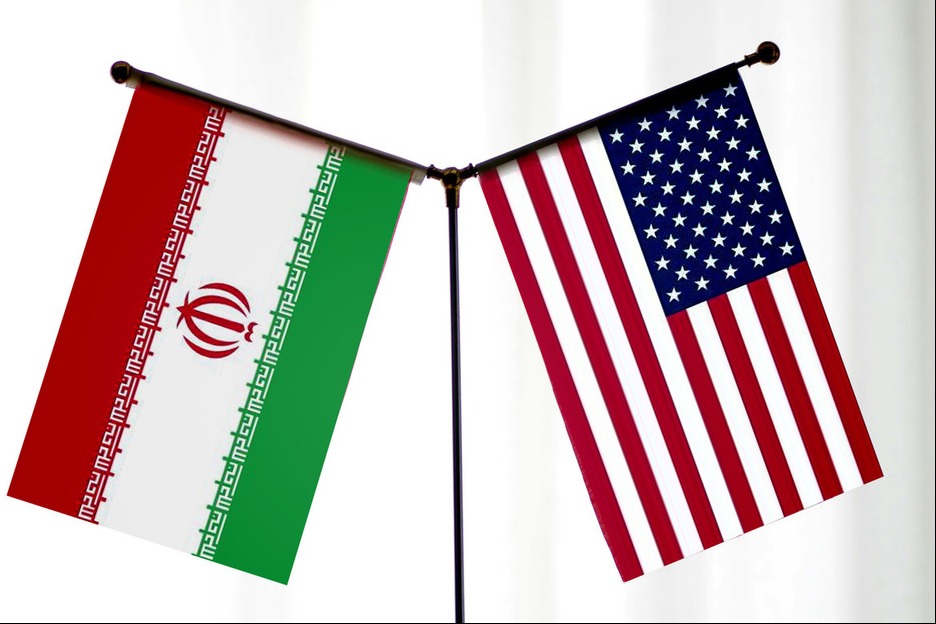
    Tensions in the strategic Strait of Hormuz have sparked urgent global calls for diplomatic de-escalation, as Pakistan leads intensive behind-the-scenes efforts to organize a second round of high-stakes negotiations between the United States and Iran. The push for renewed dialogue comes even after Washington implemented a controversial bilateral naval blockade of Iranian ports this week, a move Tehran has decried as state-sponsored piracy that risks igniting full-scale conflict across the Persian Gulf.

    The first round of negotiations, held in Islamabad over the weekend, ended without a breakthrough, leaving key gaps between the two longtime adversaries over the future of Iran’s nuclear program. But speaking to Fox News on Monday, US Vice President JD Vance, who led the American delegation, struck a surprisingly optimistic note, saying the talks had made significant progress and that Washington had laid out clear terms for potential compromises with Tehran. “I really think the ball is in the Iranian court, because we put a lot on the table,” Vance said. A second senior US administration official later confirmed that ongoing work to salvage a diplomatic agreement is still moving forward.

    The blockade, which officially entered into force on Monday, has already triggered sharp Iranian retaliatory threats, creating a dangerous new standoff that carries severe ramifications for the global economy. One of the world’s most critical chokepoints for global oil trade, any prolonged disruption around Hormuz could send energy prices soaring and tip the already fragile global economy into recession. On Tuesday, the International Energy Agency issued a stark warning: global crude oil demand is on track to see its steepest second-quarter decline since the onset of the COVID-19 pandemic in 2020, fueled in large part by uncertainty over the Gulf standoff.

    In a related development that underscores rising security risks in the region, the US Naval Institute’s news service USNI News reported Tuesday that the USS George H.W. Bush aircraft carrier strike group is rerouting its journey to the Arabian Sea along the African coast, deliberately avoiding the Red Sea and the Bab el-Mandeb Strait. The alternate path bypasses the key waterway that has seen repeated drone and missile attacks on American shipping by Yemen’s Houthi movement between 2024 and 2025.

    Tehran has fiercely pushed back against the US blockade, with an Iranian military spokesman condemning any US restrictions on international shipping through the Gulf as illegal acts of piracy. The spokesman issued a stark warning: if Iranian commercial ports come under sustained blockade, no shipping lanes or ports across the Persian Gulf and Gulf of Oman will remain safe from retaliation.

    The core sticking point in negotiations remains Iran’s nuclear program. US President Donald Trump has repeatedly stated that any final agreement must permanently end Iran’s ability to develop a nuclear weapon, while Iranian officials have consistently reaffirmed that their country’s nuclear activities are exclusively for peaceful civilian energy and medical purposes. Trump told reporters outside the Oval Office this week that Iranian officials had already reached out to signal they are eager to reach a negotiated settlement. “I can tell you that we’ve been called by the other side. They’d like to make a deal. Very badly, very badly,” Trump said.

    According to reports from The New York Times, during the Islamabad talks, US negotiators pushed for a 20-year full suspension of Iran’s uranium enrichment activities, while Iran countered with a proposal for a five-year freeze on its nuclear program — an offer US officials rejected out of hand.

    Pakistan, which has served as the neutral host for the talks between the two rivals, has ramped up its diplomatic outreach to bridge the remaining gaps. Pakistani Prime Minister Shehbaz Sharif confirmed Monday that “all-out efforts are underway” to reach a deal that would end hostilities and that the current fragile ceasefire between the two sides remains intact. Multiple anonymous diplomatic sources confirmed Tuesday that US and Iranian negotiating teams could return to Islamabad as early as this week to resume discussions, just days after their first round of talks — the highest-level engagement between the two nations since 1979 — ended without agreement. “Efforts are underway to bring both parties back to the negotiating table. Of course, we want them back in Islamabad, but the venue and date are not yet final,” one source told Agence France-Presse.

    Regional analysts say both sides are facing mounting pressure to step back from the brink of full-scale war. Mohamad Elmasry, a professor at the Doha Institute for Graduate Studies, noted that both Washington and Tehran appear to be searching for a face-saving “off-ramp from the war” that allows both sides to claim victory without further conflict. “This war has been extremely costly for the parties involved and far beyond,” he told Al Jazeera. “Iran has greater leverage than it did at the start of the war, but I have no doubt they would seek an end to hostilities.”

    Iranian President Masoud Pezeshkian has reaffirmed Tehran’s position that any future talks must proceed strictly within the framework of international law, according to Iran’s state-owned broadcaster IRIB. Russia, which has positioned itself as a potential mediator in the talks, confirmed Tuesday that its longstanding offer to take custody of Iran’s enriched uranium as part of a final nuclear deal remains on the table. “The offer still stands, but it has not yet been acted upon,” Kremlin spokesman Dmitry Peskov told Russian news agency RIA Novosti.

    Elsewhere in the Middle East, tensions remain high along the Lebanon-Israel border. Hezbollah leader Naim Qassem urged Lebanese officials on Tuesday to cancel a planned diplomatic meeting with Israeli representatives in Washington, reaffirming the group’s longstanding rejection of any direct negotiations with Israel. The call comes amid sustained Israeli airstrikes on southern Lebanon that have killed more than 2,000 people in the country since late February.

  • Paris engineer wins Picasso painting at charity auction

    Paris engineer wins Picasso painting at charity auction

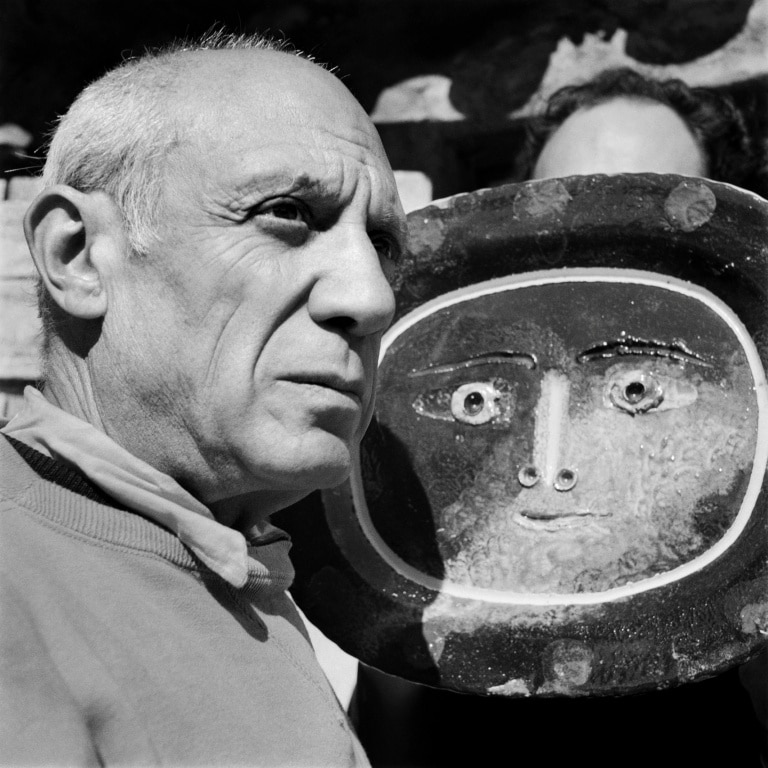
    On a livestreamed ceremony hosted by iconic auction house Christie’s in Paris Tuesday, a 58-year-old Paris-based engineer walked away with a priceless original Pablo Picasso artwork as the grand prize of a high-profile charity fundraiser dedicated to Alzheimer’s disease research.

    Ari Hodara, a self-described art enthusiast, only purchased his raffle ticket a few days before the draw over the weekend, beating out more than 119,999 other participants from 52 countries around the globe. The piece up for grabs, titled *Tête de femme* (translated to Woman’s Head), is a 1941 gouache portrait in moody shades of ink gray and blue, depicting Dora Maar — one of Picasso’s most famous muses and creative partners. The work is valued at over one million euros, and was acquired specifically for the raffle from private art dealer Opera Gallery.

    When auction house representatives called to notify Hodara of his win, the shocked engineer initially questioned if the announcement was an elaborate prank. This is the third such charity raffle organized since 2013, led by French journalist Peri Cochin with official backing from the Picasso family and the Picasso Foundation. The first two events, held in 2013 and 2020, awarded the iconic artist’s work to a 25-year-old from Pennsylvania, United States, and an Italian accountant from Ventimiglia who received her ticket as a Christmas gift from her son, respectively.

    Each of the 120,000 sold tickets was priced at 100 euros (equivalent to roughly $118), generating a total of 12 million euros in proceeds. All funds will be donated to the Alzheimer’s Research Foundation to accelerate critical research into the neurodegenerative condition.

    Olivier de Ladoucette, head of the Alzheimer’s Research Foundation, emphasized the urgent need for broader investment in Alzheimer’s work during Tuesday’s ceremony. He noted that current funding for research into the disease remains severely inadequate, even in wealthy developed nations, arguing that the public has yet to recognize Alzheimer’s as a pressing public health crisis that demands collective action. “This Picasso initiative is one more building block so that one day Alzheimer’s will be nothing more than a bad memory,” he added.

  • Partner of US influencer who died in Zanzibar speaking to police as witness

    Partner of US influencer who died in Zanzibar speaking to police as witness

    A 31-year-old American social media influencer, Ashly Robinson (known online by her handle Ashlee Jenae), has died while on a celebratory engagement trip to Tanzania’s Zanzibar Archipelago, triggering an ongoing official investigation that has left her family searching for clarity. Local law enforcement confirmed last week that Robinson’s travel partner and fiancé, 45-year-old Joe McCann, has had his passport temporarily withheld as investigators continue to piece together the details of her death. To date, no arrests have been made, and officials have stated publicly that McCann is not considered a suspect in any wrongdoing, only cooperating with authorities as a key witness.

    Zanzibar North Unguja Police Chief Benedict Mapujira told the BBC that initial local assessments indicate Robinson died following an attempted suicide. McCann has not released any public comment on the case since Robinson’s death was announced.

    The tragedy unfolded in early April, after what police described as a verbal misunderstanding between the couple that led the Zuri Zanzibar resort management to move the pair into separate guest accommodations, a detail the resort has declined to publicly confirm. Resort staff alerted local police late Wednesday, April 8, after raising concerns that Robinson may be at risk of self-harm. She was found unconscious in her private villa and rushed to a local medical facility, where she was pronounced dead on Thursday, April 9, according to official records. Her family confirmed this timeline in an official statement released Sunday.

    For Robinson’s family, the sudden death comes as a devastating and unexplainable shock. Robinson had just turned 31, and the trip to Tanzania was meant to be a celebratory dream vacation that ended with her accepting McCann’s marriage proposal. In an interview with CBS News, the BBC’s US partner, Robinson’s mother Yolanda Endres described her daughter as a warm, luminous presence who had every reason to be happy on the trip. “She had just celebrated her birthday and had got engaged during the trip, and then she is just gone,” Endres said. “We are confused about how that could change so drastically.”

    Robinson’s parents say they only received word of the incident from McCann 11 hours after it began, with few details about what had occurred. They only learned of their daughter’s death after being contacted directly by the Zuri Zanz resort management. The family has publicly stated that Robinson’s death “doesn’t make any sense” and they are pushing for full transparency as the investigation moves forward, confirming they are cooperating fully with Tanzanian authorities to get clear answers.

    In a statement provided to the BBC, a spokesperson for Zuri Zanzibar said the resort was deeply saddened by the tragic death of its guest. The resort confirmed it is fully cooperating with local law enforcement and the US diplomatic mission in Tanzania, but declined to share additional details, citing guest privacy protections and a commitment to preserving the integrity of the ongoing investigation.

    Authorities have not yet released a final cause of death, noting that they are still awaiting the results of an official medical autopsy to confirm how Robinson died. “Investigations into the case are ongoing, including awaiting the official medical examination report from doctors,” local police said in an official update.

    The US Department of State has confirmed the death of an American citizen in Zanzibar and extended official condolences to Robinson’s family. “We can confirm the death of a US citizen in Zanzibar, Tanzania. We extend our deepest condolences to the family. We have no higher priority than the safety and security of Americans overseas,” a department spokesperson said.

    In the days leading up to her death, Robinson kept her Instagram followers updated on her trip, sharing photos and videos from her travels across Tanzania, including a stop at a wildlife park near Mount Kilimanjaro. Following news of her death, hundreds of followers have left condolence messages on her social media pages, honoring her memory.

  • Husband of US woman missing in Bahamas released, says he will keep looking

    Husband of US woman missing in Bahamas released, says he will keep looking

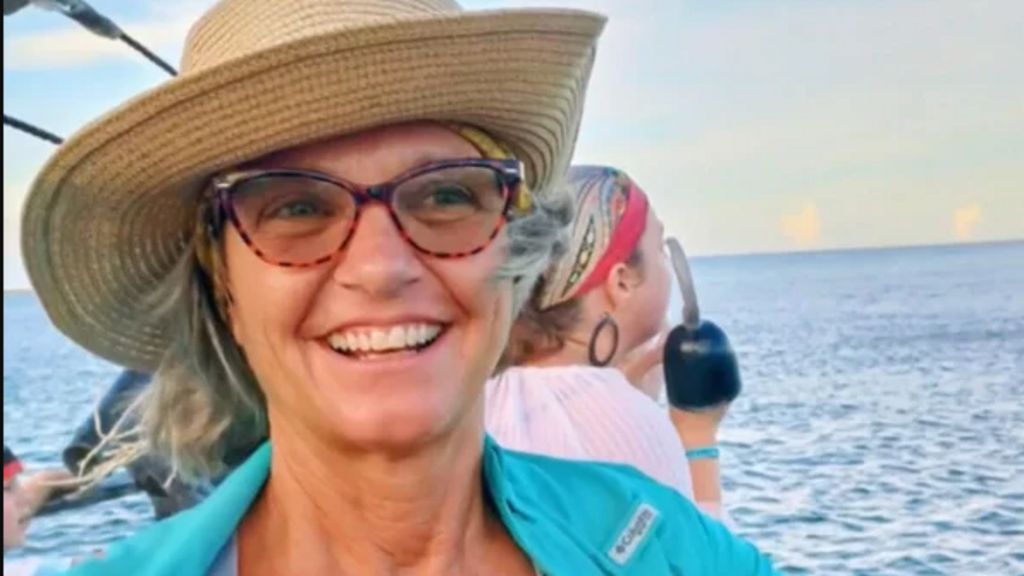
    A months-long missing person case that has captured transatlantic attention has taken a new turn, as Brian Hooker, the Michigan man detained by Bahamian law enforcement after his wife Lynette disappeared during a sailing trip, has been released from custody — and he remains firm in his commitment to finding her, insisting he believes she is still alive.

    The incident unfolded on the evening of April 4, when the Hookers, both experienced sailors who regularly shared their nautical adventures on social media, were out exploring Bahamian waters on an 8-foot hard-bottom dinghy, separate from their larger main sailing vessel. According to Brian Hooker’s account, Lynette fell overboard alongside the dinghy’s keys, and strong ocean currents quickly swept her away before he could reach her. The 59-year-old has repeatedly denied any involvement in his wife’s disappearance, calling all suggestions of foul play unfounded.

    Four days after Lynette went missing, on April 8, Brian Hooker was taken into Bahamian police custody for questioning. During that detention period, he even joined search efforts while handcuffed, and ended up needing rescue himself after falling overboard in rough, choppy sea conditions, according to local reports. Last week, Bahamian authorities announced that their initial search and rescue operation had been reclassified as a recovery mission, a shift that signaled growing pessimism about finding Lynette alive.

    But following his release on the evening of Monday, Brian Hooker told CBS News — the U.S. partner of the BBC — that he has no intention of abandoning his search. “I won’t be able to stop looking,” he said. When asked if he believed Lynette could still be alive more than a week after her disappearance, Hooker responded: “I want to.” He went on to note that there are documented cases of people surviving for days or even weeks after going overboard in Bahamian waters, pointing to the region’s hundreds of small islands, sandbars, and isolated atolls that could offer shelter to a stranded person. “There are so many islands, there are so many sandbars, little atolls and spits of land. Of course you think about alternatives to that, but I’m not really capable of just turning away from this,” he added.

    Hooker’s attorney, Terrel Butler, told NBC News that her client needs time to decompress after what she described as an incredibly traumatic experience. During his detention, Butler noted, Hooker was completely devastated by the disappearance and distraught at being kept from continuing his own search for Lynette. The BBC has reached out to Butler for additional comment following Hooker’s release, and has not yet received a response.

    The case is already marked by significant family division: Lynette’s daughter, Karli Aylesworth, who is Brian Hooker’s stepdaughter, has publicly said she does not accept his account of the incident. Aylesworth emphasized that her mother is an experienced sailor and strong swimmer, casting doubt on the version of events Brian has presented.

    A formal criminal investigation into Lynette’s disappearance remains open, led jointly by U.S. and Bahamian authorities. A U.S. Coast Guard representative confirmed the investigation’s existence to the BBC but declined to share any further details, including information about potential persons of interest in the case.

  • Media freedom groups urge Kazakhstan’s president to drop charges against journalists

    Media freedom groups urge Kazakhstan’s president to drop charges against journalists

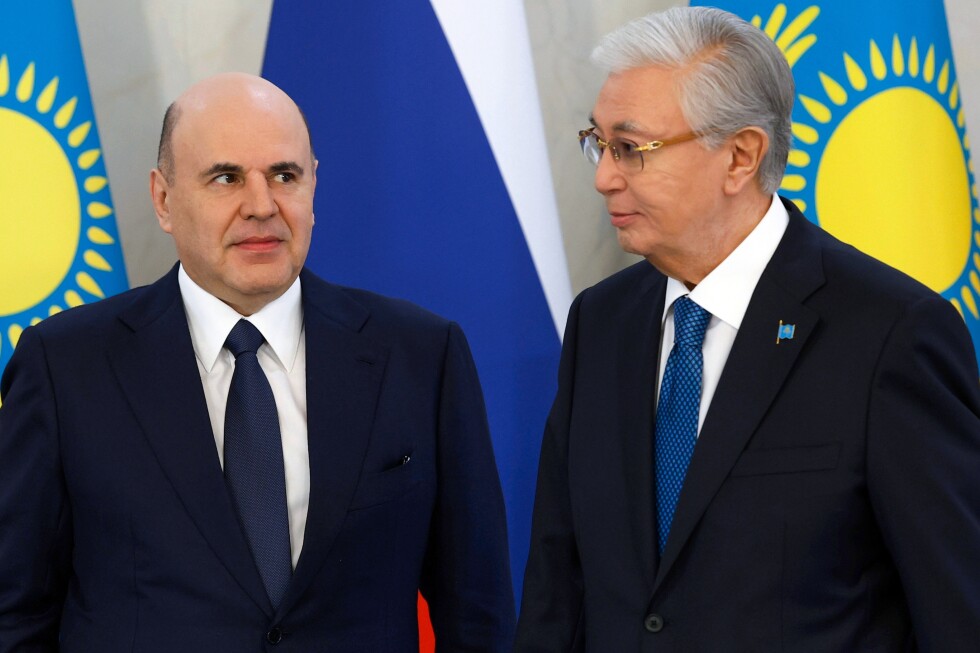
    Six leading international organizations focused on press freedom and human rights — including the Committee to Protect Journalists (CPJ) — have made a formal public appeal to Kazakhstan’s President Kassym-Jomart Tokayev, calling on him to dismiss pending criminal charges against four independent journalists currently held under house arrest and roll back restrictive media legislation that erodes free press in the Central Asian nation.

    In an official letter delivered to Tokayev on Monday, the coalition raised sharp alarms over what they characterize as an accelerating wave of journalist detentions and systematic harassment of Kazakhstan’s independent media ecosystem. The document spotlights the high-profile cases of four established independent reporters: Gulnara Bazhkenova, Amir Kasenov, Aset Matayev, and Botagoz Omarova. All four are currently confined to their homes as they await trial on unspecified criminal charges. The groups emphasized that mounting pressure and intimidation tactics have made independent reporting in the country increasingly unsustainable, writing that “a rising tide of harassment is rendering the work of independent Kazakh media increasingly difficult.”

    Beyond calling for the release of the four detained journalists and the withdrawal of all charges filed against reporters for their professional work, the coalition is pushing for major revisions to Kazakhstan’s laws around the dissemination of information, specifically urging the government to loosen overly broad restrictions on so-called “false information” that are frequently used to target critical independent voices.

    The letter also outlines a broader pattern of restrictive actions against independent media outlets operating in the country. The coalition notes that Kazakh authorities have withheld official accreditation from dozens of Radio Free Europe/Radio Liberty (RFE/RL) journalists for months, and have fully blocked the independent domestic news outlet ResPublika. The groups argue these moves “appeared to have little justification beyond a desire to obstruct these outlets’ reporting.”

    Additionally, the organizations document widespread censorship on digital platforms: dozens of prominent Kazakh journalists, independent outlets, and press freedom advocacy groups have reported that their social media accounts and published content have been blocked or removed in recent months, following what the groups describe as “spurious and apparently orchestrated complaints.”

    The coalition warned Tokayev that the cumulative effect of these crackdowns poses a direct threat to his stated reform agenda. “Mr. President, collectively these attacks on the press threaten to create a climate of fear and self-censorship that irreparably undermines the credibility of your reform agenda,” the letter reads.

    As of Tuesday, Tokayev’s office has declined to issue any comment on the appeal from the international groups.

    The appeal comes amid a major political shift in Kazakhstan, just one month after Tokayev’s proposed package of constitutional changes won overwhelming approval in a national referendum. The reforms have cemented the 72-year-old leader’s grip on power in Central Asia’s largest country.

    A former Soviet bureaucratic official and career Kazakh diplomat who previously held senior roles at the United Nations, Tokayev is currently bound by existing rules to a single seven-year presidential term set to expire in 2029. Independent political analysts widely speculate that the constitutional referendum was structured to allow Tokayev to reset his presidential term limits, clearing a path for him to stay in power beyond 2029.

    Since international sanctions were imposed on Russia following its full-scale invasion of Ukraine, Tokayev has carefully navigated a diplomatic balancing act between Moscow and Western powers, framing his constitutional overhaul as a necessary adjustment to enable faster, more decisive governance amid a rapidly shifting global geopolitical landscape.

  • US, Iran to hold peace talks in Islamabad later this week: sources

    US, Iran to hold peace talks in Islamabad later this week: sources

    After years of escalating tensions and intermittent diplomatic backchanneling, high-stakes peace negotiations between the United States and Iran are set to convene in Islamabad, Pakistan later this week, multiple anonymous sources confirmed in a report shared by Reuters on Tuesday. The development, first updated publicly by Xinhua News Agency on April 14, 2026, marks a rare step toward de-escalation between two long-standing adversarial powers that have been at odds over regional security, nuclear policy, and geopolitical influence for decades. Pakistan, a country that maintains diplomatic and economic ties with both Washington and Tehran, has stepped into the role of neutral host for the talks, leveraging its regional standing to facilitate face-to-face dialogue between the two negotiating teams. While details surrounding the specific agenda, key delegates, and expected outcomes of the closed-door discussions remain tightly under wraps, the confirmation of the meeting itself signals a potential shift away from the heightened confrontation that has defined US-Iran relations in recent years. Diplomatic observers note that hosting high-level talks between the two nations also underscores Pakistan’s growing role as a mediator in regional conflicts, balancing its own strategic partnerships to create space for peaceful negotiation. As of Tuesday, neither the US State Department nor Iranian foreign ministry officials have issued an official public statement confirming or denying the scheduling of the talks.

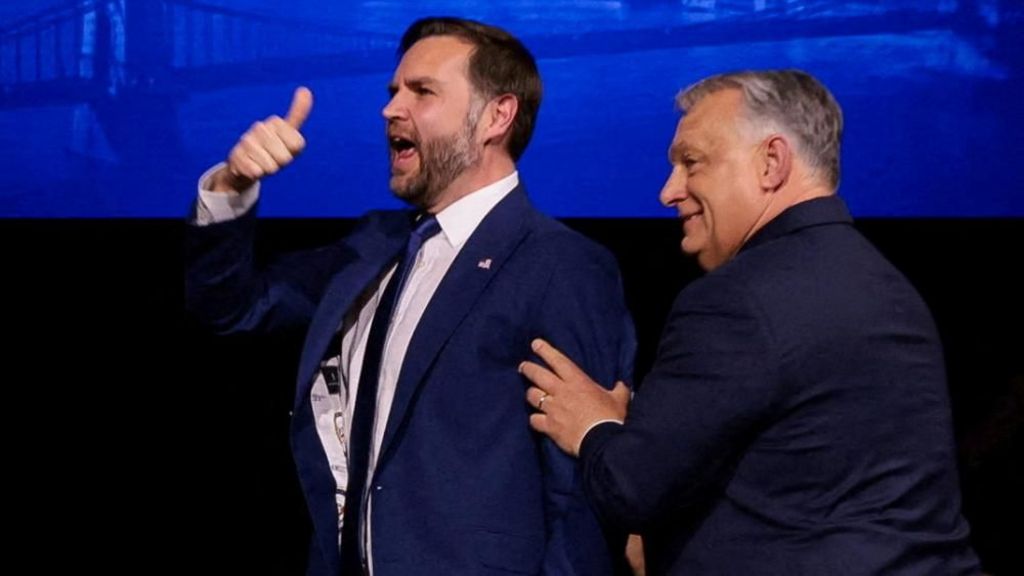
  • JD Vance defends backing ‘great guy’ Orbán after landslide defeat

    JD Vance defends backing ‘great guy’ Orbán after landslide defeat

    Five days after Hungarian opposition leader Péter Magyar’s landslide election victory ousted long-serving Prime Minister Viktor Orbán, U.S. Vice President JD Vance has publicly defended his controversial pre-vote campaign visit to back the incumbent, while signaling willingness to cooperate with the incoming government.

    Vance, who traveled to Hungary to campaign for Orbán just five days before polling day, told Fox News that the visit was fully justified. He described Orbán as a “great guy” who delivered a “very good job” for Hungary, and praised him as one of the only European leaders willing to push back against what he called bureaucratic overreach from the European Union based in Brussels. Though Vance said he was disappointed by Orbán’s electoral defeat, he stressed he remained confident that the U.S. would build a productive working relationship with Magyar and his new Tisza Party administration.

    Magyar, who led Tisza to an unexpected landslide win that ended Orbán’s 12-year consecutive rule, had previously criticized Vance’s intervention, warning ahead of the vote that no foreign nation had the right to interfere in Hungary’s domestic electoral process. But in a conciliatory shift on Monday, Magyar acknowledged that the U.S. remains a critical and powerful NATO ally, and confirmed he would be open to holding talks with U.S. President Donald Trump or any other American official who reaches out.

    In the aftermath of the election, Hungarian politics is moving rapidly toward a transition of power. Orbán will remain in office in a caretaker capacity until Magyar is formally sworn in, and President Tamás Sulyok has called the three party leaders that won parliamentary seats to a meeting scheduled for Wednesday. Under Hungarian constitutional rules, Sulyok is tasked with convening the new parliament and nominating the next prime minister by May 12. However, Magyar has publicly called on Sulyok — whom he has labeled a puppet of the Orbán administration — to carry out these duties as quickly as possible and then step down from office. The incoming prime minister has indicated he expects to take office around May 5, and possibly even earlier. Sulyok’s office has publicly rejected calls for his resignation, but confirmed the meeting Wednesday will focus on setting a timeline for convening the National Assembly and nominating the new head of government.

    In one of his first major policy moves since the election, Magyar announced plans to overhaul Hungary’s state-controlled media landscape. Revealing that he was never granted airtime on public television during his time leading the opposition until an invitation extended Monday morning, just days after he swept Orbán’s Fidesz party from power, Magyar turned down the initial invitation. He pledged to suspend all news programming on Hungary’s public radio and television until structural reforms can guarantee unbiased, independent coverage. Magyar outlined his vision for an independent governing board to oversee state media, modeled on the framework used by the BBC and other established independent public broadcasters across Europe.

    Based on the latest preliminary election results, Tisza secured a two-thirds legislative supermajority with 135 out of 199 parliamentary seats — a threshold that gives the new government the power to amend the constitution and roll back the wide-ranging policy changes enacted during Orbán’s tenure. Magyar has said he expects Tisza’s final seat count will grow once all ballots are counted, expanding its supermajority even further.

    Magyar has laid out an aggressive first 100-day policy agenda rooted in combating the widespread corruption he says flourished under Orbán. He described Hungary as the poorest and most corrupt member state of the European Union, and announced plans to launch two new government bodies: an Anti-Corruption Office and a National Asset Recovery and Protection Office. He also pledged to begin the process of joining the EU’s European Public Prosecutor’s Office, a step Orbán consistently refused to take during his time in office. Under Orbán’s administration, Hungary gained international notoriety for a system of cronyism that directed hundreds of millions in public contracts to politically connected allies, while independent judicial oversight was systematically eroded to undermine the rule of law. Magyar has repeatedly argued that the country was “robbed bare” under Orbán, with billions of euros in public funds disappearing from state contracts, and corruption operating at an industrial scale.

    Magyar’s top immediate priority is unlocking tens of billions of euros in frozen EU funding that was suspended over concerns about rule of law breakdown and democratic backsliding during Orbán’s tenure. An estimated €17 billion in cohesion funding is currently suspended, and Hungary is also awaiting approval for an additional €16 billion in defense-related loans. European Commission President Ursula von der Leyen confirmed Tuesday that she had spoken with Magyar following his election victory, saying the bloc stood ready to begin swift work to restore the rule of law and bring Hungary back into alignment with shared European values.

    The international community is also pushing for a shift in Hungary’s policy on aid to Ukraine, after Orbán imposed a veto on a €90 billion aid package for Kyiv in the weeks leading up to the election. Magyar has indicated the veto is no longer relevant to the incoming government, noting that Hungary already opted out of the latest Ukraine loan package alongside two other EU member states last December. German Chancellor Friedrich Merz has publicly called for the Ukraine aid to be unblocked “very quickly” following the Hungarian government transition. Merz met with Magyar earlier this year in Munich, and Magyar has confirmed Berlin will be one of his first foreign destinations after taking office.

  • Israeli envoy to Italy calls magazine antisemitic over settler violence coverage

    Israeli envoy to Italy calls magazine antisemitic over settler violence coverage

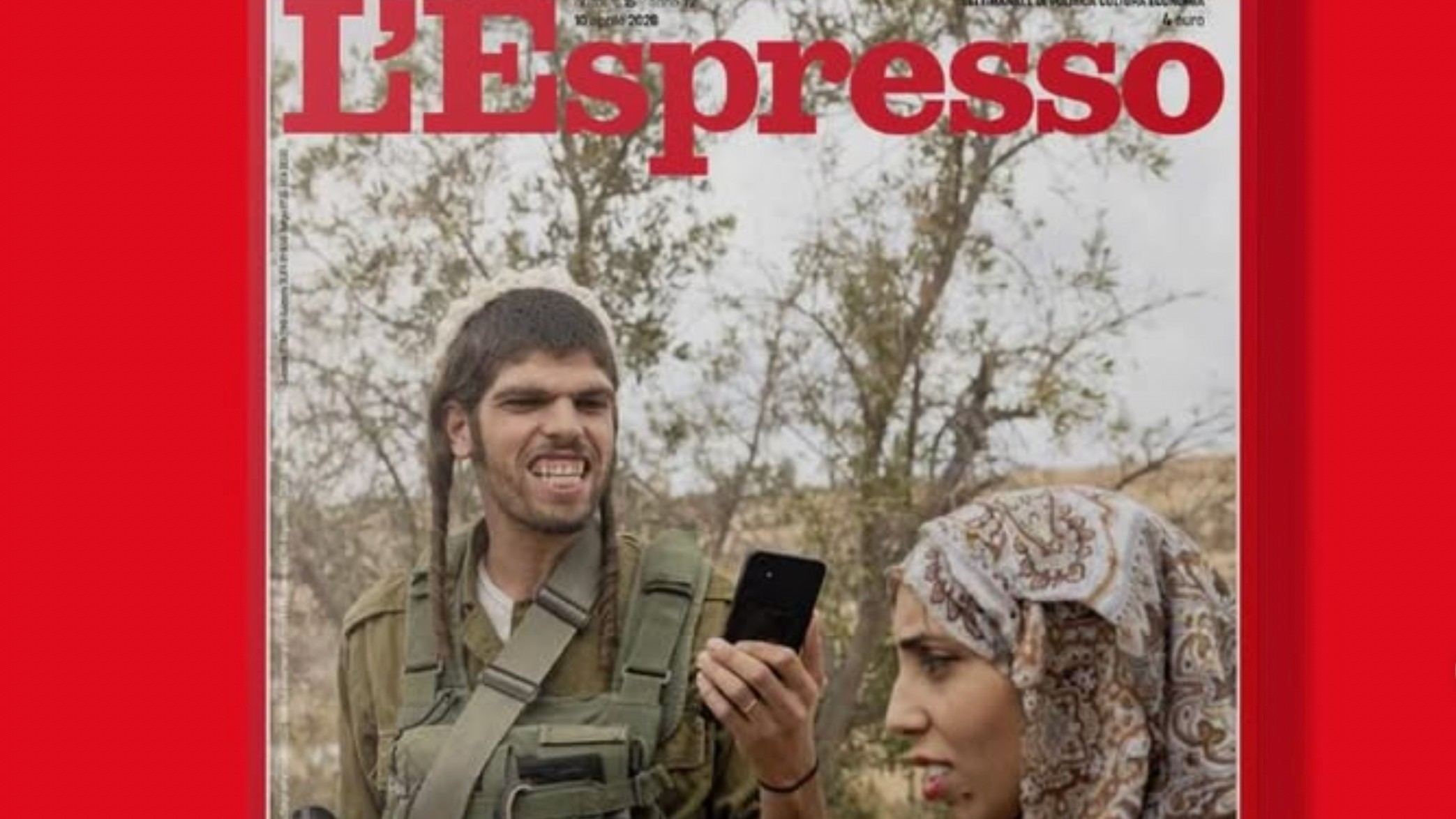
    A heated diplomatic controversy has ignited across European and Middle Eastern media circles after Israel’s ambassador to Rome, Jonathan Peled, launched a scathing attack on a leading Italian current affairs magazine, labeling its recent cover highlighting systematic violence against Palestinian communities in the occupied West Bank as antisemitic and manipulative.

    The April 10 print edition of L’Espresso featured a striking image captured by award-winning Italian photojournalist Pietro Masturzo, paired with the blunt headline “Abuse.” The spread was paired with a months-long investigative project examining the rapid expansion of Israeli settler movements in the occupied territories and its devastating cumulative impact on Palestinian civilian life. The specific photograph at the center of the debate was taken on October 12, 2025, the opening day of the annual olive harvest in Idhna, a small Palestinian village located west of Hebron, as part of Masturzo’s long-form documentary project chronicling daily life under Israeli occupation.

    In a public post on X, Peled condemned the publication’s choice of cover, arguing that the image deliberately distorts the on-ground reality of Israeli security operations. He claimed the spread perpetuates harmful anti-Jewish stereotypes and fuels sectarian hatred, writing that “responsible journalism must be balanced and fair” when covering the Israeli-Palestinian conflict. Going further, the ambassador insinuated without providing any supporting evidence that the image could have been digitally altered to misrepresent events.

    Masturzo, the photographer behind the image, has pushed back forcefully against Peled’s claims, releasing a detailed contextual breakdown of how the photograph was captured. He explained that moments before he took the shot, a group of armed Israeli settlers – one of whom, the figure visible in the frame, was disguised in an Israeli army uniform – backed by active-duty Israeli soldiers with obscured faces, had entered the village to block local Palestinian farmers from accessing their olive groves for the annual harvest. The settler’s confrontational gesture captured in the frame, Masturzo added, was a deliberate act of dehumanization: the man mimicked the call a shepherd uses to gather livestock, speaking to the Palestinian farmers as if they were animals rather than people.

    Variations of the image and other photographs of the same confrontation have already appeared in multiple international outlets, confirming the authenticity of the reporting and the consistency of documentation of settler violence in the region. In an Instagram post defending the decision to publish the image, Masturzo emphasized that the frame captures a widespread reality that global media too often chooses to ignore. He noted that the project is not only intended to expose human rights violations against Palestinians but also to stand in solidarity with Palestinian photojournalists who risk their lives daily to document abuses against their communities.

    The investigative reporting inside the magazine, written by journalist Alae Al Said, draws on first-hand testimonies from Palestinian residents across the Jordan Valley, where settlers backed by Israeli military forces carry out near-daily attacks on civilian communities. One resident, a father of six, described how dozens of settlers stormed his village, destroying local infrastructure, assaulting civilians, demolishing residential structures, and stealing community livestock. In another high-profile case documented in the piece, settlers seized full control of a critical natural water spring that supplies multiple Palestinian villages, with one resident noting that “they’ve colonized all the water sources.”

    The reporting also calls out the international community for its inaction, specifically criticizing recent statements from U.S. Secretary of State Marco Rubio, who voiced vague “concern” over settler violence last month. The magazine dismisses such statements as empty rhetorical gestures that do nothing to hold Israel accountable for its policies in the occupied territories, concluding that the United States remains the primary global backer of the ongoing colonization of Palestinian land, allowing systematic violence to proceed slowly, silently, and relentlessly.

    Online, the controversy has drawn widespread backlash against Peled’s criticism, with thousands of social media users arguing that the image accurately reflects the daily reality of occupation that Palestinians have endured for decades. Many commentators have highlighted the power of the image to convey systemic dehumanization more effectively than longer written reports. One user noted that “With this one photograph you somehow told the story of contempt and impunity more effectively than thousands of existing images of brutal violence. It’s a reminder of the power that photography can still wield, despite everything.” Others have sarcastically echoed the ambassador’s claim, joking that simply documenting on-ground reality in the West Bank is now labeled antisemitic.

    The controversy comes amid a sharp escalation of violence across Palestinian territories since Israel launched its military campaign in Gaza in October 2023. Official data from the Palestinian Health Ministry puts the total number of Palestinians killed in Gaza at more than 72,329, with over 172,000 wounded. In the occupied West Bank alone, Israeli forces and settlers have killed at least 1,050 Palestinians since the war began, according to ministry data. The most recent fatal incident documented came just days ago, when Israeli soldiers beat a 68-year-old Palestinian woman to death during a military raid on her home in Jayyous, a town in the northern West Bank.