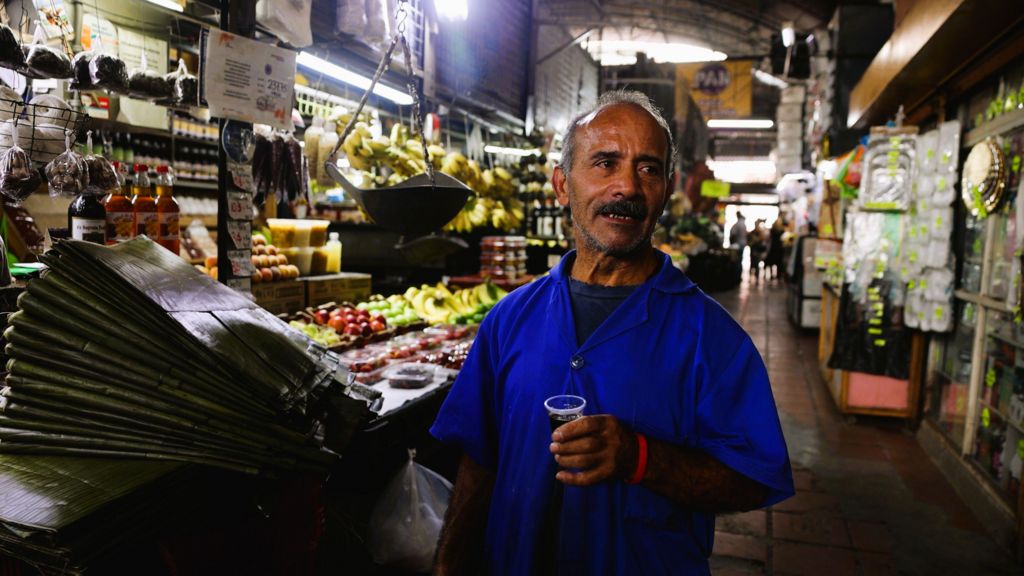
Amid escalating tensions between the United States and Venezuela, ordinary citizens in Caracas are more preoccupied with their daily financial struggles than the specter of a potential US invasion. While President Nicolás Maduro’s government remains on high alert due to military threats from US President Donald Trump, Venezuelans are focused on securing enough money to feed their families. At Quinta Crespo, a bustling market in downtown Caracas, the primary concern is not the geopolitical conflict but the rapid depreciation of the bolívar and soaring food prices. Alejandro Orellano, a vegetable vendor, dismisses the possibility of US intervention, stating, ‘What’s really troubling us is the rise of the dollar.’ The economic crisis has left many unable to afford basic necessities, with a kilo of chicken costing four times the official monthly minimum wage. The International Monetary Fund (IMF) predicts inflation will reach 548% this year, worsening to 629% in 2026. Despite government bonuses, retirees and public workers struggle to cover essential expenses. Consuelo, a 74-year-old retired professor, expresses skepticism about an armed conflict, emphasizing that panic buying is unaffordable for most. The political climate remains tense following the disputed 2024 presidential elections, which led to widespread arrests and international condemnation. Many Venezuelans, like pastry chef Barbara Marrero, live in fear of reprisals for speaking out. While some see a potential US intervention as an opportunity for regime change, others, like Javier Jaramillo, remain focused on the immediate economic crisis. ‘We’re more worried about food,’ he says. ‘Inflation is eating us alive.’ Despite the uncertainty, daily life continues in Caracas, with street vendors and pedestrians navigating the challenges of a nation in turmoil.
分类: world
-
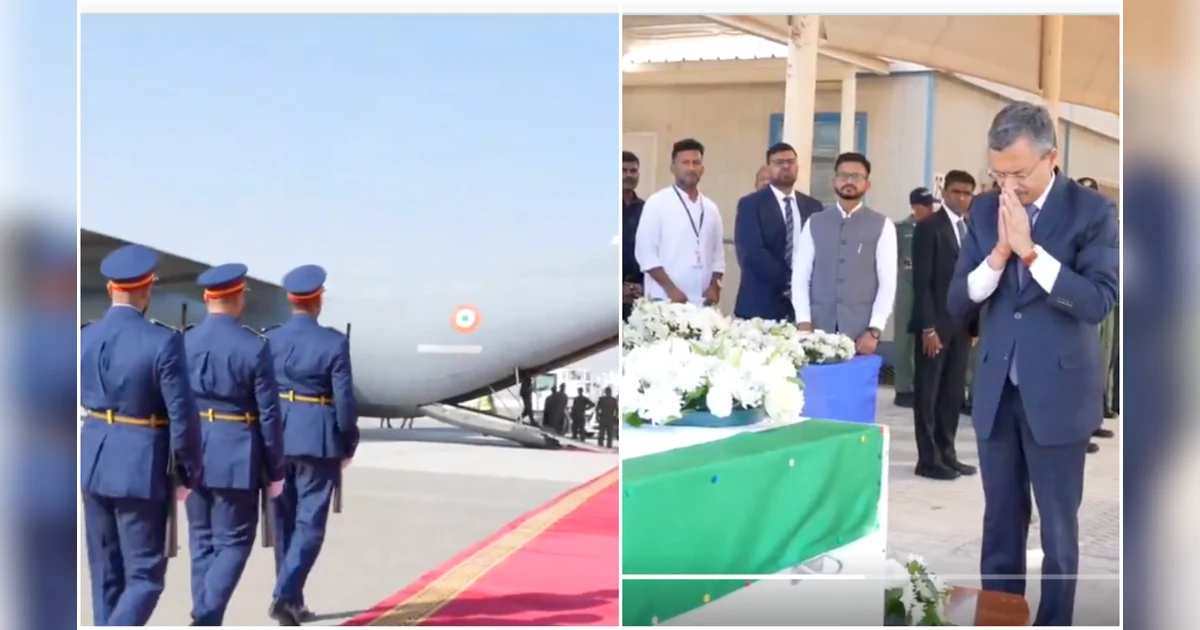
Dubai Airshow crash: IAF pilot’s mortal remains repatriated to India
The Indian Air Force (IAF) pilot, Wing Commander Namansh Syal, who tragically lost his life during the Dubai Airshow crash, was honored by the Emirati Defence Forces with a ceremonial guard of honour. His mortal remains were repatriated to India on November 22, 2025, aboard a special IAF aircraft. The Indian Embassy in the UAE confirmed the solemn event, with Ambassador Deepak Mittal and Consulate General Satish Sivan paying their respects to the late officer. The incident occurred on Friday when the Tejas fighter jet, piloted by Syal, crashed during the airshow. The UAE’s gesture of respect highlights the strong bilateral ties between the two nations. The Indian Embassy shared the news on social media platform X, accompanied by a poignant image of the ceremony.
-
UN climate talks fail to secure new fossil fuel promises
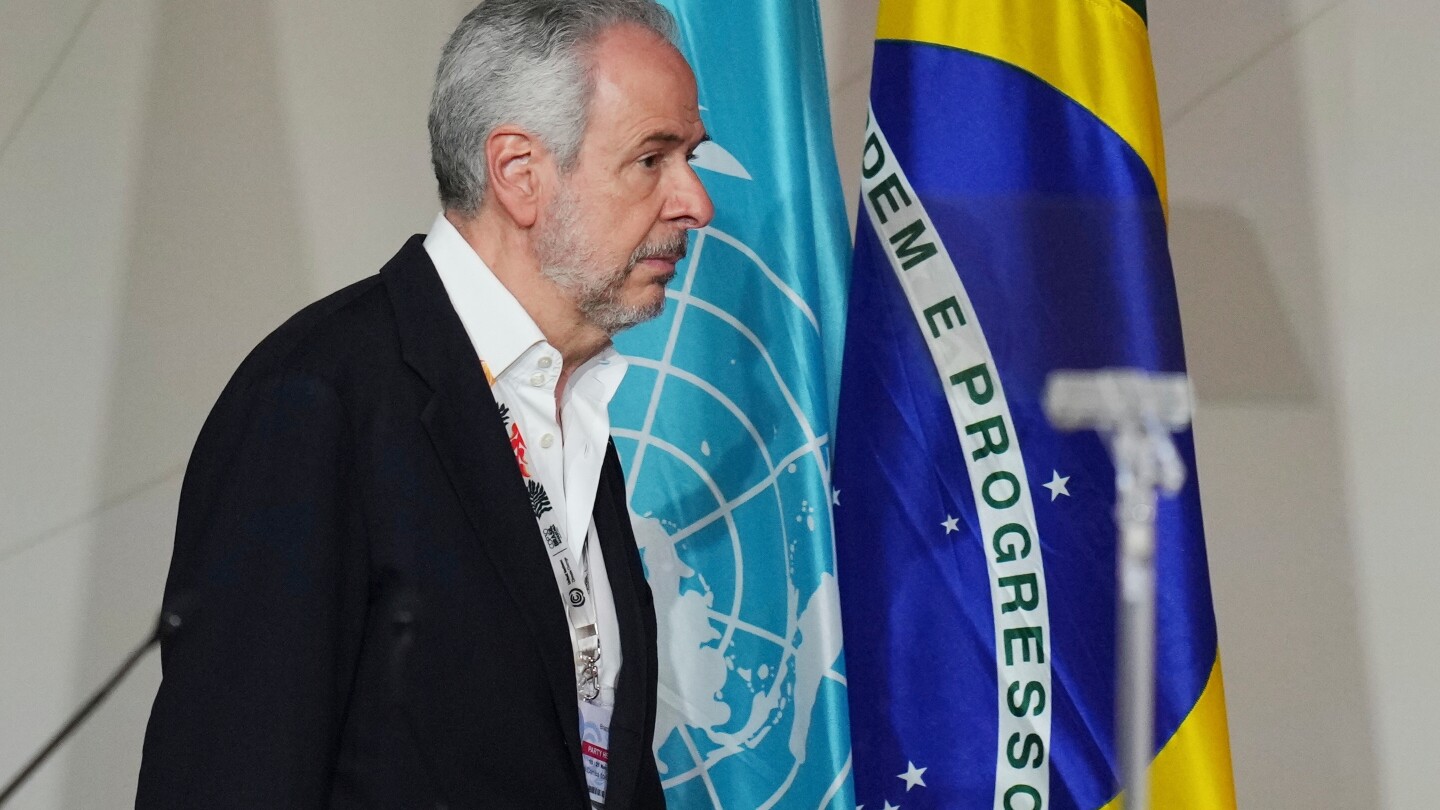
The United Nations Climate Summit, COP30, held in Belém, Brazil, concluded with a contentious agreement that notably omitted direct references to fossil fuels, the primary drivers of global warming. This outcome has left over 80 nations, including the UK and EU, deeply frustrated, as they had pushed for a stronger commitment to phase out oil, coal, and gas. Oil-producing nations, however, successfully defended their stance, arguing for the right to utilize fossil fuel resources to bolster their economies. The summit unfolded against a grim backdrop, with the UN expressing concerns that global efforts to limit temperature rise to 1.5°C above pre-industrial levels have faltered. Colombia’s climate delegate, Daniela Durán González, voiced sharp criticism, emphasizing that fossil fuels account for over 75% of global greenhouse gas emissions and urging the Convention on Climate Change to address this reality. The final agreement, dubbed the Mutirão, encourages countries to voluntarily accelerate efforts to reduce fossil fuel usage. The absence of the US delegation, following President Donald Trump’s decision to withdraw from the Paris Agreement, was a significant blow to negotiations, according to veteran negotiator Jennifer Morgan. Despite the lack of ambition, many countries found solace in the fact that the talks did not collapse or undermine past climate agreements. The summit was marred by logistical challenges, including flooding, a fire, and protests, but also saw progress in climate finance commitments and forest conservation initiatives, such as Brazil’s Tropical Forests Forever Facility, which raised $6.5 billion.
-
Takeaways from the outcome of UN climate talks in Brazil
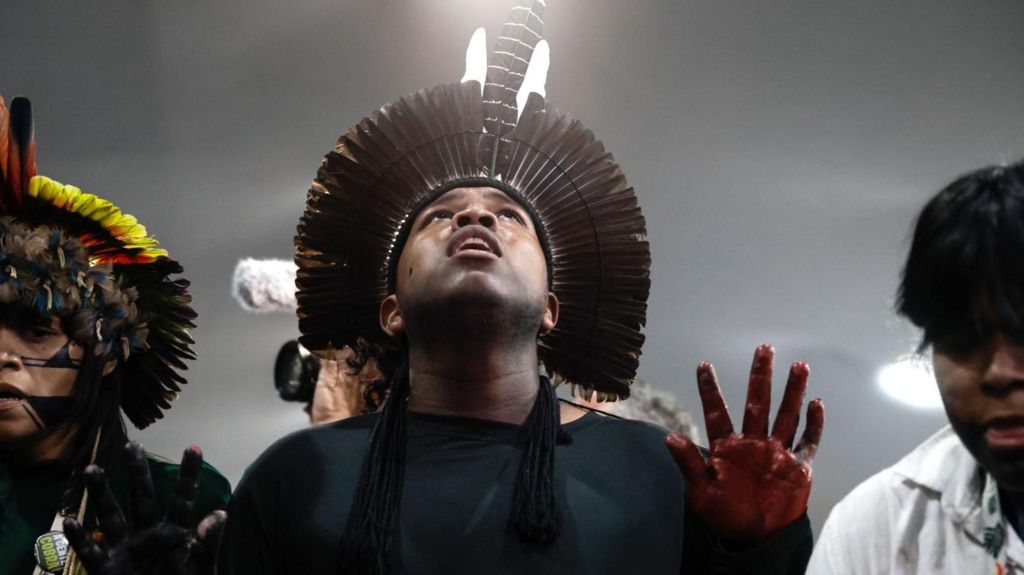
The United Nations climate talks, COP30, concluded in Belem, Brazil, after two weeks of intense negotiations. The conference ended with a compromise that has drawn both criticism and cautious optimism. While the agreement pledges increased financial support for countries vulnerable to climate change, it notably lacks a clear roadmap for phasing out fossil fuels, a critical issue in combating global warming. This omission has sparked frustration among activists, scientists, and Indigenous groups, who argue that the deal falls short of the urgent action needed to address the climate crisis. Despite these shortcomings, the conference achieved some progress, including smaller agreements on energy grids and biofuels. The final document also marked a historic inclusion of Indigenous rights, a significant win for marginalized communities. However, the overall sentiment remains mixed, with many participants expressing disappointment over the lack of bold, transformative commitments. The real test of COP30’s success will be whether its promises translate into tangible actions that protect lives and livelihoods in the face of escalating climate threats.
-

UAE offers condolences to Bangladesh over earthquake victims
The United Arab Emirates has expressed profound sorrow and solidarity with Bangladesh in the wake of a destructive earthquake that claimed lives and caused widespread damage. On November 21, a 5.7-magnitude tremor shook the central region of Bangladesh, resulting in at least three fatalities and numerous injuries, particularly in the densely populated capital, Dhaka. Buildings across various areas sustained significant damage, exacerbating the tragedy. The UAE Ministry of Foreign Affairs extended heartfelt condolences to the families of the victims, the interim government of Bangladesh, and its citizens, while also wishing a swift recovery to those injured. This gesture underscores the UAE’s commitment to fostering international solidarity during times of crisis. The earthquake serves as a stark reminder of the vulnerability of regions prone to seismic activity and the urgent need for robust disaster preparedness measures.
-

‘Nation lost a brave pilot’: India mourns Namansh Syal after Tejas jet crash at Dubai Airshow
India is in mourning following the tragic death of Wing Commander Namansh Syal, a pilot of the Indian Air Force (IAF), who lost his life in a Tejas fighter jet crash during the Dubai Airshow on Friday. The incident has drawn widespread grief and condolences from across the nation and beyond. Syal, a native of Kangra district in Himachal Pradesh, was hailed as a courageous and dedicated officer who embodied the pride of the IAF. His untimely demise has left the nation in shock and sorrow. Himachal Pradesh’s Chief Minister Sukhwinder Sukhu described the news as ‘extremely heartbreaking’ and paid tribute to Syal’s bravery and commitment to national service. Indian actor Kamal Haasan also expressed his condolences, calling Syal ‘a brave son of India taken far too soon.’ The Dubai Media Office confirmed the tragic incident, stating that emergency teams responded swiftly to the crash. The IAF has initiated a court of inquiry to determine the cause of the accident. India’s Chief of Defence Staff, General Anil Chauhan, and the entire Indian Armed Forces expressed deep regret over the incident and extended their support to the bereaved family. The loss of Wing Commander Syal has not only left a void in the IAF but also underscored the risks faced by those who serve in the defense of the nation.
-
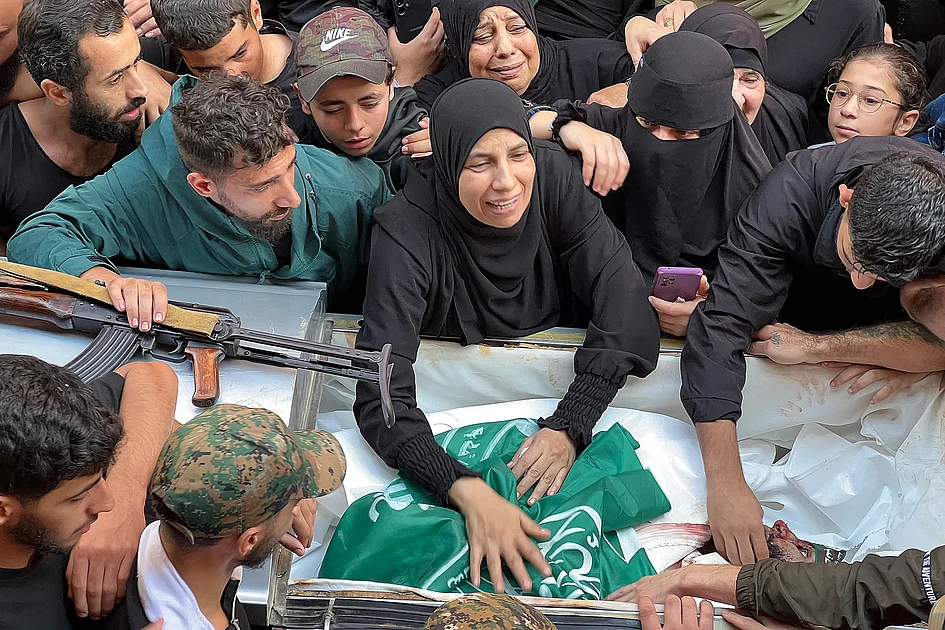
Israeli military kills 13 in Lebanon strike, says ‘Hamas terrorists’ eliminated
In a recent military operation, Israel conducted a targeted strike on the Ain al-Helweh Palestinian refugee camp in southern Lebanon, resulting in the deaths of 13 individuals. The Israeli military claimed that the strike eliminated ’13 Hamas terrorists,’ including Jihad Saidawi, who was allegedly involved in training militants to carry out attacks against Israel from Lebanese territory. However, Lebanese authorities reported that the strike killed at least 13 people without specifying their identities. Hamas, the Palestinian militant group, disputed Israel’s claims, stating that the targeted site was an open sports field frequented by young boys and described the incident as a ‘horrific massacre’ of innocent civilians. The Ain al-Helweh camp, located near the coastal city of Sidon, is the largest Palestinian refugee camp in Lebanon. This strike occurred despite a ceasefire agreement reached in November 2024, which aimed to end hostilities between Israel and Hezbollah, a Hamas ally. The Israeli military defended its actions, accusing terrorist organizations of exploiting civilian infrastructure in Palestinian camps. The incident has reignited tensions in the region, raising concerns about the potential for further escalation.
-
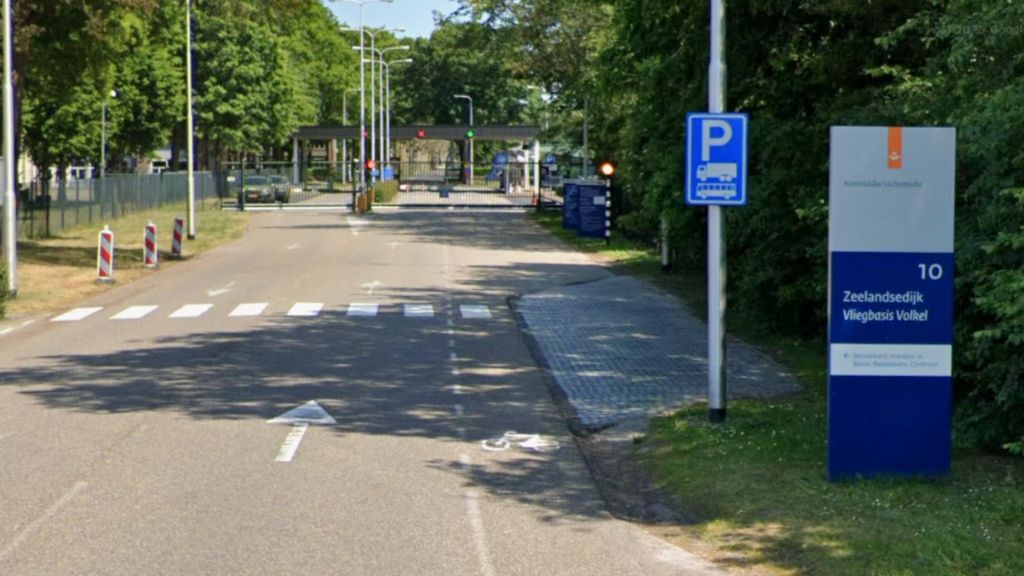
Drones spotted near Dutch military base
Unidentified drones were reported hovering over Volkel Air Base, a key NATO military installation in the Netherlands, prompting heightened security measures. The incident occurred between 19:00 and 21:00 local time on Friday, with Dutch military personnel deploying weapons in an attempt to intercept the drones. However, the devices reportedly departed and were never recovered, leaving authorities without concrete evidence of their origin. This event is part of a broader pattern of drone sightings across northern Europe, including Belgium, Denmark, and Germany, which have disrupted air traffic and raised significant security concerns. While some European officials have suggested these incidents could be linked to “hybrid warfare” tactics by Russia, the Kremlin has consistently denied any involvement. In response, defense ministers from 10 EU countries have agreed to establish a “drone wall” to enhance surveillance and countermeasures. The Netherlands, along with its NATO allies, continues to investigate the incidents, but the lack of evidence has complicated efforts to identify the perpetrators or their motives.
-
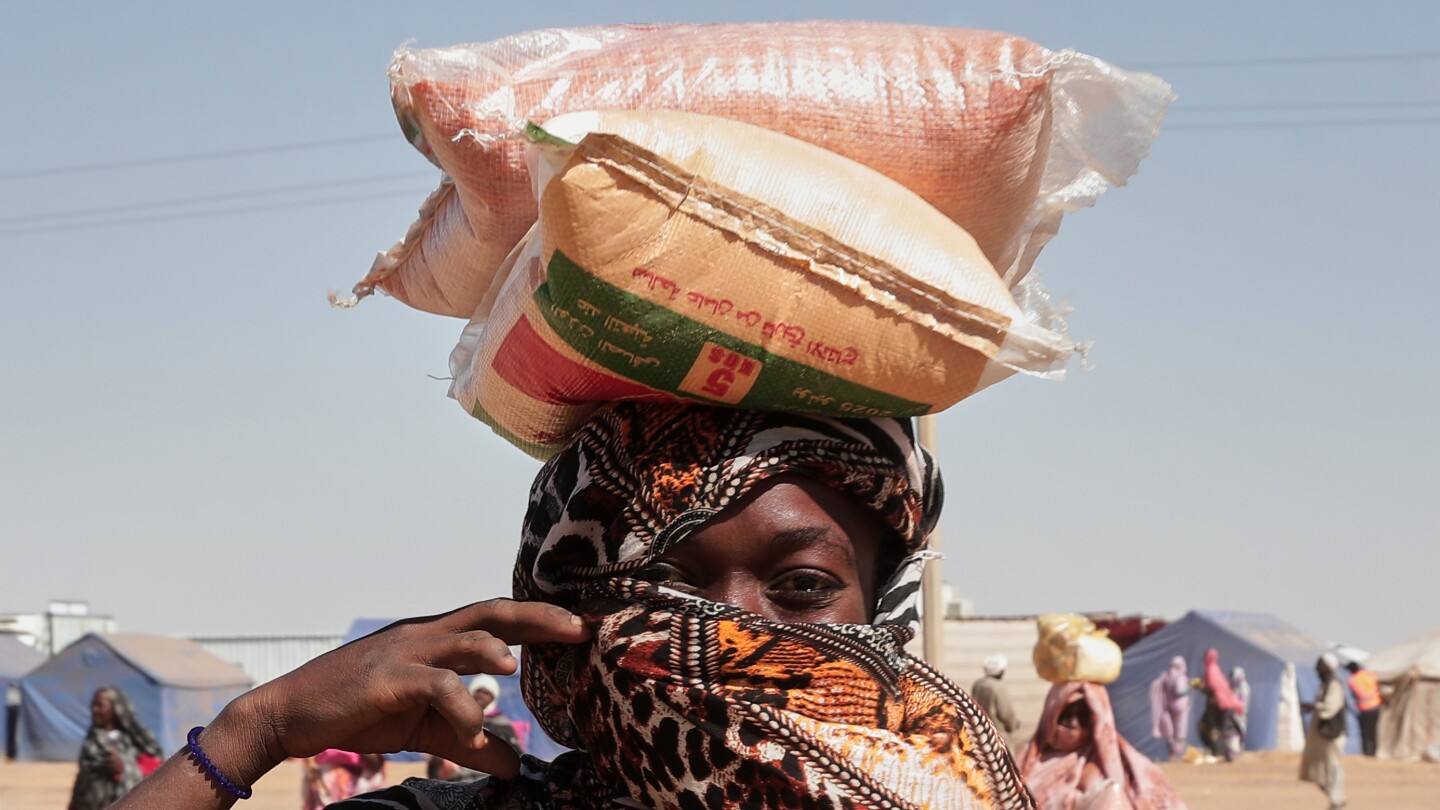
23 children die of malnutrition within a month in Sudan’s Kordofan region
In a tragic revelation, nearly two dozen children have succumbed to malnutrition-related causes in central Sudan over the span of a month, according to a medical group. The deaths occurred in the Kordofan region, a focal point of the ongoing conflict between Sudan’s military and the paramilitary Rapid Support Forces (RSF). This grim statistic highlights the escalating humanitarian catastrophe in the northeastern African nation, where famine is spreading after more than 30 months of relentless warfare. The conflict, which erupted in April 2023 following a power struggle between the military and the RSF, has claimed over 40,000 lives, according to U.N. estimates, though aid organizations believe the actual toll is significantly higher. The war has displaced over 14 million people, triggered disease outbreaks, and pushed parts of the country into famine. As of September, approximately 370,000 people in Kordofan and Darfur were classified as experiencing famine, with an additional 3.6 million teetering on the brink. The Sudan Doctors Network reported that the 23 children died between October 20 and November 20 in the besieged city of Kadugli and the town of Dilling, attributing the deaths to severe acute malnutrition and shortages of essential supplies. Kadugli, the capital of South Kordofan province, has been under blockade for months, preventing the entry of food and medicine and endangering thousands of civilians. Dilling, also in South Kordofan, faces similar conditions, though famine has not been officially declared due to insufficient data. The RSF’s aggressive campaign in Kordofan and el-Fasher has exacerbated the crisis, with tens of thousands fleeing reported atrocities, including mass killings and sexual assaults. Satellite images from the Yale School of Public Health’s Humanitarian Research Lab suggest ongoing efforts by the RSF to dispose of bodies in el-Fasher, raising grave concerns about the fate of civilians remaining in the city.
-

Direct dialogue on climate change stressed
Former US climate envoy John Kerry has emphasized the critical need for direct dialogue between the United States and China to address global climate change. Speaking at a Council on Foreign Relations event in New York City, Kerry highlighted the indispensable role China plays in achieving global climate goals. ‘You can’t really make anything happen if China isn’t on board,’ he stated. The discussion took place during the United Nations climate change conference in Belem, Brazil, where nearly 200 countries are working to enhance multilateral climate action, despite the US’s absence. Kerry pointed to past successes, such as the US-China joint announcement that led to the Paris Agreement in 2015, as evidence of the power of bilateral cooperation. He also noted that China’s emissions could decline sooner than expected, despite maintaining its 2030 carbon peak and 2060 carbon neutrality targets. Kerry acknowledged China’s recent coal construction but explained it as a safeguard against potential electricity shortages. Vijay Vaitheeswaran of The Economist praised China’s clean-energy expansion, calling it ‘a gift to the planet’ and highlighting the global impact of inexpensive Chinese solar, wind, and battery technologies.