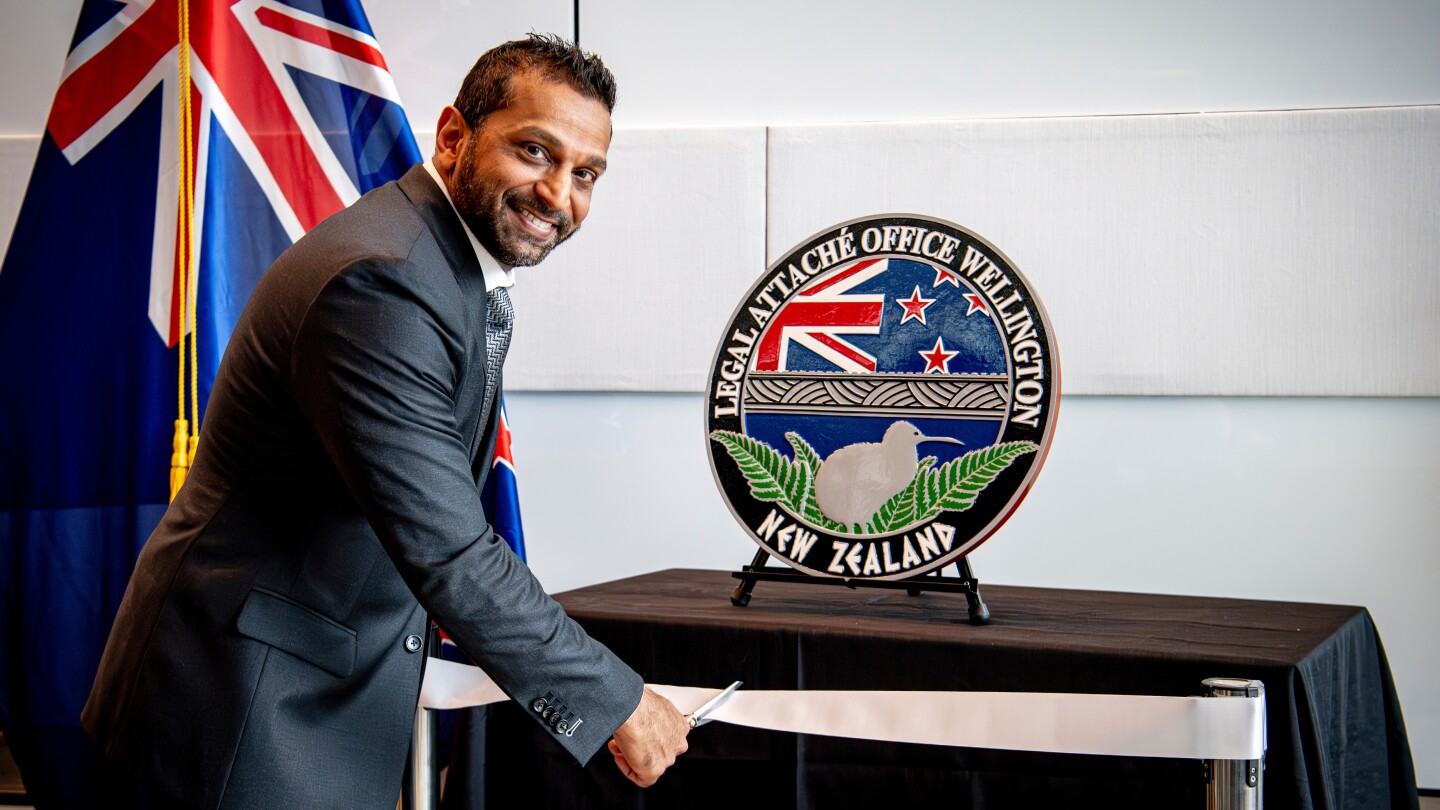
In a surprising turn of events, FBI Director Kash Patel’s gift of 3D-printed replica revolvers to senior New Zealand security officials has raised eyebrows and legal concerns. The gifts, inspired by toy Nerf guns and popular among amateur 3D-printed weapons enthusiasts, were identified as the Maverick PG22 model. These pistols, though initially inoperable, could easily be modified to function, according to experts. Under New Zealand’s stringent gun laws, such weapons are treated as functional firearms, requiring specific permits for possession. The officials, including New Zealand’s police and spy chiefs, voluntarily surrendered the gifts for destruction to comply with local regulations. Patel, the highest-ranking Trump administration official to visit New Zealand, was in Wellington to inaugurate the FBI’s first standalone office in the country. A spokesperson for Patel did not respond to requests for comment. The incident has highlighted the complexities of international relations and the strict gun control measures in New Zealand, especially in the wake of the 2019 Christchurch mosque shootings.
分类: world
-
Russia strikes Ukraine’s capital despite US peace push
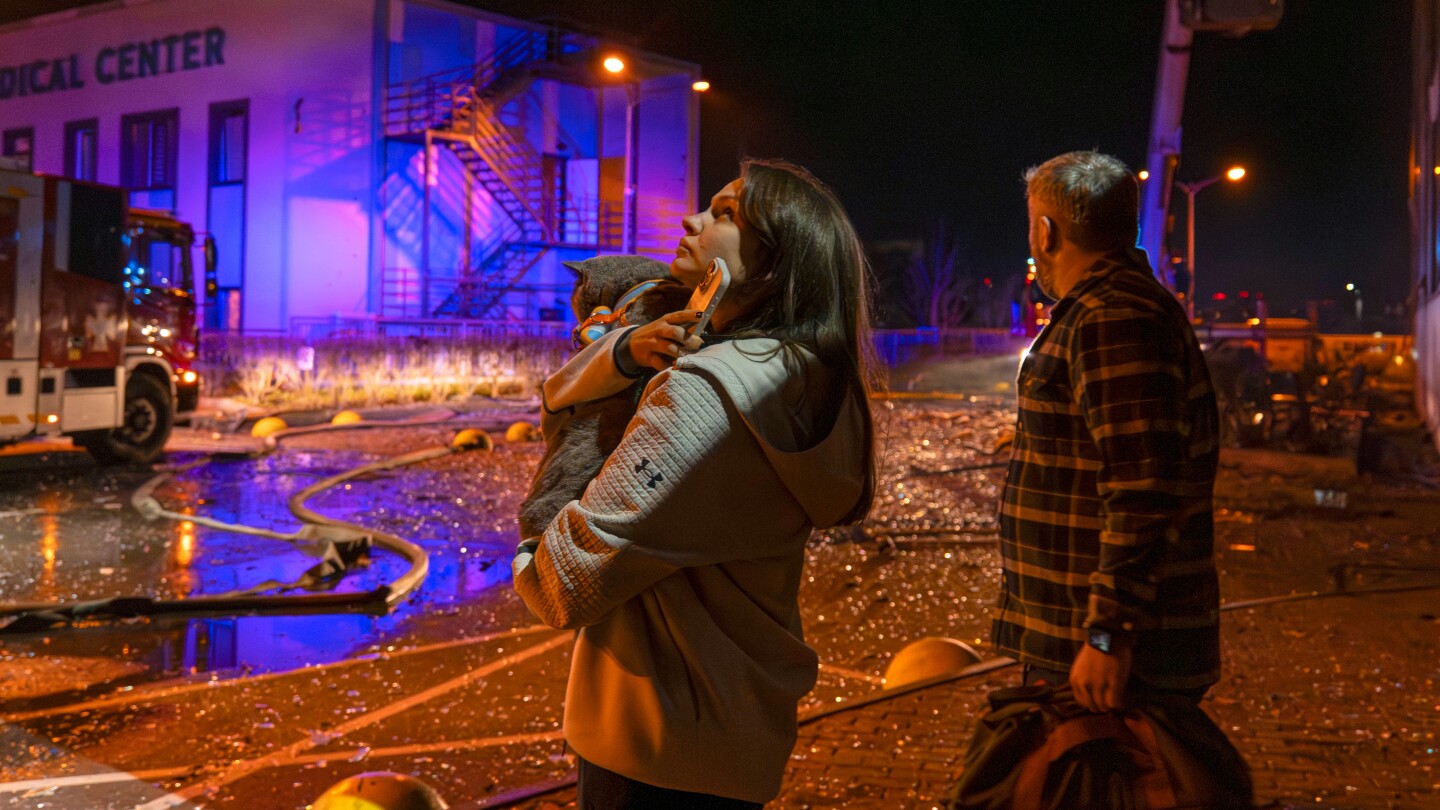
Early Tuesday, Russia intensified its assault on Ukraine’s capital, Kyiv, targeting residential areas and energy infrastructure. According to video evidence and local officials, a residential building in the central Pechersk district and another in the eastern Dniprovskyi district sustained severe damage. Mayor Vitalii Kitschko confirmed the incidents, while footage on Telegram depicted a massive fire engulfing multiple floors of a nine-story building in Dniprovskyi. At least four individuals were injured, as reported by Kyiv city administration head Tymor Tkachenko. Ukraine’s energy ministry acknowledged strikes on energy infrastructure but did not provide details on the extent of the damage. This aggressive move by Russia followed recent discussions between U.S. and Ukrainian representatives in Geneva regarding a U.S.-Russia mediated peace plan. Oleksandr Bevz, a Ukrainian delegate, described the talks as “very constructive,” noting progress on most issues. However, Kremlin spokesperson Dmitry Peskov stated on Monday that Russia had not yet reviewed the updated peace proposal.
-

Decades-long efforts to send uncensored foreign news into North Korea face major setbacks
In a bold effort to provide uncensored news to North Korea, Lee Si-young and her team at Free North Korea Radio (FNK) broadcast foreign news into the authoritarian state for two hours daily. Despite the risks—North Koreans caught listening could face imprisonment—the Seoul-based station has persisted for two decades. However, Lee now faces a crisis as major U.S. and South Korean government-funded broadcasters, including Voice of America and Radio Free Asia, have ceased operations due to funding cuts and policy shifts. These suspensions have left FNK as one of the few remaining sources of outside information for North Korea’s 26 million citizens. Lee, a defector who leads the small NGO, expressed growing frustration with the U.S. and South Korean governments, fearing they have abandoned North Koreans. The station’s survival is critical, as North Korea’s state-controlled media restricts access to independent news. Defectors have testified to modifying radios or using smuggled devices to access foreign broadcasts, which offer perspectives on the Kim dynasty, Western lifestyles, and defector success stories. However, a recent assessment by 38 North, a respected academic website, revealed that outside radio broadcasting into North Korea has declined by 85% following U.S. and South Korean funding cuts. Despite these challenges, Lee Young-hyeon, a defector-turned-lawyer, launched a website and mobile app targeting North Koreans abroad, aiming to provide practical content and foster awareness of global freedoms. Observers remain skeptical of North Korea easing its strict internet restrictions, given its oppressive laws against foreign cultural influences. Meanwhile, defectors like Kim Ki-sung attest to the transformative power of foreign broadcasts, which influenced their decisions to flee. FNK remains committed to its mission, believing even one listener in North Korea justifies their efforts.
-
Haytham Ali Tabatabai: The Hezbollah commander who cut his teeth in Syria and Yemen
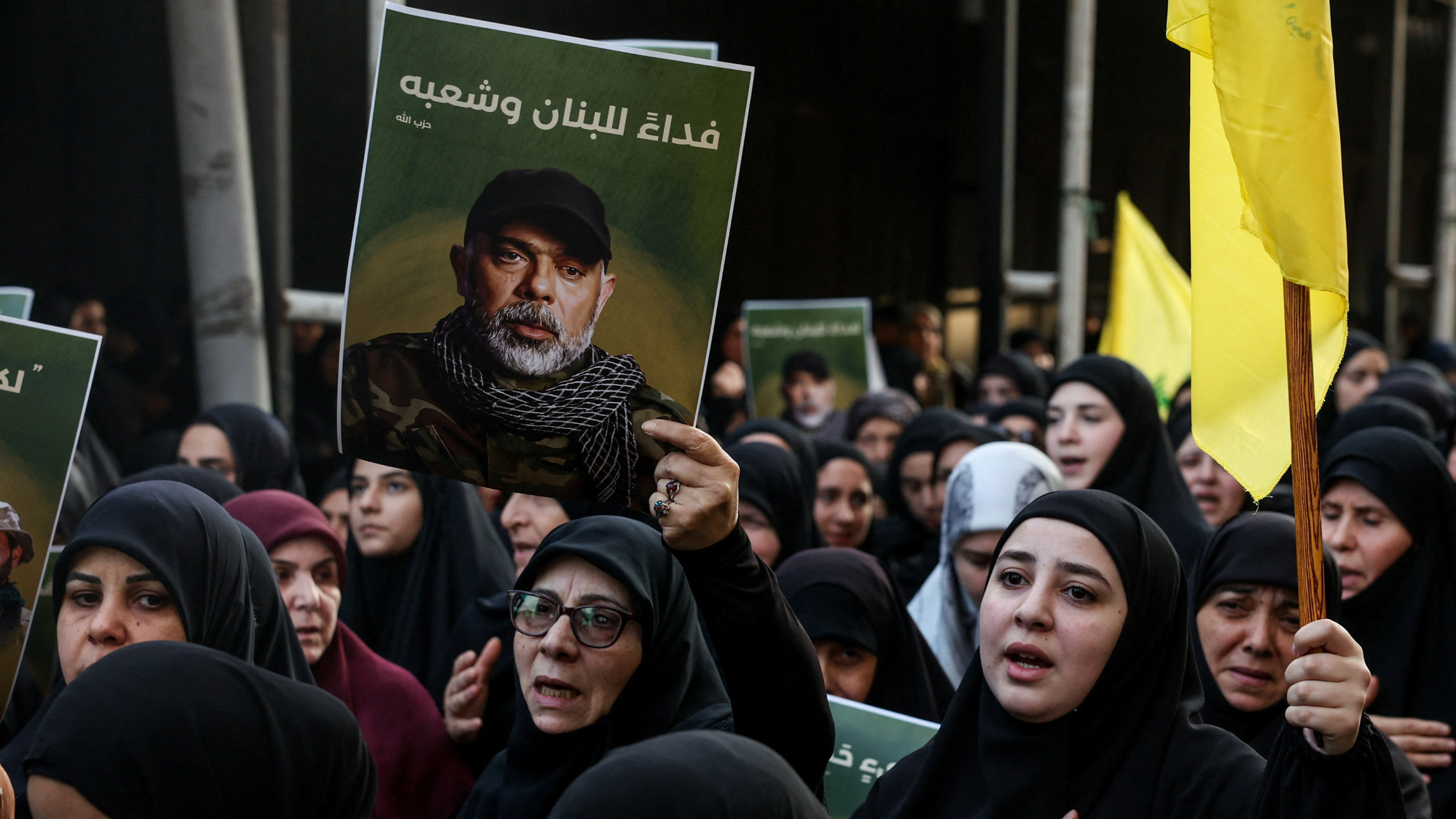
In a significant escalation of tensions, Israel conducted its first strike on Beirut since June, targeting and killing Haytham Ali Tabatabai, Hezbollah’s most senior military figure. This marks the highest-ranking Hezbollah official to be eliminated since the ceasefire in Lebanon was established a year ago. Tabatabai, also known as Abu Ali, had risen through the ranks to become Hezbollah’s top military chief after Israel decimated much of the group’s senior leadership. During last year’s conflict, he headed Hezbollah’s operations division and was later appointed chief of staff following the ceasefire. Hezbollah mourned him as a foundational leader who ensured the group’s strength and victories. The Israeli military stated that Tabatabai had been instrumental in restoring Hezbollah’s readiness for war. Born of Iranian and Lebanese descent, Tabatabai joined Hezbollah in the 1980s, holding various senior positions, including leadership of the elite Radwan Force. He played a pivotal role in military operations against Israel since the 1990s, including the 2006 war, and later oversaw Hezbollah’s interventions in Yemen and Syria. The US had designated him a terrorist in 2016, offering a $5 million reward for information. His assassination has sparked warnings from Hezbollah, with the group’s executive council head, Ali Damoush, stating that Israel had made a grave mistake. The strike, which hit a densely populated area in Beirut’s southern suburbs, killed five and wounded 28. Lebanese security analyst Ali Rizk views this as part of a broader Israeli escalation, highlighting Israel’s intelligence superiority and its strategy to weaken Hezbollah without engaging in full-scale war. Recent weeks have seen increased Israeli operations in Lebanon, with over 300 killed since the ceasefire, including civilians. Israel’s actions, including occupying strategic positions and conducting daily raids, aim to prevent Hezbollah from rebuilding its military capabilities. Despite Hezbollah’s reduced arsenal and leadership losses, Israeli officials remain cautious of the group’s potential to inflict damage. Rizk concludes that Israel seeks unrestrained operational freedom in Lebanon, mirroring its actions in southern Syria.
-
BBC is not ‘institutionally biased’, says author of critical memo
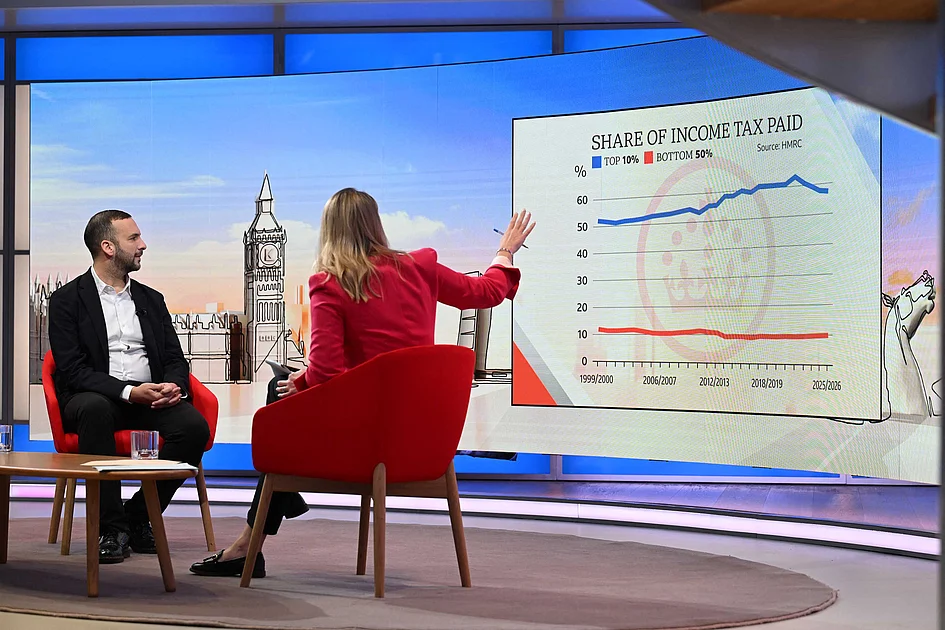
The BBC has been exonerated from claims of institutional bias by the very author of a damning report that had previously thrown the broadcaster into turmoil. Michael Prescott, a former editorial adviser, compiled a comprehensive dossier highlighting several issues within BBC News, including mishandling in the editing of a Trump speech, accusations of bias in its coverage of the Israel-Hamas conflict, and contentious reporting on transgender issues. Despite the severe repercussions of the leaked report—which led to the resignations of Director General Tim Davie and head of news Deborah Turness, as well as a $5 billion lawsuit threat from former President Trump—Prescott maintains that the BBC is not inherently biased. Speaking to a committee of lawmakers, Prescott acknowledged the BBC’s world-class factual and non-factual programming and praised its political reporting from Westminster. He emphasized that his memo was intended to address systemic issues and spur improvements, not to condemn the institution. Prescott also shared his findings with the Department of Media and Ofcom, the media regulator, to ensure the corporation could better handle bias-related concerns.
-

Rivers of salt: Life on Bangladesh’s climate frontline
In the coastal regions of Bangladesh, where the mighty rivers of the Himalayas meet the sea, life is intricately tied to water. However, the escalating impacts of climate change are transforming this vital resource into a source of hardship. Rising sea levels and increasingly severe storms are driving saltwater inland, contaminating wells and lakes, and rendering once-fertile land barren. For millions of people living in the ecologically fragile deltas of mudflats and mangrove forests, accessing clean drinking water has become a daily struggle. The 2009 Cyclone Aila marked a turning point, as breached embankments allowed saltwater to flood homes and farmland, leaving behind a legacy of salinity and displacement. Today, communities in the Khulna and Satkhira districts navigate a precarious existence. Families live in bamboo-stilted houses to escape tidal floods, while children grow up in a landscape of constant erosion and displacement. Men often migrate for work, leaving women and children to walk for hours across cracked, parched soil to fetch water from distant ponds or rely on rainwater stored in charity-supplied tanks. Each household carefully rations its limited water supply, enduring the daily ritual of collection and storage. This story is part of a photography series by Muhammad Amdad Hossain, supported by AFP’s 2025 Marai Photo Grant, which highlights the impact of climate change on daily life in South Asia. The grant honors Shah Marai, the former AFP photo chief in Kabul, who was killed in a 2018 suicide attack.
-

Kerala-UAE flight diverted due to ash clouds from Ethiopia volcano eruption
A significant volcanic eruption in Ethiopia has caused widespread disruptions to air travel across Asia and the Middle East, forcing airlines to reroute flights and authorities to monitor the situation closely. The Hayli Gubbi volcano, located in Ethiopia’s Afar region, erupted on Sunday, November 23, 2025, for the first time in nearly 12,000 years. The eruption sent massive ash clouds soaring up to 14 kilometers into the atmosphere, which subsequently drifted over Yemen, Oman, India, and northern Pakistan. One notable incident involved an Abu Dhabi-bound Indigo flight, which was diverted to Ahmedabad, Gujarat, after departing from Kannur, Kerala. The airline confirmed that all passengers landed safely and arrangements are being made to return them to their original destination. Indian authorities and airlines, including low-cost carrier Akasa Air, are actively assessing the impact of the volcanic activity on flight operations, particularly in regions like Delhi and Jaipur. Akasa Air emphasized its commitment to passenger safety, stating that it is closely monitoring the situation and adhering to international aviation advisories. The Hayli Gubbi volcano, situated approximately 800 kilometers northeast of Addis Ababa near the Eritrean border, lies within the geologically active Rift Valley, where two tectonic plates converge. The Smithsonian Institution’s Global Volcanism Program highlighted the rarity of this eruption, as Hayli Gubbi has no recorded activity during the Holocene epoch. Meanwhile, Oman issued an advisory regarding potential air quality impacts from the volcanic emissions, though no significant rise in pollutant levels has been detected so far.
-
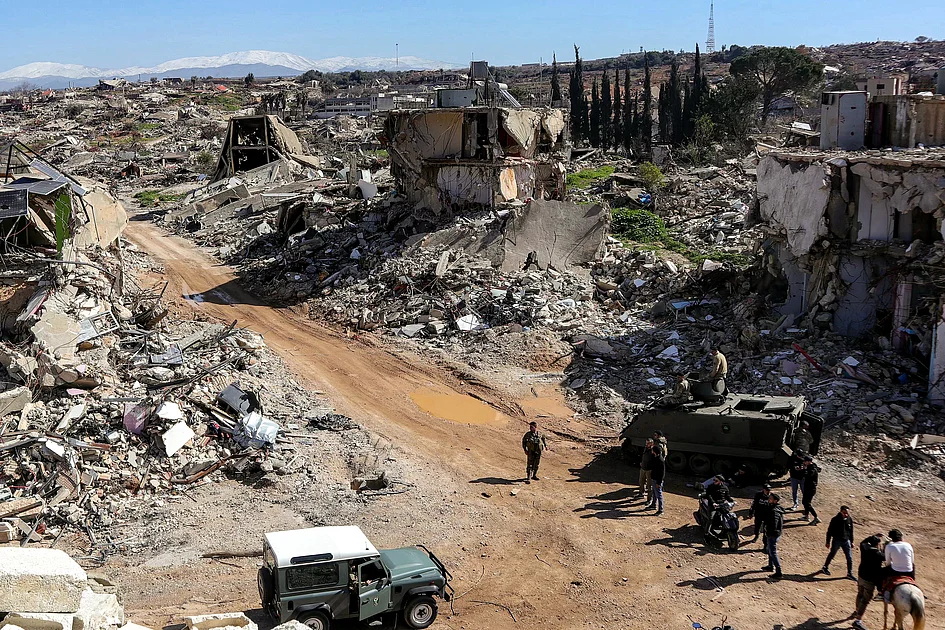
Hezbollah mourns top commander killed in Israeli strike
Hezbollah, the Iran-backed militant group, held a funeral on Monday for its top military commander, Haytham Ali Tabatabai, and other members killed in an Israeli strike on Beirut’s southern suburbs. Tabatabai, the most senior Hezbollah leader to be assassinated since a November 2024 ceasefire, was targeted as Israel intensified its attacks on Lebanon. The United States has simultaneously increased pressure on the Lebanese government to disarm Hezbollah, further complicating the region’s fragile stability. Israel’s military confirmed the operation, stating it had “eliminated the terrorist Haytham Ali Tabatabai, Hezbollah’s chief of general staff.” The strike has reignited tensions, with Hezbollah supporters chanting anti-Israel and anti-American slogans during the funeral procession. The group has rejected calls to disarm, despite a government-approved plan to dismantle its military infrastructure. Israeli Prime Minister Benjamin Netanyahu vowed to prevent Hezbollah from rebuilding its power, urging Lebanon to fulfill its disarmament commitments. Analysts suggest Hezbollah’s options are limited, as direct retaliation could provoke severe Israeli counterstrikes. The assassination underscores the ongoing volatility in the region, with Lebanon’s government struggling to balance internal pressures and external demands.
-
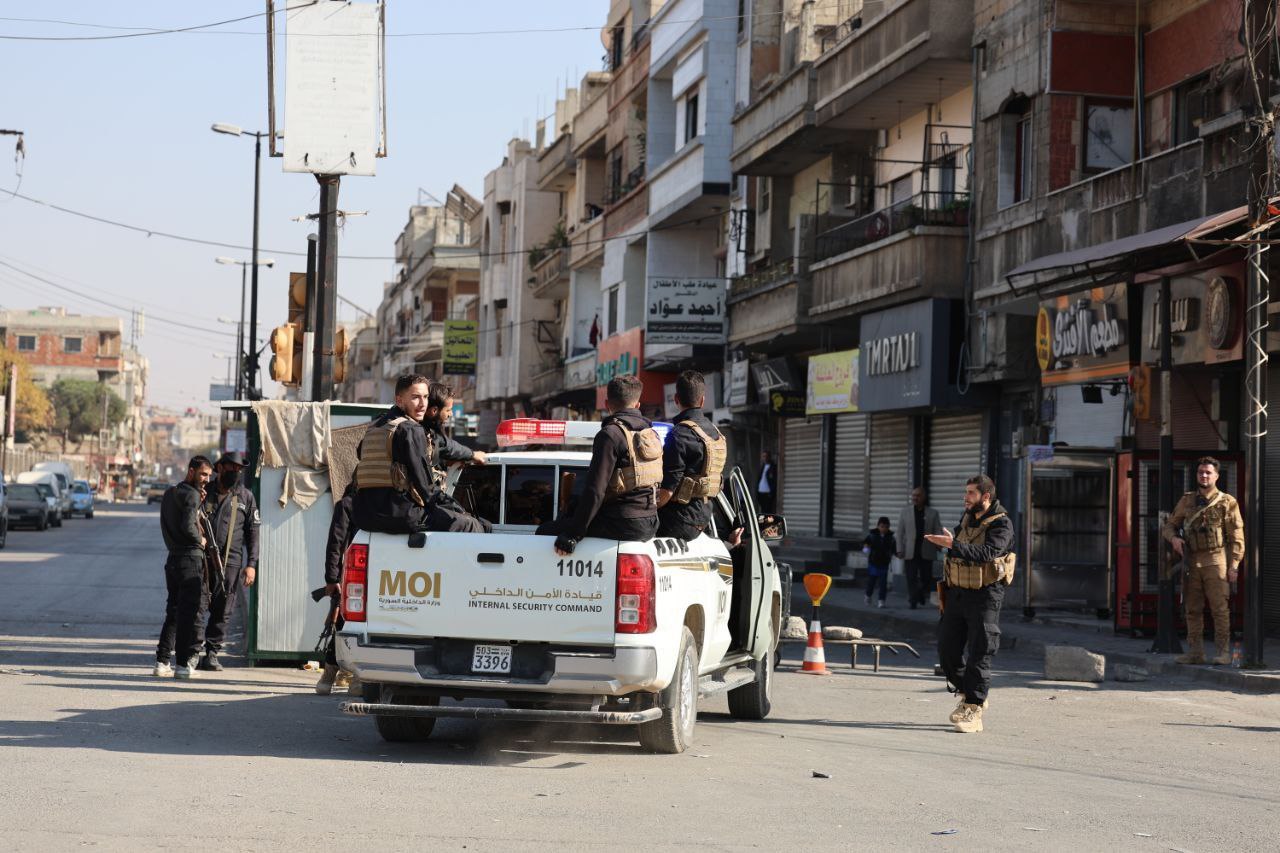
Syria: Tensions flare in Homs after killing of Bedouin couple sparks sectarian unrest
A tragic incident in the central Syrian city of Homs has sparked a wave of sectarian violence, threatening the fragile stability of the region. On Sunday, the brutal killing of a Sunni Bedouin man and his wife in the town of Zaidal, located 7km east of Homs, ignited widespread unrest. According to the state-run SANA news agency, the man was stoned to death, while his wife was burned alive. Disturbingly, sectarian slogans and threats were reportedly scrawled on walls at the scene, allegedly using the victims’ own blood.
In the aftermath, armed members of the Bani Khaled tribe, to which the victims belonged, launched retaliatory attacks in Alawi-majority areas of Homs. Reports from the UK-based Syrian Observatory for Human Rights detailed the destruction of homes and vehicles, accompanied by indiscriminate gunfire. Social media videos captured the chaos, showing Bedouin tribesmen setting properties ablaze, while plainclothed security forces assisted Alawi residents in evacuating their neighborhoods.
Local authorities swiftly imposed a curfew, later extended to Monday evening, in an effort to quell the violence. By 16:00 GMT Monday, SANA reported that the unrest had subsided. Syria’s interior ministry appealed for calm, urging residents to allow the investigation into the killings to proceed without interference. Interior ministry spokesman Noreddine al-Baba emphasized that there was ‘no material evidence’ to suggest the killings were sectarian in nature. Similarly, Murhaf al-Naasan, head of Homs’ internal security forces, warned that the incident appeared to be an attempt to incite sectarian divisions and destabilize the region.
Homs, Syria’s third-largest city, is home to a diverse population of Sunni and Shia Muslims, Alawis, and Christians. The city had largely avoided the sectarian violence that erupted in March, when clashes between government loyalists and new security forces led to hundreds of Alawi deaths. In a video released on social media, members of the Bani Khaled tribe called for a thorough investigation and justice for the victims, while rejecting efforts to frame the incident as a sectarian conflict.
This tragic event underscores the delicate balance of coexistence in Homs and the broader challenges facing Syria as it navigates its complex social and political landscape.
-
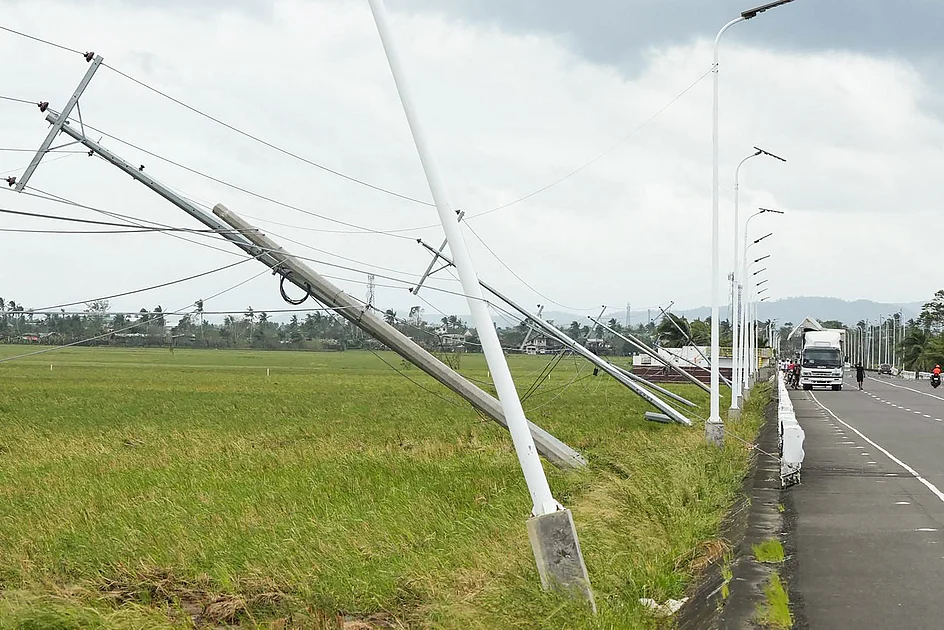
Philippines suspends classes on November 25 due to tropical depression Verbena
The Philippines has suspended classes across multiple regions on November 25 due to the impact of Tropical Depression Verbena, which made landfall in Bayabas, Surigao del Sur, at 1:30 PM local time on Monday. The Philippine Atmospheric, Geophysical and Astronomical Services Administration (Pagasa) confirmed the storm’s arrival, prompting immediate precautionary measures. Regions affected include Bicol and Western Visayas, where educational institutions have either canceled classes or shifted to alternative learning modalities. Signal No. 1 has been raised in numerous areas across Luzon, Visayas, and Mindanao, indicating potential risks from strong winds and heavy rainfall. Authorities are urging residents to remain vigilant as the storm continues its trajectory. This suspension aims to ensure the safety of students and staff amidst the adverse weather conditions.