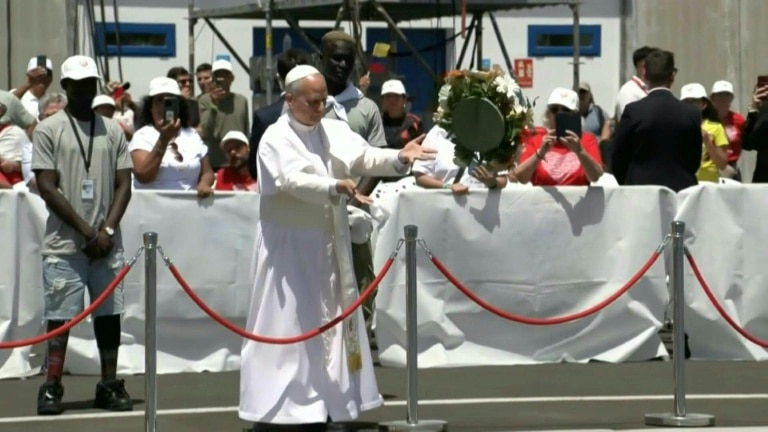
Pope Leo XIV is wrapping up his official visit to Spain this Friday, centering the final day of his trip on the urgent humanitarian crisis facing irregular migrants crossing to Europe, with scheduled meetings with displaced people and an open-air mass on the Atlantic island of Tenerife. As the spiritual leader of 1.4 billion Catholics around the globe, his closing appearances reinforce a clear message: the world must step up support for vulnerable migrants and crack down on the ruthless human trafficking networks that profit from irregular migration, a topic that remains one of the most divisive issues in contemporary European political debate. Tenerife forms part of Spain’s Canary Islands archipelago, a primary Atlantic entry point for tens of thousands of people fleeing poverty, conflict and instability in Africa and the Middle East who seek new, better lives in the European Union. On Friday, the pope will first address hundreds of migrants staying at the Las Raices migrant facility, a converted former military barracks that previously drew widespread public criticism for severe overcrowding and poor living conditions. Following that meeting, he will lead a large open-air mass for tens of thousands of worshippers gathered in Santa Cruz de Tenerife’s main port. The final leg of the papal trip began Thursday, when the pope arrived on Gran Canaria, another major island in the archipelago, after completing earlier visits to the Spanish mainland cities of Madrid and Barcelona earlier in the week. During his first day in the Canaries, he delivered a sharp rebuke of global indifference to the migrant crisis, holding a solemn ceremony to cast a memorial wreath into the waters off Arguineguin port to honor the thousands of migrants who have lost their lives attempting to cross the sea to reach the islands. “Human dignity has no passport,” he stated from the dock, before blessing a weathered blue wooden cross crafted from the remnants of a migrant vessel that washed ashore after a crossing. “Monsters lurk in these seas… traffickers who enslave women and children, and those whose indifference allows the poor to be swallowed up by exploitation or forgetfulness,” he added. Data from the International Organization for Migration confirms that nearly 1,200 migrants lost their lives or went missing on the dangerous crossing from North Africa to the Canary Islands last year alone, cementing the route as one of the deadliest migration corridors on the planet. With European national governments tightening migration policies amid rising political pressure from far-right parties across the continent, the pope pushed back against hardened approaches: Europe “cannot claim to uphold human dignity while growing accustomed to the Mediterranean and the Atlantic becoming unmarked graves,” he argued. He further emphasized that the ongoing tragedy demands a moral reckoning not just for destination countries in Europe, but also for nations of origin and transit, where widespread poverty and unaddressed conflict leave people vulnerable to exploitation by trafficking gangs. For migrant communities on the Canary Islands, the papal visit carries enormous weight during what many describe as a defining moment for the crisis. “We really value this visit. It’s very important for us at such a critical moment,” Mohamed Amjahdi, a Moroccan migrant who arrived on the islands by boat at the age of 17, told Agence France-Presse on the ground in Arguineguin. After concluding his events in Tenerife, the pope will depart for Rome, where he is expected to hold a press conference with traveling journalists aboard his return flight. Pope Leo XIV has made reforming global approaches to migration a core priority of his papacy, using high-profile international visits to draw global attention to the human cost of restrictive immigration policies and systemic indifference to displaced populations.
分类: world
-
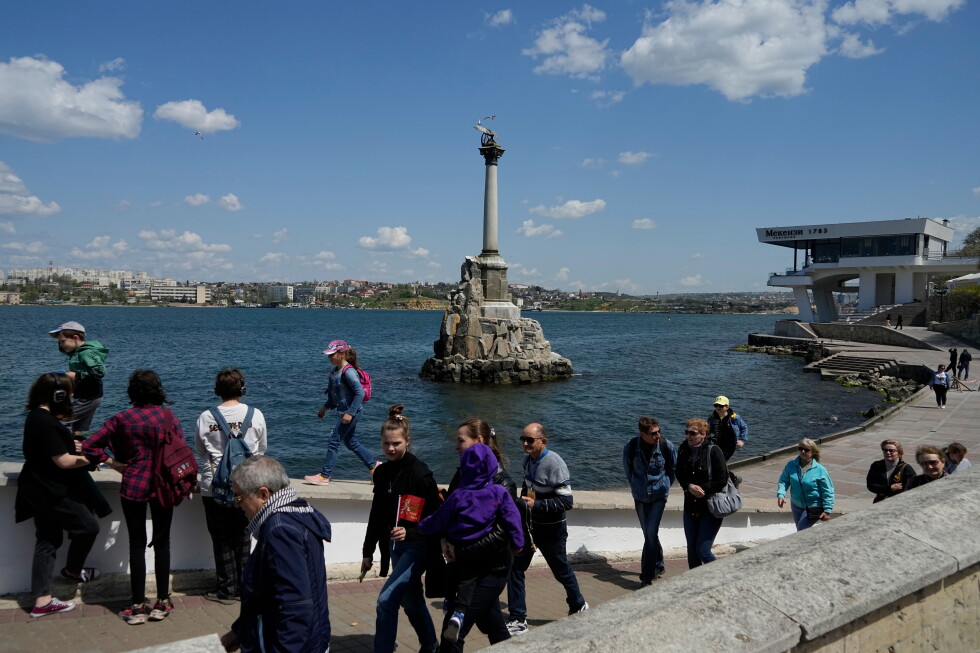
Ukraine hits fuel supplies to Crimea, sparking a fuel crisis on the Russian-held peninsula
A sustained and increasingly effective campaign of drone strikes by Ukrainian forces has plunged the Russian-occupied Black Sea peninsula of Crimea into its most severe fuel crisis since Moscow’s illegal 2014 annexation, delivering a fresh blow to the Kremlin’s claim of progress in its four-year full-scale invasion of Ukraine.
The coordinated strikes have targeted critical energy infrastructure deep inside Russia, supply routes along the land corridor connecting mainland Russia to Crimea, and key transport links into the peninsula, leaving tanker trucks charred along highways, stranding motorists in multi-hour queues at gas stations, and forcing occupied authorities to implement strict fuel rationing. As the crisis unfolded as Russia marked its annual Russia Day holiday, the unofficial kickoff to the summer tourist season that Crimea’s economy depends heavily on, the damage has already rippled through the region’s vital hospitality sector.
To understand the stakes of this escalation, it is necessary to contextualize Crimea’s long-standing strategic and symbolic importance to the Kremlin. First seized by the Russian Empire from the Crimean Tatars in the 18th century following a victory over the Ottoman Empire, the peninsula was transferred from Soviet Russia to Soviet Ukraine in 1954 by then-leader Nikita Khrushchev. When the Soviet Union collapsed in 1991, Crimea became part of the newly independent Ukrainian state, though Moscow maintained a large naval base at Sevastopol under a long-term lease. In 2014, following the ousting of a pro-Moscow Ukrainian president by a popular pro-European uprising, Putin deployed unmarked troops to seize control of Crimea, and oversaw a widely unrecognized referendum to formalize its annexation. The move triggered a separatist insurgency in eastern Ukraine that simmered until Russia launched its full-scale invasion in February 2022; early in that invasion, Russian forces based in Crimea seized large swathes of southern Ukraine and secured the overland corridor to the peninsula that remains Moscow’s primary supply route today.
Since the start of the full-scale war, Ukraine has systematically targeted Russian assets in and around Crimea to erode Moscow’s control. Ukrainian strikes have sunk multiple Russian warships at Crimean bases, severely degrading Russia’s Black Sea Fleet capabilities and forcing most of the fleet to redeploy to the far eastern Russian port of Novorossiysk. Ukraine has also repeatedly targeted the Kerch Strait Bridge, the iconic fixed span that directly connects mainland Russia to Crimea, which Putin has long framed as a symbol of his regime’s success in annexing the peninsula. An October 2022 truck bombing on the bridge killed five people, destroyed two large spans, and required months of reconstruction, with additional successful strikes following in 2023 and 2025.
After repeated attacks on the Kerch Bridge left it unsafe for large-scale fuel shipments, Russia shifted most fuel and critical supplies to the overland highway and rail corridor running through occupied territories along the Sea of Azov coast, a route that Russian military planners once considered far more secure than the bridge. That assumption has proven catastrophic: last month, Ukrainian drones struck a convoy of fuel trucks traveling the corridor, leaving dozens of vehicles burned out. In recent weeks, the strikes have only intensified. This week alone, Ukrainian forces repeatedly hit the Chonhar Bridge, another key crossing linking occupied mainland Ukraine to Crimea, disrupting all movement across the span and forcing occupation authorities to deploy temporary pontoon bridges to restore limited access. Ukrainian military officials confirmed the Chonhar strike was intended to cut off Russian military movements of troops, ammunition and fuel into and out of the peninsula.
Compounding the supply crunch, Ukraine’s long-range drone campaign has targeted refineries, oil storage depots and pipeline infrastructure hundreds of kilometers inside Russian territory, eroding Russia’s total domestic fuel production capacity even as demand rises ahead of the summer travel season. The U.S.-based Institute for the Study of War (ISW) has highlighted the strategic synergy of Ukraine’s dual strike campaign: long-range attacks cut Russia’s ability to produce fuel, while mid-range strikes on supply lines disrupt what little fuel Russia is still able to route to occupied Crimea.
“The long-range strike campaign is therefore reducing Russia’s production capacity, while the midrange strike campaign is hurting Russia’s ability to transport the gasoline Russia is still able to produce,” the ISW explained in its recent analysis.
The acute fuel shortage is already being felt acutely by civilian residents and tourists in Crimea. While the peninsula has experienced periodic supply disruptions from Ukrainian strikes in past years, current shortages represent the worst crisis since the 2014 annexation. In late May, occupation authorities introduced strict rationing, capping sales at just 20 liters of gasoline per vehicle per week, distributed via prepaid coupons. The entire allocation of coupons sold out within minutes of being released on an official government messaging channel, leaving motorists waiting for hours in snaking lines at the few stations still selling fuel.
Social media platforms have been flooded with residents sharing tips for locating scarce fuel and pleas for assistance, while authorities have launched a dedicated hotline to assist tourists who have found themselves stranded without fuel. While ferries have supplemented fuel shipments from mainland Russia after Kerch Bridge traffic was restricted, and private motorists are allowed to bring up to 100 liters of fuel into Crimea per vehicle from the mainland, the additional supply has been far too little to meet demand. Unregulated black market speculators are now selling gasoline at twice the official market price.
The crisis has already delivered a severe blow to Crimea’s tourism sector, which is the backbone of the local economy. The peninsula drew nearly 7 million Russian tourists in 2024, and occupation officials had projected an even higher number for the 2025 summer season. However, business daily Kommersant reports that roughly 80% of hotel bookings were canceled in late May and early June as travelers avoid the unstable region. Some hotels have even begun offering free gasoline as a booking incentive to attract hesitant visitors, offers that were immediately taken up by the few travelers still planning trips.
Recent attacks on passenger rail lines have further eroded traveler confidence. Earlier this week, a Ukrainian drone strike hit a passenger train traveling from Moscow to Crimea, wounding the engineer and killing his assistant, forcing a temporary suspension of all rail service and the evacuation of passengers by bus. A prior strike on a commuter train in Crimea killed one person and injured three others, prompting occupation authorities to cut daytime service over security concerns.
In a rare public acknowledgment of the scope of the crisis, Kremlin spokesman Dmitry Peskov confirmed this week that widespread fuel shortages exist and pledged that authorities are taking urgent measures to resolve the issue. The Russian Defense Ministry has remained publicly silent on the repeated strikes along the Crimean land corridor, but prominent Russian pro-war military bloggers have fiercely criticized the military establishment for failing to anticipate the Ukrainian campaign and mounting a glacial, ineffective response. Some bloggers have called for mandatory military escorts for all fuel convoys traveling the corridor, while others have urged the Russian military to escalate strikes on Ukrainian energy and transport infrastructure in retaliation.
As the fuel crisis and internal criticism continued to unfold, Ukraine delivered an additional symbolic blow to Moscow this week, striking a historic landmark in Sevastopol that houses a massive panoramic painting commemorating the 19th century Russian defense of the city during the Crimean War. According to Mikhail Razvozhayev, the Kremlin-appointed mayor of Sevastopol, the painting was completely destroyed in the fire that followed the strike. Given Putin’s long-standing framing of the 2014 annexation of Crimea as a fulfillment of Russian imperial and historical destiny, pro-war blogger Valery Shiryayev noted the attack would be particularly infuriating to the Russian leader.
“It’s hard to find another work of art, another part of national heritage, whose destruction would be as painful for Putin,” Shiryayev said.
As of Thursday, the full-scale Russian invasion of Ukraine entered its 1,569th day, surpassing the total duration of World War I, with Russian frontline advances having ground to a near standstill even as Ukraine demonstrates growing capability to strike deep into Russian-held and Russian territory.
-

Air India crash families’ year-long battle to identify remains of victims
June 12 marks one year since one of the deadliest aviation disasters in India’s history, when an Air India passenger flight crashed just 32 seconds after taking off from Ahmedabad, Gujarat, killing 260 people — 241 on board the aircraft and 19 more on the ground. Only one passenger survived the catastrophic impact, which left emergency response teams and forensic experts facing an unprecedented challenge to identify the hundreds of victims.
Among those killed were London residents Ashok and Shobhana Patel, who were heading home after their trip. Their son Miten Patel, who traveled to Ahmedabad just hours after the crash with his brother to deliver his parents’ dental records, still carries the trauma of the chaotic aftermath. With no other commercial options available, the pair flew Air India to reach the city, and Miten credits his parents’ decision to teach him the local Gujarati language for helping him navigate the overwhelming logistics of recovering his parents’ remains.
It took more than a week for the Patels’ remains to be repatriated to the United Kingdom, but the ordeal was far from over. Four days after the remains arrived in London, local police contacted Miten to request an urgent evening meeting, refusing to share details over the phone. Further imaging revealed that Shobhana Patel’s casket held mixed remains: alongside her body were additional skeletal fragments belonging to an unrelated unidentified man. UK authorities asked Miten to keep the error secret for weeks, but he pushed to meet with the coroner directly to demand separation of the remains. The family was forced to wait another full month to hold a joint cremation for both of his parents, delaying Ashok’s final rites to allow the separation and reprocessing to be completed.
Today, almost 12 months after the crash, the unidentified man found in Shobhana Patel’s casket remains unrecognized. UK Coroner Fiona Wilcox confirmed during a hearing this week that palm prints and DNA samples have been sent to Indian authorities for matching, but no confirmation of identity has been received to date. She noted that opening an inquest almost a year after a death is an extraordinary step, adding that she remains hopeful the man’s identity will be confirmed.
The Patel family is not alone in their suffering. At least one other family affected by the crash has reported a major identification error: Amanda Donaghey returned to the UK last year believing she was bringing home the remains of her 39-year-old son Fiongal Greenlaw-Meek, only to discover she had been given the body of 70-year-old Indian woman Vasuben Narendrasinh Raj. Wilcox confirmed this week that authorities have only recently connected with Raj’s son, and Donaghey is still waiting to recover her son’s remains.
Forensic experts who responded to the crash say the scale of the disaster created unavoidable challenges for victim identification. The aircraft broke apart on impact after crashing into a block of medical student accommodation, scattering wreckage and human remains across 37,000 square meters — an area roughly equal to five full-sized football pitches. Ninety percent of victims suffered severe charring from the post-crash fire, with extreme thermal damage destroying fingerprints, facial features and other common visual identifiers. Forensic teams spent months working through the rubble in 40-degree-plus Celsius heat, surrounded by decomposing remains, a working environment many describe as permanently traumatic.
Dr Deepak Venkatesh, an independent forensic expert deployed to the crash site to assist with identification, explained that in the immediate aftermath of the disaster, emergency responders prioritized search and rescue over strictly segregating recovered remains. “The recovery environment presented challenges for maintaining the separation of remains, which can contribute to commingling,” he said, noting that commingling — the mixing of remains from multiple individuals — was an unavoidable risk given the conditions. After the initial rescue effort wrapped up, teams conducted a systematic grid search of the entire crash site to recover all remaining fragments.
India’s National Disaster Management Authority (NDMA) has formally acknowledged the systemic gaps exposed by the crash, and in January 2026, released updated victim identification guidelines that use the Air India crash as a core case study. The guidelines note that prior to the disaster, comprehensive disaster victim identification had not received adequate systematic attention in India’s national disaster management framework. At the time of the crash, protocols prioritized DNA verification over the globally recognized faster, more reliable method of dental identification, which created a crippling bottleneck at the only regional forensic laboratory in Gandhinagar. The sudden influx of hundreds of highly degraded DNA samples overwhelmed the lab’s capacity, the NDMA report found, concluding that India needs to expand regional DNA testing infrastructure and integrate more dental identification into standard protocols.
Despite the procedural changes that have come from the tragedy, grieving families say they have yet to receive the transparency and accountability they deserve. James Healey-Pratt, the lawyer representing both Miten Patel and Amanda Donaghey, argues that even with the unprecedented scale of the disaster, authorities owe families a full accounting of what went wrong. “There still needs to be transparency and accountability, because the families deserve it,” he said, adding that no senior Indian authority has accepted responsibility for the identification errors more than a year later. “It’s highly embarrassing, and it makes them look incompetent.”
For Miten Patel, the fight for accountability is a way to honor the parents he lost. Most days, he sets his grief aside to focus on his advocacy, but late at night, he retreats to a private room to watch old videos of his parents. “At the end of the day, my mother came back home with somebody else,” he said. When he thinks about the future, he says he only wants one thing: to be able to tell his parents he did everything he could after they were gone. “I want them to say to me, Beta (son), we are so proud of you. You did everything you could after we went.”
The BBC has reached out to India’s foreign ministry, the Ahmedabad hospital that led on-site identification, and the UK Foreign Office for comment on the ongoing inquest and identification errors, but has not received a response. Last July, roughly one month after the crash, the Indian foreign ministry said in a statement that authorities had “carried out identification of victims as per established protocols and technical requirements” and “handled all mortal remains with utmost professionalism and with due regard for the dignity of the deceased.”
-
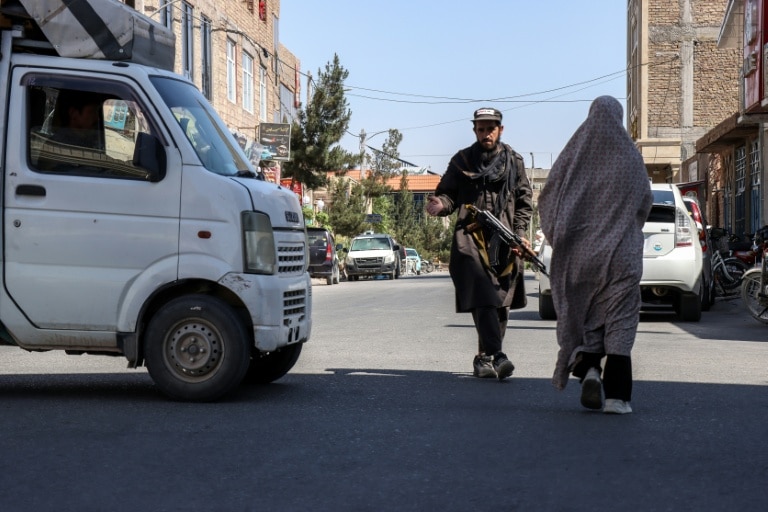
UN experts, MSF condemn crackdown on women by Afghan morality police
In recent days, escalating tensions have gripped the western Afghan city of Herat after the Taliban’s Ministry for the Propagation of Virtue and the Prevention of Vice (PVPV) rolled out new restrictive rules targeting women, banning public exposure of feet and the use of makeup. The heavy-handed crackdown that followed has drawn sharp international condemnation from United Nations independent experts and Doctors Without Borders (MSF), amid reports of civilian casualties, mass detentions, and mounting harm to women’s access to basic services.
-
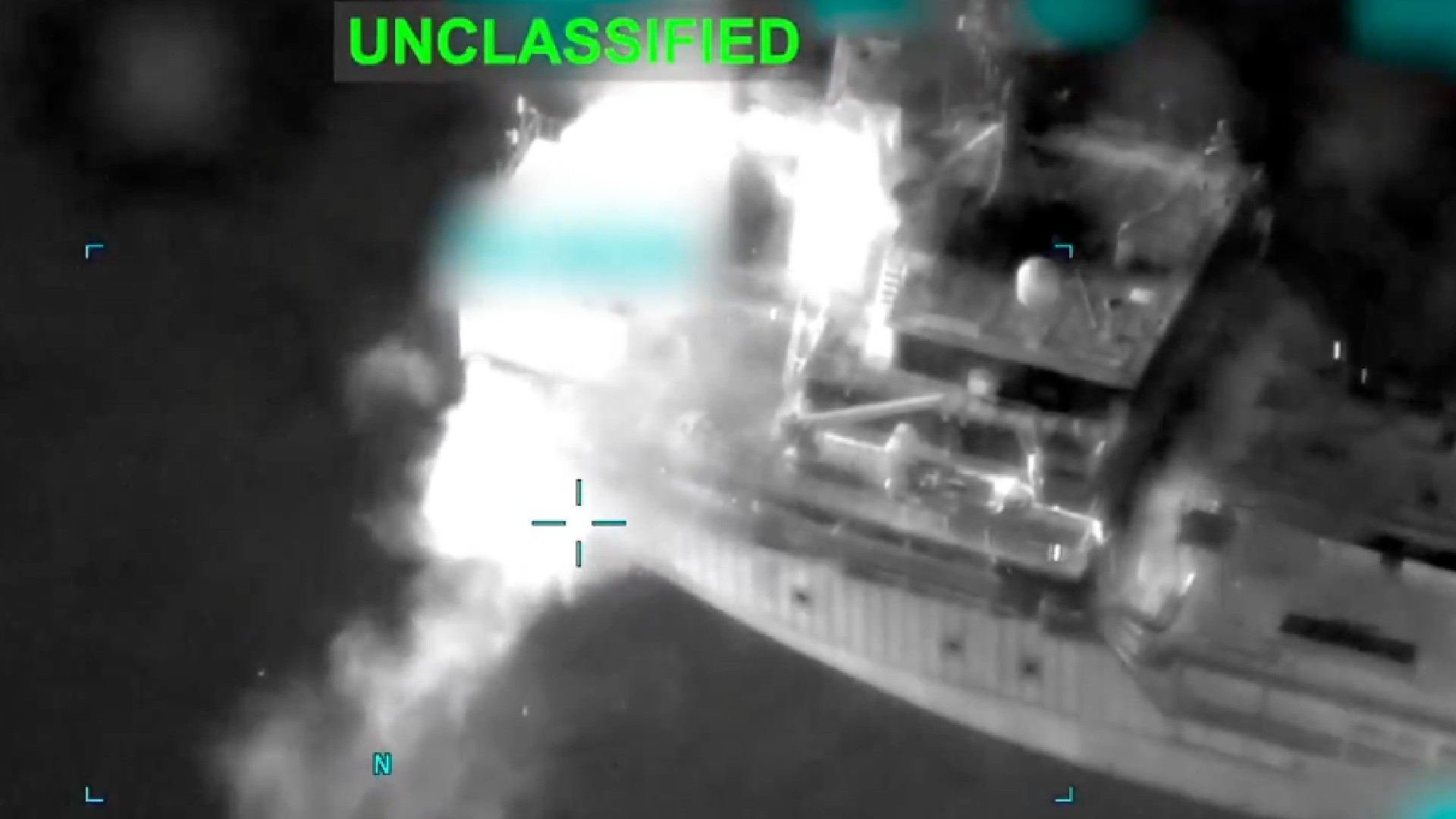
US attack kills three Indian sailors in Gulf of Oman
In a sharp escalation of tensions between the United States and Iran that has sent ripples across global maritime security, three Indian crew members have been confirmed dead following a U.S. military strike on a Palau-flagged oil tanker in the Gulf of Oman, India’s federal shipping minister announced Thursday.
The attack on the MT Settebello unfolded late Tuesday, after U.S. Central Command (Centcom) accused the vessel of repeatedly ignoring instructions from American forces while violating Washington’s ongoing blockade on Iranian ports by carrying Iranian crude oil. Of the 24 Indian nationals on board the tanker, 21 crew members have been pulled to safety, but three initially reported missing were confirmed dead after search teams recovered and identified their remains, said Union Minister Sarbananda Sonowal.
Calling the deaths a devastating loss for India’s broader maritime community, Sonowal confirmed that the Modi administration is extending full support to the bereaved families of the deceased. “I have directed officials to prioritize immediate repatriation of the rescued crew and the swift return of the mortal remains of the deceased so their final rites can be carried out,” the minister added. In direct response to the fatal strike, New Delhi summoned the deputy chief of the U.S. mission in India to register its objection.
This attack marks the third U.S. strike on commercial vessels off the Omani coast in less than a week, as Washington ramps up enforcement of its blockade of Iranian maritime trade. Just one day before the strike on the MT Settebello, U.S. forces targeted another Palau-flagged tanker with an Indian crew, the Marivex, in the same region, also citing non-compliance with U.S. instructions. All 24 crew members of that vessel were rescued by Omani military forces, and all Indian personnel were confirmed unharmed. On Thursday, India confirmed a third suspected U.S. strike hit the asphalt tanker Jalveer off Oman’s coast; the Royal Navy of Oman is coordinating the evacuation of all crew to the port of Shinas, with no reports of Indian casualties as of Thursday evening.
The surge in U.S. maritime operations comes against a backdrop of rapidly escalating cross-border hostilities between Washington and Tehran, which reignited earlier this week following the downing of a U.S. military helicopter near the Strait of Hormuz—a critical global chokepoint through which 20 percent of the world’s crude oil and 20 percent of its liquefied natural gas transit daily. Since the outbreak of the latest conflict in late February, Iran has effectively closed the Strait of Hormuz, prompting the U.S. to impose a full naval blockade on Iranian ports that launched on April 13. Centcom reported Wednesday that since the blockade began, U.S. forces have disabled eight non-compliant vessels, redirected 134 compliant ships, and allowed 42 vessels carrying humanitarian aid to pass through the restricted area.
In the wake of the helicopter downing, U.S. President Donald Trump launched new strikes on Iranian military infrastructure across the country overnight Wednesday into Thursday, with Iranian media reporting explosions in key areas including Bandar Abbas, Qeshm, and Minab near the Strait of Hormuz, as well as multiple locations near Tehran. Iranian media reported at least three people were wounded in Tehran province. Trump defended the strikes Wednesday, accusing Tehran of dragging out ceasefire negotiations and claiming Iran had “played us for suckers,” saying the country “will have to pay the price.”
Iran’s foreign ministry issued a sharp condemnation of the U.S. strikes Thursday, saying the attacks had rendered the nearly two-month-old ceasefire “practically meaningless” and holding Washington fully responsible for any “extremely serious consequences” of the escalation. The Islamic Revolutionary Guard Corps (IRGC) retaliated within hours, launching strikes on U.S.-linked military targets in Bahrain, Kuwait, and Jordan, extending the cycle of violence across the Middle East.
-
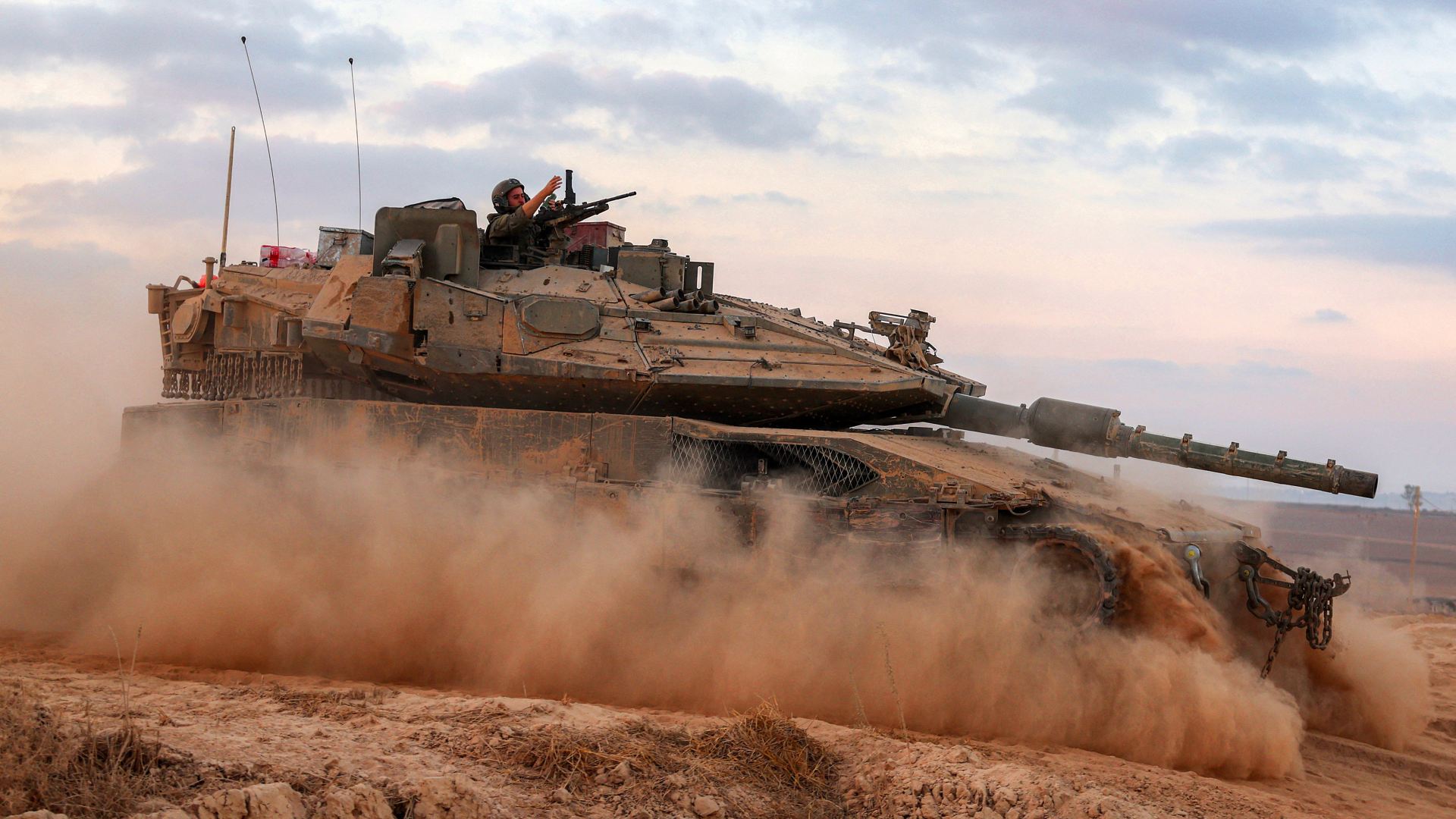
‘Illegal and immoral’: How Luxembourg became the EU hub for Israeli war bonds
On September 1, 2025, a low-profile administrative ruling from the financial regulator of one of Europe’s smallest nations ignited an escalating legal and political firestorm that continues to gain momentum across the continent. The Luxembourg Commission de Surveillance du Secteur Financier (CSSF) greenlit a prospectus for Israel’s diaspora bond program, clearing the way for the sale of “Israel Bonds” to retail investors throughout the entire European Union.
This approval came after the program was forced to relocate its regulatory base from Ireland, where sustained cross-party and civil society pressure – rooted in accusations that the bonds fund Israeli military operations in Gaza – pushed the US-based issuer, the Development Corporation for Israel (DCI), to seek a new host within the bloc. Under existing EU financial rules, issuers are permitted to request that prospectus approval authority be transferred to the financial regulator of another member state, a mechanism DCI exploited after departing Ireland. What followed this transfer has been widely described as procedurally irregular: the CSSF opted not to consult Luxembourg’s Ministry of Foreign and European Affairs before signing off on the controversial prospectus, even amid fierce global political backlash against Israel’s military campaign in Gaza.
Addressing an Amnesty International-organized conference in Luxembourg last May 2026 focused on the grand duchy’s potential legal liability, UN Special Rapporteur on the Occupied Palestinian Territories Francesca Albanese issued a scathing rebuke of the approval. “The sale of these bonds is illegal under international law because it goes directly to funding the genocide,” Albanese stated. “International law demands that all financial actors must abstain from direct links to human rights crimes. Those who authorized the bond sale are complicit. This is morally and legally indefensible.”
To contextualize the growing outcry, it is critical to distinguish DCI’s Israel Bonds from standard Israeli sovereign debt. Unlike conventional government bonds sold almost exclusively to large institutional investors, Israel Bonds are marketed directly to retail buyers, religious institutions, and municipal public funds, often leveraging transnational diaspora networks and appeals to political solidarity. DCI’s own marketing material, released around the time of the CSSF approval, made no attempt to obscure the bonds’ core purpose: funding Israel’s wartime state budget. According to DCI’s official website and Instagram account, the program has raised $7.7 billion for the Israeli government since the October 7, 2023 attacks.
All proceeds flow into Israel’s general treasury with no spending restrictions at a time when the country’s military spending has surged from roughly 20% to more than 30% of total government expenditure. Unlike typical war-time sovereign debt, which demands high risk premiums from investors, Israel Bonds carry a yield of only around 4%, despite Israel running a fiscal deficit equal to nearly 7% of its GDP. As a detailed new report prepared by a multi-disciplinary team of legal scholars, economists, and financial regulation experts explains, this gap is filled by what the authors term a “patriotic premium”: buyers motivated by solidarity rather than rigorous financial analysis accept below-market returns, while remaining largely unaware of the full legal and financial risks they are taking on.
The report, presented at the same Amnesty conference where Albanese spoke, outlines severe legal and reputational risks for Luxembourg, as well as unaddressed dangers for retail investors. Its legal argument is anchored in three 2024 provisional measures orders from the International Court of Justice (ICJ), which have all confirmed the plausibility of claims that Israel is committing genocide in Gaza, alongside the ICJ’s July 2024 advisory opinion that requires all UN member states to refrain from providing assistance to Israel’s unlawful occupation of Palestinian territory.
“The processing of Israel Bonds in EU markets is undeniably a grave violation of international law,” Shahd Hammouri of Law for Palestine, a keynote speaker at the conference, told Middle East Eye. “This act cannot be justified by appeals to financial or bureaucratic proceduralism.” Hammouri emphasized that Luxembourg’s regulator already held discretionary authority under EU prospectus rules to reject approval on public interest and peace and security grounds, and its failure to exercise that power amid clear risks of complicity in international crimes constitutes a direct breach of legal duty. She went further, noting that decision-makers who approved the prospectus could even face personal criminal liability for aiding and abetting acts of genocide.
The report draws a striking historical parallel to Luxembourg’s own financial history: between 1967 and 1975, Luxembourg’s Kredietbank issued approximately $625 million in loans to apartheid South Africa, and European loans to the apartheid regime were processed through the Luxembourg Stock Exchange before global pressure eventually led to widespread sanctions. Today, the report notes, the international legal framework binding Luxembourg is far stronger, anchored in binding ICJ rulings rather than incremental political pressure.
The contradiction at the heart of this controversy is amplified by a key timeline detail: Luxembourg formally recognized the State of Palestine on September 22, 2025, just three weeks after the CSSF approved the Israel Bonds prospectus.
The May 2026 Amnesty conference, which gathered more than 200 attendees including legal experts, activists, and parliamentarians from across Europe, produced five concrete actionable demands to be implemented over the next 6 to 12 months, with the most urgent deadline falling this coming September, when the annual prospectus renewal is due. Irish Senator Alice-Mary Higgins, who helped lead the campaign that forced the bond program out of Ireland, stressed that neither Ireland nor Luxembourg should facilitate the upcoming renewal. “If no EU member state agrees to approve the prospectus after Luxembourg rejects renewal, these bonds will effectively be barred from the entire European single market,” she explained. Higgins also pushed back against the common government tactic of hiding behind regulatory independence, arguing that “claims that the government cannot intervene because regulators are independent are not an acceptable excuse.”
Franz Fayot, a Luxembourgish MP from the centre-left LSAP party, told the conference that his team has commissioned two independent legal opinions – one from the University of Luxembourg and one from Utrecht University in the Netherlands – both of which concluded that Israel’s violations of international law are undisputed, and that Luxembourg cannot remain inactive. “It is very clear that Luxembourg still has the power to act, through economic sanctions and through regulation of its financial sector, which is our biggest leverage,” Fayot said. He added that an upcoming cross-party parliamentary debate organized with the Greens and Left party will produce concrete policy proposals, including motions and potential draft legislation to hold the current government accountable.
To date, Luxembourg’s centre-right coalition government has responded to mounting pressure with deliberate evasion. When questioned in parliament in late May 2026, ministers refused to comment on whether the CSSF’s approval triggered Luxembourg’s international legal responsibility, repeatedly citing the regulator’s statutory independence. When asked whether the government would intervene to block a renewal, ministers repeated the same position: the CSSF acts with full autonomy, and the executive cannot interfere with its decision-making. This same line was repeated by officials during street protests organized by the newly launched Stop Israel Bonds campaign outside the finance ministry, and in earlier press briefings in early 2026.
The CSSF for its part has insisted its role is purely procedural: it only assesses whether the information contained in the prospectus is complete, consistent, and comprehensible, and that approval does not constitute an endorsement of the economic merits of the bonds or the solvency of the issuer. Critics argue this technicalist framing is legally untenable. “Hiding behind procedural technicality does not erase responsibility,” Anas Obeidat, a Luxembourg-based activist and co-author of the report, told Middle East Eye. “Legal and financial distancing mechanisms cannot be used as a shield against accountability for facilitating the financing of war crimes in the Occupied Palestinian Territories.”
The controversy also carries uncomfortable implications for Luxembourg’s broader financial branding. The small country has invested heavily in positioning itself as Europe’s leading hub for sustainable finance and ESG (Environmental, Social, and Governance) investment. While Norway’s massive sovereign wealth fund – a global benchmark for ESG investing – has already divested from companies linked to Israel’s unlawful occupation, alongside a growing number of other European financial institutions, Luxembourg’s own public pension fund remains invested in multiple companies listed on a UN database of businesses supporting Israeli settlements. The report notes that the CSSF’s approval of Israel Bonds places Luxembourg’s carefully cultivated ESG reputation under significant reputational and political strain.
A lawsuit against the CSSF is already being prepared in Luxembourg, challenging the regulator’s failure to force adequate disclosure of risks to investors, mirroring a similar case already filed against the Central Bank of Ireland before the program’s transfer. The cross-border Stop Israel Bonds campaign, launched at the May conference, is coordinating civil society pressure across Luxembourg, Ireland, and the broader EU to prevent the program from simply relocating to Germany or another willing host if Luxembourg rejects renewal.
With the September 2026 renewal deadline fast approaching, the core question remains: will Luxembourg’s government continue to insist its hands are tied by regulatory independence, or will pressure from its own parliament, civil society, and international legal experts force a policy shift before the prospectus comes up for a new vote. As Martina Patone, another co-author of the report, put it: “The findings in this report are not unknown to European governments. But putting them on the record reminds future generations of what was done, and hopefully holds accountable those who chose to look away in the present.”
-
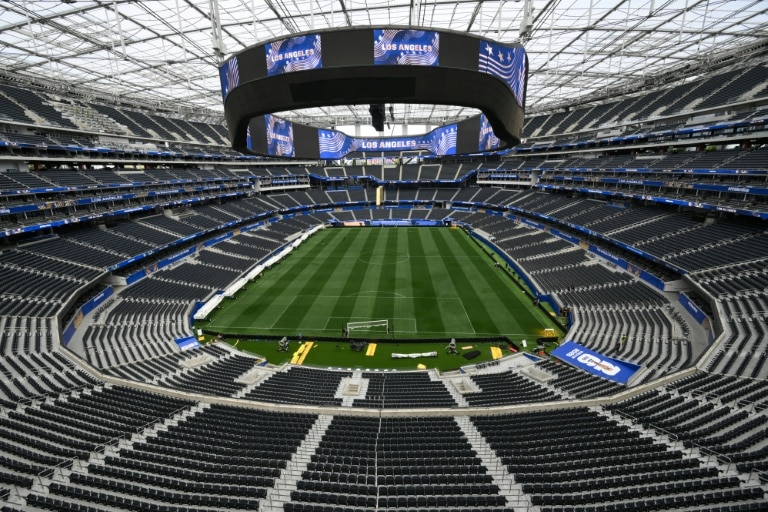
Drones, lone wolves, rowdy fans: US security officials ready for World Cup
As the 2026 FIFA World Cup — the largest edition in tournament history, co-hosted by the United States, Mexico, and Canada — gets underway, top U.S. homeland security officials have outlined a sweeping multi-layered security plan for all 78 matches hosted across 11 American cities, while acknowledging lingering concerns over unpredictable lone wolf attacks and unruly international fan behavior.
The first U.S.-hosted match of the tournament, pitting the host nation against Paraguay, is scheduled for June 12 at Inglewood, California’s SoFi Stadium, kicking off 38 days of play that will conclude with the final on July 19. In comments to Fox News’ *Fox and Friends* just hours before the tournament’s opening kickoff, Department of Homeland Security Secretary Markwayne Mullin emphasized that authorities have done everything in their power to secure match venues. “We feel like we’re as safe as we can possibly be,” Mullin said, noting that every venue will have dedicated crowd control protocols and anti-drone countermeasures. However, he added a key caveat: “But we can’t control… the lone wolf.”
Mullin explained that the highest area of vulnerability lies in so-called “soft zones” outside the secured perimeter around stadiums, where crowds gather before and after matches. To mitigate this risk, he said local and state law enforcement agencies will maintain a visible, flexible presence in these outer areas to respond quickly to any incident, reaffirming that “the games are going to be very secure.”
Drawing a comparison to the United States’ most-watched annual sporting event to put the World Cup’s scale in perspective, Mullin noted the tournament will deliver what amounts to 78 Super Bowls over just 38 days. Many matches will draw crowds larger than the annual NFL championship, he added, with a projected global audience of 1.4 billion viewers — far outstripping the 250 million who tune into the Super Bowl annually.
Andrew Giuliani, head of the White House World Cup Task Force, detailed key new security upgrades this week during an appearance at the Washington-based Atlantic Council. A core addition is full anti-drone coverage for every U.S.-hosted match, backed by a $500 million federal grant that funded specialized training for local and state officers to counter unauthorized drone incursions. The need for this measure was underscored by recent incidents at other major global events: a French National Assembly report recorded 355 unauthorized drone intrusions during the 2024 Paris Olympic Games, resulting in 81 arrests.
Giuliani noted that the 2026 World Cup marks the first time the United States has hosted a global sporting event of this scale since the 2002 Salt Lake City Winter Olympics. As of the tournament’s opening, he confirmed there are no credible active threats against the event, but authorities are maintaining constant, intensive monitoring. “I can tell you that a big part of my day gets spent in a SCIF” — a sensitive compartmented information facility, the secured room used to discuss classified intelligence — Giuliani said, adding that “the intelligence community is tripled down looking at this World Cup, and we’ll continue to monitor it between now and whenever the final goal is scored on July 19th.”
Much of the on-the-ground security responsibility falls to local police departments, which face the unique challenge of adapting to the different crowd dynamics of international soccer, compared to the more reserved crowds the majority of U.S. officers are accustomed to managing at NFL games. The 2024 Copa America, held in the U.S. as a warm-up event for the World Cup, exposed this gap: stadium security and local officers were caught off guard by the more boisterous behavior of international soccer fans. Giuliani told ESPN that many common celebratory behaviors from international fans may look like a riot to officers who only have experience with domestic U.S. sports crowds, requiring adjusted training and expectations.
Local departments have rolled out targeted adaptations to address this gap. The Philadelphia Police Department, for example, will equip all officers working matches with body cameras that feature live translation capabilities, to streamline communication with foreign fans who do not speak English. Philadelphia, a city with deep historical significance to the United States, will host six matches during the tournament — including a Round of 16 matchup on July 4, which coincides with 250th anniversary celebrations of the signing of the Declaration of Independence. The city’s Fraternal Order of Police Lodge 5 president Roosevelt Poplar told ESPN that the department has implemented mandatory overtime for all officers during the “all hands on deck” tournament period, with a focus on ensuring officers are prepared for the extended 39-day operational window. “We want to make sure our officers are mentally prepared to handle the long 39 days this is going to be,” Poplar said.
-

She survived an Israeli raid that left babies decomposing. Now she awaits treatment
On the eve of the October 2023 outbreak of war in Gaza, Palestinian mother Samar Hammad welcomed her youngest daughter into the world. She named the baby Nour – Arabic for “light” – a name filled with quiet hope for a new life. What Hammad could never have foreseen in that moment was that just hours after her daughter’s birth, this tiny child would be thrown into a fight for survival, caught in the collapse of Gaza’s healthcare system under Israeli military advance.
Nour was born perfectly healthy, Hammad recalled in an interview with Middle East Eye from her displacement tent in central Gaza City. Barely hours after the new mother and baby returned home, Israeli bombardment hit near their neighborhood, damaging a nearby building. Within a day, Nour began slipping into unconsciousness. With her condition worsening by the minute, Hammad rushed the newborn to al-Nasr Children’s Hospital in Gaza City. Doctors quickly delivered a grim diagnosis: Nour was suffering life-threatening complications from inhaling toxic gases released by the nearby bombing, and she was dying.
As Israeli forces pushed deeper into Gaza, intense fighting closed in around al-Nasr, one of the first medical facilities targeted by the Israeli military. For more than a month, Nour lay in a hospital incubator, repeatedly losing oxygen as constant shelling cut off power and supplies to the facility. “The shelling was relentless,” Hammad said. “Nour was in an incubator with several other newborns. She repeatedly lost oxygen and had to be resuscitated.” At one point, doctors told Hammad there was nothing more they could do – the life support machines keeping Nour alive were only postponing the unavoidable.
In her desperation, Hammad begged staff to let her hold and breastfeed her dying daughter. After repeated requests, the medical team relented. Within minutes of being held in her mother’s arms, Nour’s vital signs began to improve. “The machines started showing a response,” Hammad said. “The doctors were shocked. They told me it was like a miracle.”
As Israeli forces surrounded the hospital, staff ordered all parents of incubator newborns to evacuate, assuring them their infants would remain protected. Every other mother fled south, leaving their babies behind. But Hammad refused. “I told the doctors I couldn’t leave my daughter behind,” she said. After more urgent pleas, doctors agreed to release Nour into Hammad’s care, warning that Israeli troops were advancing rapidly and the choice put both their lives at risk. “They gave her to me at my own responsibility,” Hammad recalled. “I carried her and walked out.” She fled al-Nasr on 9 November 2023.
Later that same day, Israeli forces struck the hospital and cut off oxygen to the neonatal intensive care unit. The following day, all staff were ordered to evacuate, forcing them to abandon non-transferable infants who relied on incubators and life support to survive. Israeli troops occupied the hospital for roughly three weeks. When medical workers returned during a temporary ceasefire on 28 November, they found four incubator babies dead. Nour was the only known survivor from the neonatal ward – saved by her mother’s refusal to leave her behind.
But survival only marked the start of a new, endless ordeal for Hammad and Nour. After escaping al-Nasr, Hammad carried her limp newborn from one damaged medical facility to the next seeking care, before becoming trapped in a school-turned-shelter for displaced people amid intensifying fighting. “She cried constantly,” Hammad said. “People would tell me to make her stop because the tanks were surrounding us, and they were afraid soldiers would hear her.”
Eventually, the pair reached al-Ahli Arab Hospital (commonly called Baptist Hospital), where a CT scan revealed Nour had developed brain calcification. Doctors told Hammad the condition was most likely caused by inhalation of phosphorus gas from the bombardment, and that Nour would require ongoing, intensive physiotherapy to recover. For six months, Hammad brought Nour for daily treatment at Gaza City’s al-Wafa Hospital, clinging to the hope that therapy would reverse the damage.
Securing medical care was only one layer of the daily struggle. Like tens of thousands of Gaza families trapped under siege, Hammad faced the constant threat of hunger and thirst. After the 7 October 2023 attacks, then-Israeli Defence Minister Yoav Gallant announced a “complete siege” of Gaza, promising “no electricity, no food, no water, no fuel” would enter the enclave. While Gaza had been under an Israeli blockade since 2007, this total restriction cut off all essential supplies, triggering catastrophic shortages that pushed the region’s already crumbling healthcare system to total collapse and worsened an already catastrophic humanitarian crisis. Multiple human rights organizations have concluded that Israel has used mass starvation as a weapon of war and a tool of forced displacement, designed to push civilians out of northern Gaza. By late 2025, the Palestinian Ministry of Health recorded at least 453 Palestinian deaths from severe malnutrition in Gaza – 150 of them children.
“I would walk for hours, sometimes up to seven hours every day, searching for water,” Hammad said. On one of these treks, carrying an empty bottle across bombed-out streets, an elderly displaced man saw her desperation. Three hours later, he found her again and secretly filled her bottle from his own family’s limited reserve. “Water was extremely scarce and almost unavailable; the man had to hide the water bottle in his clothes to secretly fill it,” Hammad said. “As soon as I got the water, I prepared her milk. She drank it and finally fell asleep after hours of crying and inability to sleep.”
Despite the constant danger and deprivation, Hammad refused to flee south. Reports of systematic abuse against displaced Palestinians at Israeli military checkpoints left her too terrified to attempt the journey, and she feared Nour’s fragile health would not survive the trip. Slowly, as Nour began to move her limbs and grasp small objects, Hammad allowed herself a sliver of hope. “She was improving, but the doctors told me she needed to be urgently evacuated for treatment abroad, which was nearly impossible at the time,” she said.
In December 2024, Hammad heard that a respected paediatrician at northern Gaza’s Kamal Adwan Hospital might be able to help Nour. She risked her life to travel to the facility, only to find the doctor was overwhelmed by a flood of injured patients. Staff told her to return two days later for an appointment – but when she came back, Israeli forces had stormed the hospital and detained the doctor, Dr Hussam Abu Safiya. According to his legal team, Abu Safiya has been subjected to repeated torture in detention, lost 40 kilograms, suffered severe health decline, and has recently been moved to solitary confinement.
Hammad has continued to fight to secure Nour a spot for evacuation for specialist treatment abroad, but Israel’s strict blockade keeps almost all Palestinians trapped in Gaza. Nour was officially approved for medical transfer to Italy, but like tens of thousands of other critically ill Gaza patients, she has spent months stuck on a waiting list. The Palestinian Ministry of Health reports that at least 17,757 people requiring urgent life-saving care abroad have received official medical referrals, including roughly 4,000 children. Severe Israeli restrictions mean the vast majority will never leave.
Though Israel agreed to a limited reopening of the Rafah crossing with Egypt in February 2026, allowing up to 50 patients per day to exit Gaza, only 1,204 patients had been evacuated through Rafah and the Kerem Shalom crossing by 20 May. After more than two and a half years of fighting for Nour’s life, Hammad says her daughter’s future now hinges on a decision she can never control.
“I have managed to rescue Nour from imminent death in the incubator, found water and milk for her during the harshest times, and took her to hospitals for physiotherapy throughout two years of genocide,” Hammad said. “Now her health is hanging on an Israeli permit that would determine whether she can improve or remain disabled for the rest of her life.”
-
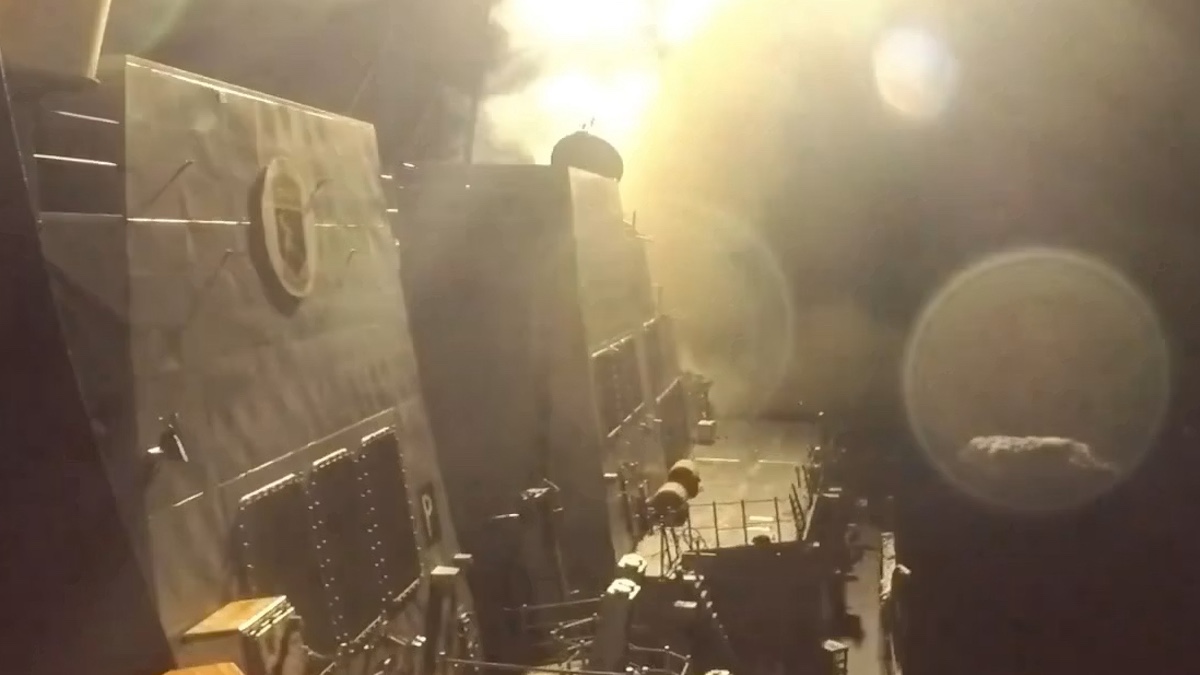
US and Iran are unlikely to bomb their way to peace
This week, the United States has launched a new wave of airstrikes targeting Iranian assets, a sharp escalation of military pressure that comes as former President Donald Trump has lost patience with months of stalled negotiations to end the broader Middle East conflict. The move marks a stark shift from the fragile ceasefire that had held between Washington and Tehran since early April, a truce both sides had initially signaled they wanted to preserve even as talks dragged on.
US Secretary of Defense Pete Hegseth left little room for ambiguity following the strikes, warning that additional military action would continue if peace negotiations remain deadlocked. “If we need to negotiate with bombs, we’ll negotiate with bombs,” he stated. The airstrikes were launched in retaliation for the downing of a US helicopter by Iranian forces, an incident that followed days of cross-border missile exchanges between Iran and Israel that had already tested the truce.
Even as military tensions spike, Trump continues to publicly insist that a comprehensive peace deal is imminent. To understand the sudden breakdown of the calm that held for months, analysts have put forward several overlapping explanations for the current escalation.
The most widely cited framework is the strategic doctrine of “escalate to deescalate”, a common tactic in interstate conflict where a power ramps up military force to intimidate the opposing side into making concessions. Both Washington and Tehran have leaned into this approach, seeking to demonstrate their willingness to use force to push the other side to accept an agreement aligned with their core non-negotiable interests.
To date, however, the two sides remain fundamentally at odds on the issues that matter most. The United States is demanding that Iran fully capitulate on its nuclear program, agreeing to dismantle all nuclear infrastructure and end all uranium enrichment activities, and reopen the Strait of Hormuz – a critical global chokepoint for energy trade – to unconstrained commercial shipping. For its part, Iran is demanding the immediate release of billions of dollars in frozen sovereign assets and a permanent ceasefire between Israel and the Iran-aligned militant group Hezbollah in Lebanon.
With talks stuck in this stalemate, both sides see limited downside in demonstrating their willingness to escalate, even as neither seeks to collapse the ceasefire entirely and trigger a return to full-scale war. Yet this mutual pressure tactic carries major risks: when both sides pursue the same strategy simultaneously, it can easily lead to an uncontrollable “escalation trap”, where each side is forced to ramp up attacks to avoid appearing weak, leaving no path to de-escalation.
A second, alternate explanation frames the current escalation as an unintended consequence of the tense, militarized status quo that has prevailed under the ceasefire, particularly the ongoing live military blockade of the Strait of Hormuz. It remains unclear to this day whether the Iranian drone that downed the US helicopter – the incident that directly triggered the US airstrikes – was a deliberate act of aggression or an accidental mistake amid heightened military alertness.
Compounding these dynamics is the deeper regional complexity that the Trump administration has largely failed to account for: this is not merely a bilateral conflict between the US and Iran. Israel is currently conducting a large-scale military offensive against Hezbollah, Iran’s key regional ally, in southern Lebanon, an operation that has already upended the existing geopolitical order and put enormous strain on the US-Iran truce.
For both Israel and Iran, the conflict is not a temporary dispute over terms of a peace deal – it is an existential struggle that predates the current war by decades. Iran’s Islamic regime has long rejected Israel’s legitimacy and place in the Middle East, while successive Israeli governments have repeatedly identified a nuclear-armed Iran as the single greatest threat to Israeli national survival. Against this backdrop, Iran cannot be expected to respect a ceasefire with the US while Israel wages war on its closest ally; Tehran views itself and Hezbollah as part of a single unified front in this regional struggle.
On the Israeli side, the October 7, 2023, Hamas attacks on Israeli territory triggered a fundamental shift in Prime Minister Benjamin Netanyahu’s regional strategy. Netanyahu’s far-right government has since adopted an aggressive expansionist military doctrine, seeking to seize territory in neighboring Syria, Lebanon, and Gaza to establish permanent security buffer zones, and has vowed to eliminate all threats posed by Iran, Hamas, and Hezbollah.
This approach faces a fundamental structural flaw: non-state militant groups such as Hamas, Hezbollah, and the Yemeni Houthis cannot be eliminated through conventional military force. These organizations are deeply embedded within civilian populations, able to disperse, regroup, and reemerge months or even years after major military offensives. As a result, even with massive military firepower that has left wide swathes of Gaza and southern Lebanon in ruins, Israel has not come close to eliminating Hamas or Hezbollah, and the fighting will continue.
Trump’s approach to Middle East diplomacy has centered heavily on bilateral, personal diplomacy between leaders, and has consistently shown little patience for unpacking the deeply rooted ideological and political drivers that motivate the multiple actors involved in this layered conflict. This oversimplification has left the administration unprepared for the spillover from Israel’s campaign in Lebanon that is now unraveling the ceasefire.
Looking ahead, the future of the truce depends heavily on how Trump defines a ceasefire itself. During a press conference this week, Trump offered a revealing framing, noting that in the Middle East context, a ceasefire often means “shooting in a more moderate manner.” It is clear he has no interest in returning to full-scale open war, which is why he publicly called for an immediate halt to exchanges between Iran and Israel earlier this week.
The most likely outcome in the coming weeks is that limited strikes will continue across all three fronts even as formal negotiations proceed. While a preliminary memorandum of understanding between the US and Iran could be reached in the near term, it would almost certainly do no more than commit both sides to keep talking, rather than resolving the core sticking points that have deadlocked talks for months. Israel, meanwhile, is highly unlikely to withdraw its troops from southern Lebanon or end its asymmetric campaign against Hezbollah.
As analyst Jessica Genauer, academic director at the Public Policy Institute of UNSW Sydney, argues, the current dynamics are already laying the groundwork for a long-term “frozen conflict”: an unresolved, low-intensity war that remains below the threshold of full-scale open combat but continues indefinitely. Unless the deeper structural and ideological roots of the conflict are addressed, any ceasefire between the US, Israel, and Iran can only ever be a temporary pause, not a lasting resolution.
-
US and Iran trade strikes as ceasefire comes under renewed strain
A rapid cycle of reciprocal strikes between the United States and Iran this week has pushed a months-long fragile ceasefire to its most severe test in the two-month truce, drawing multiple Gulf nations directly into the spiraling escalation and stoking global fears of a wider regional conflict.
The outbreak of renewed hostilities traces back to the downing of a U.S. military helicopter near the Strait of Hormuz earlier this week. In response, Washington launched targeted strikes against Iranian military installations, with U.S. officials confirming the operations were designed to knock out Iranian surveillance networks, communications infrastructure and air defense systems that the U.S. says pose an ongoing threat to American troops and commercial shipping transiting key regional waterways.
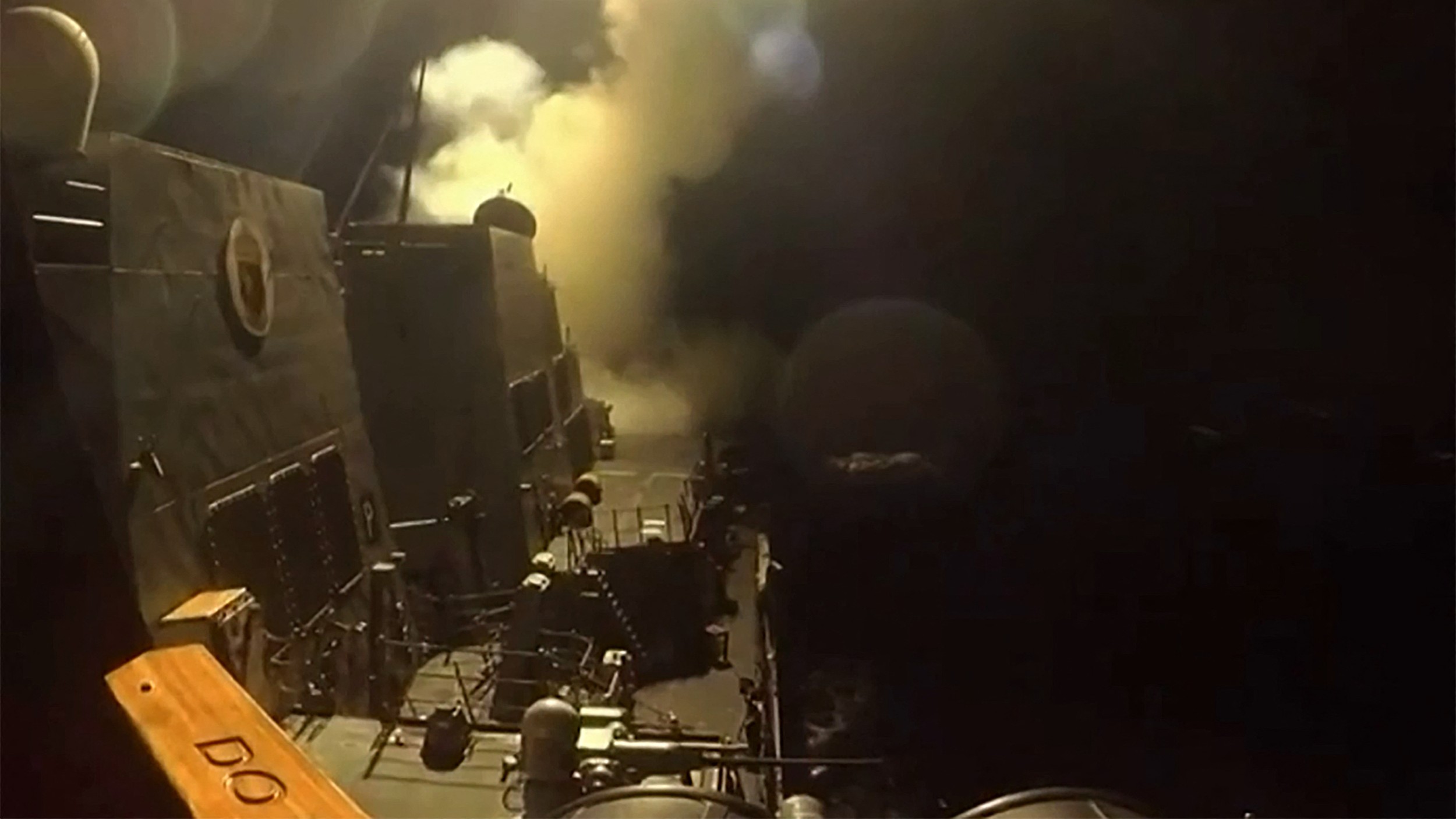
U.S. Central Command announced the first wave of coordinated strikes wrapped up after launching at 5:15 p.m. Washington time on Wednesday, which fell in the early hours of Thursday local time in Iran. The operation drew on joint assets from the U.S. Marine Corps, Air Force and Navy, which deployed precision-guided munitions against targets spanning multiple Iranian locations. Iranian state media reported loud explosions across multiple provinces, including coastal areas near the Strait of Hormuz — Bandar Abbas, Qeshm Island and Minab — as well as sites in Karaj, Nazarabad and Pishva close to the Iranian capital of Tehran. Local reports confirmed at least three people suffered injuries in Tehran province.
The strikes came after U.S. President Donald Trump publicly accused Iran of deliberately dragging out ceasefire negotiations to end the three-month conflict. Speaking Wednesday, Trump claimed Tehran had been “playing us for suckers” and warned the Islamic Republic would “have to pay the price” for the delay. U.S. Secretary of Defense Pete Hegseth further signaled that military pressure would remain on the table, noting that if directed by the president, Washington would continue to “negotiate with bombs.”
On Thursday, Iran’s foreign ministry issued a formal condemnation of the U.S. attacks, stating the strikes had rendered the nearly two-month-old ceasefire “practically meaningless” and held Washington fully accountable for any “extremely serious consequences” that stem from the escalation.
In line with its promise of retaliation, the Islamic Revolutionary Guard Corps (IRGC), Iran’s elite military force, announced it had launched counterstrikes against U.S.-affiliated military targets in three regional states: Bahrain, Kuwait and Jordan. Iranian state media reported the retaliatory operation used both drones and ballistic missiles, striking facilities including the headquarters of the U.S. Fifth Fleet based in Bahrain, air bases in Kuwait, and the al-Azraq airbase in northern Jordan.
Bahrain triggered an air raid alert Wednesday after Iranian reports confirmed the U.S. base in the country had been targeted, with the interior ministry urging residents to stay calm and move to designated safe shelters. In Kuwait, authorities ordered a temporary closure of the country’s airspace early Thursday and diverted all incoming commercial flights over risks to civil aviation posed by the Iranian strikes. Kuwaiti military confirmed its air defense systems were actively engaging “hostile aerial targets,” before later announcing commercial air traffic had resumed normal operations. Jordan’s military confirmed Thursday that its integrated air defense systems and combat aircraft intercepted 20 missiles launched from Iran that were headed toward the Azraq area in Zarqa governorate, roughly 80 kilometers east of the capital Amman. The military added that falling missile debris caused no casualties or material damage, despite the large-scale attack. The IRGC has claimed its 12 ballistic missiles scored direct hits on al-Azraq airbase and its command center, destroying key facilities and aircraft on the tarmac. The IRGC’s claims have not yet been independently verified by third-party observers.
The escalating confrontation has also spread to the Sea of Oman, one of the world’s most critical chokepoints for global energy trade. According to Iran’s Mehr News Agency, the Iranian governor of Sirik county confirmed a U.S. projectile struck an Iranian cargo barge in the Gulf of Oman early Thursday. This attack marks one of multiple strikes on vessels with Indian crew members carried out by U.S. forces this week. The 150-tonne barge, owned by local Sirik residents and carrying essential consumer goods from the Omani port of Khasab, was hit roughly five nautical miles off the Khasab coast. All five crew members were rescued by passing commercial vessels and brought to Omani shores for care, the official added.
This week alone, U.S. forces have disabled three commercial tankers transiting the vital waterway as part of enforcement of a blockade on Iranian ports, a campaign that has left three seafarers dead. Indian national newspaper The Hindu confirmed Tuesday that two Indian crew members were killed and a third remains missing after a U.S. attack on the Palau-flagged oil tanker Settebello off the Omani coast.
Iranian media reported Thursday that the Iranian navy had also struck two vessels attempting to transit the Strait of Hormuz. U.S. Central Command has rejected claims that commercial shipping through the strait has been halted, confirming that commercial vessels continue to move in and out of the waterway without widespread disruption.
Global energy markets reacted immediately to the escalation, with oil prices climbing higher Thursday as traders priced in the risk of prolonged disruption to energy shipments. Major Gulf stock markets also pulled back, reflecting broad investor concern that the confrontation could expand far beyond direct U.S.-Iran exchanges.
Speaking to Fox News, Trump claimed U.S. forces launched 49 Tomahawk cruise missiles in the latest strikes, and added that Iranian leadership reached out to him directly mid-bombing to request an end to the operations. The IRGC has flatly denied the claim, dismissing it as a propaganda effort to cover up Washington’s failing position in the three-month conflict.
Despite the sharp military escalation, diplomatic channels have remained active to de-escalate the crisis. Qatari negotiators traveled to Tehran Wednesday after holding consultations with U.S. officials in Washington, in a last-ditch effort to bridge the remaining policy gaps between the two sides. The Qatari delegation departed Tehran Thursday after concluding their talks.
United Nations Secretary General Antonio Guterres has issued an urgent warning against a return to full-scale open war between the two countries. Iran’s UN ambassador Amir Saeid Iravani emphasized that no sustainable long-term agreement can be reached through threats or the use of military force.
The latest exchange of strikes comes after weeks of stalled negotiations over a permanent deal to end the conflict, which first erupted in February when the U.S. and Israel launched joint strikes against Iranian targets. Tehran has repeatedly insisted that any final peace settlement must include a binding ceasefire in Lebanon, where Israeli forces have continued to bombard civilian areas. The ongoing Lebanese campaign has killed 3,696 people since March, while Hezbollah has continued its cross-border strikes targeting Israeli military positions.