分类: world

  • At least five killed after Storm Kristin hits Portugal

    At least five killed after Storm Kristin hits Portugal

    A catastrophic weather system identified as Storm Kristin has inflicted severe damage across central and northern Portugal, resulting in at least five confirmed fatalities. The Portuguese government has characterized this event as an “extreme climactic occurrence,” which precipitated extensive flooding, destructive landslides, and significant structural collapses.

    Emergency response teams reported over 3,000 weather-related incidents nationwide, with wind velocities reaching unprecedented speeds of 178 km/h at the Monte Real air base in Leiria—believed to be the storm’s primary entry point to mainland Portugal. The tempest caused a university roof collapse in Figueira da Foz that damaged multiple vehicles and overturned a Ferris wheel, while falling trees and debris claimed several lives across affected regions.

    Critical infrastructure suffered substantial impairment, with Portugal’s primary north-south transportation corridor blocked by debris and more than 850,000 households experiencing power outages. Maritime authorities issued red alerts for ten coastal zones anticipating waves exceeding 14 meters in height.

    Prime Minister Luis Montenegro extended official condolences to victims’ families while announcing comprehensive damage assessment initiatives. Meanwhile, Leiria Mayor Goncalo Lopes appealed for national emergency designation, describing the devastation as comparable to explosive detonations within urban centers.

    The storm system subsequently advanced into eastern Spain, generating comparable disruptions including school closures, transportation interruptions, and approximately 2,000 emergency incidents reported in Andalusia alone. Spanish meteorological services issued hurricane-force wind warnings with red alerts activated in southeastern Almeria province.

  • Plane crashes in Colombia, killing all 15 on board

    Plane crashes in Colombia, killing all 15 on board

    Colombia’s state-run airline Satena has confirmed a catastrophic aviation disaster resulting in the deaths of all 15 individuals aboard a domestic flight that crashed in northern Colombia’s treacherous mountainous terrain on Wednesday.

    The ill-fated Beechcraft 1900 aircraft, operating as Flight NSE 8849, vanished from radar contact approximately 11 minutes before its scheduled landing at Ocaña Airport near the Venezuelan border. The flight had departed from Cúcuta, located approximately 100 kilometers northeast of its intended destination.

    Among the confirmed casualties was Diogenes Quintero Amaya, a serving member of Colombia’s legislative body, and Carlos Salcedo, an active candidate in the nation’s impending congressional elections. The passenger manifest detailed 13 travelers alongside two flight crew members.

    Satena’s official statement described the incident as a ‘fatal accident’ while withholding specific details regarding potential causes. The wreckage was subsequently located in a region known for both its challenging topography and presence of ELN guerrilla factions, complicating recovery operations.

    Colombia’s armed forces mobilized immediately following the disappearance, coordinating search efforts in collaboration with airline officials. The emergency response included establishing dedicated communication channels for affected families seeking information about their relatives.

    This tragedy represents another entry in Colombia’s history of aviation incidents, particularly affecting flights operating in regions with complex geographical features and security challenges. The investigation into the precise circumstances surrounding the crash remains ongoing with aviation authorities expected to conduct thorough analysis of flight data and wreckage evidence.

  • Watch: Massive avalanche engulfs Jammu and Kashmir’s Sonamarg tourist resort

    Watch: Massive avalanche engulfs Jammu and Kashmir’s Sonamarg tourist resort

    A dramatic avalanche event unfolded in the Himalayan region of Jammu and Kashmir on Tuesday night, with security cameras capturing the terrifying moment when a massive wall of snow descended upon the popular Sonamarg tourist resort. The incident occurred at approximately 10:12 PM local time, as subzero temperatures and heavy snowfall created dangerous conditions throughout the valley.

    Surveillance footage circulated by Indian media outlets shows the powerful avalanche maneuvering through mountainous terrain before engulfing several structures in the resort area. Remarkably, despite the substantial force of the snowslide, local authorities confirmed no casualties resulted from the event, attributing the fortunate outcome to timely warnings and evacuation procedures.

    The avalanche formed part of a broader weather crisis affecting the region, where western disturbances have triggered the heaviest snowfall witnessed in a quarter-century. The extreme conditions have paralyzed transportation networks, stranding thousands of vehicles along the Jammu-Srinagar highway since Monday and prompting significant flight cancellations at Srinagar Airport.

    Meteorological officials from India’s weather department reported continuing snowfall and rainfall across multiple Jammu regions, accompanied by isolated thunderstorms with lightning, hail, and gusty winds reaching 40-50 kmph. The Pir Panjal range, particularly the Kotranka-Budhal belt, has experienced exceptional accumulation, unexpectedly transforming the area into a tourist attraction despite the hazardous conditions.

    Administrative response efforts are underway, with Deputy Commissioner Abhishek Sharma confirming that restoration teams are working to reinstate essential services including electricity, road access, and emergency provisions. ‘Continuous work on road traffic management is underway from early morning,’ Sharma stated, emphasizing the priority of ensuring uninterrupted rations, water, medical care, and emergency services for affected communities.

  • US troops to conduct multi-day exercise in Middle East; what does it mean for Iran?

    US troops to conduct multi-day exercise in Middle East; what does it mean for Iran?

    The United States Air Force has initiated a comprehensive, multi-day military exercise across the Central Command (CENTCOM) operational zone, signaling a significant demonstration of aerial combat readiness. Announced on January 26th, the drills are strategically designed to showcase the rapid deployment, dispersion, and sustained operational capacity of American combat airpower in volatile regions.

    Concurrently, Qatar has commenced the ‘Arabian Gulf Security 4’ drill, a joint tactical operation integrating security forces from Gulf Cooperation Council (GCC) member states, including the United Arab Emirates, with specialized units from the United States. This parallel exercise underscores a coordinated approach to regional security preparedness.

    Lieutenant General Derek France, commander of AFCENT and the Combined Forces Air Component for CENTCOM, emphasized the critical nature of the maneuvers. He stated the operations are fundamental to upholding commitments to maintaining combat-ready personnel and ensuring the disciplined execution necessary to project airpower precisely where and when it is required. The exercises will serve to validate protocols for the swift mobilization of personnel and aircraft, alongside testing integrated, multi-national command and control systems across extensive operational theaters.

    These military developments unfold against a backdrop of escalating diplomatic friction between Washington and Tehran. The tensions have been fueled by widespread protests within Iran over recent weeks. US President Donald Trump has publicly assured Iranian citizens of impending ‘help,’ subsequently asserting that American pressure compelled Iran to halt 800 scheduled executions—a claim that adds a layer of psychological dimension to the standoff.

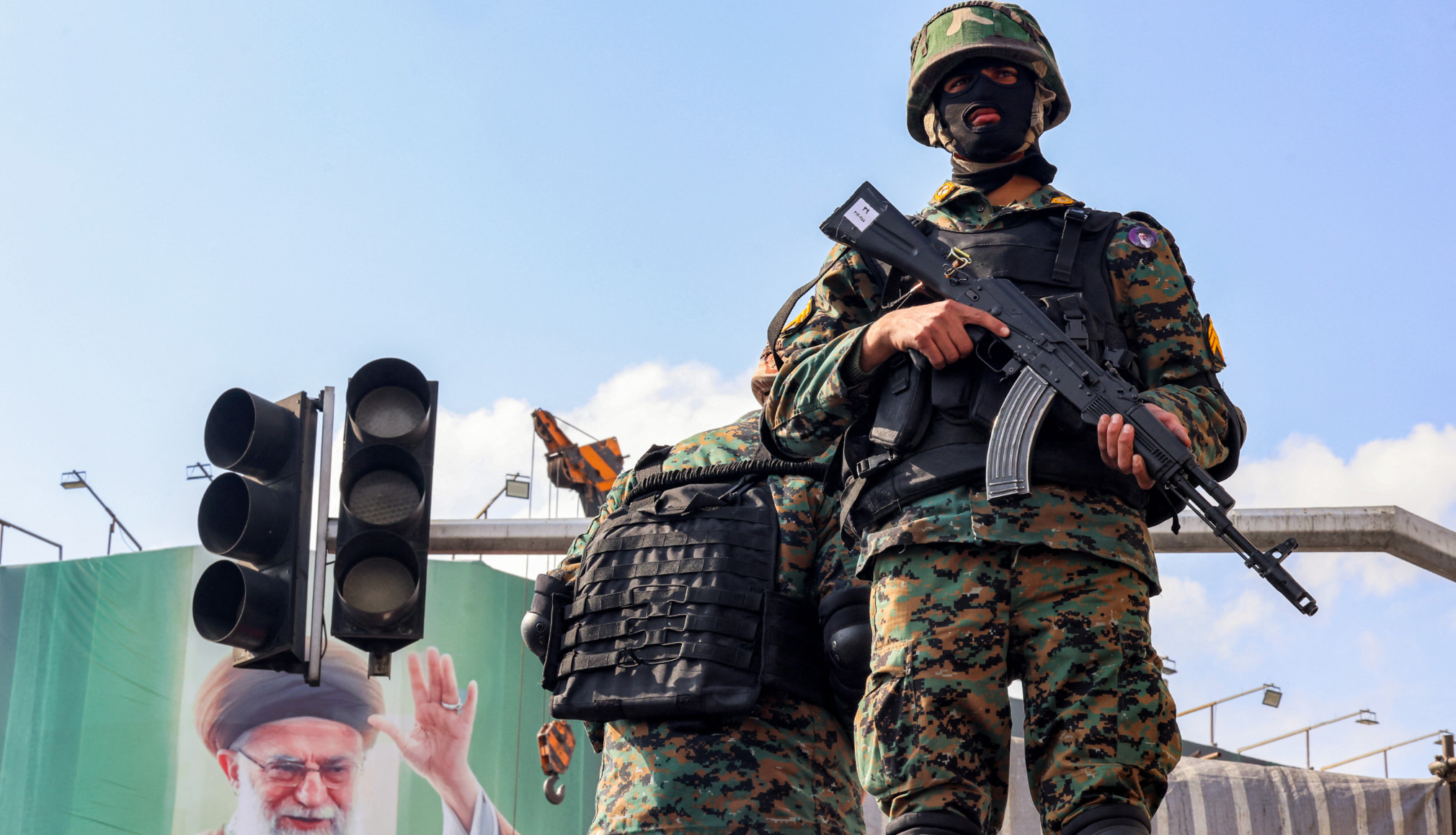
    Iran has remained steadfast in its refusal to engage in negotiations with the United States, condemning what it perceives as threats against the Islamic Republic. President Trump has deliberately kept all options, including potential military action in response to Tehran’s suppression of protesters, on the table. Security analysts speculate that any US intervention could range from targeted strikes on military infrastructure to precision operations aimed at the leadership under Ayatollah Ali Khamenei.

    In response, top Iranian officials are reportedly conducting diplomatic outreach to key Arab states to garner support, with several nations publicly denying they would permit their airspace to be used for offensive actions against Iran. Iranian Foreign Minister Abbas Araghchi has advocated for diplomatic solutions, asserting that military threats are ineffective. He clarified in televised remarks that Iran has not sought negotiations and has had no recent contact with US Middle East envoy Steve Witkoff, insisting that productive talks require the cessation of threats and ‘excessive demands.’

  • Experience Larnaka — A Mediterranean getaway

    Experience Larnaka — A Mediterranean getaway

    Positioned as an ideal Mediterranean escape for UAE travelers, Cyprus’s Larnaka region presents a compelling fusion of coastal vibrancy and mountain serenity within a remarkably short flight duration. The destination’s strategic accessibility—merely three to four hours from the Gulf—places visitors at the heart of its diverse offerings immediately upon arrival at Larnaka International Airport, where most accommodations and key attractions lie within a fifteen-minute radius.

    The region’s unique character unfolds from the moment of arrival, where the otherworldly Larnaka Salt Lake serves as a gateway spectacle. Between November and March, this ecological marvel hosts magnificent flocks of greater flamingos, while a forest-encircled pathway provides year-round leisurely strolls under typically agreeable temperatures. Overlooking the serene waters stands the architecturally significant Hala Sultan Tekke Mosque, an active pilgrimage site constructed under Caliph Muawiya’s commission. This sacred monument marks the believed resting place of Umm Haram, the Holy Helper and aunt of Prophet Muhammad, who died during the 648 AD Arab landing in Larnaka.

    Urban exploration reveals Larnaka’s dynamic evolution as an emerging investment and tourism hub. While international hotel brands increasingly establish presence alongside comprehensive European infrastructure upgrades, the city maintains profound authenticity through its layered historical narrative. The palm-lined Foinikoudes promenade introduces visitors to British Colonial Administration buildings, while the marina—once Cyprus’s primary commercial gateway for copper and carob exports—now hosts luxury yachts and sailing regattas.

    The city’s cultural complexity manifests through architectural juxtapositions like the Larnaka Medieval Castle standing adjacent to the Kebir (Buyuk) Mosque. Enhanced walkability connects landmarks, interactive QR-activated storytelling statues, the revitalized Zouchouri Square Complex, and the artistic Larnaka Art Workshops neighborhood where local creators welcome engagement. Comprehensive English signage and widespread multilingual communication ensure seamless navigation and meaningful cultural exchange.

    Beyond the urban center, Larnaka’s geographical diversity spans 75 kilometers of coastline transitioning into rolling countryside and traditional mountain villages. The agrotourism experience thrives through nine distinct Honey Villages renowned for apiculture, alongside destinations like Lefkara—celebrated for intricate lacework and silver filigree craftsmanship. Visitors engage directly with regional traditions through hands-on workshops in basketry, pottery, halloumi cheese production, and unique Cypriot pasta preparation.

    Gastronomically, Larnaka presents a fresh synthesis of Mediterranean and Middle Eastern flavors best experienced through alfresco dining in both urban and village settings. This culinary approach mirrors the region’s overall lifestyle rhythm, where seasonal variations continuously offer new reasons for repeated visitation—embodied in Larnaka’s official tourism slogan: ‘Welcome Back.’

  • UAE offers condolences to Greece over victims of deadly biscuit factory fire

    UAE offers condolences to Greece over victims of deadly biscuit factory fire

    The United Arab Emirates has formally expressed its profound condolences to the Hellenic Republic following a catastrophic industrial fire that resulted in multiple fatalities at a food processing facility northwest of Athens. Through an official statement released by its Ministry of Foreign Affairs, the UAE government conveyed its solidarity with the Greek nation and extended heartfelt sympathies to both the grieving families and the broader community affected by this tragedy.

    The incident, which represents Greece’s most severe industrial accident in recent years, occurred in the early hours of Monday at the Violanta biscuit manufacturing plant located near Trikala, approximately 245 kilometers from the capital. Security footage from adjacent properties captured the moment of a devastating explosion that subsequently engulfed a substantial section of the factory in flames.

    Greek emergency services confirmed the recovery of five female victims from the wreckage, with four bodies located shortly after the blaze and the fifth discovered the following morning once persistent fire pockets were sufficiently contained. Industrial safety investigators have launched a comprehensive probe to determine the precise cause of the explosion and subsequent fire.

    The human dimension of this tragedy has deeply affected the local communities surrounding Trikala, which supply much of the factory’s workforce. In a poignant detail that has emerged from witness accounts, colleagues and family members revealed that the deceased women had specifically opted for nocturnal shift patterns to maximize daytime availability for their children, highlighting the profound personal sacrifices behind this industrial catastrophe.

  • Ancient Chinese artifacts dug up in Ras Al Khaimah reveal centuries-old Silk Road link

    Ancient Chinese artifacts dug up in Ras Al Khaimah reveal centuries-old Silk Road link

    Recent archaeological excavations in Ras Al Khaimah have unearthed rare Ming Dynasty ceramic artifacts, providing compelling evidence of centuries-old maritime trade routes between China and the Arab world. The discovery emerged from a collaborative international effort involving Beijing’s Palace Museum, Ras Al Khaimah’s National Museum, and UK’s Duke University.

    Consul General Ou Boqian of the People’s Republic of China in Dubai emphasized the significance of these findings during Spring Festival celebrations, noting they demonstrate how historical trade, exploration, and cultural exchange bridged civilizations. “These artifacts serve as powerful symbols of friendship, teamwork, and shared heritage,” she stated.

    The historical connections find contemporary expression in Ras Al Khaimah’s expanding economic partnerships with China. Brent Anderson, Chief Commercial Officer at RAK Tourism Development Authority, reported substantial growth in Chinese companies establishing presence through the Ras Al Khaimah Economic Zone (RAKEZ). Collaborative ventures span multiple sectors including technology, engineering, construction, automotive manufacturing, and tourism development.

    Technology giant Huawei plays a particularly significant role through its Developer Conference, which facilitates Chinese business exploration in the emirate. Knowledge-sharing initiatives between Chinese and Emirati companies are fostering advanced technological development and sustainable economic growth. Aviation connectivity may soon expand, with plans underway for direct flights between Ras Al Khaimah International Airport and Chinese destinations.

    The cultural dimension of this relationship was showcased during recent Spring Festival celebrations at the American University of Ras Al Khaimah. Attendees experienced traditional Chinese tea ceremonies, mother-of-pearl hairpin crafting, paper-cutting, lacquered fan production, Hanfu costume trials, and calligraphy demonstrations. A theatrical performance recreated historical Silk Road gatherings, offering immersive cultural engagement.

    Imad, a mechanical engineering student from South Africa, described the festival as “highly informative” and appreciated the hands-on approach to understanding Chinese traditions. The cultural events will culminate in a major February 8 celebration at Dubai Expo City featuring performances, parades, and technology showcases.

    Through both archaeological discoveries and cultural exchanges, Ras Al Khaimah continues to celebrate its deep historical connections with China while building contemporary partnerships across multiple sectors.

  • China suspends Irish beef imports two weeks after resuming

    China suspends Irish beef imports two weeks after resuming

    China has reinstated its suspension on beef imports from Ireland just two weeks after resuming trade, following the detection of Bluetongue Virus (BTV) in four cattle herds in County Wexford. This marks the second major disruption to Irish beef exports to China since 2024, when shipments were halted due to an atypical BSE case.

    The Irish Department of Agriculture, Food and the Marine (DAFM) confirmed it notified Chinese authorities of the outbreak in compliance with bilateral trade protocols. While bluetongue poses no threat to human health, the virus affects cloven-hoofed animals including cattle, sheep, and goats, causing symptoms ranging from oral ulcers and breathing difficulties to fetal deformities.

    Agricultural officials emphasize that current cold weather conditions significantly reduce transmission risks, as the virus is primarily spread through biting midges that become inactive in lower temperatures. Despite this, DAFM has intensified surveillance and tracing efforts across affected regions.

    Meanwhile, Northern Ireland is investigating a suspected BTV case in County Down’s existing Temporary Control Zone, implementing additional movement restrictions for high-risk animals. Both jurisdictions had approved a vaccine against the BTV-3 strain last year, though vaccination campaigns remain in early stages.

    The current outbreak originated in the Netherlands in 2023, where it decimated sheep populations before spreading to the UK via windborne midges. The virus demonstrates varying severity across regions, with some animals showing minimal symptoms while others suffer severe complications.

  • Turkey foils Iran plot at US Incirlik base: Report

    Turkey foils Iran plot at US Incirlik base: Report

    Turkish authorities have successfully dismantled an Iranian intelligence operation attempting to conduct surveillance on the strategic Incirlik Air Base, according to a report by Sabah newspaper. The sophisticated espionage network, led by Iranian agents operating under codenames ‘Haji’ and ‘Doctor,’ was neutralized through coordinated operations across five Turkish provinces.

    The investigation revealed that Iranian operatives recruited Turkish nationals to photograph and monitor the jointly operated US-Turkish military installation in Adana. Among the six individuals apprehended, five were Turkish citizens while one held Iranian nationality. Court documents indicate the suspects faced charges of ‘obtaining confidential state information for political or military espionage purposes.’

    Evidence uncovered during the probe shows the cell received specialized drone training in Iran between August and September 2025. The network allegedly attempted to ship armed drones to the Republic of Cyprus using front companies, with some members traveling to Iran to facilitate these operations. The group communicated through encrypted channels under the codename ‘Pigeon’ while masking their activities as commercial drone trading.

    This security breach emerges amid escalating regional tensions. Iranian parliamentary speaker Mohammad Bagher Ghalibaf recently issued warnings about potential preemptive strikes against US military assets, stating Tehran would not hesitate to target American bases and ships if attacked. Meanwhile, the US has significantly enhanced its military presence in the region, deploying advanced warplanes, air defense systems, and the USS Abraham Lincoln aircraft carrier to Middle Eastern waters.

    According to sources familiar with US deliberations, Washington is considering precision strikes against Iranian officials believed responsible for the violent suppression of protests that have resulted in approximately 4,000 casualties. The situation presents President Trump with multiple military options despite his earlier expressed openness to diplomatic engagement with Iranian leadership.

  • Inside Syria’s largest oilfield after the battle for control

    Inside Syria’s largest oilfield after the battle for control

    In the scarred landscapes of northeastern Syria, Abu Aicha navigates a perimeter of strategic importance. Flanked by armed guards, he patrols the apocalyptic terrain of al-Omar oilfield—Syria’s largest petroleum reserve—where rusted pipelines and bomb-cratered earth testify to years of conflict. Recently reclaimed by Syrian government forces after nearly a decade under Kurdish-led administration, this facility represents far more than energy infrastructure: it symbolizes the economic lifeline that has repeatedly shifted Syria’s balance of power.

    The transfer of control followed a January 18 agreement between Damascus and Syrian Democratic Forces (SDF) commander Mazloum Abdi, effectively ending Kurdish autonomous administration in the northeast. The fighting that preceded the agreement lasted nearly two hours, with soldiers like Abu Taim recalling the operation’s urgency. “Before, we were forced to buy oil from them. These are resources that belong to the country,” he states, reflecting the sentiment among government forces.

    For local soldiers like 23-year-old Omar, the reclaiming carries profound significance: “I felt my land had been colonised by the SDF. Everything was transported to Hasakah. Deir Ezzor suffered economically from losing access to its own resources.” Another soldier, Mohamed Othman, 25, describes the emotional impact: “It’s as if we were born again.”

    Despite the symbolic victory, operational challenges remain staggering. Engineer Raed al-Sadoun describes damage exceeding 90 percent, requiring complete rehabilitation of wells, stations, and transfer points. “Each well needs to be studied individually,” he explains, noting that production goals of 30,000 barrels daily depend entirely on reconstruction resources and timelines.

    The economic implications are monumental. According to Benjamin Fève, a Syria specialist at Karam Shaar Advisory, oil revenues constituted approximately 77% of the Kurdish administration’s total revenues—$416 million in the first half of 2025 alone. These funds supported 220,000 public employees and 85,000 fighters, making autonomy financially viable. “Oil did not trigger the Syrian conflict, but it financed its prolongation,” Fève observes, noting how control over energy resources allowed armed actors to build rival governance systems.

    While immediate budget impacts may be limited, al-Omar’s light crude compatibility with Syria’s Baniyas refinery makes it strategically vital for reducing imports and relaunching national production. With recoverable reserves estimated at 520 million barrels, the field remains a prize worth fighting for—even amidst the devastation that requires intensified patrols against looters and complex reconstruction efforts that may require years to complete.