分类: world

  • Iran war: What has the war done to the cost of humanitarian aid?

    Iran war: What has the war done to the cost of humanitarian aid?

    While the United Kingdom has drawn public attention to potential domestic food shortages linked to threats blocking the Strait of Hormuz, a far more devastating crisis is unfolding for the world’s most vulnerable populations, whose access to life-saving support has been crippled by the ongoing US-Israeli war on Iran. The conflict has thrown global humanitarian logistics into disarray, and the international community has moved far too slowly to address the cascading harms hitting at-risk communities across the Middle East, South Asia and the Horn of Africa.

    One of the least visible but most damaging outcomes of the conflict has been a sharp surge in the cost of delivering aid to crisis zones. As global oil prices skyrocket in the wake of regional instability, already tight international aid budgets have been squeezed even further, eroding the capacity of humanitarian organizations to reach people in need. In a new analysis released this week, UK-based international charity Save the Children laid out the staggering human cost of these rising costs: every $5 increase in global oil prices driven by Middle East conflict eliminates enough funding to deliver one month of life-saving aid to nearly 40,000 children. For Save the Children alone, the organization now needs an extra $340,000 per month just to cover the cost of shipping critical aid supplies.

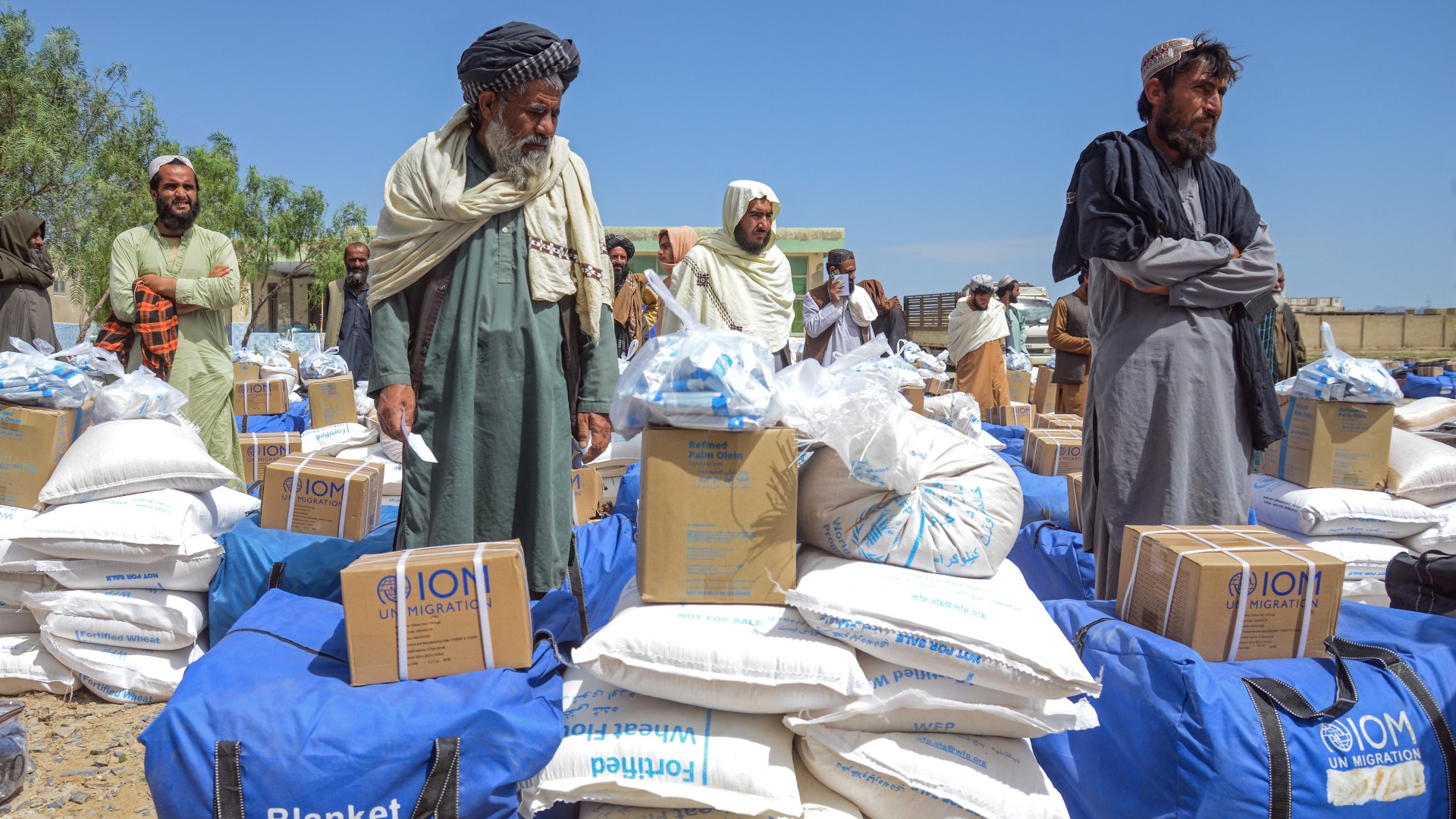
    One urgent case already unfolding is a stalled shipment of nutritional support bound for Afghanistan, where more than 21.9 million people rely on humanitarian assistance. The supplies, meant to serve 5,000 children and 1,400 pregnant and breastfeeding women, were sourced from a New Delhi supplier but have been held up by war-related disruptions to global shipping. Since March, air freight costs for the shipment have jumped from $240,000 to $435,000 — now more than double the actual value of the nutritional supplies themselves. Save the Children teams are currently scrambling to lock in lower-cost delivery options, but Willem Zuidema, the organization’s global supply chain director, warned that Afghanistan could run out of critical life-saving supplies by the end of the month. “This is a race against the clock,” Zuidema told Middle East Eye.

    While the recent ceasefire in the region has offered a small measure of relief, Save the Children stressed that the economic and logistical ripples of the war will linger for months. Even if commercial shipping through key chokepoints like the Strait of Hormuz returns to normal, freight operators have made clear that oil carriers will receive priority loading and routing, leaving humanitarian aid shipments waiting at ports. Compounding these pressures is the Trump administration’s “trade over aid” policy framework, which prioritizes private business opportunities over humanitarian resourcing, forcing non-profit organizations to adapt rapidly to shrinking budgets and growing logistical barriers.

    Facing these constraints, aid groups have been forced to rethink longstanding supply chain routes to get critical support to where it is needed. For example, medical equipment and supplies bound for Yemen and Sudan — where Sudan hosts what the United Nations describes as the world’s worst ongoing humanitarian crisis — are currently stuck in Dubai. Save the Children is now pursuing alternative routes: driving aid overland into Yemen, or moving supplies across the border to Jeddah, Saudi Arabia, before arranging final shipment to Sudan.

    Even though U.S. officials have given repeated assurances that humanitarian aid will be exempt from its regional blockade, the indirect impacts of the conflict are still driving sharp increases in food and essential commodity prices worldwide. In Somalia, where 70 percent of the country’s food supply comes from imports or international aid, the World Food Programme reports that prices of essential goods have jumped by at least 20 percent since the war began, with the cost of key agricultural fertilizers such as urea surging by as much as 70 percent in just a few weeks.

    This week, the international community pledged 1.3 billion euros (equivalent to $1.53 billion) in new aid for Sudan, as the country’s own internal civil conflict enters its fourth year. While the pledge was broadly welcomed by humanitarian groups, it comes as global aid efforts are already failing to keep up with the exploding demand for support across multiple crisis zones. Long before the outbreak of the war on Iran, global humanitarian funding had already fallen by almost a third since 2023, with major donor nations including France, Germany and the United Kingdom all scaling back their official aid commitments. The war has accelerated this crisis dramatically: in Iran alone, 3.2 million people have been displaced by the conflict since attacks began, and the first large shipment of aid to the country since February 28 only arrived this Tuesday, with aid workers on the ground reporting overwhelming unmet need.

    Amid these growing gaps, independent observers note that the cascading effects of regional conflict are hitting vulnerable populations that are already reeling from years of underfunded crises, raising the risk of widespread hunger, preventable illness and child mortality in the coming months if the international community does not step up emergency support.
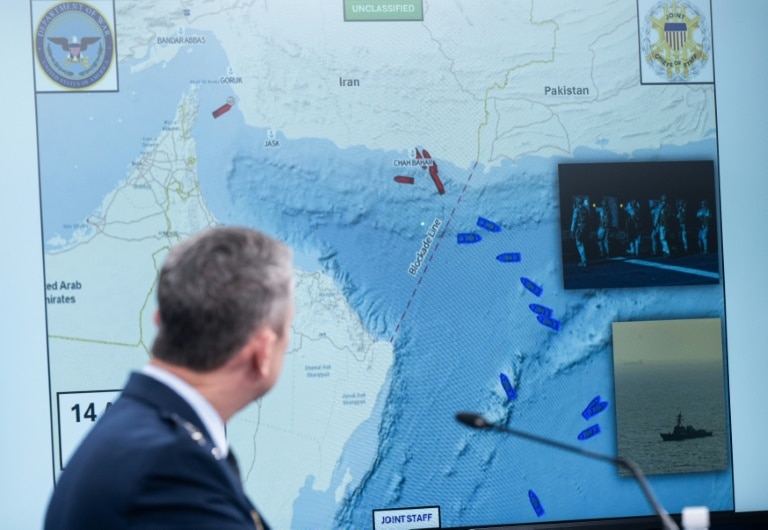

  • Vessels cross Hormuz destined for Iran despite US blockade

    Vessels cross Hormuz destined for Iran despite US blockade

    Tracking data released Thursday has confirmed that multiple sanctioned cargo and tanker vessels have successfully traversed the Strait of Hormuz en route to Iranian ports, directly defying a new U.S. blockade imposed amid the ongoing seven-week Middle East conflict. The breach of the U.S. restrictions comes just days after Washington implemented its counter-blockade, which followed the collapse of regional peace talks aimed at ending the sustained hostilities.

    In an update posted to the social platform X Thursday, the U.S. military claimed that over the first 72 hours of enforcement, 14 vessels had altered their courses to comply with the blockade at U.S. forces’ direction. Notably absent from this update, however, was the military’s previous assertion that it had stopped all vessel traffic heading to or departing from Iranian ports, a change that experts say hints at growing gaps in enforcement.

    Marine Traffic, a leading global vessel tracking platform, has documented the journeys of two sanctioned vessels that have already reached waters adjacent to their intended Iranian destinations. The sanctioned container ship Zaynar 2 completed its westward passage through the strait into the Persian Gulf late Wednesday, with its destination listed as Larak Island — a key logistics hub just off the coast of Iran’s major Bandar Abbas port. The ship’s last transponder signal placed it near the island by Wednesday evening. A second sanctioned cargo vessel, the Neshat, followed the same general route early Thursday, sailing close to the Iranian coastline while transiting the strait, also bound for Bandar Abbas. As of 15:00 GMT Thursday, its signal showed it anchored roughly 16 kilometers off the port.

    In addition to the smaller cargo vessels, two large U.S.-sanctioned very large crude carriers (VLCCs), the RHN and the Alicia, have also broken through the blockade, crossing westward through the strait via Iran’s officially approved shipping lane. As of Thursday, both tankers continued sailing west through the Gulf, listing their destination only as “For Order,” leaving their final port of call unclear. Industry analysts note this vague designation follows a pattern seen in recent weeks with other sanctioned Iranian-linked vessels, which often falsely list Iraq as their destination to avoid U.S. enforcement — a loophole that allows them to cross without intervention. Two more vessels, the VLCC Agios Fanouris I and the liquefied petroleum gas tanker G Summer, are currently sailing toward what tracking data indicates is a likely Iraqi destination, putting them outside the scope of the current U.S. blockade.

    Maritime experts have voiced confusion over how easily vessels have been able to breach the blockade, given the U.S. military’s significant regional presence. “There’s evidence that ships are perhaps breaking through” the U.S. blockade, Tom Sharpe, a former commander with the UK’s Royal Navy, told a Thursday briefing hosted by maritime analytics firm Windward. “That I don’t understand particularly, because from a military perspective, from a tactical perspective, this blockade is not that hard to do. They’ve got the ships there to do it,” he added.

    While Bridget Diakun, senior risk and compliance analyst at Lloyd’s List Intelligence, confirmed that some Iran-linked vessels have halted their voyages or reversed course to avoid running afoul of the blockade, she also acknowledged that the restrictions have not stopped all traffic. “We’ve also seen ships that have reached Iranian ports and that have departed as well,” she told the briefing. Summing up the chaotic state of shipping through the strategic waterway, Lloyd’s maritime risk analyst Tomer Raanan noted that after 24 hours of the new blockade, “Confusion reigns.”

  • BP sued in Kenya over alleged toxic waste from 1980s oil exploration

    BP sued in Kenya over alleged toxic waste from 1980s oil exploration

    NAIROBI, Kenya — In a landmark decision that opens the door for affected communities to seek accountability for decades of alleged environmental harm, Kenya’s High Court ruled Thursday that a high-stakes class action lawsuit against global energy giant BP can proceed to trial. The legal challenge centers on claims of widespread toxic contamination of northern Kenya’s drinking water from negligent waste disposal practices during 1980s oil exploration activities.

    The suit was first brought in February by 299 local petitioners to the Land and Environment Court in Isiolo, the regional administrative hub for the affected area in northern Kenya. At the heart of the allegations is the claim that waste generated during oil exploration operations, including hazardous radioactive materials, was improperly handled, resulting in severe and long-lasting damage to local ecosystems and public health.

    The exploration work at the center of the dispute was originally conducted by U.S.-based Amoco Corporation, which drilled multiple dry wells in the Chalbi Desert near the remote communities of Kargi and Kalachi in the 1980s. BP acquired all of Amoco’s global assets and operations, including its Kenyan exploration holdings, in a 1998 merger, leaving BP as the primary corporate defendant in the current case.

    Court documents detail damning allegations: contaminants including radioactive radium isotopes, arsenic, lead, and nitrates were allegedly dumped in unlined, uncovered pits rather than being disposed of according to regulated safety standards. Over decades, these toxins have leached into the region’s groundwater, the primary source of drinking water for local residents and their livestock. The petition claims this contamination has directly caused the death or illness of hundreds of local people and thousands of area animals. More than 500 resident deaths are linked to cancers and other chronic conditions tied to exposure to heavy metals and carcinogens in the contaminated water supply.

    Beyond the corporate defendant, the lawsuit also names multiple Kenyan national government agencies — including the ministries and regulatory bodies overseeing environment, water resources, mining, and public health — accusing them of negligence for failing to intervene and address the contamination even after receiving clear evidence of the public health risk.

    BP has not issued any public statement addressing the allegations, and did not respond to requests for comment from media ahead of the court’s ruling. The case is scheduled to resume for further proceedings in May.

    This reporting, part of the Associated Press’ global climate and environmental coverage, receives financial support from multiple private philanthropic foundations. The AP maintains full editorial independence over all its reporting, and public details of its partnership standards, funding sources, and covered areas are available on AP.org.

  • Pope criticises ‘tyrants’ who spend billions on wars, days after Trump spat

    Pope criticises ‘tyrants’ who spend billions on wars, days after Trump spat

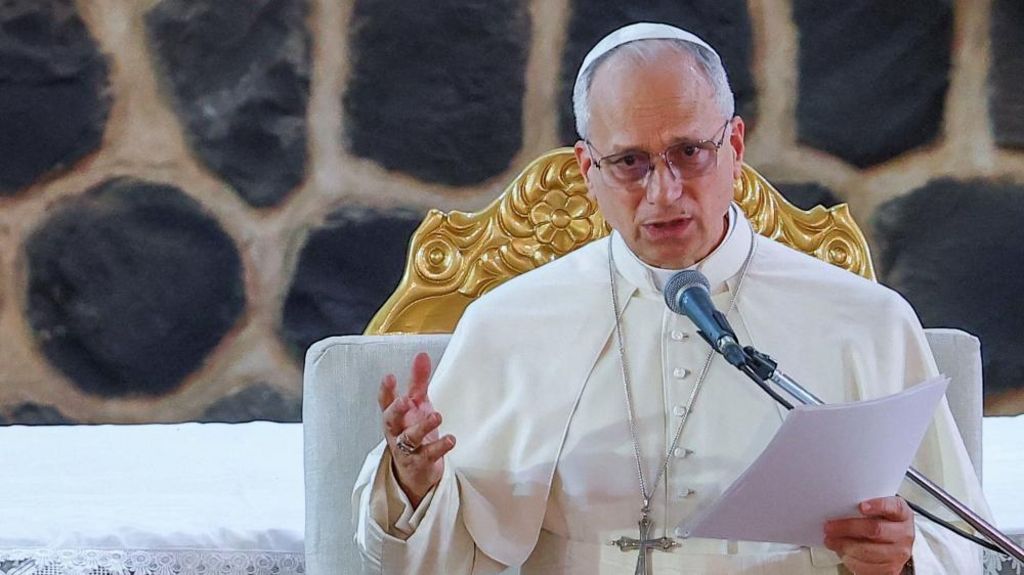
    In an extraordinary departure from typical diplomatic Vatican rhetoric, Pope Leo has issued a blistering rebuke of global leaders who pour billions of dollars into military conflicts, arguing that the entire global order is currently being exploited and destabilized by a small group of authoritarian rulers. The unusually harsh comments came during the pontiff’s tour of Cameroon’s Northwest region, an area that has been torn apart by a nearly 10-year-long separatist insurgency that has claimed thousands of lives and displaced hundreds of thousands of residents.

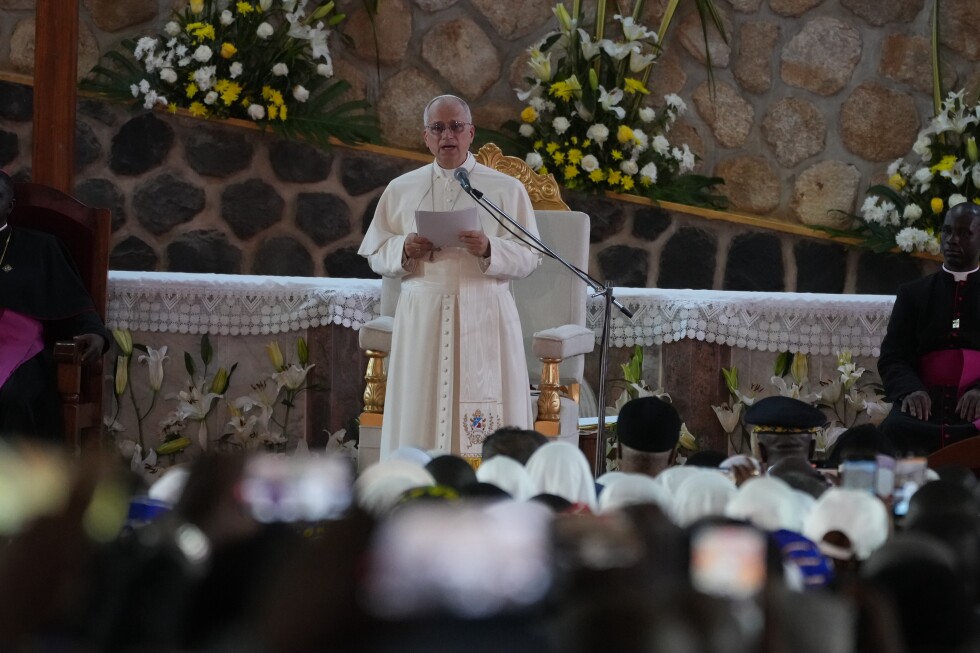
    Standing before crowds gathered at a cathedral in Bamenda, the heart of Cameroon’s conflict zone, Pope Leo called out actors who fuel the region’s ongoing violence, noting that external and local groups that extract natural resources from the affected land often funnel a large share of their profits into weapons, prolonging a never-ending cycle of violence and collapse. “Those who rob your land of its resources generally invest much of the profit in weapons, thus perpetuating an endless cycle of destabilisation and death,” he told the assembled audience of community members, clergy and displaced residents.

    The pontiff expanded his critique beyond Cameroon’s local conflict to the global stage, condemning the misplaced global priorities that prioritize destruction over human development. “The masters of war pretend not to know that it takes only a moment to destroy, yet often a lifetime is not enough to rebuild,” he said. He added that it is a moral travesty that leaders “turn a blind eye to the fact that billions of dollars are spent on killing and devastation, yet the resources needed for healing, education and restoration are nowhere to be found.” He also called out actors who “manipulate the very name of God” to justify their violent, self-serving actions.

    Pope Leo’s comments come just days after a high-profile public conflict with former U.S. President Donald Trump, sparked by the pontiff’s vocal opposition to the joint U.S.-Israeli military operation in Iran. Pope Leo had previously raised alarm over Trump’s stark threat that “a whole civilisation will die” if Iran refused to meet U.S. demands to end the war and reopen the strategically critical Strait of Hormuz. This is not the first public disagreement between the two men: since his election as the first U.S.-born pope in history last year, Pope Leo has repeatedly criticized the Trump administration’s hardline approach to immigration policy, prompting a sharp rebuke from Trump on his TruthSocial platform, where the former president wrote “Leo should get his act together as Pope.”

    The Cameroon visit is a key stop on Pope Leo’s multi-country African tour, which will include 11 stops across four nations. This marks only his second major international visit since taking office last year, a schedule that underscores the growing strategic and demographic importance of the Catholic Church in Africa. Recent 2024 demographic data shows that Africa is home to roughly 288 million Catholics, accounting for more than one-fifth of the entire global Catholic population – a share that continues to grow steadily year over year.

  • What to know about Cameroon’s separatist violence that the pope seeks to end

    What to know about Cameroon’s separatist violence that the pope seeks to end

    BAMENDA, CAMEROON – On Thursday, Pope Leo XIV touched down in Bamenda, the northwestern hub of Cameroon, to convene a landmark peace gathering in a region scarred by nearly 10 years of separatist violence that has left thousands dead and hundreds of thousands displaced. The summit forms a core part of the pontiff’s four-nation African tour, designed to center grassroots interfaith efforts that have long worked to de-escalate tensions and support conflict survivors navigating deep psychological trauma.

  • Blunt-speaking Pope tells Cameroon to root out corruption to find peace

    Blunt-speaking Pope tells Cameroon to root out corruption to find peace

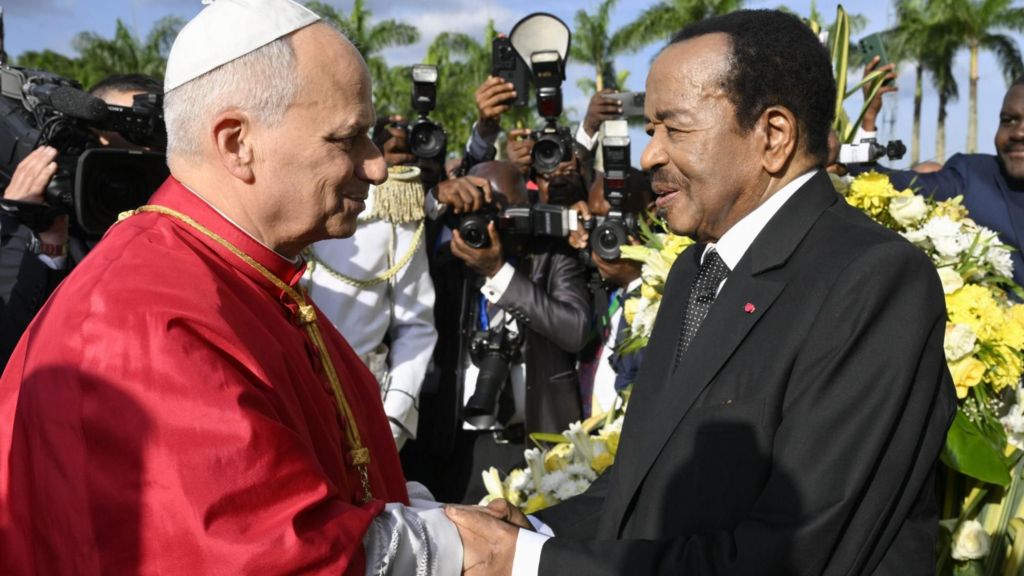
    On the second stop of his landmark 11-day tour across Africa, Pope Leo XIV delivered a blunt, unflinching address to Cameroon’s leadership at Yaoundé’s presidential palace, calling on the government to dismantle systemic corruption as a foundational step toward lasting peace and justice. His remarks, delivered in the presence of 93-year-old President Paul Biya — the world’s oldest sitting head of state, who secured a contested eighth term in office last year — marked a rare public rebuke of an administration long dogged by allegations of graft, poor governance, and ineffective security management.

    “In order for peace and justice to prevail, the chains of corruption – which disfigure authority and strip it of its credibility – must be broken,” the 70-year-old pontiff told the assembled crowd. He expanded on the theme, adding, “Hearts must be set free from an idolatrous thirst for profit.” According to reporting from the Associated Press, Cameroon’s state television cut its live broadcast of portions of the Pope’s speech, with no clarity on whether the interruption stemmed from technical issues or intentional editing. Biya sat through the entire address without visible reaction, multiple observers confirmed.

    Following his meeting with Cameroon’s government, Pope Leo traveled north to Bamenda, the epicenter of a nearly decade-long separatist insurgency in Cameroon’s English-speaking North-West and South-West regions. The conflict, which erupted in 2017 when Anglophone separatists launched their push for an independent state, has killed at least 6,000 people and displaced hundreds of thousands more. Separatist leaders had pre-emptively declared a temporary “safe travel passage” to allow the papal visit to proceed, and throngs of excited local residents lined city streets to greet the pontiff upon his arrival.

    During his remarks ahead of a planned peace Mass at Bamenda’s airport, Pope Leo waded into the long-running conflict, noting that while security must remain a priority for the state, it must always be exercised in full respect for fundamental human rights. The separatist movement grew out of decades of grievances over what the Anglophone minority describes as systemic marginalization by Cameroon’s French-speaking majority government.

    Beyond his calls for anti-corruption action and peace, Pope Leo used his address to center marginalized groups in Cameroon’s future. He emphasized that young people represent the country’s greatest hope, arguing that investment in their education, professional training, and entrepreneurial ventures is critical to curbing brain drain and addressing deep-rooted social inequality. He also highlighted the underrecognized role of women, who are often disproportionately harmed by conflict and injustice but serve as persistent, unsung architects of peace, calling for their full inclusion in all national decision-making processes. Biya, who was re-elected in October, has made public promises to prioritize young people and women, and expectations remain high for a looming cabinet reshuffle to deliver on those pledges.

    Local church leaders have framed the papal visit as a rare moment of hope for a region shattered by years of violence. “I can confidently say now is the time for peace,” Archbishop Andrew Nkea of Bamenda told worshippers ahead of the Mass, adding that the visit would bring comfort to thousands whose lives have been upended by the conflict.

    This tour is the first papal visit to Africa under Pope Leo XIV, with peace as its overarching central theme. The pontiff launched his trip in Algeria, marking the first ever papal visit to the majority-Muslim North African nation — which is also the birthplace of St. Augustine, the theological figure whose teachings shape Pope Leo’s own spiritual background as the first pope from his religious order. During his two days in Algeria, the Pope visited Algiers’ Great Mosque, a moment he called a powerful demonstration that people of differing faiths and backgrounds can coexist peacefully. After wrapping up his time in Cameroon, Pope Leo will travel on to visit Angola and Equatorial Guinea to conclude the 11-day tour.

  • Chinese man jailed for one year by Kenyan court over ant trafficking

    Chinese man jailed for one year by Kenyan court over ant trafficking

    In a high-profile wildlife trafficking case that highlights Kenya’s ongoing crackdown on unregulated insect trade, a Kenyan court has handed down a one-year prison sentence to a Chinese national convicted of unlawfully holding hundreds of live native ants, the latest conviction in the east African nation’s campaign against underreported trafficking of lesser-known wildlife species.

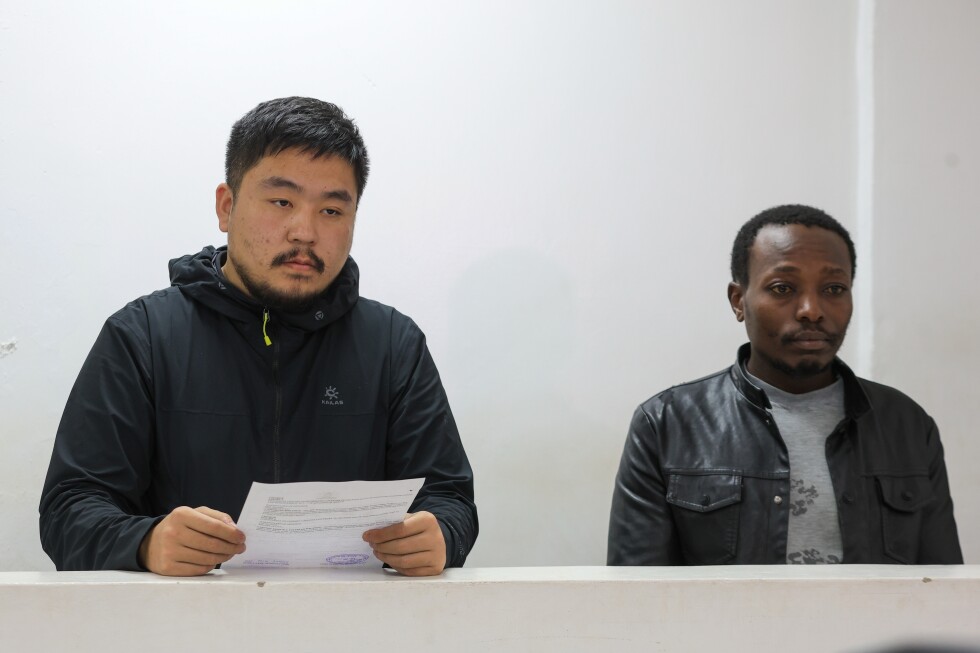
    Zhang Kequn, who entered a guilty plea to the charge of holding protected wildlife without a valid government license, was also ordered to pay a fine of 1 million Kenyan shillings, equal to roughly $7,700, according to court documents released Wednesday. His co-accused, Kenyan national Charles Mwangi, has maintained a not guilty plea to the same charge and was released on cash bail as the case against him proceeds.

    Prosecutors laid out the details of the trafficking operation during court proceedings, confirming that Zhang sourced the live ants directly from Mwangi. The pair completed two separate transactions: the first batch of 600 ants cost Zhang 60,000 Kenyan shillings ($463), while a second shipment of 700 ants came at a price of 70,000 Kenyan shillings ($540). Authorities first took the two suspects into custody on March 10, when a search turned out a total of 2,248 live ants. Most of the insects – 1,948 garden ants – were stored in custom-made transportation tubes, while an additional 300 ants were hidden in tissue rolls. Investigators confirmed that neither suspect held the mandatory permits required under Kenya’s strict wildlife conservation legislation to collect, hold, or trade native wildlife species, including native ant populations.

    This conviction is not an isolated incident. Just last year, Kenyan authorities charged two Belgian teenagers with similar wildlife trafficking offenses after seizing 5,000 ants stored in test tubes from their possession. That case drew international attention to a growing, underreported trend: traffickers target smaller, lesser-known Kenyan wildlife species for international markets, where the ants are valued both as exotic pets and unusual delicacies among collectors and consumers in Europe and Asia. At the time of that seizure, Kenyan officials estimated the value of the trafficked ant shipment at 1 million Kenyan shillings ($7,700), matching the fine issued to Zhang in this week’s ruling. Kenya has a long-standing reputation for aggressive enforcement of wildlife protection laws, targeting poaching and trafficking of all protected species – from iconic large mammals to overlooked native insects that make up a critical part of the country’s unique biodiversity.

  • Wanted activist arrested in South Africa over support for Benin coup plot

    Wanted activist arrested in South Africa over support for Benin coup plot

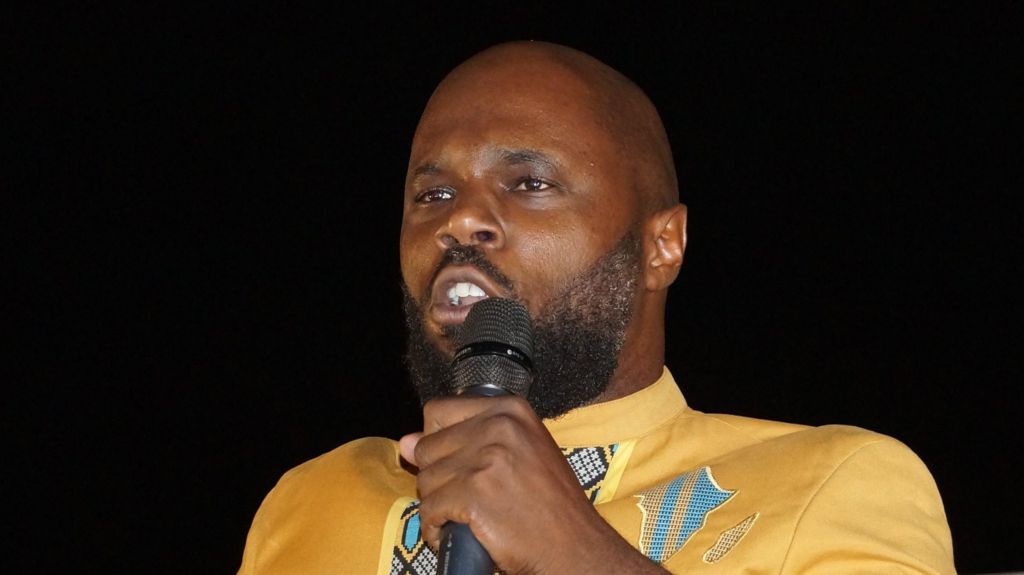
    In a coordinated sting operation carried out at a Pretoria shopping center earlier this week, South African law enforcement has detained high-profile French-born Beninese activist Kemi Seba, who was wanted internationally for charges tied to an alleged failed coup attempt in his home country of Benin. Alongside Seba, 45, officials also took his 18-year-old son and a third individual accused of acting as a paid smuggler into custody, as the group was reportedly plotting an escape route to Europe via neighboring Zimbabwe.

    Seba, whose full legal name is Stellio Gilles Robert Capo Chichi, has built a large international following as a vocal Pan-Africanist, known above all for his vehement opposition to long-standing French political and cultural influence across the African continent. He currently leads the Pan-Africanist Emergency NGO, an organization focused on advancing African sovereignty and cross-continental solidarity, and counts 1.5 million followers across his social media platforms.

    The arrest stems from charges filed by Beninese authorities, who accuse Seba of inciting rebellion after he openly supported a December 2025 attempted coup against Benin’s sitting government. The mutiny, carried out by rogue soldiers, was quickly defeated within hours with security support from Nigeria and France, but Seba released a public video calling the attempted overthrow a “day of liberation” for Benin, a former French colony. That statement prompted Benin to issue an international arrest warrant for the activist. Preliminary investigations from South African police also confirmed Seba is wanted on additional criminal charges related to crimes against the state in his native France.

    The smuggling facilitator detained alongside Seba and his son had reportedly been paid 250,000 South African rand, equal to roughly $15,000, to help the group cross the Limpopo River into Zimbabwe, from where they planned to travel onward to Europe, according to an official statement released by South African police this Thursday. All three detainees appeared in court on Wednesday and remain in police custody ahead of a next hearing scheduled for 20 April, with formal extradition proceedings already underway.

    Seba’s history of political activism has long been marked by controversy. He has been convicted multiple times in France on charges of inciting racial hatred, and has repeatedly faced accusations of anti-Semitism. In 2024, France stripped him of his citizenship, a move he responded to by publicly burning his French passport and declaring he had been “freed from the burden of French nationality.”

    He has also been repeatedly accused by Western officials of spreading Russian propaganda across the African continent. Thomas Gassilloud, who chaired France’s National Assembly defence committee in 2024, labeled Seba a mouthpiece for Russian interests, claiming he served a foreign power that actively fuels anti-French sentiment across West Africa. Later that same year, the ruling military junta in Niger granted Seba a diplomatic passport naming him a special adviser to junta leader Abdourahamane Tchiani. Like neighboring military-led governments in Mali and Burkina Faso, Niger’s junta cut military counterterrorism cooperation with France after seizing power and has aligned itself closely with Russia instead.

    As of this report, Seba has not issued any public comment responding to the charges against him.

  • Trump says war ‘close to over’, hints at fresh talks

    Trump says war ‘close to over’, hints at fresh talks

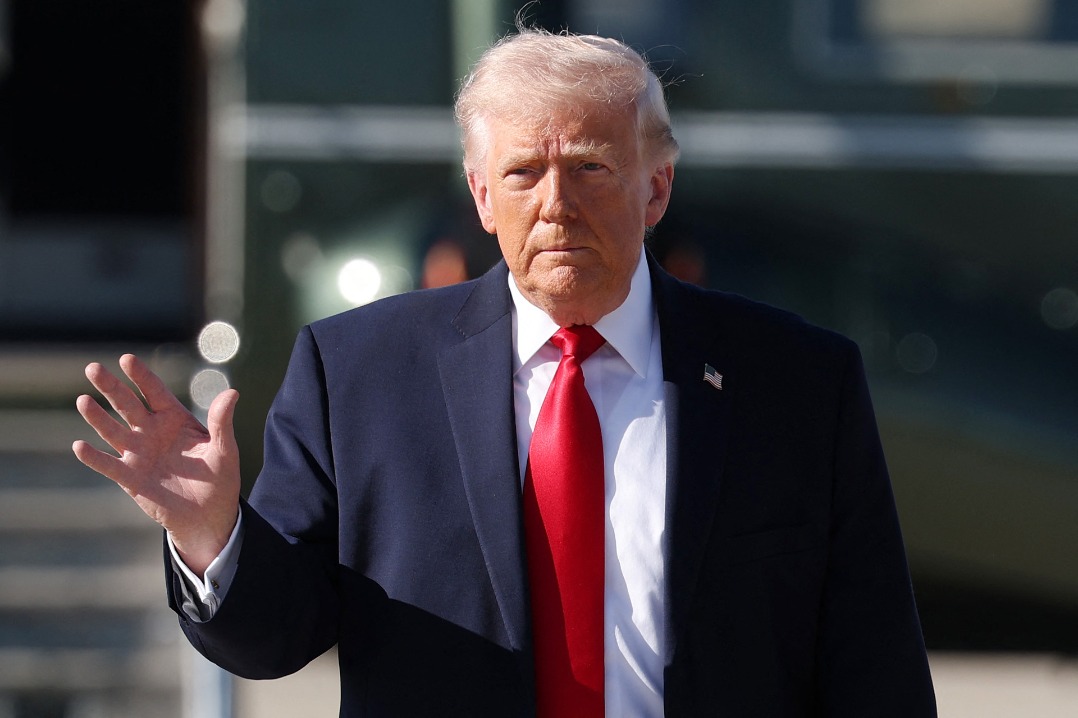
    A stark contradiction has emerged between U.S. President Donald Trump’s optimistic remarks on the US-Iran conflict and unconfirmed reports of expanding American military presence in the Middle East, as regional diplomatic efforts gain momentum to de-escalate tensions. Speaking in an interview with Fox Business host Maria Bartiromo on Wednesday, Trump asserted that the ongoing standoff with Tehran is ‘very close to being over’, adding that he believes Iranian authorities are eager to reach a negotiated settlement. He also dropped a hint that a new round of bilateral talks could be held in Pakistan in the coming days.

    While the Trump administration has not publicly confirmed any new troop movement, The Washington Post first reported that thousands of additional U.S. service members will be deployed to the region in the coming days to pressure Iran into accepting a deal favorable to Washington. Iran has yet to issue an official response to Trump’s talk of new negotiations, but Pakistan’s Ministry of Foreign Affairs released a public statement this week outlining an upcoming diplomatic tour by Pakistani Prime Minister Shehbaz Sharif, who will visit Saudi Arabia, Qatar, and Turkiye between April 15 and 18.

    Officials note the visits are centered on advancing bilateral cooperation and discussing regional peace and security priorities. A key stop on Sharif’s tour is Turkiye, where he will take part in the 5th Antalya Diplomacy Forum and hold one-on-one talks with Turkish President Recep Tayyip Erdogan and other visiting global leaders.

    The United Nations has already signaled cautious optimism for renewed negotiations. During a UN briefing on Tuesday, Secretary-General Antonio Guterres said that following a call with Pakistani Deputy Prime Minister Mohammad Ishaq Dar, the UN has received indications that US-Iran talks are highly likely to restart. Guterres also praised Pakistan for taking the diplomatic initiative to facilitate dialogue and advance peace in the Middle East.

    Alongside diplomatic efforts, the U.S. military has maintained aggressive pressure on Iran through a full naval blockade of Iranian ports along the Strait of Hormuz, a critical global chokepoint for oil and energy trade. In a post on X Wednesday, U.S. Central Command confirmed that American guided-missile destroyers are part of the blockade force, which enforces restrictions on all vessels entering or exiting Iranian coastal waters, regardless of their flag. ‘A blockade of Iranian ports has been fully implemented as US forces maintain maritime superiority in the Middle East,’ U.S. Central Command chief Admiral Brad Cooper said in a statement.

    Despite the formal blockade, however, two commercial vessels managed to reach Iranian ports this week by adjusting their automatic identification system (AIS) data, according to a Xinhua News Agency report citing maritime intelligence firm Lloyd’s List. The two Iran-flagged container ships, originally registered as heading for the major southern Iranian port of Bandar Abbas, changed their AIS destination to the broader label ‘PG Ports’, short for Persian Gulf Ports, and successfully completed their journey to Bandar Abbas on Tuesday.

    Iran’s ambassador to Pakistan, Reza Amiri Moghadam, has condemned the naval blockade as a dangerous and irresponsible act. He described the move as ‘a reckless misstep meant possibly for a dignified exit and face-saving’ for the United States, adding that the action is designed to create the narrative that Washington is imposing its will through military force. Moghadam argued the blockade serves to justify past military deployments, aggressive rhetoric, human casualties, and the heavy financial burden of the conflict on American taxpayers.

    As diplomatic teams work to finalize the date and location for the next round of US-Iran talks, the international community is also turning attention to another ongoing conflict in the Middle East: the standoff between Israel and Lebanon. A group of 10 countries including Canada, the United Kingdom, Australia, Japan, Brazil, Colombia, Indonesia, Jordan, Sierra Leone, and Switzerland issued a joint statement this week expressing deep concern over the deteriorating humanitarian situation and mass displacement crisis in Lebanon. Currently, Israeli and Lebanese delegations are holding direct ambassador-level talks at the U.S. State Department in Washington, with Israel pushing for the full disarmament of Hezbollah and Lebanon calling for an immediate ceasefire.

  • Conflict takes toll on historical sites

    Conflict takes toll on historical sites

    As armed conflict continues to roil the Middle East, a growing international outcry has emerged over the irreversible damage inflicted on centuries of cultural heritage, with at least 131 historical sites in Iran already harmed by joint US-Israeli strikes and escalating threats to culturally significant landmarks across Lebanon amid ongoing Israeli bombardment. Experts warn that this destruction goes far beyond what is commonly accepted as unavoidable collateral damage of war, representing a deliberate erasure of shared human history.

    Neda Zoghi, an Iranian artist and civilization scholar with a doctorate in Islamic art who currently serves as a researcher at the Asia West East Centre based in Kuala Lumpur, Malaysia, argues that the scale of destruction points to a coordinated attack on the identity of regional civilizations. “When over 100 cultural heritage sites and museums sustain deliberate or negligent destruction in a matter of weeks, we are confronting something far more calculated — the systematic dismantling of a civilization’s physical memory,” Zoghi explained in comments on the escalating crisis.

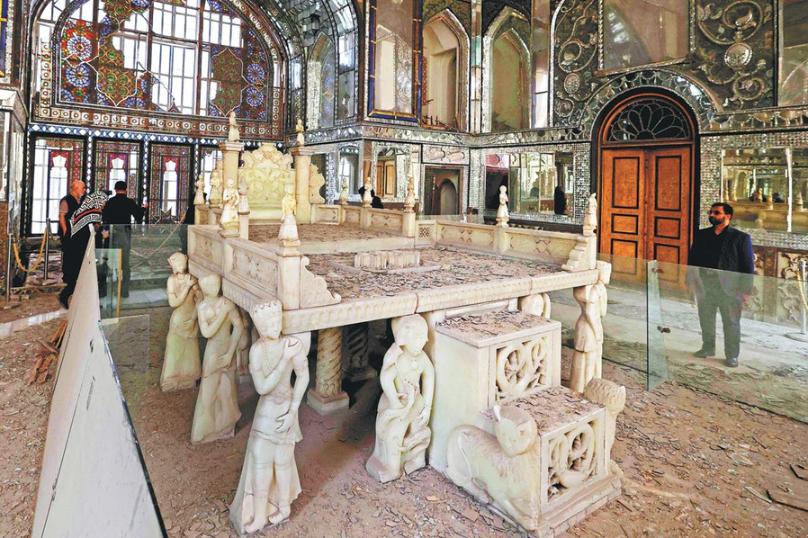
    Per a Friday report from Xinhua News Agency, Seyed Reza Salehi-Amiri, Iran’s Minister of Cultural Heritage, Tourism, and Handicrafts, confirmed that the damage spans 20 of Iran’s provinces, with 131 irreplaceable historical and civilization-related monuments sustaining harm from the strikes. Photographic evidence released in early April captured the devastating impact: visitors walking through the fire-scarred, structurally damaged interiors of Tehran’s iconic Golestan Palace, a UNESCO World Heritage Site and one of Iran’s most recognizable cultural landmarks, serve as a stark visual testament to the destruction.

    As strikes continue, concerns are also mounting that Lebanon’s rich array of cultural and historical properties face the same fate. The country’s millennia-long history has left it with thousands of archaeological sites, historic city centers, and heritage landmarks, many of which already sit in active conflict zones along the Lebanon-Israel border. Cultural heritage advocates warn that without urgent intervention to protect these sites, the region could lose irreplaceable pieces of global cultural history that have survived centuries of conflict and change.

    The destruction of cultural heritage during armed conflict is widely recognized as a violation of international humanitarian law, which explicitly prohibits deliberate attacks on historic monuments and cultural sites unless they are repurposed for military use. The scale of damage reported in Iran has drawn growing condemnation from cultural organizations across the globe, with many calling for an immediate halt to strikes that target or put at risk sites of cultural significance.