分类: world

  • Russian drone attack kills 3 in southern Ukraine as further US-led peace talks approach

    Russian drone attack kills 3 in southern Ukraine as further US-led peace talks approach

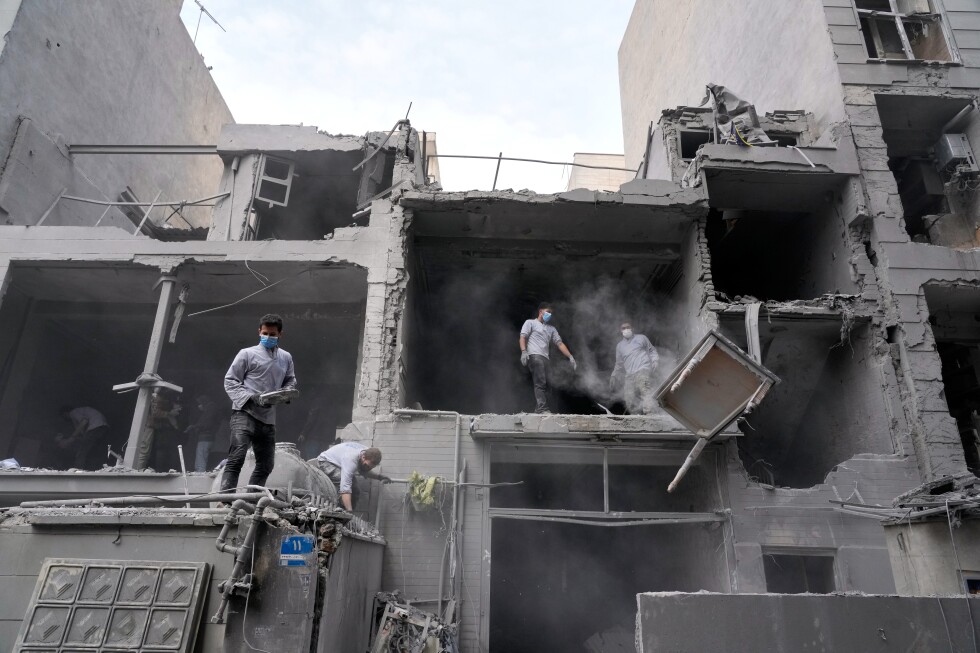
    A lethal Russian drone offensive in Ukraine’s southern Zaporizhzhia region has resulted in three fatalities, with additional casualties reported in central Dnipropetrovsk, according to Ukrainian authorities. The overnight assault ignited significant fires in residential structures, necessitating extensive emergency response operations.

    Ukrainian President Volodymyr Zelenskyy has issued a grave warning regarding intelligence indicating Russia’s preparation for another massive aerial bombardment. Historical patterns reveal these coordinated attacks frequently involve hundreds of drones combined with cruise and ballistic missiles, systematically targeting Ukraine’s energy infrastructure.

    These persistent aggressions occur despite anticipated diplomatic engagements, with U.S.-mediated peace negotiations scheduled to resume this weekend. Zelenskyy emphatically stated that each Russian strike fundamentally undermines the credibility of these peace talks.

    The relentless bombardment of civilian territories behind the extensive 1,000-kilometer frontline continues unabated, despite widespread international condemnation nearly four years following Russia’s full-scale invasion.

    European leadership has expressed deepening skepticism regarding Moscow’s commitment to genuine diplomacy. EU foreign ministers convened in Brussels, with Estonian Prime Minister Kaja Kallas accusing Russia of escalating civilian attacks due to battlefield stagnation. European officials emphasize the necessity of their involvement in settlement discussions, particularly given concerns that U.S.-led negotiations might overlook European security interests.

    A recently published think tank assessment projects combined military casualties may approach two million by spring, representing the highest troop mortality rate for any major power since World War II. Ukrainian Defense Minister Mykhailo Fedorov disclosed that Russia has launched over 6,000 drones during the past month alone, continuously refining both technology and tactics, compelling Ukraine to adapt its defensive strategies accordingly.

  • UN envoy sees potential turning point for Gaza, warns of uncertainties

    UN envoy sees potential turning point for Gaza, warns of uncertainties

    UN Deputy Special Coordinator for the Middle East Peace Process Ramiz Alakbarov presented a cautiously optimistic yet deeply concerning assessment of the Gaza situation during Wednesday’s UN Security Council open debate. Addressing the Middle East conflict and Palestinian question, Alakbarov characterized the current moment as both a potential turning point and a period of significant vulnerability.

    The diplomatic landscape shows promise with the announced implementation of the second phase of former US President Donald Trump’s 20-point comprehensive plan, which Alakbarov identified as a crucial development for cementing the fragile ceasefire. However, this political progress contrasts starkly with the devastating humanitarian reality on the ground.

    Gaza’s entire population remains dependent on humanitarian assistance, with recent heavy rainfall and cold temperatures intensifying the suffering of over 1.5 million displaced Palestinians. Humanitarian operations face severe constraints including security concerns, customs clearance obstacles, Israeli restrictions on authorized partners, cargo delays at crossings, and limited internal transport routes.

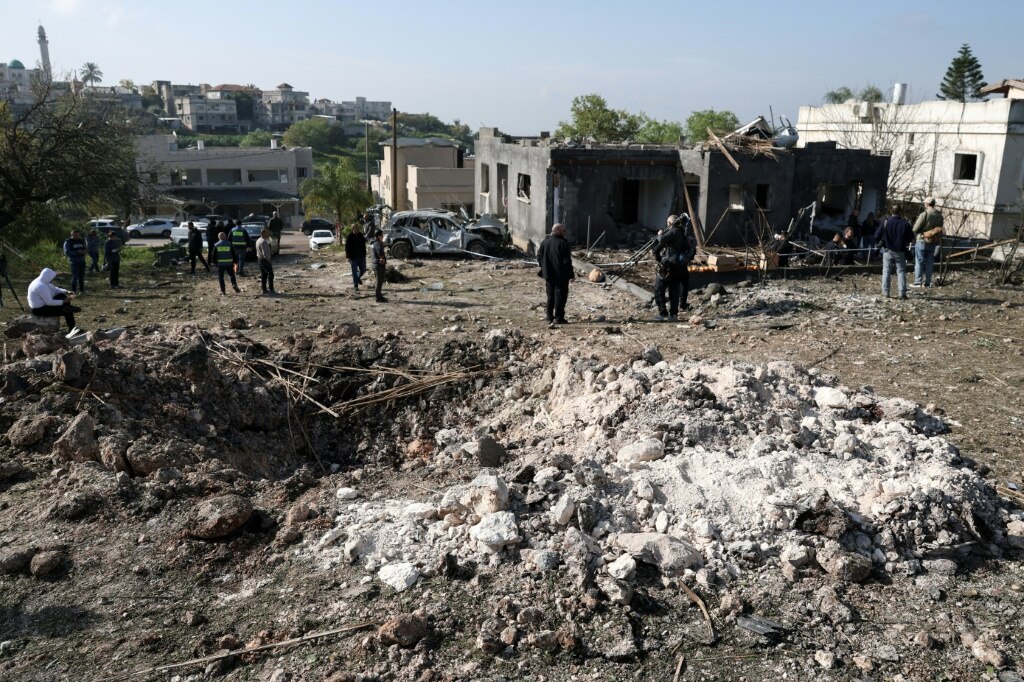
    Despite the nominal ceasefire, Alakbarov reported continued Israeli military operations involving airstrikes, shelling, and gunfire across the territory. Hundreds of Palestinians, including numerous women and children, have been killed since the ceasefire began.

    The envoy also highlighted deteriorating conditions in the occupied West Bank, where September-December 2025 saw entrenched negative trends including extensive military operations, settlement expansion, settler violence, demolitions, and large-scale detentions.

    Amid these challenges, Alakbarov identified a genuine opportunity to establish foundations for regional stability, advance Palestinian governmental reunification of Gaza and the West Bank, and ultimately work toward ending the occupation through a renewed political process.

  • US says aid will resume while Somali officials deny causing disruption leading to suspension

    US says aid will resume while Somali officials deny causing disruption leading to suspension

    NAIROBI, Kenya — The United States announced Wednesday the reinstatement of humanitarian assistance to Somalia’s federal government, following a temporary suspension triggered by allegations of aid operations disruption at Mogadishu’s primary port. The decision comes after American officials asserted that Somali authorities had acknowledged responsibility for incidents that compromised World Food Program (WFP) operations earlier this month.

    Despite Washington’s declaration that Somalia accepted accountability for the disturbance that led to halted aid distributions, the Somali government had not publicly confirmed this acknowledgment by Wednesday evening. Government officials remained silent when approached by The Associated Press for commentary on the development.

    The State Department’s Office of the Under Secretary for Foreign Assistance communicated through social media platform X that the United States would recommence WFP food distribution while maintaining a cautious approach toward broader assistance programs in the Horn of Africa nation. The statement emphasized the administration’s strict policy against “waste, theft, or diversion of U.S. resources.”

    The initial suspension on January 7 stemmed from claims that Somali officials demolished a U.S.-funded WFP warehouse and confiscated 75 metric tons of specialized nutritional supplies destined for malnourished children and pregnant women. While WFP confirmed the warehouse demolition, they later reported successful retrieval of the seized provisions without elaborating on recovery details.

    Somalia’s Foreign Ministry had previously rejected U.S. allegations, maintaining that port expansion activities did not compromise humanitarian aid custody or distribution mechanisms. The resumption timing for full aid deliveries remains uncertain, with WFP representatives not immediately responding to operational inquiries.

    This diplomatic episode occurs against the backdrop of heightened U.S. scrutiny toward Somali refugee and migrant communities, including fraud investigations involving childcare centers in Minnesota and intensified immigration restrictions affecting Somali nationals seeking U.S. entry or residency.

    Somalia continues to grapple with extreme poverty, prolonged civil unrest, and recurring natural disasters that have created one of the world’s most severe humanitarian crises, making international aid crucial for population survival.

  • China executes 11 linked to Myanmar scam compounds

    China executes 11 linked to Myanmar scam compounds

    In a decisive move against transnational organized crime, Chinese authorities have executed eleven individuals connected to extensive telecom fraud operations based in Myanmar. The executions, carried out on Thursday, represent Beijing’s most severe response to date in its ongoing campaign against criminal networks that have defrauded victims worldwide through sophisticated online scams.

    The executed individuals, identified as key operatives within these criminal organizations, received death sentences in September from a court in Wenzhou, eastern China. According to state media reports, their convictions included charges of intentional homicide, intentional injury, unlawful detention, fraud, and illegal casino operations. Among those executed were members of the notorious ‘Ming family criminal group,’ whose activities directly contributed to the deaths of 14 Chinese citizens and injuries to numerous others.

    These criminal enterprises, primarily operating from Myanmar’s lawless border regions, have developed into a multi-billion dollar industry targeting victims globally through romance scams and fraudulent cryptocurrency investment schemes. What began as operations focusing predominantly on Chinese-speaking targets has evolved into sophisticated multilingual fraud networks exploiting victims across continents.

    The Chinese Supreme People’s Court reviewed and approved all death sentences, confirming that evidence dating back to 2015 was ‘conclusive and sufficient’ for conviction. In addition to the executions, the September rulings included death sentences with two-year reprieves for five other individuals and prison terms ranging from five years to life imprisonment for 23 additional suspects.

    This crackdown forms part of Beijing’s broader strategy to combat transnational cybercrime through enhanced regional cooperation. Chinese authorities have intensified collaboration with Southeast Asian governments, resulting in the repatriation of thousands of suspected fraudsters to face China’s judicial system. The executions follow similar severe sentencing in November, when five individuals received death penalties for their involvement in scam operations that resulted in six Chinese fatalities.

    According to United Nations assessments, the global cyberscam industry has expanded dramatically, with hundreds of thousands of people now working in fraud centers worldwide. The UN Office on Drugs and Crime has documented the industry’s spread beyond Southeast Asia to South America, Africa, the Middle East, Europe, and various Pacific Islands, indicating the increasingly global nature of this criminal phenomenon.

  • Heavy gunfire and blasts heard near airport in Niger’s capital

    Heavy gunfire and blasts heard near airport in Niger’s capital

    Niamey, Niger – Heavy gunfire and powerful explosions rocked the vicinity of Diori Hamani International Airport in Niger’s capital during the early hours of Thursday, with air defense systems reportedly engaging unidentified projectiles. The sustained attack near the strategic aviation hub created panic among residents before subsiding approximately two hours after commencement.

    Multiple eyewitness accounts and verified video footage depicted anti-aircraft systems intercepting incoming threats in the night sky, though the origin and nature of the projectiles remain unconfirmed. While official casualty figures and damage assessments are pending, government sources indicate the situation has been stabilized without providing specific details.

    The airport complex, located merely 10 kilometers from the presidential palace, houses critical military infrastructure including an air force base. This incident occurs amid heightened tensions surrounding a substantial uranium shipment currently stranded at the facility due to ongoing legal and diplomatic disputes with France.

    A Foreign Affairs ministry official, speaking to Anadolu news agency on condition of anonymity, stated: ‘The situation is under control. There is no need to worry,’ while acknowledging investigations are underway to determine potential connections between the attack and the contested uranium cargo.

    This security breach unfolds under the military governance of General Abdourahamane Tiani, who assumed power through a 2023 coup that deposed the democratically elected government. Niger continues to confront significant security challenges, including jihadist insurgencies affecting the broader Sahel region alongside neighboring Mali and Burkina Faso.

  • What could happen if the US strikes Iran? Here are seven scenarios

    What could happen if the US strikes Iran? Here are seven scenarios

    The United States is reportedly preparing for potential military action against Iran within days, raising critical questions about possible outcomes and regional consequences. According to analysis of current geopolitical tensions, the Trump administration appears positioned to authorize targeted strikes against Iranian military infrastructure.

    Military strategists anticipate precision attacks focusing on key installations of Iran’s Islamic Revolutionary Guards Corps (IRGC) and associated Basij paramilitary units. Potential targets include ballistic missile facilities and nuclear program sites, though the ultimate political outcomes remain highly uncertain.

    Several scenarios could emerge from such military engagement. The most optimistic projection suggests the possible collapse of Iran’s already weakened regime, potentially leading to democratic transition and international reintegration. However, historical precedents in Iraq and Libya demonstrate that Western military intervention often brings chaos rather than smooth political transitions, despite removing oppressive regimes.

    An alternative ‘Venezuelan model’ scenario envisions the Islamic Republic remaining intact but compelled to moderate its policies. This would involve curtailing support for Middle Eastern militias, scaling back nuclear and missile programs, and reducing domestic suppression. Yet analysts consider this outcome unlikely given Tehran’s 47-year history of defiance and resistance to external pressure.

    The most probable outcome, according to regional experts, would see the current regime surviving through intensified repression. Iran’s extensive security apparatus has repeatedly demonstrated willingness to use unlimited force against dissent, and protest movements have historically failed to secure military defections.

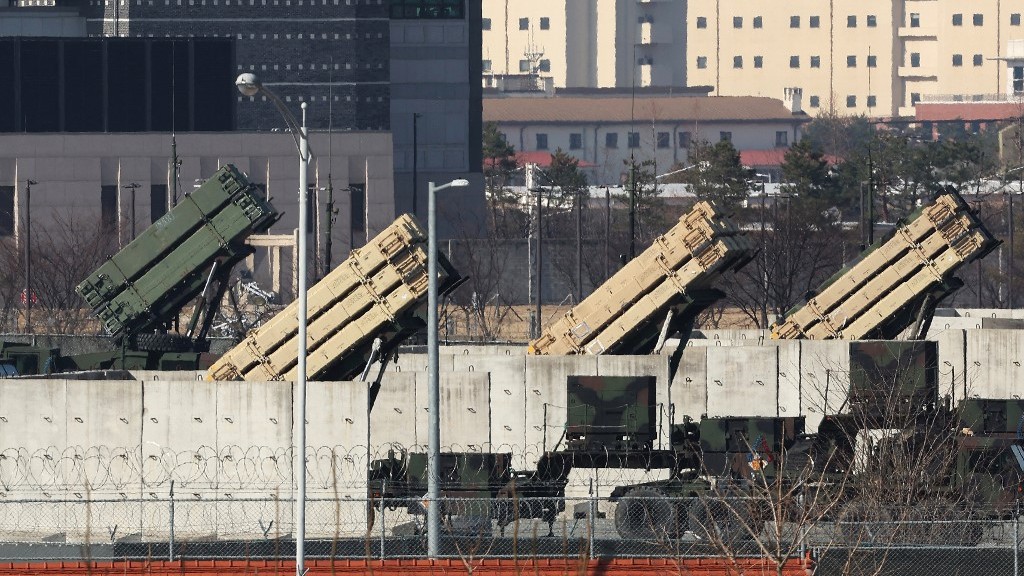
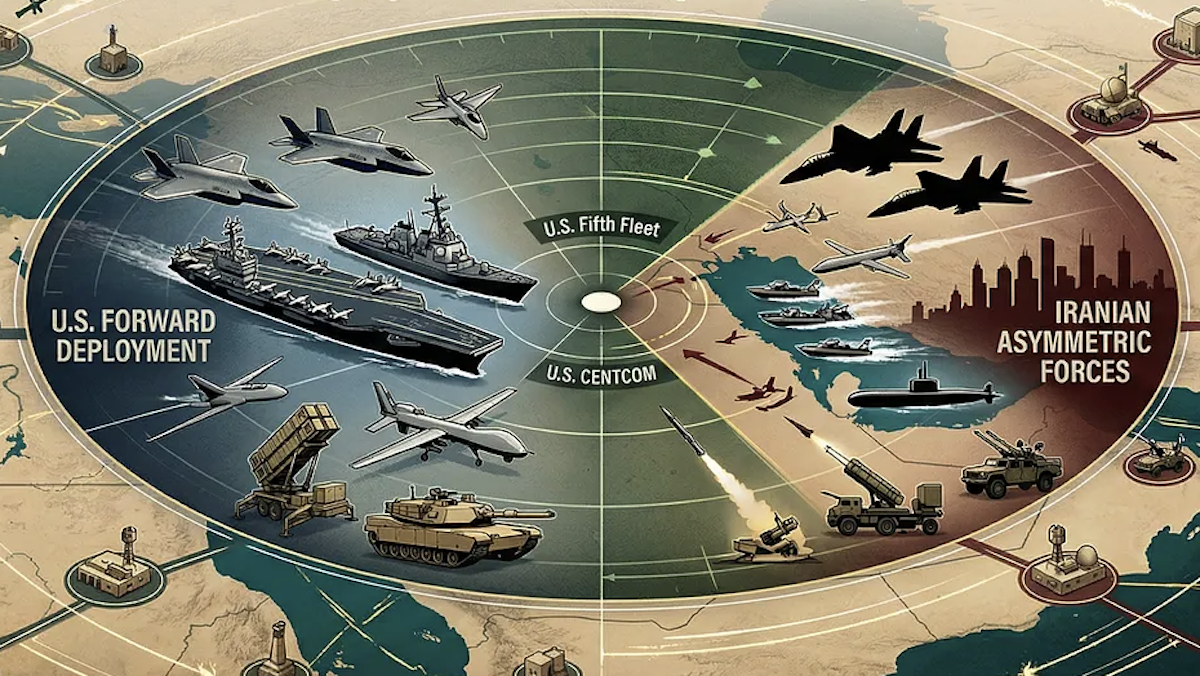
    Iran has vowed severe retaliation against any U.S. attack, with officials stating their ‘finger is on the trigger.’ While outmatched by U.S. naval and air power, Iran could deploy its substantial arsenal of ballistic missiles and drones—many hidden in mountainous terrain and underground facilities—potentially targeting U.S. bases in Bahrain, Qatar, and Jordan.

    The 2019 attack on Saudi Aramco facilities, attributed to Iranian-backed militias, demonstrated Tehran’s capability to strike critical infrastructure. Gulf Arab allies remain particularly concerned about becoming collateral damage in any U.S.-Iran confrontation.

    Regional security experts highlight additional risks including possible disruption of the Strait of Hormuz, through which 20-25% of global oil exports pass. Iran has conducted mining exercises in these vital shipping lanes, and any interference could significantly impact world trade and energy markets.

    Naval warfare specialists note concerns about potential ‘swarm attacks’ using numerous drones and fast attack boats that could overwhelm even advanced U.S. naval defenses. Such scenarios, while considered unlikely, recall previous incidents like the USS Cole bombing that killed 17 sailors in 2000.

    The greatest danger identified by analysts is that military action could commence without clear objectives or exit strategy, potentially triggering widespread regional conflict, humanitarian crises, and unpredictable global repercussions as the Middle East’s most populous nation faces potential instability.

  • Man who exposed human rights abuses in China granted US asylum

    Man who exposed human rights abuses in China granted US asylum

    A United States immigration court has granted political asylum to Chinese national Guan Heng after determining he possessed legitimate grounds to fear persecution upon returning to China. The 38-year-old had clandestinely documented facilities in China’s northwestern Xinjiang region, where international human rights organizations allege over one million ethnic Uyghurs remain involuntarily detained.

    Guan’s legal journey began when he entered the US illegally in 2021 and subsequently filed for asylum. His case encountered complications when he was detained during a mass deportation initiative under the Trump administration in August. Initial plans to deport him to Uganda were abandoned in December following public outcry regarding his situation.

    During Wednesday’s judicial proceedings, Guan testified via video link from a US correctional facility that his motivation for filming was humanitarian rather than strategic. ‘I sympathized with the persecuted Uyghurs,’ he stated when questioned about whether his documentation effort was designed to support an asylum claim.

    The evidentiary footage, published primarily on YouTube after Guan’s departure from China, shows what he characterizes as ‘concentration camps’ in Xinjiang. His circuitous route to the United States included transit through Hong Kong, Ecuador, and the Bahamas before reaching Florida.

    This case unfolds against a backdrop of serious international allegations against China. Multiple nations including the United States, United Kingdom, Canada, and the Netherlands have accused China of committing crimes against humanity and potential genocide against Xinjiang’s Uyghur Muslim population. A 2018 UN human rights committee report cited credible evidence indicating China detained up to one million individuals in ‘counter-extremism centers’ within the heavily restricted region.

    China maintains consistent denial of all human rights abuse allegations, officially characterizing the facilities as ‘re-education camps’ essential for terrorism prevention and Islamist extremism eradication. Meanwhile, exiled Uyghurs continue reporting family members who have disappeared or live under constant surveillance.

    Additional evidence emerged through a 2022 BBC acquisition of police files detailing camp operations, including standard deployment of armed guards and implementation of shoot-to-kill protocols for escape attempts. Camp survivors have provided harrowing accounts of systemic physical, psychological, and sexual torture, with women reporting widespread rape and sexual abuse.

    Guan’s legal representative, Chen Chuangchuang, characterized the case as a ‘textbook example of why asylum should exist,’ emphasizing America’s ‘moral and legal responsibility’ to provide protection. The presiding judge recognized the validity of Guan’s fears, noting his family in China had already faced interrogation, thus establishing his legal eligibility for asylum. The Department of Homeland Security retains the right to appeal within a 30-day window.

  • China sends police to Australia in hunt for man who doused baby with coffee

    China sends police to Australia in hunt for man who doused baby with coffee

    In an unprecedented move demonstrating international cooperation, Chinese authorities are dispatching a specialized working group to Australia to assist in the investigation of a disturbing 2024 assault case involving a Chinese national. The incident, which sparked nationwide outrage in Australia, occurred when a suspect allegedly poured boiling coffee from a thermos onto a nine-month-old infant during a family picnic in a Brisbane park.

    The victim sustained severe burns to his face and limbs, requiring multiple skin graft surgeries following the August 2024 attack. The suspect, identified as a 33-year-old Chinese itinerant worker who had frequently traveled to Australia between 2019 and 2024, fled the country before police could apprehend him. He currently remains in China, a country with which Australia lacks an extradition treaty.

    China’s Ambassador to Australia, Xiao Qian, announced the deployment during a Thursday press conference in Canberra, emphasizing China’s serious approach to addressing the concern. “We are serious in taking the necessary actions,” Ambassador Qian stated, explaining that the team would collaborate with Australian officials to determine exactly what occurred and how both nations could coordinate follow-up actions.

    Queensland Police and Australian Federal Police issued a joint statement acknowledging China’s ongoing cooperation despite jurisdictional challenges. The statement highlighted China’s extraterritorial jurisdiction capabilities, which allow for prosecution of Chinese citizens for conduct occurring outside China’s borders. Australian authorities have issued an arrest warrant for the suspect on charges of acts intending to cause grievous bodily harm—an offense carrying potential life imprisonment in Australia.

    The case attracted significant public sympathy, with an online fundraiser for the victim’s medical treatment accumulating over $230,000. Three months post-attack, the infant’s parents reported that despite lingering scarring on his chin and shoulder, his recovery was progressing positively.

  • US-Iran tensions soar: 10 American warships float Middle East waters

    US-Iran tensions soar: 10 American warships float Middle East waters

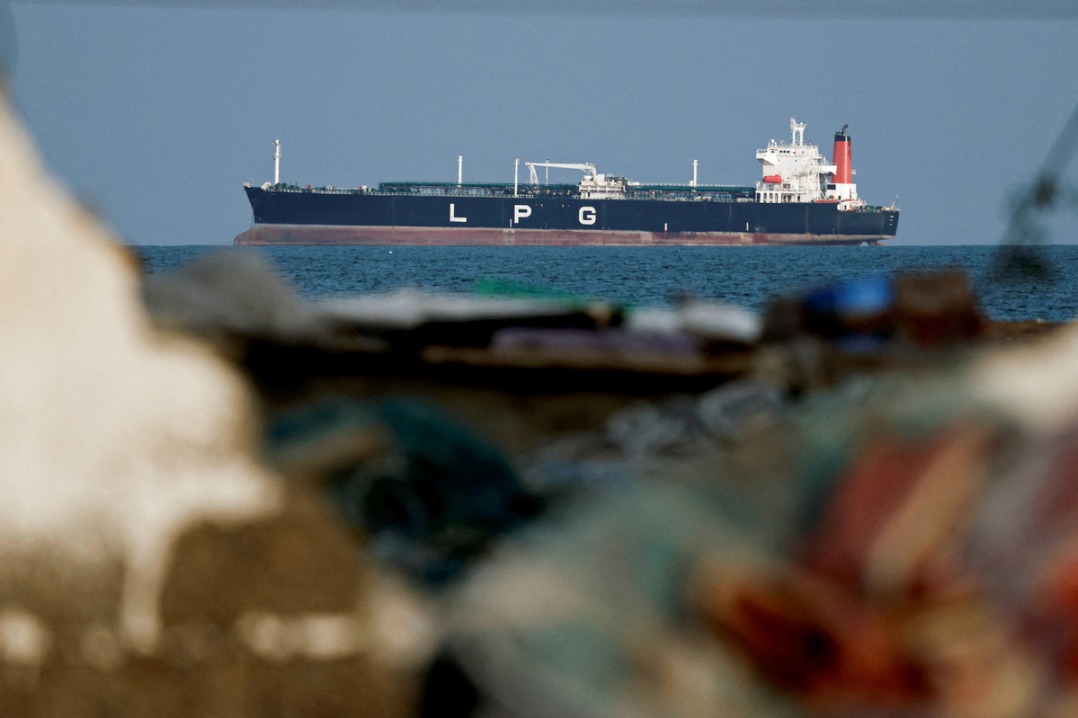
    The United States has dramatically escalated its naval presence in the Middle East, deploying a formidable fleet of ten warships to regional waters amid soaring tensions with Iran. This military mobilization, comparable in scale to the naval force assembled for the Venezuelan operation earlier this year, represents one of the most significant shows of force in the region during the Trump administration.

    The naval contingent includes the formidable USS Abraham Lincoln aircraft carrier strike group, accompanied by three destroyers and advanced F-35C stealth fighter aircraft. Additionally, six other warships—comprising three destroyers and three littoral combat ships—are currently operating throughout the region, creating a substantial concentration of American firepower.

    President Donald Trump explicitly acknowledged the deployment through his Truth Social platform, declaring that a ‘massive Armada is heading to Iran’ and emphasizing its readiness to ‘rapidly fulfill its mission, with speed and violence, if necessary.’ This rhetoric echoes previous statements in which Trump warned Iran against suppressing protesters and suggested outside intervention might be imminent.

    The current crisis originated when Iran initiated a severe crackdown on widespread domestic protests that began as economic demonstrations but evolved into a broader movement challenging the Islamic Republic’s authority. The clerical leadership, which has maintained power since the 1979 revolution, responded with lethal force against demonstrators.

    While Trump previously claimed to have deterred hundreds of executions through diplomatic pressure, he has recently renewed threats against Iran. The naval deployment signals a potentially decisive shift in Washington’s approach to Tehran, putting significant military capabilities within striking distance should the administration decide to take action.

  • US ambassador says no ICE patrols at Winter Olympics

    US ambassador says no ICE patrols at Winter Olympics

    The United States Embassy in Rome has formally clarified the operational capacity of its Immigration and Customs Enforcement (ICE) personnel during the upcoming Milan-Cortina Winter Olympics. Ambassador Tilman J. Fertitta explicitly stated that the deployed Homeland Security Investigations (HSI) unit will function solely in an advisory and intelligence-gathering capacity, with no authority for patrolling or enforcement actions on Italian soil.

    This official statement, issued following a high-level meeting with Italian Interior Minister Matteo Piantedosi, directly addresses the significant public controversy that erupted in Italy upon news of the agency’s deployment. The presence of ICE has become a sensitive political issue, drawing strong condemnation from opposition parties and sparking plans for public demonstrations in Rome and Milan.

    The controversy stems from ICE’s notorious reputation in the United States for its aggressive immigration enforcement tactics, which have frequently triggered large-scale protests. Ambassador Fertitta sought to distinguish the incoming HSI agents, emphasizing their focus on combating transnational criminal enterprises. Their mandate for the Games will center on providing intelligence related to cybercrimes, national security threats, human smuggling networks, narcotics trafficking, and other cross-border illicit activities.

    Italian authorities had initially denied any ICE involvement before later downplaying their role, suggesting their function would be limited to securing the U.S. delegation. The government now faces mounting pressure to formally reject the deployment entirely. The opening ceremony on February 6th at Milan’s San Siro stadium is expected to be attended by high-profile U.S. officials, including Vice-President JD Vance and Secretary of State Marco Rubio, ensuring the event remains under intense international scrutiny.