分类: world

  • Turkey deploys F-16 jets to Somalia as it strengthens economic ties

    Turkey deploys F-16 jets to Somalia as it strengthens economic ties

    In a significant strategic move, Turkey has positioned three F-16 fighter jets at Mogadishu’s international airport, marking a substantial escalation of its military and economic footprint in Somalia. This deployment, confirmed on Wednesday, follows months of construction activity at the airport where Turkish engineers have built new hangars and prepared facilities to host the advanced aircraft.

    According to Somali officials and analysis of satellite imagery, the military buildup has been underway since at least September, supported by numerous Turkish cargo flights suspected of delivering essential spare parts and ammunition. While Turkey’s defense ministry declined specific commentary, ministry sources acknowledged maintaining an active air command presence in Somalia, emphasizing their role in enhancing Somalia’s counterterrorism capabilities through training and advisory support.

    This military expansion directly supports Turkey’s broader economic ambitions in the region. Reliable sources indicate the fighter jet deployment precedes Ankara’s planned dispatch of an oil exploration platform to commence offshore drilling later this year. Concurrently, plans are advancing for a spaceport project in northern Mogadishu, signaling Turkey’s multidimensional investment strategy.

    The timing of Turkey’s enhanced military presence coincides with growing regional tensions following Israel’s recent recognition of breakaway Somaliland. Ankara has explicitly reaffirmed its commitment to Somalia’s territorial integrity through formal statements from its National Security Council, the nation’s top defense oversight body.

    Turkey’s deepening engagement extends beyond military cooperation. The recent appointment of Brigadier General Ibrahim Mohamed Mohamud—a Turkish-educated officer with training at Turkey’s Defence University—as commander of Somalia’s National Army illustrates the extensive institutional ties between the nations.

    This deployment builds upon Turkey’s established military assistance, which previously included armed drones and attack helicopters transferred to Somali forces. The comprehensive defense agreement signed in February 2024 further commits Turkey to assisting Somalia in establishing a naval force, with two utility helicopters already delivered to the Somali navy.

    Since 2011, Turkey has invested heavily in Somalia’s infrastructure and humanitarian needs, constructing the world’s largest embassy in Mogadishu, providing over $1 billion in drought relief, and managing critical infrastructure including the city’s airport and port. The Turksom military base has trained approximately one-third of Somalia’s military personnel, cementing Turkey’s role as a primary security partner in the Horn of Africa.

  • Eleven more bodies pulled from sea as Philippine ferry toll rises to 29

    Eleven more bodies pulled from sea as Philippine ferry toll rises to 29

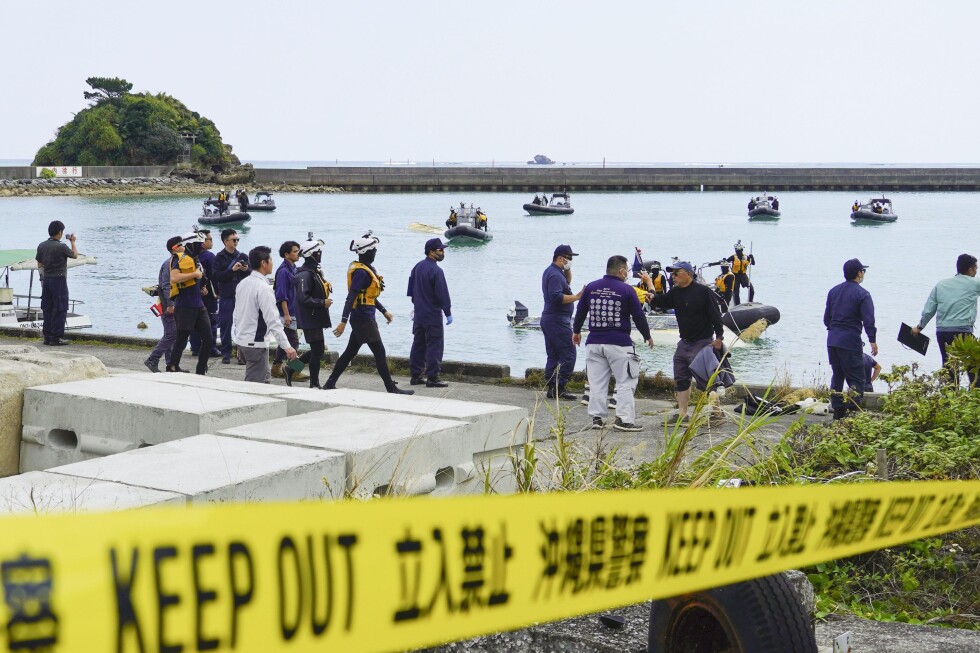
    Rescue operations in the southern Philippines have recovered eleven additional victims from the MV Trisha Kerstin 3 ferry sinking, bringing the confirmed death toll to 29. The vessel capsized off the coast of Mindanao in the early hours of Monday, creating a significant maritime disaster that has now entered a critical investigation phase.

    Coast guard officials confirmed the latest casualties were predominantly discovered near Baluk-Baluk Island, adjacent to the sinking location. Local fishermen assisted in the recovery efforts, with verified social media footage showing the harrowing retrieval of victims still wearing life preservers. The discoveries have complicated initial passenger estimates, creating confusion about the actual number of people aboard during the incident.

    The Philippine Coast Guard has acknowledged discrepancies in the missing persons count. Captain Noemie Cayabyab, spokeswoman for the maritime agency, stated that while the official manifest indicated 10 missing individuals, including the ship’s captain and crew members, families have reported additional unaccounted passengers. This discrepancy has prompted authorities to expand their search and verification procedures.

    Specialized dive teams from Manila have joined the recovery mission, deploying unmanned submersible equipment to locate the wreckage resting approximately 76 meters (250 feet) below the surface. Meanwhile, the Philippines’ maritime regulatory body has grounded all vessels operated by Aleson Shipping Lines pending a comprehensive safety investigation.

    Survivor accounts describe chaotic scenes during the sinking, with passengers reportedly receiving no emergency alerts from crew members. Aquino Sajili, a 53-year-old attorney who survived the disaster, indicated potential legal action against the shipping company, citing negligence in safety protocols and emergency response procedures.

  • Iran army adds 1,000 new drones, vows ‘crushing response’ to any invasion

    Iran army adds 1,000 new drones, vows ‘crushing response’ to any invasion

    In a significant military escalation, Iran’s armed forces have integrated 1,000 advanced drones into their combat regiments, according to state television reports from Thursday, January 29, 2026. This strategic enhancement coincides with mounting geopolitical tensions as United States naval forces position themselves in regional waters.

    Army Commander Amir Hatami declared the deployment aligns with Iran’s defensive doctrine against emerging threats, emphasizing preparedness for “rapid combat and a crushing response to any invasion.” The military expansion represents Tehran’s most visible demonstration of defensive capabilities since the latest phase of nuclear negotiations reached an impasse.

    Diplomatic channels remain active despite military posturing. Foreign Minister Abbas Araghchi articulated Iran’s conditional openness to nuclear negotiations through social media platform X, stating: “Iran has always welcomed a mutually beneficial, fair and equitable NUCLEAR DEAL—on equal footing, and free from coercion, threats, and intimidation.” He reiterated Iran’s longstanding position that its nuclear program serves exclusively peaceful purposes and research development.

    The diplomatic overture contrasts sharply with warnings from Ali Shamkani, senior adviser to Supreme Leader Ayatollah Ali Khamenei, who characterized any military action as “the start of war” promising “immediate, all-out and unprecedented” retaliation targeting Tel Aviv and allied nations.

    This complex landscape emerges against President Donald Trump’s declaration that time is diminishing for diplomatic resolution, while simultaneously acknowledging potential for revised nuclear agreements. Trump referenced a “massive armada” of naval vessels positioned for rapid response capabilities, though specifics regarding deployment locations remained undisclosed.

    The geopolitical standoff represents one of the most critical tests of nuclear diplomacy since the original Joint Comprehensive Plan of Action (JCPOA), with military assets mobilizing as diplomatic communications continue through unconventional channels.

  • Ex-Nigerian oil minister did not take bribes from industry insiders, court told

    Ex-Nigerian oil minister did not take bribes from industry insiders, court told

    In a dramatic turn at Southwark Crown Court, the defense team for former Nigerian Oil Minister Diezani Alison-Madueke presented a comprehensive rebuttal against corruption allegations that have spanned nearly a decade. Jonathan Laidlaw KC, representing Alison-Madueke, articulated that the substantial expenditures on UK properties and luxury items attributed to her were fully reimbursed through legitimate channels in Nigeria.

    The court heard how Nigeria’s banking regulations prohibit ministers from maintaining overseas accounts, creating circumstances where third parties necessarily facilitated transactions that were subsequently settled domestically. Laidlaw emphasized: “Those who paid the bills were paid back, in Nigeria. She did not request or receive any financial advantage from these individuals.”

    Alison-Madueke, who served as Nigeria’s petroleum resources minister from 2010 to 2015—a position described as second only to the presidency in ministerial hierarchy—faces five counts of bribery acceptance and one count of conspiracy to commit bribery. The defense highlighted significant procedural concerns, including an eight-year gap between her 2015 arrest during cancer treatment in London and the 2023 formal charges.

    The defense argued this delay has fundamentally compromised the trial’s fairness, noting that critical financial records in Abuja have disappeared and that the businessmen allegedly involved in the purported bribery scheme remain at liberty worldwide without facing extradition attempts. “Through no fault of her own,” Laidlaw stated, “she doesn’t have available to her the material that supports her defense.”

    Co-defendants include oil executive Olatimbo Ayinde, who denies separate bribery charges, and Alison-Madueke’s brother, former bishop Doye Agama, who contests conspiracy allegations. The trial continues as the court examines one of Nigeria’s most high-profile corruption cases.

  • Israel holds first morning prayer at West Bank’s Joseph’s Tomb in 25 years

    Israel holds first morning prayer at West Bank’s Joseph’s Tomb in 25 years

    In a significant escalation of military presence in the occupied West Bank, Israeli forces established an extensive security perimeter east of Nablus early Thursday to facilitate a large-scale operation at Joseph’s Tomb. The operation enabled Jewish worshippers to conduct morning prayers at the contested site for the first time since 2000, marking a substantial shift in access policies.

    The raid involved participation from members of the Israeli parliament, far-right officials, and settler leaders, all operating under substantial armed protection. This event follows last month’s agreement by Israeli authorities to permit daylight prayers at the location, despite the tomb’s position within an area nominally under Palestinian Authority administrative control.

    Eyewitness footage from Amman Street and surrounding eastern neighborhoods documented military personnel expelling journalists from the area and compelling families to evacuate their homes to accommodate the operation. Residential buildings near the tomb were converted into temporary military installations, with sniper positions established on rooftops. Medical teams were systematically denied access to the area during the events.

    The historical context reveals deepening tensions surrounding the site. Since October 2023, settler-led incursions have increased in both frequency and scale, with groups entering under religious justification alongside military escort. UN data indicates that settler violence and access restrictions have displaced approximately 2,200 Palestinians from their homes over the past two years, with an additional 6,000 displaced through home demolitions and 40,000 from northern West Bank refugee camps during military operations.

    Joseph’s Tomb represents a focal point of Israeli-Palestinian conflict, with both communities maintaining competing historical narratives and religious claims. Israelis venerate the site as the burial place of the Prophet Joseph, a figure significant in both Islamic and Jewish traditions. Palestinians identify it as the tomb of Sheikh Yousef Dweikat, a local cleric from the early 20th century. The site has been a persistent flashpoint since Israel established a yeshiva there in the 1980s, with regular protected settler visits often triggering Palestinian protests that have frequently resulted in lethal military responses.

  • ‘The water took everything’: Mozambique hit by worst floods in decades

    ‘The water took everything’: Mozambique hit by worst floods in decades

    Mozambique is confronting a humanitarian emergency of unprecedented scale as the most devastating floods in decades continue to ravage the southeastern African nation. Torrential rainfall over several weeks has triggered severe flooding, submerging vast territories, obliterating critical infrastructure, and displacing communities on a massive scale.

    Official estimates indicate that the calamity has directly impacted approximately 700,000 individuals, with countless families losing their homes, livelihoods, and access to essential services. The powerful currents of floodwater have swept away roads, bridges, and homes, severing connections between towns and villages and severely hampering rescue and aid distribution efforts. A palpable sense of despair permeates affected regions, with one resident lamenting, ‘The water took everything,’ a sentiment echoing the profound loss experienced by many.

    The national government, in conjunction with international aid agencies, is racing against time to mount a coordinated response. Emergency teams are working to evacuate stranded citizens and provide immediate relief in the form of shelter, clean water, food, and medical supplies. However, the extensive scale of the flooding presents monumental logistical challenges. Beyond the immediate crisis, concerns are mounting over the long-term repercussions, which include the heightened risk of waterborne disease outbreaks, widespread crop destruction threatening food security, and the arduous, costly process of rebuilding shattered communities and infrastructure. This disaster underscores the extreme vulnerability of certain regions to increasingly volatile weather patterns.

  • Israeli settlers set Palestinian homes on fire in Jerusalem

    Israeli settlers set Palestinian homes on fire in Jerusalem

    A coordinated assault by Israeli settlers targeted the Khallat al-Sidra Bedouin community northeast of occupied East Jerusalem on Wednesday night, resulting in extensive property destruction through arson attacks. According to official reports from the Palestinian Authority’s Jerusalem Governorate, armed settlers not only set multiple homes ablaze but also physically assaulted residents before Israeli military forces entered the area.

    The violence was preceded by settlers blocking the community’s sole access road, effectively imposing a movement lockdown on residents. Viral video footage circulating on social media platforms shows structures completely engulfed in flames as desperate residents attempted to extinguish the fires with limited resources.

    This incident represents the latest in a series of escalating attacks against the Khallat al-Sidra community, which has experienced intensified violence in recent days including beatings of both residents and international activists, destruction of vehicles and animal shelters, and systematic seizure of critical infrastructure including solar panels and surveillance equipment.

    Parallel land seizure attempts were reported in the neighboring Ma’azi Jaba’ community, where approximately 200 Palestinians face repeated attacks allegedly aimed at territorial expansion for the Adam settlement and its connection to the Benjamin settlement. Such settlement construction violates international law, which explicitly prohibits building in occupied territories.

    Settler violence against Palestinian communities in the occupied West Bank and Jerusalem has operated with impunity for years, frequently under military protection. Since the beginning of the Gaza conflict, official data from the Wall and Settlement Resistance Commission documents 4,723 settler violence cases in 2025 alone. Over the past two years, more than 1,000 Palestinians, including 217 minors, have been killed by Israeli forces and settlers in the West Bank.

  • Melania Trump documentary not showing in South African cinemas

    Melania Trump documentary not showing in South African cinemas

    South African cinema chains have withdrawn from screening the controversial documentary ‘Melania’ about US First Lady Melania Trump, citing unspecified “recent developments” and the “current climate” in bilateral relations. Filmfinity, the leading distributor in southern Africa, informed theater operators not to list the film despite its global release scheduled for Friday.

    The documentary, which chronicles Melania Trump’s activities during the 20 days preceding her husband’s second inauguration in January 2023, had received substantial backing from Amazon. The streaming giant reportedly invested $35 million in marketing and approximately $40 million for distribution rights.

    Neither Ster Kinekor nor Nu Metro, South Africa’s primary cinema chains, are promoting the film on their platforms. Ster Kinekor’s promotional page remains inaccessible, while Nu Metro’s website lists no showtimes despite previously featuring the documentary on social media.

    This development occurs against the backdrop of significantly deteriorated US-South Africa relations over the past year. Tensions escalated following former President Donald Trump’s promotion of the widely disputed ‘white genocide’ theory concerning South Africa’s Afrikaner community. Additional friction points include Trump’s imposition of high tariffs on South African exports, reduction of aid programs, and disagreements over South Africa’s International Court of Justice case against Israel regarding Gaza operations.

    The BBC’s attempts to obtain clarification from Filmfinity regarding their specific concerns remain unanswered, leaving the precise motivations behind the cancellation unclear.

  • Saudi security tip leads to major drug bust, dismantling factory in Lebanon

    Saudi security tip leads to major drug bust, dismantling factory in Lebanon

    In a significant demonstration of international security cooperation, Lebanese authorities have successfully dismantled a major drug manufacturing facility following critical intelligence provided by Saudi Arabia’s General Directorate of Narcotics Control. The operation, which represents a substantial blow to regional drug trafficking networks, resulted in the seizure of massive quantities of illicit substances and manufacturing materials.

    The targeted laboratory, located in Lebanon, was actively producing amphetamine and methamphetamine (commonly known as shabu) when authorities conducted their raid. Law enforcement officials confiscated approximately 4,600 kilograms of hashish, 870 regulated pharmaceutical tablets, substantial quantities of precursor chemicals used in drug production, and an assortment of firearms.

    This coordinated effort highlights the growing collaboration between Saudi and Lebanese security agencies in combating transnational criminal organizations. The operation forms part of Saudi Arabia’s comprehensive strategy to combat drug smuggling and trafficking activities both within its borders and throughout the region. Officials from both nations emphasized that this successful intervention demonstrates the effectiveness of shared intelligence and joint security initiatives in addressing cross-border drug crimes that threaten regional stability.

    The bust comes amid increasing regional focus on narcotics enforcement, with several Gulf nations recently reporting major drug interdictions. Security analysts note that such cooperation between Arab nations signals a strengthening of regional security partnerships aimed at dismantling sophisticated drug manufacturing and distribution networks operating across international boundaries.

  • Egypt says it’s ready to send aid, receive wounded once Rafah crossing reopens

    Egypt says it’s ready to send aid, receive wounded once Rafah crossing reopens

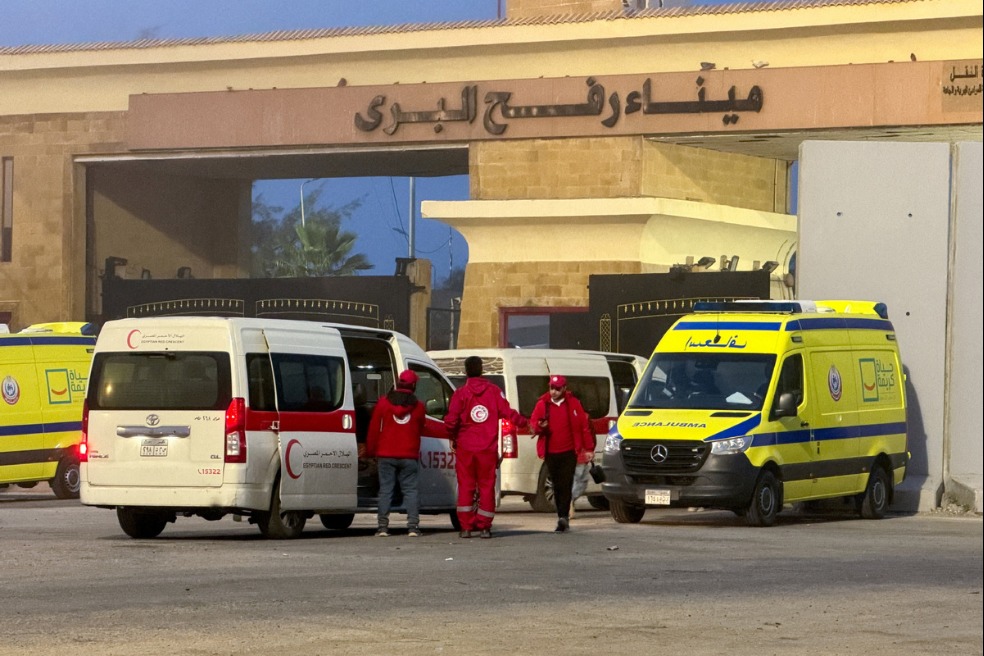
    Egyptian officials have declared complete operational readiness to facilitate humanitarian assistance into Gaza and receive wounded Palestinians, contingent upon Israel’s reopening of the Rafah border crossing. The critical passage has remained sealed since May 2024 despite ceasefire agreements mandating its operation.

    According to reports from Israel’s state broadcaster KAN, the border crossing is anticipated to resume bidirectional operations on February 1st. North Sinai Governor Khaled Mujawir confirmed in a televised statement that Egyptian authorities have maintained full preparedness on their side of the border. “We are 100 percent ready for the entry of aid and for receiving the wounded from the Gaza Strip,” Mujawir stated, emphasizing that crisis management teams are developing multiple contingency plans for aid distribution.

    The current situation stems from an October agreement between Israel and Hamas that outlined a phased approach to ending hostilities and easing humanitarian restrictions. The first phase required the return of all Israeli captives and the reopening of Rafah crossing for aid delivery. While the Palestinian side fulfilled its obligation with the recent recovery and return of the final Israeli captive, Ran Gvili, Israel has maintained the border closure in violation of the accord.

    Compounding the humanitarian crisis, Israeli forces recently demolished the headquarters of UNRWA (United Nations Relief and Works Agency) in occupied East Jerusalem. This agency serves as the primary support system for approximately 5.9 million Palestinian refugees across the region. The demolition followed Israeli legislation passed last year banning the organization’s operations.

    Despite the theoretical progression to a second ceasefire phase, UN aid coordination officials emphasize that Gaza’s humanitarian catastrophe remains severe. Gaza’s Government Media Office has documented over 1,300 ceasefire violations by Israeli forces, including 200 structural demolitions, 430 incidents of gunfire targeting civilians, 66 incursions into residential zones, and more than 600 strikes.

    The Gaza Health Ministry reports that Israeli forces have killed 488 Palestinians since the ceasefire began, with injuries totaling 1,321. Overall casualty figures from the conflict that commenced in October 2023 exceed 71,667 Palestinians killed, including at least 20,179 children, with thousands more missing and presumed dead.