分类: world

  • Takeaways from the AP’s report on the impact of aid cuts on Rohingya children in Bangladesh

    Takeaways from the AP’s report on the impact of aid cuts on Rohingya children in Bangladesh

    A devastating humanitarian crisis is unfolding within Bangladesh’s Rohingya refugee camps, where systematic reductions in United States foreign assistance have precipitated alarming increases in child exploitation. According to an extensive Associated Press investigation, the January dissolution of the U.S. Agency for International Development under President Donald Trump has directly correlated with surging incidents of child marriage, labor exploitation, abduction, and recruitment by armed factions.

    With over half of the 1.2 million camp inhabitants being minors, the Rohingya face severe restrictions on employment in Bangladesh while remaining unable to safely return to Myanmar—where military forces previously perpetrated genocide against them. This leaves international aid as their sole lifeline. The U.S., historically the largest humanitarian donor, slashed its 2025 contributions by nearly 50%, causing the overall Rohingya emergency response to be only half-funded.

    The consequences have been catastrophic. UNICEF was forced to close 2,800 educational facilities after losing 27% of its funding, eliminating safe spaces for children. Subsequently, documented abductions quadrupled to 560 cases while child recruitment by militant groups surged eightfold to 817 cases. Verified child marriages increased by 21% and labor exploitation cases rose 17%, though officials acknowledge significant underreporting.

    In response to AP’s findings, the State Department cited $168 million in assistance since Trump’s inauguration and claimed success in “burden sharing” that prompted 11 nations to increase contributions. However, they provided no evidence supporting causation between U.S. diplomacy and these funding decisions.

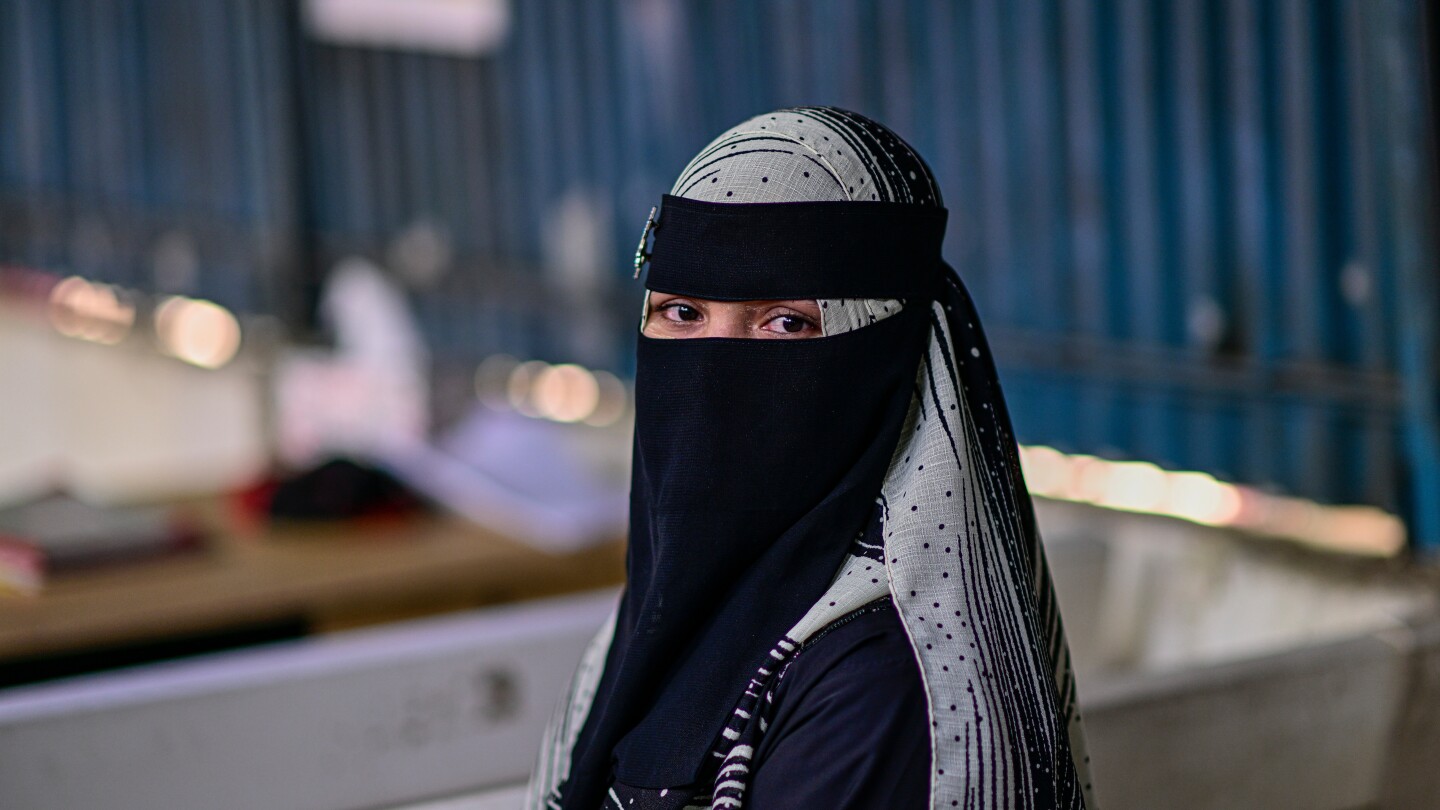
    The human impact is embodied by Hasina (pseudonym), a 16-year-old former student whose school closure led to forced marriage. Now enduring physical and sexual abuse, she mourns her lost education and aspirations: “I dreamed of being something, of working for the community. My life is destroyed.”
  • Kidnapped, married off, robbed of hope: US aid cuts contribute to exploitation of Rohingya children

    Kidnapped, married off, robbed of hope: US aid cuts contribute to exploitation of Rohingya children

    In the sprawling refugee camps of Cox’s Bazar, Bangladesh, the abrupt termination of international aid has unleashed a cascade of suffering among Rohingya children, transforming sanctuaries of learning into landscapes of despair. The systematic dismantling of educational and protection programs has forced vulnerable minors into early marriages, hazardous labor, and human trafficking networks.

    The crisis stems from drastic funding reductions initiated by the U.S. government in January 2025, which eliminated vital support systems for approximately 600,000 Rohingya children. These cuts compelled the closure of thousands of schools and youth centers that previously provided refuge from the camp’s pervasive dangers. Without these safe havens, children have become increasingly exposed to predatory groups operating within the camps’ chaotic confines.

    UNICEF data reveals alarming spikes in violations against children since the funding cessation. Reported abductions have quadrupled to 560 cases, while recruitment by armed groups has increased eightfold, affecting 817 children. Verified cases of child marriage and labor have risen by 21% and 17% respectively, though aid workers caution these figures represent significant undercounts.

    The personal tragedies are numerous and heartbreaking. Sixteen-year-old Hasina (name withheld for protection) was forced into marriage after her school closed, now enduring daily abuse from her husband. “I dreamed of being something, of working for the community,” she whispers. “My life is destroyed.”

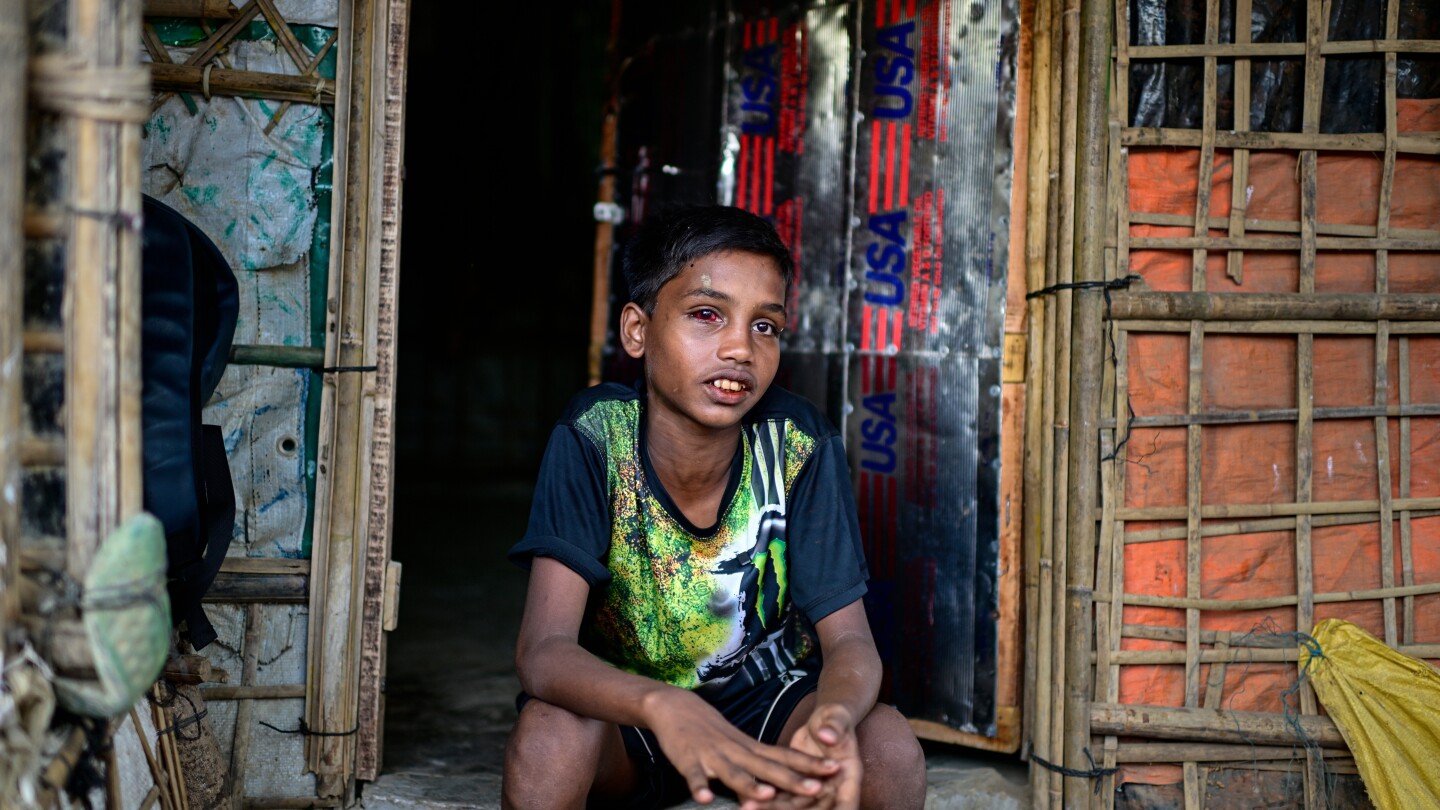
    Ten-year-old Mohammed Arfan now spends ten hours daily selling snacks on dangerous street corners after his education ended. “I feel shame working,” he says. “This is the time I should be studying.” Meanwhile, 13-year-old Rahamot Ullah wades through sewage-filled drainage ditches collecting plastic waste, risking infection and drowning to earn mere cents.

    The humanitarian situation continues deteriorating as aid agencies face critical funding shortfalls. The World Food Program warns food rations may end by March 2026, while Save the Children reports securing only one-third of necessary funding for 2026. This desperation has driven many Rohingya to attempt dangerous sea journeys, with nearly one-third of those who fled Bangladesh by boat in 2025 dying or disappearing en route.

    The United States, previously the largest donor to Rohingya assistance programs, has reduced its funding by nearly half compared to 2024 levels. While the State Department claims to have encouraged other nations to increase contributions, overall funding for the Rohingya emergency response remains at only 50% of required levels for 2025, with worse expected in 2026.

    As educational opportunities vanish and protection systems collapse, an entire generation of Rohingya children faces irrevocable loss—their childhoods sacrificed to political decisions made continents away from their bamboo-and-tarpaulin shelters.

  • South Africa coal exports to Israel soar amid Colombia ban

    South Africa coal exports to Israel soar amid Colombia ban

    In a significant shift in global energy trade dynamics, South Africa has substantially increased coal exports to Israel, effectively filling the void created by Colombia’s recent embargo. According to data from commodity analytics firms, South African coal shipments to Israel surged by 87% during the three-month period leading to November compared to the previous year. This development positions South Africa to achieve its highest monthly export volumes to Israel since February 2017, as confirmed by the South African Revenue Service.

    The export expansion comes directly in response to Colombian President Gustavo Petro’s June 2024 announcement suspending all coal shipments to Israel. President Petro implemented the ban contingent upon Israel’s compliance with International Court of Justice directives to cease military operations in Rafah, southern Gaza. Despite initially accounting for approximately 42% of Israel’s annual coal imports totaling two million tonnes, Colombia completely halted exports by late summer 2024, additionally blocking fulfillment of existing long-term supply agreements.

    This trade realignment occurs against the backdrop of ongoing conflict between Israel and Hamas that commenced following October 7, 2023 attacks. The hostilities have resulted in significant casualties, with international bodies including the United Nations characterizing Israel’s campaign as genocidal. Ironically, South Africa has been among the most vocal critics of Israel’s military actions, formally accusing the nation of genocide before the ICJ in December 2023.

    Market intelligence from Kpler indicates South Africa’s share of Israel’s seaborne coal market is projected to triple from 2024 levels, potentially reaching 55% market dominance. The phenomenon isn’t isolated—a November report from Oil Change International identified twenty-five nations continuing energy exports to Israel throughout the Gaza conflict. Notably, Azerbaijan remains a primary crude oil supplier, with Turkey facilitating transportation via the Baku-Tbilisi-Ceyhan pipeline despite its official condemnation of Israeli policies.

    The situation demonstrates the complex interplay between geopolitical principles, economic interests, and international humanitarian law, where nations maintain trade relationships despite overt political disagreements and humanitarian concerns.

  • Lebanon says two dead, five injured in Israeli strikes

    Lebanon says two dead, five injured in Israeli strikes

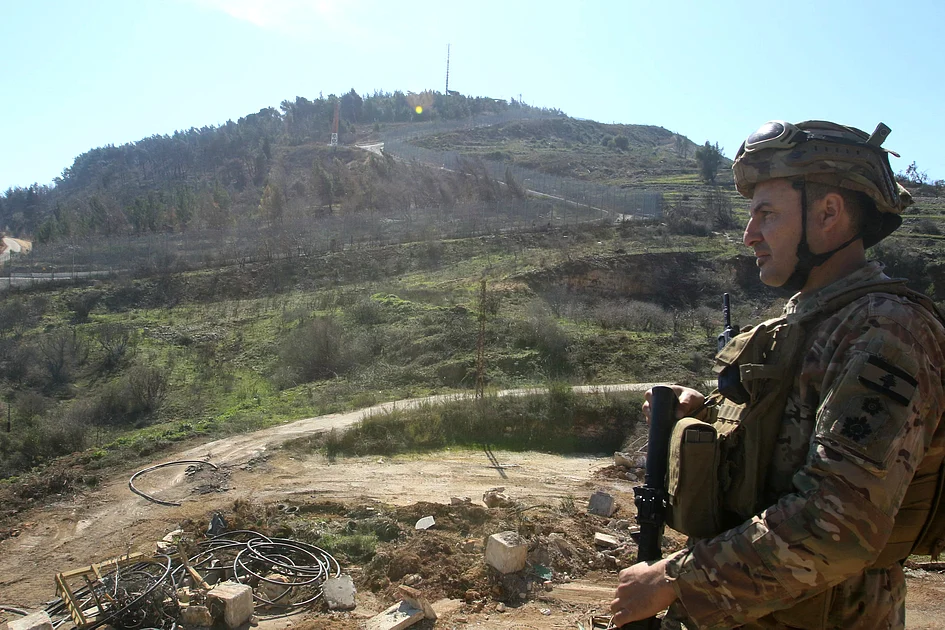
    Israeli military operations in Lebanon resulted in two fatalities and five injuries on Tuesday, escalating tensions despite an ongoing ceasefire agreement. The Lebanese Health Ministry confirmed one individual perished near Beirut’s Shouf district, approximately 30 kilometers south of the capital, while another died in a separate strike in the border town of Odaisseh.

    According to official Israeli military statements, the strikes specifically targeted two Hezbollah operatives, though no further operational details were provided. An AFP correspondent documented emergency responders and Lebanese army personnel attending to a severely damaged goods truck at the Jadra-Siblin roadway incident site.

    These developments occur against the backdrop of the November 2024 ceasefire designed to conclude over a year of hostilities between Israel and the Iran-backed Hezbollah. Despite this agreement, Israeli forces have maintained their presence in five strategic southern Lebanese regions while continuing targeted operations. A recent AFP assessment of Lebanese health reports indicates approximately 340 casualties from Israeli strikes since the ceasefire implementation.

    The Israeli government consistently maintains that these operations focus exclusively on Hezbollah members and infrastructure, aiming to prevent the group’s rearmament capabilities. This persistent violence unfolds as the ceasefire monitoring committee—including representatives from France and the United States—prepares for a critical meeting later this week.

    Under the established ceasefire terms, Hezbollah was mandated to withdraw its forces north of the Litani River and dismantle military infrastructure in the vacated territory. Concurrently, the Lebanese government has approved a disarmament plan requiring the national army to neutralize Hezbollah’s military capabilities south of the Litani by year’s end before addressing remaining regions.

  • Saudi-backed forces shift positions amid STC push in Yemen

    Saudi-backed forces shift positions amid STC push in Yemen

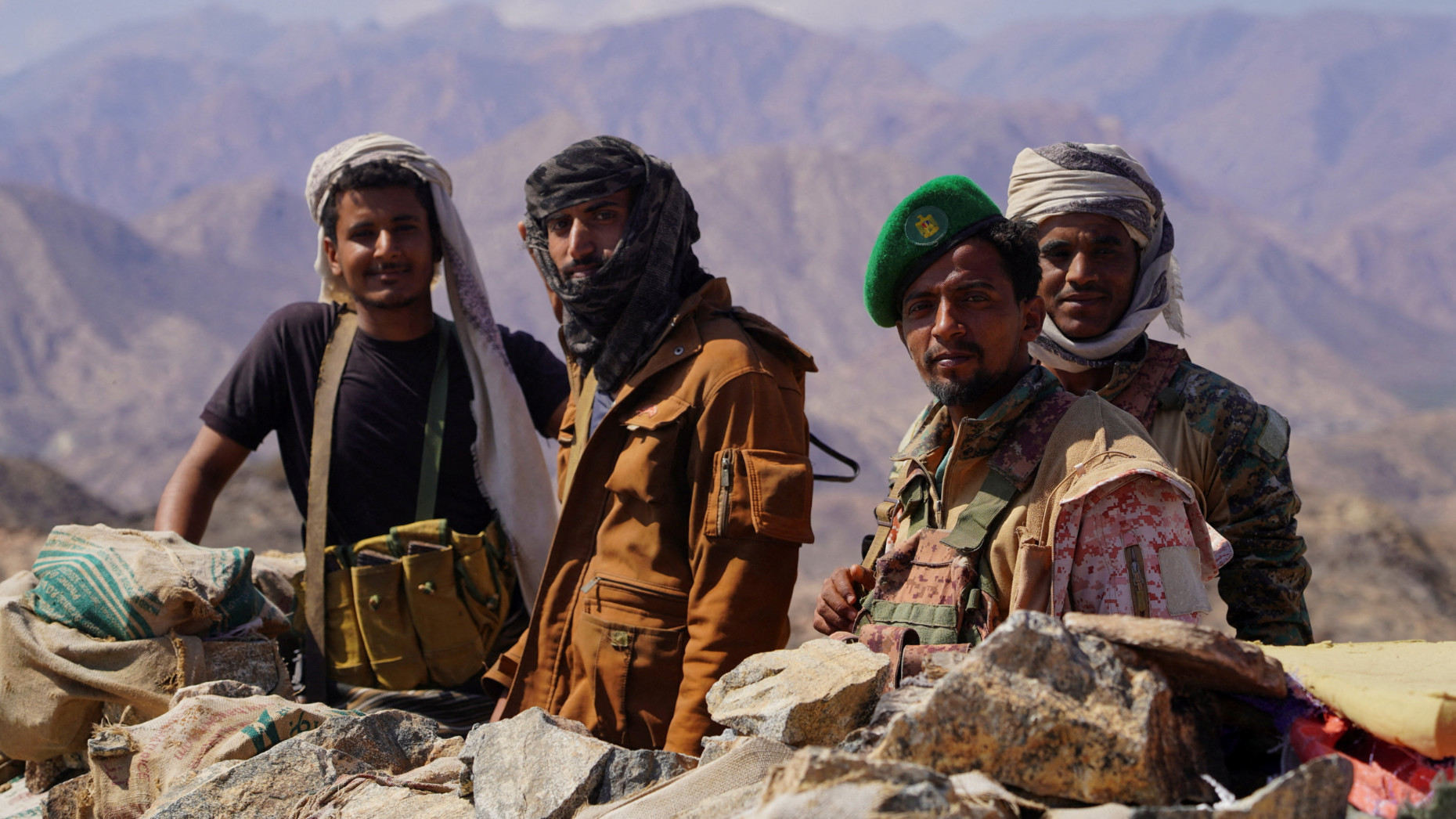
    A significant military redeployment is underway in Yemen’s complex civil war landscape as Saudi-backed forces withdraw from key positions, creating new geopolitical tensions between Gulf powers. The National Shield Forces (NSF), a pro-government military faction, have unexpectedly vacated their regular bases across southern governorates including Aden, Lahj, Abyan, and al-Dhali, repositioning to the strategic corridor between al-Wadiah and al-Abr—immediately west of the contested Hadramaut region.

    This development follows weeks of escalating tensions sparked by the Emirati-backed Southern Transitional Council (STC) asserting control over Hadramaut and al-Mahra governorates. The STC’s armed wing has refused to withdraw from these eastern territories despite pressure from Yemen’s internationally recognized Presidential Leadership Council (PLC).

    Notably, a WhatsApp voice recording circulated by NSF commander Bashir Seif congratulated troops on the redeployment while conspicuously omitting any mention of PLC president Rashad al-Alimi, instead expressing exclusive gratitude to Saudi Arabia’s defense ministry—a telling diplomatic snub that underscores shifting alliances.

    Local reports indicate this realignment follows closed-door negotiations between STC representatives and Saudi military officials, resulting in a tentative understanding: control of Hadramaut would transition to STC-aligned Hadrami Elite Forces, with the separatist group committing to withdraw its own combat units. As part of this arrangement, the STC would consolidate authority over Aden and Socotra while NSF forces establish presence near Saudi border regions.

    The STC justified its eastern expansion as a necessary campaign against corruption, smuggling networks, and extremist organizations including Islamic State and al-Qaeda in the Arabian Peninsula, claiming to restore stability to neglected regions. However, the group’s ultimate objective remains the secession and re-establishment of an independent Southern Yemen, reversing the 1990 unification.

    This power play has exposed growing friction between Saudi Arabia and the United Arab Emirates, both nominal allies in the coalition against Houthi rebels. Saudi Arabia has historically supported Hadrami tribes and the PLC, while the UAE openly backs and funds the separatist STC, with many STC leaders maintaining direct ties to Abu Dhabi.

    The tension manifested unusually publicly through critical coverage in Saudi news outlets—a rare display of diplomatic divergence reminiscent of their differing approaches to the Sudan conflict. Saudi Arabia subsequently closed Yemen’s airspace temporarily, a move analysts suggest facilitated the strategic withdrawal from STC-controlled territories including Aden’s Presidential Palace, facilities at Aden International Airport, and Mayun Island in the critical Bab al-Mandab Strait.

    Concurrently, the STC has been establishing parallel governance structures including the newly created Southern Fatwa Authority, extending its influence beyond military and administrative control to religious legitimacy—a significant step in consolidating state-like authority amid Yemen’s fractured political landscape.

  • UN warns 17 million risk food insecurity in Afghanistan

    UN warns 17 million risk food insecurity in Afghanistan

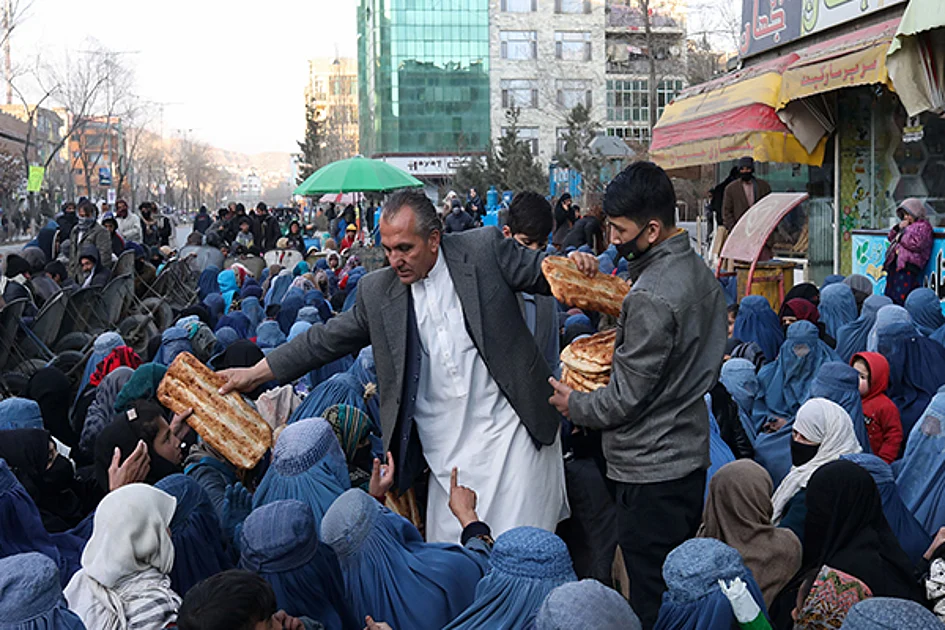
    The United Nations issued a dire warning on Tuesday that Afghanistan confronts an escalating humanitarian catastrophe, with over 17 million people experiencing acute food insecurity as winter approaches. This alarming figure represents a dramatic increase of three million compared to the previous year’s statistics.

    Jean-Martin Bauer, Director of Food Security and Nutrition Analysis at the UN’s World Food Programme, emphasized the critical nature of the situation during a Geneva press briefing. ‘The situation is deteriorating rapidly, and immediate intervention is crucial as Afghanistan enters the winter season when humanitarian needs peak,’ Bauer stated from WFP’s Rome headquarters.

    The crisis stems from multiple compounding factors including severe drought conditions that have devastated agricultural production and livestock, destructive earthquakes that have pushed countless families into poverty, and significant reductions in international aid. Further exacerbating the situation, the forced repatriation of more than 2.5 million Afghan refugees from Iran and Pakistan throughout 2025 has placed unprecedented strain on the nation’s already limited resources and infrastructure.

    Among the most vulnerable populations are nearly four million children suffering from acute malnutrition, creating a lost generation facing irreversible developmental impacts. The WFP anticipates similar refugee return rates in 2026, potentially worsening the crisis.

    Currently, the organization faces critical funding shortages, with only 12 percent of necessary financial resources secured for its Afghan operations. This financial deficit has prevented standard winter preparedness measures, including pre-positioning food supplies in high-risk communities.

    Bauer urgently appealed for international donor support, specifying that $570 million is required over the next six months to provide essential assistance to approximately six million vulnerable Afghans. He stressed the importance of maintaining global attention on Afghanistan’s plight to prevent the most extreme consequences of this growing emergency.

  • ‘Syria is proud of him’: Family of Bondi hero reacts

    ‘Syria is proud of him’: Family of Bondi hero reacts

    In a remarkable display of courage during Australia’s deadliest mass shooting in three decades, Syrian immigrant Ahmed al-Ahmed emerged as an international symbol of bravery after confronting an armed assailant at Sydney’s Bondi Beach. The 43-year-old shopowner, who left his war-torn hometown in Idlib nearly two decades ago, successfully wrestled a rifle from the attacker during a violent assault on a Jewish holiday gathering that claimed 15 lives.

    From his hospital bed in Sydney where he recuperates from gunshot wounds, al-Ahmed has received global recognition, including commendation from U.S. President Donald Trump. A grassroots fundraising initiative has generated over A$2.2 million in support of his recovery, demonstrating widespread admiration for his selfless actions.

    Halfway across the world in Syria, relatives recognized al-Ahmed in viral footage of the confrontation. His uncle, Mohammed al-Ahmed, expressed profound pride in his nephew’s heroic intervention, emphasizing that his actions transcended religious considerations. “He acted on pure instinct without considering the victims’ faith—whether Muslim, Christian, or Jewish,” the uncle stated in an interview with Reuters. “That innate moral compass propelled him to intervene and save countless innocent lives.”

    The family’s origins trace back to Nayrab, a town devastated by Syria’s prolonged civil conflict that concluded only last year with the ousting of long-time leader Bashar al-Assad. Their former family residence now lies in ruins, its concrete structure punctured by shelling and surrounded by debris—a stark reminder of the violence that prompted al-Ahmed’s departure in 2006 after completing his university education in Aleppo.

    Family members describe al-Ahmed as embodying a lifelong pattern of gallantry and compassion. His cousin, also named Mohammed al-Ahmed, highlighted the significance of his actions: “Through his courage, he demonstrates to the world that Muslims are instruments of peace rather than conflict.” Now an Australian citizen and father of two daughters, al-Ahmed’s spontaneous heroism has transformed him into an unexpected ambassador for cross-cultural understanding and human solidarity.

  • Roads or rice fields – Madagascar’s highway dilemma

    Roads or rice fields – Madagascar’s highway dilemma

    In the tranquil village of Ambohidava, Madagascar, a crimson wooden post symbolizes an impending transformation that threatens to dismantle generations of agricultural tradition. This marker designates the path of a controversial $1 billion highway project linking the capital Antananarivo to Toamasina, the nation’s primary port city.

    The proposed infrastructure promises to revolutionize Madagascar’s economy by slashing the current 16-hour journey between these key cities to merely three hours. Government projections indicate the highway could triple activity at Toamasina port, facilitate exports of premium commodities like vanilla, and generate substantial employment opportunities along its 260-kilometer corridor.

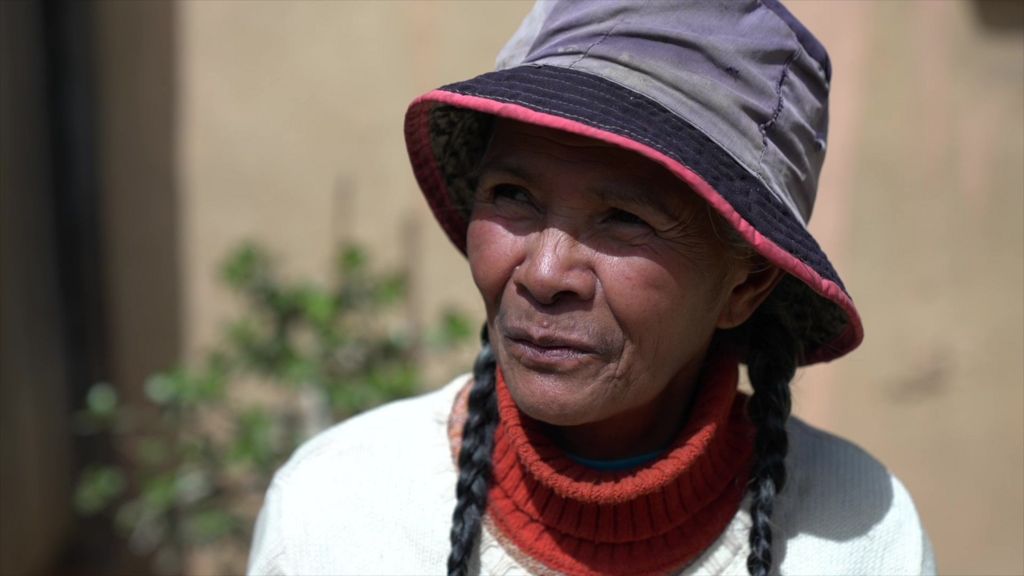
    However, this development exacts a profound human cost. Seventy-year-old Neny Fara, whose family has cultivated rice and pineapples in Ambohidava for generations, faces the potential destruction of her ancestral farmlands. “I feel stabbed in the back,” she expresses, highlighting the absence of official communication regarding compensation. Her concerns echo throughout the community, where multiple farmers report similar uncertainties despite governmental assurances of restitution within one year of the road’s completion.

    The project’s implementation continues despite recent political upheaval that deposed initial proponent President Andriy Rajoelina. The current administration maintains commitment to the venture, financed through a combination of state funds (20%) and international sources including the Arab Bank for Economic Development in Africa.

    Environmental considerations have undergone significant revision since the project’s inception. Originally feared to encroach upon pristine rainforests housing Madagascar’s unique biodiversity, the route now primarily traverses previously cleared agricultural zones. Egyptian construction firm Sancrete further claims the improved road could reduce transportation emissions by up to 30%.

    Yet cultural tensions persist. Villagers voice distress over potential desecration of ancestral burial grounds, considered sacred in Malagasy tradition. An impromptu community gathering, led by Neny Fara, revealed determined opposition to the current plans.

    Former Environment Minister Max Fontaine defended the balance between preservation and progress, emphasizing parallel initiatives to formalize land ownership and prevent corporate land grabs. “This highway will radically change the face of Madagascar,” he stated, acknowledging both the transformative potential and necessary safeguards for affected communities.

    As construction advances on the initial 8-kilometer segment, Ambohidava embodies the complex dilemma facing developing nations: reconciling economic advancement with environmental conservation and cultural heritage preservation.

  • US military build-up in Caribbean has shadows of the past – but differences are stark

    US military build-up in Caribbean has shadows of the past – but differences are stark

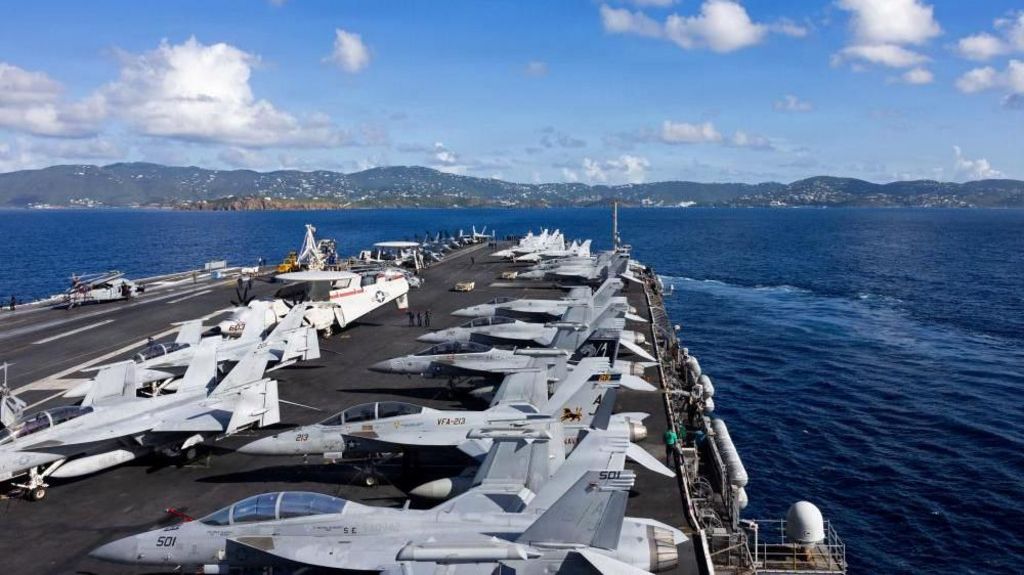
    The Caribbean Sea is witnessing its most significant US military deployment since the Cold War’s conclusion, with the nuclear-powered USS Gerald Ford aircraft carrier leading a formidable naval presence. This strategic mobilization responds to escalating tensions between Washington and Caracas, drawing inevitable comparisons to the 1989 US invasion of Panama that ousted President Manuel Noriega.

    The historical parallel emerges from strikingly similar circumstances: both episodes feature Latin American leaders accused by Washington of direct involvement in narcotics trafficking, both involve years of accumulated diplomatic enmity, and both concern nations possessing immense strategic value—Panama with its critical canal and Venezuela with its vast oil reserves.

    Yet the distinctions between these two moments reveal evolving geopolitical realities. The 1989 operation against Noriega occurred within a Cold War context, with concrete evidence presented through financial records and cartel testimonies. Current allegations against President Nicolás Maduro center on what US officials term the ‘Cartel of the Suns’—an alleged network of current and former Venezuelan military officials that some drug policy analysts question as a formally structured organization.

    The legal justification has similarly evolved. Where the Panama intervention followed the shooting death of US Marine Lieutenant Robert Paz at a checkpoint, the current administration employs the concept of ‘narco-terrorism’ to characterize its operations against drug-smuggling vessels in international waters. This approach has sparked controversy regarding international law interpretations, particularly after a September incident where a follow-up airstrike killed two survivors from an initial engagement.

    Adding complexity to the situation, the Trump administration has imposed fresh sanctions on three of Maduro’s nephews, including two previously convicted in the 2015 ‘narco-nephews’ cocaine smuggling case. Venezuelan officials vehemently deny all allegations, with Interior Minister Diosdado Cabello dismissing the Cartel of the Suns as ‘an imperialist invention.’

    With US forces having already seized a tanker carrying Venezuelan crude and controlling air and sea approaches to Venezuela, analysts note that the situation remains highly volatile. As demonstrated in Panama, such military buildups can be triggered into full-scale conflict by a single incident, making the current Caribbean standoff one of the most dangerously unpredictable geopolitical situations in recent decades.

  • Iran says dual national held since Israel war on spy charges is Swedish

    Iran says dual national held since Israel war on spy charges is Swedish

    Iran’s judiciary has formally identified a detained dual citizen, arrested during recent hostilities with Israel, as holding Swedish nationality. Judicial spokesman Asghar Jahangir disclosed through the Mizan Online news agency that the individual obtained Swedish citizenship in 2020 and had been residing there prior to their arrest.

    The defendant stands accused of conducting espionage operations for Israel’s Mossad intelligence service during the 12-day conflict that erupted in June. According to judicial authorities, the suspect was allegedly recruited by Israeli intelligence in 2023 and participated in training sessions across six European capitals before entering Iran approximately one month preceding the outbreak of hostilities.

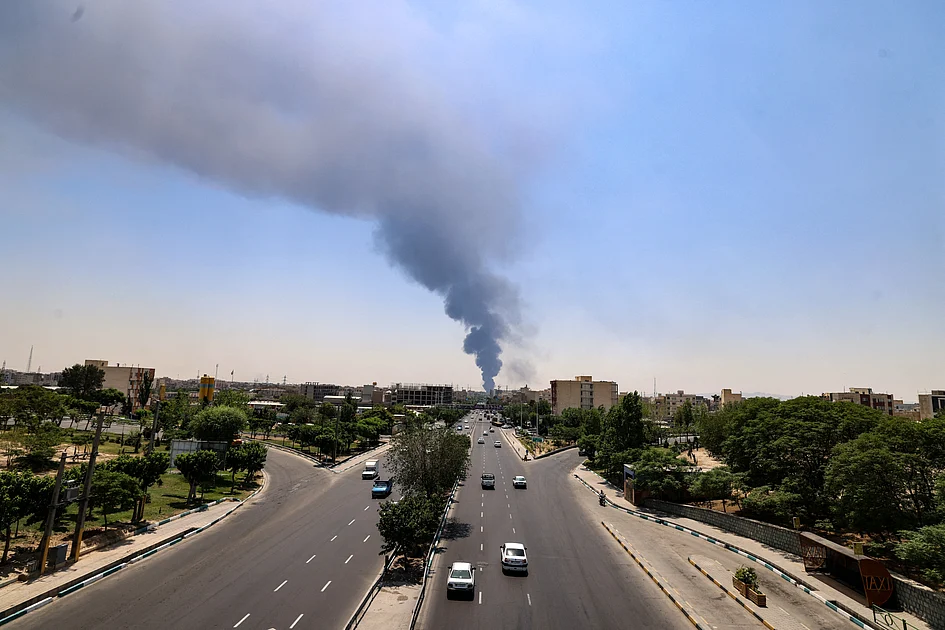
    Investigators reported discovering electronic surveillance equipment in the defendant’s possession upon arrest near Karaj, a provincial area adjacent to Tehran. Judicial officials state the individual has provided confessions regarding espionage activities, with a verdict expected imminently.

    This case emerges amid heightened tensions following Iran’s implementation of stricter espionage penalties in October, mandating capital punishment and asset confiscation for those convicted of spying for Israel or the United States. Since the June conflict, Iranian authorities have executed at least nine individuals convicted on similar charges, reflecting Tehran’s intensified crackdown on alleged foreign intelligence operations.

    The arrest occurs against the backdrop of complex diplomatic relations between Iran and Sweden, particularly following a June 2024 prisoner exchange that secured the release of two Swedish citizens in return for former Iranian official Hamid Noury.