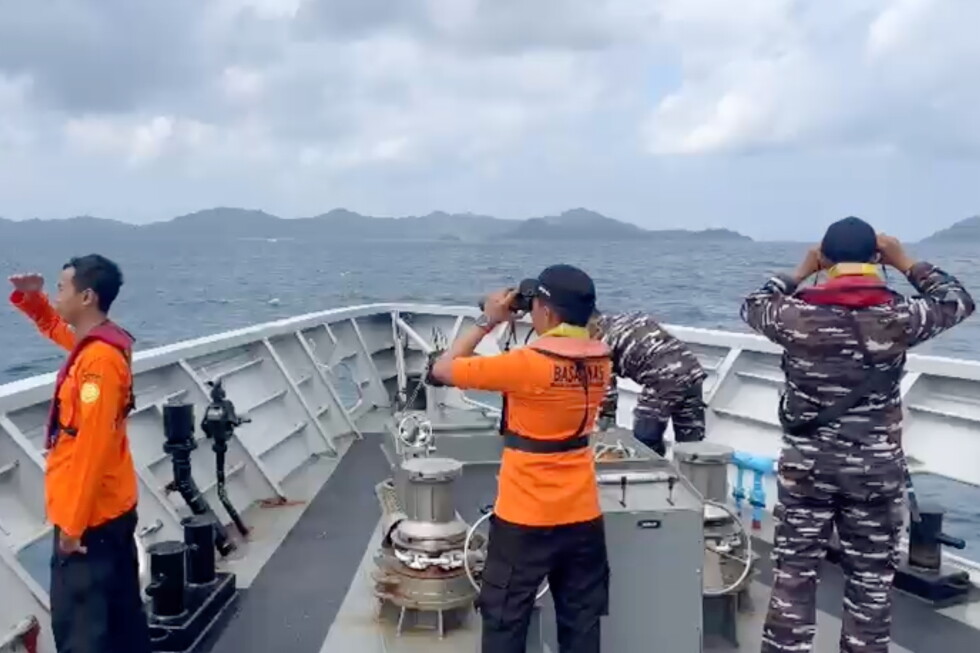
A deadly maritime accident has left one person dead and 23 others unaccounted for after a passenger boat sank while en route to an Indonesian island, local officials confirmed Thursday in a statement to reporters. The incident unfolded Wednesday morning, when the KM Nurul Salsa departed the port of Jampea Island carrying 70 passengers and crew members, along with a cargo of copra, cattle, and motorcycles. By Wednesday afternoon, emergency management authorities received an urgent distress report stating the vessel had suffered total engine failure and was going down roughly 43 nautical miles, or 79 kilometers, from its intended destination: the port of the Selayar Islands in South Sulawesi Province. As of Thursday, search and rescue teams have pulled 46 survivors from the water, but efforts to locate the remaining 23 missing people have been severely hampered by treacherous meteorological conditions, according to Muhammad Arif Anwar, leader of the Makassar Search and Rescue Office. “The primary challenge we face right now is the weather,” Anwar explained in an interview. “At the search site, waves are reaching 2 to 2.5 meters in height, and wind speeds remain high. That is the main obstacle holding back our operations.” The multi-agency search mission brings together personnel from the Indonesian National Armed Forces, the National Police, local commercial fishermen, and community residents, all working around the clock to locate the missing passengers. Maritime accidents are an all-too-common occurrence across Indonesia, a sprawling archipelago made up of more than 17,000 individual islands that relies heavily on small passenger vessels as a primary mode of inter-island transportation. Longstanding issues including lax regulatory oversight of vessel safety standards and repeated overcrowding have created a pattern of frequent deadly accidents in the region’s waters. This report included contributions from Associated Press correspondent Edna Tarigan based in Jakarta, Indonesia.
分类: world
-
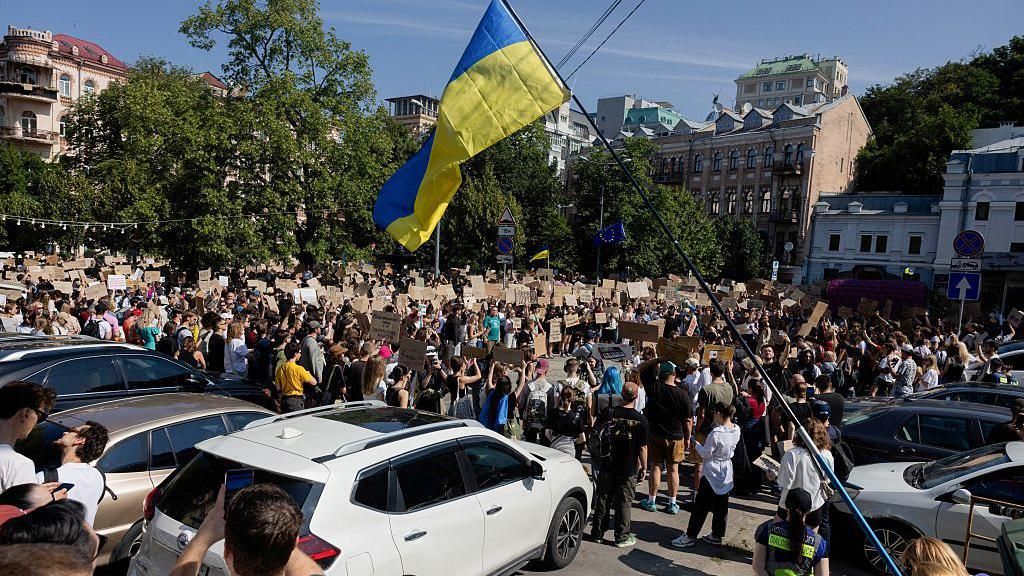
Protests in Ukraine’s cities against Zelensky’s removal of defence minister
On a Thursday morning, thousands of mostly young demonstrators packed central Kyiv’s Ivan Franko Square, voicing fierce public pushback against Ukrainian President Volodymyr Zelensky’s unexpected dismissal of the widely popular Defense Minister Mykhailo Fedorov. The demonstrations, which have spread to multiple major Ukrainian cities, mark one of the most significant public displays of dissent against Zelensky’s administration since Russia’s full-scale invasion in 2022.
Protesters held hand-painted signs reading “Hands off Fedorov” and “Stop sabotaging victory,” while chanting calls of “Shame” toward the presidential office. Some demonstrators carried blunt messages, including one that read “What are you doing, idiot?” held by two young protesters, with a second sign noting the demonstration was “for all of those who couldn’t be here” — a reference to troops deployed on the front lines who cannot participate in public protests.
Fedorov, 35, only stepped into the defense minister role in January 2026, but in his six months in office he earned broad acclaim from military personnel, civilian commentators, and segments of Ukrainian civil society for his aggressive anti-corruption reforms, data-driven approach to frontline operations, and focus on modernizing Ukraine’s military through high-tech innovation. A former digital transformation minister, Fedorov had long been a key figure in Ukraine’s war effort: in the opening weeks of Russia’s 2022 full-scale invasion, he organized the volunteer “IT Army of Ukraine,” a network of global hackers that launched coordinated cyberattacks against Russian government and military targets. He later led the groundbreaking “Army of Drones” fundraising initiative that sourced thousands of unmanned aerial vehicles for Ukrainian forces, and pioneered a gamified incentive system that awarded units credits for destroying Russian military assets.
After taking the defense ministry post, Fedorov doubled down on his modernization agenda, pushing to cut through layers of entrenched bureaucracy and root out lingering Soviet-era institutional mindsets that many Ukrainians blame for slowing military progress. His tenure included a high-profile request to SpaceX founder Elon Musk to restrict Russian access to Starlink satellite services, a move that severely disrupted Russian frontline drone operations and advances. Just last month, Fedorov led Ukrainian defense efforts in a series of devastating mid-range drone strikes on Russian-occupied Crimea, publicly vowing to fully cut the peninsula off from Russian control.
To date, Zelensky has offered no public explanation for his decision to remove Fedorov, a silence that has amplified public and elite frustration with the sacking. Lawmakers were scheduled to hold a confirmation vote later Thursday on Zelensky’s nominee to replace Fedorov: Ihor Klymenko, the current head of Ukraine’s interior ministry.
Multiple unconfirmed theories have emerged to explain the dismissal. Some Ukrainian political and military observers point to growing tensions between Fedorov, a young reformer focused on asymmetric high-tech warfare, and Ukraine’s more traditionally minded Commander-in-Chief Oleksandr Syrskyi. Others suggest the move stems from criticism that Fedorov moved too slowly to implement sweeping overhauls of Ukraine’s military mobilization system, a deeply contentious issue in the country amid ongoing heavy frontline casualties.
The sacking has already drawn sharp condemnation across Ukrainian society, particularly among active-duty military personnel. “This is the worst mistake Zelensky has made during his entire presidency,” an active-duty Ukrainian soldier named Oleksandr told the BBC. Oleksandr, who enlisted earlier this year specifically because he trusted Fedorov’s leadership and vision, added: “I don’t know anyone who supports the decision to replace him. Not within the army, not in society.”
Maria Lavrynets, 31, a protester in central Kyiv, framed the demonstration as a defense of Ukraine’s war progress and frontline troops. “I have lots of friends in the military. Lots of them died. I don’t want this to go on,” she said. “We see [Fedorov’s] results. We see the motivation of the soldiers, we should stand for them.”
Senior military figures have also joined the backlash. Pavlo Yelizarov, a respected commander of one of Ukraine’s most effective drone units, resigned from his post as deputy commander of the Ukrainian Air Force in protest. He called Fedorov’s sacking “a great evil for the country’s defence capability.”
Prominent blogger Serhii Sternenko, who was brought into the defense ministry as an advisor by Fedorov, hailed his former boss as “the best minister of defence in our entire history.” In a public statement, Sternenko bemoaned the “bureaucratic obstacles and artificial delays” that had blocked Fedorov from implementing deeper institutional reforms, implying that old-guard opposition had led to his ouster.
In a brief Facebook post published hours after his dismissal, Fedorov did not criticize Zelensky or the presidential administration, instead highlighting his tenure’s achievements and reaffirming his commitment to the war effort. “I will continue… to defeat the enemy through asymmetry, speed of innovation, and organisational strength,” he wrote.
-
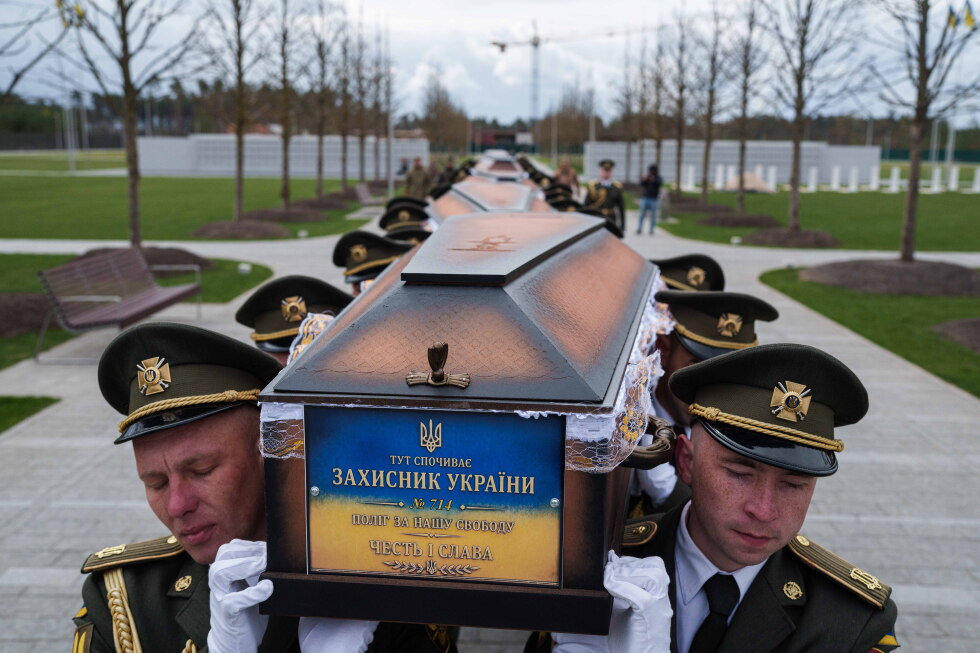
Ukraine buries its unknown soldiers as families wait for identification
On a quiet, somber day at Kyiv’s main military cemetery, siblings Stanislav and Oleksandra Yalynych walked slowly between rows of plain wooden crosses, clutching a bouquet of deep red carnations. Every cross in this section of the burial ground shares the same heartbreaking inscription: “unknown defender of Ukraine”, etched above a unique identification number and a small note stating that efforts to confirm the soldier’s identity are still ongoing. One grave, however, now stands apart from the rest: beneath the generic wording, a photograph has been taped to the cross — that of Ihor Yalynych, a Ukrainian soldier who was last seen alive in the Kharkiv region in early 2022. After four long years of relentless searching, the two siblings finally found their father.
The painstaking work of identifying Ukraine’s fallen troops has emerged as one of the longest, most raw open wounds left by Russia’s full-scale invasion, a national reckoning that experts and officials agree will stretch on for decades after the final shots are fired. Hundreds of unidentified troops already rest in the Kyiv cemetery, with new grave sites dug every week to accommodate more remains, and many more may never be named, leaving their families in perpetual limbo.
For much of the war, Ukraine lacked a dedicated resting place for unidentified fallen soldiers. Bodies were stored in refrigerated facilities across the country while the national military cemetery was under construction. Even before the site was formally completed in January 2024, the first group of unknown troops was laid to rest there in August 2023, and more than 300 now lie under numbered crosses.
“I was a daddy’s girl, and I took the loss very hard,” said 21-year-old Oleksandra Yalynych. “All these four years, all I wanted was to come and sit with him, to talk. … Now I’m glad we found him. Now I have somewhere to go.”
Ihor Yalynych’s story mirrors that of thousands of Ukrainian service members who have fallen since the full-scale invasion began. He had served in Ukraine’s military since 2015, just one year after armed conflict broke out in eastern Ukraine and Russia illegally annexed the Crimean Peninsula. When Moscow launched its full-scale invasion in February 2022, Ihor was deployed with a brigade in eastern Ukraine. He returned safely from his first combat mission, even sending photos of himself to his son Stanislav, but he never came back from his second.
After weeks of no contact, Stanislav took to social media to post that his father was missing. An acquaintance reached out, saying he had recognized Ihor in a photo circulating on a Russian Telegram channel: the image showed nine Ukrainian soldiers, shot and killed, lying in a line. When Stanislav saw the photo, he knew immediately his father was among the dead.
Ukraine’s National Police in the Kharkiv region confirmed to the Associated Press that an investigation into the deaths of this group of service members, whose bodies were recovered in the region in April 2022, remains ongoing, along with efforts to identify all of the men.
Ihor’s body remained in Russian-occupied territory for five months, and it was only recovered after Ukrainian forces reclaimed the area in September 2022. What followed was a four-year slog through bureaucratic red tape, including mandatory DNA testing, before the family could finally claim his remains. According to Stanislav, the process could have been completed much faster if Mykolaiv regional police — where Ihor was registered as a resident — had not lost the case file, which sat unprocessed for more than two years.
In response to a written inquiry from the AP, Mykolaiv police did not address the family’s claims of a lost file or excessive delay, only stating that no criminal proceedings had been filed in connection with Ihor’s identification process. Because of the missing file, Stanislav was only able to provide his DNA sample for matching roughly six months ago, and the match was confirmed just two months after that.
Under Ukraine’s current system for honoring fallen troops, when a soldier is buried as unknown and no family is present to accept the folded national flag from the coffin, the Ukrainian state steps in to receive the flag on the soldier’s behalf, holding it until an identification is made, Veterans Affairs Minister Natalia Kalmykova explained.
“Honoring a person who gives their life for their country is, first of all, truly needed by those who remain,” she said. “So we understand the price being paid for independence — in our case, our country’s — for our right to choose our own path and democracy in this country.” So far, three of the first unknown soldiers buried in the Kyiv cemetery have been formally identified, she added.
Kalmykova noted that the backlog of unknown dead traces back to the chaotic early weeks of the 2022 invasion. Most troops who joined in the first year of the full-scale war were not required to submit DNA samples, leaving no pre-existing database to cross-reference with remains. A national database has since been established, and around half of all active Ukrainian troops have now submitted their DNA, according to a senior military official who spoke on condition of anonymity.
In cases where no troop DNA is available in the database, identification relies on close relatives coming forward to provide their own samples for matching. That process is often derailed: many relatives live in Russian-occupied territory, have fled abroad, are estranged from the soldier, do not know their loved one is missing, or have themselves been killed in the war.
As of the latest data, more than 40,000 DNA samples from unidentified remains have been registered in Ukraine’s system, said Ruslan Abbasov, deputy director of the State Scientific Research Forensic Center of the Ministry of Internal Affairs. Most of these have already been cross-referenced with roughly 170,000 samples submitted by relatives of missing service members. When no match is found through the existing database, investigators often go to extra lengths, searching soldiers’ abandoned apartments or retrieving personal belongings to collect viable DNA, Abbasov added.
To streamline future identification efforts, every unidentified coffin is marked with a unique ID number inside and out, and the number is inscribed on the grave marker. A centralized public registry logs every number to the corresponding set of remains, so a confirmed match can quickly be traced to its burial site.
Ukraine receives remains of fallen troops directly from frontline recovery teams, and through the repatriation process with Russia. Since the full-scale invasion began, Ukraine has recovered 24,805 bodies of fallen troops through repatriation alone, according to the Coordination Headquarters for the Treatment of Prisoners of War.
While some remains are found with identity documents in pockets, DNA testing is still required to confirm matches: there is no guarantee the documents found with a body actually belong to that soldier. Maksym Paziura, a forensic medical examiner working in the Kyiv region, explained that the process is often far more complicated. In many cases, remains of multiple soldiers are mixed together in a single collection bag, making it difficult just to extract a usable DNA sample. Most remains also are in advanced stages of decomposition by the time they are recovered.
Paziura’s team processes 15 to 20 bodies every day, holding them in refrigerated storage until they can be identified or buried. The team’s workload is roughly five times what it was before the full-scale invasion, he said. “Even if the war ends, we’ll still have a great deal of work,” Paziura said. “Identification is a hard, long process, and it won’t stop when the fighting does.”
For families of missing troops, identification is about far more than emotional closure. Until a death is formally confirmed, relatives cannot settle inheritance claims, legally remarry, or access the state compensation that is owed to families of fallen soldiers. Abbasov pointed to the Western Balkans, where identification of war dead continues decades after the Yugoslav Wars ended, and said Ukraine will face the same long, slow process.
For Stanislav Yalynych, placing his father’s photo on the grave brought a long-awaited sense of peace. “Now it won’t only be us who know our father lies there,” he said. Since the photo was added, strangers visiting the cemetery have stopped to ask about Ihor. To Stanislav, that means his father’s sacrifice will not be forgotten, and his memory will live on long after he is laid to rest.
-
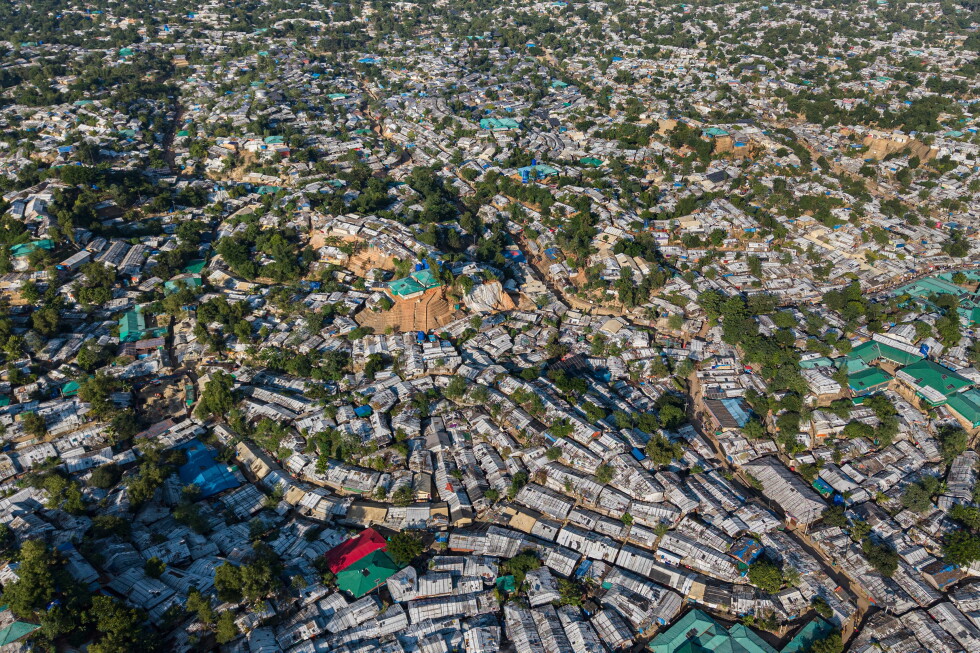
More than 500 feared dead as officials investigate reports of boats capsizing with Rohingya refugees
SYDNEY, July 25 (Xinhua) – New unconfirmed but deeply worrying reports have emerged that two overloaded vessels carrying Rohingya refugees have capsized in the Bay of Bengal, leaving more than 500 people missing and presumed dead, United Nations agencies confirmed Thursday.
Both the International Organization for Migration (IOM) and the United Nations High Commissioner for Refugees (UNHCR) have released a joint statement outlining what is known about the two ill-fated voyages. The boats departed late June from Rakhine State, the western coastal region of Myanmar where most Rohingya long resided. Most passengers were Rohingya, including a number who had previously crossed into Bangladesh to seek shelter in overcrowded refugee camps before attempting this second dangerous journey.
The first vessel, which carried approximately 250 people, lost all communication with outside contacts within days of setting off. The second boat, carrying 280 passengers, is believed to have sunk off the Ayeyarwady coast of Myanmar on July 8. Though neither the full details of the incidents nor the final casualty count have been formally verified by official sources, the two UN agencies warned that the potential loss of life is devastating.
This potential disaster comes at the peak of the annual monsoon season, when rough seas, torrential downpours, and sudden storms make open-ocean boat voyages extremely dangerous. Typically, Rohingya refugees avoid attempting crossings during this period, but escalating pressures in the region have forced more people to take the risk regardless. Recent widespread flooding and heavy rainfall across the Bay of Bengal basin only amplified the danger of these journeys, the agencies noted.
The unfolding tragedy highlights the ongoing, unresolved crisis facing the Rohingya people, a stateless predominantly Muslim community that has faced systematic persecution for decades. Following targeted violence carried out by Myanmar’s military in 2017 – an act the United States formally recognized as genocide – roughly 1.2 million Rohingya now live in cramped, under-resourced refugee camps in Bangladesh, with no safe path to return to their homes in Myanmar. Rohingya who remain in Myanmar are confined to closed internment camps and face severe restrictions on access to healthcare, education, and freedom of movement.
In recent months, growing instability in Rakhine State, where Myanmar’s ruling military junta and an ethnic armed organization are locked in ongoing conflict for regional control, combined with steep cuts to international aid for refugee camps in Bangladesh, have pushed a growing number of Rohingya to attempt dangerous sea crossings to Malaysia in search of safety and stability. Thousands have died along this route already, including large numbers of vulnerable people: infants, children, and pregnant women. Multiple reports have documented that local maritime authorities often ignore distress calls from struggling refugee boats, leaving passengers adrift to die at sea.
Thursday’s reports of two capsized boats mark one of the deadliest single incidents in recent years for Rohingya refugees, and 2025 is already on track to be the deadliest year on record for these sea voyages. UNHCR data shows that more than 6,500 Rohingya have attempted sea crossings in 2025, with nearly 900 already counted as dead or missing. This mortality rate is the highest of any major migrant or refugee sea route in the world.
In their joint statement, IOM and UNHCR emphasized that this potential new tragedy makes clear that the international community has failed to create sustainable, long-term solutions for the hundreds of thousands of Rohingya trapped in precarious conditions. The agencies called for renewed, coordinated action from regional governments and the broader international community to prevent more unnecessary deaths. Key measures they highlighted include expanding coordinated search and rescue operations in the Bay of Bengal, expanding access to asylum and legal protection for Rohingya refugees, and cracking down on the people smuggling and human trafficking networks that exploit vulnerable refugees for profit. The UN agencies also urged the international community to increase funding and support for Rohingya living in Bangladesh’s refugee camps to reduce the pressure that forces people to undertake deadly sea voyages.
-
US rights group calls on UN to impose arms embargo on UAE
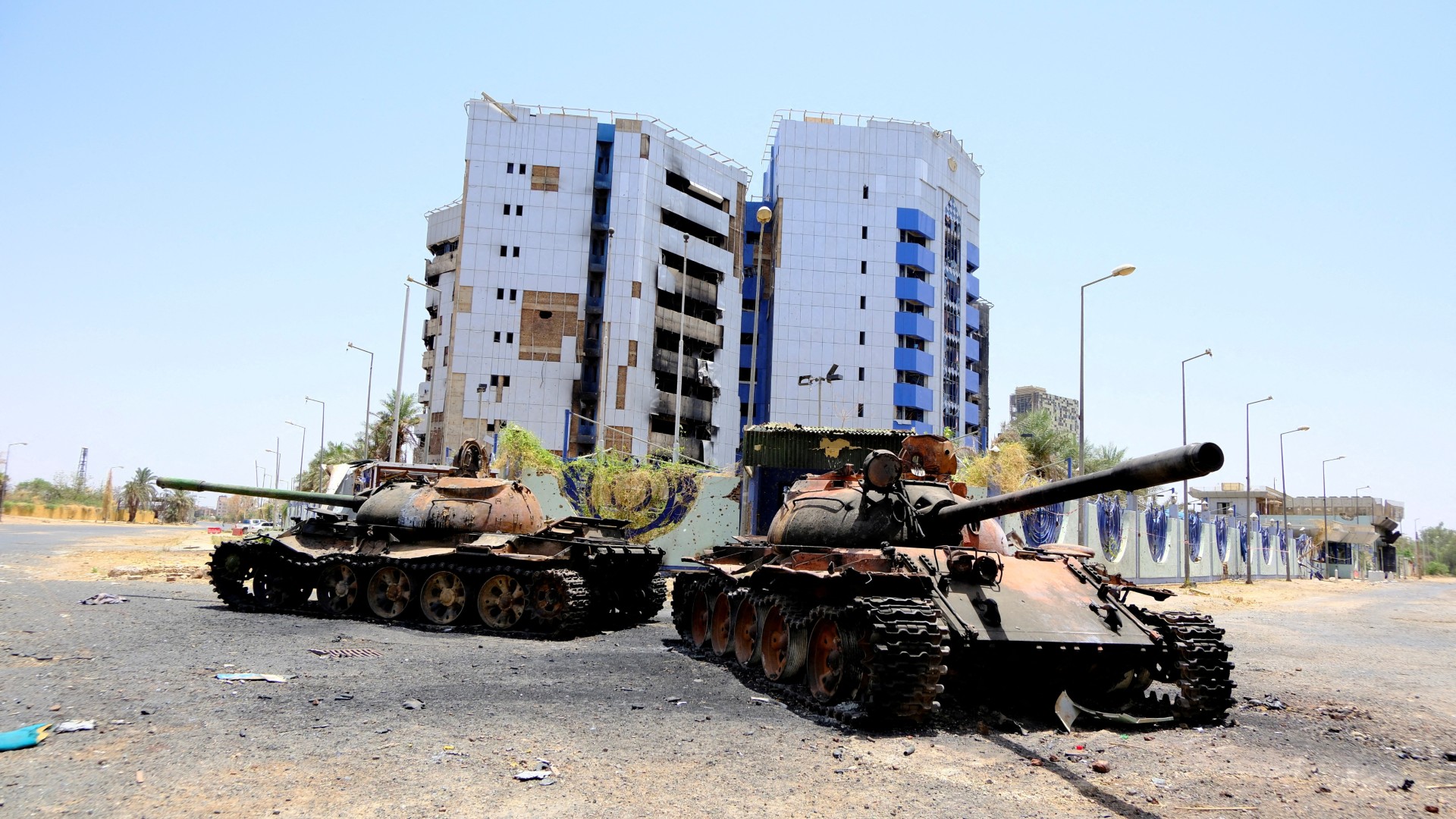
A Washington-based pro-democracy organization, Democracy for the Arab World Now (Dawn), has issued a urgent global appeal demanding United Nations member states implement an immediate, full arms embargo on the United Arab Emirates, accusing the Gulf state of enabling mass atrocities in Sudan that UN investigations have formally classified as genocide through its sustained backing of the Rapid Support Forces.
The call for action comes exactly one week after a UN independent fact-finding mission issued a stark warning that ongoing human rights law violations and targeted attacks on critical infrastructure in the Sudanese city of el-Obeid mirror the brutal campaign that devastated el-Fasher, urging the international community to act before another large-scale atrocity unfolds. “The international community still has a window of opportunity to prevent further atrocity crimes,” stated Mona Rishmawi, a member of the expert fact-finding mission. “El Obeid must not become the next crime scene.”
To back its claims, Dawn cites evidence collected by a UN panel of experts that mapped cross-border supply corridors linked to the UAE, which channel weapons, armored vehicles, and fuel into Sudan through the borders of Chad and Libya. The organization also references published analysis from Amnesty International that documents the RSF’s use of UAE-manufactured armored personnel carriers, as well as UAE-re-exported Chinese ordnance from Norinco, including precision GB50A guided bombs and 155mm AH-4 howitzers.
“The evidence of [the] UAE’s support for abusive actors in Sudan is overwhelming,” said Omar Shakir, Dawn’s executive director. “The UAE is the principal external sponsor of a force that a UN fact-finding mission has found committed acts of genocide. No legal framework, international or domestic, can justify continued arms transfers to the UAE.”
Sudan’s brutal civil conflict, which pits the RSF against the country’s formal Sudanese Armed Forces, erupted in April 2023. Over the course of the conflict, an estimated tens of thousands of people have been killed, more than 13 million have been displaced from their homes, and over 19.5 million Sudanese civilians are now on the brink of catastrophic famine, according to UN humanitarian data.
Both the UAE and the RSF have repeatedly denied the allegations of military support. In a statement provided to Middle East Eye, the Emirati foreign ministry stated: “The UAE has not provided and is not providing military or financial support to any warring party in Sudan.”
Dawn grounds its legal argument for UAE complicity in the 1948 Genocide Convention and established international law precedent. Citing Article 16 of the International Law Commission’s Articles on State Responsibility — a standard applied by the International Court of Justice in the 2007 Bosnia v Serbia case on genocide complicity, and classified as a punishable offense under Article III(e) of the Genocide Convention — Dawn argues the UAE bears shared legal responsibility for ongoing genocide in Sudan. The organization also notes that third-party states that continue to supply arms to the UAE, with full knowledge that those weapons will be transferred to the RSF, risk being deemed equally complicit in the atrocities.
As part of its campaign, Dawn has formally contacted five major arms-supplying states with direct leverage over the UAE: the United States, which supplies approximately 54 percent of the UAE’s total arms imports; France, which accounts for 13 percent; the United Kingdom and China, whose weapon components and re-exported munitions are regularly recovered from RSF-held areas; and Italy, which already revoked licenses for missile and bomb exports to the UAE in 2021 under its own national arms export regulations. Dawn is calling on all five states to immediately halt all direct arms transfers, re-export authorizations, and security cooperation with the UAE until it ends its backing for the RSF, and has urged the four permanent UN Security Council members among the group to uphold their binding legal obligations under international law.
Dawn representatives are scheduled to meet with officials from each of the five governments in Washington D.C. to advance the campaign for a global arms embargo and adherence to international law. Beyond unilateral national action, Dawn is pushing the UN General Assembly to invoke the Uniting for Peace procedure to pass a formal resolution condemning the UAE’s conduct as a violation of the UN Charter, the global Arms Trade Treaty, and the long-standing Darfur arms embargo. The organization is also calling on the UN Security Council to refer the entire Sudan situation to the International Criminal Court for prosecution, and to expand the existing Darfur arms embargo to cover all of Sudan, with explicit provisions targeting external state actors that enable the conflict.
“We understand that we live in a world where the rule of law has been eroded and international law has been disregarded,” Raed Jarrar, Dawn’s advocacy director, told Middle East Eye. Addressing the governments that hold the power to implement the embargo, he added: “At least respect your own domestic law that prohibits supporting genocide.”
In the United States specifically, Dawn is calling on Congress to pass three joint resolutions of disapproval (S.J.Res. 51, 52, and 54) that would block pending planned arms sales to the UAE, as well as the Stand Up for Sudan Act, which would enshrine a permanent ban on US arms sales to the UAE until it verifiably ends all support for the RSF. The campaign also highlights the urgent need to close a long-standing emergency waiver loophole in the US Arms Export Control Act, which currently allows the executive branch to bypass standard congressional review processes to push through unvetted weapons sales.
The political timeline for action in Washington is unusually favorable, after former US Secretary of State Antony Blinken formally confirmed in January 2025 that the RSF and its leader, Mohammad Hamdan Dagalo Mousa (widely known as Hemedti), have perpetrated a genocide in Sudan. Despite this formal declaration, a major policy contradiction remains: the US maintains close military and strategic partnerships with the UAE, and just last month, on July 10, the US Department of Commerce upgraded the UAE’s status under US Export Administration Regulations, significantly easing export controls on advanced weapons, commercial satellites, and spacecraft.
Jarrar warned that failing to align US policy with its own formal genocide finding would be a historic mistake. “The government is going to be embarrassing itself by making a declaration about the RSF committing genocide in Sudan, and then, at the same time, continuing to support the main backer of genocide,” Jarrar said.
The campaign comes amid a shifting global geopolitical context, as the incoming Trump administration has recently announced it will launch a campaign to dismantle the International Criminal Court “brick-by-brick” — a move widely interpreted as retaliation for the ICC’s recent issuance of an arrest warrant for Israeli Prime Minister Benjamin Netanyahu.
Middle East Eye attempted to contact the Sudanese Permanent Mission to the United Nations and the office of the UN General Assembly president for comment, but received no response prior to publication. A spokesperson for the UN secretary general noted that Secretary General António Guterres has repeatedly and publicly condemned all foreign interference in Sudan’s ongoing conflict, while the UN 1591 Sudan Sanctions Committee declined to provide comment for this story.
Dawn, the organization leading the campaign, was founded in 2018 by prominent Saudi dissident journalist Jamal Khashoggi, a Washington Post and Middle East Eye columnist who was assassinated by Saudi state agents inside the Saudi consulate in Istanbul in October 2018.
-
China’s oil imports plunge 40 percent, keeping a lid on energy prices
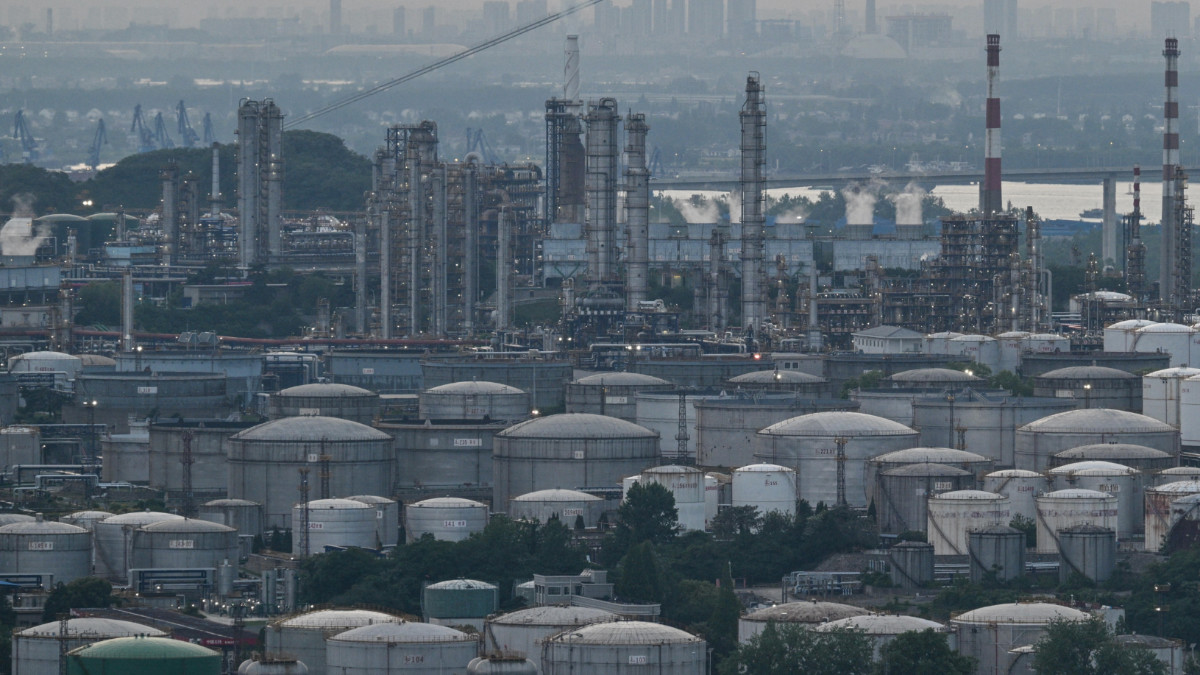
As tensions between the United States and Iran flare up once again in the strategically critical Strait of Hormuz, a sharp drop in China’s crude oil imports has emerged as an unexpected factor keeping global energy prices from spiking out of control. New customs data released by China on Tuesday shows that the country’s total crude oil imports in June fell to 29.27 million tonnes, marking a 41% year-on-year decline. This import level is the lowest recorded by China since October 2016, hitting a multi-year low that has reverberated through global energy markets.
As the world’s largest crude oil importer, China holds enormous sway over global energy pricing dynamics. Last year alone, the country imported an average of 11.6 million barrels of crude per day, a volume larger than the combined import volumes of France, the United Kingdom and Germany. Russia, Saudi Arabia, Iraq, Iran and Brazil stand as China’s top five crude suppliers, and Beijing is also the primary export market for both Iranian and Saudi Arabian crude. Energy industry analysts confirm that Beijing built up large strategic crude stockpiles in advance of the recent escalation of conflict between the US and Iran, creating a buffer that allows it to cut back on near-term imports.
Energy experts widely point to China’s steep import cutback as a primary reason that global energy prices have remained contained despite the return of open conflict in the Strait of Hormuz, one of the world’s busiest and most critical maritime chokepoints for global oil trade. Multiple factors have driven the sharp drop in Chinese crude imports, analysts note. A persistent post-pandemic economic slowdown across China has softened domestic energy demand, while the country has also increasingly substituted coal for crude to meet power generation needs. Recent customs data bears this out: China’s coal imports surged 30% in June to hit a five-month high, confirming the fuel shift underway.
The current conflict in the Strait of Hormuz comes after a short period of de-escalation earlier this year. The US and Iran signed a Memorandum of Understanding (MoU) that extended a spring ceasefire and opened the door to talks over Iran’s nuclear program and governance of the Strait. Under the terms of the deal, Iran received temporary sanctions relief in exchange for halting attacks on commercial vessels and allowing unimpeded transit through the waterway without mandatory tolls. In recent weeks, however, violence has reignited:
Iran has launched attacks on commercial vessels from Saudi Arabia, Qatar and the United Arab Emirates that were transiting the Strait through Omani territorial waters. Tehran claims the vessels failed to coordinate passage with Iranian authorities as required by the MoU, though the agreement does not mandate that vessels pass through Iran’s territorial waters. In response, the US has resumed escorting commercial vessels through the Strait, restarted direct strikes against Iranian targets, and reimposed a full naval blockade on Iranian ports and shipping as of Tuesday.
Even with the resumption of conflict, global oil prices have only climbed modestly, rising from a recent low of $69 per barrel to $79 per barrel. According to market analysts, this limited increase has prevented the conflict from spilling over into broader disruption of the global economy. The muted price reaction also strips Iran of one of its key levers to force global policy shifts, while buying additional time for the US to continue its military campaign.
The steady energy prices have also helped moderate US inflation. Just one month after the MoU was signed, US inflation fell, driven in large part by a drop in domestic gasoline prices. Even after a 30% overall increase from pre-conflict levels in February, when US national average gas prices stood at roughly $3 per gallon, prices fell by 10% in June according to the latest US inflation report, and currently sit at an average of $3.87 per gallon.
The original reporting on this development was published by Middle East Eye, a media outlet that delivers independent, in-depth coverage of the Middle East, North Africa and global affairs connected to the region.
-
Families of 43 victims await verdict in Genoa bridge disaster
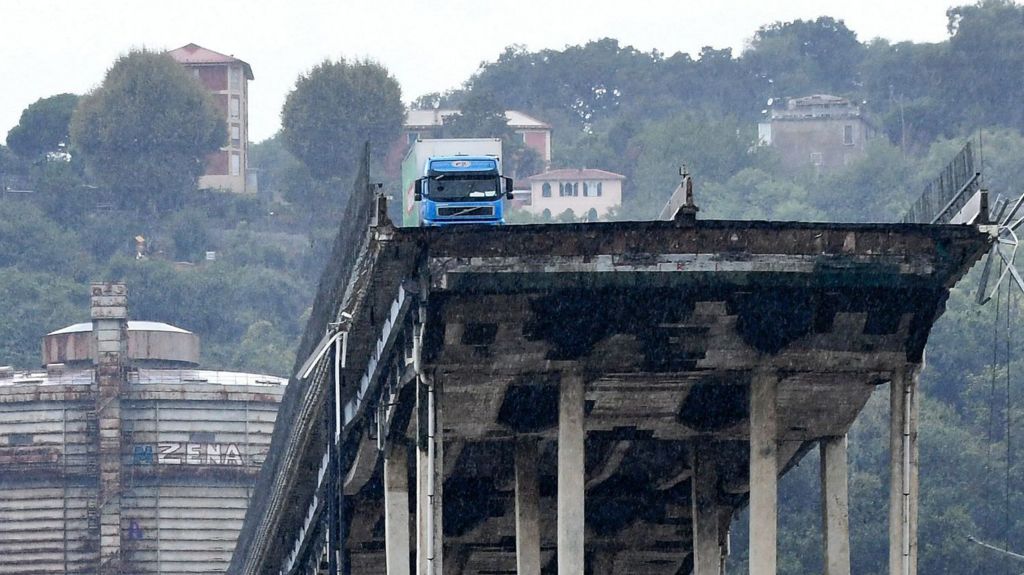
It has been almost eight years since Italy suffered one of its deadliest modern infrastructure disasters, when a section of the 1960s-era Morandi Bridge in the northern port city of Genoa collapsed during a summer storm at the peak of 2018’s holiday travel season. On Thursday, a Genoa courtroom will finally deliver the first-instance verdict in a years-long trial that has gripped the nation, with dozens of defendants facing charges linked to the tragedy that claimed 43 lives.
Among those set to attend the hearing is Egle Possetti, whose sister Claudia, Claudia’s new husband Andrea, and the couple’s two children aged 12 and 16 died when their vehicle plunged from the collapsed viaduct onto the railway tracks below. The family had just married and was en route to a holiday on the Italian Riviera when disaster struck. Claudia’s first husband, father to the two children who died, will also join Egle in court Thursday.
In an interview with the BBC, Possetti, who also serves as a representative for the committee of victims’ families, described her conflicting emotions heading into the verdict: “I feel anxious, worried, very emotional. After so many years, so many hearings, we may be able to see some light. It would be so important for us to know if someone’s been held accountable.” For nearly a decade, Possetti says, families have been told the collapse was an unavoidable accident with no culpable party. A clear ruling on responsibility, she adds, would bring a long-awaited measure of peace and justice to grieving relatives who have lived with uncertainty for years.
The disaster triggered a years-long investigation that ultimately led to 57 people going on trial starting in July 2022. Defendants include former senior executives of Autostrade per l’Italia (Aspi), the toll road operator that managed the bridge, executives from Aspi’s former parent company Atlantia, lead engineers from maintenance contractor Spea, and former Italian transport ministry officials. Charges against the accused range from multiple counts of manslaughter to document falsification, and all 57 defendants have repeatedly denied any wrongdoing. Several lesser charges, including some counts of forgery, have already been dropped due to Italy’s statute of limitations.
At the core of the case is a fundamental dispute over what caused the bridge, a critical transit link connecting Genoa to the French border, to fail. Prosecutors argue the collapse was entirely preventable: they claim warnings of structural degradation were repeatedly ignored for years, while critical maintenance work was deliberately delayed to protect corporate profits. Defense teams, by contrast, argue the disaster stemmed from an inherent design flaw in the concrete-encased stay cable that failed, and that no feasible maintenance program could have averted the collapse.
The trial, which has spanned nearly four years and required 284 separate hearings, has drawn widespread criticism over its plodding pace, which has exposed deeper structural issues within Italy’s judicial system. Francesco Pinto, the former deputy chief prosecutor who led work on the case, has noted that even after Thursday’s first-instance ruling, additional appeals and a final Supreme Court decision could add another two and a half years to the process. Defense attorneys, including Giovanni Paolo Accinni who represents former Atlantia CEO Giovanni Castellucci, counter that the lengthy proceedings stem from the prosecution’s years of complex pre-trial technical investigations, most of which needed to be revisited after the trial formally began. Castellucci is already serving a six-year prison sentence for his role in a separate 2013 viaduct collapse in southern Italy that killed 40 people.
Ahead of Thursday’s verdict, Aspi broke its long silence to issue the first formal public apology to victims’ families. In an open letter published in two major Italian newspapers, current CEO Arrigo Giana — who took over leadership of the company last year, when it came under new ownership and management — called the lack of an earlier apology a “further, incomprehensible wound” for a community already shattered by grief. While acknowledging no apology can undo the pain of losing loved ones, Giana called the apology a long-overdue moral duty. Both Aspi and Spea have already stepped down as defendants in the criminal case after reaching a settlement agreement that pays out roughly €30 million (£25 million) in damages to victims.
Beyond the trial, the 2018 collapse sparked a sustained national debate over the state of Italy’s aging infrastructure, bringing long-neglected issues of delayed maintenance and structural safety to the forefront of public discourse. The wreckage of the original Morandi Bridge was demolished via controlled explosion in June 2019. Just 18 months later, a new replacement span — the Genoa San Giorgio Bridge, designed by celebrated Genoa-born architect Renzo Piano, with sail-like white pillars that pay homage to the city’s maritime heritage — opened to traffic in August 2020. Even with the physical replacement complete, families of the victims say closure will only come once clear accountability is delivered for the disaster. Following Thursday’s verdict, the victims’ families committee will hold a public press conference in Genoa to address the ruling.
-
Global coalition of lawyers launches campaign to defend the International Criminal Court
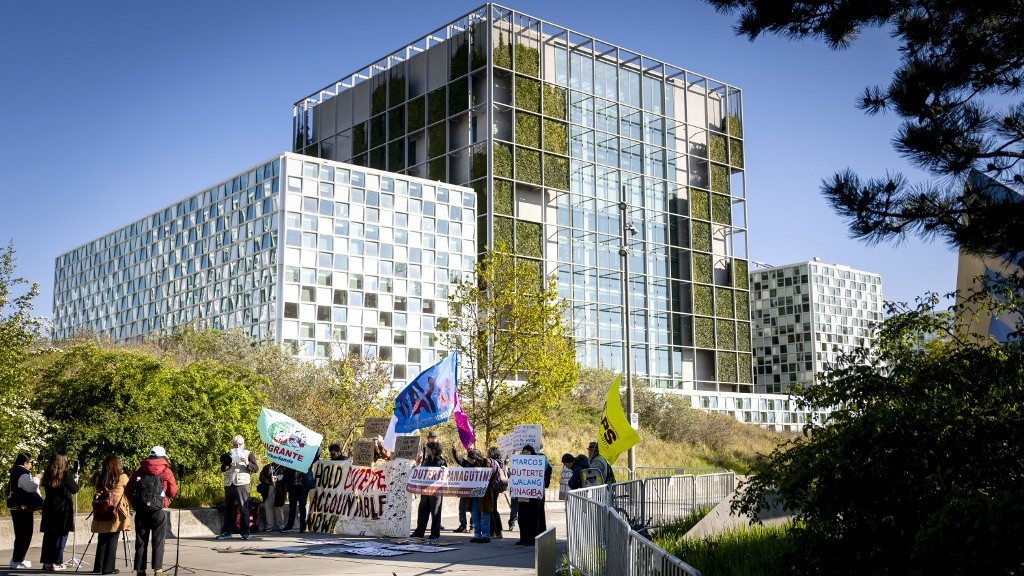
A coalition of legal practitioners and human rights-focused legal organizations from around the globe has mobilized to protect the International Criminal Court (ICC), just days after the U.S. secretary of state publicly outlined plans by the Trump administration to dismantle the international judicial body piece by piece.
On Monday, Secretary of State Marco Rubio laid out the administration’s aggressive stance in both an opinion piece and a video posted to the social platform X, saying the U.S. would deploy every government resource at its disposal and work alongside aligned allies to break down the ICC “brick by brick” if required. His public challenge to the court comes months after the ICC issued an arrest warrant for Israeli Prime Minister Benjamin Netanyahu over alleged crimes against humanity in Gaza.
Rubio framed his opposition around claims of U.S. national sovereignty, arguing that the ICC’s attempts to investigate potential wrongdoing by U.S. military and law enforcement personnel represent an unacceptable overreach of the court’s mandate. He claimed that allowing the ICC to exercise jurisdiction over U.S. citizens would undermine core American legal principles, including the right to be tried by a jury of one’s peers under domestic law. In his video address, he went further, accusing the court of waging an ideological war against the U.S. and claiming unelected foreign officials were seeking to control American law and policy. Rubio also stressed that opposition to the court enjoys bipartisan support in the U.S., noting the longstanding U.S. skepticism of the body which was founded in 2002 to prosecute mass atrocities following genocides in Rwanda and the former Yugoslavia.
Notably absent from Rubio’s public remarks was any direct reference to the 2024 arrest warrants for Netanyahu and his former defense minister Yoav Gallant, who are accused of overseeing mass atrocities in Gaza that have killed more than 73,000 Palestinians since October 2023. The ICC also issued parallel arrest warrants for Hamas leaders over their alleged war crimes during the October 7, 2023 attack on southern Israel; those leaders have since been assassinated by Israeli forces.
The coalition’s defensive initiative emerged from the Second International Legal Conference, which concluded earlier this week in Istanbul, Turkey. The gathering brought together a diverse multinational group of sitting judges, practicing lawyers, international law scholars, academic experts, and representatives from legal and human rights organizations, all gathered under the official theme “Crimes of the Israeli Occupation in Palestine: Between Legal Accountability and Achieving Justice”.
At the close of the conference, attendees formally launched the International Initiative to Defend the International Criminal Court and Its Judges, anchored by the Istanbul Declaration. In an official statement, the group emphasized that the work of international justice must remain fully independent from competing political interests and power-driven geopolitics. They warned that allowing political pressure to enable impunity for mass atrocities does more than erode the ICC’s credibility—it undermines the entire foundation of the international legal order and creates incentives for future violations of global law.
The new initiative calls on bar associations, university departments of law, individual legal professionals, academic institutions, and civil society groups across every region to sign onto the Istanbul Declaration and join the collective effort. Its core stated goals are threefold: uniting global actors to uphold the rights of the Palestinian people, safeguarding the institutional and judicial independence of the international justice system, and enforcing accountability for serious violations of international law without political selectivity or double standards.
-
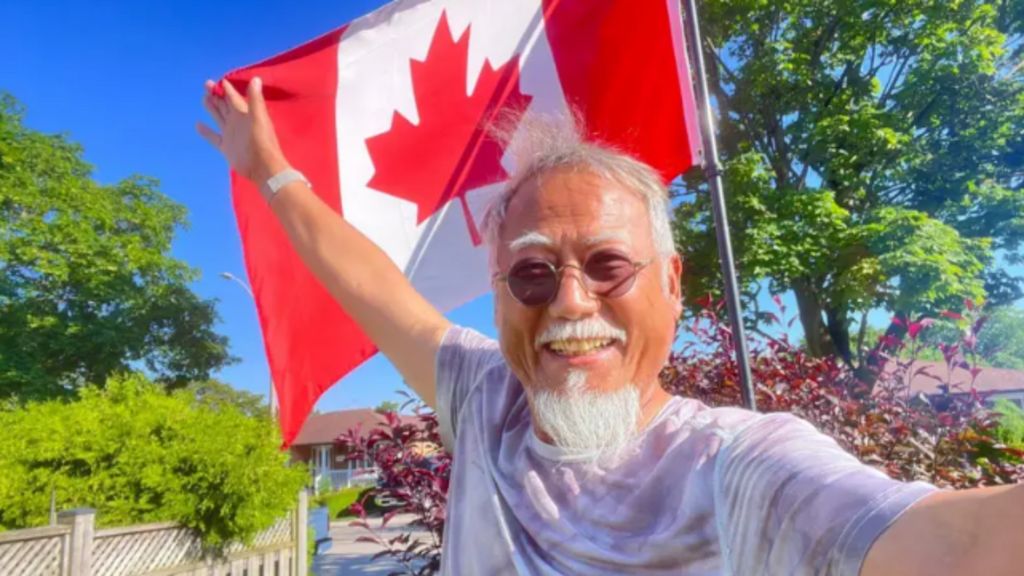
‘I must get out into the free world’, dissident who fled China on boat tells BBC
After years of repeated detention and four foiled escape attempts that sent him back to Chinese custody each time, 68-year-old former police officer turned activist Dong Guangping has finally reached safety, completing a harrowing 40-hour open-sea journey from eastern China to resettle in Canada with his long-relocated family.
Dong’s decades-long clash with Chinese authorities began in 1999, when he was dismissed from his 13-year career with the Chinese police force after adding his signature to a public petition marking the 10th anniversary of the 1989 Tiananmen Square pro-democracy protests. That first professional penalty was followed by multiple prison sentences: a three-year term starting in 2001 on charges of “inciting subversion of state power”, and another jail stint in 2014 for taking part in another commemoration of the 1989 events, according to human rights organization Amnesty International.
Over the past eight years alone, Dong tried and failed to leave China four times. In 2015, he and his family reached Bangkok, where the United Nations granted them refugee status and approved their resettlement to Canada. But just days before their scheduled departure, Thai authorities deported Dong back to China, where he received a three-and-a-half-year prison sentence for “inciting subversion” and “illegal border crossing”. After his 2019 release, he tried to swim to the Taiwan-held island of Kinmen, only to be picked up by Chinese fishermen who returned him to authorities, who then imposed an exit ban on him. In 2020, he slipped into Vietnam and hid in Hanoi for two years before being deported back to China, where he served another year-long prison term, and was released again in 2023.
Each failed attempt only hardened Dong’s resolve to reach the free world. For his fifth attempt, he planned a risky open-sea crossing: a 300-kilometer journey across the Yellow Sea, originally intended for Japan before poor weather forced a last-minute route change toward closer South Korean waters. With just a few hours of basic sailing practice under his belt, the 68-year-old set off from Weihai, Shandong province, in mid-May of this year aboard a 3.3-meter motorized rubber dinghy.
What followed was an ordeal that tested every ounce of his endurance. Over two full days without sleep, Dong battled choppy, rocketing waves that left him dizzy and exhausted. Severe sunburn burned his exposed skin, his phone battery drained rapidly, and his portable charger died completely, leaving him dependent on his phone’s digital compass to avoid drifting back into Chinese territorial waters. At one point, he dozed off from exhaustion, waking just in time to avoid a catastrophic collision with a large cargo ship — a close call he later said would have ended his life if he had slept just 20 seconds longer.
After 40 hours adrift, Dong spotted a South Korean fishing vessel close to 8:30 p.m. local time on May 27. He shouted for help, and the fishermen alerted authorities, who rescued him and brought him ashore in Taean County. He was held briefly for immigration processing before being transferred to a refugee center in Incheon, where he completed the political asylum application process for Canada.
Speaking to BBC Chinese in a recent video interview from his new home in Toronto, Dong said escape was not just a matter of safety: “I can never survive in China. If I didn’t leave, I would never have peace for the rest of my life. I had to show the Chinese Communist Party I was capable of leaving. They cannot stop me, they cannot control me.”
When the BBC requested comment on Dong’s case, a Chinese Foreign Ministry spokesperson stated that the Chinese government manages citizen entry and exit in accordance with national law, and requires all Chinese citizens to abide by the country’s Constitution and legal framework.
Dong is not the first Chinese dissident to make a sea escape to South Korea: In 2023, fellow activist Kwon Pyong fled to the country on a jet ski, and after a period of detention on immigration charges, he resettled in the United States.
Reflecting on the moment he received confirmation of his flight to Canada, Dong said he was overcome with emotion holding his airline ticket. Still, his new freedom carries a heavy regret: just days before he launched his risky escape, he celebrated his mother’s 95th birthday in China, but never told her of his plan to leave. “Not being able to fulfil my filial duties towards my mother will remain my greatest, greatest regret,” he said.
-
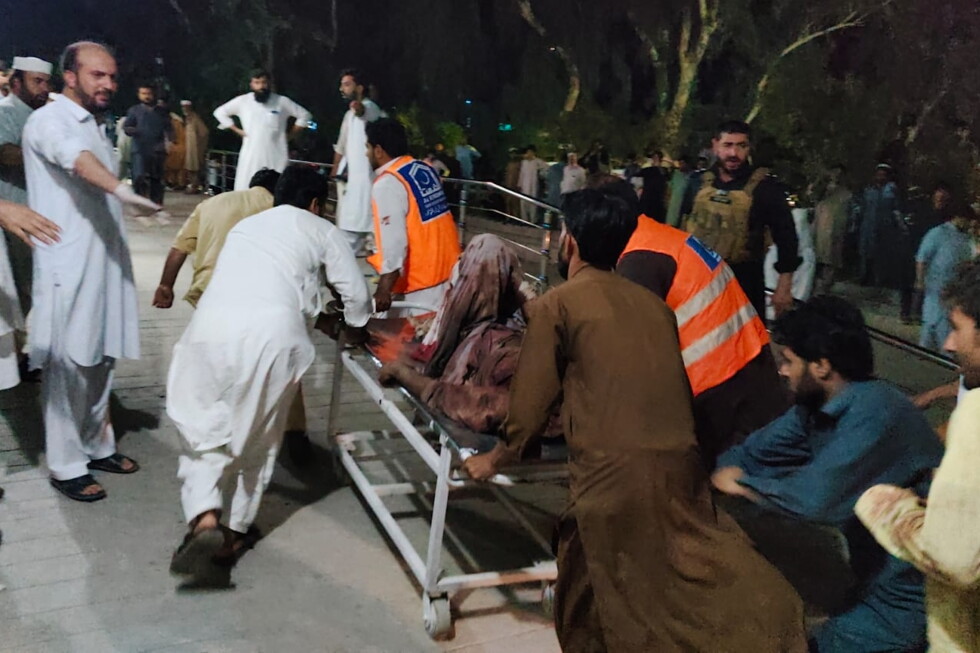
Twin attacks by militants kill 3 police officers, wound 20 in restive northwest Pakistan
On Wednesday, northwest Pakistan was hit by two coordinated militant attacks that have underscored a sharp upward trend in instability along the country’s volatile border with Afghanistan. Officials confirmed that at least three police officers were killed and 20 more were injured across the two separate assaults, which unfolded just hours apart in Khyber Pakhtunkhwa province.
The first strike took place in the remote district of Upper Dir, where unidentified militants ambushed a convoy carrying security personnel. Local police spokesperson Ibrahim Khan confirmed that three officers lost their lives in the opening attack, while 15 other personnel were left wounded. Security forces immediately returned fire against the attacking militants, and armed engagements between the two sides were still ongoing in the area in the immediate aftermath of the ambush. Khan added that there was no immediate confirmation of casualties among the militant group responsible for the ambush.
Roughly hours after the Upper Dir attack, a second assault targeted law enforcement in the province’s Bannu district. In this attack, a suicide bomber drove a vehicle packed with explosive materials directly into the exterior of a local police station. The resulting blast damaged a substantial portion of the police station building, and five additional police officers were wounded in the explosion. Authorities have not reported any fatalities connected to this second bombing as of initial assessments.
No militant organization has yet stepped forward to claim responsibility for either of the two attacks. However, counterterrorism analysts and local officials widely expect blame to fall on Tehrik-e-Taliban Pakistan (TTP), an insurgent group more commonly known as the Pakistani Taliban. While the TTP operates as an independent organization from the Taliban government that now rules Afghanistan, the two groups maintain close ideological and operational ties.
Pakistan has long alleged that the TTP runs its militant operations from safe havens located inside Afghan territory, a claim that both the TTP and the Taliban-led administration in Kabul have repeatedly rejected. This latest wave of attacks comes amid a documented rise in insurgent violence in northwest Pakistan over the past year, fueling growing concerns over cross-border security and the ability of militant groups to operate undisturbed in the border region.