分类: world

  • Severed fingers and incisions: Bodies returned by Israel shock Gaza families

    Severed fingers and incisions: Bodies returned by Israel shock Gaza families

    In a deeply disturbing development emerging from the Gaza Strip, Palestinian families are confronting new layers of trauma as they receive the bodies of their missing relatives returned by Israeli authorities under controversial circumstances. The remains, arriving frozen and marked only with identification numbers, have sparked grave concerns about potential organ harvesting and systematic mutilation while in custody.

    The process unfolds at Nasser Hospital in Khan Younis, where forensic teams struggle with inadequate equipment to properly examine the bodies. According to Dr. Khalil Hamada, Director General of Forensic Medicine in Gaza, the extreme freezing conditions and lack of diagnostic equipment prevent comprehensive examinations. ‘What we do is not a full forensic examination,’ Hamada confirmed to Middle East Eye. ‘The process is limited to documenting individual distinguishing features so families can identify their loved ones.’

    Heartbreaking identification procedures involve displaying photographs of the mutilated remains on large screens, with families desperately searching for recognizable features. Muhammad Ayesh Ramadan of Deir al-Balah spent four days searching before identifying his brother Ahmed through facial recognition with ’70 percent certainty.’ The body showed evidence of multiple gunshots, burning, and a vertically stitched incision running from chest downward—particularly disturbing as his brother had never undergone surgery.

    Medical authorities report that nearly all bodies show evidence of amputated digits, particularly thumbs and big toes, which Israeli authorities claim are removed for DNA testing. However, the complete absence of forensic reports, cause-of-death information, or any documentation from Israeli authorities has fueled suspicions among grieving families.

    The situation becomes more alarming with numerous bodies showing signs of torture, fractured bones, and evidence of being bound and blindfolded at time of death. Zeinab Ismail Shabat identified her brother Mahmoud through distinctive hair and eye features, only to discover his hands and feet bound with metal restraints, indicating he was ‘martyred while restrained.’

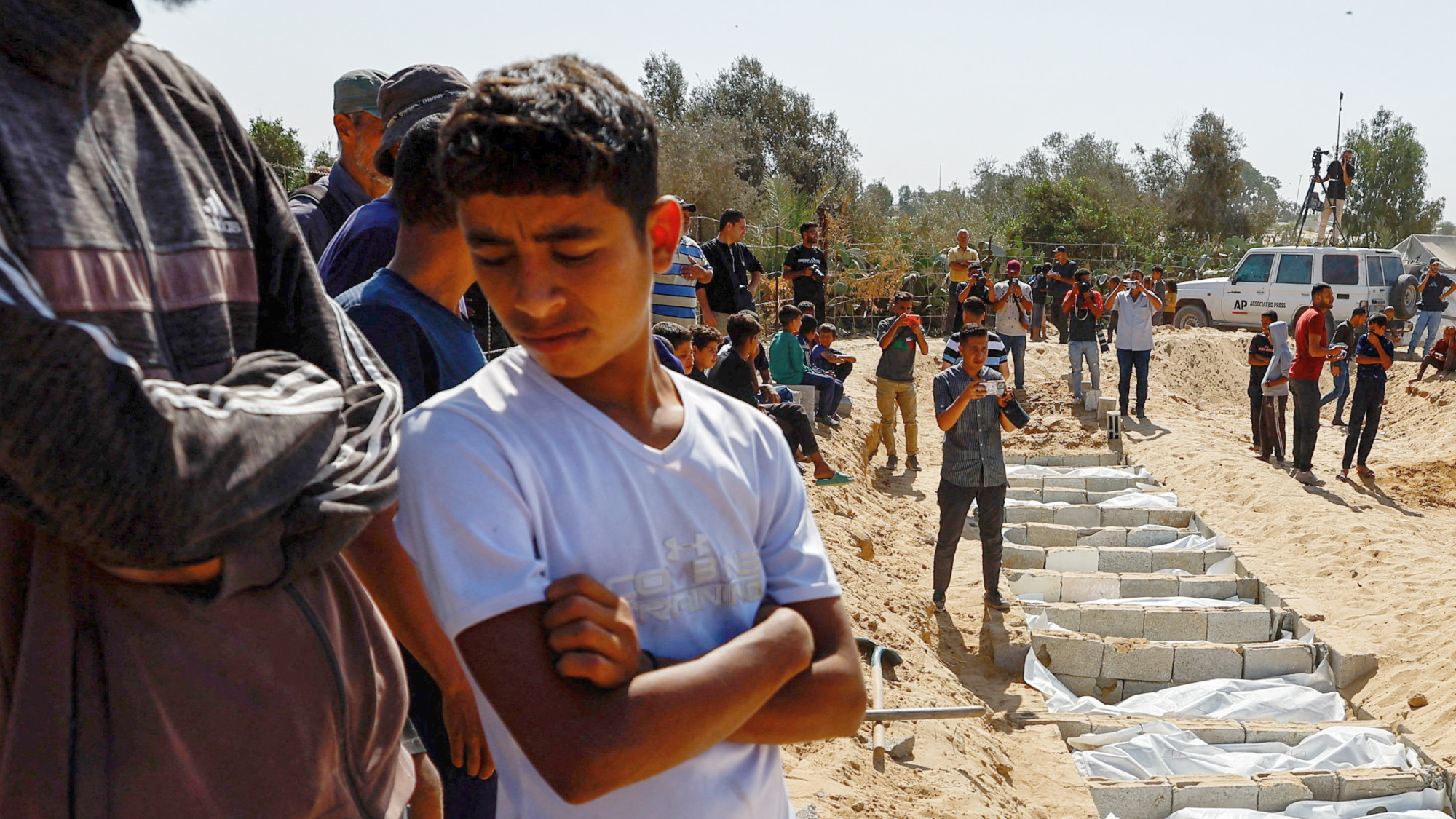
    Of the 345 bodies returned to date, only 99 have been positively identified. The remainder have been buried in mass graves without identification, creating a permanent legacy of uncertainty for hundreds of Gaza families. The combination of systematic mutilation, absence of transparency, and inadequate forensic capabilities has created a humanitarian crisis that extends beyond death itself, denying families both answers and the dignity of proper burial for their loved ones.
  • Death toll jumps to 700 in Indonesia floods and landslides

    Death toll jumps to 700 in Indonesia floods and landslides

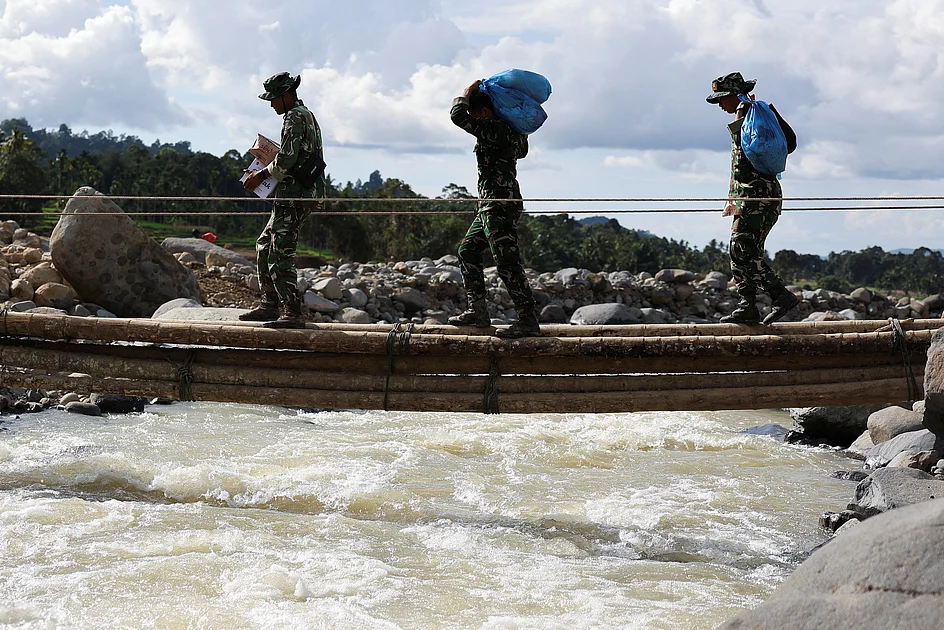
    Indonesia’s Sumatra Island faces an unprecedented humanitarian crisis as catastrophic flooding and landslides have claimed at least 700 lives, according to the latest figures from the national disaster agency. The death toll, which authorities revised downward from an initial count of 753, continues to fluctuate as emergency teams battle challenging conditions to reach isolated communities.

    The disaster forms part of a broader regional tragedy that has claimed nearly 900 lives across Indonesia, Malaysia, and Thailand following months of extreme weather events throughout Southeast Asia. This devastating pattern includes successive typhoons that recently battered the Philippines and Vietnam, compounded by persistent flooding across the region.

    Environmental experts and local officials have identified widespread deforestation on Sumatra as a critical factor contributing to the disproportionately high death toll. The removal of natural vegetation has destabilized terrain and eliminated natural barriers that would typically mitigate flood impacts.

    Indonesian disaster response teams are implementing a multi-pronged approach to address the crisis, prioritizing aid distribution through land, sea, and air channels simultaneously. Emergency crews are working relentlessly to clear obstructed roadways and restore damaged infrastructure in affected areas.

    Abdul Muhari, spokesperson for the disaster agency, emphasized the urgency of logistics operations, stating: ‘We do hope that we can speed up the logistics distribution.’ The comprehensive response effort aims to reach thousands of displaced residents who have been cut off from essential supplies and medical assistance since the disasters began last week.

  • Pope Leo leads mass for 150,000 worshippers in Beirut

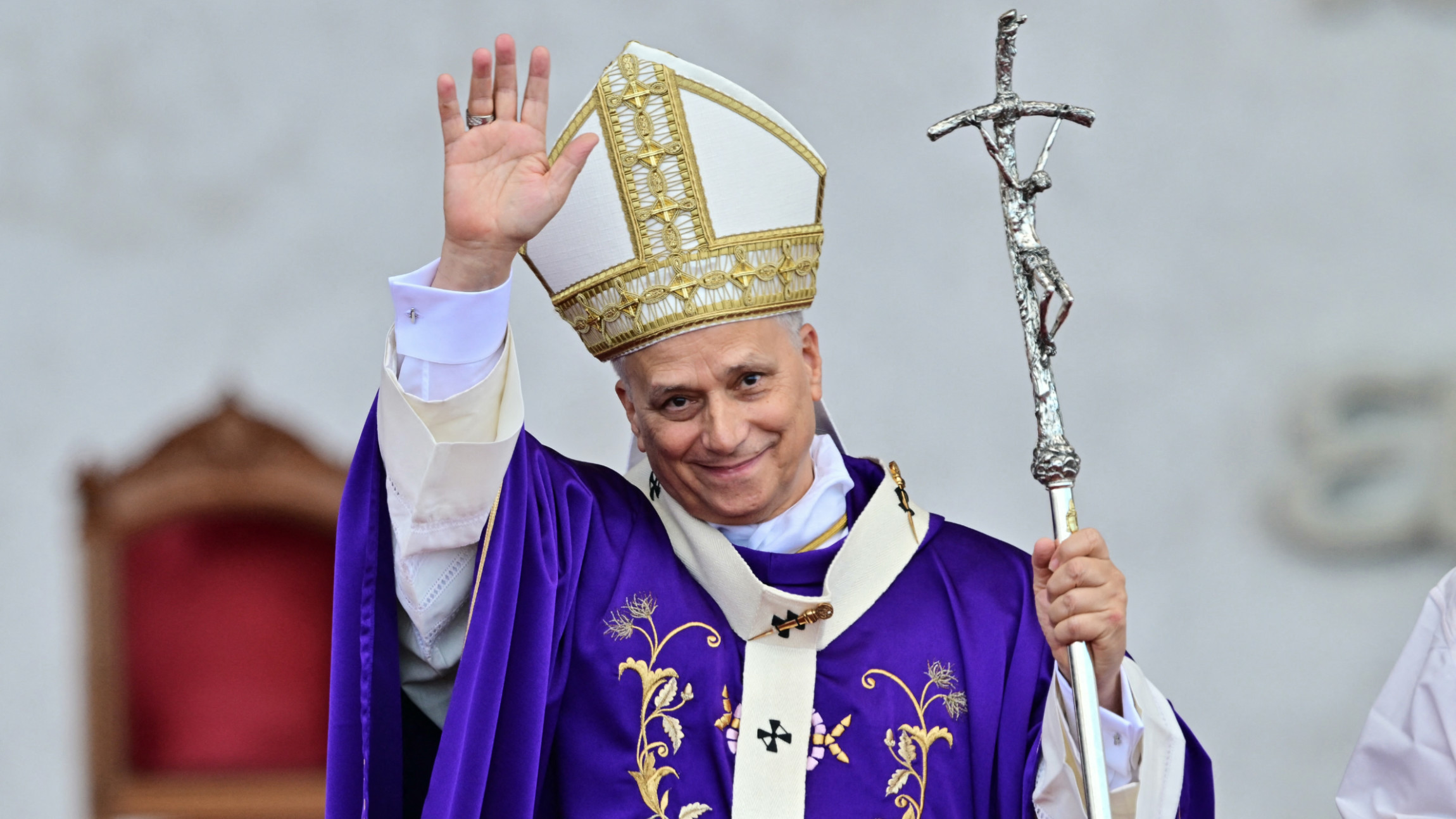
    Pope Leo leads mass for 150,000 worshippers in Beirut

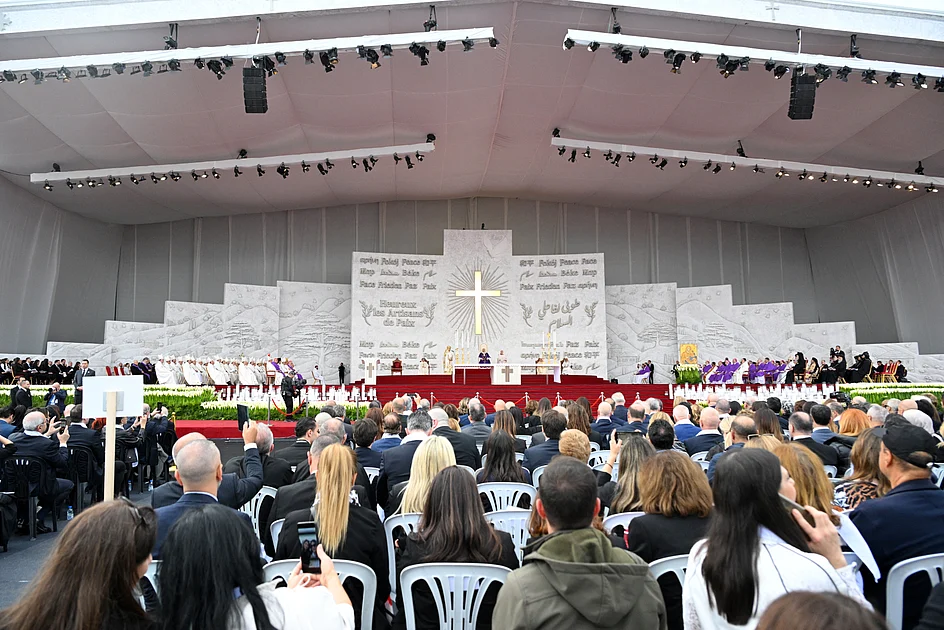
    BEIRUT – In a historic culmination of his first international pilgrimage, Pope Leo XIV delivered a stirring appeal for national reconciliation to Lebanon’s fractured communities during a massive waterfront mass attended by approximately 150,000 faithful.

    The pontiff’s three-day visit, which began in Turkey before concluding in Lebanon, transformed into a diplomatic mission addressing the nation’s profound political paralysis, economic collapse, and sectarian divisions. Speaking before a diverse audience comprising Lebanon’s highest officials, international visitors, and migrant workers, Leo emphasized that “armed struggle brings no benefit” while championing negotiation and dialogue as constructive alternatives.

    The emotional apex of the journey occurred earlier at Beirut’s port, where the Pope conducted a solemn memorial at the site of the catastrophic 2020 chemical explosion that killed 220 people. After laying a floral wreath and lighting a lamp amidst the haunting backdrop of ruined grain silos, he comforted 60 survivors and bereaved relatives, presenting each with a rosary while acknowledging their ongoing pursuit of justice.

    “I carry with me the pain, and the thirst for truth and justice, of so many families, of an entire country,” the pontiff reflected before departing.

    The visit produced striking moments of symbolic unity as Hezbollah’s al-Mahdi Scouts joined multireligious crowds in welcoming the Pope with Vatican flags alongside portraits of their slain leader Hassan Nasrallah. Despite the festive atmosphere in Beirut’s southern suburbs—heavily damaged during recent conflicts—Israeli military operations continued unabated in southern Lebanon, underscoring the urgent need for intervention that residents had hoped the papal visit might inspire.

    In his final address, Pope Leo specifically encouraged Levantine Christians to remain “artisans of peace” while calling upon the international community to intensify reconciliation efforts across the Middle East.

  • Look: Pope Leo visits site of Beirut port blast, holds mass

    Look: Pope Leo visits site of Beirut port blast, holds mass

    BEIRUT – In a profound gesture of solidarity, Pope Leo XIV concluded his inaugural international pilgrimage with a massive outdoor mass attended by approximately 150,000 congregants on Beirut’s waterfront Tuesday. The spiritual gathering marked the culmination of a three-day visit to Lebanon, a nation grappling with multifaceted crises.

    The pontiff’s itinerary included a solemn visit to the Beirut port explosion site, where he offered silent prayers and met with relatives of victims still seeking justice for the August 4, 2020 catastrophe that killed over 220 people. The disaster, one of history’s largest non-nuclear explosions, resulted from improperly stored ammonium nitrate that authorities had repeatedly warned about.

    Earlier in his visit, the Pope received an enthusiastic reception from thousands of Lebanese youth at Bkerke, headquarters of the Maronite Church. He implored the young generation to harness their enthusiasm to ‘change the course of history’ and build ‘a new future’ for their beleaguered nation.

    The visit provided a temporary respite for citizens like Yasmine Chidiac, who noted the papal visit ‘has brought a smile back to our faces.’ Many Lebanese remain traumatized by recent conflicts with Israel and fear renewed hostilities, making the spiritual leader’s message of hope particularly significant.

    Security measures intensified throughout the capital, with authorities establishing checkpoints and restricting access to central Beirut areas where papal events were held. The Pope also visited a psychiatric hospital operated by nuns and convened an interreligious meeting with Christian and Muslim leaders, urging collective action against intolerance and violence.

  • Israeli settlers uproot hundreds of trees belonging to Palestinian in West Bank

    Israeli settlers uproot hundreds of trees belonging to Palestinian in West Bank

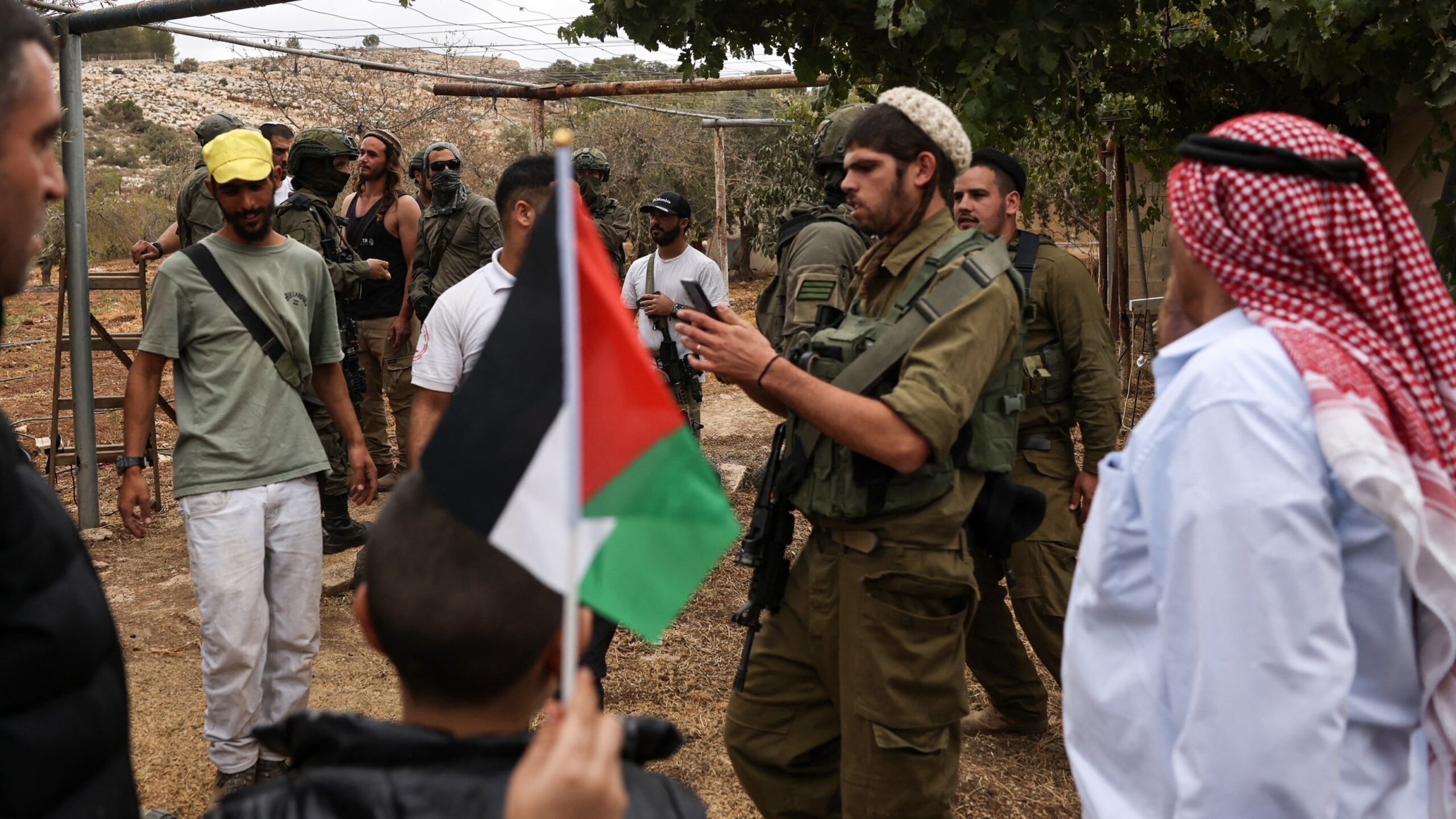
    A significant escalation of settler violence in the occupied West Bank has resulted in the systematic destruction of Palestinian agricultural assets, according to multiple local sources. On Monday, Israeli settlers from the Susya settlement conducted a coordinated assault on farmlands south of Hebron, specifically targeting the Khirbet Khallat al-Homs area southeast of Massafer Yatta.

    The attack involved the deliberate uprooting of approximately 850 olive and grape trees using bulldozers, alongside the vandalization of critical agricultural infrastructure. The targeted destruction specifically affected properties belonging to the Obeid al-Masri family, with reports indicating damage to 500 grapevines and 350 olive trees that constituted their primary livelihood.

    According to the Bedouin rights organization Al-Baydar, this incident represents part of a persistent pattern of violations in the Khallat al-Homs area, where settlers have repeatedly appropriated Palestinian land for grazing livestock. The organization emphasized that these attacks directly threaten agricultural sustainability and economic stability for local farmers.

    This event coincides with a documented surge in settler violence across multiple West Bank regions since October 2023. Recent days have witnessed parallel attacks reported in Hebron, Nablus, Jordan Valley, Jerusalem, and Jericho. In Burqa village northwest of Nablus, settlers incendiarized an agricultural tractor and defaced residential properties with racist graffiti. Simultaneously, settlers excavated land near Khirbet al-Deir in the Jordan Valley to access natural springs, while establishing new unauthorized outposts near Mikhmas northeast of Jerusalem.

    International legal frameworks, particularly the Rome Statute of the International Criminal Court, explicitly classify settlement construction in occupied territories as both illegal and constituting war crimes. Despite this clear legal standing, the Israeli government continues to authorize thousands of new settler homes annually. Unauthorized outposts constructed without governmental approval are additionally proliferating with minimal regulatory intervention.

    Ameer Dawood of the Colonization and Wall Resistance Commission characterized the recent violence as ‘alarming and unprecedented in both scale and intensity,’ noting a consistent pattern of escalation over the past two years that fundamentally undermines Palestinian agricultural communities.

  • From desert to destiny: 20 key milestones in the UAE’s modern history

    From desert to destiny: 20 key milestones in the UAE’s modern history

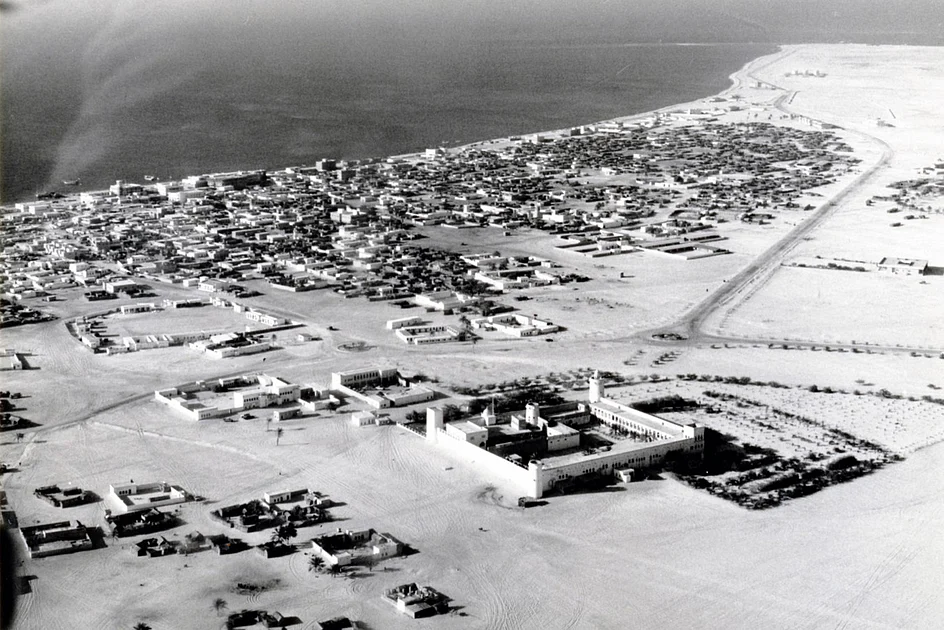
    The United Arab Emirates stands today as a global powerhouse, a transformation forged through strategic vision and landmark achievements. This journey from desert federation to international leader is marked by pivotal milestones that reshaped its political, economic, and technological landscape.

    The nation’s foundation solidified when Ras Al Khaimah joined the federation in 1972, completing the seven-emirate union. This was swiftly followed by the inaugural session of the Federal National Council, establishing the UAE’s consultative governance model. Economic sovereignty arrived with the introduction of the UAE Dirham in 1973, replacing the Qatar-Dubai Riyal and creating a unified monetary system.

    The 1980s witnessed massive industrial expansion with Sheikh Zayed inaugurating the Ruwais petroleum complex, while Dubai’s Margham oil field development diversified energy resources. International recognition came through sports when the national football team debuted in the 1990 FIFA World Cup.

    Constitutional maturity arrived in 1996 with the adoption of the permanent constitution, formalizing government structures and citizen rights. The new millennium brought unprecedented achievements: Sheikh Ahmed Al Maktoum’s Olympic gold in 2004, landmark FNC elections in 2006, and the launch of DubaiSat-1 in 2009 marked the nation’s technological ascent.

    Infrastructure revolution continued with the Dubai Metro’s 2009 inauguration, followed by the Burj Khalifa’s record-smashing debut in 2010. Gender barriers shattered when Major Mariam Al Mansouri became the first female fighter pilot in 2014.

    The UAE’s space ambitions reached celestial heights with Hazzaa Al Mansouri’s 2019 ISS mission, followed by the historic Hope Probe reaching Mars in 2021—making the UAE the first Arab nation to achieve this feat. Global spotlight shone on Dubai Expo 2020, showcasing unprecedented international collaboration.

    Agricultural innovation triumphed with Sharjah’s desert wheat farming initiative, while Sultan AlNeyadi’s 2023 spacewalk set new Arab space records. The journey culminates with the 2025 unveiling of a new dirham symbol, embodying national pride and economic vision.

    These milestones collectively illustrate the UAE’s remarkable evolution from regional federation to global innovator, demonstrating how strategic vision and technological ambition can transform a nation’s destiny within a single generation.

  • Palestinians evacuated from Gaza face tough adjustment in Greece

    Palestinians evacuated from Gaza face tough adjustment in Greece

    ATHENS – Palestinian adolescents evacuated from the Gaza conflict zone confront profound physical and psychological hurdles as they attempt to reconstruct their lives in Greece, where governmental support remains inconsistent despite widespread public solidarity.

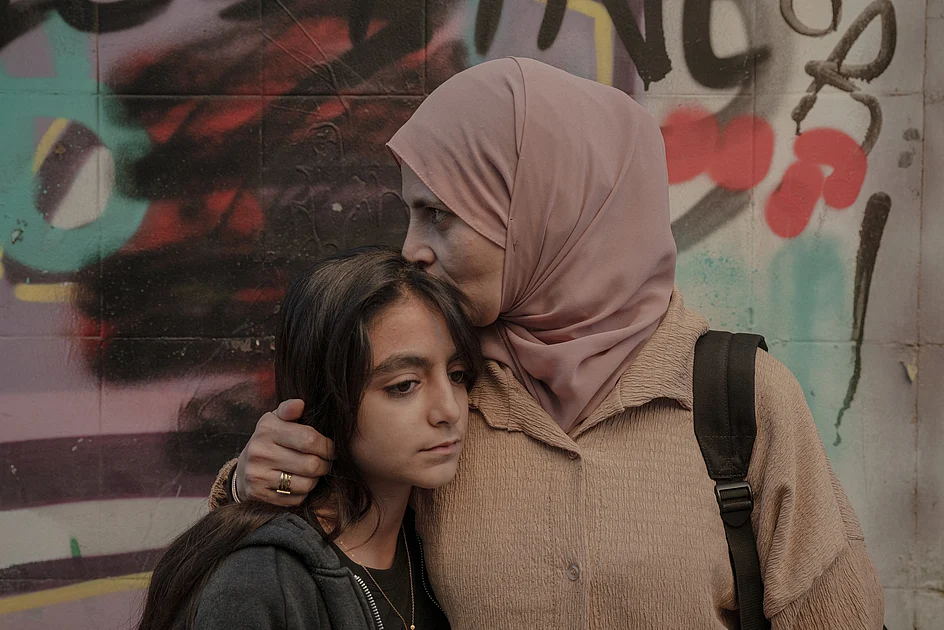
    Raghad Al Fara, 15, navigates her new existence in Athens on crutches, her body bearing the scars of an Israeli bombardment in Khan Younis that crushed her right leg and back beneath rubble. Evacuated with her mother and younger sister in February while the rest of her family remains in Gaza, she resides in a women’s refugee shelter, still awaiting comprehensive psychological care. “I never thought I would survive, let alone set foot on European soil,” Raghad stated.

    According to Heracles Moskoff, Secretary General for Vulnerable Persons at Greece’s migration ministry, Raghad is among ten Gazan minors suffering from complex orthopedic and psychological injuries. Her mother, Shadia Al Fara, expressed frustration with the support system, noting her daughter bedwetted for months due to trauma and that families receive no financial assistance. “Greece took responsibility for us but then abandoned us,” she lamented.

    Conversely, 20-year-old Sara Al Sweirki represents a more hopeful narrative. Evacuated in September, she will commence psychology studies at the private Deree American College of Greece in January, aiming to help others overcome trauma. “I want to be a girl my age like others, learn guitar and piano, and study,” Al Sweirki emphasized. “My dream was interrupted after October 7. But now I am more determined than ever to pursue my goal.”

    The Greek government’s approach appears contradictory to public sentiment. A recent study by aboutpeople revealed 74% of Greeks support recognizing Palestinian statehood, reflecting heightened solidarity following Israel’s military tactics in Gaza. This public stance contrasts with the conservative government’s position, which Palestinian official Latif Darwesh states lacks “political will” to host more injured Gazans despite community requests.

    Historically, Greece maintained strong ties with Palestine under socialist leader Andreas Papandreou in the 1980s, when many Palestinian students found refuge there. Today, evacuees face an uncertain future, balancing gratitude for evacuation against concerns about long-term stability and family members left behind in what Shadia Al Fara describes as “hell.”

  • ‘Time for a deal’ say some Ukrainians escaping war-ravaged Donbas

    ‘Time for a deal’ say some Ukrainians escaping war-ravaged Donbas

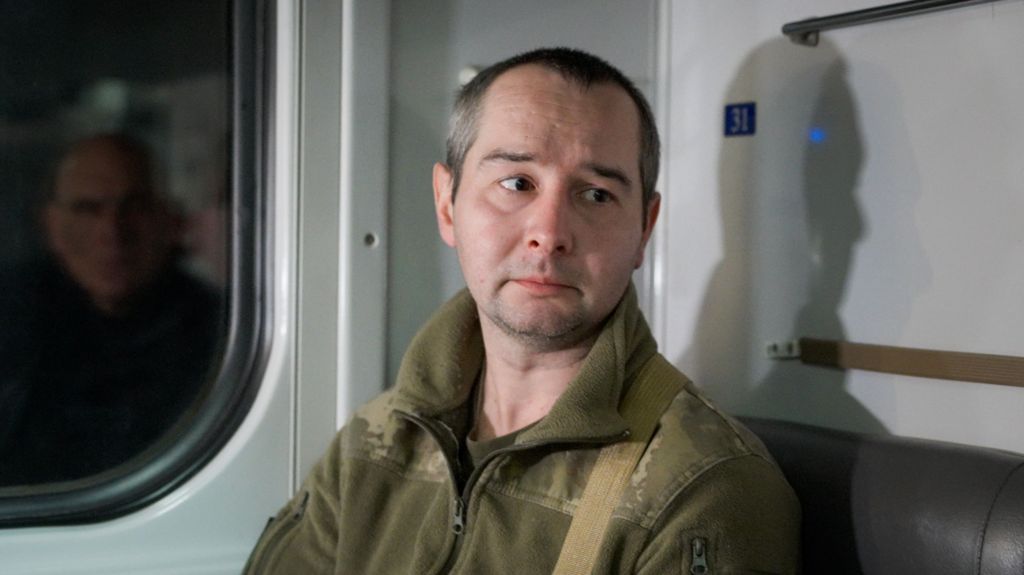
    In Ukraine’s war-torn Donetsk region, the cessation of rail services stands as a stark symbol of Russia’s relentless advance. With trains now terminating west of the Donetsk border, civilians and soldiers congregate at the final station, awaiting transport toward relative safety—a literal train out of the conflict zone. This development coincides with Vladimir Putin’s increasingly assertive posture following leaked U.S. peace proposals, which many interpret as aligning with his maximalist territorial demands. Ukrainian President Volodymyr Zelensky acknowledges that territorial sovereignty remains the most contentious issue in U.S.-led peace discussions.

    At the terminal station, soldier Andrii shares a poignant farewell with his girlfriend Polina before returning to the frontlines. When questioned about peace negotiations—which have involved Donald Trump’s envoys engaging with Ukrainian officials before Moscow visits—Andrii dismisses them as mere ‘chatter.’ His skepticism is echoed by fellow soldier Denys, who vehemently opposes ceding Donbas to Russia in any peace agreement.

    Russian forces currently control approximately 85% of the Donbas region, comprising Luhansk and Donetsk. Their recent claim of capturing Pokrovsk—a strategic Donetsk hub—was countered by Ukrainian assertions that combat persists in the area. Soldiers boarding westbound trains for their 20-day leave exhibit profound exhaustion, with many immediately succumbing to sleep. Denys, a two-year army veteran, describes universal fatigue: ‘Everyone’s drained, everyone’s tired mentally and physically.’ His unit has been engaged in the besieged city of Kostyantynivka, where he characterizes drone presence as being ‘like flies.’ Despite the terror, he emphasizes their refusal to surrender after immense sacrifices: ‘Nobody will give Putin the Donbas. No way, it’s our land.’

    The potential cession of Donetsk’s ‘fortress belt’ cities—Slovyansk, Kramatorsk, and Druzhkivka, home to over 250,000 Ukrainians—proves unacceptable to most citizens. While Russia has spent over a year attempting to capture Pokrovsk, U.S. assessments indicate Ukraine is both outnumbered and outgunned.

    Civilian evacuation from Donbas continues unabated during peace talks. Dozens of refugees arrive daily at the Lozova border reception center, exploiting foggy conditions that reduce drone visibility. Approximately 200 displaced persons receive basic supplies and financial assistance each day. Among them, Yevheniy and Maryna escaped Kramatorsk with their two children due to escalating drone threats. Maryna recounts: ‘It’s getting harder to even go outside. Everything is dangerous—even going to the shop, you might not come back.’ While the family plans to relocate to Kyiv, Yevheniy expresses pessimism about negotiations: ‘That side [Russia] won’t agree to our terms.’

    Conversely, some civilians demonstrate willingness to exchange territory for peace. Oleksandr, whose children already relocated to Germany, acknowledges Russia’s demands as ‘probably unacceptable’ yet contemplates territorial compromise. He states: ‘Personally I would agree to those terms,’ referencing the leaked U.S. draft proposing de facto Russian control over Ukrainian-held Donbas areas. Inna, evacuating with five children aged nine months to 12 years, concurs: ‘The main thing is that there will be peace.’ She had previously disguised explosions as fireworks while sheltering in their cellar.

    Desertion rates further complicate Ukraine’s military position. Nearly 300,000 cases of desertion or unauthorized absence have occurred since Russia’s full-scale invasion began, with numbers rising dramatically over the past year. ‘Serhii’ (pseudonym), who volunteered initially, deserted in May after his understrength, poorly equipped battalion faced chaos near Pokrovsk. He claims most unit members were forcibly mobilized—’taken off the street’—and lacked proper training or leadership. Although considering rejoining the army, Serhii echoes U.S. assessments of Ukraine’s disadvantage: ‘A country of 140 million against us with 32 million—logically it doesn’t add up.’

  • ‘No work, no money’: Somali migrants in Yemen long to return home

    ‘No work, no money’: Somali migrants in Yemen long to return home

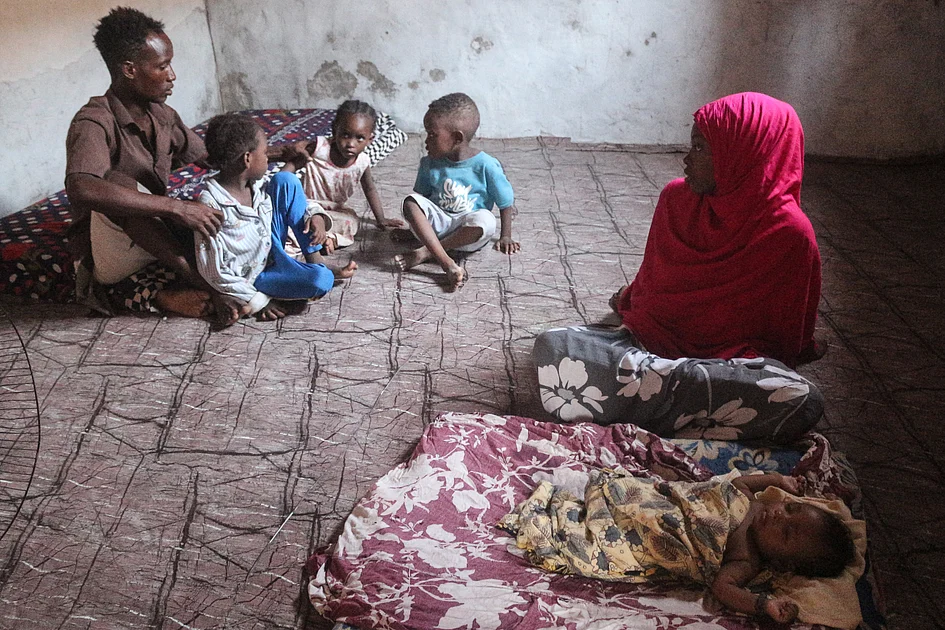
    In the sprawling settlement known as ‘Little Mogadishu’ within Yemen’s port city of Aden, thousands of Somali migrants endure crushing poverty amidst makeshift shelters surrounded by garbage piles and unpaved roads. These displaced individuals, who initially envisioned Yemen as a transit point toward prosperous Gulf states, now find themselves trapped in a worsening humanitarian catastrophe.

    Yemen, recognized as the Arabian Peninsula’s most impoverished nation, has become an unintended destination rather than a thoroughfare for African migrants. Despite the country’s own devastating civil war that has claimed hundreds of thousands of lives and decimated infrastructure, approximately 17,000 Africans arrived in Yemen in October 2025 alone—representing a startling 99 percent increase from previous months according to United Nations data.

    The reality for these migrants stands in stark contrast to their aspirations. Somali refugees, who constitute 63 percent of Yemen’s 61,000 registered refugees and asylum seekers, face extreme hardship with limited access to employment, education, or basic necessities. Men line roadways daily seeking temporary work, while many resort to scavenging through refuse heaps for edible items to sustain their families.

    Abdullah Omar, a 29-year-old Somali father of four, exemplifies this struggle. Having invested $500 with human traffickers to escape Somalia’s instability, he now survives on occasional car washing jobs that yield mere dollars per day. ‘Some days we eat, some days it’s up to God. That’s life,’ Omar told journalists, explaining his decision to enroll in a UN repatriation program after finding ‘no work, no money, and no schooling for the children.’

    The UN Refugee Agency reports that 56 percent of returning Somalis cite ‘lack of income opportunities’ in Yemen as their primary reason for repatriation. A voluntary return program provides transportation and transitional financial assistance, having facilitated the return of over 500 Somalis in 2025 with additional flights planned.

    Ahmed Abu Bakr Marzouk, a 58-year-old contractor who lived in Yemen for 25 years, represents another dimension of this crisis. Once prosperous enough to build homes in Mogadishu, he now sees returning to Somalia’s relative stability as his only option. ‘If peace returns, I’ll come back,’ Marzouk stated. ‘If not, I won’t.’

    This migration paradox continues despite Yemen’s overwhelming challenges: 19.5 million people requiring humanitarian assistance, mass unemployment, currency depreciation, halted oil exports, and insufficient international funding create an environment where neither locals nor migrants can thrive.

  • Pope Leo XIV shares his thoughts on the conclave, reflects on spirituality and future travels

    Pope Leo XIV shares his thoughts on the conclave, reflects on spirituality and future travels

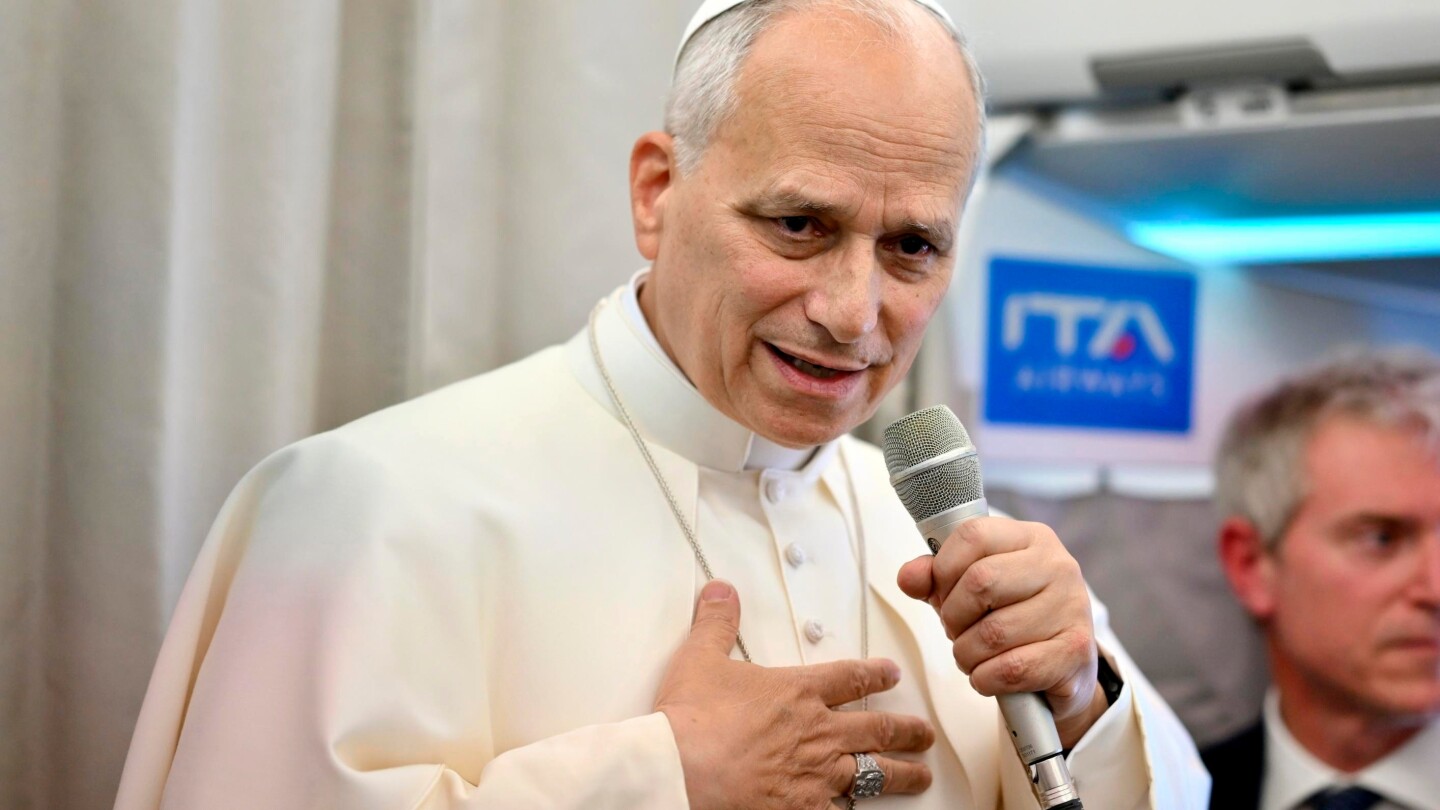
    ABOARD THE PAPAL PLANE — In a revealing airborne press conference returning from his inaugural journey to Turkey and Lebanon, Pope Leo XIV offered unprecedented insight into his spiritual mindset during the pivotal conclave that elevated him to the papacy. The pontiff described experiencing profound resignation to divine will as voting momentum shifted in his favor.

    “I took a profound breath and declared, ‘Here we go Lord. You’re in charge and you lead the way,’” Leo recounted to journalists during the thirty-minute dialogue conducted effortlessly in English, Spanish, and Italian.

    The pontiff’s commentary extended beyond personal reflection to address pressing geopolitical matters. He advocated for diplomatic engagement over military threats regarding Venezuela, hinted at confidential discussions concerning Hezbollah and Israeli tensions in Lebanon, and outlined ambitious travel agendas targeting African and South American nations in coming years.

    Demonstrating increased media comfort compared to earlier appearances, Leo displayed self-aware humor regarding journalistic interpretations of his expressions. “My facial features are remarkably expressive, yet I frequently find amusement in media analyses attempting to decipher my thoughts,” he noted with laughter. “Your deductions aren’t invariably accurate.”

    The pope recommended Brother Lawrence’s seventeenth-century spiritual work “The Practice of the Presence of God” as essential to understanding his worldview. This theological framework of complete surrender to divine guidance, he explained, sustained him through Peru’s terrorist conflicts and unexpected clerical appointments.

    Reflecting on the remarkable four-ballot election that established him as history’s first American pope, Leo acknowledged: “I reconciled myself to the emerging reality when electoral trends became evident.” Addressing a retiring journalist, he wistfully noted: “Merely one or two years past, I similarly contemplated eventual retirement. Some of us must persist in our labors.”

    The pontiff characterized encounters with enthusiastic young Catholics as “awe-inspiring,” interpreting their presence as seeking Christ and peace rather than mere papal spectacle. He expressed hope to perpetually appreciate youthful spiritual energy.

    Regarding international policy, Leo encouraged the United States to employ economic pressure and dialogue rather than military threats toward Venezuela. He anticipates visiting Algeria—significant for Christian-Muslim relations and Augustinian heritage—during a 2025 African journey, with Argentina, Uruguay, and Peru targeted for 2026-2027 Latin American visits.