分类: world

  • One wrong move and it could all go wrong – the men clearing deadly undersea Russian mines

    One wrong move and it could all go wrong – the men clearing deadly undersea Russian mines

    Beneath the surface of the Black Sea lies a hidden battlefield where Ukrainian Navy divers wage a dangerous war against thousands of submerged explosives. Vitalii, a 31-year-old demining specialist, describes the meticulous process of approaching live mines in pitch-dark waters: “We move carefully and extremely slowly so that the mine does not detonate. One second you move, then you stay still for some time, and you repeat until you reach the object.

    The scale of contamination is staggering. Russian-laid sea mines from the initial invasion join World War II-era ordnance and weapons washed downstream after the 2022 Kakhovka dam explosion. Commander Fox, leader of the navy’s mine countermeasures group, estimates thousands of active mines with countless additional unexploded missiles, artillery shells, and bombs creating an underwater minefield.

    Each demining operation represents an extraordinary undertaking—requiring two days, multiple boats, and 20 personnel to neutralize a single device. Divers use closed-circuit rebreathers that produce no bubbles as they work in total silence to avoid triggering acoustic sensors. The process involves disabling multiple sensors through controlled explosions before safely destroying or moving each mine.

    This hazardous work occurs amidst ongoing combat operations. Russian missiles, drones, and electronic warfare that scramble GPS signals add layers of danger to an already perilous mission. Despite these challenges, Ukraine has maintained surprising maritime parity with Russia, creating conditions that allow commercial shipping to continue through the only export corridor.

    The economic stakes are enormous. Maritime exports account for over two-thirds of Ukrainian agricultural exports, generating approximately $9 billion in essential revenue. Navy spokesman Dmytro Pletenchuk notes that commercial companies continue accepting the risks, with vessel traffic remaining steady despite the threats.

    While the British Navy donated two mine-hunting vessels in 2023, these remain stationed in the UK due to the vulnerability of large ships in the Black Sea. Without advanced equipment, Commander Fox estimates the current demining pace would require dozens of years to clear the seabed—a timeline that ensures Ukraine’s divers will continue their painstaking, second-by-second advances through mine-infested waters for the foreseeable future.

  • Sharjah Ruler becomes first Arab to receive Portugal’s highest cultural award

    Sharjah Ruler becomes first Arab to receive Portugal’s highest cultural award

    In a landmark ceremony at Lisbon’s Presidential Palace, His Highness Sheikh Dr. Sultan bin Mohammed Al Qasimi, Supreme Council Member and Ruler of Sharjah, was decorated with Portugal’s highest cultural honor—the Grand Collar of the Order of Camões. The historic event, presided over by Portuguese President Marcelo Rebelo de Sousa on Thursday, marks the first time an Arab personality has received this sovereign accolade.

    The prestigious award recognizes Sheikh Dr. Sultan’s globally acknowledged contributions to culture, intellectual thought, and intercultural dialogue. The timing of the ceremony carries special significance, coinciding with the 50th anniversary of diplomatic relations between the United Arab Emirates and Portugal.

    President de Sousa emphasized the symbolic importance of honoring Sheikh Sultan’s “enlightened, distinguished and open personality” during this milestone year. He highlighted the shared commitment between the two leaders to foster cultural exchange and mutual understanding, citing the enduring academic partnership between Sharjah and the University of Coimbra, which awarded Sheikh Sultan an honorary doctorate in 2018.

    In his acceptance address, Sheikh Dr. Sultan expressed profound appreciation for the honor, describing it as recognition from “a nation distinguished by its rich scientific and cultural history.” He reflected on Portugal’s historical connections with the Arab Gulf nations, noting that each visit feels like “standing before a living history.”

    The Sharjah Ruler articulated his vision of culture as an essential bridge between civilizations, stating: “Culture is not a legacy we merely preserve, but a bridge we build with others.” He characterized the award as celebrating not only Arab culture but also the cultural vision of the UAE and Sharjah’s dedicated path toward making cultural exchange a fundamental necessity.

    Established in the name of renowned Portuguese poet Luís de Camões, the Order of Camões honors individuals who have made exceptional contributions to culture and the advancement of dialogue between peoples through language, literature, and thought. Sheikh Dr. Sultan—a prolific writer, historian, and thinker with nearly 200 published works translated into over 20 languages—exemplifies these ideals through his scholarly research and corrections of historical narratives.

    The ceremony was attended by Sheikha Bodour bint Sultan Al Qasimi, Chairperson of the Sharjah Book Authority, alongside senior officials, cultural ambassadors, and media representatives, signaling the importance both nations place on this strengthened cultural partnership.

  • MSF refuses to share list of Palestinian staff with Israel

    MSF refuses to share list of Palestinian staff with Israel

    In a significant stand against Israeli regulatory demands, Médecins Sans Frontières (MSF) has declared it will not provide lists containing personal information of its Palestinian and international staff to Israeli authorities. This decision follows failed negotiations to obtain essential guarantees regarding staff safety and the organization’s operational independence.

    The confrontation stems from a 2023 Israeli government mandate requiring non-governmental organizations operating in occupied Palestinian territories to submit detailed staff information as part of their registration process. On December 30, MSF was among 37 NGOs notified that their registrations would expire the following day, initiating a two-month countdown to potential operational cessation in Gaza, the West Bank, and East Jerusalem.

    Israel’s Ministry of Diaspora Affairs justified the suspension by citing organizations’ failure to meet ‘security and transparency requirements,’ specifically targeting those refusing to provide Palestinian staff lists to ‘rule out any links to terrorism.’

    MSF revealed that on January 23, it had conditionally offered to share a limited staff list as an exceptional measure, contingent upon receiving concrete safety guarantees developed through consultation with Palestinian colleagues. The organization emphasized that no information would be shared without individual consent.

    However, negotiations collapsed when Israeli authorities failed to provide assurances that: staff information would be used solely for administrative purposes; MSF would maintain control over human resources and medical supply management; and Israeli officials would cease defamatory communications undermining the organization’s work.

    The humanitarian crisis amplifies the stakes of this standoff. Since October 2023, over 71,000 Palestinians have been killed according to figures recently acknowledged by the Israeli military, including more than 1,700 healthcare workers—fifteen of whom were MSF staff members.

    MSF warned that expulsion would have ‘devastating impact’ on Palestinians facing winter conditions without adequate shelter, food, water, or functional healthcare systems. The organization provided 800,000 medical consultations last year, supporting one-third of all births and one-fifth of hospital beds in the region.

    The dispute has drawn international concern, with eight Muslim-majority nations and dozens of NGOs urging Israel to ensure unimpeded humanitarian operations. Critics argue the registration measures establish dangerous precedents for Israeli control over humanitarian work in occupied territories, contravening international legal frameworks.

  • Israel to reopen Gaza’s Rafah crossing on February 1 for first time since May 2024

    Israel to reopen Gaza’s Rafah crossing on February 1 for first time since May 2024

    In a significant humanitarian development, Israel will reopen the Rafah border crossing between Gaza and Egypt on February 1, 2026, marking the first resumption of civilian passage through this critical transit point since its closure in May 2024. The announcement was made by COGAT, the Israeli agency coordinating civilian policy in Gaza, though specific daily transit quotas for Gaza’s 2 million residents remain undisclosed.

    The reopening follows Israel’s recovery of the final Israeli hostage’s remains in Gaza this week, a previously stated precondition for border normalization. The move represents a key implementation phase of President Donald Trump’s ceasefire initiative, building upon the October 2025 truce between Israel and Hamas.

    Crossing operations will be strictly regulated, with COGAT emphasizing that “return of residents from Egypt to the Gaza Strip will be permitted, in coordination with Egypt, for residents who left Gaza during the course of the war only, and only after prior security clearance by Israel.” A source familiar with negotiations indicated Israel seeks to limit returning Palestinians to approximately 150 persons daily, though Egypt has not formally agreed to this arrangement.

    Notably, the reopening applies exclusively to pedestrian transit while vital humanitarian supplies continue facing restrictions. International Committee of the Red Cross President Mirjana Spoljaric highlighted the ongoing crisis, stating “Many people in Gaza are still living in the rubble without basic services, struggling to stay warm amid harsh winter conditions.” She urged Israel to ease limitations on dual-use items like water pipes and generators essential for infrastructure restoration.

    Israel maintains inspection protocols for Gaza-bound goods, implemented long before the October 2023 conflict, to prevent potential military application of civilian items. The border reopening occurs amid widespread devastation from Israel’s two-year offensive that has left most of Gaza in ruins and displaced nearly its entire population.

  • A bomb cyclone will hit parts of the US – what is it?

    A bomb cyclone will hit parts of the US – what is it?

    Meteorological authorities are issuing urgent warnings as a formidable ‘bomb cyclone’ prepares to unleash its fury upon the Eastern Seaboard of the United States this coming weekend. This rapidly intensifying weather phenomenon, characterized by a precipitous drop in atmospheric pressure, is forecast to deliver a triple threat of hazardous conditions.

    The impending storm system is projected to generate substantial snowfall accumulations across affected regions, coupled with potentially damaging wind gusts that could exceed 50 miles per hour in coastal areas. These powerful winds are expected to create significant storm surges, elevating the risk of widespread coastal flooding in vulnerable low-lying communities.

    The term ‘bomb cyclone’ refers to an extratropical cyclone that undergoes bombogenesis, a technical meteorological process where central pressure drops at least 24 millibars within 24 hours. This explosive development transforms the system into a weather powerhouse capable of disrupting transportation networks, causing power outages, and creating dangerous travel conditions.

    Residents throughout the Northeast corridor are advised to closely monitor updated forecasts from the National Weather Service and implement necessary preparedness measures. Emergency management officials recommend securing outdoor property, reviewing evacuation routes where flooding is probable, and maintaining adequate supplies should infrastructure be compromised by the severe weather conditions.

  • US war with Iran demands strategy, not just strength

    US war with Iran demands strategy, not just strength

    The international community is witnessing a new paradigm in warfare where conflict trajectories become discernible through observable military preparations long before hostilities commence. Current US military deployments surrounding Iran exemplify this phenomenon, revealing a carefully orchestrated playbook despite unresolved strategic objectives.

    Pentagon movements suggest imminent military action rather than diplomatic resolution. A carrier strike group maintains position in the Middle East while advanced missile defense systems (Patriot and THAAD) deploy throughout the region. Non-essential personnel have been evacuated from forward operating locations in Saudi Arabia and Qatar, accompanied by strategic positioning of air tankers and heavy transport aircraft. These coordinated actions indicate battlefield preparation rather than peaceful negotiation.

    Iran has anticipated these developments through active military preparation rather than passive observation. Tehran has received arms shipments from Russia and China while stockpiling domestic weapons and enhancing air defense capabilities with China’s HQ-9B system. However, these systems remain vulnerable due to insufficient integration, outdated sensors, and lack of real-time coordination—critical weaknesses against modern aerial threats.

    The fundamental question remains not how the US might attack, but why. Historical precedents from Vietnam to Iraq demonstrate America’s tendency to achieve tactical success while lacking clear strategic objectives. Current protests within Iran, while significant, appear secondary to Washington’s primary concern: approximately 400 kilograms of 60% enriched uranium that remains unaccounted for since previous confrontations. This material could yield several nuclear weapons if further enriched.

    Three military options present themselves with varying risks:

    1. Targeted nuclear facility strikes using B-2 bombers carrying GBU-57 bunker busters—a limited operation resembling Israel’s Osirak and al-Kibar strikes but offering temporary delay rather than permanent resolution given Iran’s dispersed, hardened facilities.

    2. Decapitation strikes against Iranian leadership, though this risks creating martyrs in a political culture steeped in martyrdom tradition. Iran’s institutionalized political system maintains contingency plans for leadership succession.

    3. Sustained campaign degrading Iran’s military and security apparatus over weeks or months—the most dangerous option likely triggering calibrated retaliation ranging from attacks on US assets in Iraq to regional escalation involving Gulf states and Israel.

    Geographical constraints complicate all options, with limited airspace access forcing reliance on predictable routes through Israel, Jordan, and Iraq or logistically challenging southern approaches via the Indian Ocean.

    The ultimate strategic question remains unanswered: What constitutes success? Without clearly defined objectives—whether nuclear program delay, regime weakening, or governmental change—military action risks becoming an exercise in power demonstration rather than purposeful strategy. History cautions that how wars begin matters less than how they’re intended to end, and on this crucial matter, Washington maintains concerning ambiguity.

  • International arrivals to Guizhou skyrocket after visa-free policies

    International arrivals to Guizhou skyrocket after visa-free policies

    Southwest China’s Guizhou province has experienced an extraordinary tourism boom, with international arrivals skyrocketing by 267% year-on-year throughout 2025. This remarkable growth has been primarily fueled by China’s expanded visa-free entry policies and the restoration of international air connectivity following pandemic-era restrictions.

    According to official data released by the Guizhou provincial border inspection authority, the region recorded over 74,000 foreign entries during this period. Notably, more than 29,000 of these arrivals utilized visa-exempt channels, representing a staggering 275% increase compared to the previous year.

    Yang Yujie, a representative from the Guizhou border inspection authority, identified tourism, academic pursuits, and business engagements as the primary motivations for international visitors. “We’re observing distinct patterns in travel demographics, with senior travelers, family vacation packages, and short-duration excursions emerging as dominant trends in cross-border tourism,” Yang noted.

    The statistical breakdown reveals particularly impressive growth from South Korea. During the 14-month policy implementation period beginning November 2024, Guiyang Airport welcomed over 2,000 South Korean visitors—accounting for approximately 6% of all foreign entries and marking a 46-fold increase compared to the same timeframe in the previous period. Tourism purposes motivated more than 80% of these South Korean arrivals.

    Enhanced aviation infrastructure has significantly contributed to this tourism surge. Guiyang expanded its international network in 2025 by launching two direct routes to South Korea (Incheon and Cheongju), bringing its total international passenger routes connecting to East, Southeast, and South Asia to 15 destinations.

    To accommodate the substantial increase in passenger volume, Guizhou’s border control authorities have implemented streamlined processing measures including fast-track clearance authorization systems and digital platforms for pre-submission of foreign entry vehicle documentation.

  • Doctors Without Borders: Sudan’s el-Fasher largely destroyed and empty

    Doctors Without Borders: Sudan’s el-Fasher largely destroyed and empty

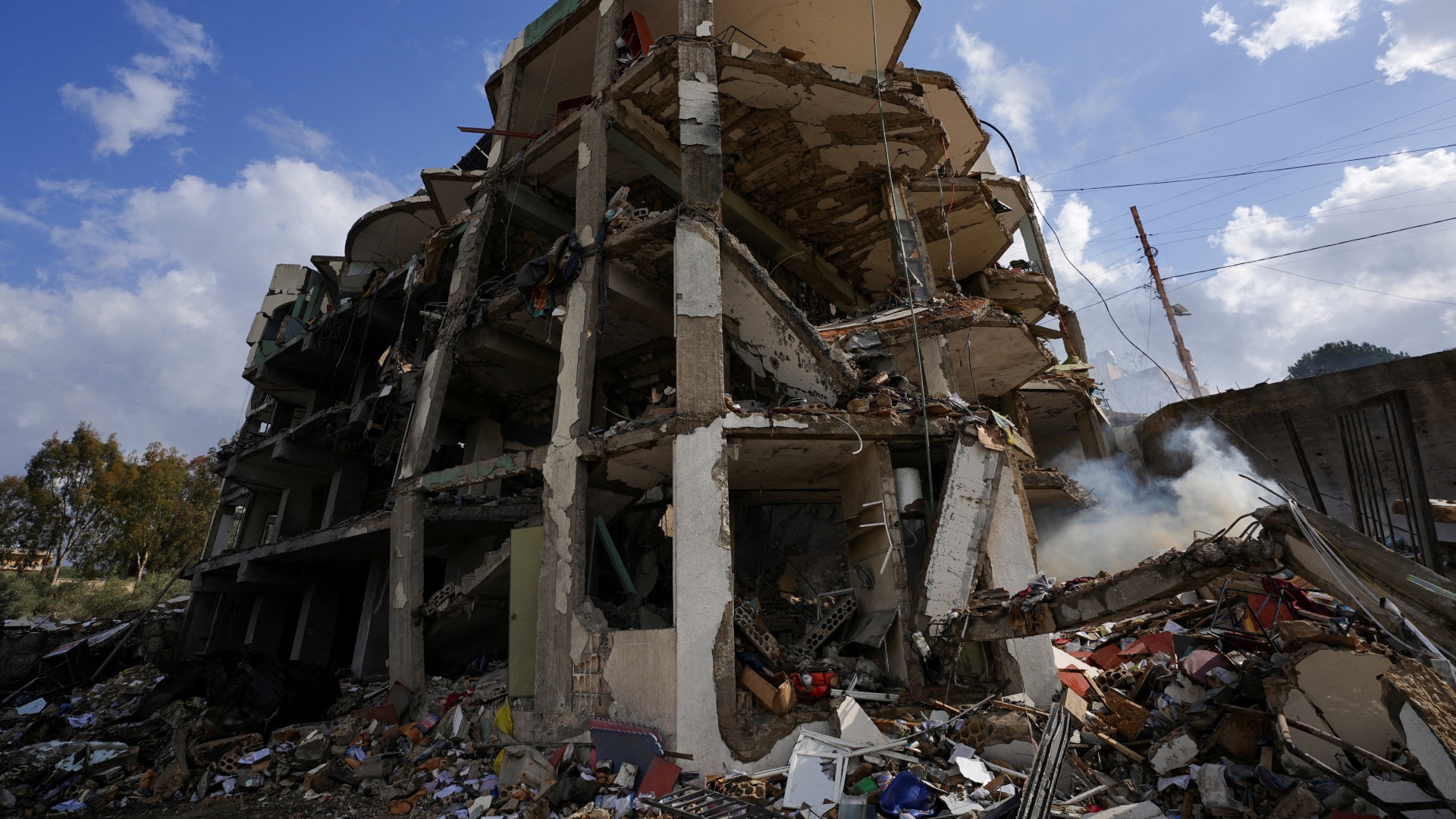
    The city of el-Fasher in Sudan’s North Darfur region has been rendered a desolate wasteland, according to Médecins Sans Frontières (MSF), which gained rare access to the area for the first time since February 2025. During a four-hour assessment on January 15, MSF personnel witnessed extensive devastation throughout the regional capital, characterizing it as ‘largely destroyed’ and ’emptied of the communities that once inhabited it.’

    The humanitarian organization reported that the city now resembles a ghost town, with minimal civilian presence remaining after the paramilitary Rapid Support Forces (RSF) captured the strategic location in October following a 550-day siege. Although MSF described the visit as too brief for comprehensive evaluation, it provided alarming evidence of the massive scale of destruction and population displacement that occurred during the military takeover.

    Survivors who managed to escape el-Fasher have provided harrowing accounts to various media and humanitarian organizations, detailing widespread atrocities including systematic massacres, mass rape incidents, and extensive looting perpetrated by RSF forces. Middle East Eye has corroborated these reports through analysis of footage showing RSF fighters specifically targeting civilians attempting to flee the conflict zone.

    The human cost of the siege has been catastrophic. Prior to the RSF offensive, approximately 260,000 residents were trapped within the city under siege conditions. Current estimates from the UN’s World Food Programme suggest between 70,000 to 100,000 individuals may remain trapped within the devastated urban center. The Yale Humanitarian Research Lab has further estimated that the RSF disposed of tens of thousands of bodies through burning or burial following their seizure of the city.

    Meanwhile, the conflict continues to expand geographically, with RSF recently launching new offensives in Sudan’s Blue Nile state, even as the Sudanese Armed Forces managed to break a two-year siege on the southern city of Dilling. The broader national conflict, which erupted in April 2023 over disputes regarding the integration of RSF into the regular military, has reportedly resulted in over 150,000 fatalities and displaced approximately 14 million people nationwide.

  • US military destroyer docks at Israel’s Eilat port, Israeli media reports

    US military destroyer docks at Israel’s Eilat port, Israeli media reports

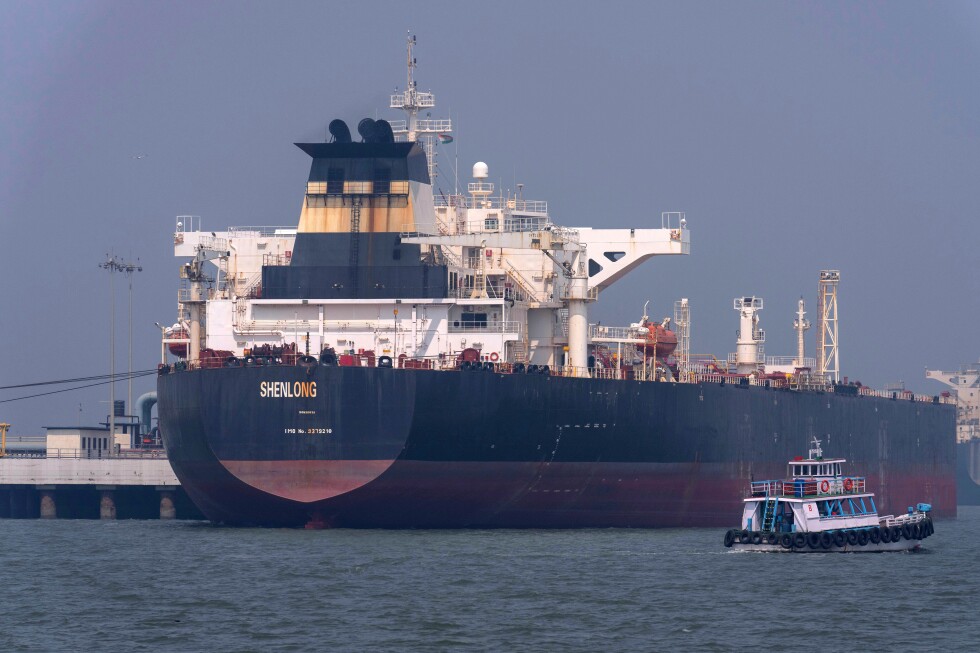
    In a significant military deployment amid heightened regional tensions, a United States Navy destroyer has arrived at the Israeli port of Eilat, according to reports from Israel’s Ynet news outlet. The vessel’s positioning on the Gulf of Aqaba places it near Israel’s strategic borders with both Egypt and Jordan.

    Israeli military sources indicated the docking was pre-coordinated as part of ongoing defense cooperation between the two allied nations, though both US Naval command and Israeli defense forces declined official commentary when approached by Reuters.

    The naval deployment coincides with contradictory signals from the Trump administration regarding Iran policy. While President Donald Trump has expressed openness to diplomatic engagement with Tehran, his administration has simultaneously bolstered military presence throughout the Middle East region.

    A US defense official, speaking on condition of anonymity due to security concerns, emphasized that operational details remain classified to ensure personnel safety. Pentagon representative Pete Hegseth affirmed military readiness to execute whatever actions the commander-in-chief might order.

    The strategic maneuvering occurs against a backdrop of escalating rhetoric. Trump has demanded Iran return to negotiations concerning its nuclear program under threat of “far harsher US action,” while Iranian leadership has vowed retaliation against American, Israeli, and allied targets if provoked. The President previously referenced an approaching “armada” destined for Iranian waters while simultaneously expressing hope that military force wouldn’t be necessary.

  • Satellite photos show activity at Iran nuclear sites as tensions rise over protest crackdown

    Satellite photos show activity at Iran nuclear sites as tensions rise over protest crackdown

    DUBAI, United Arab Emirates — Satellite imagery has revealed significant new construction activity at two Iranian nuclear facilities previously damaged in military strikes, raising concerns about Tehran’s efforts to conceal potential salvage operations of nuclear materials. Recent images from Planet Labs PBC show newly constructed roofs covering damaged structures at both the Isfahan and Natanz nuclear sites, marking the first major observable activity since last year’s conflict with Israel.

    The protective coverings effectively block satellite surveillance, creating a critical intelligence gap as Iran continues to deny access to International Atomic Energy Agency inspectors. Neither Iranian officials nor the IAEA have publicly commented on these developments.

    According to nuclear experts analyzing the imagery, the roofing projects likely represent attempts to obscure assessment and recovery operations rather than reconstruction efforts. Andrea Stricker of the Foundation for Defense of Democracies noted that Tehran appears to be determining ‘whether key assets — such as limited stocks of highly enriched uranium — survived the strikes’ without international observation.

    The Natanz facility, located approximately 220 kilometers south of Tehran, previously served as Iran’s primary uranium enrichment center, where advanced centrifuges enriched uranium to 60% purity—just a technical step from weapons-grade levels. The Isfahan site primarily produced uranium gas for centrifuge processing.

    Following June’s 12-day conflict, Israeli strikes initially targeted these facilities, with subsequent U.S. attacks employing bunker-busting bombs and Tomahawk cruise missiles. The U.S. government claimed these operations ‘significantly degraded Iran’s nuclear program,’ though specific damage assessments remain scarce publicly.

    Additional concerning developments include ongoing excavation work at Kūh-e Kolang Gaz Lā (Pickaxe Mountain) near Natanz, where Iran is suspected of constructing a new underground nuclear facility. Meanwhile, at Isfahan, satellite imagery shows defensive measures including tunnels packed with dirt as protection against missile strikes.

    Parallel reconstruction efforts are underway at Iran’s ballistic missile facilities, including the Parchin military complex southeast of Tehran. Particularly notable is the rapid rebuilding of the ‘Taleghan 2’ site—destroyed in an October 2024 airstrike—which previously housed explosive chambers and specialized X-ray systems for nuclear weapons research.

    These developments occur amid escalating regional tensions, with the U.S. deploying the USS Abraham Lincoln and several guided-missile destroyers to the Middle East. Former President Trump had repeatedly demanded Iran negotiate over its nuclear program while threatening military action in response to Tehran’s crackdown on domestic protests.