分类: world

  • Research: Israel expanding military outposts to prolong presence in Gaza

    Research: Israel expanding military outposts to prolong presence in Gaza

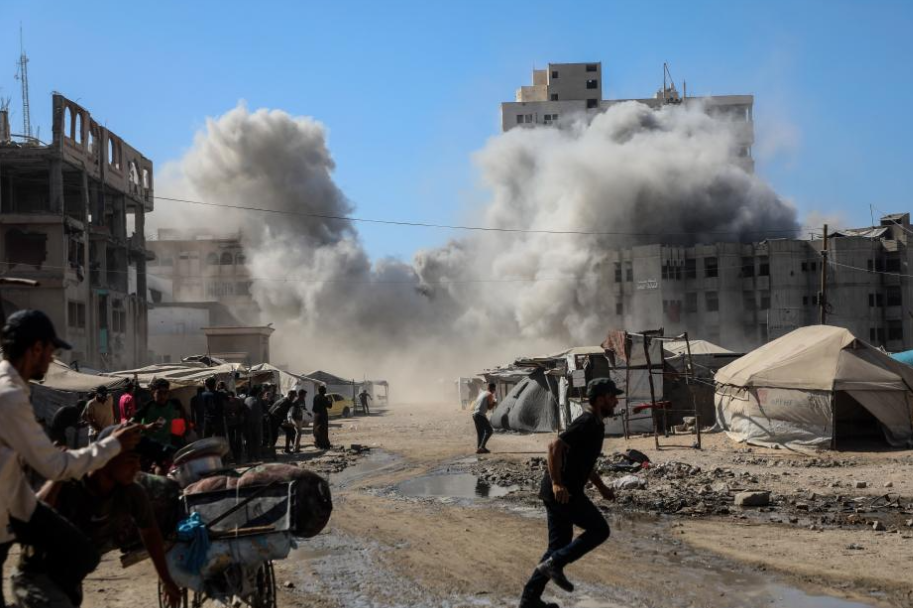
    A comprehensive investigation by London-based research agency Forensic Architecture has revealed Israel’s systematic military expansion within the Gaza Strip, suggesting preparations for a permanent territorial division. The research, documented by Drop Site News, indicates Israel has established at least 13 new military outposts while consolidating existing infrastructure and constructing extensive road networks throughout the enclave.

    The findings detail how Gaza has been effectively partitioned by a ‘yellow line’ since the October ceasefire took effect. Eastern areas beyond this demarcation have been designated as ‘combat zones’ under Israeli military control, where forces reportedly shoot anyone approaching. Western regions remain under Hamas’s de facto governance, creating a stark territorial division.

    Forensic Architecture’s analysis identified significant discrepancies between officially mapped boundaries and physical military placements. Researchers documented 27 yellow block markers positioned up to 940 meters beyond the officially indicated line, demonstrating gradual encroachment into Gazan territory. The report concludes this infrastructure expansion effectively institutionalizes ethnic cleansing across 53% of Gaza.

    Despite the ceasefire agreement, the research indicates continued targeting of civilian structures and homes. Palestinian news agency WAFA reported renewed aerial bombardments across Gaza this week, with attacks targeting eastern Gaza City and the Tuffah neighborhood. These developments align with B’Tselem’s recent report on forced displacement, which found no meaningful change in Israel’s conduct post-ceasefire.

    The military campaign has produced devastating infrastructure damage, with over 90% of homes destroyed, 70% of all structures compromised, and 81% of road networks rendered unusable. University of Malaya research fellow Belal Alakhras characterized Israel’s strategy as ‘calculated dominance masquerading as security,’ noting that military supremacy is being leveraged to entrench control rather than pursue genuine stability.

    Alakhras further argued that this approach exposes fundamental contradictions in the occupation while deepening international complicity. ‘What Israel is engineering is not stability, but institutionalized fragility that further undermines its own regional standing,’ he stated, describing the situation as ‘colonial logic’ that manages subjugation rather than pursuing safety.

  • Border villagers abducted and taken to Russia, says Ukraine

    Border villagers abducted and taken to Russia, says Ukraine

    In a significant escalation of tactics along Ukraine’s northeastern border, Russian forces have conducted an unprecedented cross-border raid resulting in the capture of 52 civilians and 13 Ukrainian soldiers from the village of Hrabovske in Sumy region. The nighttime assault occurred on Saturday when approximately 100 Russian troops stormed the border settlement, according to Ukrainian military spokesperson Viktor Trehubov.

    The operation marked a disturbing departure from previous Russian military behavior, as invading forces transported civilians across the international border before establishing firm control over the territory. Eyewitness accounts describe how Russian soldiers rounded up villagers in a local church before forcibly relocating them to Russia. Ukrainian officials report the detainees were likely transported to Belgorod, a major regional center located approximately 80 kilometers inside Russian territory.

    Volodymyr Bitsak, a member of Sumy’s regional council, revealed the personal impact: ‘My friends’ mother has been taken there. There is no way of contacting her even though they tried. As far as I know, they’ve been taken to the city of Belgorod and are being held at an unknown location.’

    While fighting initially continued in southern Hrabovske, battlefield monitoring group Deep State confirmed Russian forces ultimately captured the entire village. The Russian defense ministry acknowledged striking Ukrainian forces in Hrabovske and several other Sumy region villages but remained silent regarding the civilian detainees.

    The incident highlights the ongoing challenges of civilian evacuations in border areas. According to deputy regional administrator Viktor Babych, 56% of residents in Sumy’s border regions refuse to leave, with approximately 32,000 civilians including 604 children remaining in potential danger zones. Most of those captured in Hrabovske were elderly residents who had declined official evacuation orders.

    Ukrainian President Volodymyr Zelensky expressed shock that children were among those detained, stating: ‘I’m simply surprised that parents treated their children like that. I think they simply did not expect to be taken to Russia by Russian military.’

    Human rights ombudsman Dmytro Lubinets condemned the operation as a ‘serious violation of international humanitarian law,’ noting that civilians were ‘held incommunicado and in improper conditions’ before being forcibly removed from Ukraine. The event represents a concerning evolution in Russian military tactics along the vulnerable northeastern border region.

  • Explosion in Russian capital kills 3

    Explosion in Russian capital kills 3

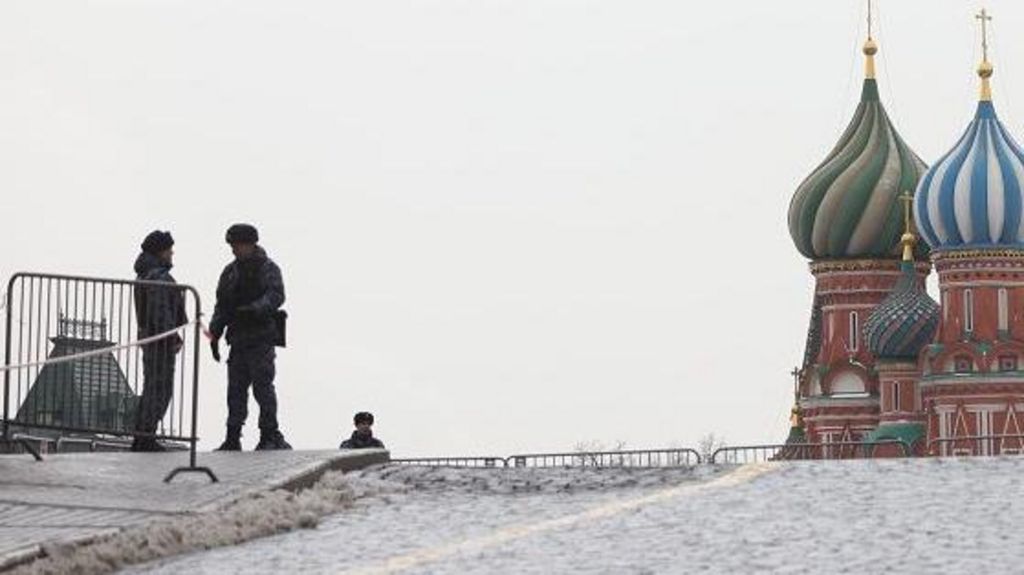
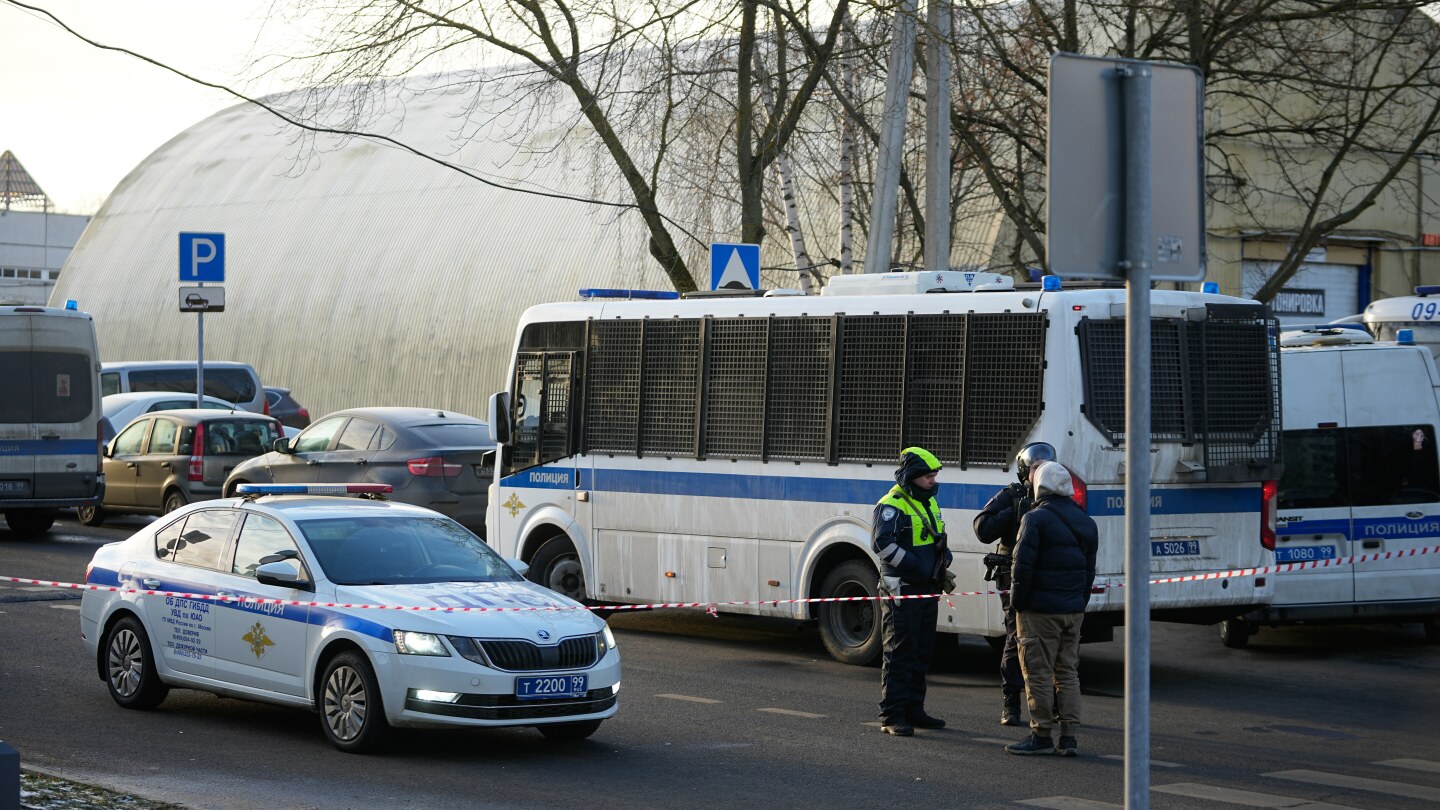
    A deadly explosion in Moscow has resulted in three fatalities, including two traffic police officers, according to official statements from Russian investigative authorities on Wednesday. The incident occurred when the officers approached an individual deemed suspicious, triggering an explosive device that proved fatal for both law enforcement personnel and a civilian bystander.

    Investigative Committee spokesperson Svetlana Petrenko confirmed that specialized teams including investigators and forensic experts have been deployed to conduct comprehensive examinations at the blast site. The explosion represents the latest in a series of violent incidents to shake the Russian capital this week.

    The location of Wednesday’s explosion bears significant geographical proximity to where Lieutenant General Fanil Sarvarov, a high-ranking military official, was assassinated by a car bomb just two days prior. General Sarvarov, who served as head of the Operational Training Directorate within the Russian Armed Forces’ General Staff, died when an explosive device detonated beneath his vehicle in southern Moscow.

    Russian investigators have indicated possible Ukrainian involvement in the general’s assassination, marking what would be the third killing of a senior military officer within approximately a year if confirmed. The close temporal and spatial proximity of these incidents has raised concerns about security vulnerabilities within the capital city, though official statements have not established a definitive connection between Wednesday’s explosion and the earlier assassination.

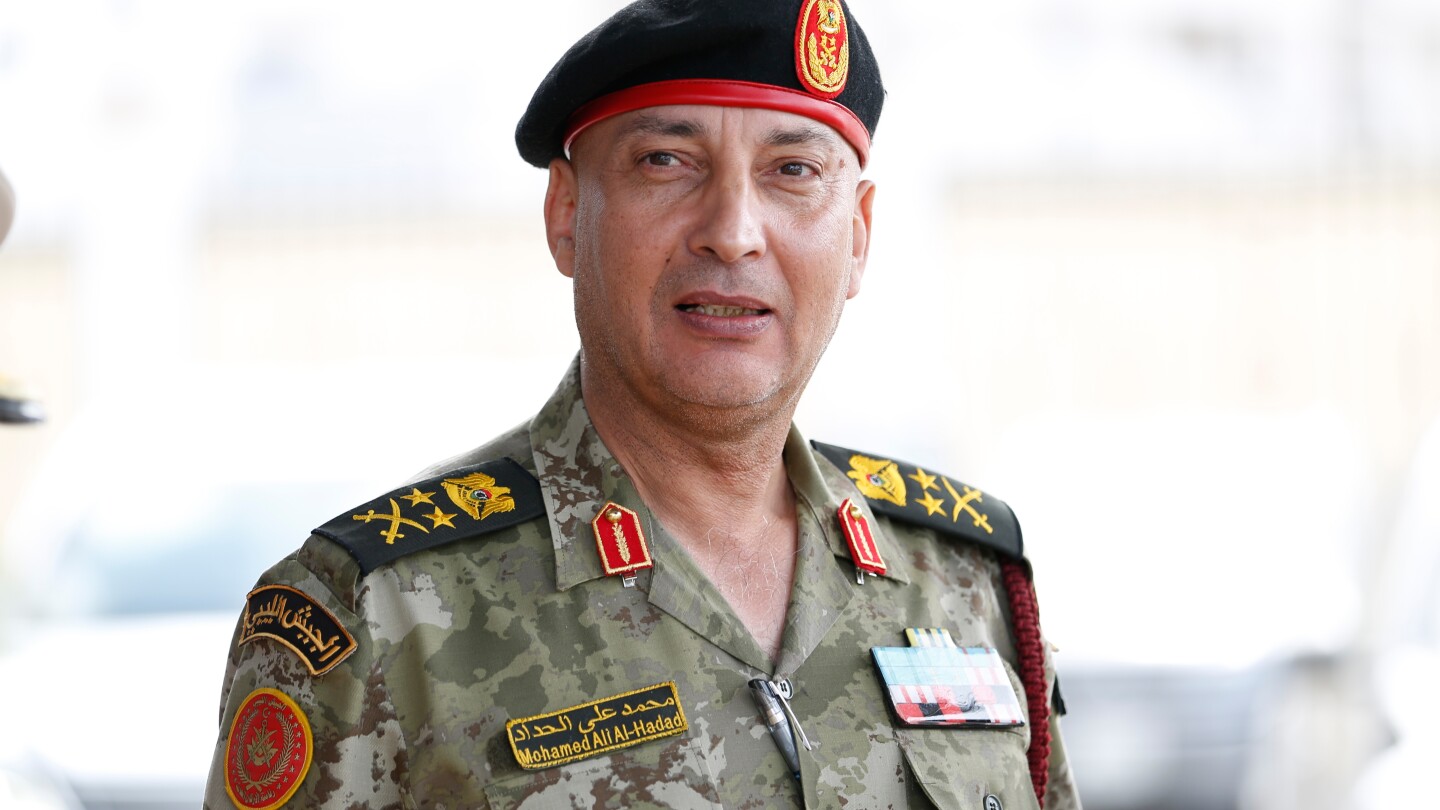
  • Search teams probe wreckage after Libyan army chief and 7 others are killed in Turkey plane crash

    Search teams probe wreckage after Libyan army chief and 7 others are killed in Turkey plane crash

    ANKARA, Turkey — Recovery teams successfully retrieved both cockpit voice and flight data recorders on Wednesday from the wreckage of a Falcon 50 business jet that crashed near Ankara, claiming the lives of Libya’s highest-ranking military commander and seven others. The aircraft, carrying a high-level Libyan defense delegation, experienced catastrophic failure during an emergency landing attempt following reported electrical system malfunctions.

    Interior Minister Ali Yerlikaya confirmed the recovery operation at the crash site near Kesikkavak village, approximately 70 kilometers south of the Turkish capital. The minister noted the extensive debris field spanning three square kilometers has significantly complicated recovery efforts, with Turkish forensic teams working meticulously to identify remains amid challenging weather conditions that included heavy rain and fog.

    The Libyan delegation, led by General Muhammad Ali Ahmad al-Haddad, western Libya’s top military commander, had been conducting crucial defense talks with Turkish officials including Defense Minister Yasar Guler. Their discussions focused on enhancing military cooperation between the nations, occurring just one day after Turkey’s parliament approved a two-year extension for Turkish troops stationed in Libya.

    According to flight tracking data, the jet departed Ankara’s Esenboga Airport at 8:30 p.m. local time Tuesday before reporting electrical failure approximately 40 minutes into the flight. Air traffic controllers authorized an emergency return, but the aircraft vanished from radar during its descent. Libyan authorities have preliminarily attributed the tragedy to technical malfunction.

    The casualties include four additional senior officers: General Al-Fitouri Ghraibil (head of ground forces), Brigadier General Mahmoud Al-Qatawi (military manufacturing authority leader), Mohammed Al-Asawi Diab (advisor to the chief of staff), and Mohammed Omar Ahmed Mahjoub (military photographer). Three crew members’ identities remain undisclosed.

    Libyan Prime Minister Abdul-Hamid Dbeibah declared three days of national mourning, describing the incident as a ‘tragic accident’ and ‘great loss’ for the nation. The crash represents a significant blow to UN-brokered efforts to unify Libya’s divided military establishment, wherein General al-Haddad had played a pivotal role.

    Turkish investigation efforts involve four prosecutors and 408 personnel from multiple agencies, including the disaster management agency AFAD, which established a mobile coordination center at the remote crash site. A 22-member Libyan delegation including family members arrived Wednesday to assist with identification procedures.

  • Two police officers killed in explosion in Moscow

    Two police officers killed in explosion in Moscow

    A deadly explosion has rocked central Moscow, resulting in the fatalities of three individuals, including two traffic police officers. The incident occurred on Yeletskaya Street when officers identified a suspicious individual near a police vehicle. According to an official statement from Russia’s Investigative Committee, the suspect detonated an explosive device during attempted apprehension procedures, instantly killing both officers and a nearby civilian bystander.

    This violent event marks the second security breach in Russia’s capital within a 48-hour period, following Monday’s car bombing that claimed the life of Lieutenant General Fanil Sarvarov, a high-ranking military official. In that prior incident, an explosive device had been strategically planted beneath the vehicle prior to detonation.

    Svetlana Petrenko, spokesperson for the Investigative Committee, confirmed via Telegram that authorities have initiated a criminal investigation into what is being treated as a targeted attempt on the lives of law enforcement personnel. The consecutive attacks suggest a potential escalation of militant activities within Moscow’s city limits, raising serious concerns about public safety and security preparedness.

    Security forces have cordoned off the explosion site as forensic experts continue evidence collection and analysis. While no group has yet claimed responsibility for either attack, the methodology indicates possible coordination between perpetrators. The Russian government has vowed to pursue those responsible with the full extent of counterterrorism measures.

  • UAE condemns armed attack on Pakistani police personnel

    UAE condemns armed attack on Pakistani police personnel

    The United Arab Emirates has issued a forceful condemnation of a deadly armed assault targeting Pakistani security forces in the country’s northwestern Khyber Pakhtunkhwa province. The attack resulted in the tragic loss of five police personnel during patrol operations.

    In an official statement released by the UAE Ministry of Foreign Affairs, the Gulf nation expressed its unequivocal rejection of all forms of violence and terrorism that threaten regional security and stability. The Ministry characterized the assault as criminal acts fundamentally opposed to peace and security objectives.

    The UAE government extended its heartfelt condolences and profound sympathy to the families of the deceased officers, acknowledging their ultimate sacrifice in the line of duty. The statement further conveyed solidarity with both the government and citizens of the Islamic Republic of Pakistan during this period of national mourning.

    The diplomatic communication reinforces the UAE’s consistent position against transnational terrorism and its support for counterterrorism efforts globally. This expression of solidarity comes amid ongoing security challenges in the region and demonstrates the Emirates’ commitment to international cooperation against violent extremism.

  • Egypt’s grand museum begins live restoration of ancient boat

    Egypt’s grand museum begins live restoration of ancient boat

    In an unprecedented archaeological undertaking, Egypt has launched a publicly visible restoration of Pharaoh Khufu’s 4,600-year-old solar boat at the Grand Egyptian Museum. The ceremonial vessel, dating back to the Old Kingdom ruler who commissioned the Great Pyramid of Giza, represents one of history’s most significant maritime artifacts.

    Conservation specialists commenced work Tuesday by delicately elevating a deteriorated wooden plank using precision crane technology—the initial component among 1,650 fragile pieces requiring meticulous reassembly. Egyptian Tourism Minister Sherif Fathy characterized the project as “among the most vital restoration initiatives of the 21st century,” emphasizing its global cultural significance.

    The four-year conservation process, funded through a $3.5 million grant from Japan International Cooperation Agency (JICA), features collaborative expertise between Egyptian and Japanese archaeologists. Project lead Eissa Zidan explained that previous archaeological teams had avoided the undertaking due to the wood’s advanced thermal degradation and fragile state.

    Advanced organic compounds including nano-cellulose and Klucel E are being employed in accordance with international preservation standards to stabilize the ancient materials. The museum simultaneously exhibits a second solar boat from the same period, discovered in superior condition near the Giza pyramids.

    Since its November inauguration, the Grand Egyptian Museum has attracted between 15,000-27,000 daily visitors. Egyptian authorities anticipate this cultural landmark will significantly boost tourism—a sector comprising 9% of national GDP and employing approximately two million citizens. Following pandemic-related challenges and political instability, the government projects a 7% tourism increase for 2026, targeting expansion from 19 million annual visitors.

  • Greta Thunberg arrested at pro-Palestinian protest in London

    Greta Thunberg arrested at pro-Palestinian protest in London

    Swedish environmental activist Greta Thunberg was taken into custody by London law enforcement on Tuesday during a demonstration expressing solidarity with Palestine. The arrest occurred amid a coordinated protest organized by the UK-based advocacy organization Prisoners for Palestine.

    According to the campaign group, Thunberg faced detention under the Terrorism Act for publicly displaying a placard stating: ‘I support the Palestine Action prisoners. I oppose genocide.’ This development follows the British government’s official designation of Palestine Action as a prohibited terrorist organization.

    A City of London police representative confirmed that two additional individuals were apprehended for allegedly throwing red paint on a building facade. The spokesperson further noted that a 22-year-old woman subsequently arrived at the location and was arrested for exhibiting signage endorsing a proscribed organization, though authorities did not explicitly identify Thunberg in their statement.

    Prisoners for Palestine clarified that the targeted building houses an insurance provider allegedly facilitating services for the British subsidiary of Israeli defense contractor Elbit Systems. The insurance company has not issued an immediate response to media inquiries regarding these allegations.

    The 22-year-old climate activist gained international recognition through her weekly solitary protests outside Sweden’s parliament in 2018, sparking the global Youth Strike for Climate movement. This incident marks Thunberg’s latest encounter with law enforcement, following previous detentions during environmental and humanitarian demonstrations.

    In a prior legal proceeding, British judiciary authorities exonerated Thunberg of public order violations, determining that police had overstepped their authority during her arrest at a London climate protest. More recently, in October, Israeli authorities expelled Thunberg after detaining her alongside 478 activists aboard the Global Sumud Flotilla, a humanitarian convoy attempting to deliver aid supplies to Gaza. Israeli officials maintain consistent denial of genocide allegations.

  • Iraqis left without power after Iran ‘entirely’ halts gas exports

    Iraqis left without power after Iran ‘entirely’ halts gas exports

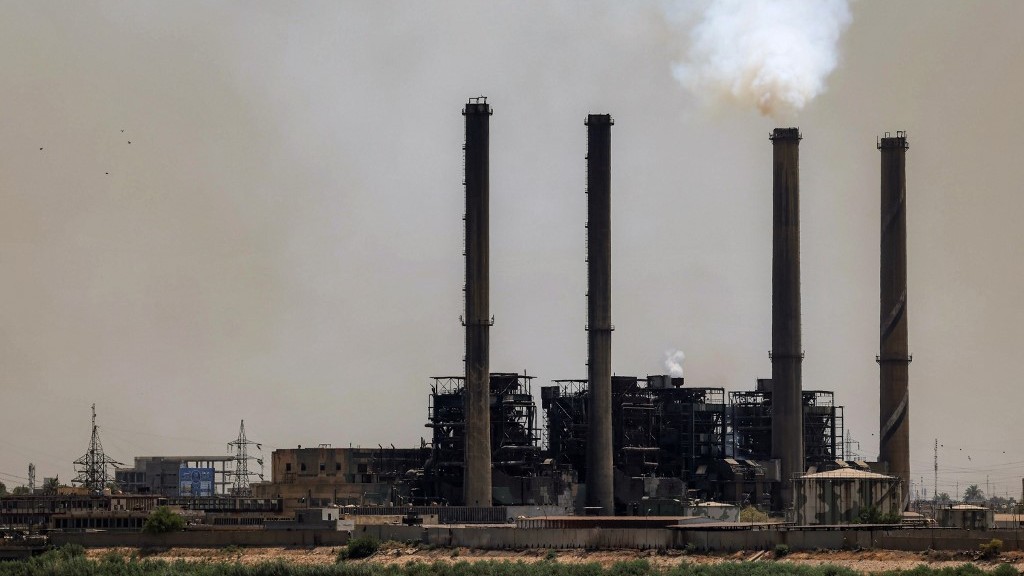
    Iraq encountered a severe energy crisis on Tuesday as Iran unexpectedly terminated all natural gas exports to its neighboring nation. The sudden cessation resulted in a massive reduction of approximately 4,000-4,500 megawatts from Iraq’s national power grid, according to an official statement from the Iraqi Ministry of Electricity.

    The ministry confirmed it received formal notification from Iranian authorities citing ‘unforeseen circumstances’ as the reason for the complete gas supply disruption. This development poses significant challenges for Iraq, which historically depends on Iranian energy imports for up to 40% of its electricity generation requirements.

    Ahmed Moussa, official spokesperson for the Electricity Ministry, disclosed that multiple power generation facilities were forced to cease operations due to the gas supply suspension, directly impacting daily electricity allocation across the country. “The complete halt in Iranian gas pumping has resulted in the substantial loss of generating capacity within our electrical system,” Moussa stated.

    The ministry has implemented emergency measures by coordinating with the Ministry of Oil to utilize alternative local fuel sources for power plants. Moussa emphasized that “production remains under control, and generating facilities continue operational despite some units being affected by the gas shortage.”

    This incident highlights Iraq’s persistent vulnerability stemming from its substantial energy dependence on Iran—a longstanding point of both domestic political contention and international diplomatic concern. The Trump administration previously intensified pressure on this arrangement by revoking in March a crucial waiver that had permitted Iraq to continue payments for Iranian electricity imports.

    Regional trade data indicates Iranian gas exports to Iraq had already declined by approximately 40% between April and August this year. Iraq’s chronic electricity shortages, particularly during extreme summer temperatures, are compounded by systemic infrastructure deficiencies, widespread corruption, and unreliable energy imports that frequently face abrupt interruptions.

  • Crisis in India-Bangladesh relations spirals amid violent protests

    Crisis in India-Bangladesh relations spirals amid violent protests

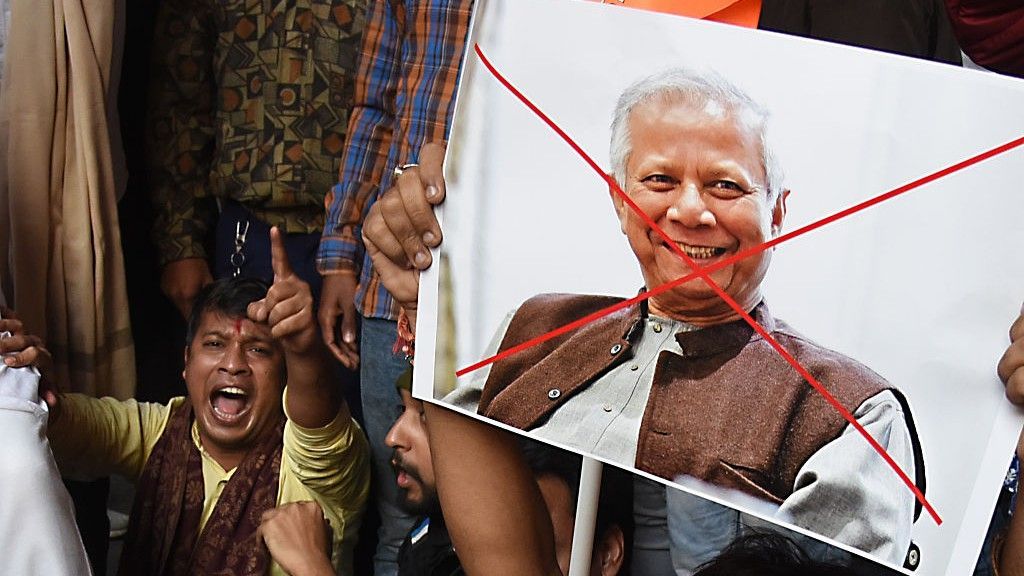
    A brutal mob killing has ignited dangerous tensions between South Asian neighbors India and Bangladesh, testing their historically close relationship. The crisis began when Dipu Chandra Das, a 27-year-old Hindu garment worker from Bangladesh’s minority community, was lynched in Mymensingh following blasphemy accusations. His death occurred amid violent protests over the separate killing of prominent student leader Sharif Osman Hadi in Dhaka.

    The incident has triggered reciprocal diplomatic actions, including visa service suspensions and security concerns over diplomatic missions. Both nations have summoned each other’s high commissioners as relations deteriorate to their lowest point in decades.

    Compounding the tension, Hadi’s supporters allege the primary suspect—reportedly linked to deposed Prime Minister Sheikh Hasina’s Awami League—fled to India, fueling anti-India sentiment in Muslim-majority Bangladesh. Although Bangladeshi police haven’t confirmed this claim, it has amplified existing resentment toward India’s perceived influence.

    The situation reveals deeper structural problems. Bangladesh’s interim government under Nobel laureate Muhammad Yunus faces criticism for failing to control rising religious extremism. Since Hasina’s ouster last year, radical elements have targeted minorities, desecrated Sufi shrines, and attacked cultural institutions accused of being pro-India.

    Analysts warn that hardline factions are exploiting anti-India sentiment for political gain, with both sides’ media potentially exacerbating tensions. The crisis has raised fundamental questions about minority safety and pluralism in Bangladesh while challenging India’s regional security calculations.

    With Bangladesh scheduled to hold elections on February 12th, and Hasina’s party banned from participating, experts caution that bilateral relations may deteriorate further unless diplomatic channels are restored and street anger contained.