分类: world

  • Algeria passes law declaring French colonisation a crime

    Algeria passes law declaring French colonisation a crime

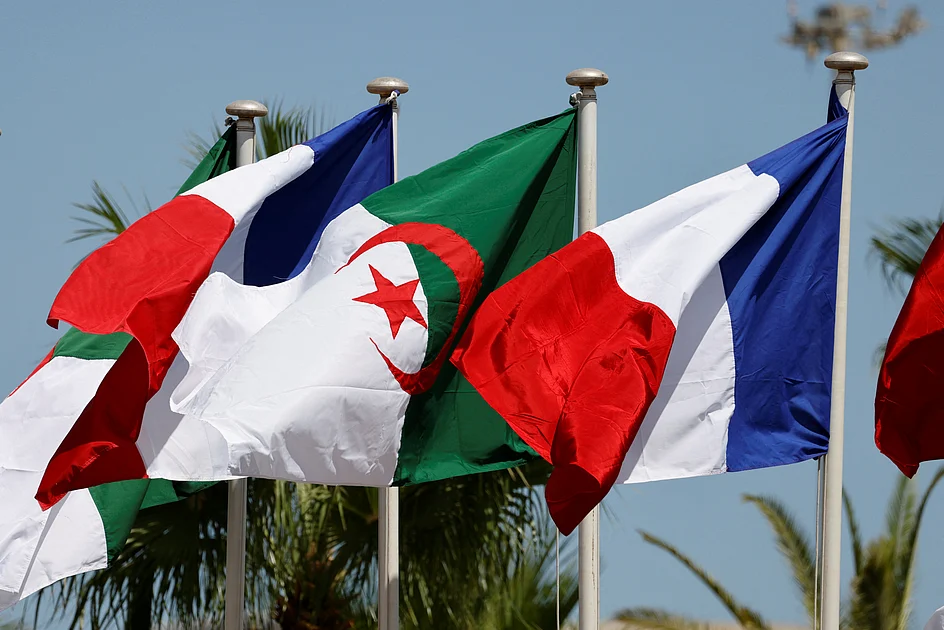
    In a historic parliamentary session, Algerian lawmakers have unanimously enacted legislation formally classifying France’s colonial occupation as criminal acts. The move represents a significant escalation in ongoing diplomatic tensions between the two Mediterranean nations.

    During the emotionally charged vote, legislators adorned in national colors chanted patriotic slogans while approving measures that declare France bears ‘legal responsibility for its colonial past in Algeria and the tragedies it caused.’ The comprehensive legislation specifically enumerates colonial-era violations including nuclear testing programs, extrajudicial executions, systematic torture practices, and large-scale resource exploitation.

    Parliament Speaker Brahim Boughali characterized the legislation as reinforcing that ‘Algeria’s national memory is neither erasable nor negotiable’ in statements to the state-run APS news agency. The law formally establishes that ‘full and fair compensation for all material and moral damages’ constitutes an inherent right of the Algerian nation.

    The French Foreign Ministry immediately condemned the legislative action as counterproductive to bilateral relations. An official spokesperson indicated that while France refrains from commenting on Algerian domestic politics, the move contradicts ongoing efforts to facilitate historical reconciliation through academic channels, referencing President Emmanuel Macron’s establishment of a historian commission to examine the colonial period.

    Historical context underscores the sensitivity of these developments. France maintained colonial control over Algeria from 1830 until the conclusion of the bloody independence war in 1962. The conflict’s casualty estimates remain disputed, with Algerian officials citing 1.5 million fatalities while French historians generally acknowledge approximately 500,000 deaths.

    Academic observers note that while the legislation lacks international enforceability, it carries substantial symbolic importance. University of Exeter colonial history researcher Hosni Kitouni observed that the move ‘marks a rupture in the relationship with France in terms of memory,’ reflecting deteriorating diplomatic relations that began with France’s endorsement of Moroccan sovereignty over Western Sahara, where Algeria supports independence movements.

    The legislative action occurs alongside other bilateral tensions, including the recent imprisonment and subsequent pardon of French-Algerian writer Boualem Sansal following German diplomatic intervention.
  • A Venezuelan family’s Christmas: From the American dream to poverty

    A Venezuelan family’s Christmas: From the American dream to poverty

    MARACAY, Venezuela — For Mariela Gómez and thousands of other Venezuelan migrants, this Christmas marked an unexpected and painful homecoming rather than the realization of their American dream. The return of Donald Trump to the White House in January triggered immediate immigration policy changes that ultimately reversed their journeys, forcing them back to the economic devastation they had originally fled.

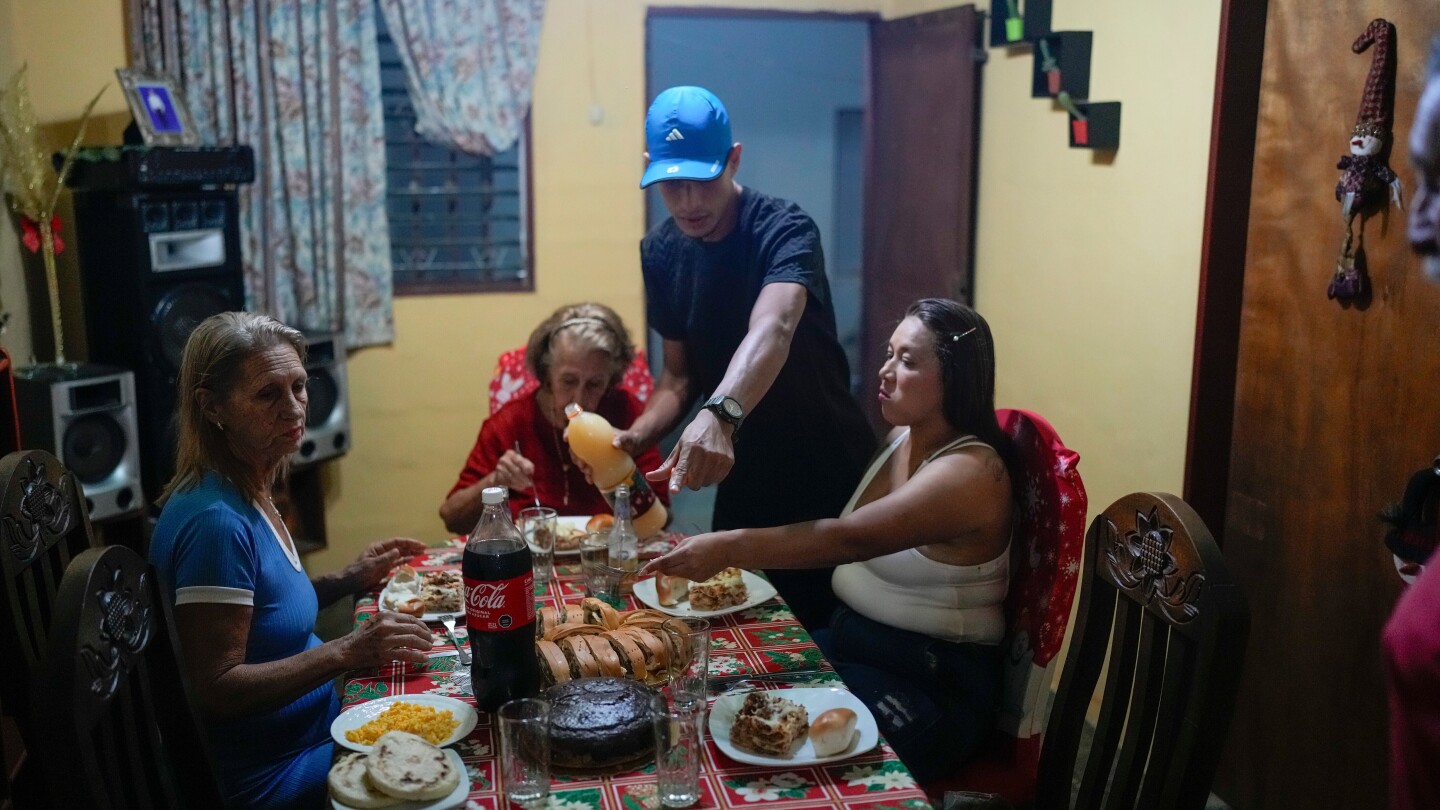
    Gómez spent her first holiday season in eight years in northern Venezuela, where she maintained festive appearances by dressing up, preparing meals, and presenting her son with a scooter. Yet behind these gestures lay the harsh realities confronting returning migrants: pervasive unemployment and crushing poverty. Her family substituted their traditional hallacas—stuffed corn dough that has become prohibitively expensive—with a modest lasagna-like dish for their Christmas dinner.

    The Gómez family’s odyssey ended on October 27 when they returned to Maracay after being apprehended by U.S. Border Patrol in Texas under the Trump administration’s intensified immigration enforcement. Their deportation to Mexico initiated a dangerous return journey through Central America. Unable to afford conventional transit from Panama to Colombia, they risked their lives traveling atop gasoline tanks on a cargo boat through Pacific waters before transferring to a speedboat reaching jungle territories.

    Gómez represents one of over 7.7 million Venezuelans who fled their homeland during the past decade amid economic collapse fueled by oil price declines, corruption, and governmental mismanagement. After years residing in Colombia and Peru, she had pinned her hopes on building a new life in the United States—hopes that were extinguished by Trump’s second-term policies.

    Official figures from Colombia, Panama, and Costa Rica reveal that more than 14,000 migrants, predominantly Venezuelans, have returned to South America since September due to U.S. migration restrictions. This repatriation accelerated after Venezuelan President Nicolás Maduro, under White House pressure, reversed his long-standing policy of refusing deportees from the United States. Over 13,000 immigrants returned this year aboard chartered flights operated by U.S. government contractors and Venezuela’s state airline.

    The silver lining for Gómez was reuniting with the 20-year-old daughter she had left behind during Venezuela’s crisis. Their holiday gathering carried bittersweet undertones as her daughter prepares to migrate to Brazil next month. As the new year approaches, Gómez clings to twin aspirations: preparing traditional hallacas for New Year’s Eve and securing employment. Her fundamental prayer, however, remains centered on health and survival amid continuing uncertainty.

  • Watch: Pope Leo’s plea for peace in Christmas message

    Watch: Pope Leo’s plea for peace in Christmas message

    In a momentous Christmas address delivered from the Vatican, Pope Leo issued a powerful and impassioned plea for global peace, directly confronting the multitude of armed conflicts currently plaguing humanity. The pontiff’s traditional annual message, typically focused on hope and renewal, took on a markedly urgent tone this year as he decried what he characterized as a ‘forgotten Christmas’ for countless victims of warfare.

    The Pope’s homily specifically highlighted the devastating impacts on civilian populations, particularly children, who he stated are bearing the brunt of violence in regions spanning from the Middle East to Africa and Eastern Europe. Framing his message within the context of the Christmas story itself—a narrative of a family seeking refuge—Pope Leo drew stark parallels to contemporary displacement crises, emphasizing the moral imperative to protect the most vulnerable.

    Moving beyond general appeals, the address contained a explicit call for immediate ceasefires and the resumption of diplomatic negotiations in active conflict zones. The spiritual leader emphasized that true peace extends beyond mere absence of violence, encompassing instead the active pursuit of justice, humanitarian access, and respect for international law. He urged world leaders to prioritize human dignity over political ambitions and weaponry, labeling the pursuit of peace as humanity’s ‘most noble and necessary endeavor.’

    The message concluded with a call to action for both individuals and nations, encouraging concrete gestures of solidarity and a renewed commitment to building what he termed a ‘fraternal world where disagreements are resolved through dialogue, not destruction.’

  • Fuel shortage forces Gaza hospital to halt services as Israeli siege deepens

    Fuel shortage forces Gaza hospital to halt services as Israeli siege deepens

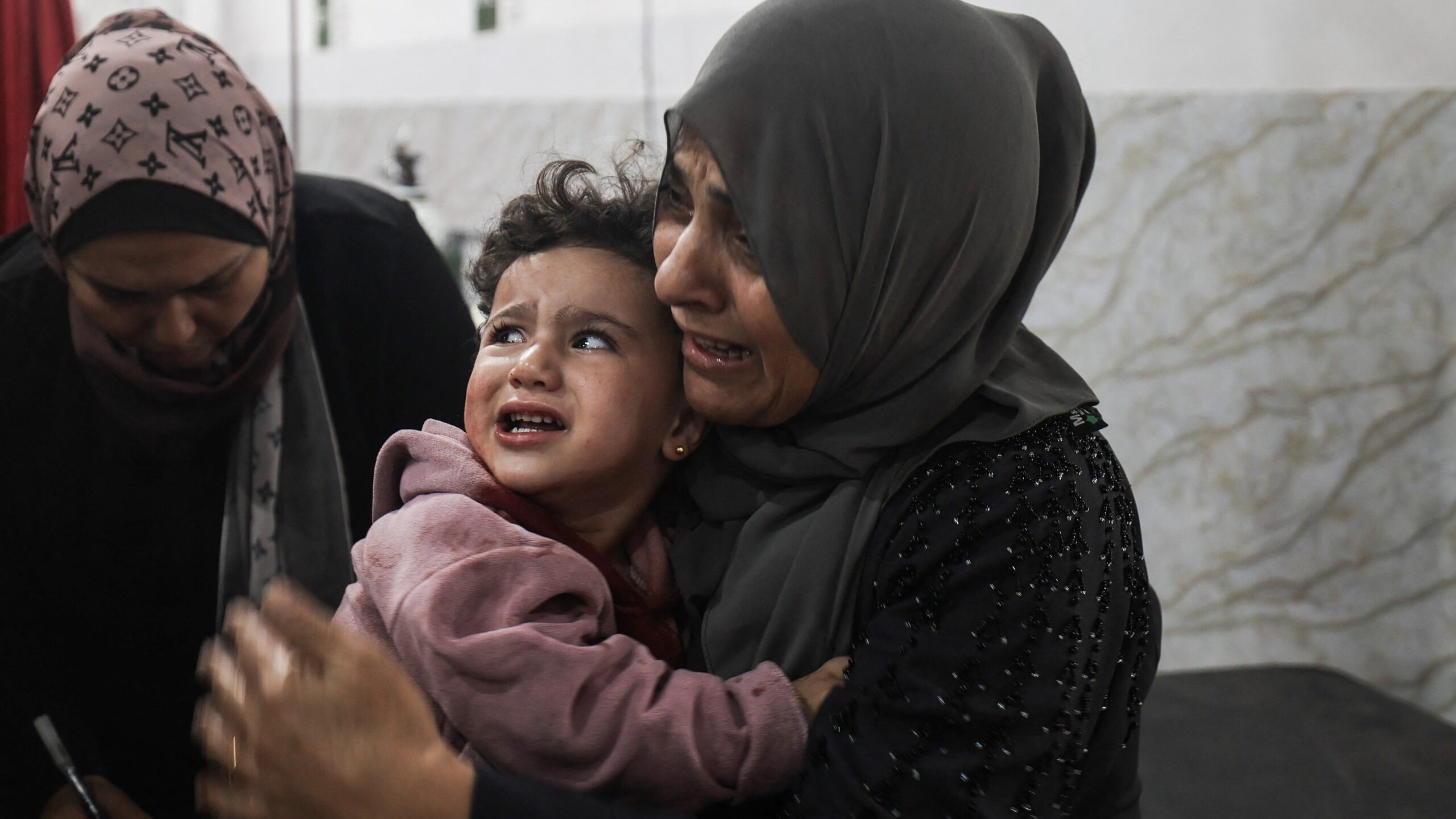
    A critical medical facility in the Gaza Strip has been compelled to halt most operations due to severe fuel shortages, exacerbating the humanitarian crisis in the conflict-ravaged territory. Al-Awda Hospital, situated in the Nuseirat refugee camp, announced the suspension of services on Thursday despite a ceasefire agreement intended to facilitate aid delivery.

    Hospital director Ahmed Muhanna conveyed to Al Jazeera Mubasher that staff made the decision ‘with a heavy heart’ as dwindling fuel supplies rendered normal operations impossible. The institution, which typically handles approximately 1,500 births monthly—representing nearly 30% of all deliveries in Gaza—has been a lifeline for maternal healthcare and malnutrition treatment.

    The suspension affects all but the most critical emergency and maternity cases, with at least 30 malnourished children requiring transfer to other medical facilities. Muhanna warned that complete cessation of services would trigger ‘a real crisis,’ appealing for international intervention to address the fuel shortage.

    This development occurs despite the October ceasefire agreement that obligated Israel to permit 600 aid trucks—including 50 fuel trucks—into Gaza daily. However, the Gaza-based Government Media Office reports only about 10% of the agreed fuel supply has reached the territory since the truce began. The resulting shortages have paralyzed hospitals, bakeries, and water treatment plants across the Strip.

    Concurrently, violence has persisted despite the ceasefire, with Israeli forces reportedly killing a Palestinian man in Beit Lahia on Thursday. Prime Minister Benjamin Netanyahu had previously threatened escalated attacks, accusing Hamas of violating the ceasefire and a proposed peace plan. Hamas denied involvement in an incident that wounded an Israeli soldier, suggesting it resulted from explosive remnants left by Israeli forces.

  • Watch: Navi Mumbai airport begins operations with arrival of IndiGo flight

    Watch: Navi Mumbai airport begins operations with arrival of IndiGo flight

    India’s aviation landscape entered a transformative phase on December 25, 2025, as the Navi Mumbai International Airport (NMIA) commenced commercial operations with the historic arrival of its first flight. The landmark event marked the culmination of extensive planning and development efforts that promise to reshape air travel infrastructure in the country’s financial capital.

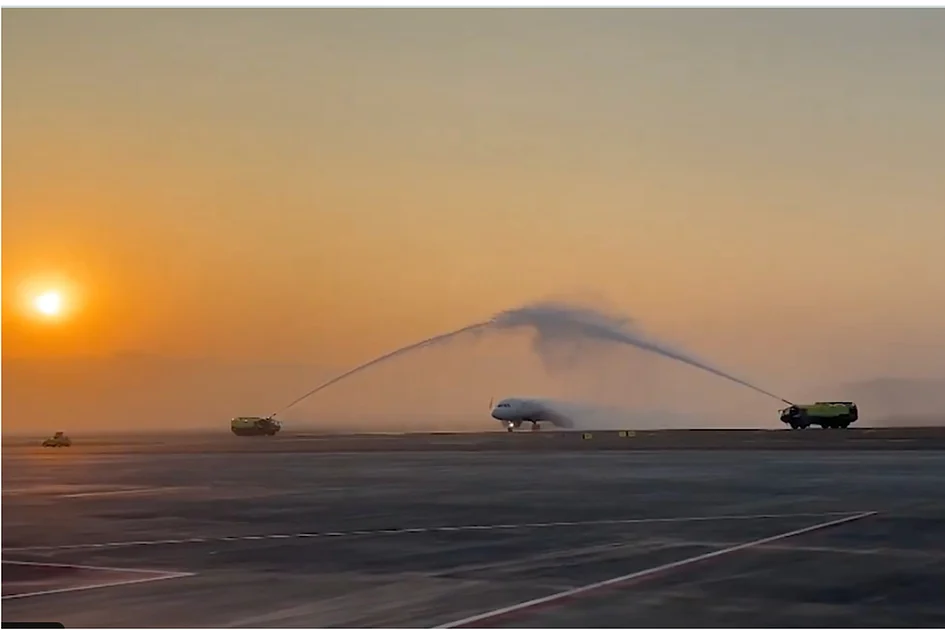
    The inaugural flight, IndiGo service 6E460 originating from Bengaluru, touched down precisely at 08:00 hours local time, receiving a ceremonial water cannon salute traditionally reserved for significant aviation milestones. This was swiftly followed by the airport’s maiden departure, IndiGo flight 6E882 bound for Hyderabad, which took off at 08:40 hours, completing the facility’s first operational cycle.

    In a statement circulated through social media channels, the Adani Group proclaimed the opening as the dawn of ‘a new era for Indian aviation.’ The conglomerate emphasized the strategic importance of NMIA, which is engineered to eventually accommodate 90 million passengers annually upon full completion of all development phases. The project represents a critical infrastructure enhancement designed to benefit not only Mumbai but the entire nation through improved connectivity and reduced congestion.

    The preceding evening witnessed a breathtaking drone spectacle that illuminated the night sky with intricate formations, including a blooming lotus motif and airport logo displays. This visually stunning presentation symbolized the integration of design excellence, sustainable practices, and advanced connectivity solutions that characterize the new aviation hub.

    Initial flight operations will see Akasa Air connecting Navi Mumbai to four key domestic destinations—Delhi, Kochi, Ahmedabad, and Goa (Mopa). Meanwhile, IndiGo will establish connections to ten cities including Bengaluru, Hyderabad, Jaipur, Lucknow, Mangalore, and Nagpur, providing substantial network coverage from the facility’s launch period.

    The establishment of NMIA creates a dual-airport system for Mumbai, positioning the metropolitan region alongside global aviation hubs like Dubai, New York, and London that operate successful multi-airport models. Projections indicate that by 2032, Mumbai’s combined airport infrastructure—comprising both NMIA and the existing Chhatrapati Shivaji Maharaj International Airport—will handle between 140 million and 160 million passengers annually, significantly enhancing capacity and operational efficiency for India’s premier financial center.

  • Pope Leo urges ‘courage’ to end Ukraine war in first Christmas address

    Pope Leo urges ‘courage’ to end Ukraine war in first Christmas address

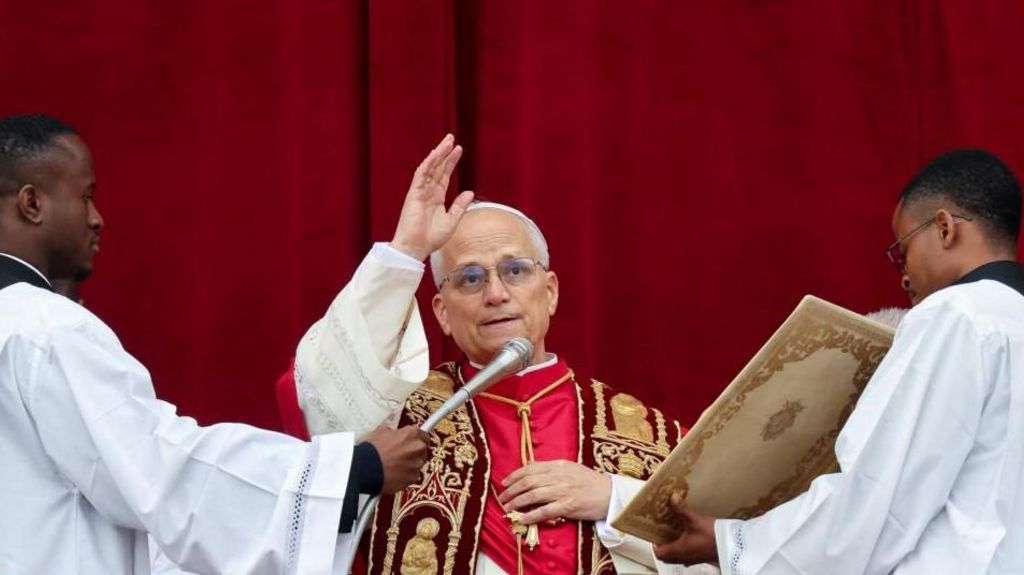
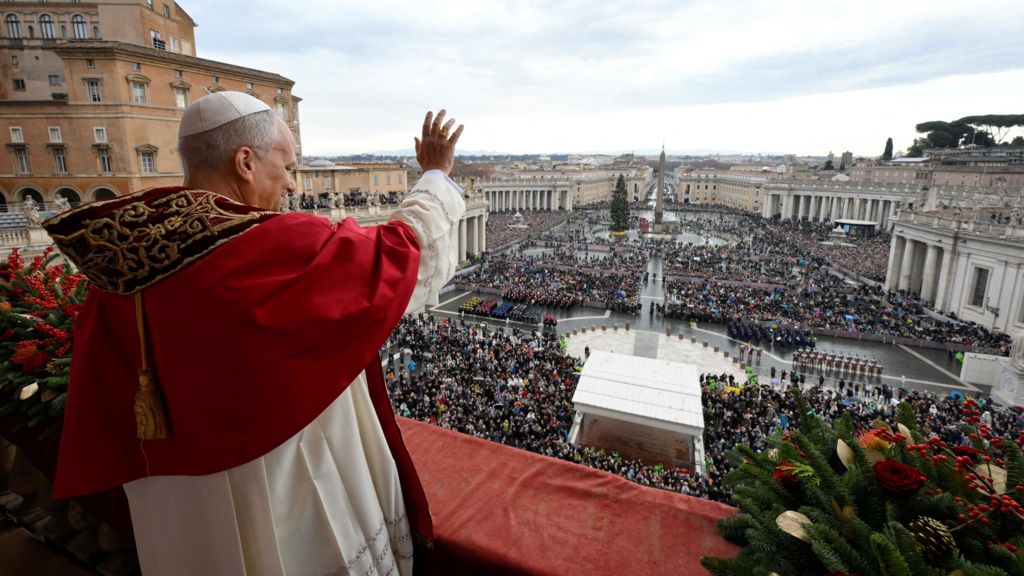
    In his inaugural Christmas Day address since ascending to the papacy in May, Pope Leo XIV delivered a powerful plea for international peace and reconciliation from St. Peter’s Square. The pontiff specifically called upon Ukraine and Russia to demonstrate courage by initiating sincere, direct negotiations to terminate their prolonged conflict.

    During the traditional Urbi et Orbi blessing, Pope Leo emphasized that cessation of hostilities requires “the support and commitment of the international community” alongside diplomatic courage from both warring nations. His appeal emerges amid ongoing US-mediated negotiations seeking an acceptable resolution to the conflict, though direct talks between Kyiv and Moscow remain elusive in current diplomatic efforts.

    The Pope’s concerns extended beyond Eastern Europe, addressing recent deadly border clashes between Thailand and Cambodia despite July’s ceasefire agreement. He urged these Southeast Asian nations to restore their “ancient friendship” through concerted efforts toward reconciliation.

    Earlier during Christmas Mass in St. Peter’s Basilica, the pontiff reflected on global humanitarian crises, particularly highlighting the plight of homeless populations worldwide. He drew parallels between the nativity story’s fragile tent and the inadequate shelters in Gaza, where approximately 2.1 million Palestinians endure winter storms amidst rubble and destruction from the ongoing conflict with Israel.

    The humanitarian situation in Gaza remains dire, with aid agencies urgently requesting increased supplies of tents and essential materials. Israeli authorities controlling border crossings have denied allegations of deliberate aid restrictions, claiming delivery of nearly 310,000 tents and tarpaulins since October’s ceasefire commenced.

  • Pope Leo XIV remembers Gaza’s suffering in first Christmas homily and calls for peace

    Pope Leo XIV remembers Gaza’s suffering in first Christmas homily and calls for peace

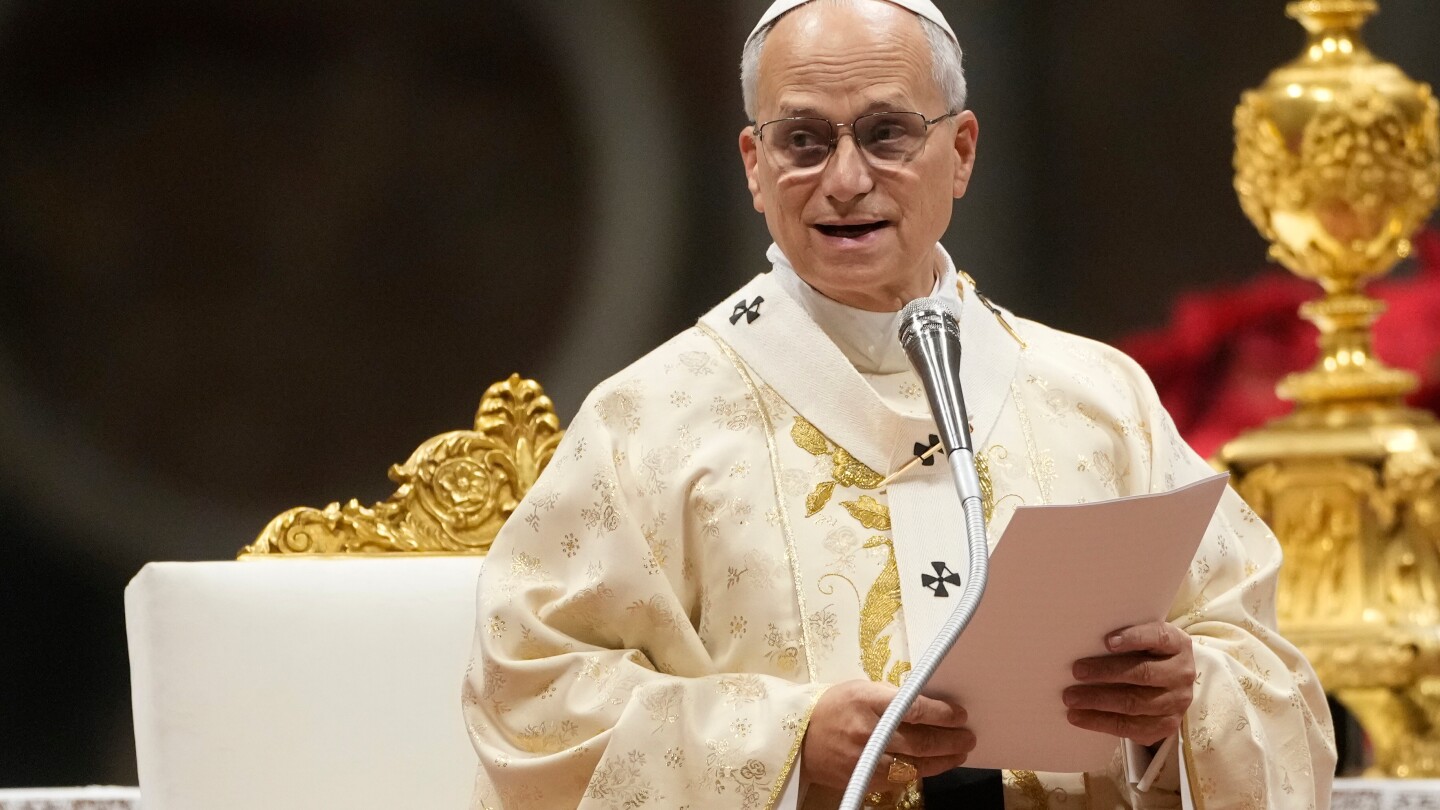
    In his inaugural Christmas Day homily, Pope Leo XIV delivered a powerful message from St. Peter’s Basilica, drawing poignant parallels between the biblical narrative of Christ’s birth and contemporary global suffering. Addressing thousands of congregants beneath the basilica’s ornate balustrade, adorned with seasonal poinsettias and floral garlands, the pontiff specifically highlighted the plight of Gaza’s civilians enduring harsh winter conditions.

    The Pope’s address transformed the traditional Christmas message into a profound commentary on modern conflicts. ‘We cannot ignore the tents in Gaza, exposed for weeks to rain, wind and cold,’ Leo declared, extending his concern to refugees worldwide and urban homeless populations. His homily meticulously connected the Christian story of God assuming fragile human form in a Bethlehem manger with the vulnerability of displaced persons across continents.

    Leo XIV offered sharp criticism of military conflicts, referencing ‘defenseless populations tried by so many wars’ and young soldiers confronting the ‘senselessness of what is asked of them.’ He characterized military recruitment rhetoric as ‘falsehoods that fill the pompous speeches of those who send them to their deaths.’

    The pontiff presented dialogue as the singular solution to global strife, asserting that peace only emerges ‘when our monologues are interrupted and, enriched by listening, we fall to our knees before the humanity of the other.’ The Mass attracted thousands of faithful who gathered despite steady rainfall, many documenting the historic occasion with smartphones.

    This Christmas celebration concludes the Holy Year observances, scheduled to officially terminate on January 6th, the Epiphany holiday commemorating the biblical visit of the three wise men to the infant Jesus.

  • Turkey begins black box analysis of jet crash that killed Libyan military chief and 7 others

    Turkey begins black box analysis of jet crash that killed Libyan military chief and 7 others

    Turkish authorities have commenced technical examination of the flight recorders recovered from the catastrophic private jet accident that claimed eight lives, including Libya’s senior western military commander. The Turkish Defense Ministry confirmed Thursday that investigative procedures are advancing through collaborative efforts with Libyan officials.

    The ill-fated aircraft, carrying General Muhammad Ali Ahmad al-Haddad alongside four additional military representatives and three flight crew members, went down shortly after departure from Ankara on Tuesday. Initial assessments from Libyan authorities indicate potential technical failures as the probable cause of the tragedy.

    The high-ranking delegation was returning to Tripoli following strategic defense discussions in the Turkish capital focused on enhancing military coordination between the two nations. Turkish Interior Minister Ali Yerlikaya reported that debris from the crash site spanned approximately three square kilometers, significantly impeding recovery operations.

    A 22-member team from Libya, comprising five relatives of the victims, arrived early Wednesday to participate in the investigation process. The multinational cooperation underscores the significance of the incident within international military and diplomatic circles.

  • Turkey arrests 115 IS suspects ‘planning New Year’s attacks’

    Turkey arrests 115 IS suspects ‘planning New Year’s attacks’

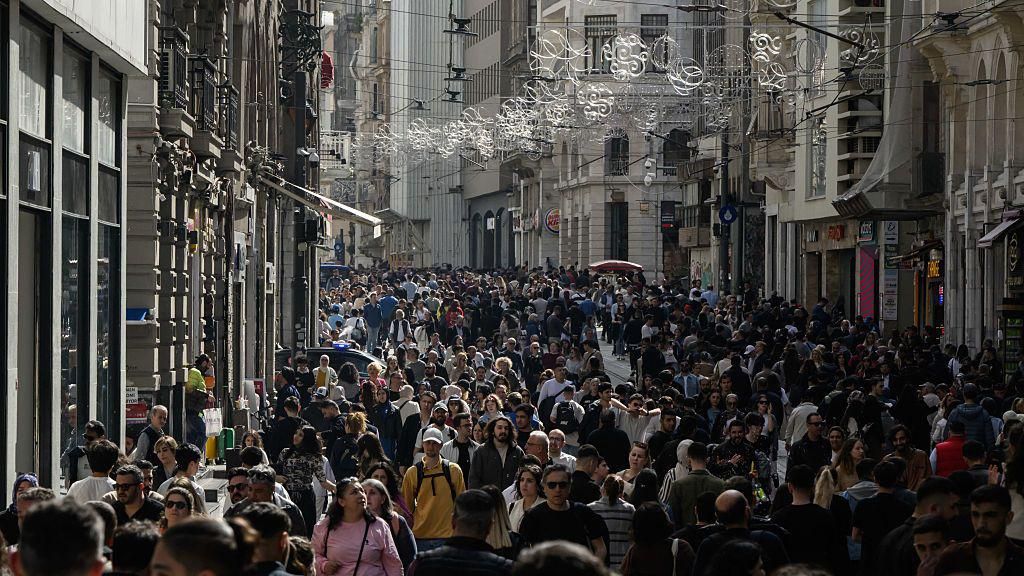
    Turkish security forces have successfully dismantled an extensive Islamic State network that was actively planning coordinated attacks during Christmas and New Year’s celebrations. In a sweeping counterterrorism operation across Istanbul, authorities apprehended 115 suspected ISIS operatives while pursuing an additional 22 individuals still at large.

    The massive intelligence-driven operation targeted 124 separate locations throughout Turkey’s largest city, resulting in the seizure of significant weapon caches including firearms, ammunition, and critical organizational documents. According to Istanbul’s Chief Prosecutor, the detained suspects maintained active communication channels with ISIS leadership operating outside Turkish borders.

    Investigators revealed the terrorist cell specifically planned to target non-Muslim communities and religious gatherings during the holiday period. This security operation represents one of the most comprehensive counterterrorism efforts in recent years against ISIS infrastructure within Turkey.

    The crackdown occurs amidst heightened regional tensions following the recent killing of three American personnel—two soldiers and a civilian interpreter—in an ISIS-ambush earlier this month. In response, the United States conducted a series of airstrikes against ISIS positions across Syria last Friday.

    Turkey’s geographic position remains particularly vulnerable to terrorist infiltration due to its 900-kilometer (560-mile) border with Syria, where ISIS maintains active cells in certain regions. President Ahmed al-Sharaa of Syria, maintaining close ties with the Turkish government, has committed to collaborative efforts with Western nations to eliminate remaining ISIS elements in the region.

    Turkish security agencies continue regular operations against suspected ISIS affiliates, reflecting the ongoing threat posed by the organization despite its territorial defeats in previous years.

  • DPRK conducts test-fire of new-type anti-air missiles – official news agency

    DPRK conducts test-fire of new-type anti-air missiles – official news agency

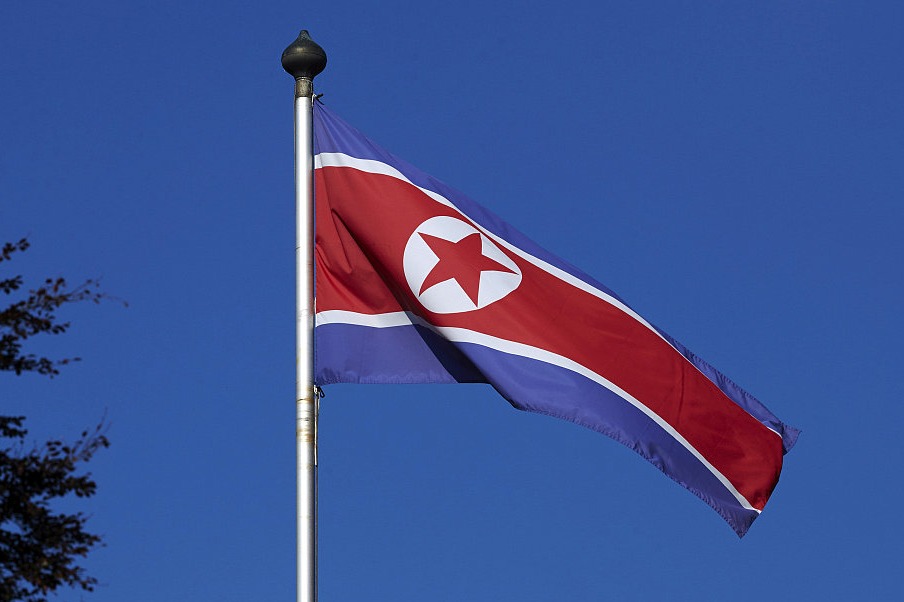
    PYONGYANG – North Korea has successfully test-fired a newly developed high-altitude, long-range anti-aircraft missile system, according to an official report published Thursday by the state-run Korean Central News Agency (KCNA). The military exercise took place Wednesday in the East Sea (also known as the Sea of Japan) and was personally observed by North Korean leader Kim Jong-un.

    The test marks the inaugural operational assessment of the advanced anti-air missile system, designed to evaluate its tactical performance and technical specifications. KCNA stated that the launched missiles successfully struck their intended mock targets with precision, indicating a successful validation of the weapon’s guidance and interception capabilities.

    Officials characterized the launch as part of routine research and development activities conducted by the North Korean Missile Administration and its affiliated defense research institutes. The primary objective, as reported, is the ‘technical optimization’ of national air defense capabilities, suggesting an ongoing effort to modernize the country’s defensive military infrastructure.

    Kim Jong-un, who serves as both General Secretary of the Workers’ Party of Korea and President of State Affairs, monitored the test launch, underscoring the strategic importance Pyongyang places on advancing its missile and air defense technology. The development aligns with the country’s broader efforts to enhance its military readiness amid ongoing regional security concerns.