分类: world

  • Cruise ship hits reef on first trip since leaving passenger on island

    Cruise ship hits reef on first trip since leaving passenger on island

    The Coral Adventurer cruise vessel experienced a grounding incident off the eastern coast of Papua New Guinea on Saturday, marking the latest setback for the embattled cruise operator. The incident occurred approximately 30 kilometers from the city of Lae, according to a company spokesperson.

    All 80 passengers and 43 crew members aboard the ship were reported safe following the incident. Initial inspections conducted after the grounding revealed no apparent damage to the vessel’s hull, though more comprehensive assessments were scheduled for Sunday. The Australian Maritime Safety Authority (AMSA) confirmed it had not received any distress calls from the ship but stated it was monitoring the situation and stood ready to assist Papua New Guinea authorities if required.

    This incident comes as the Coral Adventurer remains under joint investigation by AMSA and Queensland Police following the tragic death of 80-year-old passenger Suzanne Rees in late October. Ms. Rees was left behind during a hiking excursion on Lizard Island, a remote Australian landmass, and was found deceased the following day after a major search operation. The vessel had departed without her and only returned hours later when crew members realized she was missing.

    The current 12-day voyage, scheduled to conclude on December 30th, now faces uncertainty as officials assess the situation. This represents the second major disruption for the Coral Adventurer in recent months, following the cancellation of its previous 60-day expedition after Ms. Rees’s death. On that occasion, the cruise operator provided full refunds to all passengers.

    Coral Expeditions CEO Mark Fifield had previously expressed the company’s profound regret over the October incident, stating the organization was “deeply sorry that this has occurred” and had offered full support to the Rees family. The company continues to collaborate with investigating authorities, though AMSA maintains its policy of not publicly disclosing investigation outcomes.

  • BBC visits Myanmar polling station as civil war rages on

    BBC visits Myanmar polling station as civil war rages on

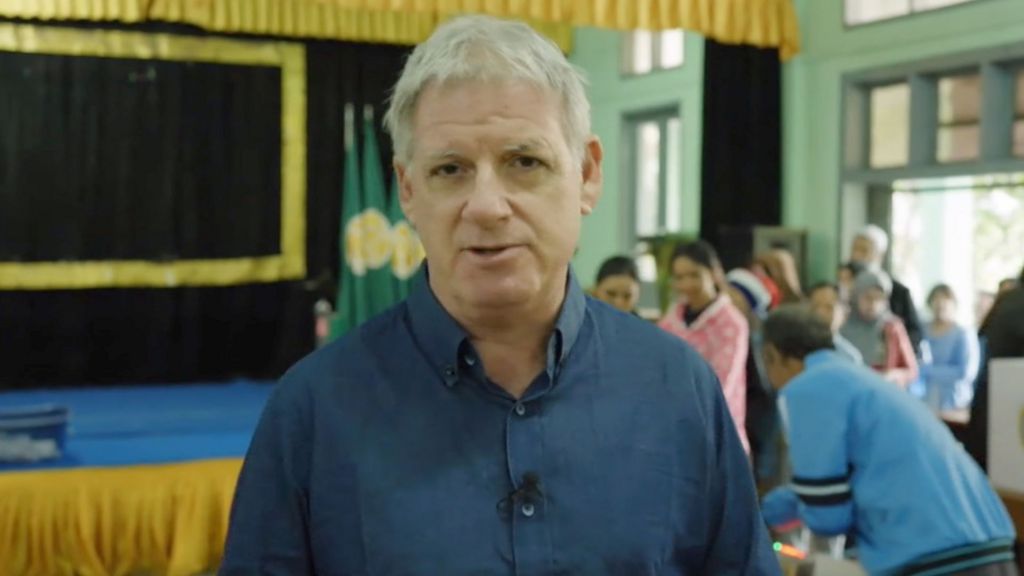
    Amidst an intensifying civil conflict, Myanmar conducted national elections under circumstances described by international observers as profoundly compromised. A firsthand report from a BBC correspondent stationed within the country reveals a voting process marred by widespread apprehension and coercion.

    Voters at polling stations, under the watchful eyes of military personnel, confided to journalists about the palpable atmosphere of fear inhibiting free political expression. This electoral event, criticized by many global powers as a sham, lacks participation from major opposition groups and is being held while the nation is engulfed in severe internal strife. The ongoing civil war between the ruling military junta and various ethnic armed organizations, alongside pro-democracy resistance forces, has displaced millions and created a humanitarian crisis, forming a stark backdrop to the polling process.

    The junta’s justification for the election centers on a purported “roadmap back to democracy,” a claim heavily disputed by Western nations and the Association of Southeast Asian Nations (ASEAN). Analysts suggest the primary objective of the vote is to cement the military’s political control under a veneer of legitimacy, rather than to facilitate a genuine democratic transition. The international community remains largely skeptical, with many preparing to reject the outcome of a process they deem fundamentally illegitimate and unrepresentative of the Myanmar people’s will.

  • Fearing deportation, Hondurans in the US send more cash home than ever before

    Fearing deportation, Hondurans in the US send more cash home than ever before

    The escalating U.S. immigration enforcement under President Trump’s administration has produced complex, contrasting consequences across Central America. Honduran national Elías Padilla represents one immediate effect: the deterrence of potential migrants. After meticulously saving for over a year from his meager earnings as a Tegucigalpa Uber driver—where he sometimes makes just $12 for 12 hours of work—Padilla has suspended his migration plans due to fears of detention and deportation.

    Padilla’s hesitation stems from widely circulated images showing Immigration and Customs Enforcement (ICE) agents apprehending undocumented immigrants in major U.S. cities. “I want to improve my life conditions because we earn very little here,” explains Padilla, noting that American Uber drivers can earn in one hour what he makes in an entire day. “But I see what Trump is doing, and it’s made me think twice.”

    Paradoxically, while Trump’s policies have discouraged new migration, they have simultaneously triggered a remarkable surge in remittances to Honduras. Undocumented Hondurans already residing in the United States are sending money home at unprecedented rates, creating an unexpected economic windfall for their native country. Many migrants operate under a heightened sense of urgency, attempting to transfer as much money as possible before potential apprehension.

    Statistical evidence reveals a dramatic 26% increase in remittances to Honduras between January and October compared to the same period the previous year. The total amount sent home surged from $9.7 billion throughout all of 2024 to over $10.1 billion in just the first nine months of this year alone.

    Marcos (pseudonym), a Honduran construction worker residing undocumented in a major U.S. city for five years, exemplifies this trend. He has substantially increased his transfers from $500 monthly to approximately $300 weekly to support his wife and two children in Tegucigalpa. “It’s like a race against time,” Marcos describes. “I just want to make sure that if I am picked up, there’ll be a little money set aside down there.”

    The immigration crackdown has also significantly impacted human smuggling operations. Jimmy (pseudonym), a former coyote who transported migrants through Mexico for two decades, reveals that smuggling costs have dramatically escalated from $12,000-13,000 to $25,000-30,000 per person due to increased enforcement measures. While Jimmy insists that approximately 40% of migrants still successfully complete the journey, the prohibitive costs have placed the option beyond reach for many potential migrants like Padilla.

    Despite the current deterrent effect, Padilla maintains that economic pressures will ultimately prevail over immigration enforcement. “Trump has only postponed my plans,” he asserts. “Not cancelled them.” This sentiment reflects the broader reality that while policies may temporarily alter migration patterns, the fundamental economic disparities driving migration from Central America remain unresolved.

  • Taiwan rattled by magnitude-7 quake; Taipei buildings shake

    Taiwan rattled by magnitude-7 quake; Taipei buildings shake

    A significant seismic event measuring 7.0 on the Richter scale occurred approximately 32 kilometers off the coast of Yilan, a northeastern Taiwanese city, on Saturday evening. The substantial tremor, which originated at a depth of 73 kilometers, caused noticeable building swaying in the capital city of Taipei, according to official reports from Taiwan’s meteorological authorities.

    Initial assessments by Taipei municipal officials indicated no immediate reports of substantial structural damage following the quake. The National Fire Agency has activated comprehensive damage evaluation procedures across affected regions to determine the full impact of the seismic activity.

    Taiwan’s geographical position makes it particularly vulnerable to earthquakes, as the island nation sits at the convergence point of two major tectonic plates. This geological reality has resulted in numerous significant seismic events throughout Taiwan’s history.

    The region has experienced devastating earthquakes in previous decades, including the catastrophic 2016 incident in southern Taiwan that claimed over 100 lives, and the massive 1999 tremor measuring 7.3 magnitude that resulted in more than 2,000 fatalities. These historical events have prompted Taiwan to develop one of the world’s most sophisticated earthquake preparedness and response systems.

    Seismologists continue to monitor aftershock patterns while emergency services remain on high alert across the island. The earthquake’s offshore location and considerable depth potentially mitigated what could have been more severe impacts on population centers.

  • UAE welcomes UN assessment mission to Sudan’s Al Fasher, calls for unhindered aid access

    UAE welcomes UN assessment mission to Sudan’s Al Fasher, calls for unhindered aid access

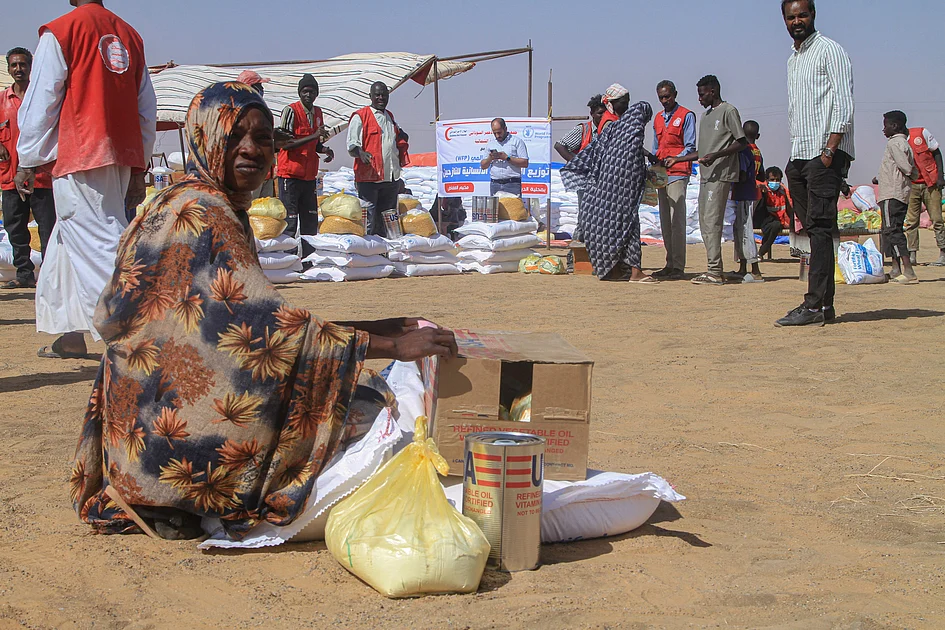
    The United Arab Emirates has formally welcomed the deployment of a United Nations assessment mission to Sudan’s besieged city of Al Fasher, characterizing the development as a critical advancement toward reestablishing humanitarian corridors for civilians trapped in the conflict-ridden region. Reem Al Hashimy, UAE Minister of State for International Cooperation, emphasized that this initial access must evolve into a consistent and reliable operational framework rather than merely symbolic gestures.

    Minister Al Hashimy articulated the urgent necessity for unimpeded aid distribution, stating that assistance must rapidly reach Al Fasher and extend to all vulnerable communities throughout Sudan. She stressed that such operations must adhere strictly to international humanitarian law while ensuring civilian protection. The UAE official further commended United States diplomatic leadership in facilitating the mission and acknowledged the extraordinary efforts of UN agencies, OCHA, and humanitarian partners operating under perilous conditions.

    In her statement, the minister issued a direct appeal to all conflict parties to permit comprehensive humanitarian access across all viable routes nationwide. She called for an immediate humanitarian truce without preconditions, noting that UAE stands prepared to activate its humanitarian logistics capabilities and operational hub resources to accelerate life-saving assistance delivery once access is secured.

    The UAE continues to collaborate with regional and international partners through multilateral frameworks including the Quad, advocating for sustained humanitarian access and an immediate nationwide ceasefire. Additionally, the Emirates has urged the international community to enhance financial support for OCHA and humanitarian organizations to scale operations commensurate with the severe humanitarian crisis unfolding across Sudan.

  • Thailand and Cambodia agreed to an immediate ceasefire after deadly border clashes

    Thailand and Cambodia agreed to an immediate ceasefire after deadly border clashes

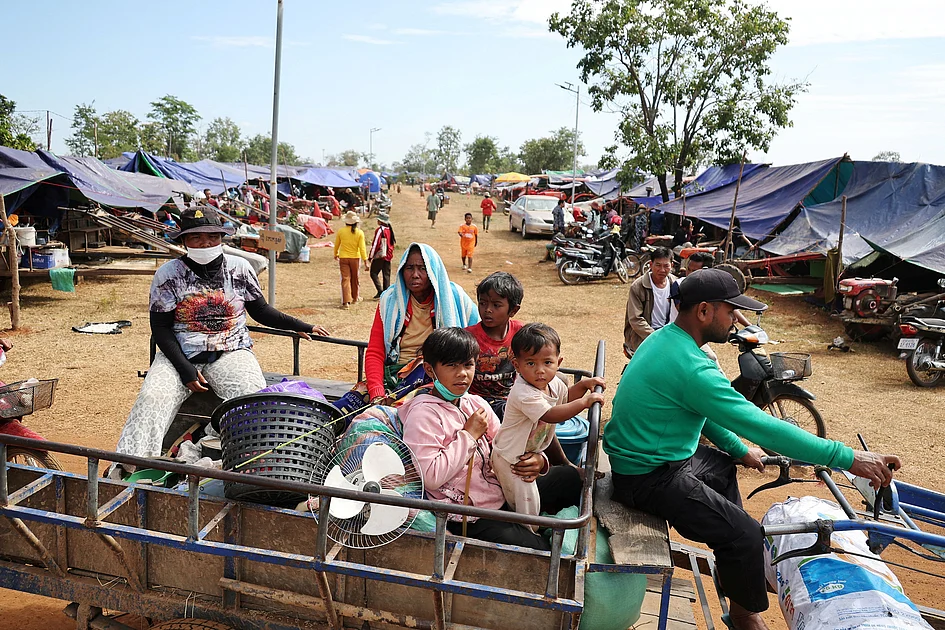
    Thailand and Cambodia have reached a significant diplomatic breakthrough by agreeing to an immediate cessation of hostilities following three weeks of intense border conflict that resulted in substantial casualties and displacement. The neighboring Southeast Asian nations formalized their commitment through a joint statement signed by defense ministers at a border checkpoint on the Thai side on December 27, 2025.

    The agreement, which took effect at 12:00 local time on the signing date, mandates a complete weapons freeze encompassing artillery, tanks, drones, and jet attacks against both military targets and civilian infrastructure. Official records indicate the recent hostilities claimed at least 47 lives and forced over one million residents from their homes across multiple border provinces.

    Beyond the ceasefire, the comprehensive agreement includes provisions for freezing all troop movements, facilitating the safe return of displaced civilians, initiating cooperative demining operations, and enhancing cybersecurity collaboration. In a confidence-building measure, Thailand committed to repatriating 18 captured Cambodian soldiers within 72 hours of the agreement’s signing.

    Thai Defence Minister Nattaphon Narkphanit characterized the initial three-day period as an “observation phase to verify the ceasefire’s authenticity,” while simultaneously describing the truce as “a portal to peaceful conflict resolution.” Despite official assurances, displaced civilians expressed cautious optimism, with Cambodian evacuee Oeum Raksmey noting, “While delighted about potential homecomings, I remain apprehensive and distrustful of Thai intentions.”

    The diplomatic resolution emerged following intensive border negotiations convened after emergency consultations among foreign ministers of the Association of Southeast Asian Nations (ASEAN). Both nations, as ASEAN members, responded to international pressure from global powers including the United States and China. Further diplomatic engagement is scheduled for late January, when Thai and Cambodian foreign ministers will conduct trilateral talks with China’s top diplomat Wang Yi in Beijing.

    This conflict represents the most recent escalation in a longstanding territorial dispute originating from colonial-era demarcation inconsistencies along the 800-kilometer shared border. While the current agreement halts active combat, the fundamental issue of border delineation, particularly regarding ancient temple claims, remains unresolved and requires continued diplomatic attention.

  • A magnitude 6.6 earthquake strikes off the coast of Taiwan

    A magnitude 6.6 earthquake strikes off the coast of Taiwan

    A substantial seismic event measuring 6.6 on the Richter scale struck northeastern Taiwan on Saturday evening, according to the U.S. Geological Survey. The quake originated at 11:05 p.m. local time approximately 32 kilometers (20 miles) offshore from Yilan, a coastal township renowned for its seismic activity. The tremors reverberated throughout the island nation, with noticeable shaking reported in Taipei, the capital city, where high-rise structures experienced sustained swaying for several seconds.

    The seismic activity occurred at a considerable depth of 70 kilometers (43 miles) beneath the ocean floor, which typically reduces surface impact compared to shallower quakes. Initial assessments from emergency services indicated no immediate reports of catastrophic damage or mass casualties, though comprehensive evaluations were ongoing throughout the night. The earthquake’s offshore location and significant depth likely contributed to the absence of severe infrastructure damage despite its substantial magnitude.

    Taiwan’s geographical position along the Pacific Ring of Fire makes it particularly vulnerable to seismic events, with the island experiencing frequent tectonic activity due to the complex interaction between the Philippine Sea Plate and the Eurasian Plate. This latest event serves as a reminder of the region’s persistent seismic hazards and the importance of robust earthquake preparedness measures.

  • Yemen: Saudi-led coalition says will deal with any military moves in Hadramout

    Yemen: Saudi-led coalition says will deal with any military moves in Hadramout

    The Saudi-led military coalition in Yemen has issued a stern warning to the Southern Transitional Council (STC), threatening decisive action against any military movements in Hadramout province that undermine de-escalation efforts. This declaration came through an official statement from coalition spokesperson General Turki al-Malki, disseminated by the Saudi state news agency on Saturday.

    The coalition’s position responds to direct appeals from Rashad al-Alimi, head of Yemen’s Presidential Leadership Council, who requested immediate protection for Hadramout civilians from alleged violations by STC-affiliated armed groups. This development follows the STC’s significant territorial gains throughout southern Yemen this month, including the expulsion of the internationally recognized government from its Aden headquarters.

    Despite Saudi Arabia’s mediation attempts, the STC has maintained its defiant stance, rejecting Friday’s withdrawal demands and asserting its continued control over strategic eastern provinces. Saudi Defense Minister Prince Khalid bin Salman reiterated calls for de-escalation through social media platform X, urging the separatist group to engage with Saudi and Emirati mediation efforts while repeating demands for troop withdrawal from Hadramout and Mahra regions.

    The escalating tensions highlight the fragile nature of Yemen’s political landscape, where the Saudi-backed coalition struggles to maintain stability amid competing territorial claims. The situation in Hadramout remains particularly volatile, with the coalition emphasizing its commitment to civilian protection while the STC consolidates its military presence across southern territories.

  • Poland temporarily closes two airports due to Russian strikes on Ukraine

    Poland temporarily closes two airports due to Russian strikes on Ukraine

    In response to intensified Russian military operations against Ukraine, Polish authorities have implemented temporary closures at two southeastern airports. The Polish Air Navigation Services Agency confirmed through social media platform X that Rzeszow and Lublin airports suspended operations Saturday as Polish armed forces deployed fighter jets following nearby aerial combat activities.

    The airport closures coincided with a major Russian offensive employing missiles and drone strikes targeting Kyiv and multiple Ukrainian regions. Ukrainian air defense systems engaged incoming threats throughout the capital region, with military authorities reporting active missile deployments via Telegram communications. Air force officials identified Russian drones focusing attacks on Kyiv alongside northeastern and southern territories.

    Ukrainian President Volodymyr Zelenskiy had previously characterized his upcoming meeting with U.S. President Donald Trump as crucial negotiations toward resolving the prolonged conflict. Scheduled for Sunday in Florida, the discussions were intended to address territorial control arrangements following potential cessation of hostilities that began with Russia’s February 2022 invasion.

    The latest assaults occurred against the backdrop of Europe’s deadliest military confrontation since World War II, now approaching its fourth year. Kyiv maintained air raid alerts for approximately four hours during the engagement, though initial reports indicated no immediate infrastructure damage or power disruptions resulting from the overnight attacks.

  • Indonesian rescuers search for a Spanish family after boat sinks near Komodo Island

    Indonesian rescuers search for a Spanish family after boat sinks near Komodo Island

    JAKARTA, Indonesia — Indonesian rescue teams are conducting an intensive search operation for a family of four Spanish nationals after their tour vessel capsized near Padar Island within the renowned Komodo National Park. The incident occurred Friday evening when the boat experienced mechanical failure during transit from Komodo Island.

    According to Fathur Rahman, head of the Maumere Search and Rescue Office, the vessel was carrying eleven individuals: six Spanish tourists, four crew members, and one local guide. Initial rescue efforts successfully recovered seven persons—three rescued by a passing ship and four others located by search teams. The missing individuals constitute a complete family unit: husband, wife, and their two children.

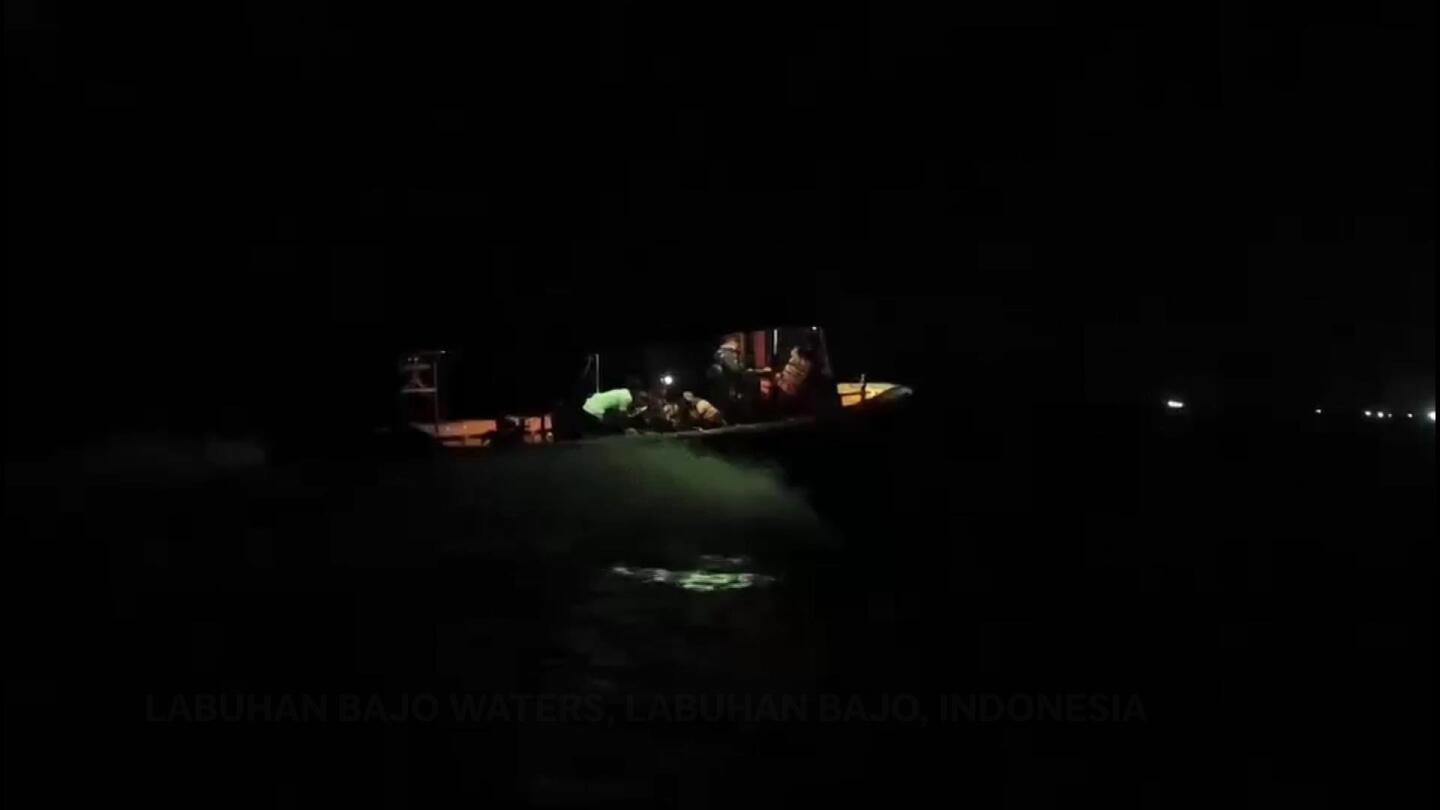
    Emergency response faced significant challenges overnight due to adverse maritime conditions, including powerful waves reaching 2.5 meters (8.2 feet) and limited visibility. Survivors received immediate medical attention at the port office in Labuan Bajo city.

    As weather conditions improved Saturday morning, rescue operations expanded with multiple rigid inflatable boats, a dedicated rescue ship, and assistance from local fishing communities. The National Search and Rescue Agency released video footage documenting the complex operation in turbulent waters.

    Komodo National Park, designated a UNESCO World Heritage site, attracts thousands of international visitors annually for its exceptional biodiversity, including the endangered Komodo dragon, and its world-class diving and trekking opportunities. This incident highlights ongoing transportation safety concerns in the Indonesian archipelago, which comprises over 17,000 islands where maritime travel is essential but sometimes compromised by insufficient safety regulations and vessel overcrowding.