分类: sports

  • Spain’s World Cup champions head home for a royal welcome and a parade through Madrid

    Spain’s World Cup champions head home for a royal welcome and a parade through Madrid

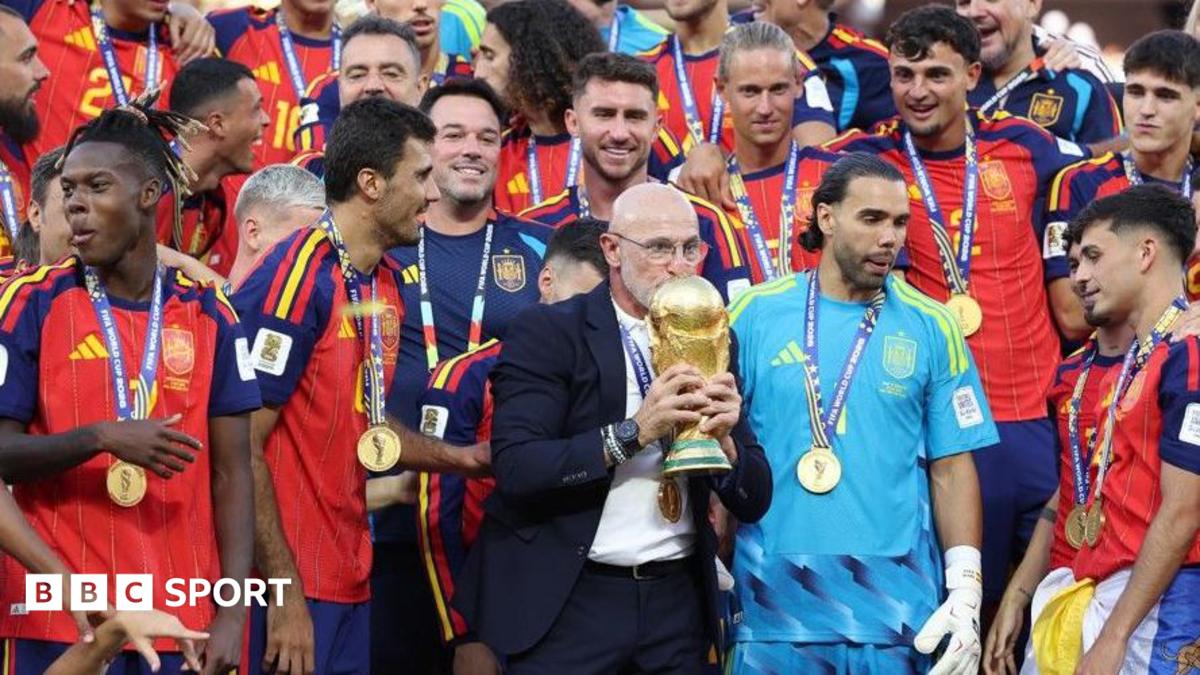
    MADRID — Fresh off a historic World Cup win that cemented Spain’s status as the first nation to hold both men’s and women’s senior World Cup trophies simultaneously, the country’s champion men’s squad is scheduled to arrive back on Spanish soil Monday afternoon. The 11-time title-winning side will first attend official welcomes at the Royal Palace of Spain and by Prime Minister Pedro Sánchez, before departing for an open-top bus parade through downtown Madrid scheduled for the evening.

    Massive crowds of elated fans are projected to line the parade route, which runs from the vicinity of Moncloa Palace, the prime minister’s official residence, to Cibeles Square, a landmark that has long served as the traditional gathering spot for Spanish national teams and their supporters to mark major tournament victories. A formal celebratory ceremony featuring the full squad will be held at the square following the parade.

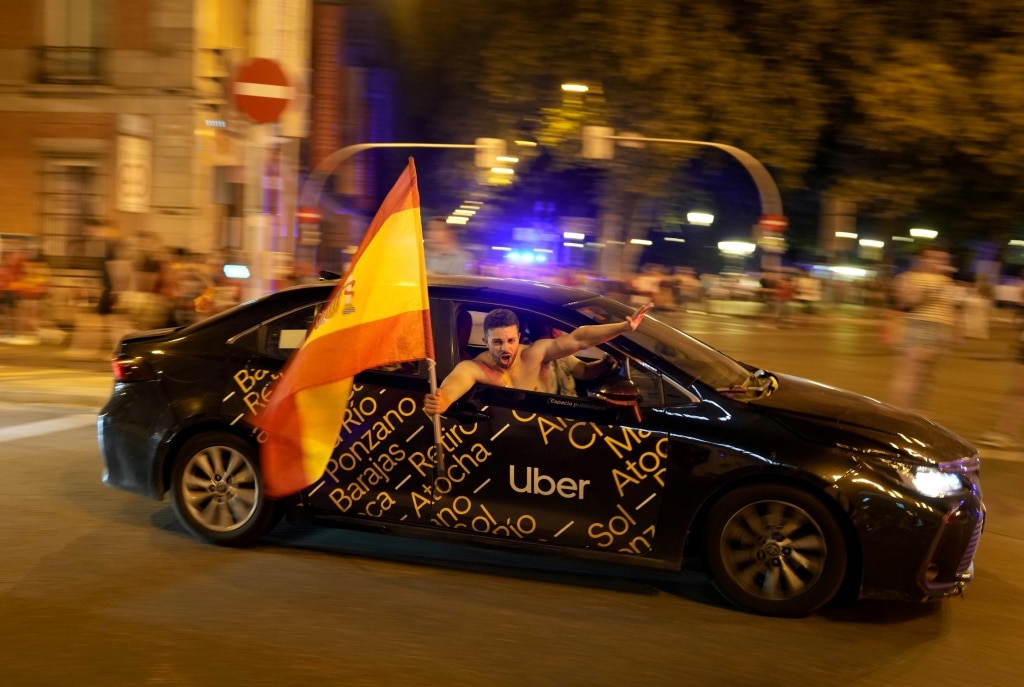
    Spain claimed the World Cup crown with a 1-0 victory over defending champion Argentina in the final held Sunday in East Rutherford, New Jersey. This historic win marks only the second men’s World Cup title for Spain, following the team’s breakthrough victory at the 2010 tournament hosted in South Africa. Within moments of the final whistle blowing, celebrations erupted across the Spanish capital, as thousands of fans flooded out of bars, restaurants and homes onto Madrid’s streets. Many supporters wrapped themselves in Spanish national flags or wore the team’s iconic red and navy kits, packing major public spaces including Puerta del Sol to sing, dance, set off celebratory flares and honk car horns in a raucous display of national pride. Celebrations continued well into the early hours of Monday for many fans across the country.

    For a generation of young Spanish soccer supporters, this victory marks the first time they have ever seen the men’s national team lift the sport’s biggest prize, adding extra weight to the historic moment. Speaking early Monday, 19-year-old fan Victor Álvarez captured the widespread excitement, saying, “I’m very happy. I’ve slept three or four hours, but for the team, I’ll do whatever it takes.”

    Even before the team’s official arrival, hundreds of dedicated fans had already gathered in the arrivals hall of Madrid’s Barajas Airport, decked out in team gear and waving flags to greet the champions. By late Monday morning, groups of supporters had already begun staking out prime viewing spots along the parade route near Cibeles Square, coming prepared with sun protection to endure forecasted high temperatures that were expected to hit 35 degrees Celsius (95 Fahrenheit) through the afternoon.

    This historic win comes on the heels of Spain’s 2023 Women’s World Cup victory, making Spain the first country in soccer history to hold both the men’s and women’s world titles at the same time — a milestone that has amplified the country’s nationwide celebration.

    However, the collective joy has been tempered by a tragic incident connected to the celebrations. Local authorities confirmed that a 13-year-old boy died in Salamanca, a city located northwest of Madrid, after a fountain he and his friends had climbed onto to watch celebrations collapsed. The tragedy has cast a shadow over what is otherwise a landmark moment for Spanish soccer.
  • Superb Spain worthy winners of World Cup dominated by superstar names

    Superb Spain worthy winners of World Cup dominated by superstar names

    The 2026 FIFA World Cup, the first edition of men’s football’s flagship competition expanded to 48 participating nations, will be remembered as a tournament dominated by the sport’s biggest global superstars. Yet when the final whistle blew on Sunday’s title decider at MetLife Stadium, it was a disciplined, defensively ruthless Spanish side that lifted the trophy, capping off a campaign that delivered what many analysts agree is a fully deserved world championship.

    This expanded tournament delivered record offensive output, with an average of 2.96 goals per match – the highest goals per game average recorded at a World Cup since the 1970 edition in Mexico. Many of the sport’s highest-profile attacking talents lived up to their billing, with France’s Kylian Mbappe claiming the Golden Boot after netting 10 tournament goals, Argentina’s Lionel Messi finishing second with eight, and elite forwards including Erling Haaland, Jude Bellingham, Ousmane Dembele, and Harry Kane all ranking among the top scorers.

    But Spain’s path to glory was built not on free-scoring attacking flair, but on unprecedented defensive solidity. La Roja conceded just a single goal across their eight matches, with their only blemish coming in a quarter-final clash against Belgium. That stout backline was anchored by captain Rodri, who was named the tournament’s best player – an honor that went to the defensive anchor rather than the global attacking superstars who dominated pre-tournament headlines. The result echoes Spain’s 2010 World Cup triumph in South Africa, where a similarly water-tight defense carried the side to their first ever world title.

    In the final, Spain faced defending champions Argentina, who were aiming to become the first team since Brazil in 1962 to successfully defend a World Cup crown. Spain completely outclassed the defending champions, holding Messi and his teammates to zero shots on target throughout the entire 120 minutes of play. It took a 106th-minute strike from substitute Ferran Torres to break the deadlock and secure a 1-0 extra-time win, giving Spain their second World Cup title.

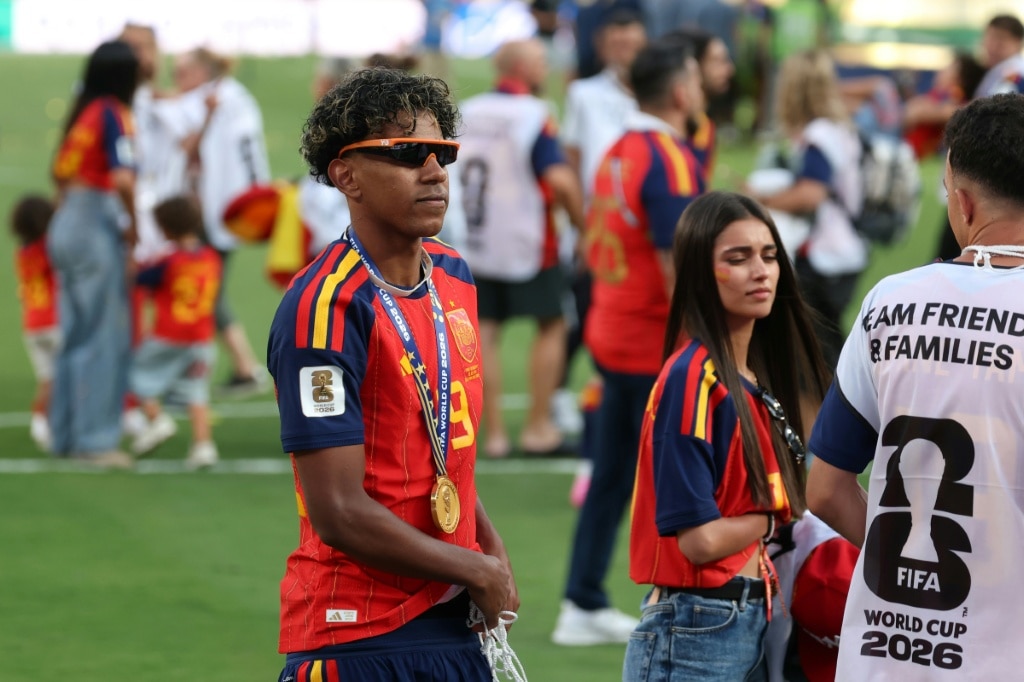
    The result continues a remarkable 20-year run of success for Spanish men’s international football. Since 2008, Spain has now claimed two World Cups, three European Championships, and one UEFA Nations League title, fully shaking off its historic reputation as underachievers on the global stage. The current side also boasts a bright long-term future: 19-year-old winger Lamine Yamal – one of the tournament’s most talked-about young talents despite struggling with fitness and only scoring one group-stage goal against Saudi Arabia – and fellow 19-year-old defender Pau Cubarsi are now among only 10 players in history to win a World Cup before their 20th birthday.

    Spain’s success also reflects the steady leadership of head coach Luis de la Fuente, who took over the role following Spain’s disappointing round-of-16 exit at the 2022 World Cup. The 65-year-veteran has guided the side to rapid, impressive results and holds a contract through Euro 2028, with many of his high-profile peer coaching counterparts falling short of expectations at the tournament: Carlo Ancelotti’s Brazil, Thomas Tuchel’s England, Mauricio Pochettino’s United States, and Julian Nagelsmann’s Germany all exited earlier than predicted.

    “These players are exceptionally talented and it is an honour to accompany them,” De la Fuente said, crediting his squad for the historic win. Spanish full-back Marc Cucurella, who recently completed a high-profile transfer from Chelsea to Real Madrid, summed up the side’s collective philosophy: “When you don’t concede I think it is much easier to win. We attack together and defend together, and that is one of the key things about this team.”

    Goalkeeper Unai Simon joked of his underworked gloves through the tournament: “If you could speak to all the gloves I have worn in this World Cup, I think they would tell you they didn’t have much work to do.”

    With the title secured, Spain now has the unique opportunity to defend their crown on home soil in 2030, a historic first for World Cup holders. Before that, the side will return to action in just two months for Nations League fixtures against England and Croatia, but for now, the squad can savor their place as the new rulers of world football.

  • ‘Tom will not play’: Sea Eagles refuse to rule Tom Trbojevic out for the season after latest hamstring blow

    ‘Tom will not play’: Sea Eagles refuse to rule Tom Trbojevic out for the season after latest hamstring blow

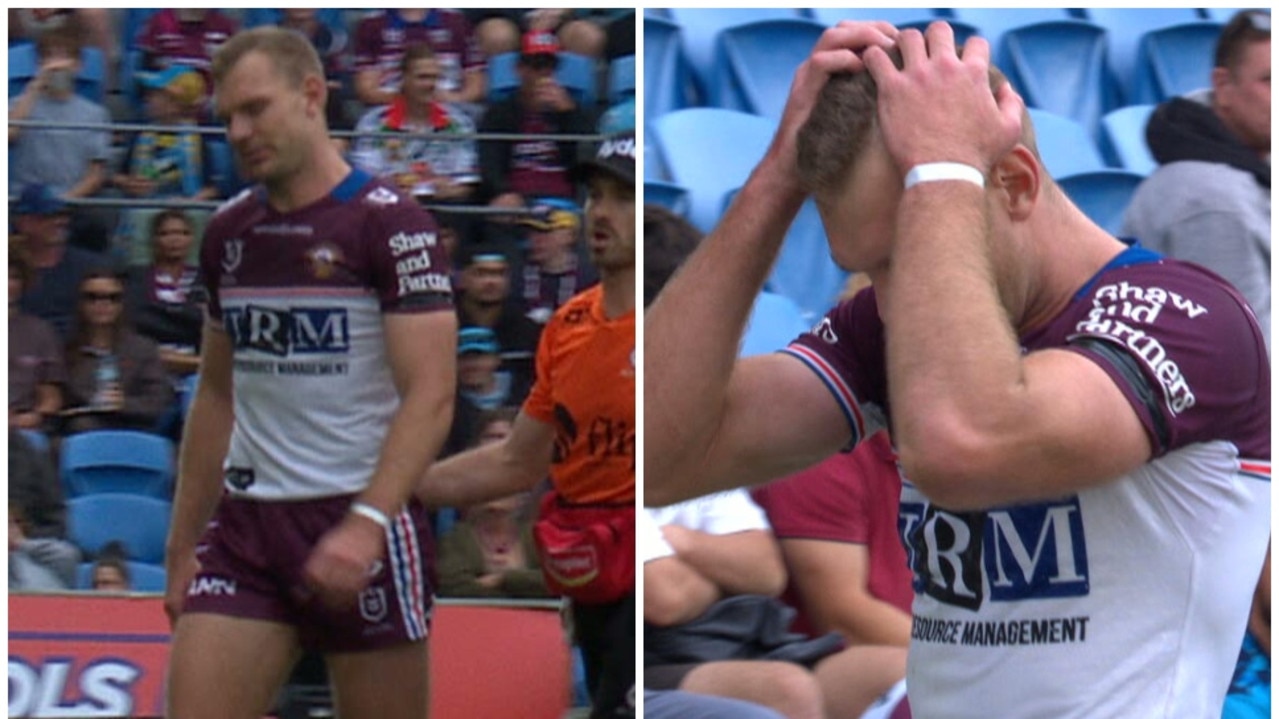
    One of the National Rugby League’s biggest superstars is facing another spell on the sidelines, but his club has not ruled out a return to action before the end of the 2026 season. Manly Sea Eagles co-captain and star fullback Tom Trbojevic – affectionately known to fans as “Turbo” – was forced to exit the field midway through the first half of Sunday’s away clash against the Gold Coast Titans, sidelined by yet another hamstring injury.

    Scans completed after the match confirmed the injury is a low-grade strain to Trbojevic’s right hamstring, a far less severe diagnosis than many fans and club officials feared given the 31-year-old’s well-documented history of soft tissue injuries. This latest setback marks Trbojevic’s ninth recorded hamstring injury over the past eight seasons, with five of those injuries affecting his right hamstring and four impacting his left. Earlier this year, a left hamstring strain kept the star out of action for two months following a match against the North Queensland Cowboys, and he only made his return to first-grade football in Round 16.

    Following his latest injury, the Manly Sea Eagles released an official statement confirming Trbojevic will definitely miss the club’s upcoming Round 21 home match against the Cronulla Sharks at 4 Pines Park. His condition will not be re-evaluated until after the team’s Round 22 bye, giving the star fullback several additional weeks of rest and rehabilitation to recover from the strain. With current backup fullback Clayton Faulalo already sidelined with his own hamstring injury, reserve player Lehi Hopoate is widely expected to step into the starting fullback role for the coming matches while Trbojevic recovers.

    The timing of this injury could not be worse for the Sea Eagles, who currently sit in ninth place on the NRL premiership ladder and are clinging to narrow hopes of scraping into the top eight finals series. Manly has struggled for consistent form in recent weeks, and club insiders and rugby league analysts widely agree that the team’s finals ambitions are heavily dependent on having their marquee playmaker back fit and in form before the end of the regular season. Despite the worrying history of repeated hamstring issues, the Sea Eagles remain optimistic that Trbojevic’s latest minor strain will not end his 2026 campaign prematurely, leaving the door open for a return later in the season if his rehabilitation progresses as planned.

  • ‘Back to where it belongs’: Path is clear for the Dragons after club confirms Dean Young will coach the team next year

    ‘Back to where it belongs’: Path is clear for the Dragons after club confirms Dean Young will coach the team next year

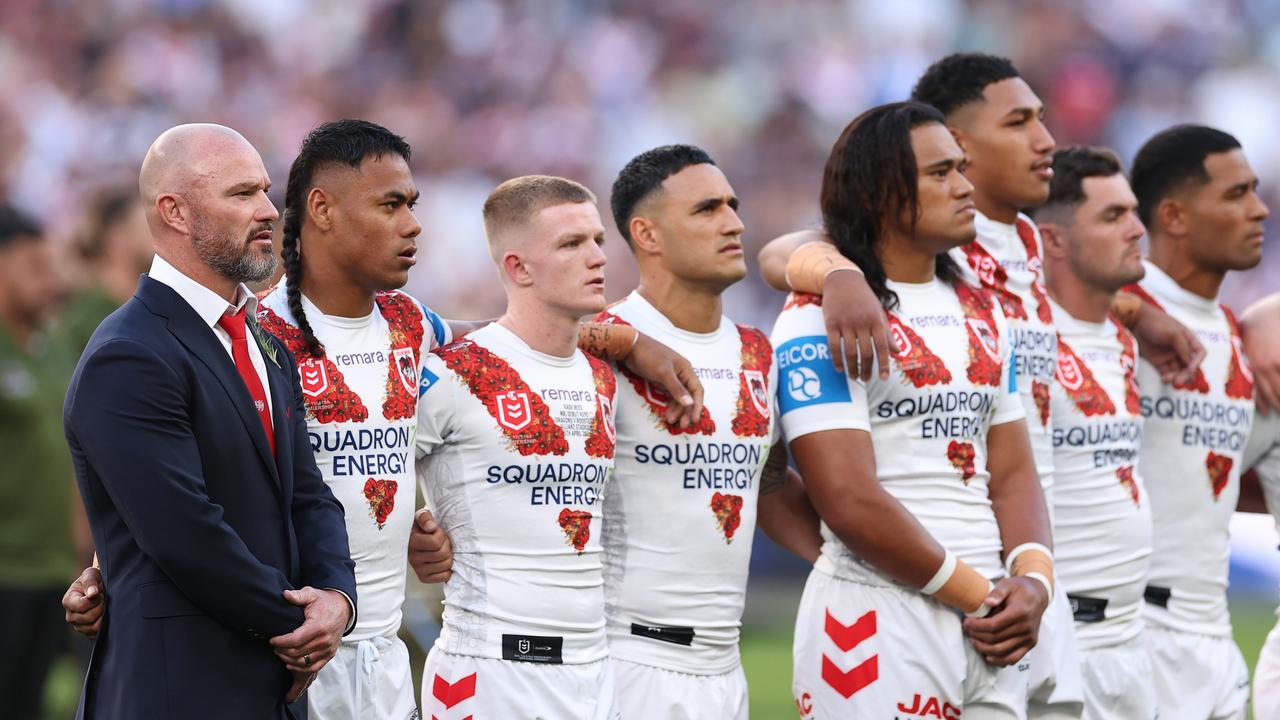
    After a weeks-long structured selection process that followed a turbulent season for the club, the search for St George Illawarra Dragons’ next permanent full-time head coach has come to a close. The position has been awarded to Dean Young, a 2010 premiership-winning club legend, who will lead the team for the next two seasons.

    Young stepped into the interim head coach role earlier this year after the club dismissed former coach Shane Flanagan, following a disastrous start to the season that saw the Dragons lose their opening 11 consecutive matches. His first game at the helm was the annual Anzac Day clash against the Sydney Roosters, a contest that ended in a lopsided 62-16 defeat for the Red V — a result that stood as the lowest point of the club’s 2024 campaign.

    Despite the rough opening, on-field performance has shown marked improvement under Young’s interim leadership. Holding a 2-8 win-loss record in matches since his appointment, the side has come close to securing additional upset wins that would have flipped their seasonal record. While a late-season miracle that would lift the Dragons off the bottom of the ladder (and avoid the wooden spoon) remains extremely unlikely, observers and club leadership have highlighted clear encouraging signs: the team’s young forward pack has turned in standout, improving performances week over week, and the club is set to welcome a wave of high-profile recruited stars ahead of the 2025 season.

    Speaking after his appointment was confirmed, Young emphasized the honor and weight of leading the historic club. “Leading this great club is a privilege, but I understand that it also comes with responsibility and pressure,” he said. “I have experienced success and failure in this game, as both a player and a coach. Those experiences have given me the confidence to lead this club back to where it belongs. I want our fans to be proud of our football team — proud of how hard we compete and how consistent we are. It’s my job to create an environment that delivers these values. We have only just started to see the potential of this team. There’s a lot more work to be done.”

    Fellow 2010 premiership winner Ben Hornby was also shortlisted for the permanent role, but the club’s board and shareholders issued a unanimous endorsement of the leadership team’s recommendation to appoint Young. Dragons Chief Executive Tim Watsford explained that the appointment was based on merit, not Young’s legacy with the club. “We said from the outset that we would take the time needed to make the right decision for the club’s future,” Watsford said. “This has been a structured process, and Dean has emerged as the candidate we believe is best placed to lead the next phase of our football program. Dean’s history with the Dragons is well known and respected, but that is not why he has been appointed. This decision is based on the strength of his football plan, his connection with players, his leadership of staff, his alignment with our pathways and recruitment strategy, and his understanding of what this club needs to become. We understand our members and supporters want results. So do we. Dean recognises the responsibility that comes with this role, and he will be supported by a football structure designed to drive standards, development and performance throughout the program.”

    The club’s incoming high-profile recruits have already signaled their support for Young’s appointment: five new players — Scott Drinkwater, Connor Watson, Luke Metcalf, Phil Sami and Keaon Koloamatangi — will join the Dragons ahead of the 2025 season, a group of signings widely expected to add enough firepower to push the side into its first finals appearance since 2018. Just last week, Drinkwater publicly stated he hoped Young would secure the permanent head coach role.

    Dragons Chair Andrew Lancaster confirmed the board has given full backing to the new coach, while also outlining clear performance accountability. “The board understands the significance of this appointment and all that comes with it,” Lancaster said. “Tim and our leadership team have undertaken a thorough selection process, and the Board is confident in, and supportive of, that process and the outcome. Dean has the board’s full support, and there will be clear accountability for the performance standards expected of him in the role.”

  • Spain’s world champions head home to million-strong Madrid welcome

    Spain’s world champions head home to million-strong Madrid welcome

    Fresh off a historic 1-0 final victory over Argentina at the 2026 World Cup hosted in the United States, Spain’s men’s national football team is set to return to Madrid on Monday for a jubilant heroes’ welcome that is projected to draw up to one million adoring fans across the parade route.

    This triumph marks only the second men’s World Cup title in Spanish football history, following the team’s breakthrough win in South Africa 16 years prior in 2010. For millions of young Spanish supporters, this is the first men’s world title they have ever witnessed, turning the victory into a historic outpouring of national pride across the football-obsessed nation.

    After Sunday’s tense final in East Rutherford, where La Roja held off a persistent Argentine defense to secure their narrow win, the squad and coaching staff led by manager Luis de la Fuente are scheduled to land at Madrid’s airport at 12:50 pm local time (1050 GMT), bringing the golden World Cup trophy back to Spanish soil for the first time in 16 years.

    Following their arrival, the team is set to be received by Spain’s head of state King Felipe VI and Prime Minister Pedro Sanchez at official residences before boarding an open-top parade bus to begin the victory procession through central Madrid starting at approximately 4:30 pm. According to Francisco Martin, the central government’s representative in Madrid, the parade will kick off near Moncloa Palace, Sanchez’s official residence, and travel through the city center to Cibeles Square, the iconic traditional gathering spot for Spanish national team celebrations that has hosted similar events following major tournament wins for decades. A formal victory ceremony with the full squad will then be held at the square.

    To manage the unprecedented crowds expected to line the parade route, local authorities have rolled out extensive security and public transport adjustments. In total, 2,050 local police officers and 400 Civil Guard personnel have been deployed to maintain order and ensure the event runs smoothly. As of Monday morning, however, final details of the timetable were still being adjusted: Prime Minister Sanchez is scheduled to complete a brief official visit to Algeria before returning to Madrid in time for the celebrations, and the royal household had not issued a final confirmation of King Felipe VI’s attendance at the events.

    Even before the team touched down on Spanish soil, spontaneous celebrations broke out across the entire country on Sunday night immediately after the final whistle, stretching from the crowded streets of Madrid to the smallest rural villages across Spain. Thousands of supporters who had gathered in city-center bars and three official fan zones flooded into the capital’s streets the moment the match ended, with car horns blaring across the city and fireworks lighting up the warm summer sky.

    An Agence France-Presse reporter on the ground at Madrid’s Colon Square, one of the city’s main fan zones, documented jubilant supporters draped in Spain’s iconic red-and-yellow national flag singing, dancing, and setting off flares and fireworks long into the night. Crowds chanted repeatedly “Campeones! Campeones!” (Champions! Champions!) and shouted “Que viva España!” (Long live Spain) as they celebrated a rare golden era for Spanish football: this 2026 men’s World Cup title comes just two years after Spain won the men’s Euro 2024 championship, and the Spanish women’s national team already holds the women’s World Cup title won in 2023.

    In an official statement posted to social media platform X, the Spanish Royal Household praised the team’s historic achievement, writing “You have faced each challenge with the conviction of a great team and have carried the name of Spain to the very top.” The statement noted the title was a reward for the team’s “exemplary commitment in every match,” adding “Today, we celebrate a title. Tomorrow we will remember a legend.”

    Organizers and officials expect the celebrations to echo the massive outpouring that followed Spain’s 2010 World Cup win, when hundreds of thousands of fans packed Madrid’s streets to welcome the team home, marking another defining moment for Spanish football.

  • Spanish and Argentinian fans react outside World Cup final

    Spanish and Argentinian fans react outside World Cup final

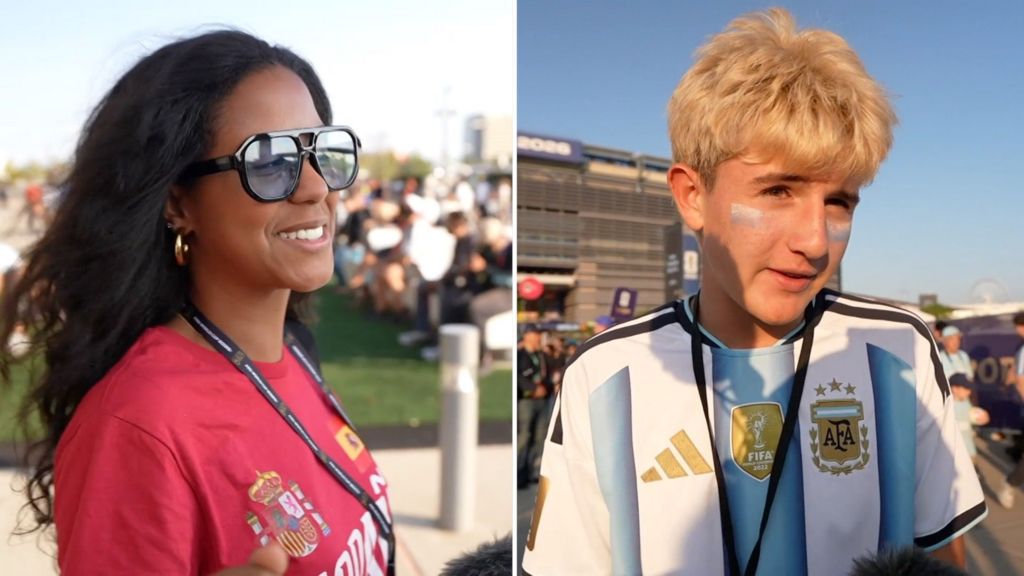
    Hours after the final whistle of Sunday’s highly anticipated World Cup final, crowds of football supporters gathered across public spaces in both Spain and Argentina, as well as in fan zones around the globe, to process the historic match’s outcome. When interviewed by BBC correspondents on location, supporters from both nations opened up about the intense emotional rollercoaster they had experienced over the course of the 90 minutes and beyond.

    For Spanish fans, the air was filled with unbridled joy and celebratory energy. Ecstatic crowds waved red and yellow flags, chanted team anthems, and embraced one another as they reflected on their team’s road to victory, calling the win a moment they would cherish for generations. Many supporters spoke of the years of rebuilding and hard work that had led the national squad to the final triumph, framing the result as a reward for both the players and the loyal fanbase that had stood by the team through every match.

    Meanwhile, just blocks away in fan zones hosting Argentine supporters, a far different mood hung over the crowd. Disappointment hung thick as dejected fans hugged one another in consolation, many still processing the narrow defeat that kept their team from lifting the coveted trophy. Many Argentine fans spoke of the high hopes they had carried into the match, and while heartbroken by the outcome, many still expressed pride in their team’s performance throughout the tournament, promising to support the squad when they return home for future competitions.

  • Sean O’Sullivan eyes starting NRL role after stunning Bulldogs performance

    Sean O’Sullivan eyes starting NRL role after stunning Bulldogs performance

    For nearly a decade, Sean O’Sullivan has flown under the radar as one of the National Rugby League’s most underrated talents, but a standout two-40/20 performance against the Wests Tigers on Saturday night has catapulted the experienced halfback into the spotlight, drawing widespread attention from rival clubs across the competition.

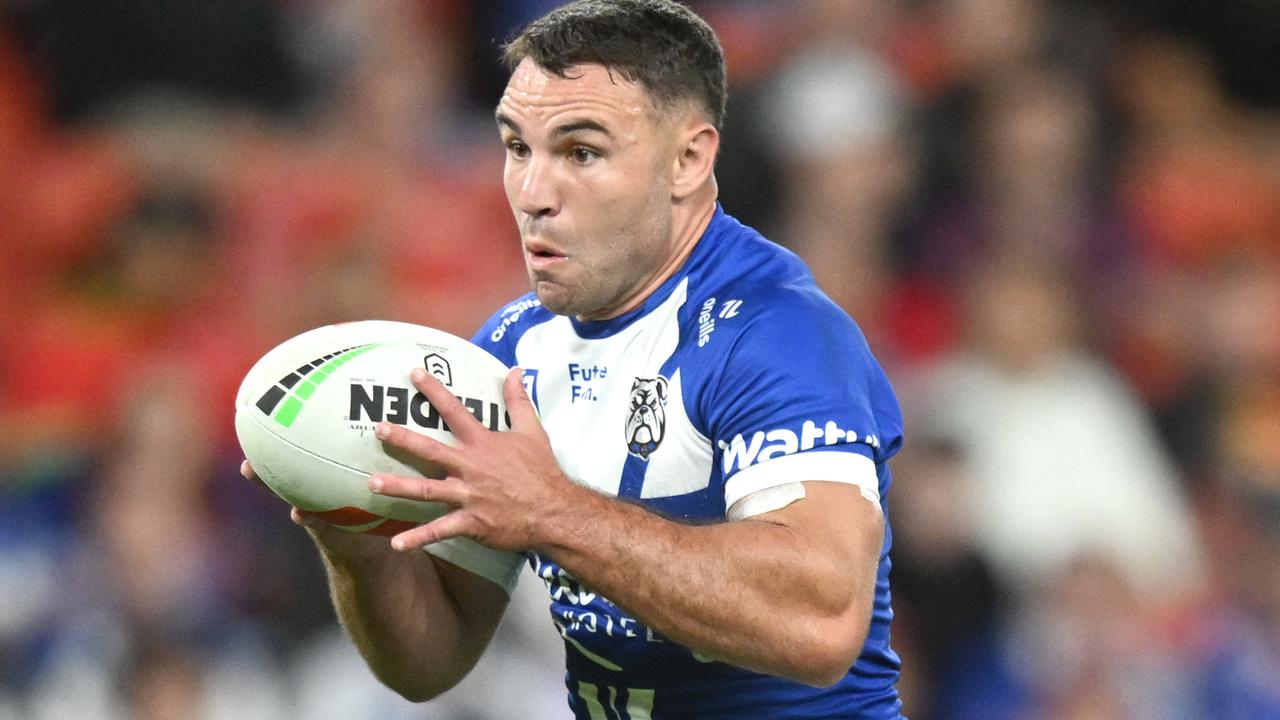
    With star Canterbury Bulldogs back Stephen Crichton sidelined by injury, O’Sullivan got the call-up to step into the Bulldogs’ halves combination, and he did not waste his opportunity. Just 60 seconds into the contest, he nailed a crucial 40/20 kick to give his side early field position, and followed it up with a second game-changing 40/20 later in the match. The veteran playmaker’s controlled performance laid the foundation for the Bulldogs to dominate a struggling Tigers side, and he forged a dangerous on-field combination with young teammate Lachlan Galvin, allowing the rookie to play his natural attacking game while O’Sullivan steered the tempo of the match.

    Now 27 years old, O’Sullivan has built a nine-year NRL career as a reliable backup playmaker, stints with six different clubs including the Sydney Roosters, Brisbane Broncos, New Zealand Warriors, Penrith Panthers, Dolphins and his current side Canterbury. Across those nine seasons, he has notched 65 first-grade appearances, but has never cracked more than 14 games in a single season, filling in as a depth option rather than the starting halfback he aspires to be.

    O’Sullivan currently holds a mutual option with the Bulldogs through 2027, but rival clubs are already gearing up to make a play for his services as his standout performance proved he has the skill set to lead a side as a starting playmaker. When asked if he coveted an opportunity to become a starting halfback at an NRL club, O’Sullivan did not shy away from his ambition.

    “I’d be lying if I said that wasn’t the case. I would love it,” O’Sullivan said post-match. “I am really super confident in what I can bring to a team, and I would obviously love that opportunity. But right now, whatever position I’m in, I just have to keep doing my role. I’m not bigger than anyone else in this club, and I’m not bigger than anyone else in this team. I can’t put my wants or needs in front of anyone else’s.”

    The veteran added that every player in the league competes to earn a starting spot, and that ambition is only natural for his career. “But of course, we’re all competitors and it’s only natural for me to obviously want to be in that position too. I understand what my strengths are, and I’ll just have to bide my time and keep working hard. Whatever happens, happens, and I just keep putting my best foot forward and keep hoping that the boys get a win because, at the end of the day, we’re fighting for a top eight finish and we need as many wins as we can. Whatever ‘Ciro’ (Bulldogs coach Cameron Ciraldo) thinks is best, he’ll do.”

    Ciraldo was quick to praise O’Sullivan’s match-winning contribution against the Tigers, but confirmed that Crichton will return straight to the halves combination for the club’s upcoming clash against the New Zealand Warriors this Saturday. For O’Sullivan, that means returning to a depth role, something he says he is comfortable with as he navigates the next chapter of his career.

    O’Sullivan says he is happy to wait for his opportunity and prioritise what is best for the Bulldogs in the short term. “I think we’re sorting through a couple of things at the moment, but again, I’ll leave that up to my manager. He’s good at that, so I’ll just keep trying to put my best foot forward at whatever position I’m in and go from there,” he said. “I think for me it’s just really what’s best for myself and my career. Obviously, I’m super happy here, and I love being a part of the Bulldogs. Me and my missus are about to have our second kid, so for me it’s just not looking too far ahead. It sounds cliche, but really I’ll just keep working hard and keep looking for that opportunity.”

  • Lamine Yamal ‘completes football’ at 19 as Argentina betray Messi

    Lamine Yamal ‘completes football’ at 19 as Argentina betray Messi

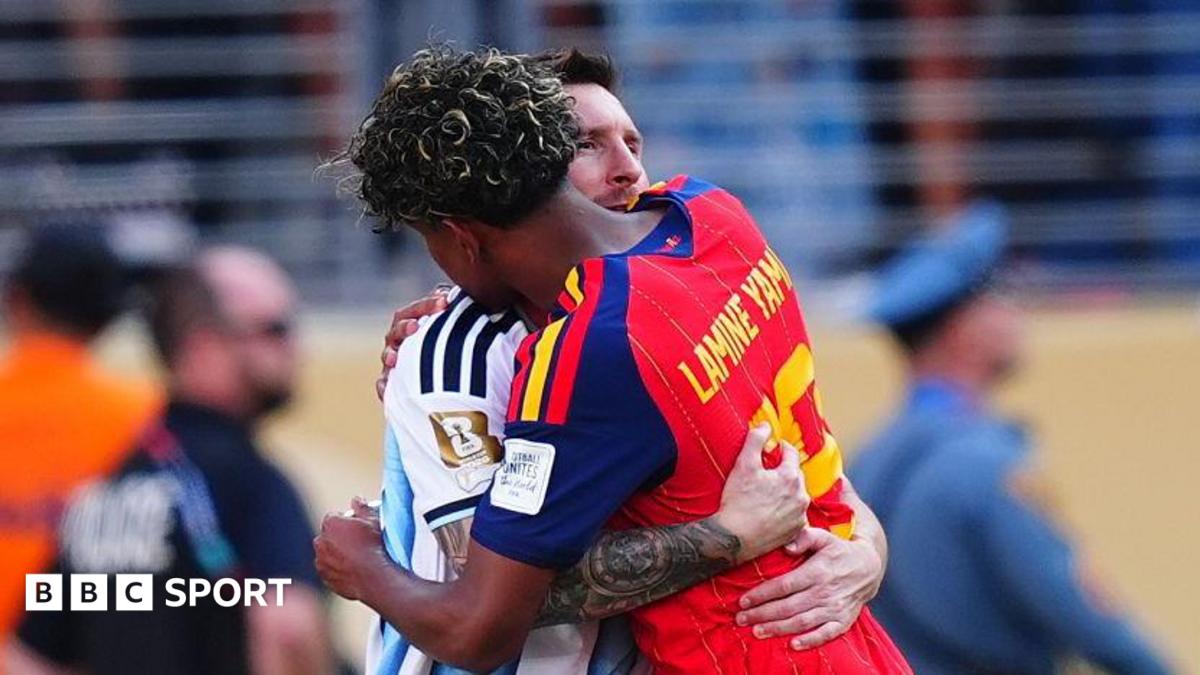
    The 2026 FIFA World Cup final at New York New Jersey Stadium delivered a historic result layered with symbolic meaning, as Spain defeated Argentina 1-0 after extra time to claim the sport’s biggest global prize. The defining image of the match came at full-time, when 19-year-old Spanish star Lamine Yamal pulled a tearful 39-year-old Lionel Messi into an embrace — a quiet moment widely interpreted as a passing of the torch between one era of elite football and the next.

    The interaction echoed a now-viral photo taken nearly 20 years prior, during a 2007 charity calendar event, when a 20-year-old Messi held and bathed six-month-old Yamal, who would later follow in Messi’s footsteps as a FC Barcelona number 10. Today, the baby once held by the Argentine icon is a World Cup champion, while Messi’s appearance on the game’s biggest stage may well be his last.

    Yamal’s historic win comes just two years after he helped Spain claim the European Championship title against England, making him the youngest player ever at 19 years and six days to hold both the Euros and World Cup trophies. Entering the 2026 tournament carrying a hamstring injury that cast doubt over his impact, the teenage prodigy leaves with two of the sport’s most coveted honors already in his career collection. He also joined fellow 19-year-old Spanish teammate Pau Cubarsi as just the fourth and fifth teenagers ever to start and win a World Cup final, an elite group that also includes Pelé (1958, Brazil), Giuseppe Bergomi (1982, Italy) and Kylian Mbappé (2018, France).

    Yamal’s unbeaten record for Spain only adds to his legend: he has never lost a senior competitive match for his country across 28 outings, and boasts a perfect 13-0 record in starts at major international tournaments — the longest 100% win streak for any European player in that category. Ferran Torres settled the final in the 106th minute of extra time, slotting home the decisive goal to seal Spain’s win.

    Spain head coach Luis de la Fuente praised Yamal’s performance and character after the match, highlighting the teenager’s commitment to the team. “He has played great football that will help him to mature and be even a greater footballer than he already is,” de la Fuente said. “He really sacrificed for the collective good. This is very important in my squad. In my opinion he played a great World Cup.”

    Observers also noted Yamal’s unflappable temperament, as Argentina defenders repeatedly targeted the young star with physical challenges in an attempt to rattle him. Former England goalkeeper and BBC Sport pundit Joe Hart commended his cool response to the pressure. “Not only did Lamine Yamal not react, he stood up to it,” Hart said. “He was not rattled and he did not back down. He had the entire team trying to smash him. He just stayed real cool. It was a real standout performance from him. Lamine Yamal is 19 years old. What a beautiful day for him. He’s 19 and has completed football.”

    With decades of football still ahead of him, and the guidance of experienced teammates like captain and tournament Player of the Tournament Rodri, few doubt Yamal will add more major titles to his collection in the coming years.

    The celebration of Spain’s historic win stood in stark contrast to the heartbreak surrounding Messi and Argentina, whose aggressive, physical game plan ultimately failed to deliver a second consecutive World Cup title. Messi, who walked the pitch after the final whistle staring out at thousands of singing Argentina fans, appeared to acknowledge that this could be his final appearance on the World Cup stage. Argentina head coach Lionel Scaloni, who was also seeking a second straight title and has a contract expiring in December, broke down in tears during his post-match press conference when asked about Messi’s future, leaving the conference without answering further questions.

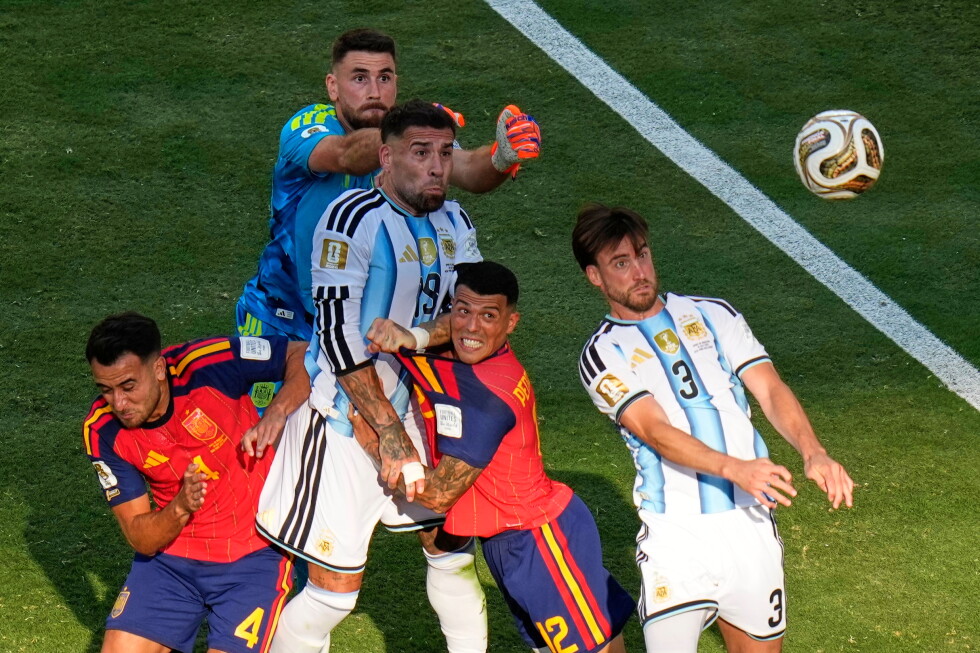
    Argentina’s approach to the final drew widespread criticism, with the side prioritizing physical fouling and spoiling tactics over attacking play from the opening whistle. Referee Slavko Vincic’s lenient enforcement of the rules frustrated Spain and their fans, with the first yellow card of the game not issued until the 40th minute, for a foul by Lisandro Martinez on Mikel Oyarzabal. Argentina’s aggressive approach hit a low point just before the end of normal time, when Enzo Fernandez made a reckless, off-the-ball charge on 19-year-old Cubarsi that many observers said deserved a second yellow card and ejection.

    Ultimately, Argentina made history for all the wrong reasons: they became the first team in World Cup final history to register zero shots on goal across the full 90 minutes of play, and finished the entire match with only one off-target shot from Messi in the 117th minute. By comparison, Spain registered 12 shots on target. In a telling statistic that summed up Argentina’s approach, the side committed more fouls (nine) than completed passes (eight) in the final third of the pitch during the first half. The match ended with an ugly scuffle between players from both sides, with Argentine substitute Leandro Paredes seen grabbing Spain’s Eric Garcia by the throat and involved in another altercation that saw Spain’s Gavi thrown to the ground.

    Spain’s path to the 2026 title was not an easy one: the side opened their campaign with a surprising draw against Cape Verde, but grew in strength with every round of the tournament to claim the ultimate prize. This World Cup will be remembered not for the unsavory moments of the final, but for crowning a deserving champion and introducing the world to football’s next global superstar. While Messi’s iconic World Cup era may be drawing to a close, the age of Lamine Yamal is only just beginning.

  • Sixteen titles in five years – why Spain are a dominant force

    Sixteen titles in five years – why Spain are a dominant force

    In a historic display of sustained tactical and youth development excellence, Spain has etched its name forever into football folklore, claiming the 2026 Men’s World Cup title with a hard-fought 1-0 extra-time victory over Argentina in New Jersey on Sunday. This triumph mirrors the nation’s iconic 2010 World Cup win, which came two years after claiming the European Championship crown — a feat La Roja has now repeated for a second time, following their 2024 European title in Berlin. This latest success cements Spain’s status as the first nation in history to simultaneously hold both the men’s and women’s World Cup trophies, following the women’s senior World Cup victory in 2023, and caps off an unparalleled run of international success across every age and gender category.

    Over the past five years, Spanish football has amassed an extraordinary 16 combined World Cup and European titles, ranging from under-17 age-group competitions through to senior national teams. Breakdowns of this dominant run show 11 titles claimed by Spanish women’s sides between 2022 and 2026, including the 2023 senior World Cup, back-to-back Nations League crowns in 2024 and 2025, a 2022 under-20 World Cup, five consecutive under-19 European championships, and a 2022 under-17 World Cup alongside the 2024 under-17 European title. For the men, five major titles have been claimed in the same period: the 2026 senior World Cup, 2024 European Championship, 2023 Nations League, 2024 Olympic gold medal, and the 2026 under-19 European Championship.

    Leading this extraordinary senior men’s run is head coach Luis de la Fuente, whose appointment in December 2022 following Spain’s disappointing 2022 Qatar World Cup round-of-16 exit to Morocco was widely viewed as a high-risk gamble. Having never managed a top-tier European club, de la Fuente spent 15 years working in lower-league men’s football and Spanish youth national team setups after retiring as a player in 1994, giving him intimate familiarity with the talent coming through the country’s famed academy system. In just over three years, he has delivered three consecutive major trophies: the 2023 Nations League, 2024 European Championship, and now the 2026 World Cup. “It was a very risky decision – I don’t think anyone thought he would be so successful,” Spanish football expert Guillem Balague told BBC Sport, adding that de la Fuente’s deep understanding of Spain’s long-established playing philosophy has been key to unlocking sustained success.

    Former Spanish midfielder Juan Mata echoed that assessment, noting de la Fuente’s connection to the nation’s youth pipeline has created a squad built for both immediate and long-term success. “De la Fuente knew most of these players from the academies and they are growing as a team,” Mata said. “This is not only a team for the present, but also a team for the future.” Under de la Fuente’s leadership, the senior side has also cultivated a culture of consistent improvement, rejecting complacency even after claiming every possible major trophy. “Once we finished the game, there were footballers who said ‘coach, now what else is there to win as we have won everything in all the categories’,” de la Fuente told reporters ahead of the final. “We came to the conclusion that what remains is the next match in September because this team are relentless.”

    This sustained success at the international level has been decades in the making, with dramatic transformation in the women’s game over the past 10 years laying the groundwork for recent titles. When former player Maria Garrido was competing for FC Barcelona a decade ago, there was no dedicated girls’ academy at the club’s famed La Masia facility, players covered their own travel costs, and earned no salary. Today, the landscape is unrecognizable: targeted investment has expanded youth categories, upgraded training facilities and working conditions, and established dedicated girls’ academies across the country. “This transformation has not only revolutionised the sport but also elevated the respect for women’s football in Spain,” Garrido explained in a 2024 interview.

    The depth of Spain’s youth talent pipeline was on full display in the 2026 World Cup final, where 19-year-old stars Lamine Yamal and Pau Cubarsi became the first two teenagers to start a men’s World Cup final in history. Yamal entered the record books as the third-youngest player to ever feature in a men’s World Cup final, trailing only Pele (1958) and Giuseppe Bergomi (1982), and both players walked away with winner’s medals in their first World Cup appearance. The women’s side boasts similarly elite young talent: 19-year-old Vicky Lopez already has three Champions League titles with Barcelona to her name, while forward Salma Paralluelo earned more than 50 senior caps for Spain before turning 23.

    Former England goalkeeper Joe Hart lauded Spain’s defensive and tactical dominance throughout the 2026 tournament, noting the side conceded only 10 total shots on target across their entire World Cup run. “Spain have got a way of playing that no one in the world has proven they can get anywhere near,” Hart said. 1998 World Cup winner Thierry Henry echoed that praise, telling Fox Sports that Spain’s systemic investment across all levels puts them in position to dominate global football for years to come. “I want to give credit to the system and what they put in place,” Henry said. “Because Spain never used to win like that. And now they win at every level.”

    Heading into the next international cycle, Spain holds another historic record: an unbeaten streak of 38 consecutive matches across all competitions, the longest run ever recorded by any European or South American national team. This success has also spilled over into club football, with Spanish coaches holding at least a quarter of all head coaching roles in the 2026-27 Premier League season, even after Pep Guardiola’s departure from Manchester City after a decade of trophy-laden success. For fans and analysts alike, all signs point to this era of Spanish dominance only continuing to grow in the years ahead.

  • Simón says it was Spain’s record defense that made the goalkeeper’s job so easy in the World Cup

    Simón says it was Spain’s record defense that made the goalkeeper’s job so easy in the World Cup

    EAST RUTHERFORD, N.J. — When the confetti settled on the 2024 World Cup final, the full extent of Spain’s historic defensive dominance stood unmatched in men’s international soccer. After a tournament run defined by stifling backline play that barely gave opponents scoring chances, La Roja capped their run with a masterclass 1-0 shutout victory over Argentina on Sunday, cementing their place as champions with a record seventh clean sheet of the competition.

    This defensive achievement is one for the record books: Spain conceded only one single goal across the entire tournament, and in the 90 minutes of regulation against Argentina, Lionel Messi’s side did not manage a single shot on target. By the end of extra time, Argentina had only put two total shots off target, capping a lopsided 20-2 shot advantage for the Spanish side.

    Spain’s goalkeeper Unai Simón, who took home the tournament’s Golden Glove award for top netminder, summed up the defensive effort in post-match comments: his gloves barely had to break a sweat. “(My hands) didn’t really have to work that hard as much as other keepers,” Simón said through an interpreter. He doubled down on the praise for his teammates later, noting, “If all of the gloves were able to speak that I have used throughout the entire tournament, what I think is that, at the end of the day, what they would be able to tell you, is that they didn’t have to really work as hard as other keepers. I think that this is due to all of my teammates, for us to have been able to have all of these wins.” Even with the Golden Glove honor, Simón only needed to make 14 total saves across the entire tournament, a testament to how effectively Spain’s backline blocked opportunities before they reached the goal.

    The previous record for fewest goals conceded in a single World Cup was two, shared by Spain’s 2010 championship squad and two other tournament-winning teams. That 2010 team was on hand to witness the new record being set, with legendary Spain goalkeeper Iker Casillas watching from the stands at MetLife Stadium alongside iconic 2010 teammates including Xavi Hernández, Andrés Iniesta, Carles Puyol and Sergio Ramos.

    Spain’s path to the final was equally impressive when it came to shutting down soccer’s biggest attacking talents. The only goal the side conceded all tournament came in a 2-1 quarterfinal win over Belgium, before Spain shut out two of the greatest goalscorers the World Cup has ever seen: Kylian Mbappé’s France in the semifinal, and Messi’s Argentina in the final.

    For Argentina, it was a rough end to what was billed as likely Messi’s final World Cup run. Argentine goalkeeper Emiliano Martinez had a historic day in net, making 11 saves on Sunday alone to keep the scoreline close — nearly matching Simón’s total save count across the entire tournament. Despite Martinez’s best efforts, Spain’s relentless pressure broke through for one goal, securing their place as World Cup champions and cementing their legacy as one of the most defensively dominant tournament winners in history.