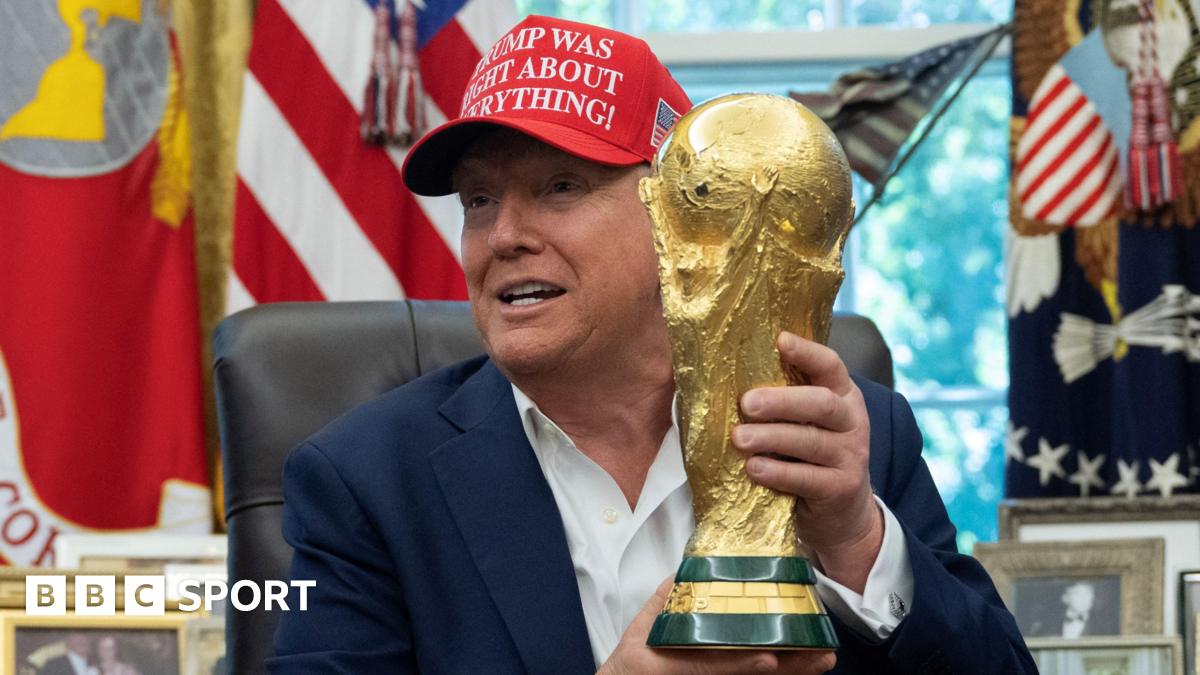
The 2026 FIFA World Cup, co-hosted by the United States, Canada and Mexico, is just weeks away from its June 11 kickoff, but a fierce debate over exorbitant ticket costs has dominated pre-tournament discourse, with former US President Donald Trump becoming the latest high-profile figure to speak out against the pricing model.
When questioned by the New York Post about the reported $1,000 price tag for a single ticket to the United States men’s national team’s opening Group D match against Paraguay, scheduled for June 12 in Los Angeles, Trump admitted he had not been aware of the steep cost. Frankly acknowledging the sticker shock, Trump stated, “I wouldn’t pay it either.”
The former president added that while he hopes to attend the high-profile fixture, he expressed disappointment that working-class supporters who backed him would likely be locked out of the event. “If people from Queens and Brooklyn and all of the people that love Donald Trump can’t go, I would be disappointed,” he said, though he also called the tournament itself “an amazing success” and noted his desire for his supporters to have the opportunity to attend.
Fifa has drawn widespread backlash from fans and commentators alike for its unconventional and widely decried “extortionate” pricing framework for this year’s tournament. Breaking from the flat-rate ticketing model used for recent editions of the World Cup, the governing body priced group-stage matches dynamically, based on the perceived popularity of the competing teams, driving up costs for high-profile matchups like the US opening game.
Further fuelling frustration is the structure of Fifa’s official ticket resale platform, which allows for drastically inflated resale prices while the organization collects a 30% cut of every transaction – 15% from both the buyer and the seller. Additional financial barriers for fans include spiking transport costs across host cities in the United States; a recent BBC Sport investigation found that an England supporter would need to spend roughly £6,500 to attend just their national team’s group-stage fixtures.
Fifa president Gianni Infantino has defended the organization’s pricing strategy, arguing that the costs align with standard pricing for major sporting events across the United States. Speaking at the Milken Institute Global Conference in Beverly Hills earlier this week, Infantino defended dynamic pricing, claiming that if tickets were sold at lower face values, they would simply be resold for far higher amounts on secondary markets anyway.
In response to the initial wave of public criticism when tickets were first released, Fifa introduced a limited number of more accessible £45 tickets for all 104 tournament matches. Ticketing rules also vary across host regions: in Toronto, Ontario’s provincial government has banned reselling event tickets above face value, keeping all World Cup match sales capped at original prices there.
The 2026 World Cup is the first tournament to be expanded to 48 teams, with matches spread across 16 host cities across the three North American co-host nations. While the expansion has been celebrated for giving more national teams a chance to compete, the ongoing ticketing controversy has cast a shadow over pre-tournament preparations, as fans continue to raise concerns that the event is becoming unaffordable for average supporters.