分类: sports

  • New Zealanders wake to a new major champion, heap praise on Ryan Fox

    New Zealanders wake to a new major champion, heap praise on Ryan Fox

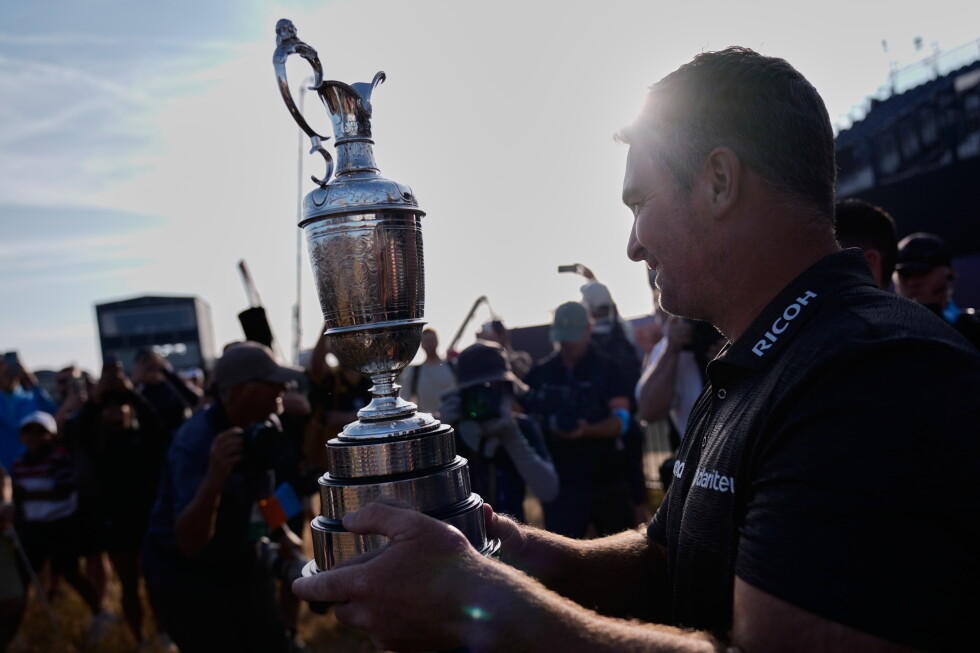
    WELLINGTON, New Zealand — While Ryan Fox sank a decisive 12-foot birdie putt on the 18th hole at England’s Royal Birkdale to claim the 152nd British Open by a single stroke, the clock had just ticked past 5:30 a.m. in his home nation of New Zealand, where the winter sun had not yet crested the horizon. Most Kiwis rolled out of bed to a cold Monday morning greeted by the historic news: their small country had just earned its fourth major championship title in men’s and women’s golf, cementing its outsized legacy on the global golfing stage.

    For the diehard fans who stayed up through the night to stream Fox’s final round, the bleary-eyed commute to work Monday came with the warm thrill of having watched their compatriot lift golf’s most iconic trophy, the Claret Jug. Even the nation’s golfing pioneer, 90-year-old Sir Bob Charles — New Zealand’s first ever major champion, and the first left-handed golfer in history to win a major, when he took the British Open title in 1963 — caught Fox’s career-making round, watching a recorded replay at a more comfortable waking hour.

    Reflecting on how far golf broadcasting has come since his own win, Charles told the *New Zealand Herald*, “I’m watching this in color. In my day, it was all black and white. I’m watching every hole that he’s playing. In my day, they only had about the last three or four holes.”

    Charles reserved high praise for the 39-year-old’s approach to the game, singling out his brisk pace of play as a welcome counter to the growing trend of slow, deliberate play that has drawn criticism across modern professional golf. Fox barely paused for 30 seconds over his game-winning final putt, a move that aligned with the traditional ethos Charles has long championed. With the win, Fox joined an exclusive club of New Zealand major champions: Charles himself, 2005 U.S. Open winner Michael Campbell, and two-time major winner Lydia Ko.

    “Ryan is a refreshing player,” Charles said. “He plays the way the game should be played, the way it used to be played and should be played. And that is: you get on with it, and you don’t spend half an hour lining up every putt. Let’s hope that Ryan can be a great example of how the game should be played now, even when you’re playing for, you know, $100 million!”

    With New Zealand’s Parliament in recess for the season, elected officials did not get the chance to publicly toast Fox’s win — a step many political observers believe would have been a popular move for lawmakers hoping to share a sliver of the champion’s national goodwill. Instead, ordinary New Zealanders flooded social media with congratulations, celebrating not just Fox’s win but his status as a third-generation elite sports star in a country obsessed with competitive athletics. His father, Grant Fox, was a star player for New Zealand’s legendary All Blacks rugby team and won the inaugural 1987 Rugby World Cup, while his grandfather Merv Wallace captained the New Zealand men’s national cricket team.

    In his post-victory remarks, Fox addressed the legacy of his sporting family, noting that he never felt pressured to live up to his relatives’ achievements. “We’ve got a great history in our family,” he said. “The other great thing is I had no pressure on me to follow in any of their footsteps. I don’t know if this tops their achievements, but it’s certainly right up there. I guess there’s no pressure on my kids going forward now!”

    In a fitting tribute to Fox’s triumph, New Zealand’s national cricket team sealed a match and series win over the West Indies in the Caribbean just hours after Fox lifted the Claret Jug. Back at Fox’s home course, the Royal Auckland and Grange Golf Club, club leadership said the entire membership is bursting with pride over their fellow member’s win.

    “You couldn’t find a nicer guy and more worthy champion golfer,” said club captain Ian Blair. “Our club has been privileged to watch Ryan develop from a fine young man with potential to a champion player and member.” Club chief executive Ian Chapman told New Zealand’s *Stuff* news outlet that members will be lining up to buy Fox a celebratory beer when he returns home.

    Michael Campbell, the 2005 U.S. Open champion who paved the way for Fox’s historic run for modern Kiwi golfers, called Fox’s victory an incredible milestone for the player. “To beat the world’s best players in a difficult situation is an incredible feat,” Campbell told the *New Zealand Herald*’s *Ryan Bridge Today* podcast. “I got to experience that 21 years ago. It’s mind-blowing. It really changes your world and he’s up there with the best players in the world now.”
  • Trump, Bieber and Shakira – a World Cup final like never before

    Trump, Bieber and Shakira – a World Cup final like never before

    The 2026 FIFA World Cup final, co-hosted across the United States, Mexico and Canada, will not enter history as a classic display of on-pitch football, but it will be remembered for a dramatic array of off-pitch events, celebrity appearances and political controversy that dominated headlines from the New York New Jersey Stadium. After 120 minutes of play, Spain claimed their second-ever World Cup crown, securing a 1-0 victory over Argentina courtesy of a Ferran Torres strike in extra time. Beyond the winning goal, there was little action on the pitch that captured global attention – but the surrounding narrative of the match gave audiences plenty to discuss.

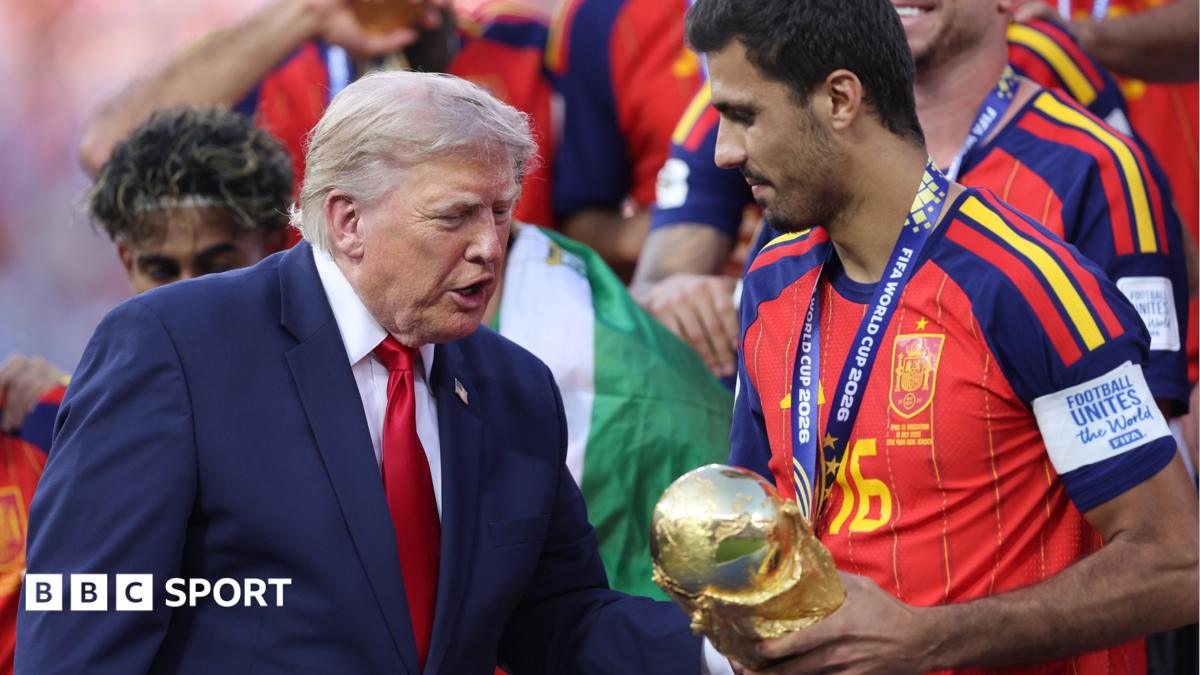
    The most high-profile talking point of the tournament’s closing match was the attendance of former US President Donald Trump, who had not attended a single match throughout the three-nation event before the final. Trump arrived at the stadium in dramatic fashion, one of three helicopters that circled the venue before landing, and took his seat alongside FIFA President Gianni Infantino roughly 20 minutes before kickoff, in time to watch the pre-match closing ceremony featuring performances from Robbie Williams and Nicole Scherzinger.

    Trump’s presence had already sparked controversy earlier in the tournament, after he admitted to contacting Infantino to request a review of a red card issued to US striker Folarin Balogun. The resulting decision to overturn Balogun’s suspension allowed the player to feature in the United States’ round of 16 defeat to Belgium, a decision that drew widespread criticism across global football circles.

    Tensions around Trump’s attendance carried into the trophy ceremony, where the former president joined Infantino to hand out medals to both squads. Crowds inside the stadium booed as the pair walked on stage, and Argentina defender Cristian Romero was photographed walking straight past Trump without shaking his hand after receiving his runner-up medal from Infantino. Unlike his appearance at the 2025 Club World Cup final, where he lingered on stage long after the planned presentation ended, Trump left the stage shortly after the trophy was handed to Spain’s captain, allowing the winning squad to claim their moment of celebration without interruption.

    Beyond political controversy, the 2026 final made history for its unprecedentedly extended half-time break, styled after the blockbuster half-time shows seen at the NFL’s Super Bowl. Stretched to 27 minutes – the longest half-time interval in World Cup history – the break featured a star-studded mini-concert headlined by global music icons including Madonna, BTS, Coldplay, Shakira (whose track *Dai Dai* served as the official 2026 World Cup anthem) and Justin Bieber. Bieber delivered a toned-down acoustic rendition of *Everything Hallelujah* following a cameo nod to hit series *Ted Lasso*, switching pace from the high-energy performances that opened the show.

    The extended break drew mixed reactions from fans and pundits alike, with former England striker Wayne Rooney offering a blunt assessment from the BBC’s *Match of the Day* studio. “I thought it was crap,” Rooney said. “I thought the performances were bad. The timings were bad. Just let us play football.”

    The pre-match build-up also featured A-list celebrity appearances, with Hollywood star Tom Cruise delivering a dramatic opening speech before kickoff, while daytime fireworks displays were held before the match, during half-time and after the trophy presentation to mark the historic occasion. Despite the glitz and glamour of the event, spectators and media faced significant chaos outside the stadium ahead of kickoff. Heightened security measures overseen by the US Secret Service – implemented due to Trump’s attendance – led to massive queues outside the venue gates, which opened four hours before kickoff to accommodate the extra checks.

    Confusion over designated access routes left some media personnel shuffling between different entrances and re-joining lengthy queues multiple times, while more stringent bag searches than seen at previous tournament matches added to wait times. Organizers eventually managed to ease congestion before kickoff, and the match got underway on schedule with no delays.

    The final marked a historic milestone for 19-year-old Spanish winger Lamine Yamal, who became one of the youngest players ever to win a World Cup winner’s medal, while the result ended a disappointing tournament for Argentina, where fans and pundits widely criticized the squad for failing to support star player Lionel Messi in his bid for a second World Cup title. For neutrals and organisers, the 2026 final will be remembered less for the 90-plus minutes of football, and more as a landmark example of the growing intersection of sport, entertainment and global politics in the modern World Cup era.

  • Scaloni leaves news conference in tears talking about his future

    Scaloni leaves news conference in tears talking about his future

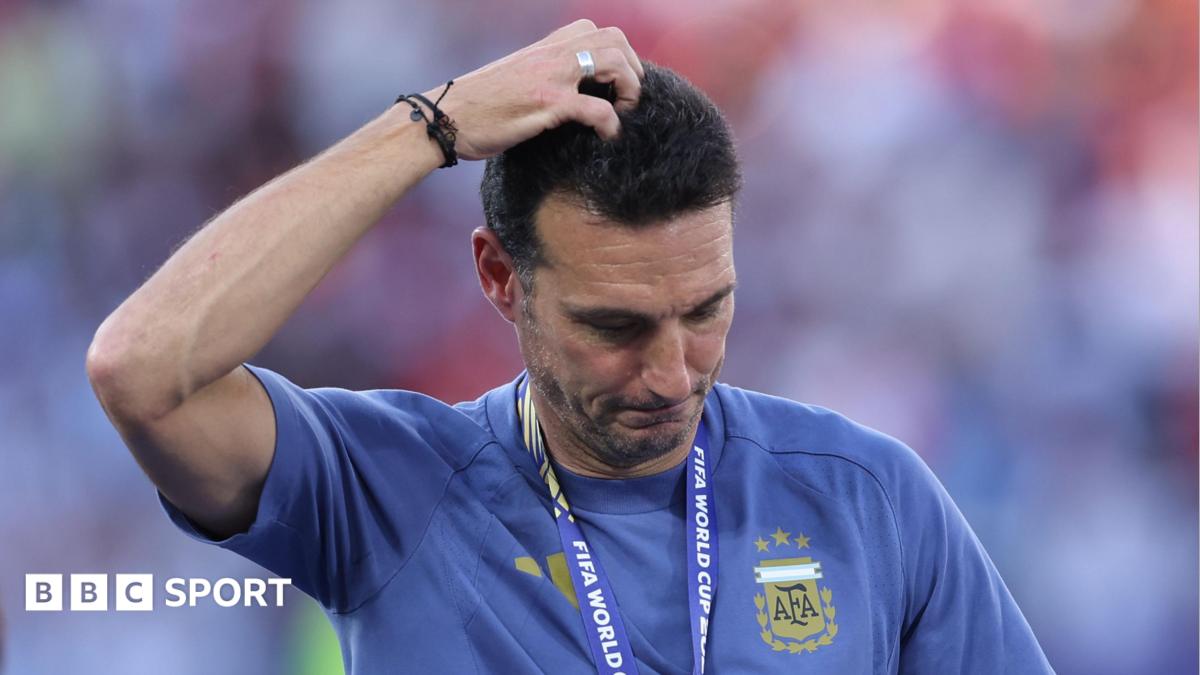
    After a gut-wrenching 1-0 extra-time defeat to Spain in the 2026 FIFA World Cup final, Argentina head coach Lionel Scaloni was overcome with emotion during his post-match media appearance, exiting the press conference in tears as he addressed speculation over his future with the national side.

    The 48-year-old manager, who led Argentina to a legendary World Cup title on home soil in Qatar 2022, was one win away from making history: only one manager in the 92-year history of the men’s FIFA World Cup has ever successfully defended the tournament title. His quest for back-to-back crowns was ultimately dashed by a late Ferran Torres strike in additional time, which gave European champions Spain their first World Cup title since 2010 and completed a rare European double of European Championship and World Cup wins.

    Scaloni’s current contract with the Argentine Football Association is set to expire this coming December, and when reporters pressed him on whether he would continue in his role leading the Albiceleste, he could not hold back his emotions.

    “I will talk to the president of the federation first,” Scaloni said through tears. “I already have an idea of what I want moving forward, but I will honor the remainder of my contract first. I don’t know if it’s possible to replicate something as special as what we’ve built here. We owe it to everyone to take the time to work this out properly.”

    He expressed deep gratitude for the opportunity he was given to lead the Argentine national team, calling the role a once-in-a-lifetime dream for any coach. “Every single one of my staff and our players gave everything we had until the final second of this tournament. This job has been more incredible than any of us ever dared to imagine,” he added.

    Pausing to compose himself, Scaloni asked reporters for understanding: “Bear with me, I don’t know if I can keep going. To do this job well and continue leading this group, you need so much: you have to completely reset mentally, rebuild your motivation, and put together a dynamic like this all over again. That’s an incredibly hard thing to replicate.”

    Before leaving the press room, Scaloni stood, offered a short apology to those in attendance, and said simply, “This loss hurts so much. I am very sorry.”

    Spain’s victory marks the conclusion of the 2026 men’s World Cup, with Kylian Mbappe claiming his second consecutive Golden Boot as the tournament’s top scorer, and Spanish midfielder Rodri taking home the honors of best player of the competition.

  • Victory for football? Spain beat Argentina to win World Cup

    Victory for football? Spain beat Argentina to win World Cup

    The 2026 FIFA Men’s World Cup final will go down in history as more than just a title decider — it will be remembered as a vindication of attacking, possession-focused football, after Spain outclassed defending champions Argentina to lift the trophy for the second time in their history, following a tense extra-time clash marred by unsportsmanlike conduct from the South American side.

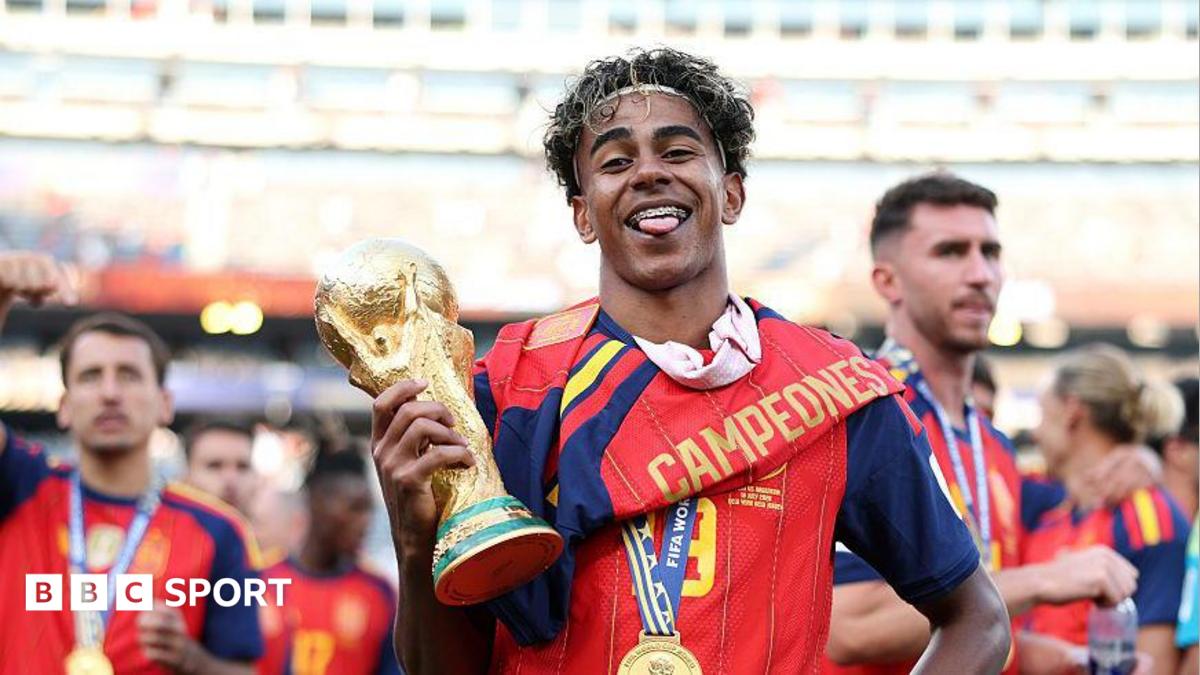
    Ferran Torres settled a tight contest in the 106th minute, slotting home a clinical finish that broke the deadlock and secured Spain’s 1-0 win at the New Jersey final venue. After the final whistle confirmed the result, Spain midfielder Rodri lifted the golden World Cup trophy, capping off an extraordinary tournament run that cements Spain’s status as the preeminent force in global men’s football.

    Calling the result a ‘victory for football’ may sound like overused sporting cliché, but few neutral observers have pushed back on that framing of Sunday’s final. Across nearly every statistical measure, and in the eyes of most fans and pundits, Spain earned the win through dominant, attractive play. Former England captain Alan Shearer emphasized that the outcome was never in question in terms of merit. “From start to finish, Spain controlled possession. They were the ones looking to play football, create chances and get in behind,” Shearer told BBC One. “This is a result for football because of the way that they have played. Spain deserve it.”

    The numbers back that assessment up: Spain held 65% of total possession through the 120 minutes, registered an expected goals total of 1.94, and put 11 of their 20 total shots on target. Goalkeeper Unai Simón cemented his status as the tournament’s best shot-stopper, claiming the Golden Glove award after keeping his seventh clean sheet in eight matches. Remarkably, Spain conceded just one single goal across the entire tournament — the lowest total ever recorded by a World Cup-winning men’s side.

    Spain’s historic triumph completes an unprecedented run of success for the Spanish men’s national team: they now hold the World Cup, European Championship and Olympic titles, complementing the women’s side’s World Cup crown. The men’s team also extended their unbeaten run across all competitions to 38 matches, the longest undefeated streak recorded by any European men’s national team in history.

    Young talent was at the heart of their success, with the core of the squad suggesting this title could be the first of many for this generation. Nineteen-year-old defender Pau Cubarsí, who played every minute of the final, was named the tournament’s best young player, and his 19-year-old Barcelona teammate Lamine Yamal made history of his own. At 19 years and six days old, Yamal became the third-youngest player to ever feature in a men’s World Cup final, and the third-youngest to claim a winner’s medal, trailing only Pelé in 1958 and Giuseppe Bergomi in 1982. Two Spanish players also made final records on Sunday: Cubarsí completed 121 passes, while Rodri notched 101, meaning two of the only three 100-plus pass performances in World Cup final history came in this match. Even after a slow start to the tournament — a 0-0 opening draw with Cape Verde echoed Spain’s 2010 title run, when they lost their opening match to Switzerland before going on to claim the crown — the side found their rhythm and never looked back.

    For Argentina, the match will be remembered for far less positive reasons. The defending champions were outplayed from the first whistle, resorting to physical, disruptive tactics to stop Spain’s fluid attacking play. Leandro Paredes led the roughhousing, with Enzo Fernández acting as his second-in-command, and four Argentine players picked up yellow cards through the match, a stat that fuelled existing criticism that the side received unusually lenient officiating throughout the tournament. By the end of 90 minutes, Argentina had not registered a single shot on goal, a first in the history of men’s World Cup finals. Their first attempt of the whole match did not come until Lionel Messi’s 117th-minute effort, long after Torres had put Spain ahead. Argentina goalkeeper Emiliano Martínez was forced to make 11 saves to keep his side in the game, the most stops ever recorded by a goalkeeper in a men’s World Cup final.

    Things boiled over late, when Fernández was sent off in the 90th minute after picking up a second yellow card: first for dissent, then for a brutal late challenge that sent Cubarsí tumbling through the air. The chaos spilled over after the final whistle, with Paredes getting into scuffles with multiple Spanish players including Rodri, Gavi and Borja Iglesias, while Argentina defender Nahuel Molina was captured on camera throwing a punch at a Spanish player walking past the melee.

    Former England forward and BBC pundit Wayne Rooney slammed the post-match behaviour as unacceptable. “Embarrassing, seeing that sort of stuff after the game has been played,” Rooney said. “Someone has been crowned World Cup champions. It is not good enough. Paredes is better than that. It doesn’t stop there. He keeps going and going.” Former England goalkeeper Joe Hart called the conduct “disgusting”, though acknowledged that tempers were frayed after 120 minutes of high-stakes football.

    Argentina manager Lionel Scaloni fought back tears in his post-match press conference, attempting to defend his side but ultimately acknowledging the better team won. “Even though they were out-playing us until the 85th minute, I would love to know what would have happened had we still had 11 men on the pitch,” Scaloni said. “We managed to go all the way to the end when the match was so open and it just couldn’t be. They deserved the victory, that is the reality.”

    The result brings an end to a dramatic 2026 World Cup, and confirms Spain’s place among the great national teams in men’s football history. For Argentina, the loss ends their title defence and leaves questions over the future of the side, overshadowed by controversy over their on-pitch conduct.

  • AFL 2026: Essendon provides medical update on emerging star Nate Caddy

    AFL 2026: Essendon provides medical update on emerging star Nate Caddy

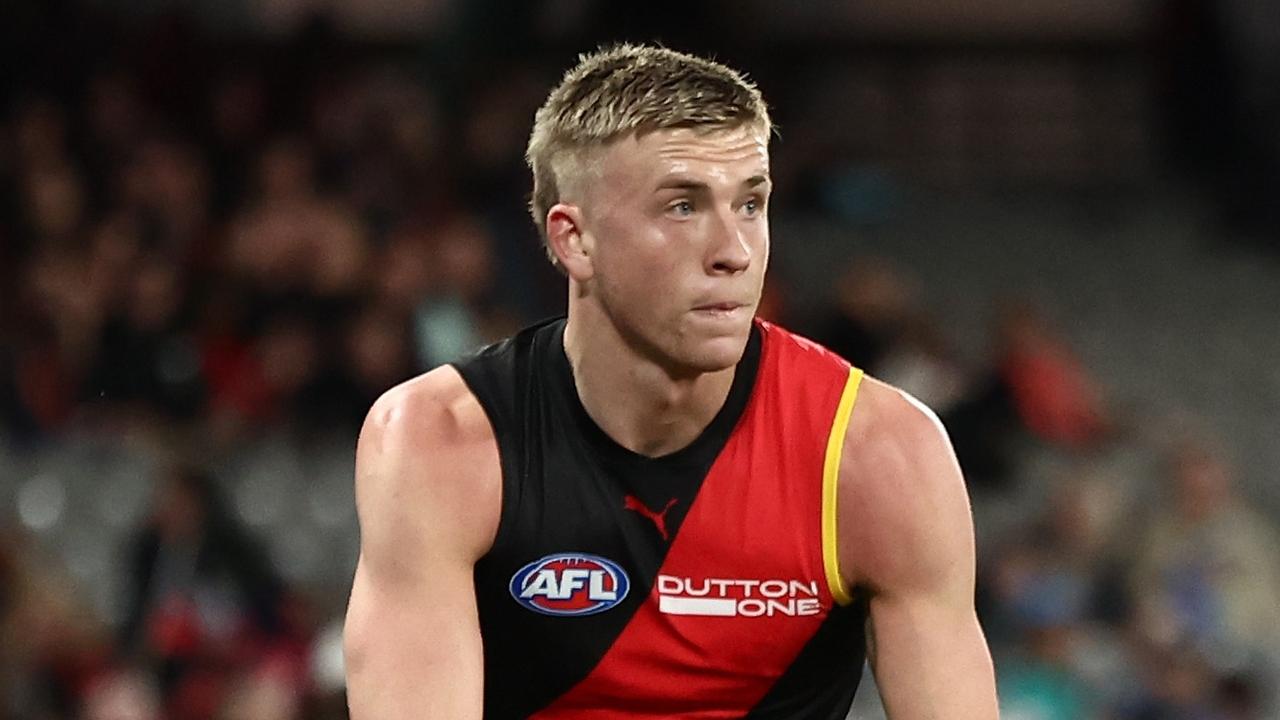
    Essendon Football Club has delivered a wave of positive news to its loyal fanbase, confirming that promising young talent Nate Caddy has been cleared of all medical concerns after a mid-match health scare that forced his emergency hospitalization over the weekend. The 20-year-old emerging star was pulled from the Bombers’ AFL clash against GWS Giants at Melbourne’s Marvel Stadium on Sunday afternoon after medics detected an unexpected elevated heart rate early in the first quarter of the game. The club initially listed Caddy as a late withdrawal due to illness, and he was immediately transferred to a local hospital for in-depth diagnostic testing after on-ground assessment by Essendon’s medical team.

    On Monday, Essendon’s general manager of football Dan McPherson shared the reassuring update that has been welcomed by the club’s community. “There was some legitimate concern in the first quarter when Nate’s heart rate spiked unexpectedly,” McPherson explained to reporters. “Our medical staff pulled him from the game immediately, conducted an initial assessment on site, and made the call to send him to hospital for further checks to rule out any underlying issues. He was discharged from hospital yesterday evening, returned home safe, and we fully expect he will be cleared to resume training and play this coming week without any complications.”

    The positive health update comes hot on the heels of a landmark win for the Bombers, who outplayed GWS to claim a breakthrough victory that lifted the club off the bottom of the AFL ladder. The win also marked the first victory for caretaker head coach Dean Solomon, who stepped into the role six weeks prior. Speaking after Sunday’s match, Solomon said the result was a reward for the relentless work the playing squad had put in during his tenure so far. “The players have worked unbelievably hard over the last six weeks, and for a long time that effort just hadn’t shown up on the scoreboard on game day,” Solomon noted. “As a coaching group and a club, we always knew that the results would come once their work clicked into place. This is an incredibly special win for every single person connected to Essendon Football Club.”

    Caddy, who recently signed a contract extension with the Bombers in a show of long-term commitment to the club, has been a key emerging player for Essendon this season, with fans eagerly anticipating his return to the field in the coming round.

  • Argentina’s Martinez plays cool in net, even as teammates turn reckless in historic World Cup final

    Argentina’s Martinez plays cool in net, even as teammates turn reckless in historic World Cup final

    The 2026 FIFA World Cup final delivered one of the most dramatic displays of individual grit and team tension in modern tournament history, as Spain claimed their first world title since 2010 with a 1-0 extra-time victory over defending champions Argentina in East Rutherford, New Jersey. The story of the match, however, will forever be tied to Argentine goalkeeper Emiliano “Dibu” Martinez, who delivered an all-time great performance even while playing through a broken finger that could have kept him off the pitch entirely.

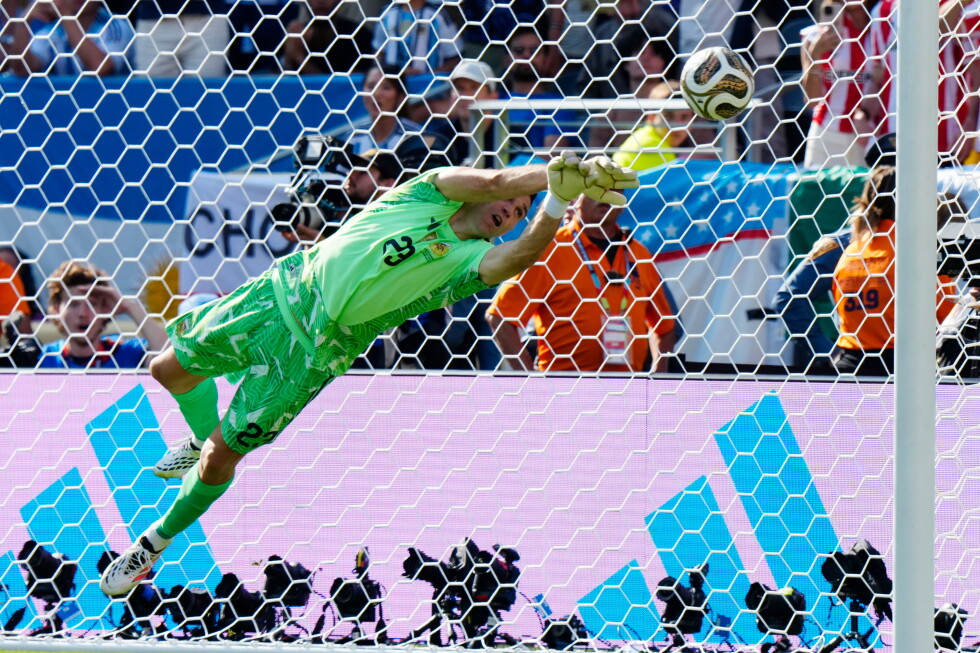
    Martinez, who cemented his legacy as a national hero with a title-saving stop in the 2022 World Cup final against France, outdid even that iconic moment on Sunday. The 6-foot-5 keeper set a new World Cup final record with 11 saves, repeatedly turning away high-powered Spanish chances to keep a 10-man Argentine side in the game deep into extra time. Martinez originally fractured his right finger in May during a Europa League fixture with his club side Aston Villa, but made the deliberate choice to delay surgery to lead Argentina’s defense in the tournament — a sacrifice that nearly carried his team to a second consecutive championship.

    For 106 minutes, Martinez held firm, but Argentina’s own aggressive, pugnacious style that had rallied them from multiple deficits throughout the tournament ultimately became their undoing. The first crack in Argentina’s discipline appeared in the 52nd minute, when Leandro Paredes escaped a second caution for shoving Spain’s Rodri from behind before earning a yellow for taking down Dani Olmo in the ensuing scuffle.

    The decisive moment came in the 93rd minute, just one minute after Martinez made a spectacular two-handed stop on Nico Williams’ close-range strike to keep the match scoreless. Midfielder Enzo Fernández, already on a yellow card for dissent over an uncalled foul, picked up a second caution for a reckless challenge that sent Spanish defender Pau Cubarsi flying, leaving Argentina down a man for the final half hour of extra time.

    With space to exploit against the depleted Argentine defense, Spain broke through in the 106th minute. Ferran Torres fired a clinical strike past Martinez to notch his first goal of the tournament, putting La Roja up 1-0 in what would prove to be the match-winner. Even in the final moments, Martinez continued to stun: his 10th save of the game denied Lamine Yamal on a well-placed free kick, leaving the teenage star stunned in disbelief at being turned away.

    After the final whistle, the match’s tension spilled over into ugly post-game clashes. Paredes was at the center of multiple altercations, shoving Spain’s Eric García and Gavi at separate points. Argentine manager Lionel Scaloni had to be restrained by a Spanish player as he shouted at opposing staff, while veteran defender Nicolás Otamendi traded heated words with multiple Spanish players including Rodri. Spain fans, however, quickly turned chaos into celebration, flooding the stands with dancing, hugs and waving the national flag as their team prepared to lift the trophy.

    Even in defeat, opposing coach Luis de la Fuente was quick to praise Martinez’s historic performance. “We should have put the game to bed much earlier. We had many chances,” de la Fuente said after the match. “But Dibu was nothing short of exceptional. It was thanks to Dibu’s saves, and this goes to show that winning is very difficult.”

    Throughout the group stage, Martinez had already proven his form, notching clean sheets in Argentina’s 3-0 win over Algeria and 2-0 victory over Austria, starting every match for the side on their road to the final. While all global attention has long focused on Lionel Messi’s quest for a second World Cup title, it was Martinez who carried Argentina to the brink of history, outperforming every expectation even with an injured hand. In the end, the relentless Spanish attack finally broke through, but the 2022 hero cemented his place as one of the greatest goalkeepers in World Cup history with one of the most impressive individual performances the final has ever seen.

  • Moment fans in Madrid celebrate World Cup win

    Moment fans in Madrid celebrate World Cup win

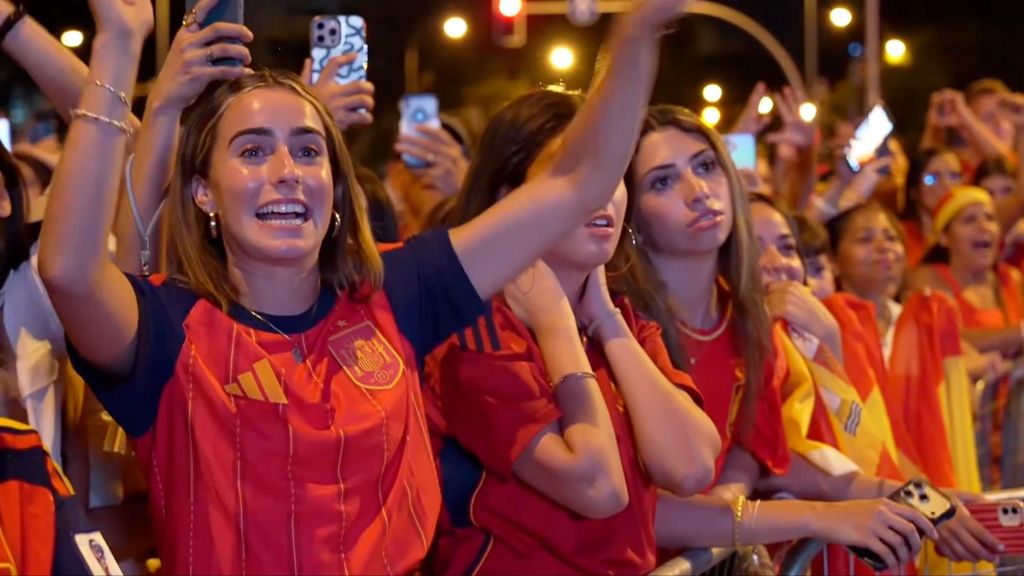
    On a late Sunday night, the bustling heart of central Madrid transformed into a sea of red and yellow as thousands of elated supporters gathered to witness and celebrate Spain’s triumphant World Cup win. What began as a planned public viewing event quickly escalated into an outpouring of national joy, with crowds packing plazas, sidewalks and open public spaces across the city center to catch a glimpse of the decisive match. As the final whistle blew confirming Spain’s victory, deafening cheers erupted across the gathering. Fans waved national flags, chanted team anthems, and embraced one another, turning the central district into an impromptu street party that stretched into the early hours of Monday. Local reports note that the gathering remained largely peaceful, with supporters sharing their excitement over the landmark win that adds another prestigious title to Spain’s decorated soccer history.

  • Trump lingers on stage to lap up World Cup spotlight

    Trump lingers on stage to lap up World Cup spotlight

    The 2026 FIFA World Cup final between Spain and Argentina, held on July 19 at the New York/New Jersey Stadium in East Rutherford, became the stage for an unexpected political spectacle when U.S. President Donald Trump chose to linger on the awards podium long after his scheduled appearance, soaking up global attention even as the Spanish championship team prepared to celebrate their historic victory.

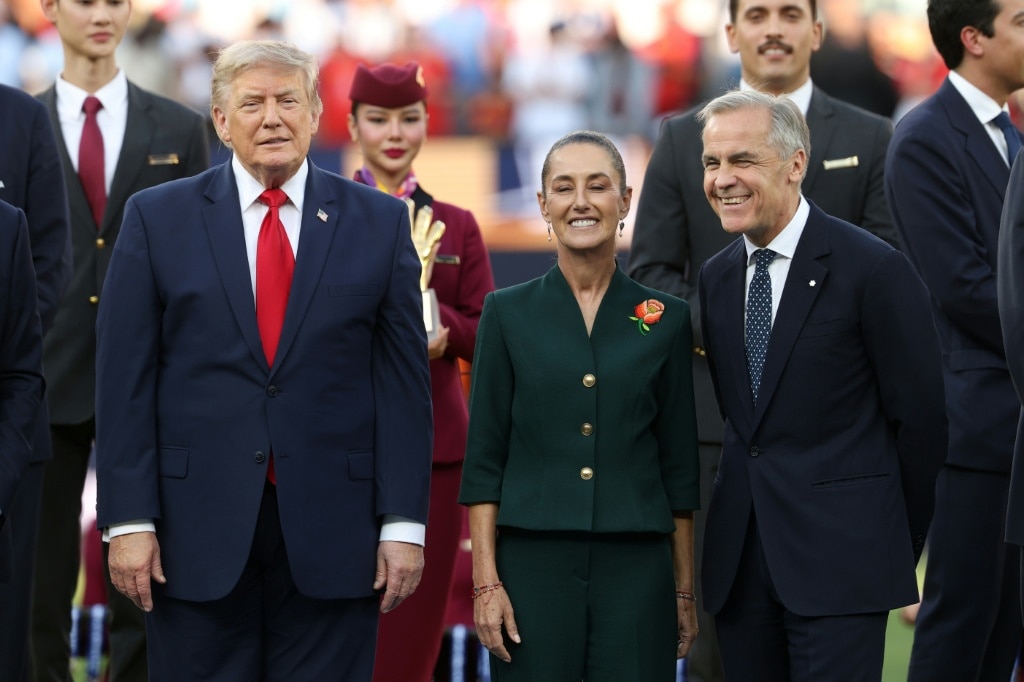
    Two U.S. Marine Corps helicopters, one carrying the sitting president, flew over the stadium ahead of kickoff, marking Trump’s arrival for the first World Cup match he has ever attended. Flanked by First Lady Melania Trump and FIFA President Gianni Infantino in the stands, Trump sat near two fellow North American leaders – Mexican President Claudia Sheinbaum and Canadian Prime Minister Mark Carney – whose nations co-hosted the 2026 tournament alongside the United States. Relations between the Trump administration and both leaders remain strained: just days before the final, Trump threatened new tariffs on Canada over wildfire smoke that drifted into the northeastern U.S. and raised air quality concerns during the event, while tensions with Mexico persist over Trump’s aggressive immigration crackdown and repeated threats of military action against cross-border drug trafficking networks. Despite these underlying frictions, the president exchanged brief pleasantries with both leaders, and also shook hands with Spanish Prime Minister Pedro Sánchez, even after recently criticizing Madrid for its perceived lack of support in the Iran conflict and failure to meet NATO defense spending targets.

    Before the match kicked off, Trump offered his prediction for the game, stating that Argentine superstar Lionel Messi would give his side a competitive edge. He also praised Argentine President Javier Milei – who skipped the final out of a long-held sports superstition – calling the right-wing leader “a friend of mine” who “has done a terrific job” leading his country. When the U.S. national anthem played before the match, Trump stood and offered a formal salute to the flag.

    When the final whistle blew, marking Spain’s 2026 World Cup victory over Argentina, Trump joined Infantino onstage to co-present the trophy to the winning Spanish side. As the team lifted the trophy aloft to celebrate, Infantino attempted to guide Trump off the podium to make way for the champions’ photo opportunity, but the 80-year-old president refused to leave, lingering in the spotlight and even performing a shortened version of his iconic signature dance in front of the assembled Spanish players. The moment echoed a similar controversy at the 2025 FIFA Club World Cup, also held at the New Jersey stadium, when Trump remained on the podium after handing the trophy to winning side Chelsea as the team tried to celebrate, and later falsely claimed the trophy was being kept in the Oval Office (FIFA later clarified it was only a replica).

    This unscripted moment at the final is far from Trump’s first high-profile intervention in the 2026 tournament. Less than two weeks before the final, Trump sparked widespread outrage over accusations of improper influence when he called Infantino directly to ask FIFA to reverse a red card issued to U.S. striker Folarin Balogun, so the player could participate in the team’s round-of-16 match against Belgium.

    Despite the repeated controversies, Trump has repeatedly lauded the 2026 World Cup as an unprecedented success. During a FIFA reception held at Trump Tower New York on the Friday before the final, Trump told attendees, “This has been the most successful sporting event maybe in the history of the world. It’s been amazing.” He added that the 104-match tournament had cemented soccer’s growing popularity in the U.S., noting, “It turned out we were a soccer country, and I think it’s going to remain.” Trump also mentioned that his 20-year-old son Barron is a passionate fan of the sport. Since returning to the Oval Office in January 2025, Trump has closely tied his political brand to the success of the co-hosted tournament, hosting Infantino at the White House on multiple occasions. The run-up to the tournament was not without its disruptions, however: Trump’s restrictive immigration policies created widespread visa delays and issues for international fans traveling to attend matches across the U.S. leg of the tournament.

  • Tasmania has announced its first ever AFL coach ahead of debut 2028 season

    Tasmania has announced its first ever AFL coach ahead of debut 2028 season

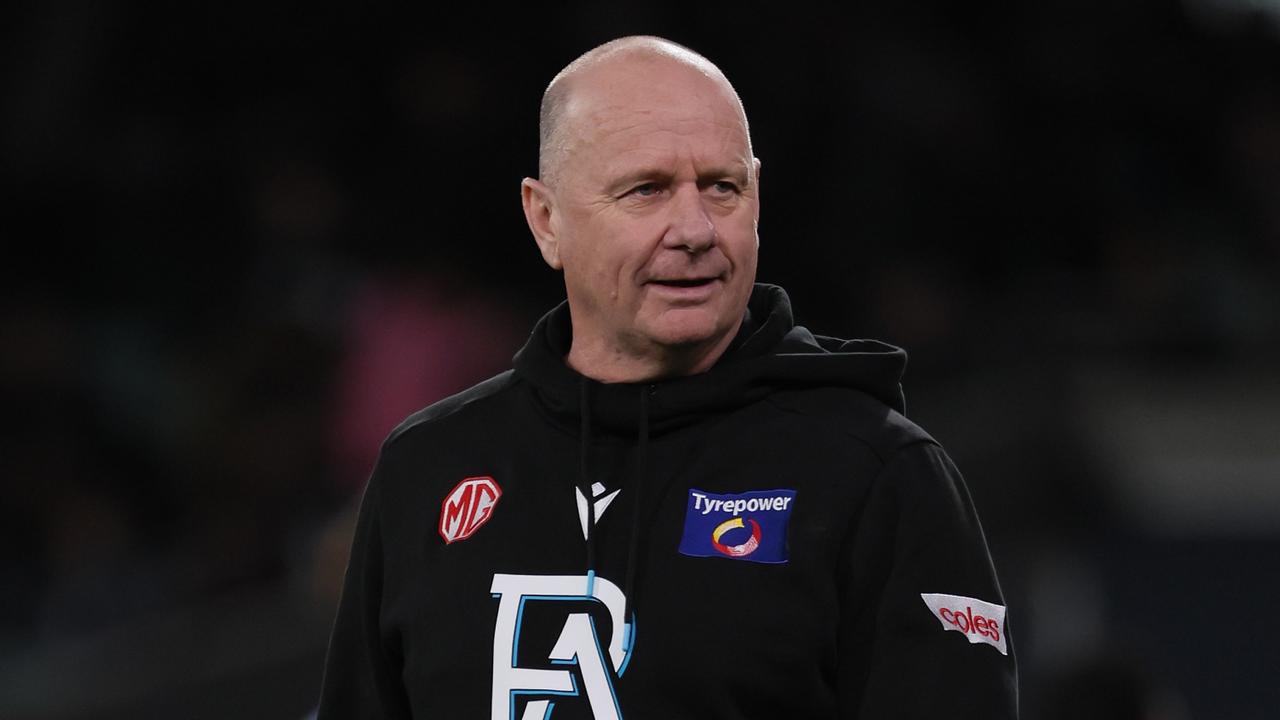
    After a closely contested selection process between three high-profile coaching candidates, Australian Rules football has marked a new chapter in Tasmania’s sporting history: veteran mentor Ken Hinkley has been officially confirmed as the first ever senior coach of the state’s upcoming Australian Football League (AFL) expansion side, the Tasmania Devils.

    Rumors of Hinkley’s appointment began circulating over the weekend, when reports emerged that he had presented to club leadership in Hobart. In the days leading up to the official announcement, the Devils fueled public speculation by sharing a cryptic social media clip showing the coach picking up an official club polo shirt, leaving fans to piece together the news before the formal reveal.

    Hinkley stepped down from his 12-season tenure as senior coach of Port Adelaide at the conclusion of the 2025 AFL season, as part of a pre-planned succession that saw long-time assistant Josh Carr take over the senior role at the Power. While Hinkley never secured a premiership title during his time at Port Adelaide, he left the club with an overall winning record and a widespread reputation for forging tight, cohesive team cultures and getting the best out of developing players.

    Speaking to media after his official unveiling in the Devils’ new team colors, Hinkley expressed overwhelming enthusiasm for the once-in-a-generation opportunity to build a new AFL club from the ground up. “This isn’t just coaching a new football club – this is building something for an entire passionate football state,” he said. “I can’t wait to lead this charge and put Tasmanian football on the national map in a way it’s never been before.”

    Reflecting on his decades-long career, Hinkley added: “When I first spoke to Brendon Gale 18 months ago about this role, I told him straight: I’m a football coach. It’s what I know, it’s what my family and I have built our lives around, and there’s nothing I love more than coaching young people and helping them grow. To get to do that as the first coach of the Tasmania Football Club? It’s an incredibly special moment for this place, and for me.”

    While the Devils are not scheduled to make their competitive AFL debut until 2028, Hinkley is expected to begin his role with the club at the start of the 2026 season, to oversee the final years of preparation for the team’s entry into the national competition. Tasmania already fields a team in the second-tier Victorian Football League (VFL), and the side has already exceeded expectations this season, drawing massive, record-breaking crowds to its home matches. The strong turnouts have silenced early critics and confirmed the deep existing appetite for top-level professional football across the Apple Isle.

    Hinkley emerged as the top candidate for the role beating out two other experienced AFL coaches: Nathan Buckley and John Longmire. Buckley, a former Collingwood senior coach, returned to coaching this season as an assistant mentor with Geelong, a move widely interpreted as a preparation run for the Tasmanian role. Longmire, who stepped down from his senior post at Sydney Swans following the club’s 2024 grand final loss to Brisbane, has worked as a football media commentator since leaving his coaching role.

  • Messi can conjure no more magic as crown passes from Argentina to Spain

    Messi can conjure no more magic as crown passes from Argentina to Spain

    EAST RUTHERFORD, N.J. – For 90 minutes, and another 30 minutes of extra time, the 80,663 fans packed into MetLife Stadium clung to every touch of the ball at Lionel Messi’s feet, hoping the 39-year-old legend would conjure one last bit of iconic magic to cement his legacy as the sport’s undisputed greatest. It was not to be. Two decades after his first World Cup appearance, and fresh off leading Argentina to the 2022 World Cup crown and back-to-back Copa America titles, Messi could not push the Albiceleste over the line to become the first men’s national team to win consecutive World Cup trophies in more than 50 years.

    From the opening whistle, Spain controlled every facet of the final. The European side’s signature possession-focused style dominated Argentina from start to finish, out-passing the two-time finalists 845 to 433 and holding a lopsided 20-1 advantage in total shots. Just 37 seconds into the second period of extra time, Ferran Torres found the back of the net, securing a 1-0 win for La Furia Roja and giving the nation its second men’s World Cup title.

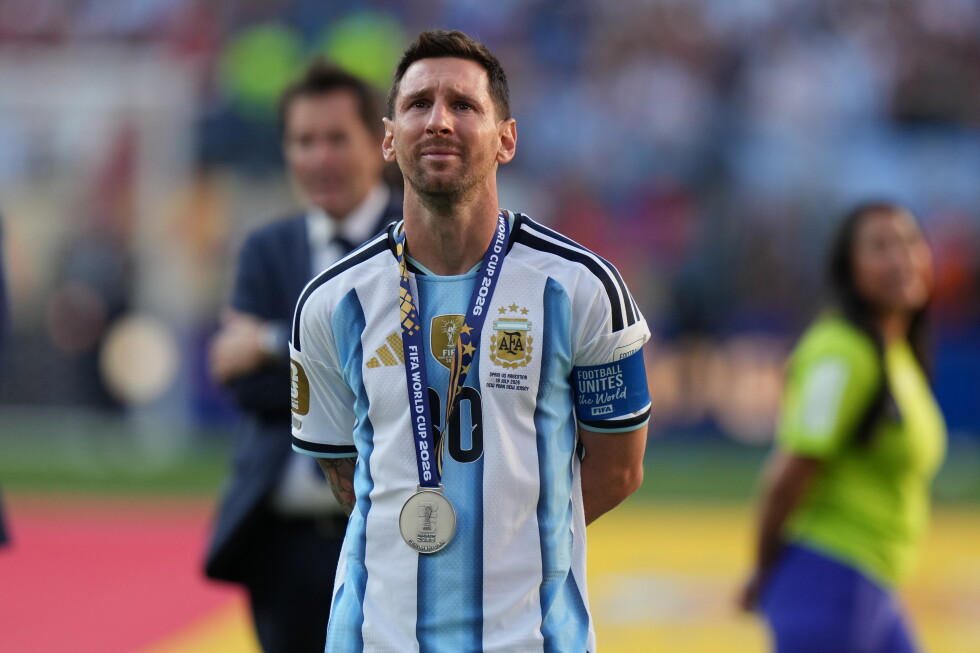
    The result shifted the global soccer hierarchy. While Spanish stars climbed the podium at midfield to lift the golden trophy, an emotional Messi fought back tears alongside his dejected teammates, bowing to thousands of cheering Argentina fans gathered in the stadium’s south end. The moment served as a quiet passing of the torch: just moments after Torres’ game-winner, 19-year-old Lamine Yamal, widely tipped to be soccer’s next generational superstar, ran across the pitch to celebrate with the goalscorer.

    Spain’s dominant run through the entire tournament will go down in World Cup history. La Furia Roja conceded only one goal across their six matches – the lowest total ever for a men’s World Cup champion – and extended their unbeaten streak to 38 games, the longest run ever recorded by a European men’s national side. This historic victory also makes Spain the first country in soccer history to simultaneously hold both the men’s and women’s World Cup trophies, cementing their status as the new global powerhouse of the sport.

    For Messi, the match capped off a historic, record-breaking World Cup campaign that defied all expectations. When he left European top-flight soccer for Major League Soccer three years ago, after collecting four Champions League medals and 12 domestic league titles with Barcelona and Paris Saint-Germain, many analysts wrote him off as a fading legend winding down his career. Instead, he dragged Argentina back to the final, netting eight goals and notching four assists in the tournament, pushing his all-time World Cup career goal total to 21 (a record only broken by France’s Kylian Mbappé in the third-place match a day prior).

    Messi leaves the tournament as the first player in history to start three World Cup finals, and sits second on the all-time list of men’s international goal scorers with 125, only trailing Cristiano Ronaldo’s 146. For decades, he has been ranked alongside Pelé and Diego Maradona as one of the three greatest players to ever step onto the pitch, and his performance in this tournament only reinforced that standing. Even in defeat, his legendary career remains unmatched.

    Messi’s history at MetLife Stadium has long been marked by frustration. It was at this same venue that he dramatically retired from international soccer following a 2016 Copa America final loss to Chile on penalties, only reversing his decision 47 days later to lead Argentina to the 2022 World Cup title. In this final, he managed only 15 touches in the first half, and just 54 total touches across the entire match, with Spain’s defense shutting down every attempt he made to create danger.

    When the final whistle blew, several Spanish players crossed the pitch to embrace and console the Argentine legend. Messi dropped to the turf, hands propped behind him, staring blankly into the distance. As Spain formed a traditional guard of honor for the Argentina side to receive their second-place medals, Messi forced a faint smile that faded quickly, walking through the line of Spanish players with an empty expression as opponents patted him on the back and shoulder. As gold confetti rained down on the celebrating Spanish champions, Messi walked slowly toward a corner exit, shoulders hunched, his face etched with disappointment.