分类: sports

  • GB’s Richardson unfazed by any Australia animosity

    GB’s Richardson unfazed by any Australia animosity

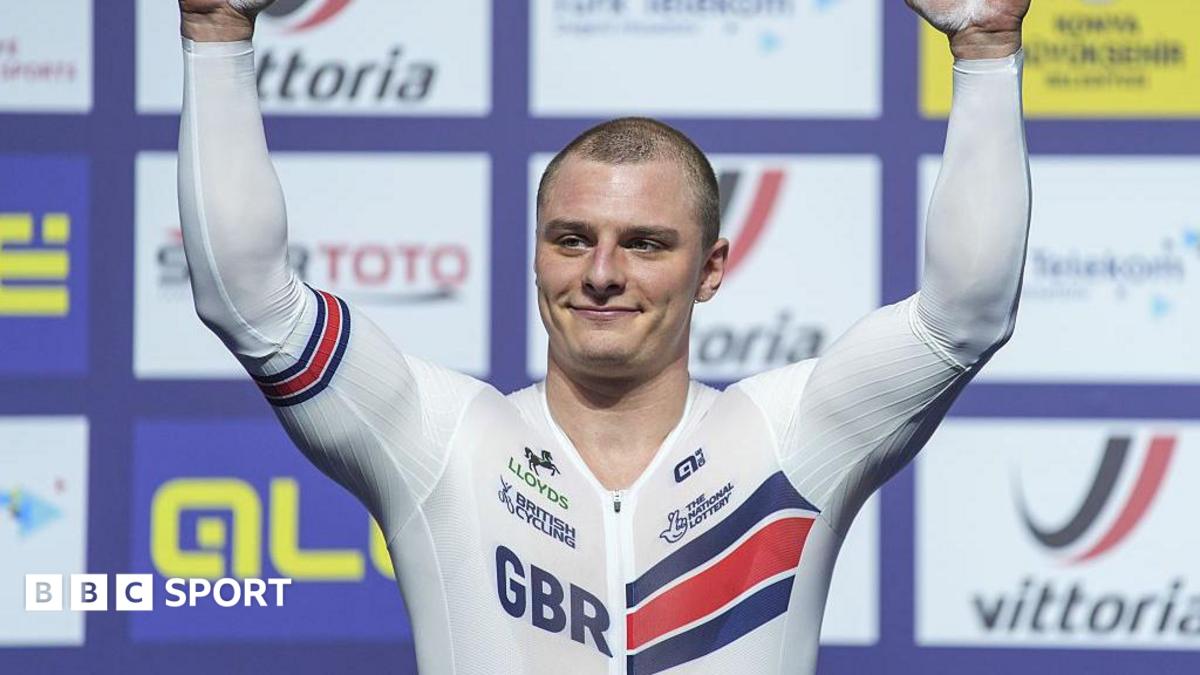
    As the 2026 Commonwealth Games in Glasgow approach, track cycling star Matt Richardson is ready to set aside the public uproar that followed his high-profile switch of national allegiances from Australia to Great Britain, and focus on defending the two gold medals he won while competing for Australia four years ago.

    Born in Maidstone, Kent, Richardson moved to Australia with his family at age 9 and held dual Australian-British citizenship for decades. His career-altering decision to change his cycling registration to Great Britain came just days after he claimed two silver medals and one bronze for Australia at the 2024 Paris Olympic Games. The Australian cycling federation responded with a permanent ban barring Richardson from ever rejoining the national team, a move that sparked widespread debate across the global cycling community.

    Now, 27-year-old Richardson says he has intentionally tuned out the criticism surrounding his switch and moved forward with his career. “I tried to block out all the negativity, and all the noise,” he told BBC Radio Kent in an exclusive interview. “I experienced the way they decided to handle it at the time, and moved on as quickly as I could. Ultimately, it has zero effect on me. If, for some reason, the British public didn’t take it well, that wouldn’t have been very good, but it wasn’t the case.”

    Since joining Team GB, Richardson’s on-track results have strongly validated his career choice, with a string of landmark performances that have cemented his status as one of the world’s top track sprinters. He followed his Paris Olympic success with two silver medals in the individual sprint and team sprint events at the 2025 UCI Track Cycling World Championships, before going on to claim both the European sprint and keirin titles later that year. Most notably, Richardson made history by breaking the men’s flying 200m time trial world record twice, becoming the first sprinter ever to clock a time under the nine-second barrier.

    Richardson attributes his rapid recent improvement to the enhanced support, resources and training infrastructure available through British Cycling. “No expense is spared when it comes to trying to achieve success, and it really feels like that,” he explained. “We fly with more bikes, and more equipment – anything we need to perform at our absolute best at a given race. I remember doing World Cups for Australia, and I would only fly over with my race bike. I fly to races now with about four or five bikes. I’ve got spares, I’ve got bikes for team sprint, I’ve got bikes for sprint, I’ve got a road bike, I’ve got a bike that I just warm up on for activations. Those things really make a difference, when a final comes down to a thousandth of a second.”

    Heading into the Glasgow Commonwealth Games, Richardson is not daunted by the target on his back as defending champion in both the individual and team sprint events, nor by the fact that he will now compete against his former Australian teammates. Instead, he channels that extra pressure into motivation. “I use it as fuel,” he said. “I always find motivation in something, whether it’s trying to hunt someone down, trying to be better than someone or trying to stay better than other people.”

    The only major uncertainty hanging over Richardson’s Commonwealth Games campaign is his tight competition schedule, which requires him to travel directly to Glasgow from a race event in Japan. This leaves his participation in the full slate of events he planned to enter in question. “It’s nip-and-tuck on which events I can actually make,” Richardson admitted. “If I was to race in the team sprint, I will fly in on the day and literally go straight to the velodrome and race. Whether or not that’s the best thing to be doing physically, I’m undecided yet, but there is theoretically time for me to race everything. My plan currently is to race in the team sprint, keirin and the sprint. The kilo is undecided. If I do race everything, the goal is to win everything.”
  • All you need to know about Wafcon 2026

    All you need to know about Wafcon 2026

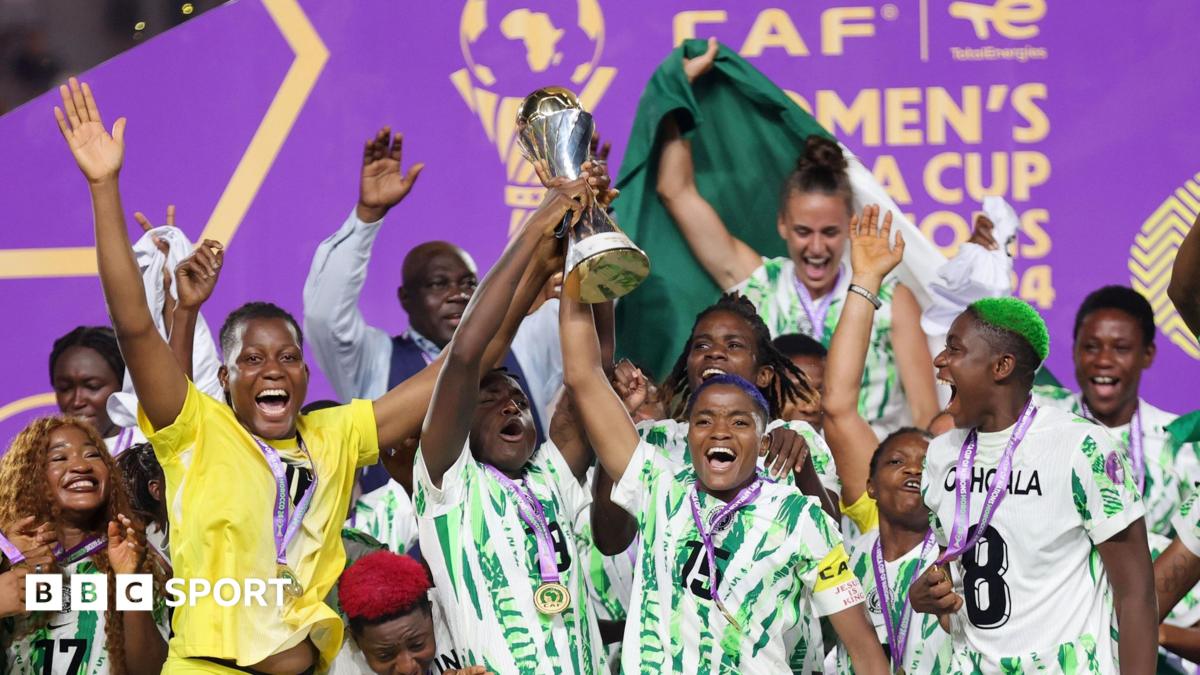
    After a last-minute postponement earlier this year, the 2026 edition of the Women’s Africa Cup of Nations (Wafcon) is finally set to get underway this weekend in Morocco, marking the third consecutive time the North African nation has hosted the continental tournament’s finals.

    The Confederation of African Football (CAF) delayed the tournament just 12 days before its original March start date, citing unforeseen scheduling complications. What was initially planned to run from March 17 to April 4 will now kick off Sunday, July 26, with an opening Group A clash between Algeria and Senegal at Rabat’s Olympic Stadium, kicking off at 17:00 GMT. This compressed timeline comes just 12 months after the delayed 2024 Wafcon, also hosted by Morocco, but the extra time created by the postponement has allowed organizers to fully prepare for the tournament’s historic expansion.

    For the first time in Wafcon history, 16 teams will compete for the continental crown, up from 12 in previous editions. The expanded tournament will feature 34 total matches, concluding with the final on Sunday, August 16. Beyond regional bragging rights, this edition carries extra global stakes: it serves as the African qualification tournament for the 2027 FIFA Women’s World Cup in Brazil. All four teams that reach the semi-finals will secure an automatic spot in the World Cup, while the four quarter-final losing sides will compete in two playoffs for spots in the intercontinental World Cup qualifying stage.

    ### Tournament Format and Group Draw
    The 16 qualified nations have been split into four groups of four, with the top two finishers from each group advancing to the knockout quarter-final stage. The full group breakdown is as follows:
    – **Group A (Rabat):** Morocco (hosts), Algeria, Senegal, Kenya
    – **Group B (Casablanca):** South Africa (2022 champions), Ivory Coast, Burkina Faso, Tanzania
    – **Group C (Rabat):** Nigeria (2024 champions), Zambia, Egypt, Malawi
    – **Group D (Casablanca):** Ghana, Cameroon, Mali, Cape Verde

    Both Malawi and Cape Verde are making their Wafcon debuts at this edition, while Kenya is returning to the tournament for the first time in a decade, after their single previous appearance in 2016.

    Defending champions Nigeria enter the tournament as overwhelming favorites, targeting a record-extending 11th Wafcon title. The Super Falcons, who beat hosts Morocco 1-0 in last year’s dramatic final, currently rank as Africa’s top women’s national side. Led by homegrown head coach Justin Madugu, the squad boasts a wealth of elite talent: three-time consecutive African Goalkeeper of the Year Chiamaka Nnadozie, and 2024 Wafcon Most Valuable Player Rasheedat Ajibade, the team’s captain.

    Hosts Morocco are aiming to go one step further after finishing as runners-up in both 2022 and 2024. Benefiting from massive infrastructure investment across men’s and women’s football in recent years, the Atlas Lionesses have added 2023 World Cup-winning manager Jorge Vilda to their technical staff, bringing elite international experience to the side. Morocco captain Ghizlane Chebbak, who finished as top scorer at the 2024 tournament with five goals, will lead the team’s push for a first-ever title.

    Other title contenders include 2022 champions South Africa, who retain experienced head coach Desiree Ellis at the helm, and 2024 third-place finishers Ghana, led by head coach Kim Bjorkegren. Zambia rounds out the list of likely challengers: the Copper Queens fell 5-0 to Nigeria in last year’s quarter-finals, but count 2024 BBC Women’s Footballer of the Year Barbra Banda among their ranks, who will be expected to carry the team’s offensive threat.

    ### Venue Adjustments Post-Postponement
    Morocco used six stadiums across five host cities for the 2024 tournament, but organizers have consolidated matches to just two cities for 2026: Rabat, the national capital, and Casablanca. Originally, the city of Fes was scheduled to host all Group D matches, but those fixtures have since been moved to Casablanca’s existing venues, cutting the total number of host cities from five to two.

    All three Rabat venues previously hosted matches during the 2025 men’s Africa Cup of Nations, part of a series of major infrastructure upgrades Morocco has completed as it prepares to co-host the 2030 FIFA World Cup alongside Spain and Portugal. Morocco’s group stage matches will be held at the 45,000-seat Moulay Hassan Stadium, which will also host one quarter-final and one semi-final. The venue for the final has not yet been finalized: it will either be Moulay Hassan Stadium or the larger Prince Moulay Abdellah Stadium in Rabat, which hosted the 2025 men’s Afcon final. If Morocco reaches the final, the larger Prince Moulay Abdellah venue is widely expected to be selected.

    The five confirmed match venues are:
    1. Moulay Hassan Stadium (Rabat)
    2. Olympic Stadium (Rabat)
    3. Al Medina Stadium (Rabat)
    4. Larbi Zaouli Stadium (Casablanca)
    5. Moulay Rachid Stadium (Casablanca)

    ### Full Match Schedule (All Times GMT)
    The vast majority of matches will kick off at 17:00 GMT and 20:00 GMT throughout the group and early knockout stages, with the final starting at a revised 19:00 GMT. The full schedule is as follows:

    **Group Stage**
    – Sunday 26 July: Algeria v Senegal (17:00, Rabat); Morocco v Kenya (20:00, Rabat)
    – Monday 27 July: South Africa v Tanzania (17:00, Casablanca); Ivory Coast v Burkina Faso (20:00, Casablanca)
    – Tuesday 28 July: Zambia v Egypt (17:00, Rabat); Nigeria v Malawi (20:00, Rabat)
    – Wednesday 29 July: Ghana v Cape Verde (17:00, Casablanca); Cameroon v Mali (20:00, Casablanca)
    – Thursday 30 July: Senegal v Kenya (17:00, Rabat); Morocco v Algeria (20:00, Rabat)
    – Friday 31 July: South Africa v Ivory Coast (17:00, Casablanca); Burkina Faso v Tanzania (20:00, Casablanca)
    – Saturday 1 August: Egypt v Malawi (17:00, Rabat); Nigeria v Zambia (20:00, Rabat)
    – Sunday 2 August: Ghana v Cameroon (17:00, Casablanca); Mali v Cape Verde (20:00, Casablanca)
    – Monday 3 August: Senegal v Morocco (20:00, Rabat); Kenya v Algeria (20:00, Rabat)
    – Tuesday 4 August: Burkina Faso v South Africa (20:00, Casablanca); Tanzania v Ivory Coast (20:00, Casablanca)
    – Wednesday 5 August: Egypt v Nigeria (20:00, Rabat); Malawi v Zambia (20:00, Rabat)
    – Thursday 6 August: Mali v Ghana (20:00, Casablanca); Cape Verde v Cameroon (20:00, Casablanca)

    **Knockout Stage**
    – Saturday 8 August: Quarter-final 2 (Winner Group B v Runner-up Group A, 17:00, Casablanca); Quarter-final 1 (Winner Group A v Runner-up Group B, 20:00, Rabat)
    – Sunday 9 August: Quarter-final 4 (Winner Group D v Runner-up Group C, 17:00, Casablanca); Quarter-final 3 (Winner Group C v Runner-up Group D, 20:00, Rabat)
    – Wednesday 12 August: Semi-final 2 (Winner QF2 v Winner QF3, 17:00, Rabat); Semi-final 1 (Winner QF1 v Winner QF4, 20:00, Rabat)
    – Thursday 13 August: World Cup Intercontinental Playoff Semi-final 1 (Loser QF2 v Loser QF3, 17:00, Casablanca); World Cup Intercontinental Playoff Semi-final 2 (Loser QF1 v Loser QF4, 20:00, Casablanca)
    – Saturday 15 August: Third Place Playoff (Loser SF1 v Loser SF2, 17:00, Rabat)
    – Sunday 16 August: 2026 Wafcon Final (Winner SF1 v Winner SF2, 19:00, Rabat)

  • QPR sign former Brighton full-back Lamptey

    QPR sign former Brighton full-back Lamptey

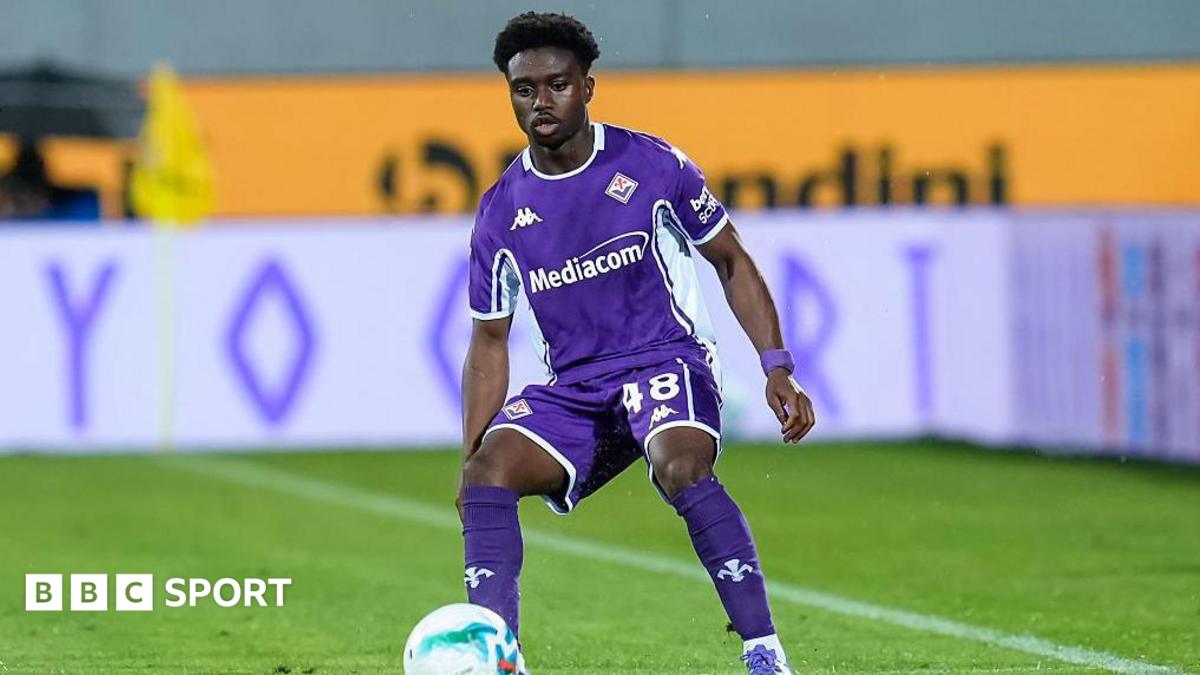
    Championship side Queens Park Rangers (QPR) has announced the signing of experienced right-back Tariq Lamptey on a free transfer, marking a new chapter for the 25-year-old defender after a injury-plagued spell at Italy’s Serie A club Fiorentina.

    Lamptey only spent 10 months at Fiorentina, having moved to the Italian top-flight side from Premier League club Brighton & Hove Albion in September 2025. But his time in Italy was cut short by a serious knee injury that limited him to just two first-team appearances for the club before his departure.

    A product of Chelsea’s famed youth academy, Lamptey kicked off his senior career at Stamford Bridge, where he made his Premier League debut against Arsenal. He then made the switch to Brighton, now known as the Seagulls, where he went on to establish himself as a first-team regular, racking up more than 120 appearances across all competitions during his tenure at the club.

    On the international stage, Lamptey has a unique representative history: he initially featured twice for England’s U-21 national side before switching his international allegiance to Ghana, the country of his heritage. He went on to represent Ghana at the 2022 FIFA World Cup and has earned 11 senior caps for the Black Stars to date.

    Speaking following the confirmation of his transfer, Lamptey expressed optimism about his recovery from the knee injury and his new opportunity at QPR. “My recovery has gone well and I’m not too far away now. I’m looking forward to joining with the boys,” the full-back told QPR’s official club website. “Throughout my football journey I’ve always been resilient.”

    QPR chief executive Christian Nourry welcomed Lamptey’s arrival, highlighting the club’s growing appeal as a destination for ambitious players even after the defender received interest from multiple sides. “We’ve had good conversations about what he wants to achieve and how he feels that this is the right environment for him to flourish in,” Nourry said. “His decision to join QPR over a myriad of other EFL Championship clubs and clubs abroad is a further signal of the growing potential of this football club.”

    Terms of the contract have not been made public by the west London club. QPR is set to kick off its 2026-27 EFL Championship campaign with an away fixture against Portsmouth on 15 August, kicking off at 15:00 BST.

  • Missing the World Cup? Relief is on the way next summer with the Women’s World Cup in Brazil

    Missing the World Cup? Relief is on the way next summer with the Women’s World Cup in Brazil

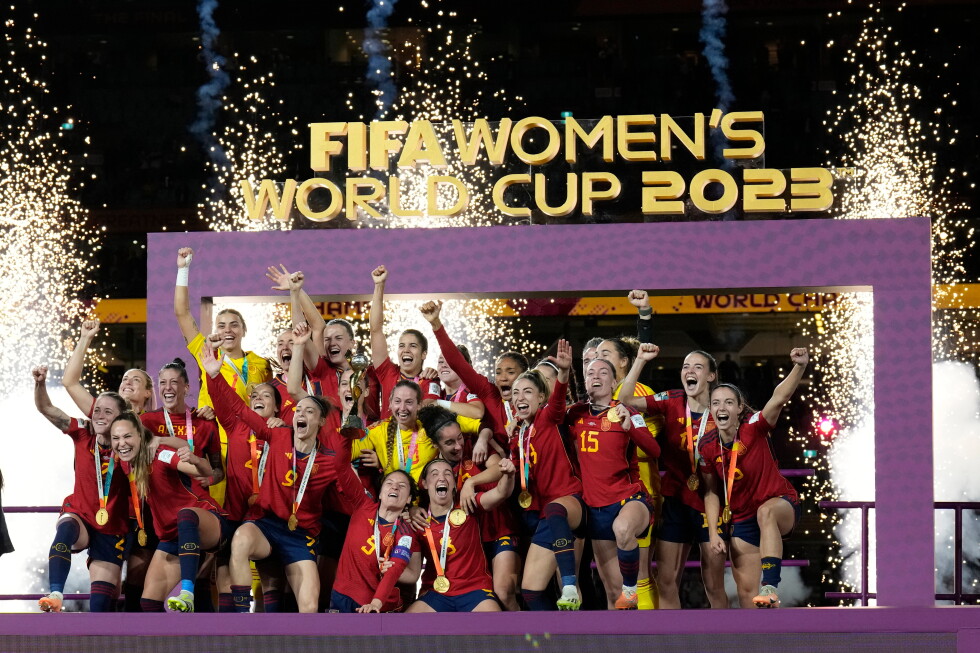
    Fresh off the conclusion of the men’s FIFA World Cup, all attention in global soccer has shifted to the upcoming 2025 Women’s World Cup, which is scheduled to kick off next summer across Brazil. As the reigning champions of the competition, Spain enters the tournament as the team to beat. The Spanish side claimed their first-ever Women’s World Cup title in 2023 with a tense 1-0 victory over England in the Sydney final, and currently hold the number one spot in the global FIFA women’s rankings. That championship squad was stacked with elite talent, including two consecutive Ballon d’Or winners Aitana Bonmati and Alexia Putellas, plus dynamic young forward Salma Paralluelo. Even Spain’s men’s World Cup-winning star Rodri heaped praise on Bonmati during a post-tournament television interview, admitting “I’m trying to see if I can get to her level.”

    For the United States, the 2023 campaign ended in disappointment when the team was knocked out in the round of 16 by Sweden, ending their quest for a third consecutive title. Despite the early exit, the U.S. remains a global powerhouse, holding four Women’s World Cup titles – more than any other nation – and currently sits second in the world rankings. This October, the U.S. will host Spain for two friendly matches, a critical preparation step ahead of CONCACAF qualifying kicking off in late November in Texas. These high-profile tune-up matches are expected to give fans and analysts an early look at how both squads will shape up when they compete for the trophy in Brazil. “We know Spain is an amazing team, and I think we’re just really looking forward to having this prep. Especially before qualifying,” said U.S. rookie midfielder Lily Yohannes. “It will be a really great opportunity for us. Playing these players, I played against them in the Champions League, and I know how great they are.”

    Qualification for the 2025 tournament is already well underway, with 14 nations having secured their spots in the 32-team field, including defending champion Spain, 2003 and 2011 winner Germany, Japan, China, France, Argentina, and Australia. Host Brazil receives an automatic qualification, despite having never lifted the Women’s World Cup trophy in the tournament’s history.

    This tournament marks a milestone for gender equity in Brazilian soccer, according to Aline Pellegrino, a former Brazil national team defender and current executive director of legacy and stakeholder affairs for the 2025 Women’s World Cup. “Some time ago the opportunities for men and women were not equal. But that’s changing. This World Cup has tremendous potential to make that change truly happen,” Pellegrino said. She added that local organizing committees, FIFA, and Brazil’s federal government have been working closely to deliver a seamless tournament and sell out stadiums, building on the positive momentum from friendly matches between Brazil and the U.S. held earlier this year. All eight host cities for 2025 previously welcomed the men’s World Cup in 2014: Rio de Janeiro, Sao Paulo, Belo Horizonte, Brasilia, Fortaleza, Porto Alegre, Recife and Salvador. Brazil also hosted the 2016 Summer Olympics, giving the country extensive experience in hosting major international soccer events.

    One of the biggest storylines heading into the tournament for the host nation surrounds the status of iconic veteran captain Marta, Brazil’s all-time leading goalscorer with 122 international goals. The 38-year-old initially retired from international soccer after Brazil’s narrow 1-0 loss to the U.S. in the 2024 Paris Olympic gold medal match, but reversed her decision months later to compete in the Copa America Femenina. By the time the 2025 World Cup kicks off, Marta will be 41 years old, with fans across the globe waiting to see if she will lead her nation out on home soil one last time.

    When the U.S. traveled to Brazil for two friendly matches in June 2025, the teams split the series: Brazil earned a 2-1 win in Sao Paulo, before the U.S. responded with a 1-0 victory in Fortaleza. U.S. head coach Emma Hayes noted after the series that the tense, hostile away environment was valuable preparation, saying her squad needed to lean into the “moments of chaos” that come with high-stakes international competition.

    The 2025 Brazil Women’s World Cup will also mark the final edition of the tournament with a 32-team field. Starting in 2029, the competition will expand to 48 teams, matching the current format of the men’s World Cup. Looking further ahead, the 2031 Women’s World Cup is widely expected to be jointly hosted by the United States, Mexico, Costa Rica and Jamaica, with a formal hosting announcement expected this coming November.

  • This year’s supersized World Cup had some things go wrong. There was also a lot that went right

    This year’s supersized World Cup had some things go wrong. There was also a lot that went right

    The 2026 FIFA World Cup, an unprecedented logistical feat bringing 48 teams, 104 matches, and 16 stadiums across three North American nations – the United States, Canada, and Mexico – was always set to face high stakes and endless potential pitfalls, from on-field controversies to off-stage organizational chaos. But when the final whistle blew on the tournament’s six-week run, the event outperformed nearly all low expectations, emerging as a largely successful showcase of global soccer that kept most of the drama where it belongs: on the pitch.

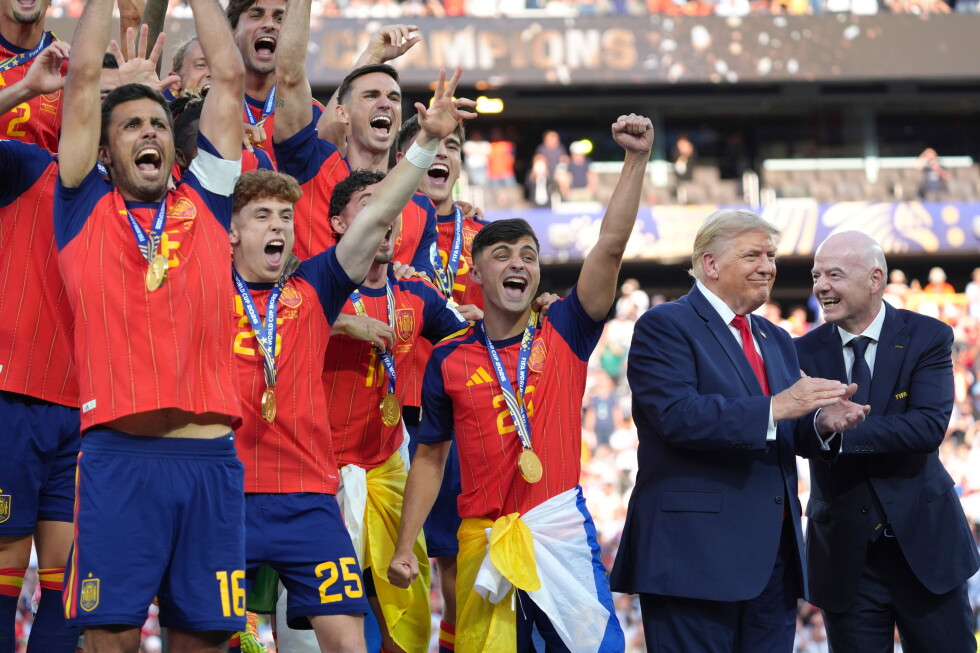
    After Spain claimed the trophy with a tense 1-0 extra-time victory over Argentina in the final, FIFA President Gianni Infantino heaped glowing praise on the co-host nations, highlighting the tournament’s landmark achievements in audience and attendance. “We have had a record number of spectators in the stadiums, almost 7 million,” Infantino noted, adding that official final figures are still forthcoming, and global broadcast viewership from home viewers is projected to top 6 billion people.

    Broadcast ratings delivered strong results across North America despite an early exit for the U.S. men’s national team, which fell to Belgium in the round of 16. Fox Sports, which aired all 104 matches in English, retained consistent viewership even after the hosts’ elimination, while Spanish-language broadcaster Telemundo saw historic engagement: preliminary data puts the final’s Spanish-language audience at 22.6 million, on pace to make it the most-watched World Cup final in Spanish-language U.S. media history. The U.S.-Belgium knockout match alone drew more than 45 million total viewers across both networks, with 33.1 million tuning in to Fox and 12 million to Telemundo. Even non-native Spanish speakers frequently turned to Telemundo’s coverage for its energetic commentary and fan-focused presentation. After a small number of early logistical bumps, stadiums across all three co-hosts drew near-capacity crowds for nearly every match, even with premium ticket prices that had sparked concerns about low turnout.

    Organizers also caught a lucky break with summer weather, a long-cited risk for a Northern Hemisphere summer tournament. While summer heat across North America is already intense, amplified by broader climate change trends, only a handful of matches faced dangerous sweltering conditions. The most notable example was Paraguay’s knockout clash with France in Philadelphia on July 4, where temperatures hovered near 100 degrees Fahrenheit (38 degrees Celsius) throughout the match. For the final held in the New Jersey metro area, organizers dodged a major disruption when hazy smoke from ongoing Canadian wildfires, which had blanketed much of the U.S. Northeast in recent weeks, cleared just before kickoff thanks to timely thunderstorms that pushed the smog out of the region.

    The tournament’s most ambitious shift – expanding the field from 32 to 48 teams, a change many critics argued would dilute the quality of competition – also defied pessimism to deliver exciting, competitive matches and memorable underdog stories. Cape Verde, a minnow in global soccer, held eventual champion Spain to a surprising draw in its opening group match, advanced to the round of 32, and pushed Argentina to a 3-2 extra-time thriller that went down as one of the tournament’s most iconic matches. Congo also advanced out of the group stage and pushed powerhouse England to a tight contest before exiting, while Curaçao retained a shot at qualifying for the knockout round heading into its final group match. After the Cinderella runs of lower-ranked underdogs, the tournament’s final four featured the world’s top four ranked teams: England, Argentina, Spain, and France, delivering the high-stakes heavyweight matchups fans had hoped for.

    Even with the overall success, the 2026 tournament was not without its share of political controversies, a consistent undercurrent for major global soccer events. Iran’s participation, which took place amid ongoing conflict in the Middle East, emerged as the most high-profile point of tension. The Iranian team was forced to relocate its pre-tournament base camp from Arizona to Mexico, after the U.S. denied visas to multiple members of the country’s official delegation, leaving the team overshadowed by travel disputes and administrative barriers. Controversy also swirled around the decision to reverse American striker Folarin Balogun’s one-game red card suspension ahead of the U.S.’s round of 16 match against Belgium, which sparked scrutiny of the relationship between former U.S. President Donald Trump and Infantino. Travel restrictions also barred fans from several sanctioned countries from entering the U.S. to attend matches, though there were no verified reports of the aggressive immigration enforcement near stadiums that multiple human rights groups had warned of ahead of the tournament.

    While Infantino has a clear incentive to frame the expanded 48-team tournament as a success, on-the-ground results back up his positive framing. The FIFA chief doubled down on his praise, saying, “I think we have to invent a new vocabulary, new words to define the success of this World Cup.” For soccer fans across North America and the globe, the 2026 co-hosted World Cup exceeded most expectations, proving that an expanded, three-nation tournament can deliver both competitive excitement and strong organizational results.

  • AFL legend Tony Modra shares heartwarming update on truck crash recovery

    AFL legend Tony Modra shares heartwarming update on truck crash recovery

    One month after surviving a catastrophic, near-fatal truck crash sparked by severe weather near Victor Harbor, Australian Football League (AFL) icon Tony Modra has given supporters across the country a hopeful, heartwarming update on his road to recovery.

    The 57-year-old former star, who earned two All-Australian selections during his illustrious career, was left in critical condition last month when an out-of-control tree branch crashed through the windshield of his moving truck during a period of bad weather on June 18. Labeled a freak accident by emergency responders, the impact left Modra with life-threatening injuries that required immediate intensive care admission, leading many fans and fellow football figures to fear the worst for the sports legend.

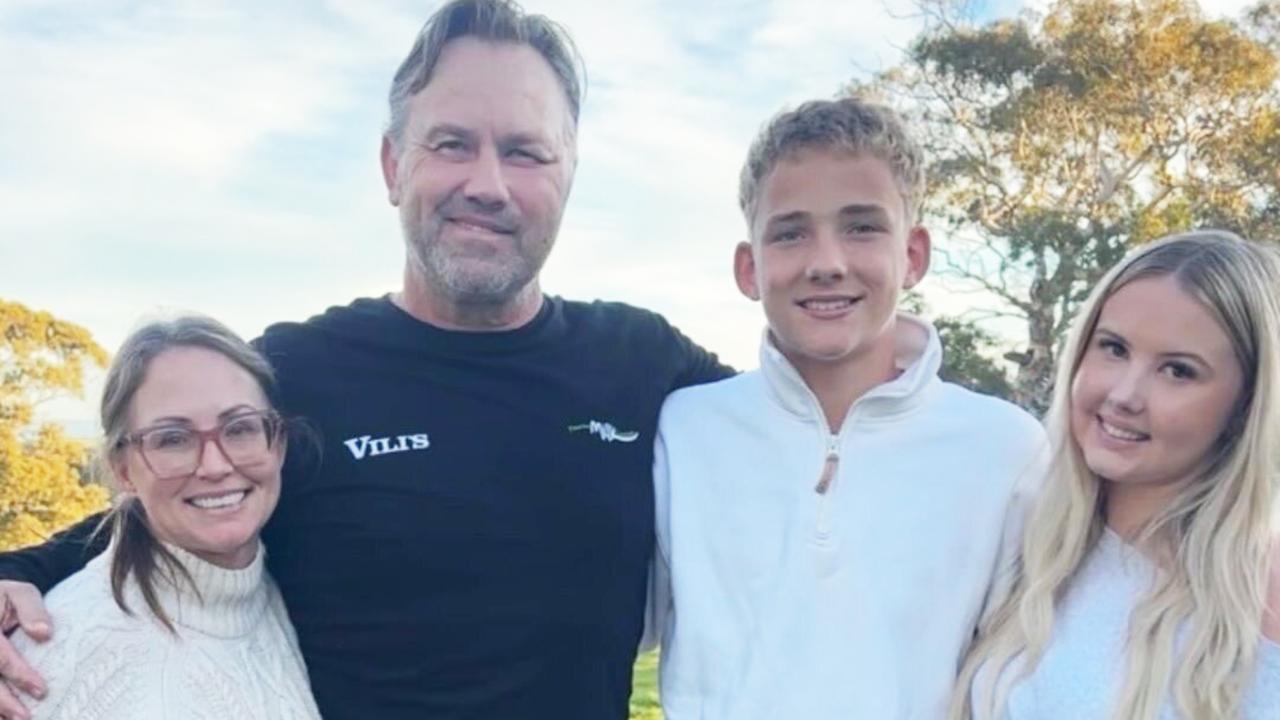
    Now, in an Instagram post that has delighted the global AFL community, Modra has shared new photos of himself posing alongside his wife Erica, son Luke and daughter Hayley, looking alert and steadily recovering just four weeks after emergency facial surgery. He was discharged from the hospital earlier this June, and said he is already beginning to resume small daily activities.

    In his touching social media update, Modra expressed profound gratitude for the life-saving care he received from three South Australian medical and emergency response teams: SA Ambulance Service, South Coast District Hospital, and Flinders Medical Centre. “Saved my life, put me back together with a few titanium plates, got me home,” he wrote of the teams’ work. “I’m getting out and about a bit now, and slowly catching up on everything I missed over the last month.”

    Modra added that he has been deeply moved by the outpouring of support from the football community and general public over the past month. “I’m so humbled to learn how many people were cheering these incredible medical teams on … and our family too. I’ll never be able to thank everyone enough.”

    Modra remains one of the Adelaide Crows’ most celebrated forwards, holding a franchise record for five consecutive seasons as the club’s leading goal-kicker across his 118 appearances for the team. He also notched 47 appearances during a stint with the Fremantle Dockers, and represented his state in State of Origin football, cementing his legacy as one of Australian rules football’s most recognizable figures.

  • Judiciary wrap: South Sydney rocked by fresh blow as David Fifita cops two-match ban at the judiciary

    Judiciary wrap: South Sydney rocked by fresh blow as David Fifita cops two-match ban at the judiciary

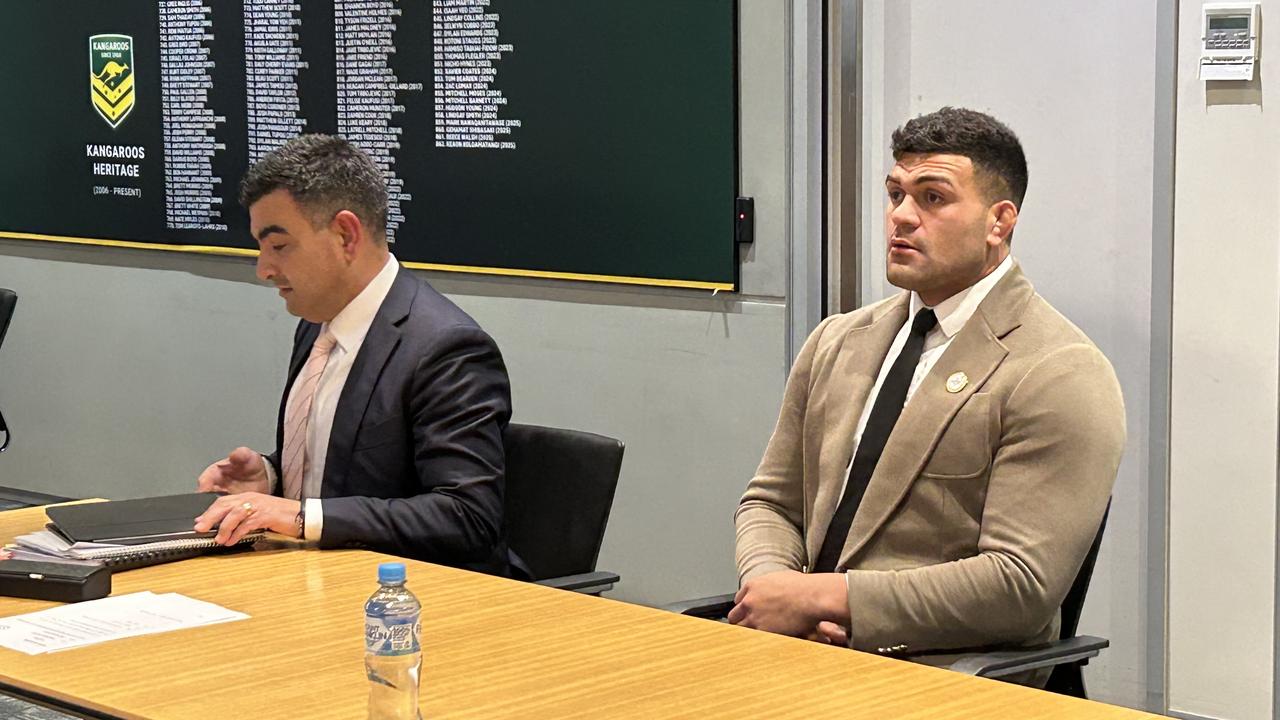
    The South Sydney Rabbitohs’ bid to secure a spot in the NRL finals has been hit by a devastating triple setback, just days out from their critical round clash against the Melbourne Storm. The biggest blow came Tuesday night, when experienced starting forward David Fifita saw his appeal against a dangerous contact charge dismissed by the NRL judiciary, resulting in a two-match suspension that rules him out of Friday’s high-stakes game. The roster crisis deepens with two more key back-row forwards already sidelined by injury: Tallis Duncan is out with a hamstring strain, while captain Cameron Murray will miss the encounter with a calf injury. Young forward Thomas Fletcher is now the leading candidate to step into Fifita’s starting edge position, leaving the Rabbitohs severely depleted in one of their most impactful position groups.

    The charge against Fifita stems from an incident during the Rabbitohs’ recent clash with the Canberra Raiders, early in the second half. While tackling Raiders forward Hudson Young, Fifita made contact with the back of Young’s head with his foot. The contact was not penalized by on-field officials at the time, but the match review panel later issued a Grade 2 dangerous contact charge. Had Fifita accepted an early guilty plea, he would have received a one-match suspension. Instead, he entered a guilty plea but contested the grading, launching an appeal at Rugby League Central to reduce the charge’s severity.

    Fifita’s legal team, led by experienced sports defense counsel Nick Ghabar, argued that the incident was not a deliberate dangerous action. Ghabar told the judiciary panel, made up of former NRL players Tony Puletua and Paul Simpkins, that Young had pushed himself upward off the tackle, which exaggerated the extent of the contact. He emphasized there was no deliberate, separate kicking movement: Fifita had no planted foot to generate a conventional kicking action, no intentional movement to strike Young, and no follow-through after the contact, he claimed. Ghabar also noted that both the on-field referee and touch judge had an unobstructed view of the incident and chose not to issue a penalty, and drew a comparison to a 2024 Grade 1 charge involving St George Illawarra Dragons winger Tyrell Sloan, who kicked Sydney Roosters playmaker Sam Walker in the head during a match.

    NRL counsel Lachlan Gyles pushed back against the comparison, arguing that the 2024 incident was a fundamentally different scenario. Gyles noted that Sloan had been trapped in a tackle and was attempting to free himself to play the ball, a common in-game scenario that amounted to a lower level of carelessness. By contrast, Gyles argued, the momentum of the tackle involving Fifita and Young had already come to a complete stop before the contact occurred, eliminating any mitigating context. He told the panel the contact created an unreasonable risk of serious injury to Young, the level of Fifita’s carelessness was far higher than the 2024 case, and there were no mitigating factors to justify a lower grading. “It’s very hard to justify a movement that shows what you can see on that still. It has to be more than a low level of carelessness,” Gyles stated.

    After deliberation, the two-person panel unanimously rejected Fifita’s appeal to downgrade the charge, upholding the Grade 2 ruling that brings an automatic two-match suspension. The suspension comes at a critical time for the Rabbitohs, who are fighting to secure a top-eight finish and a spot in the 2024 NRL finals. With three of their top four back-row options all sidelined for Friday’s clash against a premiership-contending Storm side, coach Wayne Bennett — who appeared in support of Fifita at the judiciary hearing alongside South Sydney football manager Jason Clark — will now be forced to field a much-changed forward pack in one of the team’s most important matches of the regular season.

  • Why World Cup can be game-changer for ambitious MLS

    Why World Cup can be game-changer for ambitious MLS

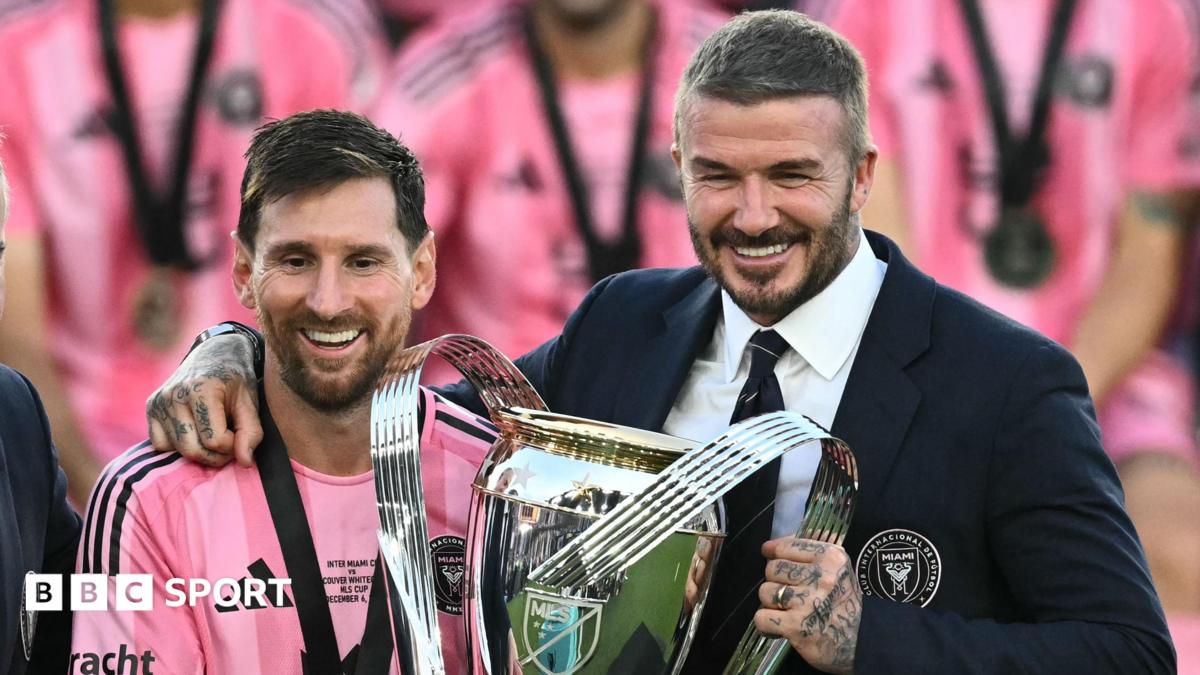
    The 2026 FIFA World Cup has created an unprecedented wave of football enthusiasm across the United States, and Major League Soccer (MLS) is seizing this moment to turn a one-time tournament hype into long-term growth as it pushes to join the ranks of the world’s top elite football leagues. Leading the charge is global icon Lionel Messi, alongside other top stars like Son Heung-min and David Beckham, who are fronting a new national advertising campaign with the bold rallying cry: “Thanks world, We’ll take it from here.”

    The campaign targets the millions of new football fans who tuned into the 2026 World Cup, inviting them to follow the sport as MLS’s regular season resumes and even offering complimentary tickets to first-time attendees. For league executives, the World Cup’s massive domestic success has delivered a once-in-a-generation momentum that MLS is eager to capitalize on. “The World Cup has now exposed millions of people to Major League Soccer,” said Dan Courtemanche, MLS executive vice-president who joined the organization back in 1995, before the league even played its first match. “We’re going to continue to capitalise on that momentum.”

    This moment of opportunity is decades in the making. Ironically, MLS itself is a legacy of the 1994 World Cup, when FIFA required the U.S. to launch a top-tier professional football league as a condition of awarding the country hosting rights. When the league kicked off in 1996, it operated with just 10 teams and not a single purpose-built football stadium. Thirty years on, MLS has expanded to 30 clubs, nearly all of which play in their own football-specific venues.

    The 2026 World Cup defied all early skeptics to deliver record-breaking viewership and fan engagement across the U.S. Despite widespread predictions of empty stadiums due to sky-high ticket prices, every venue sold out and packed crowds turned out for matches. Even after the U.S. men’s national team was eliminated from the tournament, broadcast ratings remained at historic levels. The U.S.’s round of 16 defeat to Belgium became the most-watched single-network football match in U.S. history, drawing more than 33 million viewers on Fox. Meanwhile, England’s round of 16 win over Mexico drew a combined 45 million viewers across English-language Fox and Spanish-language Telemundo, making it the most-watched football match of any kind in U.S. history. While these numbers still fall short of the 127.7 million viewers that tuned into the 2025 Super Bowl, they put top World Cup matches on par with popular NFL regular season and playoff contests, marking a massive milestone for football in the U.S.

    For years, MLS has harbored ambitions to grow into a global elite league on par with Europe’s top competitions. Commissioner Don Garber noted at a recent future-focused league event that MLS has already achieved major commercial success. “I think we’re looked at as the top, one of the top leagues commercially,” Garber said. “We’ve cracked that code. Now we’ve got to crack the rest of it.”

    Already, the league is making major strides to shake off its outdated reputation as a retirement home for aging European superstars. A total of 45 MLS players featured at the 2026 World Cup, including two Argentine stars who started in the final: Messi and Rodrigo de Paul. Courtemanche pointed out that the narrative of MLS as a destination for post-peak legends is no longer accurate: the average age of new international signings to the league is now just 23.8 years old, with many young talents using MLS as a springboard to future moves to European leagues. To facilitate that player movement and align with global football calendars, MLS will shift to a summer-to-spring season structure starting in 2027, matching the schedule used across most of Europe. The league is also pouring investment into youth development, with every MLS club operating a full youth academy to nurture homegrown talent.

    During the World Cup, at a LA Galaxy-hosted public viewing party for the U.S. national team match against Bosnia-Herzegovina, dozens of young players ignored the big screen to compete in informal pickup matches on adjacent pitches, a testament to the growing grassroots interest in the sport. Eight-year-old Landon, named for U.S. football legend Landon Donovan, already dreams of playing professionally for LAFC one day, after attending MLS youth camps and playing on elite travel teams.

    Still, critics argue that MLS faces structural barriers to competing with Europe’s top leagues, most notably the pervasive “pay-to-play” culture in U.S. youth development. While top-tier MLS academies offer free training, similar to European clubs, young players typically need to pay thousands of dollars for private coaching and travel team participation to even get scouted by academy programs. League officials counter that the youth development system is constantly evolving, and all clubs offer need-based scholarships for talented low-income players. Garber emphasized that the league is committed to improving its youth pipelines to produce more talent for the U.S. men’s national team and strengthen the league long-term.

    Off the pitch, MLS has already become a wildly successful commercial enterprise, with celebrity ownership driving growing mainstream appeal. Messi is the league’s biggest current draw, but dozens of A-list entertainers and sports legends hold ownership stakes across MLS clubs, including Will Ferrell and Magic Johnson (LAFC), Reese Witherspoon (Nashville SC), and Matthew McConaughey (Austin FC). The financial growth of the league has been staggering: when Drew Carey became an original owner of the expansion Seattle Sounders in 2009, the club paid a $30 million expansion fee; today, the Sounders are valued at more than $900 million. David Beckham secured an option to buy an expansion franchise for just $25 million as part of his 2007 LA Galaxy contract; his Inter Miami CF, boosted by the signing of Messi, is now valued at more than $1 billion.

    Despite the current World Cup-fueled football frenzy across the U.S., skepticism remains that football will ever displace American football as the country’s top sport. Brian Udovich, whose 12-year-old son plays in an elite MLS youth league in Southern California, noted that many talented young players switch to American football as teenagers, drawn by the massive cultural hype and institutional support. Friday night high school American football games draw thousands of fans, feature marching bands and cheerleaders, and turn top players into local celebrities, while youth football matches are often low-key Saturday morning events attended only by family.

    But longtime American football insiders argue that the 2026 World Cup has permanently shifted football’s place in U.S. culture. New York Red Bulls coach Michael Bradley noted that for decades, the sport labored under an inferiority complex that it would never truly take root in the U.S. “We don’t have the long, storied football history that other countries do. I think for a long time that led to an inferiority complex that maybe football would never really survive in the United States,” Bradley told reporters. Today, that narrative has changed: “I think we can all unequivocally say in 2026, football is not going anywhere.”

  • ‘I’ll say the same thing’: Mitchell Moses shuts down questions about Jarome Luai as Eels fans get excited for 2027

    ‘I’ll say the same thing’: Mitchell Moses shuts down questions about Jarome Luai as Eels fans get excited for 2027

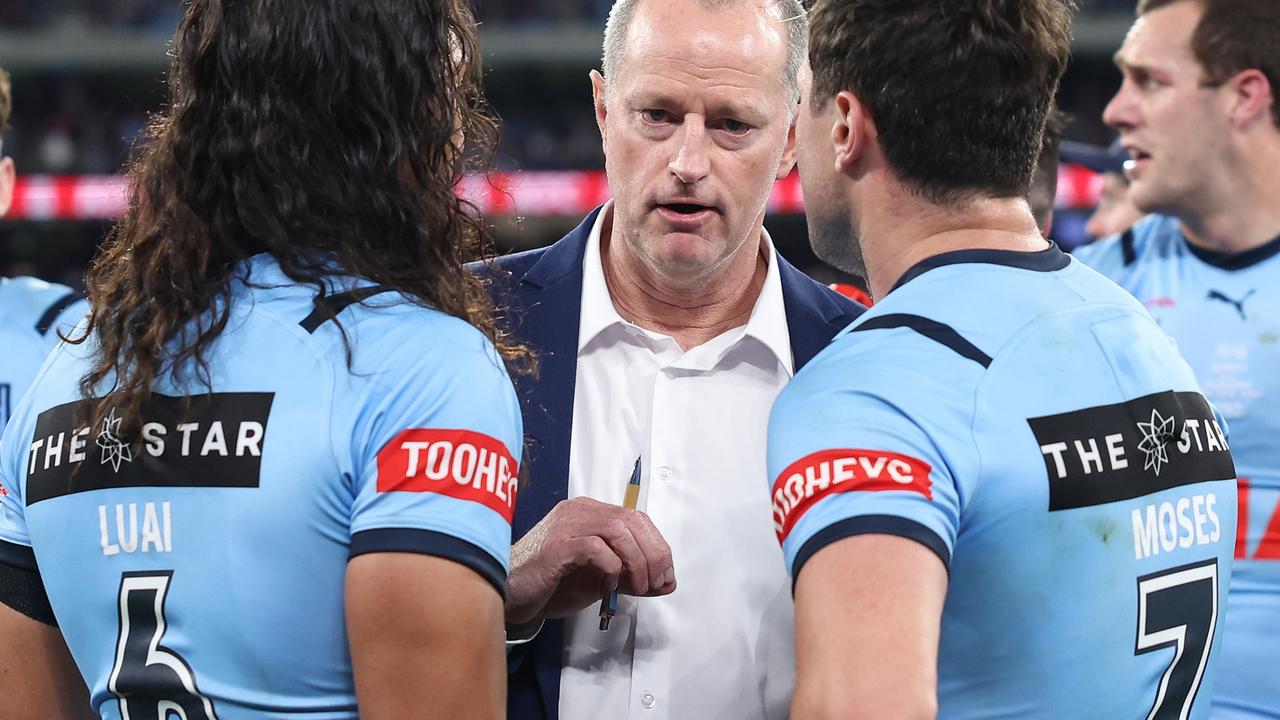
    As the Parramatta Eels prepare to take on the red-hot Penrith Panthers this Thursday, all eyes have been on veteran halfback Mitchell Moses for more than just his on-field performance. Last week, the NRL club made a high-profile announcement: star five-eighth Jarome Luai will join the Eels on a one-year deal in 2027, before moving to Papua New Guinea to take up a marquee spot with the newly established PNG Chiefs for their inaugural Super Rugby Pacific campaign. However, when reporters pressed Moses on Luai’s impending arrival during a Tuesday media briefing, the Eels skipper repeatedly shut down all inquiries, emphasizing his immediate focus rests solely on the upcoming match.

    Moses and Luai already share experience as halves partners for the New South Wales Blues in State of Origin, having lined up together for three matches with a solid 2-1 win record that includes a decisive victory in the 2024 Origin decider. Despite this existing on-field chemistry, Moses remained tight-lipped about what the pairing will look like at club level when Luai joins Parramatta. “It’s exciting for next year, but that’s next year. We’ve got a job to do this week,” Moses told reporters. “We haven’t been up to scratch lately, so we’ve got to be better against a Penrith side that’s in outstanding form right now.”

    Pressed on what Luai will bring to the Eels’ squad, Moses added: “He’s not here yet, so I’m not too sure about at clubland what he brings. It was good in the Origin arena, but we’ll have to worry about that next year. I’m not sure why we gelled so well there – you’re playing with quality players in that environment, you do your job, and everything else sorts itself out.” The Eels captain also refused to engage in playful speculation about which of the two star playmakers would take the leading “Batman” role and which would serve as the supporting “Robin” in their 2027 partnership.

    Moses also pushed back on suggestions that the Eels have become a temporary “halfway house” for playmakers, pointing to the club’s recent signing of Jonah Pezet, who will also spend one season at Parramatta before moving to the Brisbane Broncos. When reporters continued to press for more details on Luai’s signing and the upcoming partnership, Moses held firm to his focus on the immediate match. “That’s next year, we’ll worry about that next year. We’ve got a job to do this week, and all the Jarome stuff, that’ll be happening next year. You can start talking about that November 1, guys. You’re not going to get much more out of me here. If you want to go again, you can go again and ask again, and I’ll say the same thing.”

    Thursday’s match will mark Moses’ first game since the Blues’ shock Origin decider victory, and he will go head-to-head against his NSW Origin halves partner Nathan Cleary, who currently plays for Penrith. The two could reunite as teammates later this year for the Rugby League World Cup, and Moses was full of praise for Cleary, who silenced widespread critics with a standout performance in the 2024 Origin decider. “He’s probably the best player in the comp right around at the moment,” Moses said. “To go up against him will be special and a great test for us as a group. We’ve just got to put an 80-minute performance in. I don’t think we’ve really done that this year, and we’ll be looking to do that this week.”

    Moses also expressed his support for Cleary amid the pre-decider criticism. “I was rapt for him. He copped a lot of abuse, which was unwarranted, and he just put that to bed. I was really happy for him, he was outstanding in that game three.”

  • Australia’s ‘Big Four’ bowlers back in the frame for Bangladesh test cricket series

    Australia’s ‘Big Four’ bowlers back in the frame for Bangladesh test cricket series

    BRISBANE, Australia — Australian cricket fans are set for a potentially historic moment next month, as three of the nation’s elite fast and spin bowlers have recovered from injury layoffs and are in line to rejoin the squad for a two-Test series against Bangladesh, bringing the country’s legendary “Big Four” bowling attack one step closer to a full reunion.

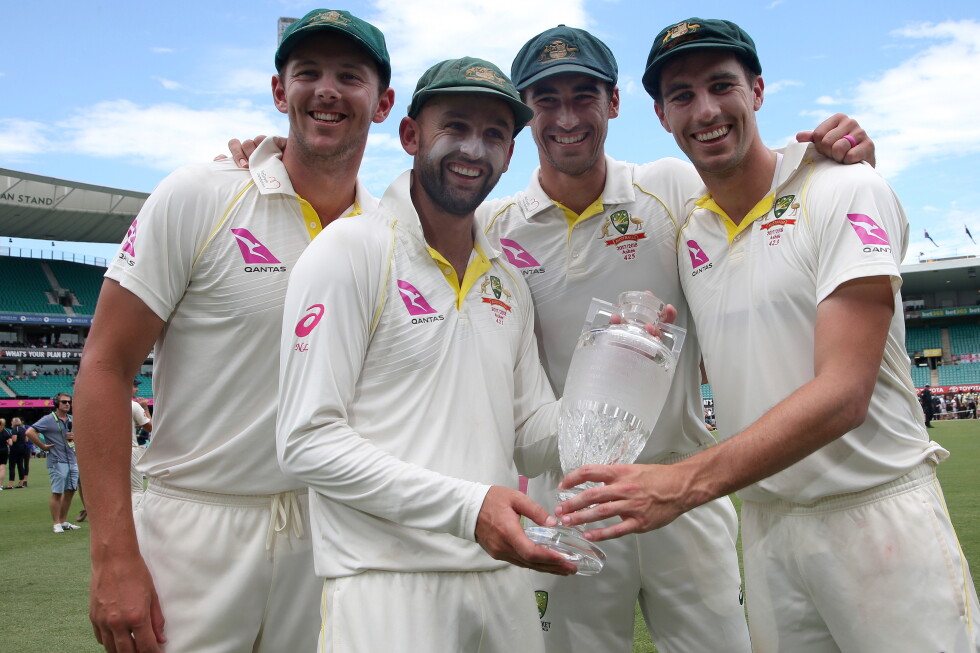
    For years, pace bowlers Pat Cummins, Josh Hazlewood, Mitchell Starc and off-spinner Nathan Lyon have formed Australia’s undisputed first-choice bowling lineup, widely regarded as one of the most formidable Test attacks in modern cricket. However, recurring injury issues have sidelined key members at different points in recent series, preventing all four from sharing the starting XI together as often as fans and selectors have hoped.

    Australia’s men’s selection committee chair George Bailey confirmed in an announcement Tuesday that while no starting XI has been finalized weeks out from the first match, Cummins, Hazlewood and Lyon – who all spent months on the injury list – are now fully fit and available for selection.

    “We won’t be locking in a starting XI this far out from the series, that much is to be expected,” Bailey told reporters. “But what we do know is we have the depth across this group to cover every scenario across these two Tests. I’m confident that we will see all four members of the Big Four take the field together in an upcoming Test.”

    Bailey added that the three returning bowlers put in extraordinary work over the off-season, training individually and alongside national fitness staff to overcome their respective injuries and regain full match readiness.

    The 13-man squad named for the Bangladesh series offers selectors significant tactical flexibility, with additional depth provided by pace bowler Scott Boland and all-rounders Cameron Green and Beau Webster. Bailey noted that the coming 12 months will bring a packed international schedule across all three formats of the game, meaning even players not named in the starting XI for the Bangladesh series will have plenty of opportunities to earn caps in upcoming matches.

    The series against Bangladesh will launch a demanding 12-month period for the Australian Test team that includes 20 total Test matches, with away tours scheduled for South Africa, India and England later in the cycle. The opening Test against Bangladesh will take place in Darwin, Northern Territory from August 13 to 17, while the second match will be hosted in Mackay, Queensland from August 22 to 26.

    Opening batsman Jake Weatherald, who was part of Australia’s Ashes series win over England last summer, has been retained in the squad, and is on track to open the batting alongside Travis Head for the Bangladesh series.

    Full 13-man Australia squad: Pat Cummins (captain), Scott Boland, Alex Carey, Cameron Green, Josh Hazlewood, Travis Head, Josh Inglis, Marnus Labuschagne, Nathan Lyon, Steve Smith, Mitchell Starc, Jake Weatherald, Beau Webster.