分类: sports

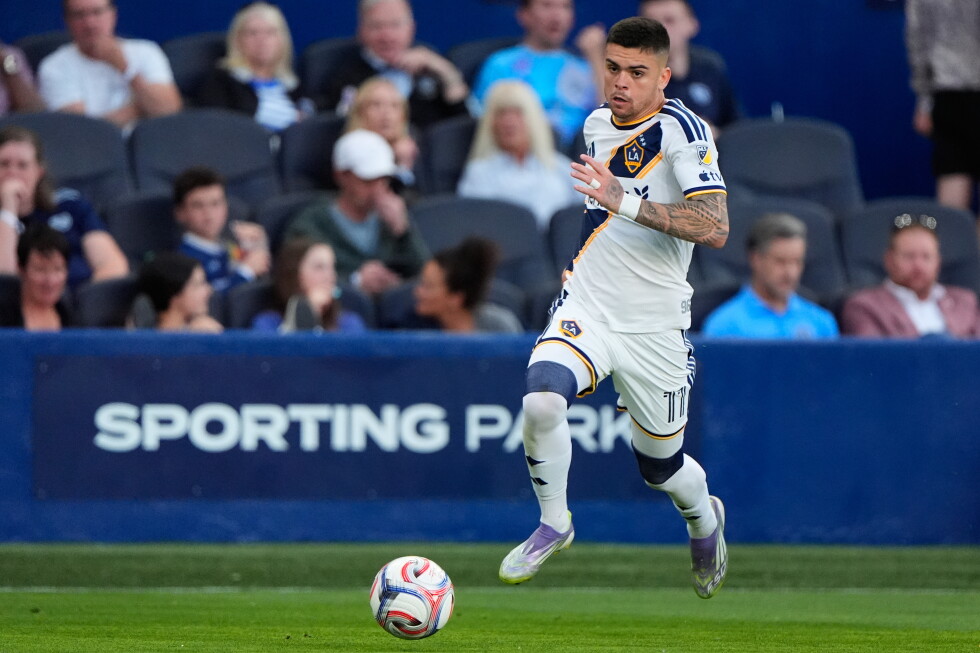
  • Brazil court ties soccer player’s suspension to recovery time for his injured rival Gabriel Pec

    Brazil court ties soccer player’s suspension to recovery time for his injured rival Gabriel Pec

    Brazil’s top sports judicial body has handed down an extraordinary penalty to Internacional Porto Alegre defender Víctor Gabriel, suspending him from all domestic football competition until Cruzeiro forward Gabriel Pec completes his recovery from a broken leg and returns to full team training. The landmark ruling was announced Tuesday by the Superior Court of Sports Justice (STJD), Brazil’s highest independent authority for sports disciplinary matters, after judges concluded that a standard league penalty would not fit the gravity of the on-pitch incident that left Pec with a fractured left tibia.

    The injury occurred during a top-flight Brazilian league match held July 22, when Víctor Gabriel made a heavy challenge on Pec that resulted in the immediate removal of the Cruzeiro attacker with a broken bone. Unlike standard suspensions that carry a fixed number of matches or set term, the STJD implemented a provision under Brazilian sports law that allows a suspension to align with the injured player’s recovery timeline in cases of severe harm. While the maximum duration of the suspension is capped at 180 days, the ruling notes that Víctor Gabriel will be eligible to return to competition immediately if Pec receives medical clearance to resume training ahead of that 180-day deadline. The defender retains the right to file an appeal against the decision.

    Pec, a former LA Galaxy winger in Major League Soccer, joined Cruzeiro in the 2022 FIFA World Cup mid-season break for a transfer fee of at least $12 million, a new club record for the Minas Gerais side. Appearing before the court ahead of the ruling, Víctor Gabriel stressed that he never intended to cause harm to Pec, and has expressed deep remorse over the incident. “I’ve had sleepless nights praying for him, and I offer a heartfelt apology to everyone at Cruzeiro,” the defender told judges.

    Víctor Gabriel was officially charged with violent conduct under Article 254 of the Brazilian Code of Sports Justice, which paved the way for the extended recovery-aligned suspension. The ruling was not reached by a unanimous vote, highlighting division among judicial members over the appropriate penalty. Adjudicator Rodrigo Steinmann Bayer initially put forward a motion for a standard six-match suspension without the extended time-based penalty. However, the court’s president Jorge Octavio Lavocat Galvão joined by two other panel members, Eduardo Xible Salles Ramos and Aline Gonçalves Jatahy, secured a majority to enforce the lengthier, recovery-linked suspension, setting a notable precedent for severe on-pitch fouls in Brazilian football.

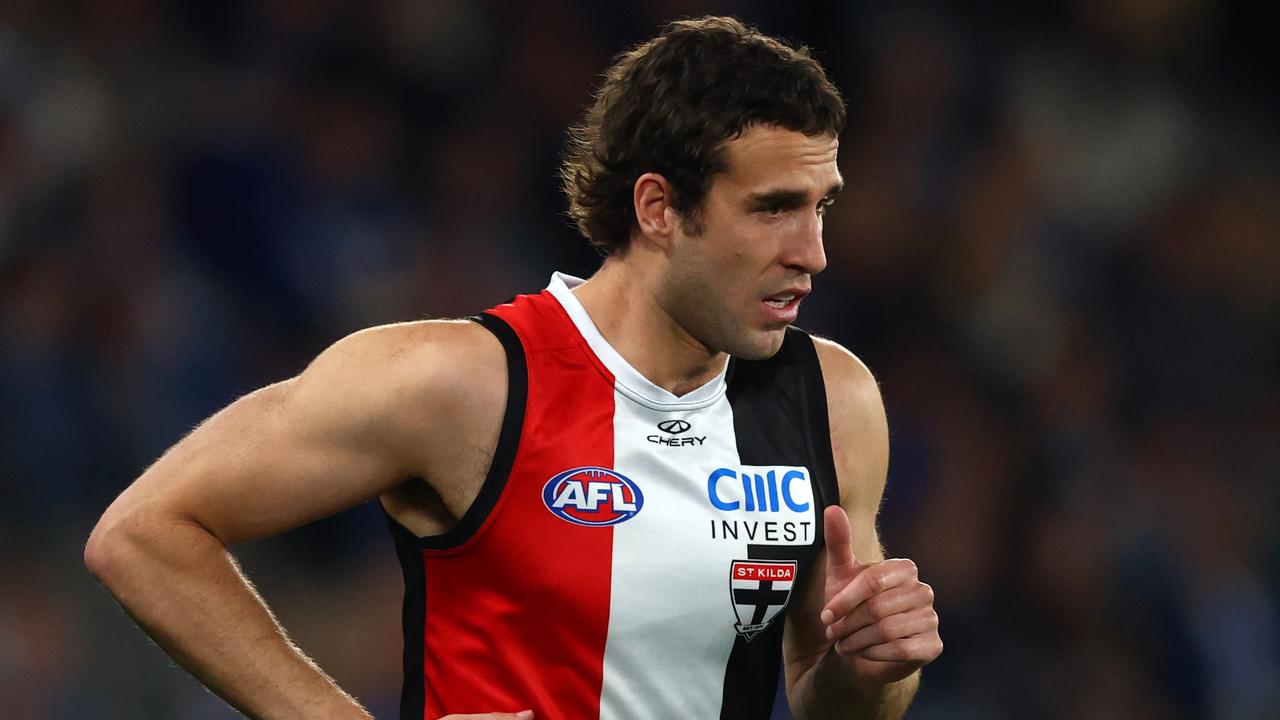
  • AFL: Ross Lyon vows St Kilda will not trade injured star Max King

    AFL: Ross Lyon vows St Kilda will not trade injured star Max King

    AFL club St Kilda has publicly reaffirmed its full commitment to star forward Max King, with senior coach Ross Lyon pushing back against widespread external speculation to promise the injury-stricken player the club remains “all in” on his long-term future at the club.

    King’s long-awaited return to competitive AFL action last week, which came after two full years sidelined by a brutal run of soft tissue injuries, ended in devastating disappointment: the 24-year-old reinjured his hamstring during the third quarter of his comeback game, where he recorded just two disposals (one kick and one handball). The setback sparked intense media scrutiny, with questions raised over King’s future at the club and Lyon’s handling of the situation after the coach left Marvel Stadium earlier than the rest of his playing group post-match.

    Addressing the controversy at a press conference on Wednesday, Lyon opened up about the emotional toll of King’s latest setback, acknowledging the forward’s utter devastation after putting in months of relentless preparation to earn his comeback spot. “If you’ve given everything and it doesn’t work out, well, you are devastated,” Lyon said. “I’ve been there on grand final days. In Max’s case, he’s given everything, given himself the best chance and then because you are emotionally vulnerable, you’ve left nothing on the table.”

    Lyon also pushed back against criticism over his early exit from the stadium after the match, joking that while some expected him to rush straight to King’s Brighton home immediately after the final siren, skipping the post-match press conference was never a realistic option. The coach added that he and King had already held a constructive, honest conversation on Monday, where he pledged the club’s full support through another grueling rehabilitation process.

    King’s injury nightmare stretches back across two years, with the forward undergoing three knee surgeries in 2025 before suffering calf and hamstring strains earlier this 2026 season. After escaping Melbourne’s strict pre-season training bubble to accelerate his recovery with specialized work on the Gold Coast, the latest hamstring tear has forced him back into another extended rehabilitation period. But Lyon pushed back against framing the setback as a career-altering catastrophe, pointing to a long list of elite AFL players who have overcome repeated hamstring issues to return to top form.

    “Charlie Curnow played two games in two years, so is it ideal? No. Will we get him right? Yes,” Lyon said. “His knee is in great shape, what’s good is we all saw what he looks like and what it feels like, he smelt it. Mate, we’re on our knees, but we’re not bowed, we’ll be back and I’m with you, we’re not trading you.”

    Lyon emphasized that only the club’s board, the coaching staff, King, his family and his management have a say in the forward’s future, dismissing all outside speculation as unhelpful “noise”. “Those with a seat at the table – our board, me, Max, his parents and his manager – we’re all in. Everyone else is just making noise. You haven’t got a seat at the table, you have no influence, you have no say. We’re in it together with Max and we’ll get through this.”

    To give King the best possible chance of a full and lasting recovery, Lyon confirmed the club is willing to explore every available option, including sending the forward overseas for specialized rehabilitation. Potential destinations include high-altitude training hubs in Dubai and the elite Red Bull training facility in the United States, which has previously been used by star AFL players Christian Petracca and Travis Boak to accelerate recovery from long-term injuries.

    King was already meeting with a specialist to assess his injury on Wednesday, when Lyon spoke to the press. The coach explained that the root of King’s repeated injury issues stems from deconditioning after knee cartilage repair surgery, which left the forward out of full training for four months before his comeback. “The real issue is the underlining deconditioning of an athlete after repairing cartilage, four months of no work, build him up for four months and then it tears,” Lyon explained. “All players will tell you, if you get in the main program you become bulletproof almost, and if you’re out of it like this, it’s like a yoyo and you just need a bit of luck to get continuity.”

    Lyon added that the extended rehabilitation window will now allow King to complete a full off-season pre-season program, putting him on track to be ready for the first day of pre-season training ahead of next year’s AFL campaign. The coach also addressed growing concerns over King’s mental health, noting that stepping away from the constant media spotlight will give the forward space to focus on his recovery without additional pressure.

  • Eseme, Hobbs shine in Glasgow rain to win 100m Commonwealth gold

    Eseme, Hobbs shine in Glasgow rain to win 100m Commonwealth gold

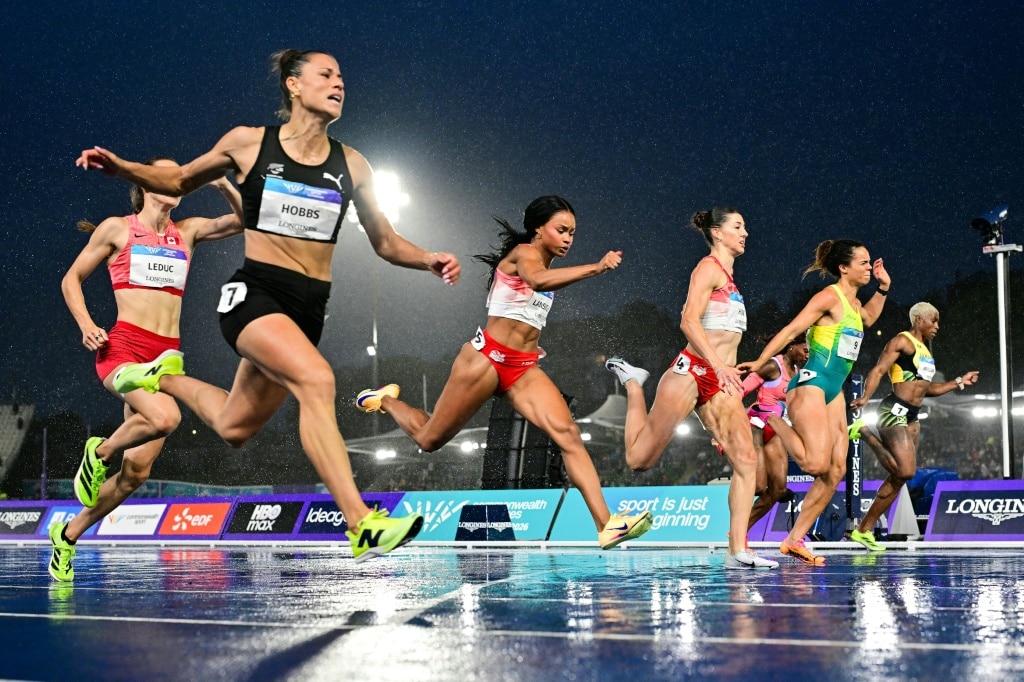
    Glasgow’s Commonwealth Games delivered a night of unforgettable drama and historic performances on Tuesday, as persistent torrential rain turned the Scotstoun track into a slippery, challenging battleground that tested every athlete’s resolve. Despite the hazardous conditions that forced delays to field events and reshaped race strategies, two 100m sprinters rose to the occasion to claim the sport’s most prestigious gold medals, while Australia continued its dominant run across swimming and athletics.

    Cameroon’s Emmanuel Eseme, a late bloomer who only began his track and field career eight years ago at age 24, defied all expectations to storm to victory in the men’s 100m final. Crossing the line in a blistering 9.83 seconds, the 32-year-old shattered a Commonwealth Games record that had stood for 28 years, previously held by Trinidadian sprint legend Ato Boldon from the 1996 Kuala Lumpur Games. “That was a crazy race! I’m surprised at the time,” Eseme told reporters after the win. Acknowledging the difficult conditions, he added: “The weather I didn’t want to be a setback, you know, because we’re all competing in the same environment, so I can’t have a complaint.”

    In the women’s 100m, New Zealand’s Zoe Hobbs pulled off one of the biggest upsets of the Games, surging out of the starting blocks and holding off pre-race favorites to claim gold. Both Hobbs and her top two challengers — England’s Amy Hunt and Australia’s Torrie Lewis — finished the race under 11 seconds, a rare feat that highlighted the intensity of the competition. Hobbs, who clocked a new personal best to take the win, described the moment as surreal. “I mean it’s a dream scenario to walk away with a PB and a gold medal. It was just surreal,” she said. “You can see it in my eyes. I’ve probably got mascara all over my face but I just need time to process what’s happened.”

    The persistent rain had a more pronounced impact on distance events, shaking up the men’s 10,000m podium. Australia’s Ky Robinson claimed gold, followed by India’s Gulveer Singh and the Isle of Man’s David Mullarkey, with traditional long-distance powerhouses Kenya and Ethiopia failing to place any athletes on the podium. Other athletics results saw Canada’s Olympic champion Camryn Rogers secure a dominant win in the women’s hammer throw, finishing more than five meters ahead of her nearest competitor. The women’s high jump, delayed for hours by wet conditions, stretched over three hours before Australia’s Eleanor Patterson edged out teammate Nicola Olyslagers to take gold.

    In the swimming pool, Australia continued its unprecedented dominance, matching its total gold medal haul from the 2022 Birmingham Commonwealth Games (28 golds) with one full day of competition still remaining. Distance star Lani Pallister added an 800m freestyle gold to her earlier titles in the 400m and 1500m, breaking the Commonwealth Games record in the process. “It’s been incredible. I think we’ve really shown our depth and dominance this week in Australian swimming,” Pallister said.

    Jenna Forrester claimed her third gold of the Games in the women’s 200m individual medley, while Flynn Southam took top honors in the men’s 100m freestyle. Australia also set a new Games record to win gold in the men’s 4x100m medley relay. The standout swimming story of the night, however, belonged to Filip Nowacki, who won Jersey’s first ever Commonwealth Games swimming gold medal in the 200m breaststroke. Nowacki, who also took silver in the 100m breaststroke ahead of British star Adam Peaty, said: “Coming from an island like Jersey and competing against athletes from Australia, Canada, England and the other home nations is very special.”

    On the final day of gymnastics competition, Canada’s Felix Dolci capped off a phenomenal Games, adding two more golds and a bronze to bring his total medal haul to six, including four gold medals. The 24-year-old already won gold in the team event and rings final, before adding titles in the vault and horizontal bar. When asked about his celebration plans, Dolci joked: “Definitely a couple of beers, some great food and maybe a little dessert, why not?” Wales’ Ruby Evans closed out the gymnastics competition with gold in the women’s floor final, saying she had “come out fighting” after a turbulent Games to claim the top prize.

  • Why Wimbledon is serving Indian ice cream and Bollywood beats

    Why Wimbledon is serving Indian ice cream and Bollywood beats

    For more than a century, Wimbledon has guarded its iconic, time-honored traditions fiercely: from the mandatory all-white player dress code to understated court advertising and the cult classic pairing of strawberries and cream. But this year, the world’s oldest Grand Slam made a deliberate break from its signature reserved brand identity to crack one of the world’s most cricket-dominated sports markets: India.

    With tennis still holding niche status among Indian sports fans, Wimbledon’s organizers rolled out a hyper-localized engagement strategy designed to bridge cultural gaps rather than lean into its distant, exclusive global brand. The tournament partnered with KUReMAL’S, a century-old Delhi kulfi (traditional Indian ice cream) maker, to reimagine its signature strawberries and cream treat with an Indian twist. Its official Instagram channel began sharing short-form reels of tennis legends like Roger Federer set to chart-topping 1990s Bollywood hits, and hosted top Indian cricketers and local social media influencers in the prestigious Royal Box to leverage their widespread domestic appeal. Content was also tailored and distributed across multiple regional Indian languages to reach audiences beyond the country’s English-speaking urban elite.

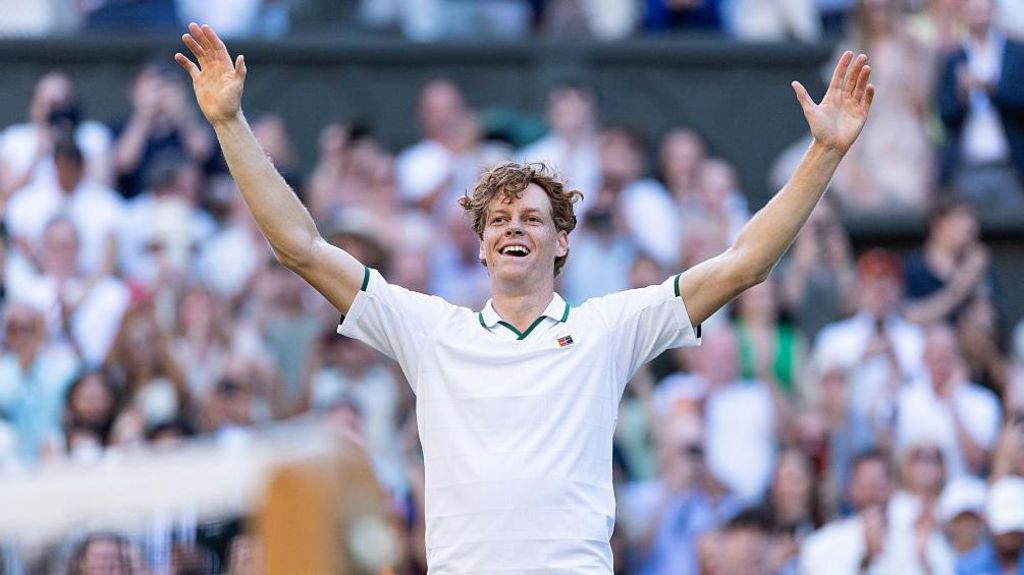
    Early data suggests the strategic gamble has paid off. Early reports indicate that Jannik Sinner’s men’s singles final victory over Alexander Zverev drew roughly 2.7 million concurrent livestream viewers in India, despite the match kicking off after midnight local time. Average viewership across the entire tournament climbed 18% year-over-year to 853,000, according to local Indian media. JioStar, the domestic streaming platform that holds exclusive Indian broadcast rights for Wimbledon, declined to release official viewership figures to the BBC.

    Industry analysts emphasize that Wimbledon’s push into India is no random marketing experiment, but a calculated long-term strategic move. India is already Wimbledon’s largest international market by total reach, and 2026 brought a landmark milestone for Indian tennis: Arnav Paparkar became the first Indian player in 36 years to reach the under-18 boys’ singles quarterfinals at the tournament.

    “India now has its strongest pipeline of young tennis talent competing on ATP and ITF circuits in nearly a decade, and premium urban sports consumption is rapidly expanding beyond cricket, thanks to streaming platforms’ ability to target niche audiences at scale,” explained Darshana Bhalla, a New Delhi-based sports branding expert, in an interview with the BBC.

    Sally Bolton, chief executive of the All England Lawn Tennis Club, confirmed earlier to the *Financial Times* that India now ranks alongside the United States as a core focus for growing the Grand Slam’s global audience. This shift comes as India projects to become the world’s fastest-growing sports market over the next decade: KPMG estimates the Indian sports sector will grow at a compound annual rate of 12-14% through 2030, nearly double the projected global average. To tap into this growth, global sports properties must adopt culturally specific engagement strategies, rather than relying on one-size-fits-all global content.

    Bhalla notes that Wimbledon’s approach upends decades of premium global branding logic: “For generations, premium brands believed exclusivity came from distance and inaccessibility. Today, they’ve learned that true exclusivity for new audiences comes from belonging. What Wimbledon changed was the entry point: instead of asking young Indians to adapt to Wimbledon’s world, they meet fans where they are, using familiar cultural cues to draw them in – the kulfi collaboration, Bollywood soundtracks, regional language content, partnerships with local creators.”

    Upasna Dash, founder of Jajabor Brand Consultancy, adds that this approach addresses a key barrier for new fans: for many younger Indians, Wimbledon feels aspirational but culturally distant, so reducing that gap is critical to growing lasting fandom. The tournament’s social media-first strategy also aligns with how younger audiences discover new content today: “Young fans often encounter global events on social media long before they engage with the event itself. Instead of asking consumers to enter Wimbledon’s world, this campaign steps into theirs.”

    The pivot also makes strong strategic sense for JioStar, which holds exclusive broadcast rights. The platform has faced public financial pressure recently, with widespread reports that it sought to renegotiate its $3 billion 2024-2027 broadcast deal with the International Cricket Council amid sustained losses. While the original deal remains in place, diversifying its sports content portfolio reduces overreliance on cricket and opens up new audience segments.

    “For JioStar, tennis expands the annual sports engagement calendar, attracts affluent urban audiences, and diversifies its advertiser base beyond cricket-focused brands,” Bhalla explained. “In India, cricket delivers mass scale, but tennis delivers premium audiences. Wimbledon brings a demographic that cricket cannot consistently attract: a premium, affluent, English-speaking urban audience that luxury, automotive, banking, fintech, travel, and premium consumer goods brands actively target.”

    Despite the strong early viewership results, industry experts warn that converting casual curiosity from this campaign into long-term sustained fandom will require ongoing investment. “If these engagement efforts are treated as one-off campaign tactics tied to the annual tournament, their impact will be short-lived,” noted Aryan Anurag, co-founder of Delhi-based social media agency Binge Labs. Dash added that sustained growth will require deeper grassroots engagement with Indian tennis and consistent market investment beyond the two-week tournament every summer.

    Even so, the global sports industry is closely watching Wimbledon’s experiment. If culturally contextualized storytelling can deliver meaningful, lasting engagement growth in India, Bhalla says other major global sports properties will quickly follow suit: “Expect F1, the NBA, the NFL, the UFC, La Liga, and the Premier League all to deepen their India-first content strategies if Wimbledon’s model proves successful.”
  • Australian swimmer celebrated gold with ‘no words – just a hug from my Scottish gran’

    Australian swimmer celebrated gold with ‘no words – just a hug from my Scottish gran’

    When Victoria, Australia announced its withdrawal from hosting the 2026 Commonwealth Games earlier this year, hundreds of Australian athletes were left reeling, their dreams of competing for glory on home soil dashed. But for 20-year-old backstroke specialist Iona Anderson, the last-minute relocation to Glasgow, Scotland has turned into a fairy tale run that blended career-first success with a long-awaited family reunion.

    Named after the Scottish Inner Hebrides island of Iona, the rising swimming star stormed to her first senior individual international gold medal in the women’s 100m backstroke at the Tollcross International Swimming Centre on Sunday. Just two days later, she followed up the historic win with a silver medal in the 50m backstroke, cementing her status as one of Australia’s breakout talents of the Games.

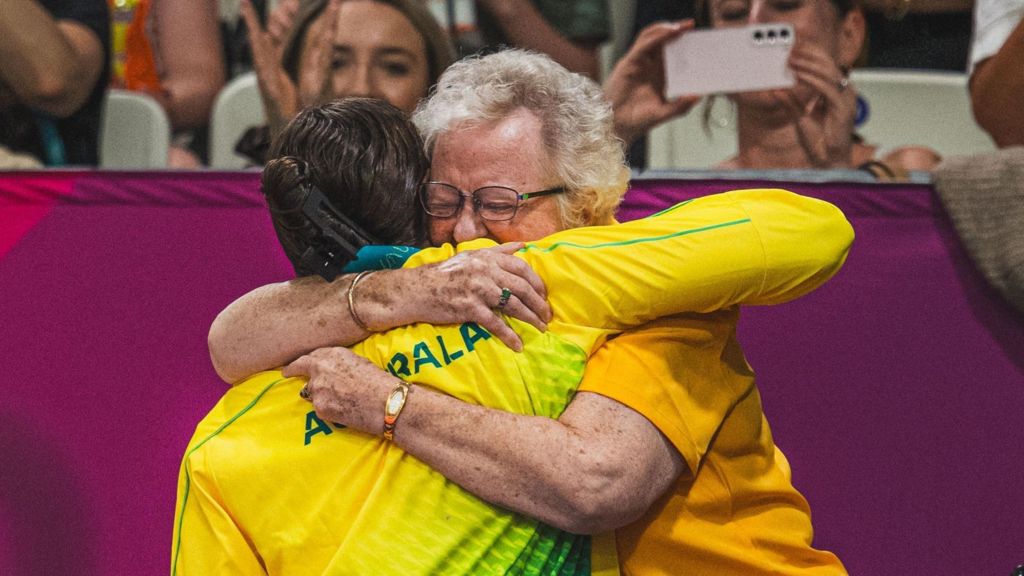
    Waiting to wrap Anderson in a celebratory hug immediately after her gold medal win was her grandmother Pam, who alongside Anderson’s grandfather lives in Grangemouth, Scotland, just 20 miles west of Glasgow. The moment, captured by Swimming Australia photographers, has become one of the most heartwarming images of the 2026 Commonwealth Games so far.

    Speaking to BBC Scotland News after the win, Anderson joked about her grandmother’s overwhelming excitement: “I think my mum was having a heart attack worrying gran was going to get too excited watching it. It was really emotional – there weren’t a lot of words said when I went over, just a lot of emotion and a big hug.”

    Anderson, who was born in Australia to parents with deep Scottish roots – her mother’s side of the family hails from Grangemouth, while her father’s relatives are from Dumfries and Galloway – said she carried extra pressure into the race because she wanted to perform well for the family members who rarely get to see her compete. “I was so psyched. I maybe put extra pressure on myself beforehand as I wanted to do them proud, but it was so great to hug her as I don’t get to do that often.”

    This trip to Scotland marks only the fourth time Anderson has visited the country of her family’s origins, and it is just the second time many of her Scottish relatives have gotten to watch her race in person. Despite the limited number of visits, Anderson says she has always felt a deep connection to her Scottish heritage, even going so far as to paint her competition nails in a green and gold tartan design to celebrate the Games’ host nation. She also quipped that she has embraced local culinary traditions, saying “I do like black pudding and link sausages when here, they’re much better than what you get back home. I know they might be unhealthier too!”

    Anderson joked to Australian media after her gold medal win that the switch to Glasgow turned out better than hosting the Games in her home state of Victoria would have been, noting that the close proximity of the cheering crowd to the pool at Tollcross gave her an extra burst of energy during her race. The young swimmer added that bouncing back from the high of winning gold to compete in the 50m backstroke heats just one day later was a surprising challenge. “It’s been a whirlwind of emotions,” she laughed. “My roommate got bronze in the 1,500m on Sunday [Molly Walker] and we kind of pinged off each other a bit – so getting to sleep was pretty hard. But it’s a great atmosphere and that gets you going.”

    Anderson’s success comes as the Australian team continues to dominate the swimming competition at the 2026 Glasgow Commonwealth Games, with multiple medal wins across individual and relay events in the first week of competition.

  • Athlete witnessed knife incident during Commonwealth Games training

    Athlete witnessed knife incident during Commonwealth Games training

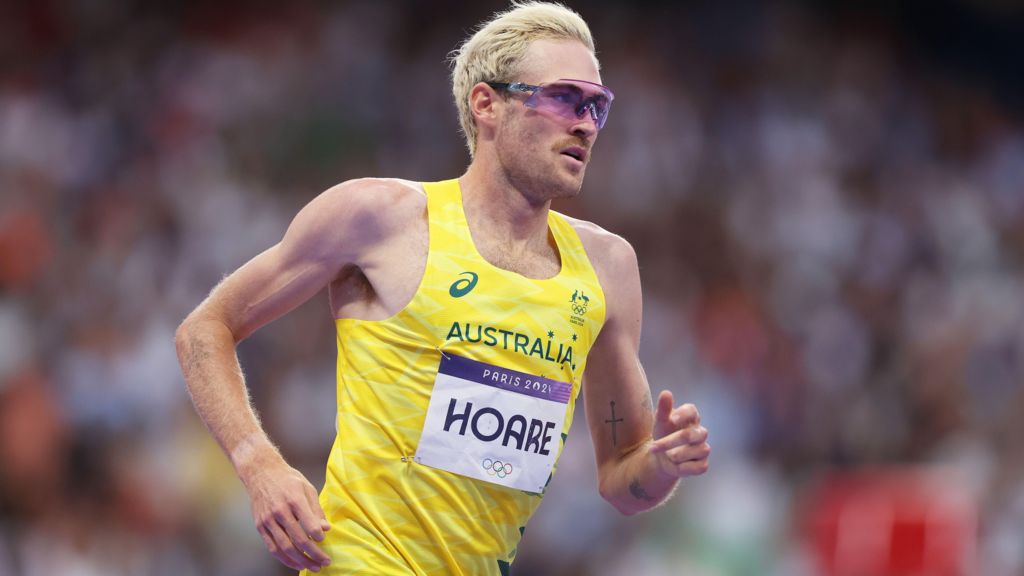
    As the 2026 Commonwealth Games prepare to kick off in Glasgow, a startling incident has put a temporary spotlight on athlete security, after Australian middle-distance runner Olli Hoare encountered a person brandishing a knife during a pre-competition training run in the city centre.

    Initial reports incorrectly linked Hoare’s experience to the fatal stabbing of 44-year-old Paul McMinigal, who was found dead on Burgher Street in Glasgow’s east end the day before the runner’s sighting. That early narrative was later corrected following a review of GPS data from Hoare’s smartwatch, which confirmed the knife incident he witnessed took place the day after McMinigal’s death, at a separate location in the city.

    Following the incident, circulating reports claimed that Australian team officials had ordered all athletes to only train in small groups and avoid wearing the team’s iconic green and gold uniform during outdoor runs. However, BBC Scotland has since clarified that this guidance is not a specific response to the Glasgow incident, but rather standard security protocol implemented for all major international championships.

    Despite the unsettling encounter, Team Australia, which currently sits atop the Commonwealth Games medal table, has stated it holds no major concerns over athlete safety for the duration of the event. A spokesperson for the Australian delegation confirmed that organisers and team officials are working in close coordination with Glasgow 2026 planning committees to prioritise the wellbeing of all athletes, coaches, officials, and visiting family members.

    “Our regular Games security briefings are keeping us comprehensively informed on potential risks across the city, and we’re sharing applicable information with Team Members to ensure their awareness and safety,” the spokesperson added in an official statement. After the incident, team welfare officials checked in with Hoare to confirm his wellbeing, and confirmed there are no ongoing safety issues linked to the encounter.

    Hoare is still set to compete as scheduled in the highly anticipated men’s mile event at Scotstoun Stadium this Saturday, where he will face off against a stacked field of top Scottish competitors. The race is expected to be led by current world record holder Josh Kerr, who enters as the favourite for gold, alongside former 1500m world champion Jake Wightman and Neil Gourley, a decorated athlete with both world and European indoor 1500m medals to his name. Rising Australian track star Cameron Myers, who set a new under-21 1500m world record in July, will also join the starting line-up.

    This article has been corrected from its original publication, which misattributed Hoare’s sighting to the aftermath of McMinigal’s killing, following the emergence of new GPS evidence that clarifies the timeline and location of the two separate incidents.

  • FIFA says it hopes to sell $4.2bn stake in its tournaments

    FIFA says it hopes to sell $4.2bn stake in its tournaments

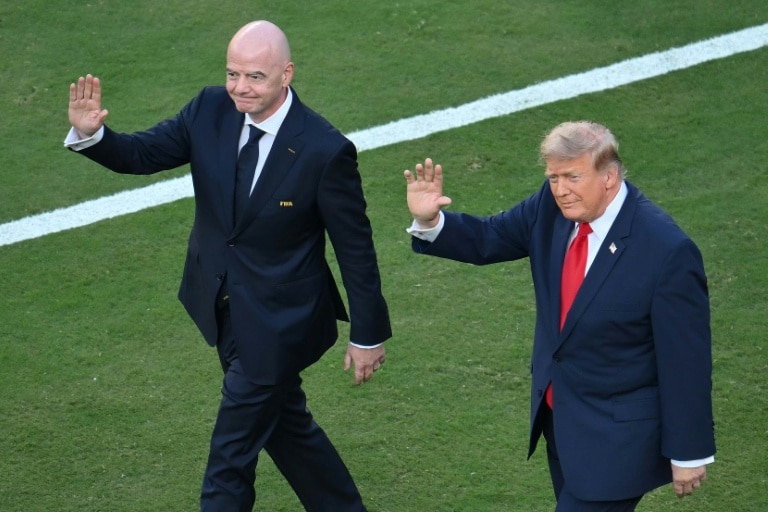
    Global football’s governing body FIFA has ignited a fierce debate across the sport after officially confirming plans to offload a minority stake in the commercial operations of its flagship competitions, including the World Cup, through a newly created semi-private subsidiary. The announcement, made Tuesday, came just hours after details of the confidential proposal were leaked to British newspaper *The Times* by two anonymous sources, forcing FIFA to break its silence on the initiative early.

    Under the plan, FIFA will retain a majority controlling share in the new entity, named FIFA Forward Enterprise (FFE). The organization aims to raise $4.2 billion by the end of 2021 by selling non-controlling minority stakes to pre-vetted long-term investors, with an projected initial equity valuation of $20 billion for FFE, per FIFA’s internal estimates. In an effort to build buy-in across its global membership, each of FIFA’s 211 national member associations will be offered the opportunity to purchase a $20 million one-off stake. While that holding amounts to just 0.1% of FFE’s total equity, FIFA notes the sum could represent a transformative financial opportunity for leaders of smaller or lower-income member federations. The governing body added that the proceeds from the stake sale, when combined with existing development programs, would push its total planned global football development funding past $10 billion over the next four years.

    FIFA has moved quickly to address concerns over loss of governance control, emphasizing in its official statement that it will “retain sole control of FFE and exclusive authority over football governance, competitions, match calendar, and all regulatory and sporting decisions.”

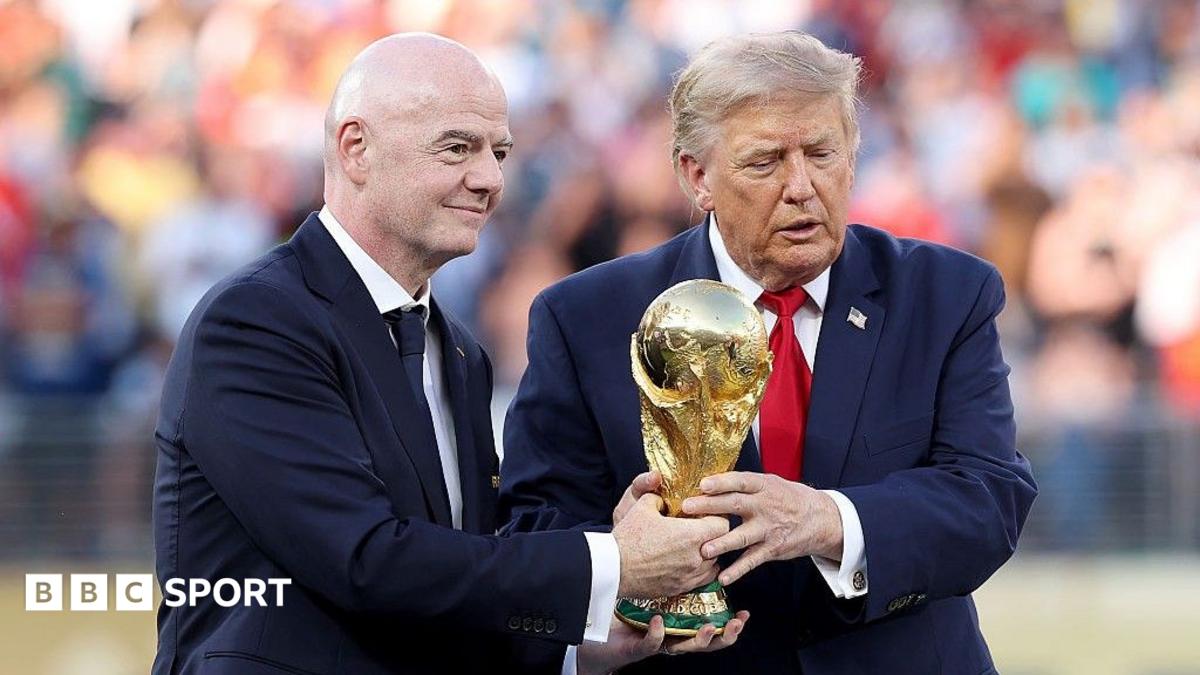
    The leak published by *The Times* painted a far more controversial picture of the plan, however. The report alleged that FIFA president Gianni Infantino, 56, stands to personally benefit from the scheme after his current expected term ends in 2031, when he could take on a leadership role as FFE commissioner. The newspaper also named early parties that have already held preliminary discussions with FIFA, including Joshua Kushner — brother of Jared Kushner, former U.S. President Donald Trump’s son-in-law — and an investment division of JPMorgan Chase, the American bank that infamously tried to finance the collapsed 2021 European Super League breakaway. *The Times* quoted one unnamed senior football industry figure calling the FFE plan “potentially much worse than the European Super League,” arguing it would reshape the foundation of football at every level globally. A second anonymous source added that the structure creates “unacceptable” conflicts of interest for both FIFA and Infantino personally.

    UEFA, European football’s governing body and a longstanding critic of Infantino’s leadership, was among the first to issue a sharp rebuke of the plan following the report’s publication. “This crosses a line that football’s governing institutions should never cross. UEFA takes it extremely seriously,” the organization said in a statement. “The soul and governance of football are not assets to trade — especially with zero transparency as to who gains financially. None of us are the owners of football. It is not FIFA’s to sell.”

    The FFE proposal is not Infantino’s first attempt to bring large-scale private capital into FIFA’s top competitions. In 2019, a FIFA stakeholder committee rejected an Infantino-supported plan to secure $25 billion in private investment for an expanded Club World Cup, with reported backers including Japan’s SoftBank Group and Saudi Arabia’s sovereign wealth fund. Despite that rejection, FIFA still moved forward with expanding the Club World Cup from 7 to 32 teams, set to launch in 2025. *The Times* speculates that the creation of FFE could open the door to further expansion of both the World Cup and Club World Cup, as well as pressure to hold the tournaments more frequently than the current four-year cycle.

    FIFA, a not-for-profit organization formally owned by its member associations and holds tax-exempt status in its home base of Switzerland, has a history of past complications with spinning off commercial rights to private partners. In 2001, the collapse of International Sports Licensing (ISL), the firm that negotiated World Cup broadcast rights deals for FIFA, left the governing body with losses estimated between $30 million and $115 million.

    In recent months, FIFA has already signaled soaring expected revenues amid ongoing World Cup expansion: earlier this June, ahead of the 2026 men’s tournament — the first to feature 48 teams, up from 32 — Infantino announced that FIFA projected 2026 full-year revenues would surpass a record €7 billion ($8 billion), and confirmed early discussions have already begun about expanding the 2030 World Cup field to 64 teams.

  • Idi Amin’s boxer grandson determined to become new King of Scotland

    Idi Amin’s boxer grandson determined to become new King of Scotland

    The 2024 Commonwealth Games in Glasgow draws over 3,000 elite athletes from across the globe, all chasing national pride and international recognition. For most, their family histories remain private, overshadowed by their athletic ambitions. But for 25-year-old Ugandan super-heavyweight boxer Aziz Abdul, competing under the shadow of an infamous family legacy has defined his journey to the quarterfinals.

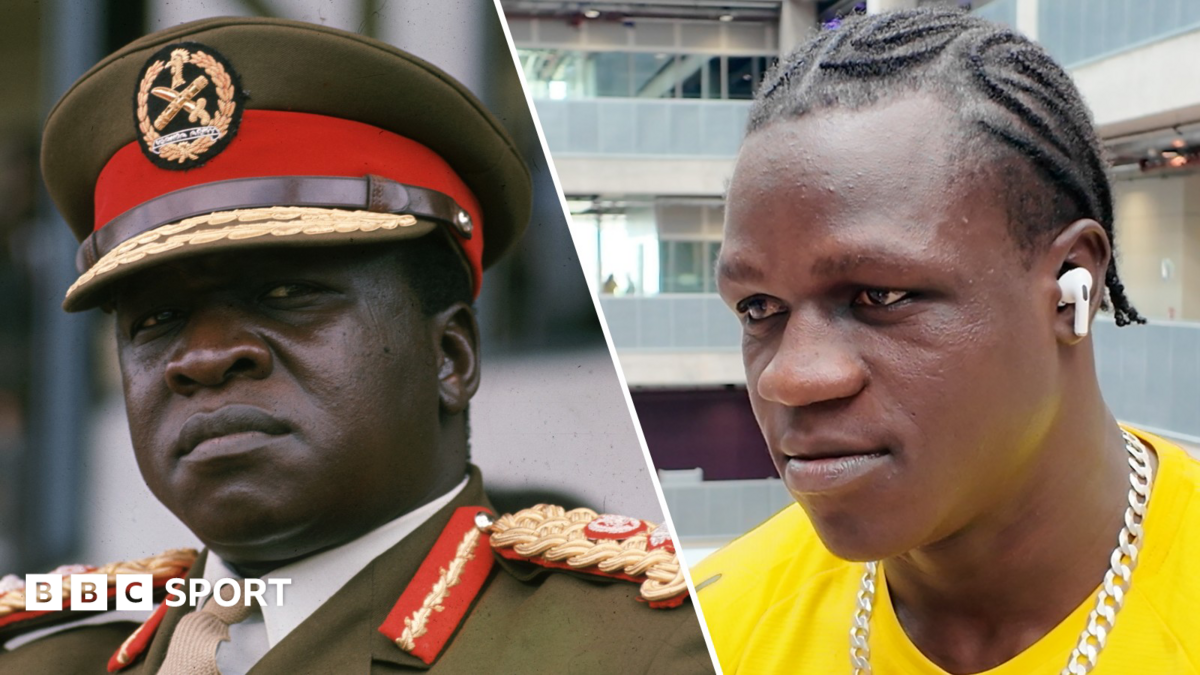
    Abdul never met his grandfather, a man whose name is synonymous with one of the 20th century’s most brutal authoritarian regimes: Idi Amin, the former military dictator of Uganda who ruled from 1971 to 1979 after seizing power in a coup. Widely known as “The Butcher of Uganda,” Amin’s eight-year regime is estimated to have killed up to 500,000 political opponents, civilians and ethnic minorities, and he infamously expelled the entire South Asian population of Uganda during his rule. A polygamous man with six documented marriages and at least 60 acknowledged children, Amin died in exile in Saudi Arabia in 2003, when Abdul was still a toddler, never facing trial for the widespread human rights abuses that occurred under his leadership.

    Beyond his brutal rule, Amin carried a well-documented fascination with Scotland. As a young man serving in the King’s African Rifles, he developed a love for Scottish cultural traditions, often wearing a kilt, playing bagpipes during his time in power, and even infamously declared himself the “King of Scotland” in a 1976 stunt. This eccentric chapter of his life inspired the 2006 Oscar-winning drama *The Last King of Scotland*, which cemented the connection between the dictator and Scotland in popular culture. That makes Abdul’s run for a medal in Glasgow all the more extraordinary.

    Amin was no stranger to boxing himself: he held Uganda’s national light-heavyweight title for nine consecutive years starting in 1951, with a controversial legacy even in the sport. After losing an early match, he reportedly ordered a rematch once he seized power, and staged a knockout victory while wearing a full suit and tie. Abdul has previously stated that he draws inspiration from his grandfather’s boxing career, though he has declined to elaborate on whether his admiration extends beyond the ring. When asked if he feels pride in being the grandson of a man with such a sinister reputation, Abdul offered a measured response, avoiding public judgment of a man he never knew.

    “Sometimes people say positive things about him, but others say negative things about him,” he told BBC Sport Scotland. “That’s why I don’t want to talk more about him. It’s not good to say something negative about someone who is not here, and it’s not right to pass judgment on events that happened long before I was born.”

    Abdul, who fights under the nickname “Ringo,” will take on England’s Damar Thomas in the 90+kg quarterfinals on Wednesday. A win would guarantee him at least a bronze medal, marking Uganda’s first Commonwealth Games boxing medal since the 1990 Auckland games. When asked what a gold medal win in Glasgow would mean, Abdul leaned into the quirky history of his grandfather’s connection to the country, joking “I might be the new King of Scotland. It’s possible. When I arrived, I put up the [Ugandan] flag, because I like Scotland so much.”

    Unlike his grandfather, who left Uganda with a tarnished global reputation, Abdul says his only goal is to build his own identity, carry pride for his country, and bring home Uganda’s first medal of this year’s games. “Our first medal will be won tomorrow. No excuse,” he said. “That’s why I’m here. I have that dream that I’m gonna go back with a gold medal. I want to do something for my country. I think tomorrow is the day for them to recognize me, and for the world to recognize me. I want to be known as Ringo the boxer.” He carries confidence in his signature “Ringo punch,” which he believes is strong enough to overpower his opponents and carry him to the top of the podium.

  • Uefa reacts with fury to Infantino World Cup plan

    Uefa reacts with fury to Infantino World Cup plan

    Global football’s governing body Fifa has triggered a major backlash from European football’s top regulator Uefa after unveiling controversial plans to open up its commercial and event operations to third-party private investment, a move that has thrown the future governance of the sport into question. The plan, first broken by the *Financial Times* and *The Times*, centers on creating a new Fifa-owned subsidiary called Fifa Forward Enterprise (FFE), which will offer minority non-controlling stakes to outside investors. Fifa says the core goal of the initiative is to grow its total football development funding to more than $10 billion, with every member association set to access up to $20 million in one-off capital for grassroots and regional development projects.

    If approved, the investment round is expected to be led by Thrive Eternal, a United States-based venture capital firm founded by Joshua Kushner — brother of Jared Kushner, former US President Donald Trump’s son-in-law and senior advisor. Early reporting from *The Times* raised questions about potential personal financial gains for Fifa president Gianni Infantino, claiming the plans could earn him tens of millions of pounds. But Fifa sources have denied any suggestion that Infantino or any other senior leader is in line to take the chief executive role at the new subsidiary, while the organisation has only confirmed that Infantino and Fifa’s leadership retain a duty to oversee the project’s development, declining to outline the exact scope of his involvement.

    In his official comments on the plan, Infantino framed the move as a push for equitable growth across global football. “Parts of the game have turned that popularity into remarkable commercial value — and we celebrate that success and want it to continue, because it lifts the whole game,” he said. “Our job is to make sure the rest of football grows with it: Fifa exists to support sustainable, inclusive development in every corner of the world.” He added that Fifa’s model mirrors the private investment structures already adopted by governing bodies in other major sports, pointing to examples like 2018 partnership between Premiership Rugby and investment firm CVC Capital Partners.

    But Uefa has rejected that comparison, issuing a scathing public statement that accuses Fifa of crossing a fundamental red line for the sport. The European regulator argues the plan opens the door to Fifa expanding the size and frequency of its international competitions to drive higher revenue, a shift that would directly threaten the commercial viability of Uefa’s own highly lucrative club and international tournaments. “This crosses a line that football’s governing institutions should never cross,” Uefa said in its statement. “Uefa takes it extremely seriously. So should every National Football Association. So should every stakeholder who cares about the future of the game. The soul and governance of football are not assets to trade — especially with zero transparency as to who gains financially. None of us are the owners of football. It is not Fifa’s to sell.”

    Fifa has pushed back on Uefa’s concerns, emphasizing that it will retain full control of FFE and hold exclusive authority over all core football-related decisions, including competition structure, the international match calendar, governance rules, and regulatory matters. The proposal will first be discussed at the upcoming Fifa Council meeting this autumn, and will later be taken up during the Fifa Intercontinental Cup in December. A final vote by all 211 Fifa member associations is scheduled for the Fifa Congress in Morocco next March, where the future of the controversial plan will be decided.

  • Mancini reappointed Italy boss after Pirlo controversy

    Mancini reappointed Italy boss after Pirlo controversy

    In a sudden turn of events that concludes weeks of leadership upheaval for Italian men’s football, Roberto Mancini has been reappointed as head coach of the Italian national team, just 24 hours after former candidate Andrea Pirlo withdrew from consideration and senior technical figure Paolo Maldini resigned from his post.

    The chaos that preceded Mancini’s return traces back to April, when former boss Gennaro Gattuso parted ways with the Italian Football Federation (FIGC) by mutual consent. His departure came after Italy suffered its third consecutive World Cup qualifying play-off defeat, extending the Azzurri’s absence from the sport’s biggest international tournament, a drought that stretches all the way back to the 2014 finals in Brazil. Following Gattuso’s exit, Under-21 manager Silvio Baldini stepped in to lead the side on an interim basis.

    Pirlo, a beloved Italian football legend, was widely expected to claim the vacant head coaching role, but pulled out of the process on Monday amid growing public controversy over his existing business connections to a Russian betting company. Before Pirlo emerged as the leading candidate, the FIGC had already reached out to two of the game’s most respected elite managers, Pep Guardiola and Carlo Ancelotti, both of whom declined interest in the position.

    In the wake of Pirlo’s withdrawal, Maldini — who had been appointed the federation’s technical director only two weeks prior — and senior advisor Leonardo resigned their posts in protest of the decision not to appoint Pirlo. Stepping into Maldini’s vacated technical director role will be Claudio Ranieri, the journeyman manager who famously guided Leicester City to a historic, against-all-odds Premier League title in the 2015-16 season.

    Explaining the federation’s choice to bring back Mancini, FIGC president Giovanni Malago made his position clear: “I believed that the best person to become head coach was Roberto Mancini.”

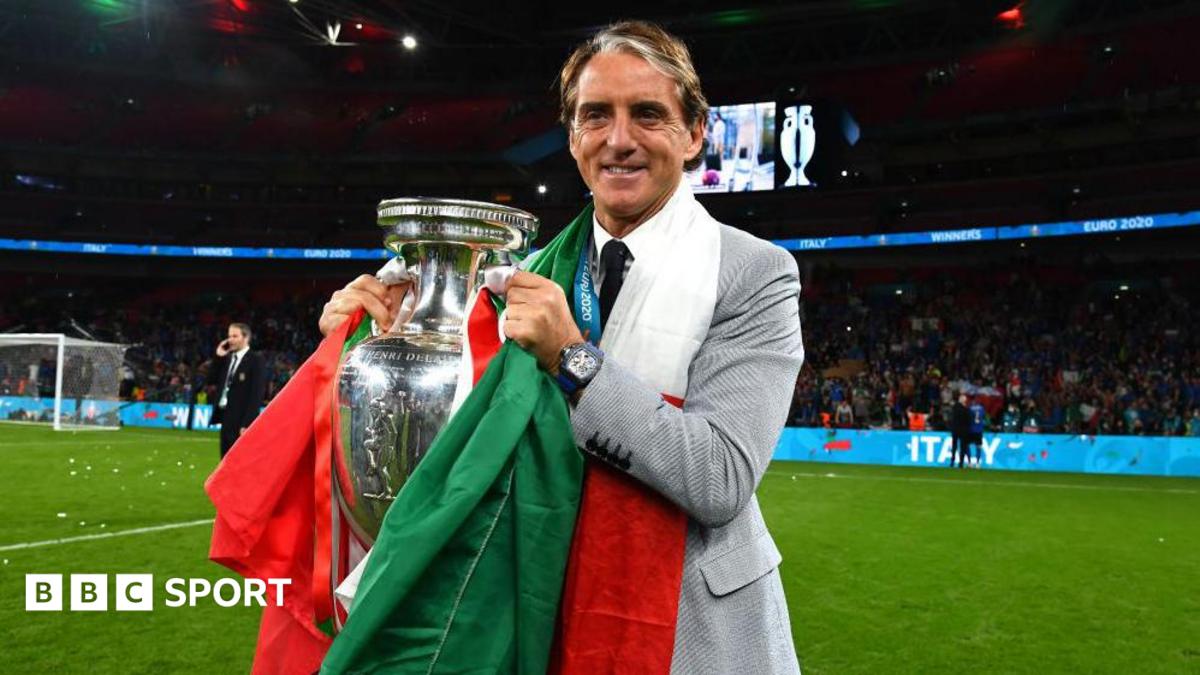
    For the 61-year-old Mancini, this return marks a homecoming to a role he already held from 2018 to 2023. During his first tenure leading the Azzurri, he delivered one of Italian football’s most celebrated recent trophies: the UEFA Euro 2020 title, secured with a penalty shootout win over England in the final at Wembley Stadium. He also guided Italy to a world record 37-game unbeaten streak that stands as one of the most impressive extended runs in international men’s football history. That historic run came to an abrupt end, however, when Italy lost a shock 2022 World Cup qualifying play-off to North Macedonia, a result that forced Mancini to resign from his post in August 2023.

    Mancini’s resume extends far beyond his international coaching achievements. As a club manager, he led Manchester City to their first-ever Premier League title in 2012, ending the club’s decades-long wait for a top-flight English championship. He also claimed three Serie A titles during his time at Inter Milan, and lifted the Coppa Italia with both Inter and Lazio, proving his ability to deliver domestic silverware across multiple top Italian sides. Before his first Italy appointment in 2018, he also held senior roles at Turkish side Galatasaray and Russia’s Zenit St Petersburg. After leaving the Azzurri in 2023, he spent a short tenure as head coach of the Saudi Arabia national team before taking over Qatari club side Al Sadd. While he led Al Sadd to the Qatar Stars League title during his time in charge, the club exited the AFC Champions League Elite before the semi-final stage and lost the final of the Qatar Cup, prompting Mancini to leave the post in June 2025.

    Mancini now faces an immediate test in his second tenure: Italy is set to kick off its 2025-26 UEFA Nations League campaign on September 25, with a home opener against Belgium, followed by an away fixture against Turkey just three days later. All eyes will now be on the returning title-winning coach to steady a federation that has been rocked by weeks of public instability, and end Italy’s painful World Cup qualifying drought ahead of the next cycle of international competition.