分类: sports

  • FIFA hit by furious backlash over plans to sell stake in competitions

    FIFA hit by furious backlash over plans to sell stake in competitions

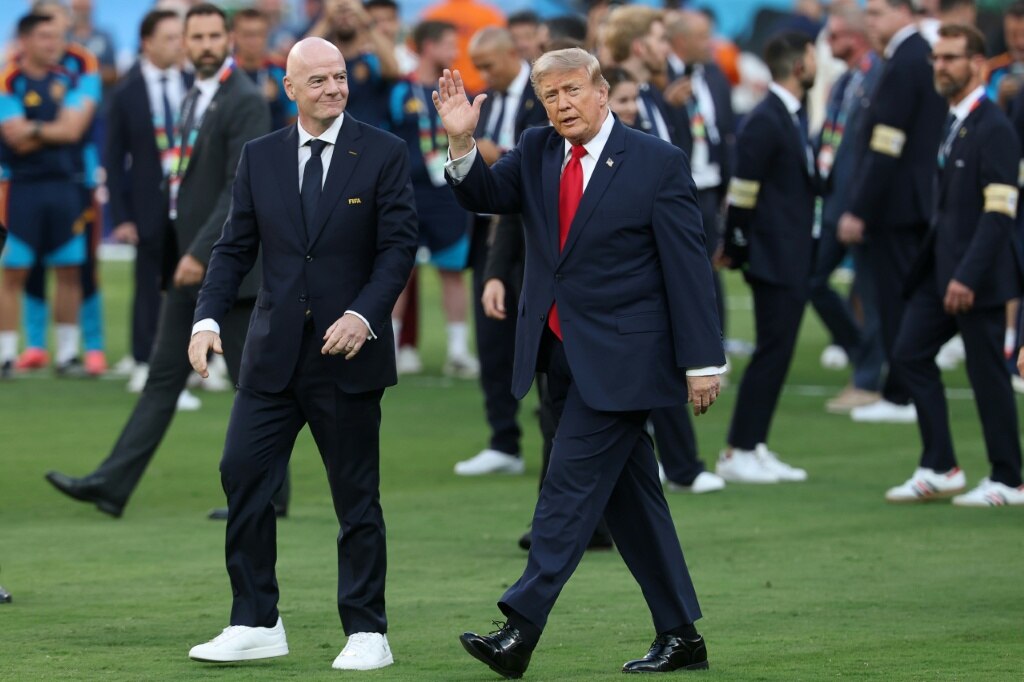
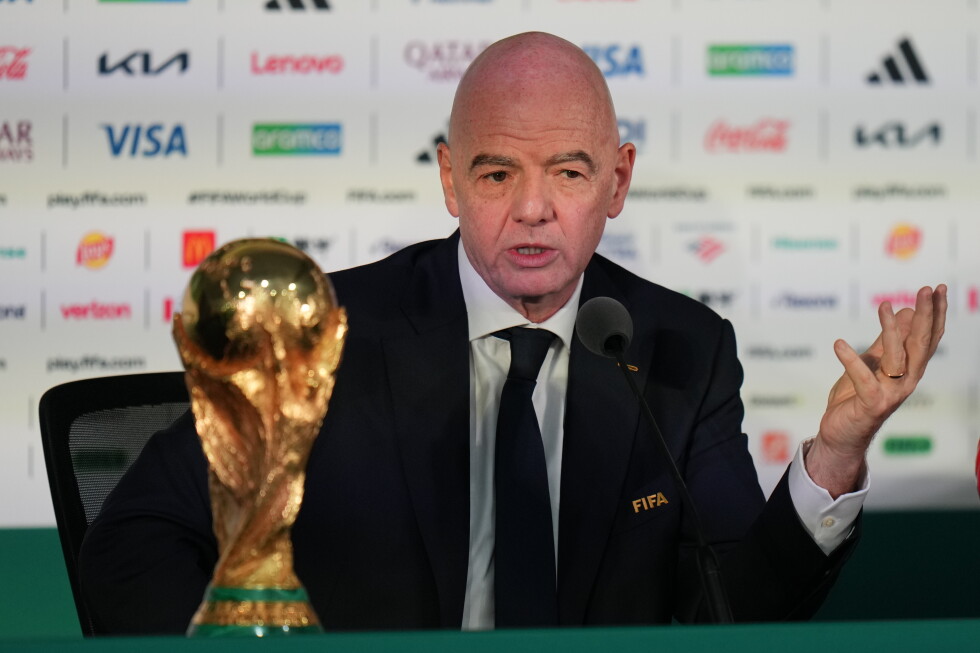
    A wave of fierce criticism has swept across global football this week after FIFA unveiled plans to sell a minority stake in the commercial operations of the World Cup and other top tournaments through a newly created private subsidiary, FIFA Forward Enterprise (FFE). The proposal, announced Tuesday, would see global football’s governing body retain a majority controlling share of FFE, while targeting $4.2 billion in funding from carefully selected long-term investors purchasing non-controlling minority holdings by the end of 2024.

    Controversy deepened almost immediately after multiple media outlets reported that FIFA president Gianni Infantino had sent a private letter to all 211 FIFA member associations, offering each association up to $40 million in funding for the 2027-2030 competition cycle if they approved the plan before the September 19 deadline. Opponents quoted in The Times, which first broke the story, have already labeled the incentive package “pure bribery.”

    Critics across the global football ecosystem have lined up to reject the proposal, with European governing body UEFA emerging as the most vocal opponent. UEFA vice president Hans-Joachim Watzke told German outlet Kicker that “many in European football see FIFA’s plans as an outright attack on football. I share this view. A line has been crossed here.” According to France’s sports minister, UEFA will hold an emergency meeting Wednesday to discuss a coordinated response to the plan. In an official statement, UEFA argued: “The soul and governance of football are not assets to trade — especially with zero transparency as to who gains financially. None of us are the owners of football. It is not FIFA’s to sell.”

    The proposal has also drawn sharp rebuke from top global political and sports officials. European Union Sports Commissioner Glenn Micallef posted a clear message of opposition on social platform X, writing “Hands off our game.” Andy Burnham, the Mayor of the United Kingdom’s Greater Manchester region and a lifelong football fan, also condemned the proposal, saying “Football does not belong to investors. It belongs to the people who fill the stands and who stand on the touchline week in, week out, rain or shine.” CONCACAF, the governing body for North and Central American football, cited “deeply concerned by the lack of due process,” while the Asian Football Confederation says it is “disappointed” that it was not consulted before the plan was announced.

    Further questions have been raised about potential conflicts of interest and the background of interested investors. The Times reported that 56-year-old Infantino stands to personally benefit from the scheme by taking a leadership role as FFE commissioner after his current presidential term expires in 2031, a claim FIFA has denied. Early discussions with potential investors have already included Thrive Capital, an investment firm founded by Joshua Kushner — brother of Jared Kushner, former US President Donald Trump’s son-in-law — and a division of JPMorgan Chase, the US bank that infamously tried to finance the failed 2021 European Super League breakaway.

    FIFA has defended the plan in its official statements, emphasizing that it “would retain sole control of FFE and exclusive authority over football governance, competitions, match calendar, and all regulatory and sporting decisions.” The governing body projects FFE will carry an initial equity valuation of $20 billion, and added that small and low-income member associations would also be offered a one-off 0.1 percent stake worth $20 million, a sum that represents a major financial incentive for smaller national federations. For context, FIFA already projects record annual revenue topping $8 billion for 2026, after the first expanded 48-team World Cup, and has openly discussed expanding the tournament further to 64 teams in future cycles.

    Many senior football figures have warned the proposal poses an even greater threat to the future of global football than the European Super League. An unnamed senior football insider told The Times the plan is “potentially much worse than the European Super League,” as it would reshape the entire structure of the sport at every level across the world. This is not Infantino’s first attempt to secure large-scale private investment in FIFA competitions: a 2019 stakeholders’ committee rejected an Infantino-backed $25 billion private investment plan for an expanded Club World Cup, which included reported backing from Japan’s SoftBank and Saudi Arabia’s sovereign wealth fund. FIFA eventually pushed through an expansion of the Club World Cup to 32 teams starting in 2025 despite the earlier rejection.

    The Times speculates that if approved, FFE could create ongoing pressure to expand the World Cup and Club World Cup beyond their current size, and to stage the tournaments more frequently than the current four-year cycle. The plan still requires formal approval from FIFA’s 38-member ruling council and a majority vote of the 211 member associations, with FIFA set to present the full proposal to the council in the coming weeks.
  • F1 chief says season finale could shift to Europe if Qatar, Abu Dhabi races are affected by war

    F1 chief says season finale could shift to Europe if Qatar, Abu Dhabi races are affected by war

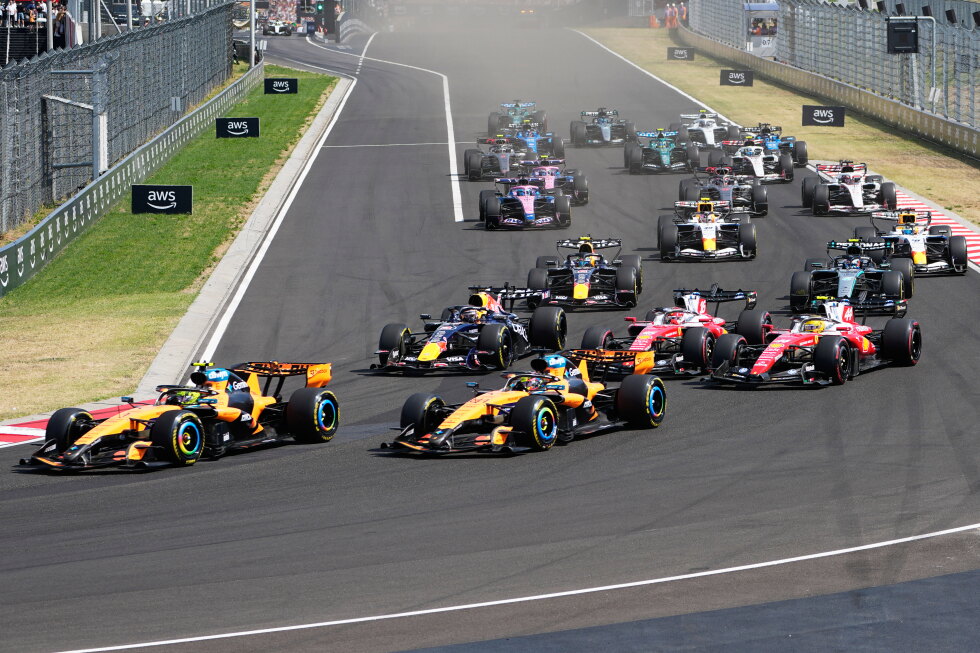
    Amid escalating geopolitical uncertainty in the Middle East, Formula 1 has prepared a backup plan that could see the 2025 world championship conclude on European soil if scheduled season-ending races in Qatar and Abu Dhabi are forced to be canceled, series CEO Stefano Domenicali has confirmed.

    Domenicali, speaking to Formula 1’s official media platform following the recent Hungarian Grand Prix, emphasized that as of now, both the Qatar and Abu Dhabi Grands Prix remain locked into the current calendar. No final decision on the fate of the two races, which are scheduled for November and December to close out the campaign, will be made until mid-September at the earliest.

    “If the situation will not be cleared the way that we believe it should be, before the middle of September, we will take the decision,” Domenicali said. “And in that respect, I just want confirm to you that if this will not be possible, that the end of the season would be in Europe.” Domenicali declined to share specific details of potential alternative European venues should the Middle East races be scrapped.

    This is not the first time Formula 1 has adjusted its calendar in response to Middle East geopolitical tension. Earlier in the season, the series canceled planned races in Bahrain and Saudi Arabia over safety concerns linked to regional conflict, rescheduling the Bahrain Grand Prix to take place at Sepang International Circuit in Malaysia on October 4.

    Looking ahead to the 2027 season, Domenicali noted that the planned 24-race calendar, which is set to be officially announced in the autumn, is progressing according to a standard schedule. Even so, the series has already begun developing alternate options in the event that the regional conflict remains unresolved by then. Regardless of any adjustments, Domenicali reaffirmed that Formula 1 remains committed to hosting 24 Grands Prix in 2027, matching the planned number of races for the upcoming season.

    The Hungarian Grand Prix marked the final event before Formula 1’s annual mid-season break. Racing is set to resume on August 23 with the Dutch Grand Prix at Zandvoort. In the drivers’ championship, rising young star Kimi Antonelli holds a commanding 50-point lead over seven-time world champion Lewis Hamilton as the series enters the break.

  • FIFA’s Infantino sets deadline for $20M offer to members in Kushner-backed World Cup investor plan

    FIFA’s Infantino sets deadline for $20M offer to members in Kushner-backed World Cup investor plan

    GENEVA — In a move that has plunged international soccer into turmoil, FIFA President Gianni Infantino has given the governing body’s 211 national member federations until September 19 to approve a groundbreaking and divisive proposal: selling a 20% stake in a newly created $20 billion FIFA subsidiary that would control the World Cup, Club World Cup and all of FIFA’s top competitions. The one-time $20 million payout promised to every approving federation is underwritten by Thrive Capital, the investment firm founded by Joshua Kushner — brother of Jared Kushner, former U.S. President Donald Trump’s son-in-law, who is listed as the anchor backer for the deal.

    In the confidential letter obtained by The Associated Press, Infantino framed the proposal as a once-in-a-generation, game-changing opportunity for FIFA’s global membership. “It is my duty and responsibility as FIFA president to present such game-changing opportunities to you, our members,” he wrote, adding that the initiative would unlock unprecedented capital to grow soccer across all member nations. If approved, the subsidiary, called FIFA Forward Enterprise, would bring on a pool of additional international investors, with global banking giant J.P. Morgan tapped to lead the fundraising process. The $20 million payout to each member would be disbursed over the four-year commercial cycle leading up to the 2030 men’s World Cup; if the plan fails, members will only receive the originally promised $10 million in funding over the same period.

    The proposal, which became public earlier this week, has triggered immediate and widespread pushback from every major regional governing body in global soccer. Europe’s UEFA, which operates the continent’s flagship competitions including the European Championship and UEFA Champions League, was the first to condemn the plan, arguing that the World Cup is not FIFA’s to sell. UEFA has already called an emergency online meeting for its 55 member federations this Thursday to coordinate a collective response.

    Concern has also spread to other continental confederations. The Confederation of North, Central America and Caribbean Association Football (CONCACAF) released a public statement Wednesday highlighting deep unease over the lack of transparent due process in the plan’s development. The Asian Football Confederation, based in Kuala Lumpur, added its voice to criticism, saying it was disappointed that such a high-stakes proposal became public before member confederations had the chance to review and debate the details internally.

    Regional governing bodies warn that the restructuring would create direct competition for their own elite competitions, as FIFA would likely increase the frequency of men’s and women’s World Cups and expanded Club World Cups to boost revenue for private investors, undercutting the value and audience share of existing continental events.

    Opposition has also extended to the highest levels of British politics, where the country is currently lined up to host the 2035 Women’s World Cup in a joint bid by England, Scotland, Wales and Ireland — a bid FIFA is expected to formally approve at a November virtual meeting. Andy Burnham, a lifelong soccer fan and prominent British political leader, publicly rejected the plan in an Instagram video message, saying “Football does not belong to investors. Once you have sold a piece of (the World Cup), you have sold out. Football belongs to the fans. It always has, and it always will.”

    This is not the first time Infantino has pushed an ambitious, controversial restructuring initiative during his 11-year tenure as FIFA president. Critics have long noted that Infantino has increasingly advanced major changes to global soccer without meaningful consultation with key stakeholders. Past proposals have included a FIFA Peace Prize and a plan to shift the men’s World Cup from a four-year cycle to a biennial event, both of which faced widespread pushback. This new plan also echoes the 2021 European Super League controversy, when widespread British political opposition — including threats of legislation from then-Prime Minister Boris Johnson — helped collapse the breakaway competition that threatened UEFA’s Champions League, a project that Infantino had quietly supported behind the scenes.

  • Cucurella gets tattoo of Spain coach De la Fuente

    Cucurella gets tattoo of Spain coach De la Fuente

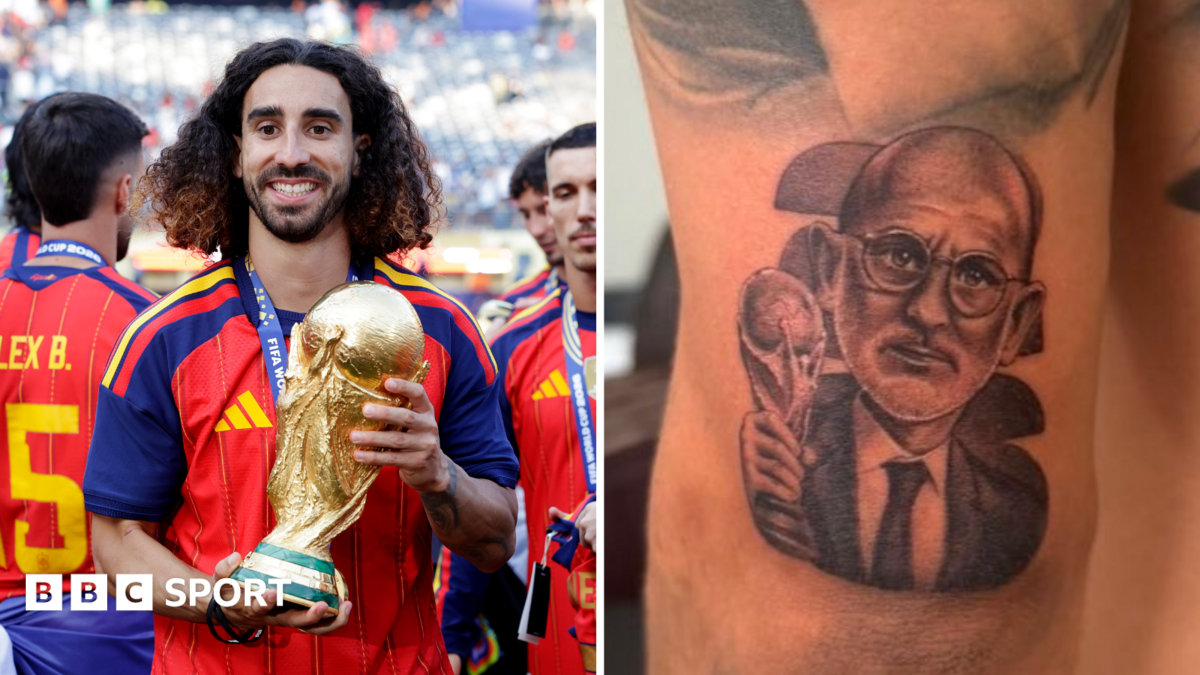
    Fresh off lifting the 2026 FIFA World Cup trophy with the Spanish national side, defender Marc Cucurella has made good on a pre-victory pledge, permanently honoring his winning head coach with a custom tattoo.

    Cucurella was a key contributor to Spain’s historic 1-0 final win over Argentina earlier this month, playing every single minute of the team’s entire World Cup campaign. The 28-year-old, who completed a high-profile £52 million transfer from Chelsea to Real Madrid back in June, took to social media to unveil his new ink: a detailed portrait of Luis de la Fuente, the manager who led Spain to their World Cup triumph, holding the iconic golden trophy, set against a background emblazoned with the number 26 to mark this year’s tournament.

    Alongside photos and behind-the-scenes video of the tattoo sitting process, Cucurella simply posted: “Promise kept.”

    The lighthearted agreement between player and coach came to light after the final whistle of the World Cup final, when De la Fuente addressed the promise with reporters during his post-match press conference. Joking about the commitment, the manager said: “I’ve already told them, ‘did you make a mistake? They did, but they’ll enjoy it. I’m not so terribly ugly that they will need to put it somewhere nobody can see it. But it makes me laugh and I am proud they keep their promises.”‘

    This is not the first quirky personal detail that has drawn attention to Cucurella during the World Cup run. The defender previously revealed he carried his wife’s pyjama top with him throughout the tournament as a good luck charm, and explained that his signature long curly hair is styled that way specifically so his young child can spot him easily in the crowd during matches.

  • Diomande’s rapid and remarkable rise to Real Madrid

    Diomande’s rapid and remarkable rise to Real Madrid

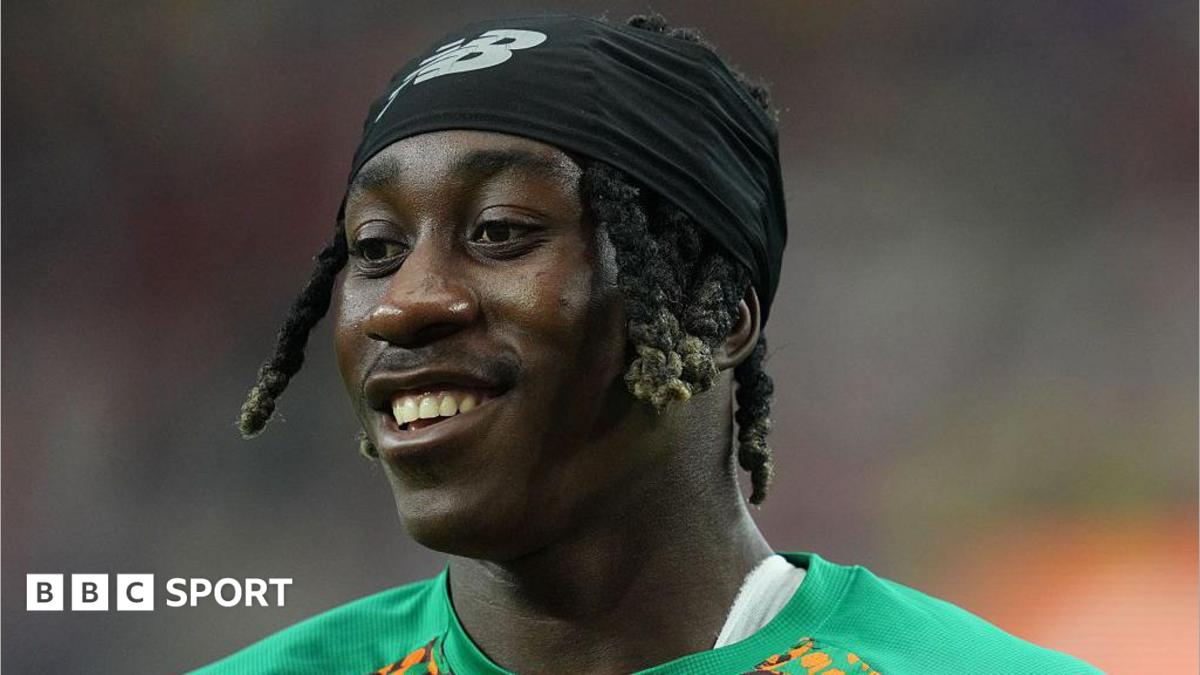
    After months of relentless transfer speculation, 19-year-old Ivorian football prodigy Yan Diomande is set to fulfill his ambition of joining European giant Real Madrid in a landmark deal that has rewritten multiple transfer record books. The Spanish capital club has agreed to pay more than £100 million to secure the winger from Germany’s RB Leipzig, a fee that makes Diomande the most expensive African footballer in history, while also marking the highest transfer fee both RB Leipzig has ever received and Real Madrid has ever paid for an incoming player.

    Diomande’s rapid ascent to the top of world football is nothing short of extraordinary: less than 18 months ago, he was a virtually unknown prospect, recognized only by a small circle of elite scouts and football insiders. The young winger, who spent his formative youth development at the Florida-based DME Academy – an institution better known for its elite basketball program – spent years knocking on the door of professional clubs across Europe, attending trials with the likes of Chelsea, Bournemouth, Crystal Palace, Rangers, and Olympiacos without earning a contract. Even the reserve teams of Major League Soccer rejected his attempts to land a spot, leaving his dream of professional football hanging in the balance.

    His breakthrough finally came when La Liga side Leganes offered him his first professional contract. In just 10 appearances in Spain’s top flight, Diomande’s raw talent and explosive athleticism saw his market value skyrocket, leading RB Leipzig to acquire him for €20 million in July 2024. The Red Bull-backed club immediately identified Diomande as a long-term diamond in the rough, and the teenager quickly exceeded all expectations: in his first full season in the Bundesliga, he notched 13 goals and 10 assists across all competitions, emerging as one of the most exciting young attacking players in Europe.

    Leipzig initially planned to hold onto Diomande for another season to allow his value to rise further, but overwhelming interest from elite clubs across the continent forced the Bundesliga side to reconsider. Liverpool, Paris Saint-Germain, and eventually Real Madrid all tabled record offers for the Ivorian, who earned international experience representing his country at the 2022 FIFA World Cup. Ultimately, Real Madrid’s bid won out.

    What makes Diomande such a coveted talent is his rare combination of elite physicality and creative skill. Already considered one of the best dribblers in European football, the 19-year-old still has room to develop the finer points of his game after just 18 months at the top level. An underrated passer, Diomande formed a deadly attacking connection with RB Leipzig right-back Ridle Baku, and he is comfortable playing on either flank: a natural right-footed player, he has featured on both wings across his short professional career for club and country.

    Off the pitch, Diomande’s journey to the Santiago Bernabéu is a classic rags-to-riches story marked by immense sacrifice and personal tragedy. Growing up in Abidjan, Ivory Coast, he left home at just nine years old to join a football club 70 miles from his family near the Ghanaian border, living independently with very limited resources. At 15, he made the bold decision to relocate to the United States to pursue his career, enrolling in high school despite speaking no English at the time and facing repeated rejections from professional clubs.

    Shortly after he earned his breakthrough with Leganes and made his La Liga debut against Real Madrid at the Bernabeu, Diomande suffered a devastating personal loss: his 15-year-old sister Roxanne, to whom he was extremely close, died after her drink was spiked at a party. In an open letter published by *Players’ Tribune*, Diomande opened up about the grief that followed the tragedy, writing, “Now, I don’t feel anything. It’s like I’m not even human. Since you died, I’m just blank.” Despite this heartbreak, he stayed focused on his career, making the move to Leipzig just a year later and continuing his rapid development.

    While Real Madrid already has a deep group of attacking wingers, club chairman Florentino Perez and the club’s executive board prioritized signing Diomande, unwilling to pass on the chance to acquire one of the most talented young prospects in the world. The final days of negotiations brought a surprise twist: Diomande had long been linked with a move to PSG, a club his father supported and that he admired as a child, but PSG pulled out of the race last week citing disagreements with the player’s representation.

    Diomande’s representation switch earlier this year has sparked off-pitch controversy: he left his original agency Maxidel, run by former Ivorian international winger Max Gradel, to join Jay-Z’s global entertainment firm Roc Nation in February 2025. Maxidel has challenged the move, filing a complaint with the Court of Arbitration for Sport over the switch, claiming existing contractual agreements were breached. It is not lost on observers that Roc Nation already represents two of Real Madrid’s star attackers, Vinicius Junior and Endrick, a connection that likely smoothed Diomande’s path to the Spanish club.

    Despite the off-pitch noise surrounding the transfer, Diomande’s rapid upward trajectory shows no signs of slowing as he prepares to begin the next chapter of his career at one of the most prestigious clubs in world football.

  • Greece call up Konstas to help T20 World Cup bid

    Greece call up Konstas to help T20 World Cup bid

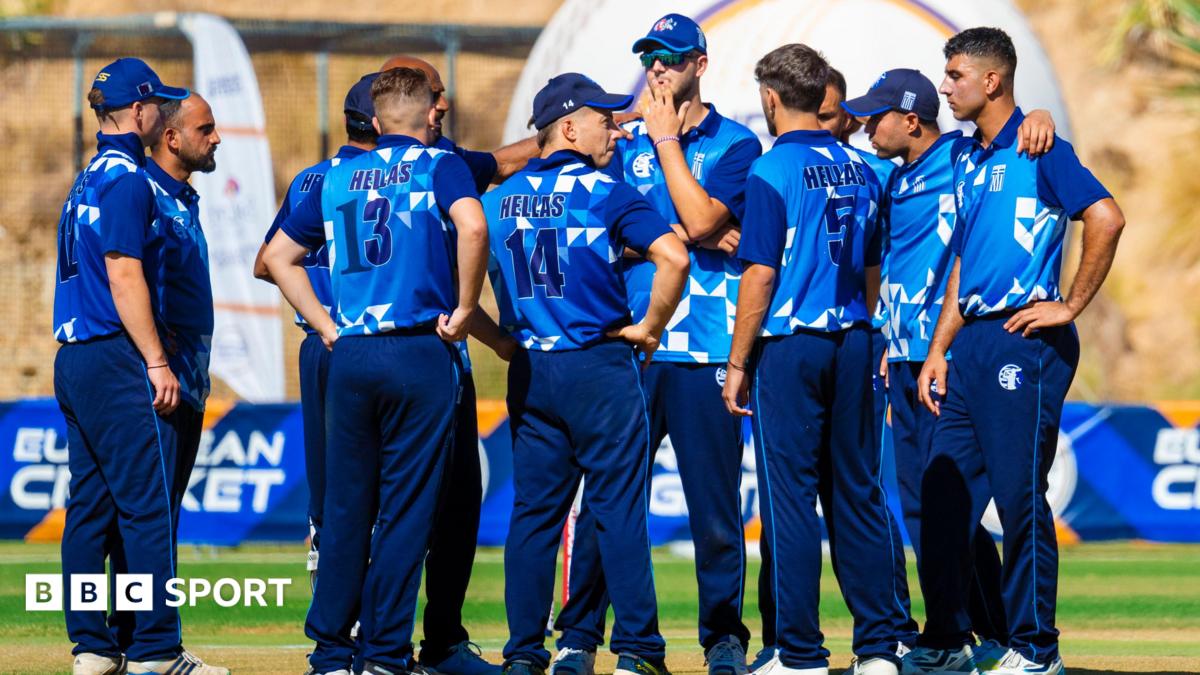
    Greece has launched an unexpected push to seal a spot at the 2028 Men’s T20 World Cup, turning to its large diaspora community in Australia to bolster its national cricket squad for the first qualifying round this summer. The Hellenic Cricket Federation has named 24-year-old Billy Konstas – the older brother of rising Australian men’s Test batter Sam Konstas – to its 14-man roster for the European sub-regional Qualifier C, set to run from August 14 to 21 in Finland.

    Billy Konstas, who is four years senior to 19-year-old Sam who made headlines for his memorable 2024 Boxing Day Test debut against India with three sensational ramp shots off Indian pace ace Jasprit Bumrah in a single over, splits his time between playing grade cricket in Sydney and working as a physiotherapist and cricket coach. He is not the only Australian-raised player of Greek descent to earn a call-up: 21-year-old leg-spin all-rounder Blake Faunce, a former age-group representative player for the Australian Capital Territory, has also been included in the squad.

    Federation officials have also held selection discussions with 26-year-old Blake Nikitaras, a first-class cricketer for New South Wales and former Big Bash League player with Sydney Thunder, whose father Steve previously represented Greece’s national team at the end of his professional playing career. Another high-profile target, 27-year-old short-format franchise veteran Peter Hatzoglou – who boasts stints in elite T20 competitions including the Big Bash, England’s The Hundred, and the Pakistan Super League – has also held talks, but he currently does not meet international eligibility requirements for selection. At this stage, neither Nikitaras nor Hatzoglou are expected to be available for the upcoming qualifier, but if Greece advances past the 10-team tournament, the pair could enter consideration for future rounds.

    Greece’s strategy of drawing on its Australian diaspora, which numbers more than 400,000 people of Greek ancestry across the country, has drawn inevitable comparisons to Italy’s 2024 T20 World Cup campaign. Italy made its maiden World Cup appearance earlier this year after advancing through regional qualifying, with an entire squad of players born outside the country including five Australian-Italian players – among them two sets of brothers. However, senior Greek federation leaders emphasized to BBC Sport that they are prioritizing the long-term development of homegrown talent, rather than relying entirely on overseas-based players of Greek heritage.

    Cricket has been played on the Greek island of Corfu, the historic heart of the country’s domestic cricket scene, for more than 200 years, and building a clear development pathway for local players remains a core organizational priority. Around two-thirds of the squad heading to Finland, led by head coach Tim Dellor, were born in Greece, with two additional players based in the UK – Dimitrios Triandafillithis and Christodoulos Bogdanos, who both compete in club cricket in Yorkshire.

    Greece has been an associate member of the International Cricket Council (ICC) since 1995, but the side has not played enough sanctioned matches in recent years to earn an official ICC T20 global ranking. Their path past the first qualifying hurdle is far from guaranteed: they have been drawn in a group alongside tournament favorites Germany, and will also face a Portugal side boosted by veteran former Australia all-rounder Moises Henriques, who was born in the Portuguese autonomous region of Madeira. Portugal is also expected to add opening batter Ricardo Vasconcelos to its roster, pending his domestic commitments with English county side Northamptonshire.

  • The athlete who has never held her Olympic medal

    The athlete who has never held her Olympic medal

    Fourteen years after she fled Cameroon and claimed asylum in the United Kingdom following the 2012 London Olympics, elite weightlifter Madias Ngake is preparing to step onto one of the world’s biggest multi-sport stages again, this time competing for her adopted home nation of England at the 2026 Glasgow Commonwealth Games. Her journey from homeless asylum seeker to top-seeded Commonwealth contender is one of extraordinary resilience, marked by personal sacrifice, unexpected second chances, and an unbreakable love for the sport that gave her purpose.

    Ngake’s story begins in Douala, Cameroon’s largest coastal city, where a childhood defined by systemic challenges led her to discover weightlifting as a pathway to opportunity. She dreamed not just of personal athletic success, but of shifting cultural attitudes toward women in sport in her home country, proving the strength and capability of female athletes. By 18, she had already qualified for the 2010 Delhi Commonwealth Games, where she narrowly missed a bronze medal after tying India’s Laishram Devi’s total lift, losing out only due to a higher body weight. She collapsed moments after her final 121kg lift and left the arena on a stretcher, but still left the competition proud just to have qualified for the global stage – an achievement few Cameroonian athletes managed at the time, hampered by limited resources and widespread corruption within national sports federations.

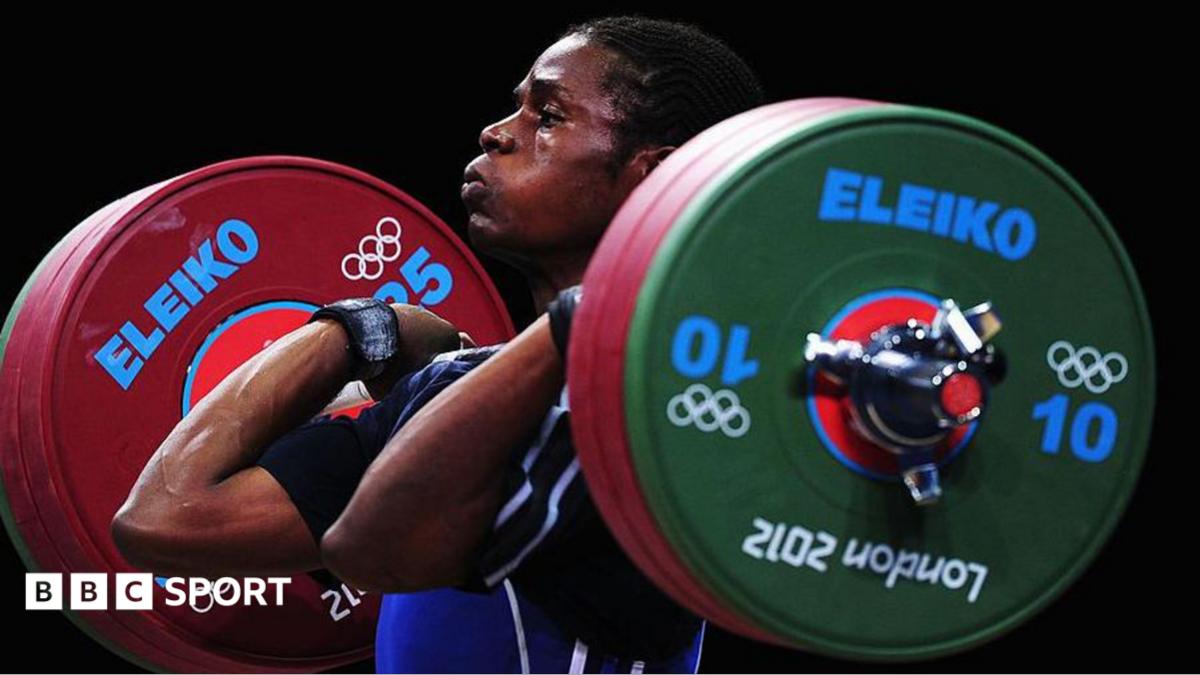
    When she arrived at the 2012 London Olympics, Ngake was ranked so low internationally that she was placed in the lower-tier B Final, grouped with athletes not expected to contend for medals. Against all odds, she won the B Final and lifted more total weight than many athletes in the elite division, finishing sixth overall. But any celebration of the breakthrough result was cut short: her sexuality had become publicly known during the Games, and with homosexuality criminalized and punishable by imprisonment in Cameroon, the 20-year-old faced a deadly threat if she returned home. Faced with no other choice for safety and freedom, she disappeared from the Olympic Village and chose to build a new life in the UK.

    The years that followed were far from the glamour of Olympic competition. With no connections, no savings, and no permanent residency status, Ngake spent two months homeless, sleeping on buses and outside in public spaces, before she could formally apply for asylum and access temporary housing. For nearly a decade, she stepped away from sport entirely to build stability: she worked full-time as an office cleaner for nine years, moving from Leeds to Nottingham, and waited five years to secure the documentation needed for permanent paid work. Few people around her knew she had been an elite Olympian, as she built a quiet, low-key life in her new home.

    A twist of fate brought her back to weightlifting four years ago, when the 2022 Commonwealth Games were relocated from Durban to Birmingham, bringing former Cameroonian teammates and coaches to the UK. One of her old coaches reached out, stayed with her, and repeatedly encouraged her to pick up a barbell again. When she did, it felt instantly natural – like coming home. Within just a few years, her meteoric return to elite competition saw her win gold at the British International, take silver in the snatch at the 2024 World Championships, and claim a European bronze medal earlier this year. She earned UK Sport funding, allowing her to quit cleaning and compete as a full-time athlete, and qualified for the 2026 Glasgow Commonwealth Games as the top seed in the women’s 86kg division.

    Ngake will be joined on Team England by another Cameroonian-born weightlifter, Cyrille Tchatchet II, who also sought asylum in the UK after the 2014 Glasgow Commonwealth Games. Open to the debates surrounding asylum seekers in the UK, Ngake says that while there is a mix of people claiming asylum, those who build a life in the country must respect its laws and contribute to their new community. “I’ve worked here for a very long time, I pay tax,” she says. “If you want to live here, you have to respect the country and love this country, that’s why you stay. I love this country, and it would be amazing to win a Commonwealth medal for this country – that’s my goal.”

    Remarkably, Ngake was retroactively awarded an Olympic bronze medal for her 2012 London performance, after three weightlifters who finished above her were disqualified for doping. The medal was sent to Cameroon seven years after the Games, and today it remains unclaimed, stuck in a government drawer 5,000 miles from where Ngake lives now – she says she would love to have it, but cannot return to Cameroon due to the country’s anti-LGBTQ+ laws. If she wins a medal in Glasgow, or qualifies for the 2028 Los Angeles Olympics (her next long-term goal), it will be a medal she can hold in her own hands, representing the nation that gave her a second chance at life and freedom.

  • US Biathlon considers joining US Ski & Snowboard in rare merger of Olympic sport organizations

    US Biathlon considers joining US Ski & Snowboard in rare merger of Olympic sport organizations

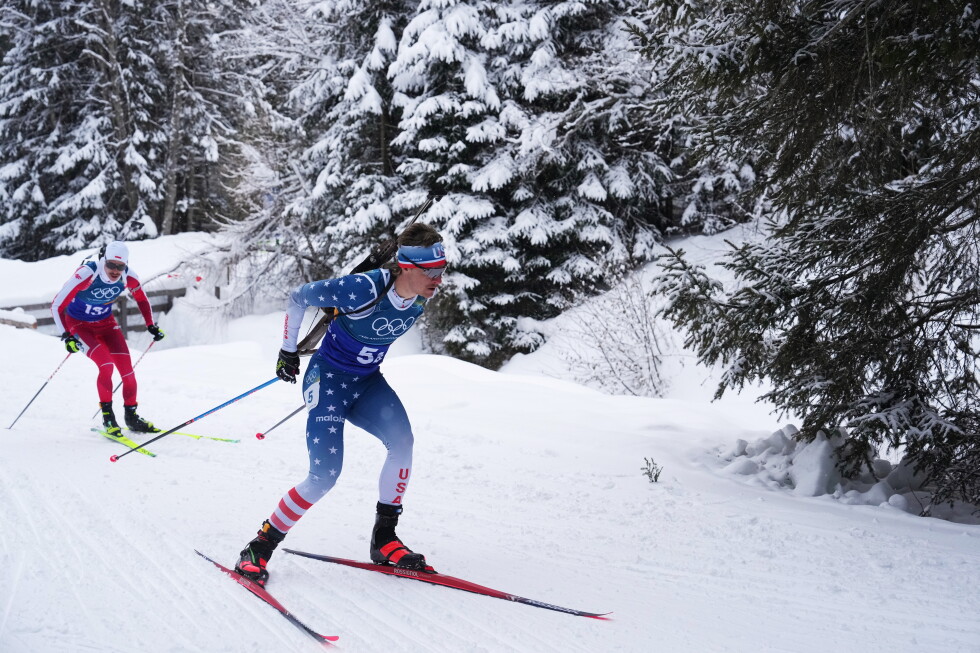
    A rare proposed consolidation between two U.S. Olympic national governing bodies has thrown the future of American biathlon into question, as leaders of the U.S. Biathlon Association push to bring the sport under the umbrella of U.S. Ski & Snowboard (USSS) — a move backed by financial necessity according to supporters, but decried as an existential threat by long-time participants of the sport. The U.S. Biathlon board of directors is scheduled to cast its final vote on the integration plan this Wednesday, months after exploration of the proposal began in the wake of another medal-less performance by American biathletes at the 2022 Beijing Winter Olympics. Members of the association were first formally notified of the talks in May.

    U.S. Biathlon CEO Jack Gierhart told association members that shifting fiscal pressures left leadership with little choice but to explore the partnership: the U.S. Olympic and Paralympic Committee has cut the organization’s funding by 22%, and private corporate sponsors have reduced their commitments amid broader economic tightening. Integration with USSS, Gierhart argues, would open access to expanded funding streams, enhanced support services for competing athletes, and greater exposure to the larger cross-country skiing community to recruit new competitors to biathlon, a hybrid sport that combines cross-country skiing and precision rifle shooting. Sophie Goldschmidt, CEO of USSS, told the Associated Press that the larger governing body is well-positioned to elevate American biathlon to new competitive heights, saying “We feel that we can help take biathlon to the next level.”

    USSS is undeniably a powerhouse in American winter sports: it currently oversees 11 Olympic disciplines, counts 250 elite athletes among its ranks including global superstars like alpine skiing champion Mikaela Shiffrin and cross-country skiing gold medalist Jessie Diggins, holds a $70 million annual budget, and boasts 40,000 registered members. By comparison, U.S. Biathlon operates on just a $4 million annual budget and counts only 1,407 registered members. Though biathlon is a massively popular spectator and participation sport across much of Europe, it has never produced an Olympic medal for the United States, a long-standing performance gap that has contributed to its limited domestic funding and profile.

    Supporters of the merger argue the partnership would deliver mutual benefits for both organizations. Kikkan Randall, an Olympic cross-country skiing gold medalist and current USSS board member, noted that tapping into biathlon’s massive European popularity could open new marketing and sponsorship opportunities for the merged organization. “There’s a recognition of how big biathlon is in Europe. Being able to tap into that popularity and marketability is really intriguing,” Randall said. Under the proposed terms of the alliance, U.S. Biathlon would retain its own governing board (expanded to include USSS-appointed representatives) to manage sport-specific decisions, all existing U.S. Biathlon staff would transfer to the larger organization, and biathlon would secure two permanent seats on the USSS board. Gierhart emphasized that the additional resources from USSS would allow the organization to invest in grassroots growth: providing equipment to local clubs, expanding existing youth recruitment programs, and delivering much-needed support to underresourced community programs. “The long-term implications of what this could bring is really profound from a growing-the-sport perspective and pushing support out to the communities and clubs that need it,” Gierhart said.

    But the proposal has sparked fierce pushback from a large cohort of long-time biathlon athletes, coaches, and supporters, who have organized town halls, launched an opposition website, and filed formal ethics complaints against U.S. Biathlon board leadership. Critics argue the board has fast-tracked the merger without sufficient input from rank-and-file members, and warn that biathlon will be sidelined and eventually erased within the larger organization, overshadowed by more popular, high-revenue sports like alpine skiing and snowboarding. Many opponents fear the merger will lead to eventual funding cuts for the national biathlon team, pointing to USSS’s past cuts to funding for U.S. ski jumping in 2010 and Nordic combined in 2014 as a cautionary example.

    “I don’t want to see biathlon disappear into another organization,” said Art Stegen, author of *Unique and Unknown: The Story of Biathlon in the United States*, who is one of the most visible voices of opposition. Stegen, retired sports lawyer Ed Williams, and former Olympic biathlete Joan Wilder filed a formal ethics complaint with the U.S. Biathlon ethics committee last week, alleging that board chair Bob Hall violated organizational rules by holding closed merger discussions without notifying the full membership, and that board member Dexter Paine holds an unreported conflict of interest due to his concurrent seat on the USSS board. While the ethics committee acknowledged this month that “it appears there is merit to some of the allegations,” it dismissed the complaints entirely, noting it lacks the legal authority to remove a sitting board member.

    A 2024 analysis of the merger conducted by veteran biathletes Jon Schafer and Marc Sheppard concluded that any partnership with USSS should only be pursued as a “last resort.” The pair’s interviews with hundreds of members of the biathlon and cross-country skiing communities found that “The overwhelming consensus is that everyone is terrified of destroying the long-term future of the organization for possible short-term financial gain.” Opponents also argue that grassroots growth is already underway through existing programs, and that the sport can expand its revenue and membership without ceding control to a larger governing body.

    Beyond internal opposition, the proposal also faces a potential major legal obstacle under federal Olympic law. Steven Bank, a UCLA law professor specializing in sports law, explained that the 1978 Ted Stevens Olympic and Amateur Sports Act bars one national governing body from overseeing multiple sports that fall under separate international federations. Currently, USSS falls under the governance of the International Ski and Snowboard Federation, while biathlon is governed by the International Biathlon Union — a separation that could put the merger in conflict with the 46-year-old law, which was designed to prevent jurisdictional disputes over team selection, rule-setting, and competitive standards.

    This is not the first time USSS leadership has pursued expansion through acquisition: Goldschmidt launched a bid to take over USA Surfing last year, but abandoned the effort after widespread opposition from surfing community members. Goldschmidt confirmed to the AP that USSS is also currently in exploratory talks with USA Skateboarding about a potential future partnership, signaling that the biathlon merger is part of a broader push by the winter sports powerhouse to expand its footprint across Olympic sports.

  • AFL reveals final rounds fixtures with huge double-headers to decide finals race

    AFL reveals final rounds fixtures with huge double-headers to decide finals race

    With the 2026 Toyota AFL home-and-away season drawing to its closing stages, the Australian Football League has officially confirmed the full match schedules for the penultimate and final rounds of regular season play, headlined by a rare historic event that has only taken place three other times in the competition’s 150-plus year history.

    The action for Round 23 will get underway on a prime Friday night slot at Perth’s Optus Stadium, where the competition’s current ladder leaders, the Fremantle Dockers, will go head-to-head with the resilient Adelaide Crows. The following Saturday brings a packed slate of matches with direct, high-stakes implications for teams still vying for a spot in the upcoming finals series. Geelong Cats will travel to Melbourne’s Marvel Stadium to take on North Melbourne, while the Brisbane Lions will host the Gold Coast Suns at Brisbane’s iconic Gabba ground.

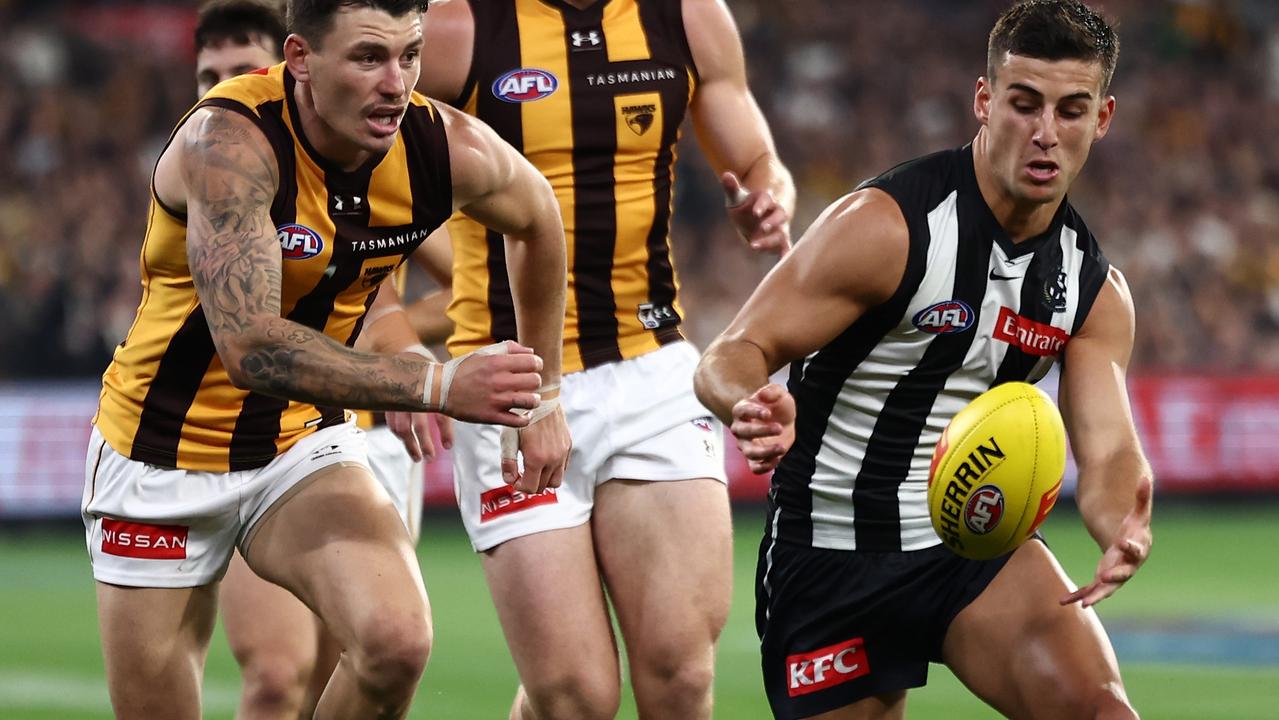
    The standout highlight of Round 23 is a men’s double-header hosted at the Melbourne Cricket Ground, widely known as the sport’s Victorian colosseum. This rare back-to-back match event will mark just the fourth time such a scheduling arrangement has occurred in AFL history. Opening the MCG’s Saturday matchday at 12:35 pm, Richmond will face off against St Kilda, with the nightcap kicking off at 7:40 pm between Hawthorn and traditional powerhouse Collingwood.

    Moving into Round 24, the final round of the home-and-away season, play will kick off on Thursday night at Marvel Stadium, where St Kilda will play host to the Gold Coast Suns. The round’s marquee Friday night fixture at the MCG will serve as a highly anticipated rematch of the 2023 AFL Grand Final, pitting Collingwood against the Brisbane Lions.

    Saturday of Round 24 brings a full day of consequential matches that will all impact the final ladder standings and which teams will earn the critical advantage of home finals during the September playoffs. Carlton will face Fremantle at Marvel Stadium, reigning premiers Melbourne will take on the Western Bulldogs at the MCG, Geelong will host Richmond at GMHBA Stadium, and Adelaide will meet Greater Western Sydney at Adelaide Oval. Every result across these matches will reshape the final ladder and change the trajectory of multiple teams’ finals campaigns.

    In an official statement following the fixture announcement, AFL Head of Strategy and Scheduling Josh Bowler emphasized that both closing rounds will play a defining role in determining which teams advance to the 2026 finals series. “A number of clubs are still competing for top-four positions, home finals and places in September,” Bowler said. “Fans can look forward to several marquee match-ups featuring some of the competition’s leading teams as the race to the 2026 Toyota AFL Finals Series reaches its conclusion.”

  • Melbourne coach Steven King shuts down talk of Christian Petracca drama

    Melbourne coach Steven King shuts down talk of Christian Petracca drama

    As first-year Melbourne Demons head coach Steven King prepares his side to face the Gold Coast Suns this weekend, he has found himself in an unusual position: lauding one of the opposition’s most high-profile stars as a club champion, while simultaneously tasking his squad with finding a way to neutralize his on-field impact.

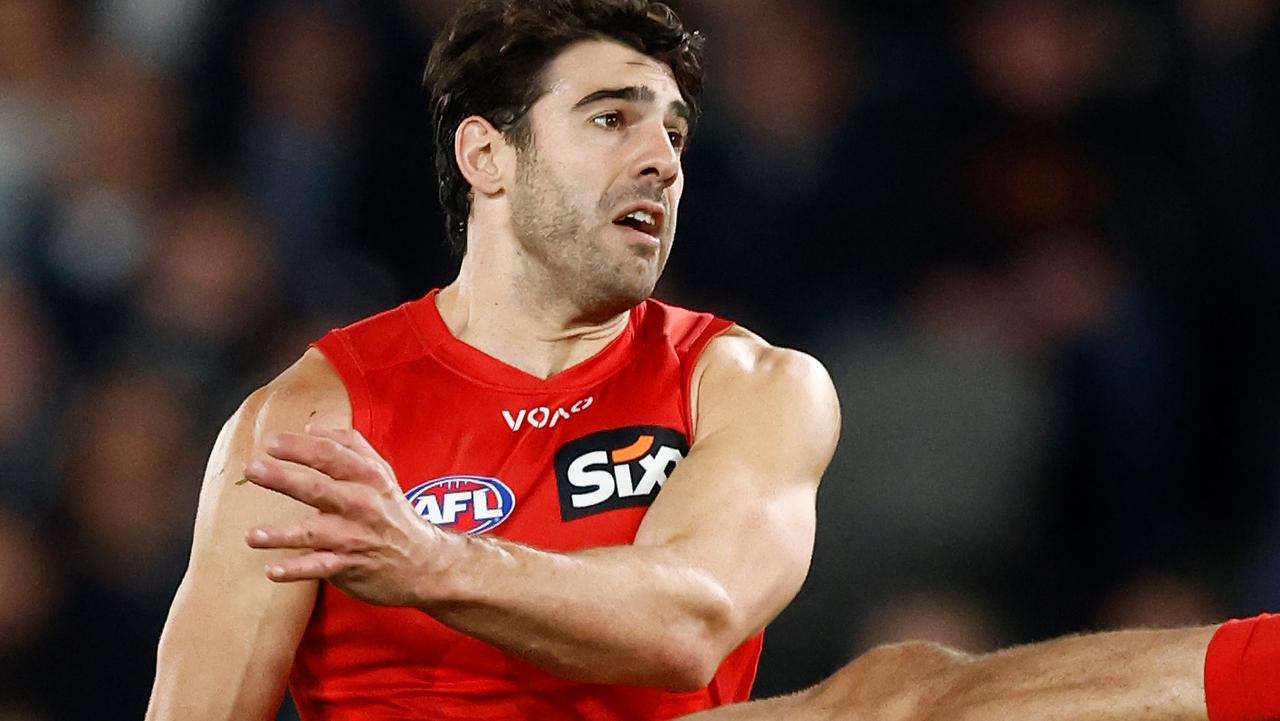
    Christian Petracca, the former Melbourne midfielder who now plies his trade as a utility for Gold Coast, has dominated AFL headlines all week following a public verbal altercation with young Suns teammate Leo Lombard during the club’s recent loss to Carlton at Marvel Stadium. The on-field clash has drawn widespread media scrutiny, but King is pushing to keep his playing group focused on preparation rather than getting swept up in the off-field noise surrounding the 28-year-old.

    Though Petracca never played a game under King’s leadership during his tenure at Melbourne, the first-year Demons coach offered nothing but glowing praise for the star midfielder when speaking to reporters on Wednesday morning. King emphasized that he has deliberately not framed the match as a personal grudge match for his squad against their former teammate, noting that while the Melbourne group will be eager to see Petracca back on the pitch, the club holds no lingering animosity toward the departed star.

    “I haven’t mentioned any extra emotional edge of him playing against his old side,” King told reporters. “I’m sure the players will be excited to see him. He’s a champion of our club, and he’s had a fantastic year so far. We know exactly what he’s capable of at his best, and how damaging he can be to any opposition.”

    When asked about the widely reported altercation between Petracca and Lombard, King declined to comment on internal Suns dynamics, saying he had not closely followed the details of the incident. “I can’t answer questions about how people respond when they aren’t inside our club’s four walls,” he explained. “We’re preparing to face Gold Coast as a complete team, not just focus on one individual incident.”

    That said, King made clear that Petracca remains a top priority for Melbourne’s defensive game plan this weekend. “He’s one of a handful of key players for the Suns that we’ll need to curtail to go out there and get the four competition points,” King said. “At his best, he’s a proud competitor and one of the elite players in the entire competition. That’s the version of Petracca we’re preparing for, and that’s what we need to be ready to stop.”