分类: sports

  • Fans in Cape Verde party into the night after historic World Cup debut

    Fans in Cape Verde party into the night after historic World Cup debut

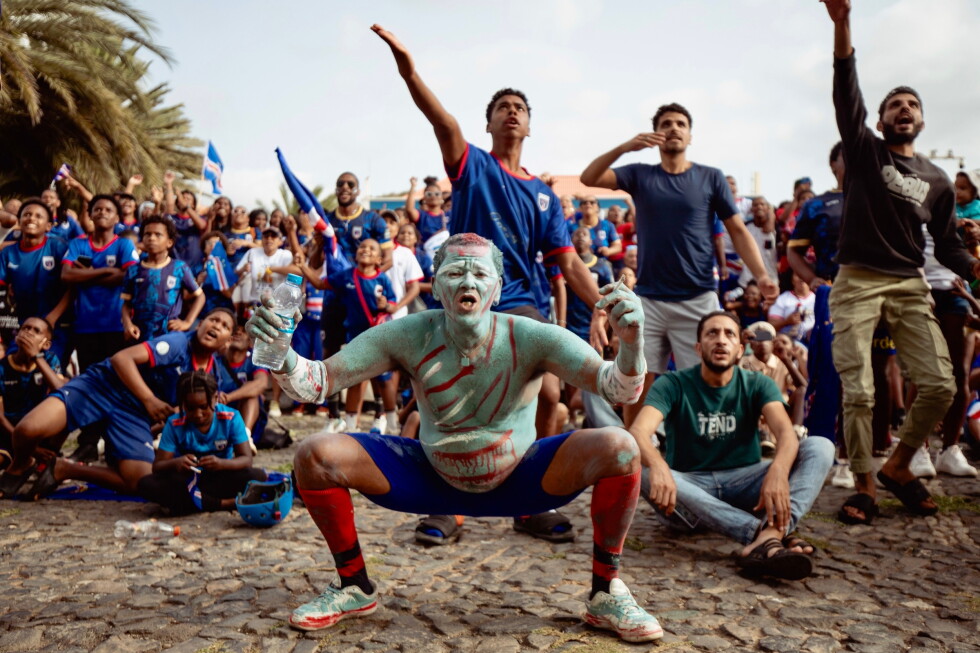
    PRAIA, Cape Verde — Jubilant fans across Cape Verde partied and celebrated deep into the night, after the tiny African island nation pulled off one of the biggest surprises of the latest expanded World Cup by holding reigning European champion Spain to a scoreless draw in its first ever World Cup finals appearance.

    Home to just 500,000 residents, Cape Verde is the third-smallest country by population to ever qualify for football’s most prestigious international tournament. On Monday, in its landmark debut match, the underdog side held European giants Spain goalless, a result made possible by a standout performance from 40-year-old veteran goalkeeper Vozinha and a disciplined, resilient defensive effort that frustrated the heavily favored Spanish squad.

    In the capital city of Praia, thousands of supporters packed public watch parties and flooded major thoroughfares, turning the urban center into a massive street party. Fans sang traditional folk songs, danced, and embraced one another, still stunned by the result that most had deemed impossible before kickoff — even with the expanded 48-team tournament format that had drawn criticism for allowing lower-ranked nations to qualify at the perceived cost of competitive quality. Many fans wept openly as they celebrated, some climbing utility poles to get a better view of large screen broadcasts of the post-match reaction from across the globe.

    William Gomes, a lifelong Cape Verdean football fan based in Praia, called the result beyond his wildest expectations. “I didn’t expect us to be holding our own in such a highly contested and difficult match,” Gomes said. “Thanks to Vozinha’s performance, who is, for now, one of the best players on our team.”

    Vladimir Garcia, a local resident, spoke to the sense of national pride that the match has sparked across the small archipelago off West Africa. “Cape Verde is only a small country, but today it feels great and important. I don’t even have enough words to express what we’re feeling. We Cape Verdeans are truly blessed,” Garcia said.

    In anticipation of the historic fixture, the Cape Verdean government declared a half-day public holiday on Monday, giving citizens time off work and school to gather and cheer on their national team. In a social media post marking the milestone, Cape Verdean President José Maria Neves framed the World Cup debut as a landmark moment for the nation 50 years after it gained independence from Portugal.

    “If today, 50 years later, we are at the World Cup, we have already proven that we are a viable nation,” Neves wrote. “More than celebrating the past, we must reimagine the future and believe that it is possible to build, in all areas of our lives, over the next 50 years, a modern, prosperous country with opportunities for all,” he added.

    While the result ended as a draw rather than a full victory for Cape Verde, the underdog performance has sent shockwaves through the global football community. It has also pushed back against widespread criticism that expanding the World Cup from 32 to 48 teams would dilute the tournament’s quality, producing lopsided, uninteresting matches between top-ranked sides and uncompetitive debuting nations.
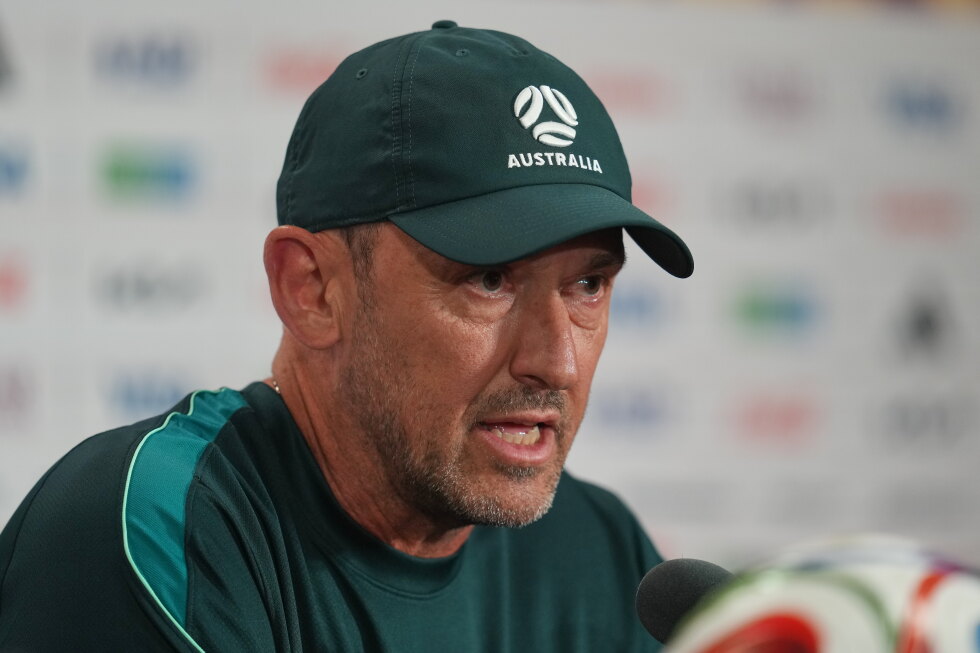
  • Twenty years after playing in the World Cup for Australia, Popovic is now guiding the Socceroos

    Twenty years after playing in the World Cup for Australia, Popovic is now guiding the Socceroos

    Two decades since he took the field as a player for Australia at soccer’s biggest global stage, Tony Popovic has returned to the World Cup — this time leading the Socceroos from the dugout, and opening his campaign with a shock 2-0 victory over pre-match favorites Turkey in Vancouver, British Columbia on Saturday night.

    Widely tipped as the underdogs heading into their Group D opener, Australia delivered a resounding statement win against a Turkey side making its first World Cup appearance in 24 years. The result puts Australia level on three points with group leader the United States, who kicked off their tournament with a 4-1 win over Paraguay. The Socceroos will next travel to Seattle to face the USMNT this coming Friday, with their spot in the knockout stage still up for grabs.

    For Popovic, the World Cup marks a full-circle moment in a decades-long career in soccer that has taken him from standout defender to elite championship-winning coach. As a player, Popovic earned the nickname “The Enforcer” for his tough defensive play, and built a reputation for obsessive attention to detail that extended beyond matchday to nutrition, training regimens and recovery protocols — habits he has carried into his leadership as head coach. He earned 58 caps for the Socceroos, scored 8 goals for the national side, and retired from international play shortly after Australia’s 2006 World Cup run, which ended in a Round of 16 loss to eventual champion Italy. His final international appearance that year, a friendly against Paraguay, even saw him find the back of the net. At the club level, Popovic is best known for his long tenure with English Premier League side Crystal Palace.

    After hanging up his boots, Popovic transitioned seamlessly into coaching, cutting his teeth as an assistant at Australia’s top-flight side Sydney FC before taking the helm as the first ever head coach of Western Sydney Wanderers. In 2014, he made Australian soccer history by leading the Wanderers to the Asian Champions League title, the first ever continental trophy won by an Australian club. Most recently, he coached Melbourne Victory before taking over the Socceroos in September 2024, following Graham Arnold’s resignation after a string of disappointing results. Football Australia moved quickly to lock in Popovic’s long-term future, awarding him a contract extension before he even led the side into his first World Cup match.

    Popovic’s eye for young talent and willingness to shake up established lineups was on full display against Turkey. He made a series of bold selection calls, handing 22-year-old Patrick Beach the starting goalkeeper spot over veteran Mathew Ryan, who boasts 104 senior caps for Australia. Veteran midfielder Jackson Irvine was left on the bench, and 10 of Popovic’s starting 11 were making their World Cup debuts. His intensity and focus on professional development have won him praise from the squad: Australia goalkeeper Paul Izzo noted earlier this month that Popovic pushes players to grow both on and off the pitch, saying “Sometimes it may seem quite intense, that’s what I prefer. For that, I’m extremely grateful. He’s a coach that I tend to really respond well with.”

    Following the opening win, Popovic said he was proud of the team’s performance but has already shifted focus to recovery and preparation for the upcoming match against the United States, saying reflection on his personal milestone will have to wait. “I think, as a coach, you’re proud of the group, you’re proud of the staff, you don’t really reflect too much on what it does for you,” Popovic told reporters after the match. “You’re already thinking, is there anyone that’s injured? We need to recover well, and we need to get the boys focused quickly on the next challenge. So personally, of course, I’m proud, but maybe one day in the future I can look back on this and reflect and remember, and it’ll probably be a very special moment for me, my family.”

    While the opening win has given his young squad a major confidence boost, Popovic emphasized that the team is still far from reaching its full potential, with most of his young players set to peak in future World Cup cycles. “Yes, they should get a boost, of course. Ceiling? They’re nowhere near it, because they’re a young group with no experience in the World Cup, very limited experience playing for their national team. So their ceiling should come in four or eight years, really, most of these boys. So we know we need that, but we are delighted with the result.”

  • ‘Not a model’ – Bielsa refuses to engage with World Cup photoshoot

    ‘Not a model’ – Bielsa refuses to engage with World Cup photoshoot

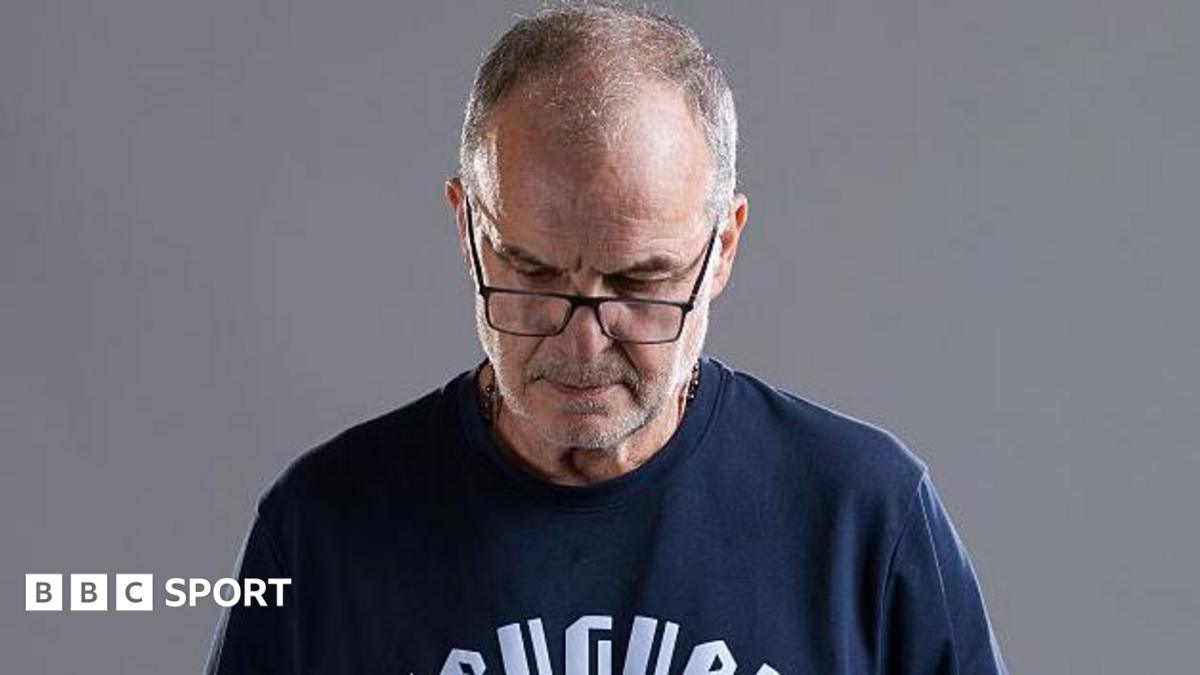
    As the 2026 FIFA World Cup preparations ramp up, every participating nation’s squad and coaching staff have completed the mandatory official photoshoots that have become a beloved pre-tournament tradition over the past 10 years. But it was one unconventional portrait from Uruguay’s head coach Marcelo Bielsa that has captured global football attention – a moment perfectly in keeping with the iconic maverick reputation that has defined the 70-year-old’s decades-long career.

    Known universally by his nickname ‘El Loco’ (The Crazy One), Bielsa has always stood out from the crowd in world football. Famous for his obsessive focus on tactical detail, his unorthodox habit of sitting on a cool box on the touchline during matches, and his past tenure managing English Championship side Leeds United, he has long cultivated a persona that rejects the polished performativity expected of top sports coaches. This legacy was on full display in his official FIFA headshot.

    Where most managers and players lean into the moment, smiling for the camera and leaning into the spotlight of the world’s biggest football tournament, Bielsa chose not to look directly into the lens. Instead, he stared stonily toward the ground, giving the impression he would much rather be on the training ground putting his squad through their paces or poring over opposition match tape than posing for photos. The unusual portrait quickly sparked speculation across social media and football circles, with many suggesting the downward gaze could be a deliberate political protest or statement against FIFA.

    Those rumors were put to the test after Uruguay’s opening pre-tournament friendly against Saudi Arabia in Miami, which ended in a 1-1 draw on Monday. When reporters pressed Bielsa on the story behind his portrait stance, the veteran coach rejected calls for an explanation, pushing back on the idea that he owed any insight into his choice of pose.

    “I don’t have to give any explanation, the picture was taken the way it was taken,” Bielsa told reporters. “I’m not a model.”

    When the topic came up again later in the press conference, after he had moved on to answer questions about the friendly and upcoming matches, Bielsa expanded on his frustration with the media attention over the photo. He argued that there was no deeper meaning to his pose, and that the public and press had no right to demand explanations for every small choice public figures make.

    “There is a limit in terms of what we need to explain,” he added. “If I’m wearing glasses, why am I wearing glasses? You look somebody in the eye, why do you do that? There is nothing wrong about wearing glasses or looking into somebody’s eyes or looking down.”

    Bielsa is no stranger to the World Cup stage, with this tournament marking his third appearance as a national team head coach. He previously led his native Argentina and Chile at past World Cups, and is widely regarded as one of the most innovative and respected tactical minds in the modern game.

    Up next, Uruguay is set to face off against Cape Verde, one of the tournament’s surprise qualifiers, in their second group stage match on Sunday at 23:00 BST. The match will be a key test for Bielsa’s squad as they look to progress past the group stage in one of the most competitive World Cups in recent memory.

  • Tunisia sack Lamouchi just one game into World Cup

    Tunisia sack Lamouchi just one game into World Cup

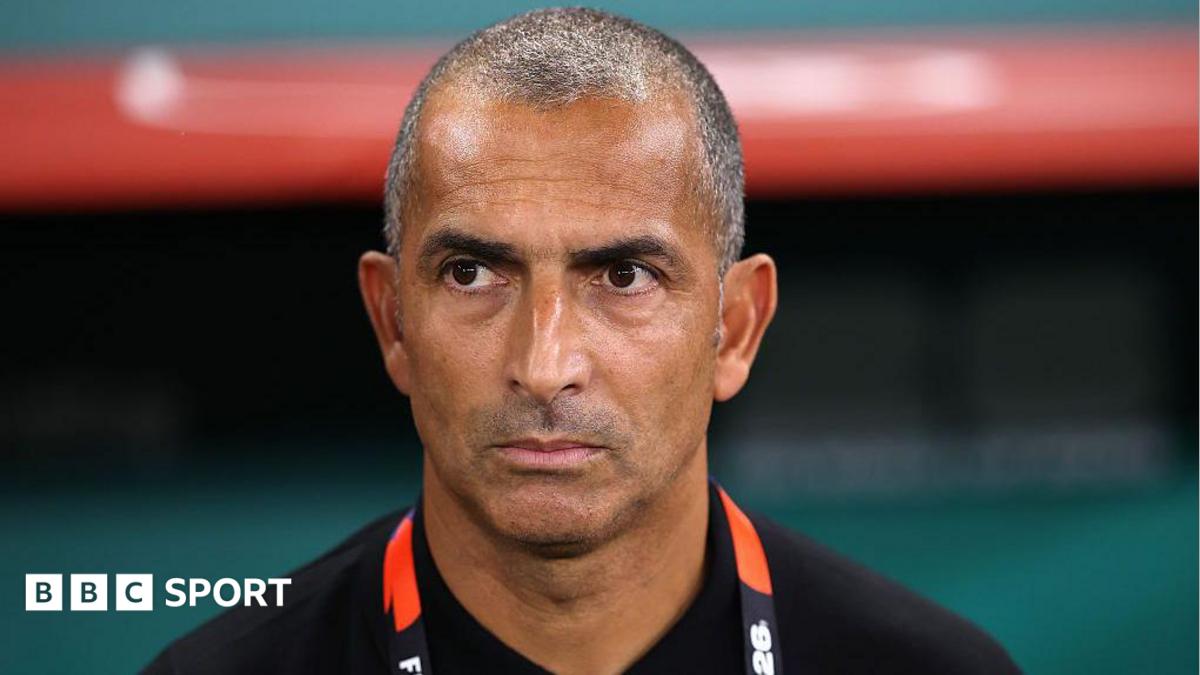
    In a historic first for the FIFA World Cup, Tunisia have parted ways with head coach Sabri Lamouchi just days after a lopsided opening Group F defeat to Sweden at the 2026 tournament, marking the earliest dismissal of a manager in the competition’s history. The North African side suffered a 5-1 thrashing at the hands of Sweden on Sunday at Estadio Monterrey in Guadalupe, Mexico, a result that triggered immediate speculation about Lamouchi’s future. While initial reports claimed the Frenchman had been relieved of his duties straight after the final whistle, multiple sources confirmed to BBC Sport Africa that Lamouchi still led a team training session on Monday. The Tunisian Football Association later made the separation official, announcing that the 54-year-old’s contract had been terminated by mutual agreement. Stepping into the role with immediate effect is veteran manager Herve Renard, who has previously held top jobs with the Morocco and Saudi Arabia national teams, and will remain at the helm through the conclusion of the 2026 World Cup. Lamouchi’s exit comes after just five months in charge of Tunisia, having been appointed in January following the exit of Sami Trabelsi, who stepped down after the team’s round of 16 defeat to Mali at the 2023 Africa Cup of Nations. Across his five matches in charge, Lamouchi only managed to secure one victory: a narrow 1-0 win over Haiti in his debut fixture at the post. In Tunisia’s two pre-tournament warm-up matches earlier this June, the side fell 1-0 to Austria before a demoralizing 5-0 defeat to world powerhouse Belgium that offered an early sign of the challenges the team would face in Mexico. Speaking shortly after the Sweden defeat, Lamouchi acknowledged the severity of the performance, calling the opening loss “painful” for the squad. “Starting the competition with this bad of a loss is indeed difficult,” he said. “We made too many mistakes, and this is not something that we can do. We are shooting ourselves in the foot, we are hurting ourselves.” While manager dismissals after poor tournament starts are not unprecedented in World Cup history, Lamouchi’s departure is the first to occur after just a single match. The previous instances of early sackings date back to the 1998 World Cup, when Tunisia let go of Henryk Kasperczak after two opening matches without a win, and South Korea dismissed Cha Bum-Kun following two straight opening defeats. More recently, Spain sacked Julen Lopetegui just two days before the 2018 tournament kicked off, after he agreed to take the Real Madrid head coaching role mid-competition. Now, with Renard newly installed at the helm, Tunisia turn their focus to their remaining Group F fixtures against Japan and the Netherlands as they fight to keep their 2026 World Cup campaign alive.

  • Elijah Just’s 2-goal World Cup breakthrough lifts New Zealand to a gritty 2-2 draw

    Elijah Just’s 2-goal World Cup breakthrough lifts New Zealand to a gritty 2-2 draw

    INGLEWOOD, Calif. — In a historic showing that upended pre-tournament expectations, New Zealand winger Elijah Juet etched his name into his country’s soccer record books Monday night as the first Kiwi player ever to net two goals in a single men’s World Cup match. Yet, even with the landmark performance, the 85th-ranked All Whites fell just short of securing their first ever win at the global tournament, settling for a hard-fought 2-2 draw against Iran at the Los Angeles-area venue.

    This result marks New Zealand’s fourth draw all-time in World Cup play, matching the unbeaten three-draw run the side posted at the 2010 tournament in South Africa. Speaking after the final whistle, head coach Darren Bazeley called the performance one of the strongest in the nation’s soccer history, noting “We came here to win and we were so close to making history.”

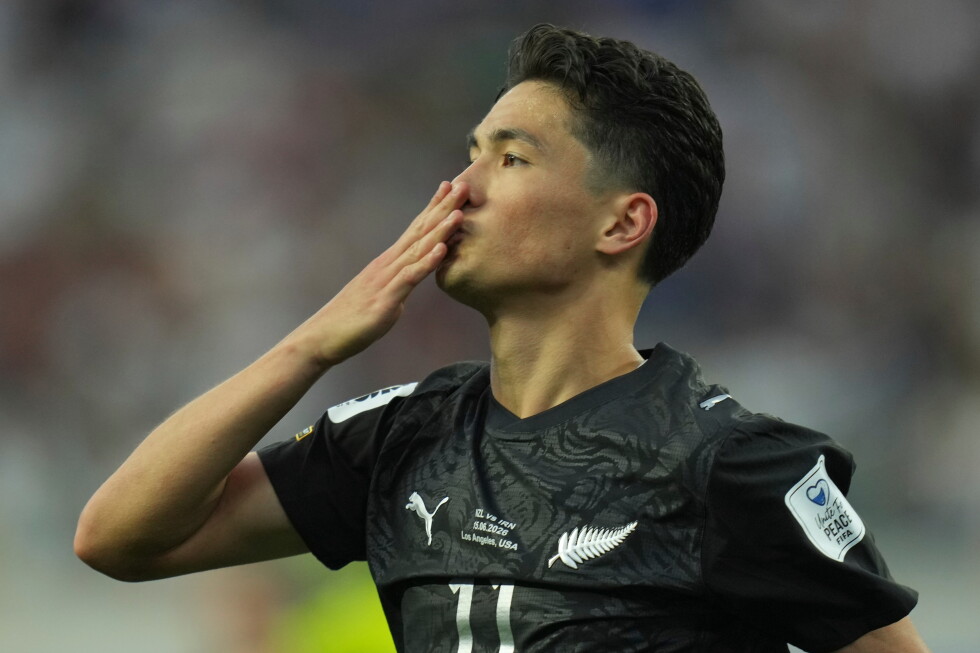
    Just, who entered the 2026 expanded 48-team World Cup fresh off a standout season with Scotland’s Motherwell in the Scottish Premiership that saw him shortlisted for the league’s player of the year award, put the All Whites ahead twice — first at 1-0, then again at 2-1. After his second goal, the 26-year-old winger blew a kiss to the stands, where FIFA President Gianni Infantino was among the spectators in attendance. Star Kiwi striker Chris Wood, the nation’s most recognizable soccer player, picked up assists on both of Just’s goals.

    Juet’s entire immediate family — his parents, brother, uncle and girlfriend — traveled to watch the match, which was held in an area where Iranian fans dominated the stands. The crowd makeup was no surprise: Los Angeles is home to the largest community of Iranians outside of Iran’s borders.

    Reflecting on the match, Juet praised his side’s poise under pressure. “Walking out the adrenaline was really high. Once the game started you kind of calm down a little bit. We were quite good with the ball. We dealt with the occasion really well. The players were really brave. Overall, it’s the performance we needed,” he said, adding, “I think we showed today that we’re a dangerous team. You can’t be disappointed. A point in the World Cup is always tough to get.”

    Bazeley said he was not shocked by his winger’s breakout performance, having trained and worked with Just for many years. “He showed the world how dangerous he can be. He’s of slight build, but he gets into pockets, turns and reacts quick. I think a lot of people are probably watching that today and saying, ‘He’s a good player.’ This is going to help him a lot,” the coach said.

    New Zealand’s path to the 2026 World Cup is only the third qualification in the nation’s history, after appearances in 1982 and 2010. The All Whites, a side from a country better known globally as a powerhouse of rugby union rather than soccer, have never advanced past the tournament’s group stage. Before Monday’s match, the side watched fellow underdog Cape Verde hold global powerhouse Spain to a draw, a result that left Bazeley confident his own team could pull off a surprise upset.

    Young defender Finn Surman echoed Juet and Bazeley’s optimism, saying of the winger: “He’s an amazing player and he’s so dangerous when we get him going forward.” Surman added that the draw against heavily favored Iran has already shifted outside perceptions of the low-ranked Kiwi side. “It’s potentially changed people’s view on us and what they kind of expect from us. We still think we can be better. We know we can be better.”

    The All Whites will get their next shot at history, and their first ever World Cup win, when they face Egypt in group stage play this Sunday in Vancouver, British Columbia. The result against Iran has already injected the underdog side with new confidence and drawn global attention ahead of their next match, with two group games still left to compete for a knockout stage spot.

  • Iran v Iran in the stands as politics and football intertwine

    Iran v Iran in the stands as politics and football intertwine

    The 2026 FIFA World Cup group stage fixture between Iran and New Zealand at Los Angeles Stadium was billed as a routine international football matchup on paper, but the day was defined far more by deep political divisions among Iranian spectators than the action on the pitch. On the field, Iran fought back twice from falling behind to secure a dramatic 2-2 draw, but outside the stadium and scattered through the stands, stark splits between pro-regime and dissident Iranian fans turned the match into a public stage for long-simmering political tensions.

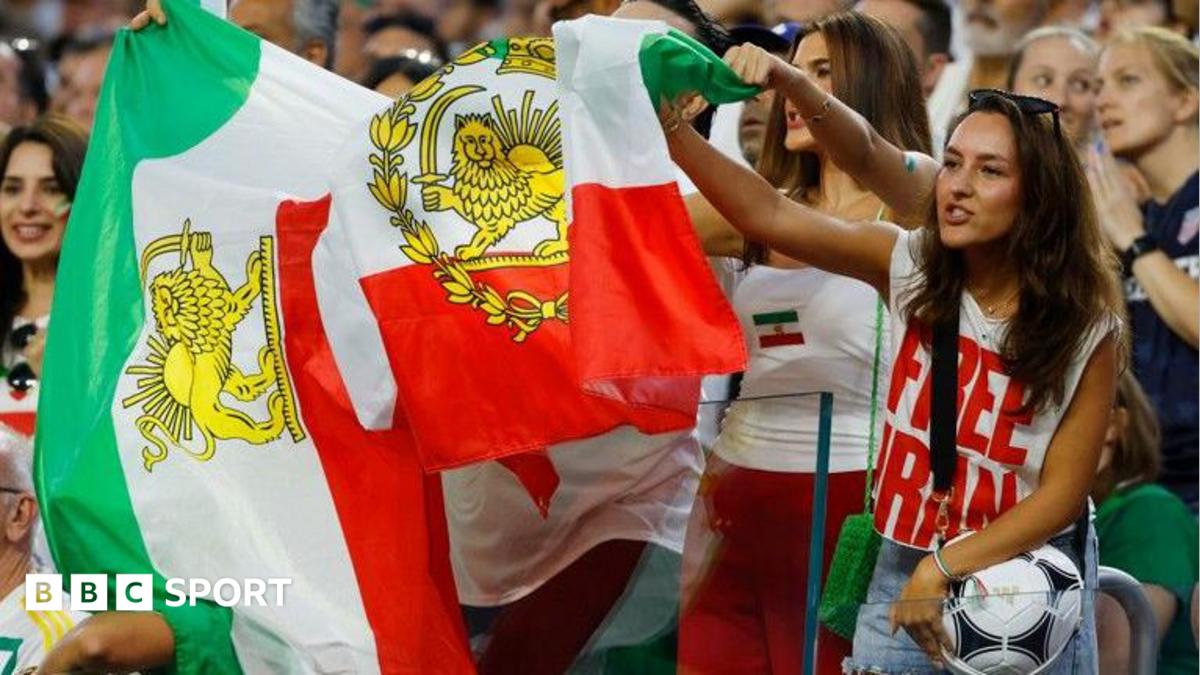
    Outside the arena, hundreds of Iranian diaspora protesters, many of them Iranian-Americans, gathered to demonstrate against Iran’s ruling Islamic Republic and the national team they argue represents the state rather than the Iranian people. The most prominent symbol at the protest was the pre-revolutionary Lion and Sun flag, a widely recognized emblem of opposition to the current Tehran regime that FIFA has banned from stadium grounds as an explicitly political symbol. Despite the ban, the flag was still visible inside the venue, printed on clothing and waved by spectators.

    Protesters chanted slogans calling for regime change in Iran and rejected the national team as a representative of the ruling government. “Mullahs’ team is not my team,” protesters chanted, before breaking into the pre-revolutionary Iranian national anthem. One young protester summed up the anthem’s meaning to the crowd simply: “It means freedom and pride.” Outside the stadium, many activists linked their protest to ongoing human rights abuses in Iran, with one protester hanging a makeshift noose around his neck to protest the execution of dissidents in the country, and others arguing that recent diplomatic talks between Washington and Tehran cannot normalize the violence carried out by the Iranian regime against its own people.

    The divisions that played out outside the stadium only continued inside the stands, where spectators waved both the official Islamic Republic flag and the dissident Lion and Sun flag, all clad in Iran’s national team colors. This split between competing visions of Iranian identity created an impossible pressure for the Iranian squad, which has long maintained that football should be a unifying force rather than a political platform. Striker Mehdi Taremi clarified the team’s position ahead of the match, stating the squad plays for all Iranians both inside the country and in the diaspora, and that the team does not seek to engage in partisan politics.

    The split among fans left many Iranian-Americans in attendance caught between conflicting loyalties. “It’s complicated,” explained Samaneh, an Iranian-American who has lived in the U.S. for a decade. “I’m here to support Iran, not the regime. I miss my country.” Samaneh added that she still cried when the official national anthem played, and that ongoing travel restrictions imposed by the Trump administration have left her mother stranded in Iran, leaving her constantly worried about her family and unable to return home to visit. Even when New Zealand scored to take the lead during the match, some anti-regime spectators were captured celebrating the goal, highlighting how deeply politics had infiltrated the contest.

    Other fans argued for a clear separation between the national team and the ruling government, saying football should remain a space to bring people together across political divides. Mostafa, an Iranian-American living in the U.S., said that “Soccer is about friendship, cultural connections and putting politics aside.” Pourmand, a lifelong Iran fan who has attended the past two World Cups in Qatar and Russia and traveled from San Diego to the team’s training camp in Tijuana, echoed this view. “The people of Iran are represented by these players,” he said. “They’re here to show we’re worthy of being here – a message of friendship and human values.” For other fans like Elika, supporting the team is tied to personal connection rather than politics: she attended the match in honor of her late father, who shared a love of watching Iran compete at the World Cup, and said “I felt compelled to come in honour of my dad, and in honour of Iranians who just want peace and the chance to enjoy a game like this.”

    Even before the match kicked off, politics had already disrupted Iran’s World Cup campaign. Visa issues forced the team to relocate its pre-tournament training base from Arizona to Tijuana, Mexico, forcing players to cross the border for matches in the U.S. while staying in Mexico. While a recent ceasefire agreement between the U.S. and Iran has lowered fears of open military escalation between the two nations, underlying tensions remain high, and those tensions spilled directly into the World Cup fixture in Los Angeles.

    After the final whistle, the day’s events made one fact clear: despite the Iranian team’s stated goal of uniting all Iranians through football, deep political divisions within the global Iranian community have made that unity impossible to achieve at this 2026 World Cup. Outside the stadium, it was clear that for this community, separating football from politics was no longer an option.

  • Scaloni: ‘The whole planet’ awaits Messi’s 200th cap as Argentina opens World Cup against Algeria

    Scaloni: ‘The whole planet’ awaits Messi’s 200th cap as Argentina opens World Cup against Algeria

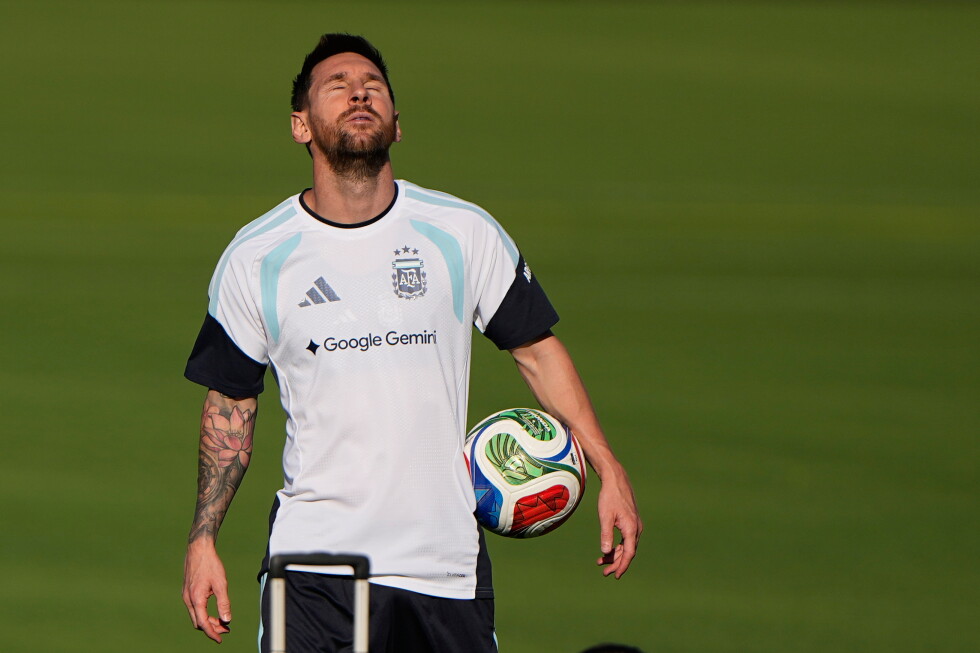
    KANSAS CITY, Mo. — As the 2026 FIFA World Cup kicks off its first match for defending champions Argentina here at Arrowhead Stadium on Tuesday night, all eyes are fixed on one man: Lionel Messi, the Argentine icon widely regarded as the greatest soccer player of all time. For Argentina head coach Lionel Scaloni, who shares a deep-rooted connection with Messi that stretches back decades, the global fascination with the 36-year-old forward is no surprise.

    Both Scaloni and Messi hail from Argentina’s Santa Fe province, and both rose through the youth ranks of Newell’s Old Boys, the storied Rosario-based club that has produced a long list of soccer legends, from Gabriel Batistuta to current U.S. men’s national team coach Mauricio Pochettino. Having watched Messi’s career unfold for nearly his entire professional life, Scaloni says the entire world craves to see Messi step onto the pitch.

    “Not only the Argentinian population but everybody — the whole planet — wants to see him play,” Scaloni said in an interview ahead of the opening Group C match against Algeria. “Everybody wants to see him on the pitch, because he has an effect not only on Argentina fans but supporters all over the world.”

    For many fans in attendance on Tuesday, this will likely be the final chance to watch Messi compete in a World Cup wearing Argentina’s iconic light blue and white striped jersey. Questions about Messi’s fitness circulated in the weeks leading up to the tournament, after the Inter Miami star picked up a minor hamstring injury. But those concerns appear to have been put to rest: in training sessions open to reporters, Messi has looked sharp and comfortable, and he played 20 minutes without issue in Argentina’s final pre-tournament tuneup against Iceland last week, entering as a second-half substitute and scoring a penalty just minutes after checking in.

    Barring any last-minute unforeseen issue, Messi will hit a historic milestone in Tuesday’s match, earning his 200th cap for the Argentine senior national team. Scaloni made clear that Messi remains an irreplaceable core of the side’s title defense bid.

    “There’s nothing negative to say,” Scaloni said. “He’s always been there, and he’s essential for us. He’s going to remain that way.”

    Messi mania has already fully taken over Kansas City, with fans traveling from across the region to catch a glimpse of the star ahead of kickoff. Tapash Chakraborty, a 57-year-old engineering firm owner, set up at a local downtown bar 24 hours before the match, hoping to meet Messi ahead of the game. Chakraborty, who has a ticket for Tuesday’s clash, put it simply: “Messi is Messi. He is the god of football.”

    Chakraborty is far from alone. Messi’s famous No. 10 is everywhere across the city, emblazoned on everything from vintage Barcelona jerseys to current Inter Miami kits to Argentina national team shirts. Michelle Lemmon, a former college soccer player, drove 160 miles from her home in Kirksville, Missouri, to Kansas City with her four children to celebrate her 42nd birthday, drawn by the chance to see Messi play. Though Lemmon will cheer for the U.S. throughout the tournament, she says her dream final would be a matchup between the U.S. and Argentina.

    “I’m nervous that this might be his last World Cup, so we’re very excited,” Lemmon said. “Honored that they chose Kansas City as their home base. To have the 2022 World Cup champions here, you know, it’s amazing. It’s hard. You’ve got to like him.”

    A win for Argentina in this tournament would not only extend Messi’s legacy — it would tie him even closer to the only other name consistently mentioned alongside him in the GOAT debate: Brazilian legend Pele. Only two nations in history have successfully defended a World Cup title: Italy, which won back-to-back tournaments in the 1930s, and Brazil, which repeated as champions in 1962 even after Pele suffered an early tournament injury. France came close to repeating in 2022, but Argentina defeated Les Blues in a penalty shootout in Qatar to claim the trophy.

    Nicolas Otamendi, Messi’s longtime defensive partner for Argentina, says the memory of that iconic Qatar win continues to fuel the team through this tournament. “What happened back in Qatar was just amazing. The whole country united,” Otamendi recalled. “We have that engraved in our minds, and it’s just injected us with the strength to keep trying. There’s no relaxing. We need to keep working with that level of humility that is required in these types of competitions.”

    Otamendi added that Messi’s quiet competitiveness and dedication have set the tone for the entire squad. Describing Messi as a “simple man that just focuses on training,” Otamendi noted: “He’s also a competitive animal. You want to be there with him, supporting him, serving him, and laughing our hearts out all the time. As I’ve said, when the ball is rolling, that’s when you need to press, unite and come together as a family on the pitch.”

  • Iran opens its politically charged World Cup by playing to a 2-2 draw with New Zealand

    Iran opens its politically charged World Cup by playing to a 2-2 draw with New Zealand

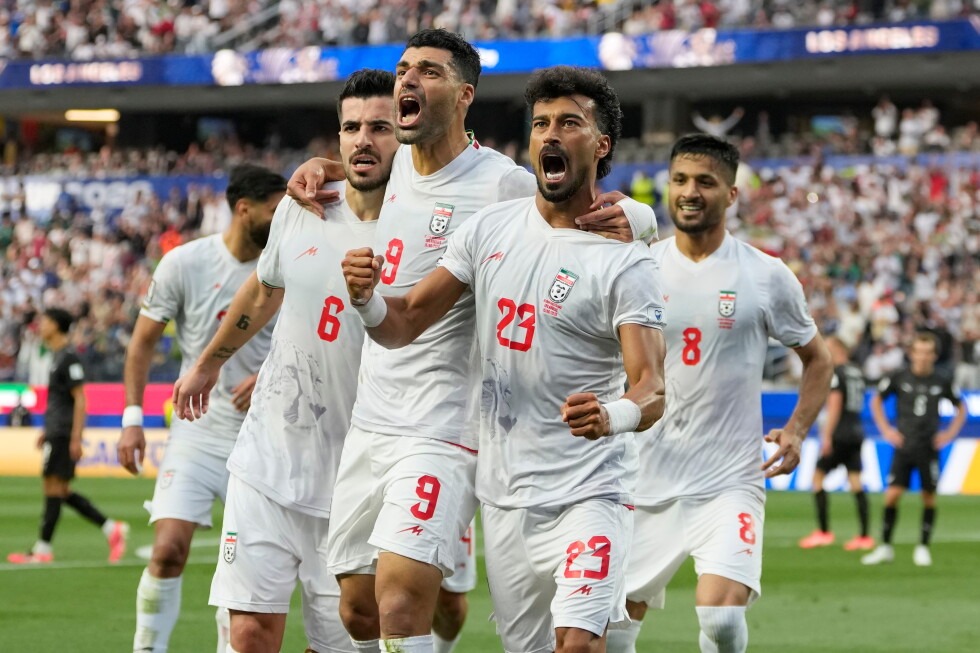
    Against a backdrop of geopolitical upheaval, fan divisions, and unprecedented logistical hurdles, Iran’s national men’s football team clawed back from two deficits to secure a dramatic 2-2 opening Group Stage draw with New Zealand at SoFi Stadium in Inglewood, California, on Monday night.

    The tournament has been far from the typical celebration of sport for Team Melli. Since regional conflict involving the U.S. and Israel against Iran began on February 28, the Iranian squad’s World Cup journey has been marked by constant turmoil. The team requested FIFA to relocate its three group-stage matches away from the U.S. due to the conflict, but governing body rejected the appeal, forcing Iran to proceed with the schedule if it wanted to compete, a decision the federation ultimately made.

    To adapt to the situation, Iran arranged a highly unusual travel and training routine: the squad moved its permanent base from Arizona to Tijuana, Mexico, and flies into the U.S. only one day before each match, returning to Mexico immediately after the final whistle. Team captain Mehdi Taremi acknowledged that this tournament has been a draining experience, stripped of much of the joy that football typically brings to him and his teammates.

    Monday’s match took place just outside Los Angeles, a region home to the largest population of Iranian diaspora in the world outside Iran itself. The pre-match atmosphere reflected the deep divisions within the community: several hundred Iranian Americans gathered outside the stadium to protest the Iranian government, while inside the venue, many diaspora fans voiced their opposition by turning their backs to the pitch during the playing of the Iranian national anthem. Despite these pre-match tensions, nearly all in attendance shifted their support to the Iranian players once the opening whistle blew, packing the stands to cheer the team on.

    On the pitch, it was New Zealand that struck first, stunning the pro-Iranian crowd in the 7th minute. All Whites captain Chris Wood intercepted a poor Iranian goal kick, held the ball under pressure, and played a through pass to Elijah Just, who volleyed a clinical finish into the net amid a crowd of defenders to put New Zealand 1-0 up.

    Iran gradually found its rhythm after the early shock, and equalized in the 32nd minute. Veteran winger Ramin Rezaeian curled a deft chip into the net with the outside of his boot, leaving the New Zealand goalkeeper with no chance to stop the strike.

    New Zealand reclaimed the lead in the 54th minute, as Wood again set up his strike partner. The captain held up play on the edge of the box before finding Just, who fired another low shot through traffic to put the All Whites back on top. The side, ranked 85th in the world—65 spots below Iran—held the lead for just 10 minutes before Iran struck back once more.

    In the 64th minute, Rezaeian turned provider, delivering a perfectly weighted long pass that found forward Mohammad Mohebbi unmarked at the edge of the six-yard box. Mohebbi directed a header into the back of the net to level the score at 2-2. Both teams carved out clear scoring chances in the remaining 26 minutes of play, but neither could find a game-winning finish, with the score holding to full time.

    After the final whistle, players from both sides exchanged handshakes and embraces, with at least one player swapping jerseys with an opponent. While Iranian head coach Amir Ghalenoei remained alone in the dugout after the match, his players walked a lap of the pitch together, applauding the thousands of flag-waving, cheering fans who supported them through the turbulent opening match.

    For New Zealand, the result was an impressive outcome against a far higher-ranked opponent. The All Whites, the lowest-ranked team in this year’s 48-team expanded World Cup, have now gone winless across all three of their World Cup appearances in history, but matched their total goal output from both of their prior World Cup campaigns in a single match. This tournament marks New Zealand’s first World Cup appearance since 2010, and the first time the side claimed an automatic qualifying spot from the Oceania Football Confederation after the World Cup expanded from 32 to 48 teams.

    Iran, ranked 20th globally, is making its seventh World Cup appearance and its fourth consecutive qualification, but has never advanced past the group stage, leaving the squad with everything to play for in its remaining two group matches.

  • Injured Matt Garbett ruled out of New Zealand’s World Cup squad, replaced by Logan Rogerson

    Injured Matt Garbett ruled out of New Zealand’s World Cup squad, replaced by Logan Rogerson

    Just hours before kickoff of their opening 2022 FIFA World Cup group stage match against Iran, New Zealand has received a devastating last-minute injury blow: starting midfielder Matt Garbett has been withdrawn from the nation’s 26-man tournament squad.

    The news was officially confirmed in a social media statement released by New Zealand Football on Monday, which clarified that the 24-year-old sustained a hamstring strain during a team training session over the weekend.

    “The whole squad’s thoughts are with Matt at this time and we are gutted he won’t be able to play in the tournament,” the governing body said in its public announcement.

    Garbett, who plies his trade for English third-tier club Peterborough United, has been a mainstay in the New Zealand national setup, earning 38 caps and notching five goals for the All Whites. Most recently, he featured in New Zealand’s 1-0 friendly defeat to England in Florida earlier this November, a warm-up fixture designed to prepare the side for their World Cup campaign.

    To fill the vacant spot in the squad, New Zealand Football has called up Logan Rogerson, a forward from domestic side Auckland FC, who will travel with the team for the remainder of the tournament.

    This World Cup marks New Zealand’s first appearance at soccer’s global flagship event in 12 years, with their last tournament run dating back to 2010 in South Africa. Drawn into Group G, the side faces far stiffer competition, grouped alongside Iran, African powerhouse Egypt and European giants Belgium as they fight to advance out of the group stage for the first time in their history.

  • Uruguay’s Maxi Araújo scores equalizer in 1-1 World Cup draw with Saudi Arabia

    Uruguay’s Maxi Araújo scores equalizer in 1-1 World Cup draw with Saudi Arabia

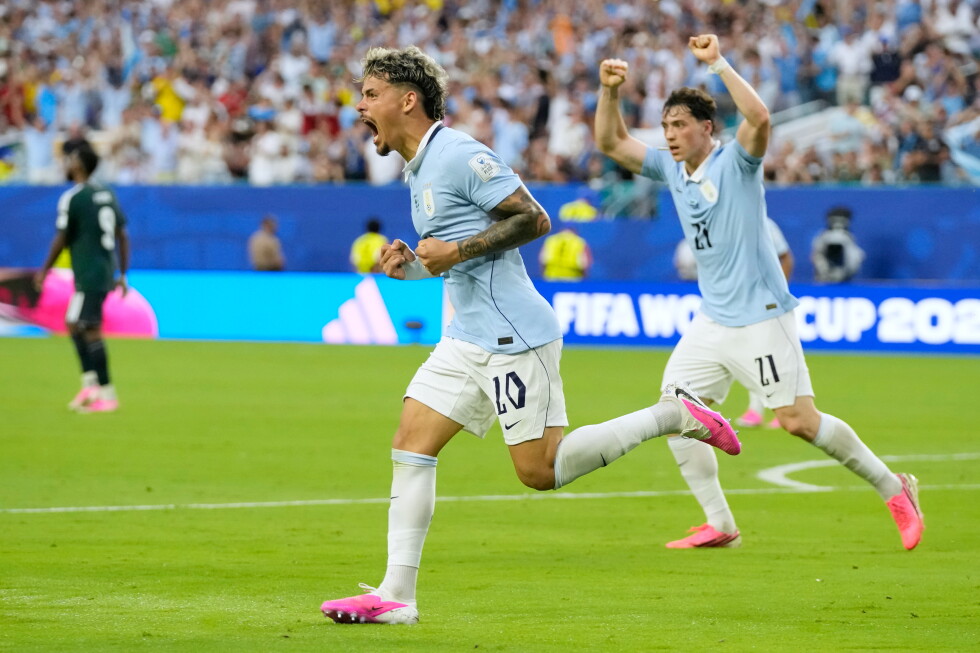
    MIAMI GARDENS, Fla. – In an intriguing Group H opening match at the Hard Rock Stadium on Monday, Saudi Arabia and Uruguay left everything on the pitch before splitting points with a 1-1 draw, a result that set the tone for an unpredictable group stage following another shock result elsewhere in the bracket.