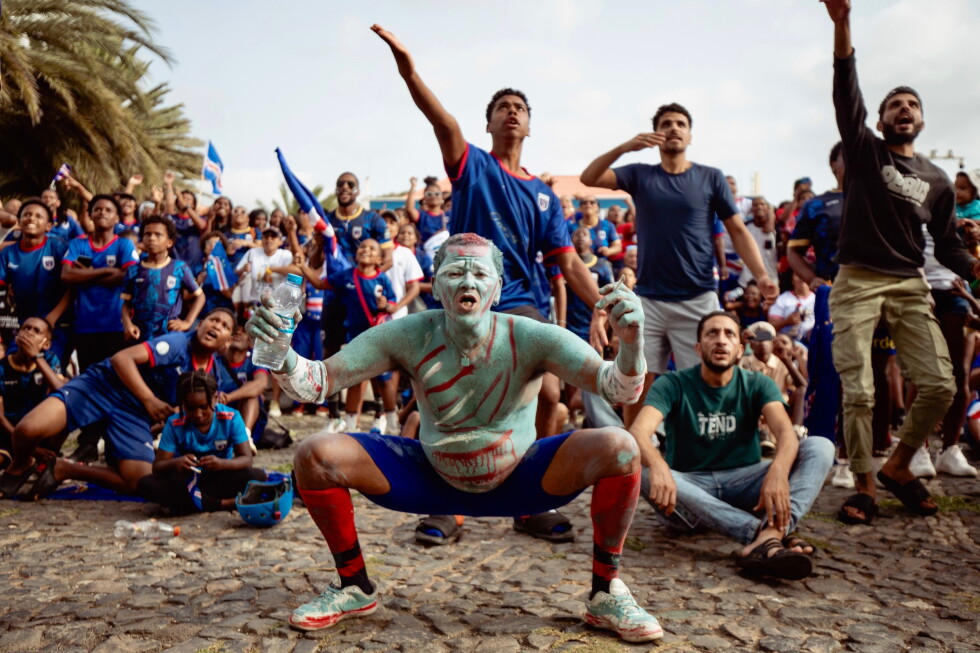
PRAIA, Cape Verde — Jubilant fans across Cape Verde partied and celebrated deep into the night, after the tiny African island nation pulled off one of the biggest surprises of the latest expanded World Cup by holding reigning European champion Spain to a scoreless draw in its first ever World Cup finals appearance.
Home to just 500,000 residents, Cape Verde is the third-smallest country by population to ever qualify for football’s most prestigious international tournament. On Monday, in its landmark debut match, the underdog side held European giants Spain goalless, a result made possible by a standout performance from 40-year-old veteran goalkeeper Vozinha and a disciplined, resilient defensive effort that frustrated the heavily favored Spanish squad.
In the capital city of Praia, thousands of supporters packed public watch parties and flooded major thoroughfares, turning the urban center into a massive street party. Fans sang traditional folk songs, danced, and embraced one another, still stunned by the result that most had deemed impossible before kickoff — even with the expanded 48-team tournament format that had drawn criticism for allowing lower-ranked nations to qualify at the perceived cost of competitive quality. Many fans wept openly as they celebrated, some climbing utility poles to get a better view of large screen broadcasts of the post-match reaction from across the globe.
William Gomes, a lifelong Cape Verdean football fan based in Praia, called the result beyond his wildest expectations. “I didn’t expect us to be holding our own in such a highly contested and difficult match,” Gomes said. “Thanks to Vozinha’s performance, who is, for now, one of the best players on our team.”
Vladimir Garcia, a local resident, spoke to the sense of national pride that the match has sparked across the small archipelago off West Africa. “Cape Verde is only a small country, but today it feels great and important. I don’t even have enough words to express what we’re feeling. We Cape Verdeans are truly blessed,” Garcia said.
In anticipation of the historic fixture, the Cape Verdean government declared a half-day public holiday on Monday, giving citizens time off work and school to gather and cheer on their national team. In a social media post marking the milestone, Cape Verdean President José Maria Neves framed the World Cup debut as a landmark moment for the nation 50 years after it gained independence from Portugal.
“If today, 50 years later, we are at the World Cup, we have already proven that we are a viable nation,” Neves wrote. “More than celebrating the past, we must reimagine the future and believe that it is possible to build, in all areas of our lives, over the next 50 years, a modern, prosperous country with opportunities for all,” he added.
While the result ended as a draw rather than a full victory for Cape Verde, the underdog performance has sent shockwaves through the global football community. It has also pushed back against widespread criticism that expanding the World Cup from 32 to 48 teams would dilute the tournament’s quality, producing lopsided, uninteresting matches between top-ranked sides and uncompetitive debuting nations.