分类: sports

  • World Cup kicks off in Mexico with Shakira, local performers and vibrant fans

    World Cup kicks off in Mexico with Shakira, local performers and vibrant fans

    The 2026 FIFA World Cup, the first 48-team edition of global football’s flagship tournament, officially launched on Thursday at Mexico City’s iconic Azteca Stadium, marking four decades since the nation last hosted the competition’s opening match. Against a backdrop of months of preparation challenges—from large-scale infrastructure renovations at the city’s airport and the historic Azteca venue, to widespread public protests and ongoing concerns about regional cartel violence—football fans and organizers set aside pre-tournament tensions to celebrate the start of the month-long competition.

    Thousands of cheering supporters packed into the 100-year-old stadium, many decked head-to-toe in Mexico’s signature green, white and red team colors, brimming with anticipation for the first match of the tournament between co-host Mexico and South Africa. For first-time World Cup attendee Javier Pérez, who traveled to the capital with his entire family to secure coveted hospitality tickets, the energy inside the stadium overshadowed every logistical headache and pre-event worry that marked the months leading up to kickoff.

    “It’s a unique experience. I have never been to a World Cup before so to bring my family is wonderful,” Pérez told reporters ahead of the ceremony. “I just want Mexico to get off on the right foot, win today and score a load of goals! And then we’ll see how far we can go!”

    The opening celebration drew a lineup of global music superstars that blended Latin culture with global hitmakers, headlined by Colombian global icon Shakira. She was joined on the Azteca stage by fellow Colombian star J Balvin, Nigerian Afrobeats pioneer Burna Boy, Venezuelan Latin hitmaker Danny Ocean, and iconic Mexican rock frontman Fher Olvera. In a nod to the opening match’s teams, Mexican singer Alejandro Fernández—son of legendary Mexican crooner Vicente Fernández—delivered a stirring performance of Mexico’s national anthem, while Grammy-winning South African breakout star Tyla performed her country’s anthem before taking the field.

    Tyla, who already holds a World Cup credit for her 2026 official tournament track “Game Time,” will reprise her performance role on Friday for the U.S. opening ceremony in Los Angeles, where she will share the stage with pop star Katy Perry, rapper Future, Blackpink’s Lisa, and Brazilian pop icon Anitta. Canada will also hold its own opening celebration Friday for matches hosted on its territory, as the 2026 tournament is split across the three North American co-hosts.

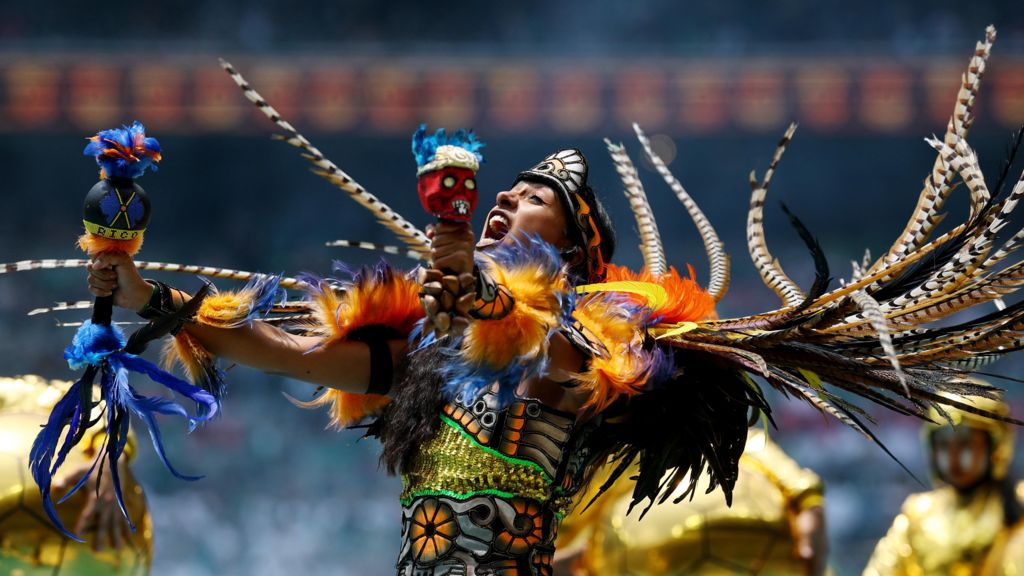
    The Azteca ceremony leaned heavily into Mexico’s rich indigenous heritage, with dozens of performers wearing traditional handcrafted indigenous garments, while other dance troupes wore all-gold regalia and carried oversized golden footballs across the pitch. When the 90-minute celebration drew to a close and the opening match kicked off, thousands of elated fans tossed their traditional Mexican sombreros into the air, embracing the once-in-a-generation moment of hosting world football’s biggest event on home soil after 40 years of waiting.

  • Mourinho named Real Madrid coach on three-year deal

    Mourinho named Real Madrid coach on three-year deal

    In a move that has sent shockwaves across global football, La Liga and 15-time European champions Real Madrid confirmed Thursday that iconic Portuguese manager Jose Mourinho will return to the Santiago Bernabeu as first-team head coach, penning a three-year contract that will keep him at the club until June 30, 2029. The 63-year-old veteran will officially step into his new role on July 13, the opening day of Real Madrid’s preseason campaign, taking over from interim coach Alvaro Arbeloa.

    Mourinho’s appointment comes on the heels of back-to-back trophy-less seasons for the Spanish giants, who have fallen behind domestic powerhouse Barcelona in recent campaigns. The move also follows a highly successful, if underrated, recent spell at Portugal’s Benfica, where Mourinho led the club through an entire unbeaten Primeira Liga season, even as the side ultimately finished third in the table. Benfica confirmed Wednesday that Real Madrid has paid a €15 million ($17.25 million) transfer fee to secure the manager’s release.

    This marks a full-circle moment for Mourinho, who previously held the Real Madrid head coaching position between 2010 and 2013. During his first tenure at the club, he cemented his legacy by delivering La Liga, Copa del Rey, and Spanish Super Cup titles, all while leading the club through one of the most heated rivalry periods in modern football against Pep Guardiola’s all-conquering Barcelona side. It was under Mourinho’s stewardship that Real Madrid became the first La Liga club in history to hit 100 points in a single season during the 2011–12 campaign, a landmark achievement that still stands as one of the most impressive in Spanish football history.

    Yet Mourinho’s first spell at the Bernabeu was not without controversy. The manager’s confrontational, iron-fisted leadership style divided the club’s dressing room: while some players including his predecessor Arbeloa remained fiercely loyal throughout his tenure, others clashed openly with the Portuguese coach. That reputation for controlling dressing room dynamics is exactly why Real Madrid has turned to him now, following a chaotic 2024–25 season marked by widespread internal conflict and tactical disarray. High-profile incidents included a physical altercation between midfielders Fede Valverde and Aurelien Tchouameni in May that left Valverde requiring hospital treatment, and three consecutive managers – Carlo Ancelotti, Xabi Alonso, and Arbeloa – failed to find a stable tactical balance that could integrate star attackers Vinicius Junior, Kylian Mbappe, and Jude Bellingham without disrupting the team’s overall structure.

    Real Madrid president Florentino Perez, who was re-elected to his post earlier in June after promising to bring Mourinho back to the club, has long credited the manager with laying the foundational work for the club’s six Champions League titles won in the years after Mourinho’s first departure. In comments made on Spanish television back in May, Perez reaffirmed that belief, setting the stage for Thursday’s official announcement.

    For Mourinho personally, the move marks a dramatic return to the pinnacle of European club football after several years plying his trade at lower-profile top-flight sides. The manager first rose to global stardom after leading a unfancied Porto side to a surprise Champions League title in 2004, before moving to Chelsea where he claimed back-to-back Premier League titles in 2005 and 2006, famously dubbing himself “The Special One” amid his instant dominance of English football. He followed that historic run with an unprecedented treble at Inter Milan in 2010, capped by another Champions League crown, which earned him the Real Madrid job the same year.

    After leaving Real Madrid in 2013, Mourinho returned to Chelsea for a second spell, claiming another Premier League title in 2015, before inconsistent results led to shorter, less successful tenures at Manchester United, Tottenham Hotspur, and Roma. He still added to his trophy haul during this period, winning the EFL Cup and Europa League with Manchester United in 2017 and the inaugural Europa Conference League with Roma in 2022. Most recently, he was sacked by Turkey’s Fenerbahce in August 2025 after the club was eliminated by Benfica in a Champions League qualification play-off, and he was appointed as Benfica’s manager just one month later, setting the stage for his rapid return to the Bernabeu.

  • Netherlands arrives at the World Cup as arguably the best never to win, and reminders are everywhere

    Netherlands arrives at the World Cup as arguably the best never to win, and reminders are everywhere

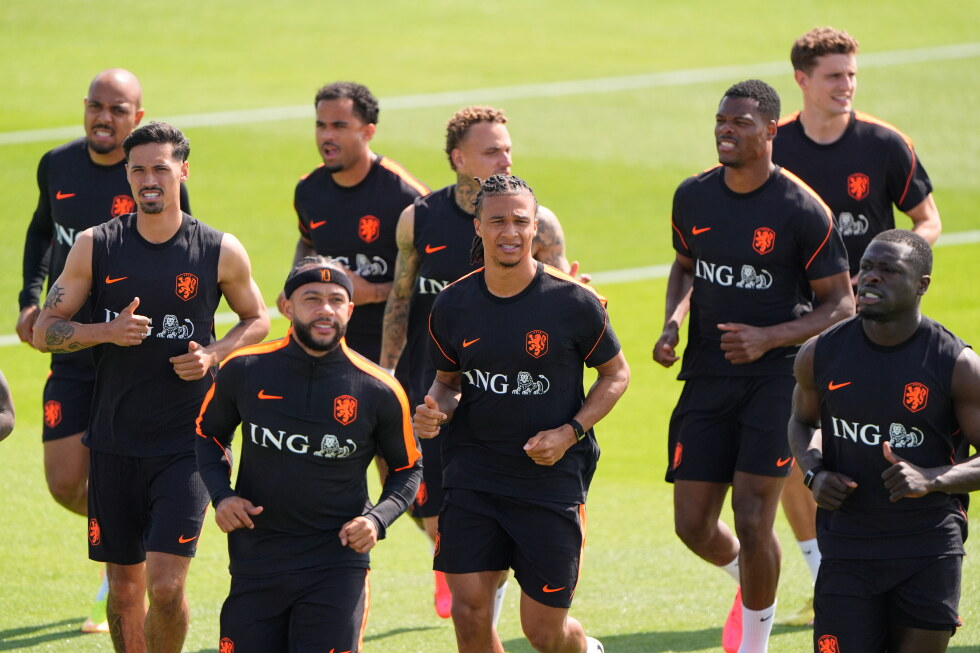
    RIVERSIDE, Missouri — When local organizers set out to build a welcoming home away from home for the Netherlands men’s national soccer team at their pre-World Cup practice facility, every detail was tailored to make the global soccer powerhouse feel comfortable. Dutch-language “welkom” greetings line the entry road, and even the official street name — originally Teal Rising Way, named for NWSL side Kansas City Current, who owns the facility — has been temporarily rebranded to Oranje Rising Way for the next six weeks, a nod to the Dutch squad’s iconic orange team colors.

    But one small oversight has become an unintentional, constant reminder of the biggest heartbreak in Dutch soccer history: a series of white route signs marking the team’s past major World Cup milestones that only serve to highlight a decades-long gap on the nation’s trophy shelf. The Netherlands is still chasing its first-ever World Cup title, a stat that every sign quietly reinforces.

    For captain Virgil van Disk, who is set to lead his squad into its opening Group Stage match against Japan this Sunday in Dallas, that unmet ambition is fuel, not frustration. This tournament marks the Liverpool center back’s second World Cup appearance, and he says the team’s focus starts and ends with their opening fixture, even as bigger goals hang in the air.

    “How far can we go? Yeah, hopefully all the way,” van Dijk said following a recent grueling training session, held under the relentless, sweltering Midwestern sun that pushed the heat index into the triple digits. “We know how difficult it will be. But our full focus will be on Japan, first and foremost. That will get all our attention. We won’t look too far ahead. But we all have big dreams, and we’ll give all we have.”

    The Dutch soccer program carries an unusual, unwanted distinction: it is the most successful nation never to lift the World Cup trophy, having reached the tournament’s final match three separate times without sealing a win. No other country has made three finals and walked away empty-handed.

    The first heartbreak came in 1974, when the Netherlands returned to the World Cup after a 40-year absence. Led by legendary playmaker Johan Cruyff, the squad fought its way to the final against host nation West Germany, captained by one of the game’s all-time greats, Franz Beckenbauer. The Netherlands jumped out to an early lead from a penalty kick, but West Germany netted two goals before halftime. The Dutch couldn’t find an equalizer in the second half in front of 78,000 fans at Munich’s Olympiastadion, and they fell short of the title.

    That result stung, but Dutch fans widely agree the 1978 final defeat was far more painful. For the second straight tournament, the Netherlands faced the host nation in the final, this time Argentina in Buenos Aires. Argentina held a 1-0 lead at halftime, before Dick Nanninga slotted home an equalizer in the 82nd minute to force extra time. Mario Kempes notched his second goal of the match for the hosts, and Daniel Bertoni added a late third to seal Argentina’s first title, leaving the Dutch once again going home without the trophy.

    The third final defeat came in 2010, in Johannesburg, South Africa, where the Netherlands faced Spain. After 90 minutes of scoreless play, the match remained deadlocked through most of extra time, until Andrés Iniesta slotted home the winning goal in the 116th minute, once again leaving the Dutch trophy-less.

    In recent years, however, strong tournament performances have given the squad legitimate reason to believe this could be their year. The Netherlands reached the semi-finals in 2014, infamously missed out on qualification in 2018, then bounced back strong at the 2022 Qatar World Cup, with van Dijk leading the side. The Netherlands conceded just one goal through group play, rolled past the United States in the Round of 16, and only fell to eventual champion Argentina on penalty kicks in the quarterfinals.

    Excluding penalty shootout defeats, the Dutch are actually unbeaten in their last 12 World Cup matches. Only Brazil holds a longer such streak, with 13 consecutive unbeaten games led by Pele between 1958 and 1966.

    Van Dijk highlighted the chemistry of this year’s squad as a key strength, pointing to a roster full of experienced players who have won titles at the biggest club levels across European soccer. “I think we have a great group of players, especially human beings. We are getting along so well with each other,” van Dijk said. “But obviously it’s all about the results. It’s all about performing. All the players that are here, especially over the years — it’s players that have played at the highest level, experiencing amazing things in their careers. Winning trophies. Playing for the biggest clubs. They’re coming together here and trying to make their country proud. It’s the biggest thing you can do.”

    While the Netherlands enter the tournament as favorites to advance out of their group, the road to knockout stage success is far from guaranteed. Group matches against Japan, Sweden and Tunisia will test the squad early on, and the team has already faced significant injury setbacks. Defender Jurrien Timber was forced to withdraw from the roster entirely with a groin injury, and starting goalkeeper Bart Verbruggen is currently managing a recent hip injury, leaving his availability for Sunday’s match against Japan uncertain.

    Head coach Ronald Koeman says his side has fully prepared for the opening challenge, and respects Japan’s strength while maintaining confidence in their own abilities. “We know Japan is strong. We’ve analyzed the team and the players,” Koeman said. “We spoke about their system, normally where they play out of, and the physical state of their players. It’s difficult. But we believe in ourselves. We respect Japan, but we are Holland, and they will respect us. I think it will be an interesting match, and a difficult one.”

  • Everything to know about Canada’s men’s team at the 2026 World Cup

    Everything to know about Canada’s men’s team at the 2026 World Cup

    For a nation long synonymous with ice hockey dominance, Canada is preparing to write an unprecedented new chapter in its men’s football history this June. Making its first consecutive appearance at the FIFA World Cup, the Canadian men’s national team – known affectionately as Les Rouges, or The Reds – steps onto the global stage as a co-host of the 2026 tournament, with group stage matches held in two of the country’s largest urban hubs: Toronto and Vancouver. This historic home-field appearance comes as Canada seeks to shake off decades of underperformance at football’s most prestigious competition.

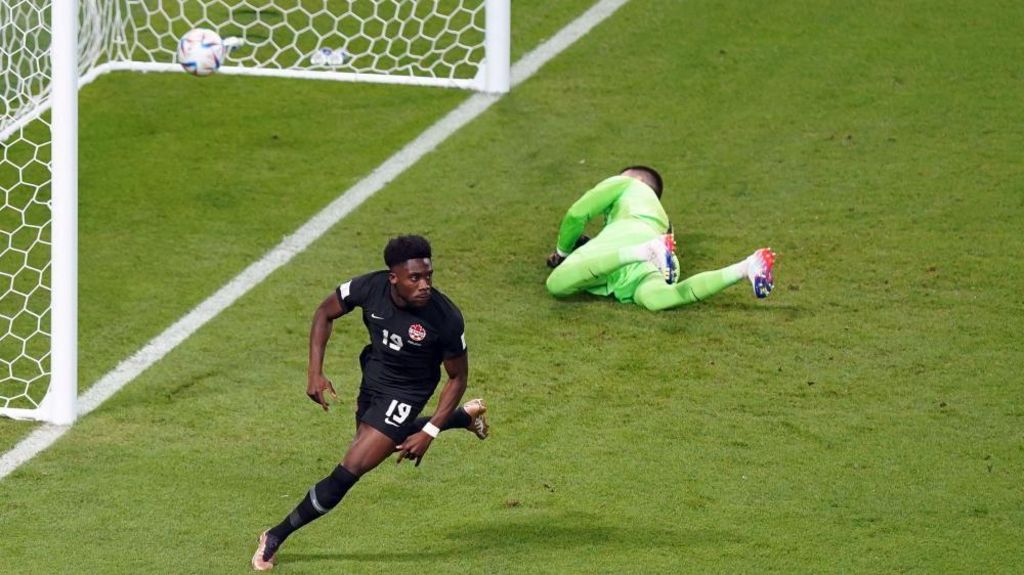
    Canada’s World Cup legacy is a modest one by global standards. Since their debut appearance in 1986, the national side has never claimed a single tournament win, never advanced past the group stage, and has scored just two goals across its entire World Cup history. The most iconic of those came in 2022 Qatar, when Bayern Munich star Alphonso Davies – widely regarded as Canada’s greatest ever men’s footballer – headed home the nation’s first World Cup goal against Croatia, cementing his place in Canadian sports history. Now, four years later, Les Rouges head into the 2026 tournament with clear, grounded ambitions: secure their first ever World Cup win, and punch their ticket to the knockout stage out of Group B.

    That goal is far from out of reach, according to Stephen Hart, a former head coach of Canada’s national team who currently leads the Halifax Tides. Hart argues that the current squad boasts the caliber of talent required to make that long-awaited breakthrough, pointing to the growing number of Canadian players plying their trade in top European leagues and elite competitions like the UEFA Champions League. Today’s roster features players contracted to some of the continent’s biggest clubs, including Bayern Munich, Juventus, Porto, and Olympique de Marseille.

    Current head coach Jesse Marsch, a 52-year-old American who previously managed Leeds United, has built a squad that reflects Canada’s long-standing commitment to multiculturalism, a core part of the nation’s identity. Beyond any on-pitch results, Hart says a successful run – particularly progression past the group stage – would deliver a transformative boost to football’s grassroots popularity across the country, calling the potential impact “massive” for growing domestic interest in the sport.

    At the heart of Canada’s aspirations is captain Alphonso Davies, a player whose story is as remarkable as his on-pitch talent. Born to Liberian parents in a Ghanaian refugee camp, Davies moved to Canada at the age of five, working his way up from the country’s youth football system to win multiple domestic titles and the 2020 Champions League with Bayern Munich, becoming the first Canadian men’s player to claim the competition. Though officially a defender, Davies has scored 15 goals for Canada, a testament to his dynamic attacking ability. Few observers believe Canada can achieve its World Cup goals without their star captain at full strength – but a recent hamstring injury has thrown his availability into question, with Davies unlikely to feature in the team’s opening match this Friday. While Hart notes the squad has temporary cover to fill the role, he says Davies is in a league of his own, bringing unique inspiration, tactical flexibility, and dynamic play that can change the course of a match.

    Davies isn’t the only key talent set to lead Canada’s charge, however. Hart highlights several other difference-makers capable of powering the team past the group stage. Forward Jonathan David, the nation’s all-time leading international goalscorer with 39 goals to his name, comes into the tournament off a transitional first season with Juventus, where he notched eight goals, and will be eager to find the back of the net on home soil. Twenty-seven-year-old midfielder Tajon Buchanan, plying his trade at Spanish side Villarreal, brings another source of dynamic attacking play after scoring seven goals in the 2025-26 season. Veteran defender Richie Laryea, 31, of Toronto FC, adds much-needed experience to Canada’s backline as they aim to keep opposition attacks at bay. “These are all players that, on their best day, are very difficult for opposition teams to deal with,” Hart notes.

    Injury concerns hang over more than just Davies, with key defenders Moise Bombito and Ali Ahmed also carrying fitness issues heading into the tournament. FIFA rules allow Canada to make last-minute adjustments to their squad up to 24 hours before kickoff of their opening match, giving the coaching staff flexibility to address these issues.

    Marsch, who took over the Canadian job ahead of the 2024 Copa America and led the side to a fourth-place finish, brings a wealth of top-level experience to the role. A former player, he served as an assistant coach for the United States national team at the 2010 World Cup in South Africa just months after hanging up his boots, making him the first American to ever lead Canada’s men’s side.

    Canada kicks off its group stage campaign against Bosnia and Herzegovina in Toronto at 15:00 EDT on June 12, followed by a match against Qatar in Vancouver at 18:00 EDT on June 18, and concludes group play against Switzerland in Vancouver at 15:00 EDT on June 24. Hart says the opening fixture against Bosnia and Herzegovina – a side that knocked out four-time World Cup champions Italy in qualifying – is a must-win if Canada wants to keep its knockout stage dreams alive. “I always think that in a tournament, it’s imperative you win the first game,” Hart explains. “Once you win the first game, it puts you at a certain mental ease. You get confidence, you’ve got three points on the board, and you approach the remaining games with far less anxiety.”

    Against Qatar, the 2022 co-host that failed to advance out of the group stage four years ago, Hart believes Canada can secure a positive result if they limit unforced errors, calling the Qatari side unpredictable but beatable. For Canada’s final group match against Switzerland – the toughest opponent in Group B – Hart says a draw would be a strong outcome for the co-hosts.

    Full Canada 2026 World Cup Squad:
    Goalkeepers: Dayne St. Clair (Inter Miami), Maxime Crepeau (Orlando City), Owen Goodman (Crystal Palace)
    Defenders: Alistair Johnston (Celtic), Derek Cornelius (Marseille), Richie Laryea (Toronto FC), Niko Sigur (Hajduk Split), Joel Waterman (Chicago Fire), Luc de Fougerolles (Fulham), Moise Bombito (Nice), Alphonso Davies (Bayern Munich), Alfie Jones (Middlesbrough)
    Midfielders: Stephen Eustaquio (Porto), Ismael Kone (Sassuolo), Tajon Buchanan (Villarreal), Mathieu Choiniere (Los Angeles FC), Ali Ahmed (Norwich City), Nathan Saliba (Anderlecht), Liam Millar (Hull City), Jayden Nelson (Austin FC), Jacob Shaffelburg (Toronto FC), Jonathan Osorio (Toronto FC)
    Forwards: Jonathan David (Juventus), Cyle Larin (Southampton), Tani Oluwaseyi (Villarreal), Promise David (Union SG)
  • Bangladesh claim first ODI series win over Australia

    Bangladesh claim first ODI series win over Australia

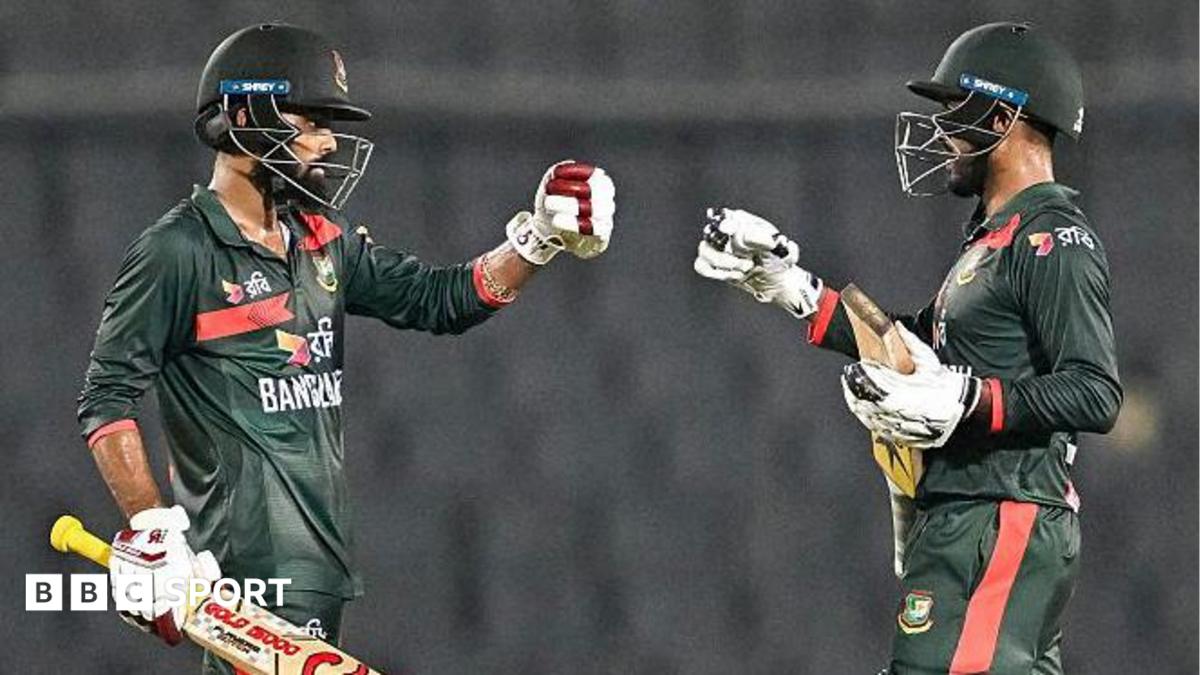
    Cricket history was made in Mirpur on Wednesday, as Bangladesh pulled off a landmark five-wicket victory over Australia in the second ODI, claiming their first ever ODI series win against the six-time world champions. The underdog hosts have now sealed back-to-back wins over Australia, adding an ODI series triumph to their T20I series victory against the same opponent in 2021, with one match still left to play in the three-match tour. What makes the win even more remarkable is the context of the matchup: before this series, Bangladesh had never won an ODI series against Australia, falling to 0-3 sweeps in each of their four previous encounters. Their only prior individual ODI win against Australia came in a tri-series with England back in 2005, and they waited 21 years between their first 50-over win, which they earned in the opening match of this current series. The match, disrupted by rain, relied on the Duckworth-Lewis-Stern (DLS) method to set a revised target for Bangladesh, after a late rain delay cut Australia’s innings short. Australia, missing several of their star first-choice players including pace spearheads Pat Cummins and Josh Hazlewood, top-order batters Travis Head and all-rounder Mitch Marsh, got off to one of the worst possible starts in ODI history. Inside the first two overs, Australia were 0 wickets for 3 runs, becoming only the fourth men’s ODI side in nearly 5,000 matches to lose three wickets without scoring a single run. A sensational collapse was only avoided thanks to a resilient fightback from stand-in captain Josh Inglis, who scored 34, and a match-saving seventh-wicket partnership of 103 runs between Marnus Labuschagne and Xavier Bartlett. Labuschagne finished the innings unbeaten on 55, while Bartlett hit a valuable 52 off 63 balls. Just before the rain rolled in to stop play, Bartlett and spinner Adam Zampa fell to the Bangladesh bowling attack, cutting Australia’s final total to 187 for 8 from 42 overs and adjusting the target Bangladesh needed to chase to 192 runs from 41 overs. Bangladesh’s chase got off to a shaky start, with opening batter Tanzid Hasan Tamim out for a golden duck on the very first over. Middle-order batters Soumya Sarkar and Najmul Hossain Shanto steadied the innings, putting together an 86-run second wicket partnership that put Bangladesh back on track, with Sarkar scoring 42 and Shanto adding 41. The pair fell in quick succession after their stand, leaving the hosts on 98 for 3 halfway through their chase, but Bangladesh never let the momentum slip. Tawhid Hridoy hit an unbeaten 40, and captain Mehidy Hasan Miraz contributed 22 not out to guide the side across the finish line with six full overs to spare. In a moment that underlined Bangladesh’s fighting spirit, Mehidy was hit on the body by a bouncer from Australian paceman Nathan Ellis, and required medical attention after a stretcher was called onto the pitch, but he refused to leave and finished his innings to secure the win. The result means Bangladesh cannot lose the series, with the final match of the three-match ODI series set to take place in Mirpur this Sunday, kicking off at 06:00 BST. Beyond the bilateral series, this result carries major implications for 2027 ICC Men’s Cricket World Cup qualification. Only the top eight teams in the ICC ODI rankings by September this year will qualify directly for the tournament. Currently, England sit in eighth place, Bangladesh ninth, and the West Indies 10th. England face a difficult away series against top-ranked India in July, meaning Bangladesh’s rising ranking points from this historic series could push them above England and alter the automatic qualification landscape ahead of the 2027 tournament. Bangladesh still hold an unfinished goal against Australia: while they now hold ODI and T20I series wins against the side, they are still yet to claim a Test series victory over Australia, a milestone they will look to reach in future matchups.

  • Artan to referee Uefa Super Cup after losing World Cup spot

    Artan to referee Uefa Super Cup after losing World Cup spot

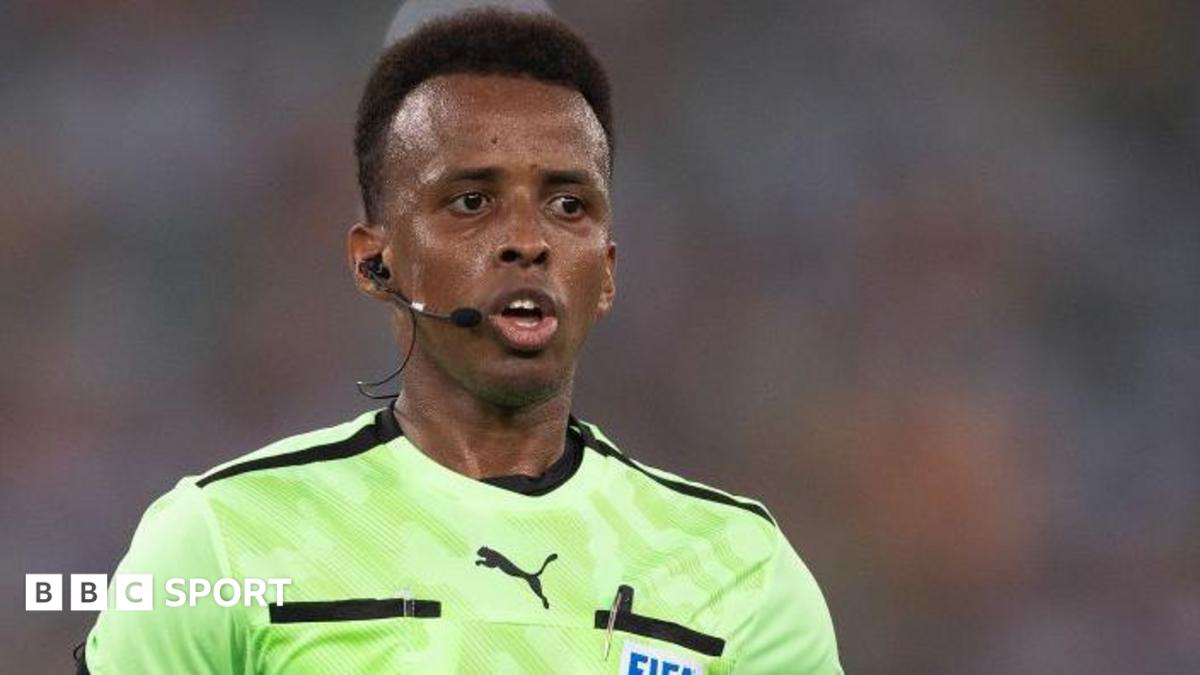
    In a striking show of solidarity for a Somali official denied entry to the United States for the 2026 FIFA World Cup, European football’s governing body UEFA has named referee Omar Artan as the head official for this summer’s UEFA Super Cup between European giants Paris Saint-Germain and Aston Villa. The annual showpiece match, which pits the previous season’s UEFA Champions League winner against the UEFA Europa League champion, will kick off on August 12 in the Austrian city of Salzburg.

    The appointment comes after collaborative talks between UEFA and the Confederation of African Football (CAF), with both bodies backing the nomination for the highly respected African official. UEFA president Aleksander Ceferin emphasized the value of Artan’s experience and skill in an official statement announcing the decision, noting that Artan has already established a strong track record at the highest levels of CAF competition despite still being a relatively young official.

    “Football is made to connect people, and Uefa wants to show its respect to Omar and his outstanding officiating skills, which had earned him such a prestigious nomination,” Ceferin said, adding that he appreciated enthusiastic support for the initiative from CAF president Patrice Motsepe.

    Artan, who claimed the 2025 CAF Men’s Referee of the Year award and has featured on FIFA’s international referee list since 2018, was set to make history as the first Somali referee to officiate at a men’s World Cup finals when he traveled to the U.S. earlier this month. But his long-held dream of participating in the tournament was derailed when U.S. border officials in Miami turned him away, even though he held a valid diplomatic passport and approved single-entry U.S. visa.

    A U.S. government official confirmed earlier this week that Artan was denied entry over unsubstantiated allegations of “association with suspected members of terror organisations.” The denial falls under a long-standing travel ban first introduced during the Trump administration that includes Somalia among the restricted countries. After consultations with U.S. authorities, FIFA confirmed Artan would be forced to withdraw from the 2026 World Cup tournament.

    In comments shared with The New York Times this week, Artan pushed back against the claims made by border officials, saying he was questioned extensively about alleged links to Somali militant group Al Shabab, and denied any knowledge of or connection to the organization. He added that all his documentation was fully in order for the trip. “I had the right papers and everything. I had the right visa,” Artan said. “I’m just simply a referee who’s trying to live his dream, the biggest dream of my life, to come to the World Cup.”

    The unexpected nomination to the UEFA Super Cup marks a major show of support from European and African football governing bodies, recognizing Artan’s professional accomplishments while highlighting football’s core mission of uniting people across borders and geopolitical barriers.

  • Everything to know about the US men’s team at the 2026 World Cup

    Everything to know about the US men’s team at the 2026 World Cup

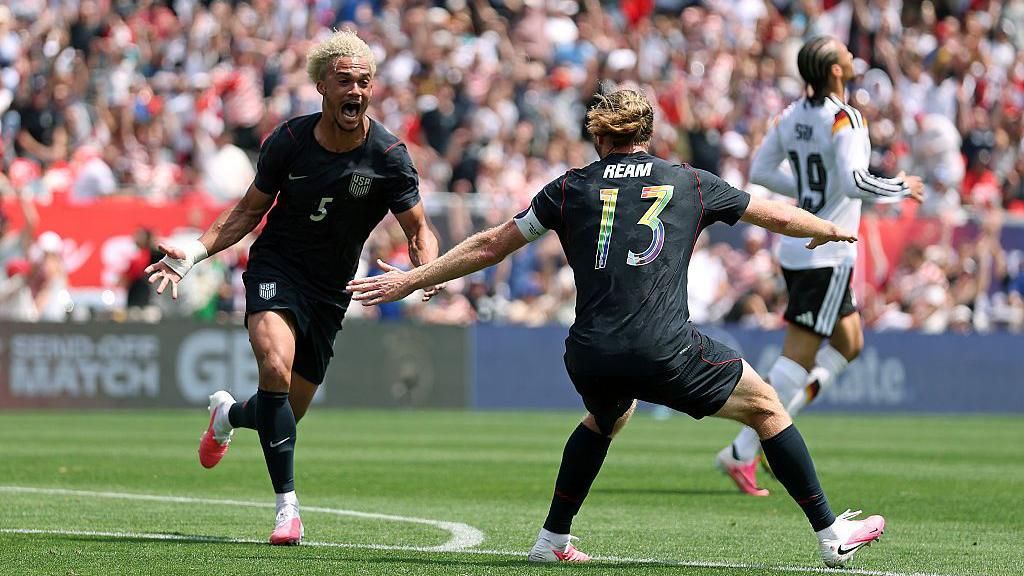
    In a packed Chicago stadium packed with 63,000 roaring fans this past Saturday, Antonee Robinson unleashed a blistering strike that found the back of Germany’s net, offering a tantalizing preview of what the United States Men’s National Team (USMNT) could accomplish when co-hosting the 2026 FIFA World Cup on home soil. Though the pre-tournament friendly ended in a narrow 2-1 defeat for the Americans, Robinson’s goal showcased an explosive attacking potency that could produce unforgettable tournament moments, while the raucous crowd made clear that American fans are ready to rally behind their side.

    Led by star forward Christian “Captain America” Pulisic, ranked top of their group, and managed by elite former European club coach Mauricio Pochettino, expectations are running high for this USMNT squad. For insight into the team’s prospects, BBC Sport spoke to John Harkes, a former USMNT player who featured in the 1990 and 1994 World Cups and made history as the first American to compete in England’s Premier League. Harkes argued that the American side has an excellent chance to turn in a strong performance on the global stage this summer.

    “I think they’re very talented,” Harkes noted. “But the critical part of any World Cup is that you have to come together as a team, and you need resilience and fight through adversity. Sometimes games don’t go your way. At the end of the day, you just need a little luck.” He pointed out that the majority of this roster currently competes in top European leagues, a depth of experience that will serve the team well—if key players can stay fit. Injuries have plagued the squad in recent warm-up matches, most notably starting defender Chris Richards, who missed the Germany friendly with an ankle injury, making full fitness the most critical prerequisite for success. Harkes also highlighted the electric atmosphere the Chicago crowd created for the friendly, saying the home support could prove transformative: “If that’s something they can embrace in a friendly scrimmage, then I’m really excited.” While Harkes stopped short of predicting an outright tournament win if the US advances past the group stage, he added that “anything is possible from there.”

    A closer look at the squad’s core players reveals a balanced mix of established skill and rising form. Christian Pulisic, the 27-year-old AC Milan attacking midfielder, already holds the record as the fastest US player to hit 50 goal contributions across 86 international caps. A constant attacking threat with elite ball control, this tournament is widely viewed as a defining moment for Pulisic, who will look to cement his national team legacy—though he enters the World Cup with a recent goal drought that has put him under mild pressure. Up front, 24-year-old AS Monaco striker Folarin Balogun turned in a blistering 2025-26 club season, netting 11 goals in 14 appearances to emerge as one of Europe’s most in-form center forwards. The USMNT will look to him to add the cutting edge in the final third that the team lacked during its 2022 Qatar run. In midfield, 27-year-old Juventus star Weston McKennie brings relentless tenacity and physicality, while 27-year-old AFC Bournemouth midfielder Tyler Adams—who captained the US in Qatar at just 23 years old—anchors the defense, shutting down opposing attacking threats quickly. At 38, veteran defender Tim Ream, captain of this 2026 squad and a mainstay with 82 caps, brings decades of experience from nine seasons in England’s Premier League and currently plays for MLS side Charlotte FC; his calm distribution under pressure makes him a critical locker room and on-pitch leader.

    Home advantage stands as one of the USMNT’s biggest assets heading into the tournament. While the United States has not historically been classified as a top soccer nation, the world’s biggest sporting event is already building momentum among American fans and media, and a strong opening to the tournament could supercharge that support. The roster itself is dynamic and versatile, with incisive wing-backs Antonee Robinson and Sergiño Dest adding width to attacks, and Balogun filling a consistent striker gap the team has faced for years.

    Securing Pochettino as head coach in 2024 was widely considered a major coup for US Soccer. This marks the Argentine manager’s first international posting, and he is eager to rebuild his reputation as an elite coach after a mixed run of results at top European clubs including Paris Saint-Germain and Chelsea. Harkes defended Pochettino’s leadership, saying: “Pochettino is a good manager, even though this is the first time he’s managing a national team. I feel like his expectations and core values of what he wants has finally gotten this team on the right track.” Compared to past USMNT World Cup rosters, Harkes noted that the 2026 squad benefits from better resources and far more consistent high-level experience earned through the grind of European club competition.

    The US enters the tournament ranked 16th in FIFA’s men’s world rankings, and tops a group that includes 22nd-ranked Turkey, 27th-ranked Australia, and 40th-ranked Paraguay. Harkes acknowledged the quality of the group’s opposition: “Paraguay is a great side. Australia as well, and Turkey is a strong, underrated side. They know how to fight and compete.” As co-hosts alongside Canada and Mexico, the US automatically qualified for the 2026 tournament, extending a recent run of consistent qualification: the US has missed just one World Cup since 1990, falling in 2018 to a crushing late qualifying defeat to Trinidad and Tobago. At the 2022 Qatar World Cup, the US advanced to the round of 16, matching the result it achieved the last time it hosted the tournament in 1994. The USMNT’s best ever World Cup performance remains its third-place finish at the inaugural tournament in 1930, while the US women’s national team has claimed four World Cup titles to date.

    Below is the full confirmed 2026 USMNT roster, with each player’s current club listed:
    – **Goalkeepers**: Chris Brady (Chicago Fire), Matt Freese (New York City), Matt Turner (New England Revolution)
    – **Defenders**: Max Arfsten (Columbus Crew), Sergiño Dest (PSV Eindhoven), Alex Freeman (Villarreal), Mark McKenzie (Toulouse), Tim Ream (Charlotte FC), Chris Richards (Crystal Palace), Antonee Robinson (Fulham), Miles Robinson (Cincinnati), Joe Scally (Borussia Monchengladbach), Auston Trusty (Celtic)
    – **Midfielders**: Tyler Adams (AFC Bournemouth), Sebastian Berhalter (Vancouver Whitecaps), Weston McKennie (Juventus), Cristian Roldan (Seattle Sounders), Brenden Aaronson (Leeds United), Christian Pulisic (AC Milan), Gio Reyna (Borussia Monchengladbach), Malik Tillman (Bayer Leverkusen), Tim Weah (Marseille), Alejandro Zendejas (Club America)
    – **Forwards**: Folarin Balogun (AS Monaco), Ricardo Pepi (PSV Eindhoven), Haji Wright (Coventry City)

  • ‘Just tight’: Adam Reynolds downplays hamstring concerns as Michael Maguire declares premiership defence is alive despite horror loss

    ‘Just tight’: Adam Reynolds downplays hamstring concerns as Michael Maguire declares premiership defence is alive despite horror loss

    The 2026 NRL season is turning into a nightmare for defending premiers Brisbane Broncos, who slumped to their sixth consecutive defeat on Thursday night with a lopsided 48-6 hammering at the hands of the South Sydney Rabbitohs. The brutal loss has reignited questions about Brisbane’s ability to defend their title, while the team now faces a growing injury crisis that has sidelined multiple key players ahead of their upcoming bye.

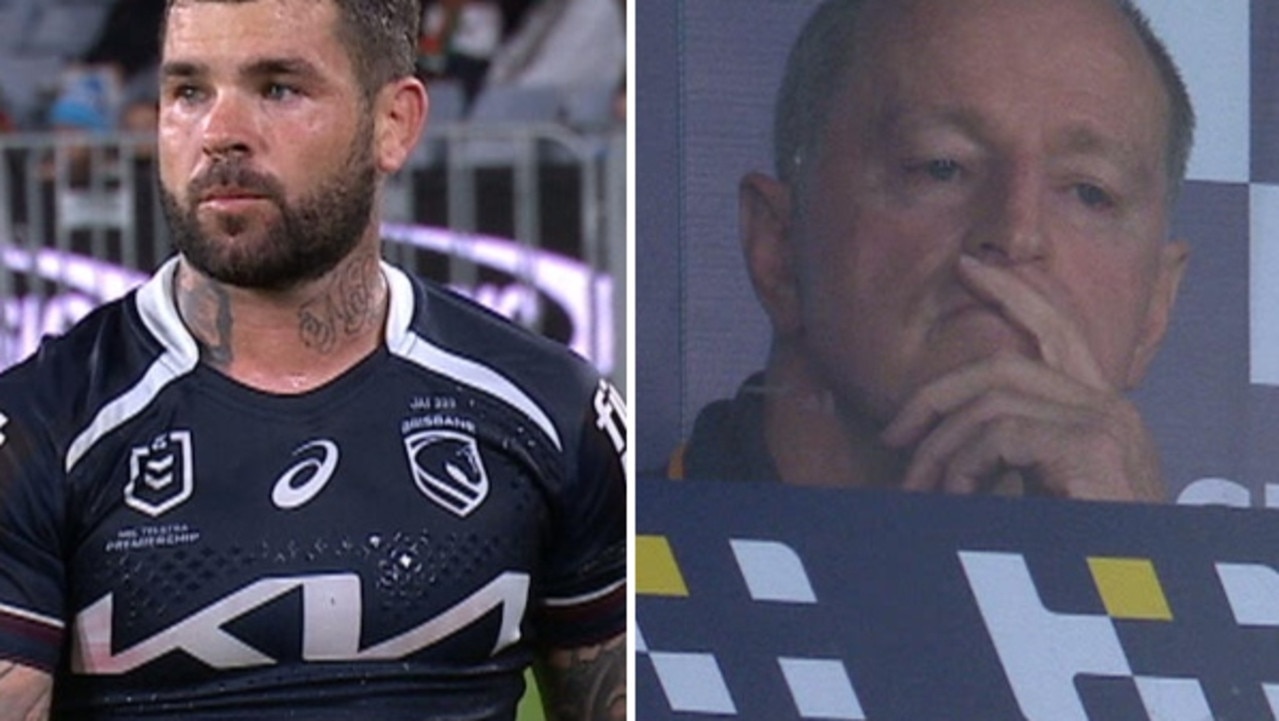
    The biggest talking point after the match surrounded the fitness of Broncos captain and veteran playmaker Adam Reynolds, who was forced from the field with 20 minutes remaining in the contest. The issue began early when Reynolds notched an early interception and was chased down by Rabbitohs forward Lachlan Hubner; immediately after the tackle, the skipper was seen clutching his left hamstring, raising fears of a serious season-ending soft-tissue injury.

    Though Reynolds remained on the field through the first half, he grew increasingly visibly uncomfortable as the match progressed, eventually heading to the locker room with an ice pack wrapped around his injured hamstring. Speaking to reporters post-game, Reynolds downplayed the severity of the issue, insisting he only left the field due to severe cramping rather than a pulled or torn hamstring. “I’m right, just tight,” he said, brushing off further questions about his long-term health. NRL physiotherapy experts have backed this assessment, noting that the club’s use of pickle juice and on-field stretching to treat the issue is consistent with treating cramping, which would see Reynolds avoid a long spell on the sidelines if the diagnosis holds.

    Reynolds’ early exit was not the only injury blow for Brisbane on Thursday. Just minutes after the captain left the field, five-eighth Ezra Mam was also forced off with an AC joint injury. Mam, who has come off the bench in the Broncos’ last two matches, had turned in several promising plays before suffering the injury while making a game-saving try tackle on South Sydney winger Ed Kosi in the corner. He remained on the field for a handful of defensive sets before the pain became too much to continue. Broncos head coach Michael Maguire confirmed post-match that the full extent of Mam’s injury will not be clear until he meets with club medical staff.

    Brisbane already entered Thursday’s match without a host of star players, including lock Patrick Carrigan and utility Gehamat Shibasaki, who have both been sidelined with long-term injuries. Despite the mounting casualty list and the club’s slide into the bottom four of the NRL ladder after six straight losses, Maguire delivered a defiant, unexpected verdict on Brisbane’s premiership defence, insisting the defending champions are still very much in contention to play finals football this season.

    If Brisbane fails to qualify for the finals, they will become the first premiers since the 2005 Wests Tigers to miss the post-season the year after winning the title. But Maguire rejected suggestions that Brisbane’s campaign is already over, pointing to the return of injured stars as a potential turning point for the struggling side.

    “We’re still well and truly alive,” Maguire declared. “People will probably think I’m mad, but one thing I do know is I’ve got a number of guys that are not on the field at this present moment. And as a group, we said we’re not going to use that as any sort of excuse or anything like that. But they’ll all come back and there’s a lot of quality there that I know that can come back into the team. So although we’re probably in a bit of a tough hold at the moment, we will get those boys back at some stage.”

    Maguire added that the current slump could ultimately strengthen the side in the long run, even as the team prepares for a brutal run of upcoming matches after their bye next week. “We all know what the team’s capable of doing, so once they get back (things will improve). We’ve got to get through this little period now, which is tough for all of us. We don’t like going through it, but it can also be the making of us. These guys have had plenty of experience together. They’ve been through some tough times, they’ve been through some good times. I think they just have to come together like we do. I thought our prep this week was spot on, but it didn’t turn out onto the park so we’ve got to dig deep amongst ourselves to find that because I know I’ve got a team here.”

  • Vendee Globe winner Dalin dies aged 42

    Vendee Globe winner Dalin dies aged 42

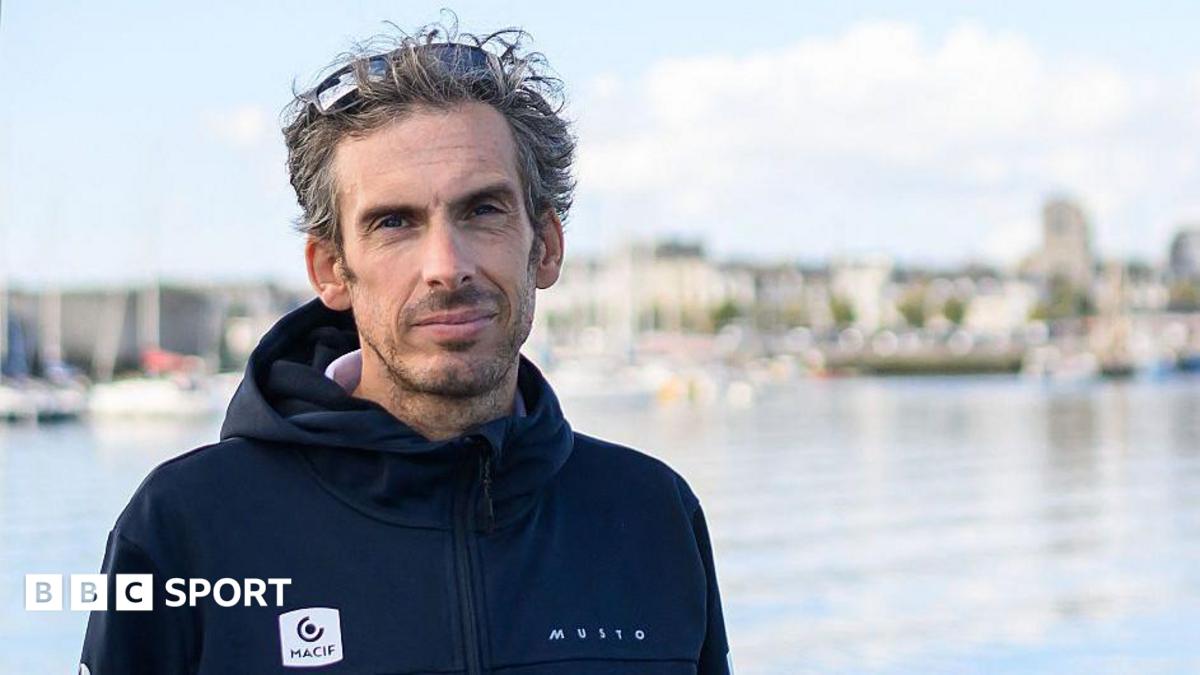
    The world of elite sailing is in mourning this week following the death of iconic French skipper Charlie Dalin, 42-year-old winner of the 2024-25 Vendee Globe, who passed away after a years-long fight with a rare form of gastrointestinal cancer. Dalin’s wife Perrine Le Pape confirmed the news in a statement sent to French news agency AFP on Thursday, saying, “It is with deep sadness that my family and I announce the passing of my husband, Charlie Dalin, following a long illness.”

    What made Dalin’s historic Vendee Globe victory all the more extraordinary is that he was battling his cancer diagnosis throughout the entire grueling non-stop race. In October of last year, the skipper revealed the full scope of his health struggle in a published memoir, disclosing that he had been diagnosed with a malignant tumor just days before the 2024-25 Vendee Globe got underway. After urgent initial treatment, he returned to the starting line of sailing’s most punishing solo event and received ongoing immunotherapy treatment while navigating the full 24,300-mile course entirely alone.

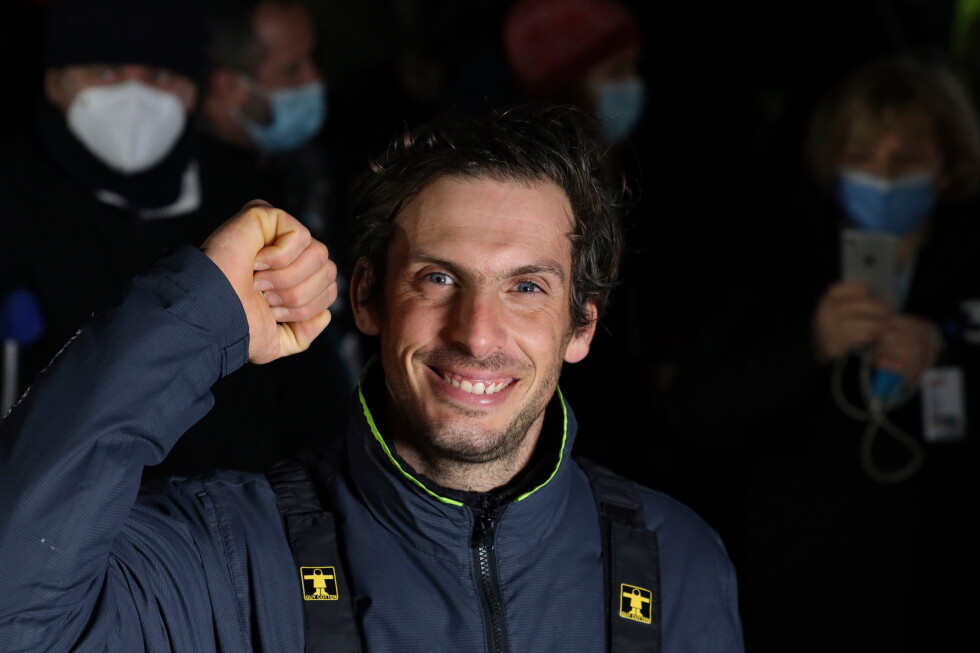
    Dalin completed the round-the-world route in a blistering record time of 64 days, 19 hours, 22 minutes and 49 seconds, smashing the previous benchmark set by Armel Le Cleac’h in 2017 by more than nine days. When he crossed the finish line in January 2025 to claim victory in the 10th edition of the iconic race, he was met by his wife and their young son Oscar, joining him on his boat for the emotional celebration. At the end of the race, he held a lead of more than half a day over his nearest competitor, a gap that cemented his status as one of the sport’s all-time great performers.

    This was not Dalin’s first run at Vendee Globe glory. In the 2020-21 edition of the race, he crossed the finish line first, only to be relegated to second place overall after competitor Yannick Bestaven received a time bonus for rescuing a fellow skipper in distress. Dalin took the setback with characteristic grace, and remained a beloved figure across the sailing community for his sportsmanship and resilience.

    In late 2023, Dalin was forced to withdraw from the Transat Jacques Vabre race due to an undisclosed medical issue, sparking widespread speculation about his health that he did not address until the release of his memoir months later. Up until that October announcement, only a small inner circle knew of his diagnosis and ongoing treatment as he continued to compete at the highest level of the sport.

    Tributes have already begun pouring in from across the global sailing community, honoring Dalin not just for his historic on-water achievements, but for the extraordinary courage he displayed in competing at the highest level while facing a life-threatening illness.

  • Vendee Globe record winner Charlie Dalin dies at 42 after cancer battle

    Vendee Globe record winner Charlie Dalin dies at 42 after cancer battle

    The world of competitive sailing is in mourning this week after the announcement that Charlie Dalin, the iconic French skipper who claimed victory in the 2024-25 Vendee Globe round-the-world race in record time, has passed away at age 42 following a battle with gastrointestinal cancer. Vendee Globe organizers confirmed his death in an official statement released Thursday, drawing tributes from across the global sailing community and French political leadership.

    French President Emmanuel Macron honored Dalin’s legacy in a public note, calling him “an extraordinary sailor, a rare example of courage, a guiding light on the open sea.” What makes Dalin’s final victory all the more remarkable is that he kept his 2023 cancer diagnosis private throughout the grueling 2024-25 race, pushing through the challenge to set a new benchmark that has redefined single-handed ocean sailing.

    Dalin’s path to the 2024-25 championship was years in the making, marked by near-misses and extraordinary resilience. In the 2021 edition of the four-year race, he crossed the finish line first after 80 days at sea, but was ultimately stripped of the top spot when competitor Yannick Bestaven was awarded a 10-hour time bonus for assisting in the rescue of another sailor. Bestaven’s adjusted finishing time ended up more than two hours faster than Dalin’s, leaving the French skipper with a second-place finish that stung.

    That disappointment faded at the 2024-25 race, which starts and ends at the Atlantic coastal port of Les Sables-d’Olonne in western France. Dalin delivered a masterclass performance, smashing the previous race record held by Armel Le Cleac’h by more than nine days. He finished the grueling 24,000-nautical-mile journey in just 64 days, 19 hours, and 22 minutes at the helm of his yacht *MACIF Santé Prévoyance*, claiming the long-awaited win he had worked decades to earn. Throughout the race, he led the competing fleet for a total of 42 days, finishing nearly 10 days ahead of the previous benchmark.

    Yoann Richomme, Dalin’s closest competitor in the 2024-25 Vendee Globe and a friend of decades, shared a heartfelt tribute to Dalin on social media following the announcement of his death. “What a remarkable fight you waged against this cruel illness. I am deeply impressed by your perseverance and optimism, right up to your final days,” Richomme wrote. “Our battles on the water, from our first tacks in the Figaro class, eventually led us to that fierce contest during the last Vendée Globe, which thrilled us so much. I cherished the years we spent together, the hearty laughs we shared, and our mutual determination to always give our very best on the water.”

    Born in Le Havre, Normandy, Dalin fell in love with sailing at age 6 during a holiday sailing course in Brittany. A graduate in naval architecture from the University of Southampton, he spent seven seasons honing his racing skills in the Figaro class before moving up to the elite IMOCA circuit in 2019. Beyond his 2021 Vendee Globe second-place finish, he also claimed runner-up in the 2022 Route du Rhum, the iconic transatlantic race that runs from France to the Caribbean.

    The Vendee Globe, widely considered one of the most grueling challenges in all of competitive sport, is held every four years. It requires sailors to complete a solo, unassisted voyage around the globe, passing South Africa’s Cape of Good Hope, Australia’s Cape Leeuwin, and South America’s Cape Horn across a distance of roughly 24,000 nautical miles, or 44,500 kilometers. Dalin’s record-setting 2024-25 win, achieved while privately fighting a terminal cancer diagnosis, has cemented his reputation as one of the most courageous and talented skippers in the history of the race.