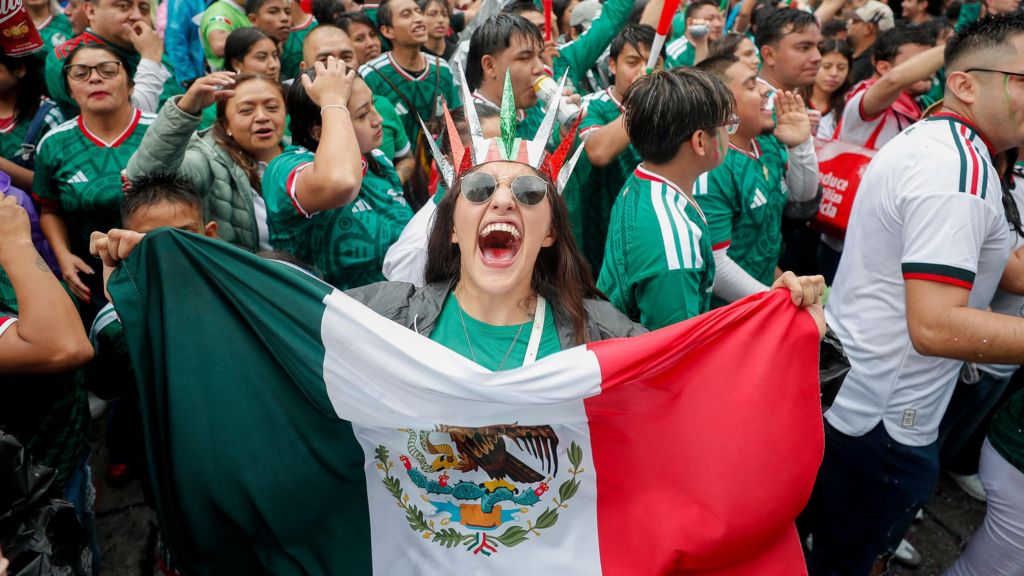
The 2010 FIFA World Cup kicked off on a high note for host nation Mexico, as El Tri secured a convincing 2-0 victory against South Africa in their opening group-stage match, sparking chaotic, joyous celebrations across the country. Moments after the final whistle blew, thousands of passionate Mexican supporters poured out of bars, living rooms and public viewing venues onto city streets across the nation, waving the iconic green, white and red national flag, blowing horns, singing traditional chants and embracing one another in shared excitement. The opening win marks a strong starting point for Mexico’s World Cup campaign, giving the team and its fanbase a massive boost of momentum heading into their next group-stage matchup. For host nation supporters, the opening victory turned a already historic tournament moment into an unforgettable nationwide celebration, with social media and public spaces flooded with messages of excitement and pride in the team’s performance.
分类: sports
-
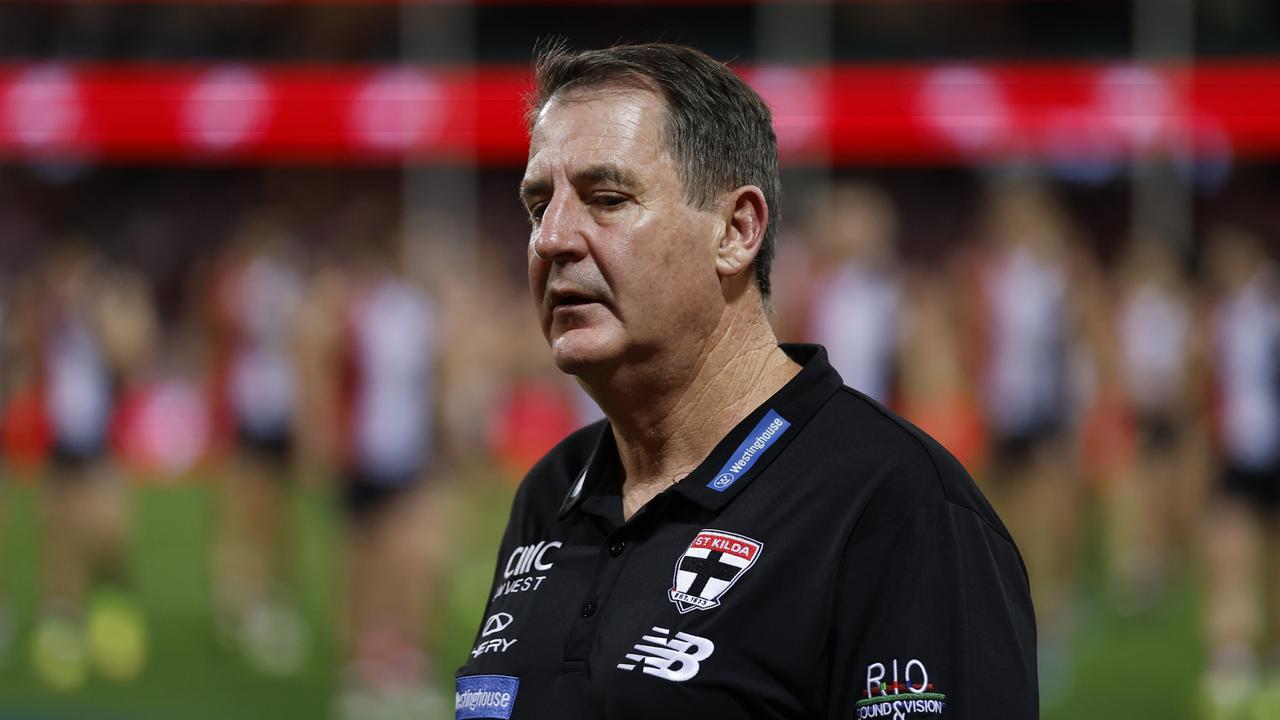
AFL 2026: St Kilda coach says injury returns too unpredictable to provide weekly update
AFL head coach Ross Lyon of St Kilda has openly criticized the league’s mandatory injury reporting policy, arguing that the rigid framework of the rule fails to account for the unpredictable nature of athlete rehabilitation, particularly in the case of star forward Max King’s extended recovery from repeated injuries.
King, the 25-year-old key Saints attacker, has not featured in a senior match since round 17 of the 2024 season, having battled a cascade of knee and soft-tissue setbacks over the past two campaigns. In a bid to accelerate his recovery, the forward recently relocated his rehabilitation program to the Gold Coast, with the club’s official injury list currently pegging his return to action as 1 to 2 weeks away.
Under current AFL rules, all 18 clubs are required to publish updated injury statuses for sidelined players every Tuesday. But Lyon pushed back against this mandate during a recent press conference, when he faced yet another round of media questions about King’s timeline. The veteran coach argued that injury recovery is never a clear-cut, predictable process that fits neatly into the league’s structured reporting requirement.
Speaking on the policy, Lyon noted: “To be honest, I don’t dive into it. Ideally clubs don’t have to do it – it’s sort of mandated. If you think rehab is an exact science and club websites are exactly accurate, then we’re all living in a fool’s paradise. Even our own rehabilitation experts can’t tell us an exact return date.” He went on to explain that comebacks are built on incremental progress, where a single misstep during high-speed running drills can push a player’s return back by a full week. “You either hit milestones and keep progressing, or you miss them. It’s not as rigid as everyone likes to think it is,” he said. “If you’re using that list as an access point to keep clubs accountable, I think you’ve got it wrong.”
Lyon also moved to dispel any speculation surrounding King’s interstate rehabilitation stint, stressing that there was “nothing sinister” about the arrangement. He framed the move as a much-needed change of scenery to escape the constant media scrutiny surrounding King’s recovery, describing the environment in Melbourne as “the circus.” “It’s just an internal process, part of his rehab, a change of environment,” Lyon explained. “His brother is up there, so he gets some family connection and nourishment, get him away from all the noise to freshen him up. I’ve spoken to him, he feels good, he’s putting in the work – there’s nothing suspicious going on. He’s going to play a lot of great footy for the Saints, it’s just a matter of time.”
Beyond the injury debate, the press conference also touched on St Kilda’s upcoming fixture this Sunday, which is scheduled to clash directly with the Socceroos’ opening World Cup match against Türkiye. When asked if the club had contacted the AFL to request a reschedule of the clash with GWS, Lyon gave a characteristically blunt response. “Yeah, we’re 9am at Surry Hills. The AFL system mate, we’re here, we’re standing up, our fans will be there. It’s irrelevant, thank you,” he said, closing out the press conference.
-
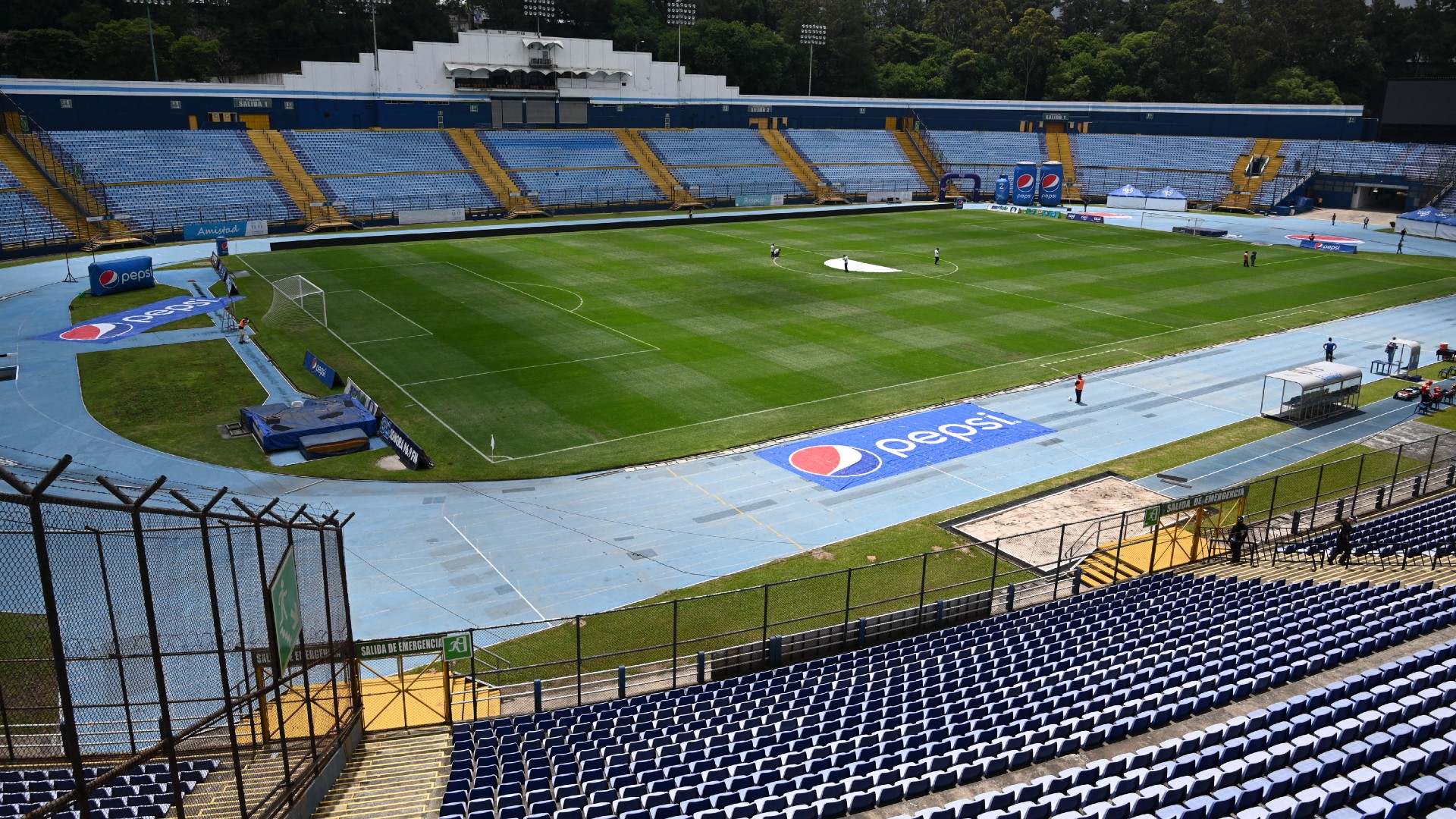
The World Cup is coming to Central America’s doorstep. The billions won’t
As the 2026 FIFA World Cup, the largest men’s edition in the tournament’s 92-year history, prepares to kick off its tournament cycle with co-hosts Mexico, the United States, and Canada, a stark geographic irony plays out just to the south. Central America, a region where football is not just a pastime but a cultural thread woven into every corner of daily life – where children chase worn balls across dust-strewn neighborhood pitches and a single national team victory can freeze entire cities in celebration – will once again be relegated to the sidelines. Only one nation from the region, Panama, has qualified for the 2026 tournament, and more significantly, not a single match will be played on Central American soil. Economists and sports policy analysts agree this exclusion is unlikely to change any time soon, and the barrier has nothing to do with the quality of the region’s football and everything to do with FIFA’s costly hosting model.
The economics of modern World Cup hosting have priced out most small, developing nations, and Central America is no exception. As FIFA’s flagship event has grown into a multibillion-dollar commercial enterprise, the upfront costs of staging the tournament have surged far beyond the fiscal capacity of countries in the region, where poverty rates reach as high as 50% in some nations. Central America not only lacks the extensive network of modern stadiums, intercity transport links, and hospitality infrastructure FIFA mandates, but it also cannot cover the billions in upfront investment the governing body requires of all host nations.
Sports economists point to FIFA’s hosting structure as the core barrier. Unlike major event organizers that contribute to host infrastructure, FIFA covers none of the construction or upgrade costs required to meet its strict standards, even as it pulls in billions in revenue from broadcasting rights, corporate sponsorships, and commercial partnerships. FIFA’s binding Host City Agreements place 100% of the financial risk on local hosts, requiring cities to cover all expenses related to hosting and waive all rights to liability claims against the governing body. In return, FIFA only provides minimal compensation: nominal stadium rental fees and prize money distributed to participating national teams, which does nothing to offset the cost of building new roads, expanding airports, or upgrading broader public infrastructure. Per city, infrastructure, security, and logistical costs alone range from $100 million to $200 million.
FIFA’s strict venue requirements only compound the challenge. The governing body mandates a minimum of 14 stadiums with seating capacities of at least 40,000, paired with thousands of quality hotel rooms, dedicated training facilities, and logistics networks capable of handling hundreds of thousands of international visitors. In all of Central America, just one venue – Costa Rica’s national stadium – comes close to meeting these standards, and it alone cannot support the scale of the modern World Cup. Beyond infrastructure, regional political and economic fragmentation adds another layer of difficulty: while Costa Rica and Panama have higher average incomes than their neighbors, coordinated cross-national hosting bids face significant political and financial coordination hurdles. For any individual nation, the price tag is also politically unpalatable: as democratic states, large-scale infrastructure spending for a World Cup requires broad public support, which is hard to secure when social spending on healthcare, education, and poverty reduction is already stretched thin.
Even if Central American nations could scrape together the required funding, economists widely warn that hosting a World Cup makes little financial sense for developing countries, pointing to a long track record of poor returns on investment. The 2022 Qatar World Cup, the most expensive in history, cost an estimated $220 billion in infrastructure spending, while the International Monetary Fund calculated total economic returns from tourism and related revenue at just $2.3 billion to $4.1 billion – a fraction of the upfront cost. Brazil’s 2014 World Cup offers another cautionary tale: the tournament cost $15 billion, including $3.6 billion for 12 new or renovated stadiums. Tourist revenue from 4 million visitors covered only a tiny share of the total cost, and Moody’s projected the total economic stimulus over a full decade would amount to just $11.1 billion, equal to a 0.4% increase in national GDP. Many of Brazil’s large new stadiums became white elephants after the tournament, with 50,000-seat venues handed to low-tier fourth-division clubs that draw an average of just 1,500 fans per match, leaving local governments stuck with ongoing maintenance costs.
While some analysts argue large global tournaments deliver intangible benefits – such as increased social cohesion, new trade connections, and global visibility for host nations – those gains are rarely enough to offset the massive financial burden. “There is at least some evidence, although I think it’s pretty weak, that big events like the World Cup bring people together in a way that later causes business leaders to come together, allowing for future trade negotiations and other things,” explained Victor Matheson, a renowned sports economist at Massachusetts’s College of the Holy Cross, in an interview with Middle East Eye. “If you have a South African World Cup and Costa Rica is in it, you see at least some increase in bilateral trade between South Africa and Costa Rica that you don’t see with otherwise similar countries like Honduras or Nicaragua. But that doesn’t make it right.”
The 2026 tournament’s expansion to 48 teams, up from 32 in previous editions, has only raised the stakes and raised questions about whether the World Cup can still claim to be a truly global event. The expanded format requires more stadiums, more training facilities, and more logistical capacity than any prior tournament, locking in access to hosting for only the world’s largest and wealthiest nations. While the 2010 World Cup in South Africa was widely celebrated as a milestone for bringing the tournament to Africa for the first time, it also left a relatively poor nation carrying massive debt while FIFA collected billions in revenue. Even in Brazil, one of the world’s most football-mad countries, widespread public protests erupted against the tournament, as public funds were diverted from healthcare and public transit to build luxury stadiums, pushing up transit fares for working-class residents.
This gap between FIFA’s public rhetoric and its commercial business model has drawn widespread criticism from analysts. FIFA’s official motto is “Football Unites the World”, and its slogan “For the Game. For the World” positions the organization as a force for global development, aligned with United Nations Sustainable Development Goals focused on reducing inequality and driving inclusive growth. But under its current hosting rules, the costs of even hosting a handful of matches are out of reach for most of the world’s developing nations.
“Fifa will do what is best for Fifa, and that is unlikely to involve giving hosting duties to small, developing countries,” said Dennis Coates, a sports economist at the University of Maryland. “Fifa probably does not put much weight on greater international visibility, national pride, optimism, etc, for potential host countries, nor do I think they should since those are all impossible to measure.”
FIFA is projected to generate $11 billion in total revenue from the 2026 World Cup across its current four-year cycle. In comparison, each national member federation receives just $5 million over the same period, while FIFA’s financial reserves have surged from $1.5 billion in 2014 to nearly $4 billion in 2022.
“Fifa positions football as a global public good, but its business practices are not in line with that sentiment,” said Nikolas R Webster, clinical assistant professor of sport management at University of Michigan.
Critics argue that FIFA’s structure extracts billions from the global popularity of football while investing almost nothing to help lower-income nations build the infrastructure required to host the sport’s biggest event. Andrew Zimbalist, an economist at Smith College and one of the world’s leading experts on the economics of mega sporting events, went even further in his assessment. “Hosting the World Cup is not a development opportunity, it is a development retardant, especially in countries that don’t have stadiums and infrastructure that meet Fifa’s requirements,” Zimbalist said. “The US, Mexico and Canadian hosts will all be hurt from hosting.”
For Central American football fans, who live and breathe the sport just meters from the 2026’s host borders, that means decades more of watching the world’s biggest tournament from the outside looking in.
-

Cheering for the ‘home team’ during the World Cup gets complicated for Canadians
As Toronto prepares to welcome the 2026 FIFA World Cup’s opening group stage match between Canada and Bosnia and Herzegovina, the country’s long-celebrated multicultural identity has emerged as the defining narrative of the tournament for Canadian fans, turning a high-stakes athletic clash into a celebration of shared belonging across diverse communities.
For many residents with roots in both competing nations, the match poses a gentle, joyful dilemma that perfectly encapsulates Canada’s dual-heritage culture. Nikola Vukelic, a Toronto-based lifelong football fan who has lived in Canada since 1999 after growing up supporting Bosnian domestic clubs, says he still cannot pick a side to cheer for. He described Bosnia’s stunning qualifying victory over four-time World Cup champions Italy as a “surreal” moment he never expected to witness, but decades of calling Canada home have left him equally invested in the host nation’s campaign. Vukelic’s solution? A mixed uniform: his Bosnia national team jersey paired with Canada football shorts, to be worn while hosting a watch party with friends close to BMO Stadium, the venue for Friday’s opening match. For him, the final score is irrelevant. “I’m going to have fun either way,” he said.
Vukelic’s experience is far from unique. Canada’s most recent national census data shows more than 35% of the population – approximately 13 million people – identify with multiple ethnic and cultural origins, a demographic reality that has been on full display across host cities Toronto and Vancouver in the lead-up to the tournament. Across both cities, cross-cultural watch parties have popped up in unexpected, community-focused spaces: Turkish fans gathering to cheer on their team at an Australian-owned pub, Balkan supporters setting up screens outside a specialty food market, and football fans of all backgrounds meeting at an Iraqi-run hookah lounge.
This culture of inclusive diversity has become a core selling point for Canadian soccer organizers, who have framed the tournament as a counterpoint to growing global division. Speaking at the 2026 FIFA World Congress held in Vancouver earlier this year, Canada Soccer President Peter Augruso emphasized that the country’s multiculturalism is more than a policy – it is a lived experience. “Here, the world doesn’t just visit,” he said. “The world lives, works, learns, and thrives together.”
That ethos is clearly visible in the community-led celebrations being held across Greater Toronto. For Adis and Amir Mrakovic, Bosnian-Canadian brothers who own Mrakovic Fine Foods, a beloved Balkan specialty store in the Toronto suburb of Etobicoke, the opening match pairing their home country and their adopted nation is a once-in-a-lifetime moment. The pair arrived in Canada with their family in 1994, not long after their father launched the small business selling traditional smoked meats. Over nearly 30 years, the shop has grown into a community staple, famous across the city for its grilled ćevapi kebabs that serve the region’s large Balkan diaspora.
Like most fans, the brothers never expected Bosnia to qualify for the 2026 tournament. The side had not reached the World Cup since 2014, and faced a grueling qualifying draw that included tough competitors Austria and Italy. When Bosnia knocked Italy out via penalty shootout on March 31 to secure their spot and set up the opening match against Canada, the result was a shock to the entire global football community. “It was a shock for everybody,” Amir said.
Within days, the brothers planned a large public watch party outside their store, outfitting the space with a 26-foot big screen, a local DJ, and a full menu of grilled ćevapi for attendees. They expect hundreds of fans to attend, with some traveling more than 500 kilometers from Montreal to join the celebration. For the Mrakovics, the event is as much a celebration of their Canadian identity as it is their Bosnian roots. “We felt an obligation to bring people together,” Adis explained. When asked what final score they hope for, Amir laughed and summed up the mood of many dual-heritage fans: the best outcome is a tie.
Even for Canadian fans of Italy, who saw their ancestral nation fall just short of qualification, the moment has become a celebration of multiple belonging. In Toronto’s Little Italy neighborhood, the 2026 World Cup qualifying loss left many Italian-Canadian fans heartbroken, as many had dreamed of watching Italy face Canada in the opening match. To honor that disappointment, Canada Soccer organized a promotional event at Cafe Diplomatico, a historic Italian restaurant that has served as a gathering spot for Canadian soccer fans for decades, inviting fans to swap their Italy jerseys for new Canada kits. When fans reached the front of the line, organizers surprised them with a message: they did not have to give up their Italy jerseys after all. They could keep both, an announcement that moved some long-time fans to tears. “It’s very rare to be in a country like ours where you’re allowed to have multiple homes in your hearts,” said Canada Soccer spokesperson Paulo Senra.
The spirit of cross-cultural fan camaraderie extends across the country to Vancouver, the second Canadian host city that will welcome groups of fans from around the world for 13 total matches, including matchups between Australia and Turkey, New Zealand and Egypt, and Switzerland and Canada. Even when two rival nations face off, fans from both sides often gather to watch together: for the Australia-Turkey matchup, a local Turkish band is hosting a joint watch party at a Vancouver pub, where fans of both nations will cheer side by side. Ilyas Kayran, a member of the hosting band Istanbul the Band, says this inclusive dynamic is core to what it means to be Canadian. “This is Canadian identity,” he said.
Even Canada’s national men’s team itself reflects the country’s multicultural makeup. The squad’s captain and star player, Alphonso Davies, was born in a refugee camp in Ghana before his family resettled in Edmonton, Alberta, where he developed his skills and launched his professional career. This year marks only the third time Canada has qualified for the FIFA World Cup, and the first time the team has competed on home soil as a co-host of the 2026 North American tournament. Though the team faces long odds to advance, the squad is aiming to become the first Canadian men’s side to reach the tournament’s knockout round.
Of the three North American co-hosts, Canada holds the smallest hosting role for the 2026 tournament: while Mexico has three host cities and the United States is hosting 78 total matches, Canada only has two host cities – Toronto and Vancouver – each holding 13 matches. Despite the smaller footprint, the public cost of hosting remains steep: an independent estimate from Canada’s Parliamentary Budget Officer puts total taxpayer spending at just over C$1 billion, or roughly C$82 million per match.
The tournament has also faced criticism over ticket pricing, with the cheapest in-person tickets for Canadian-hosted matches running into the hundreds of dollars. Many fans have complained that the pricing locks out local supporters in a country where cost of living in major cities like Toronto and Vancouver is already extremely high. As of the lead-up to the opening match, hundreds of tickets remain unsold in both cities, and demand for hotel and short-term vacation rental accommodation has been lower than pre-tournament projections.
Despite these challenges, Canadian federal and provincial officials have framed hosting the 2026 World Cup as a transformative opportunity for the country. Adam van Koeverden, Canada’s FIFA Sherpa and Secretary of State for Sport, called it a “once-in-a-generation opportunity” to showcase the country to the world.
For fans like Vukelic, who says he cannot afford the high price of an in-person ticket to the opening match, the challenges have done little to dim the excitement of the tournament. Even watching from home, he is soaking up the atmosphere and the energy the World Cup has brought to his city. “The only thing we have to be careful about is the traffic here,” he joked. “Other than that, Toronto is ready for this.”
-
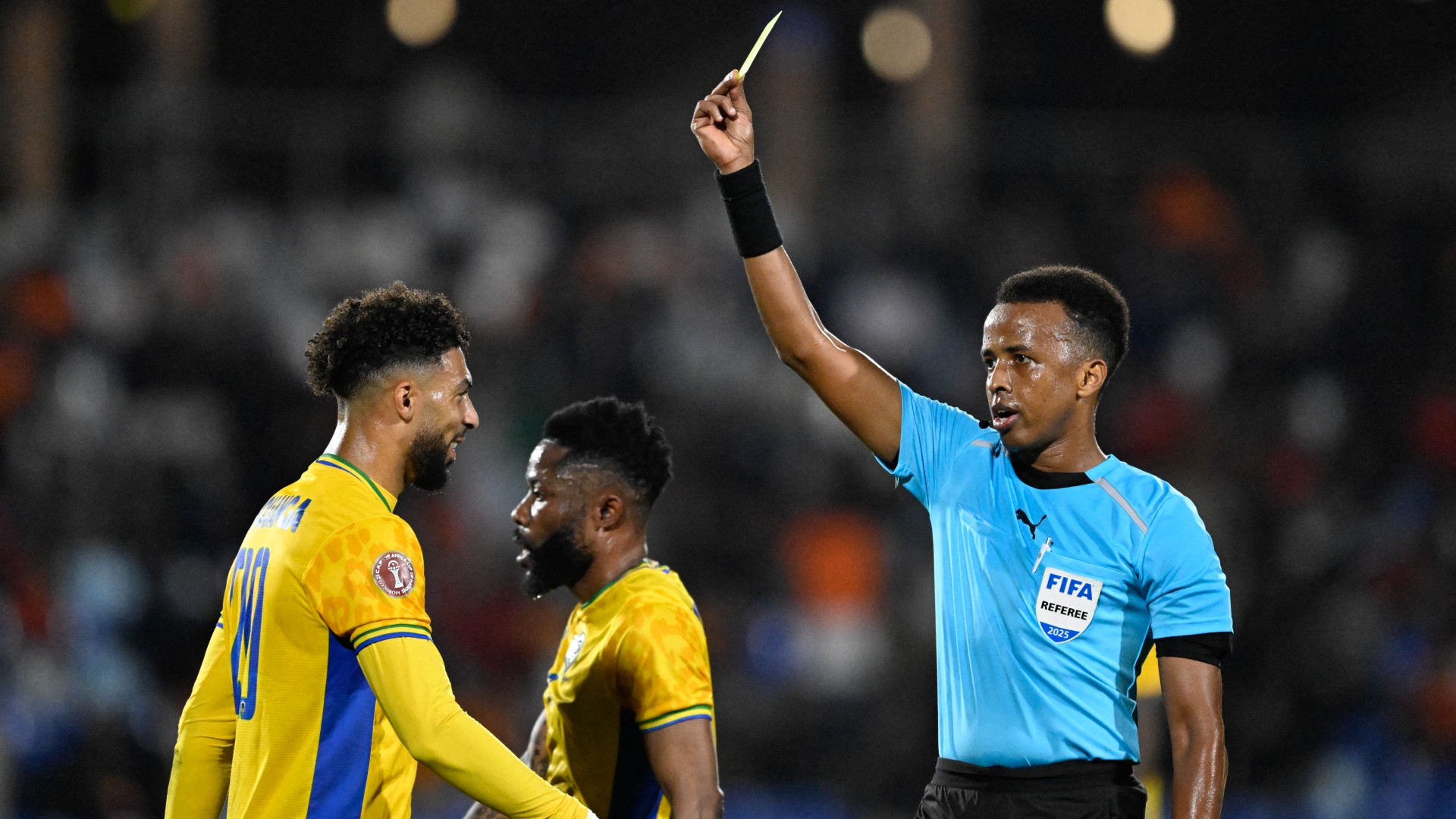
World Cup 2026: Somali referee denied entry by US will officiate Uefa Super Cup final
A high-profile international football development has broken this week, as European football’s governing body UEFA has announced that Somali referee Omar Artan — who was barred from entering the United States ahead of the 2026 FIFA World Cup, costing him a spot in the tournament’s officiating pool — will helm one of the sport’s biggest continental fixtures later this summer.
Artan, who was named the Confederation of African Football’s Men’s Referee of the Year for 2025, was denied entry by U.S. authorities at Miami International Airport earlier this month. FIFA, global football’s governing body, subsequently removed him from the roster of 52 officials selected to work the 2026 World Cup, which will be co-hosted by the U.S., Canada and Mexico from June 11 to July 19. The move ended Artan’s historic bid to become the first Somali match official ever to officiate at a men’s World Cup finals.
The Trump administration announced Tuesday that the entry denial was rooted in unsubstantiated claims that Artan holds links to “suspected members of terror organisations”, offering no additional evidence to back up the assertion. Andrew Giuliani, who leads the White House Task Force on the World Cup, told BBC World Service that while he could not share sensitive derogatory information related to the case, he viewed U.S. Customs and Border Protection’s decision as correct and fully supported it. This stance aligns with comments Giuliani made in December, when he stated the Trump administration could not guarantee non-U.S. citizens would be safe from Immigration and Customs Enforcement (ICE) raids at World Cup venues.
Per BBC reporting, a senior advisor to Somalia’s Ministry of Youth and Sports confirmed the entry denial, noting that Artan was traveling with all required valid documentation. A Somali embassy official based in Nairobi added that Artan had even been issued a diplomatic passport to ease travel after previous visa-related difficulties, a step that ultimately failed to prevent the rejection. The Somali Football Federation has since contacted FIFA to request urgent clarification on the outcome of the incident.
After being turned away, Artan returned to Somalia Wednesday, where he received a hero’s welcome from supporters and officials. In public remarks following his arrival, the referee acknowledged the disappointment of the outcome while expressing gratitude for the backing he received from FIFA. “What happened has happened and it was unfortunate. I am grateful for the support Fifa gave me,” he said. Addressing young Somalis, he encouraged them to hold onto ambition, adding “I want to tell our youth not to lose hope in our country. I am now in my country, and there is no other place I want to be.” Artan also affirmed his intention to qualify for the next men’s World Cup, saying “I promise you, God willing, that I will attend the next one [World Cup]… I want the Somali public to take comfort in this and remain confident.”
In its official statement following the entry denial, FIFA noted that after consultations with U.S. authorities, it confirmed Artan could not participate in the 2026 tournament. The governing body clarified that it does not have any involvement in host country immigration processes, including visa adjudication decisions. A FIFA-listed referee since 2018, Artan has previously officiated at top-tier competitions including the Africa Cup of Nations, as well as domestic league matches in Somalia. Somalia is one of several countries impacted by broad travel restrictions implemented by the Trump administration.
Just days after Artan’s return to Somalia, UEFA stepped in to offer the respected referee a new high-profile assignment. The continental governing body announced Thursday that Artan will take charge of the 2026 UEFA Super Cup, scheduled for August 12 in Salzburg, Austria. The match pits Champions League winner Aston Villa against Europa League champion Paris Saint-Germain in the annual showpiece that opens the European club football season.
-
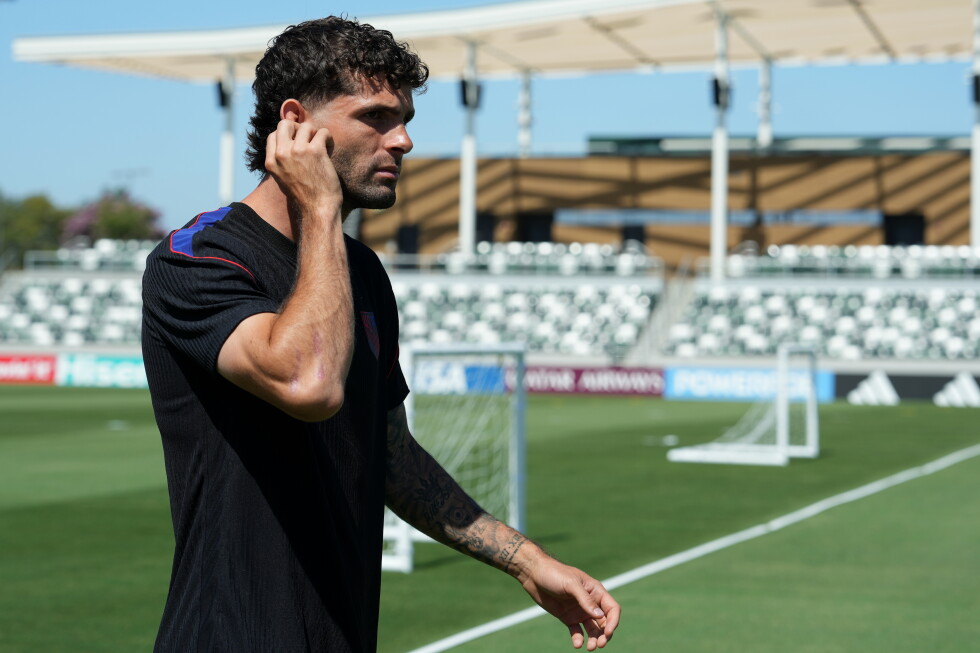
Christian Pulisic is ready to shoulder the burden of US hopes in home World Cup opener vs Paraguay
IRVINE, Calif. — As the United States prepares to host the 2026 FIFA World Cup and kicks off its tournament campaign against Paraguay this Friday, Christian Pulisic finds himself in a rare, pressure-filled position: he is the undisputed generational star of the host nation’s men’s national team, carrying the expectations of an entire soccer-crazed country on his shoulders.
Pulisic joins an exclusive, shortlist of elite global talents who have landed this exact confluence of skill, stardom, and timing when their home country hosts soccer’s biggest tournament. Past names on that list read like a who’s who of modern soccer royalty: Zinedine Zidane, who led France to a 1998 World Cup title on home soil; Michael Ballack, who anchored host Germany’s 2006 squad; and Neymar, who carried Brazil’s hopes as the home nation in 2014.
Pulisic’s teammates and coaching staff are acutely aware of the massive burden he carries. For nearly a decade, he has been framed as the face of American men’s soccer, the groundbreaking talent that turned a historically middling soccer nation into a growing competitor on the global stage. Teammates across the roster openly acknowledge that all eyes — from the pitch to the sold-out stands — will remain fixed on Pulisic, with fans and peers alike hoping his decade of proven success at top European clubs will lift the U.S. to unprecedented heights on home soil.
“I can’t even imagine the weight that’s on his shoulders,” said 27-year-old Bournemouth midfielder Tyler Adams, Pulisic’s long-time midfield partner. “From such a young age, he was the hope of American soccer.”
Now 27, Pulisic refuses to shrink from the bright spotlight that will burn brighter than ever across the tournament’s coming weeks. In comments Thursday at the U.S. national team’s Orange County training base, he reaffirmed that this high-stakes moment is exactly what he has spent his entire career working toward.
Unlike his early years in the national program, when he was the lone elite talent carrying the team’s aspirations, Pulisic says he feels no extra pressure heading into the World Cup. In fact, he argues the weight on his shoulders may even be lighter than it has been in years past, thanks to the depth of talent that has emerged around him in recent seasons.
“I don’t feel a difference in weight. I’m not sure. Maybe less,” Pulisic said. “I just feel like there’s so many good players around me. I genuinely don’t feel like I have to do anything on my own. I’m going to give it the best I can. I want to help the team, and they expect a lot out of me, but with the guys I have around me, it makes it a lot easier for me.”
Pulisic’s status as the center of U.S. World Cup hopes dates back longer than this tournament cycle. When the World Cup was first awarded to the North American bloc of the U.S., Canada, and Mexico eight years ago, Pulisic was already the rising star of American soccer. A native of Hershey, Pennsylvania, he broke into the senior national team as a 17-year-old prodigy, becoming the first homegrown U.S. talent to earn consistent playing time and stardom at Europe’s top clubs.
Over the past 10 years, he has built a resume unrivaled by any active American player: after cutting his teeth at Borussia Dortmund, he transferred to Chelsea in 2019, where he became just the second American to win the UEFA Champions League in 2021. He moved to Serie A’s AC Milan in 2023, where he remains a key contributor for one of Europe’s top clubs. While the U.S. national program has struggled for consistent progress through his career, and Pulisic even endured an 18-month goal drought with the national team that only ended in late May, he still stands as the Americans’ most consistently dynamic playmaker.
Adams, who has shared the pitch with Pulisic since the winger’s 2016 senior debut, recalled watching the teenage prospect immediately become the team’s most irreplaceable player. Even after that 2016 campaign ended in devastating failure — the U.S. failed to qualify for the 2018 World Cup — Pulisic quickly emerged as the foundation of the program’s rebuild.
“(Pulisic was) the best player on the field at 17 years old, and the person that they rely on, (and) it’s been since then that they’ve relied on him,” Adams said. “Now, we have weapons around him to kind of relieve that, but he’s a star. Not just for the U.S. national team, but in world football. He’s that good. We rely on him in big moments, but that being said, I hope he doesn’t feel the pressure to carry it all. Just to be himself and grow into each game.”
Pulisic made his first World Cup appearance in Qatar four years ago, where he notched one goal and one assist as the U.S. exited in the knockout round after scoring just three total goals across four matches. This time around, he says the home-field advantage brings a unique sense of comfort, with family and fans able to cheer the team on close to home.
“It feels similar, but with a bit of that comfort of being in America,” Pulisic said. “It feels great having the people you love around you. It makes it that much more special.”
New U.S. head coach Mauricio Pochettino, who took over the program in late 2024, has worked to build an aggressive, attack-minded squad centered around Pulisic’s creative strengths, while intentionally spreading responsibility across the roster to reduce reliance on the star. Two prolific Europe-based strikers, Folarin Balogun and Ricardo Pepi, will make their World Cup debuts this tournament, with the expectation that they will share the scoring load that once fell entirely to Pulisic.
Pochettino emphasized that while Pulisic will play a critical role for the U.S., the team’s collective culture and identity matters more than any individual star.
“Of course he needs to be an important player for us in the competition,” Pochettino said. “(But) I think what we’ve learned after a year and a half is that the badge of the national team and the culture with this country is more important than any name, any player or any coach. That is a principal thing that we (believe), and from there, if you have talent and quality, you can perform on that platform.”
Still, with his first World Cup knockout round exit behind him, Pulisic understands the U.S. needs to hit the ground running on home soil, starting with Friday’s opener against a tough Paraguay side. For the veteran star, past tournament experience has helped calm his nerves, even as the spotlight grows larger than ever.
“It has that big-game feel, for sure,” Pulisic said. “But in some ways, I feel a little bit more relaxed because I’ve been there before. We’ve played in a match like this. I think the experience has calmed me down a little bit.”
-
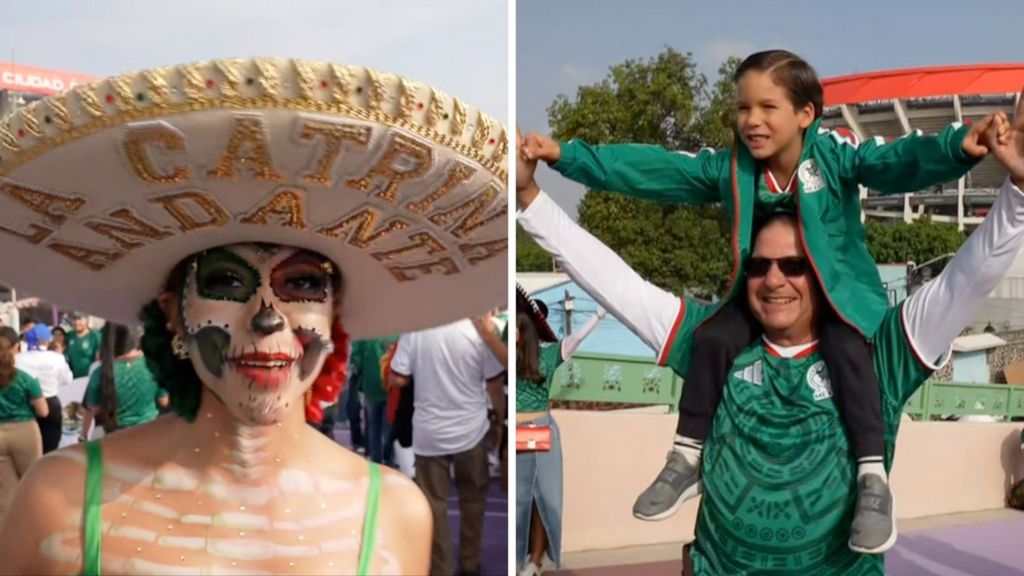
‘Once in a lifetime’ – Mexico fans share excitement as World Cup kicks off
As the 2026 FIFA World Cup kicked off its opening match for the Mexican national team at the iconic Azteca Stadium, thousands of elated supporters filled the streets surrounding the venue, describing the electric atmosphere as a ‘once in a lifetime’ experience they would never forget. The BBC caught up with dozens of ticket-holding fans moments after the final whistle, where Mexico secured a dominant 2-0 victory over South Africa to launch their tournament campaign on a high note.
Supporters clad in the team’s signature green, white, and red jerseys packed the plazas and sidewalks outside the stadium, waving flags, singing traditional chants, and embracing one another in celebration. Many fans traveled hundreds of miles from across Mexico to attend the opening match, with some telling reporters they had saved for years to secure their spot at the legendary venue, which has hosted two World Cup finals in its history.
Azteca Stadium, one of the most recognizable soccer stadiums in the world, provided a dramatic backdrop for the opening clash. From the opening kickoff, the crowd roared nonstop, creating a wall of noise that pushed Mexico’s players to secure the two-goal advantage. Even after the match ended, fans lingered outside the stadium to share their joy with friends, family, and reporters, emphasizing that the combination of hosting a World Cup match at Azteca and opening with a win made the moment unforgettable.
For Mexican soccer, this opening victory marks a promising start to what fans hope will be a deep tournament run. The energy outside the stadium reflected the widespread optimism across the country, as supporters turn their attention to the nation’s next group stage match, with hopes of continuing their winning momentum.
-

The parents whose boys play in two World Cup teams
For football fans across Scotland, picking a team to cheer on at the 2026 FIFA World Cup is a straightforward choice. But for one Aberdeenshire family, the tournament brings a once-in-a-lifetime joyous dilemma: two sons, wearing the jerseys of two different nations, both competing on soccer’s biggest global stage.
Jack and Heather Souttar, lifelong football lovers from the small village of Luthermuir, are packing their bags this week to travel across the Atlantic to the United States, where their middle son John will make his World Cup debut starting for Scotland, while their youngest son Harry lines up for Australia. The unique situation is a dream come true for the proud parents, even as it requires careful logistics to pull off.
John and Harry are both professional centre-backs, who cut their teeth in the Scottish football system before moving to top clubs across the United Kingdom. John, who earned his first Scotland cap in 2018, currently plays for Glasgow Rangers after previous stints at Dundee United and Heart of Midlothian. Harry, who got his Australian eligibility through Heather, who was born in the country, has been a mainstay of the Socceroos squad since 2019, and currently plies his trade at Leicester City following spells at Stoke City and Dundee United. What makes the 2026 tournament extra special is that it marks John’s first appearance at a World Cup, while Harry already featured for Australia at the 2022 Qatar edition.
The logistical challenge for Jack and Heather is significant: their sons’ two opening round group stage matches are separated by 3,000 miles and six days of travel across the U.S. The couple have already planned for the first two matches, but say they are keeping their plans flexible, holding out hope that both Scotland and Australia advance deep into the tournament, requiring them to travel further to continue cheering on both boys.
Far from the family being torn between loyalties, the Souttars say their support for both sons is equal. “It’s a big thing, I suppose. We want to support both kids and both countries. Then the ball’s in the air for the rest of it,” Jack said in an interview, adding that the brothers share a warm, friendly rivalry rather than any bitter competition. Though they occasionally scrapped as children, the pair are close, regularly discussing matches and supporting one another through the ups and downs of professional football.
Football has been woven into the Souttar family’s life for generations. Jack himself played for Brechin City in his youth, and all five of his children – oldest son Aaron, followed by Mhiran, John, Ailsa and Harry – grew up playing the game and following it closely. Over decades, Jack and Heather logged thousands of miles driving across the UK to watch their sons play at youth and professional levels, a commitment they never saw as a burden.
“I think the big thing is that it was never a task for us,” Jack said. “We trained at Dundee twice a week. Then we were going down to Glasgow twice a week and training down there… We were all over the country supporting them and, to be fair, we both really enjoy football. It was excellent. We didn’t want to be grumpy parents. We treated it as a holiday.”
This World Cup is not the first time the Souttar family has had a chance to watch Scotland compete at the tournament. In 1998, the last time Scotland qualified for the World Cup before 2026, Jack traveled to France with 10-year-old Aaron, while a toddler-aged John stayed home with Heather, who was heavily pregnant with Harry. Heather never got to make that 1998 trip, and joked that she has waited 28 years for her turn to attend a World Cup with her family. “I never made it. I was very pleased that they went and I said ‘well, I’ll go to the next one’,” she said. “But here we are, 28 years later for the next one. I’ve waited a while.”
This year, a group of four generations of extended Souttar family and friends will travel to the U.S. with Jack and Heather, who has organized the entire trip. The only absence will be Aaron, the oldest brother, who passed away in July 2022 at the age of 42 after a multi-year battle with motor neurone disease. Both John and Harry have spoken publicly about how Aaron shaped their careers and served as a role model for them growing up.
One of the biggest questions the Souttars have been asked is what will happen if Scotland and Australia both advance far enough to face each other in a knockout match, pitting brother against brother on the world stage. But Jack says the family’s love for both sons will not change, no matter the outcome. “I don’t think, because we’re from Scotland, our feelings for Harry are any less. We’re just so proud – as any parent would be – for their kids doing well. In any sport or any walk of life,” he said.
For Heather, the 2026 World Cup is about more than just football: it is a chance to build new, lasting memories for the whole family, after 28 years of waiting. “On the football side we’ll have new stories, because we’ve heard the France ’98 stories for years, so we’ll have lots of new stories and new memories for all the family,” she said. “Memories and stories forever and that’s all you can want for families, isn’t it?”
-
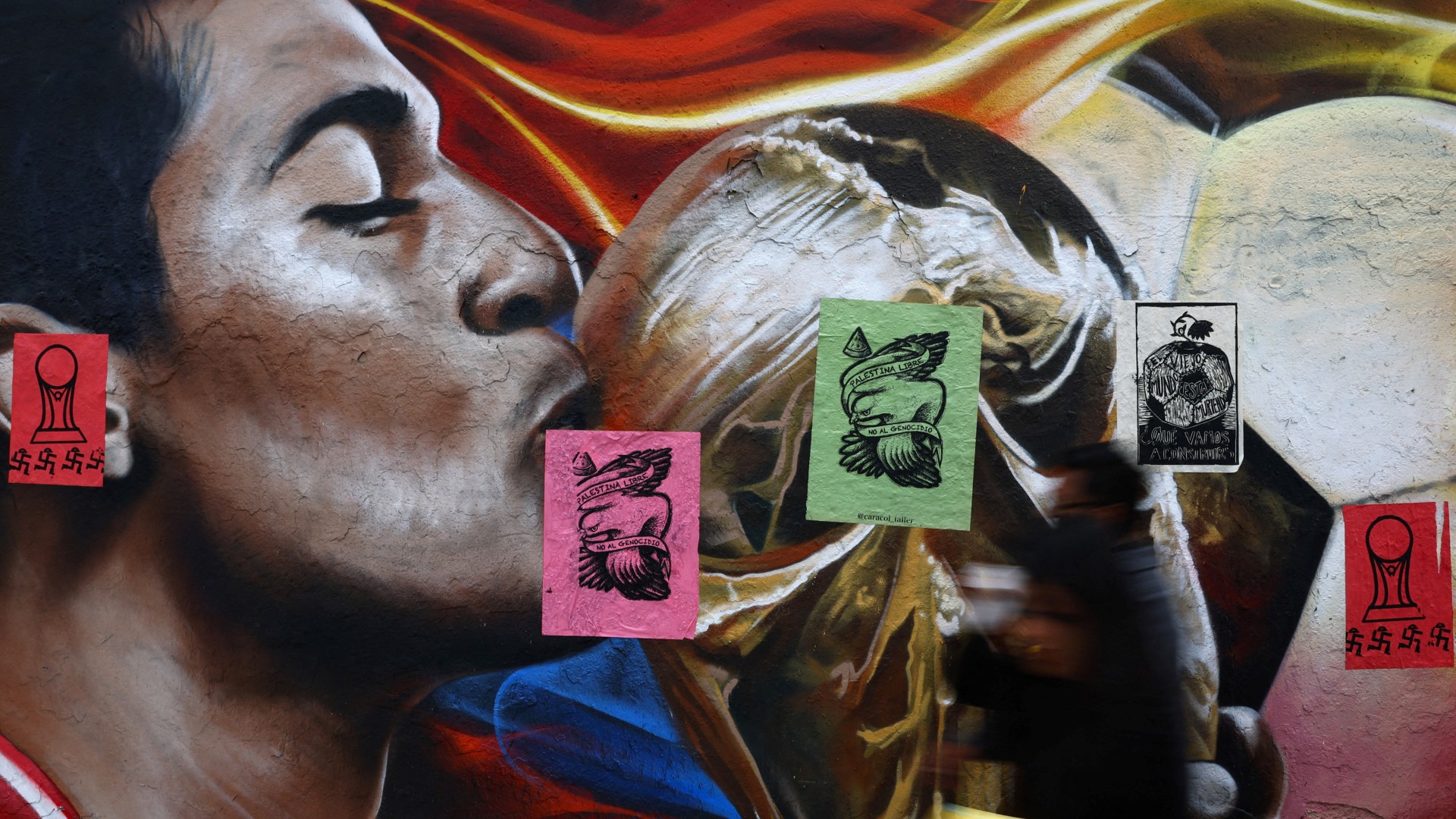
World Cup 2026: Tournament kicks off under shadow of politics and restrictions
The 2026 FIFA World Cup, the most prestigious tournament in global football, kicked off Thursday amid a wave of controversy that has pitted the joy of the world’s game against systemic issues ranging from harsh visa restrictions and exploitative dynamic pricing to overt political interference from the Trump administration. What was billed as a historic first tri-nation co-hosting effort between the United States, Mexico and Canada has instead been defined by barriers for teams, officials and fans, particularly those from Global South nations. Play opened with the host Mexico facing 2010 World Cup winner South Africa in Mexico City, followed by a Group Stage clash between South Korea and Czechia. The North American leg of the tournament gets underway on Friday, with Canada’s opening match against Bosnia and Herzegovina in the afternoon and the United States taking on Paraguay in the evening. Of the tournament’s 104 total matches, 78 will be held across the U.S., while Canada and Mexico will host 15 matches apiece.
Even before the opening kickoff, political tensions spilled onto the pitch. Thousands of protesters gathered at Mexico City’s Estadio Ciudad de Mexico ahead of the opening ceremony, drawing attention to the politicized landscape surrounding the event. But the most high-profile controversy has centered on actions by the Trump administration, which has enacted sweeping entry restrictions and targeted vetting that has disrupted teams and officials across the globe. Just days before the tournament began, U.S. border officials barred entry to Somali referee Omar Artan, one of 52 officials selected to officiate matches, who was stopped during a so-called “routine inspection” at Miami International Airport despite holding a valid U.S. visa. Artan, who would have made history as the first Somali referee at a men’s World Cup and was named 2025 Confederation of African Football Referee of the Year, was held for 11 hours of intensive questioning where he provided all required FIFA and supporting documentation before being detained and deported back to Somalia via Istanbul. The U.S. currently enforces a near-total travel ban on Somalia.
Artan’s exclusion is not an isolated case. Iran, which is also under a full Trump-era travel ban, requested that all of its team’s matches held on U.S. soil be relocated to Mexico amid heightened security tensions tied to the U.S.-Israeli campaign against Iran. The request was initially rejected, before officials eventually allowed Iran to base its team in Mexico – but imposed a punishing requirement that the entire squad enter and exit the U.S. on the same day as each of their fixtures, eliminating any chance for proper pre-match acclimatization and preparation. Multiple members of Iran’s support staff were also denied visas entirely. U.S. officials publicly stated the restrictions were intended to prevent Iran from “abusing this system to sneak terrorists into the United States under false pretences.”
Teams from other nations that fall under U.S. travel restrictions have also faced heightened, discriminatory security measures. Senegal’s national team underwent extensive baggage inspections directly on the airport tarmac upon arrival, while the Uzbek squad was greeted at their U.S. training facility by drug-sniffing dogs and mandatory security screenings. Senegal is subject to a partial U.S. travel ban. An Iraqi player was detained at Chicago’s O’Hare International Airport, and the Iraqi team’s official photographer was barred from entering the country entirely.
On the eve of the tournament opening, U.S. President Donald Trump – who has previously been awarded the FIFA Peace Prize – made a stunning announcement that the U.S. would launch military strikes against Iran and invade its territory, amplifying global security fears just as the tournament got underway. When asked about the ongoing visa disputes impacting World Cup participants, Trump only stated that the cases were under review, adding “We’re working on it very closely to make sure the right people come into our country.”
Beyond political and visa chaos, the 2026 tournament has been marred by exorbitant ticket pricing that has priced out all but the wealthiest fans, a crisis amplified by the introduction of “dynamic pricing” for the first time in World Cup history. The new model allows ticket platform algorithms to adjust prices in real time based on consumer demand, pushing costs to unprecedented levels. As of the tournament’s opening day, the cheapest available ticket for the U.S.’s opening match in Los Angeles stood at $1,183, while the next U.S.-based fixture between Qatar and Switzerland carries a minimum entry price of roughly $614. Even for a lower-demand Group Stage match between Haiti and Scotland in Massachusetts, the cheapest available seat costs just under $650. A high-profile clash between top-ranked Brazil and Morocco in New Jersey will see fans pay a minimum of $1,633 just to attend.
Unlike past World Cups held in South Africa, Brazil, Russia and Qatar – which offered subsidized ticket rates for local residents – the U.S. has implemented no federal program to make tickets affordable for average fans. While prices in the U.S. are the highest across the three host nations, even opening match tickets in Mexico during the second round of sales in April 2026 ranged from $3,000 to $10,000, according to CNN reporting. Minor price cuts have emerged in the days leading up to kickoff, but volatile price fluctuations have left costs far out of reach for most casual fans. Leading U.S. sports outlet The Athletic has labeled the 2026 ticket pricing structure an outright “rip-off.”
Visa restrictions have created additional layers of barriers for international fans hoping to attend. The U.S. already maintains one of the strictest visa application regimes in the world, requiring visitors from Global South nations to disclose extensive financial records, full employment histories, next-of-kin details, attend mandatory in-person interviews and pay hundreds of dollars in application fees just to be considered. The Trump administration has added a new requirement for extensive social media vetting of all non-immigrant visa applicants, ostensibly to screen for national security threats, but critics argue the process is used to exclude applicants with political views that conflict with the administration’s agenda.
Unlike the 2018 World Cup in Russia and the 2022 tournament in Qatar, both of which implemented simplified special entry processes for ticket holders, the U.S. has created new hurdles that disproportionately impact fans from lower-income countries. In December 2025, Trump added 39 nations to the U.S. travel ban, including four participating World Cup nations: Haiti and Iran were placed under full entry bans, while Senegal and Ivory Coast face partial restrictions. The administration also imposed a mandatory visa bond scheme requiring travelers from 50 nations to pay deposits ranging from $5,000 to $15,000 to the State Department before receiving a visa, though the rule was partially rolled back in mid-May to exempt ticket holders and team staff from participating nations including Algeria, Cape Verde, Ivory Coast, Senegal and Tunisia.
Advocates and rights groups have criticized FIFA for failing to push back against these discriminatory restrictions, arguing the global governing body has effectively legitimized the U.S.’s policies. Even FIFA’s much-promoted “once-in-a-lifetime 2026 World Cup Final experience” package, which includes tickets and accommodation, is only open to legal residents of 16 countries – explicitly excluding residents of co-host Mexico from entering.
Andrew Giuliani, executive director of the White House Task Force on the 2026 FIFA World Cup, defended the administration’s policies in December 2025, telling reporters “I’ve known the president for 25 years. The president does not rule out anything that will help make American citizens safer.”
Tensions extend far beyond entry restrictions, with rights groups warning that even fans and officials with valid visas face risks of detention, invasive questioning and aggressive immigration enforcement during their stay. The issue gained attention after a father of two was arrested by U.S. Immigration and Customs Enforcement (ICE) during a FIFA Club World Cup match in New Jersey in July 2025. In late April 2026, the American Civil Liberties Union (ACLU) issued an official national travel advisory warning foreign visitors of the risks of entering the U.S., including arbitrary detention and deportation, invasive social media screening, racial profiling, suppression of free speech, widespread surveillance, and even the risk of inhumane treatment or death in U.S. detention facilities.
The ACLU has also raised concerns about the rights of people already residing in the U.S., particularly those protesting the Trump administration’s immigration policies. In late May, workers at Inglewood, California’s SoFi Stadium – which will host multiple World Cup matches – publicly demanded that ICE have no involvement in the tournament. Workers raised alarms that FIFA may be sharing personal data of staff and attendees with ICE and foreign intelligence agencies. “We cannot celebrate the World Cup while workers, tourists, immigrant families, and local communities are made to feel unsafe. Los Angeles should be a city of welcome – not fear,” Yolanda Fierro, a SoFi Stadium worker and member of Unite Here Local 11 trade union, said in a statement.
Activists stress they are not calling for a boycott of the tournament, but rather for all visitors to prepare for the risks they may face. “It is a call for precaution – for awareness of risks, for preparation, and for safety planning,” explained Jamil Dakwar, director of the ACLU’s human rights program.
-
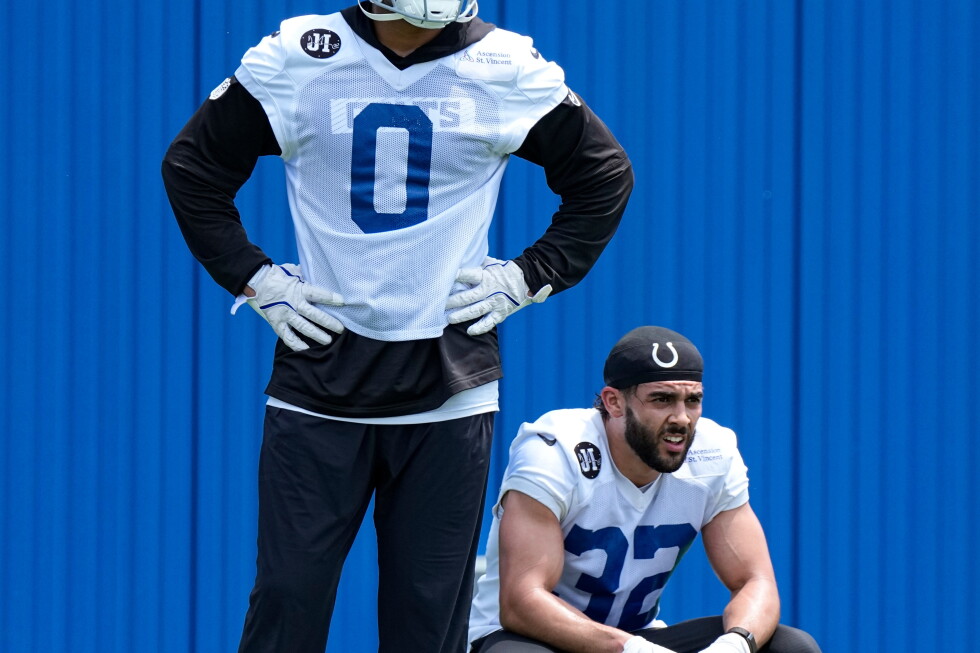
As Colts wrap up minicamp, Cam Bynum turns focus to helping Filipinos affected by earthquake
INDIANAPOLIS — Fresh off the Indianapolis Colts’ three-day mandatory minicamp, starting safety Cam Bynum is already preparing for a far different mission than preparing for the upcoming NFL season: joining disaster relief efforts in the Philippines, a nation that holds deep personal meaning for him.
Bynum’s ties to the Southeast Asian archipelago run far deeper than casual connection. His mother Jen is of Filipino descent, he owns property in the country, and his wife Lalaine is Filipino — the pair even held their wedding there in March 2023. Long an advocate for the Philippines’ national flag football program, cross-Pacific trips during NFL offseasons have become a regular tradition for Bynum and his family. This year, however, the trip will center on recovery, not relaxation, after a devastating 7.8-magnitude earthquake hit the country.
The powerful offshore quake, one of the strongest to strike the Philippines in 50 years, hit near the southern province of Sarangani on Monday. Official data puts the death toll at at least 37, with tens of thousands of residents displaced from their homes. While Bynum said he counts himself lucky that all of his family and close friends in the affected region escaped unharmed, many have lost their homes to the destruction.
“A week from now, I’m tied up here filming content for the NFL, which delays my departure a bit,” Bynum explained Thursday after practice. “But as soon as that wraps up, I’m heading straight for the Philippines. I’m grateful to have this window of time off before training camp to go there and actually contribute to the recovery.”
Bynum, who grew up in California and played college football at the University of California, Berkeley before being drafted by the Minnesota Vikings in the fourth round of the NFL Draft, is entering his second season as a key contributor to the Colts’ defensive secondary, even amid widespread roster changes made by the team this offseason. He has long been open about celebrating his Filipino heritage; two years ago, he shared a public video dinner with his mother and other family members where he discussed Filipino cultural traditions and beloved cuisine.
With the Colts’ training camp set to kick off in just one month, Bynum’s trip will require careful balancing of his professional football preparation, personal rest, and new relief work. Through the Bynum Faith Foundation, the organization he founded, he will help coordinate community outreach and rebuilding projects in the earthquake zone.
His daily routine will look familiar in some ways: he plans to stick to his workout schedule, holding 7 a.m. training sessions at a facility used by Filipino Olympic athletes, and even using local flag football players as a scout team to stay sharp for the upcoming season. But any leisure time that would usually be spent at beaches or with family will be redirected to highlighting the quake’s damage and amplifying the stories of affected communities.
“Through our foundation, we’ll be running multiple outreach missions to map out exactly what the affected areas need most,” Bynum said. “Right now, communities are still without power, they don’t have access to clean water after all the pipes broke in the quake. My goal is to bring more attention to the destruction that’s happened, so we can reach as many people in need as possible.”
He added that he has already been inspired by the collective response to the disaster in the Philippines. “This is a community effort, everyone is pitching in to lift each other back up,” he said. “You see people coming together through this terrible hardship, and that’s just the spirit of the Filipino people.”