分类: sports

  • France forward Kylian Mbappé scores his 17th World Cup goal, a record 9th in the knockout round

    France forward Kylian Mbappé scores his 17th World Cup goal, a record 9th in the knockout round

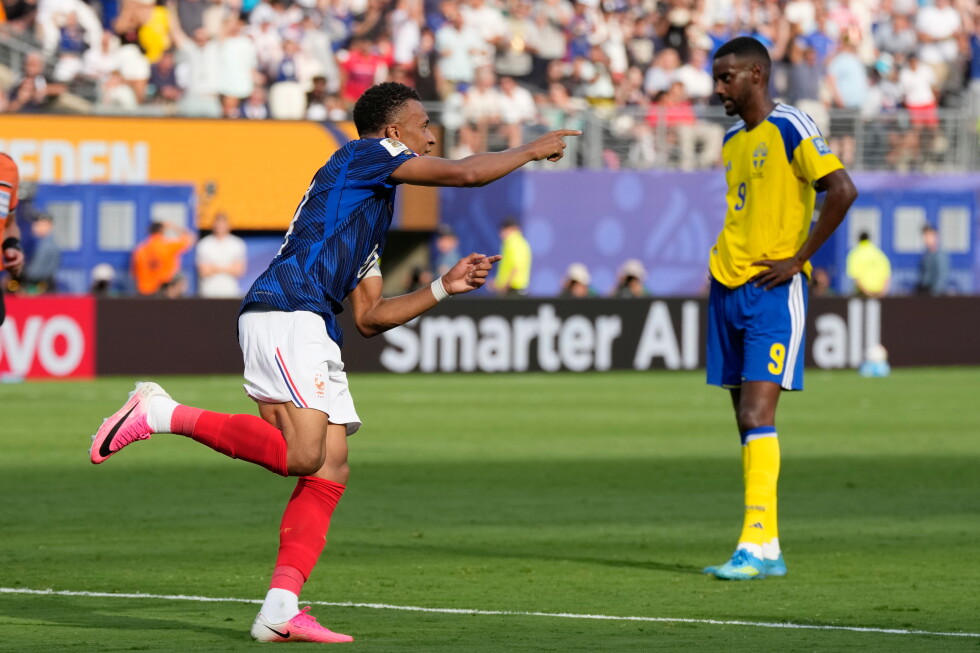
    In a emotionally charged World Cup match played in sweltering conditions at East Rutherford, New Jersey on Tuesday, French superstar forward Kylian Mbappé etched his name deeper into tournament history by claiming the all-time record for most goals scored in World Cup knockout stages. His 45th-minute strike marked his ninth knockout goal, pushing him past Brazilian legends Leonidas and Ronaldo, who had previously shared the record at eight goals apiece.

    The record-breaking goal came from a brilliantly executed team build-up and individual finish: after a smooth give-and-go exchange with winger Ousmane Dembélé, Mbappé dribbled past Sweden’s Viktor Gyökeres before curling a precise shot beyond goalkeeper Jacob Widell Zetterström to find the back of the net. Immediately after putting the ball in the net, Mbappé ran straight to the French bench to celebrate with head coach Didier Deschamps, making the moment even more meaningful.

    This match marked Deschamps’ first return to the sideline after he missed France’s final group stage game to travel back to Europe for his mother’s funeral, adding a layer of personal emotion to the historic milestone.

    The goal was also Mbappé’s fifth of this year’s tournament, pulling him level with Norwegian striker Erling Haaland in the race for the tournament’s Golden Boot, and leaving him just one goal behind Argentina’s Lionel Messi, who currently leads the scoring charts this edition. Across his entire World Cup career, Mbappé has now notched 17 goals in just 18 appearances, moving him within two goals of Messi’s all-time career World Cup scoring record of 19 – a record Messi set across 26 more tournament appearances than Mbappé has played to date.

    France dominated the first half from start to finish, outshooting Sweden by a wide margin of 15 to three amid punishing on-field conditions. Kickoff was held at 5 p.m. local time, with temperatures hitting 32 degrees Celsius (90 degrees Fahrenheit), paired with bright sun, high humidity, and poor air quality across the venue. Mbappé came close to notching a second first-half goal, hitting a powerful strike that bounced off the left goalpost; he even began celebrating before realizing the ball had rebounded back into play. The harsh conditions forced players to seek relief during the mandatory first-half hydration break, with French defender Lucas Digne even cooling off by standing under a pitch-side sprinkler to douse himself.

  • Koeman resigns, while Netherlands report racist abuse

    Koeman resigns, while Netherlands report racist abuse

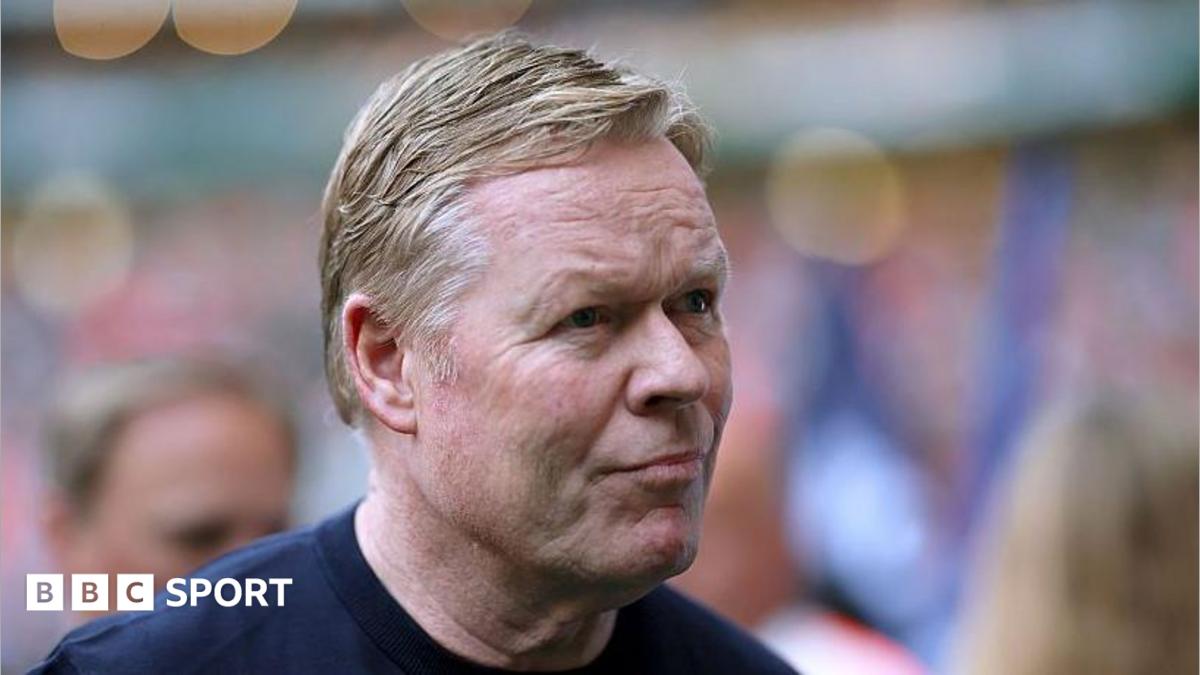
    The Netherlands’ 2026 FIFA World Cup campaign has come to an abrupt and heartbreaking close, with the team exiting the round of 16 after a penalty shootout defeat to Morocco that triggered two major developments: head coach Ronald Koeman’s immediate resignation and a sweeping crackdown by the Dutch football governing body against online racist abuse of three miss-converting players.

    The tightly contested match in Monterrey ended 1-1 after regulation time, forcing a decisive penalty shootout. When Justin Kluivert, Quinten Timber and Crysencio Summerville all failed to convert their spot kicks, Morocco secured its place in the next round of the tournament. In the hours that followed the defeat, the three young Dutch players were flooded with discriminatory, hateful and explicitly racist comments across major social media platforms, the Royal Dutch Football Association (KNVB) confirmed.

    Just days after the exit, 63-year-old Koeman announced he would step down from his role as national team manager, ending his second spell in charge of the Oranje. In a candid public post on Instagram, Koeman reflected on his decades-long managerial career, saying he leaves feeling proud of the work he accomplished at both club and international level. “Looking back on my career, I feel especially proud. I have worked with clubs and people that shaped me and gave me memories that I will cherish for a lifetime,” Koeman wrote. “We all dreamed of a World Cup in which we would write history. That didn’t work out. No-one is more disappointed about that than me.”

    Koeman’s resignation comes amid a personal health crisis for his family: his wife Bartina recently received a breast cancer diagnosis. The departing coach noted that recent years have shifted his perspective on priorities, making clear that family health outweighs professional football commitments. “The past years have made me realise again that there are more important things than football. Football has been my life, but health is priceless. When someone you love is fighting a tough battle, your perspective changes,” he added. Koeman also hinted that his departure could mark the end of his managerial career entirely.

    In response to the targeted abuse of its players, the KNVB announced it will pursue criminal charges against anyone found to have sent discriminatory messages, marking one of the most aggressive actions by a national football association against online abuse. “We find this appalling,” the association said in a statement. “Once a report is filed, legal staff assess whether the statement constitutes a punishable offence. This can lead to a formal complaint being lodged with the Public Prosecution Service, which may then initiate a criminal investigation.”

    This is not the first time high-profile European players have faced racist abuse after missing key penalties in major international tournaments. After England’s 2021 European Championship final defeat to Italy, Marcus Rashford, Bukayo Saka and Jadon Sancho were subjected to widespread online harassment following their penalty misses. That case ultimately resulted in two offenders receiving prison sentences and a third given a suspended sentence.

    “Football brings together millions of different people, whereas discrimination does the exact opposite. It therefore runs counter to everything football stands for,” the KNVB added.

    Dutch football expert Arthur Renard explained that while Koeman’s contract was set to expire imminently, the timing of his exit was shaped by his wife’s illness and the underperformance of the national side during his second tenure. Koeman first took charge of the Netherlands in 2018, and his first spell was widely viewed as a success: he integrated emerging talents like Frenkie de Jong into the squad, secured impressive Nations League wins over elite sides including France and Germany, and guided the team to qualification for the European Championships. He then left the role to take the top job at FC Barcelona before returning for a second stint as national manager.

    From the start of his second term, Koeman struggled to replicate the success of his first tenure. Critics have repeatedly labeled his tactical approach overly defensive, a point highlighted by his surprise decision to field a five-defender formation against Morocco — a system the team had not trained with extensively. The tactical shift required a last-minute adjustment that left the Dutch side off-balance and allowed Morocco to control large portions of play, Renard noted. Koeman’s side never found consistent form during his second campaign: while the team earned two draws against Spain in Nations League play, it never returned to the high competitive level it reached during his first term.

    Following the defeat to Morocco, it became clear that Koeman’s departure would open the door for a new coaching era for the Dutch national team.

  • Williams falls just short on Wimbledon singles return

    Williams falls just short on Wimbledon singles return

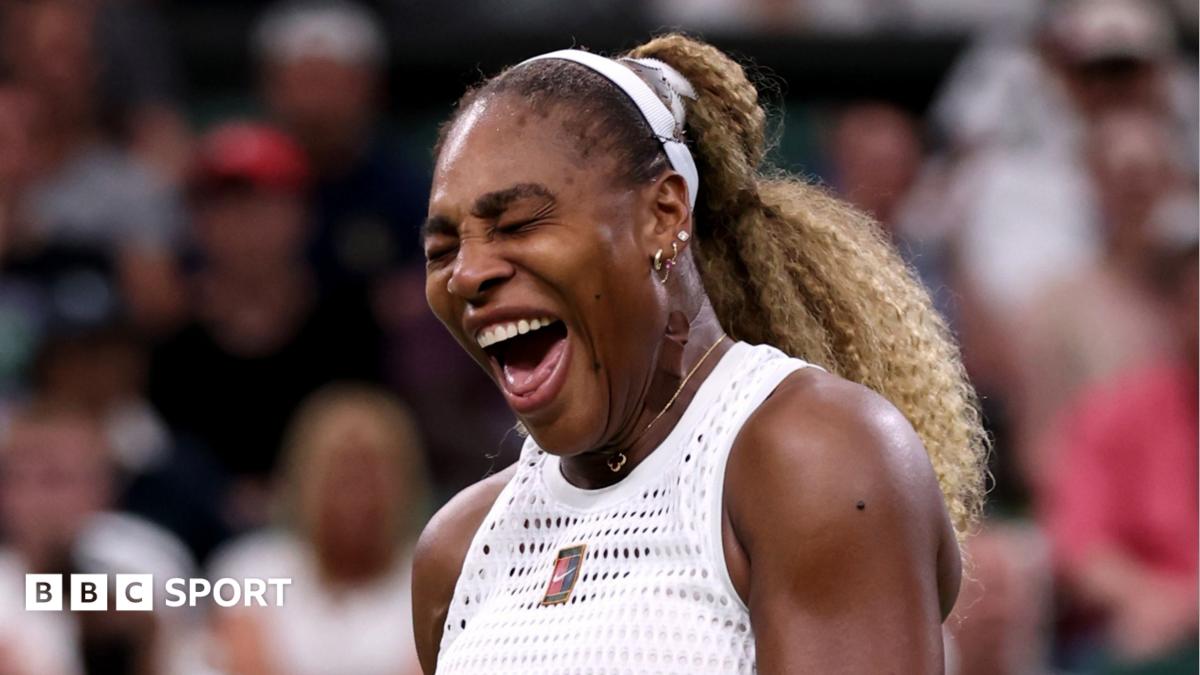
    Four years after what most assumed was her final goodbye to Wimbledon’s iconic Centre Court, tennis legend Serena Williams made a much-anticipated return to singles competition Tuesday, falling just short of a fairy-tale comeback in a nail-biting three-set clash against 20-year-old rising star Maya Joint.

    The 44-year-old American icon, owner of 23 Grand Slam singles titles and a record seven Wimbledon singles crowns alongside six doubles trophies, walked out to a thunderous standing ovation from the packed Centre Court crowd 1,462 days after her last singles point at the All England Club. Many thought Williams had permanently stepped away from competitive singles when she announced her planned retirement nearly four years ago, but a wildcard entry gave her the chance to step back onto the grass courts she dominated for decades.

    Her return to competitive tennis began earlier this month in doubles competition, with scattered glimpses of the power and tenacity that defined her legendary career. But questions lingered over whether the 44-year-old could match the pace and endurance of a far younger opponent in a full singles match, 12 years after she claimed her last Wimbledon singles title.

    The opening set appeared to validate those questions. Rust from her long hiatus showed as Joint, a 20-year-old Australian born in the U.S., dominated baseline rallies with sharp down-the-line winners, taking the first set 6-3. But Williams’ iconic never-say-die mentality soon emerged. Her level climbed steadily through the second set, and twice fought back from a break deficit to force a deciding tiebreak.

    When Joint earned a match point in the tiebreak, Williams delivered a blistering forehand winner followed by a 120mph serve to save the point, sending the crowd into a frenzy and forcing a decisive third set. The grueling battle took its physical toll, however, and Joint held firm to close out the match 6-3 6-7 (6-8) 6-3, securing the first Wimbledon main draw win of her young career.

    For Joint, who entered the match on an 11-match losing streak at the WTA Tour level, the upset was a career-defining moment. After the match, the 20-year-old told on-court reporters she could barely process the win: “I didn’t get much sleep last night, I was up until 2am just thinking about it. Walking out, I forgot the warm-up, my legs weren’t moving. I really don’t know what to say right now. I don’t know what just happened.”

    She added that beating the player she calls “the best of all time” was a childhood dream come true: “This court has had so many huge names that have played on it. She has so much aura, she is such a legend. I have been dreaming about this since I was a little kid, so this is pretty crazy.”

    Williams offered a gracious congratulation to Joint at the net before soaking in a minutes-long standing ovation from the supportive Centre Court crowd. Instead of attending the mandatory post-match press conference, she released a statement reflecting on her emotional return: “It was really great to be back at Wimbledon. I never expected to be here. The atmosphere was amazing. Walking out was amazing. I definitely relished it and missed it and enjoyed the moment more than anything.”

    Williams’ family was in attendance to support the legend, including her husband Alexis Ohanian, sister and longtime doubles partner Venus Williams, and her two daughters — 8-year-old Olympia and nearly 3-year-old Adira. Williams told reporters ahead of her comeback that playing in front of her daughters was her primary motivation for returning to the court. The Williams sisters are set to return to competition later this week for the women’s doubles draw, where they will face Camila Osorio and Solana Sierra in the first round as the six-time Wimbledon doubles champions look to add another chapter to their historic partnership.

  • Ecuador make Mexico fans hotel noise complaint

    Ecuador make Mexico fans hotel noise complaint

    As anticipation builds for a high-stakes 2026 FIFA World Cup round of 16 clash between Ecuador and co-hosts Mexico in Mexico City, a pre-match controversy has thrown the contest into the spotlight ahead of kickoff on Wednesday. Ecuador’s national football federation has officially submitted a grievance to World Cup governing body FIFA, calling out disruptive behavior by hundreds of local Mexican supporters outside the Ecuadorian team’s hotel just two days before the game.

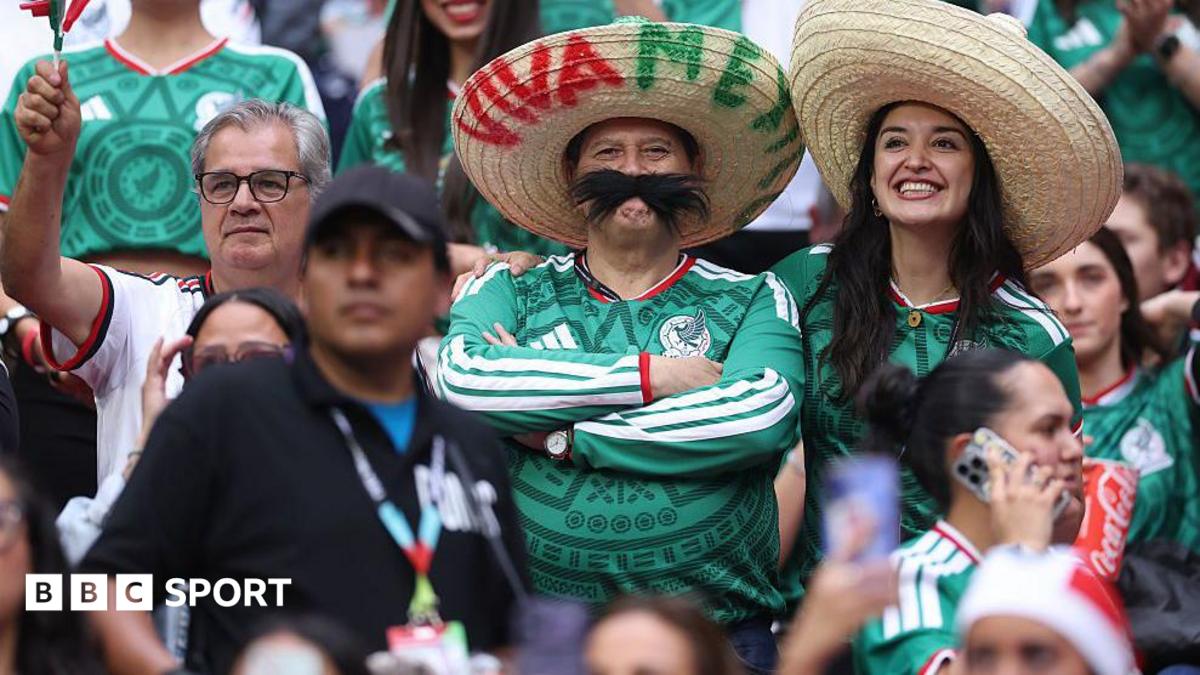
    Local media outlets confirmed that approximately 1,000 Mexico fans gathered outside the accommodation on Monday, staging a deliberately noisy public demonstration they framed as a “serenade”. The crowd used noisemakers, pots, and buckets to amplify their performance of the iconic Mexican folk song *Cielito Lindo*, before local law enforcement intervened to disperse the gathering and move the crowd back from the hotel perimeter.

    In an official public statement, the Ecuadorian federation condemned the action, arguing that it violates the core values of fair play, solidarity, and unity that the global FIFA World Cup is built on. Despite the criticism of the pre-match antics, the federation made clear that the Ecuadorian side would focus on responding to the provocation through their performance on the pitch at Mexico City Stadium, where the match will kick off at 02:00 BST on Wednesday.

    The statement also emphasized that Ecuador hopes such unsporting behavior will not overshadow the global football celebration that connects the two neighboring, culturally linked nations. FIFA has been contacted by reporters for a response to the complaint, and has not yet issued an official comment on the incident.

    This knockout-stage encounter already carries high stakes for both sides: Mexico has secured wins in all three of its previous 2026 World Cup matches played on home soil at Mexico City Stadium, while Ecuador earned its spot in the round of 16 after a stunning upset victory over Germany in the group stage. If both Mexico and England win their respective round of 16 matches — with England facing DR Congo later Wednesday at 17:00 BST — the two sides will face off in the quarter-finals right here in Mexico City.

  • Bigger than Rumble in the Jungle? DR Congo bid for World Cup history

    Bigger than Rumble in the Jungle? DR Congo bid for World Cup history

    Half a century after two contrasting global sporting moments put the central African nation then known as Zaire in the world spotlight, DR Congo is preparing to write an unprecedented new chapter of its own at the 2026 FIFA World Cup, facing England in the Round of 32 this Wednesday.

    The 1974 journey began with historic achievement: as the first sub-Saharan African men’s national team to qualify for a World Cup finals, Zaire entered the tournament riding high. Just three months prior, the squad – nicknamed the Leopards – had claimed their second consecutive Africa Cup of Nations title, building on a run of regional dominance that included three continental club titles between 1967 and 1973. Then-president Mobutu Sese Seko, who had seized power in a 1965 military coup and renamed the country Zaire in 1971 after independence from Belgium, lavished the squad with rewards: every player received a new house and car, and was pulled from their club duties to focus entirely on World Cup preparations.

    But behind the optimistic buildup lurked unresolved tensions that would unravel the team’s World Cup dream. By 1974, Zaire was already grappling with a severe economic crisis: global copper prices had plummeted, fuel shortages paralyzed daily life, and the World Bank had stepped in to stabilize the crumbling economy. Off the pitch, players grew furious when promised FIFA performance allowances never arrived, with many alleging that national football federation officials had embezzled the funds. The squad initially refused to take the field against Yugoslavia in their second group match, and while they eventually relented, the lack of morale and preparation led to a devastating 9-0 defeat – one of the worst lopsided losses in World Cup history.

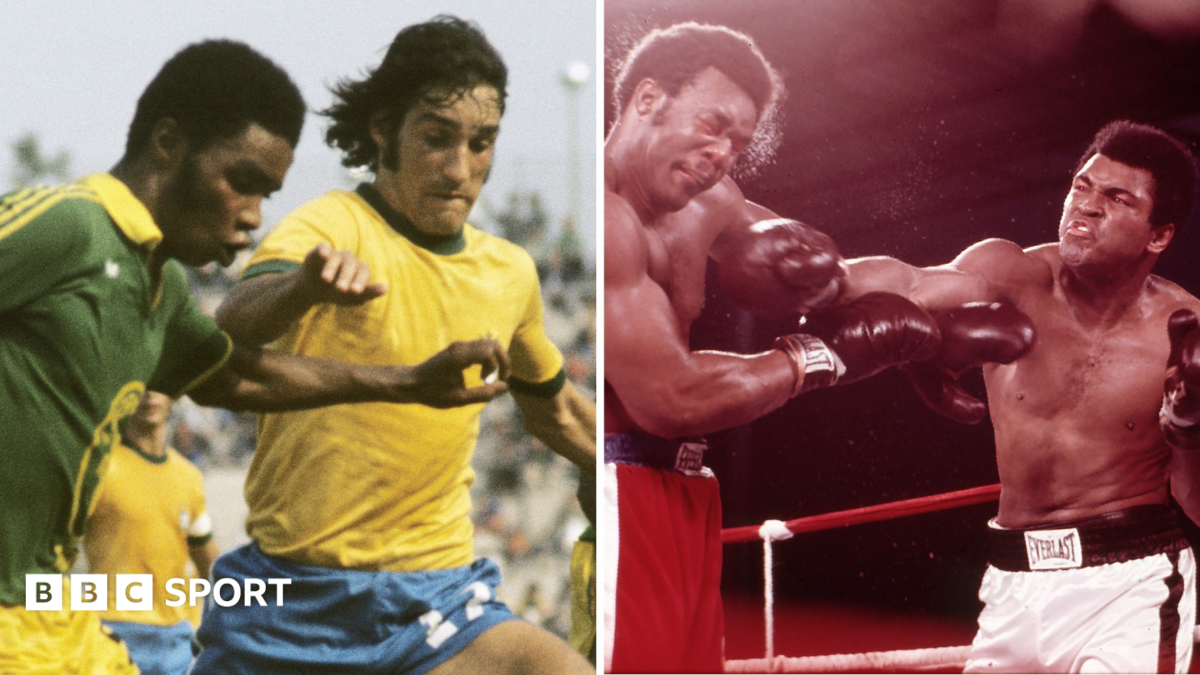
    The final group game against defending champion Brazil produced one of the most infamous moments in World Cup folklore. Trailing 2-0 late in the second half, defender Mwepu Ilunga broke from the defensive wall during a Brazilian free kick, and launched the ball far downfield. For decades, the incident was dismissed as proof that Zaire’s players did not understand the laws of the game. But nearly 40 years later, in a 2010 interview with the BBC five years before his death, Ilunga revealed the act was deliberate: he had hoped to receive a red card and walk off the pitch in protest of the stolen bonuses. “I was aware of football regulations. I did it on purpose,” he said. “Why should I play for the benefit of officials who took the players’ money? But I didn’t succeed, the referee didn’t give me a red card.” The protest ultimately changed nothing: Zaire exited the tournament winless, with three losses, 14 goals conceded, and zero goals scored.

    Just a few months later, the world’s attention returned to Zaire’s capital Kinshasa, this time for what is still widely considered the greatest boxing match in history: the Rumble in the Jungle, a heavyweight world title showdown between Muhammad Ali and George Foreman. Ali had been stripped of his heavyweight crown in 1967 and banned from boxing for three and a half years for refusing induction into the U.S. military to protest the Vietnam War, and by 1974 he was still chasing a chance to reclaim his undisputed title. Promoter Don King brokered a landmark deal: Mobutu agreed to pay $5 million to both Ali and Foreman to host the fight in Kinshasa, a staggering sum for the era. Journalist Justin Kabala Mwana, who covered the event for local media, recalled that Mobutu viewed the bout as a chance to put Zaire on the global map. “Mobutu said that the dignity of his country was beyond price, and that he was prepared to pay whatever it took,” Kabala told BBC Sport Africa. “The whole country was mobilised to welcome this super fight of the century, as if to rise to the challenge.”

    On October 30, 1974, a capacity crowd packed Kinshasa’s Stade du 20 Mai, most cheering for Ali as the underdog. The fight went down in history for Ali’s iconic rope-a-dope tactic: he leaned against the ring ropes for rounds, absorbing Foreman’s heavy blows to tire out the younger, stronger champion. By the end of the eighth round, Ali landed a blistering combination that knocked Foreman out, reclaiming the heavyweight title. “That day it was a celebration all over the country,” Kabala recalled. “People partied right through the night. Beer was flowing freely for up to 48 hours after the fight. Zaire caught its breath a little. Except economically, that wasn’t really the case. You could feel that once the party was over, it was goodbye to the good times.”

    For the 1974 Leopards, the hard times lingered for decades. Ilunga reported that the squad returned home “without a penny,” and admitted in 2002 that he was “living like a tramp.” Star striker Pierre Ndaye Mulamba was shot in the leg during a 1996 home invasion and later fled to South Africa. In 1997, Mobutu’s 32-year authoritarian rule ended, and the country was renamed the Democratic Republic of the Congo. The following years brought two regional wars that drew in nine African nations and killed an estimated six million people, and ongoing conflict in eastern DR Congo continues to destabilize the country today, alongside recent public health crises including an Ebola outbreak that disrupted the 2026 World Cup squad’s preparations.

    It took 52 long years for DR Congo to qualify for another World Cup, coming up just short in 2018 and 2022 before securing their spot this year. A big part of the squad’s success comes from tapping talent from the DR Congo diaspora, a strategy increasingly used by African nations: only six members of the 2026 squad were born in DR Congo, and none play domestically, where the local league has been gutted by decades of federation mismanagement. Yet under French coach Sébastien Desabre, appointed in 2022, the team has built a strong cohesive unit with consistent selection and team spirit. The 2026 Leopards have already broken the 1974 curse: they notched their first ever World Cup goal and point against Portugal in their opening match, followed by their first ever World Cup win against Uzbekistan to advance to the knockout stage.

    For a country that has endured decades of conflict, political instability, and economic hardship, this World Cup run means far more than just sporting glory. Many see it as a chance to replicate the unifying national energy of the 1974 Rumble in the Jungle, and reclaim national dignity after generations of struggle. “The World Cup has given people an investment into our country,” DR Congo supporter Tanya Maria told BBC Sport Africa ahead of the England match. “When people care about a country, when they care about the people that live there. That’s when change can happen.”

    For the current squad, the weight of expectation off the pitch is clear. “It’s not easy in our country,” striker Yoane Wissa, who scored two goals to secure DR Congo’s knockout spot, said after the win over Uzbekistan. “There’s a war in East Congo. Every day, every time we wear this shirt, we think about them. Because we want peace… We came from nothing to be here. Now we write our story.”

    Conditions for today’s players are a world away from the 1974 squad. With new leadership elected to the national football federation in May, there is cautious hope that the World Cup run can help revitalize domestic football and build long-term change. Centre-back Axel Tuanzebe, who scored the decisive goal in the intercontinental play-off against Jamaica that sealed DR Congo’s spot, noted that the squad has all the support they need to compete. “We’re very privileged to have everything that we need,” he said. “We’re not longing for anything and it enables us to go and perform the best we can.”

    For Kabala, who witnessed both the 1974 World Cup disappointment and the triumph of the Rumble in the Jungle, Wednesday’s Round of 32 clash against England is almost a more significant moment for the nation than the iconic 1974 boxing bout. If the 2026 Leopards can pull off an upset against the three-time World Cup contenders, they will write a new chapter of African sporting history that far outlasts any 1974 footnote.
  • Basketball superstar James to leave LA Lakers

    Basketball superstar James to leave LA Lakers

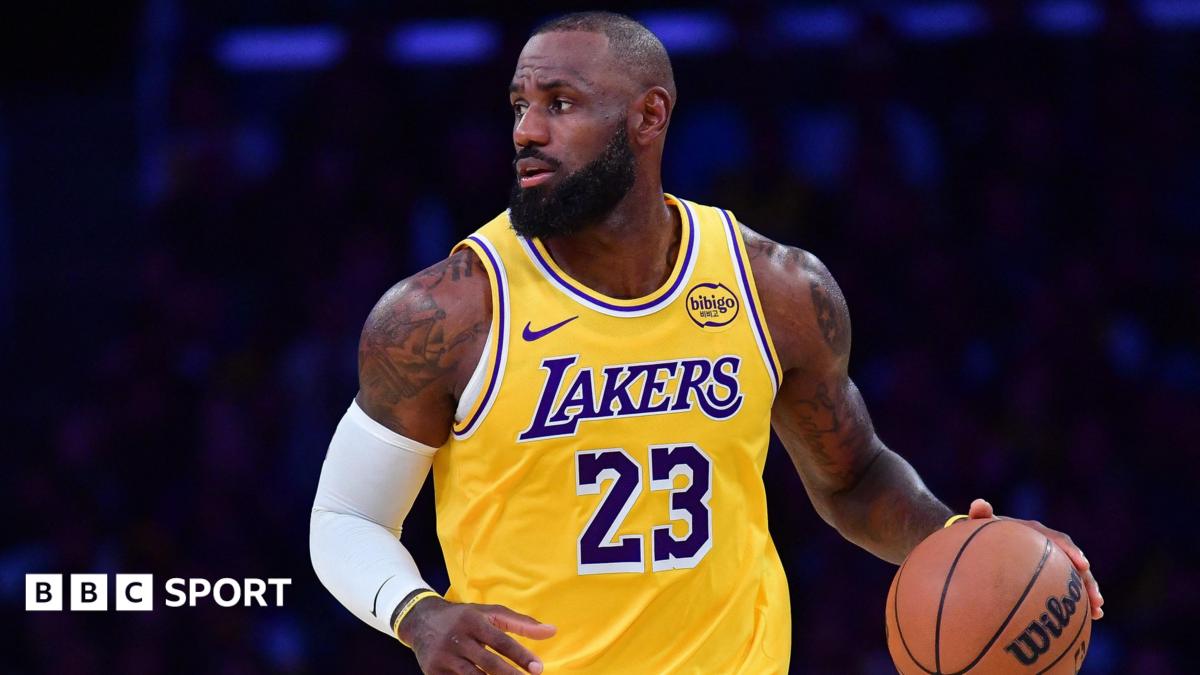
    After eight seasons of record-breaking performances and a celebrated championship run, 41-year-old NBA legend LeBron James has announced his departure from the Los Angeles Lakers, bringing an end to one of the most notable stints in the franchise’s recent history.

    James arrived in Los Angeles in 2018, and over his tenure with the purple and gold, he delivered one of the franchise’s most cherished modern titles: a 2020 NBA championship, secured just nine months after the tragic helicopter crash that killed Lakers icon Kobe Bryant, his daughter Gianna, and seven others. That title run, completed under extraordinary public health and personal hardship, stands as one of the most resilient victories in James’ career. In recent years, he also made history as the first NBA player to share the court with his own son, Bronny James, 21, who joined the Lakers roster in 2024.

    Across the 2024-2025 season, James maintained his elite level of play, averaging 20.9 points, 7.2 assists, and 6.1 rebounds per game. For his entire career, he holds the league’s all-time records for both total points (43,440) and games played (1,622), a testament to his unmatched longevity and consistency. A 22-time All-Star and four-time NBA champion, James’ career resume already includes titles with the Miami Heat (2012, 2013), Cleveland Cavaliers (2016), and the Lakers (2020). His iconic 2016 championship run with Cleveland remains one of the most legendary moments in basketball history: after returning to his hometown franchise, he rallied the Cavaliers from a 3-1 deficit in the Finals to defeat the same Golden State Warriors that are now linked to him, delivering Cleveland its first ever NBA title and fulfilling the promise he made to fans a decade earlier.

    In an official statement following James’ departure, the Lakers organization paid tribute to the future Hall of Famer, calling him one of the greatest athletes in world history. “We will always be grateful for his eight years with the Lakers – including the title he led us to in 2020, under the most difficult circumstances imaginable, and the countless records he broke in purple and gold,” the statement read. “We wish him the best in his future, both on and off the court. He will always be a cherished member of the Lakers family.”

    Multiple industry media reports now point to the Golden State Warriors as the leading suitor for James, as the 18-time All-Star looks to extend his historic career with a new franchise. Though no official deal has been confirmed, the potential move would see James join one of the league’s most successful modern dynasties, closing a full-circle narrative that began with his iconic upset of the Warriors in 2016.

  • Australia storms into another Women’s T20 World Cup final after crushing West Indies

    Australia storms into another Women’s T20 World Cup final after crushing West Indies

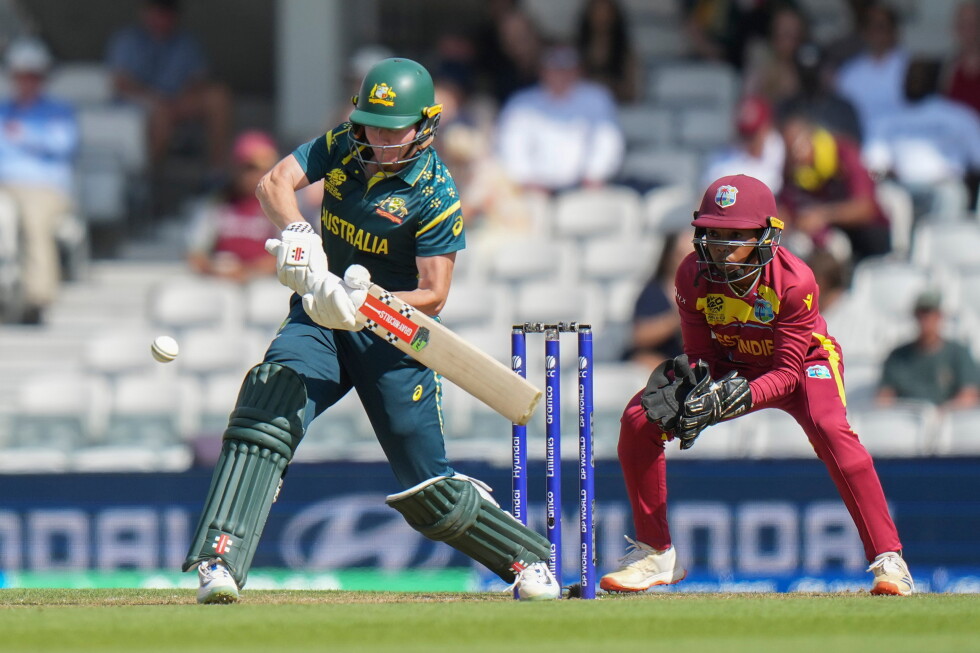
    LONDON — In a dominant display of batting prowess at London’s iconic Oval ground on Tuesday, Australia secured its place in yet another Women’s Twenty20 World Cup final, dismantling the West Indies by an eight-wicket margin with overs to spare.

    After winning the toss and choosing to field first, Australia restricted the West Indies to a total of 125 runs for the loss of seven wickets. The modest run target quickly proved well within Australia’s reach, as the tournament favorites chased down the required score with a full seven overs still left to play, making clear the gulf in class on the day.

    Midway through the run chase, opening batter Beth Mooney and all-rounder Ash Gardner forged a match-winning unbeaten partnership that dismantled the West Indies bowling attack. The pair stacked up 63 runs from just 37 deliveries, steering Australia to a final score of 127 for two wickets and securing the semi-final victory.

    Mooney anchored the innings with a rapid 61 runs off 36 balls, notching her eighth T20 World Cup half-century. This result ties her with New Zealand veteran Suzie Bates for the record of most fifties in the history of the women’s tournament. Gardner contributed an equally explosive 35 runs from only 20 deliveries, turning a steady chase into a commanding win.

    Heading into the final, Australia remains undefeated in this year’s tournament, and is now set to compete for its seventh T20 World Cup title. This appearance marks the side’s eighth trip to the tournament final in just 10 editions of the global competition, a testament to its decades-long dominance in women’s short-format cricket. Australia will face off against either host nation England or South Africa in the title match at Lord’s this coming Sunday. The second semi-final between England and South Africa is scheduled to take place this Thursday at the same Oval ground where Australia secured its win.

  • Mexican fans blast horns outside Ecuador’s hotel, fueling a sleepless World Cup eve

    Mexican fans blast horns outside Ecuador’s hotel, fueling a sleepless World Cup eve

    MEXICO CITY — In a well-documented yet controversial display of pre-match psychological warfare, Mexican football fans launched an overnight disruption campaign targeting the Ecuador national squad ahead of their high-stakes World Cup round-of-32 matchup at Mexico City’s iconic stadium. Dozens of supporters assembled outside the Ecuadorian team’s accommodation at the Westin Hotel in Santa Fe, an upscale suburban district of the Mexican capital, starting at midnight and continuing into the early morning hours. They used blaring loudspeakers, honking car horns, and revving motorcycle engines to prevent visiting players from getting any meaningful rest before their crucial match.

    This kind of pre-match hotel protest, often nicknamed a “serenade” by local fans, is a deeply ingrained but fiercely divisive tradition across Latin American football. What started decades ago as a spontaneous, passionate expression of support for the home side has gradually morphed into a calculated tactic, intended to unsettle opponents and sabotage their on-field performance by depriving them of critical sleep ahead of kickoff. The disruption was coordinated entirely through social media platforms, amplifying its reach and turnout among local fans.

    The late-night ambush capped off a string of misfortunes that plagued Ecuador from the moment they began their journey to the Mexican capital. The squad had intentionally planned a last-minute arrival on Monday night, a strategic choice designed to minimize the physical impact of Mexico City’s high altitude. Sitting 2,200 meters (7,300 feet) above sea level, the thin mountain air can cause acute fatigue, shortness of breath, and reduced athletic performance in unacclimatized players.

    Sports scientists currently endorse two primary strategies to handle high-altitude matchups: one requires an extended acclimatization period of at least two weeks, allowing the body to adjust gradually to lower oxygen levels. The alternative is the so-called “fly-in, fly-out” approach, where teams arrive as close to kickoff as possible, before acute altitude symptoms can develop. This is the standard strategy used by most major North American professional sports teams when traveling to play matches in Mexico City, and Ecuador opted to follow this same approach.

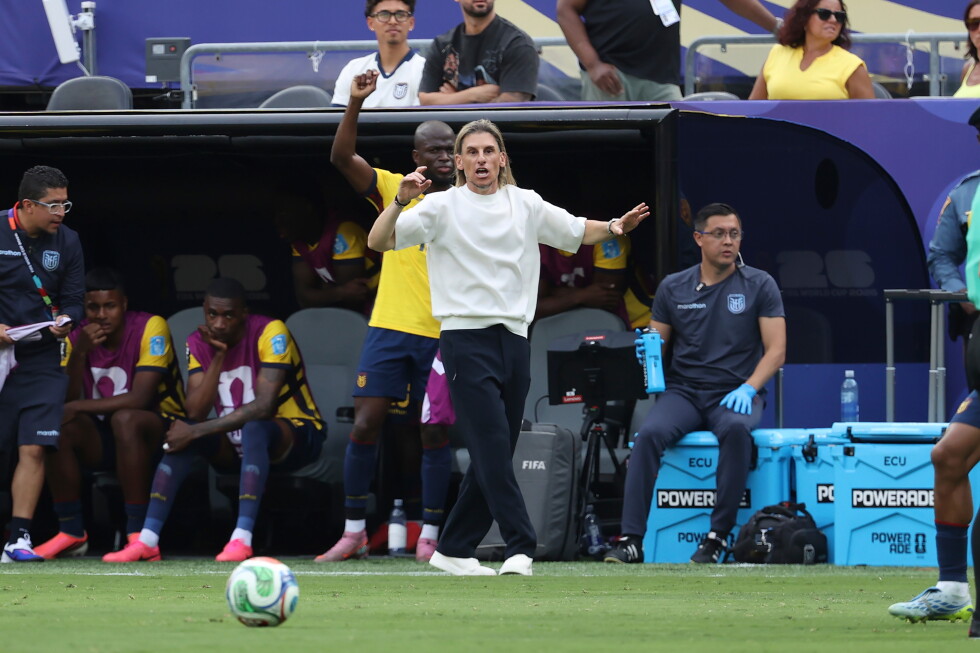
    But even the best-laid plans unraveled quickly for the South American side. Their journey from Columbus, Ohio was derailed by delays from the start. Head coach Sebastián Beccacece confirmed that the team’s flight was held up for more than three hours, though he did not clarify whether he had accounted for the two-hour time difference between the departure city and Mexico City. “It turned into a nine-hour trip from when we left to when we arrived at the hotel, three hours longer than our original schedule,” Beccacece told reporters. “That said, the squad is in good spirits and ready for the match — we know we’re facing a strong opponent that put up great results in the group stage.”

    Problems only compounded after the team landed. They touched down at Felipe Ángeles International Airport (AIFA), which sits roughly 65 kilometers (41 miles) outside the city center, far from their Santa Fe hotel. The squad then had to endure a grueling trek through Mexico City’s famously congested rush-hour traffic, which was made even worse by a heavy downpour that hit on Monday night, slowing travel to a crawl. The overnight fan disruption was the final unwanted challenge for the Ecuador squad ahead of their make-or-break World Cup clash.

  • Can the World Cup’s viral stars turn social media fame into fortunes?

    Can the World Cup’s viral stars turn social media fame into fortunes?

    The 2026 World Cup has produced more than just iconic on-pitch moments—it has sparked a new phenomenon where underrated, little-known athletes achieve overnight global fame through viral social media attention, reshaping how modern sports stardom is built. Two standout cases from the group stage illustrate just how dramatically social media can rewrite an athlete’s profile in a matter of days, even when that fame comes from very different origins.

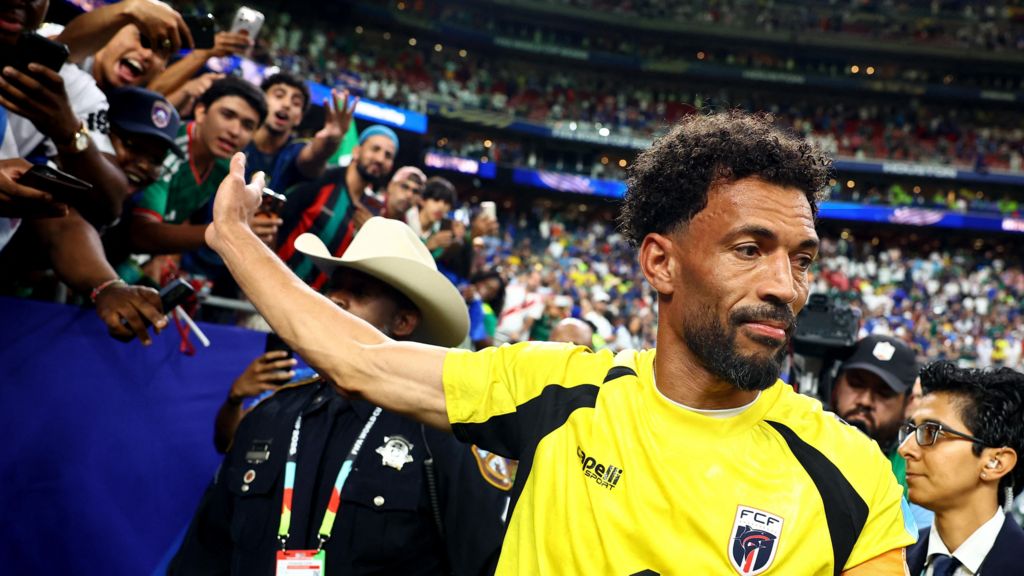
    For 40-year-old Cape Verde goalkeeper Vozinha, viral stardom was the product of a once-in-a-lifetime on-pitch performance. His 90-minute masterclass in goal against tournament favorite Spain secured a shock 0-0 draw for his underdog side, turning the previously little-known keeper into a global sensation overnight. In the days following the match, Vozinha’s Instagram follower count skyrocketed from just 50,000 to more than 17.4 million—surpassing the 15.5 million followers of NFL legend Tom Brady, one of the most famous athletes on the planet.

    Half a world away, New Zealand defender Tim Payne earned his viral fame through a very different route. Ahead of the tournament, an Argentine influencer with the online handle ‘elscarso’ dubbed Payne the ‘least-known player at the World Cup’ in a viral video, and called on his hundreds of thousands of followers to help boost the defender’s profile. Payne embraced the unexpected moment of attention, leaning into the trend by posting more content and engaging with the influencer who launched his rise. In just a few days, his follower count jumped from roughly 5,000 to nearly 6 million—enough to surpass the entire population of his home country, which sits just above 5.3 million. Unlike Vozinha, Payne’s new fame did not stem from a standout match performance, but from a spontaneous social media trend.

    Industry experts say these two cases are part of a larger shift in the sports world that has accelerated over the past decade. Mike Serazio, a Boston College professor who studies the intersection of media and sport, explained that unlike decades past, when athletes needed elite, long-term on-pitch success to land major commercial opportunities, social media has opened the door for any athlete to gain a following and strike lucrative brand deals. ‘You simply don’t need the mass media in the way that you did previously and athletes understand this,’ Serazio said. ‘Athletes have been taking to social media and using it ambitiously to cultivate followings, to strike brand deals, to make money, to leverage their popularity.’

    Serazio noted that today, viral moments carry more cultural and financial weight than consistent performance over an entire career or tournament. ‘Your performance across the whole arc of the game doesn’t matter as much as having a signature moment that’ll play well, that’ll reverberate in the viral confines of social media,’ he said. ‘The viral moment has greater currency, it’s the thing that matters more than the game itself.’

    While viral fame can open the door to six-figure payouts and brand partnerships—Brooke Duffy, a digital media scholar at Cornell University, confirmed that creators with millions of followers can regularly command payments exceeding $100,000 for sponsored content—experts warn that this fame is often fleeting. Serazio points out that viral stardom rises as quickly as it fades, questioning whether one-hit viral stars will be able to maintain their popularity and commercial opportunities long after the World Cup ends. ‘You have a window there of attention,’ Serazio said. ‘Nobody knew who the Cape Verde goalie was… and I don’t know that they’ll know who he is after the World Cup ends.’

    Unlike established global superstars such as Lionel Messi, Cristiano Ronaldo, or Kylian Mbappé, who will retain commercial clout long after they retire, there are far fewer examples of athletes who turned one viral moment into a sustainable long-term career off the pitch. One rare success story is U.S. rugby player Ilona Maher, who saw her popularity explode during the 2024 Paris Olympics and has since leveraged her following into a podcast, multiple brand ambassador roles, a modeling feature in Sports Illustrated, a runner-up finish on *Dancing with the Stars*, and a 2025 ESPY Award for Best Breakthrough Athlete.

    Duffy added that while long-term opportunities do exist for viral sports stars, the digital media economy remains unstandardized and unpredictable, with no set rates for sponsored content and few safeguards to guarantee a stable income. ‘These are individuals whose careers so far have been hitched to soccer. So thinking about how they navigate the variability of a kind of shadowy ecosystem of the digital media economy is curious,’ she noted.

    Right now, the cultural and financial value of these viral World Cup stars is at its peak. What becomes of their newfound fame, and whether it will translate to long-term professional and financial success, will ultimately depend on their ability to hold the attention of their new millions of followers long after the final whistle of the tournament.

  • Cape Verde will beat Argentina 1-0 in World Cup clash, predicts president

    Cape Verde will beat Argentina 1-0 in World Cup clash, predicts president

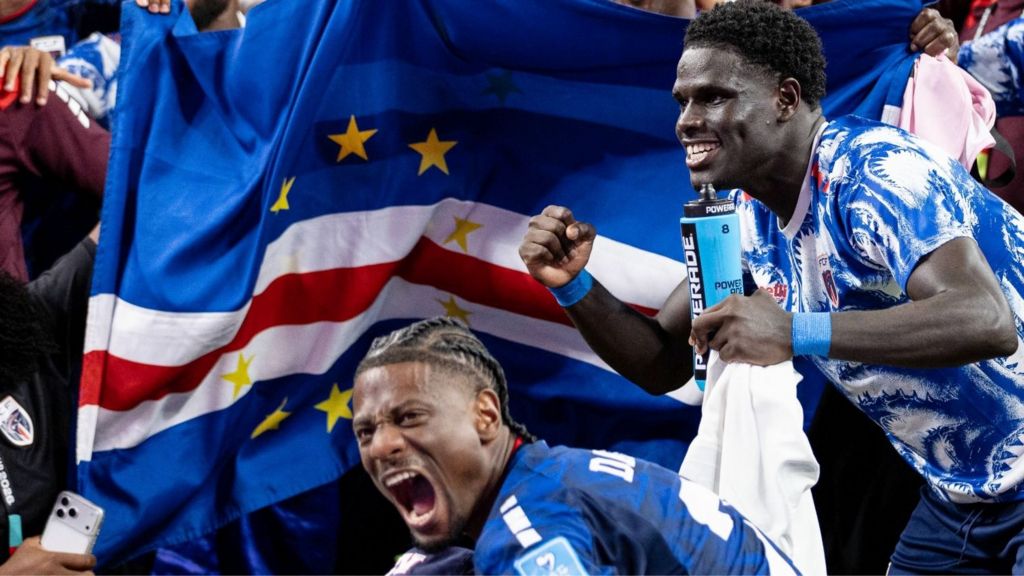
    Cape Verde, the tiny Atlantic island archipelago making its first ever FIFA World Cup appearance, is gearing up for one of the biggest underdog stories in modern football history. Fresh off becoming the smallest nation ever to advance to the tournament’s knockout round, the country’s president José Maria Neves has boldly predicted that his side, nicknamed the Blue Sharks, will pull off a seismic upset against defending champions Argentina in their upcoming round of 32 clash.

    In an exclusive interview with the BBC conducted from Cape Verde’s capital Praia, Neves laid out his optimistic vision for Friday’s match, scheduled for 22:00 GMT in Miami. “I think Cape Verde can beat Argentina 1-0,” he stated. “We are playing to win… when expectations are low regarding a team, and if that team has the urge to win, anything is possible. A small nation like Cape Verde should always strive to do exactly that — to permanently surprise the world.”

    Neves’ confidence stems from Cape Verde’s already historic run through the group stage, a stretch of results that has cemented the Blue Sharks’ reputation as giant-killers before they even take the pitch against Lionel Messi’s side. The team opened their World Cup campaign with a stunning goalless draw against European powerhouse Spain, where 40-year-old veteran goalkeeper Vozinha delivered a player-of-the-match performance to shut down one of the world’s most dangerous attacks. They followed that up with an exciting 2-2 draw against two-time World Cup winners Uruguay, then secured their knockout spot with another goalless draw against Saudi Arabia on Saturday. Finishing as Group H runners-up behind Spain, who defeated Uruguay in the final group match, Cape Verde wrote a new chapter of World Cup history as the smallest nation ever to reach this stage of the tournament.

    The gap between the two sides on paper could not be wider. FIFA’s current world rankings place Argentina at the top of the global standings, while Cape Verde sits 63 spots below, ranked just 13th among African national teams. That gap means nothing to Neves, who says the Blue Sharks bring far more heart and determination to the pitch than their ranking suggests. “Our team has 100% faith, 100% hope, and they will leave every last drop of effort on the pitch. So, we have a 100% chance to win against Argentina,” he said.

    The president’s bullish outlook aligns with the mindset of the entire Cape Verde camp, echoing comments made by head coach Pedro Leitão Brito, widely known as Bubista, over the weekend. Standing before reporters draped in his country’s flag, Bubista declared “to us, nothing is impossible” after the team secured their knockout spot. The coach added that the team’s core mission extends far beyond results: “From the very beginning, we’ve said that one of our main goals was to show our country to the rest of the world. To be able to play Argentina and Messi at this stage of the World Cup is a win for our country, no matter what happens in the match itself.”

    For the players, the run already feels surreal. Midfielder Deroy Duarte called the experience “like being in a dream,” acknowledging that facing Argentina will be an enormous challenge but adding that the side remains fully focused on causing an upset: “It will be tough, but let’s believe. Anything is possible.”

    Even if the underdog run ends on Friday, Neves says there is no reason for disappointment, framing the entire tournament as a success for the small island nation. “There is no such thing as failure for us here,” he explained. “Regardless of the outcome, we will leave the World Cup with our heads held high, knowing we accomplished every mission we set out to achieve. We came to this tournament to write our own destiny, and that destiny starts with facing the best champions in the game.”

    Cape Verde fans across the globe have already celebrated the team’s historic run, with many describing the Blue Sharks’ progression to the knockout stage as nothing short of a miracle. As kickoff approaches, the entire football world will be watching to see if the smallest underdog in the tournament can pull off the biggest upset in World Cup knockout history.