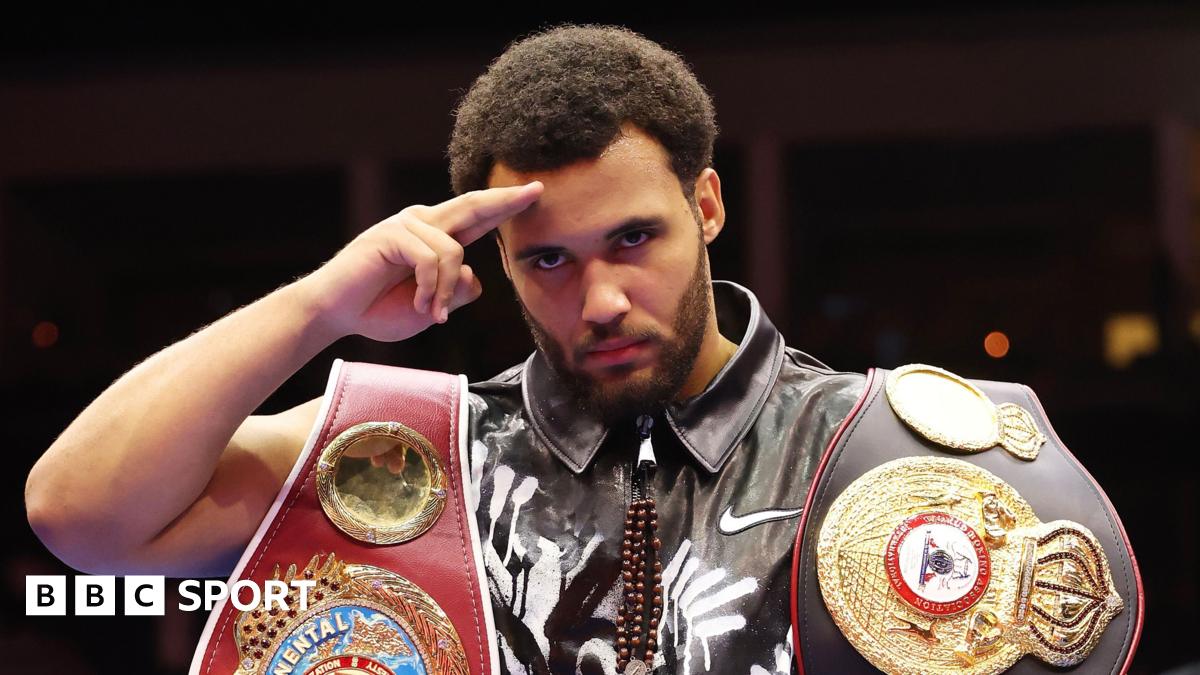
British-Nigerian heavyweight sensation Moses Itauma has discovered profound personal meaning beyond his rapid boxing success through reconnecting with his African roots. The 21-year-old phenom, who maintains an unblemished 13-0 professional record with 11 knockouts, recently visited his father’s homeland of Nigeria for the first time in over a decade, finding answers to questions about identity that had long eluded him.
Born in Slovakia to a Nigerian father and Slovak mother, Itauma endured racial abuse during his childhood in Eastern Europe before relocating to England. His journey to Akwa Ibom state in southeastern Nigeria provided unexpected emotional resolution. “Some of the questions that I want to be answered are in my dad’s village,” Itauma revealed. “Why am I this type of way? Why do I look this type of way? Or why do I think this type of way?”
The heavyweight contender described an overwhelming reception at Lagos’ Murtala Muhammed Airport, where security personnel immediately embraced him as one of their own despite knowing nothing about his background. “They said just because I’m Nigerian, I’m doing well, that they’re proud of me. That’s something I’ve never had anywhere else,” Itauma noted, drawing sharp contrast with his experiences in Slovakia where he received no recognition.
Itauma joins a growing trend of British-Nigerian boxers reconnecting with their heritage. Anthony Joshua, who sports a continent tattoo on his arm, and Lawrence Okolie, who headlined a fight card in Lagos last December, have paved the way for this cultural homecoming. While Nigeria’s boxing authorities acknowledge there’s limited financial incentive for these visits, they recognize the value in star athletes promoting the sport and connecting with their cultural roots.
As Itauma prepares for his delayed bout against American Jermaine Franklin in Manchester on March 28, he carries with him a renewed sense of belonging. The Commonwealth champion believes victory could propel him toward world title contention, potentially with strong Nigerian support behind him. His journey illustrates how athletic excellence and cultural identity increasingly intersect in modern sports, particularly for athletes with multinational backgrounds seeking connection to their heritage.