分类: sports

  • Coach Didier Deschamps back with France at World Cup after flying to Europe for his mother’s funeral

    Coach Didier Deschamps back with France at World Cup after flying to Europe for his mother’s funeral

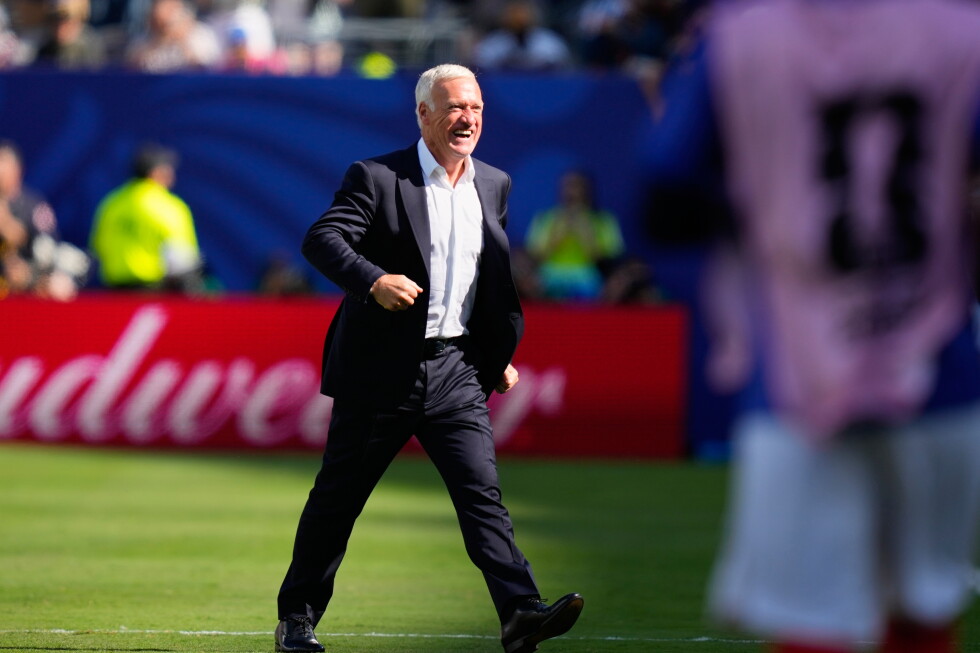
    Less than a week after stepping away from the French national men’s soccer team to attend his mother’s funeral, head coach Didier Deschamps has returned to the squad’s base in East Rutherford, New Jersey, ready to lead Les Bleus into their critical World Cup round of 32 matchup against Sweden on Tuesday.

    The devastating news of Deschamps’ mother’s passing reached the coach just one day after France secured a 2026 Men’s World Cup group stage win over Iraq on June 22, a result that locked in the team’s spot in the knockout round. With Deschamps traveling back to Europe for the funeral service, assistant coach Guy Stéphan stepped in to lead the squad against Norway on Friday, and the team delivered an impressive 4-1 victory to cap off a clean group stage sweep.

    Speaking to reporters Monday through a translator, just hours after touching back down in the United States the previous evening, Deschamps confirmed he was ready to rejoin the team’s preparations. “I’m here. I’m good, and it’s good to be busy,” he said, acknowledging the profound difficulty of the past week. “For me it was very difficult. And for me and for the French national team it was important that I left. They did what they had to do. And now we’re preparing a competition within the competition.”

    France’s undefeated run through the group stage marks the first time the nation has won all three of its group matches at a World Cup since 1998, the year Deschamps lifted the trophy as team captain. France joins Argentina and Mexico as the only three nations to claim three consecutive group stage wins at this year’s tournament. If Deschamps’ side gets past Sweden, they will advance to the round of 16 to face the winner of the Germany vs. Paraguay match. The team is still in the running for its third World Cup title, following 1998 and 2018.

    One of the team’s star midfielders, Adrien Rabiot, shared that Deschamps’ sudden departure came as a surprise to the squad, but the group pulled together to deliver a result in his absence. “It was somewhat of a shock. He completely trusted in us and we delivered the best way possible. We’re happy that he’s back,” Rabiot said through a translator. “I don’t think that it’s so easy to have to grieve in these conditions. This is football and now we have the World Cup and it is the way it is.” Rabiot added that Deschamps has returned focused on the tournament, working hard to keep his private grief from affecting the squad: “Didier came back with the willpower to go as far as possible in this World Cup. It is something that, of course, will also help him to forget a little bit about these tragic events. He smiled a lot. He tried to be enthusiastic, although I know that he’s very affected by his grief. I think he’s trying not to show it, not to transmit any negative to the squad.”

    Deschamps is one of the most decorated coaches in French soccer history, having led the national team to a World Cup title in 2018 and a runner-up finish at the 2022 tournament, where the side fell to Argentina in a penalty shootout. Appointed head coach in 2012, Deschamps announced earlier this year that he will retire from his post this summer. A win in this year’s tournament would make him just the second men’s coach in history to claim two World Cup titles, following Italy’s Vittorio Pozzo who won back-to-back trophies in 1934 and 1938.

    The French soccer federation’s request to allow the squad to wear black armbands during the match against Norway to honor Deschamps’ mother was denied by FIFA. When asked about the decision, Deschamps downplayed its impact. “It doesn’t change a lot for me, to be very honest with you. I didn’t need that to have an additional sign. I already had enough signs as it was, whether it was directly or indirectly,” he said. FIFA has not yet issued a public comment on the denial.

    Heading into Tuesday’s matchup, Deschamps confirmed that the squad will be without starting striker Marcus Thuram, who picked up a minor calf injury that will keep him sidelined for the round of 32. Thuram, the son of 1998 World Cup champion Lilian Thuram, has only made one appearance so far in this tournament, coming on as a late injury time substitute against Iraq. Star midfielder N’Golo Kanté is also listed as questionable for the starting lineup, Deschamps confirmed, noting that the issue is not muscular but may still keep him out of the first 11. Veteran defender William Saliba, who played the full 90 minutes in the first two group stage matches before resting against Norway, is dealing with a recurring back issue but is expected to be available. “He’s not at 100%, but if he’s at 99% it’s good for the matches. Everything is good,” Deschamps said.

    Tuesday’s matchup marks the first time France and Sweden have ever faced off at a men’s World Cup. France heads into the game with the best goal difference of any team in the tournament so far, at plus-8, with 10 goals scored and just 2 conceded across the group stage. Still, Deschamps said there is room for improvement ahead of the knockout round: “We could have scored more. We did concede two goals, but we did concede too many goal-scoring opportunities.”
  • ‘I’m done’: Ben Stokes has no regrets about England retirement call

    ‘I’m done’: Ben Stokes has no regrets about England retirement call

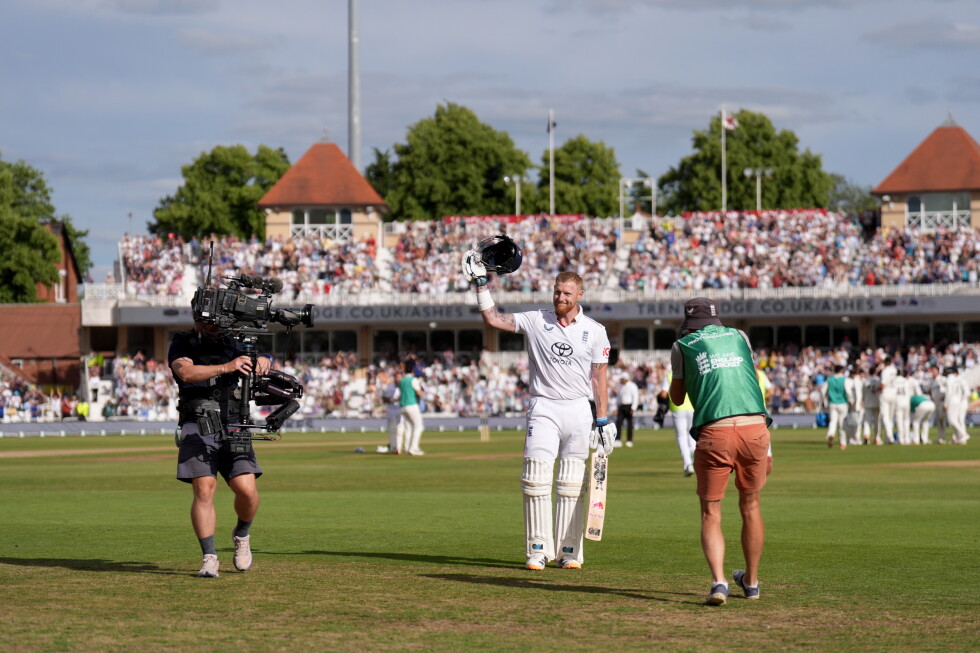
    One of the most influential figures in modern English cricket has closed the book on his 15-year international career, and Ben Stokes says he leaves with zero regrets. In an announcement that sent shockwaves through the global cricket community on Sunday, the 32-year-old all-rounder revealed his retirement from all international cricket mid-way through the third Test against New Zealand at Trent Bridge in Nottingham.

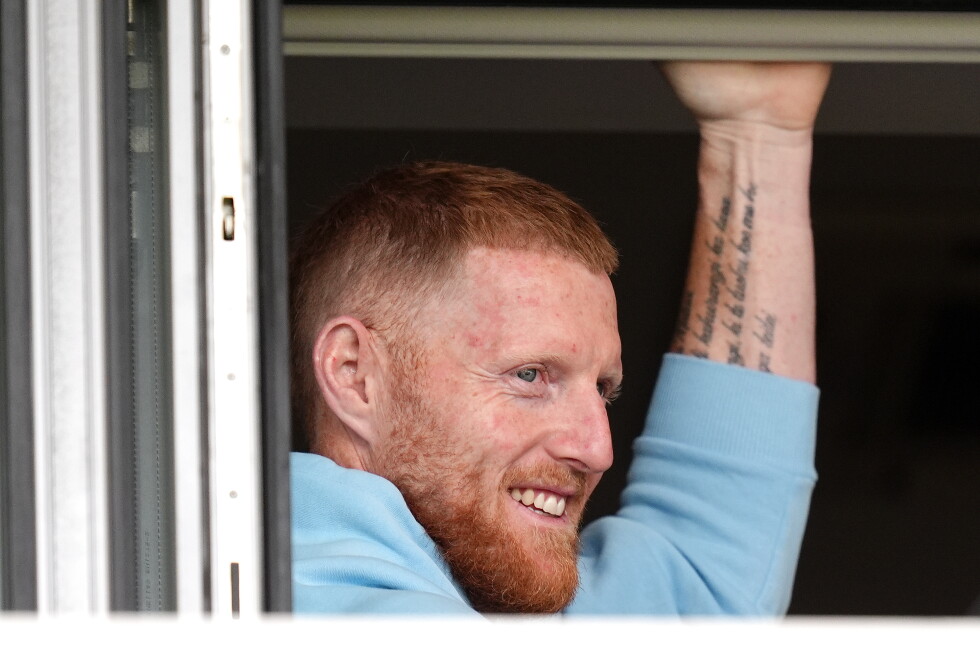
    Stokes’ final appearance in an England uniform came on Monday, as New Zealand sealed a 160-run victory to claim the series 2-1. The retiring star watched the closing hours of the match from the balcony of England’s dressing room, wrapping up an iconic tenure that redefined Test cricket under the “Bazball” revolution.

    A day after his bombshell announcement, the BBC asked Stokes how he would feel watching England’s upcoming 2025 home Ashes series against Australia from the comfort of his sofa. “I am incredibly content with everything right now,” Stokes responded. “It’s a decision that you don’t take lightly. It has taken a lot of time. I’ve spoken to a lot of people close to me. I’m done, mate, and I’m very happy.”

    The retirement caps a turbulent few weeks for Stokes, who captained England to an opening Test win at Lord’s before a controversial post-victory night out. The incident, which saw Stokes present at a nightclub where an England security staff member was allegedly assaulted by a Saracens rugby player, led to his suspension from the second Test for breaching team contractual rules. After an internal investigation concluded, he was reinstated to the side for the third Test.

    Stokes described the sequence of recent events as “unfortunate” and “interesting”, acknowledging that they “maybe” contributed to his final call to step away. But he emphasized that long-term physical and mental toll from 15 years at the top of the sport was the core driving factor behind his retirement. “Over the last 6-12 months I think everything that I’ve done over a long period of time has taken its toll,” he explained. “Being in this role as captain — as good as it is, as exciting as it is, how big an honor it is — there’s some negative effects to doing it. I guess that’s the unfortunate side that people don’t always get to see.”

    Reflecting on the controversy that marked his final match, Stokes joked that the off-field drama fit the narrative of his entire career. “I can probably look back on the week and have a bit of a laugh that there was a bit of controversy around my last game for England, but I guess you could relate that to me as a player throughout,” he said. “I’m a little bit hit and miss sometimes, here and there, and obviously something pretty simple ended up being a bit complicated.”

    Over his 15-year international tenure, Stokes cemented his legacy as one of England’s greatest ever match-winners. He played central roles in England’s historic 2019 50-over World Cup victory and 2022 T20 World Cup title, and took over Test captaincy in 2022 to launch the aggressive, win-at-all-costs “Bazball” approach that upended decades of conventional Test cricket strategy. Off the field, Stokes has long been open about his struggles with mental health, and previously made headlines after being acquitted of affray charges following a 2018 late-night street brawl in Bristol.

    Stokes’ sudden departure has thrown the future of England’s existing cricket leadership structure into question. Head coach Brendon McCullum, who partnered with Stokes to build the Bazball project, has confirmed he still intends to stay in his role, which now covers both Test and white-ball teams. McCullum, who said he tried to persuade Stokes to reverse his retirement decision, reaffirmed his long-term commitment to English cricket. “My commitment to English cricket has never wavered,” he said. “I firmly believe in the direction that we can get this team to take.”

    The New Zealand series was meant to serve as a reset for England after a lopsided 4-1 Ashes defeat in Australia, where questions were already raised about player professionalism and a problematic team drinking culture. Critics argue the recent nightclub incident involving Stokes shows no corrective action has been taken, and poor recent results — seven losses in nine Tests — point to a team in steady decline. Former England captain Michael Vaughan has said he would be shocked if the current leadership group remains in place. “There must be change,” Vaughan told the BBC, “after what we’ve seen here in terms of a cricketing sense now over a period of time.”

  • Kerr joins NWSL side Gotham FC

    Kerr joins NWSL side Gotham FC

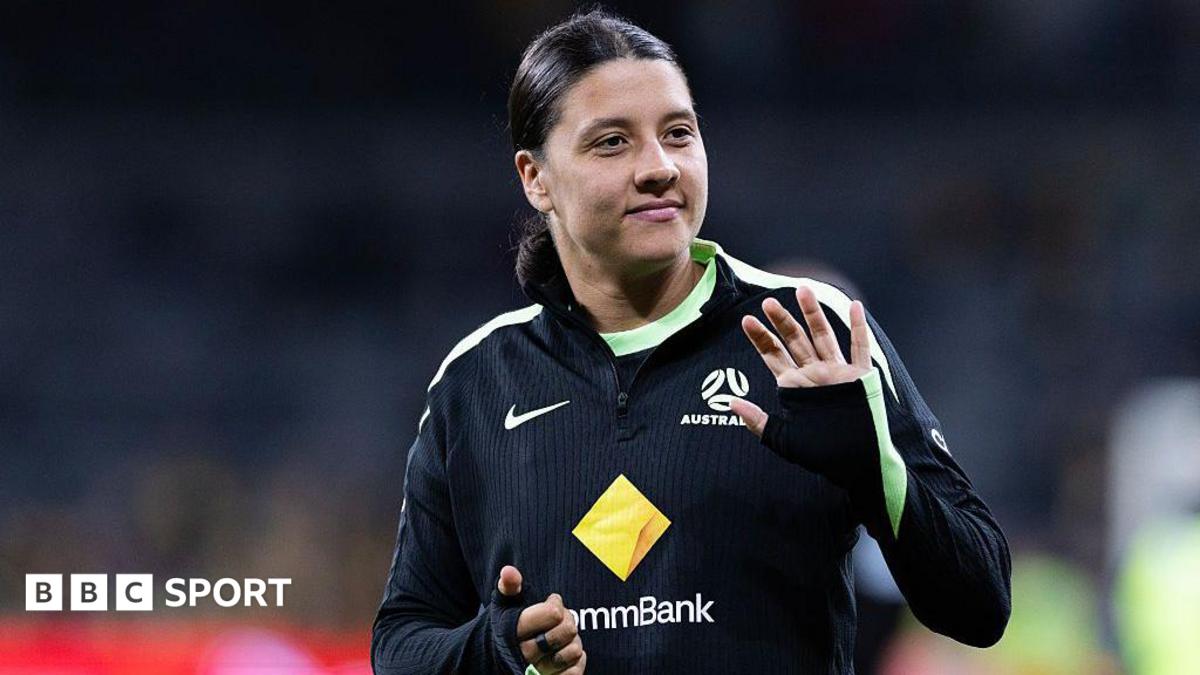
    One of women’s football’s most decorated forwards, Australian striker Sam Kerr, has finalized a four-year contract with NJ/NY Gotham FC, bringing her legendary career back to the U.S. National Women’s Soccer League (NWSL) following a trophy-laden five-and-a-half-year stint with England’s Chelsea. The 32-year-old, who departed Chelsea this summer as her contract expired, first announced her exit from the Women’s Super League (WSL) side back in May.

    Kerr leaves Chelsea as one of the most influential players in the club’s women’s history, sitting alongside Fran Kirby as the club’s all-time top WSL scorer. Across 158 appearances in all competitions for the Blues, she found the back of the net 116 times, including a fitting match-winning goal in her final home game against Manchester United before her exit. During her tenure starting in January 2020, Kerr helped Chelsea lift an extraordinary 11 major trophies: five WSL titles, three FA Cups, three League Cups, and one Community Shield. When she first joined Chelsea from the Chicago Red Stars, the transfer was widely hailed as the biggest incoming move in WSL history at that time, and she quickly lived up to the superstar billing, emerging as a cornerstone of former manager Emma Hayes’ title-winning squads.

    Her legendary status extends far beyond the WSL. Kerr still holds the record as the NWSL’s all-time leading top scorer years after leaving the U.S. for England. She claimed the NWSL Golden Boot three consecutive seasons, notching an 18-goal campaign that stood as the league’s single-season record until Temwa Chawinga broke it with 21 goals in 2024. She also previously held the Australian W-League all-time scoring record, and remains third on that league’s goal tally list to this day. In 2023, at the peak of her form, Kerr scored 29 goals in 38 appearances to lead Chelsea to a WSL and FA Cup double, earning her a second-place finish in that year’s Ballon d’Or Feminin voting.

    Her time at Chelsea hit an unexpected setback in January 2024, when she suffered a season-derailing anterior cruciate ligament (ACL) injury. The recovery process stretched more than 18 months, and she only regained full match fitness in the second half of the 2025-26 season, long after Chelsea’s title challenge had faded. Off the pitch, Kerr has marked several major life milestones during her recovery: she married former West Ham United and U.S. international midfielder Kristie Mewis, and the couple welcomed their first son in May 2025.

    For Kerr, the move to Gotham FC marks a homecoming. She previously played for the club between 2015 and 2017, when the side competed under its old name, Sky Blue FC. “I’m incredibly excited to return to Gotham FC and to this city,” the striker said in a statement confirming the transfer. “This club was an important part of my journey, and to come back at this moment, with everything Gotham has built, is really special. The ambition here is clear, and I’m looking forward to helping this team compete for trophies and create more history.”

  • Africa’s World Cup success leaves Asia looking for answers

    Africa’s World Cup success leaves Asia looking for answers

    The 2026 FIFA World Cup has delivered one of the most dramatic shifts in global football dynamics in recent memory, as African nations have mounted a historic breakout performance that vindicates the controversial tournament expansion pushed by FIFA President Gianni Infantino — a stark contrast to a underwhelming showing from Asian sides that has sparked crisis across the confederation.

    Just eight years ago at the 2018 Russia World Cup, African football hit a historic low point. None of the continent’s five competing nations advanced past the group stage, scraping together only three wins from a possible 15 matches. At the time, critics argued that Infantino’s plan to expand the World Cup from 32 to 48 teams, which allocated an additional four spots for African sides, lacked justification after the confederation’s underperformance. Critics questioned whether adding more African teams would simply dilute the quality of the tournament.

    Eight years on, those doubts have been completely erased. Of the 10 African teams that qualified for the 2026 tournament, nine have advanced to the expanded 32-team knockout round. Only Tunisia failed to progress, with Cape Verde, Egypt, Ivory Coast, Morocco and South Africa finishing second in their groups, while Algeria, DR Congo, Ghana and Senegal claimed third-place spots to punch their tickets to the knockout stage. To put this achievement in context, before the 2022 Qatar World Cup, only three African nations had ever reached the World Cup quarter-finals: Cameroon in 1990, Senegal in 2002 and Ghana in 2010. Four years ago, Morocco made history by becoming the first African side to reach the semi-finals, beating powerhouse sides Belgium, Spain and Portugal along the way.

    Confederation of African Football (Caf) president Patrice Motsepe attributes this turnaround to years of deliberate investment across the continent. “This progress is the result of hard work and targeted investments in youth football development, coaching education and the growth of professional domestic leagues,” he noted. Former Nigeria captain William Troost-Ekong added that Morocco’s success created a replicable blueprint for other African nations. “Morocco spent years and years investing in grassroots football and elite academies. They put in not just money, but time and effort, with a clear long-term vision for progress. The quality of their facilities and consistent development across all age groups is the model every country should follow,” Troost-Ekong told BBC Sport Africa.

    While the expanded 48-team format, which allows third-place group finishers to advance to the knockout round, created additional opportunities for African sides, it cannot fully explain the gap between African and Asian performance. The expanded structure spreads traditional powerhouse nations across 12 groups, with only four groups hosting two top-ranked sides, meaning most groups were more competitive than critics initially predicted. Even with this context, the difference in results is stark: only two of Asia’s nine qualifying nations advanced to the knockout round, a major regression from 2022, when three Asian teams reached the knockout stage.

    Across the group stage, African nations earned 1.33 points per game with 10 wins from 30 matches, while Asian sides managed just 0.67 points per game with only three wins from 27 matches. In five critical final group matches that pitted African against Asian teams for knockout qualification, Asian sides failed to win a single game, dropping four. The outcome has already triggered major fallout across Asian football. South Korea, a consistent World Cup qualifier, crashed out after a shock final-group defeat to South Africa, prompting South Korean President Lee Jae Myung to call for a full investigation into what he called “a failure of organisation and personnel” within the national team program. Within hours of elimination, head coach Hong Myung-bo stepped down. Rookie World Cup qualifier Jordan also lost all three of its group matches, and head coach Jamal Sellami pointed to a key structural gap explaining the performance difference between African and Asian sides: access to top-tier European club football.

    Statistics bear out this observation: 20 of Morocco’s 26-man 2026 World Cup squad play in Europe, 15 of them in the continent’s top five leagues. DR Congo has 24 of its 26 players based in Europe, while even Egypt, the country with the lowest share of European-based players among African qualifiers, has six players competing on the continent. Compare that to Asian sides: Jordan has only one player from its squad competing in Europe, while Iraq and Uzbekistan have three each, and Iran have four. Even Japan, Asia’s most successful representative this tournament, has 23 European-based players, matching the depth of top African sides, while Australia has 16 and South Korea 15, demonstrating that the most competitive Asian nations do share a similar development path with top African sides — but most of the confederation has not kept pace.

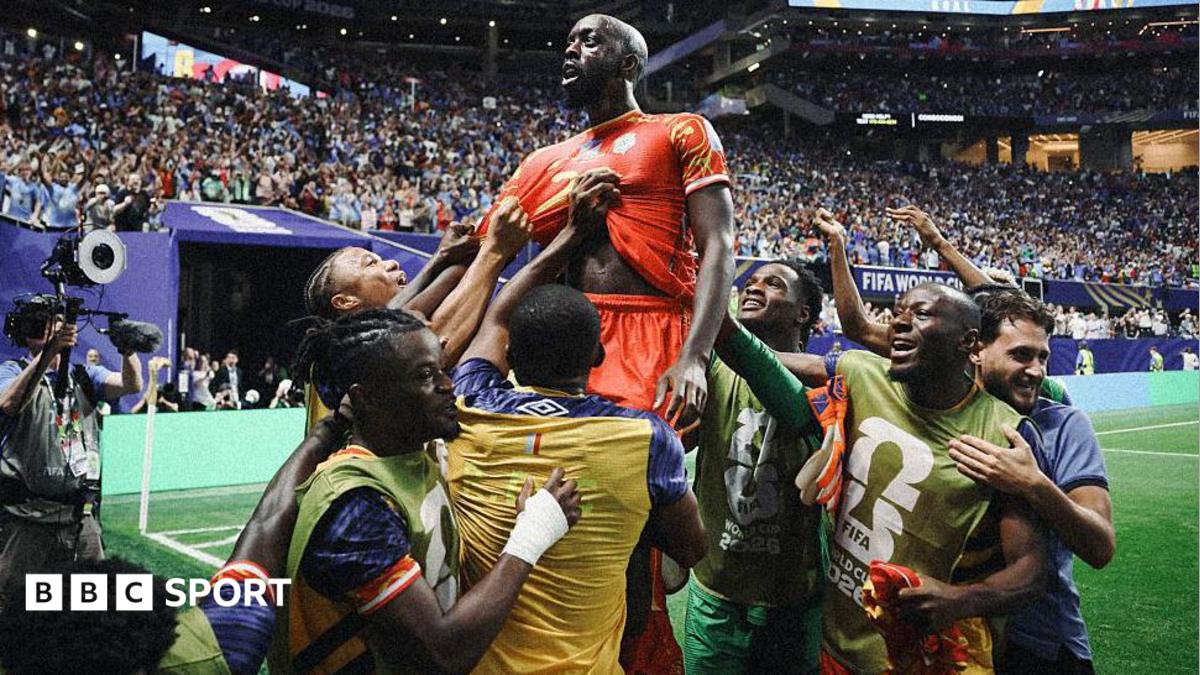
    Now, as the knockout round gets underway, African sides have a historic chance to build on their group stage success. DR Congo, thanks to two goals from Yoane Wissa, will face England in Atlanta on Wednesday, while Algeria, which claimed one of the best third-place spots, will face Switzerland in Vancouver on Thursday. South Africa became the first African knockout side to be eliminated, falling to a late winner from co-host Canada on Sunday, who will next face the winner of Morocco’s clash with the Netherlands. Morocco, currently ranked sixth in the FIFA global rankings — one spot above the Netherlands — enters the match as the slight favourite, a far cry from a decade ago, when the North African side would have been written off as heavy underdogs. A potential quarter-final clash against defending World Cup champions France awaits Morocco if they advance, setting up a rematch of their 2022 semi-final encounter. Defending champions Argentina, who face Cape Verde on Friday, are in a section of the knockout bracket that includes four African nations, setting up the possibility of an all-African last-16 tie between Algeria and Ghana.

  • France star Antoine Dupont will miss opening rounds of the inaugural Nations Championship

    France star Antoine Dupont will miss opening rounds of the inaugural Nations Championship

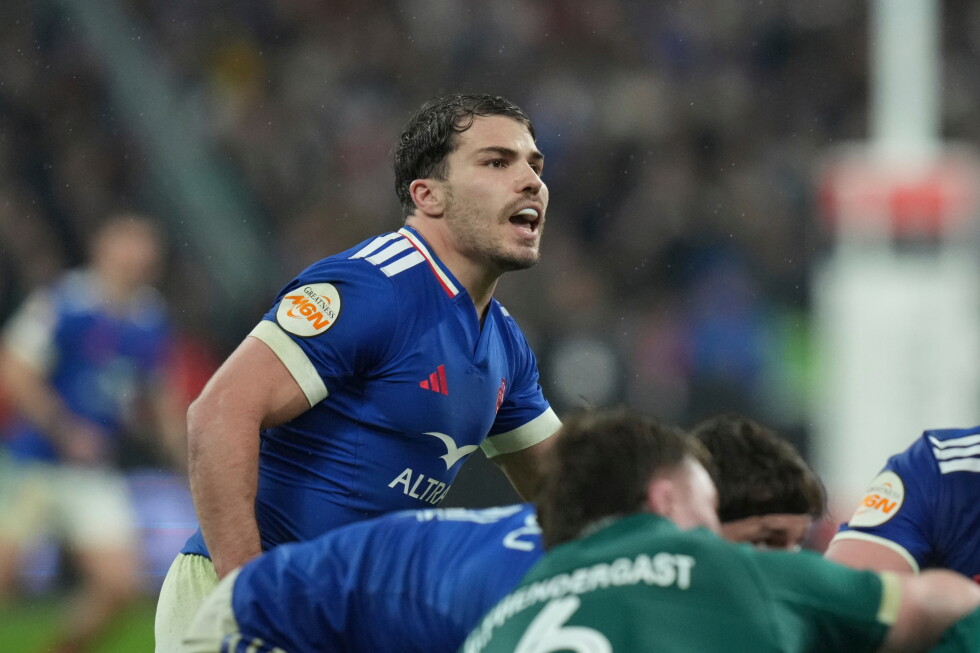
    PARIS (Updated) – The French Rugby Federation (FFR) announced a key squad adjustment on Monday, confirming that star French rugby playmaker Antoine Dupont will not feature in the opening rounds of the brand-new inaugural Nations Championship. Taking his place in the traveling squad will be his Toulouse club teammate Paul Graou. As of the announcement, the FFR has not released any additional details regarding the reason behind the last-minute change to the national side’s roster.

    The newly launched Nations Championship introduces a fresh, cross-hemisphere competition structure for international rugby, splitting teams into two groups based on their geographic location – northern versus southern hemisphere. The tournament kicks off with three matchdays scheduled across July, followed by another three fixtures in November, before the whole campaign concludes with a knockout Finals Weekend to determine the overall champion.

    France’s opening run of fixtures in the new competition is grueling, starting with a showdown this Saturday against three-time World Cup champion New Zealand in Christchurch. The side will then travel north to Brisbane to face Australia on July 13, before wrapping up their July tour with a match against Japan in Tokyo the following weekend.

    Widely regarded as the finest scrumhalf in global rugby at present, Dupont was just in action over the weekend leading his club Toulouse to a historic fourth consecutive French Top 14 title. Toulouse secured the championship with a 28-20 victory over Montpellier, and Graou actually came on to replace Dupont in the second half of that title-deciding match as Toulouse lifted the coveted Bouclier de Brennus, the French men’s rugby top-flight trophy, once again.

    The 29-year-old playmaker has built an extraordinary international record across his 64 test caps for France, crossing the try line 16 times to date. Most recently, he played a central role in helping France successfully defend their Six Nations Championship title earlier this year. Two years ago, Dupont made a high-profile temporary switch from the 15-a-side format of the game to lead France’s rugby sevens squad to an Olympic gold medal on home soil at the 2024 Paris Games.

  • Why Netherlands v Morocco is more than just a match

    Why Netherlands v Morocco is more than just a match

    The FIFA World Cup has always transcended the boundaries of sport. Held once every four years, the global tournament serves as a powerful intersection of history, mass migration and personal identity, where national team lineups carry stories that stretch far beyond 90 minutes of play on the pitch. Where some nations are famous for exporting tactical ideologies and coaching innovation, others have built their global reputations as exporters of top playing talent. In 2026, many leading nations do both.

    Few fixtures at this year’s expanded 48-team World Cup illustrate this modern trend more vividly than the upcoming round of 32 clash between the Netherlands and Morocco in Monterrey.

    On paper, the matchup already stands out as one of the most exciting ties of the knockout stage. The Netherlands entered the knockout phase undefeated, having topped Group F with seven points and 10 goals – a group stage goal tally that matches the Oranje’s most prolific performance in World Cup history. Morocco, too, progressed to the knockout round without a loss, finishing second in their group behind Brazil only on goal difference after picking up seven points against competition from Scotland and Haiti.

    But the true significance of this meeting runs far deeper than tournament seeding and bracket paths. Football does not exist in a vacuum separate from the social forces that shape the wider world. Across Europe, conversations about identity, belonging and cultural heritage have grown increasingly prominent in public life, and no international rivalry brings these complex themes into sharper focus than this matchup between the Netherlands and Morocco.

    For decades, the Netherlands was seen as the natural international home for talented players born on Dutch soil to Moroccan migrant families. The unspoken rule was simple: if a player of Moroccan descent was good enough to earn a call-up to the Dutch senior side, they would always choose Oranje. Today, that long-held assumption no longer holds.

    This evolving story traces its roots back to Dries Boussatta. Born in Amsterdam’s working-class De Baarsjes neighborhood, Boussatta made history as the first Dutch-born player of Moroccan heritage to represent the Netherlands men’s national team when then-manager Frank Rijkaard gave him his senior debut against Germany in November 1998. At the time, there was no public debate or soul-searching about his international future, because the Moroccan football federation never reached out to him. Boussatta would later switch allegiances after earning just three caps for the Netherlands, making two appearances for Morocco – a swap that was permitted under FIFA’s eligibility rules at the time, since all of his Dutch caps came in friendly matches.

    To reduce this modern shift in player eligibility to a purely political issue would be to miss its core meaning. For most dual-national footballers, the choice of which country to represent is an intensely personal decision, shaped by family background, cultural connection and access to opportunity just as much as passport rules or public discourse. But what has changed fundamentally is the working relationship between the Royal Moroccan Football Federation and the Royal Dutch Football Association, and the proactive approach Morocco now takes to recruiting dual-national talent.

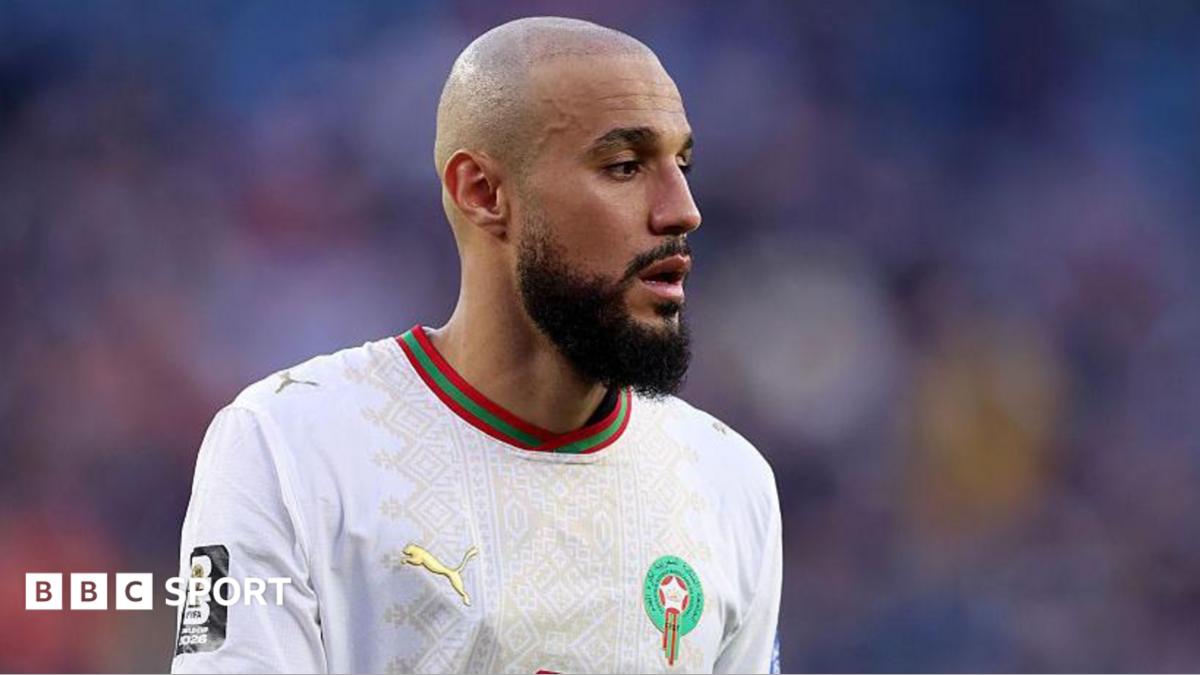
    The scale of this global shift across international football is remarkable. Almost one in every four players at the 2026 World Cup was born outside the country they represent. Eight of the tournament’s 48 squads have an equal number of players born abroad and within their borders, a clear sign that modern international football increasingly reflects global migration patterns. No national team embodies this evolution more clearly than Morocco. Nineteen of manager Mohamed Ouahbi’s 26-man 2026 squad were born outside Morocco. During Morocco’s drawn group stage match against Brazil, the team made World Cup history by fielding an entire starting 11 made up of players born outside the country.

    This demographic shift is no accident. More than a decade ago, the Royal Moroccan Football Federation made a deliberate, long-term investment to identify talented dual-national players of Moroccan heritage across Europe. The federation deployed full-time scouts across France, Belgium, Spain and the Netherlands, with a mandate not just to track promising young prospects, but to build strong relationships with the players and their families years before they were in contention for senior international call-ups. Former Morocco technical director Pim Verbeek later explained that this recruitment strategy focused on more than just the player; family members, he noted, often played just as big a role in a player’s final decision as any footballing factor.

    This proactive policy completely transformed Morocco’s international football fortunes. By the 2018 World Cup, five players in the Moroccan squad were born in the Netherlands. Four years later, when Morocco became the first African nation in history to reach a World Cup semi-final, 14 of the 26 players in their squad were foreign-born.

    Change never happens overnight. In the years following Boussatta’s career, high-profile prospects such as Khalid Boulahrouz and Ibrahim Afellay still chose to represent the Netherlands, drawn by the opportunity to compete for one of the traditional powerhouses of international football. All the while, Morocco steadily refined and expanded its approach, building close bonds with dual-national players long before a senior call-up was on the table.

    No single decision marked this clear shift in the dynamic more than Hakim Ziyech’s choice to represent Morocco. Born in the Dutch town of Dronten and developed entirely through the Dutch youth football system, Ziyech represented the Netherlands at youth international level and even earned a senior call-up in 2015. An injury forced him to miss that debut, but what came next would reshape the narrative for dual-national players across the region. After Guus Hiddink stepped down as Dutch manager and the Oranje coaching structure changed, Ziyech increasingly felt overlooked by the national program. By contrast, Morocco made it clear from the start that he was a central piece of their long-term plan. Federation officials maintained regular contact, laid out a clear multi-tournament sporting vision, and framed Ziyech as one of the public faces of the national team. When Ziyech announced his choice to represent Morocco later that year, he summed up his decision simply: “I’ve always felt Moroccan. You choose with your heart.”

    Ziyech’s decision changed perceptions on both sides of the debate. For years, Morocco had watched many of its most talented dual-national prospects choose to play for established European powerhouses. Suddenly, one of the top players in the Eredivisie had committed his international future to the Atlas Lions instead of Oranje. A wave of players followed: Manchester United defender Noussair Mazraoui, born in Leiderdorp and raised through Ajax’s famous academy, chose Morocco. Midfielder Sofyan Amrabat, who grew up in the Dutch town of Huizen, made the same choice. Defender Anass Salah-Eddine came up through the Dutch youth system before committing to Morocco. Even Ismael Saibari, born in Spain, was almost entirely trained at PSV Eindhoven’s academy before choosing the Atlas Lions.

    Whether all of these players would have earned a regular spot in current Dutch manager Ronald Koeman’s strongest starting side is ultimately beside the point. Collectively, they represent a group of elite players developed within the Dutch football system who now strengthen one of the Netherlands’ direct competitors on the world’s biggest stage.

    This dynamic is rooted in decades of social history beyond football. Moroccan migration to the Netherlands accelerated in the late 1960s through bilateral labor agreements, and later waves of family reunification turned temporary guest workers into permanent, rooted communities. Today, hundreds of thousands of Dutch citizens have Moroccan heritage, creating multiple generations who feel a deep sense of belonging to both countries. But international football requires every player to make just one choice. For some, that choice is the Netherlands. For others, it is Morocco. Neither choice has to be a rejection of the other country. More often than not, it is simply an affirmation of where a player feels most at home.

    Perhaps that is Morocco’s greatest achievement. Today, the question around Dutch-born players of Moroccan heritage is no longer “why would they choose Morocco?” Increasingly, the question is why anyone would ever assume they would choose differently.

    Thirty-two years after Dennis Bergkamp inspired a Dutch victory over Morocco at the 1994 World Cup in the United States, the footballing dynamic between the two countries looks unrecognizable. The Netherlands remain one of global football’s greatest exporters of talent and tactical innovation. Morocco has grown into one of the sport’s most sophisticated and proactive recruiters of dual-national talent. Their 2026 World Cup meeting in Monterrey is about far more than a spot in the quarter-finals. It is the latest chapter in the story of modern football, where nationality is no longer a given, heritage is no longer an afterthought, and two countries connected by decades of migration meet as equals on the game’s biggest global stage.

  • New Zealand looks to wrap up series win over England on Stokes’ final day of international cricket

    New Zealand looks to wrap up series win over England on Stokes’ final day of international cricket

    NOTTINGHAM, England — A historic chapter of international cricket is poised to close at Trent Bridge this week, with two major storylines converging on the final day of the decisive third Test: New Zealand stands just one day away from its first Test series win on English soil in a quarter-century, while England’s charismatic captain Ben Stokes is set to wrap up his legendary international career on a potentially somber note.

    After two tightly contested matches, the series hangs in the balance heading into the final day. England resumes play at 103 runs for the loss of four wickets, still requiring a further 270 runs to reach the 373-run target set by New Zealand. The pitch has deteriorated rapidly over the course of the match, turning into a difficult surface for batting that heavily favors the bowling side, making England’s chase an uphill battle that most analysts consider all but lost.

    England’s slim hopes of a comeback now rest entirely on veteran batter Joe Root, who remains unbeaten on nine runs at the close of play on day four. Root is joined at the crease by Emilio Gay, who has notched six runs so far, and the pair are the only remaining specialist batters left in England’s batting order.

    For New Zealand, a win on Monday would secure a 2-1 series victory, marking the Black Caps’ first series win over England on home soil in a series of three or more Tests since 1999. The side enters the final day as overwhelming favorites to clinch the historic win, a milestone that would cement their status as one of the world’s top Test cricket nations.

    For the host nation, a defeat would bring an unwanted milestone of its own: it would be England’s first home series loss in a three-Test or longer series since 2012. It would also mark a disappointing end to the international career of Ben Stokes, the all-rounder who has reshaped English cricket over the past four years as captain.

    Stokes dropped his bombshell announcement on Sunday, revealing his retirement plans first to his shocked teammates in the team dressing room ahead of the day’s play, before releasing a public statement to the wider cricketing world just ahead of the tea interval. The 32-year-old confirmed he would step down from the England captaincy after four years in the role and retire completely from international cricket with immediate effect after the conclusion of this Test.

    Stokes’ eventful, era-defining career with England is now down to its final hours. Already dismissed for 30 runs in England’s first innings, he is expected to spend the decisive final day watching from the dressing room balcony, as his side fights to avoid the defeat that would mark the end of his international tenure.

  • How the new Brazil is taking shape and why Cunha is key

    How the new Brazil is taking shape and why Cunha is key

    As the 2026 FIFA World Cup knockout stage approaches, Brazil’s national side is finally hitting its stride at the perfect moment, with head coach Carlo Ancelotti settling on a core starting XI that has grown sharper, more confident, and more cohesive with every group stage outing. Their next test, a Round of 32 clash with Japan, looms as a stiff challenge — but right now, everything feels like it is falling into place, and much of that success can be traced back to the unexpected standout of Brazil’s attack: Matheus Cunha.

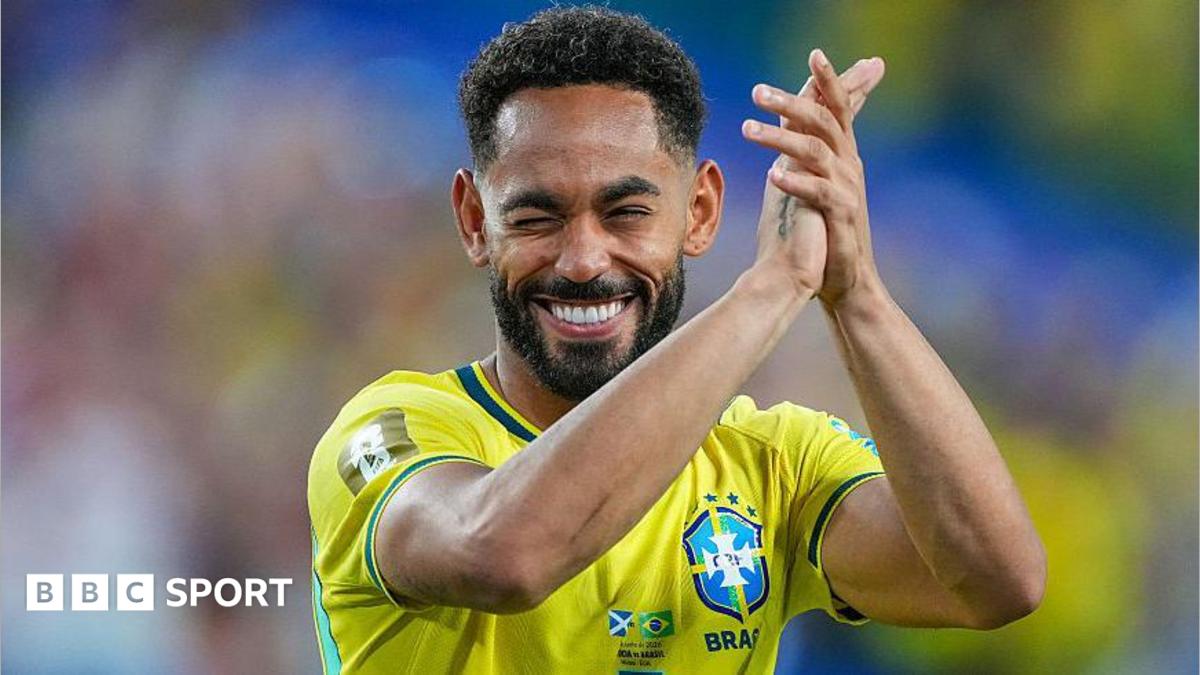
    For decades, Brazilian football fans have demanded a traditional, out-and-out number nine leading their front line, a imposing goalscorer in the mold of legendary strikers like Ronaldo, Romario, and Adriano. Cunha does not fit that classic mold. Instead, he operates as a dynamic “nine-and-a-half” — a hybrid forward capable of holding the central striking role while also dropping deep to link play, create chances for teammates, and contribute to build-up play. With three tournament goals already to his name, he is far from a pure playmaker, but he brings a unique versatility to Brazil’s attack that no other center-forward in the team’s recent history has ever offered.

    In his movement off the ball, Cunha draws direct comparisons to former Liverpool and Brazil forward Roberto Firmino, constantly dropping into deeper areas to pull opposition center-backs out of their defensive shape. If a defender follows Cunha deep, it opens up acres of space in behind for Brazil’s flying wingers Vinicius Junior and Rayan to exploit. If the defender stays anchored to the goal line, Cunha is free to receive the ball between the lines, create attacking sequences, or test the goalkeeper from open play. He has also fully embraced the less glamorous side of his role, leading the team’s high press and even dropping into a position in front of midfield to disrupt opposition build-up, creating a critical balance that has unlocked Brazil’s attacking potential.

    Cunha’s rise to become Brazil’s starting center-forward came about almost by accident. Heading into the tournament, Ancelotti had no clear first-choice striker, having tested a host of options including Cunha, Igor Thiago, Endrick, Joao Pedro, and Richarlison during preparation. A late injury ultimately opened the door for the current combination that has clicked: when versatile attacker Raphinha picked up a hamstring injury in Brazil’s opening match against Morocco, he was replaced by Rayan, a winger who stays fixed to the right flank rather than drifting across the front line. With Vinicius Junior holding down the left and Rayan on the right, Cunha is left with all the space he needs to roam into his preferred deep-lying positions, a setup that plays directly to his strengths. Ancelotti still retains options for different match scenarios — Igor Thiago offers a more traditional target-man presence for when Brazil is chasing a game or facing a physically imposing defense — but fans back in Brazil have quickly embraced Cunha as the solution to the side’s long-standing striker question.

    Much of the credit for this successful evolution of Brazil’s side goes to Ancelotti himself, whose adaptability has reshaped what people expect from a Brazilian national team. The Italian manager is widely lauded for his elite man-management skills, but his tactical intelligence often flies under the radar. Unlike many modern sides that prioritize holding 70% or more of possession to control games, Ancelotti’s Brazil is comfortable ceding the ball to opponents, drawing them forward into vulnerable areas, then hitting them with organized, high-intensity counter-pressing. This trap worked to perfection against Scotland, where Brazil conceded possession but controlled the space, scoring two goals (one disallowed harshly) in a result that left Scotland’s knockout hopes all but dashed. The tactic was not a fluke, either: Brazil used the same approach to score similar goals in pre-tournament warm-up matches against Panama and Egypt. For Ancelotti, there is no need to force a fixed “team identity”; instead, the side adapts its style to fit the opponent and the flow of the match.

    This iteration of Brazil is a marked break from the nation’s classic footballing templates in more ways than one. For decades, Brazil built their success around attack-minded, overlapping full-backs from the legendary generation of Roberto Carlos, Cafu, and Dani Alves. This time around, Ancelotti has opted for more conservative full-backs who stay back to shore up the defense, a change that allows Vinicius Junior to stay higher up the pitch and stay fresher for attacking transitions. The backline has gelled into a solid unit, and Ancelotti has also tweaked his formation to fix early midfield issues: after 34-year-old Casemiro was left badly exposed playing as a lone defensive midfielder in the opening match against Morocco, the side shifted from a 4-2-3-1 to a 4-3-3, with Lucas Paqueta partnering Casemiro to cover when Bruno Guimaraes makes attacking runs forward. This adjustment has given Brazil much more solid control of the midfield, a critical improvement ahead of their game against Japan, a fluid, dangerous attacking side that will test Brazil’s center of the park.

    After three group stage matches, Brazil’s form speaks for itself: the side has conceded only one goal while netting seven, and a growing sense of optimism has replaced the pre-tournament anxiety that dominated back home. Right now, the Brazilian public is behind this new-look side, and the team is peaking at exactly the right time to make a deep run in the tournament.

  • Great stories, little jeopardy – does the new World Cup format work?

    Great stories, little jeopardy – does the new World Cup format work?

    The 2026 FIFA World Cup has arrived with a transformative new format, expanding the tournament field from 32 to 48 teams and restructuring the group stage into 12 four-team groups. While the change has delivered unforgettable underdog narratives that captured global football fans’ hearts, it has also sparked fierce debate about whether the overhaul has delivered on its promise of a more competitive, entertaining tournament. Now, as the first 48-team group stage wraps up and the expanded 32-team knockout round gets underway, analysts and fans alike are weighing the successes and shortcomings of FIFA’s bold experiment.

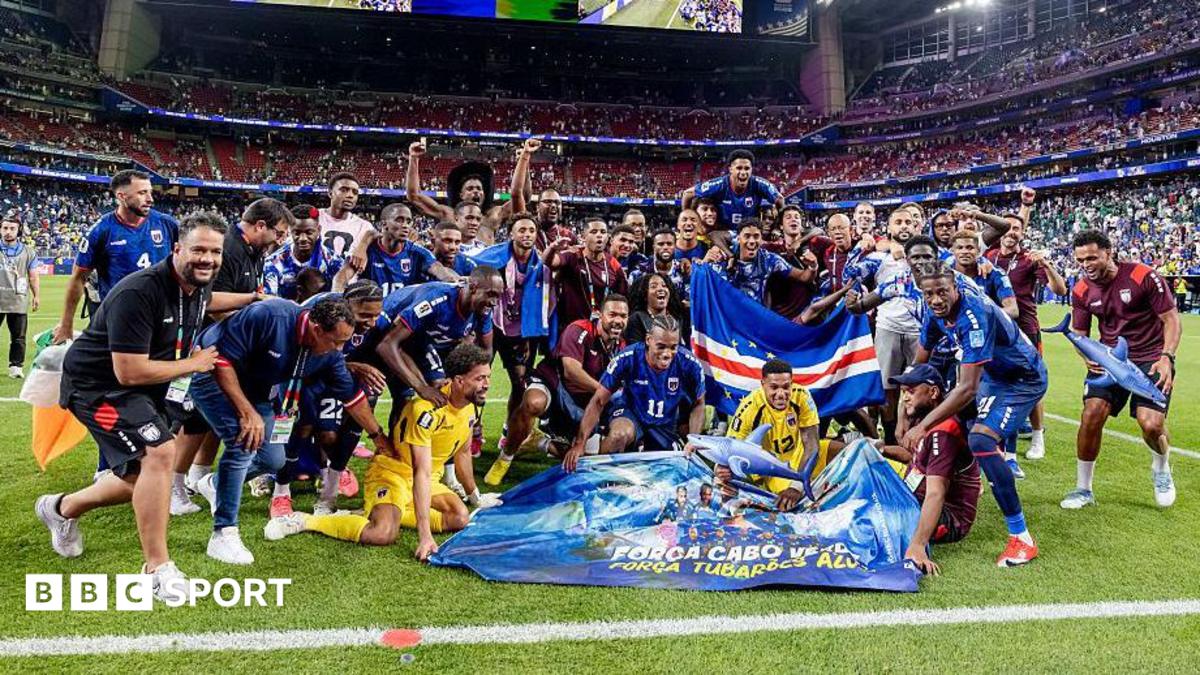
    The most compelling vindication of FIFA president Gianni Infantino’s expansion plan comes from the tiny Atlantic archipelago nation of Cape Verde. Written off by pundits before the tournament even began, Cape Verde pulled off one of the most remarkable underdog runs in World Cup history to claim a spot in the knockout rounds, ousting two-time champion Uruguay from their group alongside European champion Spain. A shutout draw against Spain, a 2-2 tie with Uruguay, and a final group draw against Saudi Arabia secured Cape Verde second place in the group with just three points, setting up a blockbuster round of 32 matchup against defending world champion Argentina in Miami this Friday.

    The story of Cape Verde’s run is intertwined with the viral rise of their 40-year-old goalkeeper Vozinha, a journeyman who spent his entire club career in lower-tier European leagues across Moldova, Cyprus, Slovakia, and Portugal. His heroic penalty-saving performance against Spain turned him into an overnight global sensation: his Instagram follower count skyrocketed from 50,000 before the match to over 16.7 million today, and enough fan support raised funds to fly his mother to the tournament from Cape Verde after she was initially unable to afford a U.S. visa. That kind of once-in-a-lifetime, emotional narrative is exactly what expansion proponents promised the new format would deliver, giving smaller nations the platform to create moments that resonate across the sport.

    Cape Verde is far from the only small nation that delivered memorable moments under the new format. Curacao, the smallest country to ever qualify for a World Cup, earned a credible draw against Ecuador despite failing to advance. DR Congo held defending champion Portugal to a 1-1 draw to sneak into the knockout rounds as one of the best third-placed teams, and Haiti’s Wilson Isidor scored what is already being called a contender for goal of the tournament against Morocco. For African football in particular, the tournament has been a historic breakthrough: nine of the 10 African qualifying nations advanced to the knockout round, a staggering show of strength that has validated arguments for expanding the tournament to give more African sides a shot at competing on the global stage. Six nations including Bosnia-Herzegovina, Canada, DR Congo, and South Africa have reached the knockout round for the first time in their history, a new milestone for global football representation.

    For all the heartwarming Cinderella stories, though, the new format has faced sharp criticism for its structural flaws that stripped much of the tension and competitive jeopardy from the group stage. The biggest issue is the rule that allows the top two teams from each group plus the eight best third-placed teams to advance to the knockout round, paired with FIFA’s decision to make head-to-head results the first tiebreaker for teams level on points, rather than overall goal difference. The result was that by the final matchday, four group winners had already secured their top spot with a game to spare, and five teams had already been eliminated before their final group fixture, leaving nine matches with nothing tangible to play for. Had FIFA retained goal difference as the primary tiebreaker, every side would have still had something to compete for going into the final round of group matches.

    This lack of stakes also created a lopsided dynamic that favored top elite nations, with almost no upsets of major sides in meaningful matches — a stark contrast to the 2022 World Cup, where Saudi Arabia stunned eventual champion Argentina in the group stage. Of the 12 tournament top seeds, only co-host Canada and Portugal failed to win their groups. Critics argue that the 12-group structure inherently reduces the risk of upsets, turning the 72-game group stage into a prolonged exercise to weed out the lowest-ranked teams before the real tournament begins. Even Ghana coach Carlos Queiroz, whose side advanced as a third-placed team, has spoken out against the format, calling it “vulgar and ordinary.”

    Another glaring flaw is the uneven advantage given to teams in later groups for third-place qualification. Scotland and South Korea both finished with three points and were eliminated, but were forced to wait three full days for the final group matches to conclude to learn their fate. In contrast, Senegal knew exactly how many goals they needed to score against Iraq to claim the last third-place spot ahead of their match, and secured their place with a 5-0 win. In the final group match, Austria and Algeria both knew that a draw would see both advance and eliminate Iran, leading to a match that fizzled out in the final 20 minutes with neither side willing to risk attacking play.

    On paper, the new format has delivered on one key promise: goals. This year’s group stage has averaged 2.99 goals per game, the highest average for any World Cup group stage since the 32-team format was introduced in 1998, and the highest overall across any World Cup since the 1958 tournament in Sweden. But much of this goal explosion has come in lopsided matches between elite and underdog sides: 18 group games were decided by three or more goals, compared to just five at the 2022 Qatar World Cup. Many of these lopsided wins came when the top side had already secured qualification and rotated their squad, or the weaker side had already been eliminated, leading to questions about how much this goal glut actually reflects a more competitive tournament.

    The performance of different confederations also reveals a mixed picture of expansion’s success. While African nations exceeded all expectations, other regions have underperformed sharply. Asia received eight automatic qualification spots, doubled from four in the 2022 format, plus one additional spot via playoffs, but only Australia and Japan advanced. Across 27 matches, Asian sides picked up just three wins, averaging only 0.67 points per game. For the North American, Central American and Caribbean confederation CONCACAF, all but one of the confederation’s 20 total points came from the three co-hosts: the three additional qualifier sides Curacao, Haiti, and Panama scored just three goals and conceded 21 combined.

    Now, after weeks of group stage play, the expanded 32-team knockout round is finally underway. For supporters of the new format, the Cape Verde Cinderella run and African breakout have already proven that expansion has opened up the World Cup to new stories and new talent. For critics, the structural flaws that reduce tension and create uneven advantages have turned the group stage into a prolonged, low-stakes warm-up for the knockout round that many describe as the “real World Cup” anyway. As the world watches the remaining teams compete for the 2026 trophy, the debate over whether the 48-team format is here to stay will only intensify.

  • South Korea football coach quits as president calls for probe into World Cup loss

    South Korea football coach quits as president calls for probe into World Cup loss

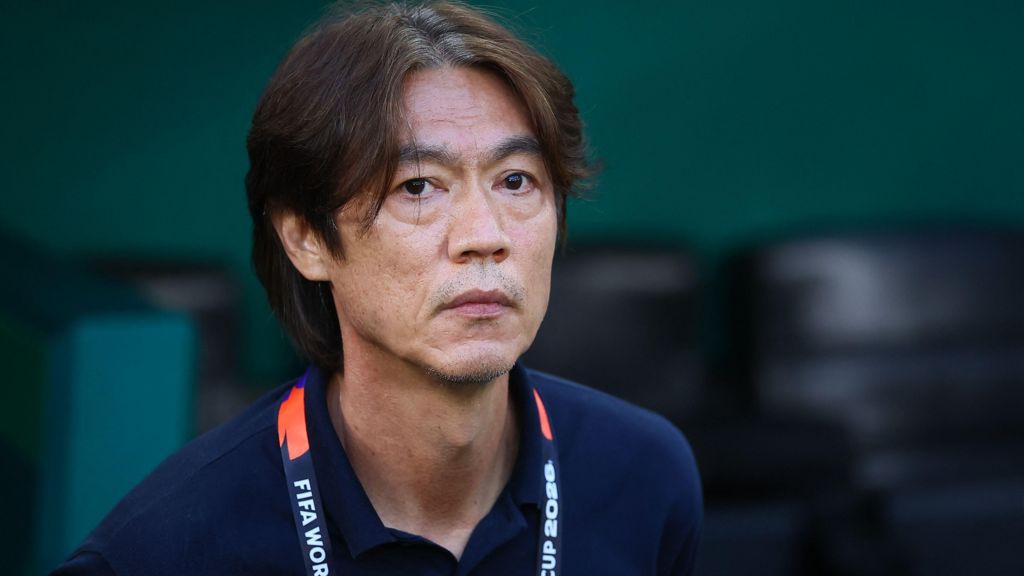
    Just days after South Korea’s men’s national football team saw their hopes of advancing to the 2026 FIFA World Cup knockout stage dashed, head coach Hong Myung-bo has stepped down from his post, taking full accountability for the team’s underwhelming performance that has sent shockwaves through South Korean football. This marks Hong’s second tenure leading the national side, a role that was mired in controversy from the moment he was appointed in 2024.

    Ranked 32nd in the world and led by star talisman Son Heung-min, South Korea wrapped up Group A play with one win and two losses, finishing behind 15th-ranked Mexico and 60th-ranked South Africa. Their 1-0 defeat to South Africa in the final group match on Thursday left them third in the group standings. With the 2026 World Cup expanding from 32 to 48 teams, a new rule allows the eight best third-placed teams from the group stage to progress to the knockout round, leaving South Korea with a narrow shot at qualification. That faint hope was fully extinguished on Saturday, eliminating the team from the tournament before the knockout round even began.

    The early exit triggered immediate and widespread criticism across South Korea. South Korean President Lee Jae-myung has called for a full investigation into what he described as a deeply disappointing performance, saying he felt “not just confusion but utter bewilderment at the unexpected outcome” in a post on social platform X. Lee pointed to structural issues, arguing that “When favoritism and cronyism take precedence over competence in selecting a commander, the result is as predictable as fire burning paper,” a direct reference to the contentious circumstances of Hong’s appointment.

    Hong formally announced his resignation during a press conference held in western Mexico on Sunday, where he apologized unreservedly to the Korean public and took sole responsibility for the result. “We didn’t deliver the results that our fans expected,” Hong said. “The responsibility rests entirely with me as head coach.” He added that while he was stepping away from the national team role, he remained committed to Korean football. “Even though I am leaving the national team, I am not abandoning Korean football altogether. I will cheer for the national team from the bottom of my heart and hope that the team will be trusted and loved by the people once again.”

    Addressing the long-running controversy around his appointment, Hong pushed back on claims that he did not act in the best interest of the sport. “Accepting the job was not an easy choice,” he said. “I cannot say every decision has been the right one, but I can tell you that I have made every decision with Korean football in mind.”

    Hong’s history with South Korean football goes back decades: as a player, he captained the 2002 co-hosted South Korean side to a historic semi-final finish, cementing his status as a national hero. But his first stint as head coach ended in disappointment in 2014, when the team failed to win a single match or advance out of the group stage at that year’s World Cup. When the Korea Football Association (KFA) appointed Hong again in 2024, it sparked widespread public uproar. Critics argued that the KFA had passed over multiple foreign candidates that had completed a rigorous vetting process, choosing instead to hand the top job to an ally connected to the association’s old guard.

    As Hong prepares to return to South Korea this weekend, local media outlets report that South Korean police have stepped up security at Incheon International Airport and other key locations after an online death threat was made against the outgoing coach. Law enforcement have stated they are monitoring for potential security risks surrounding Hong’s arrival.