分类: sports

  • The end for Nagelsmann? Germany suffer their ‘next football nightmare’

    The end for Nagelsmann? Germany suffer their ‘next football nightmare’

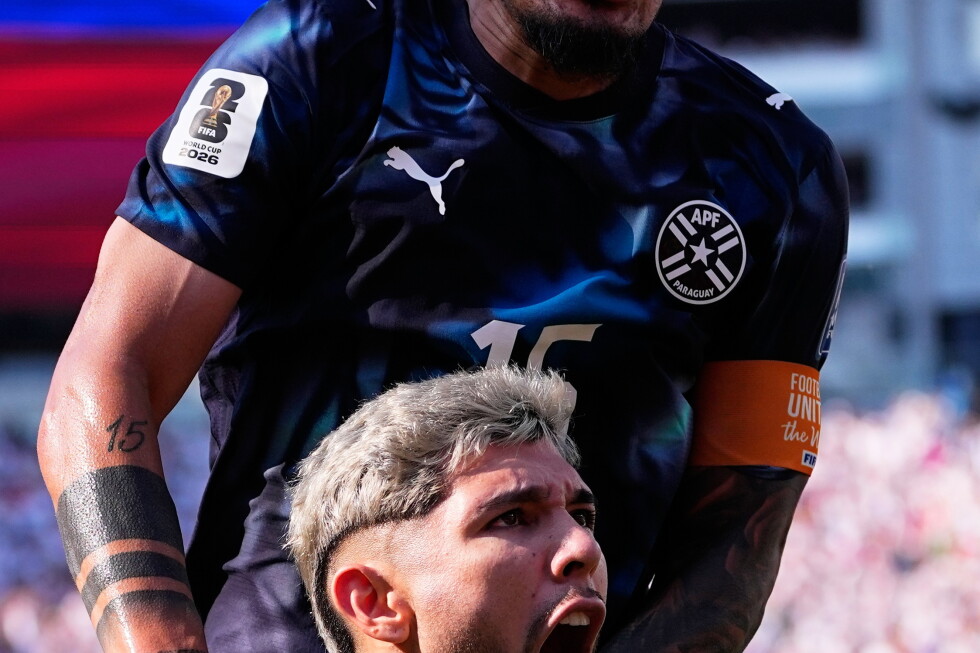
    Four-time World Cup champions Germany have crashed out of the 2026 FIFA World Cup in the round of 32, falling to a historic penalty shootout defeat against underdog Paraguay that has sent shockwaves through global football and left the future of German head coach Julian Nagelsmann hanging by a thread.

    Once a consistent powerhouse expected to challenge for major tournament titles, Germany’s fall from the upper echelon of men’s international football has been laid bare by this latest early exit. Including their history as West Germany, Germany hold four World Cup triumphs and another four runner-up finishes, alongside three European Championship titles from six final appearances. But since their last World Cup win in 2014, the four-time champions have now suffered two group-stage eliminations and one knockout-round exit in three consecutive World Cup tournaments.

    Coming into the match, Paraguay ranked 41st in the FIFA global rankings, compared to Germany’s 10th place, and few gave the South American side a chance against the European giants. But Paraguay’s deep, organized, and resolute defensive block frustrated Germany from kickoff at the Boston venue, despite the four-time champions holding 75% of possession. Former Brighton and Ipswich Town forward Julio Enciso gave Paraguay a surprise opening lead, which held until Arsenal midfielder Kai Havertz leveled the score with a glancing header early in the second half.

    Controversy struck moments later, when a headed goal from German defender Jonathan Tah was ruled out by VAR for an alleged foul by a teammate in the build-up, a decision that German observers have widely labeled as incorrect. The match stayed level at 1-1 through extra time, forcing a penalty shootout – a scenario Germany had never lost in World Cup history, with four previous shootout wins from four attempts.

    That perfect record fell apart quickly. Havertz saw his opening penalty saved by Paraguay goalkeeper Carlos Gill, and Newcastle forward Nick Woltemade followed with another saved attempt. Though Paraguay squandered two spot-kicks of their own to throw Germany a lifeline, Tah blasted his effort over the crossbar, allowing Paraguay defender Jose Canale to convert the decisive penalty and seal a 4-3 shootout win for the underdogs.

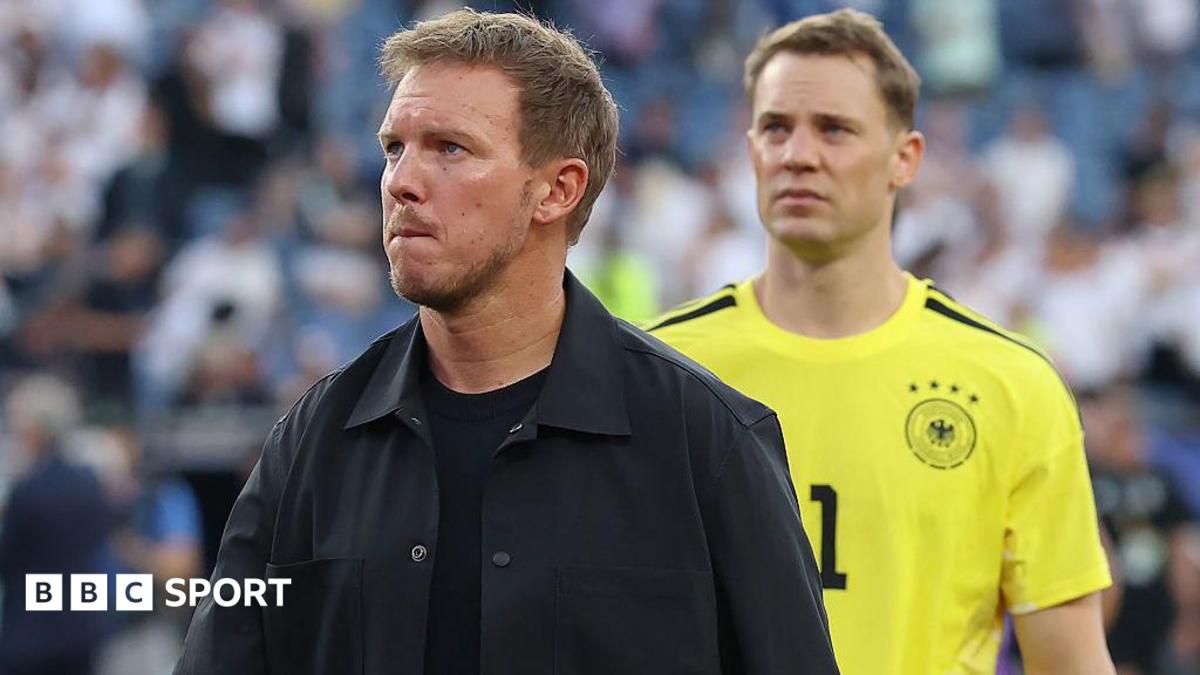
    The result leaves Paraguay advancing to the last 16, where they will face the winner of the round of 32 match between France and Sweden on Saturday. For Germany, it is another devastating early exit that has already sparked widespread calls for Nagelsmann, who took over as national team head coach in September 2023, to step down. The young coach, who won the Bundesliga with Bayern Munich in 2022, only led Germany to a quarter-final finish when the nation hosted Euro 2024, and his position is now under extreme pressure.

    Germany began their 2026 World Cup campaign with promising results, thrashing first-time qualifiers Curacao 7-1 before coming from behind to beat Ivory Coast 2-1 to secure top spot in their group, even falling 2-1 to Ecuador in the final group match with their knockout place already secure. But the manner of the defeat to Paraguay has left Nagelsmann fighting to keep his job, with social media already flooded with calls for former Liverpool manager Jurgen Klopp to replace him.

    Speaking after the final whistle, Nagelsmann acknowledged the disappointment of the result, admitting that Germany no longer belong in the conversation of global football’s first-tier nations. “When you exit the World Cup after you play Paraguay it is very bitter. It is very hurtful,” he said. “This is the third elimination in a row, so we are not part of the first-class teams any more.”

    Reactions from former German players and pundits have been scathing, with most agreeing Nagelsmann must face consequences for the result. “If you consider the whole tournament, the way we played, it is a deserved loss,” former Germany defender Arne Friedrich told BBC Radio 5 Live. “Nagelsmann has to face the consequences. It is very disappointing, but that is sport. I would definitely say the journey continues without Nagelsmann.”

    Former Germany midfielder Thomas Hitzlsperger added to the criticism on BBC One, saying: “It’s hard to explain how Germany got into this tournament with so many problems. It’s unacceptable. It doesn’t look good for Nagelsmann. In the last few months, he hasn’t dealt with situations well. With the expanded World Cup format, to go out so early would be tough to take for any big nation.”

    Even before the Paraguay match, Nagelsmann faced criticism over his tactical approach, with Klopp – who was working as a pundit for German television during the tournament – saying Germany used “wrong methods” in their defeat to Ecuador. That warning was not heeded, as Paraguay’s deep defensive block and physical intensity again left Germany unable to break through.

    Nagelsmann has repeatedly said he will not step down voluntarily, stating after the match: “I’m not someone who runs away. If we’re going to do a survey today in Germany, people are not going to speak about me positively obviously. I did feel the support in the stadium. I don’t think everyone in Germany will agree with me staying on and continuing as manager of the team. I’m not going to step back only because we are eliminated. If the DFB [German Football Association] want me to continue, I am going to continue. I know how the industry works and a lot of people now want me to leave. I want to continue if the German FA wants me.”

    Prominent German football journalist Raphael Honigstein said the result will almost certainly end Nagelsmann’s tenure, telling BBC Radio 5 Live: “If I want to be cynical and sarcastic, all we would have earned is a right to get absolutely destroyed by France. You can get knocked out, but you can’t get knocked out against Paraguay at this stage in this manner. That is why this is not going to be a defeat without repercussions and an aftermath. If you look at the whole tournament, it just wasn’t enough. Germany has been poor. There were too many big calls not coming off for Julian Nagelsmann. It is going to be very hard for him to survive this. I think it will be over for him, I am afraid.”

    Analysts and former players have begun questioning the long-term direction of German player development, pointing to a shift in priorities that has eroded the nation’s once-vaunted winning mentality. Hitzlsperger explained: “For a long time, player development in Germany has been all about passing, style of play and being tactically innovative but there’s one element that maybe we didn’t focus on enough, and that is having a bit of edge. We’ve lost that aura that made teams fear us. Other teams respect us but they don’t fear us any more. We’re no longer as difficult to beat, and we lack the physical presence we once had.

    “For many years, Spain have been the team everyone wants to copy. It took many years but when we won the World Cup in 2014 we had great players but also a winning ethos. Now it seems we just focus on nice football. We need to start addressing this at academy level. What is football all about? It’s about winning, of course. The best example is Argentina: they have that perfect combination of being a team who can be nasty to play against but at the same time they have players who can create something out of nothing. We don’t have a Lionel Messi, of course, but we should be closer to where those top teams are.”
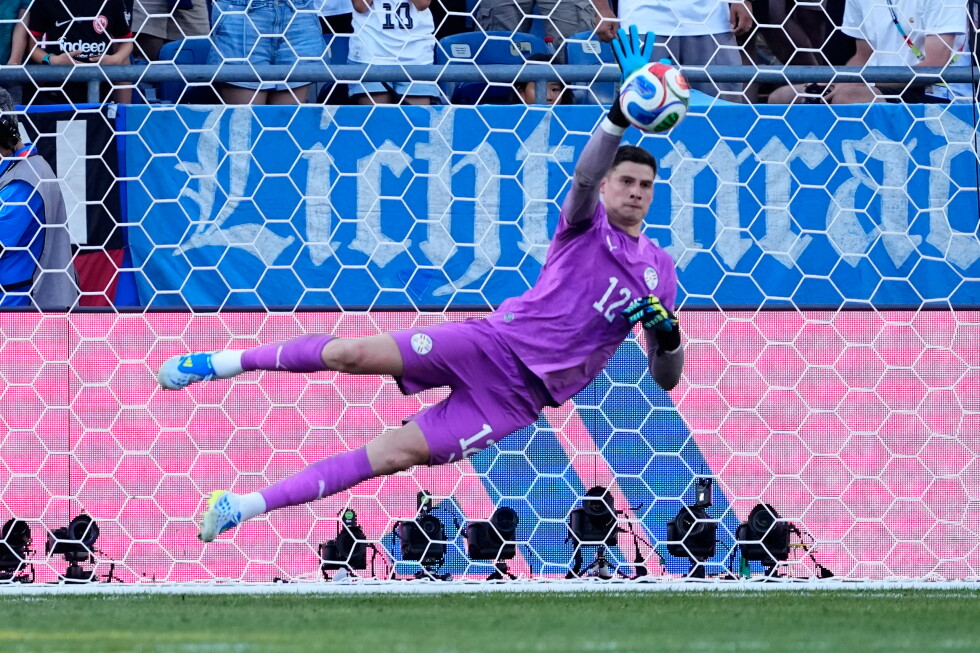
  • Paraguay goalkeeper Orlando Gill bests German ‘idol’ Manuel Neuer in World Cup shootout stunner

    Paraguay goalkeeper Orlando Gill bests German ‘idol’ Manuel Neuer in World Cup shootout stunner

    FOXBOROUGH, Mass. — In one of the most stunning upsets in recent World Cup history, 26-year-old rookie goalkeeper Orlando Gill steered massive underdog Paraguay past four-time tournament champion Germany in a tense Round of 32 penalty shootout, sending the football powerhouse packing earlier than expected and cementing his name in World Cup Cinderella lore.

    Gill, who stepped onto the World Cup’s global stage for the very first time this tournament, admitted he entered the knockout-round opener starstruck even as he acknowledged Paraguay’s status as heavy 5-to-1 underdogs against the favored German side. But when the final whistle of extra time sent the match to penalties, the 6-foot-6 shot-stopper, who plies his club trade with Argentina’s San Lorenzo, outperformed German legend and long-time world-class keeper Manuel Neuer to secure Paraguay’s spot in the Round of 16.

    Gill’s path to this upset victory started in the group stage, where he notched clean sheets in a 1-0 win over Turkey and a scoreless draw against Australia, though he conceded four goals in a group-stage matchup with the United States. Against Germany, the underdog was thoroughly outplayed for most of 120 minutes of regulation and extra time: Germany held more than double the possession that Paraguay managed, and put 21 shots on goal compared to Paraguay’s seven. Even Gill described the relentless German pressure as something out of a nightmare.

    “It was like a horror movie. Germans were popping up everywhere. Even I still can’t believe it,” Gill said in a post-match interview.

    Standing opposite Gill was Neuer, a 30-plus year veteran competing in his fifth World Cup, who led Germany to its 2014 World Cup title, finished third in 2014 Ballon d’Or voting behind Cristiano Ronaldo and Lionel Messi, and claimed two Champions League titles and 13 Bundesliga championships with Bayern Munich. Gill made clear he holds nothing but respect for the German icon, who he called an idol.

    “Neuer is a world-class goalkeeper. I shared a shootout with him, and he managed to save a penalty, too. I have nothing but respect for an idol like him,” Gill said.

    Gill only made one notable misstep in regulation, letting in Kai Havertz’s 54th-minute equalizer to force extra time. A late German would-be game-winner in the 12th minute of extra time was ultimately disallowed after VAR review found Waldemar Anton interfered with Gill before Jonathan Tah could put the ball in the net.

    When the match moved to penalties, Gill seized the moment to earn his man of the match honors. He gave Paraguay an immediate advantage by stopping Havertz’s first spot kick with a quick deflection off his right arm. After Paraguay converted its first three penalties to jump to a 3-2 lead, Gill notched a second save, this time stopping Nick Woltemade’s attempt. That left Paraguay needing just one successful conversion from its final two kicks to win, but the underdogs stumbled: Antonino Sanabria sent his kick wide left, and Neuer stopped Fabian Balbuena’s attempt to force sudden death.

    In the first round of sudden death, Tah sent his penalty over the crossbar, and Jose Canale beat Neuer to slot home the game-winning kick, sealing the historic upset.

    Gill, who will next face the winner of the France vs. Sweden matchup on Saturday in Philadelphia, spoke of the result as proof that small underdog nations can compete with soccer’s powerhouses. “It showed that you shouldn’t speak too soon. This proves that Paraguay is capable of achieving great things. The opportunity was bound to come sooner or later,” he said. “Now, with a cool head, I’m going to sit down and analyze what we’ve achieved. We managed to hold on until the 120th minute, and luck was on our side during the shootout.”

    For Germany, the shocking exit extends a more than decade-long streak of knockout-stage disappointment. The four-time champions have now exited in the group stage of the past two World Cups, and fell in the Round of 32 in this tournament, having not won a knockout match since their 2014 World Cup final victory.

    “You talk about expectations: It is 11 or 12 years and we have come up short. It’s not enough for German football,” Germany head coach Julian Nagelsmann said after the defeat.

    Midfielder Nadiem Amiri acknowledged the squad has a talented core of young players that could deliver results in future tournaments, but said that was little comfort in the immediate aftermath of the upset.

    “But in the moment to think about the future is, I think, the wrong decision. I feel for everybody, very sad. It was a shocking end from the game. At the moment, it’s very difficult to find the right words,” Amiri said.

  • Les Mills, the New Zealand Olympian who founded a chain of gyms, dies at 91

    Les Mills, the New Zealand Olympian who founded a chain of gyms, dies at 91

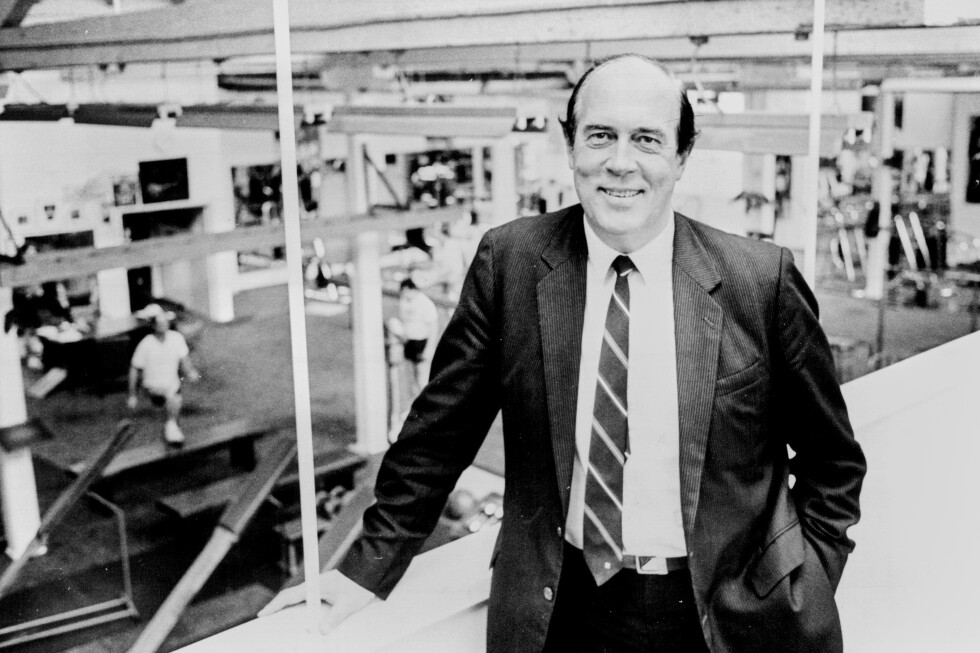
    WELLINGTON, New Zealand — The global fitness and sporting community is mourning the loss of Les Mills, the legendary New Zealand Olympian, former Auckland mayor and founder of the eponymous worldwide fitness brand, who passed away peacefully on Monday at the age of 91. No specific cause of death was shared in the official announcement posted to the company’s website.

    Born in Auckland in 1934, Mills first discovered his passion for competitive sport at age 11, when he entered his first athletics event — a running race at a local community park. His athletic talent would carry him to compete for New Zealand in discus and shot put across four consecutive Olympic Games, and he claimed a total of five medals throughout his appearances at the Commonwealth Games. One of his most notable athletic achievements came at the 1966 Kingston Commonwealth Games, where he took home gold in the discus event. A year later, he set a New Zealand national shot put record of 19.81 meters that would stand unbroken for 44 years.

    After an athletics scholarship brought him to the United States in the mid-20th century, Mills witnessed the rapid expansion of the emerging fitness industry and returned home inspired to launch his own gym facility. He opened the first Les Mills gym in Auckland in 1968, growing the domestic chain to 12 locations across New Zealand over the decades. Later, his son Phillip Mills expanded the brand globally, launching Les Mills International, which offers signature group fitness classes including the wildly popular BodyPump and BodyCombat programs. Today, these classes are taught by certified instructors in more than 100 countries around the world, cementing the Les Mills name as a household brand in global fitness.

    Beyond athletics and fitness, Mills also left his mark on public service. He served as mayor of Auckland, New Zealand’s largest and most populous city, for two terms from 1990 to 1998. After retiring from competitive sports, he worked as a coach and sporting administrator across multiple disciplines, including track and field, weightlifting, and football. From 1974 to 1976, he served as national sports director for Papua New Guinea, where he helped build new athletic infrastructure and train local coaching staff across the Pacific island nation.

    In a statement following his father’s passing, Phillip Mills reflected on his legacy: “Dad was immensely strong, driven, and always cared deeply for the less advantaged. He left a lasting impression on everyone he met, and his spirit lives on in gym workouts around the world, continuing to help people fall in love with fitness.”

    Mills was predeceased by his wife Colleen in 2005. He is survived by his two children Phillip and Donna, daughter-in-law Jackie, four grandchildren, and multiple great-grandchildren.

  • Sportsbooks say World Cup betting has surged past expectations, with US hype driving action

    Sportsbooks say World Cup betting has surged past expectations, with US hype driving action

    The 2026 FIFA World Cup, the first iteration of the tournament expanded to 48 teams and hosted across North America, is on track to become the highest-grossing sports betting event in U.S. history, with major sportsbook operators reporting wagering volumes that have already surpassed initial optimistic projections.Industry leaders note that a rare confluence of favorable factors laid the groundwork for the unprecedented betting activity. Unlike past World Cups held in distant time zones that forced most American viewers to watch matches overnight, this year’s tournament falls entirely within North American viewing hours, allowing fans to catch live games during daytime and early evening slots. Compounding this accessibility is the strength of the U.S. men’s national team, widely regarded as the most talented squad the country has ever fielded.After the U.S. claimed back-to-back opening wins to secure their group stage top spot, fan excitement and betting volume surged far beyond even the most optimistic forecasts from operators. Mark Bickerdike, head of soccer trading at Caesars Sportsbook, confirmed that total handle has already exceeded the company’s pre-tournament expectations. Johnny Avello, director of sportsbook operations at DraftKings, noted that the 48-team tournament’s wagering numbers already rival those of the annual NCAA Men’s Basketball Tournament, better known as March Madness — one of the most popular betting events on the U.S. sports calendar. “It could be the biggest event of the year when it’s all said and done,” Avello said. “March Madness takes place over three weeks and rakes in enormous amounts of money, but this is getting there. It blows the Super Bowl away — that’s a single game on a single day. This event is way bigger than that.”The U.S. team’s undefeated early run has only grown fan and bettor enthusiasm heading into the knockout stage. The Americans kick off their single-elimination campaign Wednesday night in Santa Clara, California against Bosnia-Herzegovina, and Christian Cipollini, trading manager at BetMGM Sportsbook, predicts the match will become the most heavily wagered-on soccer match in the company’s history. “In this World Cup, all three of our most bet-on games have been the three USA games,” Cipollini explained. “This game is shaping up to be a perfect storm: the USA looks very good, and there’s a tremendous amount of hype surrounding the team.”Heading into the knockout round, France, led by global superstar Kylian Mbappé, is listed as the tournament favorite by all three major operators, with defending champion Argentina — captained by Lionel Messi — close behind. The two sides are positioned on opposite sides of the knockout bracket, meaning a potential final would be a rematch of the 2022 World Cup title match, one of the most iconic finals in tournament history. At BetMGM, France holds 15.3% of all future bet tickets and accounts for 20.4% of total money wagered on an outright winner, just barely behind Spain, which holds 20.5% of the total handle, most of which was placed before the tournament began.But longtime sports handicapper Bruce Marshall warned against locking in a France-Argentina final just yet. “I could see seven or eight different teams winning this whole thing,” Marshall noted. “So any favorite at this stage doesn’t offer a lot of value.”As is typical for major international tournaments, U.S. bettors are flocking to long-shot underdogs, putting down small wagers in hopes of massive payouts. Bettors are increasingly putting small stakes on low-ranked teams with very long odds, a trend that creates unexpected liability for sportsbooks. “Bettors like to take a shot for a small amount of money and put it on those teams,” Avello said. “Of course, that risk is high for us because it doesn’t take much. A $5 bet on Congo would pay out $5,000. You take quite a few of those and the liability gets up pretty high.”Marshall highlighted Colombia (33-1 outright odds at BetMGM) and Switzerland (66-1) as underrated squads that offer strong betting value. “Colombia looks really dangerous, and they’re getting a lot of support,” he said. “They played their first couple of group stage games in Mexico, which were basically like home games for them. The one nobody’s talking about is Switzerland, and they’re one of these teams that remind me of a club side. I say that in positive terms because they’re very familiar with one another. A lot of these World Cup teams are sort of thrown together and haven’t played much with each other. Switzerland’s got guys who’ve played 80, 100 games together.”If the U.S. pulls off a historic deep run and ultimately wins the tournament, sportsbooks could face significant financial losses. The U.S. team’s odds have already shortened dramatically from 50-1 before the tournament to 25-1 at BetMGM, 30-1 at Caesars, and 33-1 at DraftKings. “If the U.S. would’ve limped into the knockout round, our liability probably wouldn’t be as high as it is,” Cipollini said. “But the fact that they’ve looked good, there’s a lot of people that think, ‘They do have a chance.’ It’s on home soil. It’s easy to talk yourself into something we all kind of want to happen.”In an unexpected off-the-wall trend, a 1997 episode of *The Simpsons* has driven a surge of bets on a potential tournament final between Mexico and Portugal, after some fans claimed the show predicted the 2026 matchup. The episode never mentions the World Cup or 2026, but that has not stopped bettors from placing wagers, leaving sportsbooks holding unexpected liability for the unlikely outcome. “We have got a liability on that,” Bickerdike confirmed.

  • Japan faces heartbreak again as Brazil scores late to end another World Cup run in the round of 32

    Japan faces heartbreak again as Brazil scores late to end another World Cup run in the round of 32

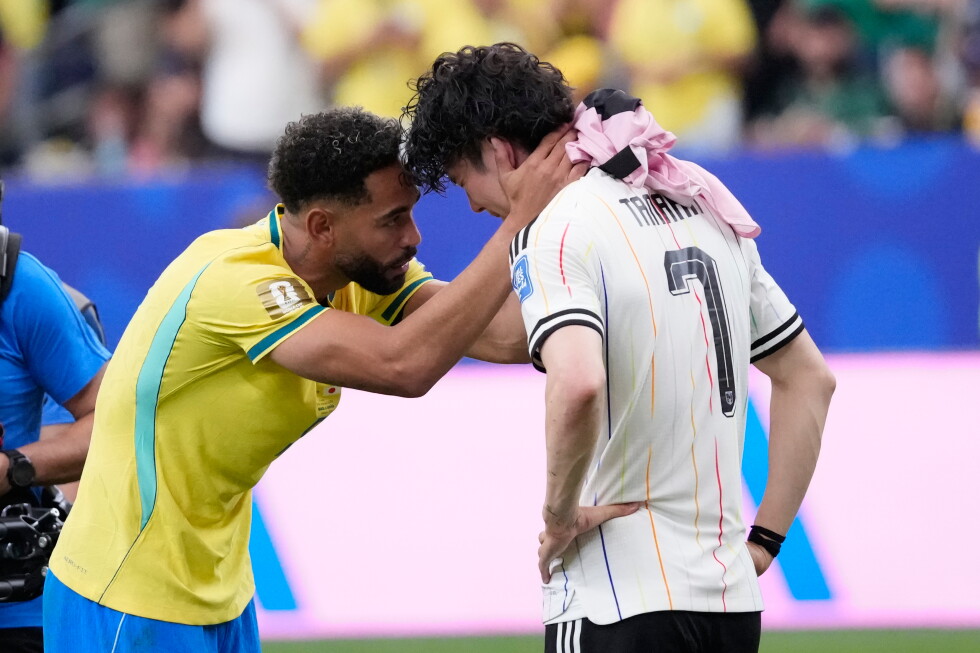
    HOUSTON — For the third consecutive World Cup, Japan’s men’s national team exited the knockout round in devastating fashion, falling 2-1 to five-time tournament champion Brazil after a late Gabriel Martinelli goal in stoppage time sealed their elimination. Monday’s defeat extends the Samurai Blue’s decades-long hunt for their first ever knockout stage win at the World Cup, marking the fifth time the side has squandered a lead in a knockout match to exit the tournament.

    Japan got off to a dream start against the global powerhouse, taking a 1-0 lead in the 29th minute through a strike from Kaishu Sano. Brazil responded just past the hour mark, as star midfielder Casemiro nodded home a equalizing header in the 56th minute, setting the stage for a tense final stretch. With the match poised to go to extra time, Martinelli netted the decisive winning goal deep into injury time, sending Japan packing once again. Japan goalkeeper Zion Suzuki turned in an impressive performance against Brazil, recording four saves, but declined to speak to reporters after the final whistle.

    This exit follows a painful pattern for Japanese football at the sport’s biggest global stage. At the 2022 Qatar World Cup, Japan held an early lead against Croatia in the round of 16 before being eliminated on penalty kicks. Four years prior, in 2018, Japan infamously held a 2-0 lead over Belgium in the second half of their round of 16 match, only to concede three late goals, including a game-winner in stoppage time, to crash out of the tournament. Even with this latest devastating loss, Japan head coach Hajime Moriyasu remained focused on future progress, framing the pain of the defeat as a foundation for future success.

    “While we fell short of our goal this tournament, we can set our sights on the next World Cup, and the one beyond that,” Moriyasu said, speaking through a translator after the match. “That is the goal we will continue to work toward. I do not expect history to be kind to us for this result, but if we keep pushing past these disappointing moments, the day will come when our history changes.”

    Brazil have historically dominated Japan in head-to-head matchups, with Japan holding only one win in 15 total meetings between the two sides — a single friendly victory in October of last year. Despite this losing trend, Moriyasu emphasized that the competitive gap between Japan and the world’s top teams is narrowing rapidly.

    “Brazil is one of the best teams in the world, and we are clearly approaching their level,” Moriyasu said. “We have to use what we learned from the defeat in Qatar four years ago and lift our play to the next level.”

    After the final whistle, Moriyasu told his players to hold onto the sharp frustration of the loss, and use that feeling to fuel their growth in coming years. He also took full accountability for the result, saying: “Winning the World Cup was our shared dream and goal, and we could not reach it. As head coach, I told the players I am truly sorry that I was not able to lead this team to the level we needed to achieve that goal.”

    Back in Japan, the heart-breaking defeat did little to dim fan enthusiasm for the team’s performance. Hundreds of fans gathered at a public viewing site near Tokyo Tower to watch the match, which kicked off in the early hours of local time, ending around 4 a.m. Many supporters said they left inspired by Japan’s fight against a elite opponent.

    “I want to thank the players for never giving up, no matter how tough the situation got,” said fan Miyu Hashiguchi after the match. “They gave me the courage to take on my own challenges in life.”

    Twenty-year-old student Ryutaro Mori noted that even in defeat, putting the first goal on the scoreboard against a higher-ranked side like Brazil marked a major milestone for Japanese football. “That means a lot for our country,” Mori said.

    Alessandro Libri, an AP video journalist based in Tokyo, contributed reporting to this article.

  • Germany and Paraguay head to penalty kicks at 1-1 in the round of 32 at the World Cup

    Germany and Paraguay head to penalty kicks at 1-1 in the round of 32 at the World Cup

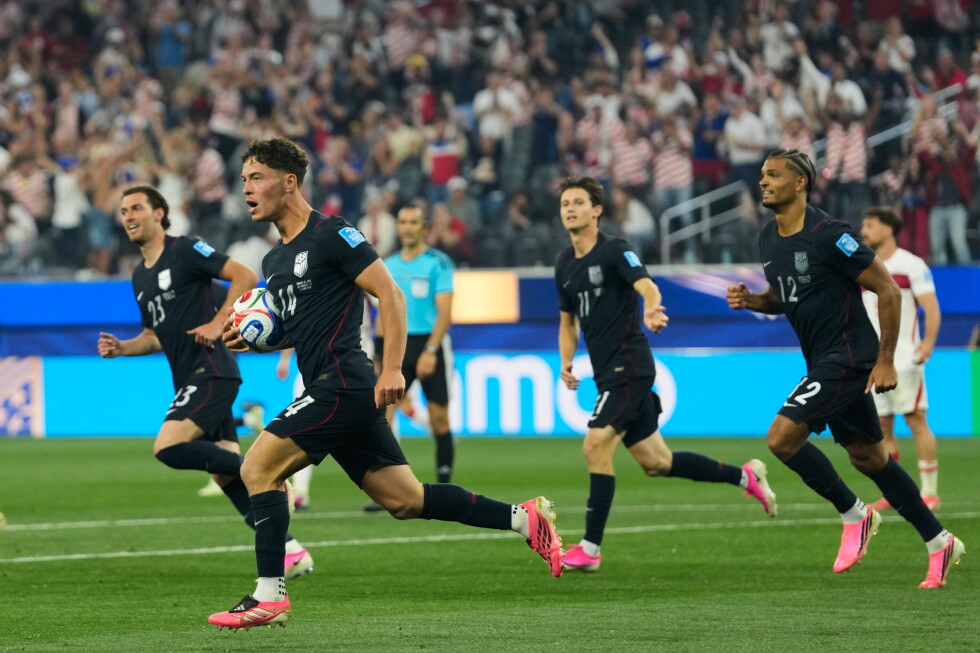
    FOXBOROUGH, Mass. — The World Cup’s round of 32 delivered a tense, evenly matched battle between Germany and Paraguay on Monday, with both sides forced into a decisive penalty shootout after finishing regulation and extra time deadlocked at 1 goal apiece.

    Paraguay drew first blood in the closing minutes of the first half, when forward Julio Enciso rose above the German defense to power a header into the back of the net, putting his side ahead going into the halftime break. Germany responded quickly after the interval, with Arsenal forward Kai Havertz finding the net in the 52nd minute to level the score and set the stage for a dramatic second half.

    As the final whistle of regulation blew with the score still tied, the contest moved to 30 minutes of extra time to find a winner. In the 102nd minute, it looked as though Germany had secured the go-ahead goal: defender Jonathan Tah directed a corner kick from Nathaniel Brown past Paraguay goalkeeper Orlando Gill, who could not reach the looping header. However, a VAR video review immediately intervened, ruling that German defender Waldemar Anton had illegally pushed Gill to the ground prior to the header. The goal was ruled out, leaving the score unchanged.

    This matchup marked only the second time these two nations have faced off at a men’s World Cup. Their only prior meeting came in the 2002 tournament’s round of 16, where Germany edged Paraguay 1-0 to advance. Monday’s clash was also a historic milestone for Germany: it marked the four-time world champions’ first knockout round match since their 2014 World Cup final win over Argentina in Brazil, where they lifted their fourth World Cup trophy with a 1-0 extra time victory.

  • ‘Football was always in our blood’: Canada midfielder’s journey to World Cup history

    ‘Football was always in our blood’: Canada midfielder’s journey to World Cup history

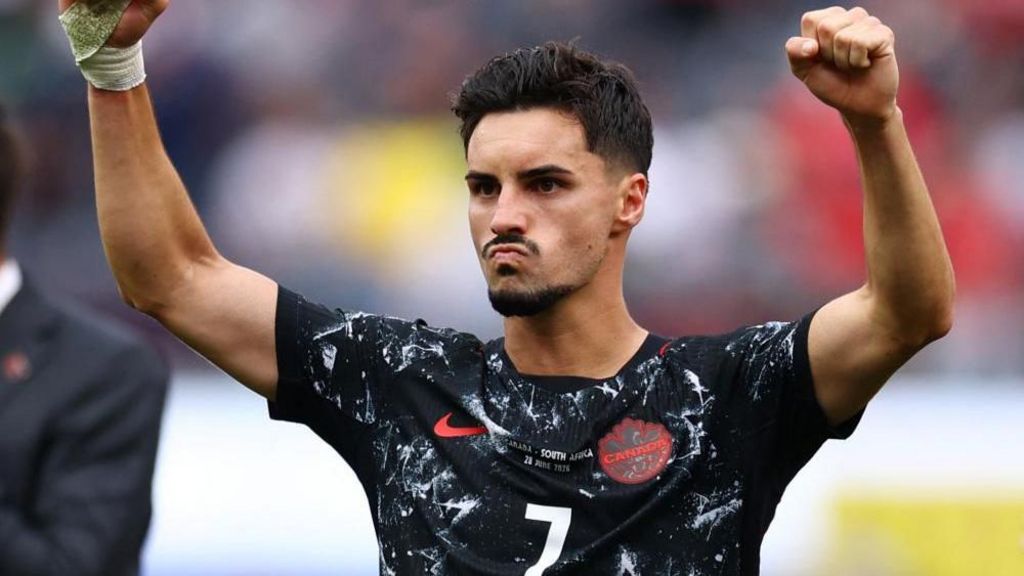
    The 2026 FIFA World Cup round of 16 dream for Canada was sealed by one magical moment on matchday: a perfectly placed finish from midfielder Stephen Eustáquio that proved to be the only goal in Canada’s tight round-of-32 clash with South Africa. The result marked the first time in Canadian men’s football history that the national side advanced to the tournament’s knockout stage, and the milestone is inextricably tied to the decades-long journey of the Eustáquio family, an immigrant story woven into the fabric of Canada’s thriving Portuguese-Canadian community.

    Watching the historic goal from his Toronto living room alongside Stephen’s older brother Mauro— a retired professional footballer and current head coach of local side Inter Toronto FC—Stephen’s cousin José Eustáquio could barely contain his emotion as he watched the play unfold. He broke down the strike in an interview, highlighting the precision and composure that turned a half-chance into a piece of Canadian sports history: “The chest control, the control of the ball, and a perfect shot into the corner. It couldn’t have been any better than that.”

    The Eustáquio family’s connection to football stretches across generations and the Atlantic Ocean. Like hundreds of thousands of Portuguese immigrants who moved to Canada in the late 20th century in search of greater economic opportunity, Stephen’s parents Esmeralda and Armando left their coastal hometown of Nazaré, Portugal, and settled in the small Ontario town of Leamington in 1997. Armando, a fisherman by trade, found work on Lake Erie, while Esmeralda took a job at a nearby fish processing plant. From the moment Stephen—who was born shortly after the family settled in Canada—and Mauro were young, the couple prioritized enrolling their sons in local youth football programs, nurturing a passion for the sport that ran in the family’s blood.

    José recalled the family’s long-held love for the game, remembering how generations of young relatives in Portugal would cobble together makeshift balls from old socks to play on cobblestone village streets when they had no equipment. As the two brothers began to show elite athletic promise, the family made the bold decision to move back to Portugal when Stephen was just seven years old, to give the pair access to top-tier youth training. Both went on to build impressive professional careers across clubs in Portugal and Canada, with Stephen rising through the ranks to play for Primeira Liga powerhouse FC Porto before joining Major League Soccer side Los Angeles FC earlier in 2026.

    Though Stephen was eligible to represent both Portugal and Canada at the international level, the 22-year-old made the decision in 2019 to pledge his allegiance to his parents’ adopted home. In his announcement at the time, he shared simply: “I have big dreams when it comes to playing for Canada.” José explained that the choice grew from the family’s deep gratitude for the opportunities Canada gave them. “At the core of the family has always been the love and affection for what Canada had provided them, an opportunity for a better life, and so he was always proud of that,” José said.

    This immigrant narrative is far from unique within Canada’s 2026 World Cup squad. The roster is a living reflection of the country’s cultural mosaic: it includes players born in Canada to immigrant parents, as well as athletes born in Nigeria, England, and the Ivory Coast. The team’s star, Alphonso Davies, was even born in a Ghanaian refugee camp before his family resettled in Canada. As policy analyst and columnist Aftab Ahmed wrote for Canadian publication The Line, “This group puts flesh and bone on the promise Canada has long projected to the world: families arriving, settling, working, struggling, raising children, and building excellence in communities across the country.”

    For immigrant communities across Canada, football has long served as a unique unifying force, especially in a country where ice hockey has historically dominated the national sports culture. Manuel DaCosta, a Portuguese-Canadian business owner who immigrated to Canada 56 years ago, noted that football gives immigrant communities a way to stay connected to their cultural roots while building bonds in their new home. “If you take away soccer and politics, the Portuguese don’t have much to talk about,” he joked. Beyond community connection, football is also far more accessible to working-class immigrant families than ice hockey, which requires costly equipment and training fees that put it out of reach for many new arrivals.

    That accessibility and community spirit inspired José to co-found Toronto’s Sporting FC academy back in 2011, the first official satellite academy of the famous Portuguese club located outside of Portugal. The academy offers both competitive and recreational youth football programs, rooted in José’s own childhood love of the game. “Canada has allowed us an opportunity to dream, and we dream through our children,” he said. He added that Stephen’s historic goal will be a transformative inspiration for young Portuguese-Canadian athletes across the country: “They’re going to wake up this morning wanting to be the next Stephen Eustáquio and have a dream like he did.”

    The historic moment comes amid unspoken grief for the Eustáquio family. Stephen lost his mother Esmeralda to brain cancer in April 2023, and his father Armando passed away a year later from a heart attack. The double loss has weighed heavily on Stephen and the entire family. After the final whistle, José observed the raw emotion on his cousin’s face as he walked around the pitch: “You could see when Stephen was walking around the field post game, and he was very emotional… we knew that he was having thoughts of his parents.”

    Sunday’s match remained locked in a scoreless deadlock deep into the second half, pushing Canada head coach Jesse Marsch to make a critical substitution: he brought star Alphonso Davies off the bench for the final 15 minutes, marking Davies’ first appearance of the tournament after recovering from a hamstring injury. Davies injected immediate energy and momentum into the Canadian attack, but it was Eustáquio who stepped up to write history.

    After the match, Marsch praised the midfielder’s perseverance and character, saying: “In a group of incredible human beings, maybe Steph is the most deserving to have a moment like that. Really happy for him, and I think from somewhere his parents are looking down, and they saw that.”

  • 45 minutes from Brazil ‘humiliation’ – but ‘Crafty Carlo’ does it again

    45 minutes from Brazil ‘humiliation’ – but ‘Crafty Carlo’ does it again

    When the first half whistle blew at the 2026 FIFA World Cup Round of 32 tie in Houston, Brazil’s squad walked back to the changing rooms under the shadow of potential national humiliation. One of the tournament’s most decorated sides, with five World Cup titles to their name, was staring down the barrel of an early exit – their swiftest elimination from football’s biggest global competition since 1966. Japan, the Asian underdogs, had held the five-time champions at bay, taken a surprise lead, and looked entirely comfortable defending their advantage. For Brazil, the stakes felt even heavier: the side had not pulled off a comeback win in a World Cup knockout fixture for 24 years, dating back to their 2002 semi-final against Turkey, making a Japanese upset look an increasingly plausible outcome.

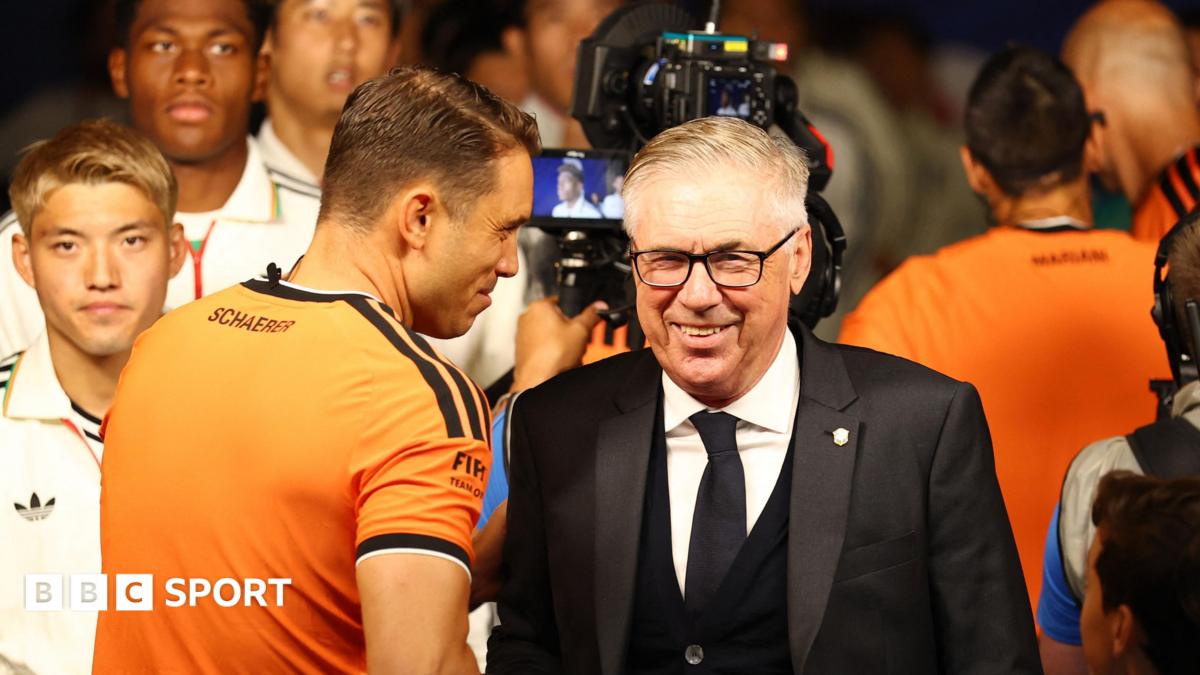
    But to doubt Carlo Ancelotti, Brazil’s trailblazing first foreign head coach at a World Cup, is to ignore one of football’s most successful serial winners. With a record five UEFA Champions League trophies and domestic league titles across all five of Europe’s top competitions on his managerial resume, the 67-year-old Italian has built his legacy on keeping cool under the most intense pressure. When asked if he felt any anxiety heading into the half-time team talk, his response was unflinching: “No. Not really. I was confident in our team.”

    That unflappable calm, pundits agree, was the key to turning the tide on a night that could have ended in disaster. South American football expert Tim Vickery emphasized just how high the stakes were at the break, telling BBC Radio 5 Live: “I would like to impress on you the size of the humiliation that this Brazil side were facing at half-time. Brazil, for obvious reasons, they are traditionalist when it comes to their World Cup legacy. The idea of being knocked out not even in the quarter-final, but in the last 32 against a team from Asia, was unthinkable – even if Japan, as group runners-up, were the most dangerous possible opponent Brazil could have drawn as group winners.”

    With only one enforced change at the break – young prospect Endrick coming on for the injured Lucas Paqueta – Ancelotti chose stability over panic, a call that ultimately paid dividends. “Sometimes Ancelotti’s greatest ability is to do nothing,” Vickery noted. “He is an oasis of calm in all the chaos around him – and it has paid off again.”

    The same starting group of players took the pitch for the second half, but they delivered a completely transformed performance. Ditching the intricate short passing that had failed to break down Japan’s disciplined, well-organized backline in the first 45 minutes, the Brazilian side shifted to a far more direct approach, flooding the penalty area with crosses. Where they had managed just 12 crosses in the first half, they put 28 into the box in the second – an average of one cross every two minutes when including six minutes of stoppage time. Japan’s defense could not cope with the constant barrage of balls into dangerous areas, and it was from this approach that Brazil found their equalizer: a well-placed header from star midfielder Casemiro that leveled the scoreline.

    Pundits were quick to praise Ancelotti’s half-time adjustment. “Changes at half-time by Carlo Ancelotti made the difference,” former England full-back Stephen Warnock told BBC Radio 5 Live. “Japan couldn’t deal with their balls into the box.” Former Celtic striker Chris Sutton added: “It is about finding a way. All the experience Brazil have, and enough in the tank to knock an excellent Japanese team out of the World Cup.”

    For Ancelotti, the tactical shift was never about abandoning Brazil’s iconic attacking flair – just about doing what it takes to get the win. “The only acceptable outcome is victory. Is a brand of football enough? We can never be content with what we are doing,” he explained after the match. “Was it a step forward? This was the more complete game that we played. We had more trouble in the first half because Japan were coming in strongly. In the second half we overcame it. I believe this is an evolution for sure. We struggled to find space at first but we are able to solve this problem very well.”

    In the end, it came down to a moment of late drama that will be remembered for years. A stray mistake from Japan in the 95th minute was pounced on by Bruno Guimaraes, who played a calm through ball to Gabriel Martinelli – and the Arsenal winger made no mistake, slotting home a last-gasp winner to keep Brazil’s dream of a sixth World Cup title alive. Ancelotti reflected after the match: “We said before the World Cup, there is this aspect that football has its moments. There is no ‘not making mistakes’ because nobody is perfect, but you have to overcome them and push forward. That’s what the team did.”

    Now, Brazil advances to the Round of 16, where they will face the winner of the previous knockout tie between Ivory Coast and Norway. While the dramatic late win has injected much-needed momentum into the side, the overriding emotion at full time was unmistakeable relief. Former Brazil midfielder Lucas Leiva summed it up as “saving the nation,” while Vickery described the win as “climbing Everest the hard way.” For Ancelotti, though, there was never any panic. This is just how he wins: keeping his cool when all around him are losing theirs, and finding a way to get over the line. As Sutton put it: “They are on to something under Ancelotti. Crafty Carlo does it again. That is what he does.”

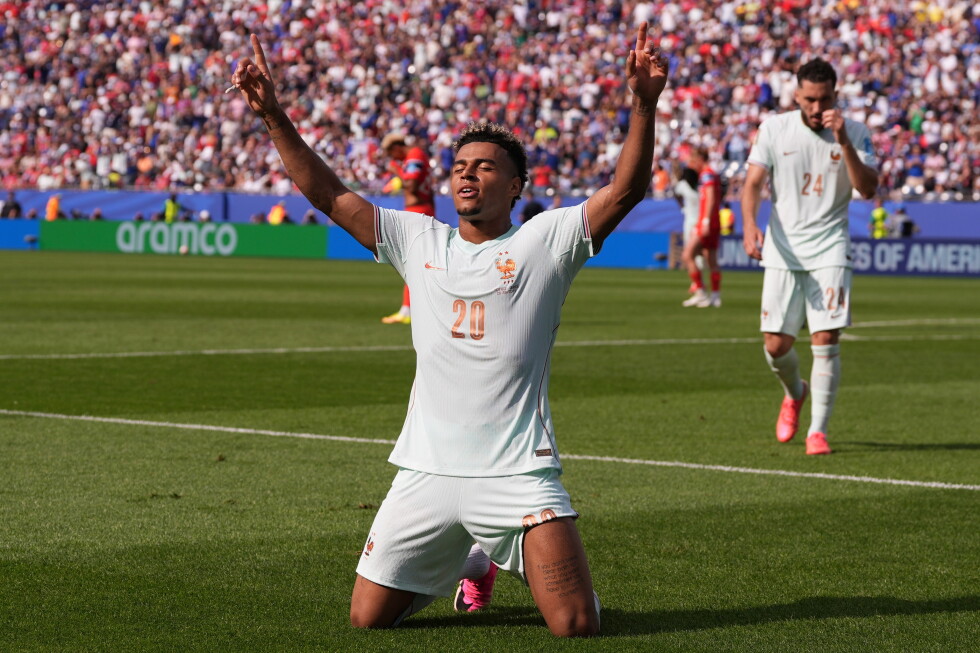
  • World Cup what to know: France, Norway, Mexico among teams in action as knockout rounds continue

    World Cup what to know: France, Norway, Mexico among teams in action as knockout rounds continue

    The knockout round of the men’s FIFA World Cup enters its second day of action on Tuesday, with three high-stakes elimination matchups spanning three North American venues, each packed with compelling pre-game narratives that have fans across the globe anticipating drama.

  • ‘Calmly resilient’: Injury-hit New Zealand guts out a rare test series win in England

    ‘Calmly resilient’: Injury-hit New Zealand guts out a rare test series win in England

    When the final test of New Zealand’s 2024 series against England kicked off at Nottingham’s Trent Bridge, few pundits gave the understaffed Kiwi side a chance. The Black Caps entered the series decider missing virtually all of their standout match-winners: top wicket-takers Matt Henry and Kyle Kyle Jamieson, first-innings century-maker Glenn Phillips, and franchise totem Kane Williamson – the team’s all-time leading run-scorer – who had pulled out of the clash while the camp was based in London. Adding to the pressure, New Zealand had not secured a test win on Trent Bridge soil in four decades, and had fallen to a humbling defeat against England just days earlier in the series. On the opposite side, England entered the match at full strength, retaining fast bowler Jofra Archer over Ollie Robinson – the star of England’s opening series victory at Lord’s – to lead their attack.

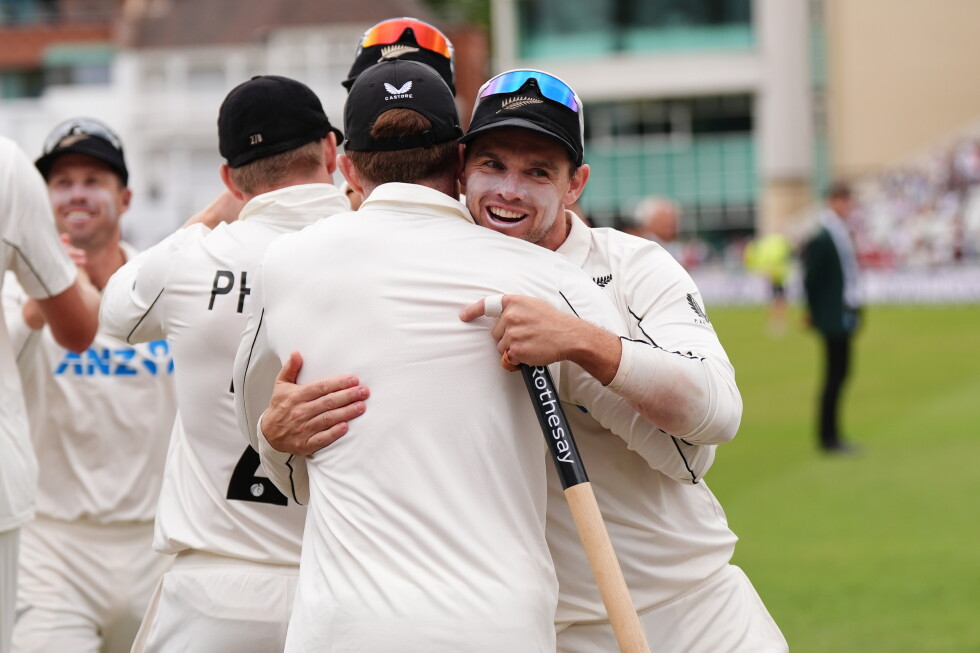
    Against all pre-match predictions, and despite even more injury setbacks unfolding during play, New Zealand walked away with a dominant 160-run win just after lunch on the fifth day, sealing a 2-1 series victory. This historic result marks only the fourth time New Zealand has claimed a test series win on English soil in 95 years of touring the country.

    The story of this win is one of relentless team resilience and depth, starting on the opening day amid a British heatwave. Long written off for their poor run of form leading into the match, opening pair Tom Latham and Devon Conway defied expectations to put on a 317-run opening stand that set the foundation for New Zealand’s total. Early in the match, enforced change Blair Tickner – one of the uncapped replacements brought in to cover the absentees – was forced out with concussion after being hit by a high bouncer, forcing 26-year-old allrounder Zac Foulkes into only his sixth test match. Foulkes stepped up immediately, claiming three key wickets on day three to help New Zealand secure an 84-run first-innings lead.

    A middle-order collapse that left New Zealand at 51-3 threatened to derail their progress, but 24-year-old rising star Rachin Ravindra steadied the innings, partnering with Daryl Mitchell to calm the dressing room and rebuild the total. Ravindra fell just six runs short of a century on the fourth morning, but Mitchell held firm, absorbing 13 blows to his body and gloves en route to his fourth career test century against England. The massive first-innings total left New Zealand with a 372-run lead heading into England’s second innings, putting the hosts under unrelenting pressure.

    More injury trouble hit New Zealand on the final morning: senior seamer Will O’Rourke, who had already been playing through a split fingertip, pulled his left hamstring and was forced to leave the field, leaving a second-string attack to finish the job with England on 133-6. The ragtag group of replacements – Nathan Smith, Foulkes, travelling reserve Ben Sears, and part-time spinner Mitchell Santner, backed up by wicketkeeper Tom Blundell’s sharp work behind the stumps – rose to the challenge, wrapping up England’s innings shortly after lunch to secure the win.

    The stunning result arrived alongside the sudden announcement of England captain Ben Stokes’ retirement from international test cricket, capping a dramatic final day of the series. Brendon McCullum, England’s head coach and former New Zealand captain, acknowledged the gulf in performance after the match, simply saying “We were outclassed.”

    This win extends New Zealand’s outstanding recent away form: the Black Caps have now claimed eight wins from their last nine test matches played outside of New Zealand. Latham, New Zealand’s stand-in captain for the series, made history as the first skipper in the 21st century to lead test series wins in both India and England in the same cycle.

    “Probably the most pleasing thing — different guys who have put their hands up at different times,” Latham told reporters after the win. Nathan Smith, who entered the series as the fourth-choice seamer in the Kiwi squad, finished the match with six wickets and ended the tournament as the series’ leading wicket-taker with 16, earning him player of the series honors. Daryl Mitchell, whose unbeaten century and five catches anchored New Zealand’s second innings, was named player of the match.

    “To come here and do it in a style that’s true to us as Black Caps and as Kiwis is something we’re really proud of. It’s going to be a cool one to reflect on,” Mitchell said. “We’re a small country down the bottom of the Earth and it’s something that I guess we pride ourselves on is that we just get stuck into whatever’s needed to be done and try and get the job done. Sometimes it’s been pretty and sometimes it’s getting dirty and doing the little things really well.”

    Former New Zealand captain Jeremy Coney, who led the first Kiwi side to win an English test series back in 1986, praised the current side’s unique team culture. “(This is a) different side than we had. But calmly resilient,” Coney told the BBC. “They play for each other. They care about each other. They’ve grown up together. If someone doesn’t have a good day, someone else fills the gap.”