分类: sports

  • Australia storms into another Women’s T20 World Cup final after crushing West Indies

    Australia storms into another Women’s T20 World Cup final after crushing West Indies

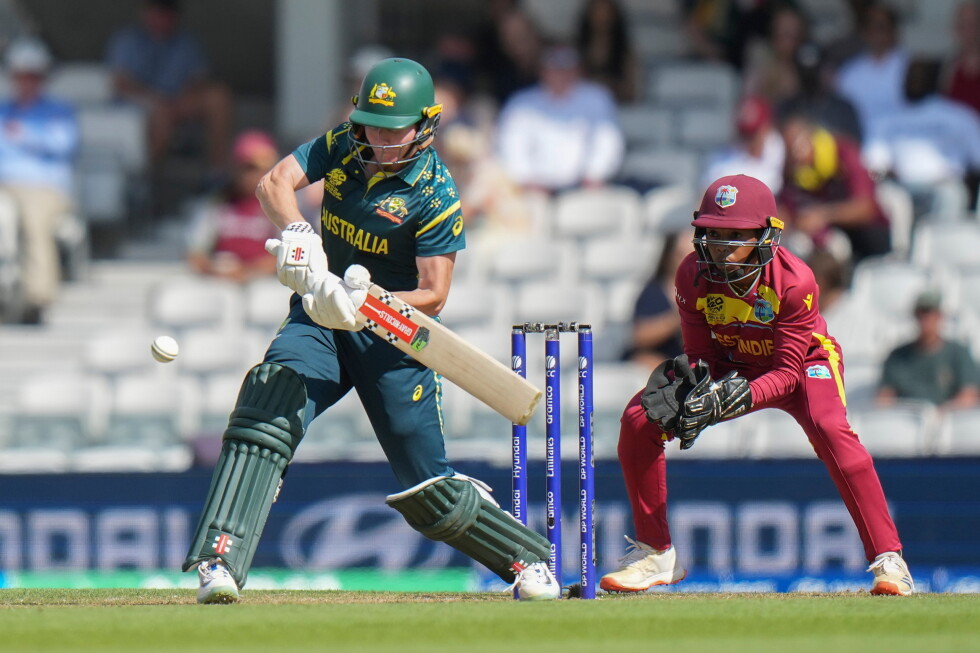
    LONDON — In a dominant display of batting prowess at London’s iconic Oval ground on Tuesday, Australia secured its place in yet another Women’s Twenty20 World Cup final, dismantling the West Indies by an eight-wicket margin with overs to spare.

    After winning the toss and choosing to field first, Australia restricted the West Indies to a total of 125 runs for the loss of seven wickets. The modest run target quickly proved well within Australia’s reach, as the tournament favorites chased down the required score with a full seven overs still left to play, making clear the gulf in class on the day.

    Midway through the run chase, opening batter Beth Mooney and all-rounder Ash Gardner forged a match-winning unbeaten partnership that dismantled the West Indies bowling attack. The pair stacked up 63 runs from just 37 deliveries, steering Australia to a final score of 127 for two wickets and securing the semi-final victory.

    Mooney anchored the innings with a rapid 61 runs off 36 balls, notching her eighth T20 World Cup half-century. This result ties her with New Zealand veteran Suzie Bates for the record of most fifties in the history of the women’s tournament. Gardner contributed an equally explosive 35 runs from only 20 deliveries, turning a steady chase into a commanding win.

    Heading into the final, Australia remains undefeated in this year’s tournament, and is now set to compete for its seventh T20 World Cup title. This appearance marks the side’s eighth trip to the tournament final in just 10 editions of the global competition, a testament to its decades-long dominance in women’s short-format cricket. Australia will face off against either host nation England or South Africa in the title match at Lord’s this coming Sunday. The second semi-final between England and South Africa is scheduled to take place this Thursday at the same Oval ground where Australia secured its win.

  • Mexican fans blast horns outside Ecuador’s hotel, fueling a sleepless World Cup eve

    Mexican fans blast horns outside Ecuador’s hotel, fueling a sleepless World Cup eve

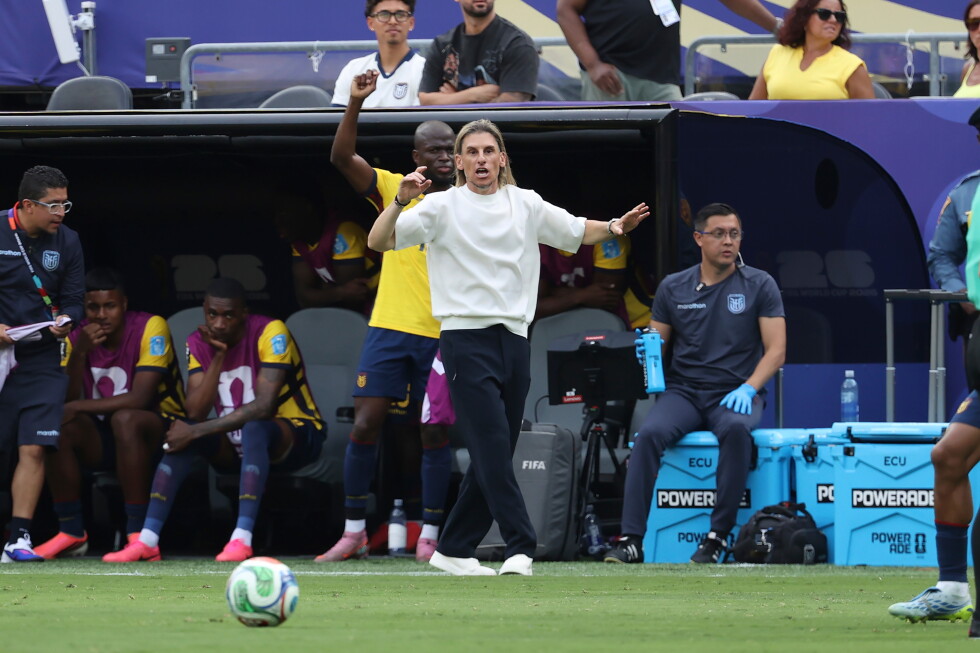
    MEXICO CITY — In a well-documented yet controversial display of pre-match psychological warfare, Mexican football fans launched an overnight disruption campaign targeting the Ecuador national squad ahead of their high-stakes World Cup round-of-32 matchup at Mexico City’s iconic stadium. Dozens of supporters assembled outside the Ecuadorian team’s accommodation at the Westin Hotel in Santa Fe, an upscale suburban district of the Mexican capital, starting at midnight and continuing into the early morning hours. They used blaring loudspeakers, honking car horns, and revving motorcycle engines to prevent visiting players from getting any meaningful rest before their crucial match.

    This kind of pre-match hotel protest, often nicknamed a “serenade” by local fans, is a deeply ingrained but fiercely divisive tradition across Latin American football. What started decades ago as a spontaneous, passionate expression of support for the home side has gradually morphed into a calculated tactic, intended to unsettle opponents and sabotage their on-field performance by depriving them of critical sleep ahead of kickoff. The disruption was coordinated entirely through social media platforms, amplifying its reach and turnout among local fans.

    The late-night ambush capped off a string of misfortunes that plagued Ecuador from the moment they began their journey to the Mexican capital. The squad had intentionally planned a last-minute arrival on Monday night, a strategic choice designed to minimize the physical impact of Mexico City’s high altitude. Sitting 2,200 meters (7,300 feet) above sea level, the thin mountain air can cause acute fatigue, shortness of breath, and reduced athletic performance in unacclimatized players.

    Sports scientists currently endorse two primary strategies to handle high-altitude matchups: one requires an extended acclimatization period of at least two weeks, allowing the body to adjust gradually to lower oxygen levels. The alternative is the so-called “fly-in, fly-out” approach, where teams arrive as close to kickoff as possible, before acute altitude symptoms can develop. This is the standard strategy used by most major North American professional sports teams when traveling to play matches in Mexico City, and Ecuador opted to follow this same approach.

    But even the best-laid plans unraveled quickly for the South American side. Their journey from Columbus, Ohio was derailed by delays from the start. Head coach Sebastián Beccacece confirmed that the team’s flight was held up for more than three hours, though he did not clarify whether he had accounted for the two-hour time difference between the departure city and Mexico City. “It turned into a nine-hour trip from when we left to when we arrived at the hotel, three hours longer than our original schedule,” Beccacece told reporters. “That said, the squad is in good spirits and ready for the match — we know we’re facing a strong opponent that put up great results in the group stage.”

    Problems only compounded after the team landed. They touched down at Felipe Ángeles International Airport (AIFA), which sits roughly 65 kilometers (41 miles) outside the city center, far from their Santa Fe hotel. The squad then had to endure a grueling trek through Mexico City’s famously congested rush-hour traffic, which was made even worse by a heavy downpour that hit on Monday night, slowing travel to a crawl. The overnight fan disruption was the final unwanted challenge for the Ecuador squad ahead of their make-or-break World Cup clash.

  • Can the World Cup’s viral stars turn social media fame into fortunes?

    Can the World Cup’s viral stars turn social media fame into fortunes?

    The 2026 World Cup has produced more than just iconic on-pitch moments—it has sparked a new phenomenon where underrated, little-known athletes achieve overnight global fame through viral social media attention, reshaping how modern sports stardom is built. Two standout cases from the group stage illustrate just how dramatically social media can rewrite an athlete’s profile in a matter of days, even when that fame comes from very different origins.

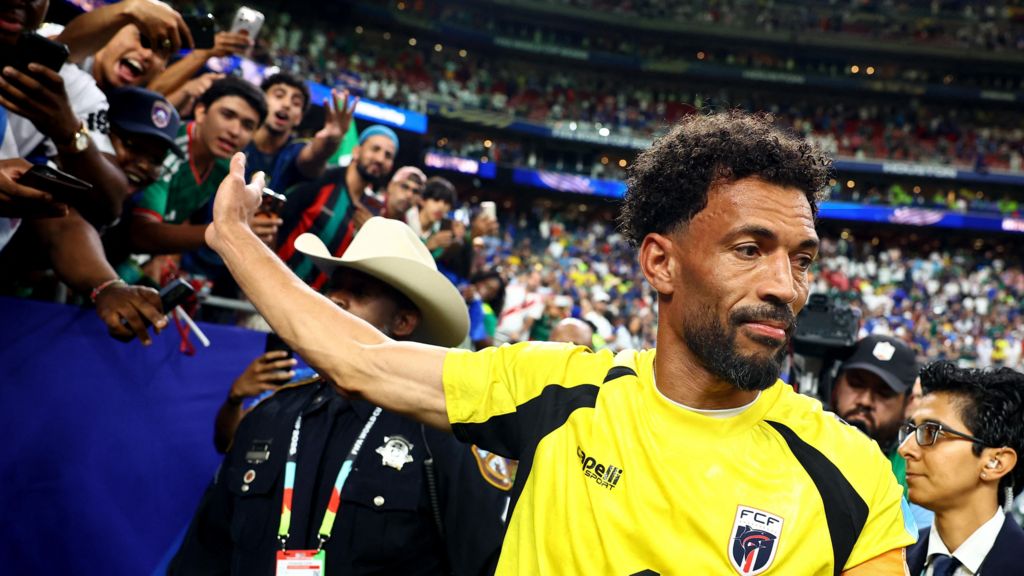
    For 40-year-old Cape Verde goalkeeper Vozinha, viral stardom was the product of a once-in-a-lifetime on-pitch performance. His 90-minute masterclass in goal against tournament favorite Spain secured a shock 0-0 draw for his underdog side, turning the previously little-known keeper into a global sensation overnight. In the days following the match, Vozinha’s Instagram follower count skyrocketed from just 50,000 to more than 17.4 million—surpassing the 15.5 million followers of NFL legend Tom Brady, one of the most famous athletes on the planet.

    Half a world away, New Zealand defender Tim Payne earned his viral fame through a very different route. Ahead of the tournament, an Argentine influencer with the online handle ‘elscarso’ dubbed Payne the ‘least-known player at the World Cup’ in a viral video, and called on his hundreds of thousands of followers to help boost the defender’s profile. Payne embraced the unexpected moment of attention, leaning into the trend by posting more content and engaging with the influencer who launched his rise. In just a few days, his follower count jumped from roughly 5,000 to nearly 6 million—enough to surpass the entire population of his home country, which sits just above 5.3 million. Unlike Vozinha, Payne’s new fame did not stem from a standout match performance, but from a spontaneous social media trend.

    Industry experts say these two cases are part of a larger shift in the sports world that has accelerated over the past decade. Mike Serazio, a Boston College professor who studies the intersection of media and sport, explained that unlike decades past, when athletes needed elite, long-term on-pitch success to land major commercial opportunities, social media has opened the door for any athlete to gain a following and strike lucrative brand deals. ‘You simply don’t need the mass media in the way that you did previously and athletes understand this,’ Serazio said. ‘Athletes have been taking to social media and using it ambitiously to cultivate followings, to strike brand deals, to make money, to leverage their popularity.’

    Serazio noted that today, viral moments carry more cultural and financial weight than consistent performance over an entire career or tournament. ‘Your performance across the whole arc of the game doesn’t matter as much as having a signature moment that’ll play well, that’ll reverberate in the viral confines of social media,’ he said. ‘The viral moment has greater currency, it’s the thing that matters more than the game itself.’

    While viral fame can open the door to six-figure payouts and brand partnerships—Brooke Duffy, a digital media scholar at Cornell University, confirmed that creators with millions of followers can regularly command payments exceeding $100,000 for sponsored content—experts warn that this fame is often fleeting. Serazio points out that viral stardom rises as quickly as it fades, questioning whether one-hit viral stars will be able to maintain their popularity and commercial opportunities long after the World Cup ends. ‘You have a window there of attention,’ Serazio said. ‘Nobody knew who the Cape Verde goalie was… and I don’t know that they’ll know who he is after the World Cup ends.’

    Unlike established global superstars such as Lionel Messi, Cristiano Ronaldo, or Kylian Mbappé, who will retain commercial clout long after they retire, there are far fewer examples of athletes who turned one viral moment into a sustainable long-term career off the pitch. One rare success story is U.S. rugby player Ilona Maher, who saw her popularity explode during the 2024 Paris Olympics and has since leveraged her following into a podcast, multiple brand ambassador roles, a modeling feature in Sports Illustrated, a runner-up finish on *Dancing with the Stars*, and a 2025 ESPY Award for Best Breakthrough Athlete.

    Duffy added that while long-term opportunities do exist for viral sports stars, the digital media economy remains unstandardized and unpredictable, with no set rates for sponsored content and few safeguards to guarantee a stable income. ‘These are individuals whose careers so far have been hitched to soccer. So thinking about how they navigate the variability of a kind of shadowy ecosystem of the digital media economy is curious,’ she noted.

    Right now, the cultural and financial value of these viral World Cup stars is at its peak. What becomes of their newfound fame, and whether it will translate to long-term professional and financial success, will ultimately depend on their ability to hold the attention of their new millions of followers long after the final whistle of the tournament.

  • Cape Verde will beat Argentina 1-0 in World Cup clash, predicts president

    Cape Verde will beat Argentina 1-0 in World Cup clash, predicts president

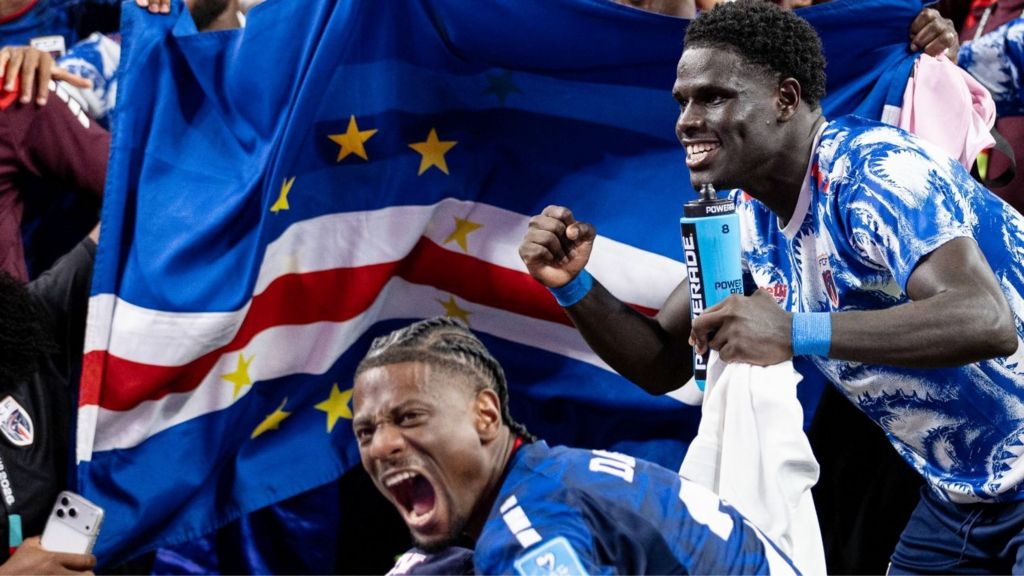
    Cape Verde, the tiny Atlantic island archipelago making its first ever FIFA World Cup appearance, is gearing up for one of the biggest underdog stories in modern football history. Fresh off becoming the smallest nation ever to advance to the tournament’s knockout round, the country’s president José Maria Neves has boldly predicted that his side, nicknamed the Blue Sharks, will pull off a seismic upset against defending champions Argentina in their upcoming round of 32 clash.

    In an exclusive interview with the BBC conducted from Cape Verde’s capital Praia, Neves laid out his optimistic vision for Friday’s match, scheduled for 22:00 GMT in Miami. “I think Cape Verde can beat Argentina 1-0,” he stated. “We are playing to win… when expectations are low regarding a team, and if that team has the urge to win, anything is possible. A small nation like Cape Verde should always strive to do exactly that — to permanently surprise the world.”

    Neves’ confidence stems from Cape Verde’s already historic run through the group stage, a stretch of results that has cemented the Blue Sharks’ reputation as giant-killers before they even take the pitch against Lionel Messi’s side. The team opened their World Cup campaign with a stunning goalless draw against European powerhouse Spain, where 40-year-old veteran goalkeeper Vozinha delivered a player-of-the-match performance to shut down one of the world’s most dangerous attacks. They followed that up with an exciting 2-2 draw against two-time World Cup winners Uruguay, then secured their knockout spot with another goalless draw against Saudi Arabia on Saturday. Finishing as Group H runners-up behind Spain, who defeated Uruguay in the final group match, Cape Verde wrote a new chapter of World Cup history as the smallest nation ever to reach this stage of the tournament.

    The gap between the two sides on paper could not be wider. FIFA’s current world rankings place Argentina at the top of the global standings, while Cape Verde sits 63 spots below, ranked just 13th among African national teams. That gap means nothing to Neves, who says the Blue Sharks bring far more heart and determination to the pitch than their ranking suggests. “Our team has 100% faith, 100% hope, and they will leave every last drop of effort on the pitch. So, we have a 100% chance to win against Argentina,” he said.

    The president’s bullish outlook aligns with the mindset of the entire Cape Verde camp, echoing comments made by head coach Pedro Leitão Brito, widely known as Bubista, over the weekend. Standing before reporters draped in his country’s flag, Bubista declared “to us, nothing is impossible” after the team secured their knockout spot. The coach added that the team’s core mission extends far beyond results: “From the very beginning, we’ve said that one of our main goals was to show our country to the rest of the world. To be able to play Argentina and Messi at this stage of the World Cup is a win for our country, no matter what happens in the match itself.”

    For the players, the run already feels surreal. Midfielder Deroy Duarte called the experience “like being in a dream,” acknowledging that facing Argentina will be an enormous challenge but adding that the side remains fully focused on causing an upset: “It will be tough, but let’s believe. Anything is possible.”

    Even if the underdog run ends on Friday, Neves says there is no reason for disappointment, framing the entire tournament as a success for the small island nation. “There is no such thing as failure for us here,” he explained. “Regardless of the outcome, we will leave the World Cup with our heads held high, knowing we accomplished every mission we set out to achieve. We came to this tournament to write our own destiny, and that destiny starts with facing the best champions in the game.”

    Cape Verde fans across the globe have already celebrated the team’s historic run, with many describing the Blue Sharks’ progression to the knockout stage as nothing short of a miracle. As kickoff approaches, the entire football world will be watching to see if the smallest underdog in the tournament can pull off the biggest upset in World Cup knockout history.

  • The Paraguay hero who sold his kit when his son was born

    The Paraguay hero who sold his kit when his son was born

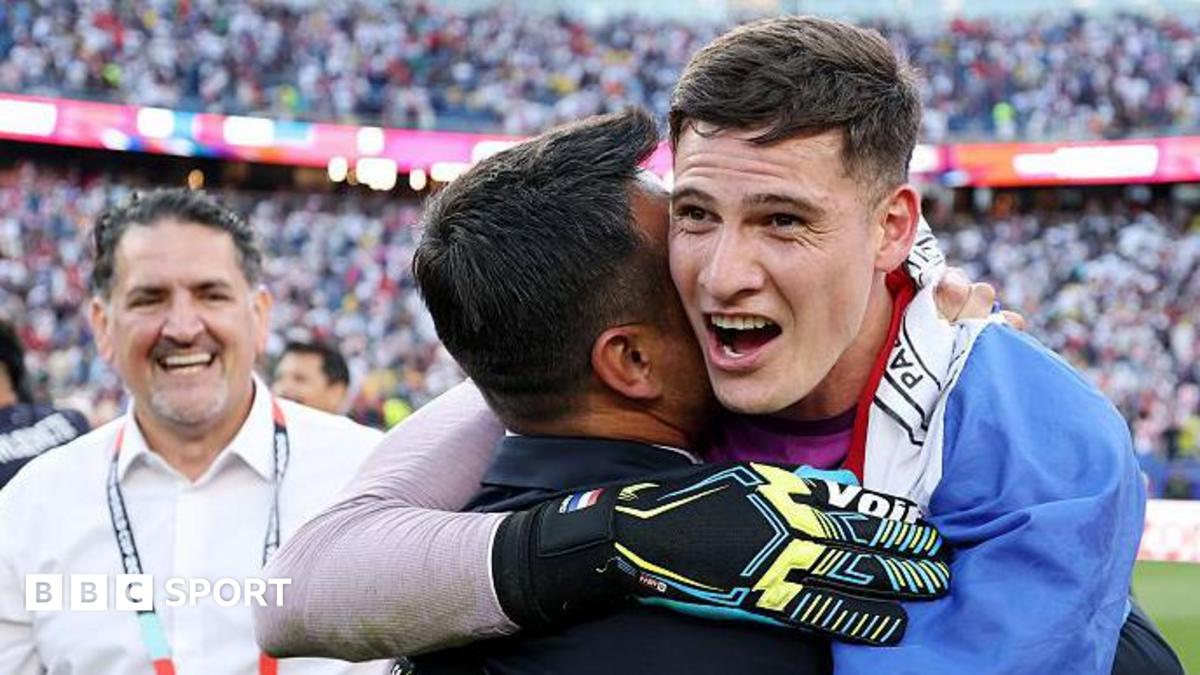
    For the 26-year-old Paraguayan goalkeeper Orlando Gill, the 2026 FIFA World Cup round of 32 clash against Germany was far more than just a match – it was the latest chapter in one of the most incredible underdog stories in modern football. Just four years after selling his most prized playing gear to cover emergency medical bills for his prematurely born son, Gill delivered a career-defining performance, saving two penalties to secure a shock shootout victory over Germany, catapulting Paraguay into the tournament’s last 16.

    Standing at an imposing 6 feet 6 inches tall, Gill has emerged as one of the breakout stars of this World Cup, but his path to global football stardom was lined with financial hardship and personal tragedy. The shot-stopper climbed through the youth ranks at lower-tier Paraguayan clubs 13 de Junio and CS San Lorenzo, earning a call-up to Paraguay’s U-20 squad for the 2019 South American U-20 Championship. He made his senior debut in September 2020, but registered just two first-team appearances before life-changing crisis struck in 2022, when his wife Melissa Avalos developed life-threatening complications during pregnancy.

    The couple’s son Lautaro was expected to arrive on New Year’s Eve 2022, but Melissa was hospitalized in late November, and after a week of induced labor, complicated childbirth left the new mother requiring emergency surgery, with the newborn placed immediately in intensive care. The family made it home in time for Christmas, but were left completely destitute by medical costs, as Melissa shared on social media last year: “We had nothing, and Orlando was selling his club gear to cover expenses. Our son fought for his life, and his dad was always there. He gave everything, he sold everything: his clothes, his sneakers, even his U20 national team jersey, which he couldn’t keep as a memory.”

    Nearly a year after Lautaro’s birth, with Gill still only having two senior appearances to his name, a life-changing gamble changed the course of his career. Argentina’s top-flight side San Lorenzo signed the little-known keeper on an initial loan deal. He spent the end of 2024 grinding through reserve team matches, and earned a promotion to the first-team starting lineup in early 2025, catching the eye of Paraguayan national team head coach Gustavo Alfaro.

    After receiving his first two call-ups in March and June of 2025, with Paraguay already having secured its World Cup spot, Gill made his senior international debut in the final qualifying match against Peru last September. He went on to start in five pre-tournament friendlies, impressing enough to earn the starting goalkeeper job heading into the 2026 World Cup. The campaign got off to a rough start with a 4-1 opening loss to co-hosts the United States, but Gill has found his form ever since, conceding just one goal across his next three matches – including 120 minutes of scoreless play against four-time World Cup champions Germany. He saved 16 of the 17 shots on target he faced through that stretch, a remarkable stat that proved critical to forcing the match to penalties.

    While some debate surrounded a late free-kick decision that denied Germany a late winning goal in regular extra time, there was no questioning Gill’s heroism in the shootout. Two critical stops from the Paraguayan shot-stopper secured his nation’s spot in the last 16, only the second knockout stage win in the country’s World Cup history, and earned him FIFA’s official Player of the Match award.

    In a heartfelt post-match tribute, Gill dedicated his honor to his hospitalized nephew Alexander back home in Paraguay, continuing the theme of family that has defined his incredible rise. “Alexander, this trophy is for you,” he said. “I hope you get better soon. Your godfather is supporting you from a distance.”

    For Gill, the journey from obscurity and financial crisis to World Cup stardom is already one of the most inspiring stories of the 2026 tournament, and his unlikely run with Paraguay is still only halfway through.

  • False hope and schadenfreude: Familiar feelings for Germany after another World Cup flop

    False hope and schadenfreude: Familiar feelings for Germany after another World Cup flop

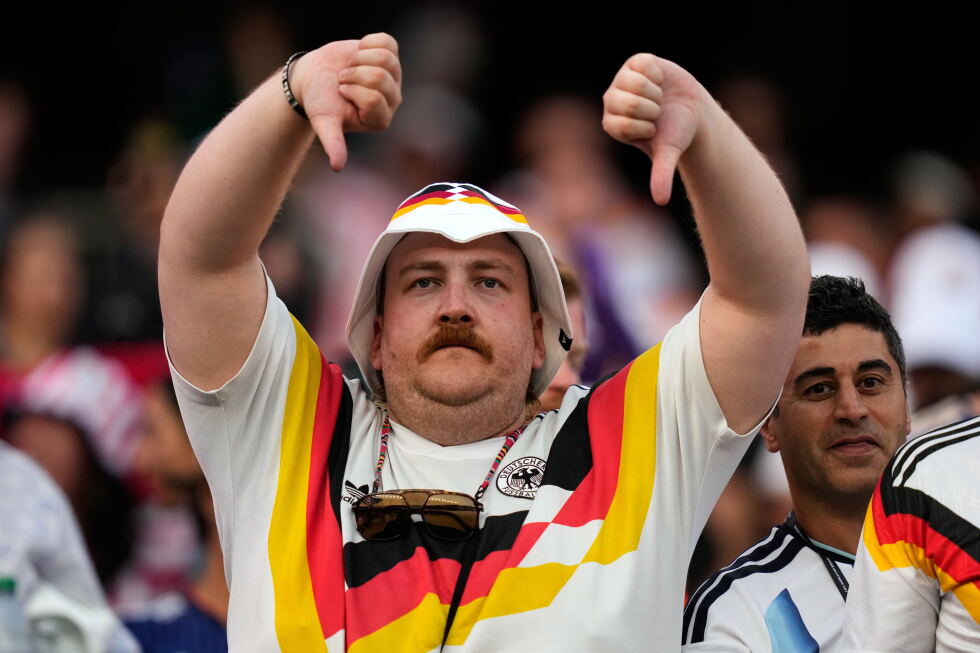
    For German men’s soccer, another World Cup campaign has ended in another disappointing early exit — a bitter outcome for one of the sport’s most storied powerhouses, which had entered the tournament holding tentative hopes of lifting a fifth World Cup trophy and rebuilding its squandered reputation.

    Unlike its 2018 and 2022 campaigns, Germany did manage to clear the group stage for the first time since its 2014 World Cup triumph. But that small milestone offered little consolation after Monday’s knockout round opener in Foxborough, Massachusetts, where unranked underdog Paraguay defeated the four-time champions on penalties to send them packing.

    “We messed it up,” captain Joshua Kimmich told reporters immediately after the final whistle. The early elimination marked a familiar bitter pill for Kimmich, who was also part of the 2022 Qatar squad that crashed out in the group stage, and he offered no excuses for the underperformance.

    “As a child, when you watched the national team during tournaments, it was always semifinals, finals, or world champions. There was always lots of success. You grew up with that, cheering them on,” the 31-year-old said, as he apologized to fans for failing to meet sky-high expectations. “All of us who were on the pitch should feel that, rather than looking to blame someone else. We blew it,” Kimmich stated, per reporting from German news agency dpa.

    Head coach Julian Nagelsmann has become the central target of fan and media criticism following the exit, after a series of controversial selection decisions that have come under intense scrutiny. Most notably, Nagelsmann reversed months of public denials to recall veteran goalkeeper Manuel Neuer from international retirement just weeks before the tournament began.

    The 40-year-old Neuer failed to live up to his legendary billing, with many analysts arguing he was directly at fault for Ecuador’s game-winning goal in the final group stage match — a result that only narrowly allowed Germany to advance. His selection came at the cost of Hoffenheim keeper Oliver Baumann, who many argued deserved the starting spot. “I gave it my all,” Neuer said of his performance.

    Nagelsmann only yielded to public pressure late to hand striker Deniz Undav his first start against Paraguay, but the tactical move failed to deliver the intended impact. Undav, a Kurdish Yazidi player who had notched three goals and two assists coming off the bench in his first two tournament appearances, was unable to add to his score sheet against the underdogs. The coach also drew fire for leaving highly touted forward Nick Woltemade on the bench until the final minutes of extra time against Paraguay; Woltemade ended up as one of three German players who missed their penalties in the deciding shootout.

    Nagelsmann had built high expectations ahead of the tournament, openly stating that Germany’s goal was to win the entire title. Four games later, that bold promise lies in tatters. Germany’s campaign ended with two wins — against first-time qualifier Curaçao and Ivory Coast — followed by back-to-back losses to Ecuador and Paraguay.

    For Paraguay, the upset victory sparked wild celebrations across the capital city of Asunción. The result was one of the biggest upsets of this year’s tournament: few German fans could name a single Paraguayan player before kickoff, and most German supporters had already begun looking ahead to a projected round of 16 clash with defending champions France.

    “You have to beat such a team,” Neuer said of Paraguay. “That’s a fact when you want to measure yourself against teams like France.”

    Nagelsmann has publicly committed to staying on as head coach, though he faced additional criticism for his sharp, defensive responses to reporter questions after the match. German national team director Rudi Völler offered the coach a measured vote of confidence. “I’m still convinced that he’s probably the right one to continue,” Völler said. “It’s not only up to me.”

    The disconnect between Germany’s inflated pre-tournament hopes and harsh on-pitch reality was perfectly highlighted by a widely mocked social media post from German Chancellor Friedrich Merz. “What a match, @DFB_Team! You thrilled our country with your commitment and team spirit at this World Cup. We’re proud of you,” Merz wrote on X shortly after the loss.

    The post was immediately met with widespread ridicule from users across the political spectrum, who flooded the comment section asking “which match” Merz was referring to. The phrase “which match” quickly began trending on the platform. “I honestly don’t know which was worse. The match or this analysis,” wrote Marie-Agnes Strack-Zimmermann, a senior politician from Germany’s Free Democratic Party.

  • Son Heung-min ‘indescribably hurt’ by South Korea’s World Cup exit, vows to ‘win the hearts’ of fans

    Son Heung-min ‘indescribably hurt’ by South Korea’s World Cup exit, vows to ‘win the hearts’ of fans

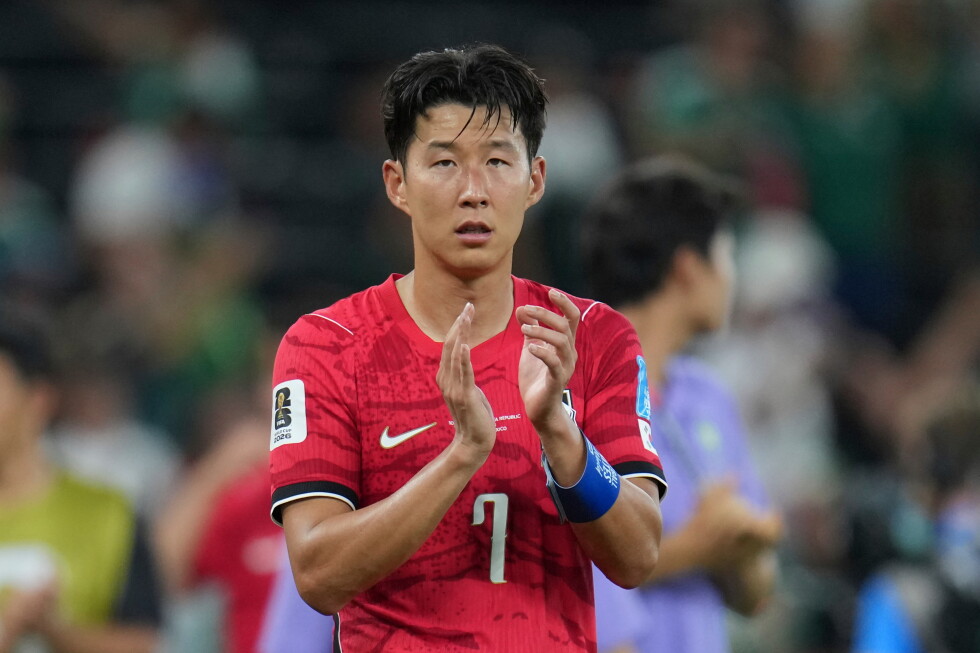
    After the South Korean men’s national football team crashed out of the World Cup in the group stage, the team’s iconic captain Son Heung-min has issued a public apology to the nation’s fans, opening up about his profound emotional pain and vowing to win back public support for the national side going forward.

    In an extensive Instagram post shared late Monday, the global football star — who currently plies his trade with Major League Soccer’s Los Angeles FC and remains a national hero in his home country — acknowledged he fully grasps the depth of public disappointment surrounding the team’s underwhelming tournament run. The outcome has already sparked sharp public backlash, including public criticism from South Korea’s president and the resignation of head coach Hong Myung-bo.

    Son wrote that a simple apology could never measure up to the letdown fans have felt, adding: “I don’t dare to convey the disappointment and hurt of the fans with a single word ‘sorry,’ so even saying those words feels insufficient.”

    The 33-year-old, who has described the World Cup as the “child’s dream stage” throughout his career, shared his raw personal grief over the exit. “The ‘child’s dream stage’ that I always talked about has collapsed. I’m indescribably stuck and hurt. To be honest, it’s still not easy to accept this reality,” he added.

    South Korea’s Group A campaign got off to a promising start with an opening victory over the Czech Republic, but the side dropped consecutive matches to Mexico and South Africa, ultimately failing to claim one of the tournament’s knockout stage spots as a top-three third-place finisher. Son, who was named to the bench for the decisive final group fixture against South Africa, left the tournament without registering a single goal, and said he carries personal accountability for falling short of the expectations placed on the team.

    “I couldn’t repay the time, heart, and constant support and love that the fans gave,” he said of his own performance.

    In a move that quashed speculation about his imminent retirement from international football, Son made clear he intends to continue representing his country. “I will do my best in my position again to win the hearts of the Korean people and football fans,” he stated.

    Son also issued a plea to the South Korean public, asking supporters to rally around the current squad rather than heap criticism on the young players. He called on fans to “send warm support and encouragement rather than criticizing and hurting all the players.”

  • Why are South Korean fans so angry at their football coach?

    Why are South Korean fans so angry at their football coach?

    The fallout from South Korea’s early exit from the FIFA World Cup has reached a dramatic conclusion, with head coach Hong Myung-bo stepping down from his post following widespread public anger over the team’s failure to progress beyond the group stage.

    The national team’s underperformance at the tournament left it unable to secure a spot in the knockout rounds, a result that fell far short of the expectations held by South Korean football supporters and the broader football community. Fans across the country voiced sharp criticism of Hong’s tactical decisions, team selection strategies, and overall management of the squad throughout the competition, holding him accountable for the disappointing early elimination.

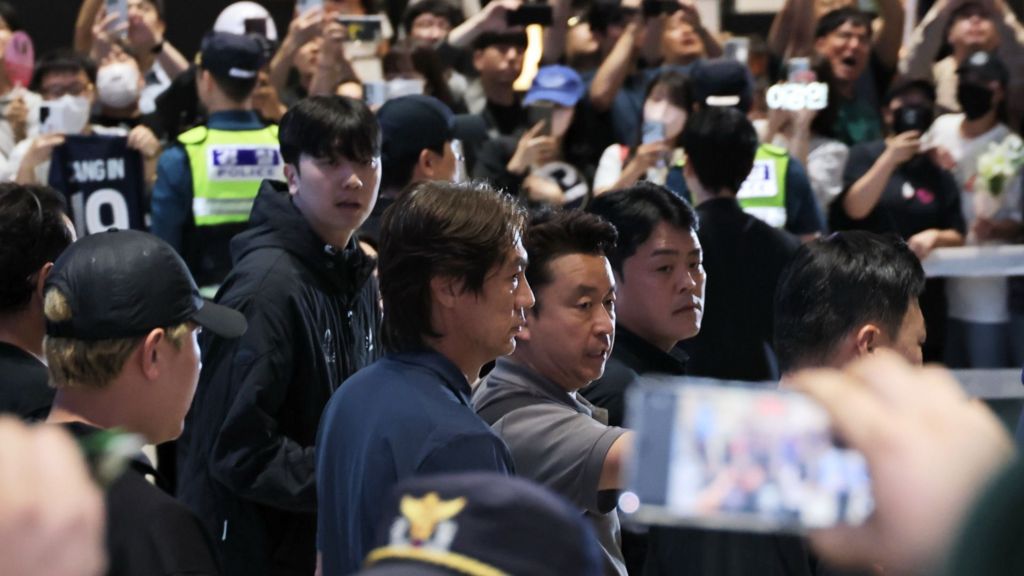
    Hong Myung-bo, a former legendary South Korean footballer who previously led the national team at previous major tournaments, formally announced his resignation shortly after the team’s return from the World Cup, acknowledging the failure to meet performance targets and taking full responsibility for the outcome. The sudden departure opens a period of uncertainty for South Korean football, as the Korea Football Association now begins the process of searching for a new head coach to lead the program forward into upcoming qualifying cycles and international competitions. The fan backlash that preceded the resignation underscores the high stakes and deep passion surrounding men’s national football in South Korea, where consistent progress at the World Cup is seen as a point of national pride.

  • A bat flip, a shout of ‘Venezuela’ and tears for home as Red Sox 1B Willson Contreras plays on

    A bat flip, a shout of ‘Venezuela’ and tears for home as Red Sox 1B Willson Contreras plays on

    BOSTON — For Boston Red Sox first baseman Willson Contreras, the weight of tragedy unfolding thousands of miles from the baseball diamond has hung heavy over him in recent days. Back in his native Venezuela, communities are still reeling from the aftermath of two powerful earthquakes that have claimed hundreds of lives, leaving countless others displaced and trapped amid crumbled infrastructure. That pain, Contreras says, is impossible to leave off the field.

    The pull to fly home and join relief efforts to support his fellow Venezuelans is a visceral, urgent feeling for the 34-year-old veteran, who was born in Puerto Cabello, a coastal city roughly three hours west of the nation’s capital Caracas. But with the Red Sox in the middle of a packed MLB regular season schedule, that immediate trip home was not a possibility. So on Monday night, when Boston took on the Washington Nationals, Contreras channeled his grief, love, and hope into the only way he knew how to honor his homeland.

    In a game that would end in a 6-3 Red Sox victory, Contreras connected with a pitch for a 421-foot three-run home run — his 18th long ball of the 2024 season. As he rounded the bases after the hit, he turned toward the Boston dugout and shouted a single, defiant word: “Venezuela.” After he crossed home plate and returned to the dugout, the emotion that had built up since the earthquakes struck last week boiled over, and Contreras broke down in tears, his anguish for a nation reeling from disaster on full display.

    Contreras did not hide his frustration with the slow pace of aid reaching vulnerable communities after the quakes, telling reporters post-game that reports of blocked aid shipments and struggling volunteers have made the pain even harder to bear from afar. “Everything that’s going on in Venezuela, it’s not easy to hide,” he said. “It’s not easy just to show up and play with everything that is going on in my country. It sucks seeing so many bad things going on in Venezuela. I don’t think we deserve all of this. We’re a good people. Good country. We are good people.”

    “I feel like I could be there helping people and I can’t do that,” he added. “And the homer just represents something that I pray to God for it to happen, because that’s the only thing I can do for Venezuela right now physically. And that’s why I was emotional.”

    Contreras’ night on the field ended earlier than expected, however. In the second inning, first base umpire Nic Lentz ejected him from the game after ruling Contreras had not checked his swing on a pitch from Miles Mikolas that resulted in a strikeout. Despite the early exit, the moment of his home run and raw display of emotion for his homeland remained the defining image of the night for the Red Sox and their fans.

  • Inside Paraguay’s tears of joy over their seismic World Cup shock

    Inside Paraguay’s tears of joy over their seismic World Cup shock

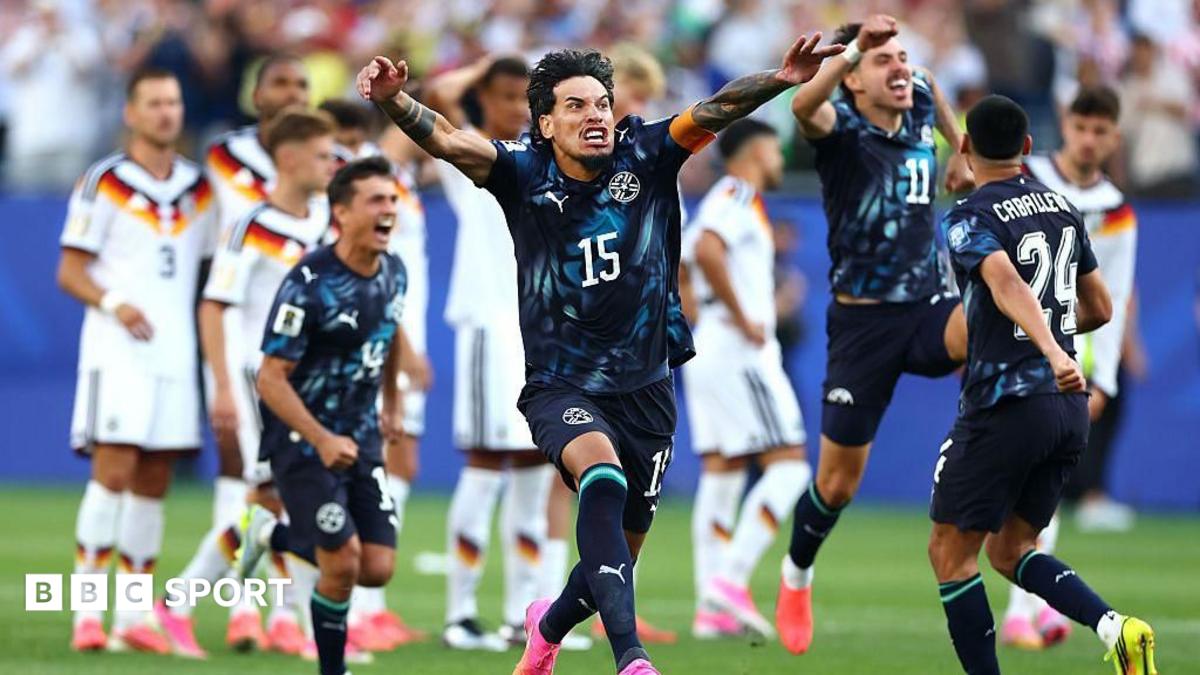
    In one of the most stunning upsets in recent FIFA World Cup history, underdog Paraguay has eliminated four-time tournament winner Germany from the 2026 competition, securing a 4-3 penalty shootout victory after a 1-1 draw in regular and extra time in their round of 32 clash. The result was sealed when calm defender Jose Canale blasted the decisive winning penalty past Germany’s goalkeeper, moments after Germany’s David Tah missed his chance by firing over the crossbar.

    The final whistle sparked extraordinary scenes of celebration across the pitch and stands, as Paraguay’s players sprinted to embrace match-winner Canale before collapsing into a jubilant huddle — a moment that will forever be etched into the country’s football folklore. Generations of Paraguay fans hugged and cried inside the stadium, chants of “Vamos!” echoing through the concourse as disbelief turned to unbridled joy.

    Entering the tournament ranked 41st in the FIFA world rankings, 31 spots below Germany, the South American side pulled off what many are calling the biggest upset of this year’s World Cup. What makes the victory even more remarkable is Paraguay’s underdog journey to this point: during World Cup qualifying, the side averaged just 0.78 goals per game, the lowest joint tally of any qualifying team to reach the 2026 finals. This is also Germany’s first ever World Cup elimination via penalty shootout; the four-time champions had won their previous four shootout appearances at the tournament, with only one prior shootout defeat at a major tournament dating back to the 1976 Euro final.

    For the thousands of Paraguay supporters who traveled to support the team, the result is far more than just a win. Speaking to BBC Sport outside Boston Stadium, 16-year-old Paraguay fan, who attended the match with her family, summed up the national mood: “So many people doubted us. And we proved all of them wrong. We haven’t been to the World Cup since 2010 and I was born in 2010. This means so much to everyone. Not many people know what or who Paraguay is. Now everyone is going to know who Paraguay is!”

    Paraguay’s dogged, disciplined defensive performance laid the groundwork for the historic win. Despite Germany dominating possession for 90 minutes plus extra time, holding 75% of the ball, completing 719 passes to Paraguay’s 161, and registering 21 shots to the South Americans’ seven, the resilient underdogs held firm, absorbing wave after wave of German pressure. That pragmatic, resilient style of play is the hallmark of Argentine manager Gustavo Alfaro, who took charge of the national side just six games into the qualifying campaign, and guided them to only one defeat in 12 subsequent matches to secure their tournament spot.

    The penalty shootout delivered drama from start to finish. Germany, going first, never held the lead: their opening penalty from Kai Havertz was saved by Paraguay goalkeeper Orlando Gill, and a second stop from Nick Woltemade put the four-time champions on the brink of elimination. Though Paraguay missed two earlier chances to seal the win, substitute Canale held his nerve to slot home the decisive spot kick.

    Paraguay defender Gustavo Gomez spoke of the team’s pride after the final whistle: “I think what we are feeling right now is really hard to explain. I am really proud of my team-mates, of the team. We deserved one more game. Today was a game where we needed to show our true colours as the Paraguayan team. Germany knew it would be really hard for them. They knew we would fight not to be defeated. We dedicate this to all the people of Paraguay.”

    Pundits and football experts alike were quick to praise the magnitude of Paraguay’s victory. Former Scotland winger Pat Nevin, commentating on the match for BBC Radio 5 Live, said: “We watch football for the emotion, for the joy and for the special moments and we are seeing them down there. It is magical to see such joy. People in front of us are in tears. They cannot believe it. This must be one of the greatest results in Paraguayan football history.”

    Leading South American football analyst Tim Vickery highlighted the unique spirit that drove the underdog side to victory: “Paraguay love adversity. If you’re looking for someone to relate to in this World Cup, look for Paraguay. That grit and drive, when it gets difficult, that’s when they come alive. They’ve come through adversity to knock out a giant of European football. It’s not always pretty, they play within their limitations, but what drama, what a story. The objective in this tournament was to make Paraguay feel represented and they’ve done that in full.”

    Within hours of the final whistle, Paraguay president Santiago Pena announced a national public holiday for Tuesday 30 June to celebrate the historic achievement. This marks the second public holiday the president has declared for the team, after he announced one when Paraguay secured their World Cup qualification with a match to spare. In his official statement, Pena said the holiday would “commemorate the Paraguayan national team’s epic victory over four-time world champion Germany and its historic advancement to the World Cup round of 16.”

    Alfaro, the team’s head coach, echoed the national mood of celebration after the match: “I want all of Paraguay to enjoy this. We may have our defects, but we have a heart that never gives up, and that’s what keeps us alive.”

    Paraguay will next face the winner of the France vs Sweden round of 32 tie in Philadelphia this Saturday at 22:00 BST, with a spot in the World Cup quarter-finals up for grabs.