分类: sports

  • United, free and brilliant – can anyone stop France masterclass?

    United, free and brilliant – can anyone stop France masterclass?

    The 2026 FIFA World Cup in North America delivered one of its most dominant and emotionally resonant displays yet on Tuesday, as pre-tournament favorites France crushed Sweden 3-0 to punch their ticket to the knockout round. The victory was far more than just three points: it was a powerful showcase of team unity, individual brilliance, and a heartfelt tribute to head coach Didier Deschamps, who made his return to the dugout just days after returning home to attend his mother’s funeral.

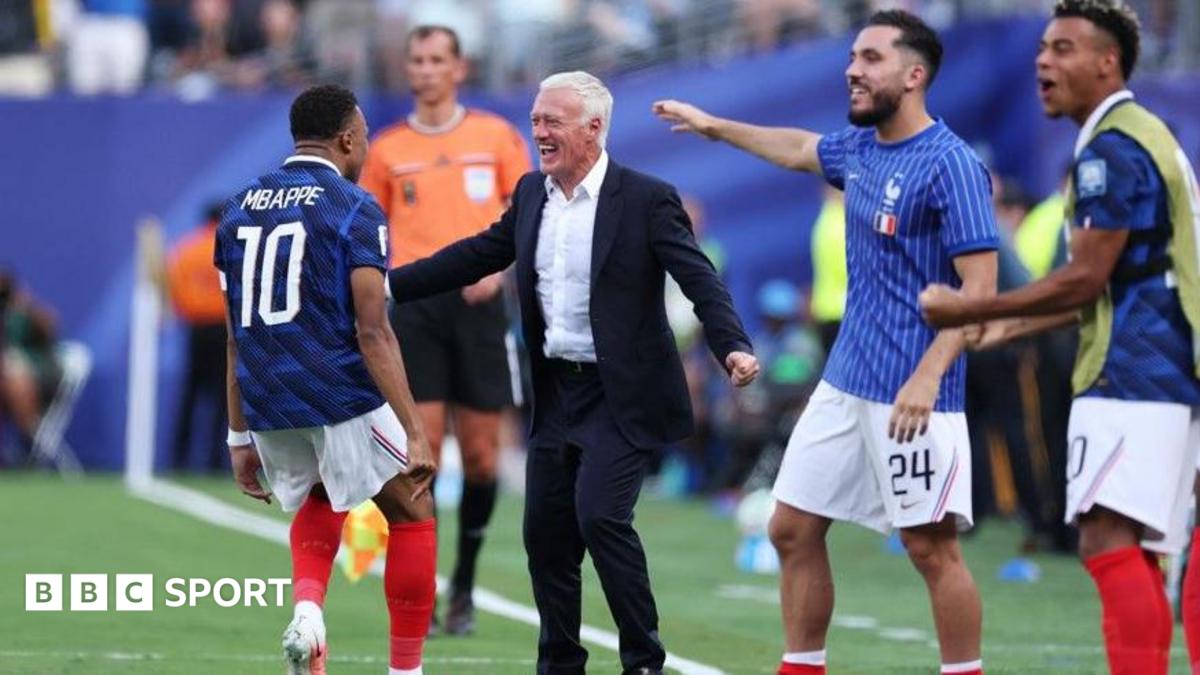
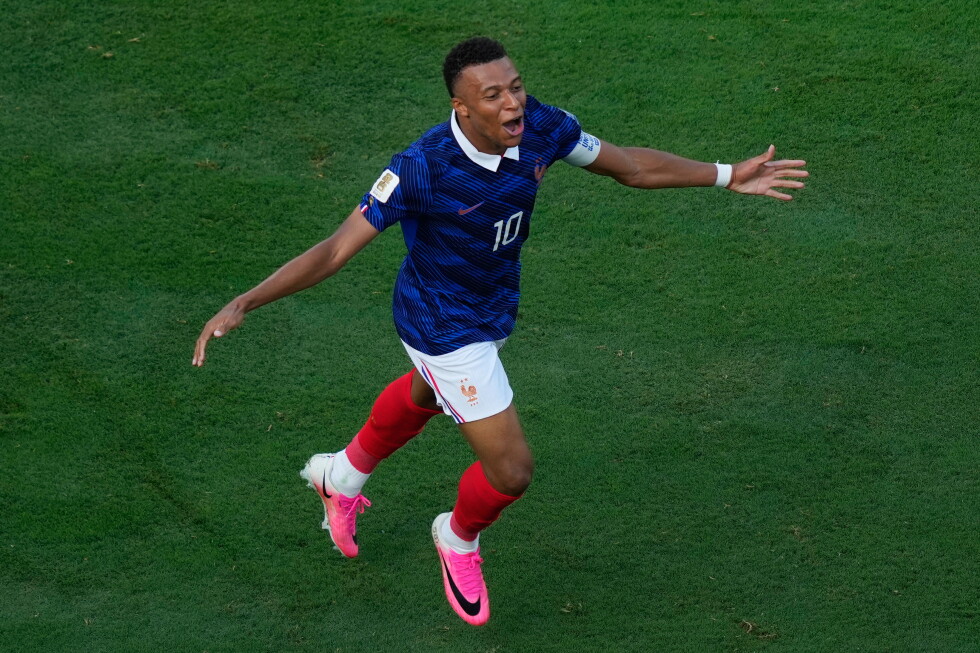
    From the opening whistle, France’s attacking firepower proved too much for a Swedish side fighting to stay in the tournament. It was Kylian Mbappe, the tournament’s standout star, who broke the deadlock with a typically clinical finish. Instead of wheeling away in solo celebration, the Real Madrid forward sprinted straight to the touchline to embrace Deschamps, before the entire squad joined them for a warm group hug. In a moment that captured the tight bond of this French squad, the gesture spoke volumes about the team’s solidarity through a difficult week for their manager.

    After the match, Deschamps highlighted that collective strength as the foundation of France’s success. “This group is united and they delivered when I was not here last week,” he told reporters. “Team spirit doesn’t guarantee you win matches, but without it, you can easily lose. Collective strength comes above everything else.” Midfielder Aurelien Tchouameni echoed that sentiment, adding: “We know the coach is going through a lot right now, we all wanted to give everything to make him as happy as possible.”

    Once the emotional opening settled, France turned on the style in the sweltering heat of New Jersey’s MetLife Stadium. Young winger Bradley Barcola slotted home to double the lead shortly after half-time, before Mbappe grabbed his second of the night, pulling him level with Argentina’s Lionel Messi on six tournament goals at the top of the Golden Boot race. That strike took Mbappe’s career World Cup tally to 18, just one goal behind Messi’s all-time competition record of 19. He has now scored multiple goals in seven separate World Cup matches – three more than any other player in tournament history.

    While Mbappe’s finishing grabbed the headlines, 24-year-old playmaker Michael Olise continued his stunning breakout tournament, notching two assists to take his total to five for the competition. That makes Olise the first player to register five or more assists at a single World Cup since 1994, marking a remarkable rise for a player who began his youth career at non-league Hayes & Yeading United just 18 years ago. Deschamps heaped praise on the former Crystal Palace man after the match: “Michael is playing top-notch football. He is a major influence within the squad, the link between our strikers and midfield. He may be a bit of an introvert off the pitch, but that changes completely when he steps onto the grass.”

    Tuesday’s 3-0 win cemented France’s place in the history books before the knockout stage even begins: Didier Deschamps’ side became the first team ever to score three or more goals in five consecutive World Cup matches. Across their four group-stage games in the United States, France have already found the net 13 times, with individual statistics that outstrip every other contender in the tournament. Ballon d’Or winner Ousmane Dembele has contributed to six goals (four goals, two assists), while his combination play with Mbappe has produced six tournament goals – four from Dembele to Mbappe, two in the reverse direction – the most by any attacking duo since 1966.

    The performance left footballing legends in no doubt about France’s status as the team to beat. Former Arsenal and England striker Ian Wright told ITV Sport: “You cannot stop this kind of ability. France are one of the most clear favourites I have ever seen in a World Cup tournament.” His former Arsenal teammate Patrick Vieira, a 1998 World Cup winner with France, added: “They showed to everyone that they are the team to beat.” Former England defender Gary Neville echoed that assessment, saying: “That starting front four – Mbappe, Dembele, Olise and Barcola – they will cause nightmares for every single defender in this tournament. They are a level above. The rest of the contenders are looking at them thinking ‘that is the standard we have to reach’.”

    Even Sweden manager Graham Potter conceded that his side had been beaten by a truly elite outfit. “It’s no disgrace to go out to this France team,” he said. “I haven’t seen a better team in this tournament.”

    France will now face Paraguay in their round-of-16 tie in Philadelphia on July 4, kicking off at 22:00 BST. If they progress, a quarter-final clash awaits against either co-host Canada or Morocco at Boston’s Gillette Stadium on July 9. Despite the record-breaking form and overwhelming praise from pundits, Deschamps insisted his side would not get ahead of themselves. “Please, slow down,” he said when asked if his side could go all the way to the title. “There is always room for improvement, not everything is perfect. We have reached the round of 16, let’s appreciate that first. We know what is expected of us, we did what we had to do today even if the first 15 minutes were a bit timid. It’s only the round of 16, we have to stay calm.”

    Four years after their penalty shootout heartbreak against Argentina in the 2022 Qatar final, this French side looks more determined than ever to claim a third World Cup title. With their attacking unit firing on all cylinders, and a tight team spirit carrying them through challenging moments, the question on every fan’s mind after Tuesday’s display remains: is there any side in the tournament that can stop Deschamps’ red-hot favorites?
  • World Cup what to know: US looks to win first knockout match in 24 years against Bosnia-Herzegovina

    World Cup what to know: US looks to win first knockout match in 24 years against Bosnia-Herzegovina

    For nearly a quarter-century, the United States men’s national soccer team has carried the weight of a stubborn, unwanted label: perennial underperformers in World Cup knockout matches. That narrative is set to face its biggest test on Wednesday night, when the Americans take on Bosnia-Herzegovina at Levi’s Stadium in Santa Clara, California, aiming to secure their first win in an elimination round fixture since 2002.

    The U.S.’s sole knockout victory in modern history came 24 years ago on June 17, 2002, when the team downed Mexico 2-0 in the round of 16 during the co-hosted tournament in South Korea and Japan. In the three knockout appearances the Americans have made since that upset over their regional rivals, they have walked away winless, a dry spell the entire squad is determined to break this time around.

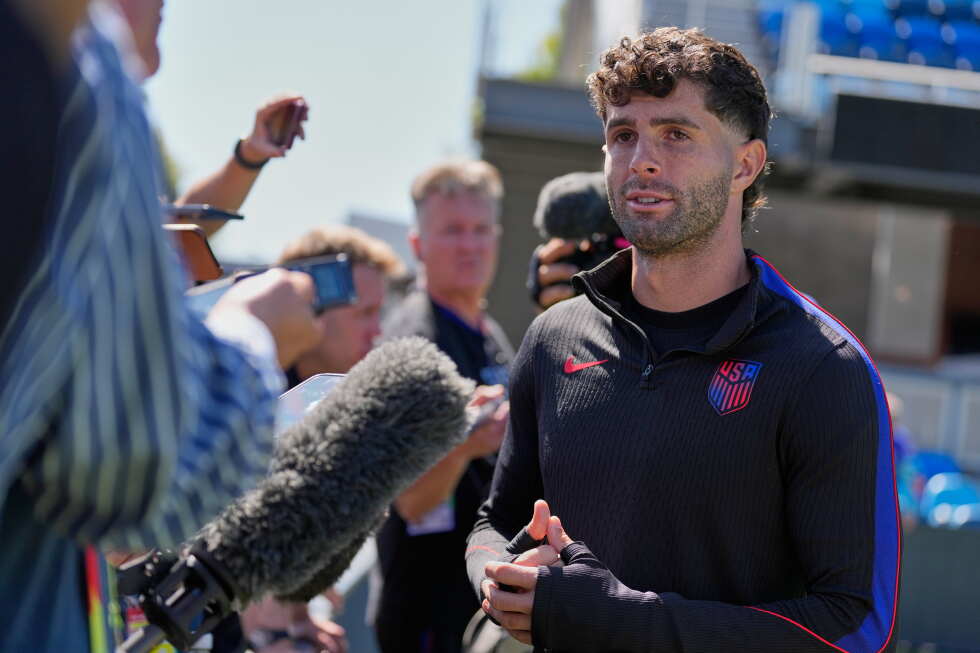
    A major boost for the U.S. camp comes as star playmaker Christian Pulisic confirms he is fit and ready to start. Pulisic was sidelined for the team’s second group stage match with a minor calf injury, and only saw 33 minutes of play off the bench in the final group fixture against Turkey, a 3-2 loss that saw the U.S. still clinch the top spot in their group. “I feel good and ready to go for tomorrow,” Pulisic told reporters ahead of Wednesday’s clash. “We understand what it means, you win or you go home. There definitely needs to be a lot of focus and attention to detail this week. But I think the vibe feels good. We’ve still kept it light and we still are going to be ready to battle once the whistle blows.”

    For head coach Mauricio Pochettino, the build-up to the match included a public apology to the media for his sharp tone following the Turkey loss. Pochettino opened his Tuesday press conference by acknowledging his frustration got the better of him after the defeat, when he called out reporters for failing to celebrate the team’s already locked-in group title. “I want to apologize to the guys that were in my last press conference,” he said. “I was so frustrated. I was disappointed. I thank you and am sorry. It was my problem, not your problem. I was upset after the defeat.”

    Geographically, Wednesday’s match carries a subtle layer of history for U.S. World Cup soccer. The 1994 U.S. host squad advanced out of the group stage and faced eventual champions Brazil at Stanford Stadium, just 15 miles north of Santa Clara, where they fell 1-0. Oddsmakers have installed the Americans as favorites to advance this time around, despite the team’s long-running poor record against European opposition: since returning to the World Cup in 1990 (their first appearance in 40 years), the U.S. has only one win in 21 matches against European sides, with seven draws and 13 losses.

    Wednesday’s round of 32 slate features two other high-stakes fixtures: England will square off against first-time knockout qualifiers Congo in Atlanta at noon EDT, while Belgium will take on Senegal in Seattle at 4 p.m. EDT before the U.S.-Bosnia kickoff at 8 p.m. EDT.

    England heads into their match facing mounting injury trouble at the right back position, with first-choice Reece James sidelined by a hamstring injury and backup Jarrell Quansah picking up an ankle twist in the team’s 2-0 group stage win over Panama. Head coach Thomas Tuchel, however, remains calm under early tournament pressure, confirming that winger Bukayo Saka—who entered the tournament carrying a minor injury—will be fit to start. Tuchel added that both injured defenders are close to returning, a goal that depends on England getting past Congo first. “They’re getting closer and closer,” Tuchel said. “The race was close even to make it into my squad this time. So we need to make sure that we have more matches. That is the main focus, and then that will be very soon.”

    For Congo, this marks the first time the nation has ever advanced to the knockout round of a men’s World Cup. The side pulled off an impressive group stage run, holding powerhouse Portugal to a 1-1 draw before beating Uzbekistan to secure their spot in the round of 32. Head coach Sébastien Desabre said his team is not intimidated by the challenge facing them. “It is true we are looking at a difficult match, but in no way insurmountable,” Desabre said. “We have proven this against teams that were supposed to be superior to us, that we could actually put in a good performance. So we are focusing on our strengths, we are walking our path and once you get to this point in the competition, it’s difficult for everyone.”

    Belgium, meanwhile, is looking to recapture the magic of its 2018 World Cup run, where the side claimed a historic third-place finish before crashing out in the group stage in Qatar four years ago. By topping Group G this year, including a 5-1 blowout of New Zealand in the final group match, Belgium has already exceeded its coach’s minimum expectations. “We wanted to finish first in the group stage and we succeeded,” head coach Rudi Garcia said. “Of course we wanted to win more — we know the story of our World Cup so far. Now it is time for the knockout phase. Senegal is a big team. But, you have to beat them, too, if you want to go far in a World Cup.”

    The round of 32 will continue on Thursday with three more matches: Spain vs. Austria, Portugal vs. Croatia, and Switzerland vs. Algeria, before wrapping up on Friday with Australia vs. Egypt, Cape Verde vs. Argentina, and Colombia vs. Ghana. The round of 16 kick off will begin this Saturday.

  • Mbappé scores twice to tie Messi for World Cup lead with 6 goals, France beats Sweden 3-0

    Mbappé scores twice to tie Messi for World Cup lead with 6 goals, France beats Sweden 3-0

    On a sweltering, low-air-quality Tuesday afternoon at MetLife Stadium in East Rutherford, New Jersey, Kylian Mbappé delivered a career-defining performance that secured France a 3-0 victory over Sweden and etched his name deeper into World Cup history, booking Les Bleus a spot in the tournament’s round of 16 against Paraguay.

    The match kicked off at 5 p.m. with temperatures hitting 32 degrees Celsius (90 degrees Fahrenheit), with thick humidity and poor air quality testing the stamina of every player on the pitch. France dominated possession and chances from the opening whistle, outshooting Sweden 25-7 overall and 15-3 in the first half alone. Mbappé came close to breaking the deadlock in the 32nd minute, his effort clattering off the goalpost, and four minutes later, Michael Olise’s acrobatic bicycle kick from inside the penalty area also hit the woodwork, leaving the French side frustrated going into the final minutes of the first half.

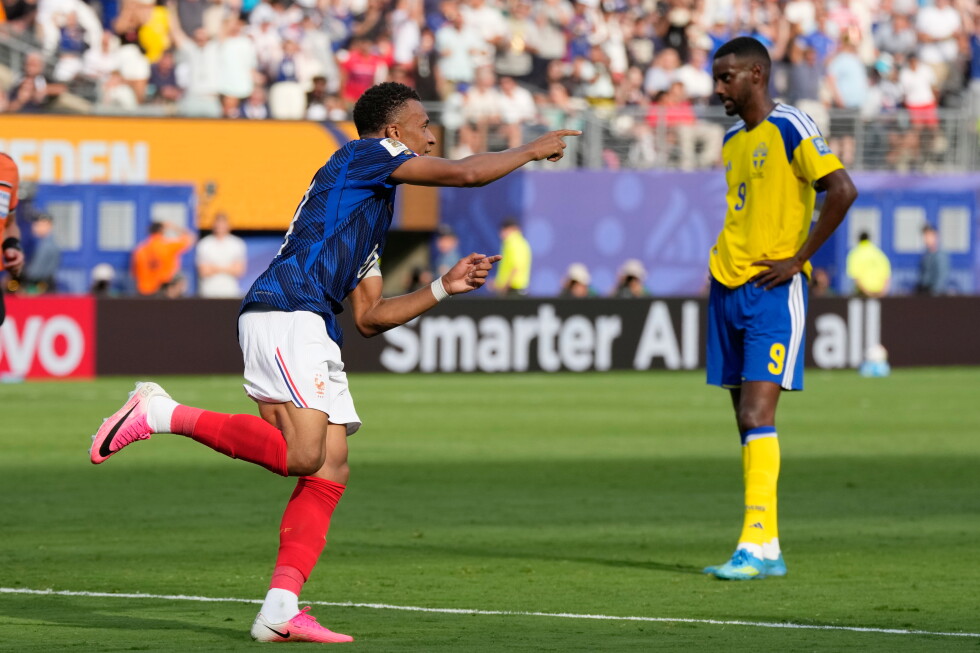
    It was Mbappé who finally broke through in first-half stoppage time, netting a superbly crafted opening goal. After Sweden goalkeeper Jacob Widell Zetterström tipped Olise’s original shot just wide of the post, Olise played a short corner to Ousmane Dembélé, who threaded a pass to Mbappé near the byline. The French superstar pulled off a clinical crossover step to shake off Sweden’s Viktor Gyökeres, then curled a precise diagonal shot from just outside the six-yard box into the far corner of the net, putting France ahead 1-0 going into halftime.

    Les Bleus extended their lead just eight minutes into the second half. When Sweden’s Gustaf Lagerbielke gave away possession deep in his own half, Aurélien Tchouaméni found Olise, who nutmegged Lagerbielke before playing the ball through to Bradley Barcola. Barcola took a calm controlling touch and slotted the ball past Zetterström’s outstretched right hand to make it 2-0.

    Mbappé capped off the win in the 74th minute, putting the final stamp on a masterclass performance. The build-up featured a clever backheel from Mbappé to Barcola, who shifted the ball to Olise, who then played a through ball into the penalty area for the onrushing Mbappé. He settled the ball with one touch and fired it into the far post to secure the 3-0 final score.

    With that goal, Mbappé claimed a new World Cup record: his 10 knockout stage goals are two more than the previous shared record held by Brazilian legends Leonidas and Ronaldo. The two-goal haul was his third in four matches at this tournament, bringing his total goal count at this World Cup to six, tying him with Argentina’s Lionel Messi for the golden boot lead. His career World Cup goal total now stands at 18, just one goal behind Messi’s all-time record of 19.

    After the match, Mbappé deflected praise away from himself, emphasizing the importance of the entire French squad. “I’m very aware of who I am, how I play, what I shall do, but it’s not just about me,” he said via a translator. “The entire team is aware of what should be done. It is a new competition that has started today. We did play well, but we were timid. We could have done better at the beginning.”

    The French star also spoke out in support of head coach Didier Deschamps, who recently returned to the team’s camp after traveling back to France for his mother’s funeral. When Mbappé was substituted in the 85th minute, Deschamps greeted him with a bow to the standing star. “He knows that he will never be alone with us and we will support him,” Mbappé said of the coach.

    As for the brutal playing conditions, Mbappé joked that his immediate focus after the match was not the upcoming round of 16 fixture, but the changing room’s air conditioning: “I’m looking forward to the changing room and the AC.”

    Sweden captain Victor Lindelöf paid tribute to France’s quality after the final whistle, acknowledging his side had fallen to one of the best teams in the tournament. “They are skilled at knowing when to change the pace and increase it, when to possess the ball, when to fall back,” he said via a translator. “If we look at where we were not so long ago — we’re here and we’ve played in the World Cup. We lost against one of the best countries in the world.”

    France, the 2018 World Cup champion and 2022 runner-up, enters this tournament as one of the favorites to lift the trophy, and is now targeting a third consecutive final appearance. They will face Paraguay in the round of 16 on July 4 in Philadelphia, with the winner advancing to a quarterfinal fixture against either Canada or Morocco five days later in Foxborough, Massachusetts. Through four matches, France has outscored its opponents 13-2, with Olise notching five assists to anchor the team’s attack.

    Tuesday’s match at MetLife — the venue for this tournament’s July 19 final — also helped the expanded 104-match World Cup hit a new milestone: the total attendance for the tournament surpassed 5 million, with 80,663 fans filling the stands for the fixture, the majority backing France in blue, with a section of supporters cheering Sweden in yellow at one end of the ground.

  • One Extraordinary Photo: Paraguay celebrates stunning upset of Germany

    One Extraordinary Photo: Paraguay celebrates stunning upset of Germany

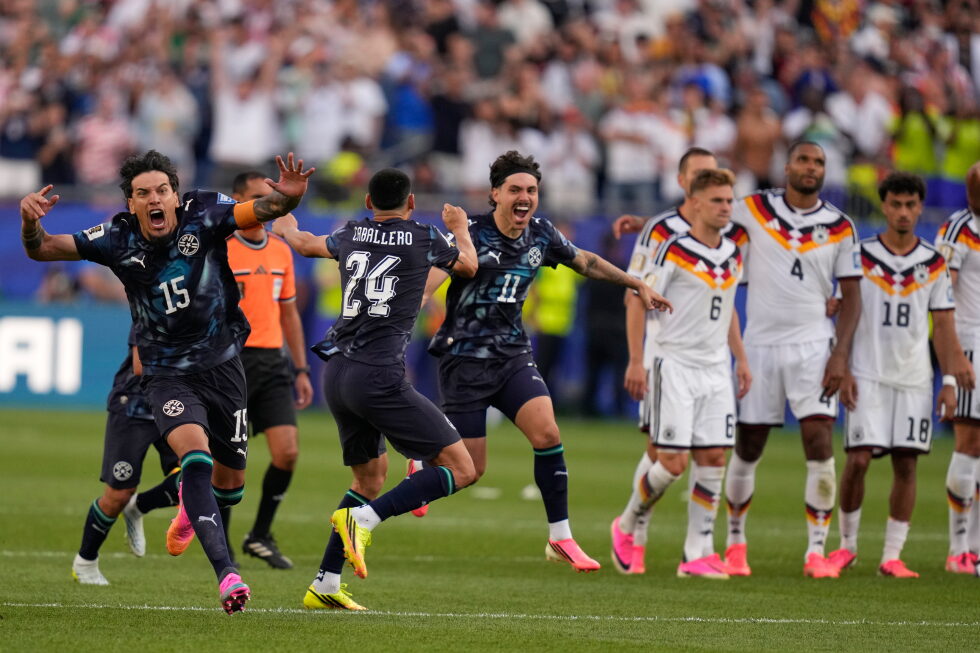
    FOXBOROUGH, Mass. – For veteran Associated Press staff photographer Charles Krupa, who has been part of the AP’s global photography team since 1985 and works out of the Boston bureau, the 1994 World Cup match between Paraguay and Germany at Foxborough’s Boston Stadium brought a once-in-tournament lucky break after five games of near-misses.

    Krupa had covered the first five World Cup matches held at the venue, and in every game, the tournament’s most unforgettable, game-changing moments had unfolded at the opposite end of the pitch from his assigned press position. By the time the Paraguay-Germany clash rolled around on Monday, he had all but written off another round of bad positioning – until the final minutes of the match forced penalties, and a historic upset played out right in front of his lens.

    After 90 minutes of regulation time and a scoreless extra time, the two sides headed to a penalty shootout to decide who would advance. Krupa’s pre-planned strategy for the shootout positioned him to focus primarily on the goalkeeper from his vantage point. As penalties went back and forth between the two teams, he captured sharp, clear action shots of saves and goals for both squads. When it came to the decisive match-winning kick, however, things did not go according to his original plan. Germany’s goalkeeper dove low to his right – an angle that put him completely out of clear view for Krupa – while the Paraguayan shot sailed high into the left side of the net, out of the photographer’s ideal frame.

    Quick to pivot, Krupa shifted his focus to the rushing Paraguayan side, who were sprinting directly toward him to celebrate their historic upset win, heading straight for the player who had nailed the winning penalty. In that same frame, the stunned German team stood frozen in silence, their World Cup title hopes dashed by the final kick of the shootout. The resulting single image perfectly captures the sharp, raw contrast between unbridled joy and crushing defeat, the fleeting balance between winner and loser in elite sport. For the first time that tournament, Krupa was positioned on the exact end of the field where the winning celebration unfolded.

    Krupa credits the success of the iconic shot not just to luck, but to pre-tournament planning from his AP colleagues. All photographers had coordinated their assignments in advance for the scenario of a match tied after extra time, and he said guidance from photo editor Tony Hicks and fellow photographer Petr Josek put him in the right position to adapt when the winning kick fell outside of his original plan.

    This behind-the-scenes look is part of AP’s ongoing coverage of the 1994 World Cup, with additional coverage from the tournament available on the AP’s official platforms.

  • France forward Kylian Mbappé scores his 17th World Cup goal, a record 9th in the knockout round

    France forward Kylian Mbappé scores his 17th World Cup goal, a record 9th in the knockout round

    In a emotionally charged World Cup match played in sweltering conditions at East Rutherford, New Jersey on Tuesday, French superstar forward Kylian Mbappé etched his name deeper into tournament history by claiming the all-time record for most goals scored in World Cup knockout stages. His 45th-minute strike marked his ninth knockout goal, pushing him past Brazilian legends Leonidas and Ronaldo, who had previously shared the record at eight goals apiece.

    The record-breaking goal came from a brilliantly executed team build-up and individual finish: after a smooth give-and-go exchange with winger Ousmane Dembélé, Mbappé dribbled past Sweden’s Viktor Gyökeres before curling a precise shot beyond goalkeeper Jacob Widell Zetterström to find the back of the net. Immediately after putting the ball in the net, Mbappé ran straight to the French bench to celebrate with head coach Didier Deschamps, making the moment even more meaningful.

    This match marked Deschamps’ first return to the sideline after he missed France’s final group stage game to travel back to Europe for his mother’s funeral, adding a layer of personal emotion to the historic milestone.

    The goal was also Mbappé’s fifth of this year’s tournament, pulling him level with Norwegian striker Erling Haaland in the race for the tournament’s Golden Boot, and leaving him just one goal behind Argentina’s Lionel Messi, who currently leads the scoring charts this edition. Across his entire World Cup career, Mbappé has now notched 17 goals in just 18 appearances, moving him within two goals of Messi’s all-time career World Cup scoring record of 19 – a record Messi set across 26 more tournament appearances than Mbappé has played to date.

    France dominated the first half from start to finish, outshooting Sweden by a wide margin of 15 to three amid punishing on-field conditions. Kickoff was held at 5 p.m. local time, with temperatures hitting 32 degrees Celsius (90 degrees Fahrenheit), paired with bright sun, high humidity, and poor air quality across the venue. Mbappé came close to notching a second first-half goal, hitting a powerful strike that bounced off the left goalpost; he even began celebrating before realizing the ball had rebounded back into play. The harsh conditions forced players to seek relief during the mandatory first-half hydration break, with French defender Lucas Digne even cooling off by standing under a pitch-side sprinkler to douse himself.

  • Koeman resigns, while Netherlands report racist abuse

    Koeman resigns, while Netherlands report racist abuse

    The Netherlands’ 2026 FIFA World Cup campaign has come to an abrupt and heartbreaking close, with the team exiting the round of 16 after a penalty shootout defeat to Morocco that triggered two major developments: head coach Ronald Koeman’s immediate resignation and a sweeping crackdown by the Dutch football governing body against online racist abuse of three miss-converting players.

    The tightly contested match in Monterrey ended 1-1 after regulation time, forcing a decisive penalty shootout. When Justin Kluivert, Quinten Timber and Crysencio Summerville all failed to convert their spot kicks, Morocco secured its place in the next round of the tournament. In the hours that followed the defeat, the three young Dutch players were flooded with discriminatory, hateful and explicitly racist comments across major social media platforms, the Royal Dutch Football Association (KNVB) confirmed.

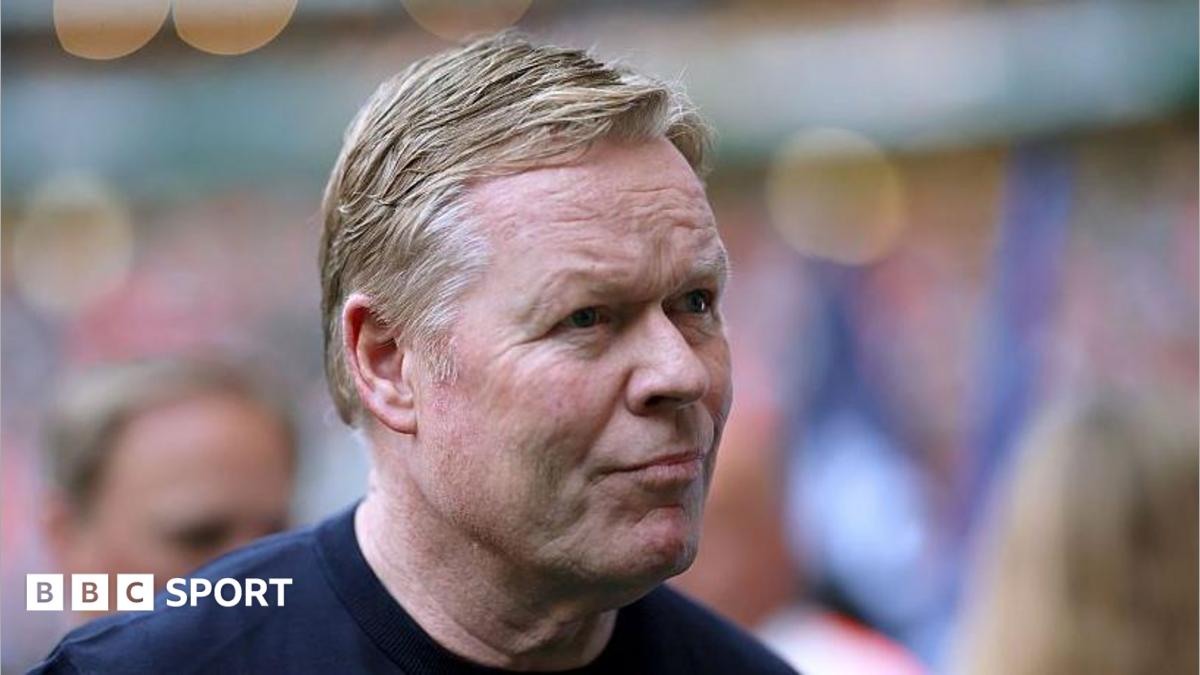
    Just days after the exit, 63-year-old Koeman announced he would step down from his role as national team manager, ending his second spell in charge of the Oranje. In a candid public post on Instagram, Koeman reflected on his decades-long managerial career, saying he leaves feeling proud of the work he accomplished at both club and international level. “Looking back on my career, I feel especially proud. I have worked with clubs and people that shaped me and gave me memories that I will cherish for a lifetime,” Koeman wrote. “We all dreamed of a World Cup in which we would write history. That didn’t work out. No-one is more disappointed about that than me.”

    Koeman’s resignation comes amid a personal health crisis for his family: his wife Bartina recently received a breast cancer diagnosis. The departing coach noted that recent years have shifted his perspective on priorities, making clear that family health outweighs professional football commitments. “The past years have made me realise again that there are more important things than football. Football has been my life, but health is priceless. When someone you love is fighting a tough battle, your perspective changes,” he added. Koeman also hinted that his departure could mark the end of his managerial career entirely.

    In response to the targeted abuse of its players, the KNVB announced it will pursue criminal charges against anyone found to have sent discriminatory messages, marking one of the most aggressive actions by a national football association against online abuse. “We find this appalling,” the association said in a statement. “Once a report is filed, legal staff assess whether the statement constitutes a punishable offence. This can lead to a formal complaint being lodged with the Public Prosecution Service, which may then initiate a criminal investigation.”

    This is not the first time high-profile European players have faced racist abuse after missing key penalties in major international tournaments. After England’s 2021 European Championship final defeat to Italy, Marcus Rashford, Bukayo Saka and Jadon Sancho were subjected to widespread online harassment following their penalty misses. That case ultimately resulted in two offenders receiving prison sentences and a third given a suspended sentence.

    “Football brings together millions of different people, whereas discrimination does the exact opposite. It therefore runs counter to everything football stands for,” the KNVB added.

    Dutch football expert Arthur Renard explained that while Koeman’s contract was set to expire imminently, the timing of his exit was shaped by his wife’s illness and the underperformance of the national side during his second tenure. Koeman first took charge of the Netherlands in 2018, and his first spell was widely viewed as a success: he integrated emerging talents like Frenkie de Jong into the squad, secured impressive Nations League wins over elite sides including France and Germany, and guided the team to qualification for the European Championships. He then left the role to take the top job at FC Barcelona before returning for a second stint as national manager.

    From the start of his second term, Koeman struggled to replicate the success of his first tenure. Critics have repeatedly labeled his tactical approach overly defensive, a point highlighted by his surprise decision to field a five-defender formation against Morocco — a system the team had not trained with extensively. The tactical shift required a last-minute adjustment that left the Dutch side off-balance and allowed Morocco to control large portions of play, Renard noted. Koeman’s side never found consistent form during his second campaign: while the team earned two draws against Spain in Nations League play, it never returned to the high competitive level it reached during his first term.

    Following the defeat to Morocco, it became clear that Koeman’s departure would open the door for a new coaching era for the Dutch national team.

  • Williams falls just short on Wimbledon singles return

    Williams falls just short on Wimbledon singles return

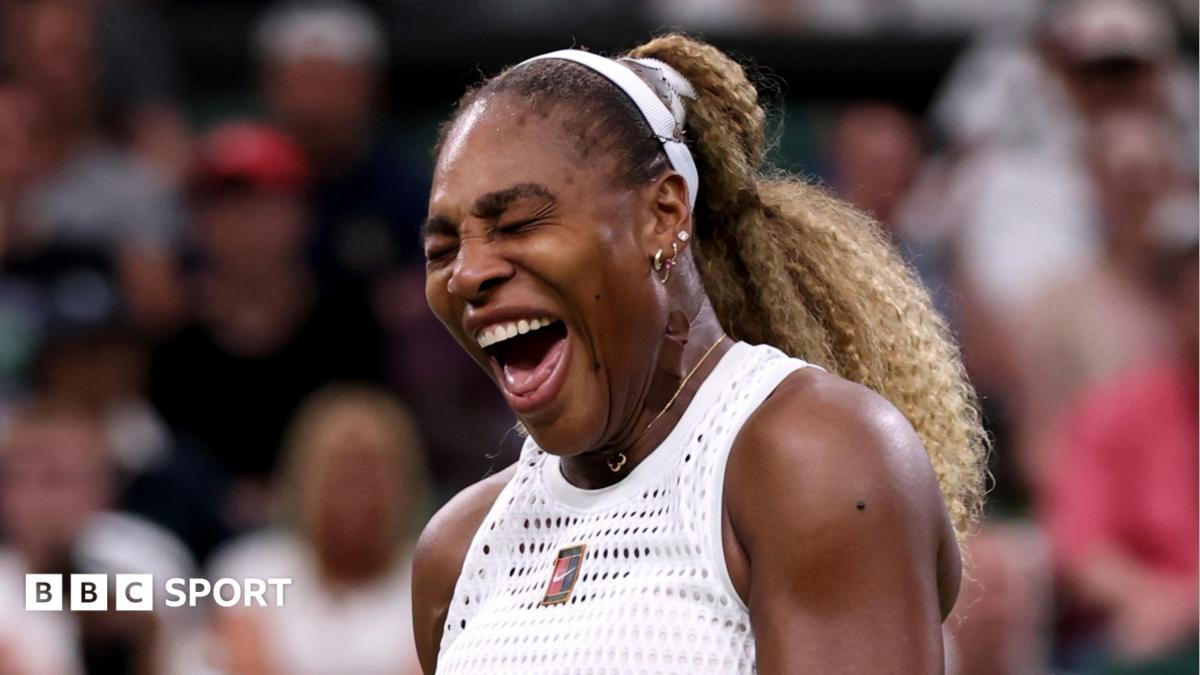
    Four years after what most assumed was her final goodbye to Wimbledon’s iconic Centre Court, tennis legend Serena Williams made a much-anticipated return to singles competition Tuesday, falling just short of a fairy-tale comeback in a nail-biting three-set clash against 20-year-old rising star Maya Joint.

    The 44-year-old American icon, owner of 23 Grand Slam singles titles and a record seven Wimbledon singles crowns alongside six doubles trophies, walked out to a thunderous standing ovation from the packed Centre Court crowd 1,462 days after her last singles point at the All England Club. Many thought Williams had permanently stepped away from competitive singles when she announced her planned retirement nearly four years ago, but a wildcard entry gave her the chance to step back onto the grass courts she dominated for decades.

    Her return to competitive tennis began earlier this month in doubles competition, with scattered glimpses of the power and tenacity that defined her legendary career. But questions lingered over whether the 44-year-old could match the pace and endurance of a far younger opponent in a full singles match, 12 years after she claimed her last Wimbledon singles title.

    The opening set appeared to validate those questions. Rust from her long hiatus showed as Joint, a 20-year-old Australian born in the U.S., dominated baseline rallies with sharp down-the-line winners, taking the first set 6-3. But Williams’ iconic never-say-die mentality soon emerged. Her level climbed steadily through the second set, and twice fought back from a break deficit to force a deciding tiebreak.

    When Joint earned a match point in the tiebreak, Williams delivered a blistering forehand winner followed by a 120mph serve to save the point, sending the crowd into a frenzy and forcing a decisive third set. The grueling battle took its physical toll, however, and Joint held firm to close out the match 6-3 6-7 (6-8) 6-3, securing the first Wimbledon main draw win of her young career.

    For Joint, who entered the match on an 11-match losing streak at the WTA Tour level, the upset was a career-defining moment. After the match, the 20-year-old told on-court reporters she could barely process the win: “I didn’t get much sleep last night, I was up until 2am just thinking about it. Walking out, I forgot the warm-up, my legs weren’t moving. I really don’t know what to say right now. I don’t know what just happened.”

    She added that beating the player she calls “the best of all time” was a childhood dream come true: “This court has had so many huge names that have played on it. She has so much aura, she is such a legend. I have been dreaming about this since I was a little kid, so this is pretty crazy.”

    Williams offered a gracious congratulation to Joint at the net before soaking in a minutes-long standing ovation from the supportive Centre Court crowd. Instead of attending the mandatory post-match press conference, she released a statement reflecting on her emotional return: “It was really great to be back at Wimbledon. I never expected to be here. The atmosphere was amazing. Walking out was amazing. I definitely relished it and missed it and enjoyed the moment more than anything.”

    Williams’ family was in attendance to support the legend, including her husband Alexis Ohanian, sister and longtime doubles partner Venus Williams, and her two daughters — 8-year-old Olympia and nearly 3-year-old Adira. Williams told reporters ahead of her comeback that playing in front of her daughters was her primary motivation for returning to the court. The Williams sisters are set to return to competition later this week for the women’s doubles draw, where they will face Camila Osorio and Solana Sierra in the first round as the six-time Wimbledon doubles champions look to add another chapter to their historic partnership.

  • Ecuador make Mexico fans hotel noise complaint

    Ecuador make Mexico fans hotel noise complaint

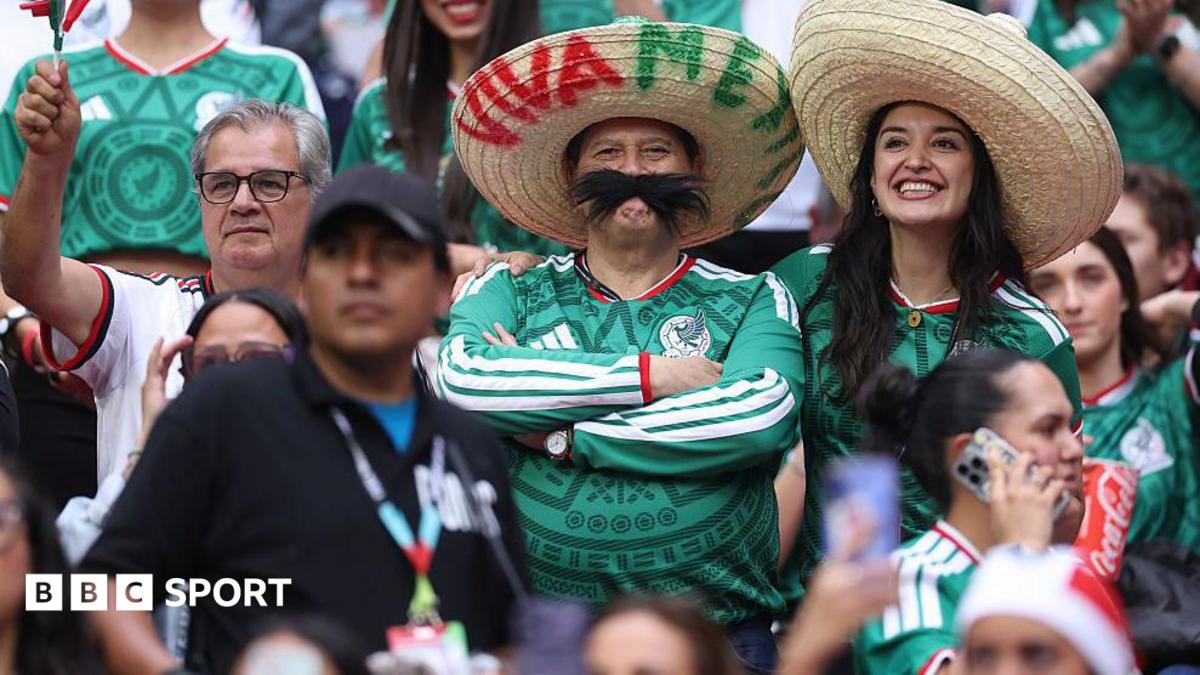
    As anticipation builds for a high-stakes 2026 FIFA World Cup round of 16 clash between Ecuador and co-hosts Mexico in Mexico City, a pre-match controversy has thrown the contest into the spotlight ahead of kickoff on Wednesday. Ecuador’s national football federation has officially submitted a grievance to World Cup governing body FIFA, calling out disruptive behavior by hundreds of local Mexican supporters outside the Ecuadorian team’s hotel just two days before the game.

    Local media outlets confirmed that approximately 1,000 Mexico fans gathered outside the accommodation on Monday, staging a deliberately noisy public demonstration they framed as a “serenade”. The crowd used noisemakers, pots, and buckets to amplify their performance of the iconic Mexican folk song *Cielito Lindo*, before local law enforcement intervened to disperse the gathering and move the crowd back from the hotel perimeter.

    In an official public statement, the Ecuadorian federation condemned the action, arguing that it violates the core values of fair play, solidarity, and unity that the global FIFA World Cup is built on. Despite the criticism of the pre-match antics, the federation made clear that the Ecuadorian side would focus on responding to the provocation through their performance on the pitch at Mexico City Stadium, where the match will kick off at 02:00 BST on Wednesday.

    The statement also emphasized that Ecuador hopes such unsporting behavior will not overshadow the global football celebration that connects the two neighboring, culturally linked nations. FIFA has been contacted by reporters for a response to the complaint, and has not yet issued an official comment on the incident.

    This knockout-stage encounter already carries high stakes for both sides: Mexico has secured wins in all three of its previous 2026 World Cup matches played on home soil at Mexico City Stadium, while Ecuador earned its spot in the round of 16 after a stunning upset victory over Germany in the group stage. If both Mexico and England win their respective round of 16 matches — with England facing DR Congo later Wednesday at 17:00 BST — the two sides will face off in the quarter-finals right here in Mexico City.

  • Bigger than Rumble in the Jungle? DR Congo bid for World Cup history

    Bigger than Rumble in the Jungle? DR Congo bid for World Cup history

    Half a century after two contrasting global sporting moments put the central African nation then known as Zaire in the world spotlight, DR Congo is preparing to write an unprecedented new chapter of its own at the 2026 FIFA World Cup, facing England in the Round of 32 this Wednesday.

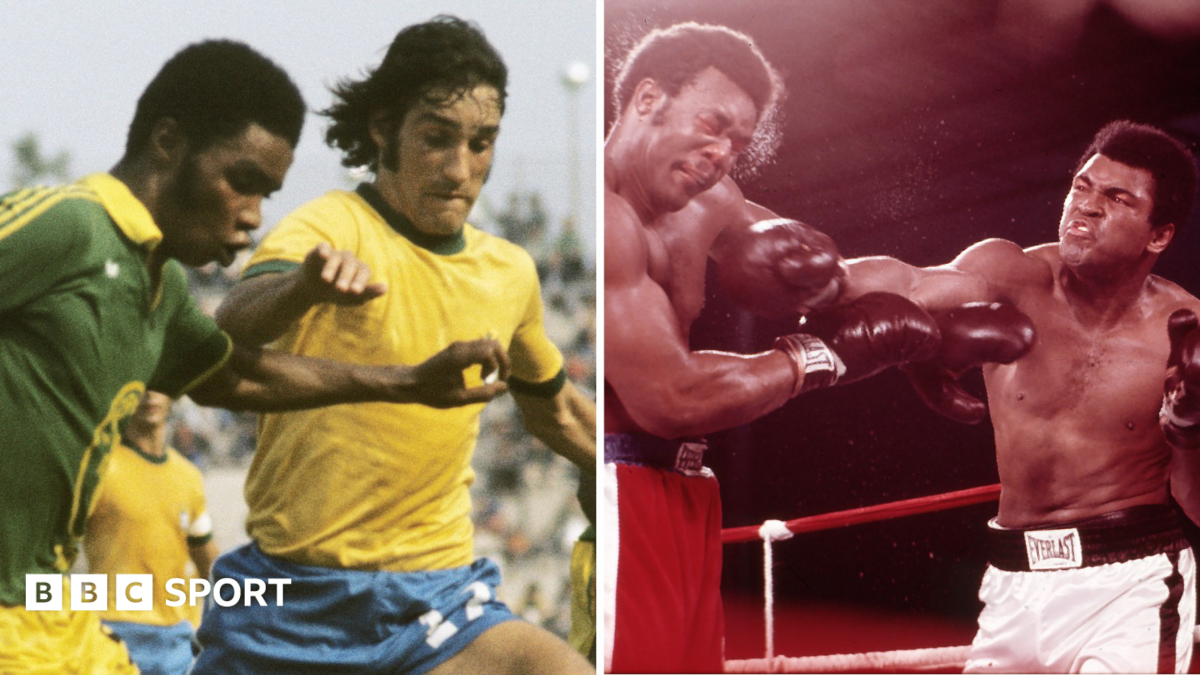
    The 1974 journey began with historic achievement: as the first sub-Saharan African men’s national team to qualify for a World Cup finals, Zaire entered the tournament riding high. Just three months prior, the squad – nicknamed the Leopards – had claimed their second consecutive Africa Cup of Nations title, building on a run of regional dominance that included three continental club titles between 1967 and 1973. Then-president Mobutu Sese Seko, who had seized power in a 1965 military coup and renamed the country Zaire in 1971 after independence from Belgium, lavished the squad with rewards: every player received a new house and car, and was pulled from their club duties to focus entirely on World Cup preparations.

    But behind the optimistic buildup lurked unresolved tensions that would unravel the team’s World Cup dream. By 1974, Zaire was already grappling with a severe economic crisis: global copper prices had plummeted, fuel shortages paralyzed daily life, and the World Bank had stepped in to stabilize the crumbling economy. Off the pitch, players grew furious when promised FIFA performance allowances never arrived, with many alleging that national football federation officials had embezzled the funds. The squad initially refused to take the field against Yugoslavia in their second group match, and while they eventually relented, the lack of morale and preparation led to a devastating 9-0 defeat – one of the worst lopsided losses in World Cup history.

    The final group game against defending champion Brazil produced one of the most infamous moments in World Cup folklore. Trailing 2-0 late in the second half, defender Mwepu Ilunga broke from the defensive wall during a Brazilian free kick, and launched the ball far downfield. For decades, the incident was dismissed as proof that Zaire’s players did not understand the laws of the game. But nearly 40 years later, in a 2010 interview with the BBC five years before his death, Ilunga revealed the act was deliberate: he had hoped to receive a red card and walk off the pitch in protest of the stolen bonuses. “I was aware of football regulations. I did it on purpose,” he said. “Why should I play for the benefit of officials who took the players’ money? But I didn’t succeed, the referee didn’t give me a red card.” The protest ultimately changed nothing: Zaire exited the tournament winless, with three losses, 14 goals conceded, and zero goals scored.

    Just a few months later, the world’s attention returned to Zaire’s capital Kinshasa, this time for what is still widely considered the greatest boxing match in history: the Rumble in the Jungle, a heavyweight world title showdown between Muhammad Ali and George Foreman. Ali had been stripped of his heavyweight crown in 1967 and banned from boxing for three and a half years for refusing induction into the U.S. military to protest the Vietnam War, and by 1974 he was still chasing a chance to reclaim his undisputed title. Promoter Don King brokered a landmark deal: Mobutu agreed to pay $5 million to both Ali and Foreman to host the fight in Kinshasa, a staggering sum for the era. Journalist Justin Kabala Mwana, who covered the event for local media, recalled that Mobutu viewed the bout as a chance to put Zaire on the global map. “Mobutu said that the dignity of his country was beyond price, and that he was prepared to pay whatever it took,” Kabala told BBC Sport Africa. “The whole country was mobilised to welcome this super fight of the century, as if to rise to the challenge.”

    On October 30, 1974, a capacity crowd packed Kinshasa’s Stade du 20 Mai, most cheering for Ali as the underdog. The fight went down in history for Ali’s iconic rope-a-dope tactic: he leaned against the ring ropes for rounds, absorbing Foreman’s heavy blows to tire out the younger, stronger champion. By the end of the eighth round, Ali landed a blistering combination that knocked Foreman out, reclaiming the heavyweight title. “That day it was a celebration all over the country,” Kabala recalled. “People partied right through the night. Beer was flowing freely for up to 48 hours after the fight. Zaire caught its breath a little. Except economically, that wasn’t really the case. You could feel that once the party was over, it was goodbye to the good times.”

    For the 1974 Leopards, the hard times lingered for decades. Ilunga reported that the squad returned home “without a penny,” and admitted in 2002 that he was “living like a tramp.” Star striker Pierre Ndaye Mulamba was shot in the leg during a 1996 home invasion and later fled to South Africa. In 1997, Mobutu’s 32-year authoritarian rule ended, and the country was renamed the Democratic Republic of the Congo. The following years brought two regional wars that drew in nine African nations and killed an estimated six million people, and ongoing conflict in eastern DR Congo continues to destabilize the country today, alongside recent public health crises including an Ebola outbreak that disrupted the 2026 World Cup squad’s preparations.

    It took 52 long years for DR Congo to qualify for another World Cup, coming up just short in 2018 and 2022 before securing their spot this year. A big part of the squad’s success comes from tapping talent from the DR Congo diaspora, a strategy increasingly used by African nations: only six members of the 2026 squad were born in DR Congo, and none play domestically, where the local league has been gutted by decades of federation mismanagement. Yet under French coach Sébastien Desabre, appointed in 2022, the team has built a strong cohesive unit with consistent selection and team spirit. The 2026 Leopards have already broken the 1974 curse: they notched their first ever World Cup goal and point against Portugal in their opening match, followed by their first ever World Cup win against Uzbekistan to advance to the knockout stage.

    For a country that has endured decades of conflict, political instability, and economic hardship, this World Cup run means far more than just sporting glory. Many see it as a chance to replicate the unifying national energy of the 1974 Rumble in the Jungle, and reclaim national dignity after generations of struggle. “The World Cup has given people an investment into our country,” DR Congo supporter Tanya Maria told BBC Sport Africa ahead of the England match. “When people care about a country, when they care about the people that live there. That’s when change can happen.”

    For the current squad, the weight of expectation off the pitch is clear. “It’s not easy in our country,” striker Yoane Wissa, who scored two goals to secure DR Congo’s knockout spot, said after the win over Uzbekistan. “There’s a war in East Congo. Every day, every time we wear this shirt, we think about them. Because we want peace… We came from nothing to be here. Now we write our story.”

    Conditions for today’s players are a world away from the 1974 squad. With new leadership elected to the national football federation in May, there is cautious hope that the World Cup run can help revitalize domestic football and build long-term change. Centre-back Axel Tuanzebe, who scored the decisive goal in the intercontinental play-off against Jamaica that sealed DR Congo’s spot, noted that the squad has all the support they need to compete. “We’re very privileged to have everything that we need,” he said. “We’re not longing for anything and it enables us to go and perform the best we can.”

    For Kabala, who witnessed both the 1974 World Cup disappointment and the triumph of the Rumble in the Jungle, Wednesday’s Round of 32 clash against England is almost a more significant moment for the nation than the iconic 1974 boxing bout. If the 2026 Leopards can pull off an upset against the three-time World Cup contenders, they will write a new chapter of African sporting history that far outlasts any 1974 footnote.

  • Basketball superstar James to leave LA Lakers

    Basketball superstar James to leave LA Lakers

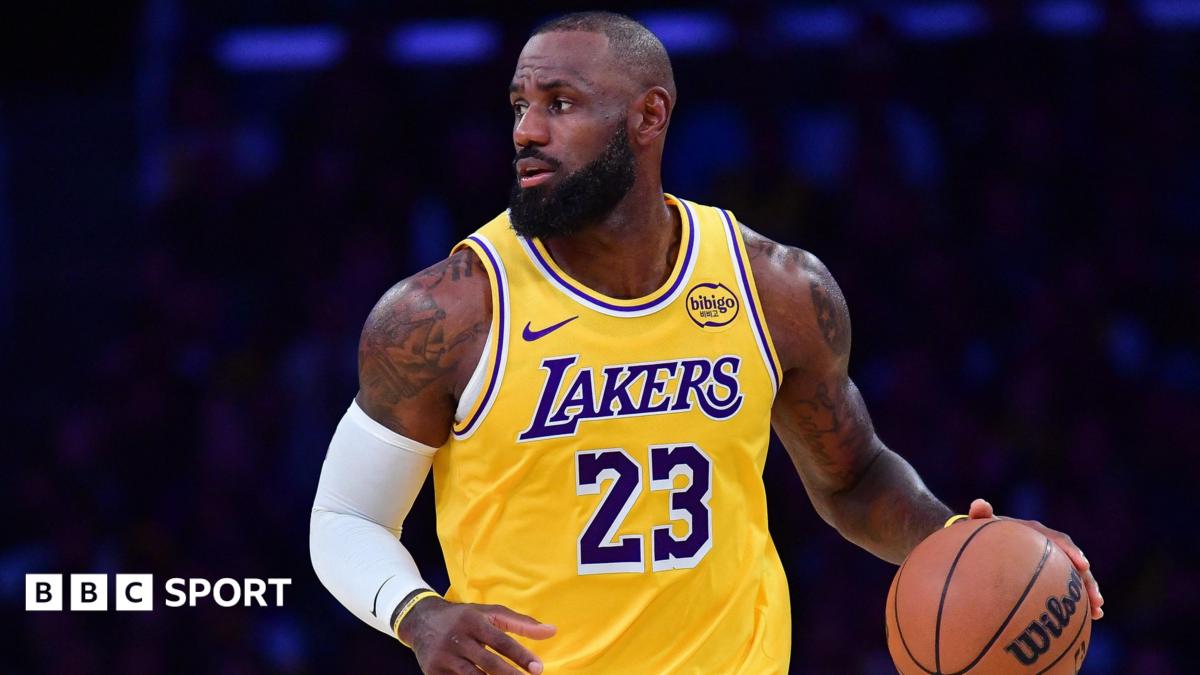
    After eight seasons of record-breaking performances and a celebrated championship run, 41-year-old NBA legend LeBron James has announced his departure from the Los Angeles Lakers, bringing an end to one of the most notable stints in the franchise’s recent history.

    James arrived in Los Angeles in 2018, and over his tenure with the purple and gold, he delivered one of the franchise’s most cherished modern titles: a 2020 NBA championship, secured just nine months after the tragic helicopter crash that killed Lakers icon Kobe Bryant, his daughter Gianna, and seven others. That title run, completed under extraordinary public health and personal hardship, stands as one of the most resilient victories in James’ career. In recent years, he also made history as the first NBA player to share the court with his own son, Bronny James, 21, who joined the Lakers roster in 2024.

    Across the 2024-2025 season, James maintained his elite level of play, averaging 20.9 points, 7.2 assists, and 6.1 rebounds per game. For his entire career, he holds the league’s all-time records for both total points (43,440) and games played (1,622), a testament to his unmatched longevity and consistency. A 22-time All-Star and four-time NBA champion, James’ career resume already includes titles with the Miami Heat (2012, 2013), Cleveland Cavaliers (2016), and the Lakers (2020). His iconic 2016 championship run with Cleveland remains one of the most legendary moments in basketball history: after returning to his hometown franchise, he rallied the Cavaliers from a 3-1 deficit in the Finals to defeat the same Golden State Warriors that are now linked to him, delivering Cleveland its first ever NBA title and fulfilling the promise he made to fans a decade earlier.

    In an official statement following James’ departure, the Lakers organization paid tribute to the future Hall of Famer, calling him one of the greatest athletes in world history. “We will always be grateful for his eight years with the Lakers – including the title he led us to in 2020, under the most difficult circumstances imaginable, and the countless records he broke in purple and gold,” the statement read. “We wish him the best in his future, both on and off the court. He will always be a cherished member of the Lakers family.”

    Multiple industry media reports now point to the Golden State Warriors as the leading suitor for James, as the 18-time All-Star looks to extend his historic career with a new franchise. Though no official deal has been confirmed, the potential move would see James join one of the league’s most successful modern dynasties, closing a full-circle narrative that began with his iconic upset of the Warriors in 2016.