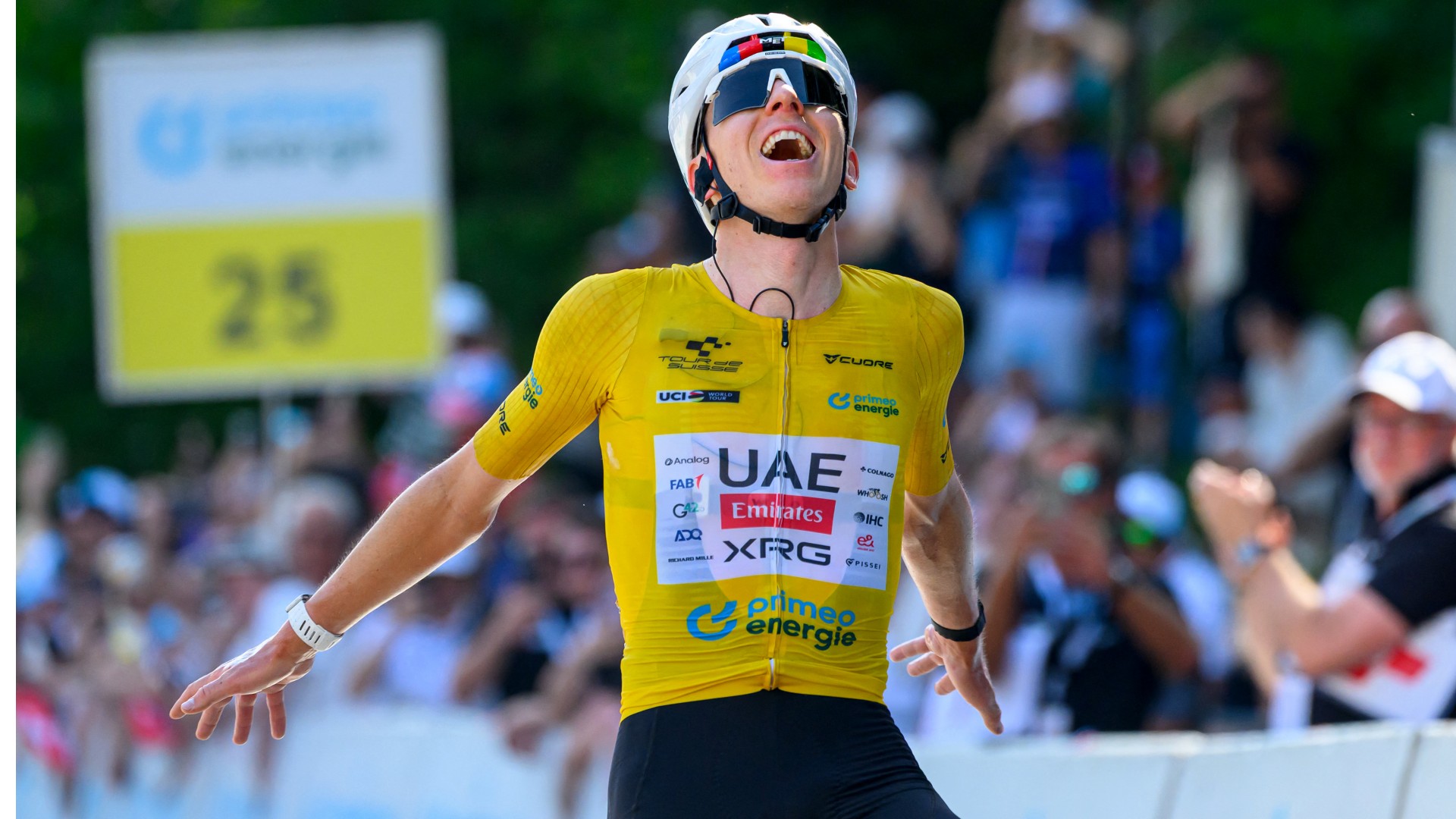
As cycling’s most prestigious annual event, the Tour de France, prepares to kick off this weekend, two of its competing squads — both with deep state ties to Gulf nations the United Arab Emirates and Bahrain — are facing growing scrutiny over human rights concerns that have reignited debates over sportswashing in global cycling. Leading the odds to claim overall victory at this year’s race is Tadej Pogacar, a Slovenian cyclist widely regarded as the most dominant male road rider in the modern sport. Pogacar has already secured four Tour de France titles across the last six editions, all claimed while riding under the banner of UAE Team Emirates XRG, formerly known as simply UAE Team Emirates. The squad has held the top spot in the Union Cycliste Internationale (UCI) global team rankings since 2023, cementing its status as the most formidable outfit in professional road cycling. Beyond Tour de France success, Pogacar has notched up an extraordinary array of wins for the team, including the Giro d’Italia crown, two UCI Road World Championship titles, and a long list of victories in prestigious one-day classic races. This year, however, a coalition of leading international human rights organizations has broken its silence ahead of the race, penning an open letter to the UCI calling for the immediate suspension of both UAE Team Emirates XRG and a second Gulf-backed outfit, Team Bahrain Victorious. The letter, co-signed by Fair Square, Sudan Unlimited, the Bahrain Institute for Rights and Democracy (Bird), and Christian Solidarity Worldwide, was reviewed exclusively by Middle East Eye ahead of the Tour’s opening stage. Middle East Eye has reached out to the UCI, UAE Team Emirates XRG, and Team Bahrain Victorious for official comment on the allegations, but had not received responses as of publication. Rights groups argue that UAE Team Emirates XRG operates under the direct financial and political control of the Emirati state, a claim backed by the team’s own public messaging. On the squad’s official LinkedIn page, leaders state that the team’s core mission is to “represent an entire nation, the UAE.” The team’s branding mission was on full public display after Pogacar’s 2024 Tour de France victory, when the entire squad chanted “U-A-E! U-A-E!” in unison from the podium in Paris. The team’s two primary sponsors are both state-controlled entities: Emirates airline is owned directly by the government of Dubai, while XRG, the investment arm of the UAE’s national oil company, falls under the control of the Abu Dhabi government. The letter also draws attention to the team’s founding: when it was first launched in 2017, one of its founding sponsors was the International Golden Group, a United Arab Emirates-based military contracting firm. A United Nations expert panel identified the company back in 2013 as a violator of the UN arms embargo on Libya, after it was found to have supplied weapons to unauthorized armed groups in the country. While International Golden Group is no longer listed as an active sponsor, its logo appeared on the team’s racing jerseys as recently as 2021, years after the UN report documenting its embargo violations was released. At the core of the demand to suspend the UAE squad is the human rights coalition’s claim that there is “irrefutable evidence” linking the UAE, which owns and controls the team, to the ongoing atrocities in Sudan. The letter identifies the UAE as the primary financial and military backer of the Rapid Support Forces (RSF), the paramilitary group that has been fighting the Sudanese Armed Forces in a brutal civil war since April 2023. Middle East Eye has previously reported on the UAE’s extensive supply network, which funnels weapons to the RSF through a web of intermediaries across Libya, Chad, Uganda, and Somalia. Since the conflict began, RSF fighters have been accused of perpetrating widespread massacres, systematic sexual violence, and ethnic cleansing that multiple international bodies have designated as genocide in Sudan’s Darfur region. “We know that the UAE uses sports teams to project a positive, sanitised image of itself while at the same time offering material and political support to the RSF in Sudan, who stand accused of genocide, and who may commit further atrocities in El-Obeid,” Alex Carlen, policy director at Fair Square, told Middle East Eye. The groups argue that allowing the state-owned team to compete in top-tier UCI events gives the UAE a valuable public platform to whitewash its human rights record. “Cycling’s most prominent and celebrated races have become a very public platform that the UAE state is using to project a positive image of the UAE, which stands in marked contrast to the violence and repression that underpins its power,” the letter reads. The coalition is also calling for the suspension of Team Bahrain Victorious, the second Gulf-backed squad set to compete in this year’s Tour de France. The team was founded by Nasser bin Hamad Al Khalifa, a senior member of Bahrain’s ruling royal family who serves as commander of the kingdom’s royal guard and head of Bahrain’s national youth and sports council. On the team’s official website, leaders acknowledge that the squad “represents a powerful platform for showcasing the ambition, optimism and global outlook of the Kingdom of Bahrain.” Rights groups charge that the team serves to distract from longstanding systemic human rights abuses in Bahrain, where authorities have cracked down on political dissent, arbitrarily arrested opposition figures, and effectively eliminated freedom of expression since widespread pro-democracy protests in 2011. This is not the first time that human rights groups have raised alarms about Team Bahrain Victorious: Bird sent a formal letter to the UCI back in 2019 calling on the governing body to publish the results of an ethical review into the team and to take human rights concerns into account when considering future license renewals. At the time, the UCI dismissed the request, saying that “the question of whether the government of Bahrain mistreats its citizens and its athletes in particular, is clearly beyond the jurisdiction of our Commission.” Carlen says that response is no longer acceptable, and that the UCI has a responsibility to act ahead of this year’s Tour. “The UCI cannot continue to allow state-backed teams to use its highly popular and historic competition to advance their own political interests,” he said. “Cycling as a sport has an opportunity here to set a precedent and put the focus back on the competition rather than an association with human rights violations.”
分类: sports
-
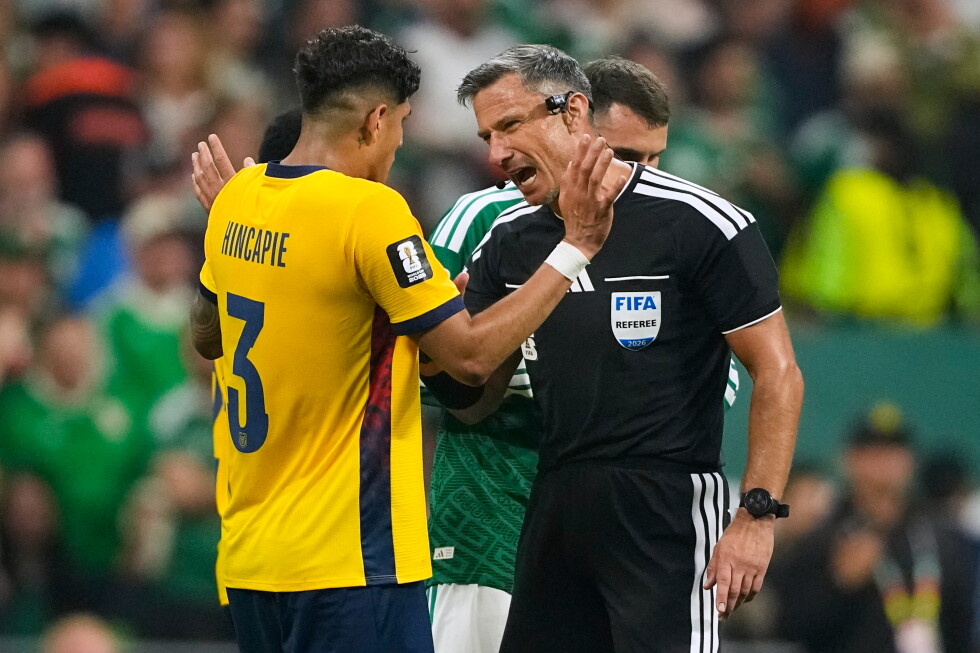
Why are World Cup refs giving red cards to players covering their mouths when confronting opponents?
As the World Cup knockout stage unfolds, a landmark new FIFA rule designed to curb hidden on-pitch abuse has already claimed two high-profile victims, just weeks after it was formally implemented for the global tournament. All participating players received clear advance notice of the regulation before kickoff: any athlete who covers their mouth during a verbal confrontation with an opponent will face an immediate red card and ejection from the match, and match officials have been instructed to enforce the change rigorously.
The most recent violation was recorded on Tuesday night, during Ecuador’s round of 32 clash with Mexico. With the match deep into second-half stoppage time and Mexico already holding a 2-0 lead that would ultimately seal its progression to the next round, Ecuadorian center-back Piero Hincapié was shown a straight red after a verbal altercation with Mexican forward Santi Giménez. The dismissal came too late in the game to alter the final outcome, with the full-time whistle blowing mere moments after Hincapié left the pitch.
The new rule, widely nicknamed the “Prestianni Law” after the incident that sparked its creation, was created to eliminate the longstanding loophole that allowed players to hurl abusive, discriminatory or offensive language at opponents without being caught on camera or identified by match officials. The push for reform gained momentum after a high-profile controversial incident in a 2024 Champions League fixture, when Benfica winger Gianluca Prestianni was accused of directing a racially charged slur at Real Madrid star Vinícius Júnior while pulling up his jersey to cover his mouth during the confrontation. The accusation was backed by Prestianni’s then-Real Madrid opponent Kylian Mbappé, prompting FIFA president Gianni Infantino to prioritize a rule change to address the issue.
The International Football Association Board (IFAB), soccer’s global governing body for the Laws of the Game, approved the new regulation during a special emergency meeting held ahead of this year’s FIFA Congress. The change passed with unanimous support from IFAB members, which include senior FIFA officials and representatives from soccer’s four founding British federations. Unlike core mandatory rules of the sport, this new provision grants tournament organizers the autonomy to adopt it at their own discretion, a flexibility that allowed FIFA to roll it out specifically for this World Cup.
Hincapié is not the first player to fall foul of the new regulation during the tournament. The first red card under the rule was issued to Paraguay midfielder Miguel Almirón during a group stage fixture against Turkey. Almirón was ejected after covering his mouth during a heated confrontation with Turkish defender Mert Mulder. Despite Paraguay securing a 1-0 victory in the match, Almirón was forced to serve a mandatory one-game suspension that ruled him out of the nation’s final group stage match against Australia, and FIFA confirmed the original decision was not eligible for appeal.
Under standard World Cup regulations, any player who receives a red card is immediately removed from the ongoing match, requires their team to play the remainder of the fixture with 10 players, and must serve a one-match suspension for their team’s next competitive game in the tournament. While the reduced player number puts the affected team at a significant tactical disadvantage for the rest of the current match, the squad can return to a full 11-player starting lineup for the following fixture, barring the suspended athlete.
-
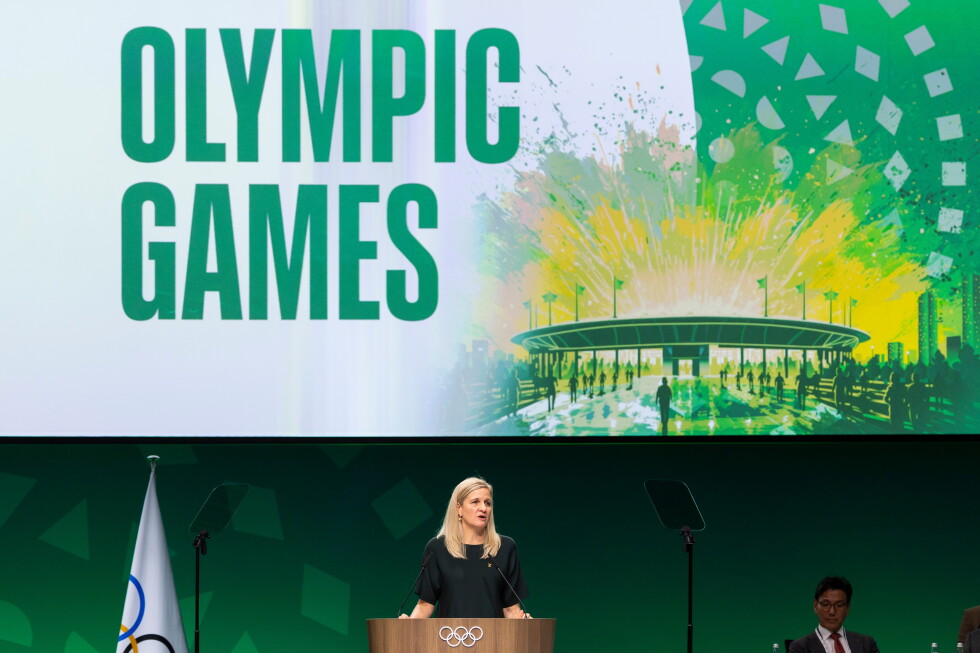
IOC says it will not give Olympic team status to Greenland and Faroe Islands
LAUSANNE, Switzerland — The International Olympic Committee announced Wednesday that it will deny a push from Denmark’s national parliament to grant separate, independent Olympic team status to two semi-autonomous Danish territories, Greenland and the Faroe Islands.
For three decades, the Olympic Charter has held a clear, unchanging requirement for entities seeking official national team recognition: a prospective member must be an independent sovereign state that has received formal recognition from the broader international community. Greenland and the Faroe Islands, which hold broad self-governance powers but remain part of the Kingdom of Denmark, fail to meet this core eligibility threshold, the IOC confirmed in an official statement.
The IOC noted that this long-standing stance has already been communicated repeatedly and explicitly to all relevant parties over the course of many years. The formal request from Denmark’s parliament was submitted just two weeks ago, and was made public this Tuesday.
The bid comes on the heels of a recent shift in Danish politics, coming weeks after Danish Prime Minister Mette Frederiksen established a new coalition government following national elections. During her election campaign, Frederiksen made a high-profile pledge to stand with Greenland against a controversial proposal from former U.S. President Donald Trump, who publicly expressed interest in purchasing the Arctic island from Denmark.
For the upcoming 2028 Summer Olympic Games in Los Angeles, where Trump is set to deliver the official opening declaration, athletes from both Greenland and the Faroe Islands will remain eligible to compete as part of the Danish national Olympic team. Denmark is currently one of the 206 national Olympic committees officially recognized by the IOC.
-
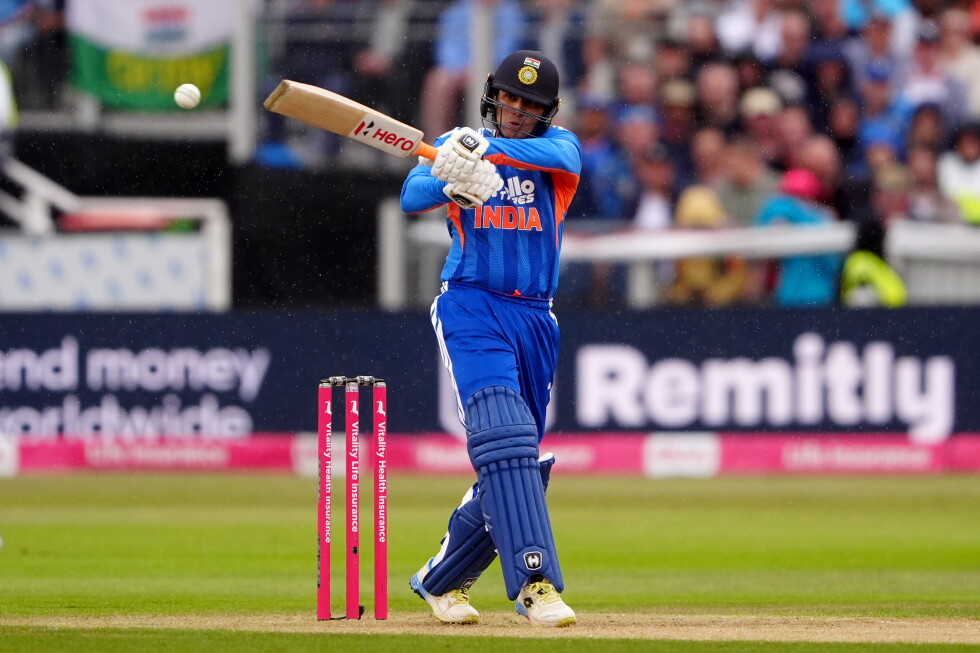
First T20 between England and India abandoned because of rain after Sooryavanshi left out again
The opening match of a five-match men’s T20 international series between England and India in Chester-le-Street, England, was called off due to persistent rain on Wednesday, robbing spectators of a full contest before the host side could even begin its run chase.
After winning the pre-match toss and electing to take the batting crease first, India recovered from an early top-order collapse to post a competitive total of 189 runs for seven wickets. Captain Shreyas Iyer led the charge with a 68-run knock, while opening batter Abhishek Sharma contributed a steady half-century of 59 runs. All-rounder Shivam Dube delivered a late, explosive hitting spree, scoring 42 runs off just 21 deliveries including three sixes and two fours to push India close to the 200-run mark. For England, pace bowler Saqib Mahmood turned in the strongest bowling performance, claiming three wickets for 33 runs, including the early dismissal of Indian opener Sanju Samson for just 1 run. India’s innings got off to a rocky start, with Ishan Kishan run out for a duck to leave the side reeling at 6 runs for the loss of two wickets before the middle order rallied to build a commanding total.
By the time India’s 20 overs concluded, heavy rain had moved into the Durham venue, and the downpour never let up enough to allow England to start its innings. Match officials formally abandoned play at approximately 8:15 p.m. local time. The second fixture of the five-match series is scheduled to kick off in Manchester this Saturday.
The match carried extra off-field attention surrounding 15-year-old Indian batting prodigy Vaibhav Sooryavanshi, who was left out of the playing XI for a second consecutive tour stop, extending his wait for a senior international debut. Fresh off a dominant 2026 Indian Premier League campaign that saw him score 776 runs across 16 innings and earn the league’s Most Valuable Player award, Sooryavanshi earned a call-up to India’s touring squad for Ireland and England. However, he has not yet been able to unseat established openers Samson and Sharma in the starting lineup.
India’s decision to hold the teenager out comes on the heels of an unexpected 2-0 series defeat to Ireland, a result that left many fans calling for the dynamic young prospect to get an early opportunity at the senior level. If Sooryavanshi does make his debut later in the England series at his current age of 15 years and 96 days, he will break the record for the youngest player to feature in a top-tier men’s T20 international. The existing mark is held by Ireland’s Joshua Little, who was 16 years and 309 days old when he made his T20 debut. He would also become the youngest player to ever represent India’s senior men’s international team, surpassing the legendary Sachin Tendulkar, who was 16 years and 205 days old when he made his Test debut in 1989. The record for the youngest player in the history of men’s international cricket across all formats still belongs to Pakistan’s Hasan Raza, who was 14 years and 227 days old when he made his Test debut in 1996.
-
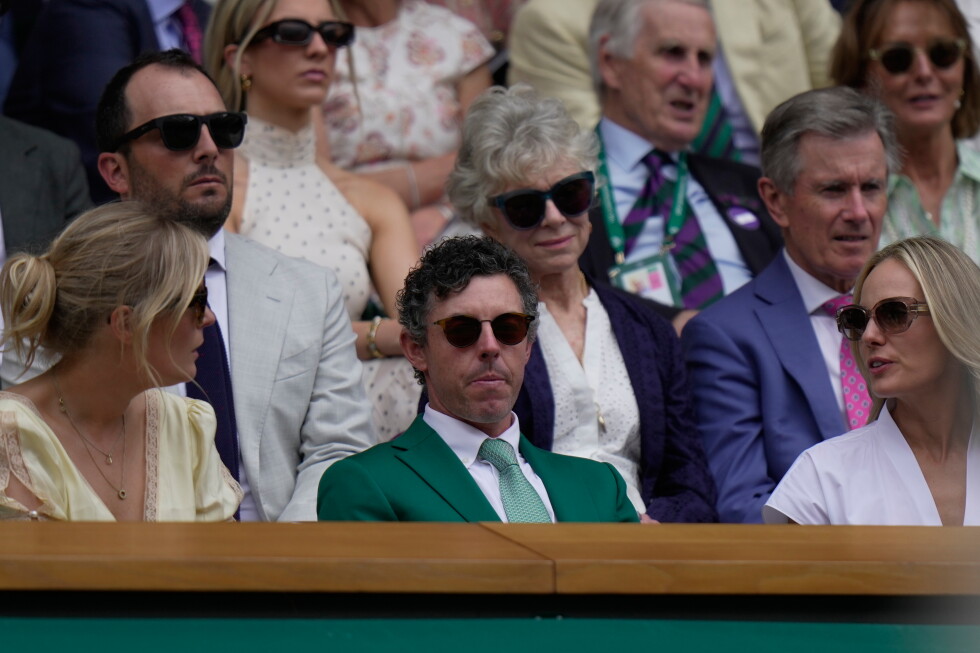
Rory McIlroy takes green jacket to Wimbledon as Ryder Cup players get Royal Box treatment
LONDON – One of golf’s biggest recent champions brought his most iconic trophy to Wimbledon’s most prestigious stage Wednesday, when the core of Europe’s 2023 Ryder Cup-winning squad took a front-row seat in the Royal Box on Centre Court to watch the Wimbledon Tennis Championships.
Four-time major winner Rory McIlroy, who claimed his second Masters green jacket in a dramatic victory at Augusta National this past April, showcased his coveted championship jacket as he joined his Ryder Cup teammates for the afternoon of world-class tennis. Joining McIlroy in the special guest section were fellow European golf stars Tommy Fleetwood, Justin Rose, and Italian brothers Edoardo and Francesco Molinari. The group was also joined by Ryder Cup captain Luke Donald and vice-captain Thomas Bjorn, making for a heavy golf presence on one of tennis’ biggest global stages.
The golf contingent was on hand to watch defending Wimbledon men’s singles champion Jannik Sinner face off against Portugal’s Nuno Borges in a highly anticipated second-round clash. Centre Court had a packed slate of marquee matches for the day, with more top talent set to take the grass later Wednesday: 17-year-old Mirra Andreeva, the reigning French Open women’s singles champion, was scheduled to play her next round, followed by men’s legend Novak Djokovic, who is chasing an eighth Wimbledon title, having already lifted the champion’s trophy seven times in his storied career.
The golf stars were not the only high-profile guests in the Royal Box Wednesday. The venue also hosted award-winning British actors Charles Dance and Richard E. Grant, as well as Martina Navratilova, one of the most decorated champions in Wimbledon history, who claimed nine women’s singles titles across her career.
This gathering marked a rare cross-over moment between two of Europe’s most popular professional sports, bringing golf’s biggest recent champions into the spotlight as guests of honor at one of tennis’ four Grand Slam tournaments. For context, Europe secured a 15-13 victory over the United States in the 2023 Ryder Cup at Bethpage Black, cementing the team’s place in golf history ahead of the next edition of the team competition.
-
As the World Cup grows more global, many fans still struggle to get there
Forty years after Iraq’s last World Cup appearance, Mustafa al Saadi had every reason to believe he would cheer on his national team in person this June. The 32-year-old oncology lab technician from Mosul General Hospital had traveled the world alongside three colleagues to follow Iraq’s national soccer side, and when the team clinched its 2026 World Cup spot — the first in al Saadi’s lifetime — the group immediately planned their trip to the co-hosted North American tournament.
Only three of the four friends boarded a flight to the United States. Al Saadi’s visa application remained stuck in processing, forcing him to watch Iraq’s opening match against France from a makeshift outdoor fan zone in Mosul’s al Muthanna neighborhood, less than a mile from the crumbling ancient fortification walls of Nineveh. As red signal flares painted the night sky over the crowd, he tried repeatedly to call his friends inside Philadelphia’s Lincoln Financial Field, but the calls never went through. “It is a very sad feeling to see your close friends present with the national team in every country in the world, but I am not,” al Saadi told reporters at the gathering.
Al Saadi’s disappointment is far from unique. For decades, FIFA has positioned the World Cup as a tool to bring global soccer communities together, expanding the tournament’s reach to give more small and developing nations a shot at qualification. The 2026 iteration, co-hosted by the U.S., Canada, and Mexico, delivered on that promise in historic fashion, with four nations — Cape Verde, Jordan, Uzbekistan, and Curaçao — making their World Cup debuts. But qualification for the tournament did not guarantee entry for the teams’ supporters, journalists, and even official personnel, as immigration rules remain the exclusive domain of the three co-host governments.
Data from pre-tournament advocacy efforts shows that fans from roughly one in four qualified nations faced travel bans, strict entry restrictions, or dramatically high U.S. visa refusal rates. These inequities were impossible to miss in the tournament’s stands. During a group stage match outside Boston between Haiti and Scotland, two sides returning to the World Cup after decades-long absences, tens of thousands of Scottish supporters took to the city streets in bagpipe-led processions, with their chant of “Flower of Scotland” measured at 125 decibels — roughly the volume of an incoming jet taking off. By contrast, only a small cluster of Haitian fans waving the national red-and-blue flag were present in the stands, as Haitian citizens have been subject to strict U.S. travel restrictions since the Trump administration.
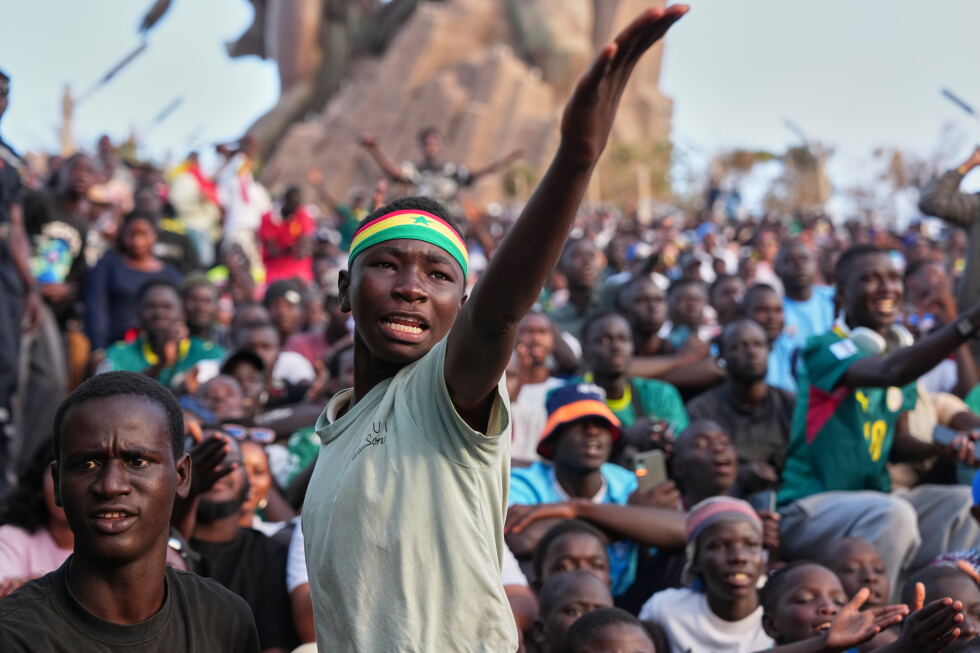
For the hundreds of thousands of fans locked out of North American stadiums, the 2026 World Cup unfolded in hometown fan zones, local restaurants, and diaspora communities across the globe. Hundreds packed in front of a giant outdoor screen in Mosul to watch Iraq’s long-awaited return. In Brockton, Massachusetts, home to one of the largest Cape Verdean diaspora communities outside the island nation, supporters packed local restaurants to watch their team face Spain before spilling into the streets in celebration, setting off fireworks while waving national flags from car windows. In Dakar, Senegal, hundreds of fans climbed university balconies and perched on window ledges just to catch a glimpse of the giant screen airing their team’s opening match.
Iraq’s tournament ended in disappointment: after three consecutive heavy defeats, including a 5-0 loss to Senegal in their final group stage match, the 10-man side exited the tournament without earning a single point, leaving local fans shocked and heartbroken. But the conversation around the 2026 World Cup has centered far more on the off-field barriers that have divided the global soccer community than on on-field results.
Weeks before the tournament kicked off, United Nations High Commissioner for Human Rights Volker Türk warned that existing U.S. immigration policies would undermine equal access to the World Cup, calling for a “massive rethink” of enforcement rules to protect “human rights and human dignity.” As part of a broader immigration crackdown launched during the Trump administration, the U.S. introduced a requirement last year that visitors from 50 designated countries post visa bonds of up to $15,000 to enter the country. After formal requests from FIFA for a World Cup exemption, the administration only waived the bond requirement for ticket holders from five participating African nations — Algeria, Cape Verde, Ivory Coast, Senegal, and Tunisia — leaving all other fans subject to the rule, and all supporters still required to complete the standard, often lengthy, visa application process.
Unlike previous 2018 and 2022 World Cups hosted by Russia and Qatar, which created streamlined, tournament-specific entry systems to ease international travel for fans, the three North American co-hosts opted to rely entirely on their existing national immigration frameworks, rather than rolling out special entry permits for World Cup attendees. Canada required all qualifying international fans to apply through its standard visitor visa process, while Mexico maintained its existing visa policies for foreign visitors.
Even experienced sports journalists have not been spared from visa denials. Ghanaian reporter Prince Ayim Brown spent months saving extra money, took on additional freelance assignments, and even completed a special U.S. Embassy training program for journalists covering the tournament, only to have his visa application rejected without explanation by the same embassy. “World Cup is the pinnacle of football — every journalist and every football fan wants to be there,” he said.
A U.S. State Department spokesperson defended the agency’s processing efforts, noting that the final list of qualified teams had been public for months, giving fans who required visas adequate time to submit applications. The spokesperson added that the department deployed more than 600 additional consular staff, added millions of extra visa appointment slots, and used the FIFA PASS program to prioritize World Cup-related applications, all while maintaining existing national security screening standards.
For fans like Assane Ly, a salesman in Dakar who was denied a U.S. visa, the lost opportunity extends far beyond watching a match from stadium seats. Watched Senegal’s opening match from the same Cheikh Anta Diop University fan zone, Ly said he grieves the chance to connect with fans from across the globe that makes the World Cup unique. “The World Cup is supposed to be a moment when geopolitics are on hold, when the host country welcomes people from all nationalities, skin colors and religions to come together to celebrate football,” he said.
For diaspora communities, the 2026 World Cup has still brought unanticipated joy, even when few native fans could make it to stadiums. For Cape Verde’s first-ever World Cup appearance, the small Brockton diaspora community got the chance to cheer for their home nation for the first time, after decades of supporting other countries with stronger historical and cultural ties. Jaysen Gonçalves, a Cape Verdean-American who had attended two previous World Cups, bought his tickets as soon as the nation qualified, and was inside the stadium when Cape Verde held powerhouse Spain to a historic scoreless draw. Still, he noted that Spanish fans outnumbered Cape Verdean fans roughly 9 to 1 inside the arena — a gap driven by financial and travel barriers. “It shows,” he said. “That is financial.”
Back in Brockton, where Jaysen and his mother Amelia own Luanda Restaurant, the celebration was far more vibrant. For more than 20 years, the restaurant’s World Cup watch parties have been dominated by fans wearing jerseys of Portugal and Brazil, reflecting Cape Verde’s colonial history, shared language, and widespread family ties to both nations. This year, however, every screen in the restaurant is tuned to Cape Verde matches, and every fan is wearing the national blue-and-red. When Cape Verde held Spain scoreless, patrons pulled out sparkling wine to celebrate, Amelia Gonçalves said. “It was like we won the World Cup,” she said, adding that she was too emotional to sleep after watching goalkeeper Vozinha make seven game-saving stops. “That means he gives us a lot of visibility to the world. People can see us now. ‘Yes, there is a country — an island — called Cape Verde.’”
For al Saadi, his stalled visa ended up reshaping his World Cup experience in an unexpected way. His application, submitted a full month before the tournament kicked off, still has not received a response, with no explanation for the delay. Complicating the process for Iraqi applicants, the U.S. suspended routine consular services within Iraq years ago, forcing applicants to travel to neighboring countries just to secure an in-person interview, adding layers of cost and complexity that many cannot overcome.
Instead of traveling to Philadelphia, al Saadi stepped up to help local organizers build the al Muthanna fan zone, bringing the World Cup to his hometown of Mosul, a city still recovering from years of conflict and isolation. On match nights, the square comes alive: a performer in an Iraqi national jersey walks the crowd on stilts, teenage boys dance with national flags draped over their shoulders, spotlights sweep over the crowd, and soccer anthems echo off the surrounding buildings. “By having this event, we brought the World Cup from America, Mexico and Canada to the city of Mosul,” al Saadi said. “Now Mosul is a global city.”
-
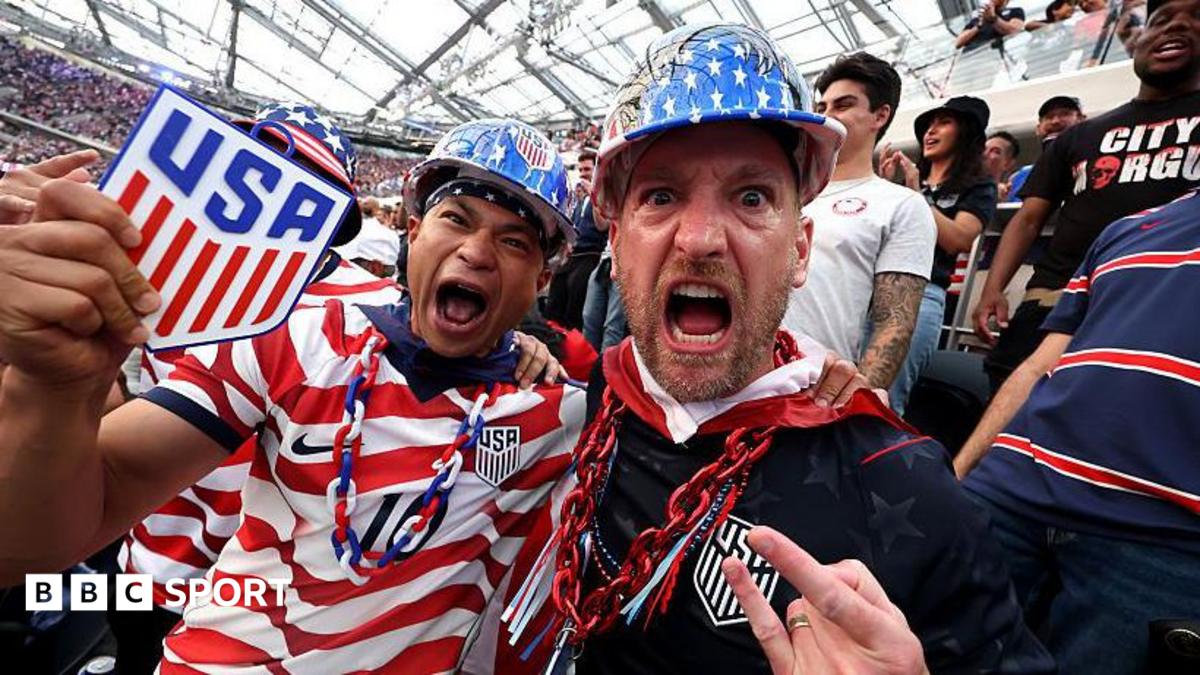
Has football fever taken hold in the US?
As the 2026 FIFA World Cup co-hosted by the United States, Mexico and Canada enters its knockout round phase, the co-host United States men’s national team is set to face Bosnia-Herzegovina in the round of 32, with a spot in the last 16 on the line. With the tournament now a few weeks in, BBC Sport’s senior team of correspondents has reflected on shifting perceptions of the U.S. leg of the event, after widespread pre-tournament questioning over whether the competition would gain traction in a country with stacked domestic sports calendars.
Before the tournament kicked off, a raft of concerns hung over the U.S. hosting leg: Would ticket prices price out most fans? Would public enthusiasm fail to materialize in a country where soccer has long ranked below other major sports? Would security fears and political distractions overshadow the build-up? What reporters on the ground witnessed, however, tells a story of slow-burn momentum that grew into widespread, cross-city enthusiasm as the tournament progressed.
Many correspondents shared a distinctly muted first impression, overshadowed by the New York Knicks’ first NBA championship win in 53 years that coincided with the tournament’s opening weeks. John Bennett, a BBC World Service reporter, recalled arriving in New York on the same day as the NBA Finals’ third game, spending his first week surrounded by Knicks fever rather than World Cup excitement. In those early days, the tournament felt like little more than a background event in a city already packed with major happenings. Ian Dennis, senior football reporter for BBC Radio 5 Live, echoed that experience, noting that his pre-tournament stay in Florida felt entirely disconnected from the World Cup, and his arrival in New York found the Knicks’ historic title run dominating local conversation. Even in Los Angeles, thousands of miles from the East Coast, the Knicks run dominated headlines, with minimal visible World Cup promotion beyond a handful of generic banners and billboards, BBC Sport journalist Gary Rose recalled.
That muted opening, however, quickly shifted as the tournament progressed, with diaspora communities, strong host city engagement, and the U.S. national team’s impressive on-pitch run turning casual awareness into widespread excitement. “Slowly but surely you could tell that the World Cup was capturing the imagination in New York,” Bennett said, recalling a packed fan event in Harlem that showcased the huge role diaspora fans would play: fans hailing originally from competing nations, or with family ties to competing teams, turned public spaces across the country into hubs of celebration. Bennett even stumbled upon a group of construction workers and local business people who had stopped outside a Greenwich Village bar to watch the closing minutes of Cape Verde’s dramatic 0-0 draw with Spain – proof that World Cup fever had taken hold.
For Dennis, the turning point came during a trip to Atlanta, where the downtown fan buzz and mingling fans from across the globe finally felt like a traditional World Cup. Liz Conway, a BBC Sport journalist, who entered the tournament cautiously optimistic, said her view has shifted completely. “World Cup fever has well and truly arrived in the United States,” she said, noting she was impressed by vibrant fan zones, friendly volunteer teams, and widespread enthusiasm even among casual fans who do not typically follow soccer. “Even some of the fans I’ve spoken to, who admitted they don’t usually watch football, have been genuinely excited to get behind the World Cup and learn more about the game. It’s been fantastic to see.”
Across other host cities, the story was the same. In Philadelphia, the city fully embraced a nine-day stretch that hosted four matches, with the Rocky statue steps becoming an iconic pre-match gathering spot for visiting fans, and the Lemon Hill fan festival drawing a record U.S.-host crowd of nearly 55,000 fans to watch the USA’s second group match on the big screen. In Seattle, post-match street parties became a regular tradition, with city officials closing downtown streets to make space for singing, dancing and casual street football. In Los Angeles, iconic local spots including Santa Monica Pier, the LA Memorial Coliseum and Union Station were transformed into fan zones, with Mexican American communities turning the city’s streets into celebration hubs after every Mexico national team win.
Correspondents also addressed one of the biggest pre-tournament concerns: empty seats from overpriced tickets. Neil Johnston, who has covered eight matches across five U.S. host cities, noted that every stadium he visited was full, with predictions of widespread empty seats failing to materialize. While some matches lacked the sustained chants and noise of traditional World Cup crowds in other host nations, the overall atmosphere compared favorably to past tournaments held in Brazil, Russia and Qatar, correspondents agreed. Even with some variation across cities – the spread-out geography of Houston made spontaneous street buzz harder to find, for example – the overall trajectory of growing enthusiasm matched predictions that Americans lean into major sporting events once they are underway, rather than leaning into long pre-tournament build-ups.
As the tournament moves into its knockout stages, the USA will look to continue their strong run against Bosnia-Herzegovina, with momentum and home support firmly behind the co-hosts.
-
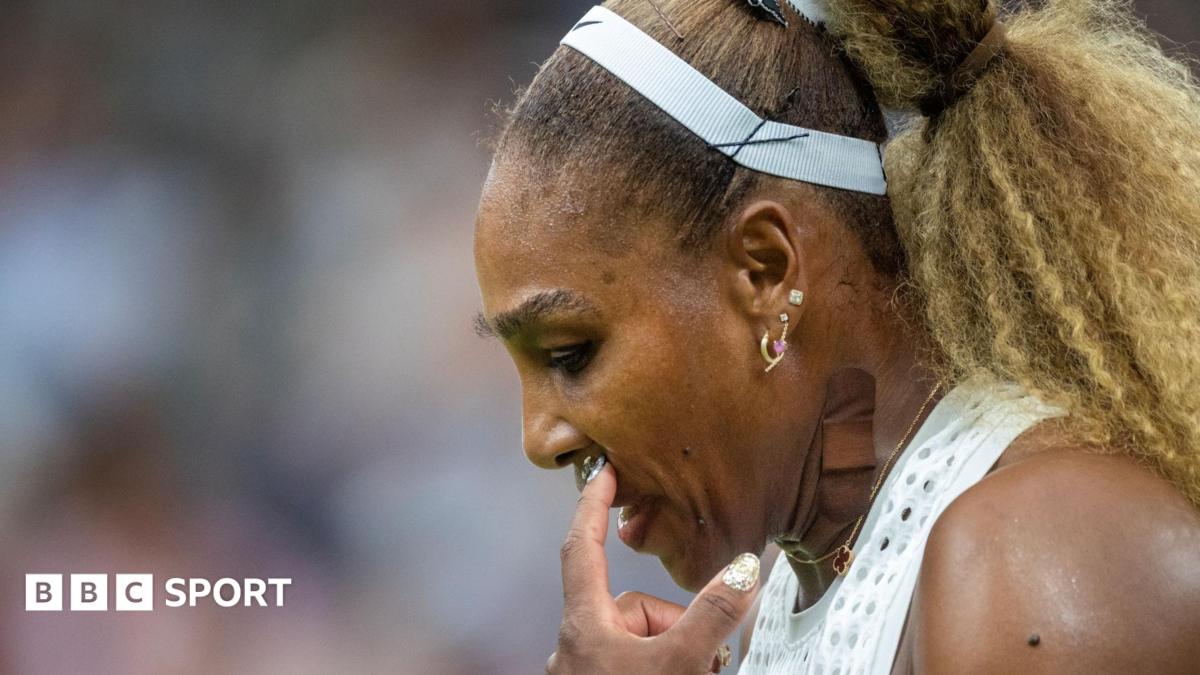
Williams’ knee injury leaves Wimbledon doubles in doubt
Tennis icon Serena Williams’ long-awaited comeback to the court at Wimbledon has hit an unexpected setback, with a knee injury sustained during her first singles singles match in almost four years putting her highly anticipated doubles reunion with sister Venus in serious jeopardy. The 44-year-old American legend, a 23-time Grand Slam singles champion, returned to Centre Court on Tuesday after 1,462 days away from the All England Club, drawing massive global attention to what was her first competitive singles outing since she stepped back from the sport in 2022. Her planned Friday doubles match with Venus, where the pair are six-time Wimbledon champions and set to play their first Grand Slam together since 2022, now hangs in the balance after Serena’s right knee swelled up during her three-set defeat to 20-year-old Australian rising star Maya Joint.
The injury occurred late in the first set, when Serena tweaked her knee. Despite medical advice to withdraw from the match, sources confirmed to BBC Sport that the fiercely competitive champion refused to exit, pushing through the pain to take the match to a deciding third set. She received no in-match treatment, and observers noted her slowed movement and uncertain footwork throughout the decider. After the match, medical staff offered crutches to assist her walking, an offer she declined, and she left the venue unassisted that same night. She did not speak to reporters post-match, with Wimbledon officials confirming the medical teams from the tournament and the WTA excused her from mandatory media obligations due to the injury.
In a post on her official Instagram following the match, Serena opened up about her emotions around her return, saying it felt incredible to be back on the court she has dominated for decades. “It felt so good to be back. I’m incredibly thankful for the wildcard – and even more grateful my daughters got to see that it’s never too late to chase something you love,” she wrote. She confirmed the knee tweak but stressed she is taking every possible step to be fit enough to compete alongside Venus on Friday. She also offered a public congratulations to Joint on her victory, and thanked fans for the overwhelming outpouring of support.
This comeback marks a full-circle moment for Serena, who played what she expected would be the final match of her professional career at the 2022 US Open. Notably, she avoided calling the move a retirement, instead saying she was “evolving away” from tennis, leaving the door open for a potential return that has now materialized at the tournament where she has enjoyed some of her greatest success: seven singles titles and six women’s doubles titles at the All England Club.
Against Joint, the veteran champion showed flashes of the unparalleled talent that made her one of the greatest players in the history of the sport, and was within touching distance of a sensational comeback victory before the younger Australian held firm to seal a 6-3 6-7 (6-8) 6-3 win. Her decision to push through the injury to finish the match was characteristic of her legendary competitive drive, which has been defined by her famous quote that she hates losing more than she loves winning. That grit, however, may now cost her the chance to share the court with her sister this week.
While Serena has not officially ruled herself out of Friday’s doubles draw, multiple indicators suggest the odds of the iconic pair sharing the Centre Court once again are heavily stacked against them. Missing the doubles match would mark a deeply disappointing end to a comeback that has dominated headlines at SW19 over the past week, with fans and analysts alike captivated by the story of the 44-year-old’s return to the sport she revolutionized. Williams’ camp has reaffirmed that she is doing everything in her power to get fit in time, leaving the tennis world waiting to see if she can pull off one more magical moment at Wimbledon.
-
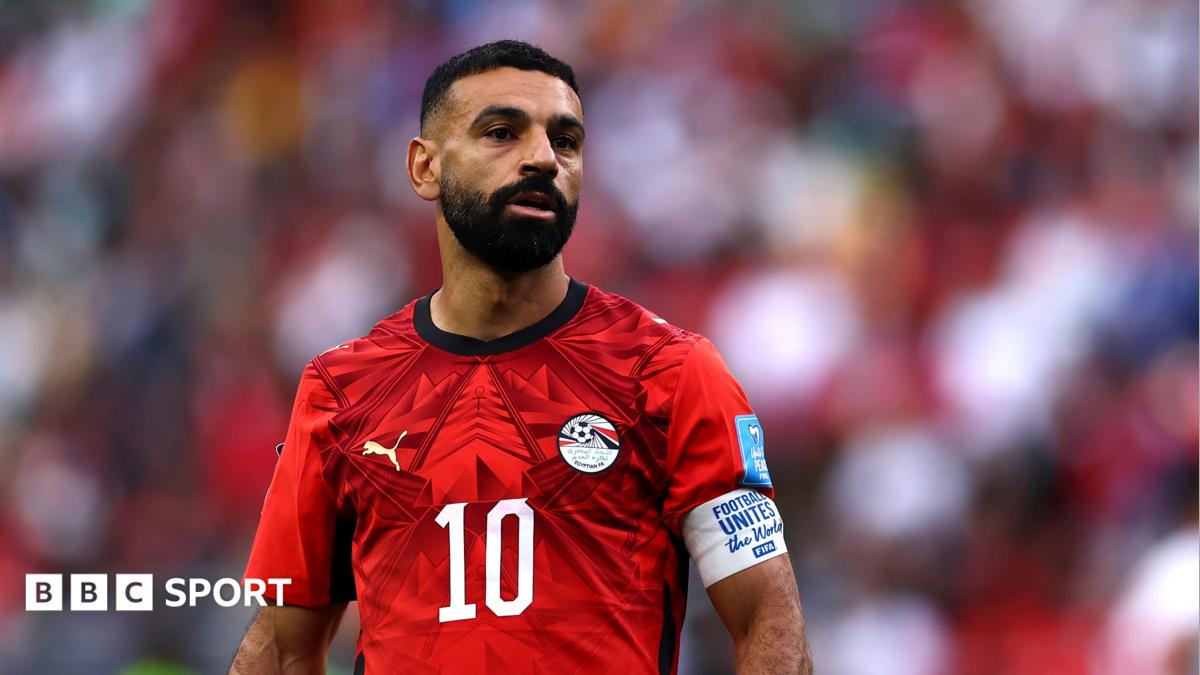
Egypt optimistic Salah will be fit to face Australia
As Egypt prepares to make history in their first-ever FIFA World Cup knockout stage appearance, the entire North African camp is clinging to cautious optimism that their star captain Mohamed Salah will be fit to face Australia in Friday’s crucial last-32 clash in Dallas.
Salah picked up a hamstring strain during Egypt’s final Group G match against Iran, the result that secured their spot in the knockout round. This tournament marks only the fourth time Egypt has qualified for a World Cup, and their unbeaten run against Belgium, New Zealand and Iran to finish second in the group was already a breakthrough moment for the Pharaohs. But celebrations following the 1-1 draw in Seattle were cut short when Salah was substituted off in the 57th minute, leaving fans and teammates fearing the worst.
Initial scans confirmed the 34-year-old forward had sustained a mild hamstring strain, but a flicker of hope emerged this week when Salah returned to the training pitch on Tuesday. The Egyptian Football Association even shared photos of the training session with the triumphant caption “The King is back”, signaling confidence that their talisman could take the field at 18:00 GMT on Friday. Salah is currently working through an intensive, personalized rehabilitation program to build up his fitness ahead of the tie, and head coach Hossam Hassan has moved quickly to downplay public concerns over the injury.
So far at the tournament, Salah has been the engine of Egypt’s attacking success: he found the back of the net in the team’s 3-1 win over New Zealand and notched two assists across the group stage. If he is ultimately ruled out, all of Egypt’s attacking pressure will shift to Omar Marmoush, the Manchester City forward who was benched for the Iran match before coming on as a second-half substitute. According to sources close to the national camp, Marmoush was disappointed to miss out on a starting spot against Iran, and he is now determined to prove his value if called upon against Australia. Many football observers have noted the 27-year-old has yet to live up to expectations at this World Cup, making Friday’s high-stakes knockout tie the perfect opportunity for him to silence critics and change the narrative around his performance.
Salah’s injury is not the only fitness crisis facing Hassan as he prepares his starting lineup. Defensive problems have compounded Egypt’s selection headache, with multiple first-team players picking up knocks in the Iran match. Center-back Mohamed Abdelmonem was forced off the pitch just 14 minutes into the game with a knee injury, and he is now in a race against time to be fit for Friday. Left-back Ahmed Fatouh is almost certain to miss the Australia tie after picking up his own hamstring injury; he managed to finish the full 90 minutes against Iran only because Egypt had already used all five of their permitted substitutions. Midfielders Hamdi Fathi and Hossam Abdelmaguid are also dealing with minor fitness issues, leaving Hassan with tough selection choices ahead of facing a Socceroos side renowned for its physical playing style and organized defensive structure.
Despite all these ongoing concerns, the mood in the Egyptian camp remains upbeat. The team is chasing their first ever victory in a World Cup knockout match, and players and coaching staff alike believe a fit Salah would provide a massive morale and tactical boost to their bid to upset Australia and advance to the quarter-finals.
-
Three die in Mexico City World Cup celebrations
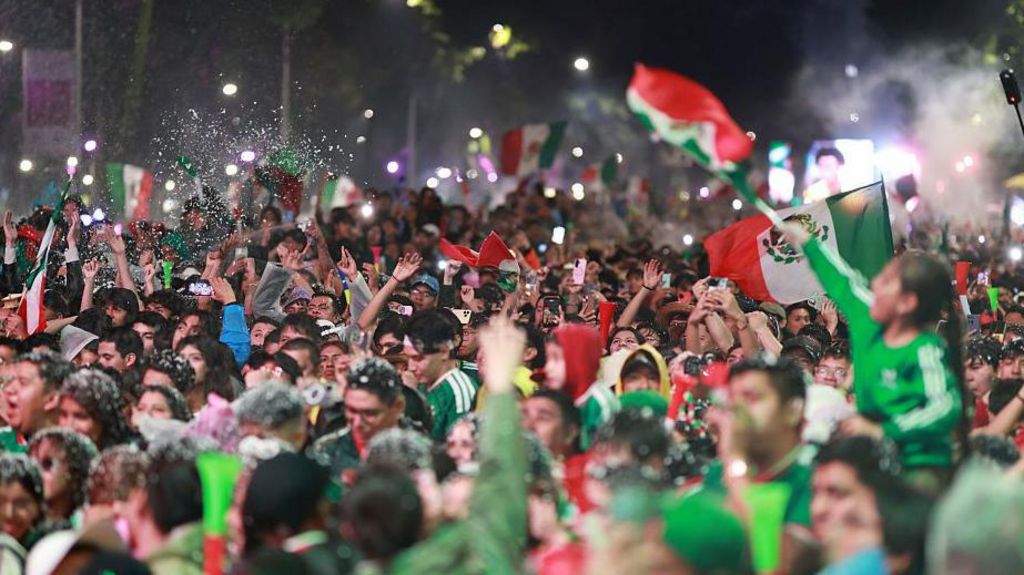
A historic World Cup knockout stage win for Mexico has turned into a tragic tragedy, with three people — including a 19-year-old woman — confirmed dead from suffocation after more than a million fans packed into downtown Mexico City to celebrate the national team’s 2-0 defeat of Ecuador.
The capital city’s health department released the official details on Wednesday, identifying the other two victims as a 48-year-old woman and a 44-year-old man. The mass gathering, centered on the iconic Angel of Independence monument along Paseo de la Reforma, marked Mexico’s first knockout round victory at a World Cup since 1986, a milestone that drew fans from across the sprawling metropolitan area home to more than 20 million people, one of the most densely populated urban regions on Earth.
Emergency responders rushed to treat three unconscious fans pulled from the crush at multiple locations along the main boulevard, administering on-site first aid and cardiopulmonary resuscitation before transporting the patients to local hospitals for advanced care. Despite rapid intervention, all three ultimately succumbed to suffocation, and their identities were confirmed by family members, authorities confirmed.
Mexico City Mayor Clara Brugada opened her public response by extending her deepest and most sincere condolences to the families of the deceased, pledging full municipal support to the grieving relatives in the days ahead. In a social media statement released after the fatalities were made public, Brugada urged all sports fans to approach celebratory gatherings with intentional responsibility, care for fellow attendees, and empathy for crowd safety concerns. She also noted that she had issued a public warning even before the match kicked off, urging fans planning to watch the game near the Angel of Independence monument to relocate to other viewing spots, as massive crowds had already filled the popular gathering space beyond safe capacity.
The euphoria over Tuesday’s win lit up the city long after the final whistle: fireworks echoed across neighborhoods, jubilant fans packed the famous Estadio Azteca for watch parties, and crowds spilled onto major thoroughfares to celebrate the national team’s advancement to the World Cup round of 16. Mexico now awaits the result of Wednesday’s match between England and DR Congo, with Thomas Tuchel’s England side currently favored to set up a next-round matchup against Mexico.
The tragedy has drawn renewed attention to the challenges of crowd management for large-scale public celebrations in major megacities, where spontaneous gatherings of elated fans can quickly outpace even pre-planned safety protocols.