分类: sports

  • South Korean football is dead, say furious fans, as they demand sweeping reform

    South Korean football is dead, say furious fans, as they demand sweeping reform

    An unexpected early group-stage exit from the 2026 FIFA World Cup has plunged South Korean football into crisis, triggering widespread fan anger, the resignation of head coach Hong Myung-bo, and renewed demands for sweeping systemic reform of the country’s top football governing body.

    When the national team touched down at Seoul’s Incheon Airport following their 1-0 knockout loss to South Africa, hundreds of furious supporters gathered to confront the delegation. Blasting drums and chanting for Hong to step down immediately, the crowd made their frustration unmistakable — with some followers tracking the coach all the way to his vehicle, even as a smaller group of fans gathered to cheer on the players trailing behind. One fan captured the collective mood, telling the BBC that criticism of Hong had been simmering long before the tournament kicked off, with constant calls for him to step aside even in the pre-World Cup buildup.

    Hong, once one of South Korea’s most beloved football icons — he captained the 2002 co-hosted national side to a historic fourth-place finish, the country’s best ever World Cup result — had been a controversial figure from the moment he took the senior head coach role in 2024. This marked his second tenure leading the national team, and many supporters never forgave his underperformance at the 2014 World Cup, where a 4-2 thrashing by Algeria went down as one of the most humiliating results in the country’s football history — a mark only surpassed by this year’s early exit. His appointment came after the dismissal of former head coach Jurgen Klinsmann, who was sacked just shy of one year on the job following a disappointing run at the 2023 AFC Asian Cup. Reports at the time indicated multiple high-profile international candidates, including current Canadian head coach Jesse Marsch, were widely viewed as stronger, more qualified contenders for the role.

    Yet Hong was ultimately selected, with critics immediately alleging the decision was driven by personal connections rather than merit. Allegations quickly emerged that the appointment was shaped by close personal ties between Hong and senior Korea Football Association (KFA) leadership, including KFA chairman Chung Mong-gyu, a Hyundai Group scion who shares an alma mater with the coach. These claims gained major traction when Park Joo-ho, a former national player and member of the KFA’s own coach recommendation committee, publicly alleged the hiring process was completely rigged. “Nothing was done as part of the formal process,” Park stated in a viral YouTube video, noting that candidates were never given a fair, equal evaluation. The KFA rejected Park’s claims, insisting it followed all due protocol, and threatened legal action against him, but his statements won backing from major figures in South Korean football, including legendary former Manchester United midfielder Park Ji-sung. “People have lost all trust in the KFA, and regaining that trust will take many years,” Park Ji-sung told local media.

    A government audit launched in late 2024 later confirmed these concerns, finding that both Klinsmann’s ousting and Hong’s appointment lacked any meaningful transparency. The audit concluded that an unauthorised KFA technical director interviewed Hong at the explicit instruction of Chairman Chung, long before the full board was asked to approve the hire — turning the board’s vote into nothing more than a ceremonial rubber-stamp. South Korean parliament summoned Chung for questioning twice over the findings, with one ruling party lawmaker directly calling out alleged “alumni cartels” tied to a specific university within KFA leadership. The government recommended disciplinary action against three top KFA executives, including Chung, and called for a complete restart of the head coach hiring process. The KFA, however, challenged the recommendation and won a court suspension of the ruling, allowing Chung to retain his post and begin a fourth consecutive term in 2025, with Hong staying on as head coach amid ongoing doubt.

    Heading into the 2026 World Cup, a promising opening win — a 2-1 come-from-behind victory over the Czech Republic, South Korea’s first opening match win at a World Cup in 16 years — briefly quelled criticism. But back-to-back uninspired losses to Mexico and South Korea sent the team packing early. For fans and analysts, the defeat exposed deep flaws in Hong’s tactical approach, most notably his shocking decision to leave team captain and global star Son Heung-min on the bench as a substitute. Hong’s strained relationship with Son, the first Asian player to win the English Premier League Golden Boot, had long been a point of frustration: he left Son off the 2012 Olympic roster and hinted at stripping him of the captaincy ahead of this tournament. Sports critic Choi Dong-ho argued Hong never leveraged Son’s talent, leaving the star isolated on the front line with little supporting play and relying only on late substitutions rather than adjusting tactics to turn matches around.

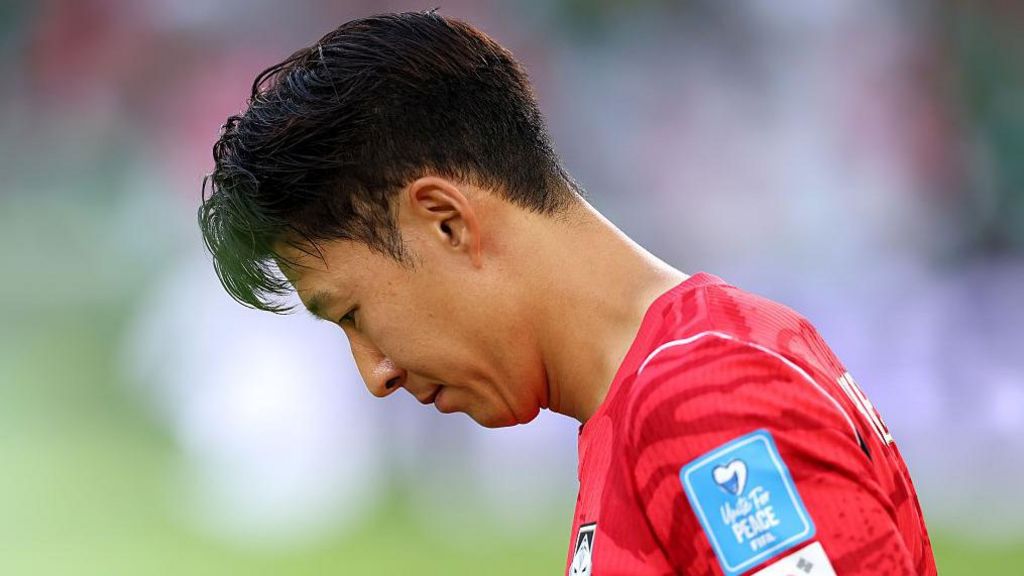
    Son, who currently boasts a star-studded squad alongside PSG’s Lee Kang-in and Bayern Munich’s Kim Min-jae, issued a public apology to supporters after the exit, writing on Instagram: “To be honest, it’s hard to accept the reality… I believe what the fans are feeling wouldn’t be all that different from what I’m feeling.” Just days after the team’s return, Hong announced he would step down, taking full responsibility for the result. “The entire responsibility rests entirely with me,” he stated. South Korean President Lee Jae Myung has called for a full formal investigation into the KFA’s practices, writing on social platform X that “When favouritism and cronyism take precedence over competence in selecting a commander, the result is as clear as day. This appears to be the result of deep organisational and personnel failures.”

    For many South Koreans, the early exit has laid bare a decades-long decline that stands in stark contrast to the 2002 World Cup high, when co-hosting the tournament lifted the nation’s spirits amid recovery from the Asian financial crisis. Today, the gap with regional rival Japan has grown increasingly stark: after the exit, South Korea dropped to 32nd in the FIFA rankings, its lowest position in four years, while Japan climbed to 17th to become the highest-ranked Asian team. Critics like Choi argue the root of the problem extends far beyond Hong, pointing to a rotating cast of more than 10 head coaches since 2002 that has prevented the national team from building consistent experience or a long-term strategic identity. “It feels as though South Korea starts from scratch every four years,” Choi noted.

    Now, fans and political leaders alike are united in calling for a full overhaul of the KFA, demanding greater transparency, merit-based hiring, and a commitment to long-term development. One anonymous fan summed up the growing public mood: “Young people today already fight to compete in an unfair world. Even in sport, where fairness should matter most, we’ve watched football administrators ignore that basic principle. People will not accept this any longer.”
  • Lionel Messi and Argentina await Cape Verde in the round of 32 at the World Cup

    Lionel Messi and Argentina await Cape Verde in the round of 32 at the World Cup

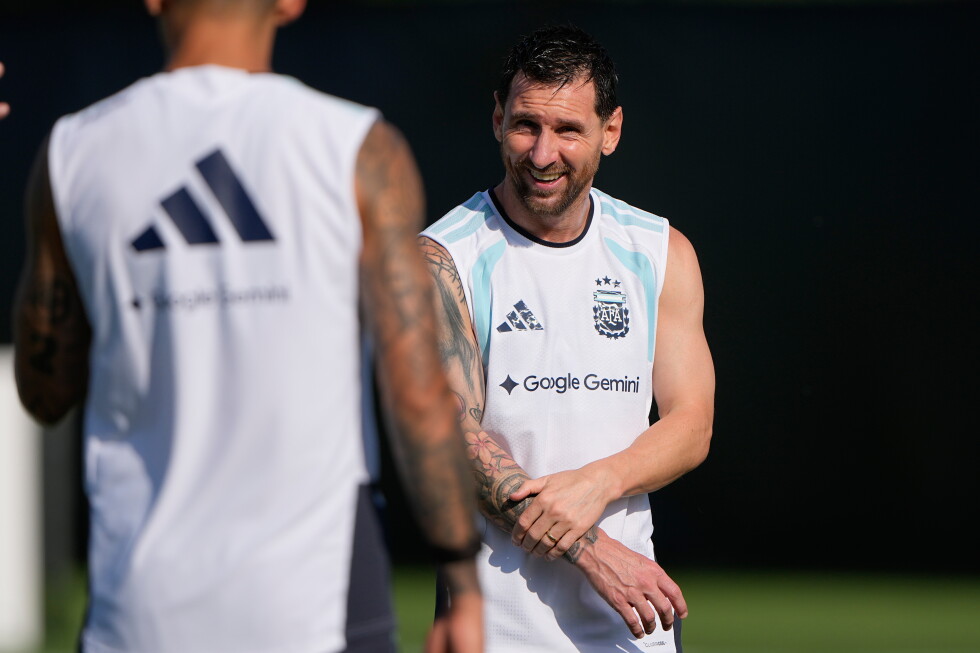
    MIAMI GARDENS, Florida — When the World Cup’s round of 32 kicks off at Hard Rock Stadium on Friday night, global soccer will witness one of the most dramatic underdog storylines in modern tournament history. On one side stands Argentina, the three-time World Cup title holder, led by widely regarded greatest-of-all-time Lionel Messi, boasting a century of decorated soccer history and a roster stacked with elite international talent. On the other steps Cape Verde, an undersized African island nation making an unprecedented run that no pundits predicted.

    For the Cape Verde side, there is zero pressure to deliver a result — no fanbase or pundit expects the tiny underdog to topple the defending champions. That freedom, however, has not dulled the squad’s belief that they can pull off one of the most stunning upsets the sport has ever seen. “I believe we can do a great thing here,” Cape Verde backup defender Stopira, full name Ianique dos Santos Tavares, told reporters Thursday through a translator. “And this is no exception. This match is no exception.”

    A Cape Verde victory would echo the magnitude of the 1980 “Miracle on Ice”, where a young amateur U.S. men’s hockey team upset the unbeatable Soviet Union at the Lake Placid Olympics en route to gold. In soccer terms, this underdog triumph would be remembered forever as the “Miracle on Grass”.

    When the tournament bracket was first finalized, Argentina’s squad fully expected to face either Spain or Uruguay, the two other decorated former champions in Group H, in this round of 32 matchup. As the Group J winner, Argentina was set to take on the Group H runner-up, and almost no one penciled Cape Verde into that spot. But the chaotic group stage defied all expectations: two-time champion Uruguay crashed out early, 2010 winner Spain advanced but finished second, and Cape Verde held on to claim the unlikely runner-up spot, setting up a showdown with Messi and his world-beating side.

    This underdog run did not come out of nowhere. Cape Verde turned heads early in group play by holding Spain to a surprising scoreless draw, cementing their defensive reputation ahead of the knockout stage. Their 40-year-old starting goalkeeper even captured global public attention when a story spread of community support that allowed his mother to travel to the U.S. to watch his group stage performances. Now, the tiny nation stands in the biggest match in its soccer history.

    “The most important match in our history,” Cape Verde head coach Bubista said of Friday’s clash. “So, we are being responsible and also trying to enjoy the match. We did not reach this stage by chance. It was on our own merits and we want to show the world our qualities, our values and that there’s a lot of quality in Cape Verdean football.”

    Cape Verde enters the knockout round with an unusual resume: it is the only team to advance to the round of 32 this tournament without registering a single win, having earned three consecutive draws across group play. By contrast, Argentina dominated its group, winning all three matches with Messi turning in standout performances in every fixture. Now, both teams enter a do-or-die knockout: win, and advance; lose, and go home.

    Even Argentina’s coaching staff and players are quick to emphasize that Cape Verde’s spot in the round of 32 is no fluke. “We are not surprised, to be honest,” Argentina manager Lionel Scaloni told reporters. “They are a good team. And they are not here by chance. We must respect them. And that’s what we will do.”

    Argentina midfielder Rodrigo de Paul echoed that respect, noting that the bracket always favored a more established nation to reach this matchup. “The truth is that when the draw was decided, the group that we would have to face … there were two world champions there,” he said.

    Cape Verde has already laid out its game plan for the biggest match in the nation’s history. The side will lean into its tested defensive structure, which only allowed two goals across three group matches and kept Spain off the scoresheet entirely. The underdogs plan to push aggressively on set pieces, fight for as much possession control as possible, and execute a unified game plan that targets the entire Argentine side, not just Messi. While no global side has cracked the code of stopping the Argentine star, Bubista says his squad is prepared for the full challenge Argentina presents.

    “We have our own strategy, not only against Messi, but the whole team,” Bubista said. “We know they are the current world champions, one of the best teams in the tournament. And we will play against the whole team, not just Messi.”

  • Mikel Oyarzabal’s 2 goals send dominant Spain past Austria 3-0 and into round of 16 at the World Cup

    Mikel Oyarzabal’s 2 goals send dominant Spain past Austria 3-0 and into round of 16 at the World Cup

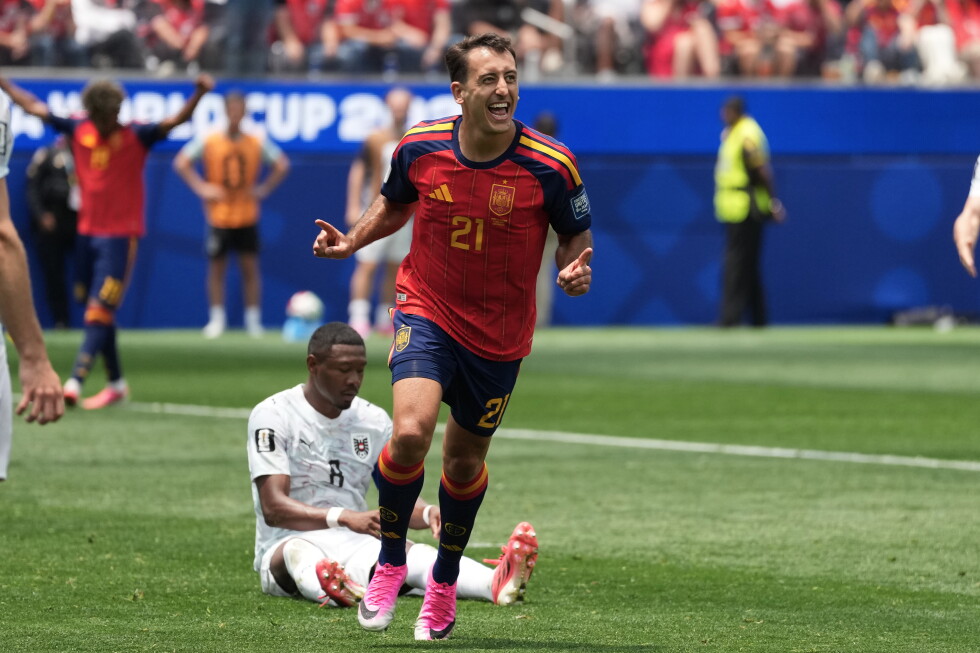
    At a sold-out, pro-Spanish crowd packed SoFi Stadium in Inglewood, California, Mikel Oyarzabal delivered a two-goal masterclass that powered Spain to a convincing 3-0 victory over Austria in the 2026 FIFA World Cup knockout stage on Thursday. The result marked Spain’s first knockout win at the men’s World Cup since they lifted the trophy in South Africa 16 years prior, ending a years-long drought of early tournament exits that had followed their 2010 championship run.

    Coming into the match, questions still hung over Spain’s star-studded squad despite an unbeaten group stage run, with critics doubting whether the side could convert their consistent regular-season form into deep tournament success. Those doubts were quickly silenced as La Roja put on one of the most dominant performances of this World Cup, controlling possession for nearly the entire 90 minutes and showcasing the dynamic offensive creativity their roster has long been praised for. Most notably, Spain extended their unprecedented clean sheet streak at this tournament, with goalkeeper Unai Simón not required to make a single save to secure his fourth consecutive shutout — Austria, for their full 90 minutes of play, failed to register a single shot on target.

    The decisive breakthrough came 36 minutes into the match, after a cautious opening stretch and a first-half hydration break. Oyarzabal, captain of Real Sociedad, found himself unmarked inside the Austrian penalty area and fired a first-time finish off a perfectly weighted pass from left-back Marc Cucurella, who would go on to assist both of the winger’s goals, highlighting a lethal attacking connection down Spain’s left flank. Oyarzabal had previously notched just one goal at the tournament, doubling his total with the opening strike.

    Spain maintained relentless pressure after halftime, and the side doubled their lead in the second half through Tottenham Hotspur defender Pedro Porro, who scored his first ever senior international goal. After a cutting run from Álex Baena down the left wing, the attacker lifted a cross to an unmarked Porro, who powered home an emphatic header to extend Spain’s advantage.

    Oyarzabal put the final nail in the coffin in the 89th minute, once again meeting a precise Cucurella pass to slot home his second of the night and Spain’s third. The result capped a near-flawless performance for Spain, with 18-year-old Barcelona phenom Lamine Yamal turning in another standout showing: the teenager recorded four of Spain’s 10 total shots on target, played his longest minutes of the tournament to date, and came inches from scoring late in the match when Austria defender David Alaba deflected his powerful goal-bound effort off the line, drawing gasps from the capacity sellout crowd.

    For Austria, the result brings an end to their first World Cup knockout stage appearance since 1998, with the side having qualified for this round after a dramatic injury-time draw against Algeria in the group stage. goalkeeper Alexander Schlager put in a heroic individual performance, recording six spectacular saves to keep the scoreline from growing even larger, but his efforts were not enough to stop Spain’s red-hot attack. Austria has still not won a World Cup knockout match since 1954.

    Following the win, Oyarzabal emphasized the team’s focus on the challenge ahead: “I’m happy to have helped the team for us to go through another round. Now just rest and get ready for the next one. It was a complicated match. We knew that it was going to be difficult against a very physical team, but we had a very good day and played a good match.”

    Spain head coach Luis de la Fuente echoed that sentiment, praising his side’s performance while warning against complacency: “The great teams step up when it’s needed. We played a great match. We came close to perfection, but we must keep improving. There is always room for improvement, because every upcoming match will be very difficult.”

    Spain will next face the winner of the round of 16 match between Portugal and Croatia in Dallas next Monday, as they continue their push for a first World Cup title in 16 years. The win extends Spain’s extraordinary unbeaten run in competitive matches to 35 straight games dating back to March 2023, a stretch that has included winning the 2023 UEFA Nations League and 2024 European Championship, with only a penalty shootout defeat to Portugal in the 2025 Nations League final breaking their perfect run over the past three years. After three consecutive disappointing World Cup campaigns — two early knockout exits and one group stage elimination — La Roja have firmly reestablished themselves as genuine title contenders in this year’s tournament.

  • Wimbledon kept its courts lush green as other London lawns browned in record heat

    Wimbledon kept its courts lush green as other London lawns browned in record heat

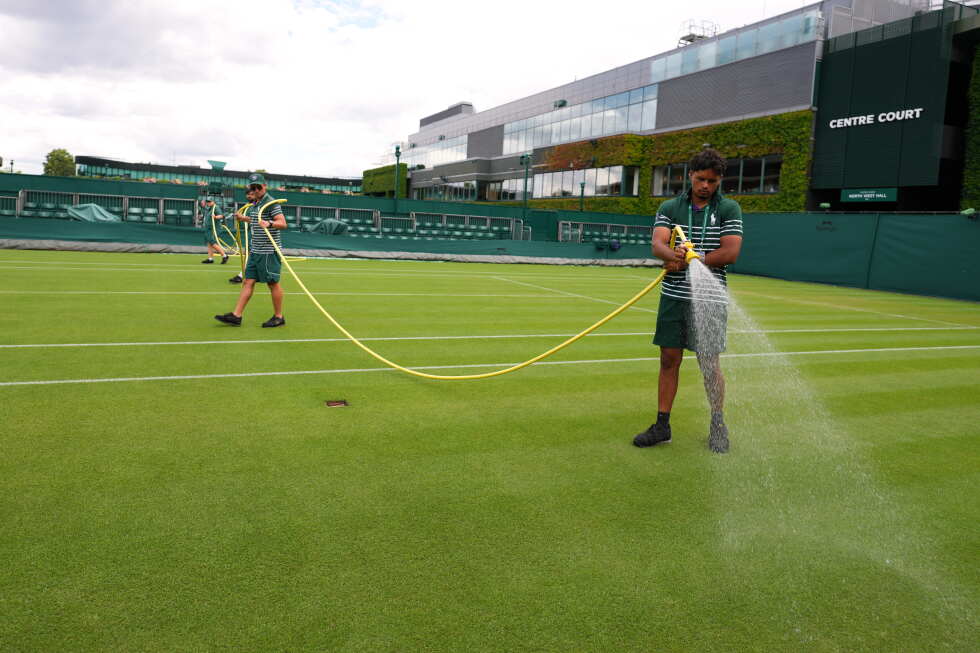
    As a record-breaking heat wave swept across Western Europe last month, turning vast swathes of grass across London brown and pushing regional water suppliers to issue urgent calls for steep cuts to outdoor water use, one unexpected patch of lush greenery has stood out: the 18 competition grass courts of the Wimbledon Championships, the only Grand Slam tennis tournament played on a natural grass surface. For the hundreds of thousands of spectators and top-ranked players competing this year, the perfectly manicured lawns have looked as immaculate as ever, a level of consistency most competitors never think to question.

    “I have not once ever considered the watering of the grass,” American top player Madison Keys told reporters after securing her place in the tournament’s third round, echoing the unspoken assumption shared by most athletes and fans. That assumption is no accident: it is the product of decades of targeted research, daily data-driven adjustment, and relentless work from a 31-person team of groundskeepers led by Neil Stubley, head of courts and horticulture at the All England Club.

    Stubley, who monitors shifting weather conditions across the city across nearly 25 separate weather applications, checking updates every few minutes to adapt to changing conditions, credits his team’s success in withstanding rising summer temperatures to a 40-year-long research project testing grass species for tennis courts. The goal? Identify strains that offer the ideal balance of heat and drought tolerance, hard-wearing durability against constant play, and the smooth, consistent bounce players demand.

    Since 2001, all 18 competition courts and 20 practice courts at the All England Club have been planted with specially selected perennial ryegrass, a species chosen for its proven performance in the face of rising heat. To keep soil conditions consistent across every court, technicians have installed specialized monitoring tubes on Centre Court and four other major show courts, allowing probes to measure real-time soil moisture levels – a measurement that directly impacts court hardness, percentage of living grass cover, and the consistency of ball bounce, the most critical factor for professional competition.

    These monitoring tools proved particularly valuable during the record-breaking heat peak last week, when Britain smashed three consecutive all-time June temperature records. UK’s national weather service the Met Office confirmed that this June was the warmest ever recorded in England, with overnight temperatures also remaining far above seasonal averages, amplifying heat stress on vegetation. While the early-June heat wave broke over the country last weekend, bringing current temperatures down to a mild maximum of 26 degrees Celsius, forecasts predict a return of hotter, drier conditions for the tournament’s middle weekend and closing week. Notably, there has been no rain at all during the 2024 tournament, and no precipitation is expected in the coming days – a dry pattern that follows an unusually parched spring, with April recording just 20% of London’s average rainfall, according to regional supplier Thames Water.

    Unlike most residential and commercial properties across the capital, the All England Club does not have an independent private water source, but organizers have prioritized water conservation alongside the need for immaculate playing conditions. “Every time we do a project, part of the remit is how can we conserve things, whether that be energy, whether that be water,” Stubley explained in an interview. The club has repeatedly tested new water systems, from recapturing drainage water for reuse to exploring access to groundwater from boreholes and nearby lakes, though plans often shift alongside changing environmental regulations that govern water use across the UK. Stubley noted that drought and more frequent extreme heat waves are an inevitable consequence of a changing climate, and the club continues adapting its practices to meet this new reality.

    Extreme heat has become a growing challenge for all four Grand Slam tournaments in recent years, from the sustained extreme temperatures at the Australian Open to an unexpected heat wave that disrupted this year’s French Open, and stifling humidity at the U.S. Open. But what makes Wimbledon unique is its dependence on a living playing surface: the other three majors are played on hard courts or red clay, which are far less vulnerable to heat and drought stress than natural grass.

    To ensure consistency across every playing surface, the All England Club partners with the independent Sports Turf Research Institute (STRI) based in Yorkshire, which conducts regular third-party verification of court conditions. Technicians from STRI measure moisture and hardness across all courts, and even count individual grass blades on high-traffic baselines to track how quickly the grass wears down from constant play. Every day, the team receives this granular data, allowing them to adjust irrigation for each court, which has its own unique microclimate. If readings show Court 14 is firmer than Centre Court, for example, the team can increase water to the smaller court to maintain consistent playing conditions across the entire venue.

    Heat and drought are not the only threats to Wimbledon’s iconic lawns. Top players like defending champion Jannik Sinner and seven-time Wimbledon winner Novak Djokovic often slide across the baseline to reach wide shots, and the textured pimples on the soles of modern grass-court tennis shoes act surprisingly like a cheese grater, shredding grass leaves as players slide. While the service boxes typically turn brown later in tournaments from heavy foot traffic during serves, this sliding damage is more spread out across the baseline. Stubley noted that different players bring different playing styles that impact the courts differently, and the team simply adjusts its maintenance to account for the unique wear each year brings.

    As the tournament progresses into its second week, Stubley and his team will continue their daily routine of monitoring, adjusting, and maintaining the lawns, ensuring the iconic green courts continue to live up to the high expectations of players, fans, and broadcasters around the world.

  • Pubs in England can stay open until 5 a.m. on Monday to show Mexico game at World Cup

    Pubs in England can stay open until 5 a.m. on Monday to show Mexico game at World Cup

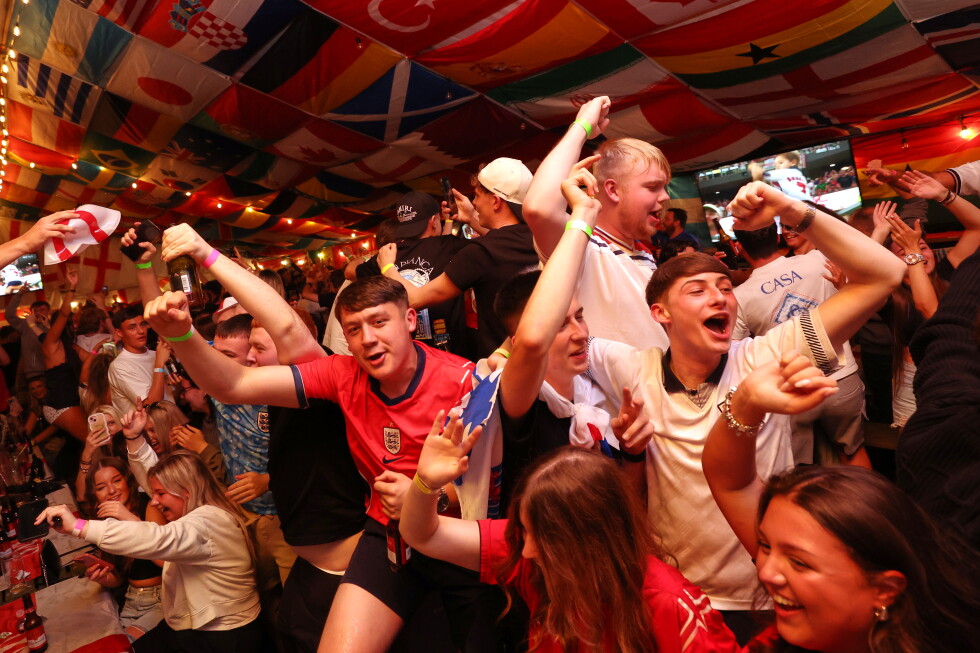
    LONDON – As England advances to the World Cup round of 16, the British government has announced a sweeping policy change to grant licensed pubs across England and Wales permission to operate until 5 a.m. during the team’s upcoming match against Mexico, responding to growing public and industry demand for extended viewing hours.

    The push for flexible licensing rules gained immediate momentum Thursday, just 24 hours after captain Harry Kane scored two late game-winning goals to secure England a 2-1 knockout round victory over Congo in Atlanta. The round of 16 fixture is scheduled to kick off at 1 a.m. UK time at Mexico City’s iconic Azteca Stadium, with a potential finish time pushing close to 4 a.m. if the match requires extra time and a penalty shootout. Under existing UK licensing legislation, pubs were only permitted to serve patrons until 2 a.m., which would have forced venues to cut off viewing before the final whistle for millions of fans planning to watch the match together.

    Speaking on the policy change, Prime Minister Keir Starmer framed the extension as a win for both supporters and local communities. “Football might be coming home but we’re making sure fans don’t have to,” Starmer said. “Pubs staying open till the final whistle is good news for supporters and good news for the pubs and venues that bring our communities together. The whole country will be backing the team. Come on England!”

    Unlike one-off extended licensing arrangements that require individual venues to submit separate applications for approval, this blanket government exemption eliminates all administrative barriers for operators in England and Wales. The policy change does not extend to pubs in Scotland or Northern Ireland, which retain their existing local licensing rules for the match.

    The announcement has been broadly welcomed by Britain’s hospitality and pub industry, which has already seen a major revenue boost from live broadcasts of the World Cup, held across venues in North America. Michael Kill, chief executive of the Night Time Industries Association, praised the government’s pragmatic approach. “Major sporting occasions like this deliver a significant boost to hospitality businesses while creating an atmosphere that unites the country,” Kill noted. “This allows venues to focus on what matters most: bringing communities together to support the national team.”

    Emma McClarkin, chief executive of the British Beer and Pub Association, echoed that enthusiasm, saying “pubs and fans will be over the moon about this decision, because we all know the best place to watch the match is down the local.”

    In a secondary move aligned with public excitement for the fixture, the government has also confirmed that schoolchildren will be allowed to watch the early-morning match while still meeting attendance requirements for Monday classes. The call to accommodate young fans came from England’s German head coach Thomas Tuchel, who publicly urged schools and parents to grant children an excused absence adjustment to watch the game.

    “It’s a late game, but children can be in school the next day,” Education Secretary Bridget Phillipson confirmed, backing Tuchel’s appeal. Tuchel had previously encouraged parents after England’s win over Congo to “write an excuse for school and let them watch football. Come on. There’s so much school to go to, but the World Cup is every four years. Let them watch. There will be a big, big match on in four days and we need the support of everyone, and especially of the children.”

  • Germany coach Julian Nagelsmann in firing line at home after early World Cup exit

    Germany coach Julian Nagelsmann in firing line at home after early World Cup exit

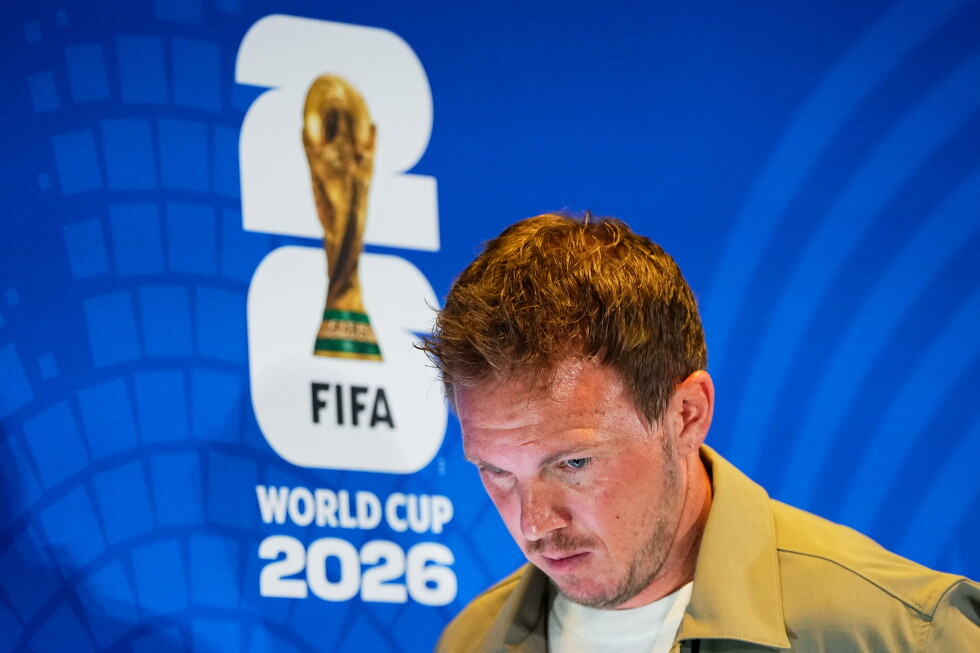
    BERLIN — In the wake of Germany’s stunning early elimination from the latest World Cup, national team head coach Julian Nagelsmann sat down for a high-stakes crisis meeting with German Football Association (DFB) leadership at the federation’s Berlin headquarters on Thursday, where he faced questioning over his squad’s underwhelming tournament performance.

    Nagelsmann’s position as head coach has been thrown into serious doubt just days after Germany fell to Paraguay in a penalty shootout in the tournament’s first knockout round, capping off a run that has heaped widespread criticism on the 38-year-old tactician. Back home in Germany, Nagelsmann has faced growing backlash over a string of controversial decisions: inconsistent public messaging, sudden reversals of previously stated selection policies, persistent faith in underperforming star players at the expense of in-form alternatives, and a general failure to unlock the potential of a squad widely expected to compete deep in the tournament. His tense, irritable interactions with reporters during the competition did little to soften public or media criticism.

    Though Nagelsmann publicly committed to seeing out his role immediately following Germany’s exit, DFB president Bernd Neuendorf made clear the day after the defeat that the federation would conduct a full, unrushed review of what went wrong. “After such a crushing blow, we cannot and do not wish to simply return to business as usual,” Neuendorf said in his statement.

    This tournament marks the third consecutive early World Cup exit for German men’s football – a humbling result for a nation with a deep cultural passion for the sport and a legacy as one of the game’s most decorated programs, with four World Cup titles to its name. Ahead of the current tournament, Nagelsmann stoked high expectations by publicly declaring the team’s goal was to lift the World Cup trophy once again, a target the squad ultimately never came close to reaching.

    Germany’s tournament got off to a promising start with a comfortable win over first-time qualifier Curaçao, but struggled through a narrow late win over Ivory Coast, where a pair of late goals from substitute Deniz Undav secured three points. A surprise group-stage loss to Ecuador followed, setting up the knockout round defeat to Paraguay.

    Compounding the embarrassment, details have emerged of poor pre-tournament preparation: before the penalty shootout against Paraguay, multiple German players turned down captain Joshua Kimmich’s request for volunteers to take penalties, revealing the team had not planned for a shootout scenario. Defender Jonathan Tah, who stepped up to take the decisive penalty that went wide, opened up about the miss on social media this week. “I’ve replayed that missed penalty in my mind thousands of times, trying to somehow steer the ball into the net in my thoughts,” Tah wrote on Instagram. “The reality is that the ball didn’t go in. And that hurts. But one thing is certain – I would take it again.”

    German tabloid Bild reported Thursday’s crisis meeting ran for roughly three hours, during which Nagelsmann acknowledged tactical misjudgments during the tournament and addressed widespread criticism of the team’s pre-tournament training camp in Winston-Salem. Nagelsmann currently holds a contract as Germany head coach through the 2028 European Championship, but multiple reports indicate Neuendorf and other top DFB officials have asked him to step down. A final decision on the coach’s future is expected within the coming days.

  • Schmidt rules out Leinster return after Australia exit

    Schmidt rules out Leinster return after Australia exit

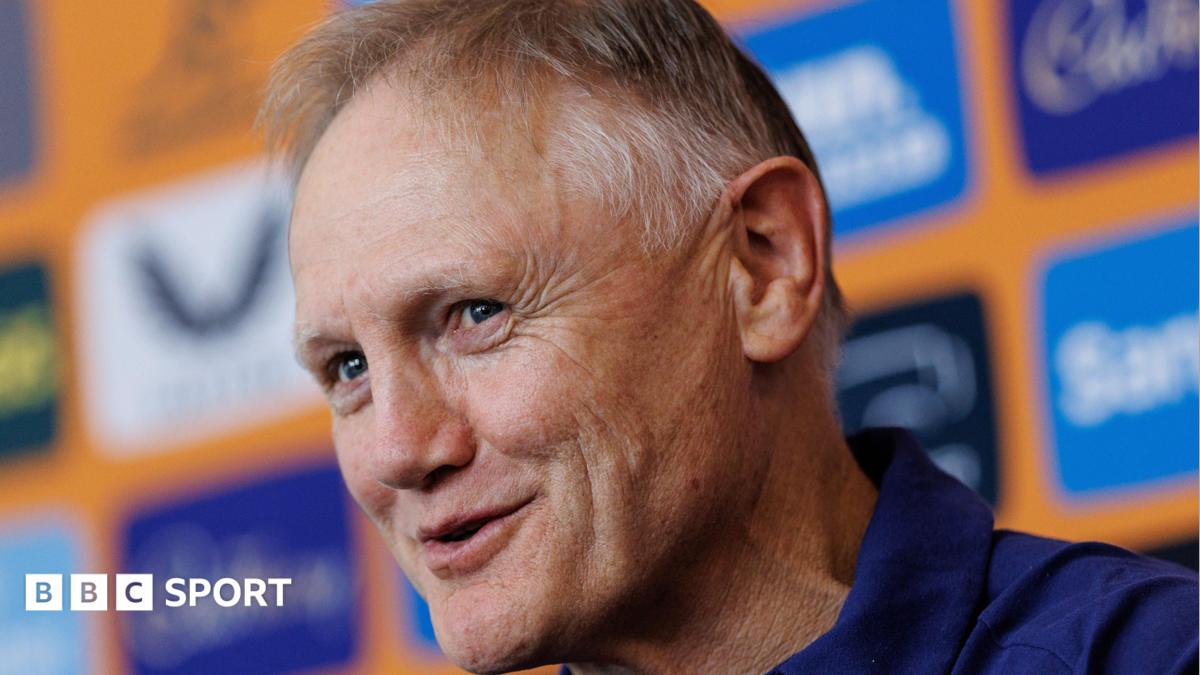
    As the end of his two-year tenure leading Australia’s national rugby union team, the Wallabies, draws near this month, 60-year-old head coach Joe Schmidt has made clear that he has no intentions of continuing his career as a senior international rugby coach — and a return to his former role at Irish provincial side Leinster is not on the cards for the immediate future.\n\nSchmidt will officially pass control of the Wallabies to incoming head coach Les Kiss following the upcoming three-nation Nations Championship fixtures against Ireland, France and Italy. A well-decorated coach with an already legendary track record in European rugby, Schmidt previously spent six years at the helm of Ireland’s men’s national side, where he claimed three Six Nations titles — including an undefeated Grand Slam victory in 2018. Before taking the Ireland job in 2013, he also led Leinster to back-to-back European Rugby Champions Cup titles over his three-year spell with the Dublin-based province.\n\nWhen asked about potential future coaching opportunities in top-level roles, the New Zealand-born coach told reporters he holds no ambition to continue working as a head coach, either at the international or domestic level. “I don’t really have any ambition to keep coaching as a head coach or anything else,” Schmidt explained. “I don’t feel like I need to be a head coach, and I certainly don’t need to be a national head coach.”\n\nWith long-serving Leinster head coach Leo Cullen set to step down from his role at the end of the 2026-27 season, speculation has linked Schmidt to a possible return to the province he helped turn into a European powerhouse. Even with his son already on Leinster’s staff, Schmidt rejected any suggestion he would take the open position when it becomes available, at least for now. \n\n“They’ve already got my son working for them, so I don’t think they need the whole family,” Schmidt said with a laugh. He went on to praise the consistent, high-performing culture the current Leinster set-up has built, noting: “I think Leinster are a juggernaut. I know silverware in Europe is the massive benchmark for them, but they’ve done everything but that and been so competitive and so consistent.”\n\nPressed directly on whether he would consider taking the Leinster head coaching job if approached, Schmidt’s response was clear: “Not at the moment.”\n\nThe outgoing Wallabies boss emphasized he is fully focused on his final three matches in charge of Australia, prioritizing a strong finish and a smooth transition for his successor. “You guys know me well. I’m very short-term focused. I’m just trying to get through these last three games to help as best I can and help the group grow a little bit further,” he said. “I feel like they are great. I feel like I can take a few steps back, and they can really lead themselves now. I think that’s a great transition for Les in that they can grab the reins.”\n\nLooking ahead to life after international coaching, Schmidt already has his next plans locked in: he will fly to Ireland on August 10 to meet his newborn grandson, and he is looking forward to stepping away from the pressures of top-level coaching to enjoy family time. “I’m certainly going up there, but not to be coaching really. I’ll be looking forward to that heatwave!”

  • First Afcon, now World Cup – Senegal trapped in ‘football hell’

    First Afcon, now World Cup – Senegal trapped in ‘football hell’

    In Seattle, the American city best known as the birthplace of rock icons Nirvana, Senegal’s World Cup dream collapsed in gut-wrenching fashion this week, as a controversial extra-time penalty awarded via VAR intervention sealed a 3-2 last-gasp victory for Belgium that eliminated the Teranga Lions. For a side that already knows all too well the pain of contentious late VAR calls, the exit carried a devastating sense of déjà vu, mirroring the chaos and heartbreak of January’s Africa Cup of Nations final that still hangs over Senegalese football.

    For 85 minutes of the round-of-16 clash, Senegal produced one of their finest performances in recent memory, cruising to a commanding 2-0 lead thanks to clinical finishes from Premier League stars Habib Diarra and Ismaila Sarr. Sarr, who has been in irrepressible form throughout the tournament and just came off a club season where he scored 21 goals to lead Crystal Palace to the UEFA Conference League title, produced a candidate for goal of the tournament: a deft chest control of a long clearance that set up a blistering strike past Belgium keeper Thibaut Courtois. The goal also saw the 28-year-old equal legendary Cameroon striker Roger Milla’s 34-year-old African record of four World Cup goals, set at the 1990 tournament in Italy. But for Sarr, the milestone will forever feel hollow — just as it did for Senegal as a whole, who never got the chance to build on their lead and advance to the quarter-finals.

    What followed was a historic comeback for Belgium, and another chapter of agony for Senegal. Romelu Lukaku cut the deficit in the 86th minute, before Belgian midfielder Youri Tielemans scored an 89th-minute equaliser, capitalizing on a misjudged rushed punch from Senegal stand-in keeper Mory Diaw that left the net unguarded. Then, deep in the 125th minute of extra time, came the decisive moment that sealed Senegal’s fate: Monaco midfielder Lamine Camara slid in to challenge Tielemans, and referee Said Martinez sided with VAR to award a penalty, ruling Camara had caught Tielemans’ heel and disrupted his attempt to play the ball. Camara was visibly distraught after the call, and was comforted by his teammates as Tielemans stepped up to fire the spot kick into the top corner, beating the stranded Diaw. Unlike the 2025 Afcon final, there was no heroics from first-choice keeper Edouard Mendy, who was sidelined with injury for the World Cup clash and could only watch on helplessly from the touchline.

    The parallels between this exit and the controversial Afcon final against Morocco in January are almost impossible to ignore. In that match, a late controversial VAR-awarded penalty also left Senegal reeling, after a late Sarr goal was ruled out for a soft foul call, before a late penalty was given to Morocco following a VAR review. Chaos erupted after the call, with Senegal players walking off the pitch in protest, fans rioted, and stewards were injured before Sadio Mane coaxed the team back to finish the match. Morocco missed the penalty, Senegal won 1-0 in extra time, only to have the title stripped by the Confederation of African Football two months later. The case is currently before the Court of Arbitration for Sport, with Senegal continuing to fight to overturn the decision.

    FIFA had tightened regulations following the Afcon final chaos to prevent any repeat of a player walk-off, and while Senegal’s side protested the penalty call loudly, they finished the match without disruption. Still, the aftermath has already brought significant unrest for the national program. Pape Gueye, the Villarreal midfielder who scored Senegal’s disputed winning goal in the Afcon final and was recently named the best African player in La Liga, announced he would take a break from international football until head coach Pape Thiaw and his entire coaching staff are removed from their posts. Gueye was substituted off in the 66th minute of the Belgium match, a tactical change that has drawn widespread criticism from Senegalese fans back home, who have also questioned Thiaw’s decision to withdraw Everton forward Iliman Ndiaye.

    Speaking after the final whistle, Thiaw — who took charge of Senegal in December 2024 — acknowledged the crushing nature of the defeat, drawing comparisons that feel all too familiar. “We had the game in hand,” he said, describing the loss as “cruel.” When asked about the penalty, he added, “Our interpretation was that there was no penalty. You have to accept, even if it’s difficult.” He also noted that after conceding the first Belgian goal, his side dropped deeper into defense, opening the space for the equalizer. “We tried to get back on our feet, but unfortunately it didn’t work,” he said. “It’s not easy to lose this kind of match. Unfortunately, it slipped away from us, but it’s football.” For Thiaw, who has now seen two major tournament runs end in controversy, the experience evokes the legend of Sisyphus — forever rolling a boulder up a hill, only to see it roll back down just before reaching the top. From Afcon champions in waiting to World Cup fall guys in six months, Senegal’s latest heartbreak has once again left one of African football’s brightest nations wondering what they have to do to outrun cruel football fate.

  • Former Spain and Arsenal playmaker Santi Cazorla retires at 41

    Former Spain and Arsenal playmaker Santi Cazorla retires at 41

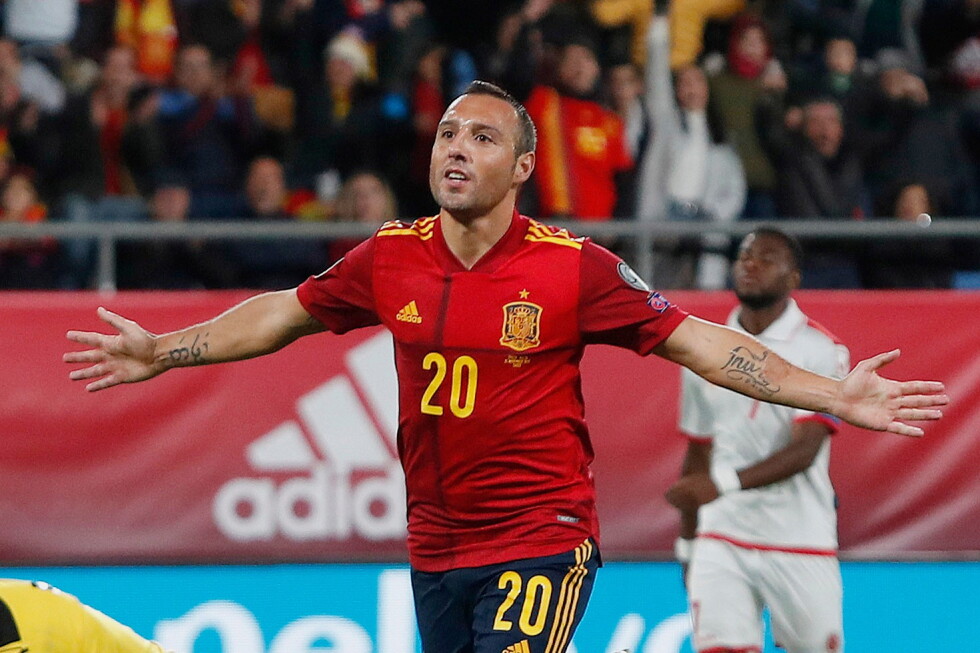
    After more than two decades of dazzling playmaking, trophies, and inspiring resilience against devastating injury setbacks, beloved former Spanish international footballer Santi Cazorla has called time on his professional career at the age of 41. The 41-year-old made the heartfelt announcement public via a reflective post on his personal Instagram account, bringing a close to one of the most memorable careers in modern Spanish football. “There are stories that don’t end…they live on forever,” Cazorla wrote in the caption of his retirement post, adding a simple note of gratitude: “Thank you for everything.”

    Most recently, Cazorla had returned to his boyhood club Real Oviedo in 2023, a homecoming that delivered immediate success: he played a key role in guiding the side to promotion to Spain’s top-flight La Liga at the end of the 2023-24 season. However, the club could not hold onto its top division status, dropping back to the Segunda Division in the most recently completed campaign.

    Cazorla built his reputation as one of the most technically gifted midfielders of his generation during successful stints at two of Europe’s most well-known clubs: Spain’s Villarreal and England’s Arsenal. During his six-year tenure at Arsenal from 2012 to 2018, he emerged as a fan favorite and a consistent creative catalyst under legendary manager Arsène Wenger, helping the club claim two FA Cup titles during his spell in North London.

    On the international stage, Cazorla’s legacy with the Spanish national team is defined by two major continental triumphs: he was part of the iconic Spanish squads that won back-to-back UEFA European Championship titles in 2008 and 2012, cementing his place in Spanish football history. A cruel injury kept him from featuring in Spain’s 2010 FIFA World Cup win, a highlight many believed he deserved to be part of after his standout performances in the years leading up to the tournament.

    Throughout his decades-long career, Cazorla faced and overcame repeated severe injury scares that many believed would end his career far earlier. Most notably, a persistent ankle injury kept him sidelined for nearly two years in the mid-2010s, requiring multiple surgeries and raising fears that he would never return to top-level football. His eventual comeback was widely hailed as one of the most inspirational stories in modern sport, showcasing his unmatched grit and love for the game.

  • Mickelson disputes new misconduct allegations

    Mickelson disputes new misconduct allegations

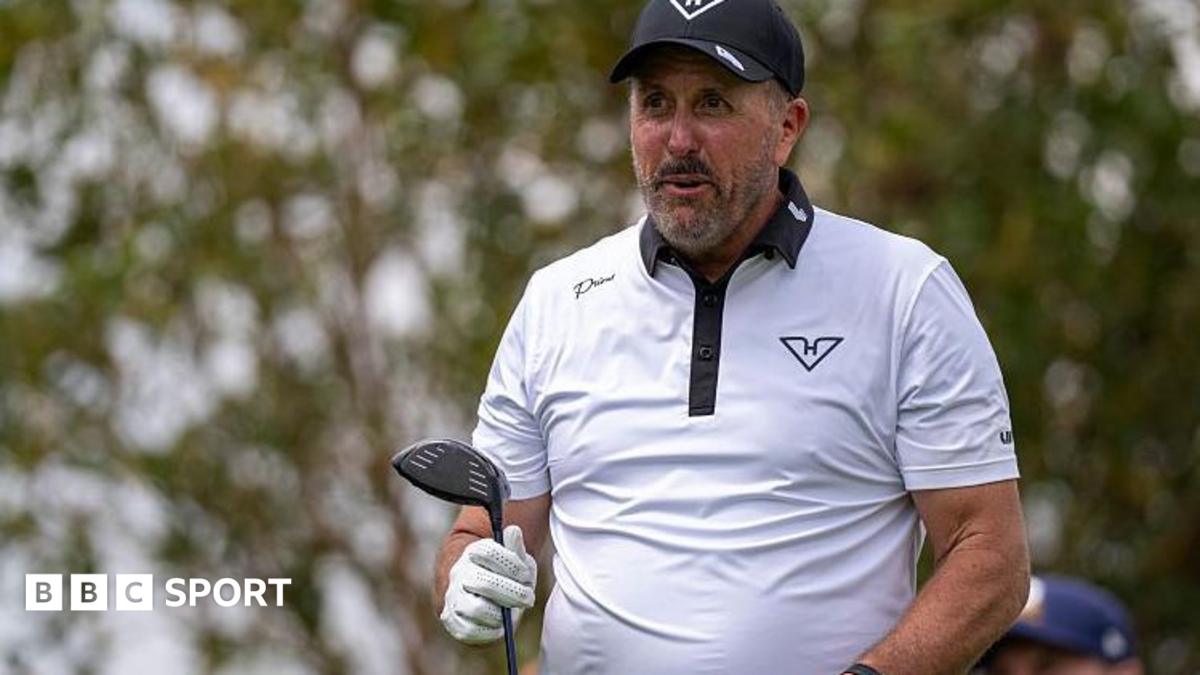
    Legendary six-time major men’s golf champion Phil Mickelson, 56, has forcefully pushed back against a series of misconduct claims published in an investigative report by golf outlet Skratch, with his legal and communications team dismissing the piece as an unfounded, anonymously sourced attack on the golfer’s reputation.

    The investigation, conducted by veteran golf journalist Alan Shipnuck, centers on two key sets of allegations: first, that Mickelson is no longer welcome at three private golf clubs across California due to repeated inappropriate behavior directed at female members and staff; second, a firsthand claim from Ashley Perez, ex-wife of PGA Tour golfer Pat Perez, that Mickelson showed her an explicit photo of himself and made a romantic advance toward her back in 2015.

    This latest report follows a separate incident last year where Mickelson resigned from another high-profile California golf club after similar allegations of inappropriate contact with a female employee, claims he has repeatedly denied. In an official statement sent to the New York Post by Mickelson’s representatives, the team addressed the specific claim from Ashley Perez, noting that Skratch’s account omitted critical context that frames the incident as a misunderstanding, one that Mickelson already apologized for years ago.

    The statement emphasized that Mickelson’s choice to apologize for the miscommunication should not be interpreted as a guilty plea to all the accusations leveled against him in the investigation. On the claim that he was forced out of multiple California golf clubs, Mickelson’s camp flatly denied the allegation, confirming that the golfer never faced expulsion or membership revocation from any club, and all decisions to end his memberships were made voluntarily by Mickelson himself.

    Mickelson’s team also raised questions about Skratch’s journalistic credibility, criticizing the outlet’s reliance on unnamed sources and pointing out the publication’s longstanding organizational ties to the PGA Tour — a relationship that takes on new significance given Mickelson’s high-profile 2022 departure from the PGA Tour to join the Saudi-backed breakaway LIV Golf league, where he remains one of the most prominent competing players.

    “Credibility is not earned by publishing the most provocative narrative,” the statement read. “It is earned through transparency, verification, and a clear distinction between fact, inference, and speculation.”

    Skratch’s leadership has stood firmly behind its work in the wake of Mickelson’s denial. Ben Boskovich, editor-in-chief of Skratch, told the New York Post that the outlet gave Mickelson, his spouse, and his legal team full opportunity to comment on and respond to the allegations before the report was published, following standard journalistic protocol.

    For much of 2025, Mickelson has been absent from competitive golf. He has only competed in one LIV Golf event this year, a March tournament hosted in South Africa, and has stepped away from the rest of the circuit to focus on an undisclosed family health matter, per his own previous announcement. Mickelson made history in 2021 when he won the US PGA Championship at age 50, becoming the oldest golfer ever to claim a major men’s championship title.