分类: sports

  • Gueye quits Senegal until coaching staff replaced

    Gueye quits Senegal until coaching staff replaced

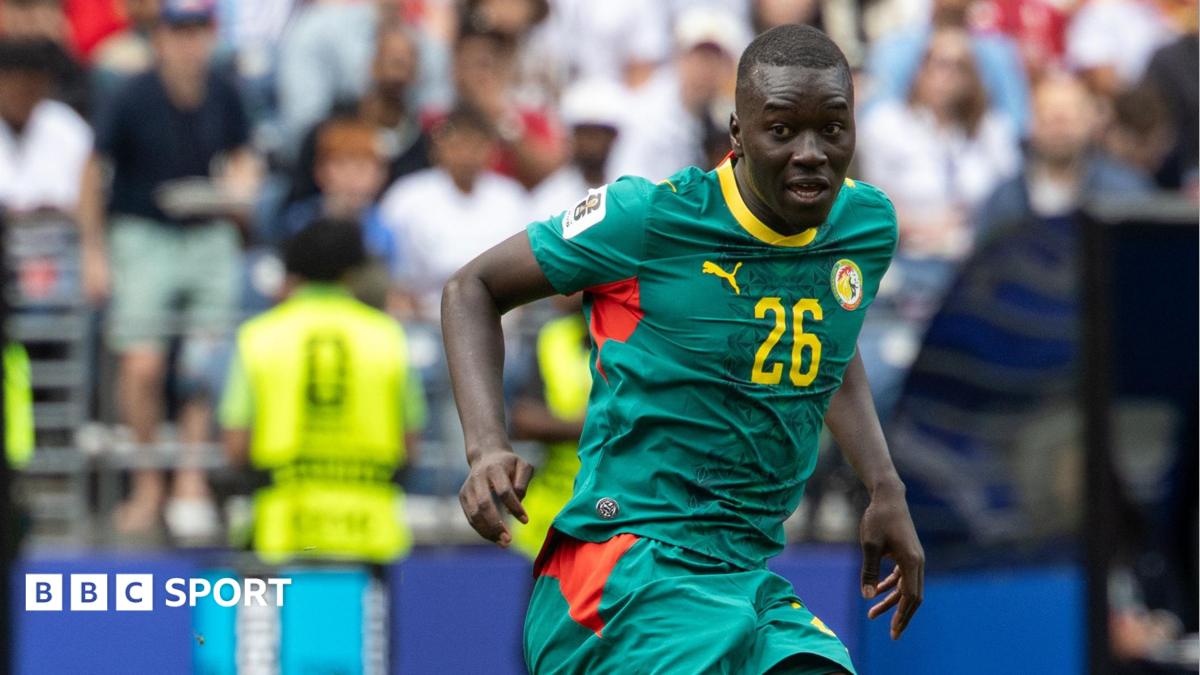
    A stunning and controversial exit from the 2026 FIFA World Cup knockout stage has triggered a high-profile rift in Senegal’s men’s national football program, with star midfielder Pape Gueye confirming he will step away from international duty for as long as the current coaching leadership remains in charge. The 27-year-old Villarreal playmaker, a veteran of 45 caps for the Teranga Lions who notched a crucial goal in the team’s group-stage victory over Iraq, made his announcement via social media just days after Senegal’s dramatic 3-2 extra-time defeat to Belgium in the round of 32.

    Senegal looked set for a comfortable progression through to the last 16 after early goals from Habib Diarra and Ismaila Sarr put the side 2-0 up heading into the final 15 minutes of regulation. But Belgium mounted a shocking late comeback: Romelu Lukaku pulled one back before Youri Tielemans equalized to force the match into extra time. The decisive moment came in the 125th minute, when referee awarded a hotly contested penalty to Belgium. Tielemans converted the spot kick, sending Belgium through and ending Senegal’s World Cup campaign.

    Gueye started the knockout tie but was substituted off in the 66th minute for Lamine Camara. In his social media statement, he confirmed the break would remain in place for the duration of current head coach Pape Thiaw’s tenure. This is not the first major controversy tied to Thiaw’s leadership: the manager took over the Senegal side in December 2024, and just one month later led his team off the pitch during the 2025 Africa Cup of Nations final against Morocco in protest of a late stoppage-time penalty awarded to the opposition.

    After a 17-minute delay, Senegal’s players returned to the pitch, and Brahim Diaz’s penalty was saved before Gueye scored an extra-time winner to secure what initially looked like a tournament title. However, the Confederation of African Football (Caf) overturned the result in March 2025, stripping Senegal of the title and awarding it to Morocco as a penalty for the walk-off protest. Senegal has since appealed the ruling to the Court of Arbitration for Sport, with the case still pending as the team competes at the 2026 World Cup.

    The sudden announcement from one of Senegal’s most established midfielders adds another layer of uncertainty to a national program already roiled by off-field controversy, coming just hours after the team’s premature exit from the sport’s biggest global tournament.

  • Lopes will relish Messi duel, says Cape Verde defender’s mother

    Lopes will relish Messi duel, says Cape Verde defender’s mother

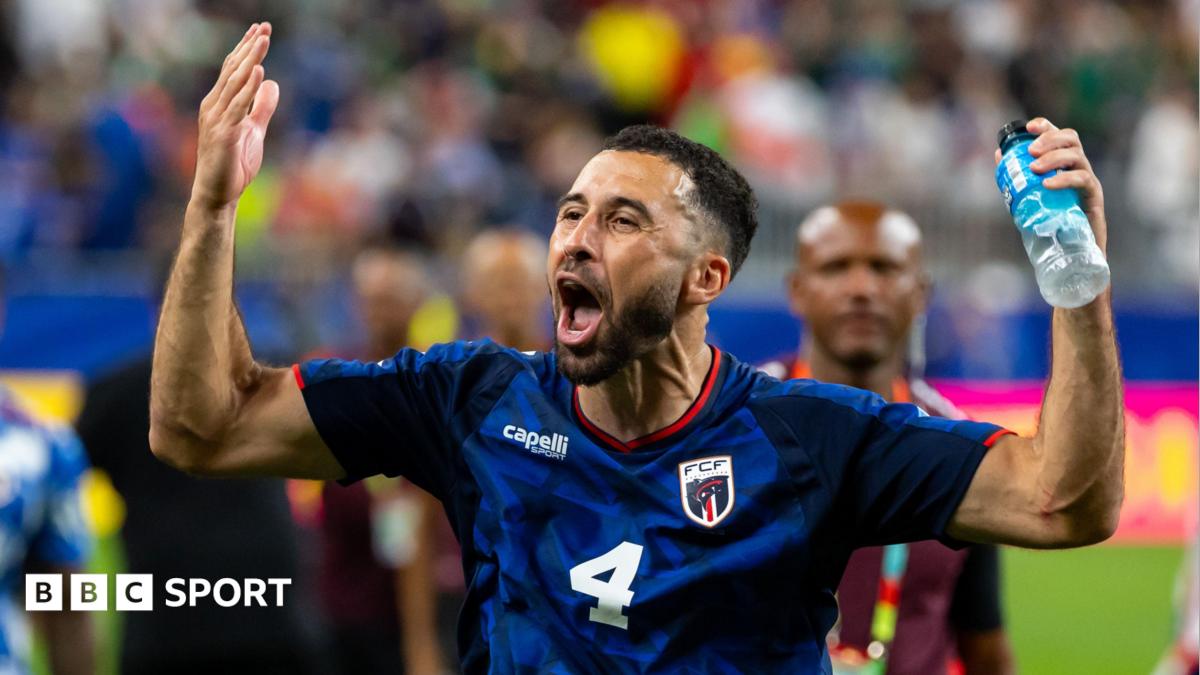
    The 2026 FIFA World Cup has already served up no shortage of underdog stories, and few have captured global attention quite like Cape Verde’s historic run to the knockout stages. As the smallest nation ever to advance past the group phase, the Blue Sharks now face their biggest test yet: a last-32 clash against defending champions Argentina, led by the tournament’s all-time great Lionel Messi, in Miami on Friday at 23:00 BST. For 44-cap Cape Verde center-back Roberto “Pico” Lopes, a key cog in the team’s tight defensive unit, the moment is one he will welcome rather than fear, according to his mother Judy Lopes.

    Most professional defenders would admit to feeling a flutter of nerves before marking the man who holds the record for the most World Cup goals in history, currently notching six goals in what is widely expected to be his final World Cup campaign. But Judy Lopes says her son’s temperament and depth of experience will carry him through the hype and pressure of the high-profile fixture. “He’ll relish the challenge of taking on Messi at the weekend and he’s always very composed, confident and performs very well under pressure,” Judy told BBC Sport NI’s Nicola McCarthy. “He just takes it all in his stride. He’s very grounded, level-headed and he’ll be well able to block out the noise that’s around in this fixture.”

    Lopes, who has spent a decade playing for Irish side Shamrock Rovers and featured in two Africa Cup of Nations tournaments, has already proven his quality at the international level. Through Cape Verde’s three Group H matches, a pair of draws against 2010 champions Spain, 2022 champions Uruguay, and Saudi Arabia, the side finished second behind Spain to advance, conceding just two goals and finishing the group stage unbeaten. The defensive backbone of the side has been anchored by Lopes, with 40-year-old goalkeeper Vozinha turning in a star performance in the opening goalless draw against European champions Spain.

    Judy Lopes says even she never could have imagined this moment for her son, even as Cape Verde defied all pre-tournament projections that gave the side just a 1% chance of escaping their tough group. “Not in a million years, it’s like I’m watching it all happen from the outside,” she said. “I don’t actually believe I’m involved in it at all, it’s that amazing. Just to think he’s probably going up against one of the best players in the world at the moment. Also that he, Messi, will be studying Pico’s form before Friday and analysing his strategy and seeing how he’s going to beat the rock at the back!”

    While Lopes and his teammates are fully focused on extending their World Cup fairytale, Judy has returned to her day-to-day routine as a school secretary in Dublin for a handful of days, before traveling to Miami with her husband and Pico’s brothers to attend the match. Pre-tournament plans only included tickets for the three group stage matches, given the low expectations for the side, so she had originally scheduled a return to work right after the group phase wrapped up. Judy said her students gave her a warm send-off before she traveled for the group stage, creating a custom good luck poster for Pico that the entire Cape Verde squad has now signed. She plans to hang the memento in her school’s foyer when students return in September.

    This World Cup has already seen countless heavy favorites eliminated earlier than expected, making Cape Verde’s underdog run feel like part of a broader tournament trend. While Judy acknowledges Argentina enter the fixture as heavy favorites, with Messi playing in his sixth World Cup and 30th tournament match, she remains optimistic that the unlikely story can continue. “I think where maybe Argentina are the favourites to win the tournament, I think Cape Verde are the darlings of the tournament, without a doubt,” she said. “It would be wonderful [if they progressed], anything is possible in football. At the end of the day, it’s 90 minutes and it’s 11 against 11 and anything can happen. So, let’s hope the fairytale continues and they move on to the next stage.”

  • World Cup dreams shattered as StubHub tickets cancelled at last minute

    World Cup dreams shattered as StubHub tickets cancelled at last minute

    The 2026 FIFA World Cup, co-hosted across 16 cities in North America, was supposed to be a once-in-a-lifetime dream for millions of soccer fans around the globe. For dozens of ticket holders who purchased entries to matches via leading secondary ticketing platform StubHub, that dream has turned into a costly, devastating nightmare.

    Sergio Enrique Alvarado Montalvo, a 45-year-old resident planning a heartfelt Father’s Day surprise, spent $1,700 on two tickets to the Argentina vs Austria match in Dallas, Texas. He flew his parents in from Mexico for the occasion, pouring nearly $6,000 total into travel, accommodation and event costs — all to give his father the chance to watch soccer legend Lionel Messi play in person. But just 24 hours before the family was set to arrive in Dallas, Montalvo received an abrupt notification from StubHub: the original seller could not deliver the tickets, and the platform refused to provide comparable replacement seats because match prices had skyrocketed beyond original levels.

    Undeterred, the family still traveled to the stadium, holding out hope that a last-minute resolution could be found. Montalvo stayed on the phone with StubHub customer support until just one hour before kickoff, with no success. “I was so sad and so frustrated, and so filled with rage, anger,” Montalvo told the BBC. “It was a mix of feelings that is hard to explain.” The family ultimately watched the match from a public fan festival instead of the stadium stands, turning a planned celebration into a bittersweet memory that still left deep disappointment.

    Montalvo is far from alone in his frustration. His experience is one of hundreds of confirmed complaints that make up what ticketing industry insiders are calling one of the largest mass ticketing collapses in major event history. At the core of the crisis is a controversial, widespread industry practice known as “speculative ticketing”: unverified sellers list tickets on secondary platforms that they do not actually own yet, betting they can source the seats at a lower price closer to the event date. When ticket values surge as the match approaches, sellers simply back out of their original lower-priced agreements to resell the tickets for far higher profits, leaving buyers empty-handed. While consumers do receive a refund of their original ticket purchase price, that compensation does not cover the thousands of dollars many have already spent on non-refundable flights, hotels and coordinated travel plans.

    Another fan, Eben Pingree of Boston, faced an identical heartbreak when his wife Caitlin purchased $2,800 worth of tickets to the Scotland vs Haiti match as a surprise for their 11-year-old son Cole. The couple coordinated a full cross-state trip with another father-son pair, only to have their tickets canceled on match day itself, leaving the group stranded outside the stadium. “They basically had to just leave us there, and so my son was just devastated,” Pingree said.

    The growing crisis has now spilled into the legal system. On Tuesday, two affected World Cup fans filed a proposed class action lawsuit against StubHub, alleging the platform knowingly failed to deliver tickets that customers had already paid for in full. Plaintiffs Julie Reeker Moghal and Reuben Renteria are bringing the suit on behalf of themselves and all other fans who faced similar canceled orders, with each paying at least $1,900 for undelivered tickets. The court filing argues that “[Fans] were lied to and purchased World Cup Tickets for large sums of money – only to incur tremendous financial losses,” adding that the scandal marks a “new low” for an industry already “rampant with consumer protection issues.”

    In the wake of the crisis, blame has been traded rapidly between StubHub and FIFA, the governing body of the World Cup. All official World Cup tickets are only accessible via FIFA’s dedicated website and app, meaning any resold purchase requires a formal ticket transfer through FIFA’s system. StubHub has attempted to shift blame to FIFA, claiming the organization’s new ticketing app, launched just before the tournament kicked off, suffered “significant performance issues that have affected transfers across all resale platforms.”

    FIFA pushed back sharply against those claims. The organization noted that its own official ticketing channel is the only guaranteed source for valid World Cup tickets, and it cannot vouch for any purchases made through unauthorized third-party platforms. FIFA “rejects any suggestions” that technical problems on secondary platforms stem from issues with its own system, stating that its ticketing platform has been “operating reliably” and has already facilitated entry for more than 5 million match attendees across the tournament so far.

    Industry experts, however, say the platform cannot hide behind technical glitches to deflect responsibility. “I blame StubHub 100%,” said Scott Friedman, co-founder of the Ticket Talk Network, who has already compiled more than 600 consumer complaints related to World Cup ticketing on the platform. He did acknowledge that FIFA’s own ticketing technology is far from perfect, calling it “like software out of 1999,” but emphasized the core failure rests with StubHub’s lax oversight of speculative sellers. While StubHub publicly claims it strictly prohibits speculative ticketing on its marketplace, industry watchdogs and thousands of frustrated users confirm the practice remains widespread on the platform.

    The crisis is not limited to buyers, either: even legitimate sellers have faced steep losses. One Austin-based seller told the BBC he lost $2,600 after listing a legally purchased ticket he bought on FIFA’s official marketplace for resale on StubHub. After completing the sale for $1,200 and sending the ticket to the platform’s auto-generated email address for processing, StubHub canceled the sale for “non-fulfilment,” withheld his entire payout and charged him a $1,400 penalty fee.

    For average consumers seeking compensation for their losses, navigating StubHub’s dispute process is often an insurmountable barrier. Bradford Clements, an attorney currently representing clients with more than $2.4 million in total claims against StubHub (most unrelated to the World Cup), says the company’s intentionally complex complaint system often forces casual fans to abandon their claims entirely. “People don’t understand that StubHub’s name of their game is to intimidate you, defer you, and deny you,” Clements told the BBC, noting that multiple legal dispute notices mailed to the company were returned unopened. StubHub has declined to comment on both the class action lawsuit and Clements’ accusations.

    The full scale of the ticketing collapse remains unclear: hundreds of fans have posted public complaints online, while some industry reports estimate thousands of ticket orders across secondary platforms have been canceled. In a brief statement, a StubHub spokesperson said the company is increasing its capacity to source replacement tickets for affected customers, and noted that all orders are covered by its FanProtect Guarantee, which promises a full refund if customers do not receive their original tickets or comparable, higher-quality replacements. For fans already out thousands of dollars in non-refundable travel costs, however, this policy amounts to little more than empty fine print.

    As the 2026 World Cup progresses into its high-stakes knockout rounds, industry watchdogs warn the ticketing crisis is likely to grow worse. With ticket prices surging as demand grows for later matches, more speculative sellers are expected to back out of existing lower-priced deals, leaving more families stranded outside stadium gates, with only disappointment and financial loss to show for the experience they spent months planning.
  • All Blacks select Ruben Love at flyhalf, 2 new caps in Nations Championship lineup to face France

    All Blacks select Ruben Love at flyhalf, 2 new caps in Nations Championship lineup to face France

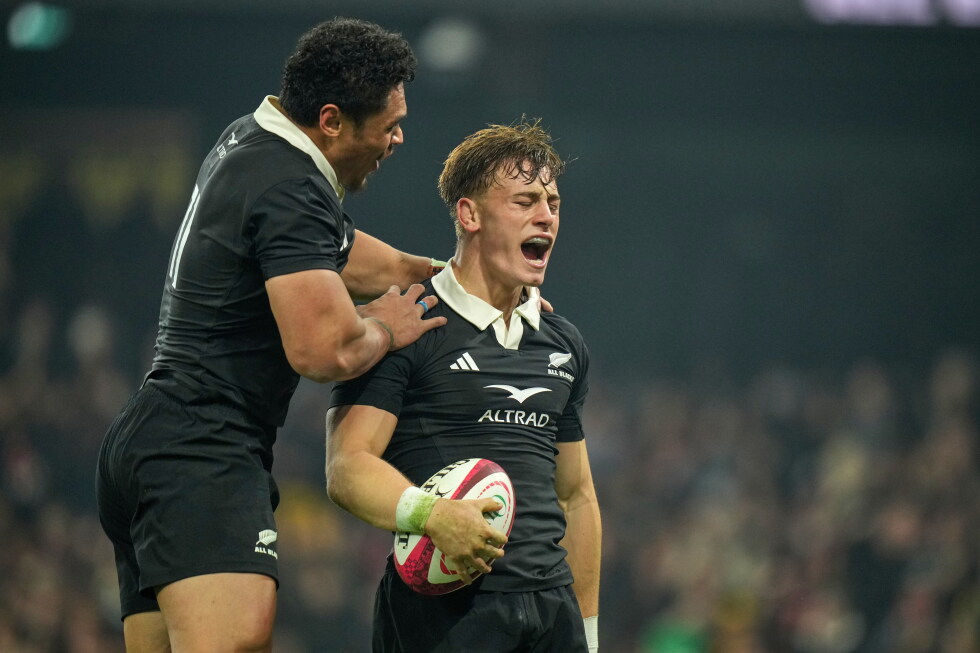
    CHRISTCHURCH, New Zealand – In his first major selection announcement as the new head coach of New Zealand’s world-famous All Blacks, Dave Rennie has turned to rising star Ruben Love to start at flyhalf for the team’s historic Nations Championship opening match against France, overlooking seasoned veterans Beauden Barrett and Damian McKenzie in a surprising call that underscores his commitment to fresh talent.

    The 25-year-old Love, who has earned five test caps to date, earned his starting spot after delivering standout performances in the recent Super Rugby playoffs that outshone both Barrett and McKenzie. Beyond his strong form, Love brings a distinct playing style to the pitch that sets him apart from his more experienced competitors. Where 145-test veteran Barrett typically opts to pass or kick before engaging the defensive line, and 74-cap McKenzie often moves sideways before testing defenses with a straight run, Love relies on an aggressive, instinctive approach to take on defensive lines directly.

    To keep a cohesive core unit, Rennie has paired Love with two of his fellow Hurricanes teammates in the inside backs: Cam Roigard will start at scrumhalf, while Jordie Barrett takes the inside center position. In another unexpected selection, Damian McKenzie has been moved to fullback, while Beauden Barrett did not earn a spot in the 23-man matchday squad entirely.

    Two uncapped rookies, Hurricanes prop Xavier Numia and leading 2024 Super Rugby try-scorer winger Fehi Fineanganofo, are set to make their All Blacks debuts off the bench in Saturday’s clash. Fineanganofo earned his call-up after a breakout regular season that saw him cross the try line 17 times, more than any other player in the competition.

    Ardie Savea will lead the side as captain from his position at the back of the scrum, with Luke Jacobson starting at open side flanker and Peter Lakai taking the blindside role. Rennie framed his selection as a deliberate balance of proven veteran experience and exciting emerging talent, with a depth-focused bench built to deliver impactful changes through the match.

    “We know we are facing a formidable French side that boasts a strong set piece, a clinical kicking game, and outstanding ability to keep possession alive,” Rennie told reporters. “To match them, we will need to be physical, accurate, and alert for every moment of the game. Over the past nine days, our group has worked hard to build connection and clarity on our game plan, and that foundation will give us the space to play our best rugby and express ourselves on Saturday.”

    Veteran hooker Codie Taylor will notch his 107th test cap in the starting lineup, with dynamic Hurricanes prospect Asafo Aumua waiting to come off the bench. Rennie retained the starting propping combination of Ethan de Groot and Fletcher Newell that featured for the side last year, with Numia and Tyrel Lomax available as impact substitutions. In the second row, Josh Lord and Sam Darry will pair up after former captain Scott Barrett was ruled out of the contest with an injury. Rounding out the starting lineup, Will Jordan will start on the right wing, Caleb Clarke on the left, and Quinn Tupaea will partner Jordie Barrett in the starting midfield.

    Saturday’s fixture at Christchurch marks the opening match of the brand-new 12-team Nations Championship, a landmark competition that pits top Northern Hemisphere and Southern Hemisphere nations against one another in a new global showpiece. The opening round will feature six matches across six nations: alongside the New Zealand-France clash, Japan will host Italy in Tokyo, Australia will face Ireland in Sydney, South Africa will take on England in Johannesburg, Fiji will play Wales in Cardiff, and Argentina will meet Scotland in Cordoba.

    Full All Blacks Matchday 23:
    Starters: Damian McKenzie, Will Jordan, Quinn Tupaea, Jordie Barrett, Caleb Clarke, Ruben Love, Cam Roigard; Ardie Savea (captain), Luke Jacobson, Peter Lakai, Sam Darry, Josh Lord, Fletcher Newell, Codie Taylor, Ethan de Groot.
    Reserves: Asafo Aumua, Xavier Numia, Tyrel Lomax, Patrick Tuipulotu, Wallace Sititi, Cortez Ratima, Billy Proctor, Fehi Fineanganofo.

  • Jock Campbell returns at fullback for the Wallabies against Ireland after 4-year absence

    Jock Campbell returns at fullback for the Wallabies against Ireland after 4-year absence

    Rugby union fans in Sydney are gearing up for a highly anticipated opening clash of the inaugural World Rugby Nations Championship this Saturday, as Australia’s national side the Wallabies have announced a revamped starting lineup headlined by the return of Jock Campbell for his first test cap since 2022. The match at Sydney Football Stadium is already sold out, drawing a capacity crowd to watch the first fixture of the groundbreaking new global tournament.

    Campbell will take the starting fullback position, pairing with 21-year-old rising talent Max Jorgensen and Dylan Pietsch to form the Wallabies’ new-look back three. The halves combination will be made up of Ryan Lonergan and Carter Gordon, while another first-time test starter, Josh Canham of the Queensland Reds, will partner Western Force lock Jeremy Williams in the second row. Star forward Harry Wilson will retain his position as starting number eight and team captain.

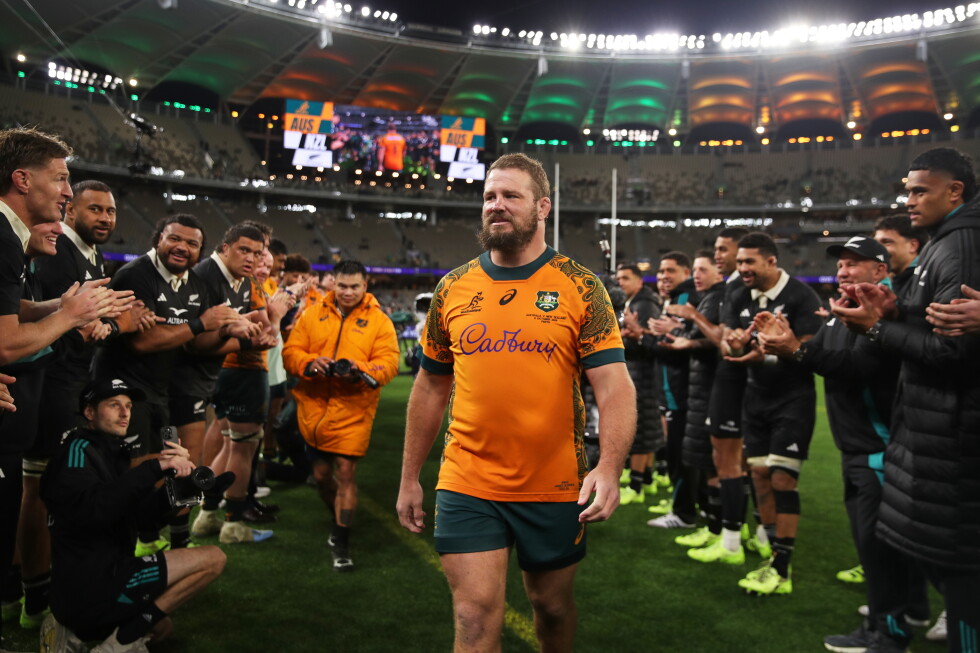
    In a notable selection that highlights the team’s depth and experience, head coach Joe Schmidt named 151-test veteran prop James Slipper to the matchday bench. Slipper shocked the rugby world last month when he announced he would come out of international retirement to make a comeback with the Wallabies, adding valuable veteran leadership to the squad for the new tournament.

    Speaking following Thursday’s official squad announcement, Schmidt emphasized the team’s rapid preparation for the stiff test ahead, noting that Ireland enters the match ranked third in the global men’s rugby rankings. “The group has reconnected quickly and we’ve worked hard over the past week to prepare as best we can for what is an exciting challenge against the No. 3 team in world rugby,” Schmidt said.

    This Saturday’s test also carries broader off-field significance for Australian rugby: it will open the final stretch of Schmidt’s tenure as Wallabies head coach, before Les Kiss takes over the top job permanently. Schmidt’s tenure has hit rocky patches in recent months, with the Wallabies finishing winless on their end-of-year tour to the United Kingdom in late 2024. Schmidt will lead the side for two additional Nations Championship matches after the Ireland opener: against France in Brisbane on July 11, and against Italy in Perth on July 18. Kiss will officially step into the head coaching role on July 20, and will make his debut in charge during August’s test series against Japan. He is currently wrapping up his duties with the Queensland Reds Super Rugby side while assisting the Wallabies with current selection processes.

    On the opposing side, Ireland comes into the opener off a strong 2026 Six Nations Championship campaign that saw them finish as runners-up behind France. The Irish notched key wins over Italy and claimed their 15th Triple Crown title with victories over England, Scotland and Wales, before falling 36-14 to tournament champions France in their final Six Nations fixture. Following this weekend’s clash with Australia, Ireland will continue their Nations Championship road trip with matches against Japan and New Zealand.

    The newly launched Nations Championship, a 12-team global competition structured as a North-South showpiece by World Rugby, is designed to crown an undisputed men’s world number one outside of the quadrennial Rugby World Cup. The tournament splits participating teams into two conferences: southern and northern. In the July window, all northern hemisphere teams travel to the southern hemisphere for their away fixtures, while the November window will see southern hemisphere teams travel north for their away matches. After six rounds of round-robin play, the top four teams will advance to a finals series hosted in London in late November, where the tournament’s first champion will be crowned.

    The full announced Wallabies matchday squad for Saturday’s opener is as follows: Starting lineup: Jock Campbell, Max Jorgensen, Joseph-Aukuso Sua’alii, Len Ikitau, Dylan Pietsch, Carter Gordon, Ryan Lonergan; Harry Wilson (captain), Fraser McReight, Rob Valetini, Josh Canham, Jeremy Williams, Allan Ala’alatoa, Josh Nasser, Angus Bell. Reserves: Brandon Paenga-Amosa, James Slipper, Taniela Tupou, Lachlan Shaw, Tom Hooper, Tate McDermott, Ben Donaldson, Tom Wright.

  • Latest ever winner, comeback and controversy – Senegal’s remarkable exit

    Latest ever winner, comeback and controversy – Senegal’s remarkable exit

    The 2026 FIFA World Cup Round of 32 produced one of the most dramatic, controversial and historic matches in tournament history Wednesday, as Belgium pulled off an unprecedented comeback from a two-goal deficit late in regulation to beat Senegal 3-2, with captain Youri Tielemans netting a record-breaking extra-time penalty to book his side’s spot in the Round of 16.

    With just four minutes left in 90 minutes of regulation play, Senegal appeared certain to lock in their knockout stage advancement. Goals from Habib Diarra and Ismaila Sarr had given Pape Thiaw’s side a 2-0 lead over the 2018 World Cup semi-finalists, who had been outplayed for most of the 86 minutes that preceded the late turnaround. As former Republic of Ireland captain Roy Keane put it on ITV, Senegal somehow “found a way to lose the game” from a position of total control.

    The comeback began with 33-year-old striker Romelu Lukaku, who had only played 69 minutes of club football in the lead-up to the tournament after an injury-plagued season. The substitute flicked home a cross from Thomas Meunier in the 86th minute to cut Senegal’s lead in half, sparking sudden life in a Belgium side that had looked set for an early flight home. Three minutes later, Leandro Trossard sent a cross into the box that Senegal goalkeeper Mory Diaw failed to clear, and Tielemans rose to head the ball into an empty net for the equalizer. Notably, the goal came just minutes after Tielemans and Trossard were captured on camera in a heated on-pitch argument during a hydration break, with Lukaku stepping in to mediate the dispute between the two teammates.

    The draw at full-time forced the match into extra time, and deep into the second period of added time came the game’s decisive, controversial moment. A challenge from Senegal’s Lamine Camara on Tielemans inside the box was reviewed by the Video Assistant Referee (VAR), and the referee ultimately awarded a penalty to Belgium. Tielemans stepped up to convert the spot kick at 124 minutes and 44 seconds, making it the latest goal ever scored in World Cup history. The penalty decision immediately drew criticism from pundits, with former England defender Gary Neville saying “I genuinely don’t believe that is a penalty.” Roy Keane added that the decision was overly harsh, and that the referee’s long delay over the call demonstrated a lack of conviction that undermined confidence in the ruling.

    For Senegal, the devastating late defeat echoes previous heartbreak at the 2025 Africa Cup of Nations earlier this year. In that tournament’s final against hosts Morocco, a stoppage-time VAR-awarded penalty against Senegal sparked chaotic scenes that led to Thiaw pulling his team off the pitch, and ultimately saw Senegal stripped of their title despite a 1-0 win. Wednesday’s outcome left the side processing a second crushing late loss defined by VAR controversy.

    “We’re out – it hurts,” Thiaw told reporters after the match. “We must congratulate the team, who gave it their all, but unfortunately we weren’t able to hold on to our two-goal lead. We have to accept this. That’s football.”

    Belgium’s comeback makes history in its own right: this is the latest any side has come back from a two-or-more goal deficit in regulation time to avoid defeat at a World Cup. The Red Devils are also only the third team in the tournament’s history to pull off such a comeback win, following Germany’s feats against Hungary in 1954 and England in 1970, and Belgium’s own dramatic win over Japan in the 2018 World Cup. Uncoincidentally, many of the same players that featured in that 2018 Rostov comeback still remain in the squad eight years later, including Thibaut Courtois, Kevin de Bruyne, Meunier and Lukaku. Even with De Bruyne subbed off early in the second half (the earliest substitution of his World Cup career, a change that left the playmaker visibly frustrated), the remaining core of Belgium’s celebrated golden generation delivered when it mattered most.

    “Football is just crazy. I couldn’t call any of this game,” former England striker Dion Dublin told BBC Radio 5 Live, summing up the match’s chaos. Dublin noted that “Senegal were better than Belgium for 70 minutes. Then Lukaku came on and changed the momentum.”

    Belgium head coach Rudi Garcia highlighted the team’s resilience and depth after the historic win. “In football, anything is always possible as long as you believe in it,” Garcia said. “The strength of this squad also lies in the players who come off the bench, because you can’t get results with just 11 players.”

    Far from the polished golden generation side that reached third place in 2018, this current Belgium squad has shown its flaws – from in-fighting to underperformance from key stars – but their dramatic comeback against Senegal has proven they still have the quality and mental toughness to compete deep into this 2026 World Cup. They will next face co-hosts the United States in the Round of 16.

  • World Cup what to know: Spain looks to knock out Austria as round of 32 winds down

    World Cup what to know: Spain looks to knock out Austria as round of 32 winds down

    With the expanded 48-team 2024 World Cup moving into its final knockout elimination round, just six spots in the coveted round of 16 remain unclaimed — and half of those will be awarded on Thursday following three high-stakes matches across North America. The round of 16 is scheduled to kick off this Saturday, leaving teams across the globe racing to secure their place in the next stage of the tournament.

    Headlining Thursday’s fixture list is a showdown between European champion Spain and underdog Austria at SoFi Stadium in Inglewood, California. For Spanish football fans, this match carries extra weight: the historic powerhouse has not won a knockout round match at any of its last three World Cup appearances, a dry spell that dates back to its 2010 World Cup title in South Africa. After failing to advance out of group play in 2014, Spain fell in its opening knockout match in both the 2018 and 2022 tournaments, leaving the squad hungry to break its unwanted streak.

    Under current manager Luis De La Fuente, however, there are strong signs that Spain’s dry run may be coming to an end. Since taking the helm, De La Fuente has led La Roja to just two losses across 45 matches, including title runs at the 2023 UEFA Nations League and 2024 European Championships. Entering Thursday’s match, Spain enters as the clear favorite, particularly after confirmation that young star Lamine Yamal is fully fit to play a full 90 minutes, a major boost for the side that has yet to concede a single goal through the group stage.

    While Spain entered the tournament as a pre-tournament favorite, its group stage performance left room for criticism, including a surprising scoreless draw against underdog Cape Verde that reignited doubts about the squad’s ability to deliver when it matters. De La Fuente, though, remains upbeat about his team’s trajectory, noting that the side has improved steadily as the tournament has progressed.

    “I can tell you that this national team is used to breaking records,” De La Fuente told reporters on Wednesday. “Perhaps that bad streak (at the World Cup) will be overcome by this specific squad. After tomorrow’s match, we’ll read the circumstances and everything that’s happened, but what we want to do next is to see you all in Dallas (for the round of 16).”

    For Austria, Thursday’s match marks a landmark moment: this is the nation’s first World Cup appearance since 1998, and the squad secured its knockout spot courtesy of a dramatic 3-3 draw with Algeria in the final group stage match. With nothing to lose against one of the tournament’s top sides, manager Ralf Rangnick says his team will play with nothing holding them back. While Rangnick freely acknowledged Spain’s status as one of the world’s strongest sides and the current European champion, he highlighted that his side outscored Spain in group play (six goals to Spain’s five) and holds a fun trivia edge: Austria’s David Alaba is the only Real Madrid player currently on either roster, though Alaba is set to leave the club this summer, while Spain’s Marc Cucurella is set to join Real Madrid from Chelsea.

    “They’re one of the strongest teams in the world. It’s the European champion, and they haven’t lost a match in a very long time,” Rangnick said. “(But) there have been one or two big surprises in this (World Cup), and we want to make sure that the match tomorrow will be one of the tight matches as well.”

    In the night’s second match, set for Toronto, Portugal will face Croatia in a clash that could mark the end of one of two iconic careers: 41-year-old Portuguese megastar Cristiano Ronaldo and 40-year-old Croatian midfield legend Luka Modric, who spent six seasons as teammates at Real Madrid. For Ronaldo, the match offers a chance to check another box on his historic resume: despite being the only player to score at six different World Cups, he has never found the net in a World Cup knockout match, and Portugal will need his best form to avoid early elimination.

    For Modric, the match comes just over a week after he earned his 200th senior international cap in a crucial group stage win over Panama at the same Toronto stadium. Still the linchpin of Croatia’s midfield, Modric led the nation to a third-place finish in 2022 and a runner-up finish in 2018, and Croatian manager Zlatko Dalic has said the outcome of the match will likely rise or fall on Modric’s performance.

    Portugal midfielder Vitinha, who exchanged jerseys with Modric after a previous club meeting, called the Croatian a reference point for all young players. “Hopefully tomorrow he’ll be a little bit sadder than me,” Vitinha joked. He added that the whole squad is motivated to advance, not just for the country, but for Ronaldo.

    The final match of Thursday takes place in Vancouver, British Columbia, where Switzerland will face Algeria — and Algeria is led by a very familiar face: former Swiss manager Vladimir Petkovic, who held the top job with Switzerland from 2014 to 2021. During his seven-year tenure, Petkovic led Switzerland to the 2018 World Cup round of 16 and guided the nation to its first-ever European Championship quarterfinal berth in 2020. Current Swiss forward Breel Embolo earned his first senior call-up under Petkovic and was named to the 2018 World Cup squad by the manager, and says Petkovic knows most of the current Swiss squad very well.

    “Yeah, he’s a coach that knows me very well, I think he knows a lot of players,” Embolo said. “But personally speaking, no, nothing’s going to change on my front. I’m going to play the football I’m used to playing, taking into consideration not only the qualities of the Algerian squad, but also their weak spots.”

    Petkovic downplayed any idea that his history with the Swiss side gives Algeria a major edge, noting that modern soccer has little room for hidden secrets. “Everyone knows each other. There are no real secrets left in the game,” Petkovic said. “I don’t think it’s a huge advantage to know someone or someone else, just as I know the players, the players know me, and it’s a huge pleasure to come up against them. It’ll be lovely to meet and greet them, but after that, the players will go out there on the pitch, and I’m certainly expecting a tough game, and in order to win a match we need to give 120% against a very decent Swiss side.”

    Switzerland has advanced to the round of 16 at each of the past three 32-team World Cups, and will look to repeat that feat in Thursday’s 48-team format knockout match. All three of Thursday’s matches will be broadcast across Fox, Telemundo and Peacock, with kickoffs scheduled for 3 p.m. EST, 7 p.m. EDT and 11 p.m. EDT respectively.

  • Lamine Yamal is healthy enough to play full matches for Spain in knockout rounds, De La Fuente says

    Lamine Yamal is healthy enough to play full matches for Spain in knockout rounds, De La Fuente says

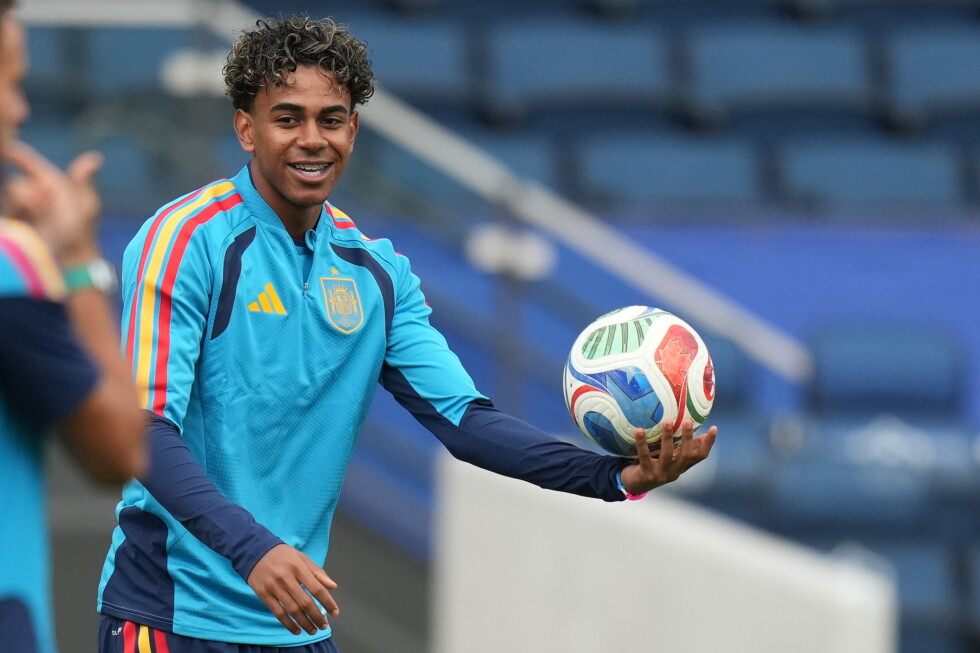
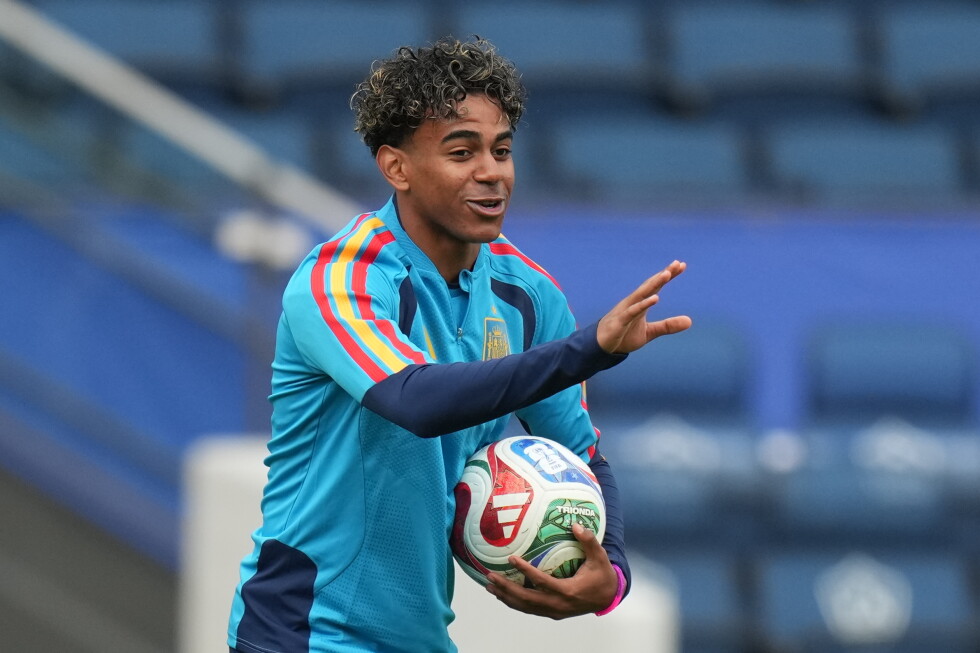
    INGLEWOOD, California — As Spain gears up for its first knockout round clash at the 2026 FIFA World Cup against Austria on Thursday, head coach Luis De La Fuente delivered a major boost to the side on Wednesday: teen phenom Lamine Yamal has fully recovered from his long-term hamstring injury and is cleared to play a full 90 minutes if called upon.

    The 18-year-old Barcelona winger entered the tournament as one of the most anticipated global superstars competing in Qatar, but his playing time was sharply limited across Spain’s three group stage matches. Restricted to a total of just 141 minutes of action, Yamal notched only one goal — a quiet start that stood out amid the standout performances from the tournament’s other top talents. The controlled minute load was a deliberate strategic choice by the Spanish coaching staff, designed to protect the young player as he continued rehabilitation from a hamstring tear he suffered back on April 22.

    Speaking to reporters at SoFi Stadium ahead of the round of 32 fixture, De La Fuente confirmed that Yamal’s recovery is effectively complete, and the teenager is chomping at the bit to get more minutes under his belt. “Lamine can play whatever we ask him to play,” De La Fuente stated through an interpreter. “We’ve been quite prudent with him, as we do in managing the recovery of all our players, respecting their timelines and also following the evolution of the matches. Lamine is doing very well now and, above all, you can all see how much he wants to play.” Grinning, the coach added a playful tease: “So we’ll see if he plays tomorrow.”

    Yamal’s 2024-25 club season before his injury was nothing short of sensational: he racked up 24 goals and 17 assists across all competitions for Barcelona, despite missing the final six matches of La Liga to recover from his hamstring tear. His World Cup group stage trajectory followed a steady ramp-up: he came on as a late substitute in Spain’s opening tournament fixture, a surprising scoreless draw against Cape Verde, then netted his first ever World Cup goal just 10 minutes into his first start against Saudi Arabia, before logging 76 minutes of play in the final group match against Uruguay.

    The young star has made no secret of his eagerness to step into the spotlight alongside the tournament’s other standout players, who have all delivered electrifying performances so far — from living legends Lionel Messi and Kylian Mbappé to elite forwards Harry Kane, Erling Haaland and Vinícius Júnior.

    Yamal’s return to full fitness is not the only positive injury update De La Fuente shared on Wednesday. The coach confirmed that Yerémy Pino has made what he called a “miraculous” recovery from a left shoulder sprain sustained during Spain’s group stage win over Uruguay, and the Crystal Palace winger is available for selection against Austria. Another wide option, Victor Muñoz — a recent Liverpool signing who missed the entire group stage with an unspecified muscular injury — is also cleared to play, though De La Fuente noted the winger has not competed in match action for an extended period, meaning his inclusion will depend on the flow of Thursday’s game.

    The only projected absence for Spain is Athletic Bilbao winger Nico Williams, who is dealing with a groin injury. De La Fuente added that Williams’ condition has improved significantly, and he could be available for selection if Spain advances to the round of 16.

    Thursday’s match against Austria marks a chance for Spain to break a years-long World Cup knockout curse: La Roja have lost their first knockout match in each of the past two World Cups, and failed to advance out of group play entirely in 2014. The current Spanish side has strong foundations to end that drought under De La Fuente, who has led the program to major silverware including the 2023 UEFA Nations League and 2024 UEFA European Championship, dropping only two matches across his 45 games in charge. Entering the knockout round, Spain also holds an unblemished defensive record, having not conceded a single goal through three consecutive group stage clean sheets.

  • What you need to know about England’s last-16 opponents Mexico

    What you need to know about England’s last-16 opponents Mexico

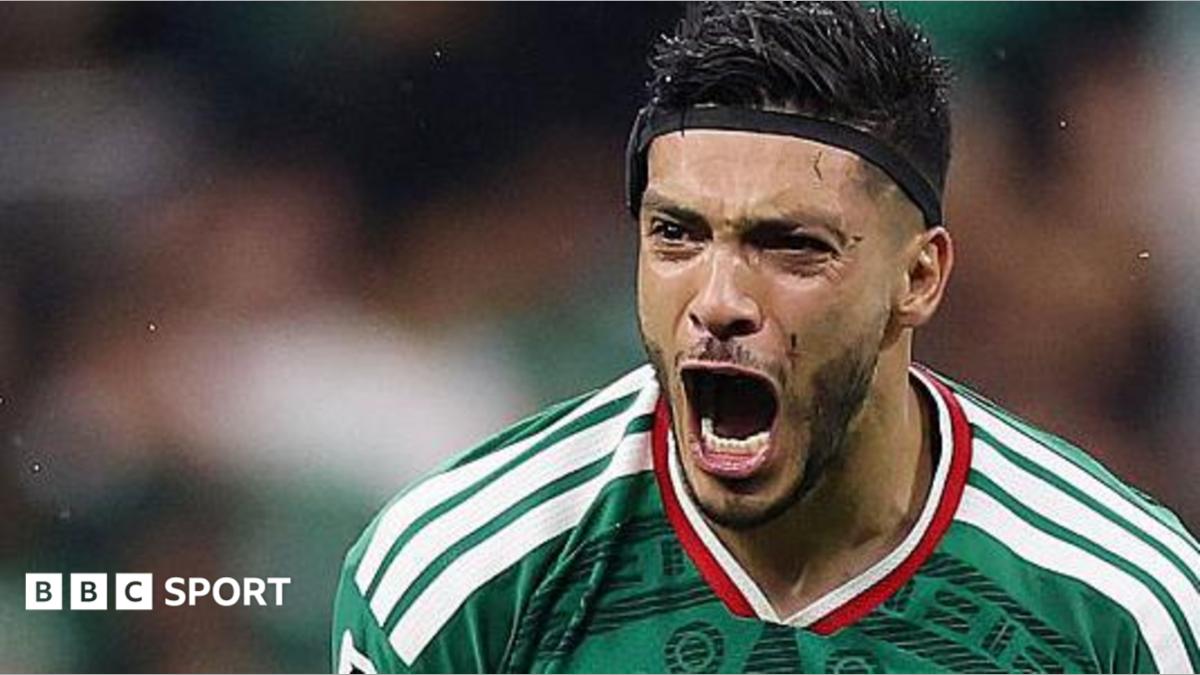
    As the 2026 FIFA World Cup enters its knockout phase, co-host Mexico will lock horns with England in the round of 16, fresh off ending a 40-year dry spell of knockout stage victories and riding a wave of newfound momentum. For a nation with deep footballing roots at the world’s biggest sporting tournament, this clash carries far more than just progression stakes: it offers El Tri the chance to exorcise long-running generational curses and repeat the quarter-final runs they pulled off as hosts in 1970 and 1986.\n\nThis iteration of Mexico’s national side is far from considered a vintage generation by historical standards. Only a small handful of its players plied their trade in Europe’s top five domestic leagues this season, and the team’s most recognizable name, 35-year-old striker Raul Jimenez, is deep into the twilight of his professional career. In the lead-up to this World Cup, public opinion of the team’s tactical approach was muted at best; segments of fans even booed the side during pre-tournament goalless draws against Uruguay and Portugal. But the partisan home support across the tournament has shifted the mood entirely, with head coach Javier Aguirre describing the crowd backing as “a driving force” behind Mexico’s current four-match winning run that has also seen them keep every opponent off the scoresheet.\n\nAguirre, a 67-year-old veteran of Mexican football who represented his country as a player at the 1986 home World Cup, has built his current gameplan on defensive pragmatism. He typically lines up with a compact front three, relying on overlapping full-backs to provide attacking width out wide, and instructs his side to work relentlessly to win back possession immediately after losing it. As co-hosts, Mexico also hold key tangible advantages: they are playing at altitude in Mexico City, where thinner air gradually drains opposing teams of energy, and have benefitted from extra recovery time between matches. Their defensive solidity has already been on display in pre-tournament draws against elite sides Portugal and Belgium, and center-back pairing Johan Vasquez and Cesar Montes have formed an extremely effective complementary partnership that makes breaking Mexico down a major challenge for any attack. At 6ft 3in, Montes – who joined Lokomotiv Moscow in 2024 after an 18-month spell in La Liga – is a dominant physical presence in both penalty areas, and notched three goals during Mexico’s 2025 Gold Cup title run.\n\nWhere the side has struggled, however, is in finding consistent attacking fluency. Though they have notched eight goals through the tournament so far, most of those came against lower-ranked opposition. Tactical analysts note that if England can cut off Mexico’s central passing lanes and disrupt their structured attacking movements, El Tri could struggle to adapt with alternative gameplans.\n\nMexico’s lack of elite global star power has put early focus on 17-year-old creative midfielder Gilberto Mora, who many hope will emerge as the breakout talisman the side has been searching for. The Tijuana talent is the youngest player in Mexico’s World Cup history, and is also the youngest player from any nation to start a knockout stage match since Brazilian legend Pele lined up in 1958. Mora already has experience in high-stakes matches, too: he started Mexico’s 2025 Gold Cup final win over the United States at just 16 years old.\n\nVeteran Jimenez, who has agreed a summer transfer to return to Wolverhampton Wanderers from Fulham, remains the side’s clutch performer when it matters most. He delivered the match-tying goal in that same Gold Cup final against the US, helping Mexico secure a 2-1 comeback victory, and has already doubled his total World Cup goal tally in this tournament: he went scoreless across the previous three editions, but has two goals to his name already in 2026.\n\nThis current World Cup run marks Mexico’s ninth consecutive World Cup appearance, and a record third time hosting or co-hosting the tournament. Their path to the round of 16 was a smooth one: they won all three Group A matches against South Africa, South Korea and the Czech Republic, then secured a comfortable 2-0 win over Ecuador in the round of 32 to end that 40-year knockout win drought – a result that has lifted confidence ahead of facing England.\n\nFor generations, Mexican football has been haunted by the curse of the “quinto partido”, or fifth game: the side exited the round of 16 at seven consecutive World Cups between 1994 and 2018, then broke that sequence in the worst possible fashion by crashing out in the group stage at the 2022 Qatar World Cup. After that disappointment, the Mexican Football Federation hired and fired two head coaches before turning to Aguirre for his third spell in charge in 2024. The vastly experienced manager left no stone unturned in his preparations: El Tri played 22 warm-up matches in the 12 months leading up to the tournament, allowing Aguirre to experiment widely with tactics and personnel. He called up 54 different players across those matches, with fewer than half earning a spot in the final 26-man squad. The domestic-based players, who make up 12 of the final squad, were ordered to report for pre-tournament training as early as May 6, meaning some had been in camp for five full weeks by the time the World Cup kicked off. The hard work has paid off: Aguirre has restored both competitiveness and team harmony to the side, even if some fans still remain unimpressed with his pragmatic, defense-first approach. After this tournament, assistant coach Rafa Marquez – the only player in history to captain a nation at five separate World Cups – will take over as the full-time head coach.\n\nThe match between Mexico and England will kick off at 01:00 BST on Monday 6 July, with full coverage available across BBC platforms, including live television on BBC One and iPlayer, radio on 5 Live and BBC Sounds, and live text coverage via the BBC Sport website and app.\n\nAs a footballing nation, Mexico holds a unique place in World Cup history: it is a near-ever-present at the tournament, but holds the unwanted record of having played more World Cup matches (64 total) than any other side that has never lifted the trophy. Supporters have historically been demanding, but expectations heading into this tournament were fairly modest – a far cry from the confidence now coursing through the camp after ending that four-decade knockout drought. If they can beat England, they will not only secure a long-awaited quarter-final spot, they will match the historic achievements of the 1970 and 1986 host sides.

  • One Extraordinary Photo: France’s Kylian Mbappe stands alone

    One Extraordinary Photo: France’s Kylian Mbappe stands alone

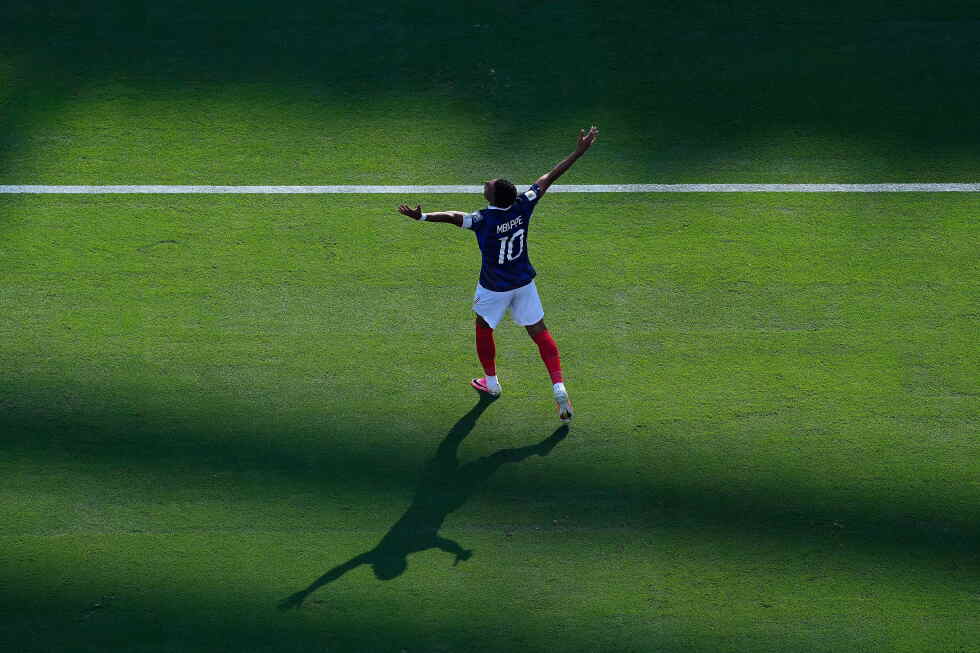
    For award-winning Associated Press photojournalist Petr Josek, based in Prague, Czech Republic, major international sporting events have been a core part of his beat for nearly two decades. Since 2006, he has covered back-to-back FIFA World Cup tournaments and Olympic Games, honing a keen eye for dramatic, storytelling moments that cut through the chaos of elite competition. One of his standout World Cup shots of French superstar Kylian Mbappe has drawn widespread acclaim, and Josek recently pulled back the curtain on how he captured the iconic frame.\n\nUnlike traditional sideline or press box positions, Josek chose to set up his gear on a stadium catwalk — the highest accessible vantage point in the venue, located in East Rutherford, New Jersey. The unorthodox spot offered a one-of-a-kind perspective that no lower position could match. To coordinate with the AP’s photography team, Josek positioned himself on the side of the pitch opposite the team benches, while a second shooter covered the action from a slightly lower elevation nearby.\n\nThis high catwalk position came with unexpected creative benefits: it allowed Josek to shoot against the directional stadium lighting, turning long, stretching shadows across the pitch into a intentional compositional element as the match unfolded. But the unique spot also came with significant technical challenges. Shooting with a heavy 400mm telephoto lens — a go-to for capturing distant action on the pitch — meant Josek could not use a stabilizing monopod to steady his camera on the narrow catwalk. He had to carefully navigate between large overhead stadium light fixtures to find a stable spot to frame his shots, turning a tricky setup into a winning opportunity.\n\nJosek explained why the resulting shot of Mbappe resonates so strongly with viewers. Throughout the tournament, star goal scorers dominated headlines and fan attention, and Kylian Mbappe emerged as one of the biggest storylines, turning in a string of standout performances that kept him at the center of global attention. Rather than capturing the forward celebrating a game-winning goal, the frame freezes a far more human moment: Mbappe reacting immediately after missing a critical scoring chance. Even in this moment of frustration, Josek notes, Mbappe holds his own spotlight on the pitch.\n\nThe composition elevates the moment even further: the player’s spontaneous pose is perfectly framed, his body motion reads clearly across the empty pitch, and the high vantage point captures his full, elongated shadow stretching across the grass. The choice to isolate Mbappe alone in the frame draws all focus to his unguarded reaction, turning a split second of match action into a timeless portrait of elite sports pressure and emotion. Fans can explore more of AP’s full award-winning World Cup photography coverage online.