分类: sports

  • Are Argentina being treated favourably at World Cup?

    Are Argentina being treated favourably at World Cup?

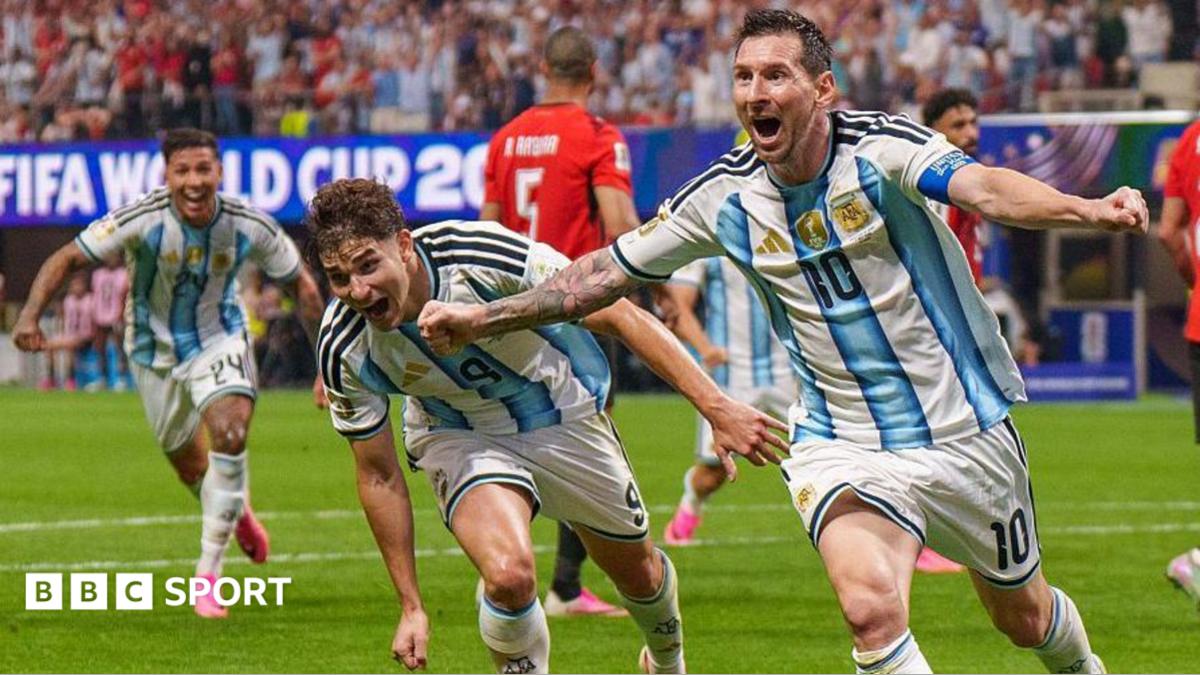
    Defending World Cup champions Argentina have booked their spot in the tournament’s quarter-finals, but their passage has been anything but smooth, and has sparked fierce debate over potential officiating favouritism. La Albiceleste entered the first two knockout rounds as heavy favourites to cruise past Cape Verde and Egypt, but on both occasions they scraped by with identical narrow 3-2 wins. Following their latest last-16 exit at the hands of Argentina, Egypt has launched an official complaint to FIFA, demanding the match officials be removed from the remainder of the tournament, and levelling claims of systemic bias designed to protect the defending champions and their global superstar, Lionel Messi.

    The dramatic nature of Egypt’s defeat has only amplified their frustration. On Tuesday, the African side held a shock 2-0 lead over Argentina with just 11 minutes left on the clock, on the cusp of pulling off one of the biggest upsets in World Cup history and securing the first quarter-final spot in their nation’s history. But Argentina launched a stunning late comeback, overturned the deficit, and scored the match-winning goal in stoppage time. Egypt has pinned its elimination on serious refereeing errors and inconsistent decision-making from French referee Francois Letexier and his team.

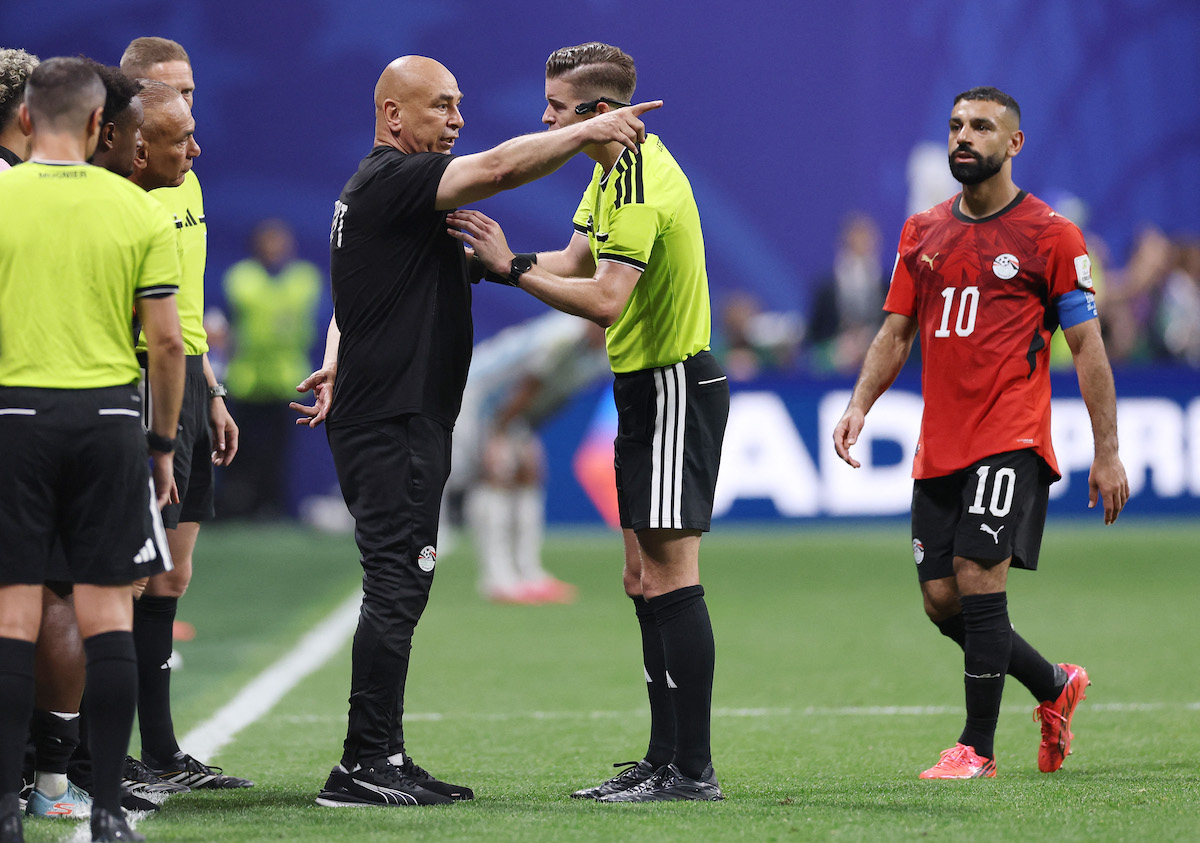
    Key contentious calls include a disallowed Egyptian goal chalked off after VAR intervention. Mostafa Zico’s well-taken strike was ruled out following a foul call on Marwan Attia for stepping on the foot of Argentina’s Lisandro Martinez in the build-up. Egypt also argues Argentina’s stoppage-time winner should have been ruled out, and that two clear penalty appeals for their side were ignored. Hamdi Fathy went down under a challenge from Alexis Mac Allister, while star forward Mohamed Salah claimed he was tripped by Julian Alvarez. While the decisions were controversial, BBC Sport’s analysis finds no concrete evidence to back the theory of a deliberate plot to favour Argentina.

    This dispute is not the only question mark over officiating and preferential treatment for the defending champions at this tournament. Ahead of Thursday’s high-profile quarter-final clash between France and Morocco, FIFA’s appointment of an all-Argentine on-field officiating team – the first of the tournament – has raised eyebrows. While top Argentine referee Facundo Tello is a highly experienced official who officiated at the 2022 World Cup quarter-finals and would be expected to uphold full professional integrity, critics argue the appointment creates a problematic perception of bias, given Argentina’s clear interest in seeing tournament favourite France eliminated earlier.

    Further questions have been raised over inconsistent disciplinary treatment of Messi earlier in the tournament. In the group stage, Messi escaped without even a yellow card for a challenge on Algeria captain Aissa Mandi that had clear contact with the opponent’s upper calf. Just days later, United States forward Folarin Balogun was sent off via VAR review for a near-identical challenge against Bosnia. The US has already formally appealed to have Balogun’s suspension overturned, with many pointing to the Messi incident as proof of double standards. Had Messi been sent off in that group stage match, he would have missed subsequent games, wiping out five of the eight goals he has scored at this tournament – which have already made him the World Cup’s all-time leading top scorer with 21 career tournament goals.

    Critics also point to off-field decisions that suggest FIFA has a vested interest in keeping Messi and Argentina in the tournament long-term. They note that FIFA president Gianni Infantino has previously made exceptions to allow Messi to compete in high-profile events, including the 2025 inaugural expanded Club World Cup hosted in the US. Despite MLS play-off winners LA Galaxy earning their spot through competitive merit, host nation berth was given to Inter Miami – Messi’s current club – allowing him to play the opening match of the tournament on home soil at the club’s Hard Rock Stadium.

    Structural tweaks to the 2026 World Cup format have also added fuel to the conspiracy claims. Last December, FIFA adjusted the final draw to ensure the world’s top four ranked teams – France, Argentina, Spain and England – were placed in separate quarter-brackets. This guaranteed that, if they won their groups (which all four did), they would not face each other before the semi-finals. While the official rationale is to keep elite matchups for the later stages of the tournament, the structure has given the top sides far easier routes through the knockout rounds – and none have benefited more than Argentina. So far, Argentina have faced only Cape Verde (ranked 67th globally) and Egypt (29th) to reach the quarter-finals, where they will next face 19th-ranked Switzerland. By comparison, Spain has already beaten 5th-ranked Portugal and will face 9th-ranked Belgium, while France takes on 7th-ranked Morocco in their quarter-final tie. Argentina’s path is by far the softest of the remaining elite sides.

    Disciplinary data also hints at potential favourable treatment for Argentina. Seventeen players across the remaining quarter-finalists are one yellow card away from suspension for a potential semi-final, but only one Argentine starter – Gonzalo Montiel – is at risk of missing the next round. When comparing the ratio of yellow cards issued to total fouls committed, Argentina receives a caution just once every 19.7 fouls. For context, England, who have committed fewer total fouls than Argentina, receive a yellow card once every 7.7 fouls, meaning Argentina have half as many cautions despite more fouls. Only three other remaining sides have a better (higher) yellow-to-foul ratio than Argentina, suggesting the defending champions have been let off far more lightly for foul play than other nations. This pattern echoes Argentina’s 2022 World Cup win, where they received five penalties – more than any other team in a single World Cup in history. At this tournament, they already lead all sides with three penalty awards, though Messi has missed two of them.
  • Queen Camilla visits Wimbledon and is joined by actor who played her husband

    Queen Camilla visits Wimbledon and is joined by actor who played her husband

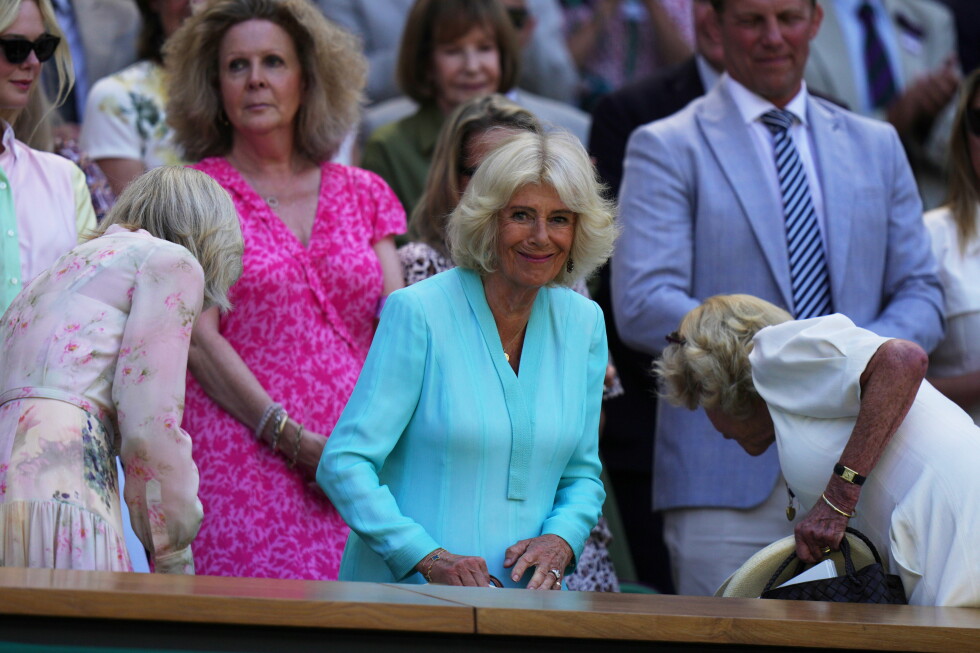
    LONDON – As the Wimbledon Championships reached its tenth day of competition on Wednesday, Queen Camilla, wife of Britain’s King Charles III, continued her annual tradition of attending the iconic Grand Slam tournament, marking her fourth straight year in attendance at the All England Lawn Tennis Club. This year’s outing brought an unexpected, charming twist: the British monarch was joined in the event’s exclusive Royal Box by Dominic West, the Emmy-nominated actor who famously brought King Charles III to life on the hit Netflix drama series *The Crown*.

    Queen Camilla stepped into Centre Court dressed in a soft light blue ensemble, taking her traditional seat to watch one of the women’s singles quarterfinal matches between Italy’s Jasmine Paolini and Ukraine’s Marta Kostyuk. Alongside West, other high-profile celebrity guests also occupied the Royal Box on the day, including acclaimed American actor Elle Fanning.

    After Kostyuk secured her spot in the semifinal with a victory over Paolini, the queen surprised the next scheduled players: British wild card entrant Arthur Fery and Italian star Flavio Cobolli. As the two athletes prepared to make their entrance onto Centre Court, Camilla walked over to greet the pair with personal handshakes, a warm gesture that delighted onlookers. Before the day’s tennis action got underway, the queen also carved out time to meet with a ball boy, a ball girl, and multiple long-tenured staff members who have dedicated decades of service to the All England Club.

    This year’s royal presence at the tournament has been split between two senior members of the British royal family. The Princess of Wales, Kate Middleton, who holds the ceremonial role of patron of the All England Club, made her own trip to Wimbledon the previous week. During her visit, she stopped to interact with thousands of tennis fans waiting in the legendary queue outside the tournament grounds, before taking her seat on Centre Court to watch early round play alongside two-time Wimbledon champion Andy Murray.

  • Kostyuk sets up Wimbledon semi-final against Noskova

    Kostyuk sets up Wimbledon semi-final against Noskova

    The 2024 Wimbledon Championships delivered another dramatic day of women’s quarter-final action on Wednesday, as Ukraine’s Marta Kostyuk turned in a masterclass performance to crush Italy’s Jasmine Paolini and book her spot in the final four of the grass-court Grand Slam. The 12th-seeded Kostyuk needed just 69 minutes on Wimbledon’s iconic Centre Court to secure a lopsided 6-3, 6-2 victory over 2023 runner-up Paolini, booking a semi-final showdown with Czech ninth seed Linda Noskova for Thursday. For Kostyuk, the run marks her second consecutive Grand Slam semi-final appearance, and a particularly poignant moment on the sport’s most famous showcourt.

    Nine years before her quarter-final win, the 24-year-old Ukrainian visited the All England Club as a spectator, watching tennis legend Roger Federer compete on the very same court. “I was on this court as a spectator once nine years ago watching Roger (Federer) and to be back here as a player is amazing,” Kostyuk said after her first-ever Centre Court match at the championships. “I walked past the ‘wall of honour’, stood beside it and took a moment.”

    Kostyuk enters Thursday’s semi-final on one of the hottest streaks in women’s tennis, having dropped just one match across her last 22 outings. That sole defeat came in the French Open semi-finals last month, where she lost to eventual champion Mirra Andreeva. For Paolini, the result brings an end to her 2024 Wimbledon run; the Italian could not replicate the clinical form that carried her to a fourth-round win over Alexandra Eala, falling at the quarter-final stage of a major for the first time in her career.

    Standing between Kostyuk and a spot in her first Grand Slam final is 21-year-old Linda Noskova, who lived up to her top-seeded billing in the bottom half of the women’s draw to defeat experienced Belgian 25th seed Elise Mertens 6-3, 7-5 on Court One. The Czech has enjoyed a breakout grass-court season this year, claiming her second career WTA title in Berlin earlier this month before powering into her first ever Grand Slam semi-final at Wimbledon. After early upsets knocked out top contenders Iga Swiatek and Elena Rybakina, Noskova became the highest remaining seed in the bottom half of the draw, and she delivered against Mertens, who was playing her first major quarter-final since 2020. Though Mertens fought hard throughout the two-set clash, she could not match Noskova’s aggressive power from the baseline.

    Noskova acknowledged the challenge of facing in-form Kostyuk, who defeated the Czech in straight sets during the Madrid Open quarter-finals earlier this season, en route to lifting the Madrid title. “A tough one, it’s never going to be easy,” Noskova said of the upcoming semi-final. “Marta, she’s an incredible player.” The winner of Thursday’s clash will go on to compete for the Wimbledon crown on Saturday, against either American top seed Coco Gauff or Czech 10th seed Karolina Muchova.

    In the men’s draw, the quarter-final round continues Wednesday with two matches that could set up a rematch of this year’s French Open men’s final. Second seed Alexander Zverev, who claimed his maiden Grand Slam title at Roland Garros last month, will face sixth-seeded American Taylor Fritz for a spot in the semi-finals. A win for Zverev would set up a repeat clash with Italy’s Flavio Cobolli, who he defeated in a five-set French Open final. If Cobolli defeats British wildcard Arthur Fery in his own quarter-final clash, the two will meet again for a spot in the Wimbledon final four.

    Zverev enters the match as a respected contender, but he will face a tough test against Fritz, who has won seven consecutive matches against the German. Fritz boasts a proven record on grass, having reached the Wimbledon quarter-finals four times in the last five years, and his powerful serve makes him a dangerous opponent on the All England Club’s fast courts.

    For Cobolli, the quarter-final run marks his second consecutive deep run at Wimbledon; 12 months ago, he fell to Novak Djokovic in the last eight, and this year he faces a very different opponent in Fery. The Italian entered the tournament with an unexpected off-court hurdle: he did not book extended accommodation in London, forcing an Italian family to step in and “give him a house in Wimbledon” to stay for his deep run. Cobolli enters the match as the heavy favorite against Fery, who is ranked world number 114 and the lowest-ranked men’s player to reach the Wimbledon quarter-finals since Nick Kyrgios in 2014. However, Fery holds a win over Cobolli, having defeated the Italian in the first round of this year’s Australian Open — that win remains Fery’s only career Grand Slam match victory to date. If Fery upsets Cobolli, he will become the first men’s wildcard to reach the Wimbledon semi-finals since Goran Ivanisevic claimed his iconic title run in 2001. “I played really well in Australia,” Fery said. “Felt like I dominated the match. So we’ll use that experience for Wednesday.”

  • ‘Ferytale’ rolls on at Wimbledon as British wild card Fery into semifinals after meeting queen

    ‘Ferytale’ rolls on at Wimbledon as British wild card Fery into semifinals after meeting queen

    Wimbledon 2024 has delivered one of its most breathtaking underdog stories in recent memory, as British wild card Arthur Fery has etched his name into Grand Slam folklore by storming into the men’s singles semifinals — a feat only one other unranked qualifier has pulled off at the All England Club in more than two decades.

    Growing up just five minutes away from Wimbledon’s iconic grounds, the 23-year-old local hopeful has turned a childhood dream into reality, beating Italy’s ninth-seeded Flavio Cobolli in straight sets 6-4, 7-6(4), 6-0 in front of a raucous Centre Court crowd Wednesday. The stands were packed with cheering home fans, and the Royal Box even included Britain’s Queen Camilla, who got an early surprise meeting with both Fery and Cobolli in the player hallway moments before the match kicked off.

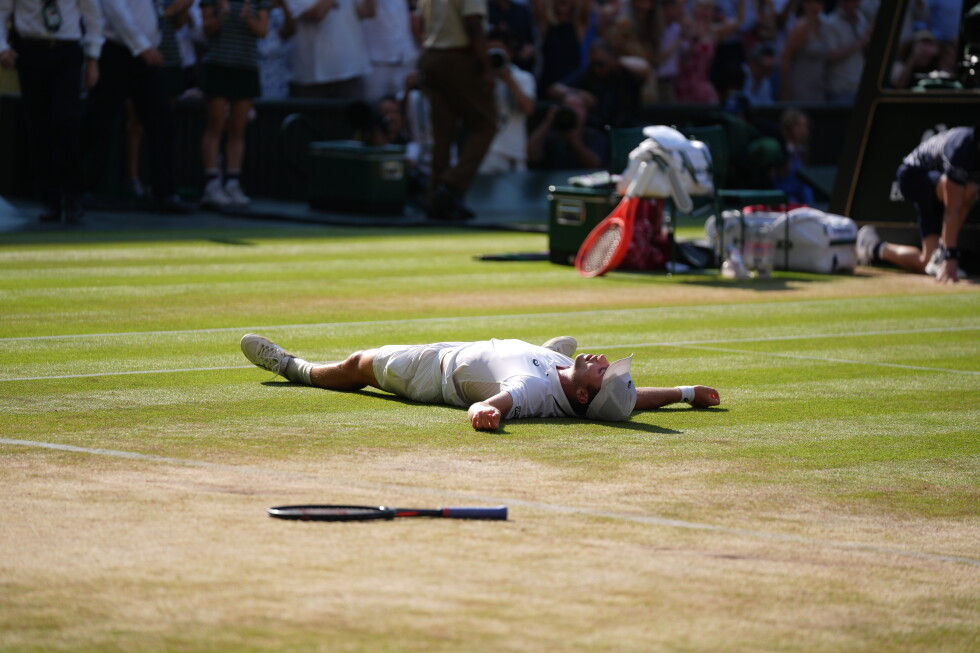
    Fery’s run has already made history: he is only the second men’s singles wild card to reach the Wimbledon semifinals, following Goran Ivanisevic’s legendary championship run in 2001. The young Brit’s emotional victory had the crowd roaring from start to finish. After clinching the opening set, he earned a full standing ovation from the Centre Court crowd, and the cheer that followed his tiebreak win to seal the second set was so loud it carried across to No. 1 Court, where Alexander Zverev was competing against Taylor Fritz. Fery sealed the match with a blistering ace, then fell onto his back to soak in the moment, overwhelmed by the support.

    “It gets better and better every match,” Fery told reporters in an on-court interview after the win. “I just can’t believe it. That last game, I felt emotions that I hadn’t experienced before in my life.”

    Zverev, who wrapped up his own straight-sets 6-4, 6-4, 6-2 win over Fritz shortly after Fery’s victory, will now face the local favourite in the semifinals on Friday. Friday’s other men’s semifinal will be a blockbuster clash between seven-time Wimbledon champion Novak Djokovic and 2023 title holder Jannik Sinner.

    The day also delivered historic milestones on the women’s side, as Ukraine’s Marta Kostyuk booked her spot in her first ever Wimbledon semifinal with a dominant 6-3, 6-2 win over Italy’s Jasmine Paolini. The 24-year-old 12th seed, who also reached the French Open semifinals earlier this year, called the moment surreal after the win, recalling that she watched Roger Federer play on Centre Court as a spectator just nine years ago.

    “I was flabbergasted by this entrance and everything inside,” Kostyuk said. “I was like, ‘wow,’ I need one day to recover from what I saw. I was on this court as a spectator once nine years ago watching Roger.” After Paolini misfired on second match point, Kostyuk dropped to her knees in celebration before spinning in a joyful pirouette for the crowd.

    She will face 21-year-old Czech rising star Linda Noskova, who notched a 6-3, 7-5 win over Belgium’s Elise Mertens on No. 1 Court to claim her first ever Grand Slam semifinal spot. Noskova, who carried a 9-1 grass court record into Wimbledon after winning the Berlin Open, said she thrives under pressure when stakes are highest.

    “I was a little bit nervous before the match,” Noskova admitted after the win. “Usually when it’s really, really important for me and I’m putting a little bit of pressure on myself, that’s when I play the best.”

    Kostyuk and Noskova will compete for a spot in Saturday’s women’s singles final on Centre Court Thursday, following the first women’s semifinal between American Coco Gauff and Czech player Karolina Muchova. As the tournament enters its final stretch, Fery’s historic Cinderella run has already given British fans something massive to cheer for, with local supporters already poised to celebrate wildly if the local wild card can keep his fairy tale run going.

  • Paris hosts the Esports World Cup with eight weeks’ notice

    Paris hosts the Esports World Cup with eight weeks’ notice

    In an extraordinary display of logistical agility and commitment to the global esports community, the French capital of Paris has stepped forward to host the prestigious Esports World Cup, organizing the major international event on a remarkably tight timeline of just eight weeks.

    The last-minute hosting arrangement came together after an unexpected shift in original planning, requiring local event organizers, city authorities, and esports stakeholders to rush through venue preparation, participant coordination, and spectator logistics in less than two months. Despite the compressed schedule, thousands of passionate French esports fans have already locked in their plans to attend the competition, eager to cheer on top professional players and teams from around the globe.

    The rapid organization of this high-profile tournament highlights Paris’ growing reputation as a leading hub for competitive digital gaming, as well as the surging popularity of esports across Europe. Fans are expected to fill the host venue across the tournament’s match days, creating a lively, energetic atmosphere that matches the intensity of the elite-level competition on display.

  • Egypt want officials kicked out of World Cup

    Egypt want officials kicked out of World Cup

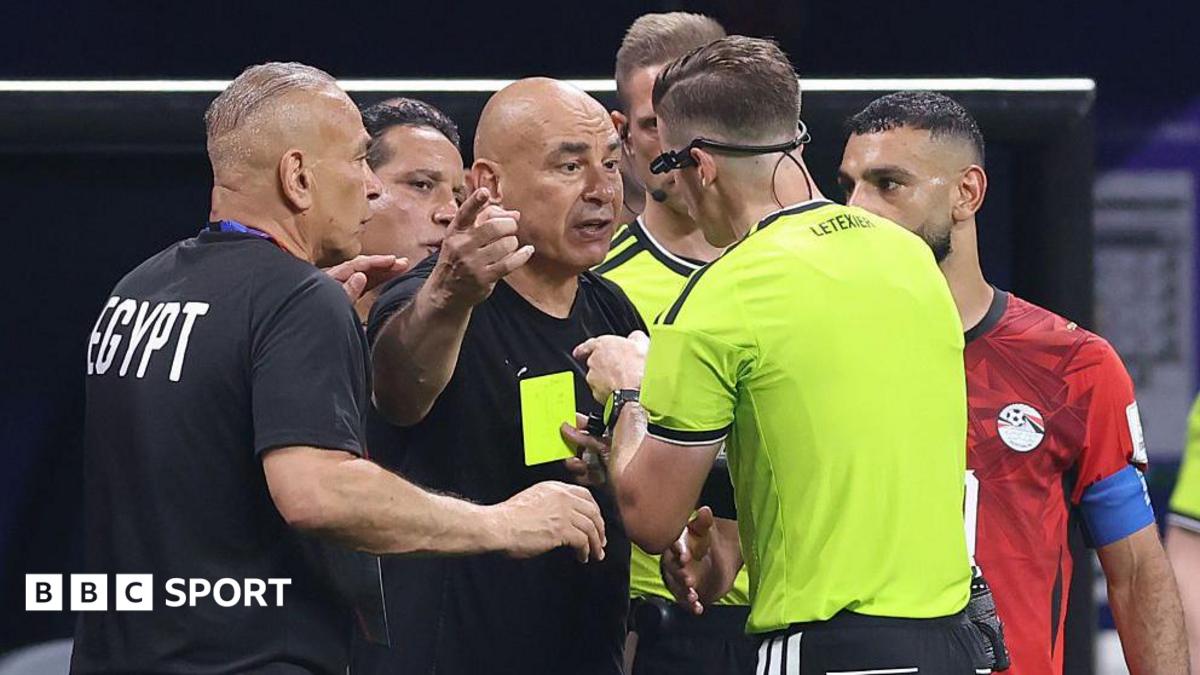
    The 2026 FIFA World Cup round of 16 clash between Egypt and defending champions Argentina has erupted into controversy after the Egyptian Football Association (EFA) submitted an official complaint to global football’s governing body, calling for the entire officiating crew to be removed from the tournament. Egypt fell to a dramatic 3-2 stoppage-time defeat, ending their bid to reach the first World Cup quarter-final in the nation’s history, and Egyptian officials have levied serious accusations of blatant mistakes, double standards, and even discriminatory officiating against the team led by French referee Francois Letexier.

    The most contentious decision came in the second half, when Egypt held a 1-0 lead. Attacking play for a potential second goal was built from a foul call against Egyptian midfielder Marwan Attia, who was penalized for stepping on Argentina defender Lisandro Martinez’s foot. The VAR overturned the would-be goal from Mostafa Zico, a call that immediately sparked outrage from the Egyptian side. Compounding their frustration, Egyptian players and staff say star forward Mohamed Salah was fouled inside Argentina’s penalty area just moments before the defending champions launched the counterattack that secured their stoppage-time winning goal.

    In an official statement released after the match, EFA president Hany Abou Rida confirmed the complaint had been lodged with FIFA, demanding a full investigation into the refereeing team’s actions. The federation specifically called out what it describes as “blatant errors” and the crew’s refusal to review key match footage, alongside the broader accusation of discrimination against the Egyptian national team. “It demands the exclusion of the referee and the entire crew from the World Cup after investigating these mistakes,” the statement read.

    Egypt manager Hossam Hassan doubled down on the criticism post-match, saying his side had been “treated unfairly” and “suffered injustice.” He pointedly suggested that officials favored Argentina to keep the defending champions — and captain Lionel Messi, widely expected to be playing in his final World Cup — in the competition. “Perhaps they wanted to keep the world champion in the competition. Perhaps they wanted Messi to stay in the running,” Hassan said. Striker Mostafa Zico echoed that anger, claiming outright that “this tournament has been fixed,” adding that unfair officiating had been evident from the opening kickoff.

    Messi, for his part, was central to Argentina’s comeback victory: the captain set up the side’s 79th-minute opening goal before scoring an 83rd-minute equalizer to set up the late winner. Argentina will next face Switzerland in a quarter-final clash in Kansas City this Saturday, with a kickoff scheduled for 02:00 BST on Sunday.

    As of publication, FIFA has not responded to requests for comment from BBC Sport. Looking at precedents for this kind of officiating protest, history suggests such complaints rarely result in meaningful action, according to football journalist Dale Johnson. Historically, FIFA has dismissed most post-match refereeing appeals with minimal explanation. For example, at the 2022 Qatar World Cup, France submitted an official protest after a late group-stage goal was ruled out by VAR in a 1-0 defeat to Tunisia, a decision that appeared to contradict existing VAR protocol. FIFA’s Disciplinary Committee dismissed the protest in a one-sentence statement with no further clarification.

    Experts note that most refereeing decisions carry an inherent element of subjectivity, and human error is an accepted, if frustrating, part of the sport. Most complaints raised in the immediate emotional aftermath of a knockout-stage exit tend to fade from public discussion without any formal action, and few expect FIFA to issue a substantive public response to the EFA’s grievance this time around.

  • ‘Forgotten’ host Canada’s unforgettable World Cup

    ‘Forgotten’ host Canada’s unforgettable World Cup

    Long labeled the ‘forgotten co-host’ of the 2026 FIFA World Cup shared with the United States and Mexico, Canada has emerged from the tournament with a historic legacy that extends far beyond its 13 hosted matches, transforming domestic soccer culture and uniting the nation behind its men’s national team.

    Heading into the tournament, few outside the country expected Canada to make waves on the pitch. Long overshadowed by the nation’s obsession with ice hockey, and competing with the already established popularities of Major League Baseball and the National Basketball Association, men’s soccer has long lived as a largely recreational pastime in Canada, even as the country’s women’s national team has climbed to ninth in the global FIFA rankings. This year, however, the underdog Les Rouges defied every projection to deliver the best men’s World Cup run in Canadian history.

    Led by outspoken American head coach Jesse Marsch, Canada captured its first ever World Cup group stage point, claimed its first tournament win, and fought all the way to the knockout round of 16 – a milestone no Canadian men’s side had ever reached before – before bowing out to Morocco. For long-suffering Canadian fans, the historic run has already cemented itself as an unforgettable cultural touchstone. ‘They shocked everyone by making it as far they did,’ Calgary-based fan Matt Lorincz told reporters, echoing a widely shared sentiment across the country.

    The co-hosting tenure for Canada wrapped up in early July with a round-of-16 match in Vancouver that saw Switzerland defeat Colombia. Over the tournament’s run, host cities Toronto and Vancouver delivered vibrant, fan-first experiences that earned praise from international visitors and football leaders alike. Portugal manager Roberto Martinez praised Toronto’s compact, temporary-seated stadium, comparing its electric atmosphere to classic old-school Premier League grounds, while Norwegian visitor Gudmund Agotnes noted the unbeatable vantage point that offered views of both the pitch and the city’s iconic skyline.

    Beyond the on-pitch magic, the World Cup delivered tangible economic and cultural shifts across Canada. In British Columbia, local food service and hospitality industries saw an approximate 5% jump in alcohol sales compared to 2025, with widespread foot traffic injecting much-needed momentum into a Canadian economy facing ongoing stagnation. ‘It raised the spirits of the entire province. I think the whole conversation for the last four weeks had been about soccer,’ said Ian Tostenson, head of the British Columbia Restaurant and Foodservices Association, adding that the event proved Canadians would spend on shared, high-quality experiences even during economic slowdowns.

    Domestic viewership numbers also underscore the growing pull of soccer in Canada: Bell Media, the official host broadcaster, reported the round-of-16 match against Morocco peaked at 11.7 million unique Canadian viewers, making it the most-watched non-final World Cup match in Canadian history. That figure outpaced the 9.8 million total viewers for the 2025 National Hockey League season opener, and average viewership for Canada’s round-of-32 matches beat the typical audience for the long-running iconic broadcast *Hockey Night in Canada*.

    This growing momentum has already translated to tangible investment in the future of Canadian soccer. Canada Soccer, the sport’s national governing body, wrapped up a C$25 million fundraising campaign months ahead of schedule, with the windfall earmarked for expanded youth access, coaching development, national team programming, and the creation of a new national training centre.

    Canadian political leadership has also leaned into the moment, embracing the opportunity to showcase the country on the world’s biggest sporting stage. Prime Minister Mark Carney, an avowed sports fan who made headlines as the only leader among the three co-host nations to attend multiple in-stadium matches, delivered a rousing pep talk to the Canadian team in the Vancouver locker room following their 6-0 group stage win over Qatar. ‘You showed a level of character that some people never achieve in their life,’ Carney told the squad. ‘And you showed it when a good part of the country and the world is watching.’ Sports Minister Adam van Koeverden framed the hosting opportunity as a meaningful milestone for Canada as a mid-sized global power, calling the experience a ‘sincere privilege’ that the nation did not take lightly.

    Still, the 2026 World Cup has not been without controversy for Canadian co-hosts. Critics have pushed back on the C$1.1 billion in taxpayer funding allocated to prepare Canadian stadiums and infrastructure for the tournament, with Toronto alone spending an estimated C$380 million amid ongoing municipal budget pressures. ‘I don’t think that hosting the games made the city’s situation any better,’ Toronto City Councillor Josh Matlow said of the spending. Van Koeverden countered that public spending was prudent, arguing that the widespread economic activity generated by full stadiums, hotels, and restaurants more than recouped the initial investment.

    Sports industry observers note that Canada was always set to play a less prominent role than its co-host the United States, which hosted the majority of matches and dominated international media attention amid heightened political attention around the Trump administration. Even so, industry analyst John Kristick, a former executive director of the tri-nation United Bid Committee, said the tournament has still fostered widespread national pride across Canada. ‘Every Canadian knows Canada is hosting it, and I think there’s been a great deal of national pride,’ Kristick said.

    For Canadian fans, the biggest win extends far beyond economic numbers or historic match results. In a deeply divided era, the team’s run has drawn diverse communities together around a shared passion. ‘It brought a lot of people together in a very kind of segregated world that we’re living in,’ said Zeileen Reardon, a fan watching the Morocco match at a Calgary bar. ‘So, I think it actually showed the world that we can come together, even for a game.’

    The question hanging over Canadian soccer now is whether this World Cup momentum will prove a one-time high or a permanent turning point. For the millions of new fans drawn to the sport over the past month, the ‘forgotten host’ has already secured its place in Canadian sports history.

  • World Cup quarterfinals feature soccer powerhouses from Argentina and Spain to France and England

    World Cup quarterfinals feature soccer powerhouses from Argentina and Spain to France and England

    With the 2026 FIFA Men’s World Cup down to its final eight competitors, the quarterfinal round has shaped up to be one of the most competitive in modern tournament history. Every side advancing to this stage ranks among the top 12 in FIFA’s pre-tournament global rankings, with six of the eight placing inside the top 10, setting the stage for a series of high-stakes matches across the United States.

    Pre-tournament odds heavily favor defending World Cup champion France, which enters the quarterfinals as the clear title favorite with betting odds sitting just below 2-1. Spain and 2022 champion Argentina trail closely behind at 7-2, followed by England at 9-2. Underdog Norway enters at 14-1, while long shots Belgium, Switzerland and Morocco all hold 28-1 odds to lift the trophy. For fans in the U.S., all quarterfinal matches will be broadcast in English on Fox and Peacock, with Spanish-language coverage available through Telemundo.

    The first quarterfinal matchup kicks off Thursday at 4 p.m. EDT at Gillette Stadium in Foxborough, Massachusetts, pitting powerhouse France against Cinderella side Morocco. France has looked unstoppable through the tournament so far, netting 10 goals while conceding just two across group play. The side’s dominant form continued into the knockout round with a 3-0 blowout of Sweden, though their most recent win was a hard-fought 1-0 edge over Paraguay that saw Kylian Mbappé score his 19th career World Cup goal. Even with Norway resting star Erling Haaland and nearly all their first-string starters in group play, France’s lopsided results have cemented their status as the team to beat. Standing in their way is Morocco, which has defied all expectations to reach its second World Cup semifinal berth since 2022. The side opened with a surprising draw against powerhouse Brazil, knocked out the Netherlands in a tense penalty shootout, and recovered from a slow start to defeat co-host Canada, earning a spot in the final eight. Oddsmakers widely expect France to advance to the semis.

    The second quarterfinal takes place Friday at 3 p.m. EDT at SoFi Stadium in Inglewood, California, between Spain and Belgium. Spain stumbled into the tournament with an unexpected draw against underdog Cape Verde in their opening match, but that early test appears to have sharpened the side for high-pressure knockout play. After cruising past Austria 3-0 in the round of 32, Spain eliminated Uruguay 1-0, then pulled off a dramatic late win over Cristiano Ronaldo’s Portugal, with Mikel Merino netting the game-winner in second-half stoppage time to send the side through. For Belgium, a dramatic late comeback set the tone for their knockout run: the side rallied from a two-goal deficit with just five minutes left in regulation to beat Senegal, then earned a controversial blowout win over the host United States in Seattle. The result was marred by a FIFA ruling that allowed American-born striker Folarin Balogun to suit up despite an automatic red card suspension from the previous round. Spain enters the match as the favorite to advance.

    Saturday brings two quarterfinal matchups, starting with a showdown between Norway and England at Hard Rock Stadium in Miami Gardens, Florida at 5 p.m. EDT. Norway has delivered the biggest underdog story of this year’s tournament, with star striker Erling Haaland leading the previously underrated side to its first ever World Cup quarterfinal appearance. Haaland has led the charge, scoring two goals in a stunning upset over five-time World Cup champion Brazil to punch Norway’s ticket to the final eight, sparking wild celebrations from fans both in Norway and across host venues in the U.S., where the team’s iconic “Viking Row” celebration has become a fan favorite. England, meanwhile, earned a tense round-of-16 win over Mexico in front of a raucous pro-Mexico crowd at Estadio Azteca, but will be without veteran midfielder Jordan Henderson, who suffered a wrist injury during a post-match celebration. England enters the match as a narrow favorite.

    The final quarterfinal closes out Saturday at 9 p.m. EDT at Arrowhead Stadium in Kansas City, Missouri, where Lionel Messi’s Argentina faces a defensively solid Switzerland side. Messi continues to rewrite World Cup history at this tournament, currently leading all players with eight goals in 2026 and extending his all-time career World Cup scoring record to 21 goals and counting. His most recent iconic performance came in an instant-classic round-of-16 match against Egypt, where he scored the game-winning goal to complete a comeback from a 2-0 deficit and secure a 3-2 win for Argentina. Switzerland, by contrast, has relied on a tight, defensive style to reach the quarterfinals for the first time since 1954, having scored just nine goals across five matches. The side advanced past Colombia in the round of 16 via penalty kicks after 120 minutes of scoreless play. Argentina enters as the heavy favorite to move on.

    Looking ahead, the winner of the France-Morocco quarterfinal will face the winner of Spain-Belgium in the first semifinal on Tuesday, July 14 at 3 p.m. EDT at AT&T Stadium in Arlington, Texas. The second semifinal will pit the winner of Norway-England against the winner of Argentina-Switzerland on Wednesday, July 15 at 3 p.m. EDT in Atlanta, Georgia. The 2026 World Cup final is scheduled for the same kickoff time on Sunday, July 19 at MetLife Stadium in East Rutherford, New Jersey.

  • ‘Robbed’: Egypt-Argentina match sparks accusations of World Cup bias

    ‘Robbed’: Egypt-Argentina match sparks accusations of World Cup bias

    A dramatic late comeback victory for Argentina against Egypt in the World Cup round of 16 has been drowned out by widespread controversy, with Egyptian players, coaching staff, fans, and high-profile public figures calling out a series of lopsided key refereeing decisions that they claim cost Egypt a historic quarter-final spot. Egypt looked set to secure a stunning upset after jumping out to a 2-0 lead early in the second half, holding the advantage deep into the closing stages of the match. But Argentina flipped the script with three unanswered late goals, snatching a stoppage-time winner to seal a 3-2 win and advance to the final eight. What should have been a celebration of one of the most dramatic knockout-stage comebacks in recent World Cup history quickly turned into a national outcry for Egypt, with multiple questionable calls at critical junctures sparking fury over biased officiating. The most high-profile dispute came over a disallowed Egypt goal that would have put the North African side 3-1 up, a call that Egyptian camp says changed the entire trajectory of the match. The Egyptian side also had repeated late penalty appeals turned down by officials, and protests from the Egyptian bench were ignored in the moments before Argentina’s match-winning stoppage-time goal. Scenes of anger played out on the touchline immediately after key calls, with members of Egypt’s coaching staff surrounding officials to contest decisions, and players confronting match referees over the rulings. The frustration spilled over onto social media platform X, where thousands of fans and dozens of high-profile figures weighed in to condemn the inconsistent officiating, with many arguing the lopsided calls robbed Egypt of a fair shot at advancing. In his post-match press conference, Egypt head coach Hossam Hassan did not hold back in his criticism, insisting his side was the better team on the pitch and that the final result was fundamentally unfair. He questioned the logic behind the disallowed Egypt goal, and raised eyebrows by suggesting that tournament organizers had implicit “marketing” incentives to keep the previous World Cup champions in the competition. Despite the disappointment, Hassan praised his players’ effort, saying they had delivered everything the nation asked of them. Egyptian winger Mustafa Ziko was visibly overcome with emotion in his post-match interview, breaking down in tears as he accused the referee of unfair officiating. He said the incorrect calls had wasted the hard work and hope of an entire nation, and labelled the entire tournament’s officiating in the match as biased. The criticism extended far beyond the Egyptian camp, with prominent global figures from sports, politics, and other fields adding their voices to the outcry. Former world chess champion and political commentator Garry Kasparov highlighted the clear inconsistency in rulings: he pointed out that Egypt’s goal was disallowed for a minor foul far from the goalmouth, but an identical scenario just minutes later that led to an Argentina goal was allowed to stand. He went further, calling FIFA a “corrupt joke” and accusing the governing body of favoring high-profile star teams. Former England captain and legendary striker Alan Shearer, now a leading football pundit, echoed the criticism of inconsistent decision-making, writing on X that “Either both are fouls or neither is a foul. But they’re not going to re-referee they told us.” BBC Sport football correspondent Dale Johnson also argued that the ruling to disallow Egypt’s goal ran completely counter to the officiating standard used throughout the entire tournament. He noted that match officials had adopted a “light touch” approach to minor contact for the entirety of the competition, making it inexplicable that they would overturn a goal for a very minor shirt-tugging incident via VAR. Football analyst Geronimo Morgans added another layer of criticism, pointing out that VAR failed to review two clear fouls against Egyptian players inside the Argentina penalty area in the build-up to Argentina’s equalizing goal scored by Enzo Fernandez, while a far less significant foul was used to overturn Egypt’s valid second goal. “Why does the treatment have to be so one-sided?” he asked, concluding that “Egypt have been robbed.” Even Egyptian Nobel Peace Prize laureate and former International Atomic Energy Agency head Mohamed ElBaradei waded into the debate, writing on X that FIFA had “lost a lot of credibility and trust” for reasons “known to everyone.” Former British ambassador and political commentator Craig Murray summed up the widespread sentiment of foul play with a viral quip: “Not my invention, but FIFA = Fixing It For Argentina has been blatant.” For Argentina, the controversial win moves them forward to the World Cup quarter-finals, where they will turn their focus to their next matchup. For Egypt, the tournament ends far earlier than the team and its supporters hoped, bringing an end to an impressive unbeaten campaign that captured the imagination of the football world. The early exit leaves a bitter taste for the Egyptian camp, who remain united in their belief that they were denied a fair opportunity to continue their historic World Cup run through lopsided officiating.

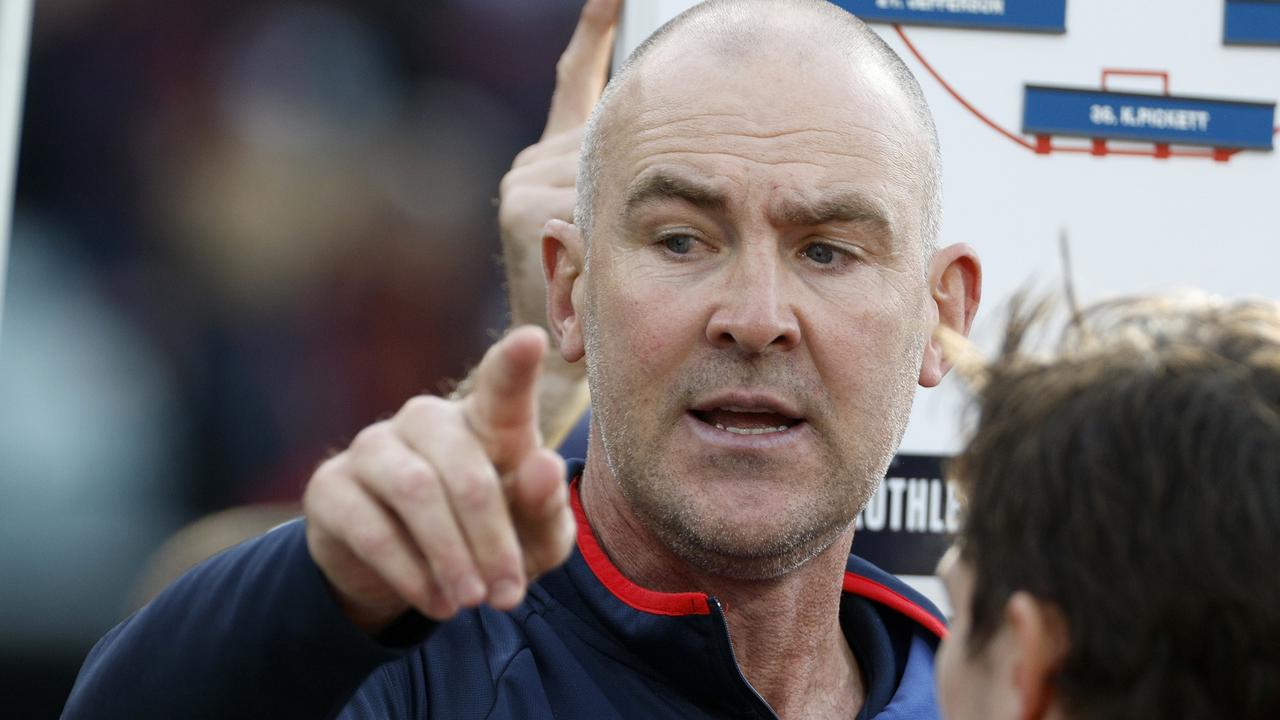
  • AFL 2026: Melbourne coach Steven King downplays Demons’ finals talk

    AFL 2026: Melbourne coach Steven King downplays Demons’ finals talk

    As the Melbourne Demons continue their steady climb up the AFL ladder and speculation around a 2024 finals berth grows louder, first-year senior coach Steven King is refusing to get caught up in the hype, urging his side to stay focused on the immediate task at hand rather than looking ahead to September football.

    The Demons currently sit sixth on the premiership ladder after a dominant first-half blitz against Hawthorn kept their hopes of a top-four finish well and truly alive. Entering the run home to the finals, Melbourne has just one side currently ranked above them — Fremantle — left on their schedule, with a clash against 17th-placed Richmond at the MCG this Sunday as their next challenge. But King is acutely aware of how quickly fortunes can shift in the hyper-competitive modern AFL, where small margins separate ladder leaders from battlers and results can swing wildly week to week.

    When asked directly if it was too early to start discussing the so-called “F-word” — finals — King did not hesitate to shut down the premature speculation. “Yeah, it is, absolutely,” he told reporters. King, who took over the top coaching role at the club this off-season amid a major roster and leadership overhaul, said the uncertainty of the competition makes long-term forecasting pointless. “I know how marginal this competition is,” he explained. “One week you’re spoken about really highly and you slip up or come up against a really good team, and you can’t control what other clubs are doing around you.”

    Rather than looking ahead to a potential finals spot, King said his full attention is fixed on how his side will bounce back from a underwhelming fourth quarter in their previous win in Tasmania. While the line has become a common talking point for coaches across the league, King said it remains the unvarnished reality for his emerging side. “I think it’s too early for us to mention that word. I am really just keen to see how we respond from that fourth quarter in Tassie this week. That’s a bit of a cliche for a coach to say, but that’s pretty much the reality.”

    King added that Sunday’s opposition Richmond, fighting to avoid the wooden spoon this season, will be hungry to pull off an upset against the in-form Demons. “I think on the weekend Richmond will be looking at our game going that’s them at their best, and there’s a patch there that looks like an opportunity to get up,” he said. “We have to keep controlling what we can and therein lies a great opportunity for us as a club.”

    Off the field, the Demons have received positive injury news on key attacking targets, even as key forward Brody Mihocek remains sidelined in the short term. Mihocek returned to the club for a scheduled training appearance this Wednesday, just weeks after suffering a neck injury on King’s Birthday, providing a boost to the club’s long-term outlook. For this weekend, Melbourne remains quietly optimistic that star forward Bayley Fritsch will be fit to take the field despite a painful early injury against Hawthorn.

    Fritsch dislocated his finger in the opening stages of the win over the Hawks, but returned to the field to boot four goals in what King called an incredibly brave showing. “Yeah, good. He had that dislocation and had to go off, I think it broke a bit of skin,” King said. “He’s had that out so he will be a test this week, but we’re hopeful, he got through and kicked another four goals with it. It was a really brave effort from him and hopefully he can recover in time. Luckily, this Sunday gives us an extra day. (We’re) optimistic he’ll be right.” Fritsch is expected to wear a protective glove on the injured finger if he is cleared to take the field against Richmond.