分类: sports

  • World Cup final 16 is underway: Observations about the field

    World Cup final 16 is underway: Observations about the field

    The knockout stage of the expanded 48-team 2026 FIFA World Cup is moving into the round of 16, following 16 days of dramatic, edge-of-your-seat action in the newly introduced round of 32, which marked the first time this stage of the tournament has been contested after FIFA expanded the field from 32 to 48 teams starting this cycle.

    The round of 32 opened with a narrow 1-0 win for host nation Canada over South Africa, and closed with Colombia securing a 1-0 victory against Ghana. Over the course of the opening knockout round, three matches went to penalty shootouts, and tournament favorite Argentina came perilously close to an early exit that sent shockwaves across the global soccer community. After sorting through all the results, here are the key takeaways heading into the round of 16.

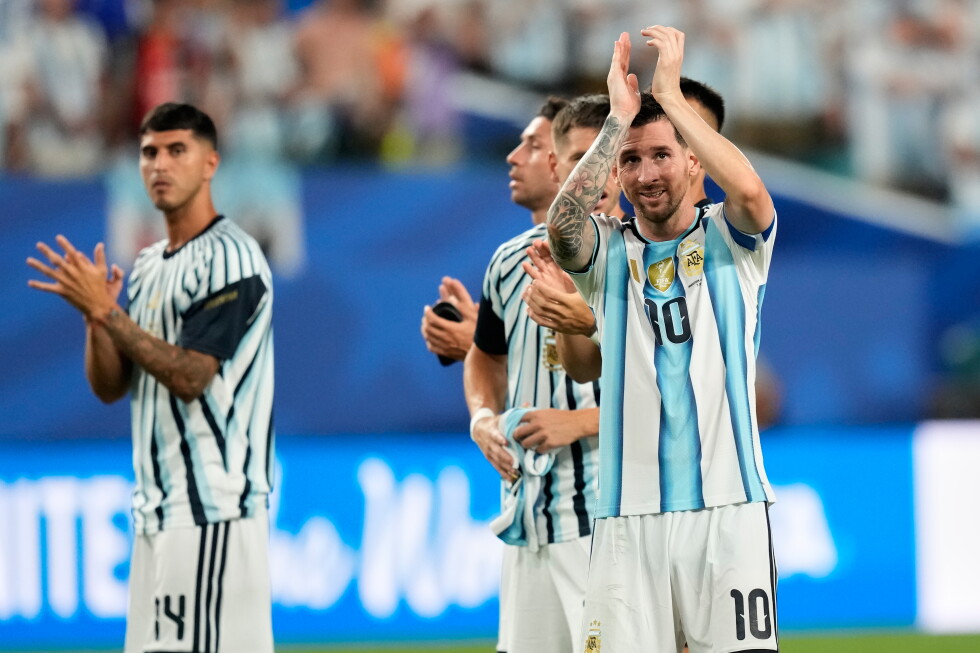
    For defending champions Argentina, what experts predicted would be a straightforward cruise past minnow Cape Verde turned into a 120-minute battle that ended with a tense 3-2 win for the South American powerhouse. Cape Verde, a tiny island nation of just 500,000 people, pushed Argentina, a global soccer giant with 46 million residents, to the brink of elimination, cementing its status as the tournament’s most surprising underdog even as its run came to an end. Following the narrow escape, Argentina head coach Lionel Scaloni warned that no opponent can be taken for granted at this year’s tournament: “I hope that now you realize that there’s no easy opponent,” he said. Argentina will next face Egypt in the round of 16, and remains the heavy favorite to advance to the quarterfinals.

    The United States men’s national team punched its ticket to the final 16 with a hard-fought 2-0 win over Bosnia-Herzegovina, a result that highlighted how far the U.S. program has grown in recent years. Striker Folarin Balogun, the team’s leading goal scorer in the tournament, opened the scoring late in the first half, but was sent off with a red card before halftime, forcing the U.S. to play down a man for more than 30 minutes. With the game still tied at 1-1 in the 82nd minute, Malik Tillman scored a iconic go-ahead goal from a free kick, securing the U.S. victory despite the numerical disadvantage. The U.S. will face Belgium in the round of 16, but will be forced to play without Balogun due to his red card suspension.

    Heading into the round of 16, predicting which top programs will advance has grown increasingly difficult, after a string of surprise results from underrated underdogs throughout the group stage and round of 32. Even with that uncertainty, traditional heavyweights France and Brazil have emerged as strong contenders to make deep runs in the knockout stage.

    France, the 2022 World Cup runners-up, cruised through the round of 32 with a comfortable 3-0 win over Sweden, with star forward Kylian Mbappé notching two goals. They will face Paraguay on Saturday, entering the match as heavy favorites – though Paraguay already pulled off the tournament’s biggest upset to date, knocking out defending third-place Germany to advance. Brazil, meanwhile, survived its own scare against Japan to secure its spot in the final 16. Japan took an early lead in the 29th minute on a 30-yard strike from midfielder Kaishu Sano, looking to pull off a massive upset over the five-time world champions. Brazil equalized on a header from Casemiro in the 56th minute, and secured the win on a late stoppage-time goal from Gabriel Martinelli, leaving the Brazilian side relieved to advance. Brazil will face Norway on Sunday, with the winner set to take on the victor of the England vs. Mexico match in the quarterfinals.

    In the round of 32, England rallied from a one-goal deficit to beat Congo 2-1, with captain Harry Kane scoring both goals in the final 15 minutes of regulation, in the 75th and 86th minutes respectively. England will next face the tournament’s other host nation, Mexico, in a match expected to be one of the toughest tests of the round of 16. England will have to adapt to the high elevation of Mexico City and face a raucous pro-Mexico home crowd when the two sides meet. Rounding out the slate of round of 16 fixtures, European powerhouses Spain and Portugal will face off on Monday in a clash that analysts say could go either way, with no clear favorite heading into kickoff.
  • Eala wins ‘for all the girls with ruffled socks and chubby cheeks’

    Eala wins ‘for all the girls with ruffled socks and chubby cheeks’

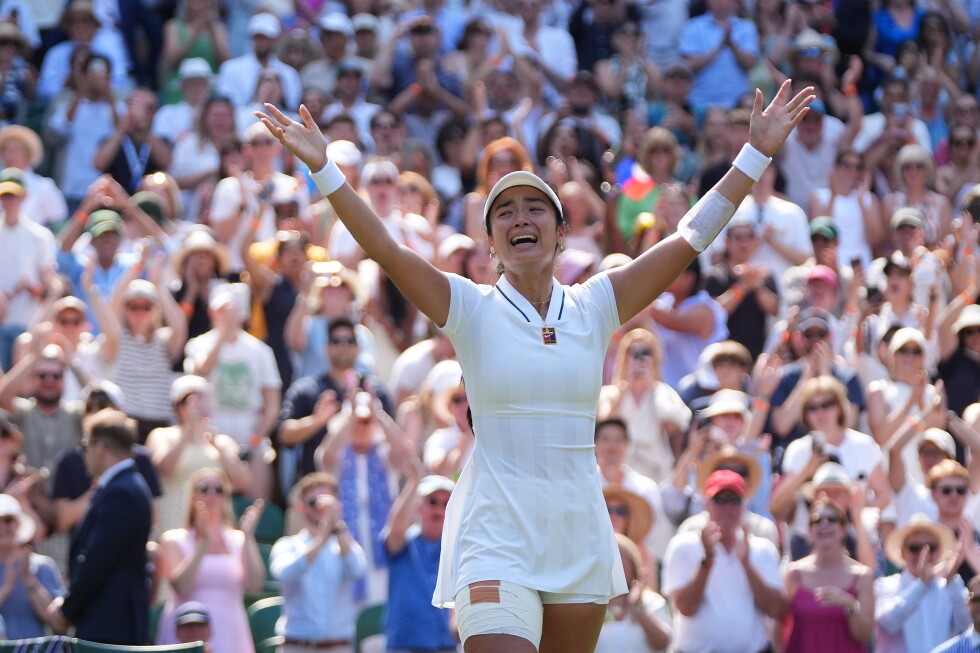
    On a tense, unforgettable Saturday evening on Wimbledon’s iconic Centre Court, 21-year-old Alexandra Eala delivered one of the biggest upsets of this year’s Championships, outplaying defending champion Iga Swiatek in straight sets 7-6 (11-9) 6-2 to etch her name into the history books as the first player from the Philippines to reach the fourth round of a Grand Slam in the Open Era. What makes the fairytale win even more meaningful is the full-circle connection between Eala and her beaten opponent: three years ago, it was Swiatek who handed Eala her graduation diploma at the Rafael Nadal Tennis Academy, and left the young rising star with words of wisdom that have stuck with her ever since.

    Standing in front of a cohort of graduating academy players as the then-world No.1 and freshly-minted three-time French Open champion, Swiatek urged her audience to pursue their goals with relentless tenacity, telling them that giving their absolute best to any pursuit would leave them with no regrets. Eala never forgot those words, and on Saturday, she put that lesson into practice against the woman who inspired her. The win capped a years-long upward trajectory for the young Filipino star, who fell in love with the sport as a child playing alongside her brother and grandfather, and still jokes she cannot match her older brother’s pace even today.

    Eala first stepped into the national spotlight in 2022, when she became the first Filipina to claim a junior Grand Slam title at the US Open, earning a spot on the cover of her home country’s Vogue in recognition of the breakthrough. Two years later, she announced her arrival on the global senior tennis scene with a Cinderella run at the 2025 Miami Open, where, ranked outside the top 100 at just 19 years old, she notched an early upset over – coincidentally – Iga Swiatek, before going on to defeat other Grand Slam champions Jelena Ostapenko and Madison Keys to reach the tournament semi-finals.

    That run marked the start of Eala’s steady climb up the WTA rankings. Since the Miami breakthrough, she has broken into the world’s top 30, claimed two titles at the WTA 125 level, and finished as runner-up at Eastbourne last year. Heading into this year’s Wimbledon, she proved she could compete with the sport’s elite by beating world No.2 Elena Rybakina and No.8-ranked Elina Svitolina in Berlin, and even shared a doubles court with tennis legend Venus Williams.

    As Eala’s on-court success has grown, so has her popularity at home and abroad. Outside of show courts at Grand Slams, queues of fans wrap around the grounds to catch her practice or matches, and public viewing parties for her games draw thousands of supporters across the Philippines. This outpouring of national pride comes with a unique pressure: every win is celebrated as a collective national victory, while every defeat is felt deeply across her home country. The weight of that attention overwhelmed Eala earlier this year at the Australian Open, where thousands of fans queued just to watch her practice sessions.

    To stay grounded through the chaos of her rising stardom, Eala leans on the years of quiet, consistent work that got her to this point. “I try to be as authentic as I can. I believe in being genuine,” she told reporters after Saturday’s win. “Although I’m very grateful and very welcoming of all the support that I get, me, my team and my family are the ones who have been putting in the hours. We’re the ones who are here at the courts 12 hours in a row. We’re the ones who wake up early, who come back home late. I think that work ethic is really what keeps me grounded.”

    Against Swiatek on the sport’s most famous stage, that groundedness helped Eala absorb every bit of pressure that came her way. Urged on by thousands of fans packed into Centre Court and cheering from Henman Hill, Eala saved eight of the 11 break points she faced, hit 24 winners against only 21 unforced errors, and closed out the win over the six-time Grand Slam champion well after 8:30 PM local time. Across the Philippines, fans stayed up late into the night glued to screens, sharing messages of “Filipino pride” across social media.

    Former Filipino tennis player Dyan Castillejo told BBC World Service’s Sportsworld that the entire nation has rallied behind Eala’s historic run. “I’m getting hundreds and thousands of texts from so many people. Everybody just wants to be a part of it. Everybody felt that they were a part of it, every Filipino,” she said.

    Eala carries her culture and her roots with her onto every court, embroidered onto her visor in her native Tagalog: the phrase “kapag lumago, hindi na hihinto”, which translates to “once it grows, it cannot be stopped”. For Eala, the words are more than a motto – they are a reflection of her lifelong ambition as a dreamer from a small tennis community. “I resonate with those words so much. More than being unstoppable, I think it refers to a dream and an aspiration to become unstoppable,” she told BBC TV. “Ever since I was young, I’ve always been such a dreamer, so being able to live out my dreams and experience things like this only makes me more ambitious. For me to be able to represent the Philippines in Wimbledon and in the biggest stages in the world, it means so much to me.”

    Reflecting on what the win meant to the young girl she used to be, who headed to practice every day after school in ruffled socks and light-up shoes with chubby cheeks, Eala called the moment everything she ever could have imagined. “It is incredible to have my countrymen cheering me on, knowing that we are all in this together. This goes out to them, my family and all the girls with ruffled socks and chubby cheeks. It means the world.”

  • Home field advantage has been a big part of World Cup history. Now Mexico hosts England

    Home field advantage has been a big part of World Cup history. Now Mexico hosts England

    This weekend, the 202X FIFA World Cup delivers one of its most anticipated knockout round matches: England’s Three Lions will square off against host nation Mexico at the iconic Estadio Azteca in Mexico City on Sunday, a clash that poses stiffer challenges than any opponent the squad has faced in the tournament to date.

    Beyond the on-pitch quality of El Tri, England must contend with unique obstacles that only a hostile away match in the Mexican capital can bring: the high altitude that alters pacing and endurance, a raucous, pro-home crowd that will create a cacophonous intimidating atmosphere, and the intangible edge of host nation gamesmanship that has become a staple of World Cup football at Azteca. Even with all these pressures, the match is poised to be unmissable, high-stakes football theatre.

    Hosting the World Cup brings a legendary, well-documented advantage for the home nation, and Mexico boasts one of the most formidable home records in international football at Azteca. Six times in men’s World Cup history, the host nation has lifted the trophy, with France’s 1998 win marking the most recent host victory. But for England, there is tangible precedent for hope: some of the tournament’s most iconic upsets have seen home sides fall to visiting underdogs. This report examines the history of host nation advantage throughout World Cup history, to frame what England might expect on Sunday.

    The first two editions of the men’s World Cup both ended in host nation triumph, starting with Uruguay in 1930 and followed by Italy’s 1934 win on home soil. That Italian victory gained lasting infamy, however, after fascist dictator Benito Mussolini co-opted the tournament as a political propaganda tool, with widespread speculation that his influence compromised match officiating. Writing nearly 80 years after the tournament, Italian author Marco Impiglia noted that “The fascist regime made a political abuse of the event. It was a questionable win and it raised many doubts at the time.” Notably, just four years later Italy made history by becoming the first nation to win a World Cup on foreign soil, claiming the title in France.

    No discussion of home team heartbreak is complete without Brazil’s 1950 Maracanazo. While Brazil has claimed a record five World Cup titles, it has never won gold when hosting the tournament. In 1950, the tournament used a final round-robin group format instead of a single championship match, meaning Brazil only needed a draw against Uruguay to secure the trophy. Playing in front of an estimated 200,000 fans at Rio de Janeiro’s legendary Maracanã Stadium, Brazil suffered a shocking 2-1 defeat. Alcides Ghiggia, the Uruguayan player who scored the historic winning goal, later joked that only three people had ever silenced the Maracanã: “The Pope, Frank Sinatra and me.” When Brazil hosted the tournament again in 2014, this history of home disappointment repeated itself in even more humiliating fashion: the home side suffered a lopsided 7-1 semifinal defeat to Germany, with the visitors scoring a flurry of early goals that drained all suspense from the match before halftime.

    England’s only men’s World Cup title came as hosts in 1966, a win that remains wrapped in controversy decades later. In the Wembley final against West Germany, Geoff Hurst’s extra-time shot bounced off the crossbar and down onto the goal line. With goal-line technology still decades from existing, match officials could not confirm definitively whether the whole ball crossed the line. Officials ultimately awarded the goal, putting England up 3-2, before Hurst completed his hat trick late in extra time to seal a 4-2 final score.

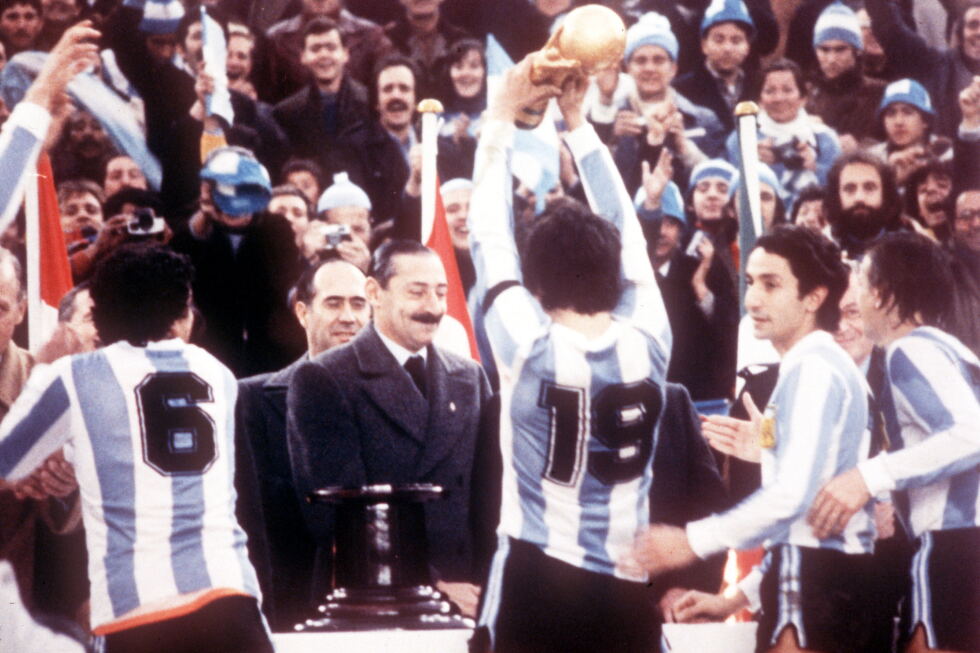
    In 1978, the Netherlands suffered a bitter second consecutive final loss to a host nation. Four years after falling 2-1 to hosts West Germany in the 1974 final, the Dutch traveled to Buenos Aires to face Argentina in front of a frenzied home crowd. The Argentines delayed their entry onto the pitch by several minutes, leaving the Dutch alone on the field to face the jeers of thousands of hostile fans, and a public dispute broke out over whether Dutch player Rene van de Kerkhof would be allowed to play with a protective cast on his arm. Argentina claimed a 3-1 extra-time win, but the result was clouded by longstanding conspiracy theories: Argentina needed a six-goal win over Peru in its final second-round group match to advance to the final, and its 6-0 victory sparked widespread speculation of match fixing.

    The 1990 World Cup in Italy produced one of the most unusual tests of home nation loyalty, when Argentina faced host Italy in a semifinal in Naples. Argentina legend Diego Maradona was a beloved star for local club Napoli, and he attempted to capitalize on long-simmering tensions between southern and northern Italy to sway local fans to his side. Speaking to outlet Corriere dello Sport, Maradona said: “After so much racism, only now they scurry to remember that Naples is part of Italy. Now that they have slapped the Neapolitans in every possible way, someone tells them they are Italians, that only Italy counts. It is incredible, absurd, offensive.” While local fans ultimately still cheered for the Italian national side, Argentina made history as the first team all tournament to score against Italy, securing a 1-1 draw before eliminating the Azzurri in a penalty shootout. Argentina went on to face West Germany in the Rome final, where they received a hostile reception from home fans and lost the title.

    The most recent World Cup win by a host nation remains France’s 1998 victory. Les Bleus had failed to qualify for both the 1990 and 1994 tournaments, but the home field advantage propelled them to their first ever World Cup title, defeating defending champion Brazil in the final to deny the South American side a repeat championship.

    The 2002 co-hosted tournament by Japan and South Korea produced another controversial host nation run, as South Korea advanced further than any Asian men’s team in World Cup history, reaching the semifinals. But the Korean run was marred by outrage from fans of eliminated sides Italy and Spain, who both argued that biased officiating favored the host. After Italy lost to South Korea in extra time in the round of 16, FIFA reported receiving hundreds of thousands of complaints from irate Italian fans. In the quarterfinals against Spain, multiple Spanish goals were ruled offside, and South Korea advanced on penalties. Then-FIFA president Sepp Blatter denied any organized conspiracy to favor the host, but acknowledged that multiple incorrect officiating calls had been made during the matches.

    As England prepares to step onto the Azteca pitch Sunday, this long history of host advantage, upset and controversy sets the stage for what is already being called one of the most gripping matches of this year’s tournament.

  • England outclassed by seven-try South Africa in Nations Championship

    England outclassed by seven-try South Africa in Nations Championship

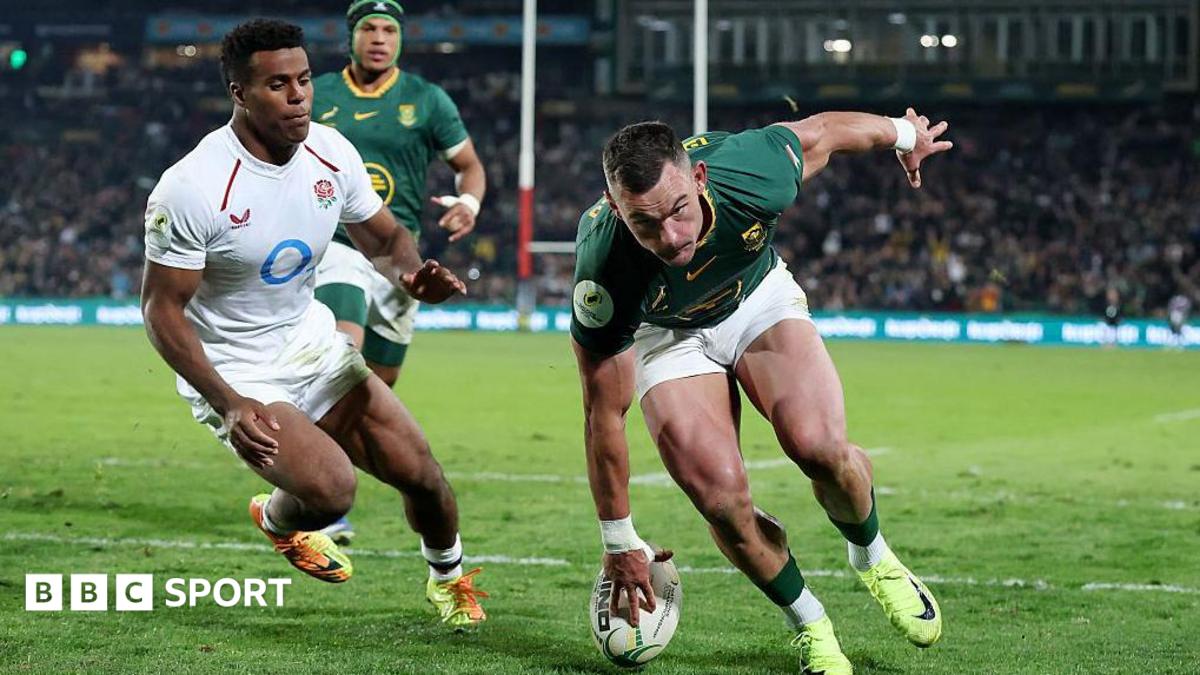
    The Nations Championship clash at Johannesburg’s iconic Ellis Park delivered a stunning demonstration of rugby power on Saturday, as double world champion South Africa cruised to a convincing 45-21 victory over England, marking their fourth consecutive win over the European side. The match, played in front of a crowd of nearly 53,000 passionate fans, was dominated by the Springboks from the opening whistle, despite late disruptions to both teams’ starting line-ups.

    Both sides faced last-minute setbacks ahead of kick-off: England lost starting full-back George Furbank to a sudden appendicitis, while South Africa was forced to pull two of their forward pack cornerstones, captain Siya Kolisi and lock Eben Etzebeth, due to pre-match injuries. England, who had arrived in the high-altitude city 10 days early to acclimatize, had hoped to catch the undercooked Springboks — who had not played a serious competitive match in seven months — off guard. But the defending champions shrugged off the late lineup changes to produce a blistering opening that left Steve Borthwick’s visitors reeling.

    Within 12 minutes, South Africa had crossed the try line three times to build an insurmountable 17-0 lead. Prop Thomas du Toit, who is set to leave Bath to return to South Africa this summer, powered through England defenders Ellis Genge and Ollie Chessum to score the opening try inside three minutes. Just two minutes later, speedster Cheslin Kolbe outpaced opposite winger Cadan Murley with a sharp side-step to add a second, before Kurt-Lee Arendse held off England’s Marcus Smith to dive over for a third. A packed Ellis Park, boosted by last-minute ticket price cuts that filled most of the 62,000-seat venue, erupted in celebration as England struggled to find any rhythm.

    England’s first half looked to be heading for a rout, until a turning point just before the break. Arendse was yellow-carded for a deliberate knock-on, giving England a 10-minute numerical advantage that the visitors capitalized on. Genge barged over from a quick tap penalty to get England on the scoreboard, and on the final play of the half, George Martin — playing his first test since the 2025 Six Nations — powered through the Springbok defense to score a second converted try, cutting South Africa’s lead to just 17-14 at halftime. For a brief moment, an upset seemed possible.

    But any hopes of an England comeback were snuffed out quickly in the second half. The Springboks tightened their grip, scoring two tries inside the first 15 minutes after the restart: scrum-half Grant Williams sniped through a tiny gap to break a 20-phase England defensive stand, before center Jesse Kriel crossed after a clever offload from Damian Willemse, stretching the home side’s lead to 31-14.

    England’s challenge was undermined by poor discipline, with referee James Doleman penalizing the visitors nine times in the second half alone, and constant pressure on their front row at the scrum. A late England surge saw replacement Henry Slade set up a try for Alex Coles, cutting the deficit back to 10 points, but two quick yellow cards for Tommy Freeman (high tackle) and Guy Pepper (early tackle) left England down to 13 players. The Springboks made their numerical advantage count, with Malcolm Marx and Ben-Jason Dixon adding two late tries to bring the home side’s final try count to seven. Kolbe converted five of the seven tries to seal the 24-point victory.

    The result extends South Africa’s winning streak over England to four matches, and reinforces the Springboks’ status as one of the top-ranked sides in global rugby. For England, the defeat continues a troubling pattern of disciplinary issues that plagued their 2025 Six Nations campaign, where the side picked up eight cards across five matches. England will look to bounce back in their next Nations Championship fixture, hosting Fiji at Liverpool’s Hill Dickinson Stadium on July 11, before traveling to face Argentina on July 18.

  • Former chess champion Kramnik banned over cheating remarks

    Former chess champion Kramnik banned over cheating remarks

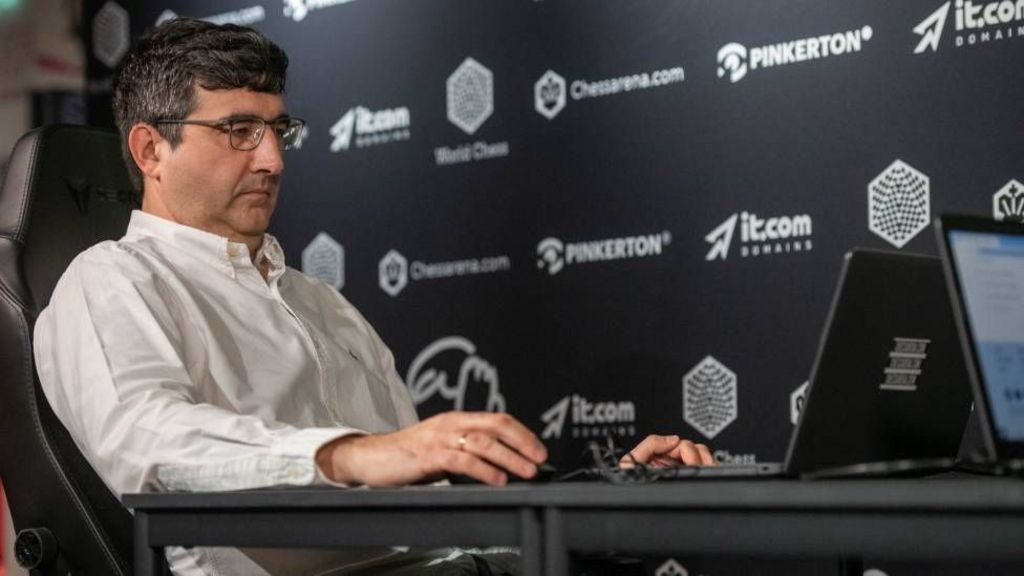
    The global chess governing body FIDE has issued a one-year active competition ban to former world chess champion Vladimir Kramnik, following a disciplinary ruling that found the Russian grandmaster repeatedly violated the organization’s code of ethics through aggressive verbal attacks on fellow competitors—accusations that included false cheating claims against the late American star Daniel Naroditsky.

    Per FIDE’s official announcement, the ruling concludes an investigation into Kramnik’s pattern of public behavior, confirming that he committed multiple violations of the federation’s ethics and disciplinary regulations. The 12-month active ban is paired with a suspended additional 12-month sanction that will only take effect if Kramnik commits further ethics breaches over a three-year probationary period. Crucially, the governing body emphasized that its ruling addresses the improper, public manner of Kramnik’s accusations, not the underlying validity of his claims about cheating in the sport. FIDE reiterated that rooting out chess cheating remains a top institutional priority, but stressed that all allegations must be pursued through the federation’s formal, confidential procedures rather than public harassment.

    The case carries heavy emotional weight for the global chess community, centered on Naroditsky—a beloved figure who built a massive audience of hundreds of thousands of followers across Twitch and YouTube as a player, commentator and educator, known affectionately to fans as “Danya.” Naroditsky earned his grandmaster title as a teenager shortly after winning the 2013 U.S. Junior Championship, and quickly became one of the most recognizable faces of modern online chess. He died suddenly in October 2025 at age 29, and a 2026 toxicology report confirmed his death was the result of an accidental overdose that triggered an irregular heartbeat. Before his death, Naroditsky publicly denied any wrongdoing in a final Twitch broadcast, acknowledging that the unsubstantiated cheating controversy had severely harmed his mental and emotional well-being.

    Shortly after FIDE’s ruling was announced, Kramnik confirmed via a post on X that he intends to appeal the ban. The former 2000–2007 world chess champion has long positioned himself as a public advocate for fair play in competitive chess. The ruling has already drawn broad support from leading figures across the chess world: top-ranked players including world number two Hikaru Nakamura, former world champion Magnus Carlsen, and Indian grandmaster Nihal Sarin previously publicly condemned Kramnik’s harassing conduct toward other players.

  • Injury ends Williams’ Wimbledon comeback

    Injury ends Williams’ Wimbledon comeback

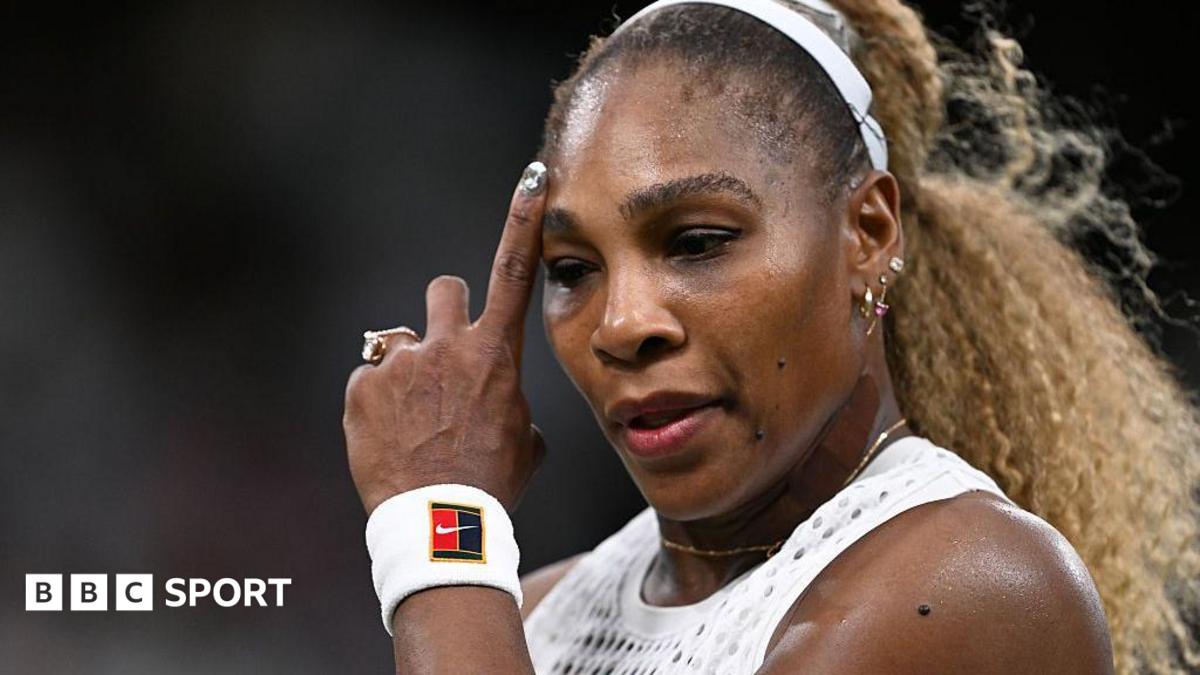
    One of tennis’ most iconic comebacks has hit an unexpected hurdle: 23-time Grand Slam singles champion Serena Williams has been forced to pull out of her highly anticipated Wimbledon doubles partnership with her sister Venus Williams, sidelined by a lingering knee injury.

    The American sibling pair, who hold an unmatched six doubles titles at the All England Club, were set to make their first Grand Slam joint appearance since 2022 when their opening round match against Camila Osorio of Colombia and Solana Sierra of Argentina was scheduled for Saturday. The reunion had been one of the most talked-about storylines of the 2026 Wimbledon tournament, drawing excitement from fans around the globe eager to see the legendary pairing back on grass.

    The 44-year-old tennis legend sustained the knee injury during her hard-fought three-set singles defeat to 20-year-old Australian rising star Maya Joint earlier this week. Though Williams put on a gritty display that showcased the competitive fire that defined her decades-long career, the match left her knee swollen, and she has not recovered enough to take the court for doubles.

    In a candid Instagram post announcing her withdrawal, Williams opened up about her disappointment. “I’m heartbroken to have to withdraw from doubles,” she wrote. “Coming back to compete again has been a gift, and the opportunity to play alongside Venus once more meant the world to me. I did everything I could to be ready, but unfortunately my knee just isn’t ready to compete.”

    In the days leading up to the scheduled match, tournament organizers had held out hope that Williams would be fit to play. After adding the Williams pair’s match to Friday’s official order of play, organizers allocated them a dedicated court slot no earlier than 16:30 BST on Saturday. This flexible arrangement was designed specifically to give Williams as much time as possible to assess her fitness, while also allowing Wimbledon to avoid major scheduling disruptions in the event of a withdrawal.

    Williams extended gratitude to the tournament’s leadership for their flexibility, and to fans for their outpouring of support during her comeback run. “I’m especially grateful to tournament director Jamie Baker and the entire tournament team for giving me every opportunity to play here,” she said. “Thank you to the fans after your incredible support and for making this comeback so meaningful. All I can say is stay tuned to a city near you.”

    Her exit closes this chapter of her Wimbledon return, but hints at future appearances for the sporting legend, leaving fans to wait for further updates on what comes next for one of the greatest athletes in tennis history.

  • Why Europe’s top clubs are eyeing Morocco’s teenage sensation Bouaddi

    Why Europe’s top clubs are eyeing Morocco’s teenage sensation Bouaddi

    Four years after capturing global attention with a historic run to the 2022 World Cup semi-finals, Moroccan football is once again stealing the spotlight on the world’s biggest stage — and this time, a teenage midfield prodigy is leading the charge.

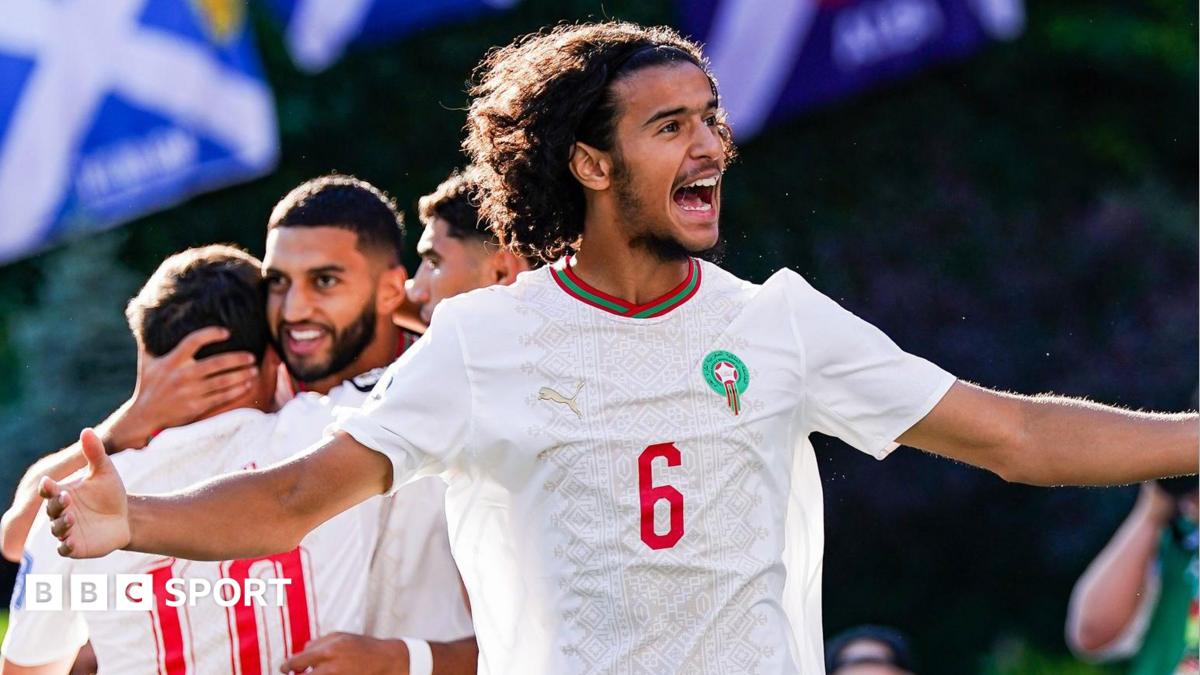
    At just 18 years old, Lille midfielder Ayyoub Bouaddi has emerged as one of the most talked-about players at the 2026 World Cup, turning heads with a dominant display against Brazil in Morocco’s tournament opener that outshone the opposition’s star-studded midfield pairing of Real Madrid’s Casemiro and Newcastle United’s Bruno Guimaraes. That standout showing has sent shockwaves through European football, triggering a transfer race that already includes some of the continent’s most elite clubs: England’s Manchester City and Arsenal, Spain’s Real Madrid and Barcelona, and France’s Paris Saint-Germain are all closely tracking the teenager’s progress.

    Bouaddi’s trajectory has long marked him as one of the most promising young talents in European football. Born in Senlis, just north of Paris, he made his professional debut for Lille at only 16 years and three days old, and has now racked up 96 senior appearances for the French Ligue 1 side. Last season, he set a new benchmark for under-18 players across Europe’s top five leagues: he logged more total minutes (2,329) and more first-team appearances (30) than any other player in his age group, outpacing high-profile prospects including Barcelona’s Lamine Yamal, Werder Bremen’s Karim Coulibaly and Wolverhampton Wanderers’ Mateus Mane. He also topped age-group rankings for defensive actions, winning possession 151 times, notching 59 tackles and 27 interceptions over the course of the campaign.

    Only earning his first senior cap for Morocco back in May, Bouaddi has already featured three times at this World Cup, helping the Atlas Lions book their spot in the last 16, where they are set to face Canada on Saturday. Against Brazil, his composure on the ball was unmatched: he recorded more touches (87) and more completed accurate passes (60) than any of his Moroccan teammates, anchoring the midfield through a famous upset over the five-time world champions.

    Former Moroccan international Hassan Kachloul told BBC Sport that Bouaddi’s performance against top-tier opposition revealed a rare maturity for an 18-year-old. “Against players like Casemiro, Lucas Paqueta and Bruno Guimaraes, he showed not just quality but personality — a kind of positive arrogance,” Kachloul said. “He had confidence, a great aura and a strong presence on the pitch. He thrives in that environment.”

    Moroccan football journalist Amine el Amri compared Bouaddi’s playing style to that of legendary Barcelona and Spain holding midfielder Sergio Busquets, noting that the 6ft 1in prospect shares the iconic anchor’s ability to stay calm under intense pressure. “At first glance, he reminds you a lot of Sergio Busquets,” el Amri explained. “He is very tall but also not very muscular. Normally you would get players with muscles in the number six or eight position. What he does best is keep his cool when he has the ball and when he is pressing. He doesn’t commit a lot of fouls, which is what made Busquets a complete midfielder.” El Amri added that Bouaddi has the raw talent to become one of the greatest midfielders in the modern game, but warned that the current transfer speculation creates a delicate moment for his development. “He is 18 years old, he needs to keep his feet on the ground and not to be taken out of his context,” he said.

    Off the pitch, Bouaddi has also earned widespread respect: he earned his high school diploma in mathematics and physics, a detail that speaks to his natural intelligence and discipline, and is widely regarded as a humble, grounded figure in Moroccan football. “Everybody loves Bouaddi in Morocco,” el Amri said. “Not just because he is such a good player but off the field he is — as we say — the perfect son in law. He has got what it takes to be not only a fantastic player but a very good human being too and people in Morocco identify with that.”

    Among the suitors, Manchester City has emerged as one of the most serious contenders for Bouaddi’s signature. The Premier League giants have already agreed a club-record £116 million deal to sign England international Elliot Anderson from Nottingham Forest, and are in the market for further midfield reinforcements amid uncertainty over the long-term future of star holding midfielder Rodri, who is entering the final year of his current contract at the Etihad Stadium. City were also linked with a move for Italy international Sandro Tonali, but Tonali has already agreed a transfer to Tottenham Hotspur, leaving a gap to fill.

    Sources have confirmed to BBC Sport that Bouaddi features on City’s shortlist of targets, and football tactics analysts note that the teenager’s versatility would make him a strong fit for manager Enzo Maresca’s preferred 3-2-2-3 system. Primarily a holding midfielder, Bouaddi’s ability to dribble out of tight spaces under pressure and retain possession under pressure would align perfectly with City’s possession-first style, and his composure echoes that of City veteran centre-back and occasional midfielder John Stones. He is also capable of playing at right-back, a position City are actively looking to strengthen this transfer window; Maresca favors inverted full-backs who can push into midfield when in possession, a role Bouaddi would be well-suited to fill. His aggressive pressing style can leave him exposed out of position at times, but analysts note that positional discipline is an area that can be refined with coaching, and his long frame already helps him win tackles at an impressively high rate.

    Lille has set an asking price of between £69 million and £86 million for Bouaddi, a figure in line with the current market rate for elite midfield talents, matching the scale of City’s record deal for Anderson. Kachloul noted that if Bouaddi expresses a desire to make the move, Lille will likely have no choice but to sell to the highest bidder. For now, though, Bouaddi’s full focus remains on helping Morocco exceed their 2022 semi-final finish and go even deeper in this year’s World Cup, as the teenager continues to cement his status as the most exciting young prospect in global football.

  • Eala upsets Wimbledon champion Swiatek in win for Philippines, No. 2 seed Rybakina also out

    Eala upsets Wimbledon champion Swiatek in win for Philippines, No. 2 seed Rybakina also out

    LONDON — The 2024 Wimbledon Championships delivered two stunning upsets on Saturday, as the women’s singles draw saw both the defending title holder and the 2022 champion crash out in the third round, headlined by a historic breakthrough from 21-year-old Alexandra Eala that makes tennis history for the Philippines.

    Eala’s career-best run at the All England Club reached a new high when she knocked out world No. 3 Iga Swiatek, ending the Pole’s 2023 title defense with a tight 7-6(9), 6-2 victory on Centre Court. The result is far more than a personal upset win: Eala is now the first player from the Philippines, regardless of gender, to advance to the fourth round of any Grand Slam singles tournament in the sport’s history.

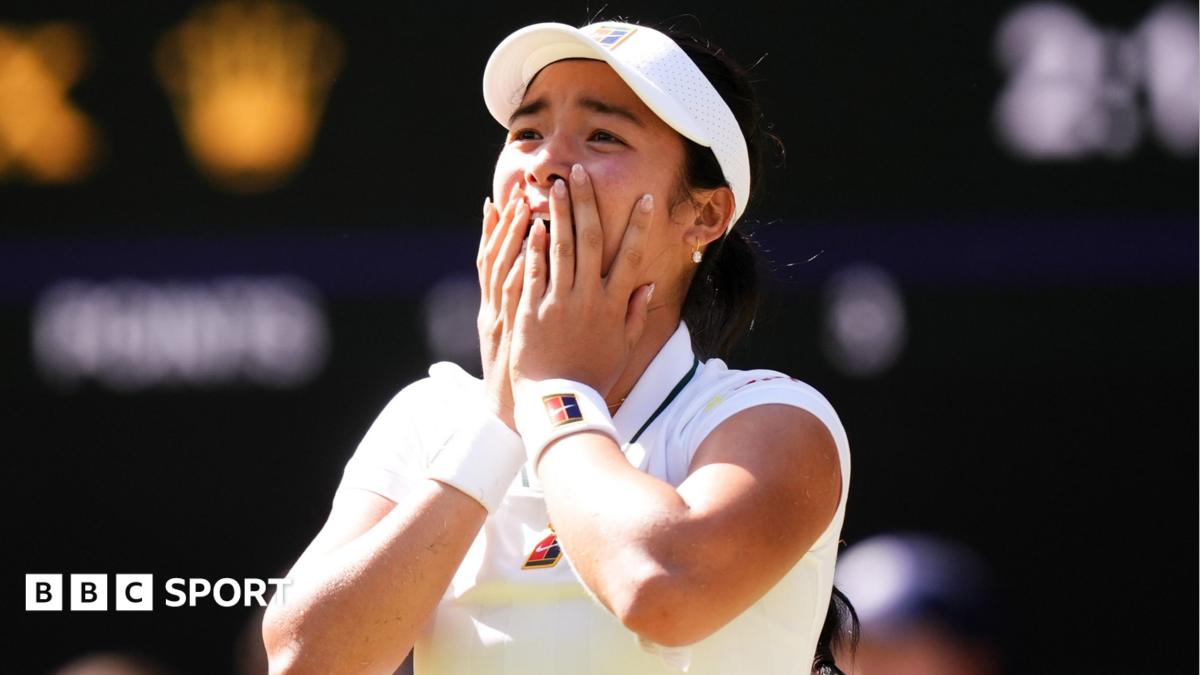
    After sealing the win with a forehand winner on her third match point, the left-handed Eala dropped to her knees in disbelief before rolling onto the grass of Centre Court, overwhelmed by the moment. Speaking in an on-court interview surrounded by fans waving Philippine flags, she paid tribute to the support that has carried her to this point.

    “It’s incredible to have my countrymen cheering me on and knowing that we’re all in this together,” Eala said. “This goes out to them, this goes out to my family, this goes out to all the little girls with ruffled socks and chubby cheeks. It means the world.” The young rising star earned her upset after a tense first-set tiebreak, where she saved two set points to clinch the opening set before closing out the match in straight sets.

    Swiatek came into this year’s tournament as the red-hot defending champion, having claimed her first Wimbledon title last year with a dominant 6-0, 6-0 blowout of Amanda Anisimova in the 2023 final. This is not the first time Eala has gotten the better of the world No. 3: the 21-year-old, who trains at Rafael Nadal’s tennis academy in Mallorca, first announced her arrival on the global stage last year with a breakthrough run to the Miami Open semifinals that included an earlier upset win over Swiatek.

    Eala’s historic upset was not the only shocking result of the day. Just minutes before Swiatek exited the tournament, 2022 Wimbledon champion Elena Rybakina suffered an equally lopsided third-round exit at the hands of Belgium’s Elise Mertens, falling 7-6(4), 6-1. As the No. 2 seed in the women’s draw, Rybakina is the highest-seeded player to be eliminated from this year’s women’s singles competition. Her early exit guarantees that Aryna Sabalenka will retain her world No. 1 ranking after the conclusion of the tournament.

    Mertens, the No. 25 seed at this year’s Wimbledon who already holds two Wimbledon doubles titles, will face off against four-time Grand Slam champion Naomi Osaka in the fourth round on Sunday.

    In other injury-related Wimbledon news on Saturday, 23-time Grand Slam singles champion Serena Williams announced her withdrawal from the women’s doubles draw, where she was set to compete alongside her sister Venus Williams. The 44-year-old Williams, who made her competitive singles comeback earlier this week, suffered a right knee injury during her singles match, forcing her to pull out of the doubles draw.

    “I’m heartbroken to have to withdraw from doubles,” Williams shared in an Instagram post, confirming the news that ends the Williams sisters’ latest doubles run at the tournament.

  • England beats India in 2nd T20 despite debut by 15-year-old Sooryavanshi

    England beats India in 2nd T20 despite debut by 15-year-old Sooryavanshi

    On a packed Saturday evening at Manchester’s Old Trafford cricket ground, 22-year-old Jacob Bethell produced a masterclass in controlled aggressive batting to deliver a four-wicket victory for England over India, overshadowing a historic international debut from Indian teenage prodigy Vaibhav Sooryavanshi and putting the hosts 1-0 up in the five-match Twenty20 series.

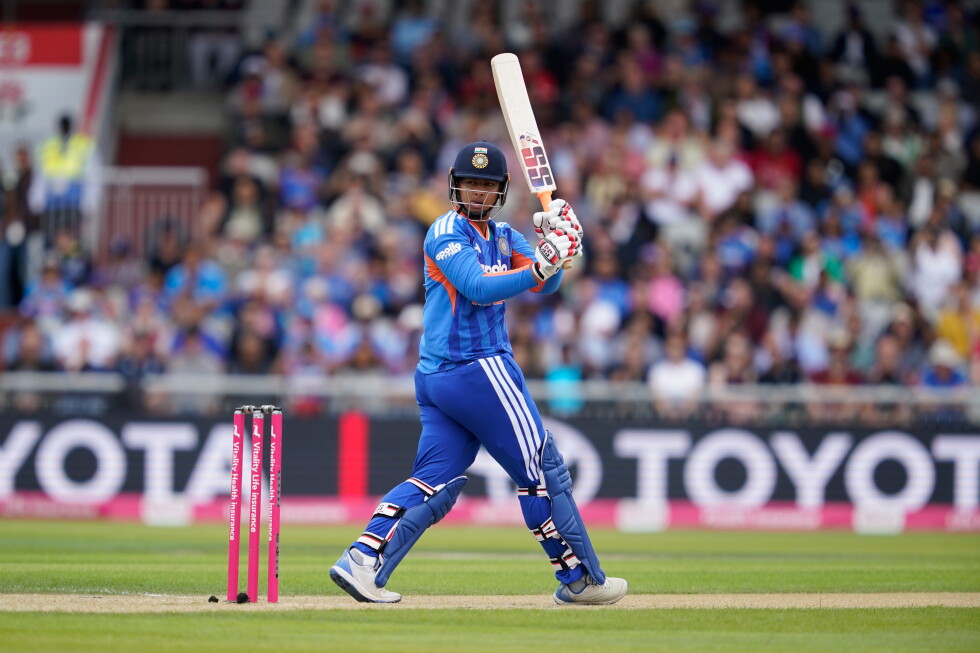
    The 15-year-old Sooryavanshi entered the record books long before he stepped onto the field: at 15 years and 99 days old, he broke a decades-old record previously held by cricket legend Sachin Tendulkar to become India’s youngest ever senior men’s international cricketer. Opening the batting in place of rested wicketkeeper-batsman Sanju Samson, the teenager walked out to a raucous reception from a majority Indian crowd in the stands, plus a peak-time television audience watching across India. His first international over came against fellow debutant Josh Tongue, 28 years old and yet to earn a T20 cap prior to the match. After missing his first two deliveries, Sooryavanshi got off the mark with a fortuitous inside edge that whistled past his off stump, before announcing his arrival on cricket’s global stage with two stunning sixes. The first came against Rajasthan Royals teammate Jofra Archer, a stooping stroke over the deep backward point boundary that sent the ball spiraling high into the Manchester stands. He followed that effort just four deliveries later with a second maximum, launching Tongue into the seats at wide long-on. His promising debut was cut short shortly after, however, when the 15-year-old charged down the wicket to hit Will Jacks, lost his balance while attempting to power a flat leg-stump delivery, and left stand-in captain Jos Buttler with a simple stumping off 14 runs from 10 balls.

    While Sooryavanshi’s debut captured global headlines, it was India’s Abhishek Sharma that anchored the visitors’ innings through the middle overs, building a 50-run partnership that put India on track for a big total. Mirroring his form in the previously rain-abandoned first T20 in Durham, Sharma looked set for a match-defining score until Sam Curran forced a mis-hit: a low full toss that Sharma launched straight into the hands of deep midwicket, ending his innings at 43. Curran went on to claim two more key wickets, removing dangerous opener Ishan Kishan for 49 and Shivam Dube for 5, finishing with figures of 3 for 33 from his four overs. He would have earned a fourth wicket had an attempted catch by Archer off Tilak Verma not been ruled invalid by match officials. India eventually set a competitive target of 191 runs for England to chase.

    England’s chase got off to a disastrous start, with Indian left-arm fast bowler Arshdeep Singh removing both openers Phil Salt and Jos Buttler for ducks in the very first over, leaving the hosts reeling at 0 for 2 inside six balls. Middle-order batsman Harry Brook launched a rapid counterattack, however, smashing 39 runs from just 15 deliveries including four fours and three consecutive sixes that halted Arshdeep’s early momentum and put England back in contention. By the time Brook was dismissed, England had stabilized at 51 for 3 when Bethell walked to the crease to steady the innings.

    The 22-year-old produced a perfectly paced knock, biding his time through the middle overs before turning the match decisively in England’s favor in the 17th over. Facing Indian leg-spinner Ravi Bishnoi, Bethell smashed two consecutive free hits for six after Bishnoi delivered two back-foot no balls. The over leaked 29 runs, swinging full control of the match to the hosts. Bethell finished his 46-ball innings unbeaten on 76, including five fours and five sixes, and partnered with Archer to see England across the finish line with one full over to spare, securing a four-wicket win that put England ahead in the series.

  • Defending champion Swiatek & Rybakina out in Wimbledon shocks

    Defending champion Swiatek & Rybakina out in Wimbledon shocks

    Wimbledon’s 2026 tournament delivered one of its most dramatic days of upsets in recent memory on Saturday, as two recent Grand Slam champions crashed out of the women’s singles draw within hours of each other, capping off a historic afternoon for two unheralded contenders. Defending singles champion Iga Swiatek, the world’s third-ranked player and a six-time Grand Slam title holder, fell in straight sets 7-6 (11-9), 6-2 to rising Filipino star Alexandra Eala on the sport’s most iconic court, Centre Court. The upset came just 60 minutes after 2022 Wimbledon champion Elena Rybakina suffered an equally surprising defeat at the hands of Belgium’s Elise Mertens, who wrapped up a 7-6 (7-4), 6-1 third-round win.

    Rybakina’s premature exit carries significant ranking ramifications: it guarantees that Aryna Sabalenka will retain her position as the women’s world No. 1, no matter how far Sabalenka advances in the remainder of the 2026 tournament. Analysts have noted that Rybakina’s upset is arguably more staggering than Swiatek’s, given the Pole has struggled for consistent form since lifting the Venus Rosewater Dish last summer. Swiatek’s title defense got off to a notoriously rocky start this year, when she broke down in tears after scraping through a tight three-set opening round clash against Taylor Townsend. Adding context to Saturday’s result, Eala already notched a breakthrough win over Swiatek at the 2025 Miami Open, a result that left the defending champion vulnerable to an upset from the rising young contender.

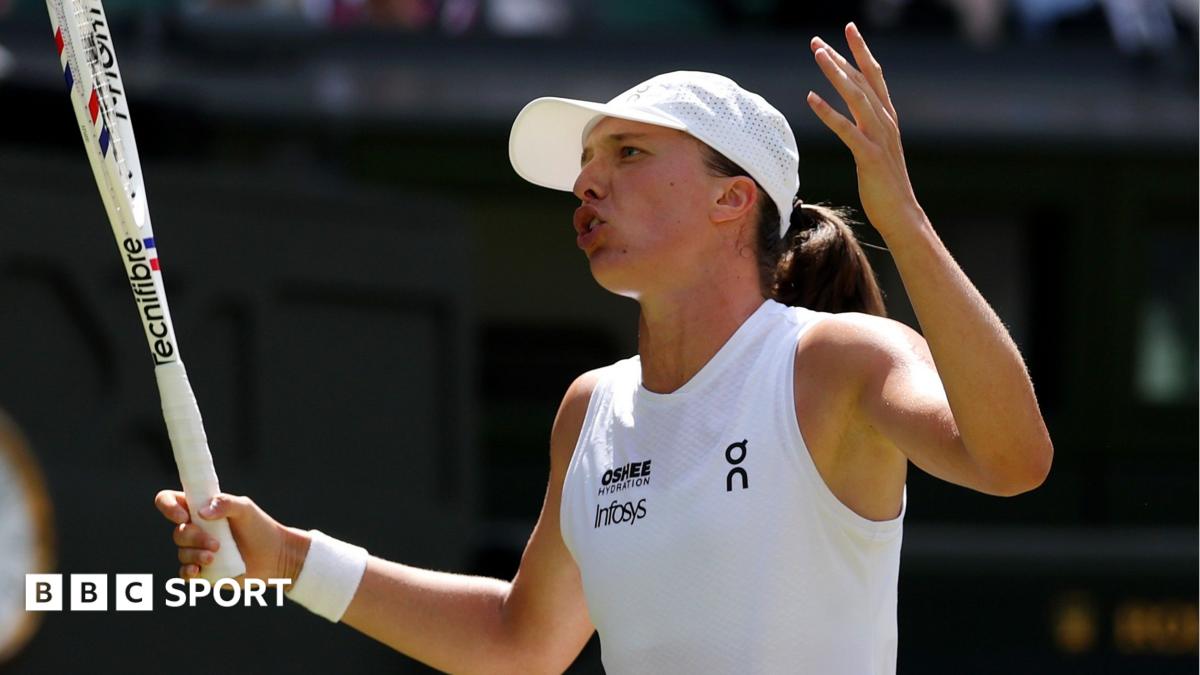
    The final game of the clash stretched across multiple lead changes, with Eala saving four break points before converting her third match point. After sealing the win, the rising star collapsed to the Centre Court grass and buried her face in her hands, overwhelmed by the historic result. Swiatek’s defeat extends a long drought for defending women’s singles champions at Wimbledon: no player has successfully retained the Wimbledon singles title since Serena Williams achieved the feat back in 2016. Saturday’s upset also marks the third time in five years that Swiatek has been eliminated in the tournament’s third round. The Pole has failed to claim a tour-level title in 2026, and has not won any Grand Slam title since her 2025 Wimbledon victory, extending a challenging run of results for the former world No. 1. She finished the match against Eala with 44 unforced errors, five double faults, and only one ace, capping the performance with a misfired long forehand that summed up her off-day.

    For Eala, the result makes history: she is the first player from the Philippines to reach the fourth round of any Grand Slam in the Open Era. Eala has been steadily climbing the rankings in the months since her Miami breakthrough, and she carried that momentum into Wimbledon by claiming the WTA 125 title on the grass courts of Birmingham in the lead-up to the Grand Slam. Against Swiatek, Eala made a nervous start, with the two players exchanging breaks early on to keep the first set tight. Swiatek battled back from 5-3 down to force a tie-break, but Eala held her nerve through a series of blistering baseline rallies, clinching the first set when Swiatek fired a forehand long. A frustrated Swiatek yelled at her coaching team before heading off court between sets to reset, but she came out flat, dropping the first four games of the second set. Though she had brief flashes of her top form, Eala stayed aggressive on the big points, and closed out the win to set up a fourth-round clash against 2024 Wimbledon runner-up Jasmine Paolini.

    In the earlier upset, Mertens, a 30-year-old two-time Wimbledon women’s doubles champion, pulled off one of the biggest wins of her singles career against Rybakina, the Australian Open champion who claimed the Wimbledon title in 2022. Rybakina entered the tournament just 947 ranking points behind Sabalenka, meaning she needed to reach at least the quarter-finals to have any chance of claiming the world No. 1 ranking. She was taken to a deciding set in her opening match against France’s Lois Boisson, but cruised through the second round with a comfortable win over American Caty McNally, dropping just three games. But Mertens proved too strong on Saturday: after edging a tight first-set tie-break, the Belgian dominated the second set, winning nine consecutive points to take command of the match. Though she dropped two match points late on while serving for the win, Mertens sealed victory with a match-winning ace, booking a fourth-round meeting with 21st seed Marie Bouzkova, who came from a set down to defeat Liudmila Samsonova earlier on Saturday.

    “I have no words, actually. I’m very happy I won that first set and kept the momentum going,” Mertens said after the match. “This is definitely one of the biggest wins of my career, especially here at Wimbledon. I’ve had some success here before. I’m just very pleased with my performance today.”

    The day of upsets did not end there: 2025 Wimbledon runner-up Amanda Anisimova also exited the tournament, falling 3-6 6-2 6-3 to former Australian Open champion Madison Keys of the United States.