分类: sports

  • Cape Verde’s soccer team returns home to huge welcome. The basketball team also has World Cup hopes

    Cape Verde’s soccer team returns home to huge welcome. The basketball team also has World Cup hopes

    For a tiny West African island nation of just 500,000 people, what was already set to be a landmark Independence Day celebration turned into a once-in-a-generation moment of national joy this Sunday, as two of its national teams delivered historic achievements that captured global sports attention.

    Cape Verde’s men’s national soccer team arrived home to a hero’s welcome after a breakout maiden World Cup run that saw the side advance to the tournament’s round of 32, and push global powerhouse Argentina led by Lionel Messi into a tense extra-time battle. To make the weekend even sweeter, the country’s men’s national basketball team locked in a spot in the second round of 2027 FIBA World Cup qualifying over the weekend, wrapping up the milestone with a comfortable win over Libya in a qualifying match hosted in Cameroon on Sunday.

    At roughly 4,033 square kilometers of total land area, Cape Verde is the smallest country by land mass to ever qualify for the FIFA World Cup — a historic feat that has already cemented this team’s place in global soccer history. Sunday marked the 49th anniversary of the nation’s independence from Portuguese rule, so nationwide celebrations were already planned across the archipelago off West Africa’s coast long before the two teams’ landmark wins. The soccer team’s return from their World Cup campaign in Miami, Florida, only amplified the electric national mood to extraordinary levels.

    In footage captured by the team’s starting goalkeeper Vozinha, ground crew workers at the international airport dropped to their knees and bowed in reverence as the team’s plane taxied to its arrival gate, a raw display of how deeply the squad’s run resonated across the small nation. After clearing the terminal, where players spent hours greeting supporters, posing for selfies, exchanging hugs and high-fives with thousands of cheering well-wishers and speaking with local media, the squad was loaded onto the back of an open flatbed truck for a public parade through crowded city streets.

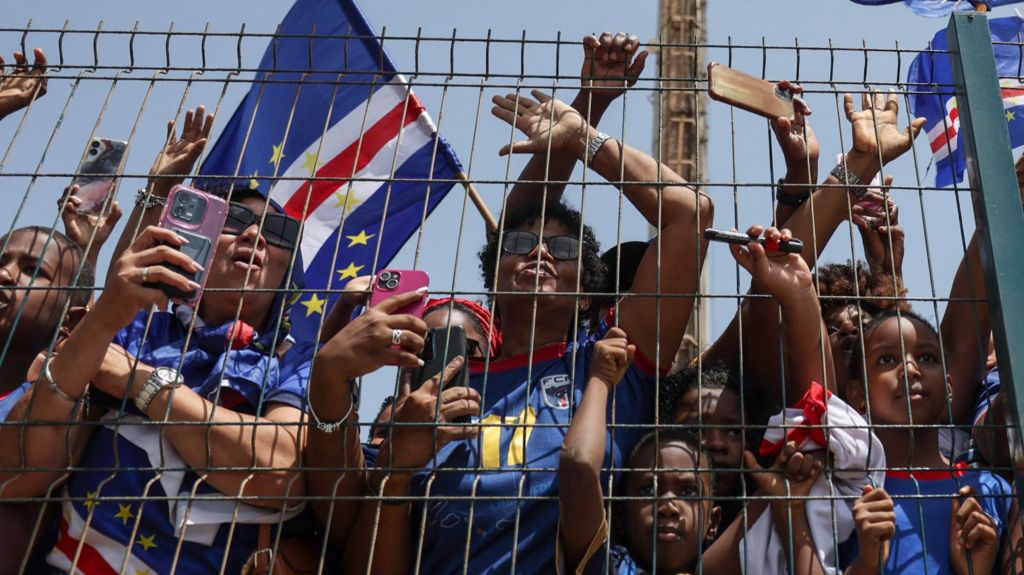
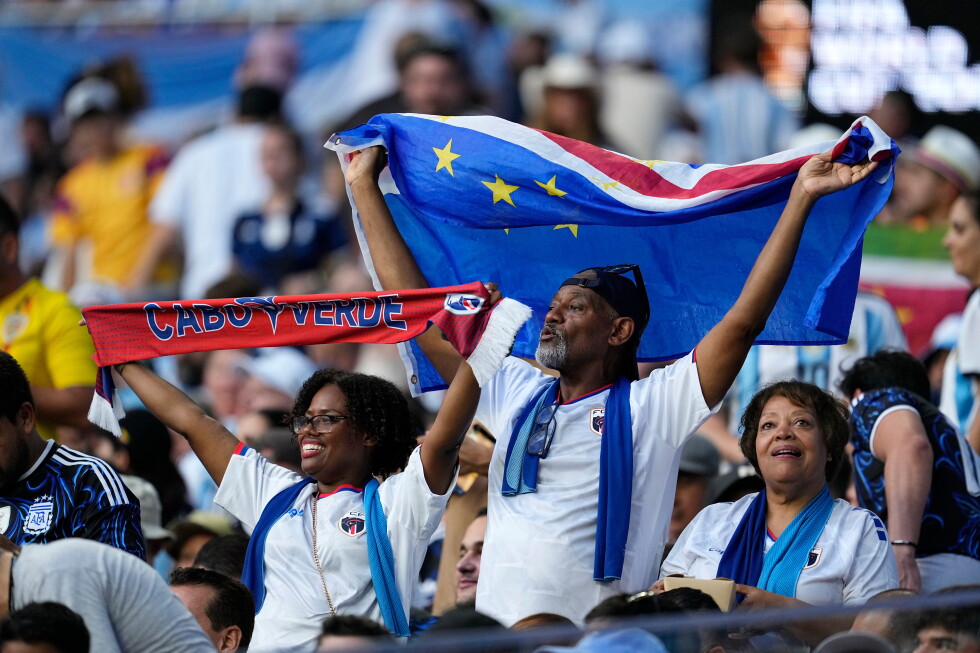
    Thousands of fans lined the route, waving the nation’s iconic blue, red and white flag that fluttered in the warm weekend breeze. Local drummers performed traditional rhythms along the parade route, and cultural dance troupes joined the procession to turn the homecoming into a full national street party.

    “We gave it all for Cape Verde,” said defender Pico Lopes, summing up the team’s pride in representing the small nation on the world’s biggest soccer stage.

    Emanuel Trovoada, head coach of the national basketball team, echoed the celebratory tone after his side locked in their qualifying milestone. The Cape Verde basketball team made their own historic first World Cup appearance in 2023, and are now targeting a second consecutive berth at the 2027 tournament, with their next set of qualifying matches set to kick off in late August.

    “Viva Cape Verde,” Trovoada declared after the team’s win over Libya, a statement that summed up the entire nation’s mood over the weekend. “This is historic. This is important. Our soccer team has returned to the country — for a party.”
  • Osaka stuns world number one Sabalenka to reach quarter-finals

    Osaka stuns world number one Sabalenka to reach quarter-finals

    Wimbledon’s Centre Court played host to one of the most captivating upsets of the 2025 tournament on Tuesday, as four-time Grand Slam champion Naomi Osaka delivered a masterclass to defeat world number one Aryna Sabalenka in straight sets, booking her first ever spot in the Wimbledon quarterfinals.

    Osaka, who had never advanced past the third round at the All England Club before this year, put on a near-perfect display of power and precision to wrap up a 6-2, 7-6(7-2) victory. The Japanese star dominated every facet of the match: her serve was unbreakable when it mattered, her groundstrokes landed exactly where she intended, and her tactical read on Sabalenka outpaced the top seed’s own aggressive game plan.

    The result marks Sabalenka’s earliest Grand Slam exit since the 2022 French Open, and snaps a 122-match streak of avoiding straight-set defeats at major tournaments. It also reverses a three-match winning streak for Sabalenka over Osaka in their previous three encounters across the past three months. This time, however, Osaka was in control from the opening game, matching Sabalenka’s blistering pace step for step and moving around the grass court with unexpected fluidity.

    Coming into this tournament, Osaka’s resurgence has been one of the biggest storylines of the 2025 WTA Tour. After returning from maternity leave in July 2023, she spent more than a year struggling to recapture her top form before hiring coach Tomasz Wiktorowski – the former mentor of world number one Iga Swiatek – late in 2024. The coaching change has paid immediate dividends: Osaka reached the semifinals of the 2025 US Open, notched her first ever trip to the second week of the French Open last month, and now has matched that career-best performance at Wimbledon.

    When asked about her newfound success on grass, Osaka was quick to credit her team, joking: “The big Polish man! Shout out Tomasz! Shout out to the rest of my team, they are the best. I have so much fun with them and I learn so much from them. I’m so grateful they are on this journey with me.”

    “I’ve had so much fun on this run,” Osaka added after the match. “It’s been a long time since I had so much fun on the court. To do it here means a lot.”

    The match itself was a showcase of two of the hardest hitters in the women’s game, but Osaka’s controlled aggression set her apart. She broke Sabalenka early in the first set with a blistering winner – one of 21 total winners she hit through the match – and raced to a double break as uncharacteristic errors piled up for Sabalenka. Osaka closed out the first set in just 32 minutes, a stunningly quick start that set the tone for the rest of the contest.

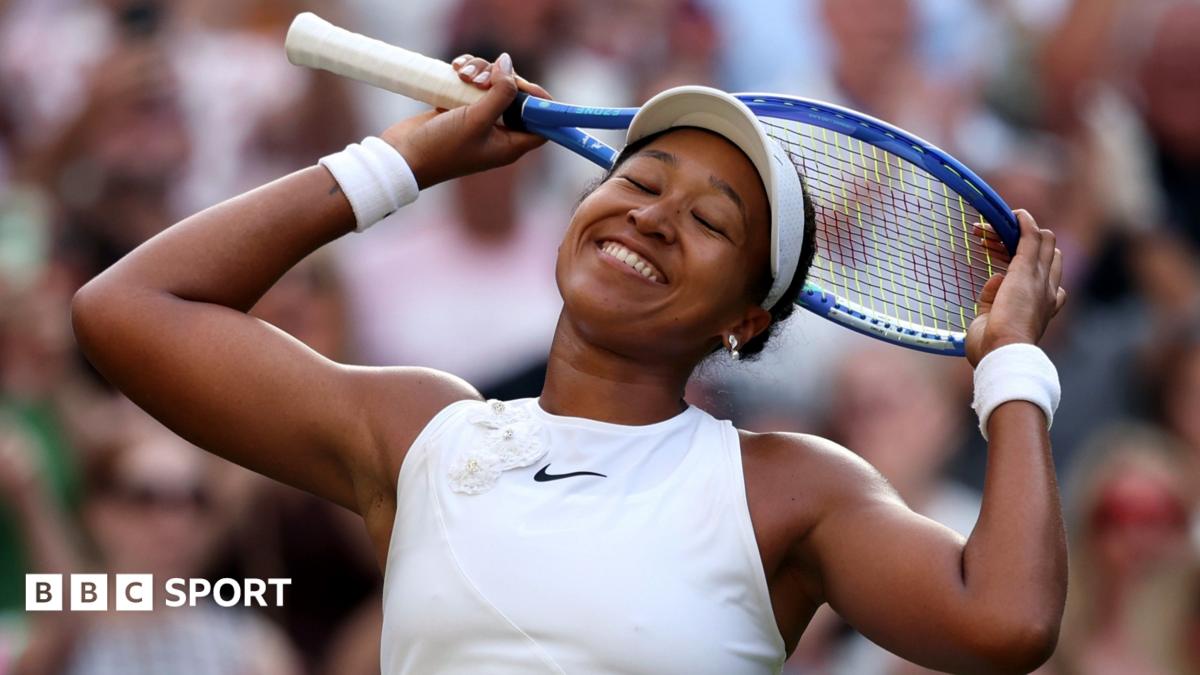
    Sabalenka managed to steady herself in the second set, with her powerful serve bailing her out of multiple break points. Heading into a second-set tiebreak, the top seed had plenty of momentum on her side: she had won 21 consecutive tiebreaks at Grand Slams entering the match, and would have been heavily favored to force a deciding third set. But Osaka flipped the script, racing out to a 5-1 lead in the tiebreak and closing out the win on her second match point. After the final point landed in bounds, Osaka pressed her racquet to her forehead, stunned by her own achievement.

    For Sabalenka, the result continues a rocky 2025 season by her own exceptionally high standards. After reaching at least the semifinal of all four Grand Slams in 2024, the Belarusian has fallen short of her own expectations this year. While she has tied for the most WTA Tour titles on tour this season, she dropped a second consecutive Australian Open final in a three-set defeat, and collapsed from a set and double break up in the French Open quarterfinals – a result that left her joking she wanted to quit the sport entirely.

    Against Osaka, Sabalenka was openly frustrated by her performance, at one point hitting her own head with her racquet in frustration. But the top seed was clear after the match that she was beaten by a better opponent on the day, not undone by her own mistakes. Speaking to reporters just minutes after the final point, Sabalenka struck a measured tone, a contrast to her controversial post-match press conference at the 2025 French Open.

    “I didn’t play my best, and she played probably her best. Sometimes that happens,” Sabalenka said. “Sometimes you can go out there and do everything you can and still lose the match. Well done for Naomi. Wishing her the best.”

    Osaka will next face Czech 10th seed Karolina Muchova for a spot in the Wimbledon semifinals. Muchova’s upset win over 2024 champion Barbora Krejcikova guarantees that the women’s singles draw will produce a new champion for the 10th consecutive Wimbledon tournament.

  • Australia wins the Women’s T20 World Cup after crushing England in the Lord’s final

    Australia wins the Women’s T20 World Cup after crushing England in the Lord’s final

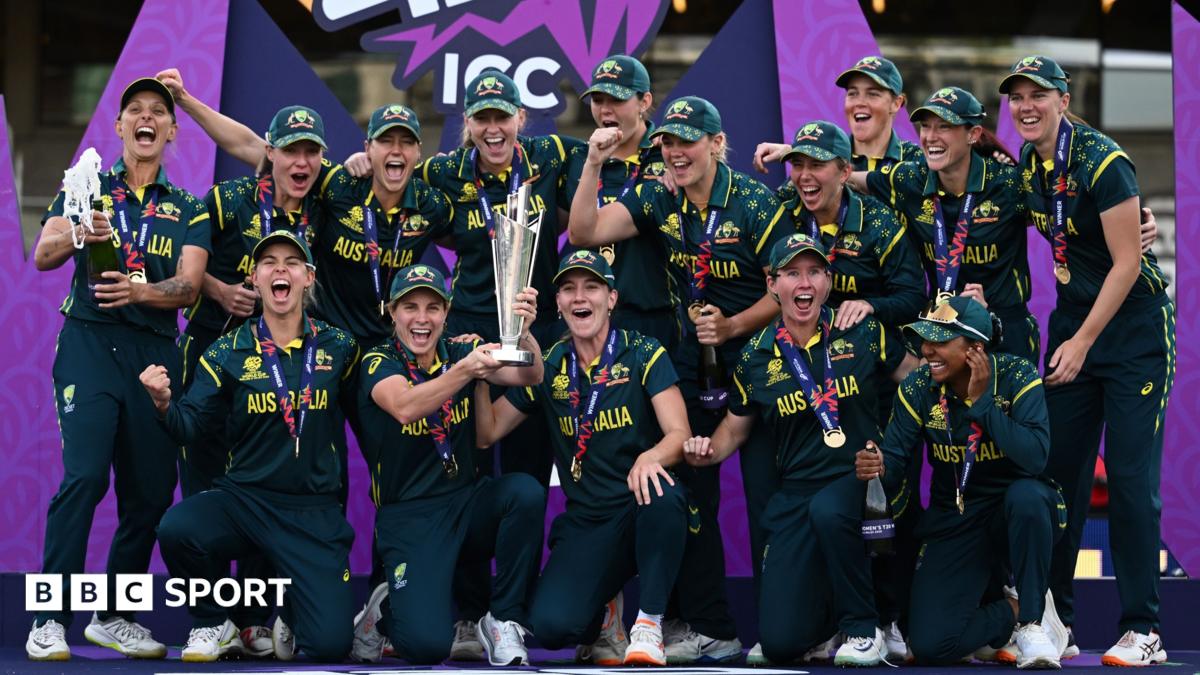
    On a sun-drenched Sunday at cricket’s iconic Lord’s Ground, Australia’s women’s cricket team etched another chapter into their already legendary legacy, crushing hosts England by seven wickets to lift the 10th ICC Women’s Twenty20 World Cup trophy.

    The 2024 edition of the tournament went down in history as the largest and most commercially successful Women’s T20 World Cup to date, drawing a sell-out crowd of 28,883 fans to the final that promised a clash of titans. Pre-match stats pointed to two unbroken streaks: England had never lost a Women’s World Cup (across any format) on home soil, while Australia had never fallen to England in a World Cup final across all formats. By the close of play, only one of those records would hold.

    After winning the toss and putting England in to bat first, Australia’s tight bowling attack put the home side on the back foot from the opening powerplay. England openers Danni Wyatt-Hodge – who became the first player in history to score over 300 runs in a single Women’s T20 World Cup – and Amy Jones both fell inside the first six overs. By the 10th over, the hosts were 67-3 after Alice Capsey was cleaned up, leaving captain Nat Sciver-Brunt to anchor the innings. Sciver-Brunt notched a record ninth T20 World Cup half-century, finishing with an unbeaten 58 from 53 balls, while Freya Kemp’s late unbeaten 44 from 28 balls dragged England to a final total of 150-4 – a total widely viewed as below par on Lord’s batting-friendly pitch. Australia’s pace duo of Lucy Hamilton (1-19) and Kim Garth led the disciplined bowling effort, restricting the dangerous English batting line-up to just enough runs to set up a chase.

    What followed was a masterclass in controlled aggressive batting from Australia, who pulled off the highest successful run chase in Women’s T20 World Cup final history, finishing on 153-3 with 17 deliveries to spare. After losing opener Georgia Voll to Lauren Bell in the second over, Beth Mooney and Phoebe Litchfield launched a devastating 100-run partnership off just 67 balls that turned the match into a one-sided contest. By the end of the powerplay, Australia was already 62-1, with Mooney finding the boundary repeatedly off England’s bowlers.

    Litchfield’s aggressive innings included a spectacular reverse-sweep six off Linsey Smith, but she fell just short of a match-finishing half-century, bowled for 48 in the 13th over with Australia still 34 runs short of victory. Mooney, who notched her third match-winning half-century in as many successful World Cup finals, reached 64 from 49 deliveries (with 10 boundaries) before being pinned lbw by Sophie Ecclestone on review, with just 11 runs left to win.

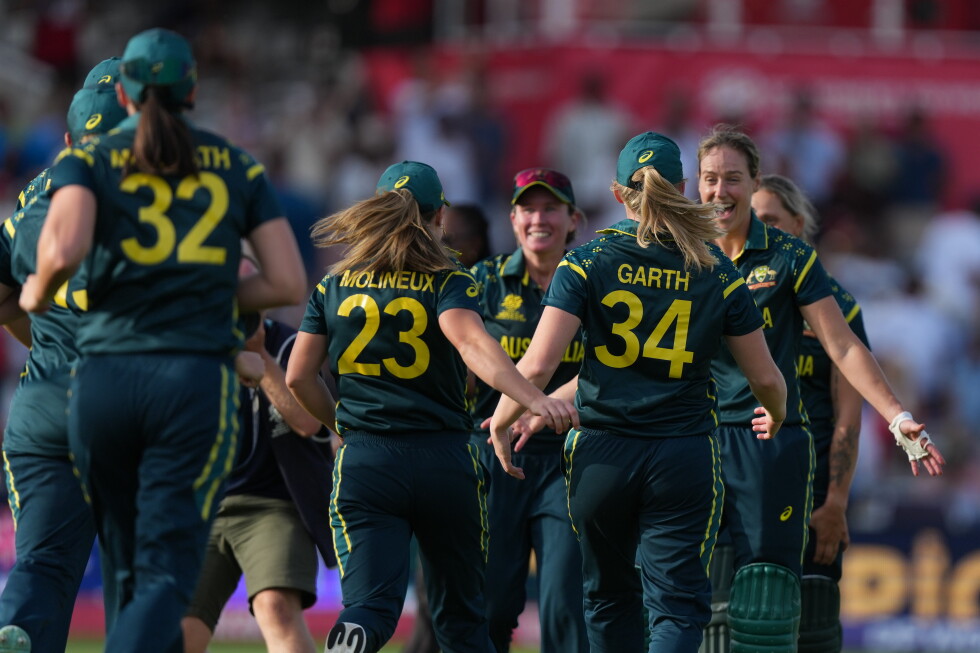
    It was left to Australian stalwart Ellyse Perry to hit the winning runs, capping an extraordinary career that now includes seven World T20 titles. For Perry, the win was extra special: it marked new captain Sophie Molineux’s first World Cup title, after Australia failed to claim a World Cup trophy in 20-over or 50-over formats since 2018, ending the side’s historic run of consecutive titles.

    “It’s phenomenal. For it to fall our way is super special,” Perry told Sky Sports after the match. “Amazing performance from the girls against an awesome England team. To get over the line in Soph’s first World Cup (as captain), it’s a joy to be part of. To have the chance to be part of that is the privilege of a lifetime.”

    Mooney, who was named both Player of the Match and Player of the Tournament for her consistent performances throughout the event, acknowledged the pressure on the side after two early tournament exits. “It’s been well documented that we haven’t made it in the last two ICC events. I woke up this morning pretty grateful we have made it this far,” she said. “I started the tournament a little rusty but I warmed up. The game plan was to settle the dugout in the powerplay in a big game. I tried to make sure we got ahead of the game as early as possible.”

    For England, the defeat was a disappointing end to a historic home tournament, with coach Charlotte Edwards admitting her side was outclassed. “Gutted. We came here with so much belief and confidence to pull off something really special,” Edwards said. “But Australia are a very, very good team and we were completely outplayed.”

    The win extends Australia’s staggering tournament record to seven titles from eight World T20 finals, cementing their status as the undisputed dominant force in women’s international T20 cricket.

  • England’s hopes crushed as Australia win T20 World Cup

    England’s hopes crushed as Australia win T20 World Cup

    The 2024 Women’s T20 World Cup final at London’s iconic Lord’s Cricket Ground ended with a statement victory for Australia, who reclaimed the global title with a commanding seven-wicket win over hosts England, extending their unrivaled reign in women’s limited-overs cricket.

    England, bidding for their first T20 World Cup trophy on home soil since their memorable 2017 50-over World Cup win at the same venue, got off to a rocky start with the bat. Early wickets of Amy Jones, Danni Wyatt-Hodge, Alice Capsey and Heather Knight left the hosts reeling at 70-4 after just 11 overs, with only captain Nat Sciver-Brunt and young all-rounder Freya Kemp providing late resistance. Sciver-Brunt anchored the innings with a slow-paced 58 not out off 53 deliveries – a far cry from her explosive 73-run knock in the semi-final against South Africa – while Kemp hit a quickfire 44 not out off 28 balls to lift England to a final total of 150-4 from 20 overs. However, the total always looked under par on a low, slow pitch that offered little assistance for fast bowling, leaving Australia well-placed to chase the target.

    Australia’s chase got off to a minor early blip, with opener Georgia Voll bowled by Lauren Bell in the second over. But that was the only high point for England, as rising star Phoebe Litchfield and veteran opener Beth Mooney put together a match-winning 100-run partnership from just 67 balls that broke the back of England’s bowling attack. England’s seamers consistently delivered too much width outside off stump, allowing the left-handed pair to find the boundary at will, and Australia had matched England’s total boundary count by just the 10th over of the chase.

    Litchfield fell for 48 with Australia still needing 34 runs from 42 balls, but Mooney continued her clinical knock, reaching 64 before falling, leaving just 11 runs to get. A late point of controversy came in the 17th over, when England spinner Sophie Ecclestone thought she had claimed a clean catch to dismiss Australia star Ellyse Perry, only for the TV umpire to rule the catch not clean, prompting boos from the capacity crowd and anger from Ecclestone. The decision ultimately made no difference to the result, as England bowled five wides in the very next over to bring up the winning runs for Australia, wrapping up the chase in just 17.1 overs.

    For Australia, this win marks their seventh T20 World Cup title and 14th World Cup crown across all formats, capping an undefeated run through the tournament and bouncing back from semi-final exits at the previous T20 and 50-over World Cups. The victory comes amid a period of transition for the side, with new captain Alyssa Healy stepping into the role vacated by Meg Lanning, and young players like Litchfield and Voll claiming their first World Cup titles. Perry extended her own record to nine World Cup titles, while Mooney – who now boasts five World Cup crowns and a remarkable T20 final batting average of 76.42 – was the difference-maker with her clinical knock.

    For England, the result is a crushing end to what was a tournament of progress. Under new coach Charlotte Edwards, the side ended a run of three consecutive tournaments without reaching a final, fixing longstanding issues with fitness and fielding that plagued their 2023 Ashes whitewash defeat to Australia. While the capacity crowd at Lord’s marks a landmark moment for women’s cricket, and England can build on their run to the final, the gap between the two sides remains clear. Heading into next summer’s home Ashes series, England’s next task will be closing that gap and turning progress into silverware.

  • Newcastle sign Toure for £43m – what will he bring to club?

    Newcastle sign Toure for £43m – what will he bring to club?

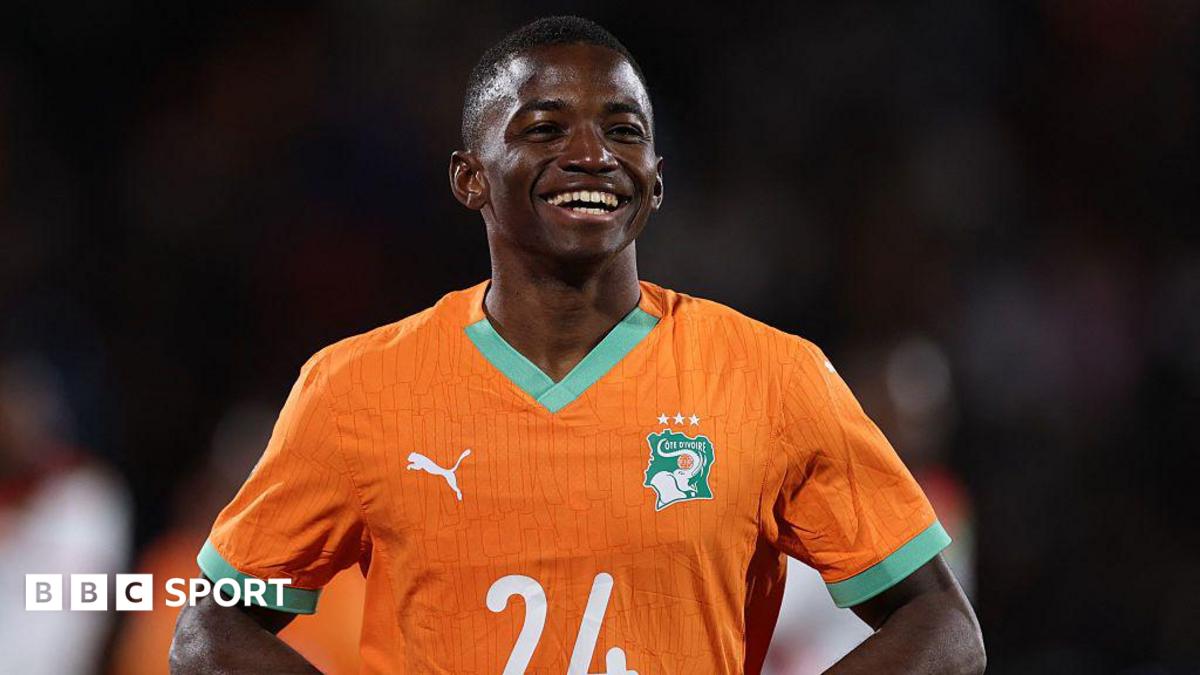
    English Premier League side Newcastle United has finalized a £43 million transfer deal for 20-year-old Ivory Coast international winger Bazoumana Toure, capping off a whirlwind rise for a young player who has long dreamed of competing in England’s top flight. Fresh off an impressive 18-month spell with Bundesliga club Hoffenheim, Toure landed on Tyneside via private jet, bringing with him not just elite attacking statistics, but a relentless positive energy that has left a lasting mark on every former teammate and coach he has worked with.

    Former Hammarby teammate Nahir Besara, who shared a dressing room with Toure when the forward first moved to Europe in 2024, highlighted the young winger’s consistent upbeat attitude that sets him apart from other rising prospects. “It doesn’t matter if it is a good day or a bad day, he always goes into the locker room with a smile, ready to work,” Besara explained. Beyond his on-pitch talent, Besara also recalled a heartfelt gesture from Toure ahead of his exit from the Swedish club: Toure sent Besara a monetary gift to thank him for his support early in his European career, a gesture Besara called “amazing” despite returning the money.

    Toure’s rapid ascent through European football is one of the most compelling stories in modern transfer markets. He only joined Sweden’s Hammarby in 2024, moved to Hoffenheim a year later, and now steps into the Premier League less than two years after arriving in Europe from Ivorian domestic side ASEC Mimosas. Mikael Hjelmberg, Hammarby’s sporting director who first scouted and signed Toure, said he immediately fell in love with the young winger after watching him play in his home country, singling out his unshakable positivity as a defining trait.

    That positive energy translates directly to his performance on the pitch. During the 2025-26 Bundesliga campaign, Toure posted elite numbers among all league forwards: he ranked first for successful crosses with 39, joint-second for assists with nine, joint-third for completed dribbles with 48, and fourth for total chances created at 45, including 11 big scoring chances. Defensively, he also held his own, winning 152 duels and regaining possession 127 times throughout the season, helping Hoffenheim narrowly miss out on a Champions League qualification spot.

    Contrary to assumptions that young fast wingers are uncoachable mavericks, former colleagues repeatedly emphasized Toure’s rare adaptability and willingness to implement tactical guidance. Besara recalled an early example during his time at Hammarby: after coach Kim Hellberg instructed Toure to target the first post for headed chances ahead of a match, Toure went on to score two headers that same game, despite never having notched a headed goal prior to that fixture. This ability to quickly adjust to new instructions has been central to his rapid improvement all over the pitch, even in defensive phases of play.

    The transfer marks a key breakthrough for Newcastle this summer, coming amid a major squad reshuffle driven by financial fair play rules. The club has been in the market for a left winger ever since Anthony Gordon completed a £69.3m move to Barcelona in June. After missing out on alternative target Victor Munoz, who chose to join Liverpool from Osasuna, Newcastle’s need for a new wide player became even more urgent following the agreed sale of star midfielder Sandro Tonali to Tottenham Hotspur for up to £100m. That sale, while the departure of a key player, has opened up critical financial headroom under Premier League financial rules, allowing Newcastle to reinvest in multiple areas of their squad.

    Toure fits the exact profile of player the Magpies have targeted throughout this transfer window: he is young, hungry, and has repeatedly expressed his desire to play for the club, a welcome boost for a side that has faced multiple transfer setbacks over the past 12 months. While observers and the Newcastle coaching staff acknowledge that the 20-year-old is still a raw prospect who needs to refine areas of his game – most notably his finishing – and adapt to the greater physicality and intensity of the Premier League, as well as Eddie Howe’s specific system, his track record of rapid adaptation to new environments gives both the club and former colleagues confidence he will succeed. Besara put it simply: “I know he will be really successful. Mark my words.”

  • Djokovic breaks Federer’s Wimbledon record to reach quarters

    Djokovic breaks Federer’s Wimbledon record to reach quarters

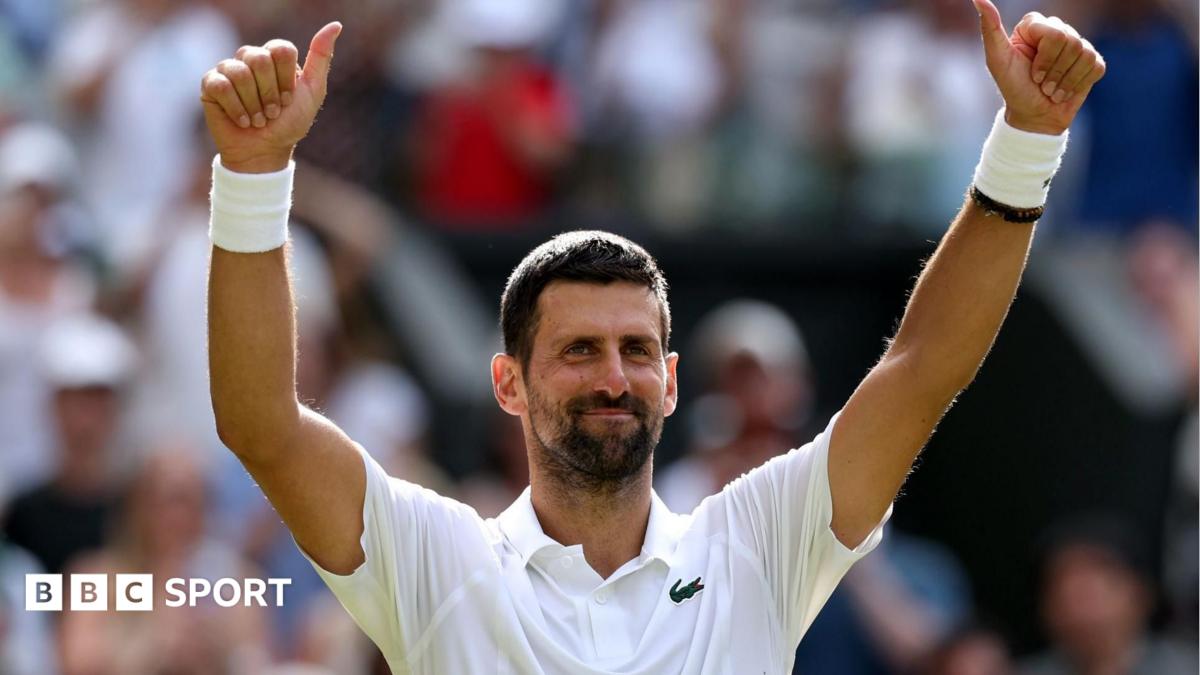
    Wimbledon’s Centre Court saw a new chapter of tennis history written on Sunday, as Novak Djokovic surpassed Roger Federer to claim the all-time record for the most men’s singles match wins at the iconic grass-court major. The 39-year-old Serbian legend battled through a tense four-set clash against gritty Russian qualifier Roman Safiullin, sealing a 7-6 (8-6) 6-3 3-6 6-3 victory to book his spot in the tournament’s quarter-finals and notch his historic 106th SW19 win.

    Djokovic had already drawn level with Federer’s long-standing record of 105 wins during his third-round triumph on Friday, meaning Sunday’s clash carried extra historical weight. Only Martina Navratilova, the nine-time women’s singles champion, holds more overall Wimbledon singles match wins than Djokovic now, with the American legend sitting top of the all-time list with 120 career victories.

    The road to the record was far from smooth for Djokovic, who fought through multiple disruptions and moments of visible frustration during the three-hour contest. Early in the match, he appeared to struggle with an eye issue that threw off his rhythm, and he later received an official warning for using audible profanity after a loose point. When he dropped his serve in the third set, Djokovic fired a ball aggressively into the back of the opposite end of the court, escaping a harsher penalty by a narrow margin, an incident that drew boos from the Centre Court crowd.

    Reflecting on his rocky road to the landmark win after the final point, Djokovic framed his first-week performance with a simple, determined mantra: “Survive to thrive – that’s how I feel. Hopefully the thriving part is coming!” He also offered a public apology for his on-court outbursts, acknowledging his well-documented tendency toward emotional moments during high-stakes contests. “I’m known for my outbursts and meltdowns, I had a few of those today so I apologise,” he said. “Our mind wanders all the time. It is very hard to keep it in the present moment. Whoever manages to do that is the winner.”

    Safiullin, ranked 132nd in the world entering the tournament, turned in a performance that earned widespread respect from fans and pundits alike, pushing the tournament favourite far harder than many predicted. Six months prior to this Wimbledon run, the 28-year-old Russian was dealing with a severe injury that left him fearing he would never return to his top form. He had already pulled off two stunning upsets to reach the fourth round, ousting 12th seed Andrey Rublev and rising star Joao Fonseca, a victory that left Safiullin in tears of relief.

    The hard-hitting qualifier came out swinging from the first game, immediately responding to an early Djokovic service break by winning five of the next six games to grab control of the first set. He faltered while serving for the set at 5-3, however, and ultimately dropped the set in a tight tiebreak. Despite the 125-spot gap in their ATP rankings, Safiullin continued to put pressure on Djokovic throughout the second set, but finally ceded a break of serve in the sixth game that handed the set to the Serbian.

    By the third set, the physical toll of three consecutive five-set matches since the final qualifying round began to catch up with Safiullin, who needed a medical timeout to treat a nagging left leg injury. He still dug deep to claim the third set, marking his first ever set win against Djokovic in four tour-level meetings. Djokovic, who landed just 57% of his first serves in the match, let his frustration boil over after dropping his serve for a 4-2 lead, but managed to reset quickly once the tension passed.

    Djokovic stepped up his intensity in the fourth set, breaking Safiullin to love in the second game as the qualifier’s energy and challenge began to fade. He closed out the match with a perfectly placed drop shot, serving out the victory to love, before embracing Safiullin at the net. The crowd gave Safiullin a warm, well-deserved round of applause for his spirited run at the tournament.

    Djokovic is now through to his 17th Wimbledon quarter-final, where he will face either Canadian third seed Felix Auger-Aliassime or Spain’s Alejandro Davidovich Fokina. The Serbian star is still chasing two more major historical landmarks at this year’s tournament: matching Federer’s record of eight men’s singles Wimbledon titles, and claiming an outright record 25th Grand Slam singles title overall. While he has been taken to four sets in three of his four matches so far this year, the record-breaking champion remains the overwhelming favourite to lift the trophy once again.

  • Pogacar gifts victory to teammate Del Toro on 2nd stage of Tour de France, Vingegaard keeps lead

    Pogacar gifts victory to teammate Del Toro on 2nd stage of Tour de France, Vingegaard keeps lead

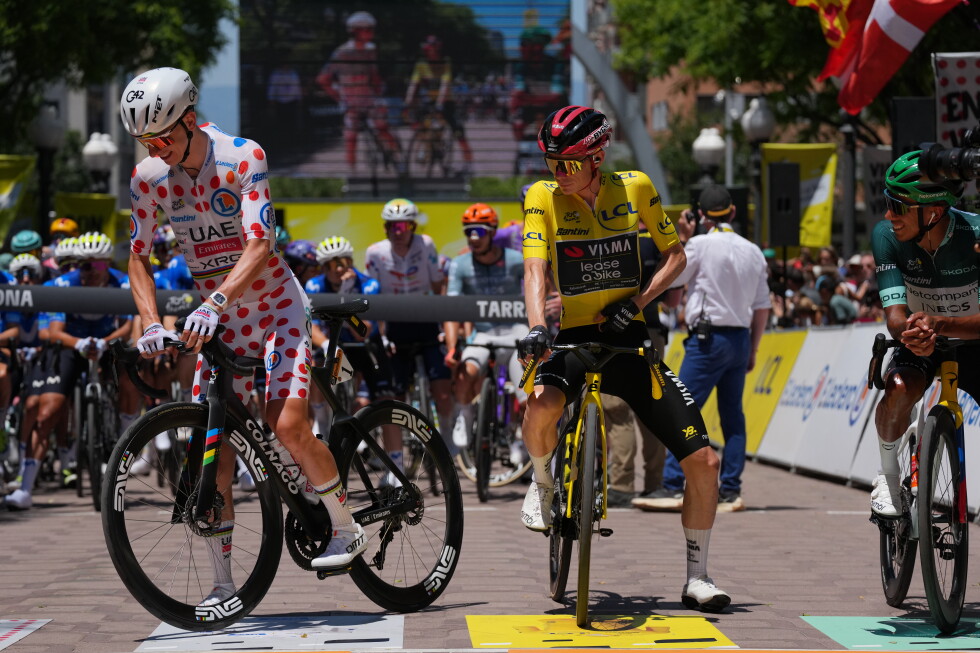
    The 2024 Tour de France’s second stage delivered one of the most memorable acts of sportsmanship in recent cycling memory on Sunday, as defending champion Tadej Pogacar handed a surprise maiden stage victory to his 22-year-old UAE Emirates-XRG teammate Isaac Del Toro on a hilly route through Catalonia, while overall race leader Jonas Vingegaard clung to his slim early advantage.

    The 168.5-kilometer stage began in the coastal Catalonian city of Tarragona, winding through rolling terrain to Barcelona, where riders climbed three times to the iconic 17th-century Montjuïc castle before the 700-meter uphill sprint to the finish line. Early breakaway attempts from Dutch rider Alex Molenaar and German competitor Felix Engelhardt were reeled in by the main peloton with roughly 30 kilometers remaining, setting the stage for a tense showdown between the race’s top general classification contenders.

    As the pace of the peloton climbed in the final kilometers, Vingegaard and Pogacar — the two pre-race favorites for the overall title — positioned themselves near the front of the pack to avoid the high risk of late crashes that have derailed many Tour campaigns. Vingegaard, closely marking the three-time Tour winner, stayed on Pogacar’s wheel through the final climbs to counter any of the Slovenian’s signature sudden attacks. The intense speed ultimately proved too much for one-day classics star Mathieu van der Poel, who was dropped from the leading group before the finish.

    When Del Toro launched a late attack up the final climb to the line, the young Mexican rider put Pogacar in prime position to contest the sprint for a stage win. In an unexpected show of team generosity, however, Pogacar slowed in the final meters, resting a hand on Del Toro’s shoulder to encourage the 22-year-old across the finish line first. A shocked Del Toro, who had never before claimed a Tour de France stage win, stared open-mouthed in disbelief at the gesture from his team leader, who is currently chasing a historic fifth overall Tour title and third consecutive victory. After crossing the line, an exhausted Del Toro collapsed on the ground to catch his breath in the summer heat; moments later, Pogacar approached to share a warm, tight hug with his emotional young teammate.

    Belgium’s Remco Evenepoel crossed the line in third place, just one spot ahead of Vingegaard in fourth. All four riders finished with the identical official time of 3 hours, 40 minutes and 1 second, but time bonuses for the top three finishers cut Vingegaard’s overall lead over Pogacar from 12 seconds after the opening stage to just six seconds heading into the third stage.

    Vingegaard, the 2022 and 2023 Tour champion, claimed the race’s coveted yellow jersey on Saturday after leading his Visma-Lease a Bike team to victory in the opening-day team time trial around Barcelona. The Danish rider is now chasing his third consecutive overall Tour de France title, locked in a tight early battle with Pogacar for the 2024 crown.

  • Thousand welcome home Cape Verde footballers after stunning World Cup run

    Thousand welcome home Cape Verde footballers after stunning World Cup run

    The small West African island nation of Cape Verde is celebrating two milestones this weekend: 51 years of independence from Portuguese colonial rule, and the unprecedented World Cup campaign that captured global football fans’ hearts. Tens of thousands of jubilant supporters packed the grounds of Praia’s international airport on Sunday to welcome home their beloved Blue Sharks, the lowest-ranked and second-smallest nation ever to compete at the men’s World Cup, after a historic run that ended just short of the knockout stage.

    Cape Verde, ranked 67th in the world heading into the tournament, defied every pre-tournament prediction to hold its own against global powerhouses. The side earned three draws across group stage play, including a stunning 0-0 shutout of European champions Spain in their opening World Cup match ever. Those results set up a dramatic final group clash with defending champions Argentina, where the underdog Blue Sharks pushed the heavily favored side to extra time before a late cruel deflection knocked them out of contention.

    In that thrilling match, Lionel Messi put Argentina ahead early, but Cape Verde equalized to level the score at 1-1 by full time. A second Argentina goal put them ahead once again in extra time, only for a stunning strike from Sidny Lopes Cabral to level the match for a second time. The game ended 2-2, but a deflection off Cape Verde defender Diney Borges from Cristian Romero’s late header sealed Argentina’s progression to the knockout round, ending Cape Verde’s dream run.

    Despite the heartbreaking exit, the mood back home was nothing short of celebratory when the team touched down in Praia. The entire airport area was transformed into a spontaneous carnival, with fans dancing, beating drums, chanting player names, and waving the national blue flag, turning the venue into a solid sea of the country’s signature color. Fans called out for star players including standout goalkeeper Vozinha — whose sharp performances drew global attention — and defender Pico Lopes, who notched several key plays across the tournament. Players, including captain Ryan Mendes, spent hours signing autographs and posing for photos with supporters who lined the arrival area for hours.

    Speaking to reporters after arriving, Vozinha, whose full name is Josimar José Évora Dias, said that while the team had hoped to advance further than the group stage, the moment of celebration with fans was not diminished. “We wanted something bigger but we didn’t go to the next stage. Now we just enjoy the moment and celebrate with our people,” he said, wearing a white tee printed with Cape Verde’s name.

    One local supporter who joined the homecoming crowd explained that she came to honor the team for what they achieved against far more highly ranked opponents. The Blue Sharks proved that even the second-smallest nation at the tournament, a side making their World Cup debut, could compete with the sport’s biggest names, including Spain and Uruguay, holding their own across 270 minutes of group play.
    Head coach Pedro Leitão Brito, widely known by his nickname Bubista, shared that pride, noting the team came within 10 minutes of forcing Argentina into a penalty shootout that could have produced the biggest upset in World Cup history. “We showed that we may be a small country but we can play against the best teams in the world,” he said. “That’s a reason for pride. We made history for our country. They can be proud for representing our country.”

    The timing of the homecoming, overlapping with Cape Verde’s annual independence day celebrations, added an extra layer of national pride to the event, turning a regular homecoming into a landmark moment of unity and national celebration for the island nation.

  • ‘Very grateful’ – Cape Verde arrive home

    ‘Very grateful’ – Cape Verde arrive home

    After a historic World Cup run that captured global attention, the Cape Verde men’s national football team has touched back down on home soil, bringing an end to their dream tournament that was cut short by a knockout stage defeat to powerhouse Argentina.

    Goalkeeper Vozinha, one of the team’s standout performers throughout their unexpected campaign, opened up about the squad’s emotions in comments made upon arrival. Reflecting on the result, he shared that while the entire group was proud of how far they had come, they still harbored a hunger for more. ‘We wanted something bigger,’ Vozinha said, acknowledging the team’s ambition to progress even deeper into the competition than they ultimately managed. He also expressed gratitude for the widespread support the side received both at home and across the world during their time in the tournament. ‘Very grateful,’ he added of the outpouring of encouragement that carried the team through their World Cup journey.

    Widely ranked as one of the tournament’s biggest underdogs before kickoff, Cape Verde defied pre-tournament expectations to earn a spot in the knockout round, pulling off upset results that made them fan favorites among neutral football supporters around the globe. Even in exit, their tenacious style of play and giant-killing spirit has cemented their place in World Cup history, with the side already being remembered as the underdog that the world will not be forgetting anytime soon.

  • England battling history as well as Mexican nation in Azteca cauldron

    England battling history as well as Mexican nation in Azteca cauldron

    As Mexico City simmers with pre-match fever less than 24 hours out from a decisive World Cup 2026 last 16 clash, England prepares to take on not just a unbeaten host side, but decades of jinxed history at the legendary Azteca Stadium Sunday night.

    The entire nation of Mexico has ground to a halt in anticipation of the fixture, which kicks off at 01:00 BST Monday. Giant screens have been set up along Mexico City’s historic Paseo de la Reforma, where car horns blare around the clock, street vendors around Azteca Stadium have sold out of most team merchandise, and even dramatic thunder and lightning rolling over the 7,220-foot high altitude venue has only added to the electric, tense atmosphere. For Mexicans, there is no conversation more pressing than what will unfold inside the stadium’s famous “cauldron” when kickoff arrives.

    England’s task is daunting by any measure. The host Mexican side has yet to concede a single goal through the tournament, and has dropped just two competitive matches in 88 outings on home soil. Compounding the challenge, England only arrived in Mexico City on Friday evening, giving the squad barely any time to acclimatize to the thin high-altitude air after playing previous group stage matches in climate-controlled venues across Dallas, Atlanta, Boston, and New Jersey.

    The Azteca already holds a grim place in English World Cup folklore. England’s most famous visit to the stadium came in the 1986 World Cup quarter-final, when Diego Maradona’s controversial ‘Hand of God’ goal launched Argentina to a 2-1 elimination of England. Further back, the 1970 World Cup hosted by Mexico delivered a string of catastrophes for Alf Ramsey’s defending champions: captain Bobby Moore was wrongfully detained on theft charges in Bogota ahead of the tournament, the team’s choice to import their own food offended local hosts, and a mysterious stomach bug – forever dubbed ‘Montezuma’s Revenge’ – sidelined star goalkeeper Gordon Banks ahead of a quarter-final clash with West Germany. Replacement keeper Peter Bonetti suffered a nightmare match as England blew a two-goal lead and lost 3-2 in extra time, ending their title defense. Conspiracy theories still swirl around the incident, ranging from deliberate poisoning to a CIA plot to throw the tournament in favor of eventual winner Brazil, though the most grounded explanation remains that Banks simply consumed contaminated ice against team advice.

    Even off the pitch, England has not been able to escape the pressure of the host nation’s hype. After hundreds of Mexican fans descended on Ecuador’s team base to disrupt the last 16 opponents with constant horn blowing, revving motorcycles and loud chants, England attempted to keep their arrival location secret. The effort failed almost immediately, with local fans locating the team’s hotel within hours, forcing authorities to deploy a heavy security detail to keep order.

    Surprisingly, England head coach Thomas Tuchel says he is embracing the high-stakes atmosphere rather than fearing it. “We saw the excitement and the emotions of the people when we arrived. They were emotional but also very, very respectful,” Tuchel told reporters during a press conference at the Azteca. “We felt the energy of the place right away, the people on the streets. You can feel the excitement. This is a next-level setting. I felt straight away this would be a proper World Cup game. We are in an iconic place and an iconic stadium. It is just the biggest stage and we feel it.” Tuchel acknowledged the unique challenges his side will face, adding: “Mexico will give us a taste of the intensity, the heat and we must find solutions to that. It will be emotional and full of support for the home team. We are at a stadium that can create an atmosphere to the advantage of the home team and create momentum and belief, but we have very experienced players.”

    Both sides have taken divergent paths to this last 16 clash. England scraped through their previous knockout match against DR Congo with a late 2-1 win courtesy of captain Harry Kane, and have looked unconvincing through the tournament so far, with clear defensive flaws exposed in earlier matches. Mexico, by contrast, turned in their strongest performance of the competition to defeat a dangerous Ecuador side 2-0, keeping their clean sheet streak intact.

    Mexican media and fans are treating this match as the most important fixture in the nation’s recent football history. Local Televisa reporter Gibran Araige Rodriguez notes it has been 40 years since Mexico last advanced to a World Cup quarter-final, and reaching that milestone on home soil against a global powerhouse like England has turned the entire nation’s attention to the Azteca. “It is the most important football game in the life of Mexico. It is the most important game in the history of the Azteca,” Rodriguez said. “It is 40 years since Mexico reached the last eight of the World Cup and it is the dream of the whole country to do it this time. Mexico is confident but never over-confident because this is England. The Mexico team is good and we have not conceded a goal.” Rodriguez expects the atmosphere inside the stadium to top even the chaotic scenes from Mexico’s win over Ecuador, saying a victory over England would spark unprecedented celebrations across the country.

    The match will be broadcast live globally, with UK audiences able to watch on BBC One, BBC iPlayer and the BBC Sport platform, and listen live on BBC Radio 5 Live and BBC Sounds.