
A dramatic cliff collapse on the scenic Atlantic coastline of Biarritz, the popular southwestern French resort town, has left one diver dead and another unaccounted for, local authorities confirmed Thursday. The massive section of cliff near the town’s iconic lighthouse gave way shortly after 8:20 p.m. local time on Wednesday, when three recreational divers were exploring the rocks at the base of the formation, according to an official statement released by Biarritz City Hall. Of the three divers caught in the collapse, one was able to climb to safety without injury and was immediately taken in by first responder teams who arrived on the scene rapidly. Emergency response units, including a team of specialized rescue divers, launched a large-scale search operation immediately after the incident. By Thursday, search crews had recovered the body of a female diver who was killed in the collapse. Search efforts for the second missing diver resumed at first light Thursday, with crews continuing to comb the area around the collapsed cliff. In the wake of the incident, local officials have implemented strict safety restrictions to prevent further harm: all public access to the area within 300 meters (985 feet) of the damaged cliff is prohibited, and the ban extends to all swimming and boating activities in that zone. The restrictions come as authorities warn of a high risk of additional cliff collapses in the area, as unstable sections of the rock formation remain standing after the initial incident. Biarritz, located in southwestern France along the Atlantic Basque Coast, is one of Europe’s most beloved tourist destinations, famous for its dramatic rugged cliffs, golden sandy beaches, and reputation as a world-class surfing spot that draws outdoor enthusiasts and leisure travelers from across the globe each year.
分类: society
-

Audit exposes huge welfare fund abuse
China’s top legislative body is reviewing a damning annual audit that reveals widespread mismanagement, fraud, and embezzlement of billions of yuan in public welfare funds, prompting government authorities to launch targeted corrective actions to safeguard public livelihoods.
Presented by Auditor-General Hou Kai to the Standing Committee of the National People’s Congress on Tuesday, the 2025 fiscal audit evaluated the central government’s budget implementation and nationwide fiscal governance. Beyond its broad assessment of public spending, the report flagged severe irregularities across multiple high-priority social sectors, including childcare, compulsory education, employment support, public healthcare, elderly care services, affordable housing, and disability assistance. The most substantial problems were uncovered in two core social safety net programs: work-related injury insurance and maternity support funds.
Auditors traced nearly 4.87 billion yuan (equivalent to approximately $715.8 million) in problematic funds within the injury insurance system. The investigation found that roughly 3.97 million workers employed in high-risk industries either had no injury coverage at all or were enrolled under illegally reduced coverage standards that left them underprotected. As of the end of September 2025, a cross-provincial review of construction sites found that 34,100 active projects across 24 provinces had failed to provide injury insurance for 2.26 million migrant workers, resulting in 2.53 billion yuan in unpaid mandatory insurance premiums.
In addition to systemic undercoverage, auditors uncovered deliberate fraud dating back to 2013: across 22 provinces, 580 injured workers and collaborating employers had fraudulently claimed 48.13 million yuan in compensation by submitting fabricated workplace accident reports and falsified medical treatment records.
Maternity insurance and related subsidy programs also faced widespread irregularities totaling 1.08 billion yuan, with violations directly undermining the benefit rights of more than 1 million eligible people. In one common scenario, gaps in policy enforcement and calculation errors for maternity leave entitlements left 21,000 individuals across 21 provinces unable to access a total of 103 million yuan in rightfully owed benefits. In another disturbing pattern of abuse, 496 employers in 13 provinces intercepted 30.05 million yuan in maternity benefits that were intended for 3,511 of their female workers, diverting public funds designated for employee support to corporate use.
In an official statement released Wednesday, the National Audit Office noted that these widespread irregularities have directly eroded public trust in social welfare programs and diminished the tangible benefits that citizens are supposed to receive from government social policy. The office called for expanded, consistent audit oversight across all public spending sectors that impact people’s daily lives, with a specific priority placed on strengthening oversight of grassroots-level welfare distribution.
The audit’s scope extended beyond social welfare to examine public fund allocation in agriculture, finance, and natural resource conservation projects, uncovering additional cases of misuse and mismanagement. In one high-profile environmental project, a wetland protection initiative falsely claimed to have completed all required resident relocations for the protected area. In reality, fewer than 30% of the 27,000 planned relocations had been finished, with only 7,700 people moved, while persistent garbage and sewage contamination continued to threaten the wetland ecosystem.
In another case of public fund waste, 135 agricultural technology promotion projects spread across 92 counties, funded with a total of 516 million yuan in public investment, were either diverted to non-compliant uses such as corporate exhibitions and entertainment events or left completely idle with no tangible impact on local agricultural development.
Moving forward, the National Audit Office has committed to ramping up follow-up inspections and ongoing oversight to ensure all identified irregularities are fully resolved. A full public update on the progress of rectification and corrective actions is scheduled for release before the end of 2026.
-
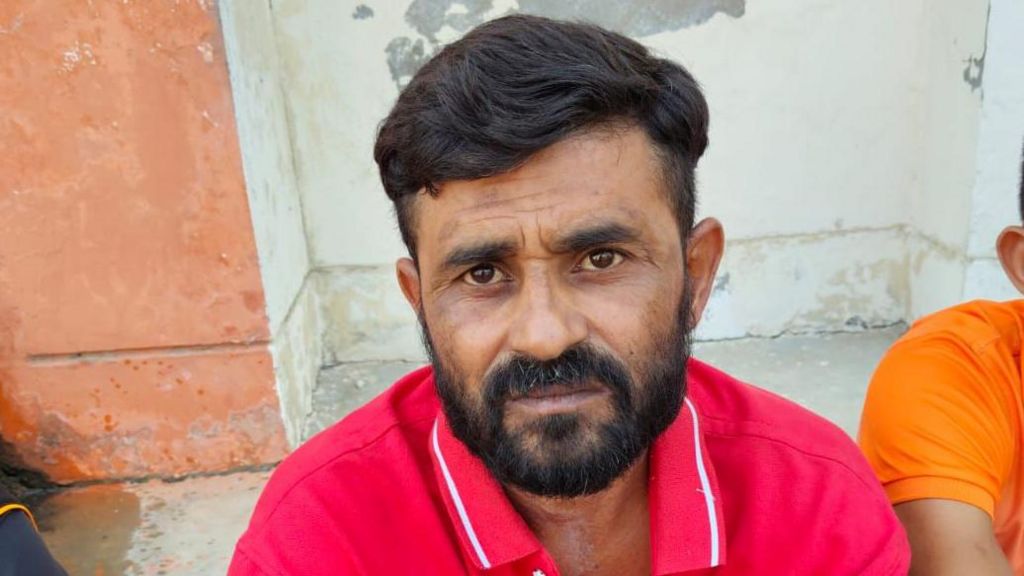
Beaten and starved: Shock in India as police rescue men from bonded labour
A shocking case of modern-day slavery has been uncovered in the northern Indian state of Uttar Pradesh, where law enforcement officials have rescued 12 men who were held captive and forced into unpaid bonded labor at a small disposable plate manufacturing facility. The horrific ordeal of these workers, which included months of systematic abuse, starvation, and violence, has reignited fierce national debate over India’s persistent failure to eliminate a practice outlawed half a century ago.
According to Uttar Pradesh Police, the case emerged after authorities received an anonymous tip-off last week reporting captive workers at the factory located in Muzaffarnagar district. Senior police officer Sanjai Kumar told reporters that investigators deployed an undercover decoy to confirm the allegations before launching a coordinated raid on the facility on Monday, alongside officials from the state labor department and district administration.
Investigations reveal the factory operators targeted vulnerable job seekers at crowded public hubs such as railway stations, luring them with false promises of steady work, free meals, and safe accommodation. Once the workers arrived at the site, their personal communication devices were immediately seized, their official identity documents were destroyed, and they were locked inside the factory premises to prevent escape. For months, and in some cases nearly two years, the men were forced to work around the clock without pay, surviving on just one meager meal of dry flatbread or bran bread a day, with pit bull terriers deployed to guard them against escape attempts. Any attempt to demand owed wages or request to leave was met with brutal violence: multiple rescued workers showed visible injury marks across their bodies from repeated beatings with sharp wooden sticks.
Twelve men were freed in the raid, with origins across four Indian states — Uttar Pradesh, Haryana, Bihar, and Uttarakhand — plus one worker from Nepal. One worker from Nepal, Dan Bahadur Thapa, told reporters he had been held captive for almost two full years with no contact whatsoever with his family back home. Narayan, a worker from Chhattisgarh who took the job to support his two young children and brothers, said he had missed his family desperately during his four months of captivity. Ramu, from Uttarakhand, described the workers being “kept like prisoners,” with their Aadhaar national identity cards burned to cut off any outside connection.
Kumar, the senior police official, described the conditions workers were held in as marked by “tremendous atrocity,” adding that the scale of injury on the men’s bodies was “shocking.” To date, two suspects have been taken into custody in connection with the case, while the factory’s owner remains at large as a manhunt continues. Authorities have opened a formal case under India’s Bonded Labour System (Abolition) Act, alongside other relevant statutes, and have assembled a special investigation team to fully probe the operation. Police are also examining alarming allegations that multiple workers may have died at the factory during the period of captive operation.
The news of the rescue and the graphic accounts of abuse have sparked widespread outrage across India, with intense condemnation pouring in on social media and from political leaders. Opposition leader Rahul Gandhi condemned the incident as a direct attack on human dignity, writing on social platform X that “Victims must receive justice along with rehabilitation and the perpetrators the harshest possible punishment.” Social media users have expressed shock that such systematic abuse could persist decades after bonded labor was criminalized, with many describing the incident as “inhumane” and “a stain on our collective conscience” that demands swift, exemplary justice.
As of the latest update, all 12 rescued workers have received urgent medical treatment for their injuries and are currently undergoing psychiatric counseling to help them process their traumatic ordeal. Eight of the 12 have already been reunited with their families, according to police, while authorities work to locate the remaining workers’ next of kin and coordinate with state agencies to arrange long-term rehabilitation support for all victims.
The case has once again drawn unwanted attention to the ongoing problem of bonded labor across India. Though the practice was formally abolished by federal law 50 years ago, it remains endemic in many low-wage, informal sectors of the economy, where impoverished and marginalized workers are often trapped through debt bondage, coercion, and systemic threats, with weak enforcement allowing abusers to operate with impunity in many regions.
-
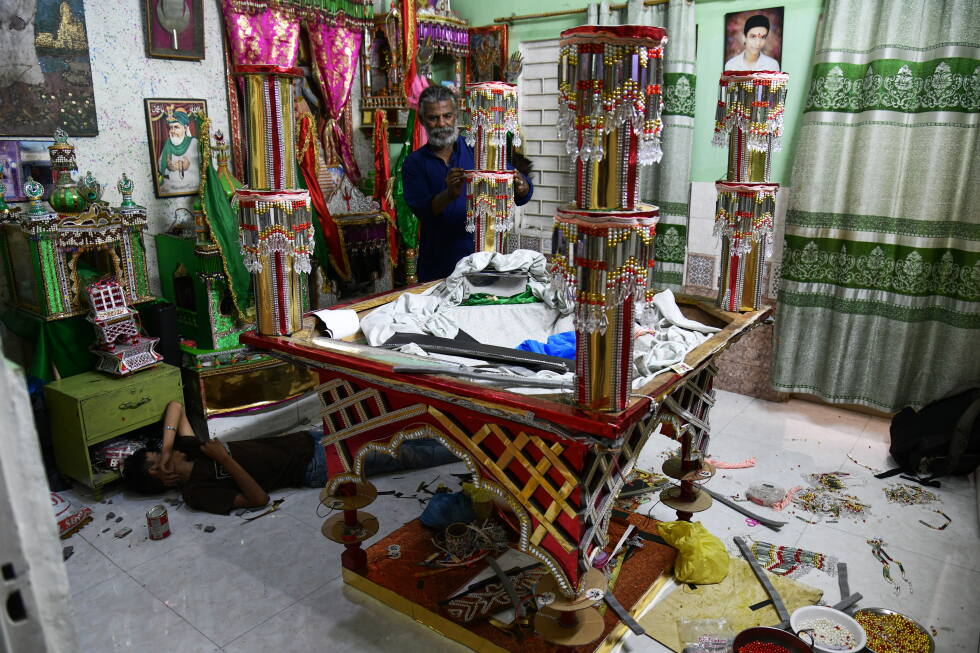
Pakistani Hindus join Shiite Muslims in Muharram observances honoring Imam Hussein
In the bustling coastal metropolis of Karachi, Pakistan, a remarkable interfaith tradition unfolds each year during the Islamic holy month of Muharram. For Raju Rathore, a lifelong Karachi resident whose parents resettled from India’s Gujarat region following the 1947 Partition of India, his Hindu faith and deep devotion to Imam Hussein coexist seamlessly, a legacy passed down through three generations of his family.
Muharram, and particularly the 10th day known as Ashoura, is most widely recognized as a sacred period of mourning for Shiite Muslims, who mark the 7th-century martyrdom of Prophet Muhammad’s grandson Hussein at the Battle of Karbala, in what is now modern-day Iraq. Hussein’s death stands as the foundational event that split Islam into the Sunni and Shiite branches, and millions of believers across the globe commemorate the tragedy each year. Yet across South Asia, a little-known cross-cultural practice has endured for centuries: participation by Hindu communities in Muharram rituals.
For Rathore, this devotion traces back to a promise his mother made decades ago. After years of struggling to conceive, she prayed at the shrine of Masoom Shah Bukhari, vowing that if she were blessed with a child, her offspring would honor Hussein’s martyrdom by crafting tazias — intricate, temporary replicas of Hussein’s mausoleum that are carried in large public processions during Muharram. Today, at 52 years old, Rathore has carried on that vow for 45 years, handcrafting detailed tazias from paper, cardboard, glass and other materials at his own expense. His family collects materials throughout the year in preparation for Ashoura, and now his own son has stepped in to learn the craft, ensuring the tradition will outlive him. “This is our passion,” Rathore explained. “Our devotion to Imam Hussein is such that even giving our lives would feel insufficient. As long as I have the strength to continue, I will keep making them.”
Historical records confirm that cross-communal participation in Muharram has deep roots across South Asia, with groups such as the Hussaini Brahmins developing layered religious traditions that blend Hindu and Shiite Islamic practices. Justin Jones, a religious studies professor at the University of Oxford, notes that one key driving force behind this widespread participation was the political history of the region. For centuries, many ruling dynasties across South Asia were Shiite, and these ruling houses publicly sponsored Muharram processions and commemorative events, transforming what began as a sect-specific religious observance into a large, inclusive public gathering that attracted participants from all faith backgrounds.
Over generations, these observances became woven into the civic and cultural fabric of many South Asian communities. Some Hindu communities contributed as musicians in processions, while others like Rathore’s family took on the role of crafting tazias. While Jones notes that these shared interfaith traditions have become less common over the past century, as religious communities have increasingly separated their ritual practices, the custom holds strong in pockets of the region, including Karachi.
Pakistan’s 2023 national census counts nearly 3.9 million Hindu residents, making Hinduism the country’s largest religious minority. While rights groups such as Minority Rights Group have documented widespread violations of religious freedom for Pakistani Hindus, Rathore says he has never faced barriers to continuing his family’s tradition. “Yes, I am Hindu, but this is not about religion,” he said. “Many of my fellow Hindus also hold Imam Hussein in great respect.”
Rathore and other Hindu participants in Karachi gather at Shiite congregation halls during Muharram, where they join in prayers and traditional mourning rituals including chest-beating before joining the public processions. Bharat Kumar, another Karachi-based Hindu who carries on the tazia crafting tradition, echoed that interfaith respect is a core part of his community’s values. “Our religion has never taught us that because we are Hindus we should not participate in or respect others’ traditions,” Kumar said. “We celebrate our own festivals with great enthusiasm and grandeur and we approach this in the same way.”
As religious divisions have sharpened across much of South Asia in recent decades, this quiet, centuries-old practice of cross-faith solidarity and shared ritual stands as a rare example of intercommunal harmony, preserved by families like the Rathores who see their participation not as a compromise of faith, but as a sacred vow and a deeply held cultural passion.
-
A cancer patient’s cats inspired a push for pets in hospice wards
WARSAW, Poland — For 70-year-old Ewa Lutka-Krawczyk, a grim gallbladder cancer diagnosis brought not just fear for her own future, but overwhelming worry for the sweet shelter dog she had welcomed into her home three years prior. When she first received the diagnosis, her greatest plea to her care team was for just a few more years of life — enough time to ensure her deeply bonded dog Gaja would never be abandoned or left alone after her death.
This month, Lutka-Krawczyk was admitted to the palliative care ward of a Warsaw hospital, her prognosis progressing as expected. Left at home with the patient’s husband, Gaja has pined so deeply for her owner that she has barely touched her food. From her hospital bed, where Lutka-Krawczyk rests with an abdominal draining tube, she puts it simply: Gaja is just waiting for her.
A new piece of draft legislation moving through Poland’s parliament could soon change the situation for Lutka-Krawczyk and hundreds of other terminally ill patients across the country. If passed, the law would enshrine a universal legal right for palliative care and hospice patients to receive visits from their own companion animals. While many Polish clinics already allow pet visits on an informal, case-by-case basis, no nationwide legal protection for this practice currently exists.
The proposal was spearheaded by Dr. Tomasz Dzierżanowski, director of the Palliative Medicine Clinic at the Medical University of Warsaw — the facility where Lutka-Krawczyk is currently receiving care — and introduced to parliament by a lawmaker from Prime Minister Donald Tusk’s centrist civic party. Dzierżanowski framed the push for legal protection as a response to what he calls a modern “epidemic of loneliness” sweeping through society, a crisis that hits terminally ill patients especially hard.
“Our core mission is to ensure no patient dies alone,” Dzierżanowski explained in an interview with the Associated Press. “Ideally, that companionship would come from another person. But all too often, for many patients, there is no one.”
The doctor notes that this isolation impacts both older and younger palliative care patients. Many elderly patients have outlived their spouses, friends and extended family, leaving them without close connections in their final days. For younger patients, Dzierżanowski argues that the rise of digital communication and virtual social circles has prevented many from building the deep, lasting in-person friendships that sustained previous generations through life’s hardest moments.
Dzierżanowski’s push for legislation grew out of a deeply moving personal experience with a patient named Waldemar, a terminally ill cancer patient who expressed no fear for his own passing — only crippling worry about what would happen to his two cats after he died. After Dzierżanowski arranged to bring the cats into the ward for a final visit, the overwhelming emotion of the reunion — Waldemar’s tears of joy, the cats’ obvious relief at seeing their owner, and the reaction of other patients and staff who witnessed the moment — convinced him the issue needed formal, systemic change.
“Seeing that reunion made me realize this issue could no longer be ignored,” he said.
Under Dzierżanowski’s current clinic policy, pet visits are already permitted when the clinical environment allows, meaning Lutka-Krawczyk will soon get to see Gaja even before the legislation becomes law — a development that brought her immense comfort when she learned the news.
Katarzyna Piekarska, the legislator who formally introduced the bill, which is currently under review by parliament’s health committee, noted that informal pet visits are already common across many Polish care facilities. “In reality, animals are already in hospitals anyway,” she said. “That is why this practice needs clear formal regulation in the law.”
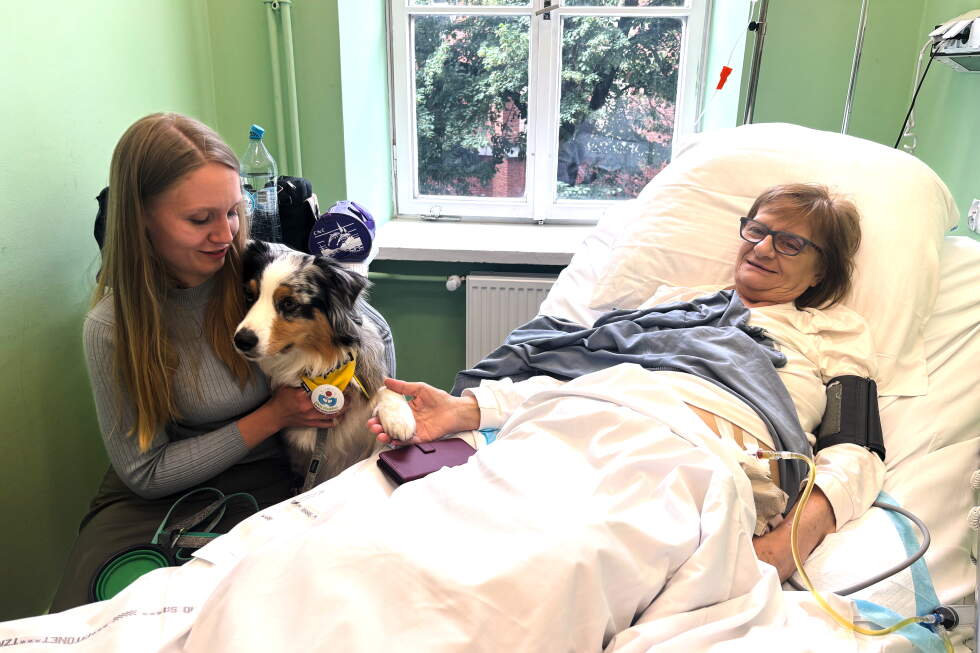
Beyond visits from patients’ own pets, the clinic already hosts regular visits from therapy dogs, with tangible benefits for patients and staff alike. During an AP visit to the ward, an Australian shepherd named Kluska — whose name translates to “dumpling” in Polish — made her regular rounds with her owner, medical student Małgorzata Brzozowska. Kluska brought a much-needed moment of joy to Lutka-Krawczyk, who held the dog’s paw and smiled through her discomfort. For 58-year-old Wojciech Zelik, a patient admitted for tumor care, the visit offered a lighthearted break from his treatment: as Brzozowska walked Kluska through her routine tricks, Zelik propped himself up in bed to admire the dog, noting “she has such lovely, fluffy fur to pet.”
Brzozowska explained that therapy dog visits don’t just help patients — they also ease the chronic stress that clinical staff experience while caring for terminally ill patients. During Kluska’s visit, multiple nurses and even the hospital cook paused their work to greet her in the hallway, with the cook slipping the dog slices of ham as a treat.
Still, Brzozowska emphasized that the emotional benefits of a visit from a patient’s own pet far outweigh those of a therapy animal visit. Reuniting a patient with their beloved companion calms the patient, comforts their family members, and eases the stress of the pet, who often grows anxious when their owner suddenly disappears from the home.
“The dog isn’t as stressed when they see their owner,” she explained. “We think that means they understand what’s happening — they know where the person who was always with them has gone.”
-

In France’s historic heat wave, Paris’ dreamy rooftops become a heat-trapping nightmare
As record-breaking extreme heat sweeps across Western Europe, one of Paris’ most beloved cultural landmarks has emerged as a silent public health threat, disproportionately endangering the city’s most vulnerable residents.
For decades, Paris’ sweeping skyline of muted gray zinc rooftops has captivated artists, filmmakers, and tourists, embodying the timeless romantic charm of the French capital. The centuries-old craft of shaping and installing these zinc sheets is even inscribed on UNESCO’s list of intangible cultural heritage of humanity, celebrated for its durability, malleability, and recyclability. But as climate change drives more frequent and intense heat waves, the metallic property that makes zinc ideal for construction — its ability to absorb and conduct heat — has turned thousands of attic apartments under these iconic roofs into dangerous heat traps.
Amelie Kenney, a 23-year-old recent graduate, once counted herself lucky to snag her tiny top-floor walkup: at 735 euros total for a shared apartment with a postcard-perfect view of Parisian rooftops and the distant Sacré-Cœur basilica, it was one of the most affordable options in central Paris. Like many young students and low-income Parisians priced out of larger, lower-floor units less exposed to direct sun, Kenney traded comfort for location and cost. That bargain has turned into a grueling ordeal as the 2024 June heat wave pushed daytime temperatures past 40 degrees Celsius (104 Fahrenheit), with overnight temperatures lingering at 25 C (77 F) — too warm to offer any relief from accumulated heat.
“It’s just baking in the whole afternoon and it’s impossible to just get a respite,” Kenney explained. Her apartment’s single west-facing window basks in direct sun from midday through dusk, and the layout offers no space for cross-ventilation to flush out trapped heat overnight. She and her roommate, both used to warm climates from their home countries of Australia and Italy, have tried every low-cost trick to cool down: a small portable fan, frequent cold showers, wet sponges to cool their skin, constant hydration, and a constant, exhausting cycle of opening and closing the window to trade heat for traffic noise. “It’s a very, very Kafkaesque cycle,” she said. If she could afford to move now, she added, she would leave immediately.
This is not a new crisis, but decades of urban planning policy have left the city ill-equipped to address it. Public health data has long documented the deadly risk of these attic apartments. A 2023 analysis from France’s national public health agency found that during the catastrophic 2003 European heat wave — which killed 15,000 people across France — living in a top-floor attic apartment directly under a zinc roof increased a resident’s risk of heat-related death by more than four times. A 2023 study published in *The Lancet Planetary Health* further confirmed that among 30 major European capitals, Paris carries the highest overall risk of heat-related death.
Housing advocates say strict zoning rules designed to preserve Paris’ historic architectural character — including its iconic zinc skyline — prevent many low-income residents from adapting their homes to rising heat. Maider Olivier, a campaigner with the Foundation for Housing for the Disadvantaged, notes that these iconic attic spaces are not just uncomfortable: they are disproportionately occupied by low-income residents and young students who already pay a large share of their income for small, substandard housing.
“People find the rooftops of Paris charming. There’s the image of the attic room. But in reality, when you look at who lives in these apartments, it’s often students paying a great deal of money for a small room,” Olivier explained. “Not only are they extremely exposed to heat, but it’s also impossible to create cross-ventilation to get rid of the heat at night.” Worse, she added, many residents are blocked from adding insulating materials or exterior sun-blocking shutters by regulations that prioritize protecting the city’s skyline over the health of the people who live under it. “These regulations which protect the rooftops of Paris do not protect the people who live beneath those rooftops,” she said.
Unlike modern commercial buildings in Paris, which are largely equipped with air conditioning, most older private apartments in the city’s dense central Haussmann neighborhoods lack cooling systems — a common feature across much of Europe, where extreme heat was once a rare anomaly. As climate change continues to push temperatures higher and heat waves become more frequent, the gap between protecting Paris’ cultural heritage and safeguarding the health of its most vulnerable residents has grown into a pressing public health emergency.
-
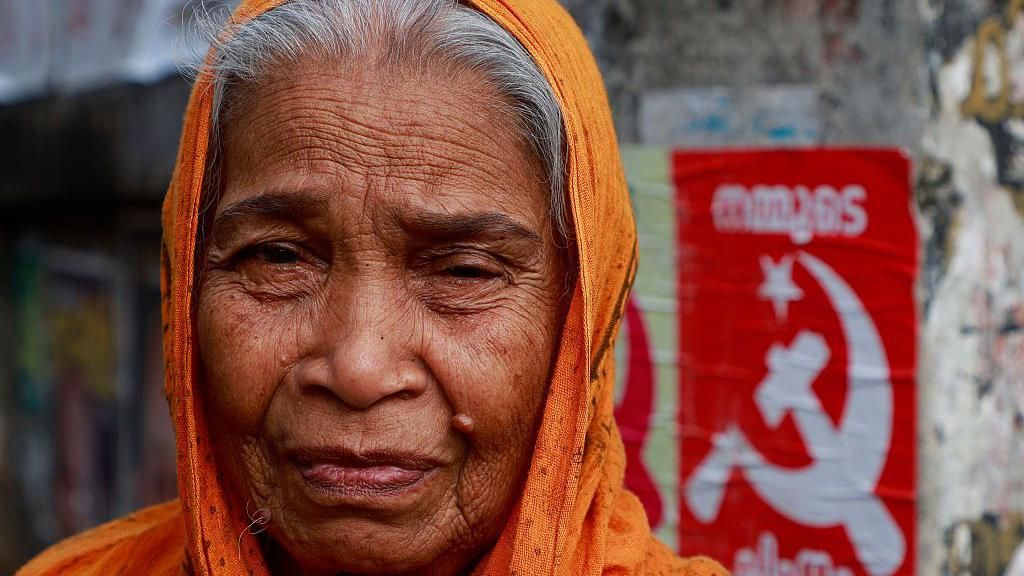
This Indian state is trying to ensure no one grows old alone
Across the sun-faded living rooms of southern India’s Kerala, a quiet crisis is unfolding. For 70-year-old TO Dominic, every morning opens the same way: with a quick phone call to one of his two adult sons. One son built his career in neighboring Karnataka, while the other sought work opportunities in the Middle East. Both left their childhood home years ago, leaving Dominic and his 70-something wife MJ Martha to navigate daily life entirely on their own.
These daily calls bring small comfort, filled with routine checks on health and casual chatter about the weather. But when the couple faces a broken pipe, a medical appointment, or even just need an extra pair of hands to carry groceries, their sons are thousands of kilometers away, unable to step in. Once, their home echoed with the noise of growing children; today, long stretches of silence fill most days. “We rely completely on our neighbors for help,” Dominic explains. “Our children can only visit once every few years, and we have no close relatives living nearby. Every year, daily tasks get just a little bit harder.” Martha nods beside him, adding that persistent loneliness has become an inescapable part of their old age.
The Dominics’ story is far from unique. For centuries, multigenerational cohabitation was the unbroken norm across India, with adult children caring for aging parents in the family home. But decades of out-migration for work and higher education have steadily eroded this centuries-old tradition, particularly in Kerala — India’s fastest-ageing state, where demographic shifts and labor mobility have left a growing share of the elderly population living alone. To confront this rapidly growing public challenge, the Kerala state government announced last month the launch of India’s first standalone government department dedicated exclusively to senior citizen welfare.
Dr. Rathan Kelkar, the head of the newly formed department, outlines that the agency’s core strategy centers on the principle of “ageing in place” — a framework designed to help older adults remain in their own homes and local communities, rather than relocating to institutional care facilities. The department’s rolling policy agenda includes expanding affordable community and in-home care services, rolling out “social prescribing” initiatives that connect isolated seniors to regular group activities and social outlets, launching a state-certified caregiver training program to build a professionalized care workforce, and constructing new public infrastructure including elderly-focused parks, senior day-care centers, and accessible fitness facilities. A comprehensive statewide survey of the senior population is also underway to lay the groundwork for a long-term national “Silver Economy” development roadmap.
Kelkar emphasizes that ageing can no longer be sidelined as a narrow social welfare issue: “It intersects with every sector of public life — healthcare, housing, transportation, local governance, technology, employment, public safety, financial services, and community connection.”
Kerala already holds the distinction of having the highest share of elderly residents among all of India’s major states. A 2026 analysis from the Reserve Bank of India projects that by 2036, nearly one in four Kerala residents — 22.8% of the total population — will be over the age of 60, compared to a projected national average of just 14.9%. This rapid demographic shift stems from two overlapping trends: social progress and persistent out-migration. Decades of improved public healthcare have pushed life expectancy higher, while falling birth rates have slowed population growth, naturally aging the state’s population pyramid. At the same time, generations of working-age Keralites have left the state to seek higher-wage work in the Middle East, Europe, North America, and other parts of India, often leaving aging parents behind.
While remittances from these migrant workers have lifted household incomes and overall living standards across Kerala, they have also created this growing social gap: millions of older Indians now spend their final years geographically separated from their children. For migrant children living abroad, the distance brings its own emotional toll. A Keralite IT professional based in Sydney, who asked not to be named, explains: “I send money home every month without fail, but financial support is never enough. Being there in person — for a medical emergency, or just to sit with them when they’re lonely — that’s something money can never replace.” When his parents fell ill with a viral infection last year, he could only coordinate care via phone and video calls from 10,000 kilometers away, saying, “I felt completely helpless, and that feeling never really goes away.”
Kelkar notes that Kerala is not starting from zero in its response to the ageing crisis: the state already runs successful existing programs including universal old-age pensions and the widely studied Vayomithram community palliative care initiative. What was missing, he argues, was a single centralized authority to coordinate across fragmented government sectors, close service gaps, and align long-term planning. “Before this, there was no single institutional body responsible for bringing all these different departments together, identifying unmet needs, building cross-sector convergence, and planning for decades to come,” he says.
Even with this new institutional structure, Kelkar acknowledges that bricks-and-mortar infrastructure and formal services alone cannot solve the crisis of senior isolation. “Loneliness and social disconnection have become one of the defining challenges of ageing in modern Kerala,” he says. To address this gap, the department is building out statewide volunteer networks and community connection programs to reach isolated seniors. “Our vision is simple: no elderly person in Kerala should feel invisible or abandoned, no matter where their children live.”
Medical experts across India warn that the crisis Kerala is now confronting is a preview of a coming nationwide challenge. Dr. Prasun Chatterjee, who leads the geriatrics unit at Delhi’s Apollo Hospital, says the question he hears most from his older patients is, “Who will take care of me when I can no longer take care of myself?” Many of his patients live alone after losing a spouse or watching their children relocate for work, and even minor emergencies become overwhelming: “They don’t just worry about long-term care. They worry about who will drive them to the hospital if they get sick at 2 a.m.”
Dr. Chatterjee also points to a critical systemic gap across India’s healthcare system: a severe shortage of specialized geriatric care providers, meaning most older adults rely on general healthcare services that are not designed to meet their unique physical and medical needs. He argues that what India needs is a broad, cross-sector support network that includes accessible day-care centers, community gathering spaces, age-friendly primary healthcare, and structured opportunities for seniors to maintain social connections. “No single government department can solve this problem on its own,” he notes.
Even with the launch of the new department, questions remain about whether Kerala’s ambition matches its available resources. This year, the state has allocated just 100 million rupees (approximately $1.05 million) to the new department, a figure many policy analysts call largely symbolic. Kelkar pushes back on this criticism, explaining that the initial funding is earmarked for building coordination capacity, supporting innovative pilot projects, and building the population data infrastructure needed to scale long-term policy. “The government views ageing not as a short-term welfare project, but as a long-term development priority for the entire state,” he says.
Some industry experts add that policy alone is not enough to address the gap. Srinivasan Govindaraj, CEO of Athulya Seniorcare, which operates assisted living facilities across India including in Kerala, argues that India still lacks a properly regulated private senior care market. “There are dozens of small, local providers across the country, but there are no uniform national quality standards or accountability measures,” he says. For Ker ala’s growing ageing population, he says, what is needed is not just government welfare schemes, but a trusted, regulated care ecosystem that can support low- and middle-income families who cannot afford full private pay care.
For 82-year-old MSR Dev, a retired scientist who lives in Kerala with his wife, the core of the issue is simpler than policy and funding: it is about keeping older people connected to the world around them. He says Kerala can draw lessons from nations like Sweden, where robust community support systems help older adults stay active and independent well into their later years. “Communication and connection are just as essential as food and healthcare,” Dev says. “As social beings, we all need places to go and people to talk to.”
Back in their small home, Dominic and Martha have not waited for government policy to improve their circumstances. Like many other elderly couples in Kerala, they continue to rely on the generosity of their neighbors, as they have for years. What Martha wants is not a grand policy overhaul, she says: it is just having someone they can call who will actually show up when they need help. Whether Kerala’s new dedicated department can deliver that simple promise, in a state where thousands of families are separated by oceans and time zones, remains to be seen.
-
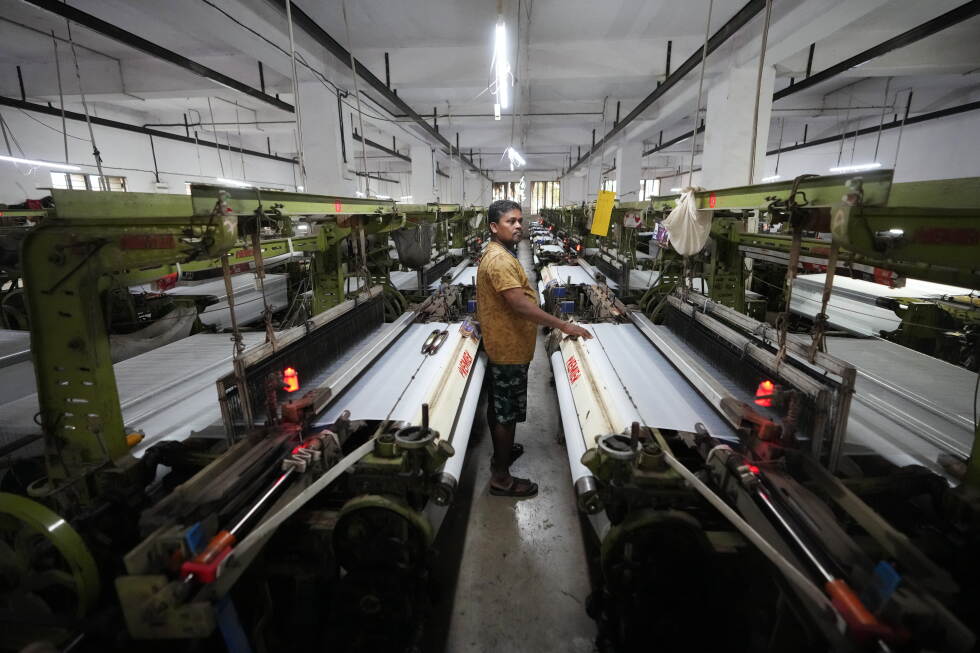
How one Indian textile worker copes with extreme heat in factory work and cramped living quarters
Long before the first hint of sunrise stains the sky over Surat, India’s sprawling synthetic textile manufacturing hub, 35-year-old migrant worker Sibaram Pradhan is already awake. Seated cross-legged on the concrete floor of a cramped plywood cubicle he shares with nine other migrant men, Pradhan breaks into a sweat before his day even begins. This summer, climate-amplified extreme heat has left no corner of India untouched, wrapping both days and nights in a suffocating blanket of humidity and high temperatures that lingers even at 6 a.m.
Like hundreds of thousands of fellow migrants from Odisha, the eastern Indian state he calls home, Pradhan commutes 2,000 kilometers to work in one of Surat’s thousands of power loom factories. He is one of millions of South Asian workers trapped in a cycle of grueling labor: substandard overcrowded housing and brutally hot, poorly ventilated, deafening factory floors, conditions that grow more dangerous by the year as climate change intensifies regional heatwaves.
“I’m a poor person. I have come all this way from Odisha to Gujarat just to put food on the table,” Pradhan explains. “We have no choice but to work to survive.”
The first task of his long day is a quick video call to his wife and two children, who remain in Odisha. Once that is done, he offers a quick prayer to a small portrait of his deity taped to the plywood wall of his cubicle, then joins a queue stretching down a dark, narrow hallway for access to the shared bathroom facilities. Up to 100 workers share just two toilets and a handful of water taps, relying on buckets to bathe.
More than 200 migrant workers are housed across two converted warehouse floors split into thin plywood cubicles. With only a handful of ceiling fans to circulate stagnant, warm air, the entire complex offers almost no ventilation. This summer, temperatures have already climbed past 38 degrees Celsius (100 degrees Fahrenheit), turning both factories and worker housing into oppressive, stifling spaces that offer little relief from the heat. Pradhan rushes through his morning routine: any late arrival to the factory means a dock in his daily pay.
Inside the factory walls, Pradhan’s shift stretches up to 12 hours. He is responsible for loading polyester yarn onto power looms, monitoring for broken threads, checking bobbin placement, and maintaining uniform fabric quality across up to 15 machines at once. He moves constantly between the units, enveloped in a constant roar of noise that can reach 130 decibels — a volume equivalent to a gunshot fired at close range, or a high-speed train passing just meters away.
The unrelenting heat forces Pradhan to work in only a sleeveless undershirt and shorts. He drinks water almost nonstop and regularly wrings sweat out of his clothing to keep it from becoming soaked and heavy. The job requires constant vigilance around the unguarded, fast-moving heavy machinery: “Even if we’re exhausted, we have to stay focused, because people lose fingers to these machines all the time,” Pradhan says. “If you get hurt, you have to pay all your own medical bills, and you don’t get paid for the days you can’t work.”
Nearly all factories rely on nothing more than ceiling fans to cool machinery and workers, with no systemic ventilation to flush out accumulated heat. After hours of exposure to the sweltering conditions, many workers report frequent dizziness, splitting headaches, and persistent chronic fatigue. Heat exhaustion and dehydration-related illnesses and even deaths are alarmingly common among the workforce, says Siba Malik, a leader of Surat’s power loom worker union. Experts warn that national heat-related death tolls are almost certainly drastically undercounted, due to inconsistent reporting protocols on death certificates, leaving reliable official statistics out of reach.
Virtually all of Surat’s textile workforce is made up of internal migrants, the vast majority of whom hail from Odisha’s Ganjam district, one of India’s regions most vulnerable to climate-driven natural disasters. Workers report that repeated cyclones, flooding, and erratic rainfall have destroyed small-scale farming, the traditional livelihood in the district. Combined with chronic water shortages and a lack of local infrastructure and alternative work opportunities, these climate shocks have pushed hundreds of thousands of people to seek factory work in Surat. A 2023 nonprofit report estimates that as many as 800,000 Ganjam district natives currently work in Surat’s textile sector.
“There is simply no work to be found in our home villages,” says Seemanchal Sahu, another power loom worker who has lived and worked in Surat for more than 15 years. “If we could make a living there, we would never have left.”
Malik, a former power loom worker himself, notes that the vast majority of these workers lack health insurance, paid leave, or any other basic labor protections, leaving them extremely vulnerable to illness or injury. Any interruption to work means an immediate stop to their income. He has spent years organizing workers to collectively demand better working conditions and basic benefits, but progress has been slow. Workers have little leverage to push for change: they are dependent on the meager wages factories offer, which range from 600 to 750 Indian rupees (approximately $6 to $8) per day, or pay based on how many meters of fabric they produce.
After finishing his 12-hour shift around 7 p.m., Pradhan walks back to his housing complex, where the heat offers no reprieve. Nighttime temperatures in Surat regularly hover around 30 degrees Celsius (86 degrees Fahrenheit), so the cubicles remain just as hot and stuffy after dark as they are during the day. If the bathroom queue is not too long, he will take a quick second bucket bath, then head to the on-site canteen for dinner, which usually consists of lentils, rice, and cheap seasonal vegetables like eggplant or potato. Fish is only served once a week.
After eating, Pradhan usually spends an hour or so socializing with other workers at a nearby street tea stall, since sitting inside the overheated cubicle is unbearable. When he finally returns to his room to sleep, the conditions still work against him. “It’s just as hot inside the room at night,” Pradhan says. “We can’t sleep properly. I wake up three or four times every single night.”
Even with his grueling seven-day-a-week schedule, Pradhan spends roughly one-fifth of his income on rent and food at the complex, but still manages to send roughly 6,000 rupees ($63) home to his family in Odisha every month. His routine rarely changes, broken only by rare holidays like Diwali or the Odia New Year, when he travels back to his home state to visit his family.
Through all the hardship, Pradhan holds onto one hope: that his children will be able to build a better life than he has. He is saving to send them to school, so they can get stable, professional jobs that do not require the backbreaking, dangerous labor he endures every day. “I know exactly how hard this work is,” he says. “I will never let my children end up here.”
-
The legal fight to get equal pay for Germany’s disabled workers
Across Germany, a network of government-recognized sheltered workshops designated for disabled workers currently employs nearly 300,000 people. But a landmark legal case set to be decided over the coming year threatens to upend decades of discriminatory policy that has excluded this population from basic labor protections enjoyed by other German workers, including the statutory minimum wage and the right to organize.
The lawsuit was filed on behalf of Jürgen Linnemann, a 57-year-old man who has worked in sheltered workshops his entire adult life. Under current German regulations, disabled workers in these specialized facilities are not classified as formal employees. This technical distinction exempts employers from paying the national minimum wage, excludes workers from standard labor protections, and bars them from joining trade unions to advocate for better conditions. For many workers, pay amounts to a small stipend far below what non-disabled workers earn for identical production work, which often supplies parts and finished goods to major international brands.
Critics of the system argue that it creates a self-perpetuating cycle of segregation that traps disabled people from childhood. Hubert Hüppe, a former federal disability rights commissioner and one of the most vocal critics of Germany’s sheltered workshop model, explains that disabled people are often funneled into segregated education pathways from early childhood, with sheltered employment framed as their only viable option upon graduation. This pipeline leaves few opportunities to access the open labor market, with less than 1% of sheltered workshop workers successfully transitioning to mainstream private sector employment annually.
Structural economic incentives embedded in German law further entrench this segregation. German companies with more than 20 employees are legally required to fill a minimum quota of positions with disabled workers, ranging from 1% to 5% depending on company size. Firms that fail to meet this quota must pay compensatory fines into a national fund that supports disability employment programs. Many companies opt to pay these fines rather than hire disabled workers directly, and the system provides an additional incentive for outsourcing: companies that contract production work to sheltered workshops can reduce the compensatory fines they owe. Even when workers do develop the skills to move into mainstream roles, workshop operators often have an incentive to retain their most productive employees to keep production running, blocking transitions to the open market.
These structural flaws have drawn international criticism. A 2023 report from the United Nations Committee on the Rights of Persons with Disabilities specifically called out Germany’s overreliance on sheltered workshops and its extremely low transition rate to open employment as a violation of disabled people’s labor rights.
The experience of Dirk Hähnel, a 50-something man who spent decades in sheltered workshops near Paderborn, illustrates the pipeline of segregation. Hähnel was originally placed in a mainstream primary school, but was transferred against his will to a segregated special school at a young age after officials recommended the move to his parents. When he graduated, he was told sheltered work was his only option. Unwilling to accept that outcome, he applied for an apprenticeship, but faced open discrimination when he disclosed his epilepsy during a job interview: the interviewer told him “we don’t employ idiots here.”
The reporter who contributed to this investigation, a disabled journalist born blind, shared their own parallel experience: at age six, their primary school recommended placing them in a segregated school for children with learning disabilities because they mixed German and Arabic as a young child. Only their parents’ decision to ignore that recommendation allowed them to pursue a career outside the sheltered workshop system.
Not all workers in sheltered workshops oppose the system, however. Medina Arnaut, a 35-year-old workshop worker and chair of her facility’s worker council, notes that many disabled people rely on the structured, low-pressure environment that sheltered workshops provide. Arnaut, who works at a Caritas charity-run workshop in Paderborn, says many of her colleagues previously worked in mainstream employment and left because the high-pressure environment exacerbated their health conditions. For this group, the existence of specialized workshop settings is a critical support.
Even supporters of the model, however, acknowledge that the status quo is deeply flawed. Karla Bredenbals, director of the Caritas Paderborn workshops, agrees that the transition rate to open employment is unacceptably low. She cites ongoing systemic barriers outside the workshop system, including a lack of accessible infrastructure at many private companies and inadequate accessible public transportation that prevents disabled workers from commuting to mainstream jobs. Still, Bredenbals pushes back against the common practice of retaining high-productivity workers to meet production targets, calling it unethical: “Hanging onto people means we are robbing them of the chance to take responsibility for their own working lives.”
On the question of minimum wage, Bredenbals notes that the issue is complex: formal employment requires workers to meet contractual productivity standards, and many disabled workers with severe impairments are not able to meet those requirements full-time. She argues any policy change must account for the diverse support needs of the workshop population.
Linnemann’s case is being heard at the Münster Labour Court, with the next hearing scheduled for September 2026, and a ruling not expected until 2027. The case is backed by the Berlin-based human rights group Society for Civil Rights, and a ruling in Linnemann’s favor could extend employee status and minimum wage protections to hundreds of thousands of disabled workers across the country, reshaping Germany’s disability employment system permanently.
-

Philippines bans Gorebox gaming app after high school shooting
A horrific mass shooting at a Philippine high school that left three students dead and 20 more wounded has triggered an immediate government response, including a temporary ban on the ultra-violent video game Gorebox linked to one of the underage suspects.
The attack, which unfolded on Monday at San Jose National High School in Tacloban, a city in southeastern Manila still known for the devastating 2013 Super Typhoon Haiyan that killed thousands, marks a deeply unusual incident in the country: while gun-related crime occurs regularly, mass school shootings carried out by minors are extremely rare. Police have confirmed the two attackers are aged 15 and 14, with the younger suspect documented as an active player of Gorebox, a first-person shooter developed by German studio F2Games.
According to the game’s own listing on Google Play, Gorebox markets itself as a space where “creativity meets unrestrained destruction”, allowing players to “obliterate anything [they] desire” and engage in brutal combat using a wide arsenal of firearms and explosives. The International Age Rating Coalition has already assigned Gorebox an R18 rating, restricting it exclusively to adult players due to its extremely violent, explicit and unregulated content. Philippine law enforcement say the 14-year-old suspect had been sharing violent content online, and investigators believe he was “heavily influenced” by violent online materials.
Within days of the shooting, Philippine cybersecurity authorities ordered the temporary block of Gorebox to facilitate a full investigation into any connection between the game and the attackers’ actions. “We cannot ignore possible online influences that may have contributed to this tragic incident,” the national cyber-security agency stated. Aboy Paraiso, undersecretary at the country’s Cybercrime Investigation and Coordinating Centre, explained that the temporary restriction will give authorities time to complete a thorough assessment of whether the game platform played any role in radicalizing the suspects. The BBC has reached out to F2Games for official comment on the allegations, and to date no conclusive scientific research has established a direct causal link between video game play and real-world violent behavior.
Legal proceedings and follow-up investigations have already moved forward. As of Tuesday evening, murder charges have been formally filed against the 15-year-old suspect. Under Philippine juvenile justice rules, the 14-year-old suspect is too young to face criminal charges. Investigations into how the minors obtained their weapons have also revealed damning gaps in gun regulation: the 9mm pistol the younger suspect used belonged to his aunt, a serving policewoman who has since been suspended from duty, while the .38 caliber weapon carried by the 15-year-old was registered to his grandfather’s private security firm. A preliminary investigation into the attackers’ motives found the pair claimed they had endured prolonged bullying at the school, and all evidence collected so far indicates the attack was carefully planned. The suspects locked themselves in a school bathroom before carrying out the shooting, according to Philippine National Police spokesman Allan Rae Co.
A close friend of the 15-year-old suspect, who spoke to the BBC on condition of anonymity, described the teen as unusually tense and unwilling to let insults from bullies go unchallenged. He often got into physical fights with peers who targeted him, and rejected advice to walk away from confrontations. The friend noted that the teen adopted military-style hairstyles and clothing, and appeared to have extensive knowledge of firearms, a likely influence from his grandfather’s work in the security industry. “I couldn’t think that someone could do such a heinous thing,” the friend told reporters.
The shooting has already sparked urgent calls for policy reform across the Philippines. Party-list congressman Chel Diokno of the Akbayan party is pushing for harsher penalties for any individual or entity that enables minors to access illegal firearms. Philippine senators have announced they will resume a stalled investigation into the impact of violent online content on youth mental health and behavior. Senator Risa Hontiveros argued that unregulated online platforms have become “nests for brainwashing and radicalising our youth”, stressing that authorities cannot wait for another tragedy to act. Joy Belmonte, mayor of the populous Quezon City, called for a national review of school security protocols, noting that regular active shooter drills and simulations are needed to prepare students and staff for potential incidents. Education Secretary Sonny Angara echoed these concerns, saying the government does not want to see the kind of repeated copycat school shooting incidents that have become a public health crisis in the United States take root in the Philippines.
This incident remains the deadliest school shooting involving minors in recent Philippine history, and it comes more than 15 years after the country’s worst ever mass shooting: the 2009 Maguindanao massacre, where a local mayor and his allies killed 58 people, most of them journalists covering a political dispute.