
Every spring, a centuries-old traditional ritual that welcomes the changing of seasons brings hundreds of faithful worshippers to a rugged, largely unspoiled mountain just outside Tokyo’s bustling urban core. Known as the Hinode Sai, or Sunrise Festival, this annual two-day Shinto celebration traces its origins back to the Middle Ages, when wandering ascetics first scaled Mount Mitake in their search for spiritual enlightenment. Located roughly 55 kilometers from central Tokyo, the mountain’s remote summit remains largely untouched by modern development, making it a serene setting for one of Japan’s most enduring cultural traditions. The core ritual of the festival centers on the sacred deity enshrined at the mountain’s top shrine. Carefully wrapped in plain white silk and kept hidden from public view at all times, the deity is carried down from the summit to a temporary resting place at the mountain’s base, a site believed to be where the deity first descended from the heavens centuries ago. The slow, silent procession began on Tuesday evening, guided only by the warm glow of lanterns as it wound through a quiet mountain village, passing gathered devotees and shuttered local storefronts while extending blessings to all along the route. After the deity spends the night at its lower resting place, the celebratory ascent back to the summit begins at dawn. This year, robed Shinto priests were joined by participants clad in replica traditional samurai armor and children wearing formal ceremonial attire for the one-kilometer climb. The pilgrimage reached its climactic moment when the procession finished the final 330 stone steps to the mountaintop shrine, with the deep, resonant echo of conch shells ringing out through the surrounding evergreen forest. For attendees from across Japan, participation in the festival is more than a cultural tradition: shrine officials explain that those who take part receive the deity’s blessing, which is believed to grant household protection and freedom from illness for the coming year. Beyond its spiritual significance, the festival also acts as a centuries-old public marker for the arrival of spring, connecting modern Japanese devotees to generations of ancestors who have marked the changing seasons on the same remote slopes.
分类: society
-
Australia’s ‘most beautiful’ street fed up with viral fame
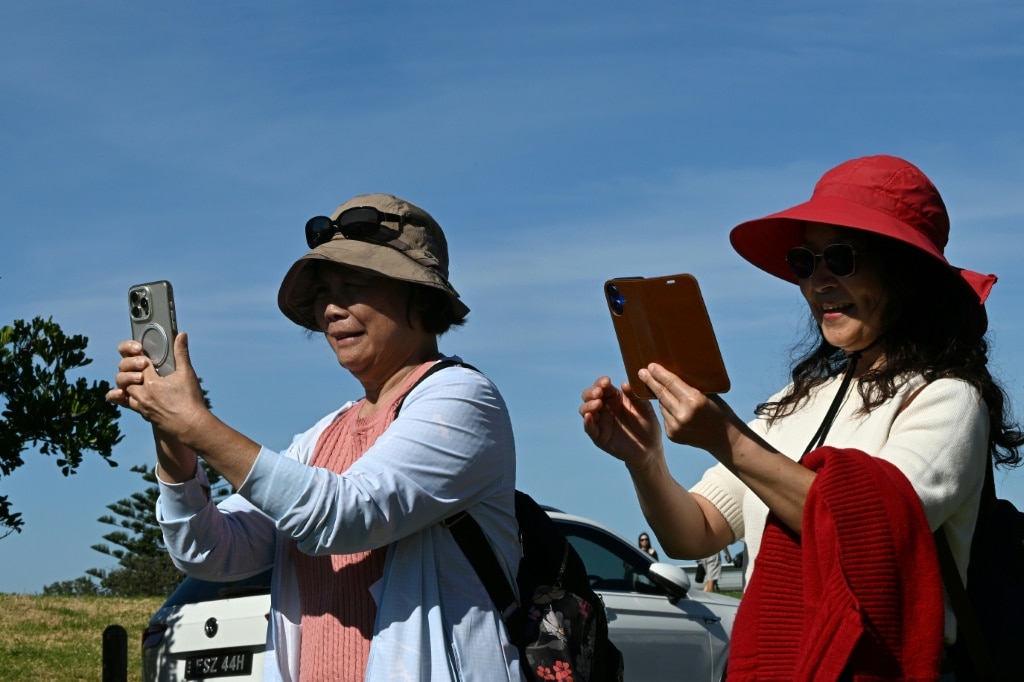
Across the globe, iconic travel hotspots from Barcelona to Venice have pushed back against the chaos of overtourism — and now a tiny Australian coastal hamlet is the latest community to draw a line in the sand. Tasman Drive, a tree-lined road in Gerringong, a quiet town two hours south of Sydney, has been labeled the country’s ‘most beautiful street’ in viral social media content, and the flood of visitors drawn by the posts has left long-term residents fed up with the constant disruption to their daily lives.
Gerringong has long been a postcard-perfect spot along Australia’s east coast, where multi-million-dollar clifftop homes overlook the bright turquoise expanse of the Tasman Sea, drawing a steady trickle of holidaymakers. But in recent months, viral reels, photos and posts across Instagram, TikTok, and even China’s RedNote platform have turned the quiet residential street into a bucket-list destination, attracting thousands of tourists every month. For locals who moved to the town to escape the hustle of big cities, the sudden fame has turned their peaceful paradise into an endless traffic jam and photo shoot.
81-year-old local resident Peter Hainsworth told Agence France-Presse that the constant stream of visitors has turned life on the street into a farce. Tourists regularly block the entire road to take selfies, execute clumsy three-point turns in their rental cars, and leave discarded trash scattered across public spaces and private lawns. Nearby, as a group of tourists posed for photos in the middle of the pavement, one angry local cyclist hurled expletives at the group before declining to speak with reporters.
The backlash in Gerringong mirrors a growing global trend: as social media turns little-known hidden gems into overnight viral destinations, communities are dealing with the fallout of unplanned overtourism. In 2024, Japanese officials even installed a concrete barrier to block the most popular viewing spot for Mount Fuji, fed up with unruly tourist behavior and overcrowding that disrupted local life.
Fed up with the disruption, some Gerringong residents have taken matters into their own hands. Multiple homeowners have turned on their garden sprinklers to deter tourists from tramping across their lawns to get the perfect viral shot. A group of residents is now organizing a formal committee to lobby the local council to reclassify Tasman Drive as a one-way street, a move designed to cut down on the constant line of cars stopping mid-road to film the iconic view. The tension has gotten so bad that at least one resident has already sold their home and moved away to escape the chaos.
76-year-old local Linda Bruce, who lives steps from the famous viewpoint, said while she understands the draw of the landscape, the volume of visitors has become unsustainable. “It’s nice to see people enjoying it, but really, it’s just getting a bit too much,” she said, noting that tourists are now traveling from across Asia to see the street — a level of international interest that is unprecedented for the small town. “I mean, it’s an amazing country, and it’s there to share… it’s just a bit much for the locals.”
For tourists, the viral fame has been a chance to see one of Australia’s most talked-about new destinations. Sagar Munjal, a 28-year-old taxi driver from Sydney’s western suburb of Parramatta, made the two-hour drive with friends after seeing the view on Instagram. “My eyes were totally stunned,” he said. “You can enjoy the coastal drive with the beach plus beautiful mountains. I was amazed to see that.”
Andy Liao, a Chinese-born property developer based in Sydney, told AFP he brought his family to Gerringong after seeing posts of the street on RedNote. “The landscape is so beautiful. That’s why I drove two hours,” he said, adding that he sympathized with frustrated locals. “If I’m living here, I don’t want too many people coming to my backyard.”
Not all tourists share that understanding, however. 22-year-old Colombian cook Kevin Medina sparked an angry outburst from a local when he posed for selfies in the middle of the road, arguing that residents should be grateful for the attention. “They should be really happy, because [now] more people get to know this beautiful place,” he said.
One of the core complaints from locals is that most tourists do not contribute to the local economy: they pull over, snap their photos, and drive away without stopping to shop, eat or stay in the town. Deputy Mayor Melissa Matters, who also owns a local business, said the economic impact of the viral fame has been split. Some local cafes and shops have seen a notable bump in sales, she said, while other businesses have seen almost no increase in custom from the flood of day-trippers. Matters also noted that Gerringong has always relied on tourism, but the sudden, unregulated influx of viral visitors is unprecedented.
As tourists continued to pose for photos beside a speed bump sign on Tasman Drive this week, with glowering residents watching on, Bruce questioned the motivation behind the viral travel trend. “You sort of wonder, why are they doing this?” she said. “Is it because they really, really love the area and think it’s so wonderful to see the view, or are they just ticking off another box on their to-do list?”
-
Bali drowning in trash after landfill closed
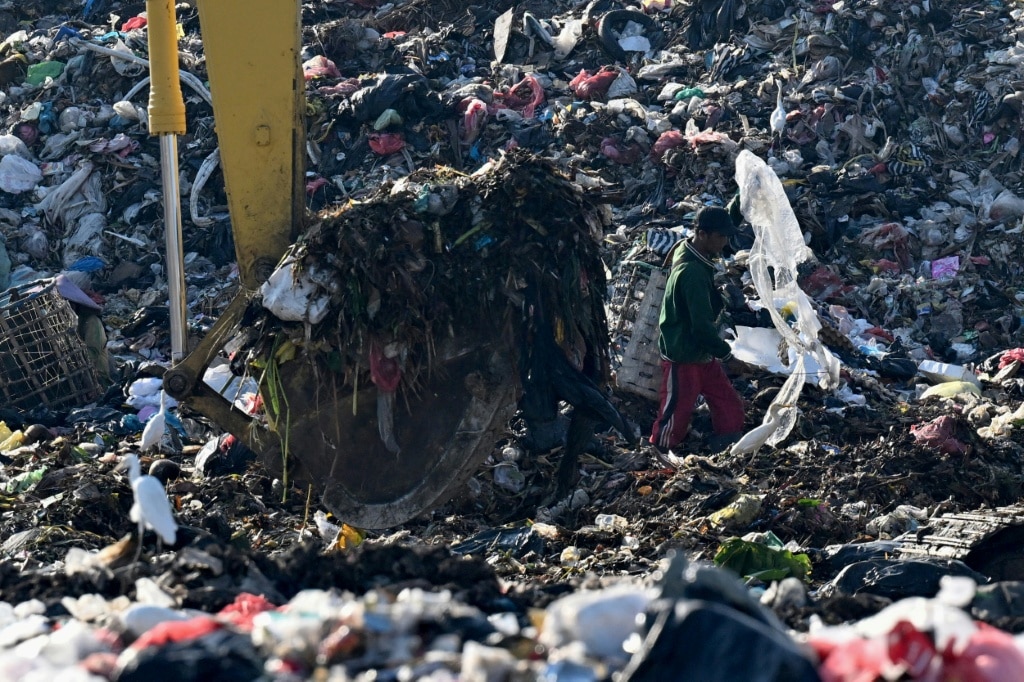
The idyllic Indonesian resort island of Bali, globally celebrated for its lush natural landscapes and golden coastlines that draw millions of visitors annually, is currently grappling with an escalating public health and economic crisis after authorities moved to enforce a decade-old ban on open dumping by closing the island’s largest landfill to incoming organic waste earlier this April. With no viable alternative waste disposal infrastructure rolled out ahead of the policy change, rotting garbage is now piling up along sidewalks, tourist hubs, and residential streets across the island, bringing with it foul odors, rodent infestations, and dangerous acrid smoke from illegal trash burning that has sparked widespread health concerns among locals and visitors alike.
For small business owners like Yuvita Anggi Prinanda, who runs a popular sidewalk flower stall in central Bali, the crisis has hit directly to the bottom line. Even the sweet fragrance of her fresh bucketed blooms cannot cut through the stench of accumulated waste that has gathered near her shop. Yuvita, who produces four large bags of organic waste daily from discarded leaves and flower trimmings, told reporters she has been forced to dip into her already thin profits to pay a private waste hauler to remove the trash. “Some customers, bothered by the persistent smell, end up leaving without making a purchase,” the 34-year-old entrepreneur explained. Her daily waste is just a tiny fraction of the roughly 3,400 tons of garbage Bali generates every single day, a volume inflated by the seven million international tourists that visited the island in 2024 – far outnumbering the island’s native population of just 4.4 million.
The policy shift that sparked the crisis is not new: Indonesia formally banned unregulated open landfills back in 2011 as part of a national waste management reform, but widespread enforcement never followed. Thirteen years on, fewer than a third of the country’s 485 original open landfills have been permanently shuttered, and only around 30% of the nation’s annual 40 million tons of waste is properly processed or recycled, according to government data. The remaining 70% is dumped illegally into rivers, oceans, or open unregulated sites. Now, the national government is moving to finally implement the full ban, targeting August for a complete phase-out of all open landfills across the country – but officials have yet to outline a clear, funded plan for alternative waste processing to take effect by that deadline.
At one of Bali’s most iconic tourist destinations, Kuta Beach, the crisis is on full public display: waist-high piles of sealed garbage bags now line the popular beachfront parking lot, adding to the island’s long-running struggle with plastic debris that regularly washes up on its shores. Australian tourist Justin Butcher, who has visited the beach for years, called the situation unacceptable. “You have dozens of rats here after dark, the smell is unbearable, and this just isn’t a good look for one of the world’s top vacation spots,” he said.
Local authorities have confirmed that anyone caught dumping or burning trash illegally now faces up to three months in prison and a fine of 50 million rupiah (nearly $3,000), but frustrated residents and waste workers say they have no other legal option to dispose of waste. On April 16, hundreds of Bali sanitation workers staged a protest outside the governor’s office, driving their waste-filled trucks to the site to demand solutions. “If we refuse to collect trash from residents, we get in trouble. If we do collect it, we have nowhere legal to take it,” explained protester I Wayan Tedi Brahmanca. In response to the growing unrest, the local government announced a temporary compromise: limited organic waste disposal will be allowed at the closed Suwung landfill until the end of July, buying officials a few months of time to finalize long-term plans.
Waste management experts warn that the decades-long overreliance on overcrowded open landfills has already created catastrophic safety risks. Nur Azizah, a waste management researcher at Gadjah Mada University, noted that the Suwung landfill alone was taking in 1,000 tons of waste per day, 70% of it organic, and has been operating far over capacity for years. “Organic waste trapped in unregulated landfills produces dangerous methane gas over time, which can cause explosions and trigger catastrophic landslides,” she explained. That risk is not hypothetical: in March, a collapse at Indonesia’s largest open landfill outside Jakarta killed seven people, burying nearby food stalls and parked trucks under tons of rotting waste.
Nur and other experts say the only sustainable long-term solution to the crisis is a mass public education campaign focused on home composting for organic waste, which makes up nearly 40% of all waste generated across Indonesia. Yuvita, the flower seller, agrees with that assessment. “People need clear guidance and support,” she said. “This is like telling someone who can’t swim to jump straight into the ocean – you can’t just impose a ban without giving people the tools to comply.” Local environment agency officials say they have run public awareness campaigns since last year and distributed free composting bins to households, but rollout has been slow and uneven across the island.
Indonesia’s national government says it plans to break ground on several new waste-to-energy processing projects in June, including one facility in Bali that will be able to process up to 1,200 tons of waste per day. But even if construction stays on schedule, these large facilities will take years to become fully operational, leaving Bali and other regions across Indonesia stuck in a waste management emergency that former environment minister Hanif Faisol Nurofiq recently acknowledged has reached crisis proportions across every major city and region in the country.
-

Watch: Aerial video shows destruction after tornado strikes small Texas town
For nearly six straight days, a relentless wave of severe thunderstorms and tornado activity has pummeled broad swathes of the U.S. Midwest and South, leaving a trail of damage in its wake. The latest hard-hit community is a small rural town in Texas, where newly released aerial footage lays bare the full scale of destruction unleashed when a powerful tornado tore through the area.
Drone and aircraft footage captured in the aftermath of the storm reveals widespread damage to residential neighborhoods, public infrastructure, and local businesses. Entire blocks of homes have been reduced to piles of rubble, uprooted trees litter streets and yards, and critical utility lines have been torn down, leaving hundreds of residents without power in the storm’s aftermath.
The ongoing storm system has already broken several early-season severity records across the region, with multiple tornado warnings issued daily and local emergency management teams working around the clock to conduct search and rescue operations, clear debris, and restore basic services to affected areas. For the small Texas town impacted in this latest tornado event, the recovery process is expected to take months, if not years, as residents work to rebuild their homes and their community.
Meteorologists with the U.S. National Weather Service note that above-average atmospheric moisture and unusually warm surface temperatures across the Gulf of Mexico have created favorable conditions for the sustained severe storm activity that has plagued the region this past week. Emergency management officials have urged residents in at-risk areas to remain alert for updated weather warnings and to have emergency evacuation plans ready as the storm system continues to push through the region.
-

Anti-Bezos campaign urges Met Gala boycott in New York
As the 2025 Met Gala approaches, a grassroots activist campaign has spread provocative posters across New York City’s streets and subway systems, calling for a widespread boycott of the annual high-profile celebrity fundraising event to protest Amazon founder Jeff Bezos’s role as a lead sponsor and honorary co-chair. Bezos and his wife Lauren Sanchez Bezos are set to take top honorary roles at the May 4 gala, which regularly attracts A-list guests from fashion, entertainment, business, and sports, and serves as one of the biggest fundraising events for the Metropolitan Museum of Art’s Costume Institute. But their prominent position at the star-studded event has sparked fierce pushback from activists targeting what they call exploitative and unethical business practices tied to the billionaire entrepreneur.
The campaign’s posters lean into sharp, provocative imagery to highlight criticism of Bezos and Amazon. One design shows a bottle of urine placed on a red carpet, a direct reference to longstanding reports that Amazon delivery drivers are forced to urinate in plastic bottles because rigid delivery schedules deny them regular bathroom breaks. Another poster depicts Bezos wearing a uniform from U.S. Immigration and Customs Enforcement (ICE), referencing Amazon Web Services – the company’s large cloud computing division – which holds a working contract with the agency, a body long criticized for its hardline immigration enforcement policies that gained notoriety during the Trump administration’s border crackdown.
The campaign is organized by “Everyone Hates Elon”, a UK-founded activist group that clarified its scope extends beyond targeting Tesla and X CEO Elon Musk, the world’s wealthiest person, to hold other billionaires accountable for the impact of their business and political power. Speaking on condition of anonymity over concerns of potential retaliation from powerful figures, a group spokesperson emphasized the importance of direct action against billionaires who wield outsized control over daily life. “I think it feels really powerful to take action,” the spokesperson said. “I think it’s speaking to a need that people have to stand up to some of these people that are controlling our lives.”
To fund the New York campaign, the group has raised more than 14,000 British pounds, equal to roughly $19,000, with nearly all funding coming from small individual donations that average 10 pounds per contribution. This is not the first time the Met Gala has faced public protest over its ties to extreme wealth and controversial figures. The annual event has long drawn criticism for its extravagant displays of elite affluence, and previous demonstrations have targeted the gala over issues ranging from economic inequality and environmental harm to the ongoing war in Gaza.
-
Stranded whale ferried out of German waters in barge
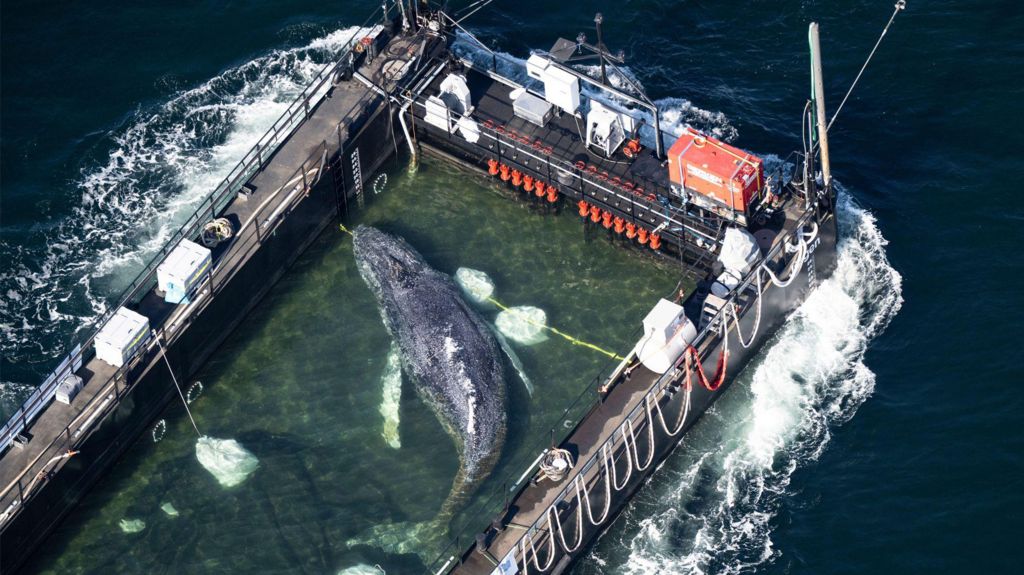
After more than five weeks of being stuck in the shallow coastal waters of Germany’s Baltic Sea coast, a young humpback whale nicknamed both “Timmy” and “Hope” has finally begun its journey to the deeper, open waters of the North Sea, carried in a custom water-filled barge towed through international waters. The unprecedented rescue operation has captured the attention of the entire German public, splitting marine experts and conservation groups over the wisdom and potential outcome of the risky mission.
The whale’s ordeal began in early March, when it likely became tangled in fishing netting before stranding on Timmendorfer Beach in Lübeck Bay on March 23. After initial efforts to dig a channel to coax the animal out to open water failed, the whale slowly moved east along the German coast, eventually settling in a shallow, low-salinity area off the coast of Poel Island, where it remained for 29 days. Over that period, the stranded whale became a national cause célèbre in Germany, with regular updates on its condition dominating local and national news cycles.
Multiple early attempts to lure the humpback away from the coast ended in failure, leaving rescuers to pursue a controversial, privately funded plan: coax the whale into a specially adapted water-filled barge, then transport it hundreds of kilometers around the Danish coast to the North Sea. The operation is funded by two German entrepreneurs, Karin Walter-Mommert and Walter Gunz, who have poured their resources into giving the whale a second chance. On Tuesday, the team achieved a major milestone when the whale voluntarily swam into the prepared barge, a moment that brought rescue workers to tears.
“I can’t even say how happy I am,” Walter-Mommert told reporters after the successful boarding, while Gunz added that he had never prayed as intensely as he had during the weeks of the rescue effort. Till Backhaus, environment minister for Germany’s northern Mecklenburg-Vorpommern state, who has become the public face of the mission, hailed the operation as a landmark example of collective action. “If everything goes well, it will be in the North Sea in two days,” he told reporters, adding that early monitoring suggested the whale was in stable condition, and even reportedly sang overnight after being secured in the barge. After the barge and its tow vessel Fortuna B exited German territorial waters, it traveled through the Baltic Sea into Danish waters, on a route that will take it around the northern tip of Jutland and through the Skagerrak Strait to its final destination.
Felix Bohnsack, the mission’s technical and rescue director, praised every partner involved in the operation, from state environmental agencies to the German lifeguard association DLRG, but cautioned that the hardest part of the journey is still ahead. “We are not yet out of the woods,” he warned Wednesday, reflecting on the 24 hours since the whale entered the barge. “The moment Hope swam into the barge was inconceivable; we had tears in our eyes; these are images I will never forget.”
The operation has faced widespread skepticism from mainstream marine experts and conservation organizations, however. An expert panel from the International Whaling Commission has already distanced itself from the plan, noting that while the effort was well intentioned, the whale appears severely compromised and is unlikely to survive even after being moved to deeper water. The Whale and Dolphin Conservation (WDC) group has echoed that assessment, warning that the whale has already sustained permanent skin damage from the low-salinity waters of the German Baltic coast. For the rescue to be successful, WDC officials note, the whale’s skin must fully heal and it must quickly learn to hunt for food independently in its new habitat. The German Oceanographic Museum has added that the weakened animal faces a constant risk of drowning during the transport due to its compromised condition.
A small number of experts have offered a more cautious optimistic take. Marine biologist Fabian Ritter told German press agency DPA that the whale has demonstrated a clear “will to live,” though he cautioned that this type of long-distance barge rescue is completely unprecedented, so no one can accurately predict what long-term effects the process will have on the animal. As the barge continues its northbound journey toward the North Sea, the entire nation of Germany remains closely watching for updates on the whale’s fate.
-
Shot fired after child picks up discarded gun
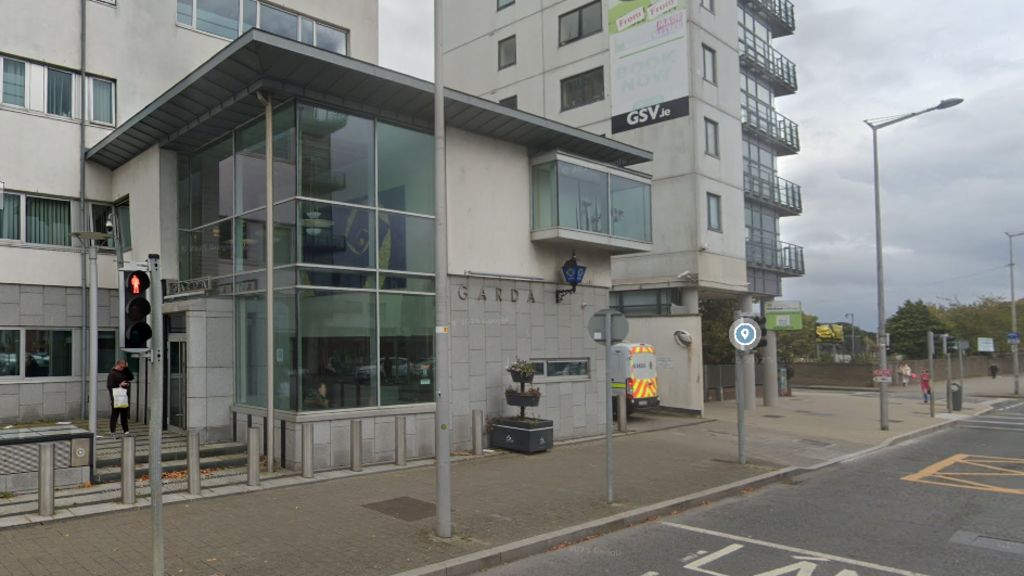
On a Tuesday afternoon in Dublin’s Ballymun neighborhood, a near-tragedy unfolded just steps away from the local Ballymun Garda Station, highlighting the growing danger of unresolved gang violence plaguing the community. What began as a routine police response to a reported firearm incident turned into a scare that has left local residents and public officials demanding greater safety measures.
According to official statements from An Garda Síochána, Ireland’s national police service, uniformed unarmed officers responded to emergency calls around 15:00 local time. During their response, officers launched a foot pursuit of two male suspects: one teenage boy and one man in his 20s, with one suspect traveling on an e-scooter. As the chase unfolded near the residential area of Sillogue Gardens, one suspect discarded a loaded firearm in a dense bush before both suspects were taken into custody.
Shortly after the arrests were completed, an 11-year-old child exploring the area stumbled across the hidden weapon. When the child picked up the gun, the loaded weapon discharged a round. Miraculously, no bystanders or the child were injured in the shooting, but the incident has sent shockwaves through the tight-knit community.
Local councillor Conor Reddy, representing the People Before Profit party, confirmed that the incident is tied to an ongoing, bitter drugs feud that has sparked an escalating cycle of violence across Ballymun in recent months. He warned that repeated firearm incidents in residential areas are normalizing violent behavior for young people growing up in the neighborhood, a trend he called deeply alarming.
This event is not an isolated occurrence. Just three days prior, on Sunday, Gardaí from the Drug Unit conducting a routine foot patrol discovered a second loaded handgun hidden in a bush near Coultry Park’s public playground. That weapon was found with a round already in the firing chamber, and it has been sent for ballistic and forensic testing. As of the latest updates, no arrests have been made in that case, though investigators confirm they are following a clear line of inquiry.
Following Tuesday’s shooting, Gardaí confirmed that the 20s-aged suspect remains in police custody, while the teenage suspect has been released pending a full report to Ireland’s Director of Public Prosecutions. Law enforcement officials also noted they are providing support services to the family of the 11-year-old child who found the weapon, to help them process the incident.
Local public officials have united to call for urgent action to address the growing safety crisis. Independent councillor Gavin Pepper has submitted an emergency motion to Dublin City Council, demanding that new closed-circuit CCTV cameras be installed in all local public parks and that full-time park rangers be assigned to conduct regular patrols to deter illegal activity. Fianna Fáil councillor Keith Connolly added that the gun involved in Tuesday’s discharge has not yet been recovered by police, with early reports indicating two young people on bicycles removed the weapon from the scene after it fired. Connolly is calling for high-visibility policing in Ballymun matched to the resource levels already deployed in central Dublin, arguing that residents of suburban neighborhoods deserve the same level of protection as those in the city core.
Cllr Reddy emphasized that the most disturbing detail of the incident is the young age of people both involved in the feud and affected by it. “For an 11-year-old child to stumble across a loaded gun in their neighborhood is every parent’s worst nightmare,” he said, echoing the concerns of residents across Ballymun who now fear for their children’s safety as the drugs feud continues to escalate.
-

France investigates reappearance of website linked to Pelicot crimes
France’s justice system has launched a formal probe into the unexpected resurgence of a controversial platform tied to one of the country’s most high-profile violent sexual crime cases, renewing urgent calls for stronger regulation of unmoderated anonymous online spaces. The original platform, Coco.gg, first gained infamy during the 2024 trial of Dominique Pelicot, a man convicted of drugging his wife Gisèle Pelicot for more than 10 years, raping her repeatedly, and recruiting more than 50 random strangers via the platform’s chatrooms to join in the attacks. Forty-nine additional men were also convicted of rape, attempted rape, or sexual assault against Gisèle Pelicot in the December 2024 ruling, all of whom had connected with Pelicot on the platform.
Long before the Pelicot case brought national attention to the platform, French law enforcement had linked Coco.gg to a litany of other serious crimes, including widespread child sexual abuse, drug trafficking, and even murder. The site operated with no content moderation whatsoever and required no user registration, allowing anonymous users to access open chatrooms with zero vetting. By the time authorities took the original platform offline in 2024, it had been cited in more than 23,000 official criminal activity reports, according to the Paris prosecutor’s office. The platform’s founder, Isaac Steidl, was arrested and charged with multiple offenses including possession and distribution of child pornography in January 2025, and he has formally denied all charges against him.
But in early April 2025, internet users spotted at least two new platforms with nearly identical design layouts and similar names to the original Coco site operating publicly online. One of the new platforms, Cocoland.cc, released a public statement denying any connection to the original Coco.gg and its founder. As of April 29, Cocoland.cc had been taken offline, but a second Cocoland-branded site remained accessible to users that morning.
Investigators have now opened an official investigation into the new sites on charges of “disseminating violent, pornographic, or offensive messages accessible to minors”, the Paris prosecutor’s office confirmed to the BBC. Steidl’s legal representative, attorney Julien Zanatta, told Agence France-Presse that his client has “nothing to do” with the newly emerged platforms.
Local French news outlet BFM TV conducted an on-the-record test of the accessible new platform, finding that journalists could create a pseudonymous profile and access chatrooms in seconds, with no registration requirements or identity verification checks. When a reporter posed as a 13-year-old girl, they were immediately contacted by multiple platform users who continued to send lewd photos and explicit sexual messages even after being told the account holder was underage.
Sarah El Haïry, France’s High Commissioner for Childhood, condemned the resurgence of the platform, calling it a “collective failure” in the fight against child sexual abuse, one of the most severe forms of violence against minors. “Websites like this exploit every legal and regulatory loophole, they actively seek out prey, and that prey is children,” El Haïry said in a public statement. She added that predators routinely target and approach children via these unmoderated platforms, holding both the site creators and hosting services accountable for enabling the harm. El Haïry also confirmed she has filed separate official complaints against two additional unregulated open chatroom platforms that pose similar risks to minors.
-
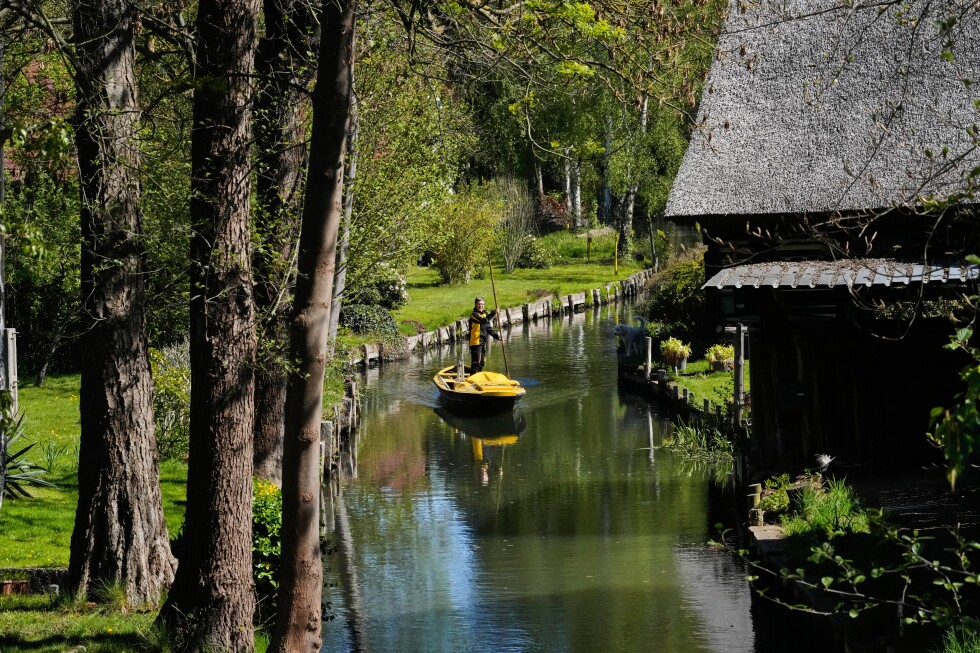
In a remote German village, mail is delivered by boat during warmer months
Tucked 100 kilometers southeast of Berlin, the historic riverside village of Lehde sits within the winding waterways of the Spreewald Forest, a protected UNESCO biosphere reserve where the Spree River splits into hundreds of narrow, shallow canals cutting through lush wetlands and old-growth forest. For 129 consecutive years, this tiny German village has held a singular distinction across the whole country: it is the only community in Germany that receives all its mail delivery by boat, a seasonal tradition that returns every spring as ice thaws and waterways become navigable once more.
This year, that long-awaited seasonal kickoff fell on a Wednesday in early April, when 55-year-old veteran postal worker Andrea Bunar stepped back onto her bright yellow 9-meter barge after a months-long winter break. For 14 years, Bunar has carried out this unique delivery route, switching between overland car trips in the frozen winter months and waterborne deliveries from April through October. On her first day back on the water, she stood at the stern of her vessel, guiding the shallow-draft barge through narrow channels with a single long oar that handles rowing, steering, and navigation all at once.
“The start of the season is always special for me,” Bunar shared as she set off, clad in her official postal uniform. “After the long winter break, I enjoy being in the nature and back on the water.” Winter overland delivery is far from ideal in Lehde: rural roads are often slick with ice and snow, forcing much longer travel times than the water route. From spring through mid-autumn, Bunar makes deliveries six days a week, dropping letters and packages into mailboxes that residents have mounted directly along the riverbanks. She also offers on-route postal services, selling stamps to locals along the remote waterway and collecting outgoing mail to bring back to the main postal hub.
The tradition of boat-borne mail delivery in Lehde dates back to the late 19th century. Before the service launched, villagers only collected their mail once a week, after Sunday church services. As rural-to-urban migration boomed across Germany, demand for more frequent long-distance communication surged, prompting the national postal service to establish regular delivery routes. For Lehde, a village crisscrossed by more waterways than paved roads, a boat delivery route was the only practical solution – turning the community into a tiny, Teutonic counterpart to Venice, built on interconnected canals.
Today, Bunar covers an 8-kilometer route every week, completing the full circuit in roughly two hours. On average, she delivers around 600 letters and 80 packages each week, a mix that has shifted noticeably in recent years: handwritten and personal letters have declined, while online shopping has led to a sharp jump in package volume. Bunar jokes that her small barge has started to feel like a miniature container ship, having delivered everything from full-sized refrigerators and lawnmowers to electric scooters. On her 2024 opening day, alongside the usual stack of bills and registered correspondence, she delivered a large industrial saw to one local resident.
For Bunar, this unconventional postal route is far more than just a job – it is a lifelong dream. “This is and has been my dream job all along,” she said with a smile, steering her barge past tree-lined canal banks. “Being on the water is just so relaxing – it slows down life.” The Spreewald biosphere, which protects hundreds of kilometers of waterways and a vast array of native plant and animal species, provides a quiet, scenic backdrop for her daily work, a pace of life that stands in stark contrast to the bustle of Berlin just an hour’s drive away.
-

King Charles III’s charity celebrates 50 years of helping young people find work with a gala in NYC
As King Charles III and Queen Camilla arrive in the United States for their first state visit since Charles ascended to the British throne, one of the monarchy’s most enduring charitable initiatives is stepping into the global spotlight: The King’s Trust, formerly known as The Prince’s Trust, is celebrating 50 years of lifting young disadvantaged entrepreneurs and job seekers out of economic uncertainty, with plans to deepen its work across the U.S. and more than 20 other countries.
The organization’s origin story traces back to 1976, when a young Prince Charles poured his entire £7,600 Royal Navy severance pay into launching the charity amid widespread economic turmoil across the United Kingdom. Half a century later, the trust reports it has supported more than 1.3 million young people across the UK, turning early seeds of opportunity into household names from actor Idris Elba to fashion designer Ozwald Boateng. But for Scottish entrepreneur Mike Welch, now a Florida-based business leader who built a multimillion-dollar fortune as an online tire retailer, the charity’s impact is a deeply personal turning point that changed the entire trajectory of his life.
Welch, a working-class dyslexic teen, left school at 15 after struggling with college entrance exams and landed a job installing tires. When that position fell through, he found himself waiting in line at a Liverpool job center, staring at two options: an opening for a funeral director role, which he calls a “great career” but a “pretty grim” path, and an advertisement for a Prince’s Trust charity event offering small business grants to young aspiring entrepreneurs. He chose the grant opportunity, and less than a day later, he was pitching his unpolished idea: selling affordable tires to niche customers like his friends who owned customized modified cars. What the plan lacked in structure, it made up for in enthusiasm — and the trust backed him. He walked away with a £500 (worth roughly $677 today) grant and access to a mentor who offered office space for his new venture. That small startup eventually sold to tire giant Michelin for £50 million ($68 million). “It wasn’t a well thought out plan, really,” Welch recalled. “But they backed me. And they backed my enthusiasm. And they gave me a chance.” If he had chosen the funeral director listing instead, he says he would have built his career in death care instead of e-commerce.
Today, the organization bears a new name: it rebranded from The Prince’s Trust to The King’s Trust after Charles became monarch in 2023. It has long outgrown its UK origins, expanding its footprint primarily across countries that were once part of the British Commonwealth, with a growing focus on the U.S. market. Its core programs are built around one core belief: young people from marginalized communities do not just need funding — they need opportunity. Offerings include Get Hired, which supports young people without college degrees to land their first full-time job; Development Awards, small grants to cover work essentials like laptops, professional clothing or training; and the Enterprise Challenge, an afterschool program that tasks students with building small businesses to solve pressing local problems.
That model has already delivered tangible results in the U.S. At Chicago’s Collins Academy High School, located in the majority-Black, economically disinvested neighborhood of North Lawndale, students launched C2C: Crops2Customers, a small business that grows and sells fresh produce to local retailers that lack access to affordable healthy groceries. The team won the King’s Trust USA Enterprise Challenge, and for principal LaKenya Sharpe, the win was about far more than the prize. “A lot of times our babies, especially in this community, feel like no one’s watching, no one is looking, no one is paying attention,” Sharpe explained. “This shows that they can achieve anything. Their belief now is ‘Oh, other people are watching. Other people are seeing this.’ And they ask ‘How far can this go?’ My answer is, ‘It can go as far as you guys take it. Don’t let anything limit you.’”
To mark its 50th anniversary, the trust will host a high-profile gala in New York on Wednesday, designed to highlight the longstanding philanthropic partnership between the UK and the U.S. The event comes at a moment of unusual political tension between the two allies: British Prime Minister Keir Starmer’s recent refusal to back U.S. military action against Iran has sparked anger from U.S. President Donald Trump. But charity observers note that Charles’ choice to center the trust during the state visit offers a quiet reminder of the shared priorities that bind the two nations beyond political rifts.
“The harsh reality today is that the need for the work of people like the trust is growing at a rate far faster than we can grow,” said Jeremy Green, trustee of the King’s Trust Group Company and chair of King’s Trust USA. JP Tribe, a senior law lecturer at the University of Liverpool who specializes in royal patronage, explained that Charles’ decision to build his own charity, rather than just lend his name to an existing organization, speaks to his longstanding commitment to youth employment. “Hopefully the gala is a kind of event which shows that both countries have and can continue to engage in very positive public benefit activity that helps the most disadvantaged in our society,” Tribe said.
King’s Trust USA has set an ambitious target: reach 1,000 young people across the country in 2024, working with local partners including education nonprofit City Year, workforce development organization Per Scholas, and Maryland public school districts to pilot its core programs. Victoria Gore, CEO of King’s Trust USA, notes that the organization’s focus on local impact aligns with what young participants already prioritize: solving problems in their own backyards. “Keeping employment in communities and keeping people in communities is actually the key to everyone’s success,” Gore said.
For Welch, who now runs the Anglo Atlantic advisory and investment firm, the blueprint for successful U.S. expansion is already proven. The model that worked for a teen in Liverpool works just as well for a student in Chicago or an aspiring entrepreneur in Orlando, he says — all it takes is partnership with local organizations that can connect the trust to the young people who need support most. “It doesn’t require giant investments to make an impact,” Welch emphasized, pointing to his own small £500 grant that grew into a multimillion-dollar business.
Looking ahead, the trust plans to launch a fundraising campaign in 2026 to build a permanent endowment for its UK operations, capping off a year of global celebrations for its 50-year legacy of opening doors for young people. The Associated Press coverage of philanthropy and nonprofits for this story received support through a collaboration with The Conversation US, funded by Lilly Endowment Inc., with the AP retaining sole editorial control over the content.